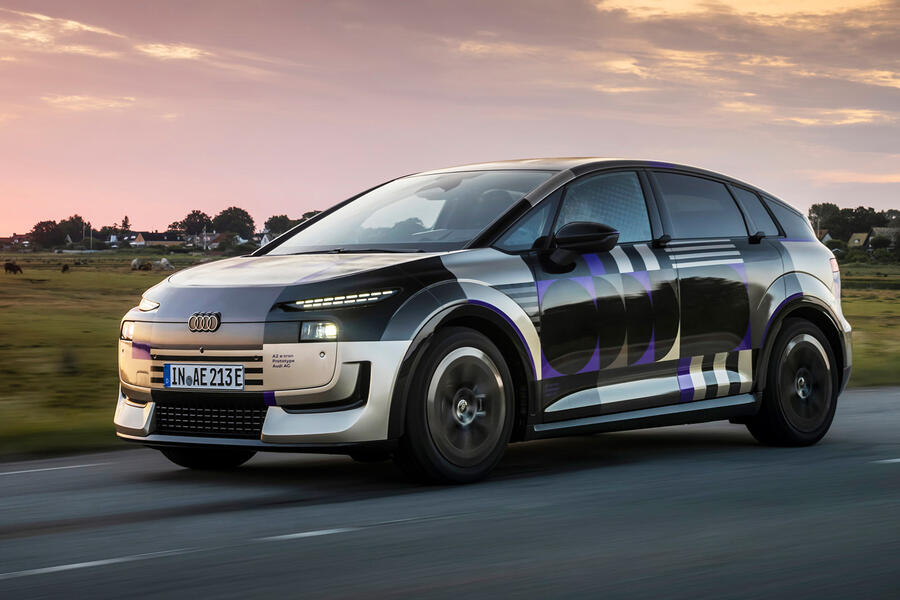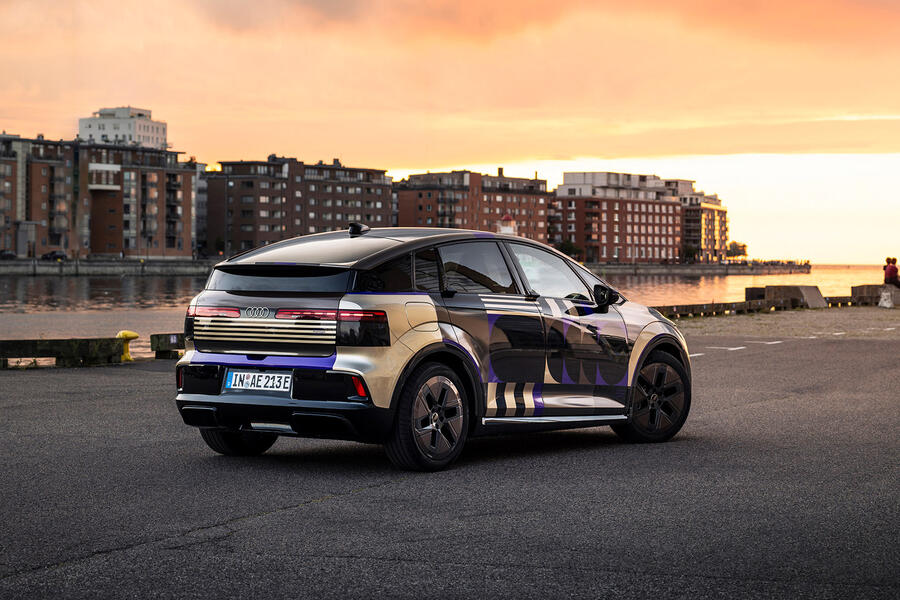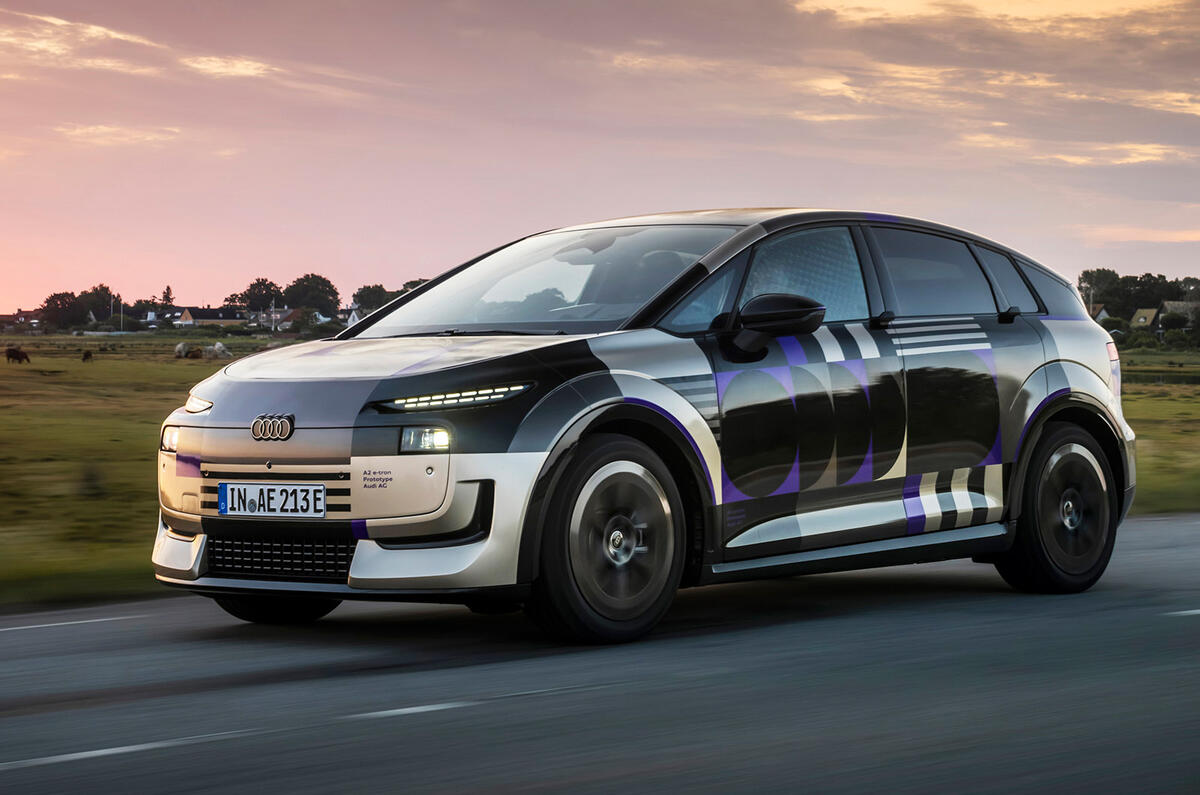
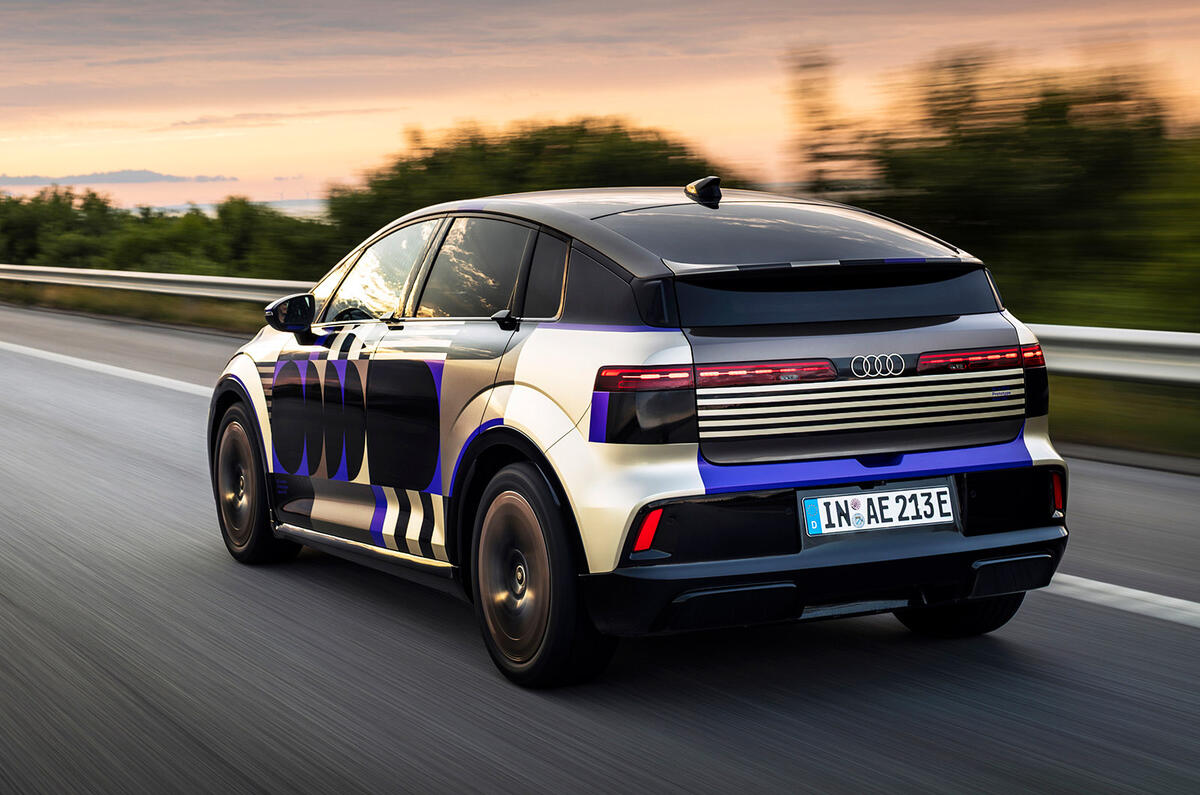
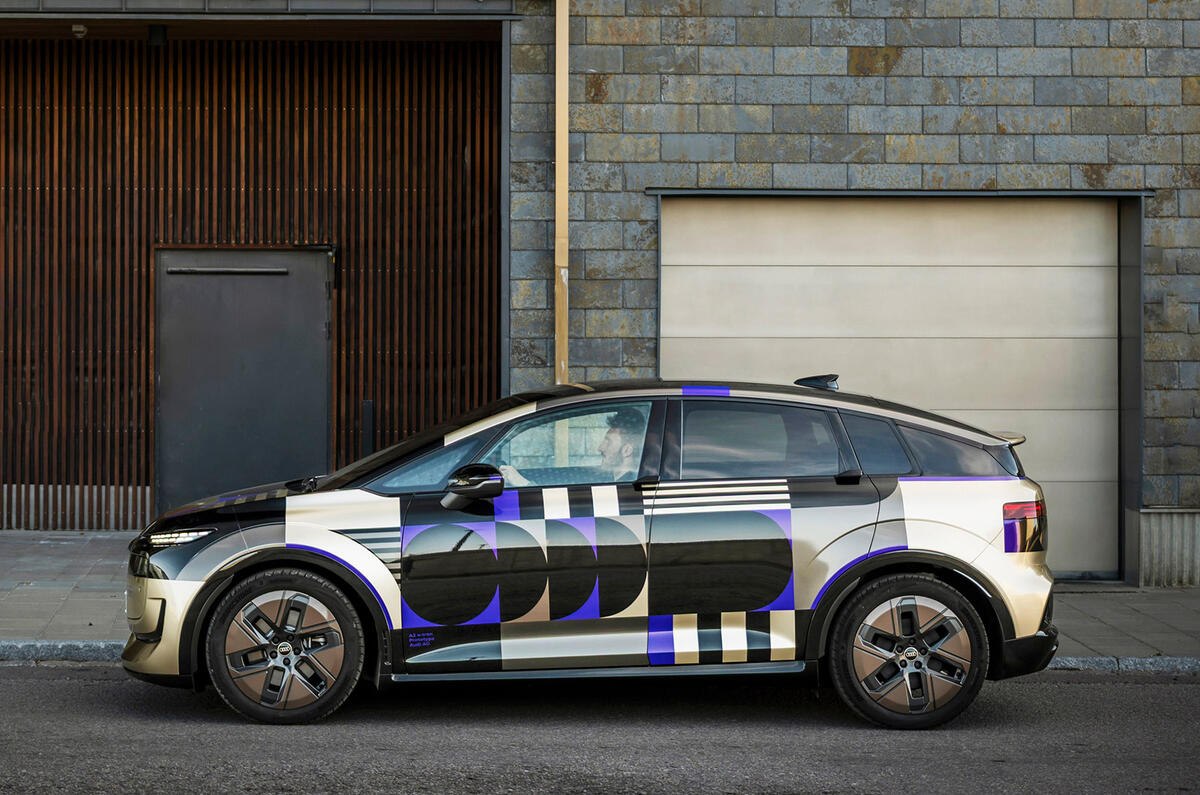
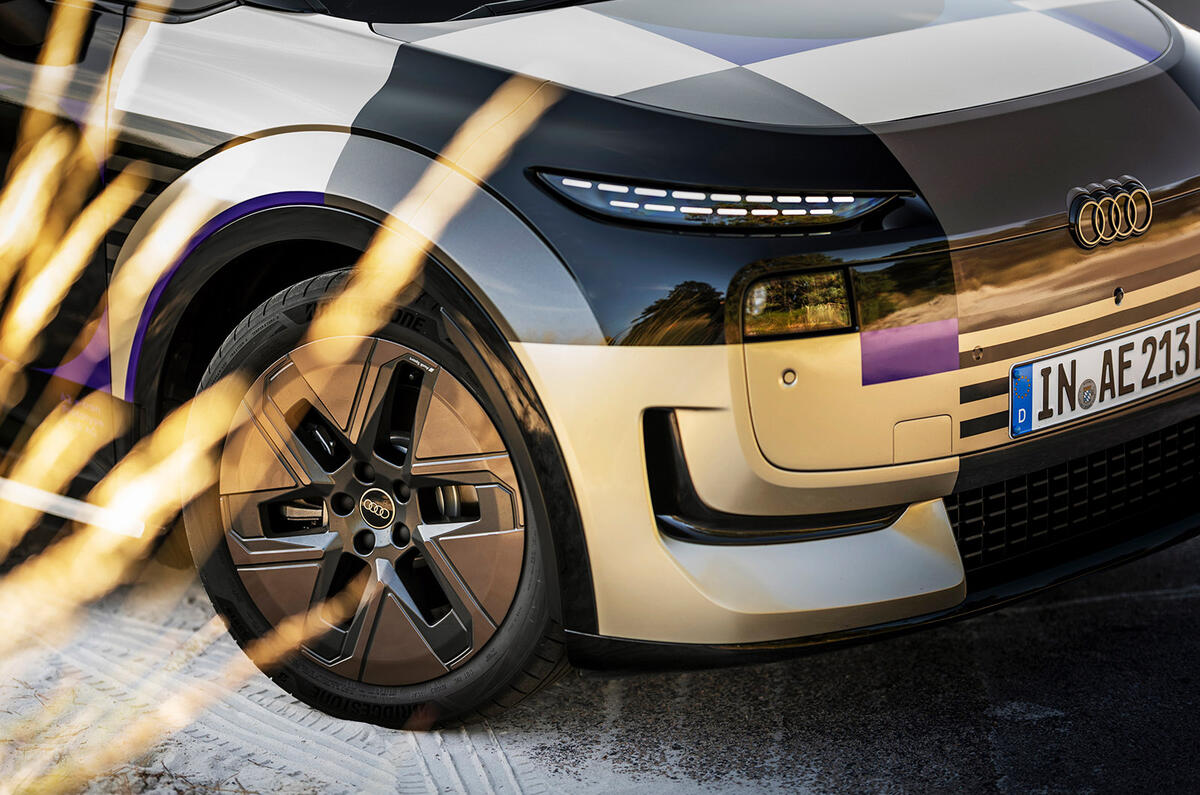
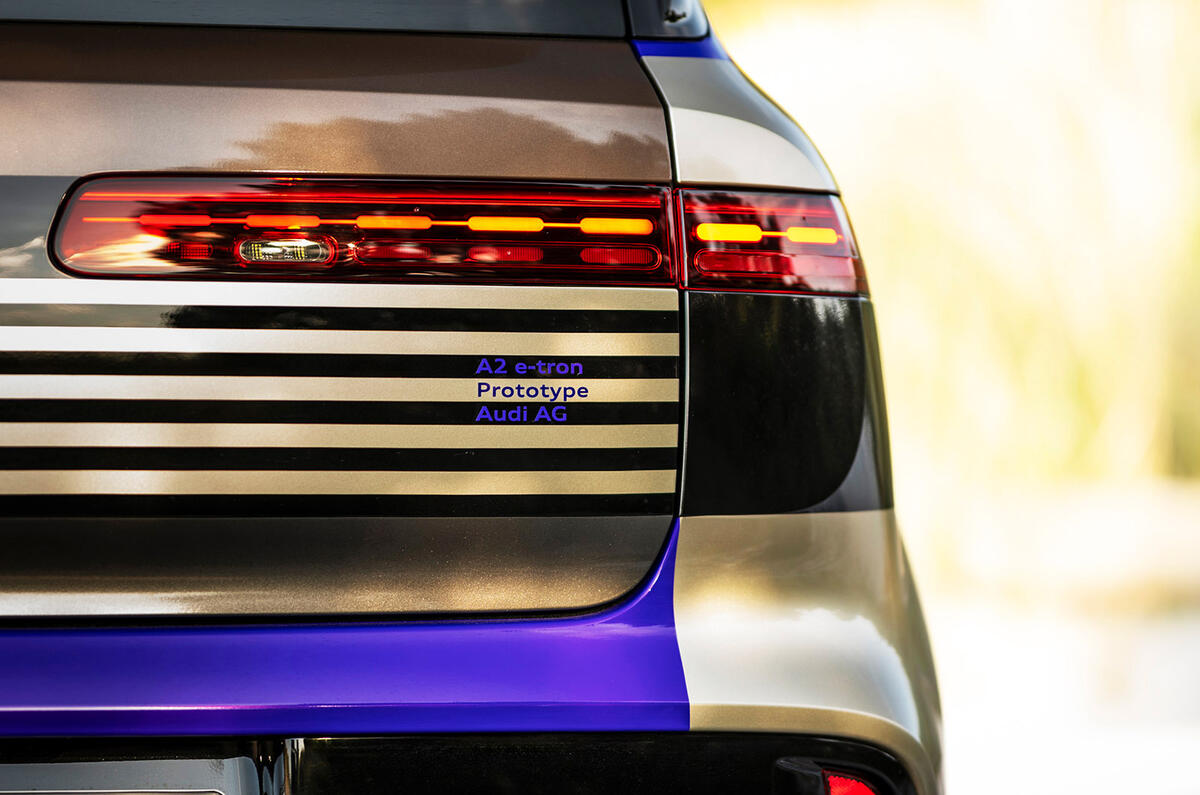
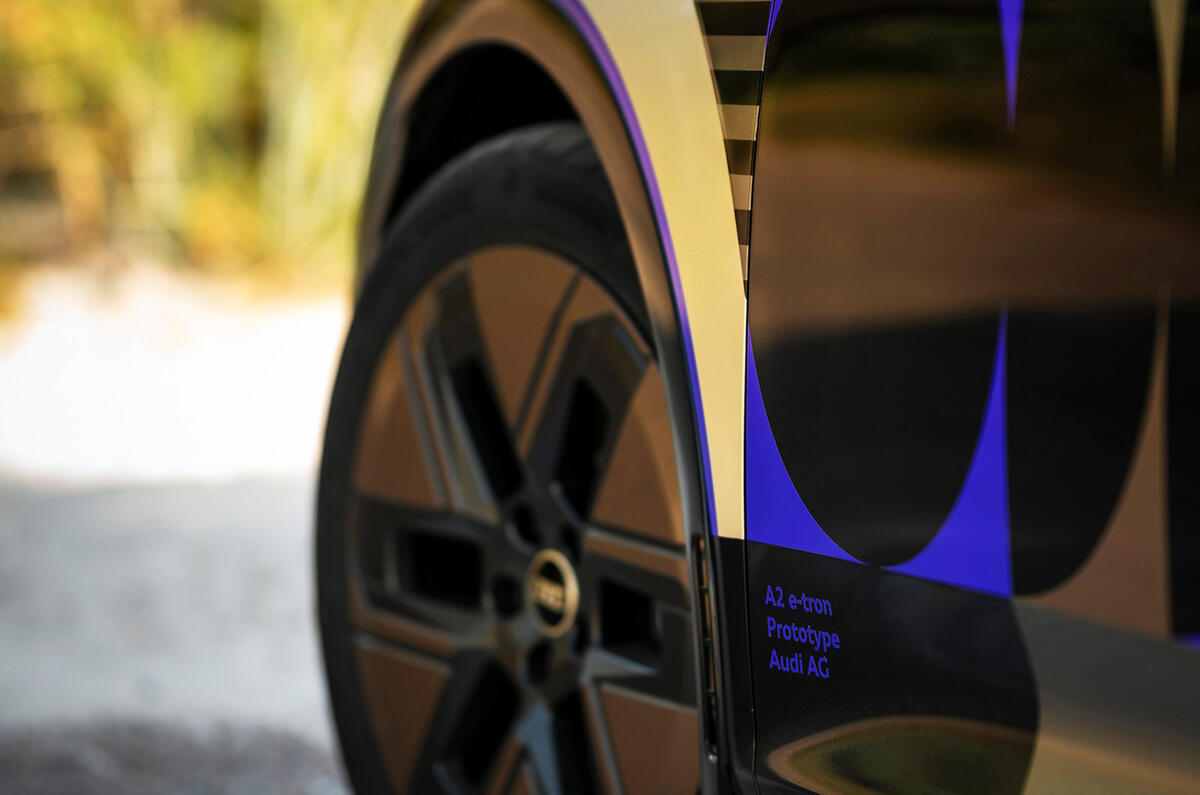
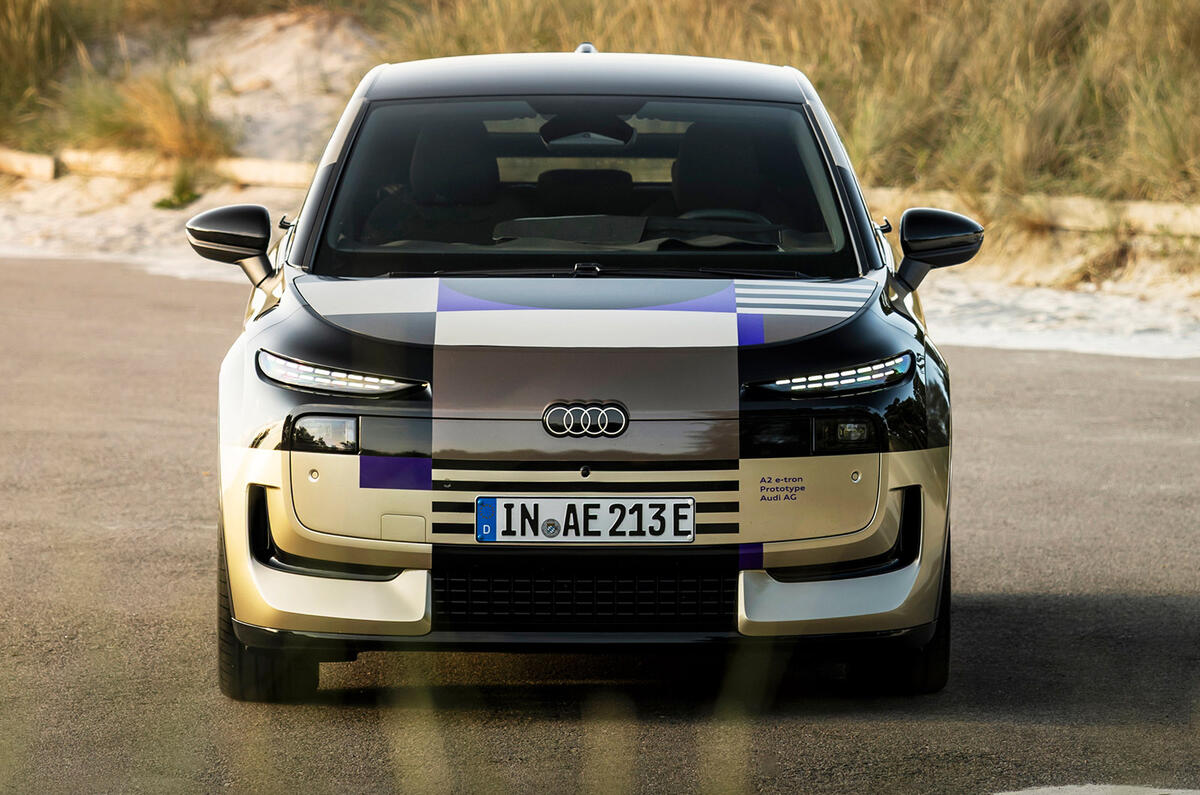
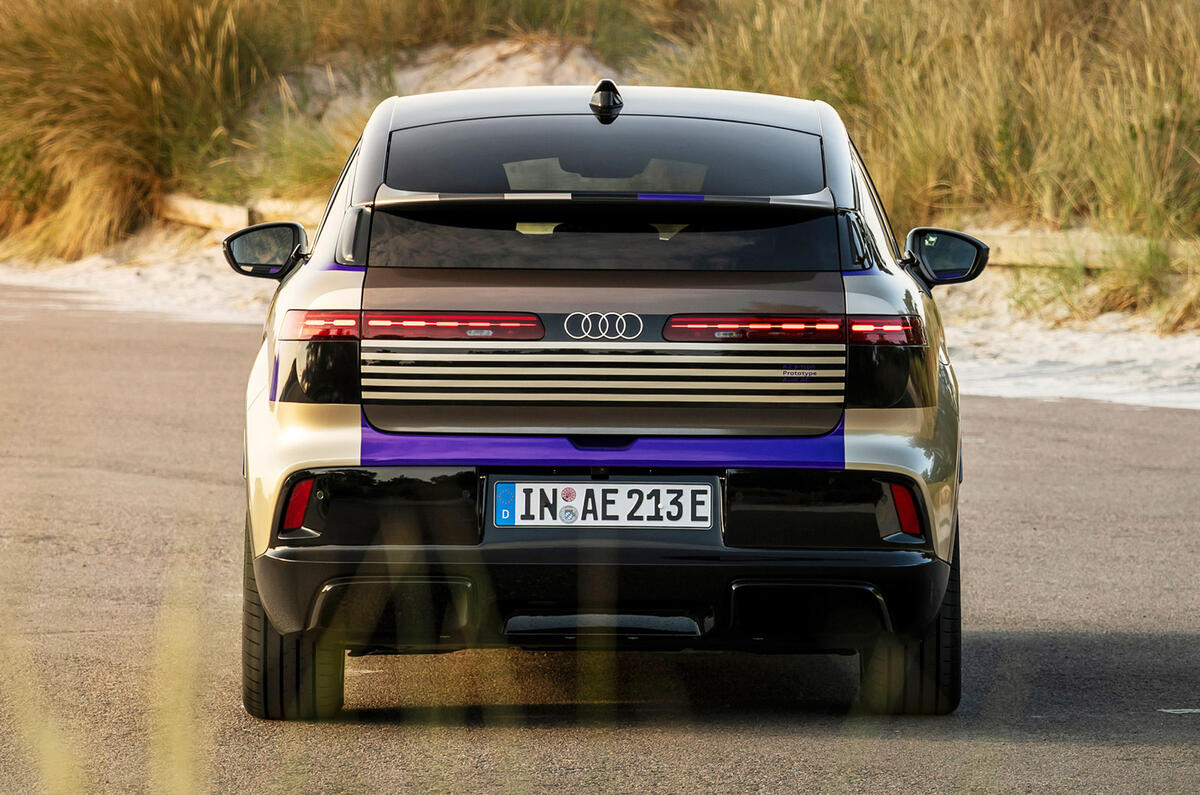
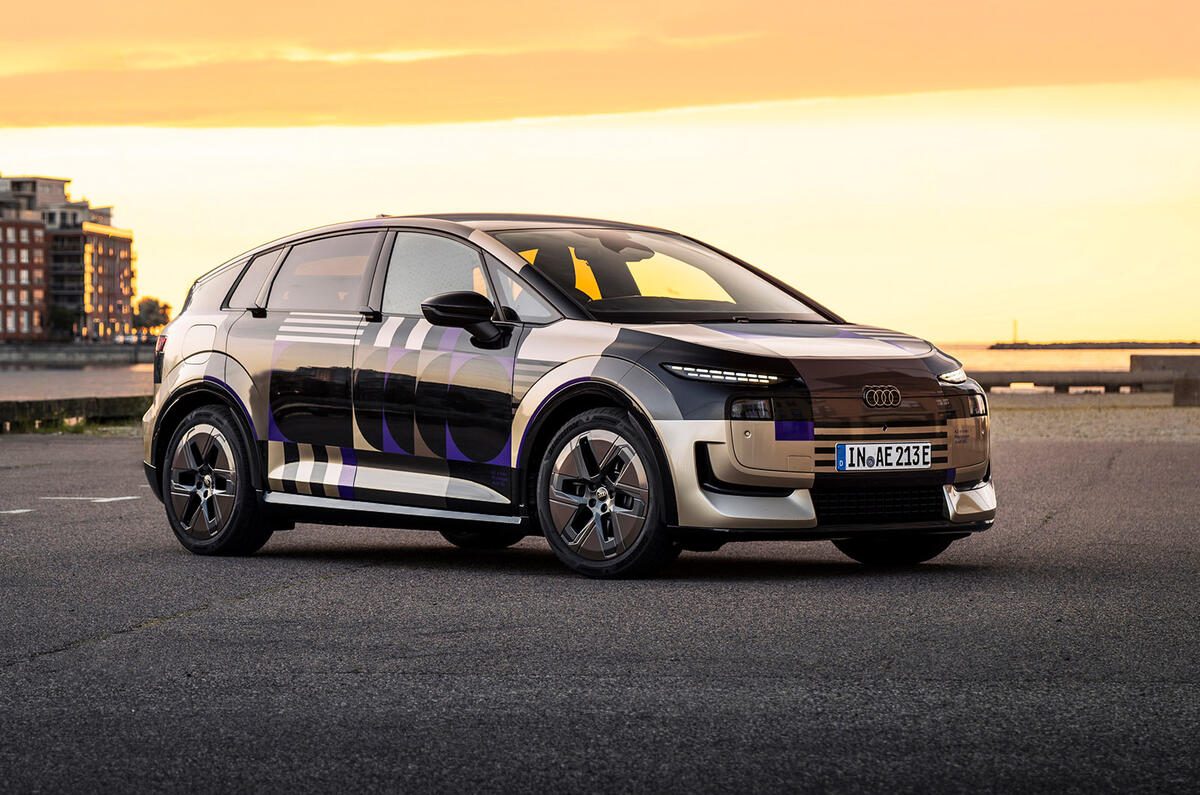
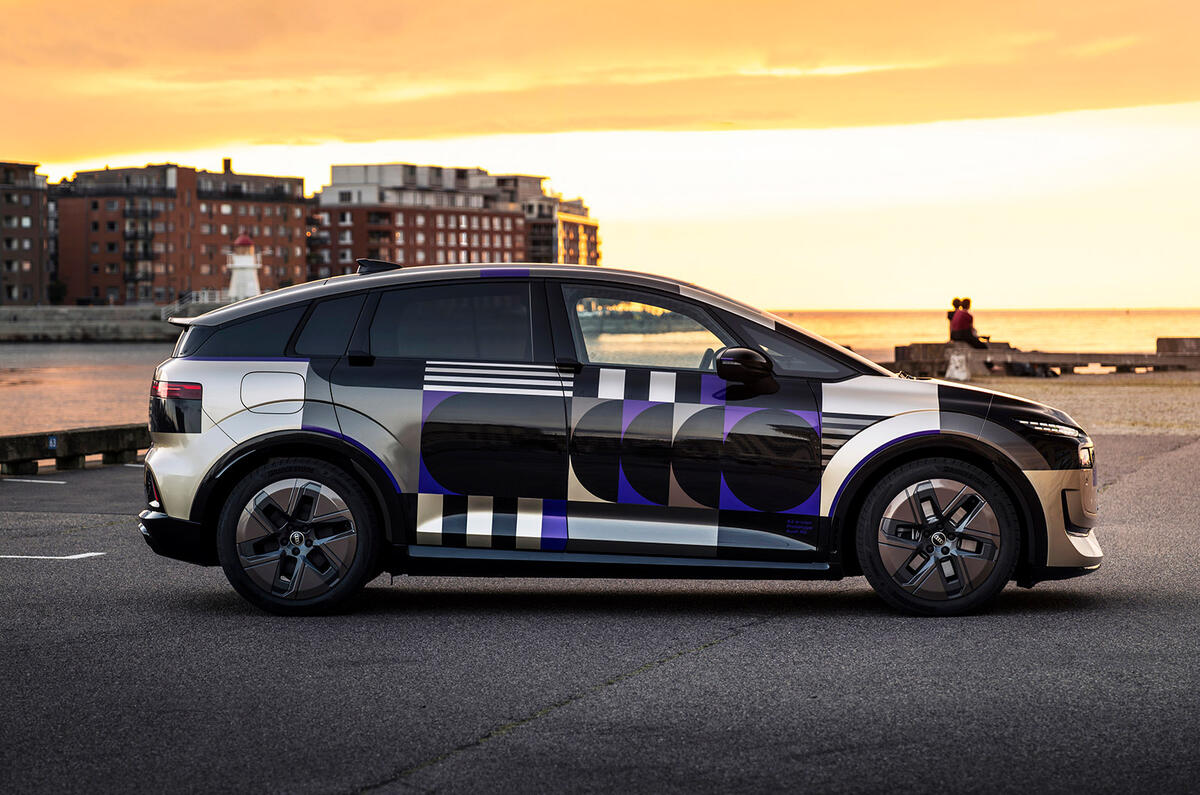
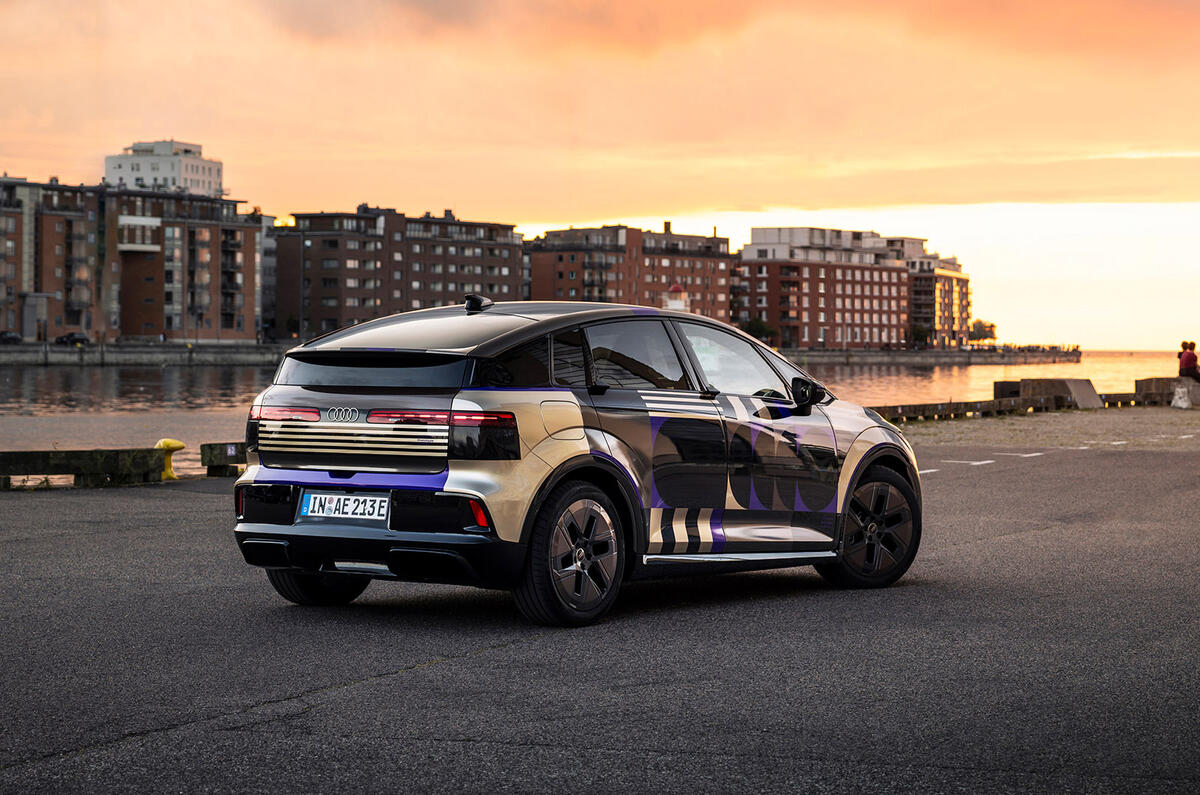
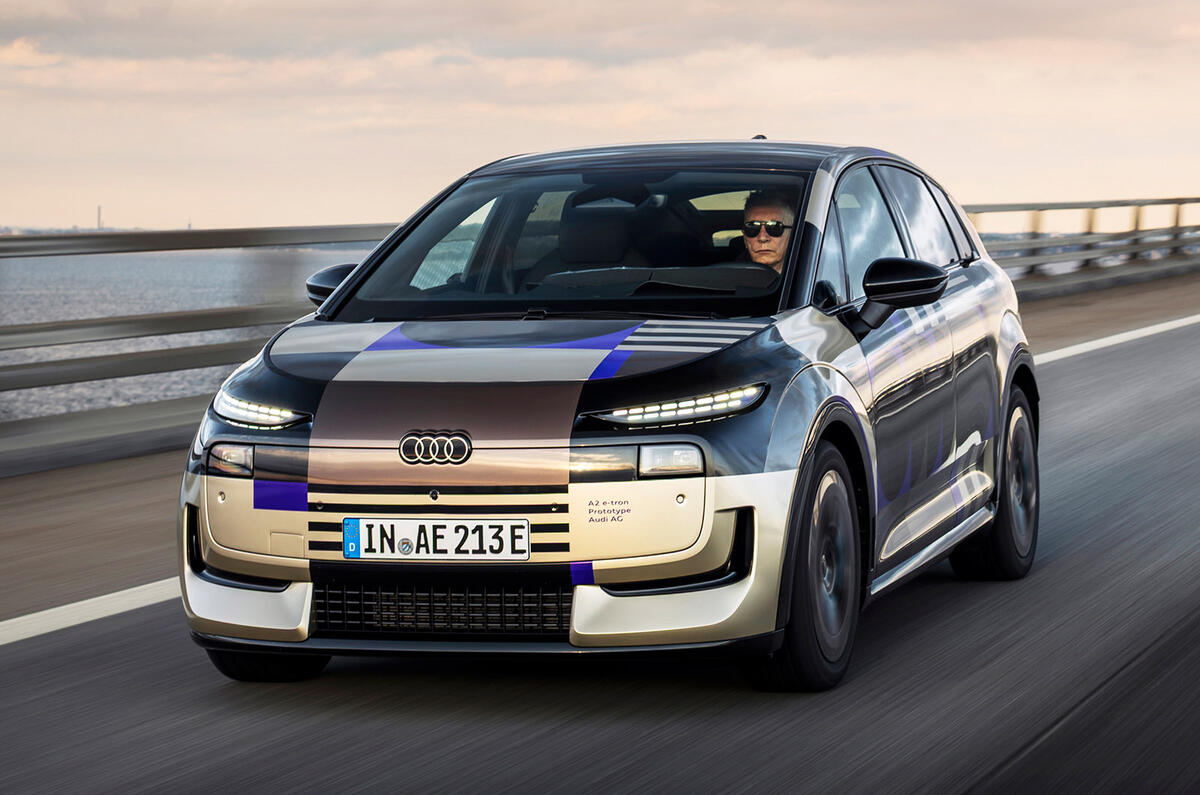
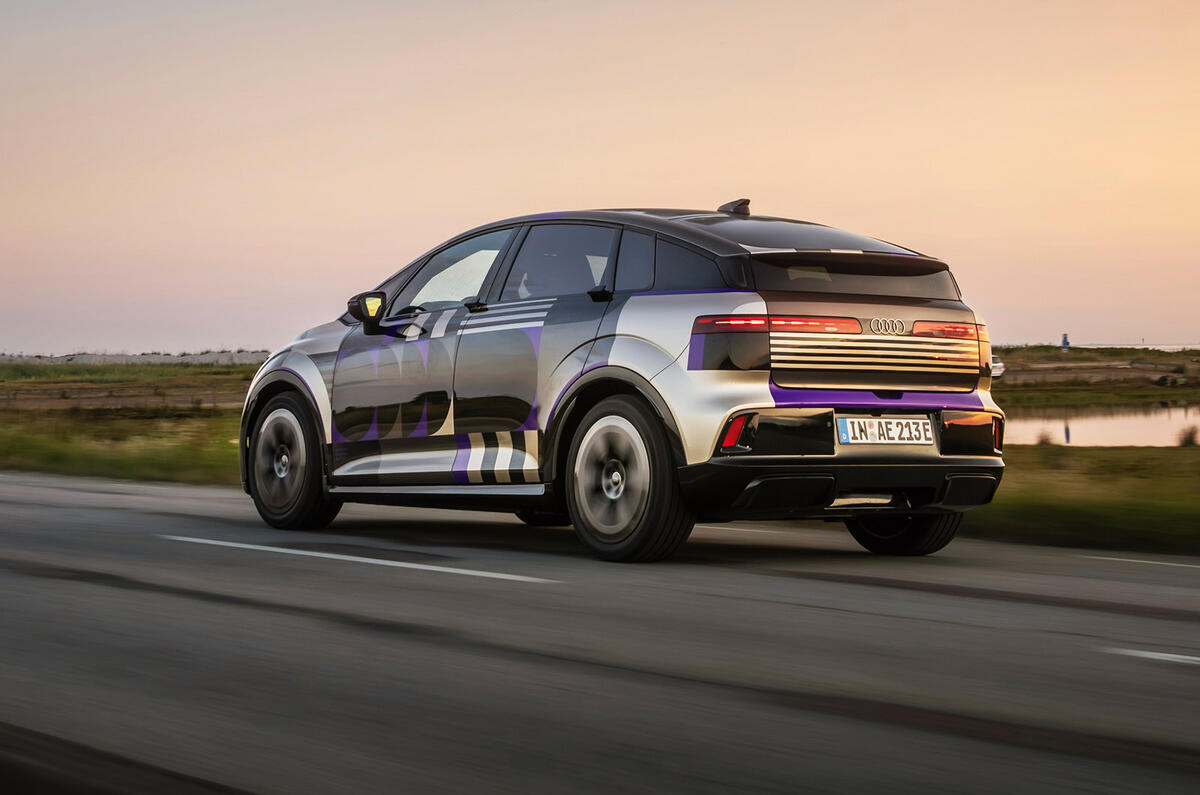
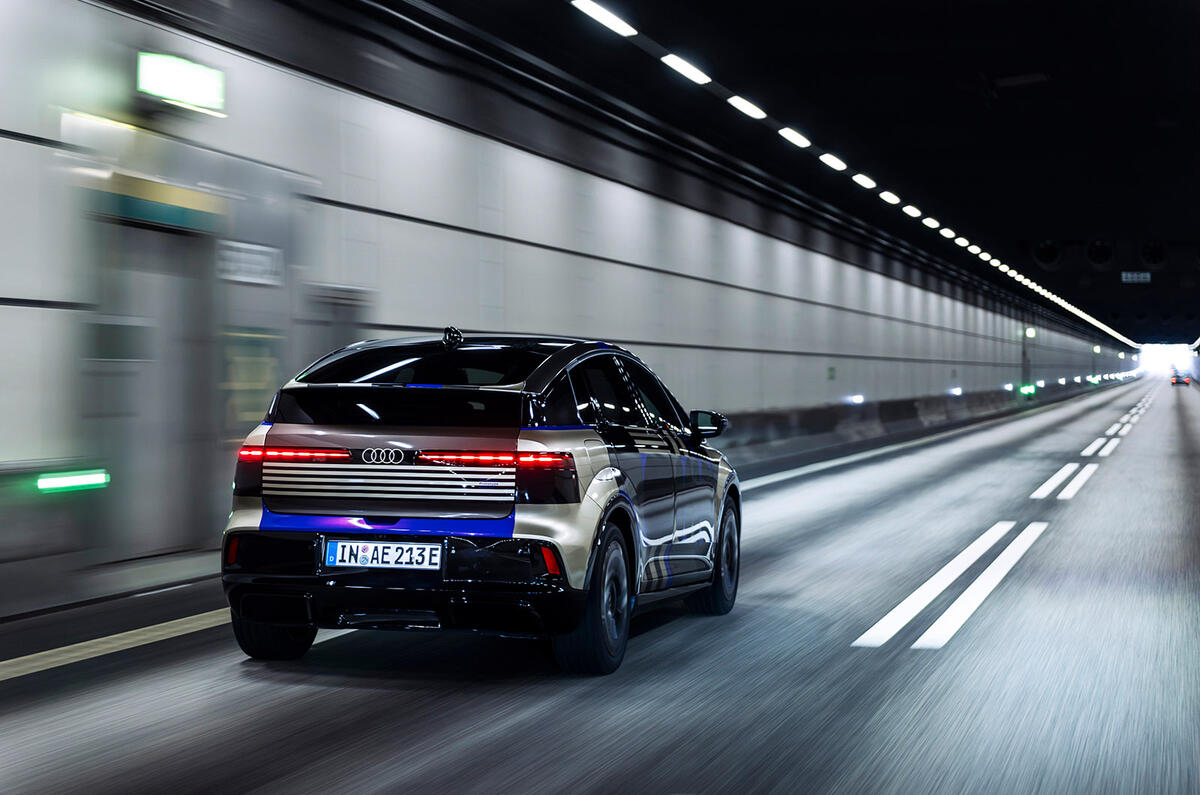
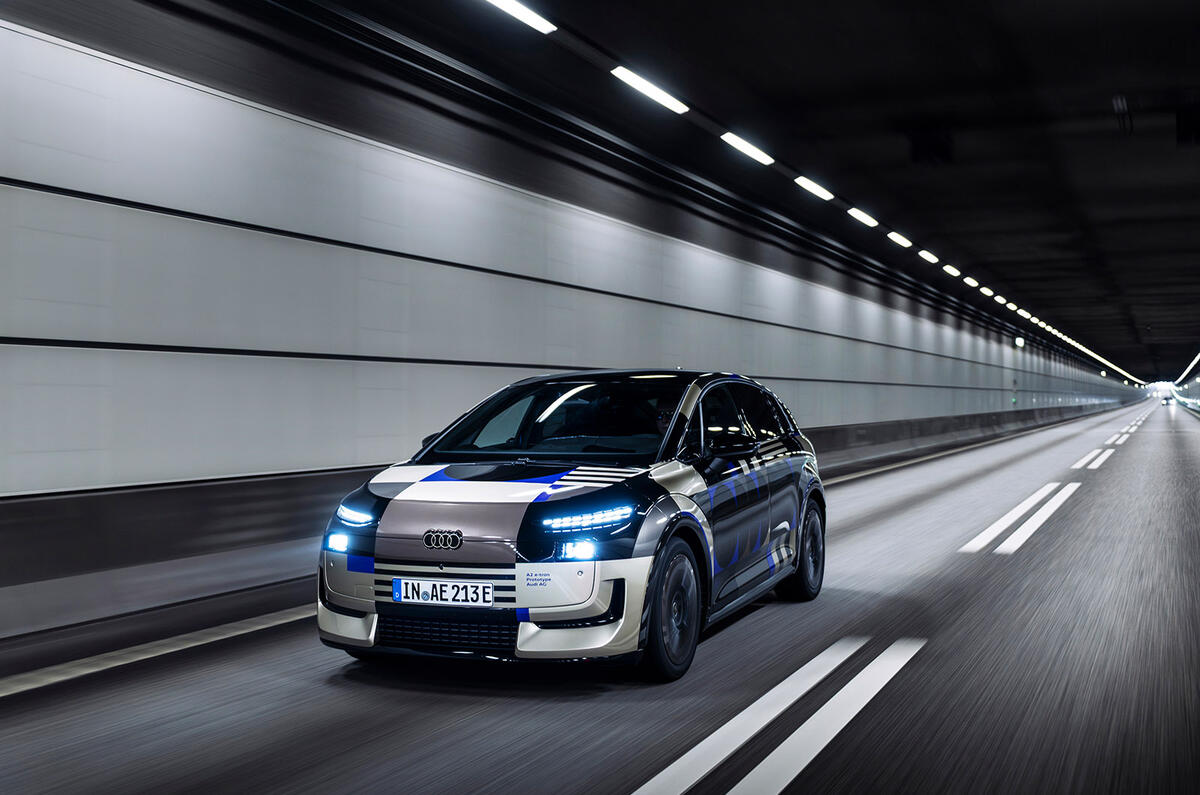
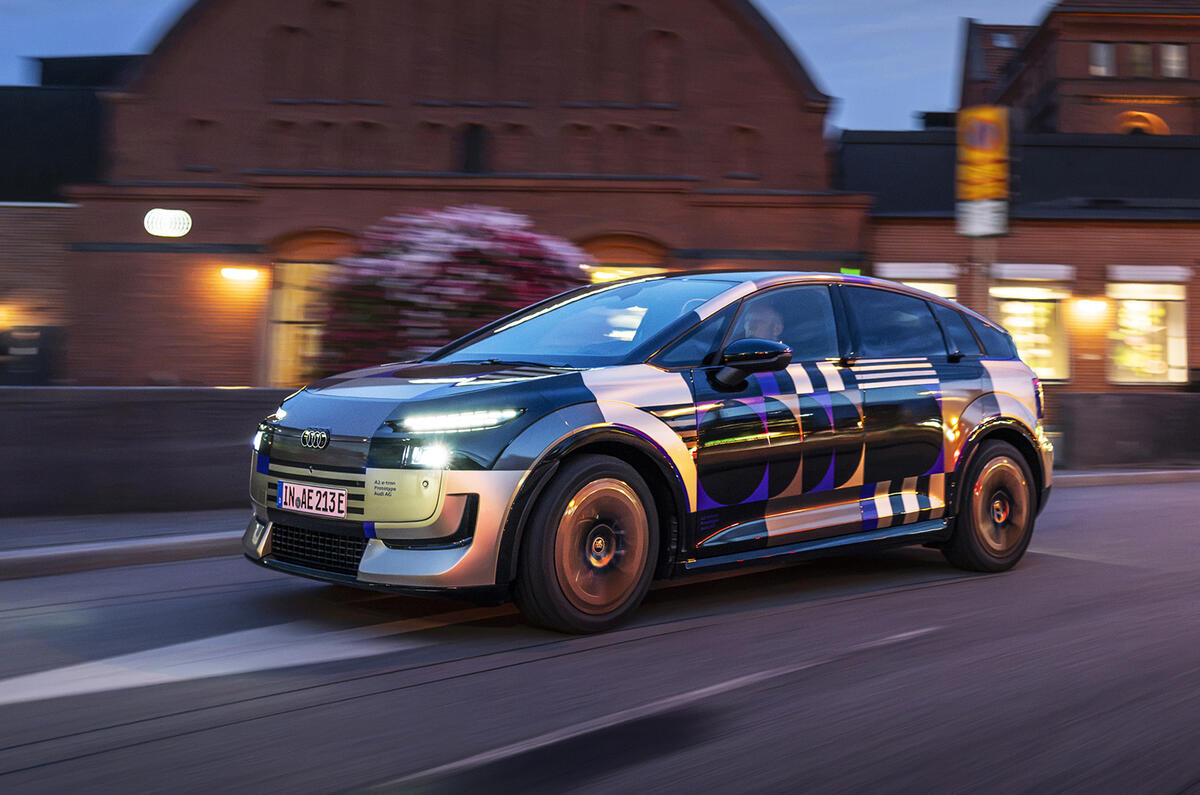
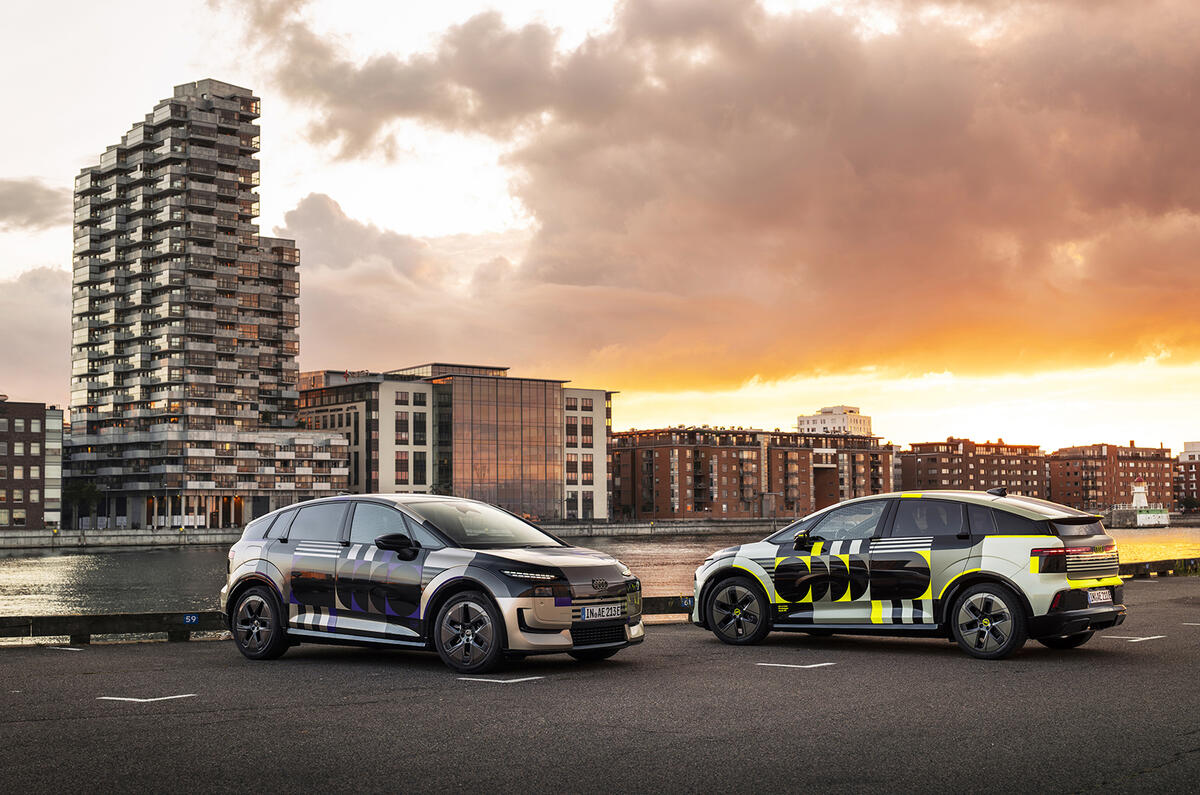
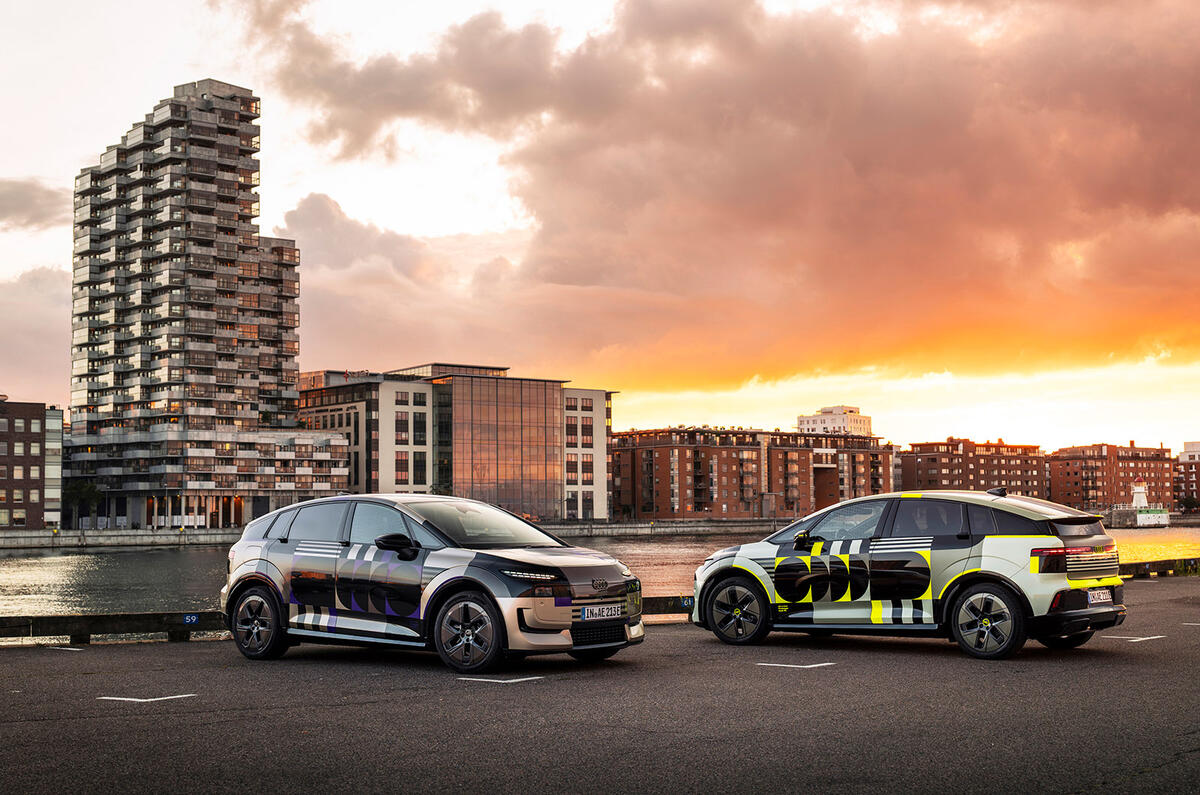



















In one of the 2020s’ less likely retro revivals, the Audi A2 is back.
The A2 has become a bit of cult classic, because it was such an uncompromising piece of engineering, using an aluminium spaceframe and radical aerodynamics to create an incredibly spacious and fuel-efficient small hatchback. But unlike the Mini and the Renault 5, it wasn’t all that popular when it was new and didn’t make its manufacturer any money.
Audi has come to the retro wave from a different angle, because it didn’t actually set out to create something that deliberately riffed on the past. The idea was to make an EV smaller than the Q4 E-tron and make it as aerodynamic as possible, so it would go farther with a relatively small battery – and it turned out that if you optimise a hatchback shape for aerodynamics, something A2-shaped is the logical conclusion.
A fairly short, bluff front end that flows into an monolithic body makes sense because it doesn’t force the air to change direction any more than necessary, as does a teardrop shape that’s cut off at the end for practicality. Try to maximise rear visibility and you end up with a split rear window.
No, the new A2 E-tron isn’t as radically innovative as the all-aluminium original. It can’t be, because making interesting but unprofitable cars isn’t a great business strategy. It also needs to be relatively affordable and indirectly replace the recently departed A1 and Q2. As a result, it’s based on more mass-market underpinnings, namely the familiar Volkswagen Group MEB platform, albeit the latest version thereof.
This comes with a raft of upgrades over previous cars, chief among which is that the middle battery option now uses lithium-iron-phosphate (LFP) instead of nickel-manganese-cobalt (NMC) chemistry, so it’s happy to be charged to 100% all the time.
The other big thing is the new ‘APP350’ electric motor, which is even more efficient, thanks to thinner materials, thinner oil and a separate oil pan, so the gears don’t constantly splash through a bath of oil, causing drag.
The A2 E-tron, then, is effectively Ingolstadt’s take on the Volkswagen ID 3. Audi isn’t releasing dimensions yet, but it’s clear the A2 is a similar size to that car. Since BMW and Mercedes-Benz have yet to come up with an electric 1 Series or A-Class, that puts the A2 up against premium-ish rivals such as the Renault Megane, Volvo EX30 and Mini Countryman E, as well as its other sibling, the Cupra Born.
Under the camouflage
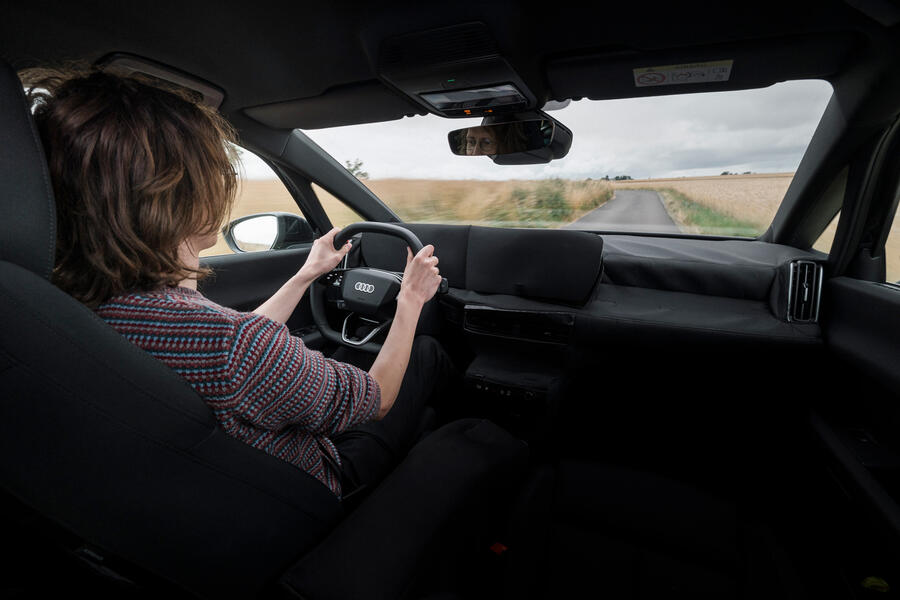
So it will need to feel a little bit posh inside. You can’t see much of the interior yet, but I had a decent peek under the camouflage sheets, revealing that the A2 shares a lot more with other recent Audis than with the ID 3. Think Q3 for the digital screens, steering wheel and 1980s-Citroën-style column stalk array.
Mostly that’s good news, because it all works intuitively and feels pretty solid and robust, but it’s still a far cry from the wonderfully tactile Audi interiors of old. There are very few physical controls, and the thick bezels on the screens remind me of a first-generation iPad.
On the door tops and the dash, Audi has gone big on the sort of knitted-looking fabric that we’ve also seen in recent Minis, which feels pleasant enough. It’s all very black and rather austere, which suits an Audi, I suppose, but I’m not sure it feels any more upmarket than a Megane.