From £108,4359

Celebrated giant-killing ‘super-Porsche’ enters the electrified era

Versatility is a strange concept to find as a core quality at the heart of a 200mph super-sports car. Yet that is how the Porsche 911 Turbo has been defined for most of its 50-year life.

The first version, built from 1975, endured for a long time, but the early ‘930’ Turbos made an impression the car would spend decades trying to erase: the ‘Widowmaker’ cast a long shadow.

The memory of that car, combined with technology proven by the 959 supercar, was what motivated Porsche to make the four-wheel-drive ‘993’ Turbo of 1995 such a pioneer. But since even before then, the 911 Turbo was set on a path to prove itself the ultimate sports car. Not only the quickest-accelerating and most powerful series-production 911 but also ready to excel on road and track, as a long-distance-runner, a grand tourer, a circuit thriller and a usable everyday driver ready for almost any conditions; to represent absolutely everything any other 911 can do – only better; and more.

The idea has now spawned 12 generations of 911 Turbo; and today - with the '992.2' Turbo S - embraces hybrid-electric powertrain technology.

Advertisement

DESIGN & STYLING

9
Porsche 911 Turbo S review 2026 002

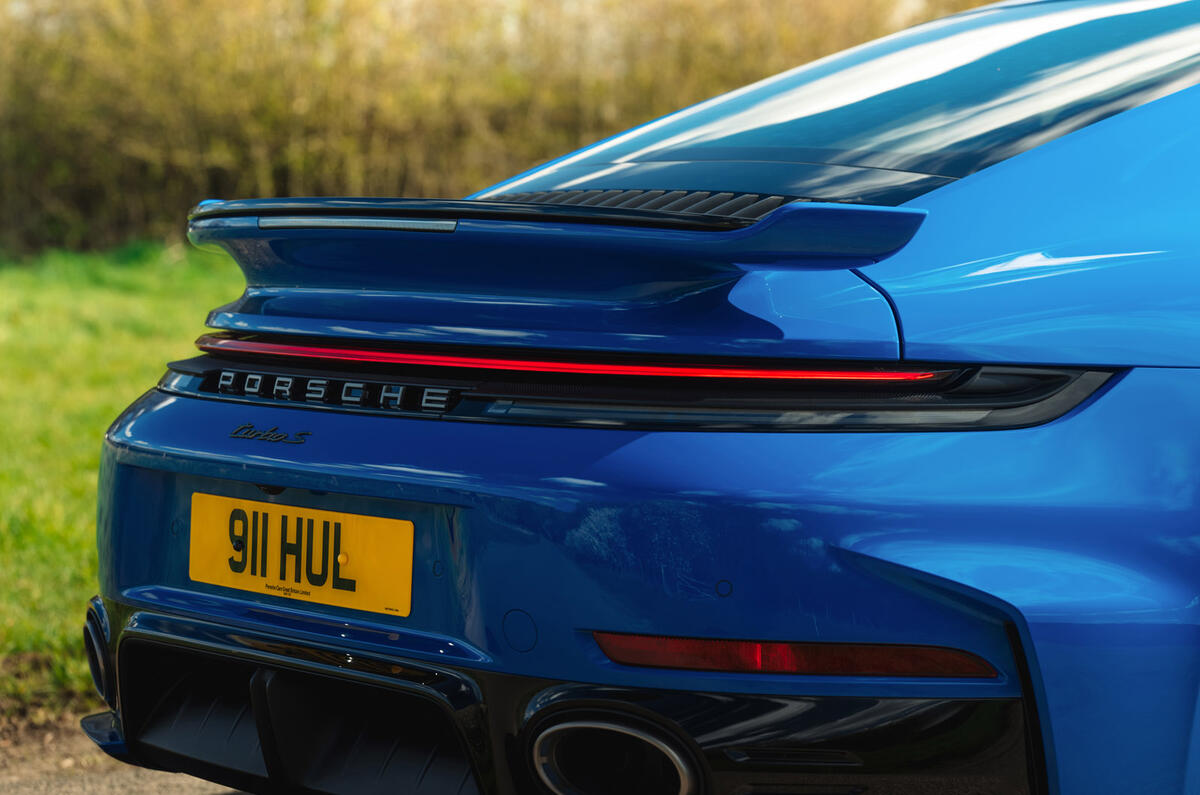
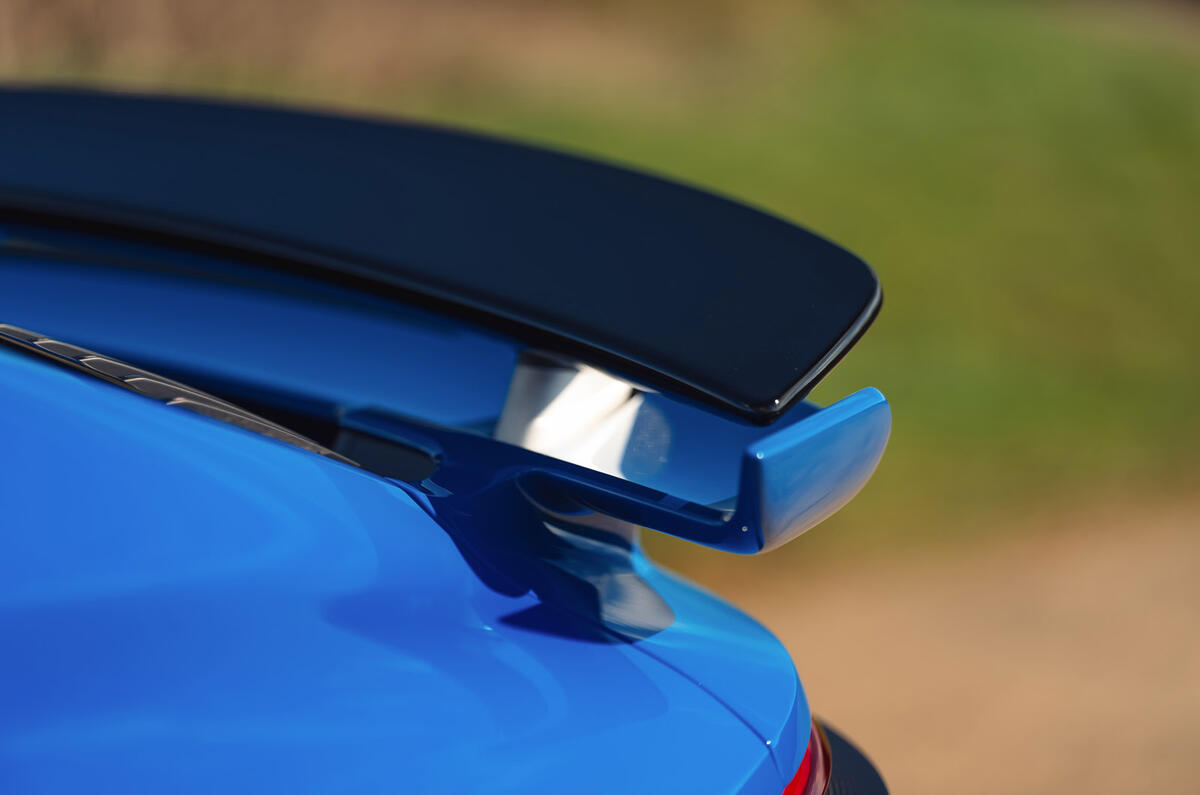
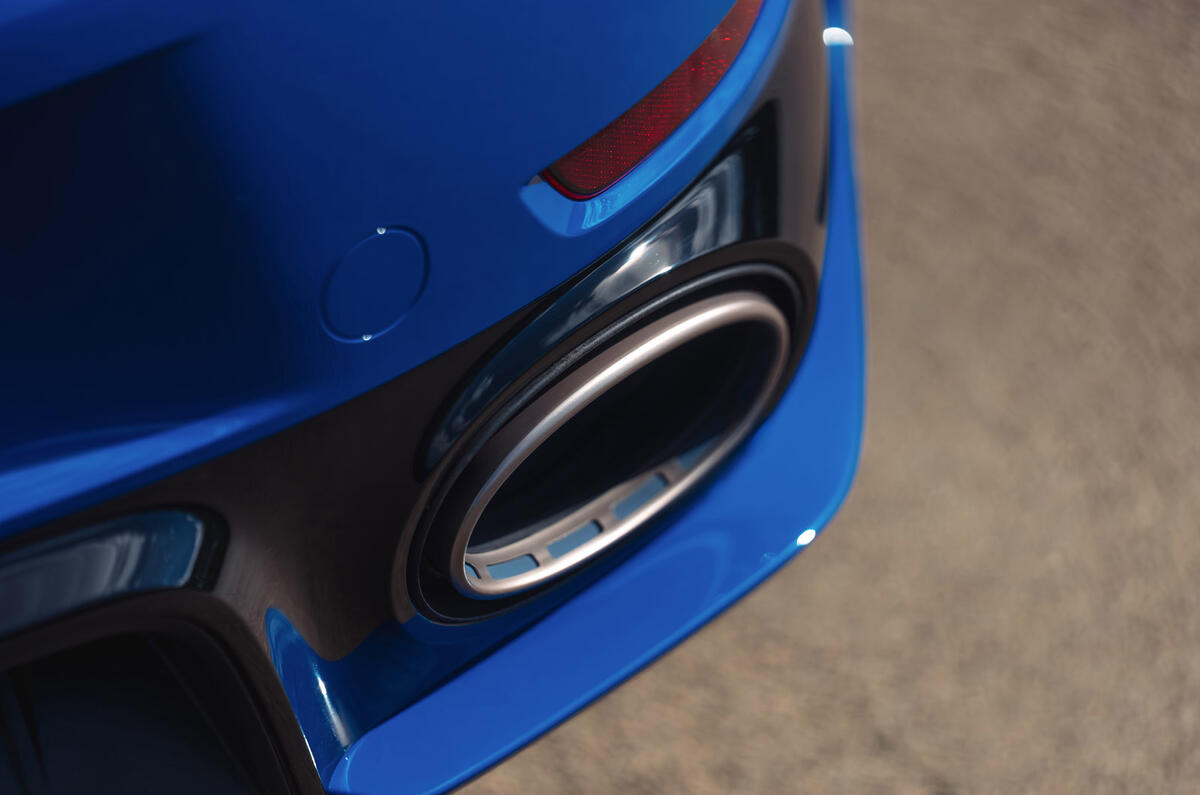
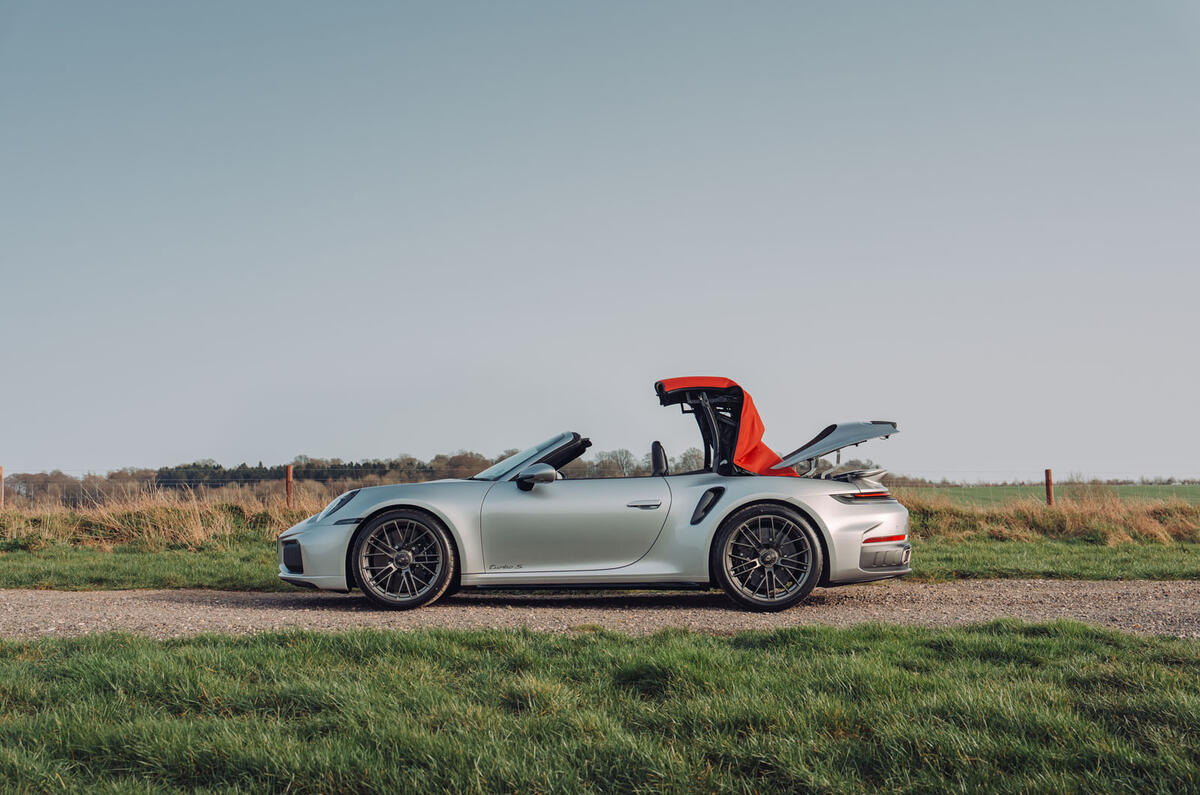
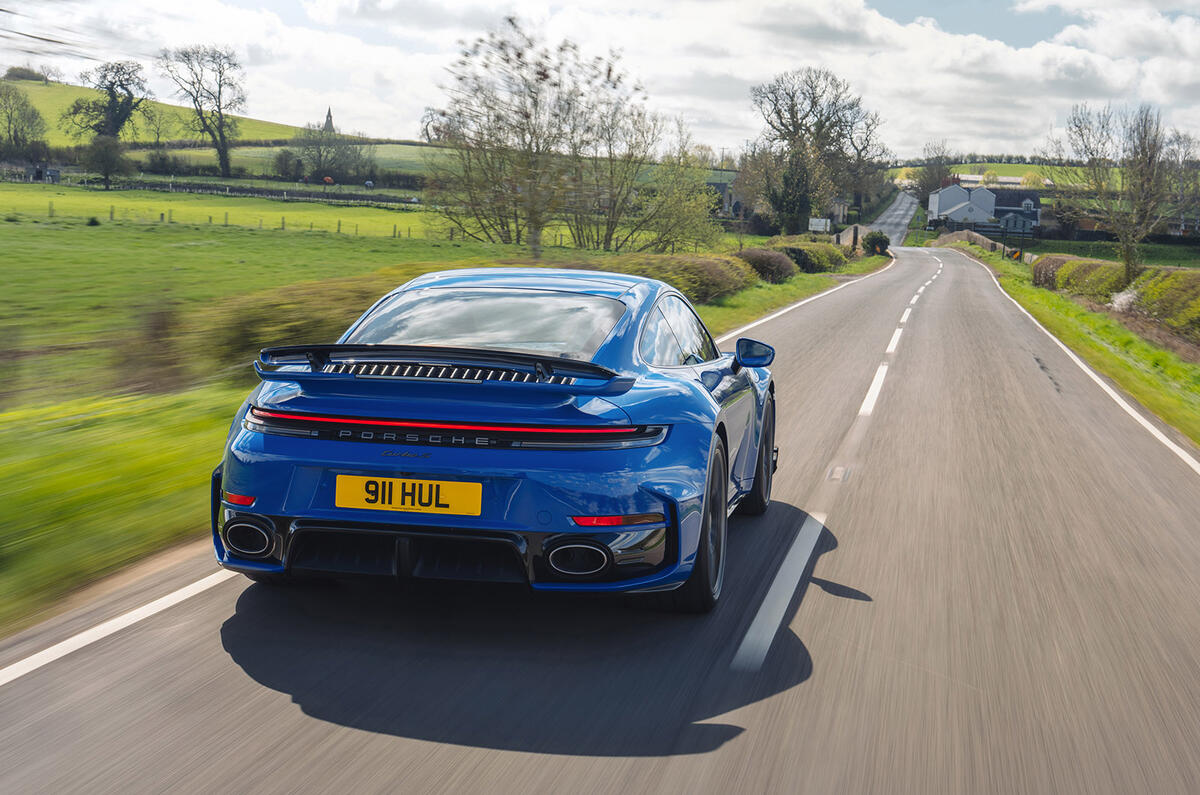
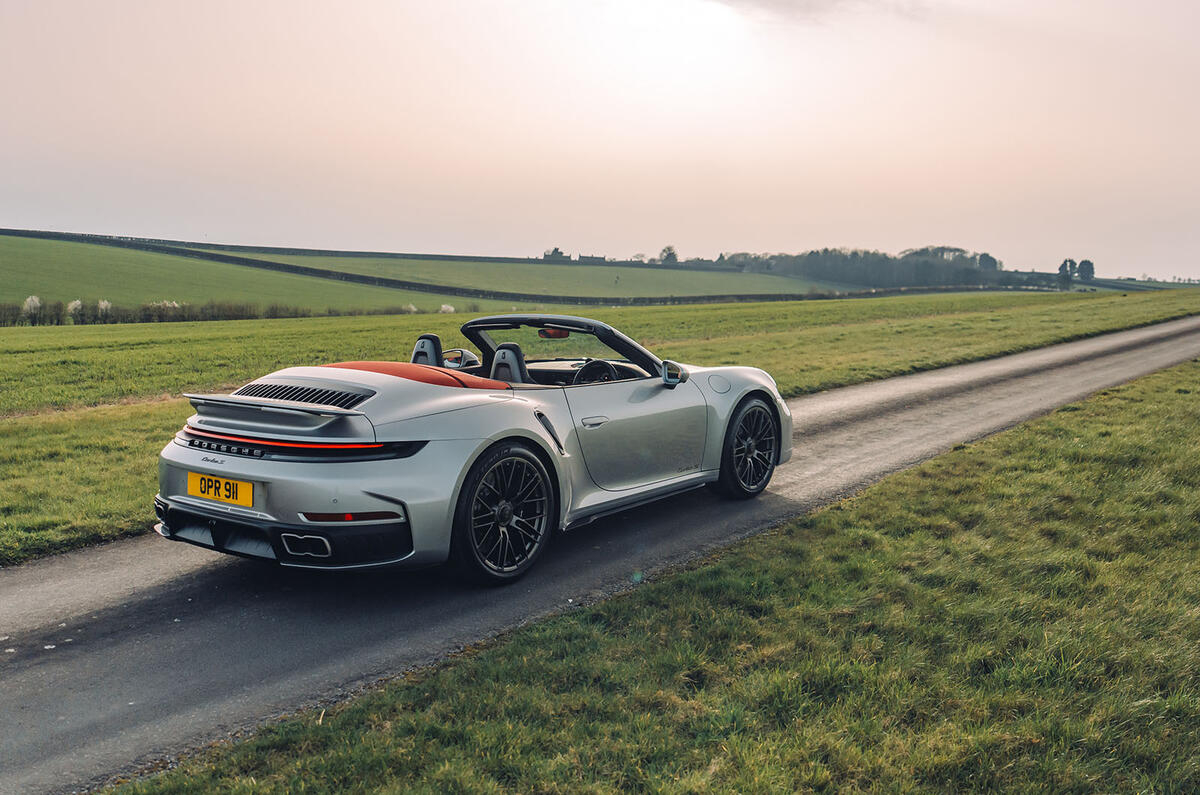
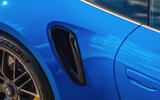
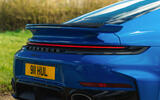
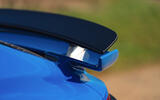
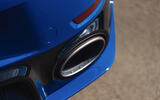
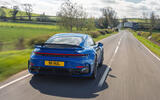
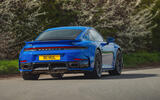
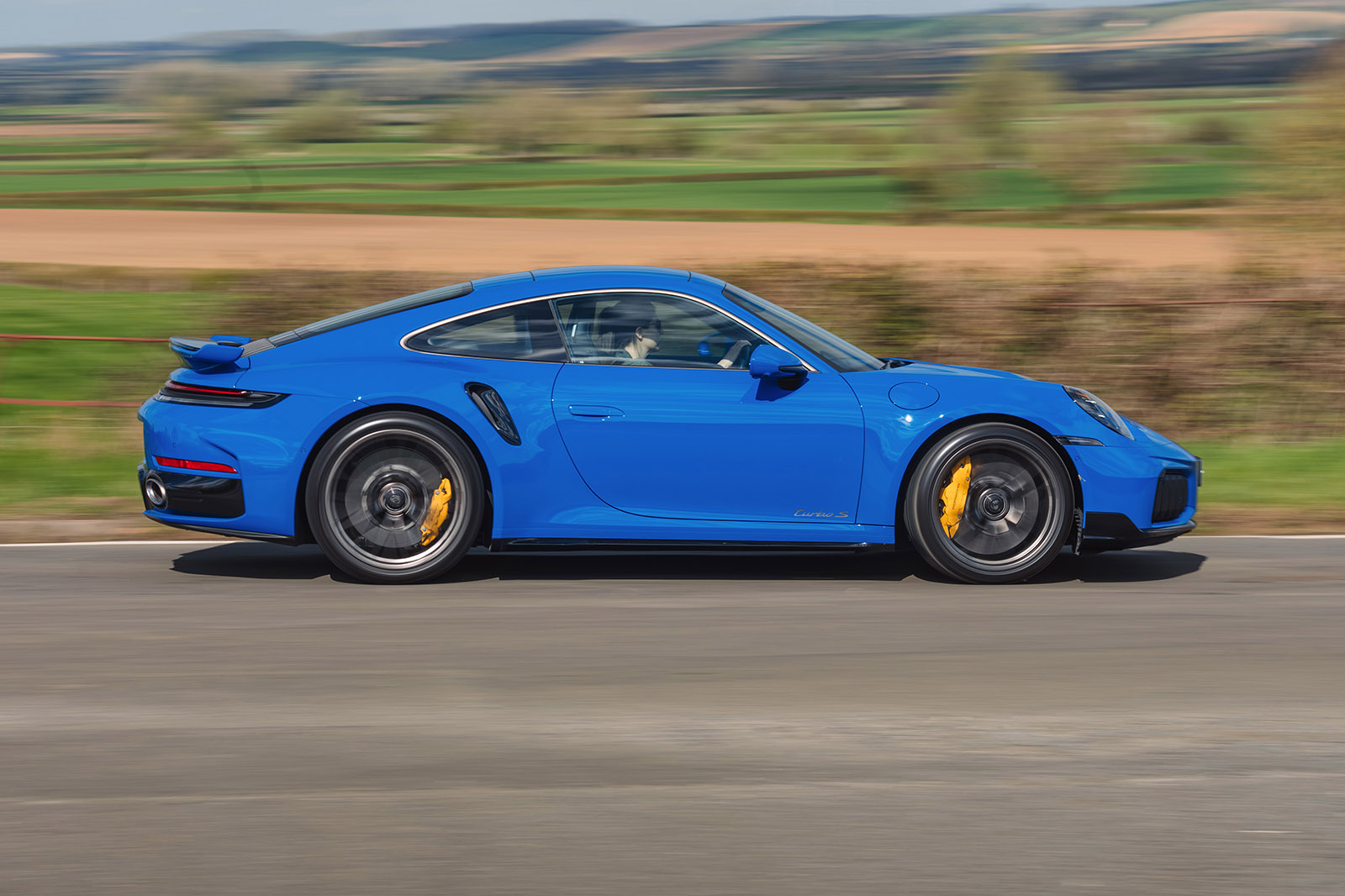
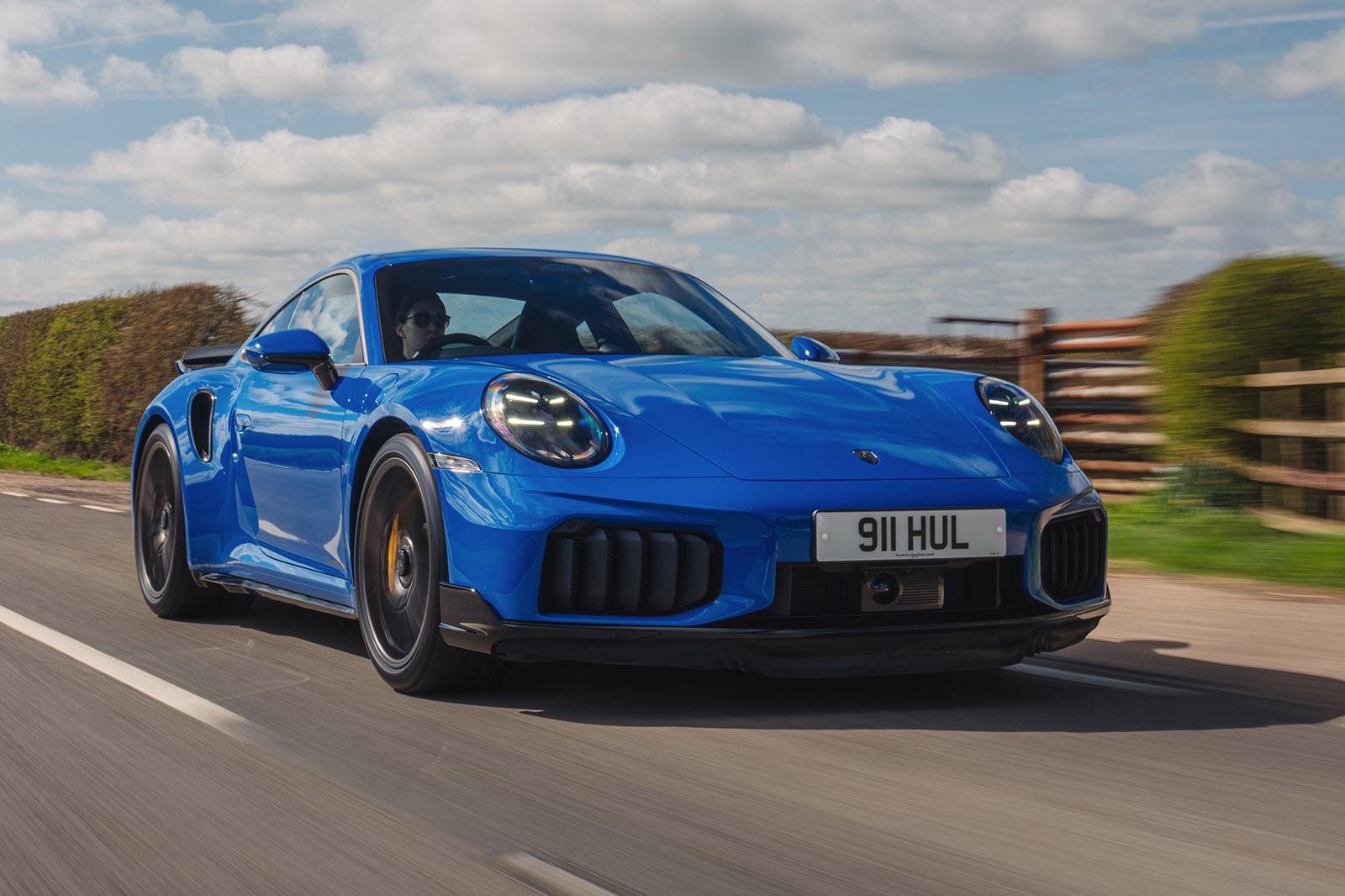
It is the hardware in the tightly packed rear that for the most part makes this 911 Turbo S different from not only any Turbo before it but also any other current 911.

The car adopts ostensibly the same 3591cc flat-six engine as that in the Carrera GTS. Relative to the pre-facelift 992 Turbo’s 3745cc lump, this has slightly smaller-bore cylinders, uses ‘finger follower’ valve actuation (just as the 911 GT3 does), and has reinforced pistons compared with the GTS.

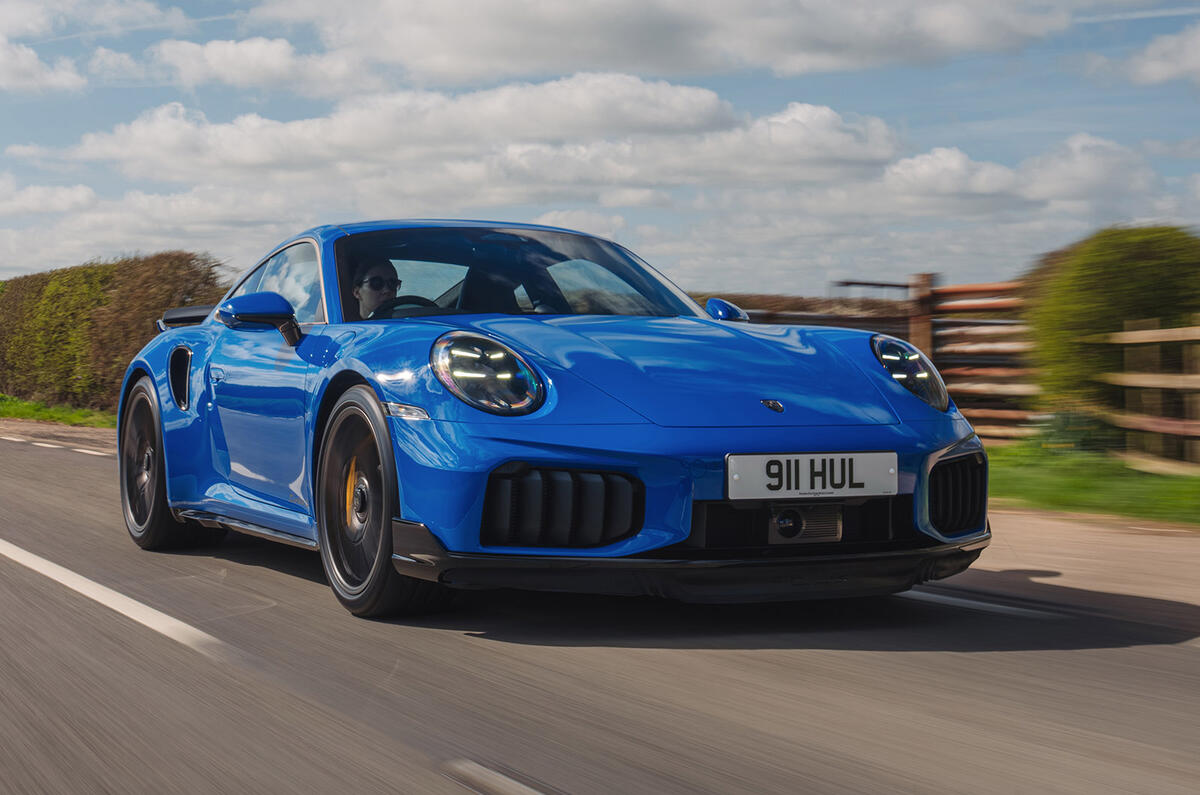
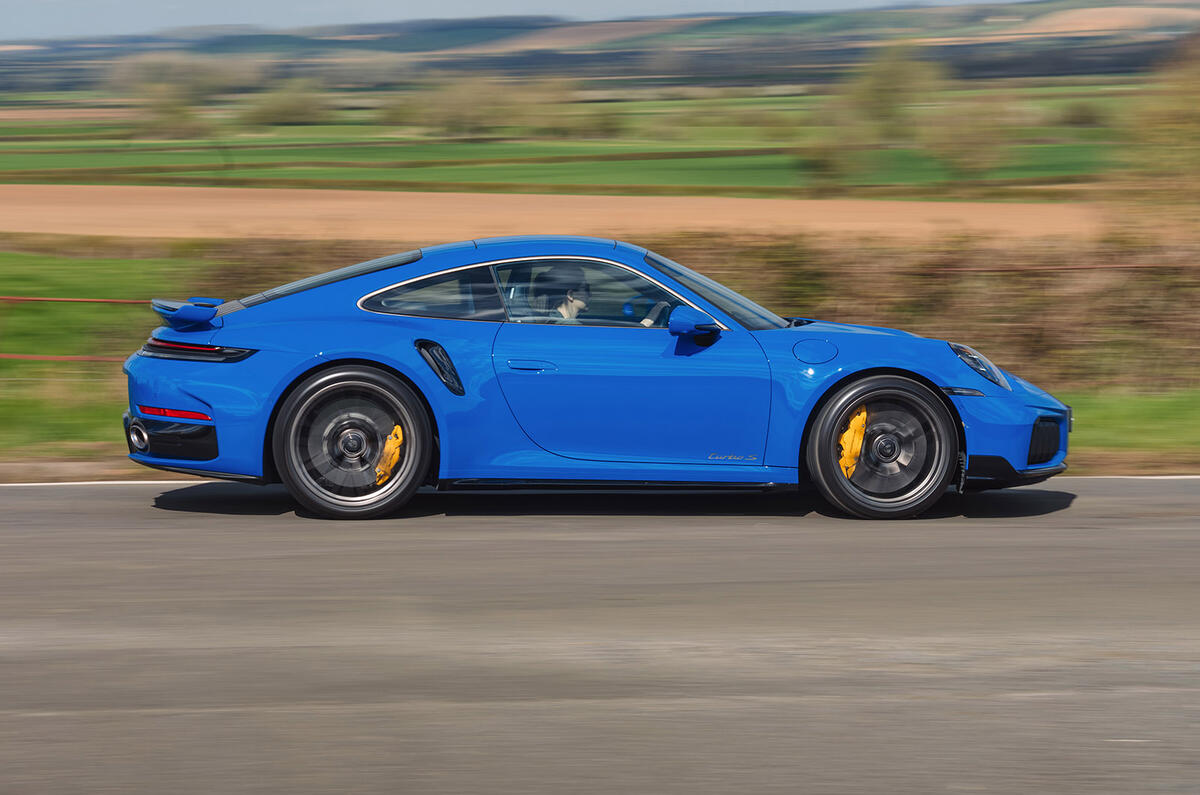
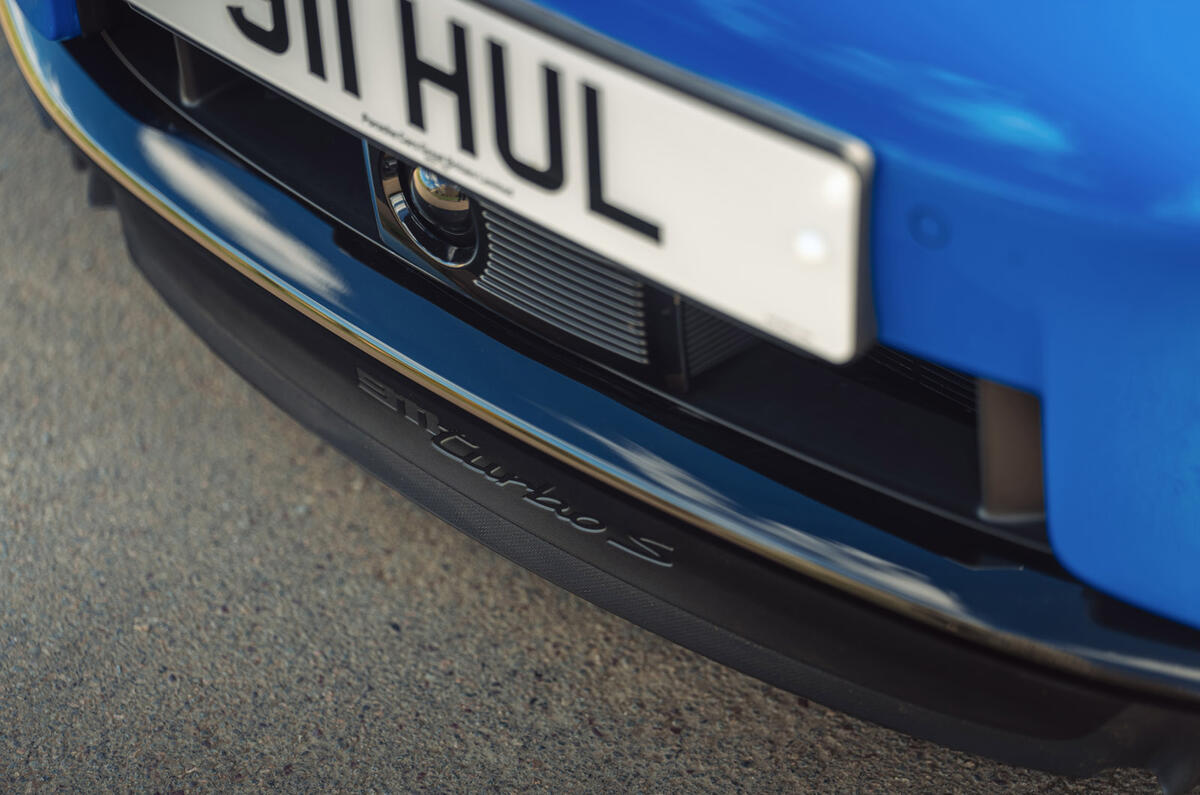
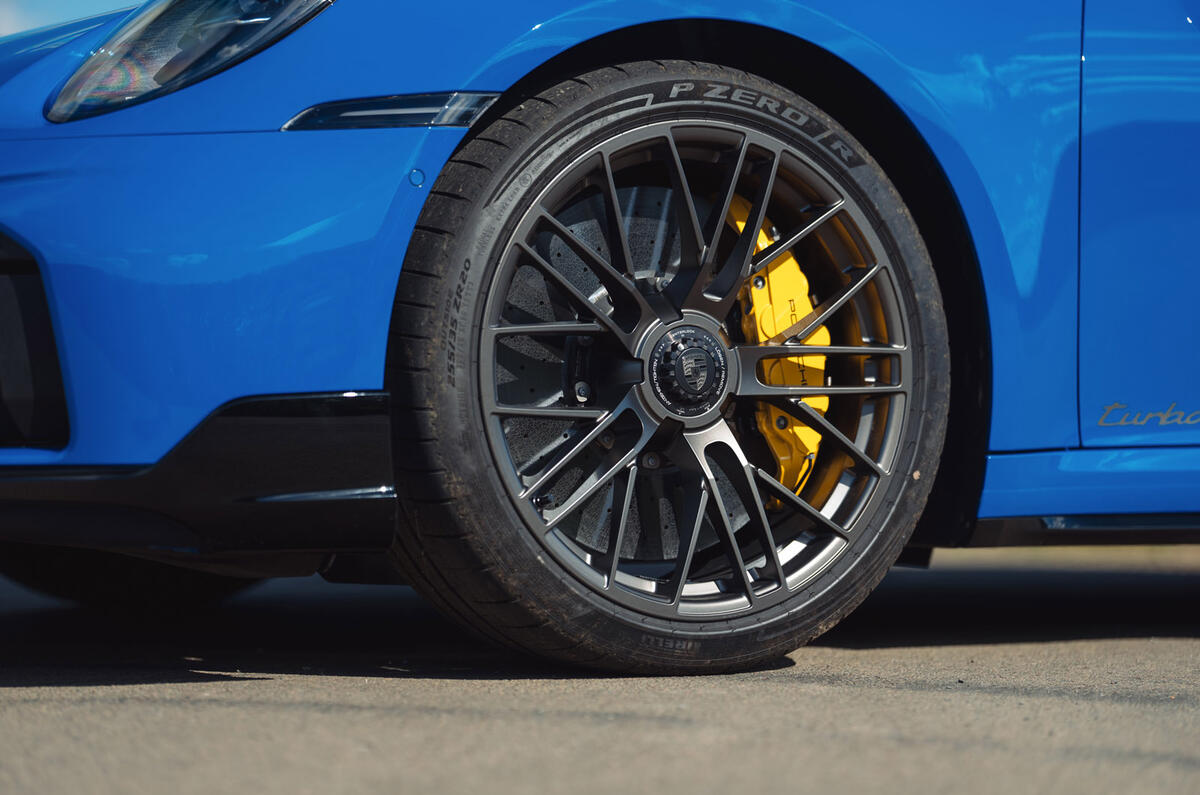
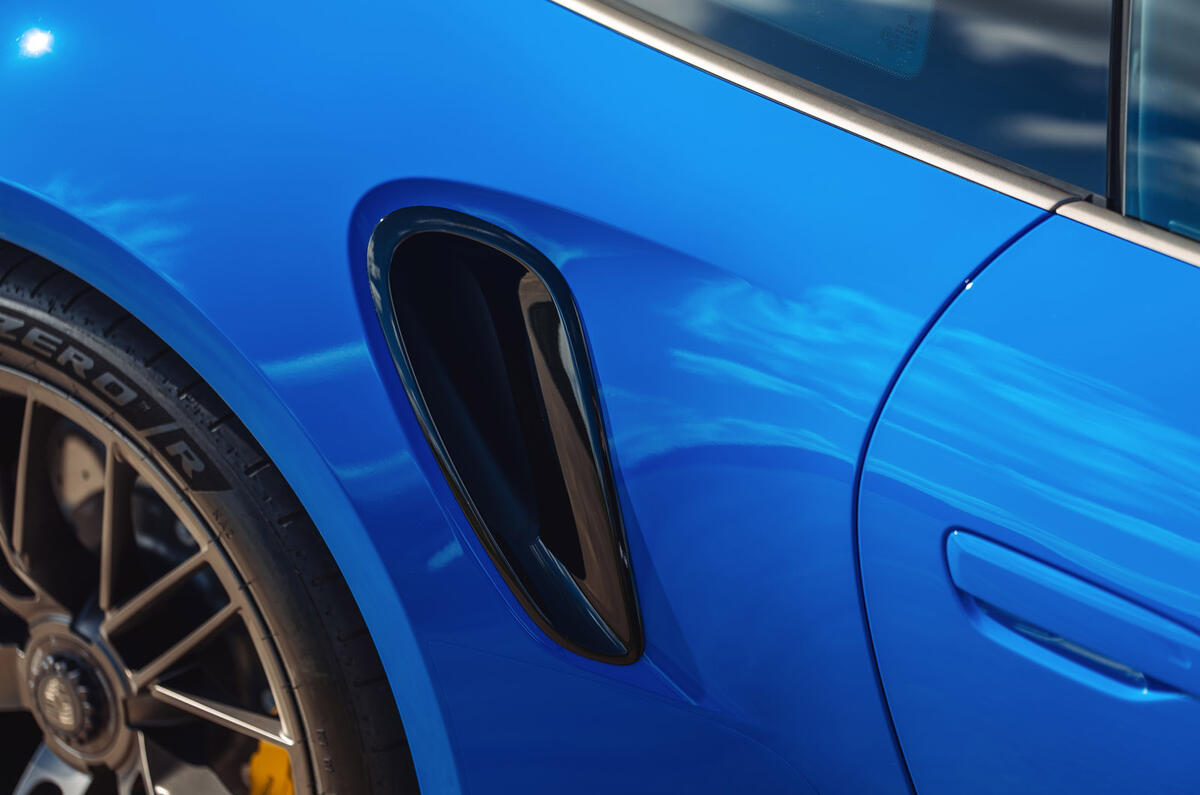
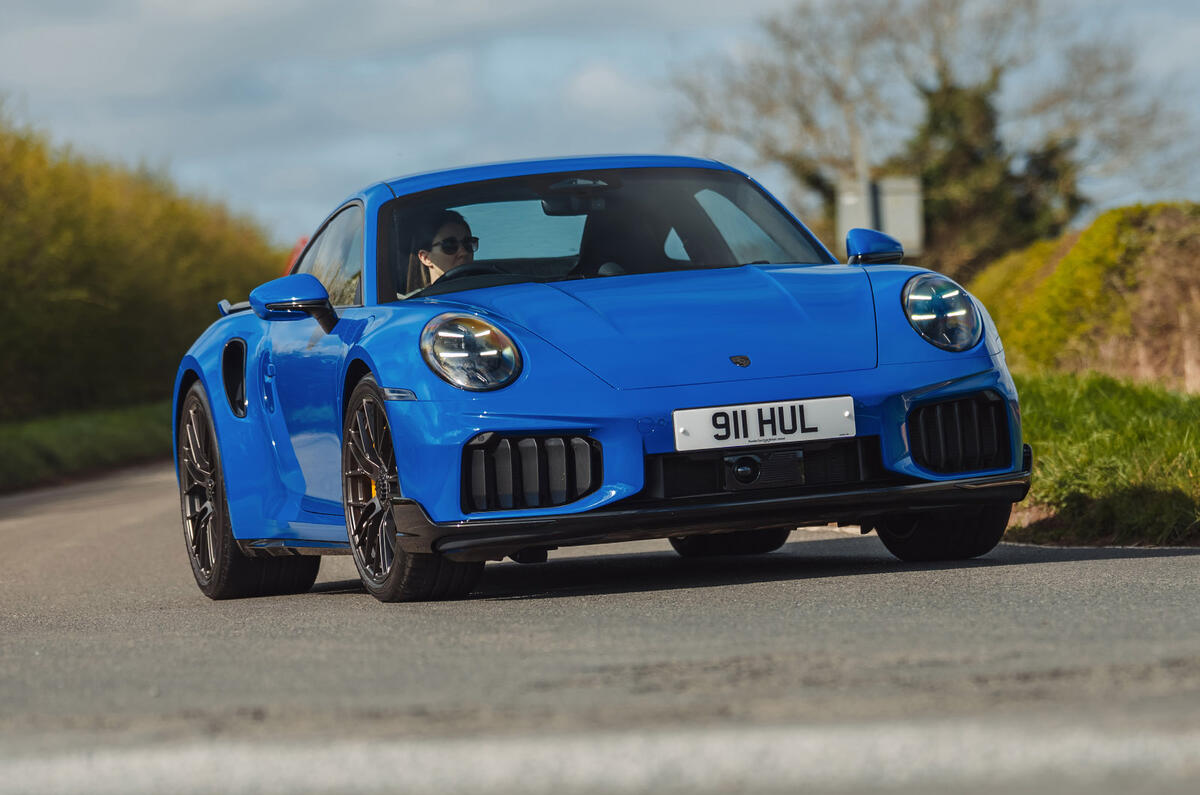
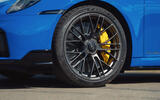
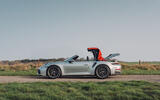
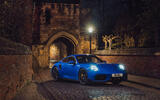
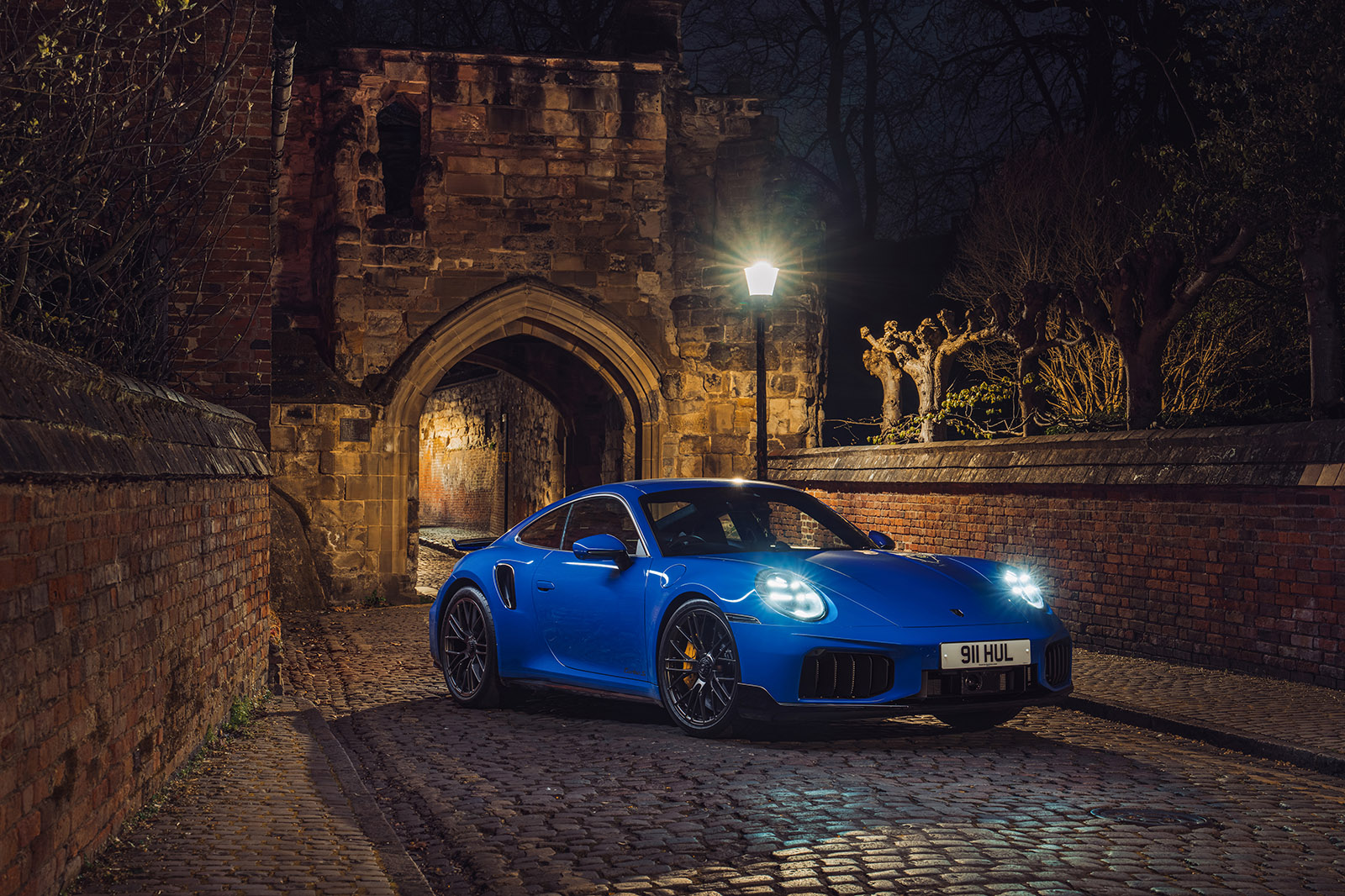
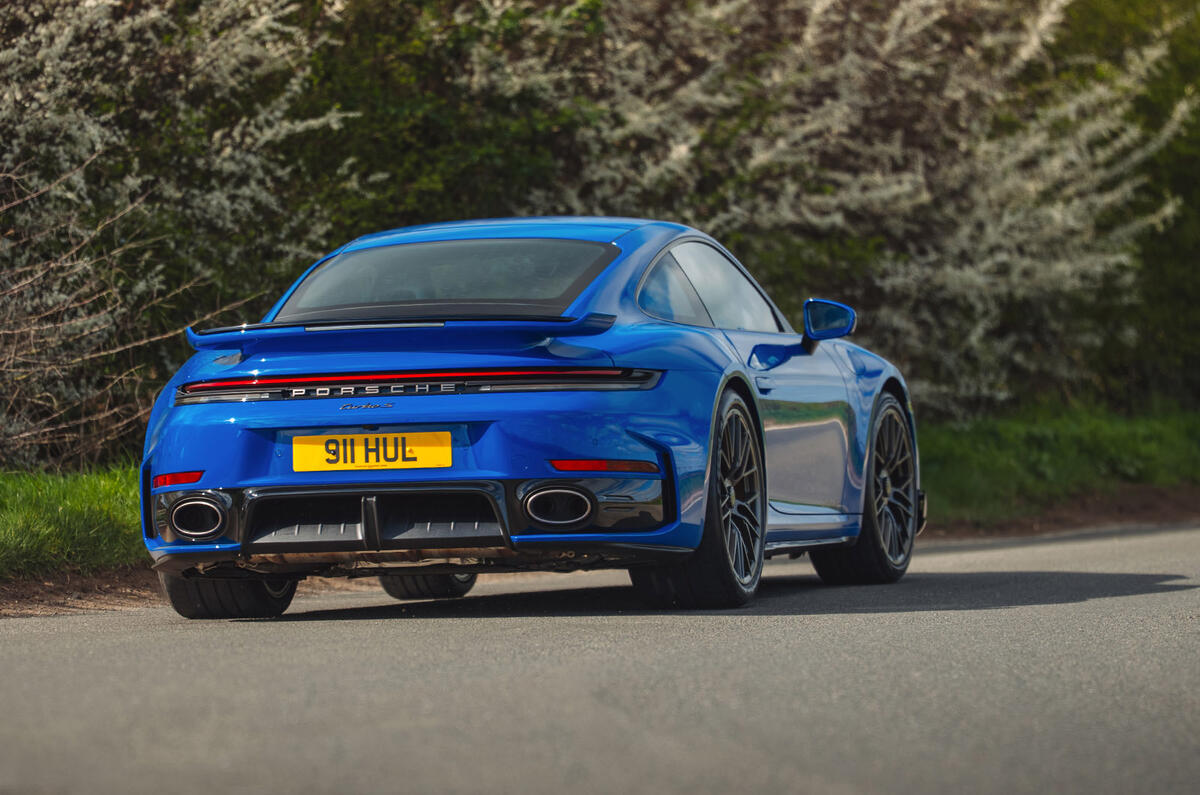
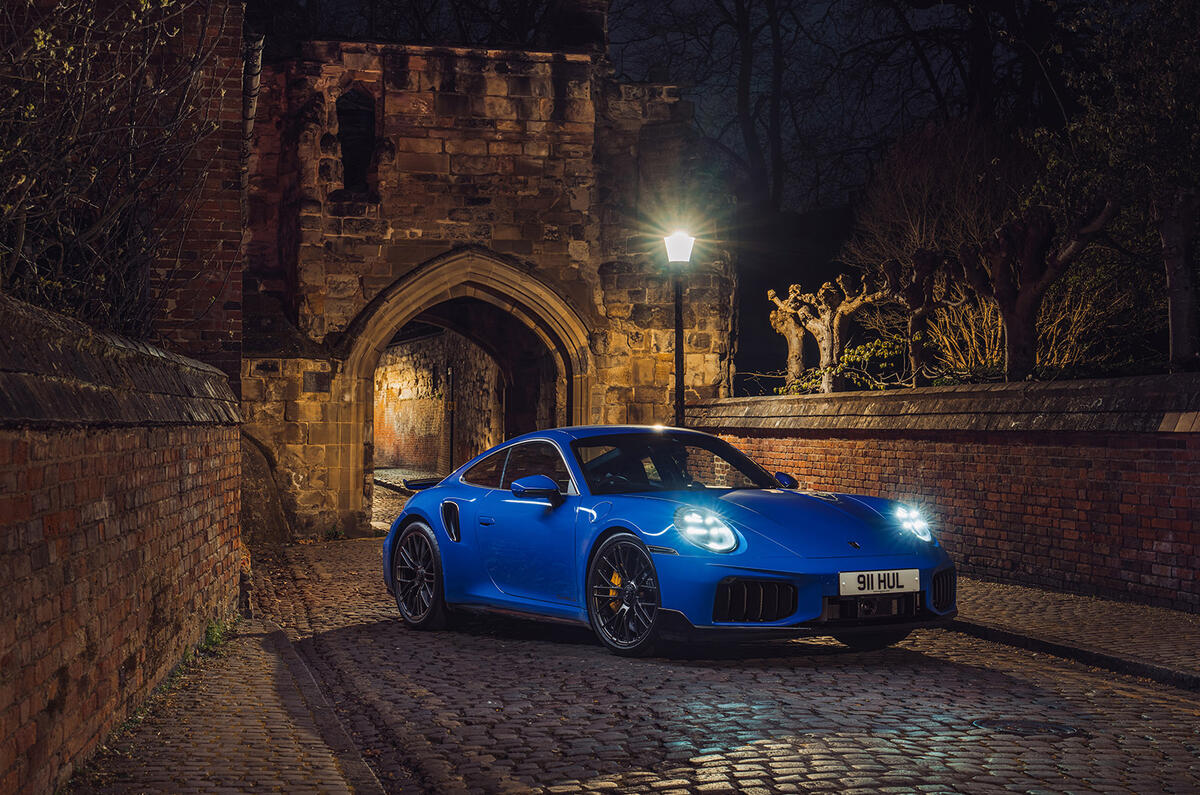
Special smoked tint of various bits of exterior and interior trim, including the wheels, is what Porsche calls ‘Turbonite’ grey – the 992.2 Turbo S’s signature colour. It’s very ‘911 Turbo’, if a little too understated for my taste.

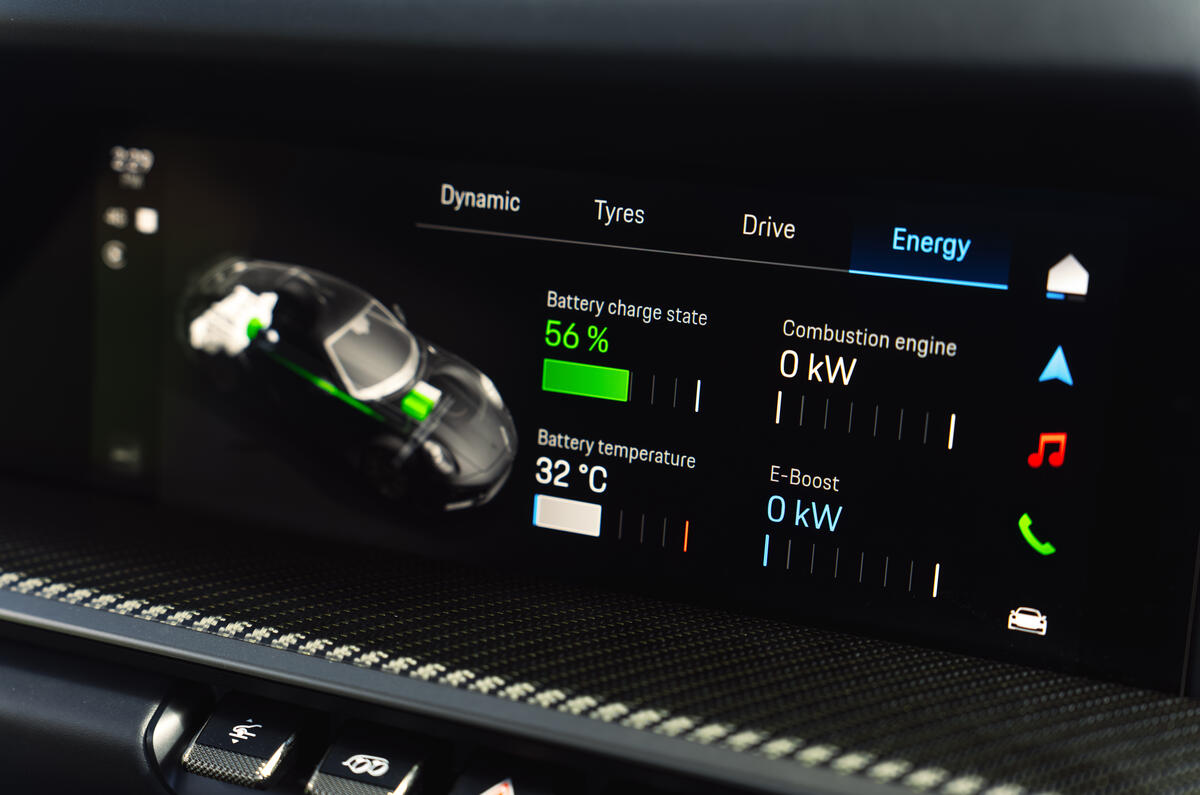
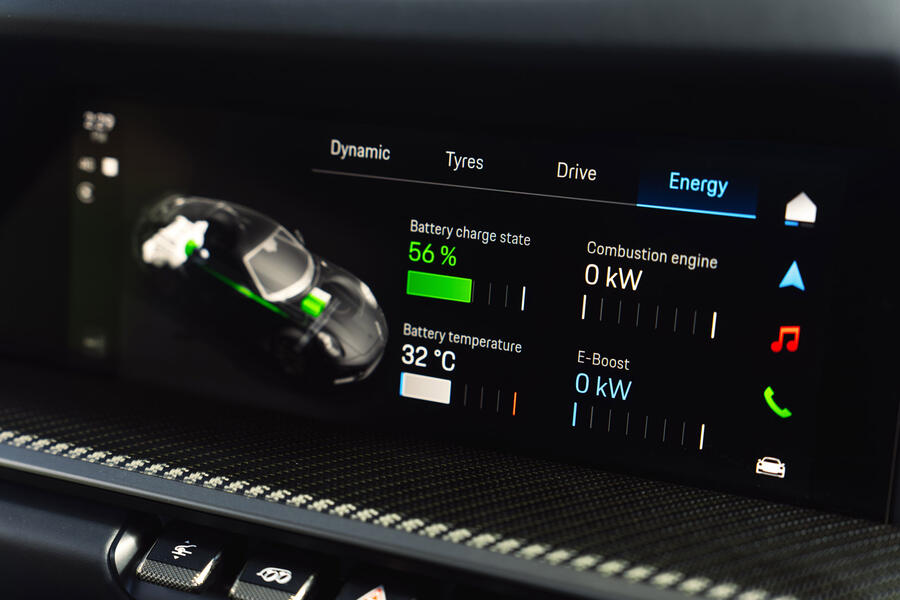
The Turbo’s T-Hybrid induction and hybridisation system is the big change. Just as in the GTS, the main constituent parts are an 81bhp, 139lb ft electric motor sandwiched between the engine and eight-speed dual-clutch automatic gearbox and a 1.9kWh, water-cooled NMC drive battery in the nose, just behind the frunk. Porsche adds electric turbochargers to this well-proven hybrid-drive concept, of course; but where the GTS has only one, the Turbo S uses a pair in a parallel-twin-turbo arrangement (one per cylinder bank), each of them smaller and more responsive than that used on the GTS.

As such the 911 Turbo S can now use direct electric motor ‘torque-fill’ to bolster its lower-end performance reserves while also getting the enhanced response of turbochargers driven by electric motors – which sounds like it should make a transformative difference. 

What actually results is 701bhp from 6500-7000rpm – that’s 10bhp more than even the mighty ‘991’ GT2 RS could muster. And yet peak torque is only the same 590lb ft that the outgoing 992.1 Turbo S offered, albeit made available over a band of revs some 2200rpm broader. Enhanced transient engine response, says Porsche, is how the new Turbo makes its biggest gains – how it feels quicker, in other words.

The 400V hybrid system has facilitated one other significant technical change: the adoption of a faster-acting, electrohydraulically controlled PDCC active anti-roll control system. There’s also an electronically controlled locking differential for the rear part of the car’s active four-wheel drive system. Specially tuned, adaptively damped PASM coil suspension comes as standard, with a lowered, PASM Sport alternative an option (our test car came without this).

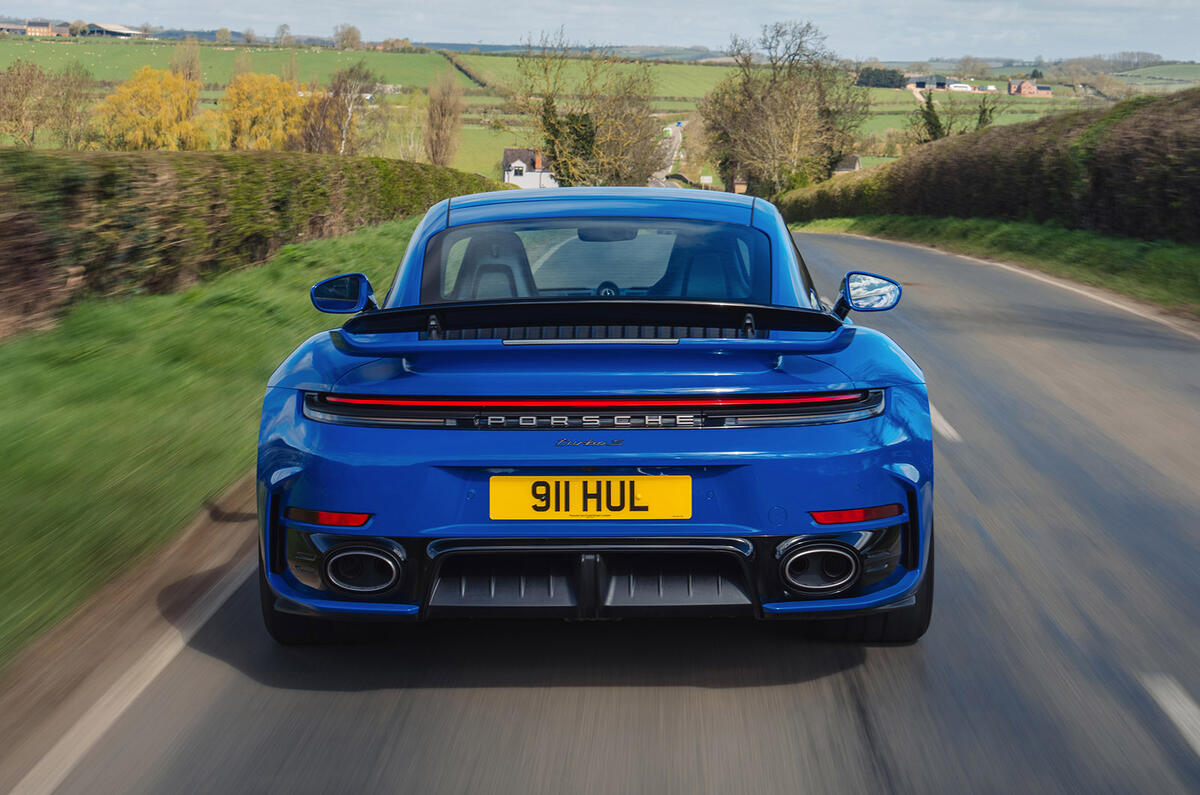
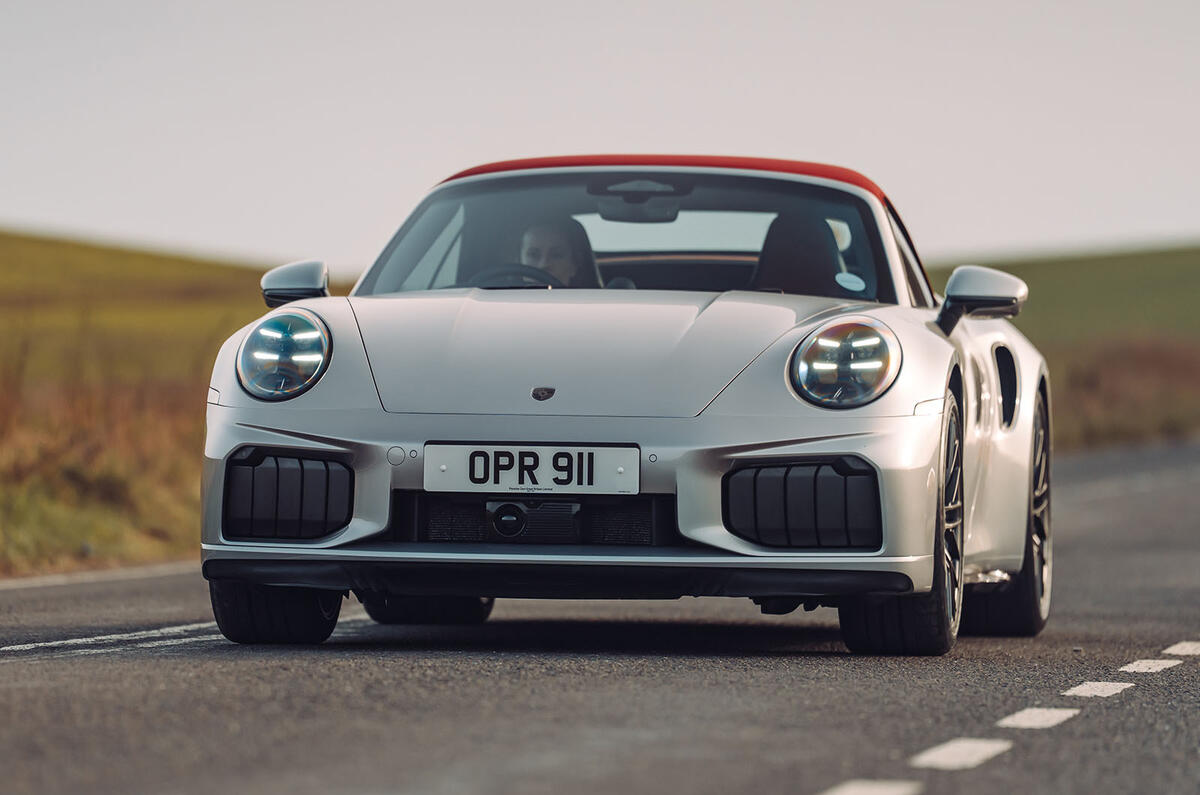
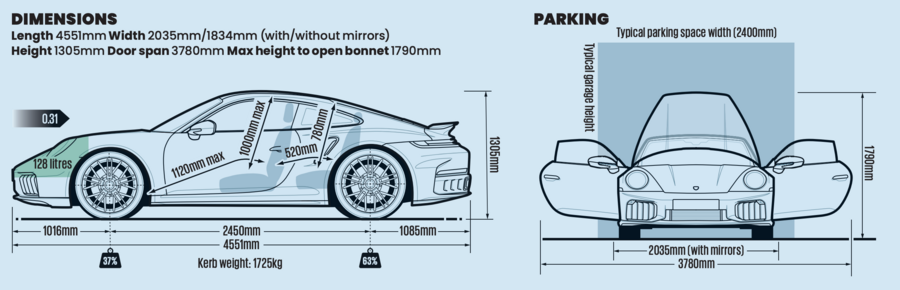
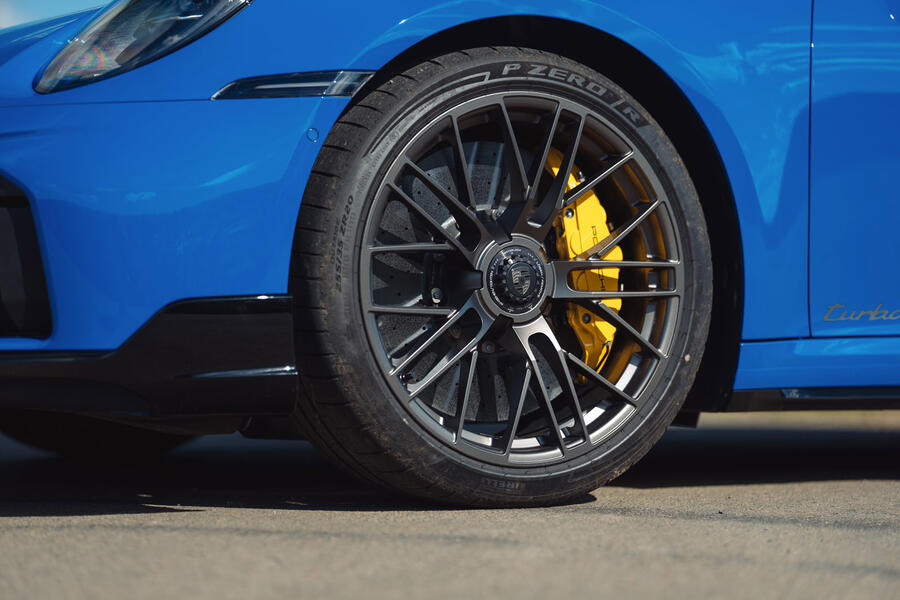
The Turbo retains its predilection for width. Its body is 45mm wider across the front arches than a regular ‘992’ Carrera and 20mm wider across the rears. The car’s structure has been reinforced around the front suspension turrets and cross-member. It wears 325-section rear tyres, 10mm wider than those of the pre-facelift Turbo S. And it has the largest set of PCCB carbon-ceramic brakes yet fitted to any 911, at 420mm in diameter at the front and 410mm at the rear.

It weighed 1754kg on the proving ground scales, though, with about half a tank of fuel, versus a homologated claim of 1725kg. Porsche’s own stated weight gain for the new hybrid car is 85kg, old model to new, which doesn’t seem that significant. 

Then again, fully one-and-three-quarter tonnes for any 911 – nearly 150kg more, as tested, even than the Carrera GTS hybrid we appraised last year – does seem significant. We’ll see which way it plays out.

INTERIOR

9
Porsche 911 Turbo S review 2026 012

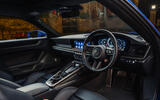
Porsche offers a broad choice of colour and trim combinations for the Turbo S’s interior. There’s even a black and silver leather/cloth upholstery theme that pays tribute to the memorably psychedelic  ‘Pasha’ trim of the original ‘930’ 911 Turbo referenced earlier.

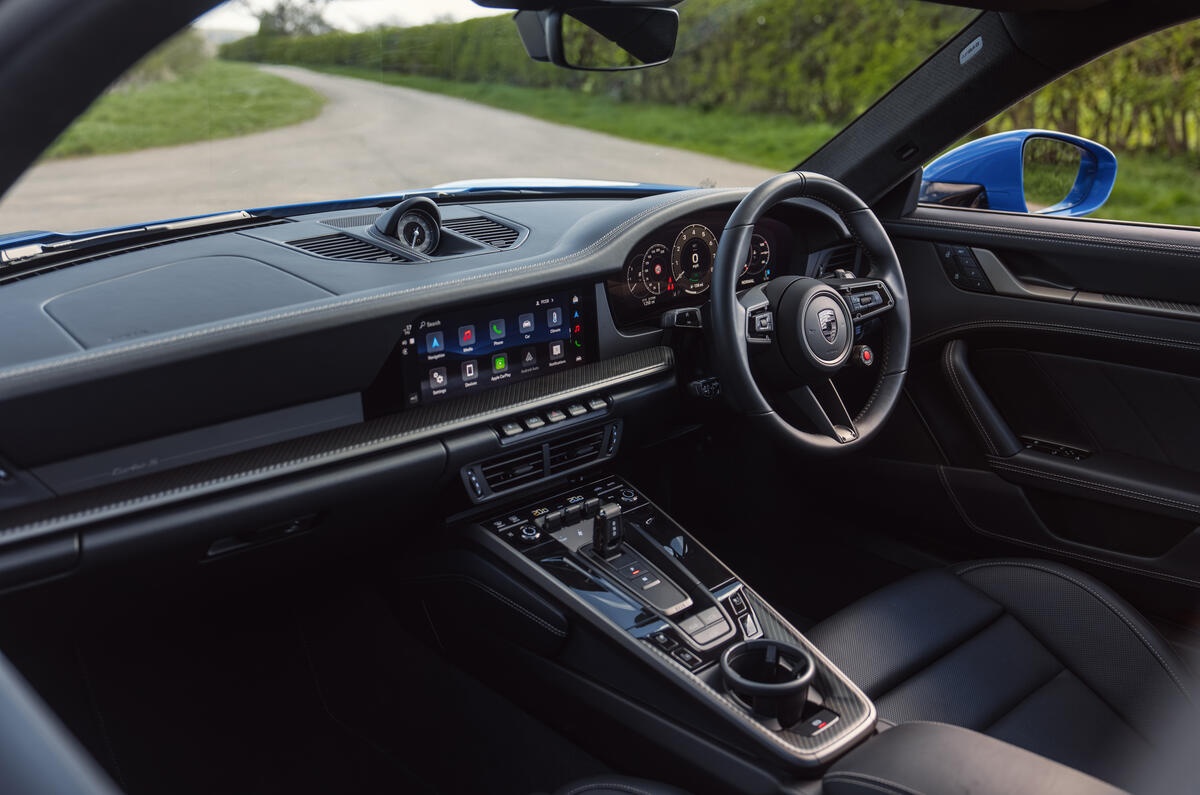
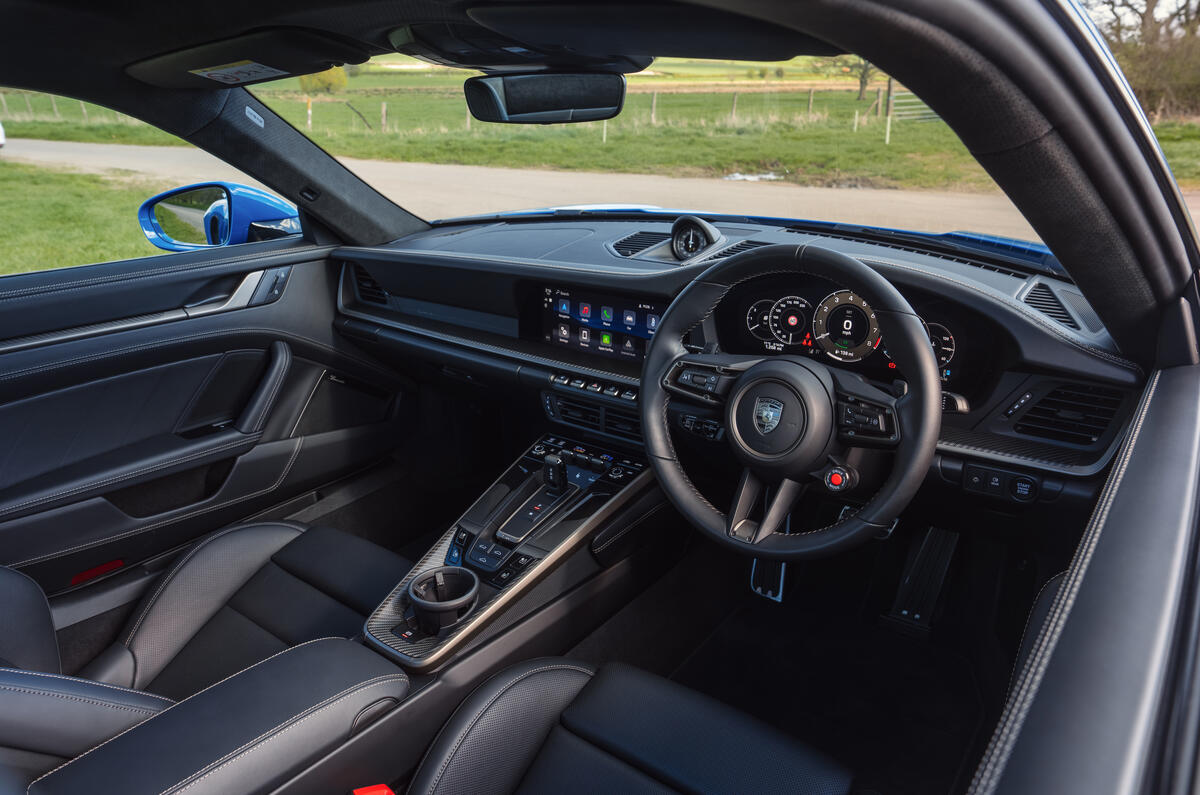
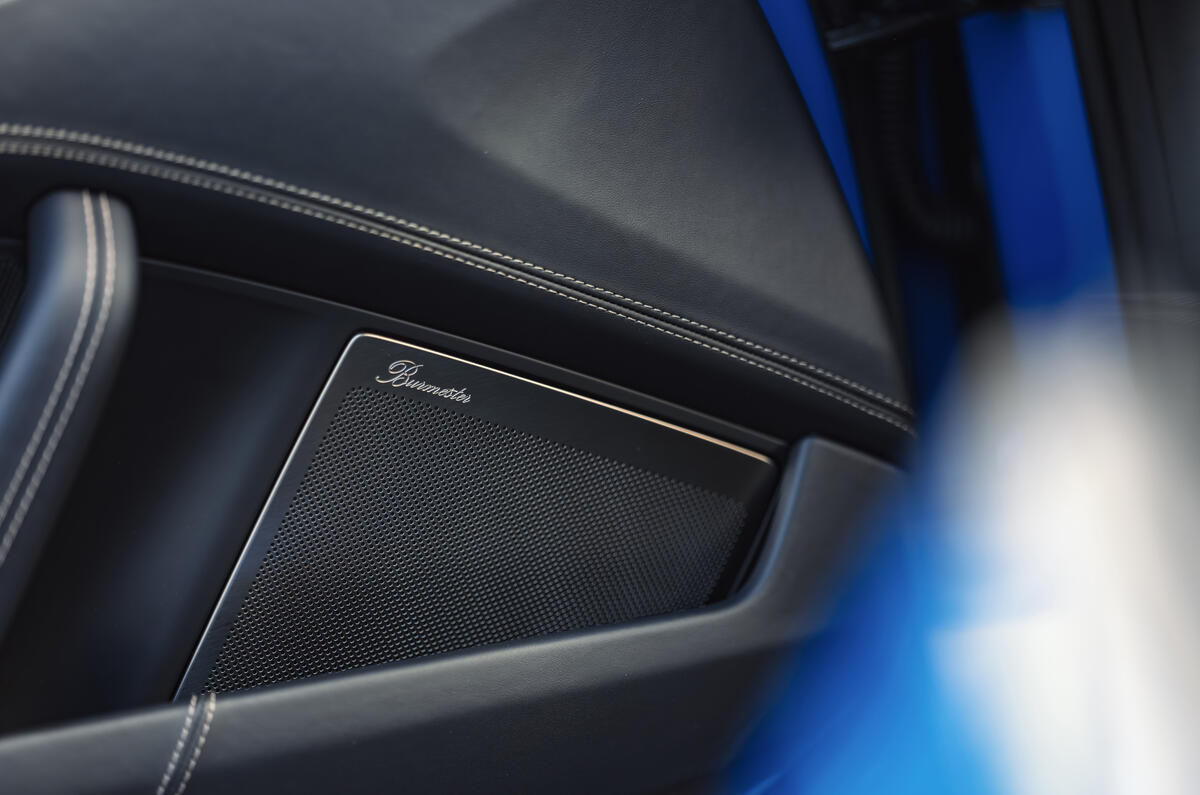
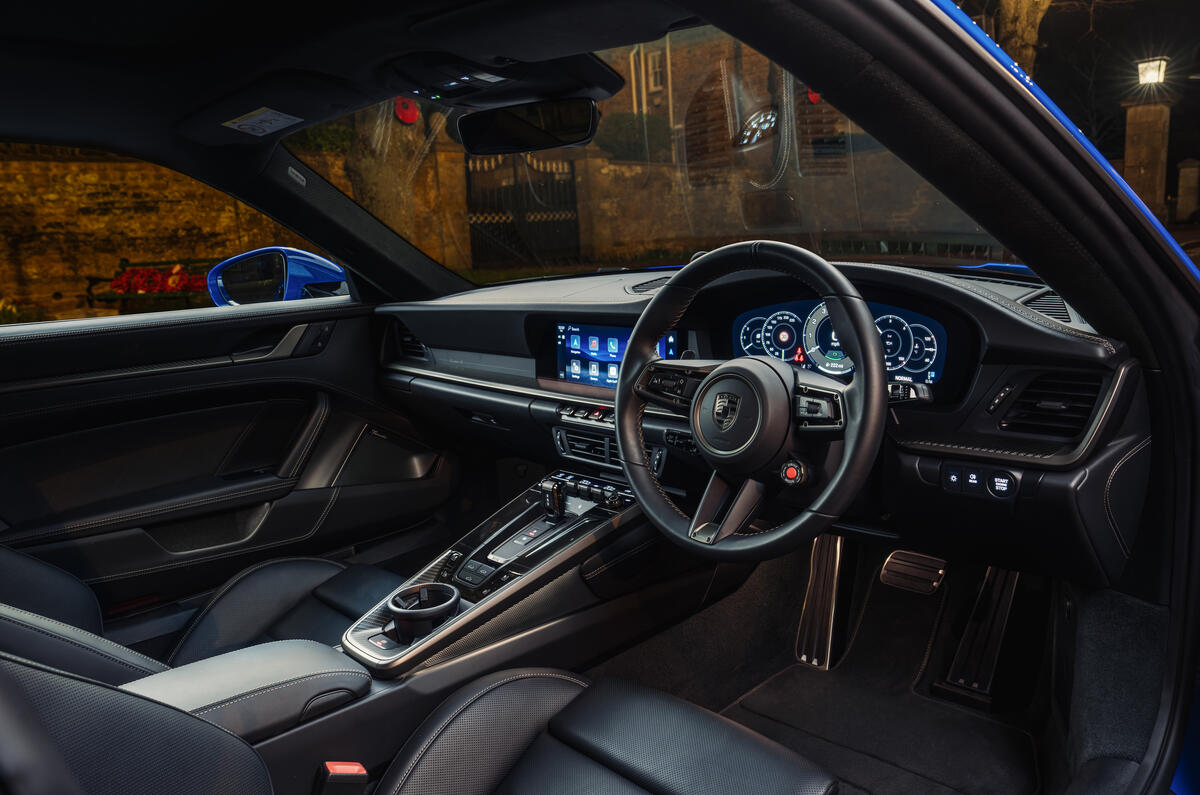
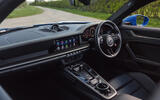
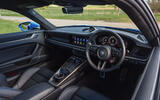
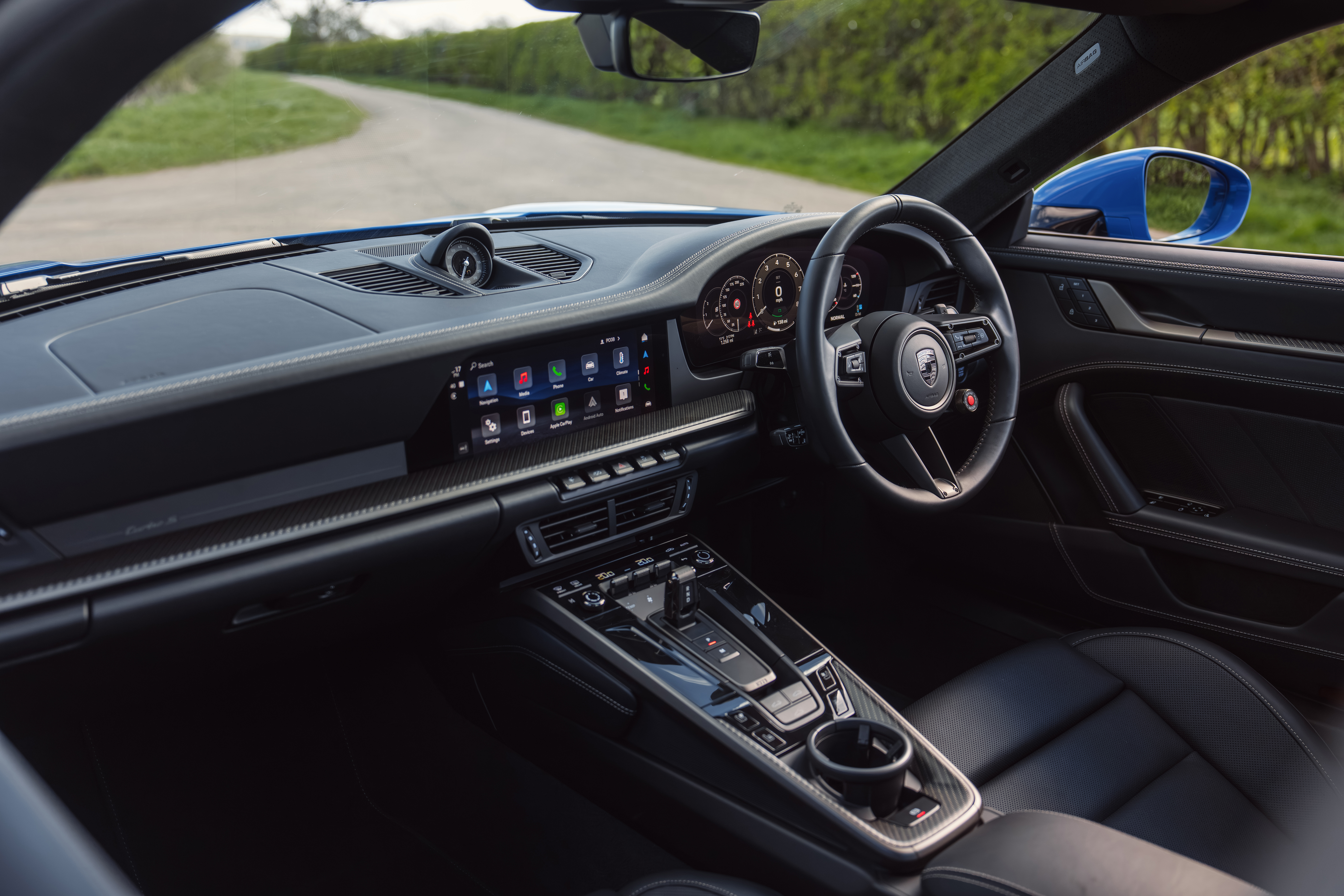
Our test car’s black on ‘Turbonite’ grey interior looked a little dour by comparison. It was nonetheless a very tactile, classy, comfortable and pleasant place, and there are very few sports car cabins with which you’d gladly swap it with at least one eye on gratifying everyday use.

The Cayenne Electric showed us Porsche is creeping after the industry trend and slowly junking physical switchgear. I hope they stop the rot. The 992 has the ideal mix of physical and digital for easy usability.

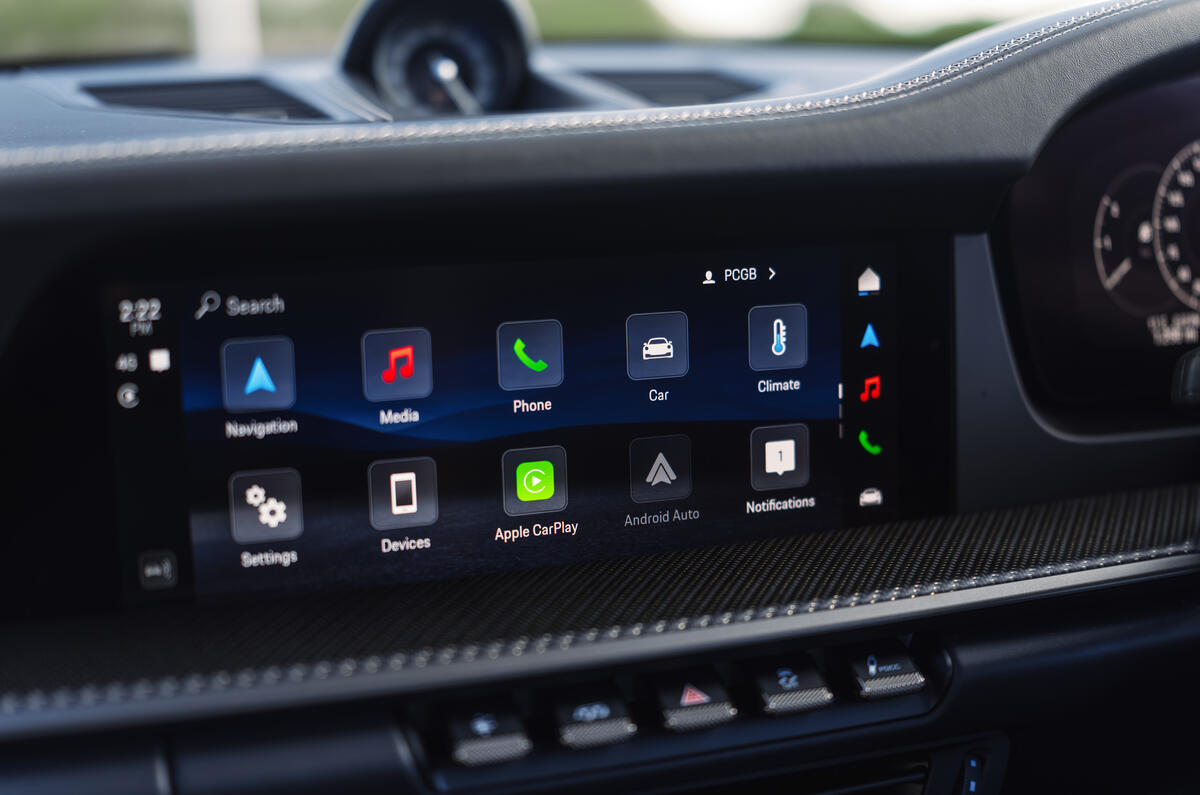
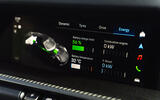
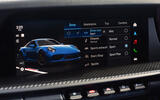
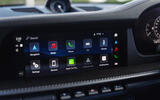
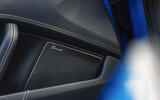
Just like any 992-generation 911, the Turbo S has great primary driving ergonomics; surprisingly versatile practicality; faultless visibility (especially versus some mid-engined rivals); really solid and consistent ‘luxury car’ material quality; and all the digital technology you would want – which, for the record, works very intuitively indeed.

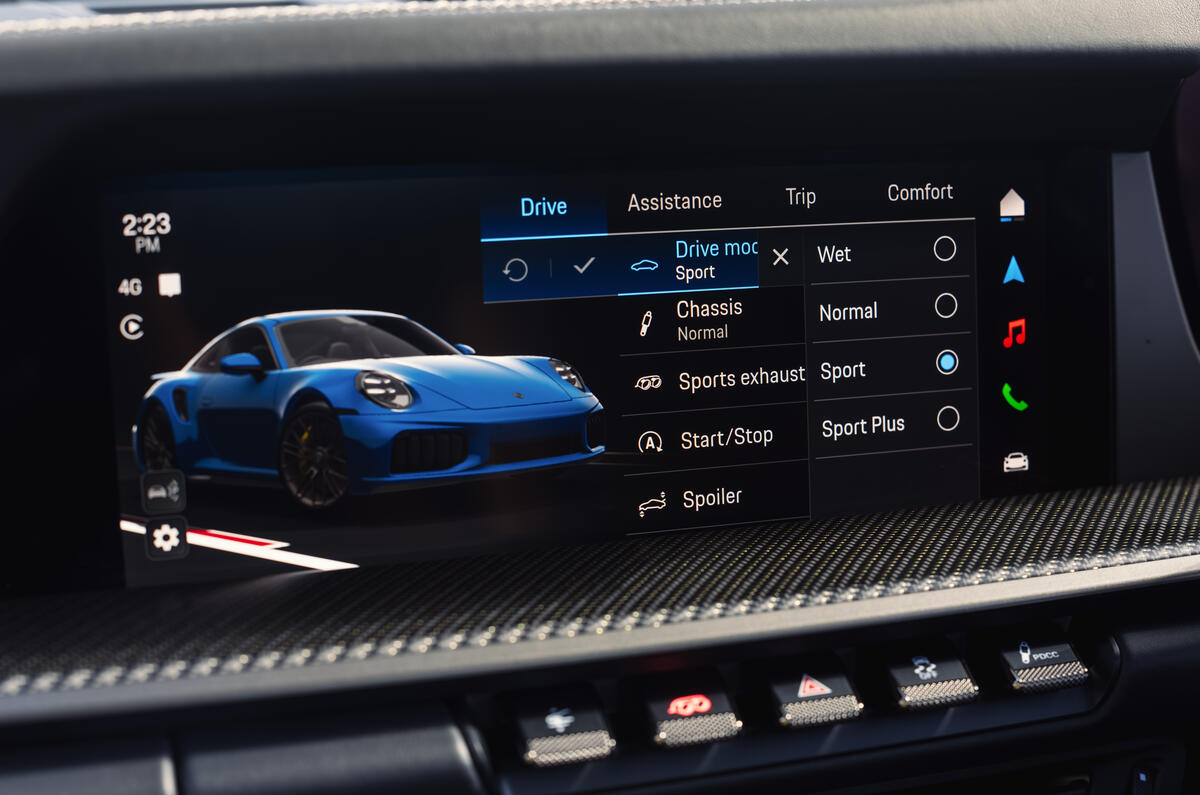
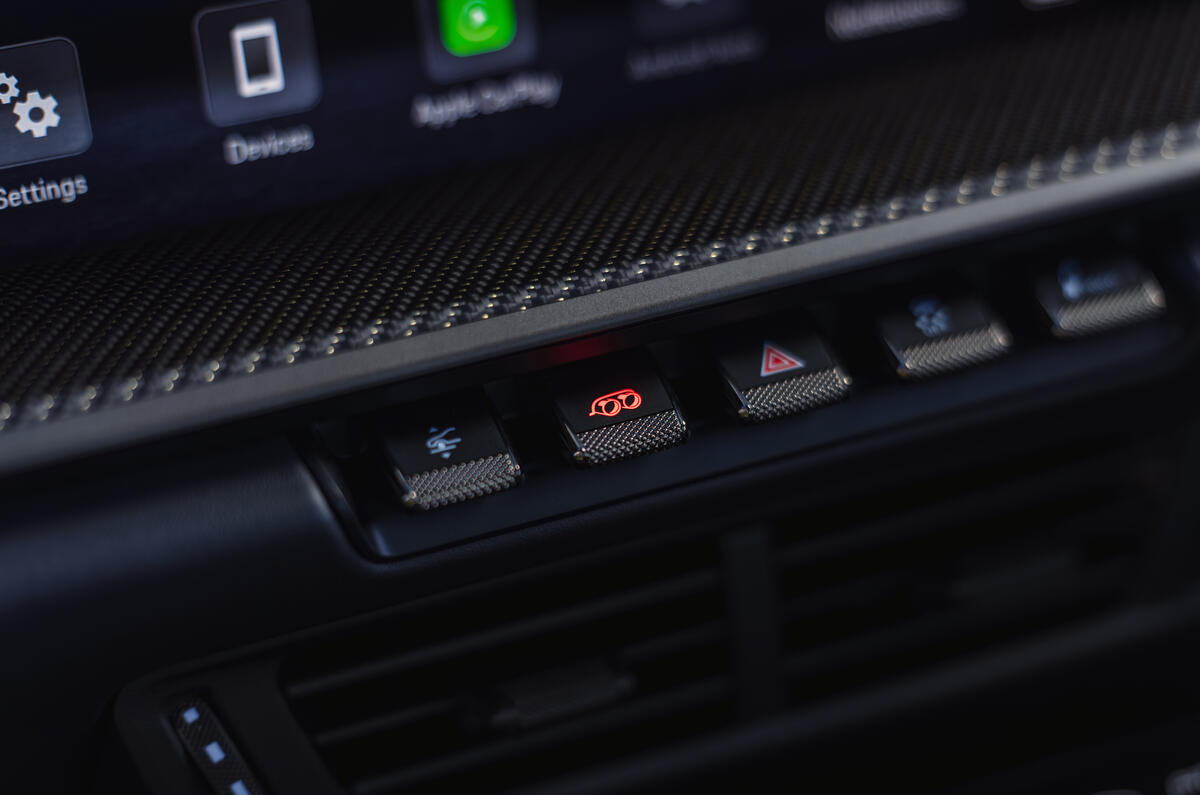
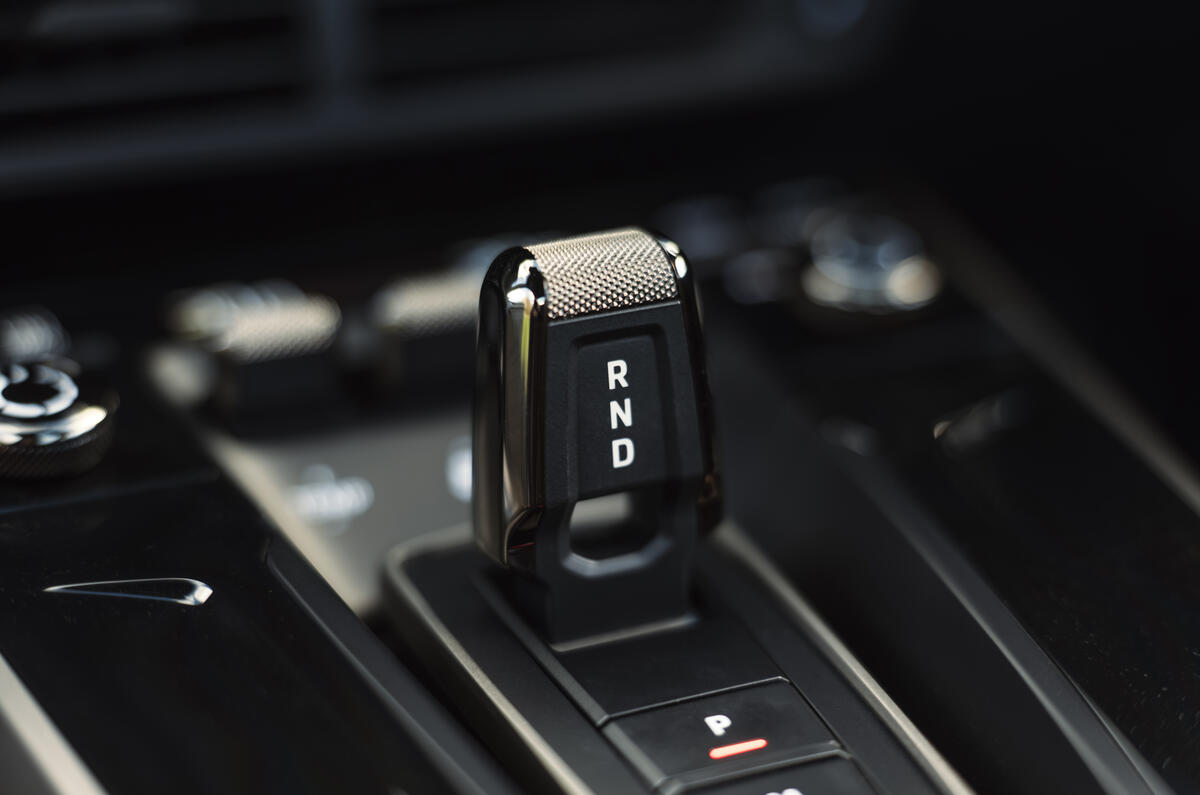
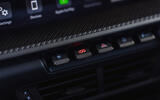
That digital tech doesn’t, however, overtake usability. Fixed physical controls are included for heating and ventilation, audio system control, headlights and mirror adjustment; key dynamic systems get them too, for the suspension, nose lift, sports exhaust and drive modes. All of them feel enticing and haptically expensive, can be found easily at a glance, and don’t distract you from what you’re doing at the wheel. As it should be.

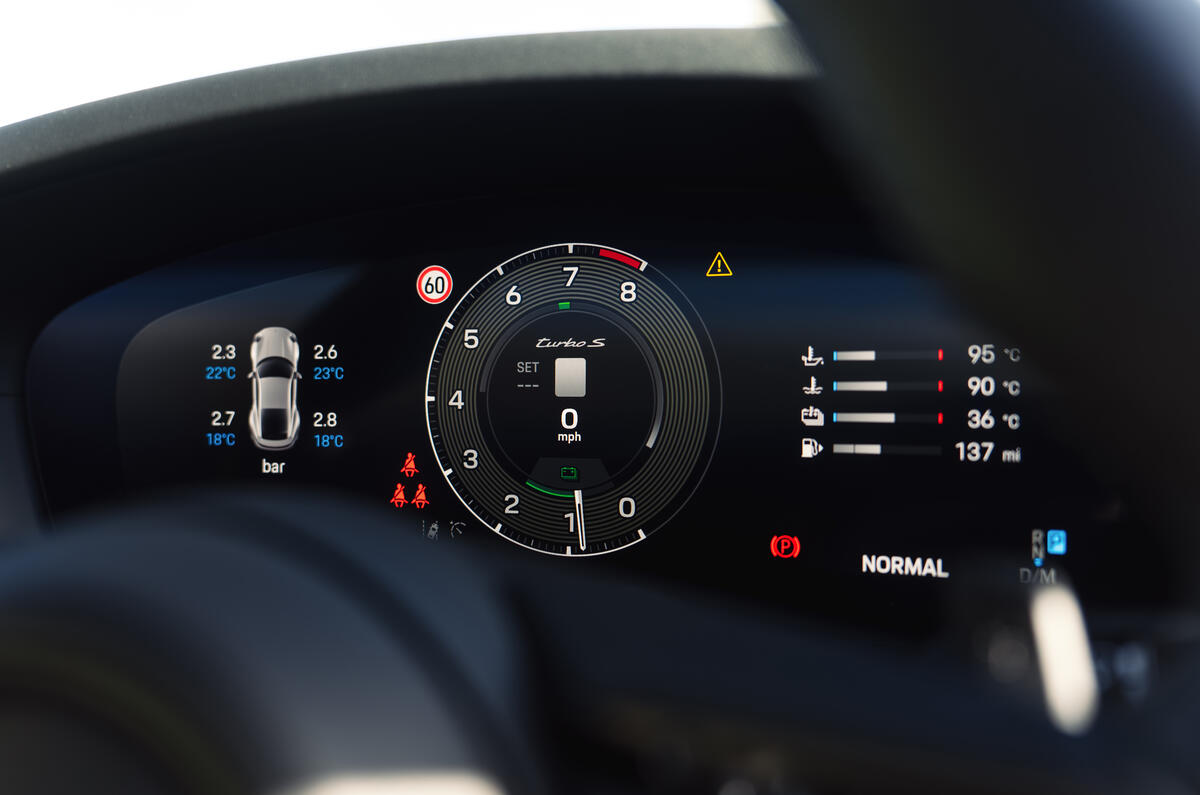
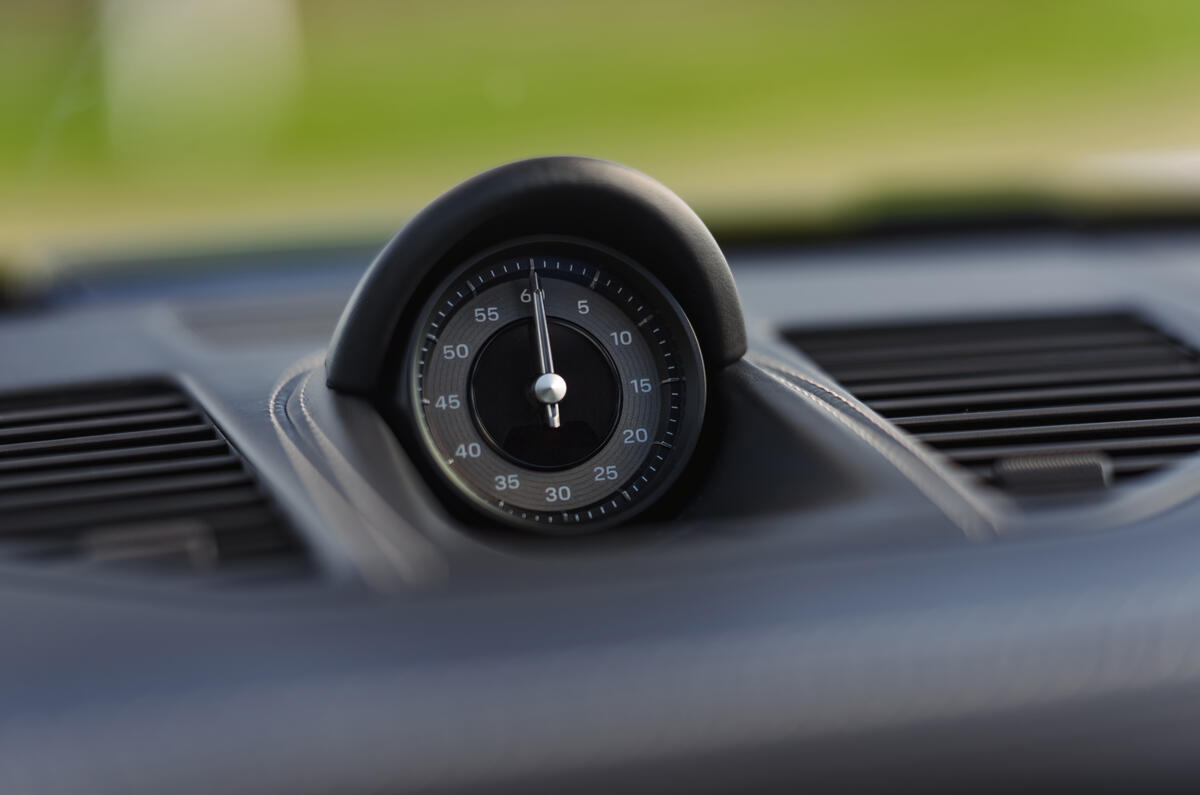
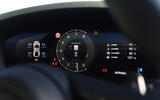
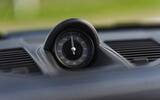
The instruments are themselves all digital now, with a widely adjustable layout. It’s not offered, but perhaps a retro-flavoured, ‘five-gauge’ display mode might bring a bit of ‘911 fascination’ back into the ambience.

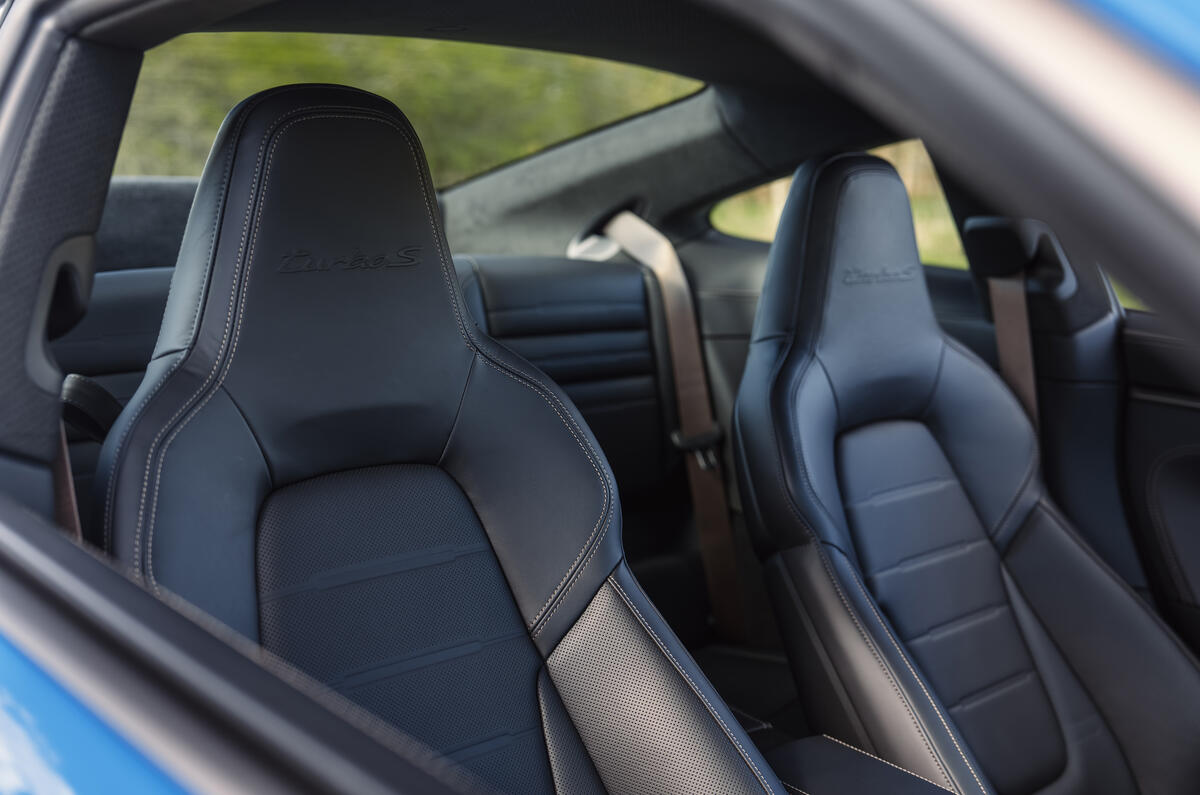
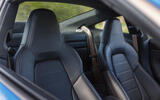
You get adaptive sports front seats, with 18-way electrical adjustment, as standard. Thinner-padded, ‘lightweight sports buckets’ are offered as an option instead, and one of the reasons you might want them is to drop the seat cushion height slightly – because the standard seats don’t feel quite as purposefully low-set as does a GT3’s driver’s seat. The point is, of course, that it greets your backside that bit more conveniently.

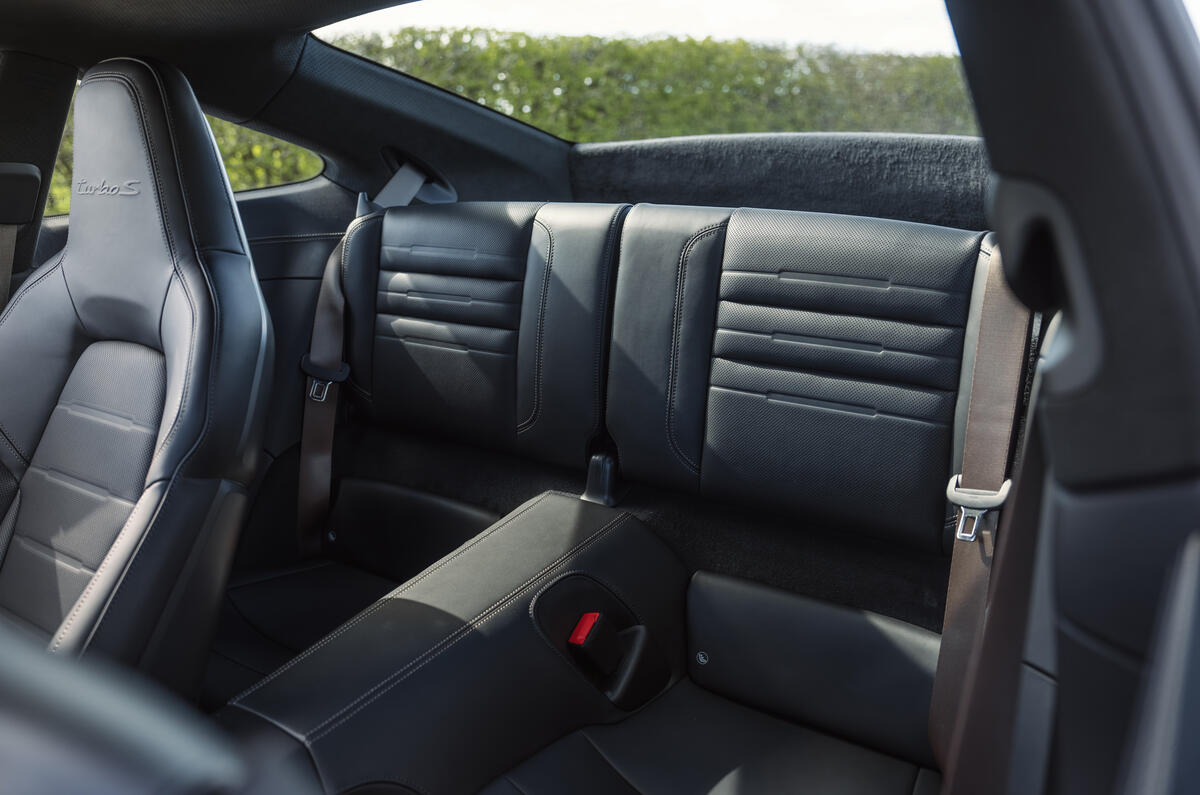
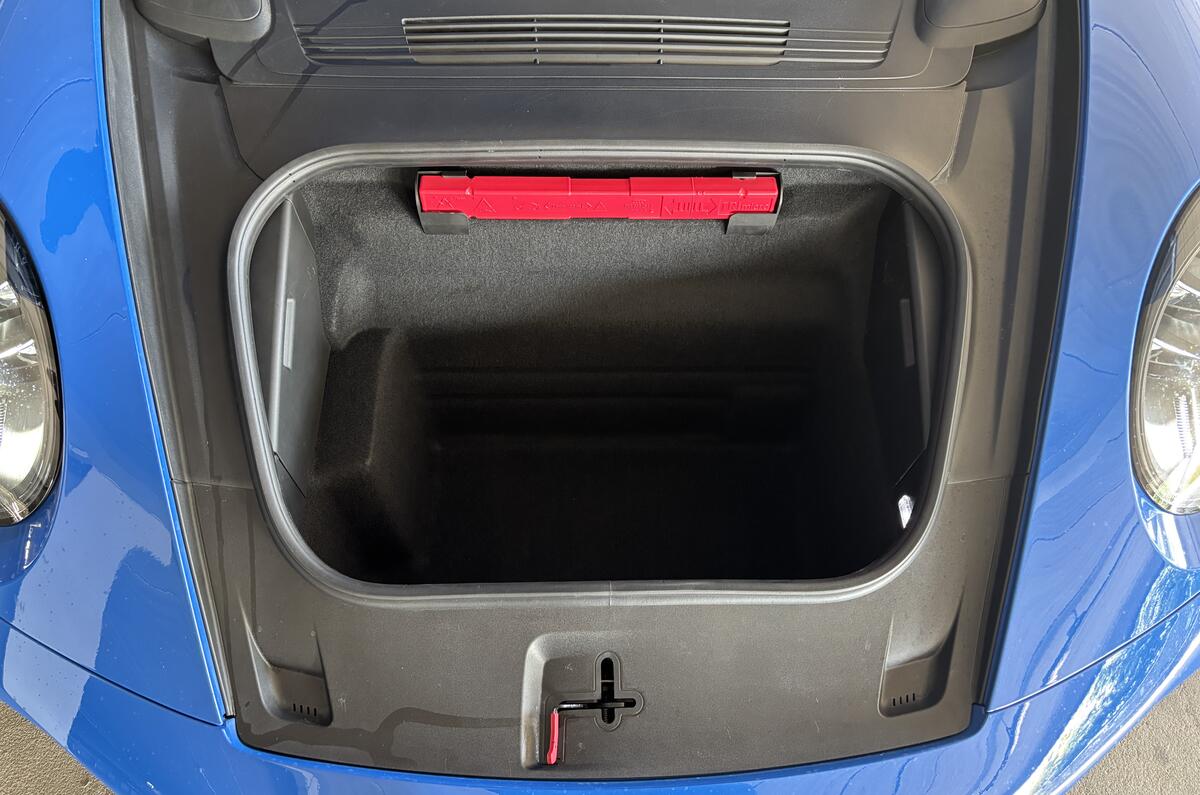
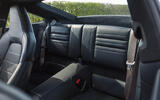
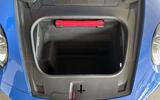
For the 911’s vaunted practicality, meanwhile, customers should note that you now only get ‘+2’ rear seats in the Turbo S coupé as a no-cost option. It’s a trick, probably, to save a few kilograms on that homologated kerb weight figure. The frunk in the nose has a 128-litre storage volume. That is as big as it has ever been on any four-wheel-drive 911, so the car’s hybrid system takes no toll here in terms of usability. It’s large enough for smaller suitcases and soft bags; and the back seats are there, of course, for anything bulkier.

ENGINES & PERFORMANCE

9
Porsche 911 Turbo S review 2026 030

The modern super-sports car class didn’t really exist until Porsche put ‘S’ badges on the 993- and 996-generation 911 Turbos in the late 1990s. It took them well above 400bhp, beyond even the hottest Nissan ‘R33’ Skyline GT-Rs of the time, and well into supercar territory. It earned the modern Turbo a status more celebrated than the 930’s ‘Widowmaker’ tag was feared: ‘Giant-killer’.

So how worthy of that reputation is this car now, with even more power at its disposal? The subjective answer is entirely unqualified; the objective one, more complicated – and perhaps a bit less emphatic than you might expect.

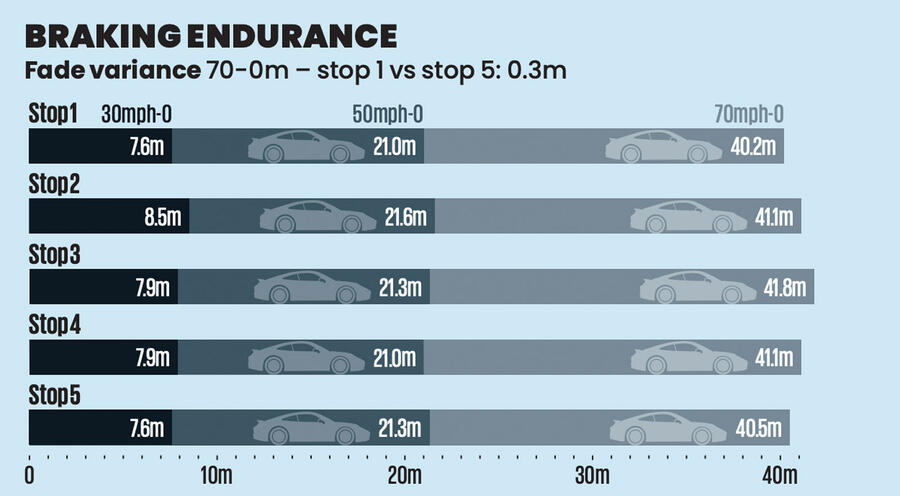
Carbon-ceramic brakes are standard and huge: 420mm in diameter at the front.

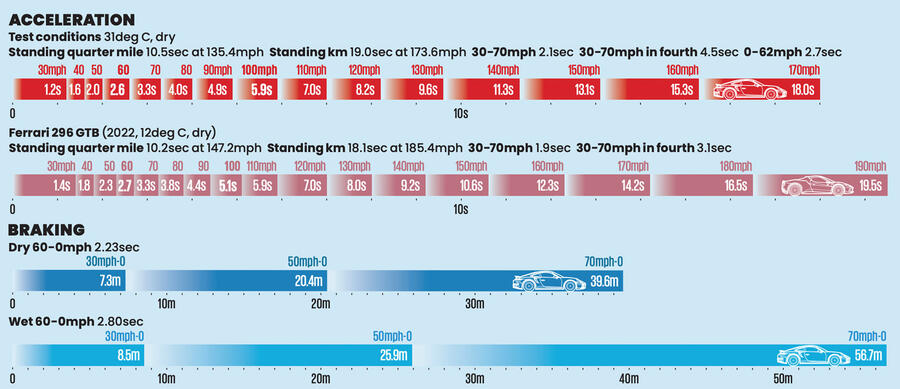
On what was admittedly a very warm test day but with its hybrid system indicating a full charge, the new Turbo S was verified by the Autocar timing gear needing 2.6sec to get from rest to 60mph, and 5.9sec from rest to 100mph. It covered a standing quarter mile in 10.5sec. Those are serious numbers, and they are visceral, exciting and dramatic to experience.

But two realities must be noted. First, they are no longer quite the stuff of the giant-slaying sports car, principally because the giants – today’s mid-engined supercars, many of which now have both turbochargers and hybrid powertrains – have become a lot faster than they used to be.

Second, they don’t seem to represent significant progress for the Turbo S. The pre-facelift, unhybridised 992 Turbo S we tested in 2022 was actually quicker in each of the above respects (albeit only by a tenth or two): the new car needed to run to the far side of 160mph before it started making headway on its predecessor.

These are the very toughest standards by which to judge the new 911 Turbo S’s outright speed, of course. It’s significantly faster than its direct rivals (McLaren Artura, 2022: 0-100mph in 6.3sec; Aston Martin Vantage S, 2026: 0-100mph in 6.8sec). So, judged by a reasonable standard, it’s still a monster. It’s simply that 25 years ago, there was hardly any unreasonable standard that you could apply instead.

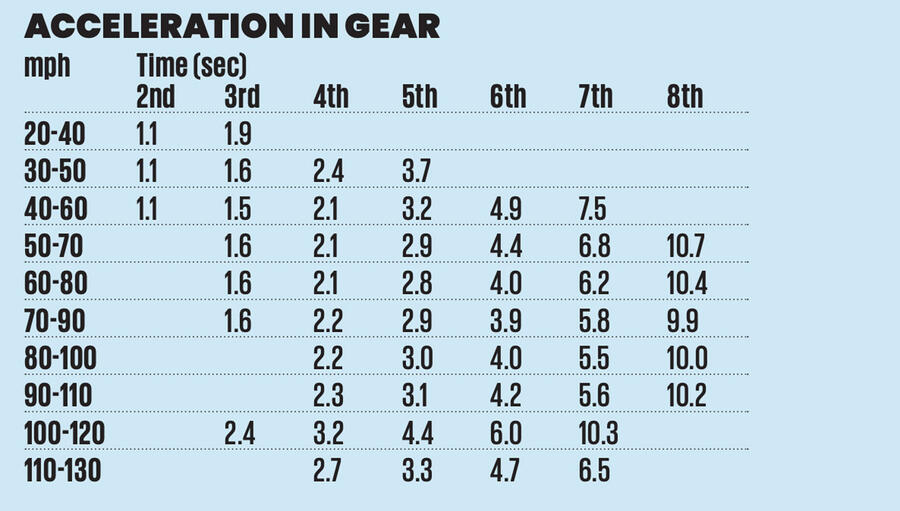
Thanks to its electronic launch control system and clever four-wheel drive, the car commands huge traction from a standing start. The effect of the hybrid system is, if anything, to even out the power delivery and make the boost feel almost inexhaustible. There’s no perceptible latency at all at low revs: the turbochargers seem to be capable of spooling as quickly as your right foot can ask them to. And then they just keep working, the flat six spinning freely and with considerable force all the way to the 7400rpm redline.

Does the hybrid system corrupt the brake pedal feel? Not notably, on road or track. Does the flat six sound the part? At revs and under load, absolutely. From without, the rushing and whistling of those electric turbos is a little evocative of a jet fighter on takeoff; but from within there’s less audible forced induction noise – even if, at low revs, the engine can sound a bit grumbly and flat at times, and lacks a bit of sweetness and soul.

One of the things that hybridisation has taken from the 911 Turbo is a starter motor. You push the engine start button now and there’s no preliminary whirring; just a sudden, slightly coarse ruckus that puts you in mind of the early days of the McLaren MP4-12C’s thrashy-sounding V8. It’s not the enticing startup routine that special 911s have spoilt us with over the decades; although the new Turbo S’s flat six certainly becomes better to listen once it settles down - and then better still on the move.
RIDE & HANDLING

9
Porsche 911 Turbo S review 2026 027

It takes a little bit of nuance, and a dose of maturity, to appreciate a sports car like the 911 Turbo S. But the obvious question – “why wouldn’t you just have a GT3?” – is probably easier to answer today than it has been for some time, thanks not least to this new car’s remarkable dynamic versatility.

A 992.2 GT3, for all its stellar track-day handling poise and communicative brilliance, is a noisier, more highly strung and firmer-riding car now than it has been for a generation or two. It has never been more highly regarded or sought-after, but perhaps not by those who rack up high mileages in their fast daily drivers, who use them as often as they can, and who have the ultimate regard and respect for how indiscriminately they can have their fun.

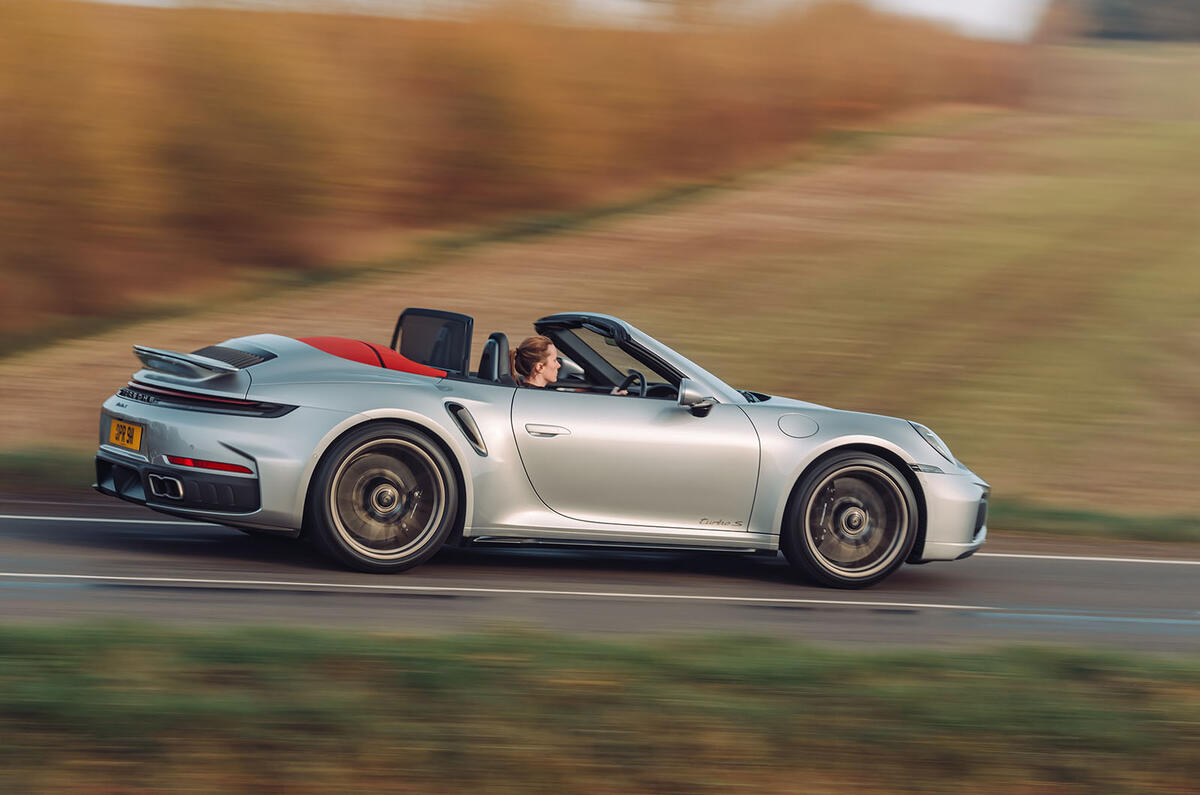
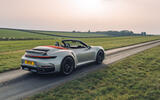
On standard PASM suspension, this Turbo S has the wheel travel and progressive body control to roll with the punches on a warped B-road. It deals with sunken gutters, crowned roads and sudden compressions comfortably and deftly at speed, when a GT3 would be bouncing you out of your seat or scraping its skirts on the Tarmac.

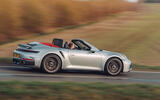
Part of that uncanny composure will be down to Porsche’s excellent new PDCC active anti-roll system: the instant you turn the Turbo S into a corner, it shows compelling sharpness and agility. The steering is lighter, more filtered and less detailed than in a GT3, and feels less faithful and deliciously involving than it might. But it rotates the car keenly and intuitively as you move past a quarter-turn of lock – which is another compliment to the electronic calibration of those anti-roll bars. If they are continuously adjusting the suspension’s lateral stiffness to help change direction, you simply wouldn’t know it.

The compromise, if there is one, may be that the Turbo S has taken another step towards perfect body control and ultimate outright composure and, as a result, it has a chassis that expresses itself that bit less freely – at road speeds, at least. 

You don’t feel the 911’s rearwards weight distribution here, in the way the car rides and rotates on a trailing throttle, like you might in a Carrera S. There is that little bit less accessible rolling charisma, in some ways; although that’s a path the Turbo has been on since the four-wheel-drive 993 arrived. This is a charge, however, that has been levelled at the model for so long that it’s unlikely to deter many of the Turbo faithful in 2026

Track notes - 4 stars

As ever, the various tracks of Horiba MIRA allowed us to explore the Turbo S’s limit handling in both wet and dry conditions. The very warm afternoon test conditions, with track temperatures of around 50deg C, was certainly challenging to the car’s Pirelli P Zero R tyres.

Porsche’s Wet drive mode is excellent for making smooth, quick progress in slippery conditions. It quells and corrects the chassis progressively and effectively when needed, and keeps the car on line without big interventions, to make it feel super-assured.

Turn off the electronic aids and you’ll discover a car that will rotate into oversteer freely, both on the throttle and off it, at your prompt. Its torque-vectoring four-wheel drive will then act to stabilise it under power and prevent it from taking long, lurid slip angles – without disallowing others. Whatever the conditions, there’s plenty of 911-typical, limit-handling amusement. Track-day-goers should be aware, though, that with 701bhp to cope with, those road-biased rear tyres won’t take endless abuse. They are advised to keep a close eye that temperatures don’t rise above 60deg C, at which point the risk of delamination is higher than it would be with ‘Cup’-style rubber.
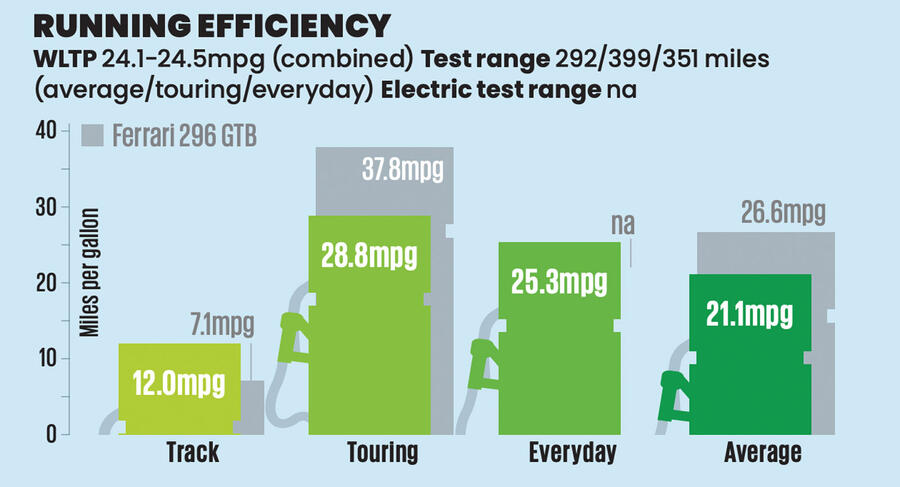
MPG & RUNNING COSTS

8
Porsche 911 Turbo S review 2026 001

How much is too much for the car that founded the 911 Turbo class? Four years ago the 992.1 Turbo S had an entry price just under £170k; a Ferrari Roma cost about the same, a McLaren Artura a little more.

Today, the new Turbo S costs more than a Ferrari Amalfi , more than a McLaren Artura, quite a lot more than a V8-powered Mercedes-AMG GT or Aston Martin Vantage, and more still once you’ve dealt with Porsche’s typically extensive options portfolio.

As our performance figures show, the car absolutely walks the walk to justify that price tag in terms of its outright speed – and outright speed is far from all it’s good for. But it’s some price to ask for a car without a carbonfibre tub or a bellowing, muscle-car V8 engine.

On the flip side, the Turbo S’s residual values are expected to be strong, according to our friends at Autotrader, and that is something that hasn’t always been true where 911 Turbos are concerned.

VERDICT

9
Porsche 911 Turbo S review 2026 032

The towering success of the 911 Turbo’s GT division rival, the GT3, has painted it as the alternative fast 911. The peripheral one. Second fiddle. Yet the Turbo makes a mockery of that status, not least given its longevity. It is even more of an insult when you consider the incredible performance, handling, composure and malleability of this new one.

The four-wheel-drive, everyday-use supercar slayer has become a bit of a forgotten concept in this era of zealously policed speed limits, aero-heavy hypercar collector’s items and fetishised restomods. Notable exponents (Nissan GT-R, Audi R8, Jaguar F-Type R) have fallen by the wayside.

I’d never use them for passengers, but I’d option the no-cost back seats: the seatbelts are so useful for retaining helmets, bags and the like. Or how about a ‘Turbo Touring’ version with a cargo area under a 997 Targa-style side-opening rear window?

But the grandaddy of them all is still flying the flag. It may still trade a little of the 911’s vaunted dynamic charisma and communication off against outright capability. But it now has such incredible breadth of usability, pace and accomplishment that you – almost – don’t question the asking price.

Matt Saunders

Matt Saunders Autocar
Title: Road test editor

As Autocar’s chief car tester and reviewer, it’s Matt’s job to ensure the quality, objectivity, relevance and rigour of the entirety of Autocar’s reviews output, as well contributing a great many detailed road tests, group tests and drive reviews himself.

Matt has been an Autocar staffer since the autumn of 2003, and has been lucky enough to work alongside some of the magazine’s best-known writers and contributors over that time. He served as staff writer, features editor, assistant editor and digital editor, before joining the road test desk in 2011.

Since then he’s driven, measured, lap-timed, figured, and reported on cars as varied as the Bugatti Veyron, Rolls-Royce PhantomTesla RoadsterAriel Hipercar, Tata Nano, McLaren SennaRenault Twizy and Toyota Mirai. Among his wider personal highlights of the job have been covering Sebastien Loeb’s record-breaking run at Pikes Peak in 2013; doing 190mph on derestricted German autobahn in a Brabus Rocket; and driving McLaren’s legendary ‘XP5’ F1 prototype. His own car is a trusty Mazda CX-5.

Matt Prior

Matt Prior
Title: Editor-at-large

Matt is Autocar’s lead features writer and presenter, is the main face of Autocar’s YouTube channel, presents the My Week In Cars podcast and has written his weekly column, Tester’s Notes, since 2013.

Matt is an automotive engineer who has been writing and talking about cars since 1997. He joined Autocar in 2005 as deputy road test editor, prior to which he was road test editor and world rally editor for Channel 4’s automotive website, 4Car. 

Into all things engineering and automotive from any era, Matt is as comfortable regularly contributing to sibling titles Move Electric and Classic & Sports Car as he is writing for Autocar. He has a racing licence, and some malfunctioning classic cars and motorbikes.