





Currently reading: Range Rover Sport Electric driven: it really could be the best 4x4 by far

The Range Rover is now best in EV form - and so is its smaller sibling. Although for very different reasons...

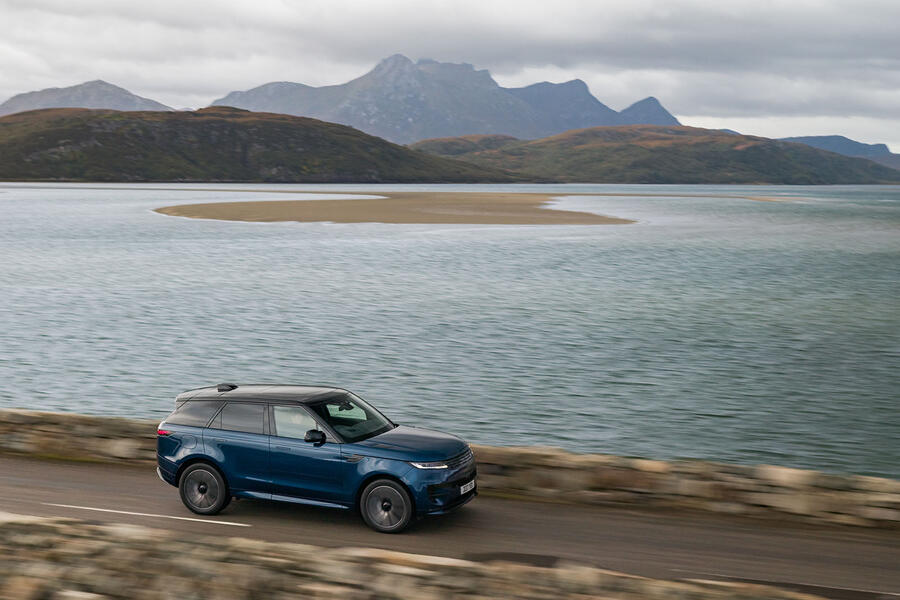
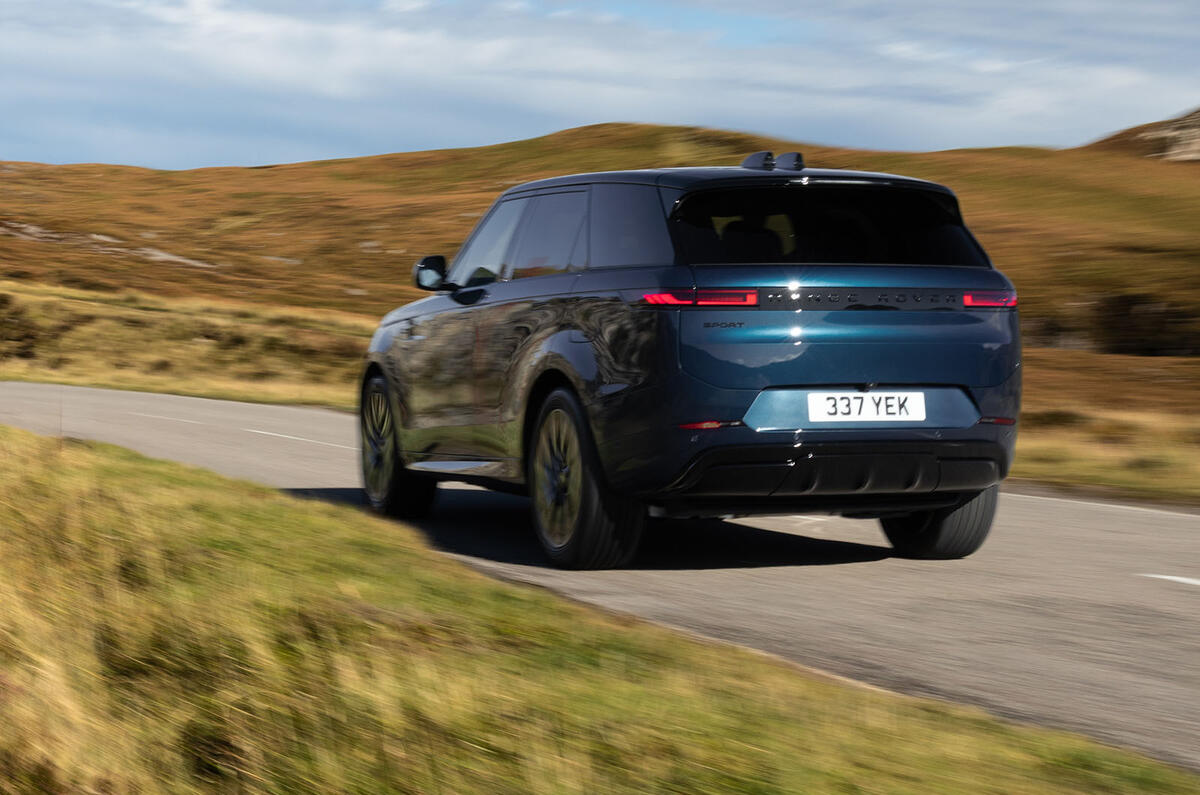
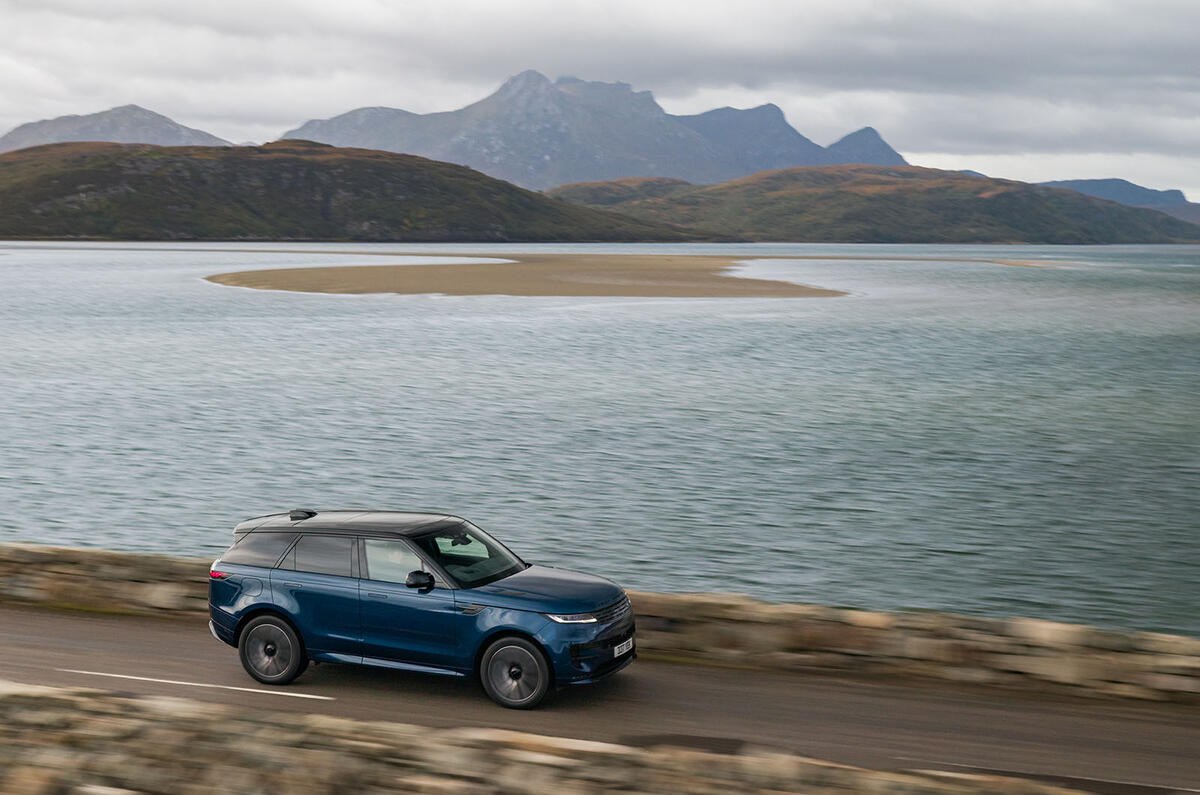
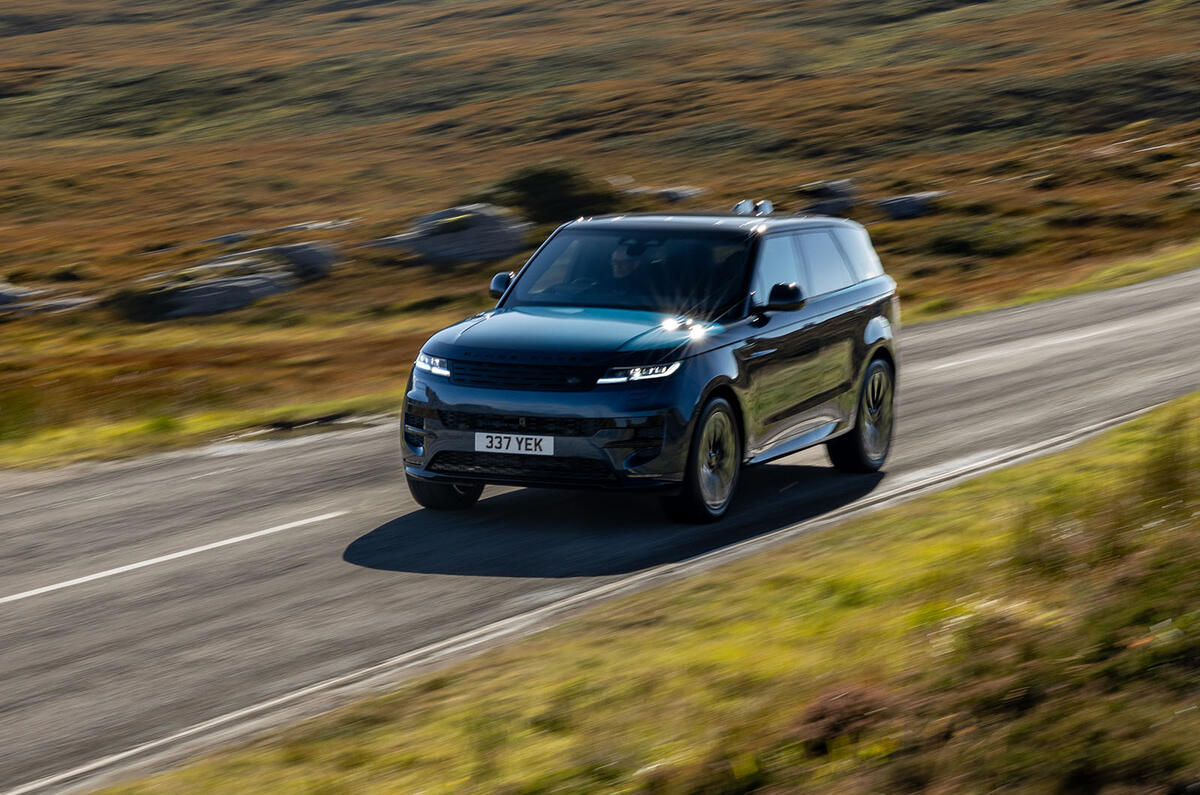
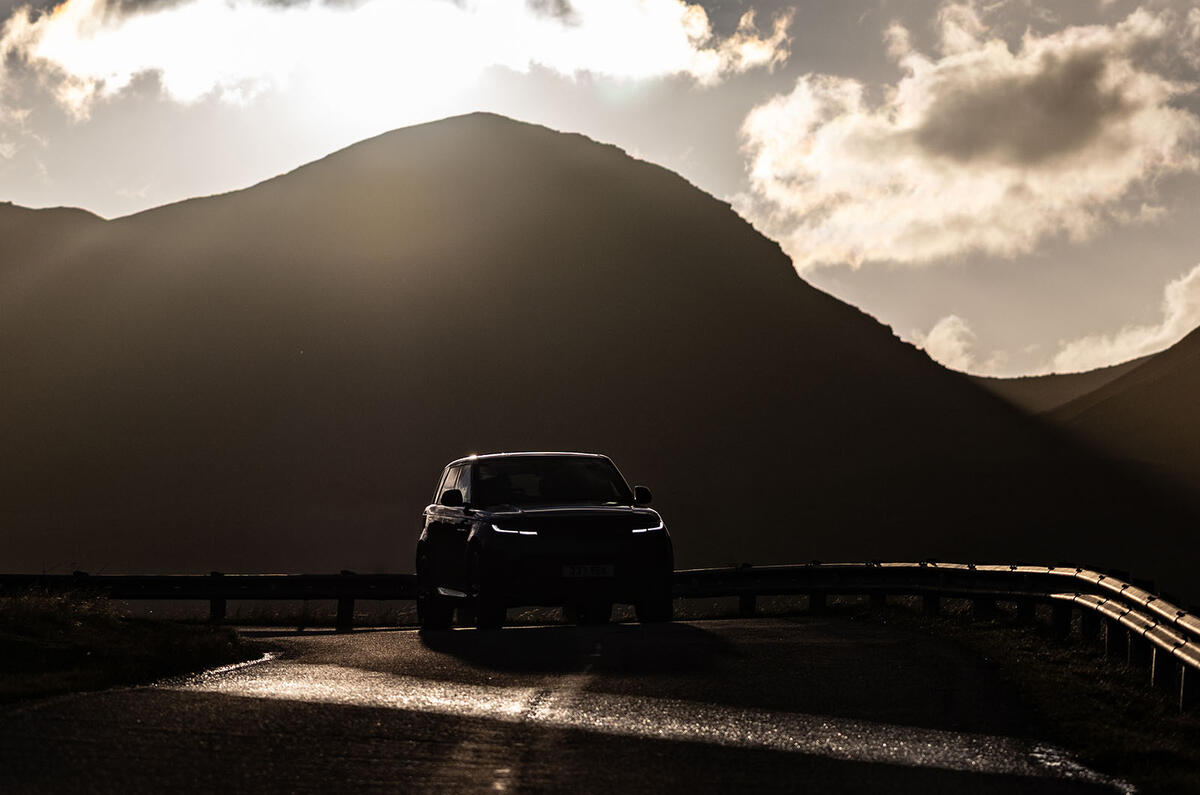
Over the past decade and in particular with this current generation, the Range Rover Sport – not its big brother – has been the model to showcase the Range Rover brand at its very best.

It not only is a match for the full-size Range Rover in terms of style and luxury but also has as broad a range of dynamic abilities as almost anything else on the market.
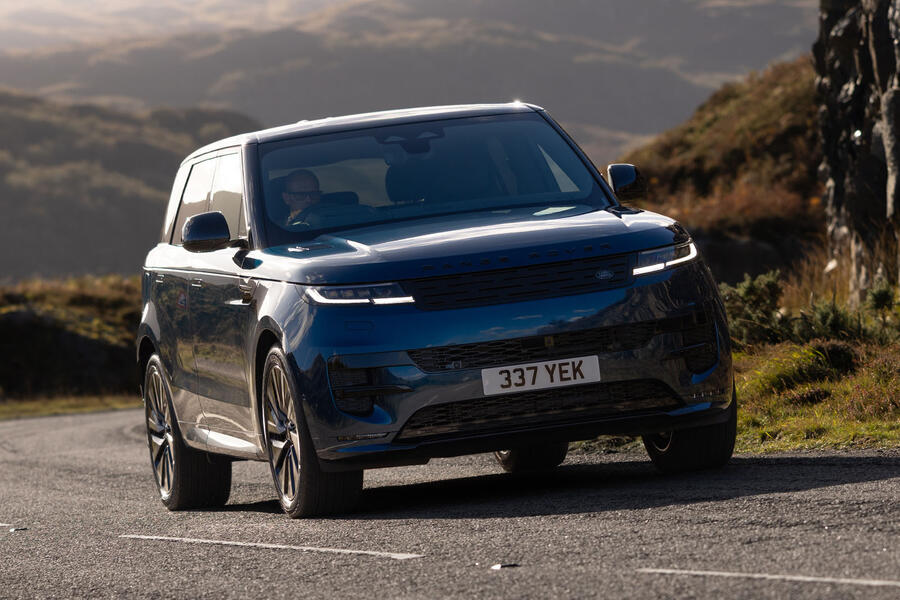
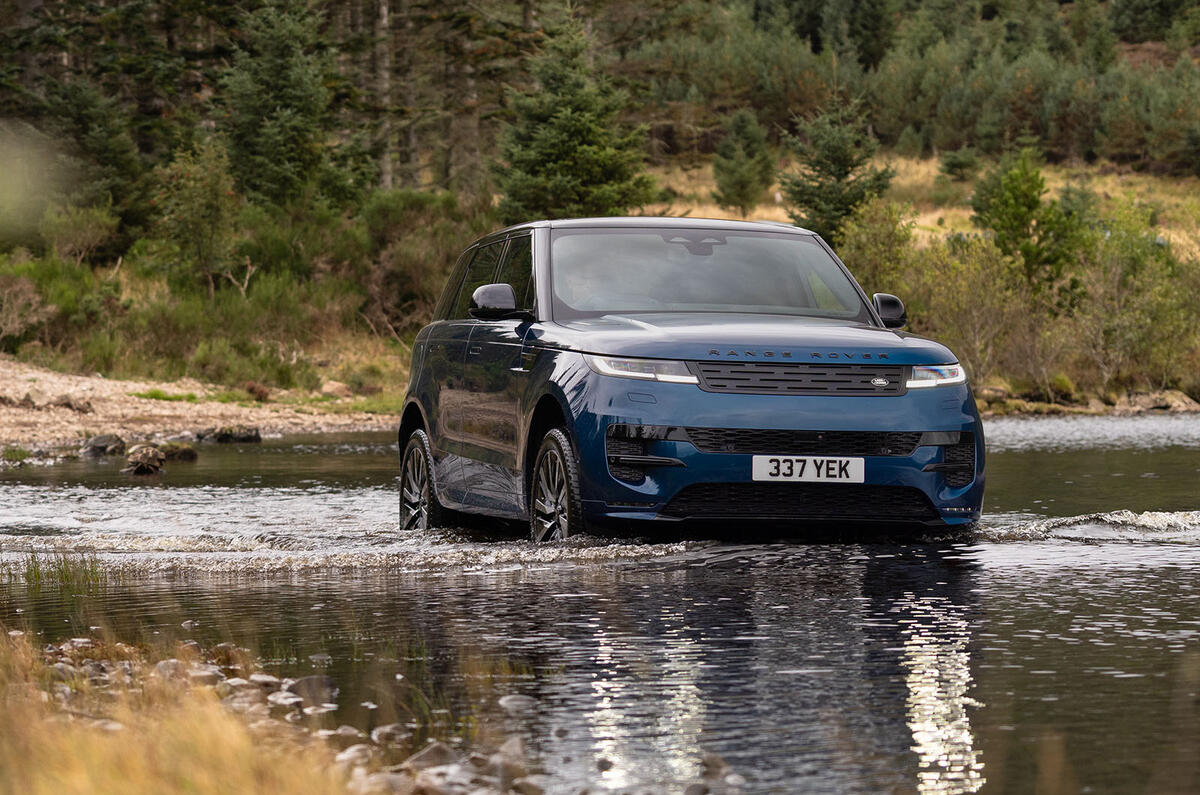
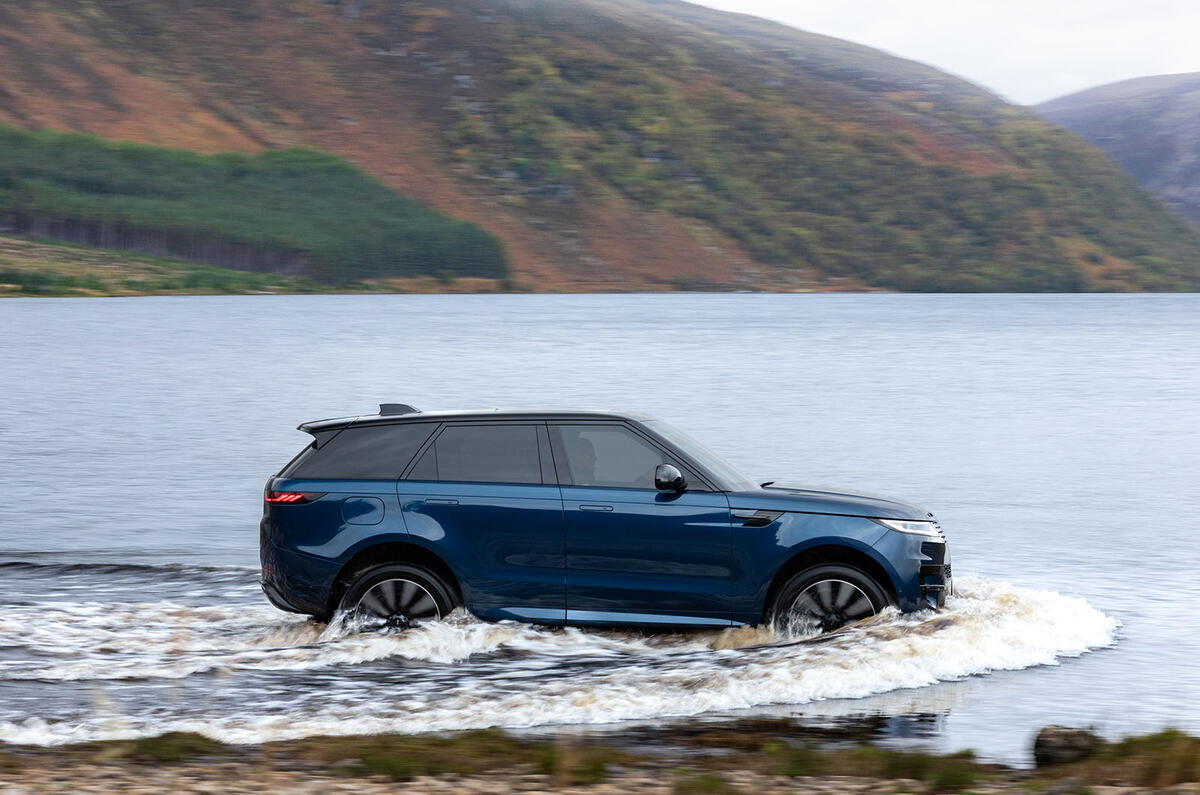
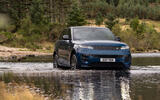
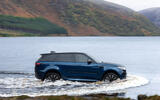
The Range Rover Sport can be a genuinely engaging driver’s SUV as much as it can be a sumptuous cruiser and then still navigate obstacles and types of terrain off road that no car has a right to do. 

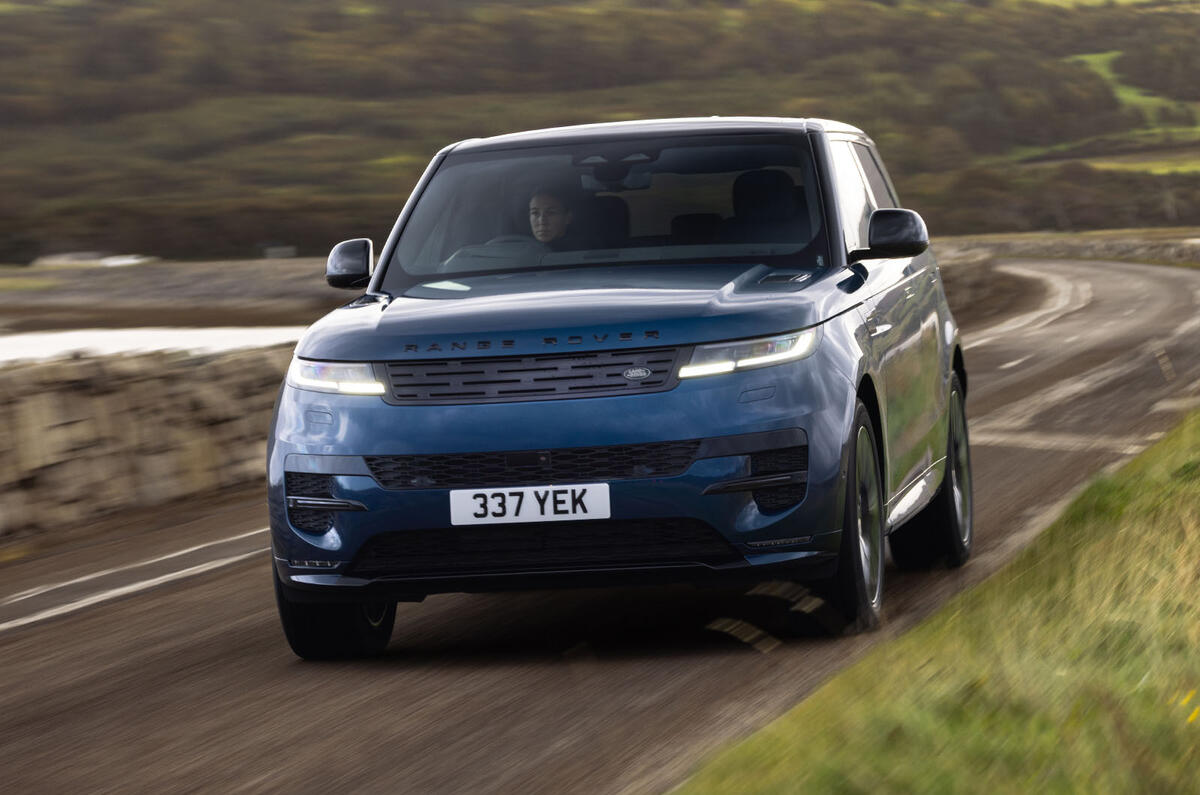
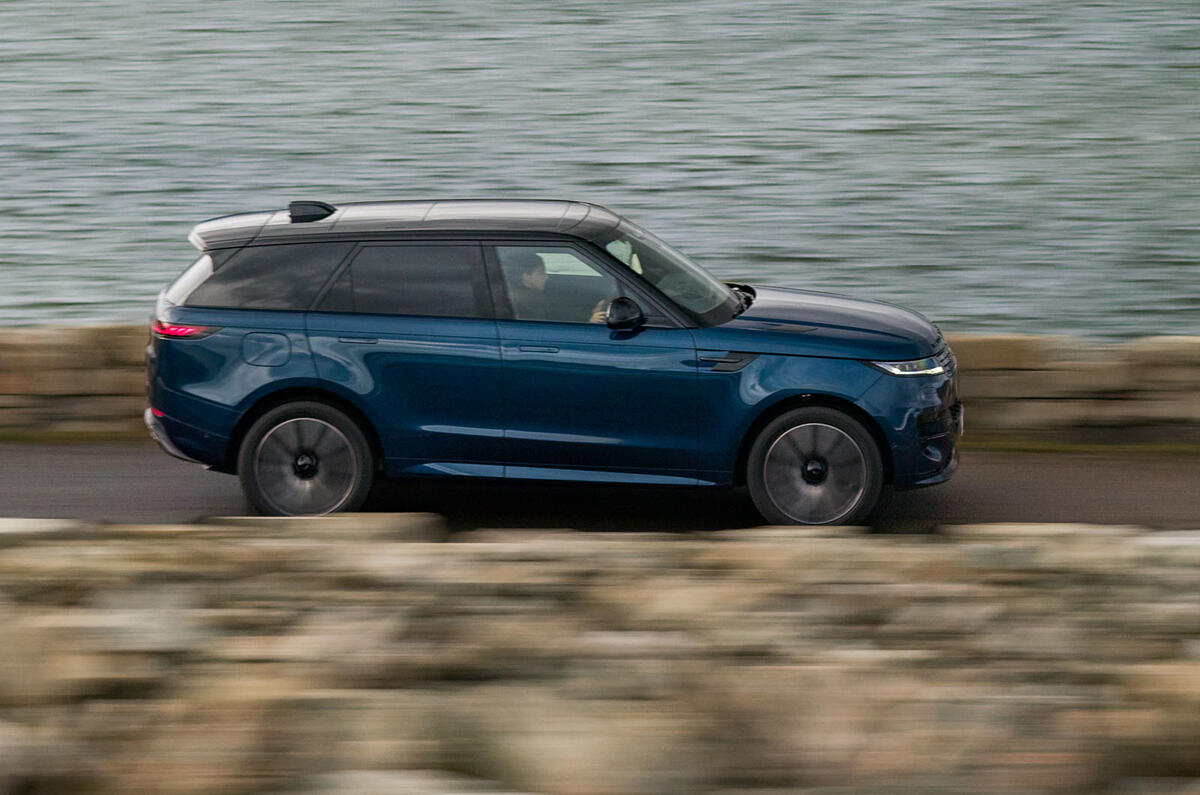
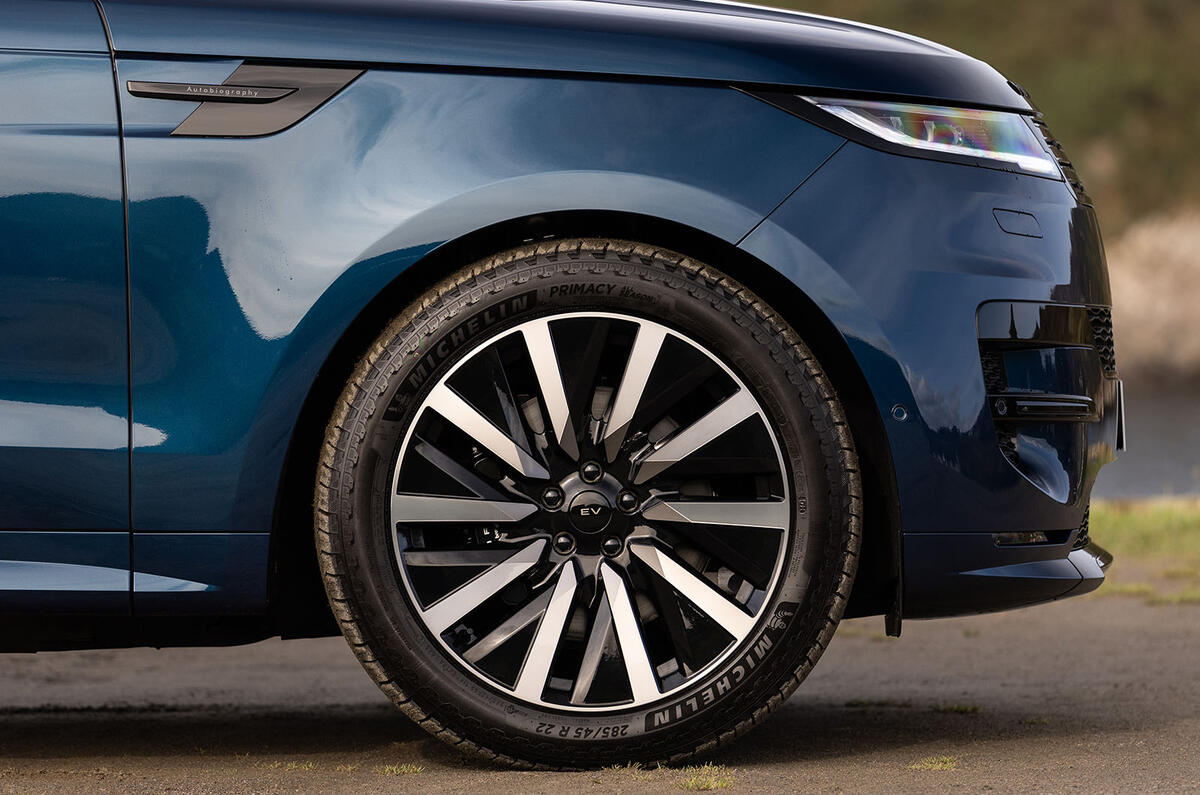
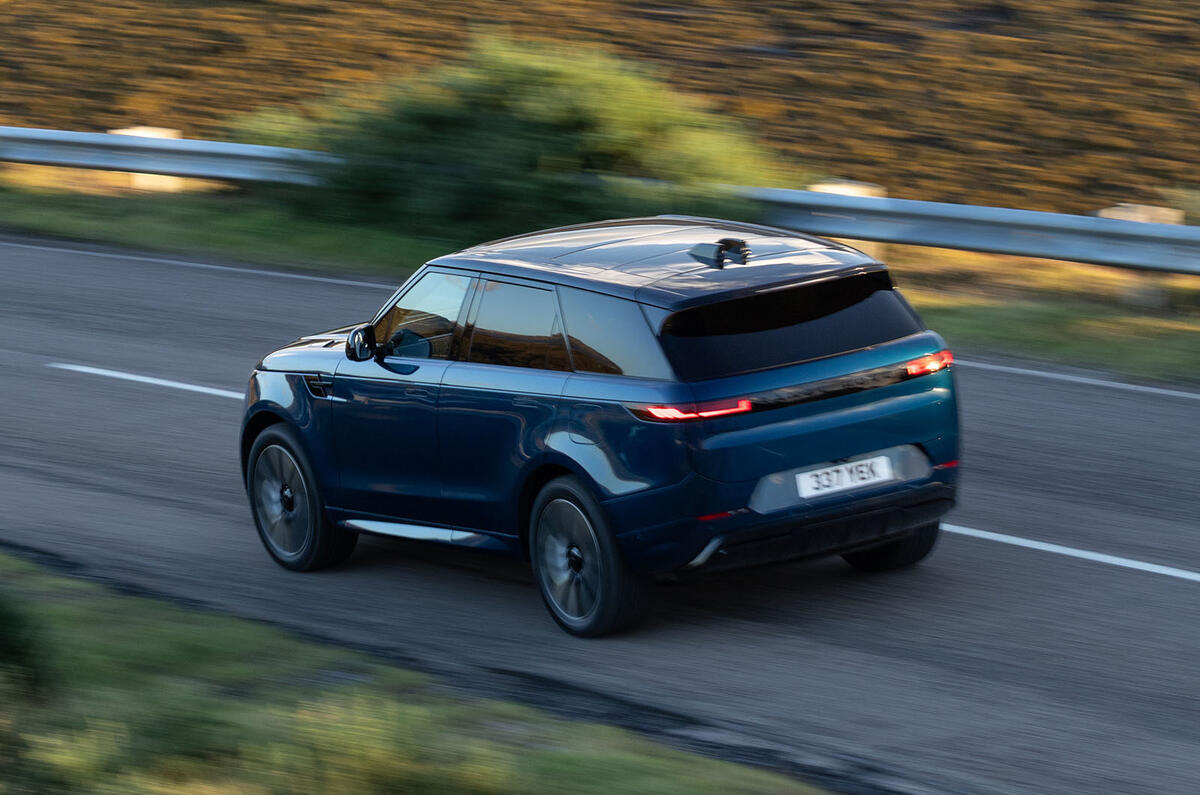
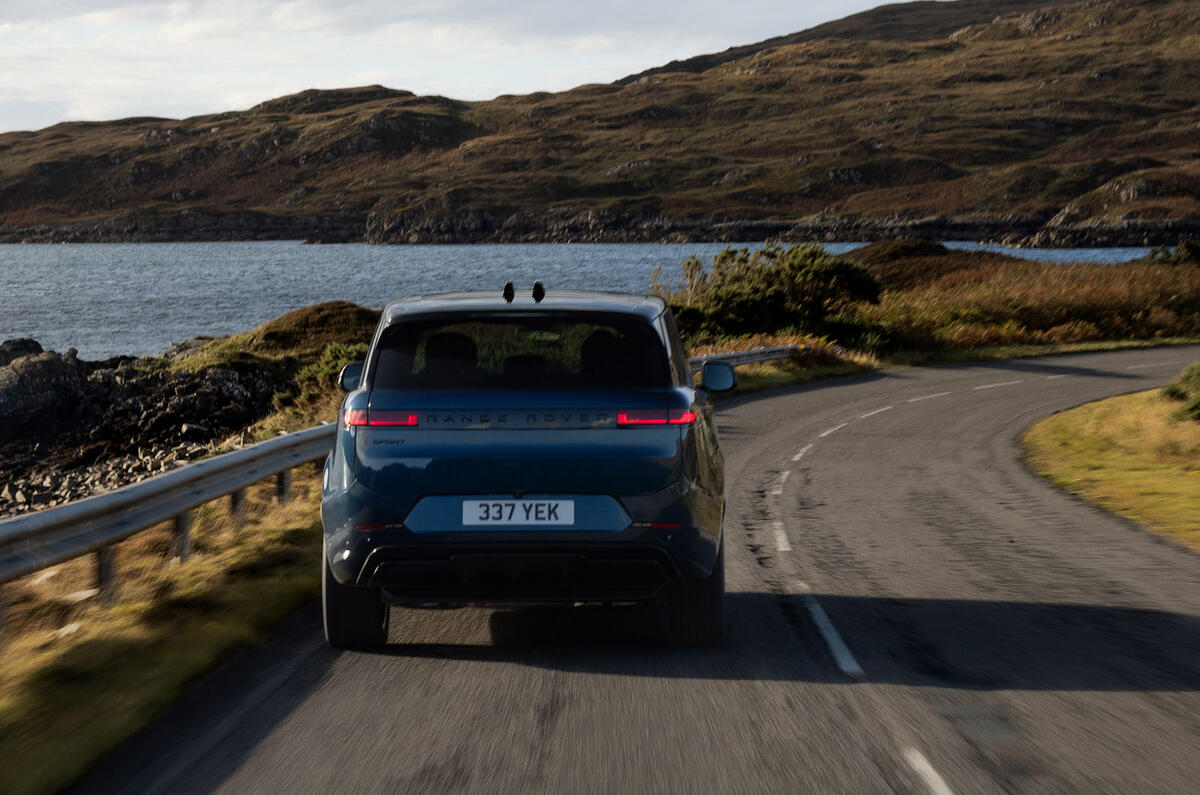
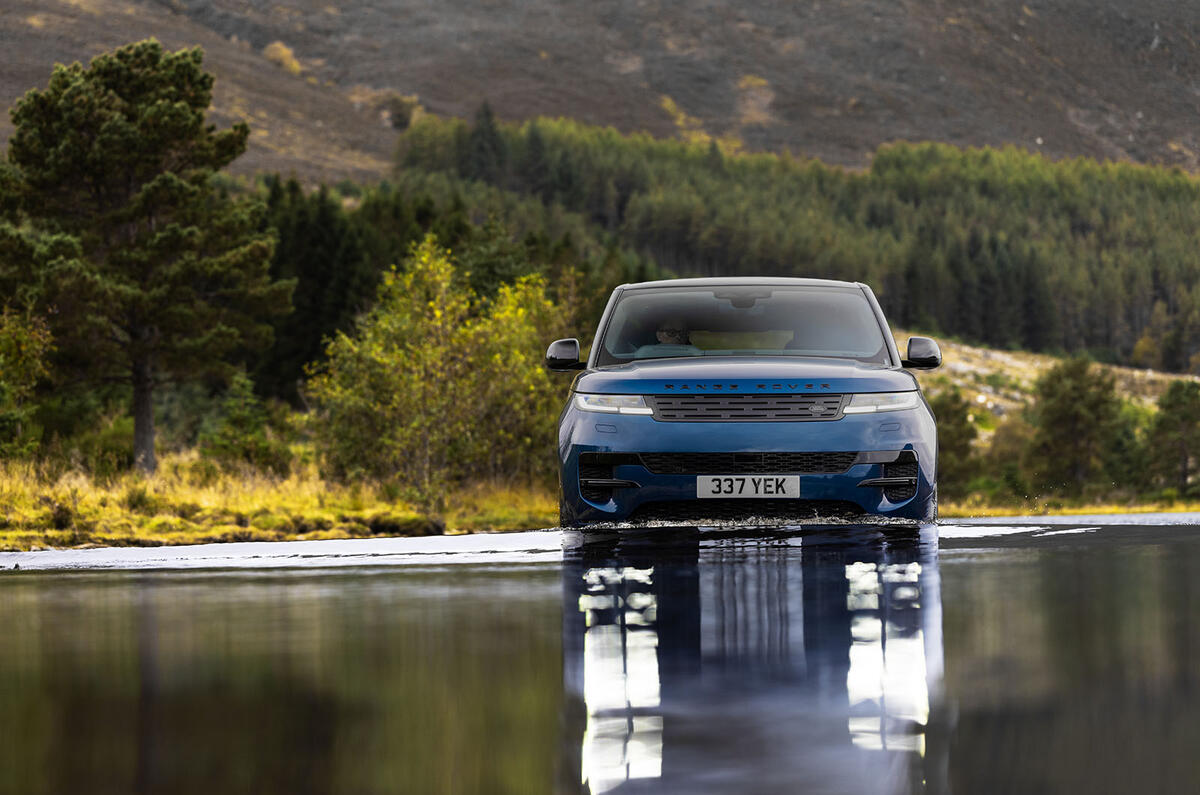
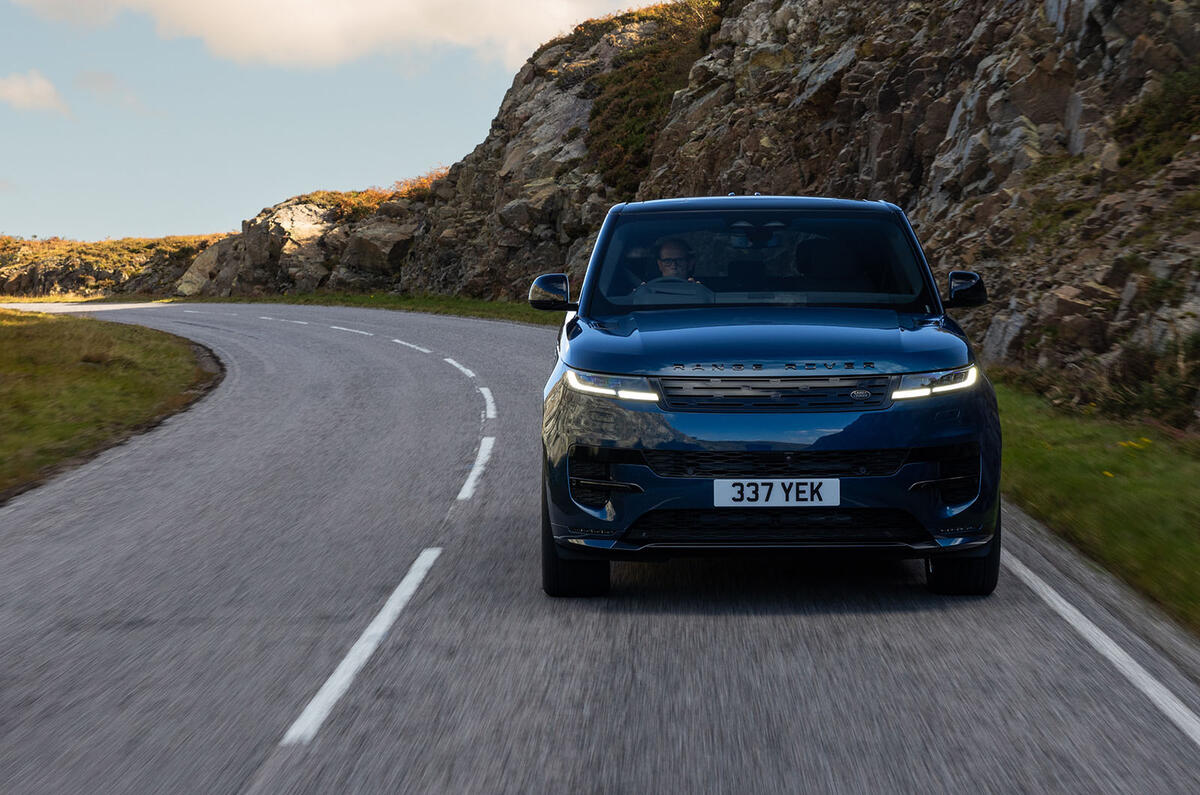
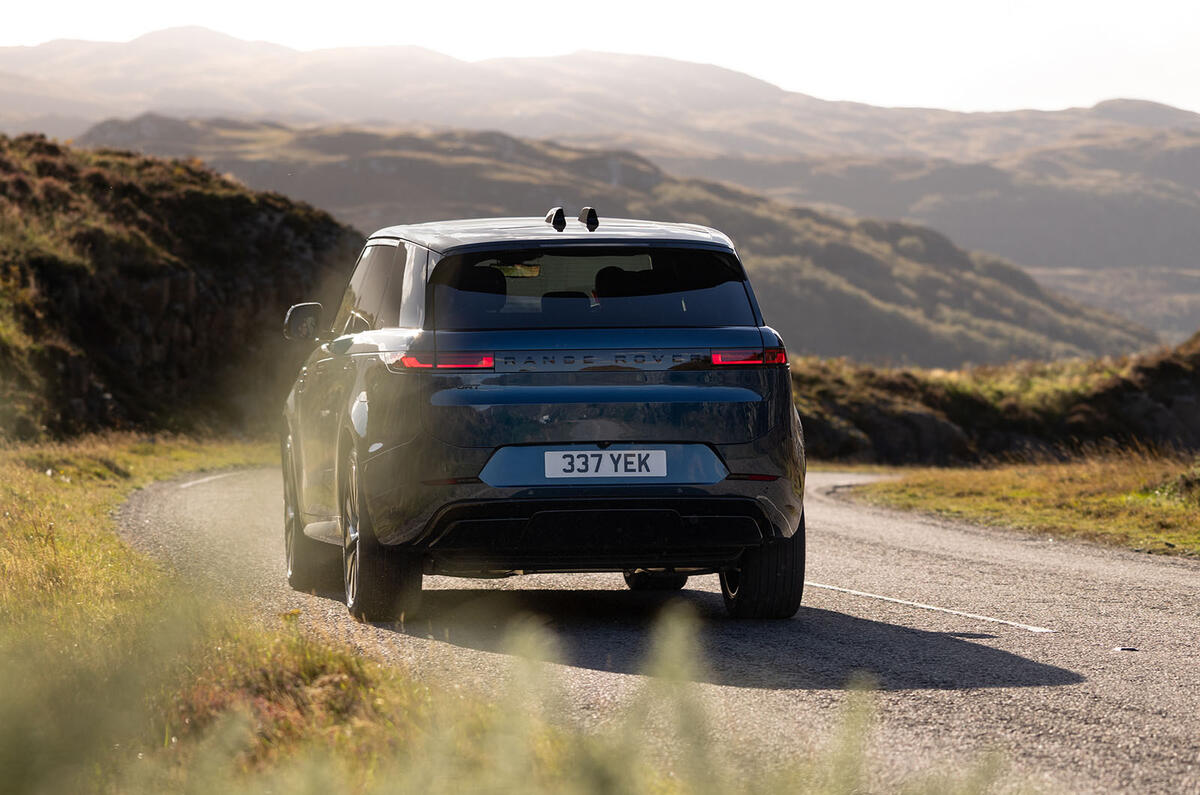
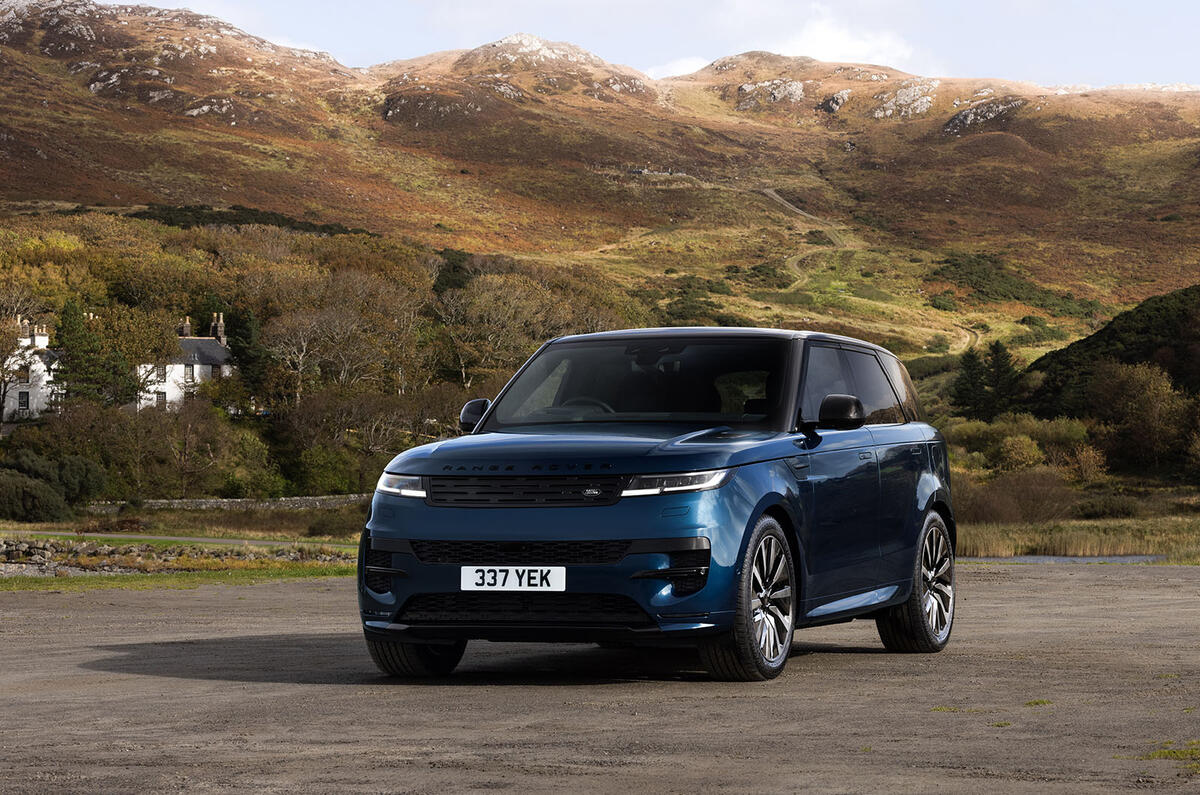
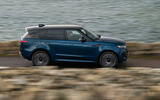
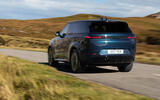
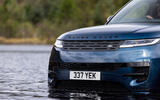
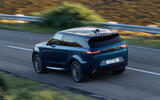
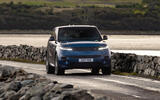
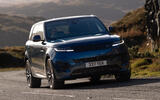
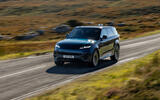
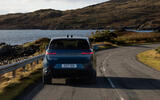
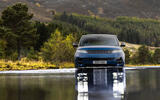
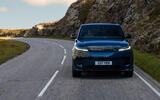
The Range Rover Sport Electric goes EV at the same time as the Range Rover Electric and in much the same way, as a powertrain option in a visually identical body to the ICE car.

Whereas electric power felt a very obvious next step for the Range Rover as a way to enhance its luxury credentials, areas of improvement are a bit less obvious for the Range Rover Sport.
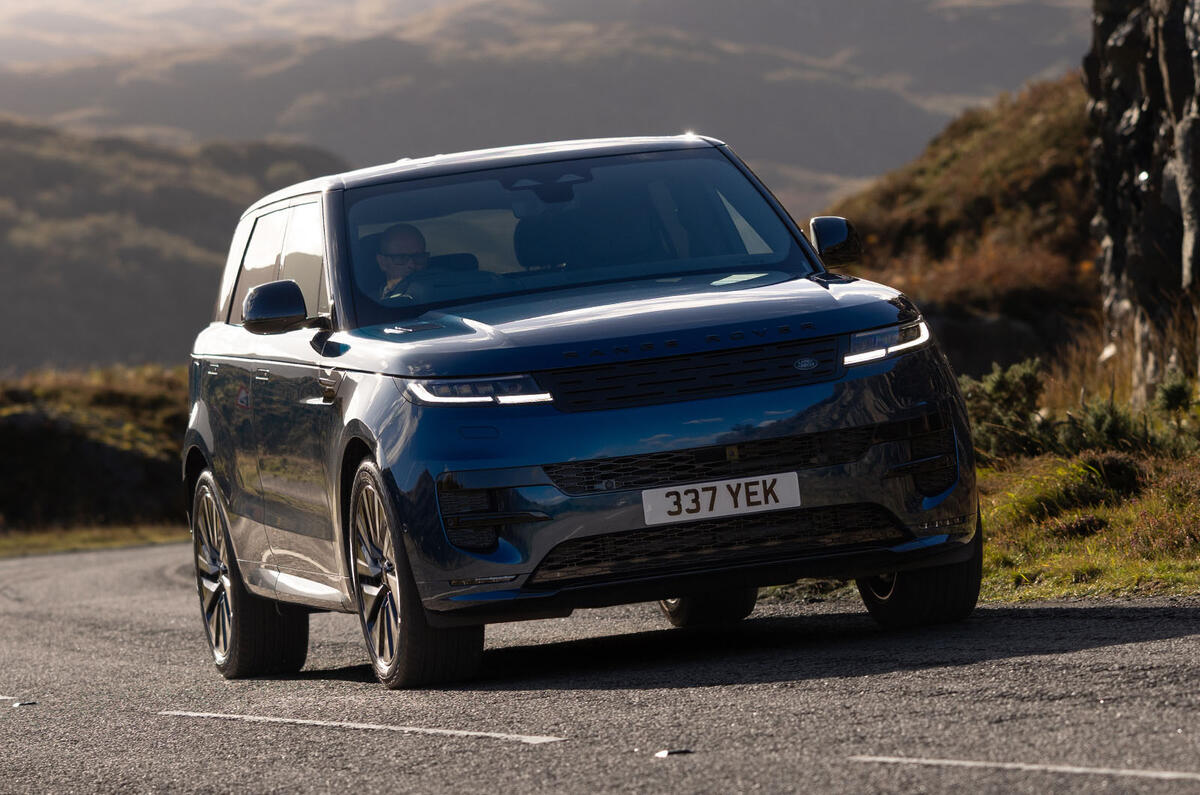
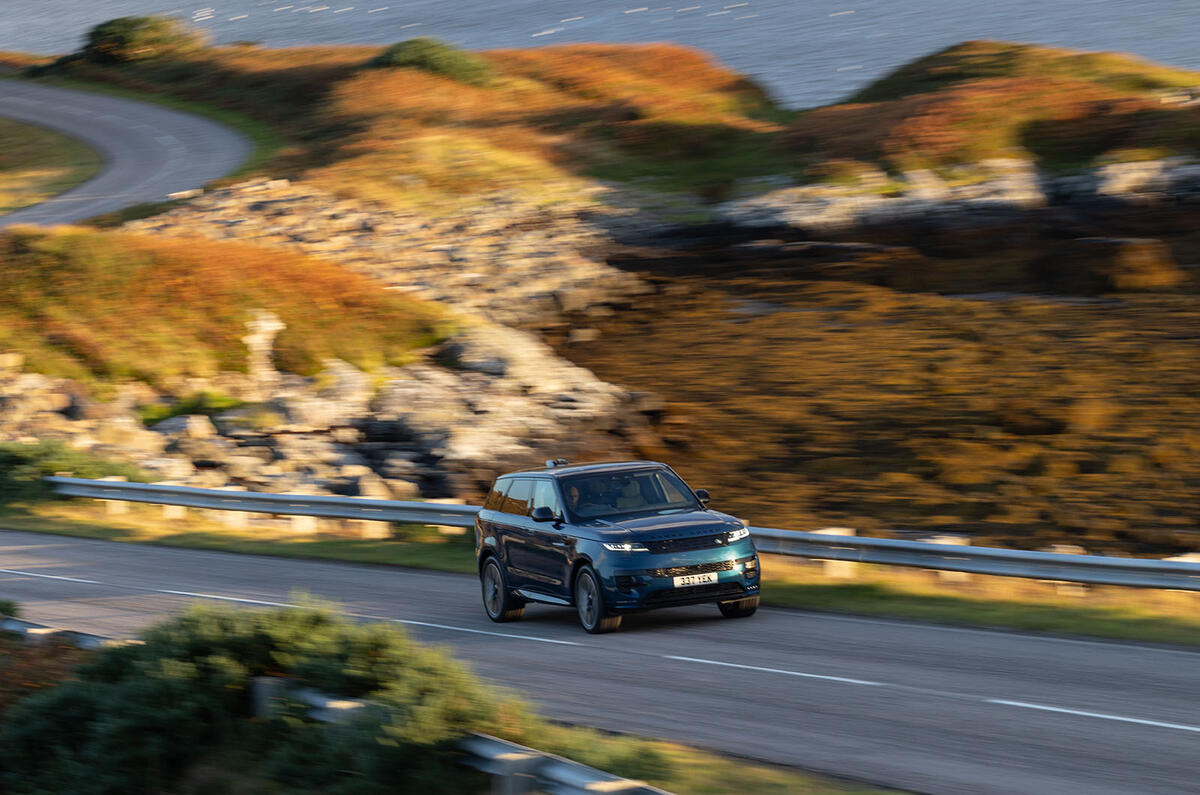
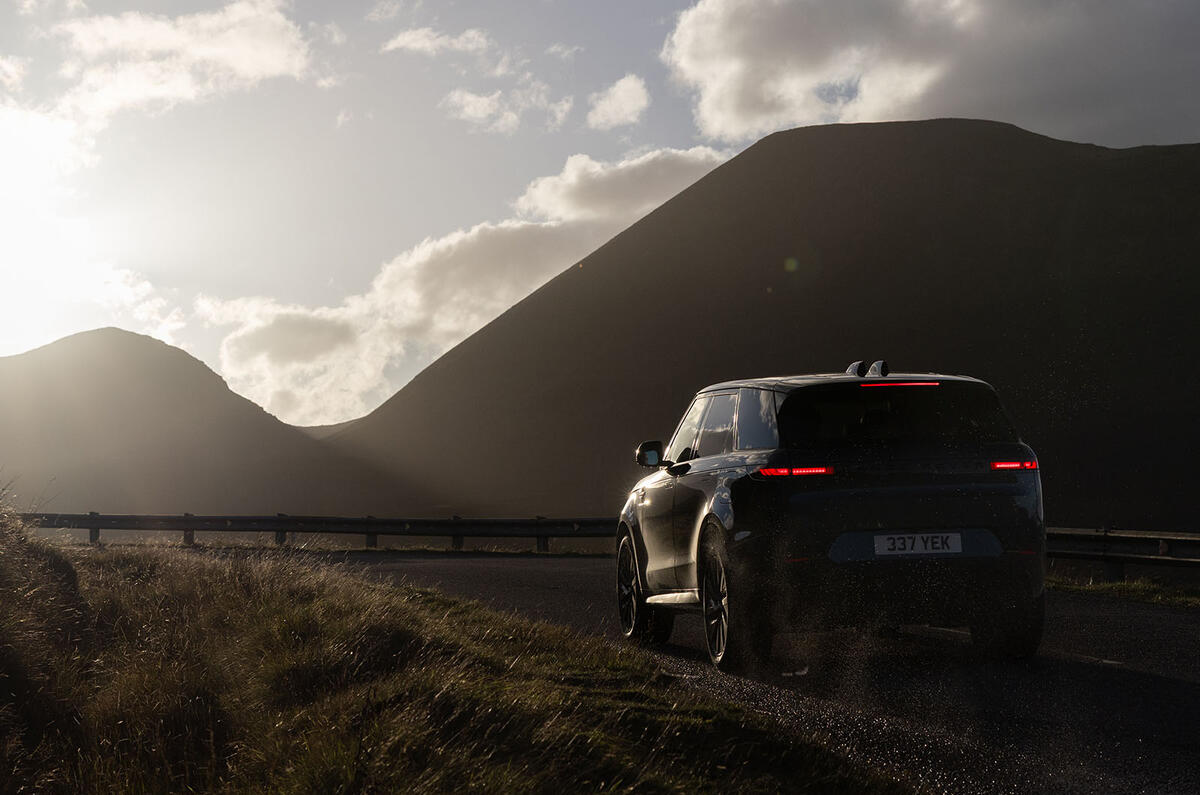
Regardless, the result is hugely successful. This is a fabulous car to drive. As with the Range Rover, electric power transforms the Sport into a better-distilled version of what it was already so good at.

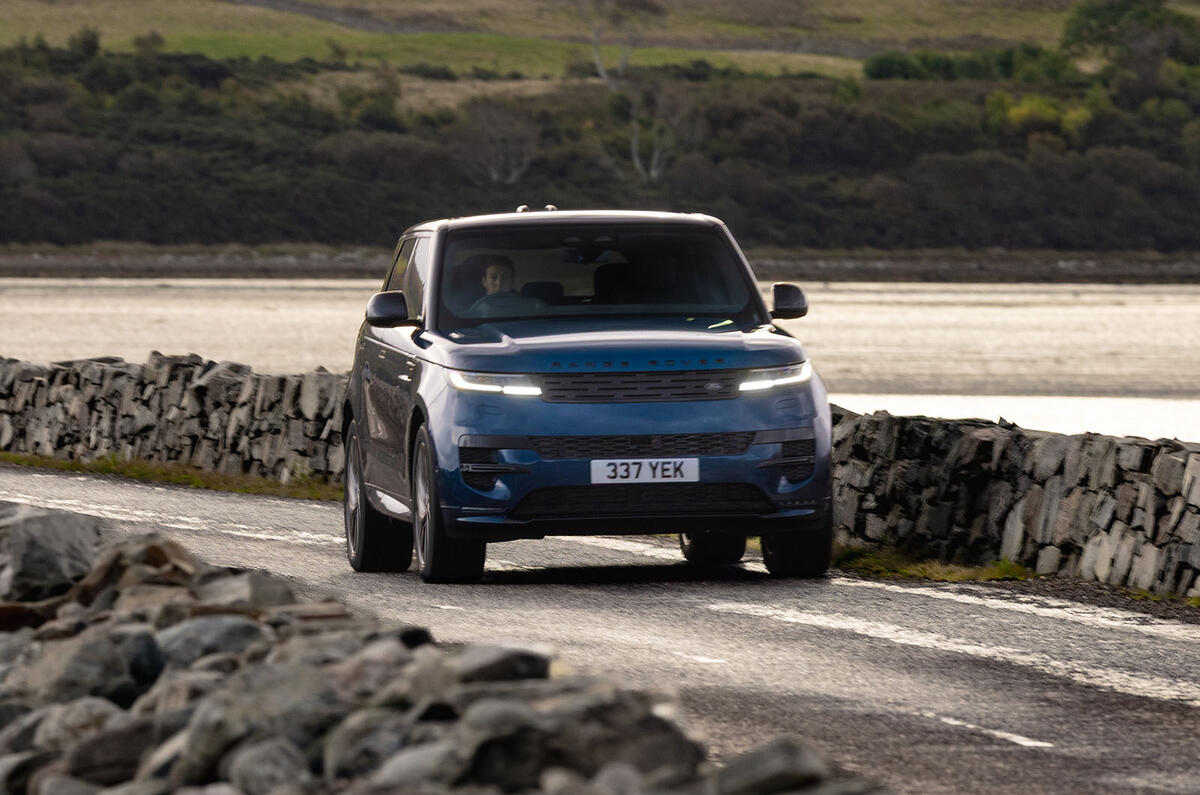
It rides, handles and steers better from an existing high bar and the drivetrain is used to elevate those things and increase your enjoyment rather than dominate proceedings.

In fact, I’m struggling to think of an electric car in which the chassis has been this enjoyable and the propulsion method more of an afterthought.

It’s remarkable, really, that you can feel so comfortable and relaxed yet be able to drive the car in such a spirited way and make such brisk progress. Impressive stuff.

Back to top

This EV is based on the same MLA platform as the rest of the Range Rover and Range Rover Sport family, only with an electric motor on each axle, for a combined 542bhp and 627lb ft, and a 118.5kWh (usable) battery – specs identical to the Range Rover Electric.

The Sport EV is the stiffest model yet built on the MLA, like its big brother with the battery in the floor (without affecting interior space, driving position or wider interior architecture) for a lower centre of gravity, and it’s rear-biased in feel.

The new Range Rover EVs were developed alongside one another and the Jaguar Type 01 GT – something JLR vehicle engineering director Matt Becker says has helped ensure the large luxury electric trio all have different characteristics and their own place in the market.

His team has been successful here. Considering how soulless and devoid of character many EVs are, I had expected the Range Rover duo to feel closer together in electric form, but in fact they feel even further apart, with the Sport EV channelling the spirit of the superb previous-generation model.

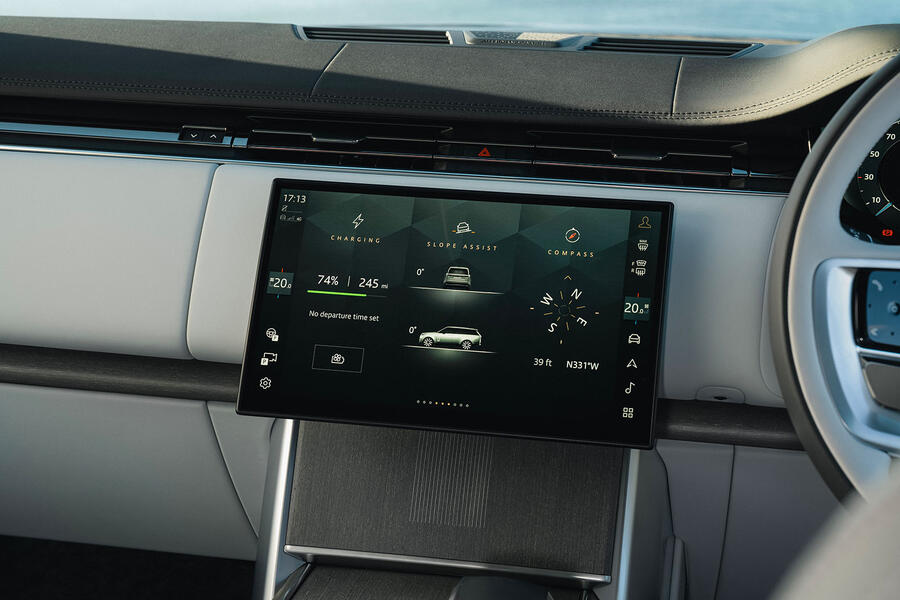
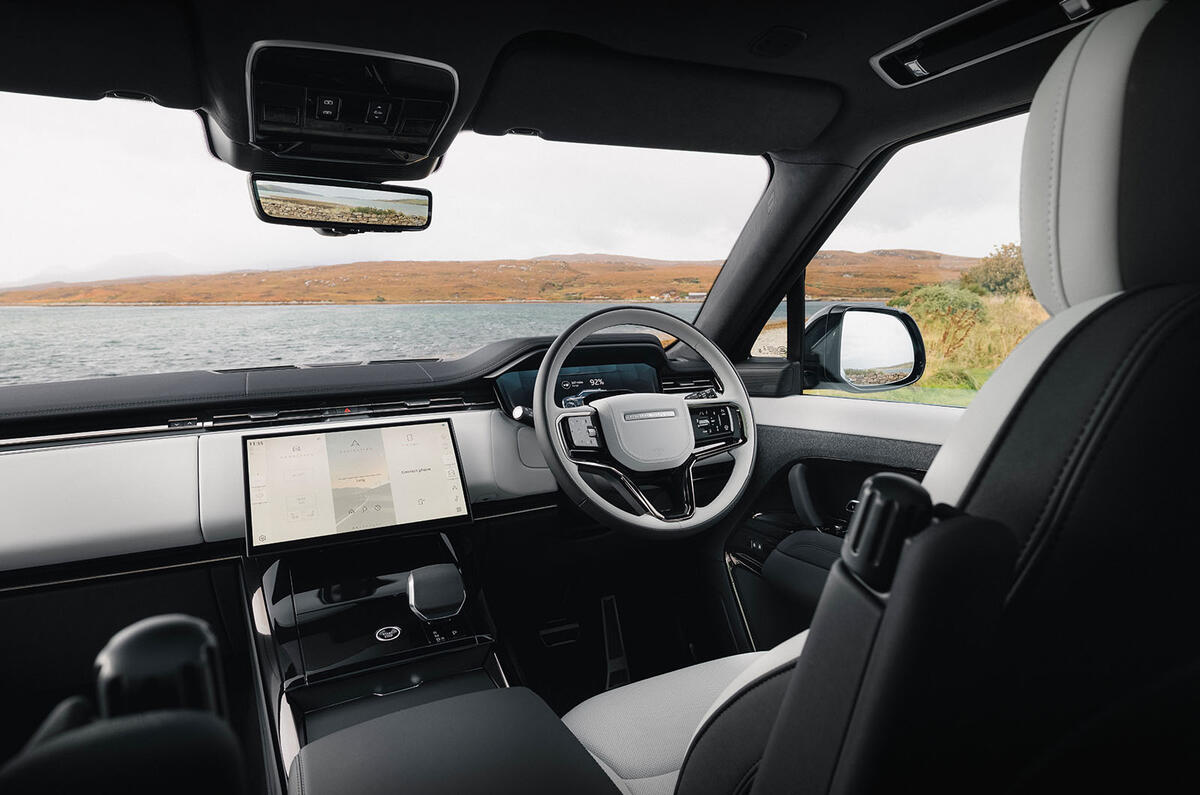
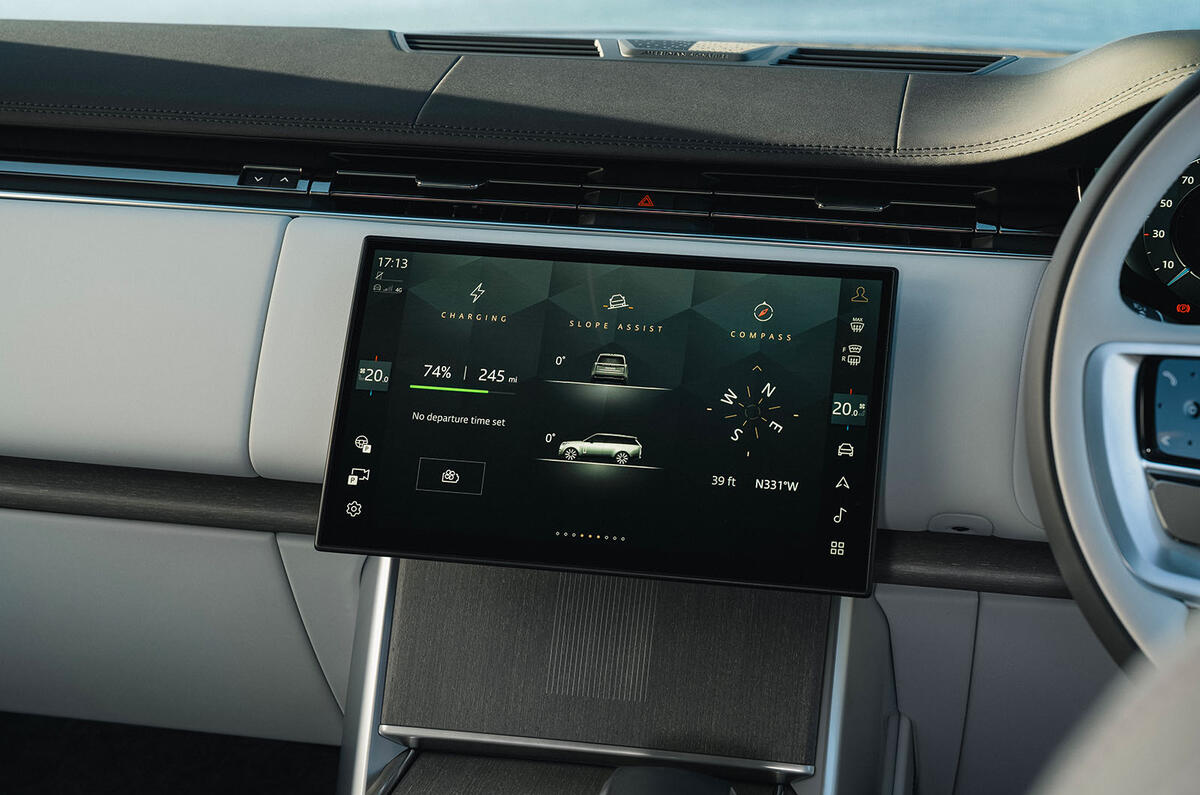
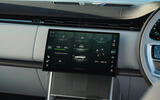
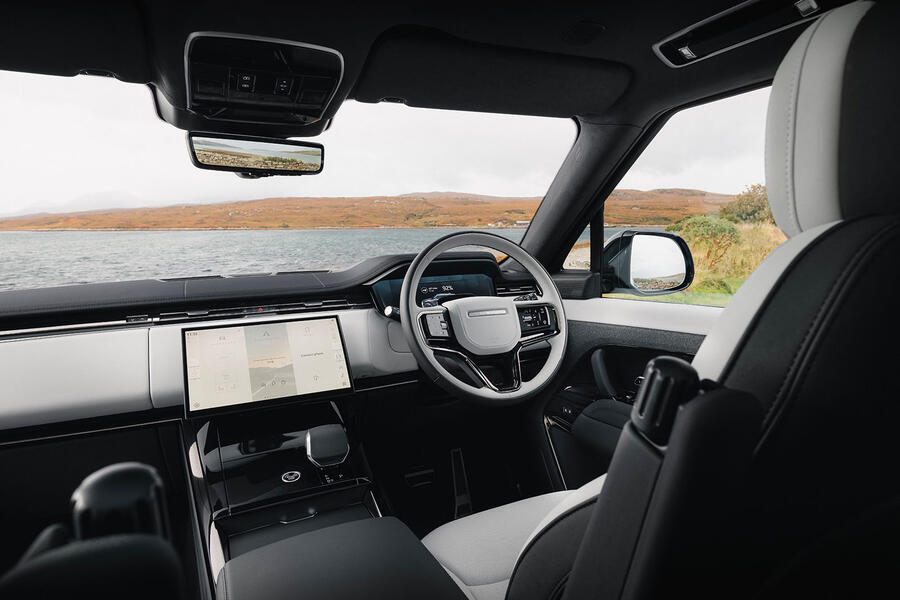
The EV transformation hasn’t addressed one of our biggest gripes with the current Sport, however: a touchscreen that’s very average in terms of both the display and its usability. Why on earth is the Terrain Response system hidden in there rather than on a physical controller?

Back to top

This is also where you have to go hunting for the Dynamic mode, but don’t bother: it stiff ens the car too much. It’s much more agreeable on the road in its standard setting. This is actually the opposite of what I found in the Range Rover Electric.

The piped-in electric noise in Dynamic mode sounds weird too. I’m not averse to the concept, but this is definitely one that can be labelled gimmicky.

Those niggles aside, the Sport Electric has so much going for it, but at a cost: it’s around £20,000 more than an equivalent mild hybrid and £15,000 more than the plug-in hybrid. Or look at it this way: it’s around £10,000 less than the V8 petrol yet is dynamically superior.

Range Rover Sport Electric EV550

Verdict: A hugely successful transformation. You’ll only remember it’s electric when you need to refuel it 

Specification Details
Price £109,745
Engine Two permanent magnet synchronous motors
Power 542bhp
Torque 627lb ft
Gearbox 1-spd reduction gear, 4WD
Kerb weight 2770kg
0-62mph 4.5sec 
Top speed 124mph
Battery 118.5kWh usable
Range, economy 375 miles (WLTP), 3.2mpkWh (est)
CO2, tax band 0g/km, 4%
Rivals

BMW iX5, Porsche Cayenne Electric

Join our WhatsApp community and be the first to read about the latest news and reviews wowing the car world. Our community is the best, easiest and most direct place to tap into the minds of Autocar, and if you join you’ll also be treated to unique WhatsApp content. You can leave at any time after joining - check our full privacy policy here.

Mark Tisshaw

mark-tisshaw-autocar
Title: Editor

Mark is a journalist with more than a decade of top-level experience in the automotive industry. He first joined Autocar in 2009, having previously worked in local newspapers. He has held several roles at Autocar, including news editor, deputy editor, digital editor and his current position of editor, one he has held since 2017.

From this position he oversees all of Autocar’s content across the print magazine, autocar.co.uk website, social media, video, and podcast channels, as well as our recent launch, Autocar Business. Mark regularly interviews the very top global executives in the automotive industry, telling their stories and holding them to account, meeting them at shows and events around the world.

Mark is a Car of the Year juror, a prestigious annual award that Autocar is one of the main sponsors of. He has made media appearances on the likes of the BBC, and contributed to titles including What Car?, Move Electric and Pistonheads, and has written a column for The Sun.