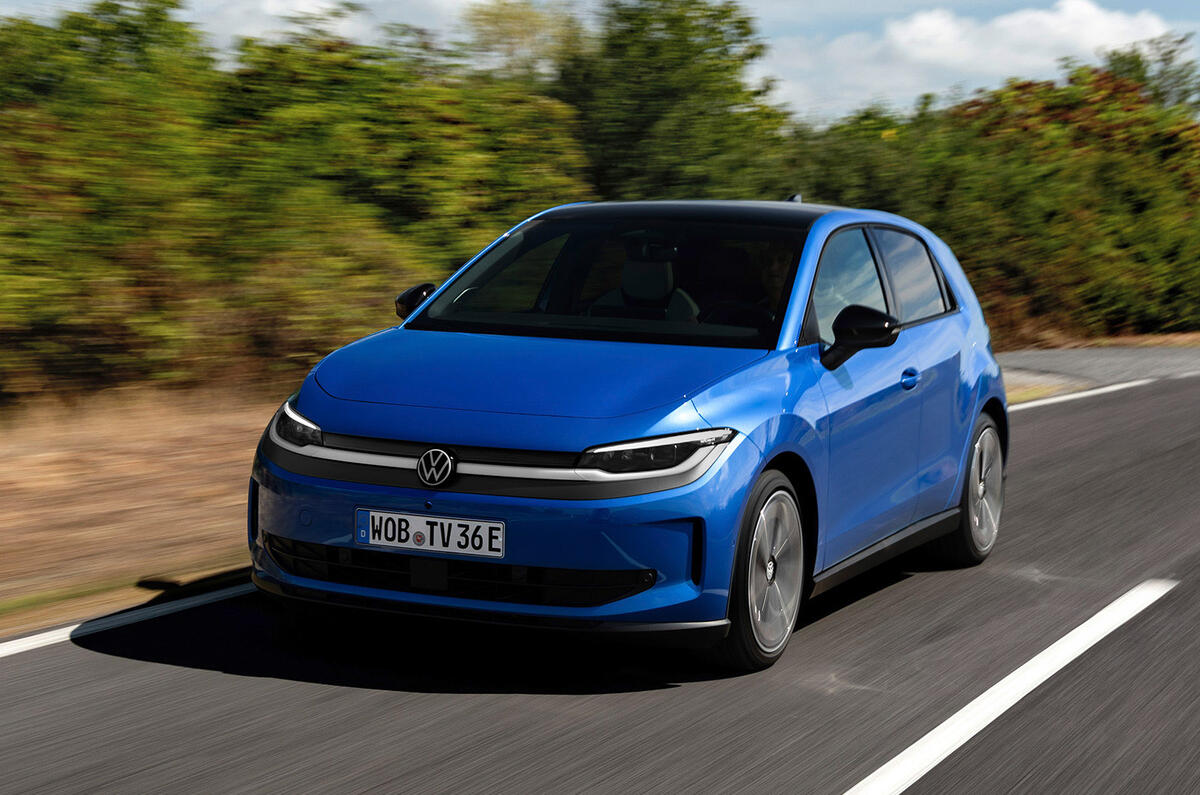
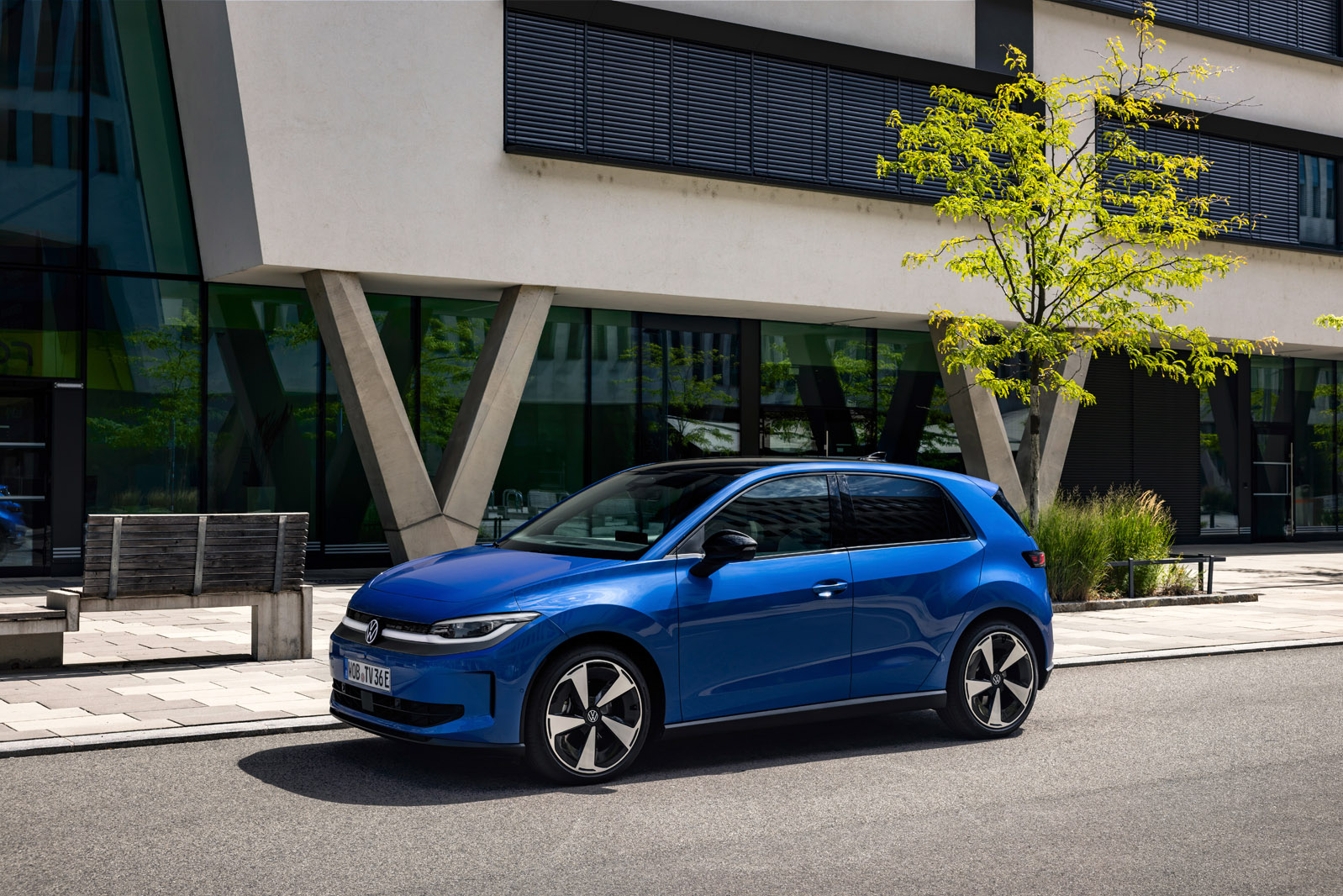
Cupra may have led development of this electric supermini, but Volkswagen insists that it’s a proper Polo

Find Volkswagen ID Polo prototype review deals
Other Services
Sell your car
84% get more money with

The new Volkswagen ID Polo drives like a Volkswagen. If you haven’t been paying attention to all things Wolfsburg in recent years, that might seem a curious statement to make. It looks like a Volkswagen and it carries a well-known Volkswagen name, so was there any doubt that it would drive like one?

Well, yes. The first wave of Volkswagen’s bespoke electric ID models, while they had many merits, didn’t necessarily look or feel much like you would expect a Volkswagen to. So this car, the brand’s vital entry into the circa-£22,000 affordable EV market, is essentially the start of a hard reset of the look and identity of the brand’s ID EV line-up. Except the development of the ID Polo’s underpinnings have – whisper it – been led by sister brand Cupra.

Advertisement

DESIGN & STYLING

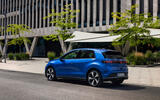
VW ID Polo review 2025 003

The ID Polo is a sister car to the Cupra Raval we met recently, sitting on the Volkswagen Group’s new MEB+ platform for small electric cars and sharing the same battery and motor tech. It’s a hugely significant project, giving the Volkswagen Group’s mainstream brands access to the fast-growing and vital segment of the EV market.

This is quickly becoming a crowded, competitive field though, led by the excellent Renault 5 and with other strong contenders including the Mini Cooper, Kia EV3 and Ford Puma Gen-E.

As part of synergies to accelerate development and share costs, Cupra has led platform and chassis development of all four MEB Entry EVs – the Raval and ID Polo hatchbacks and ID Cross and Skoda Epiq crossovers – and they will be built on the same line at the Seat plant in Martorell, Spain.

But Volkswagen insists the ID Polo isn’t a badge-engineered Raval: Volkswagen set key parameters for the ID Polo's chassis to define its handling and claims the suspension tuning, chassis refinement and styling are pure Wolfsburg. 

So what is the key quality that Volkswagen's designers and engineers claim they’ve proudly infused into the ID Polo? Nerdiness. The team took with aplomb the task of making a small hatch that looked, felt and drove like a true Volkswagen, because they insist they’re all self-styled long-time Volkswagen fans who know what such a car should be, both in terms of styling and dynamics.

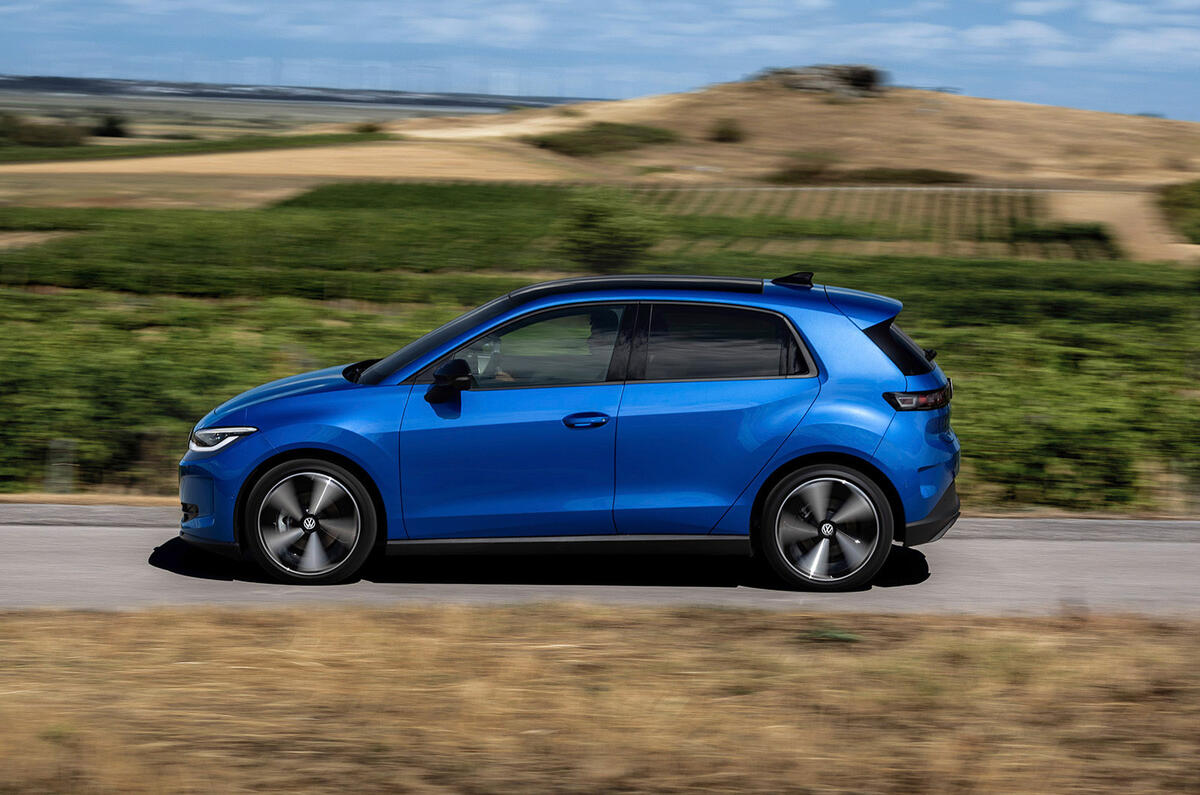
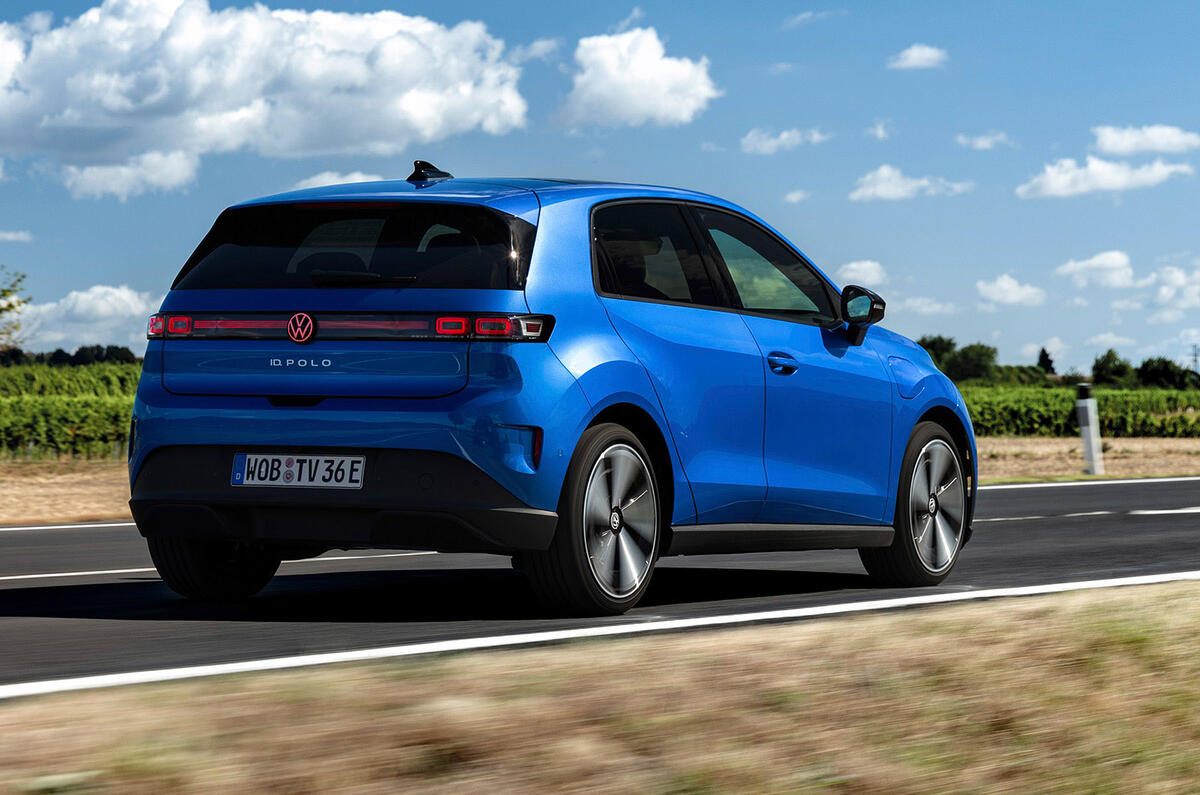
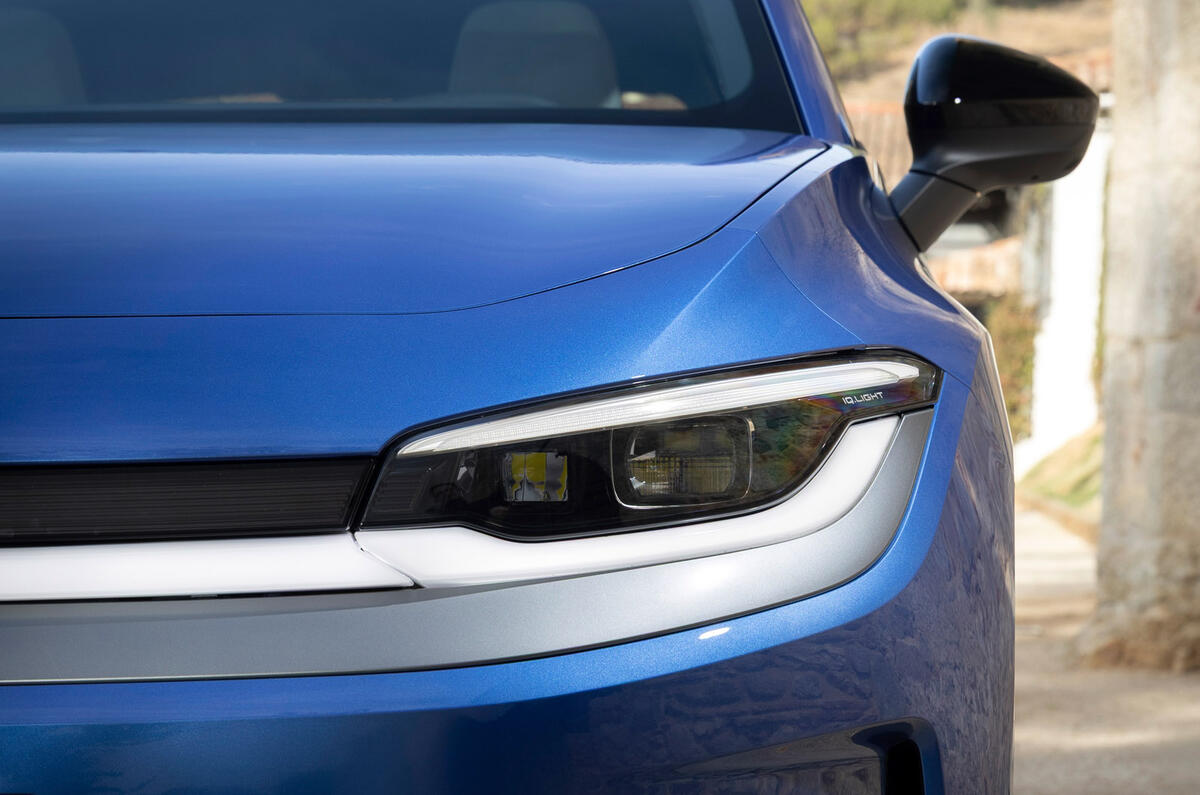
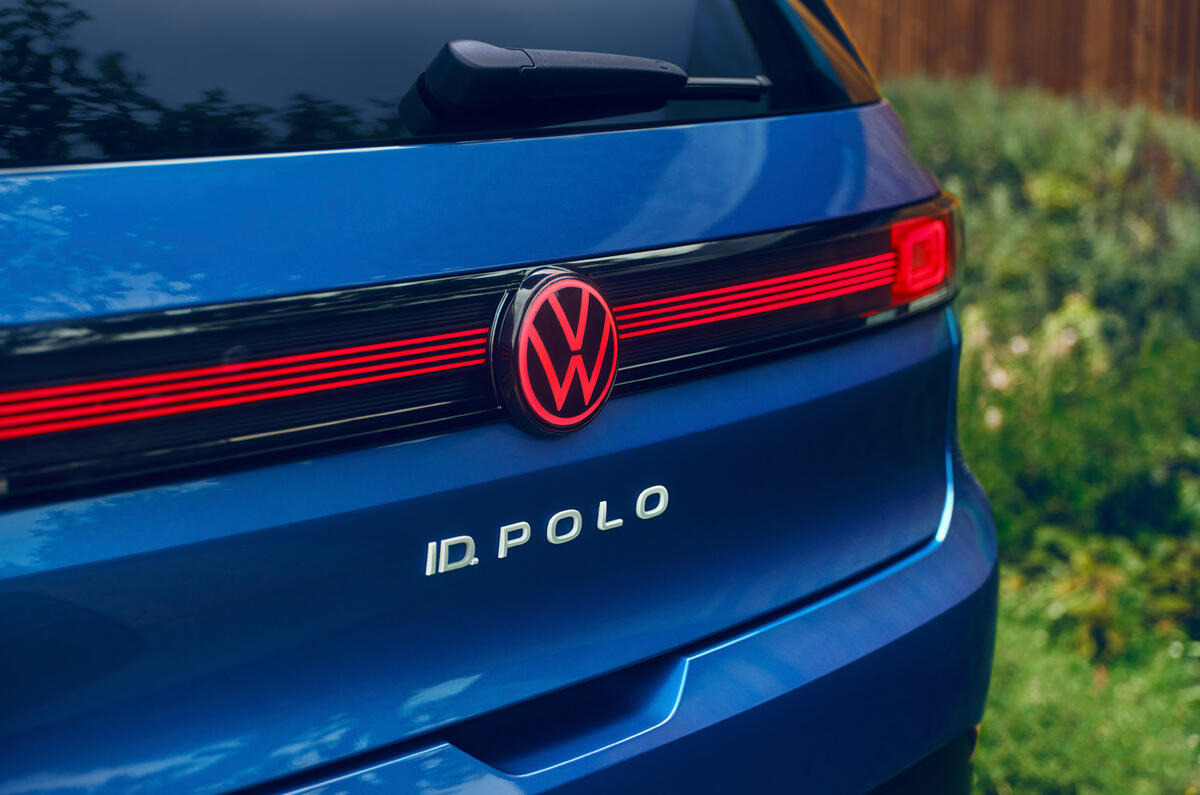
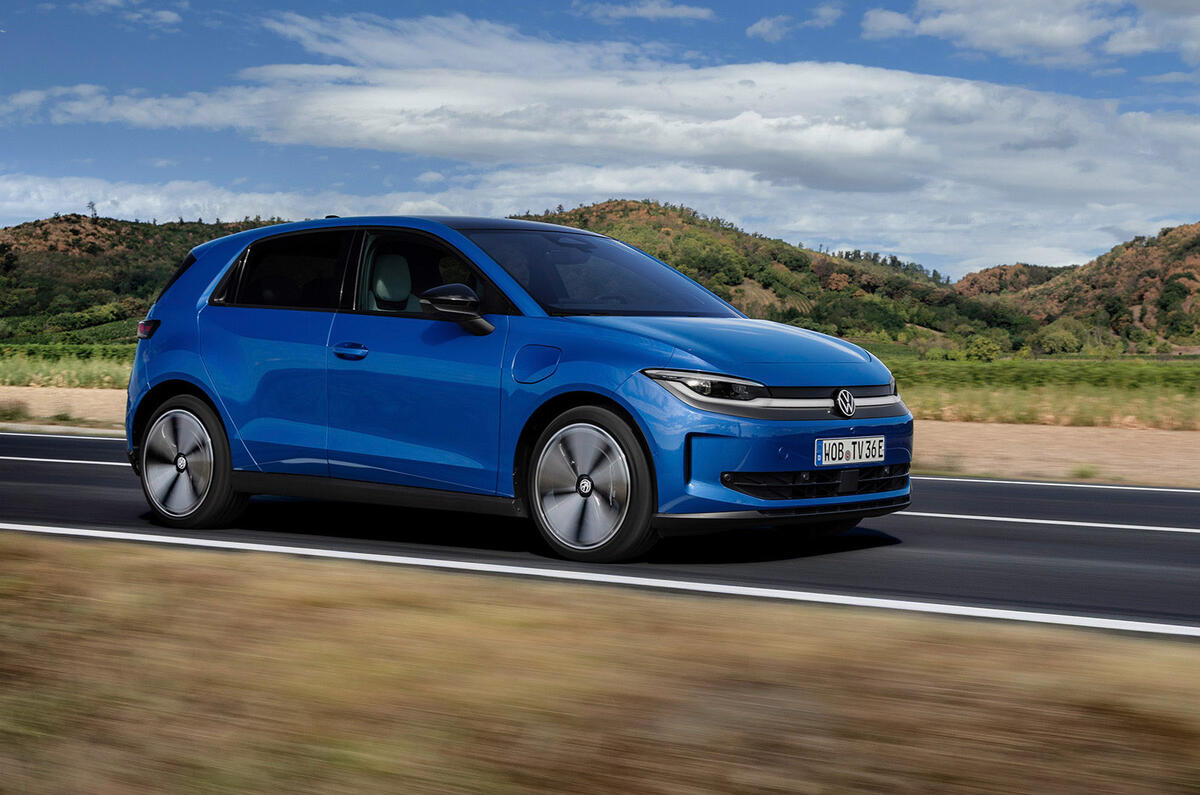
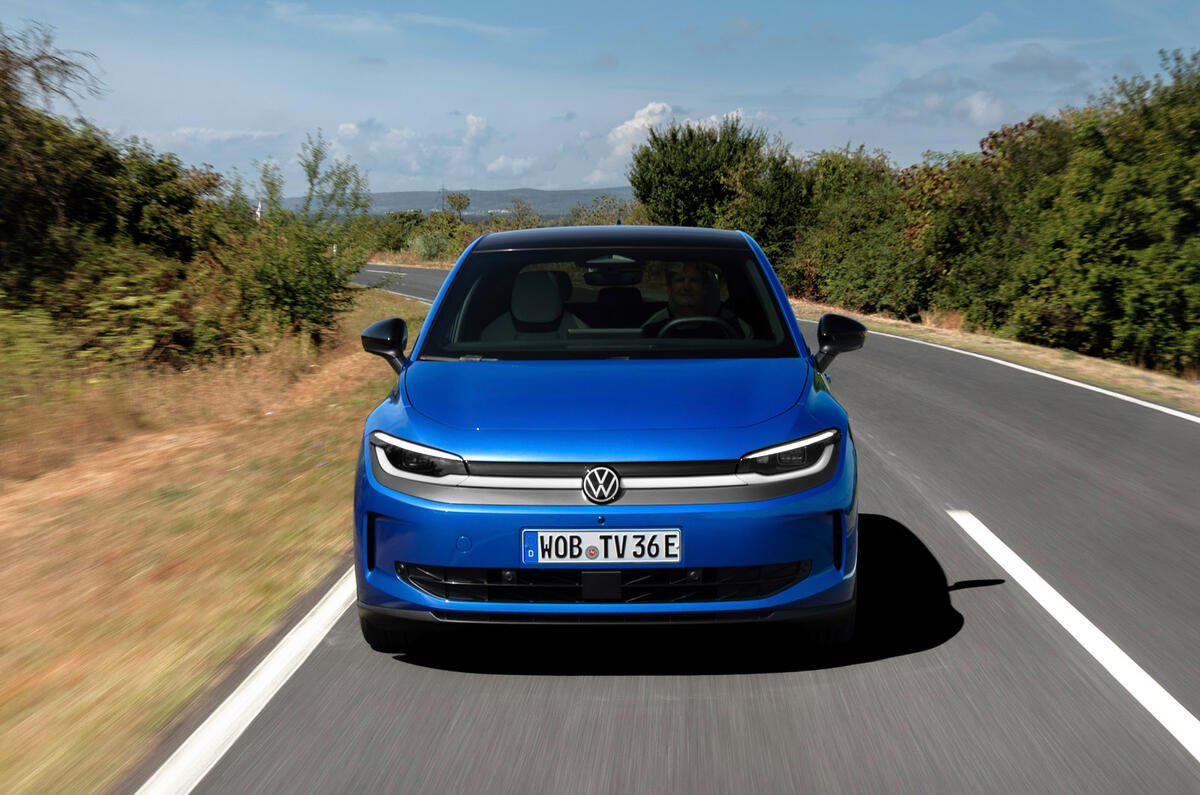
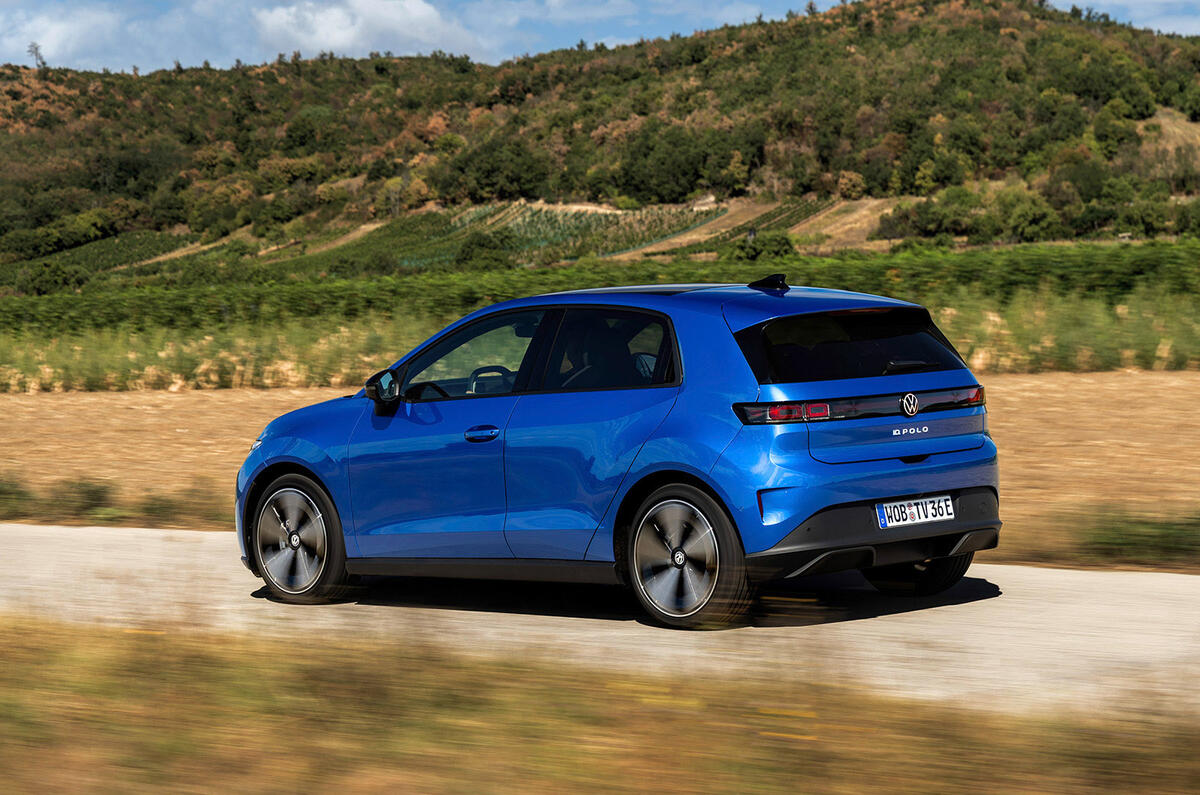
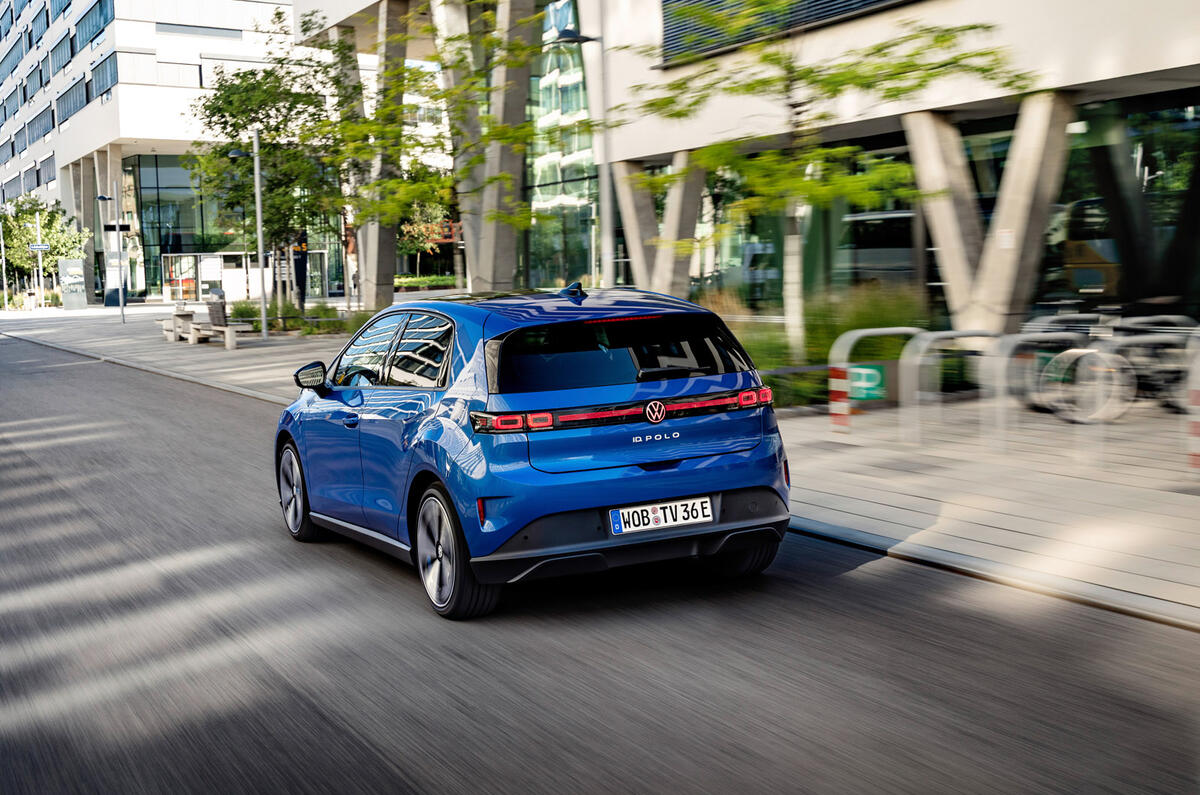
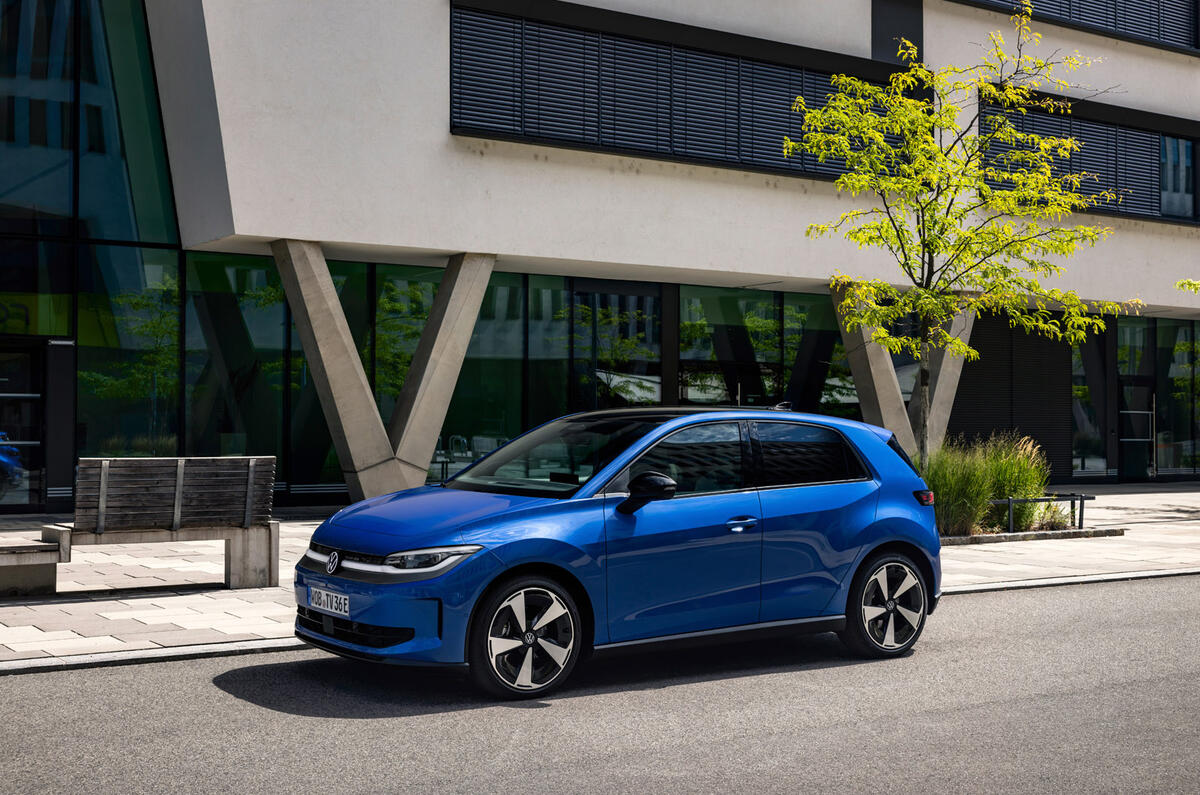
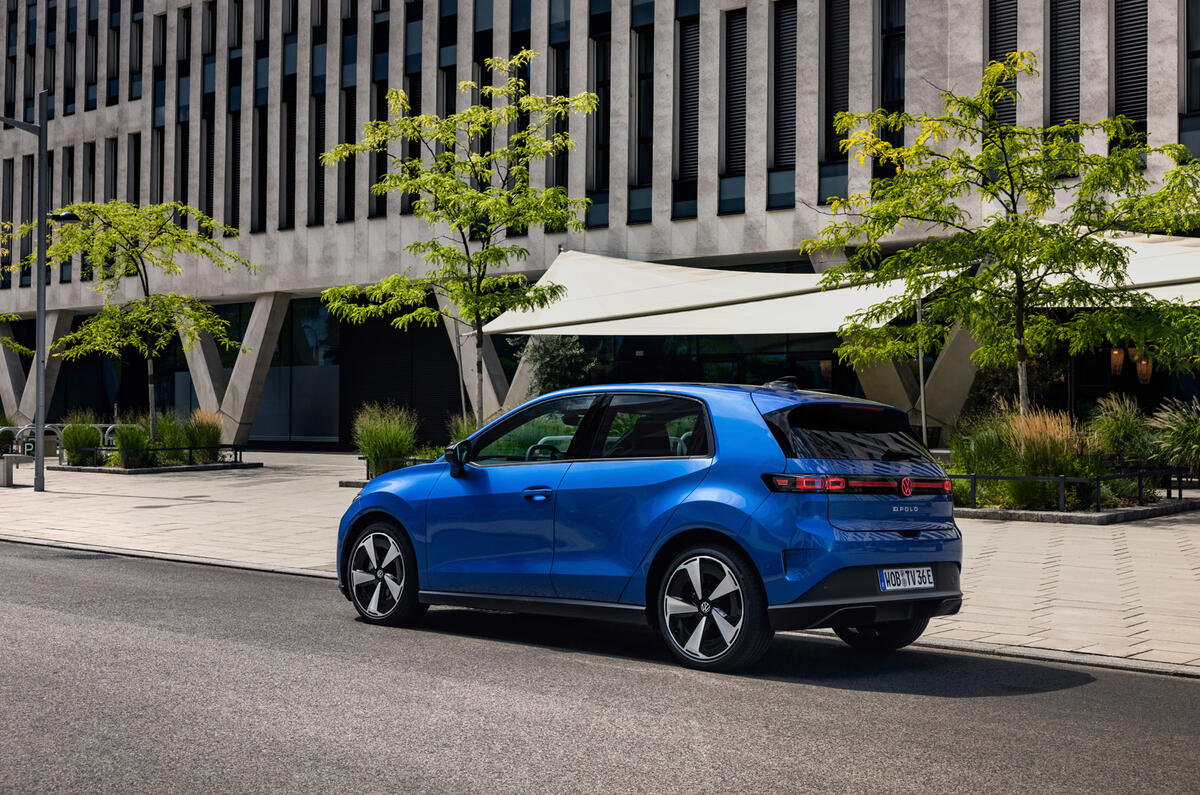
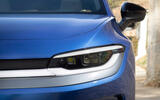
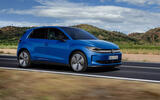
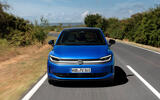
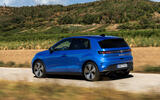
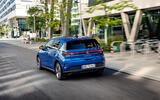
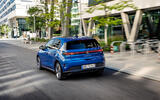
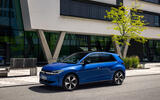
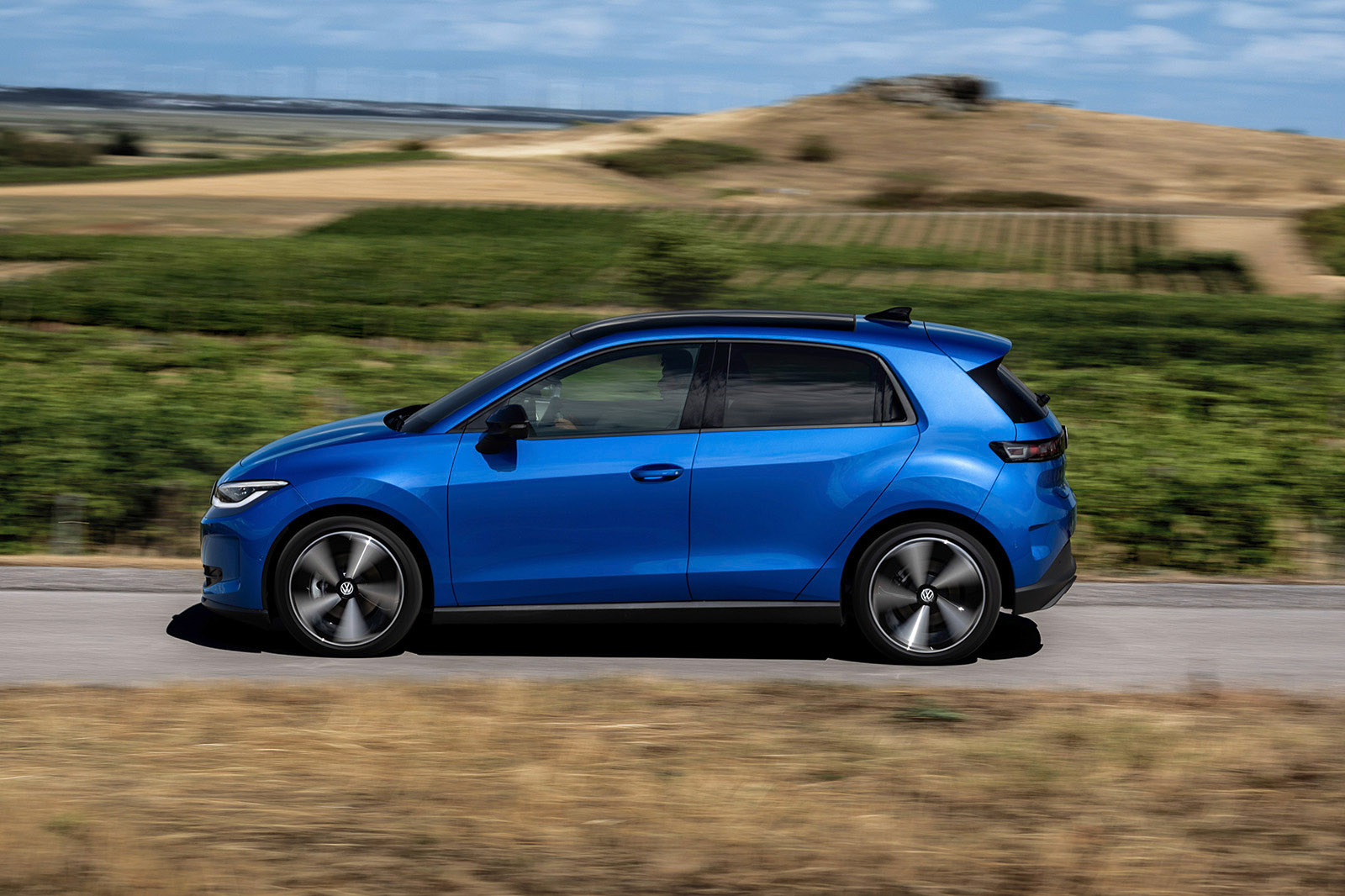
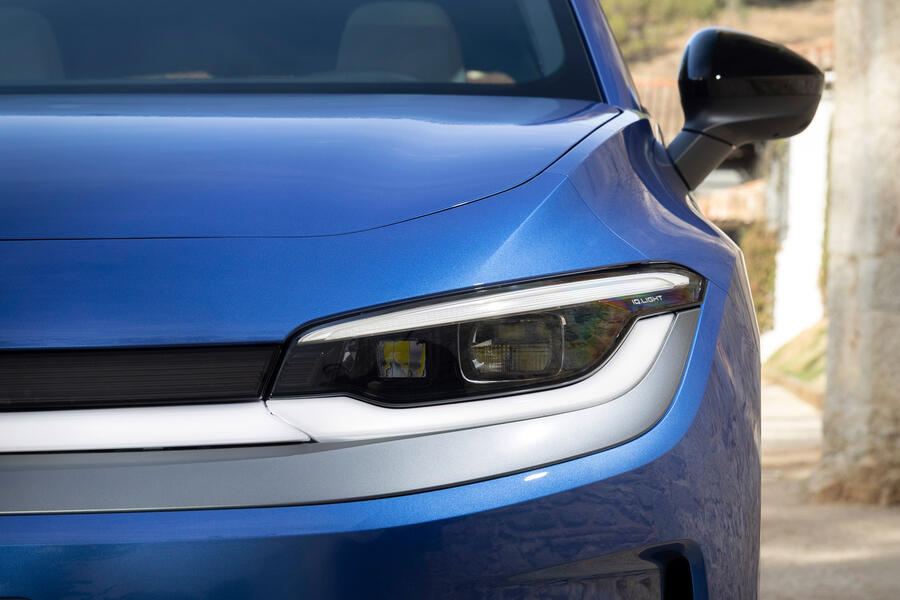
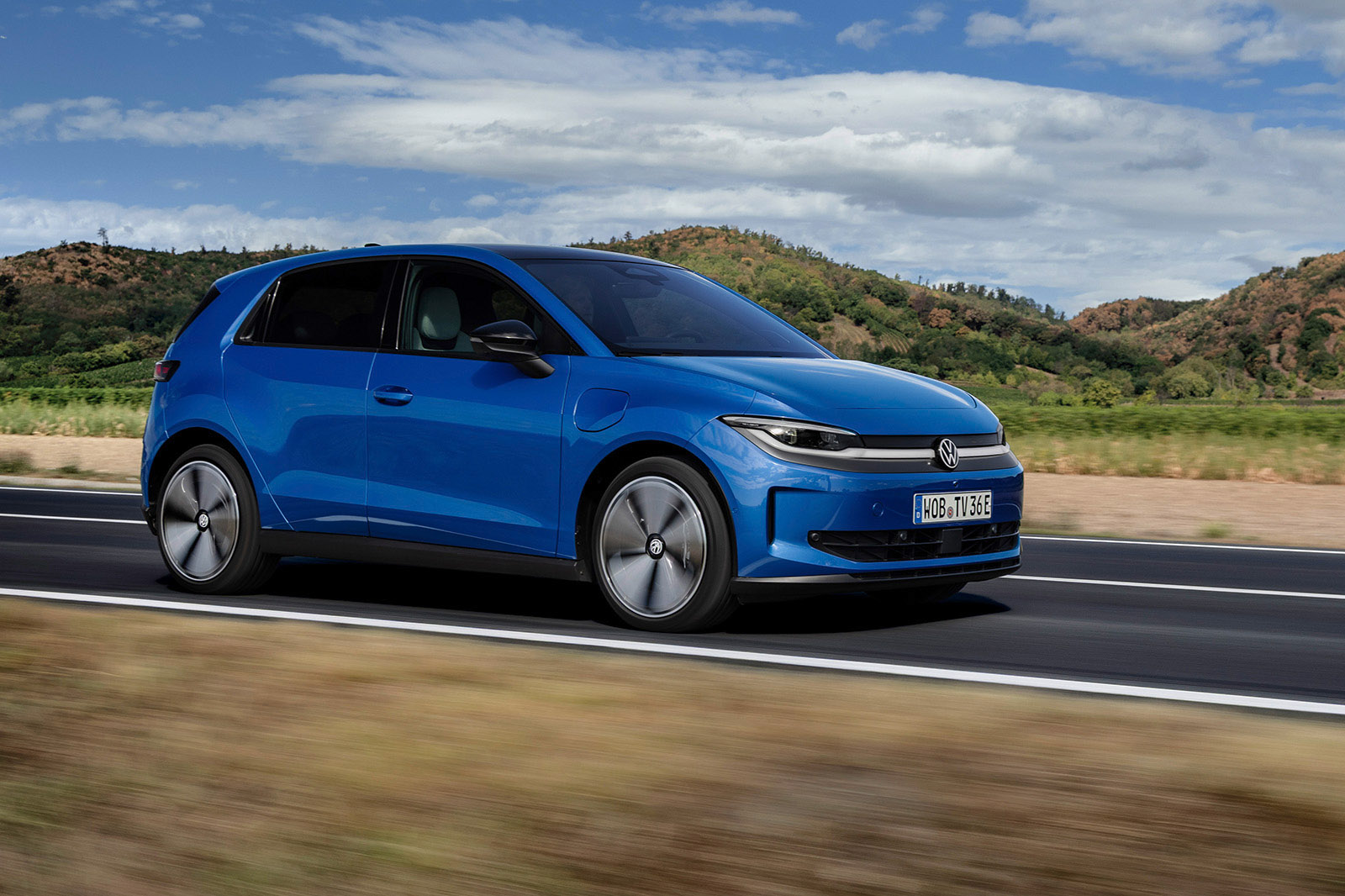
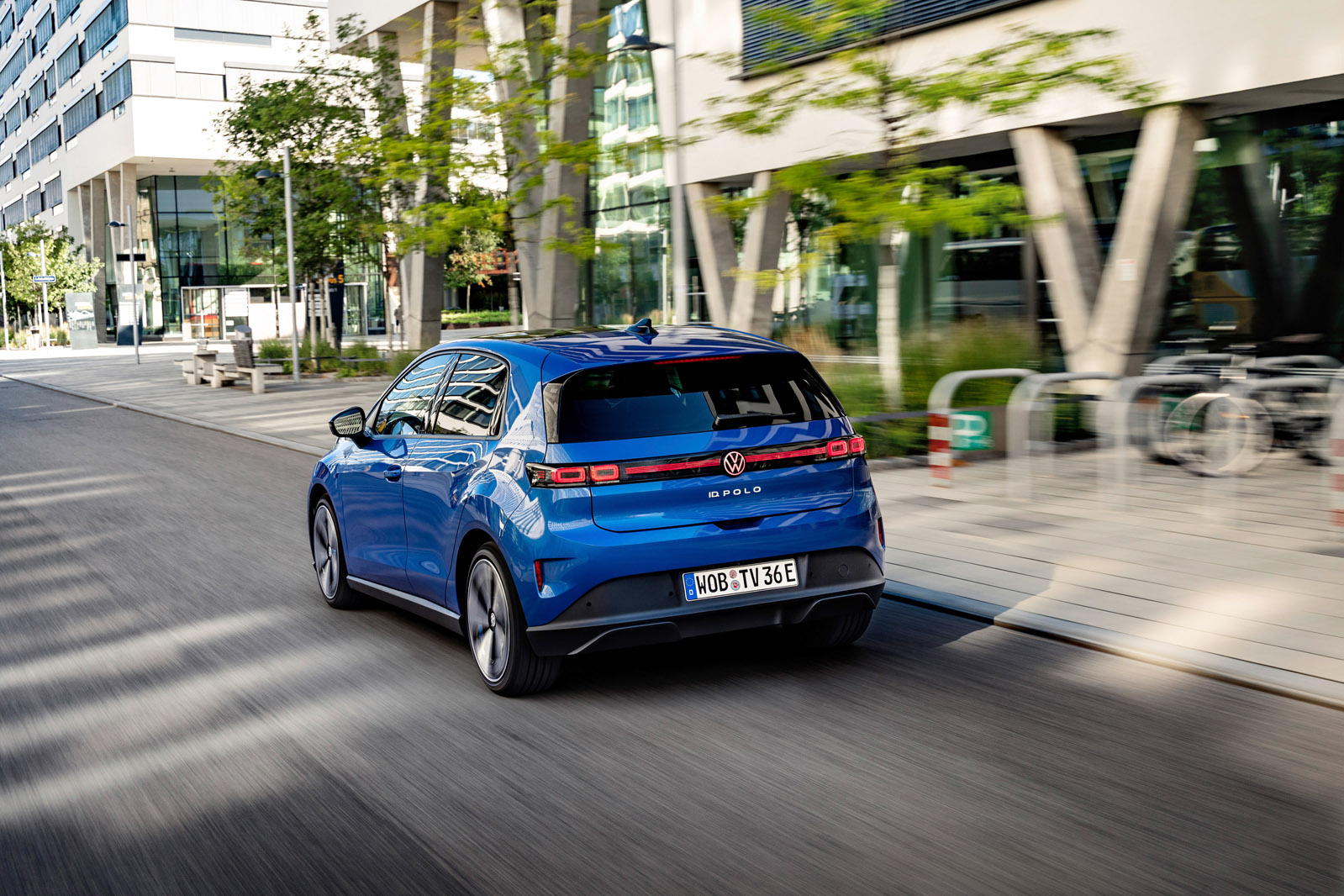
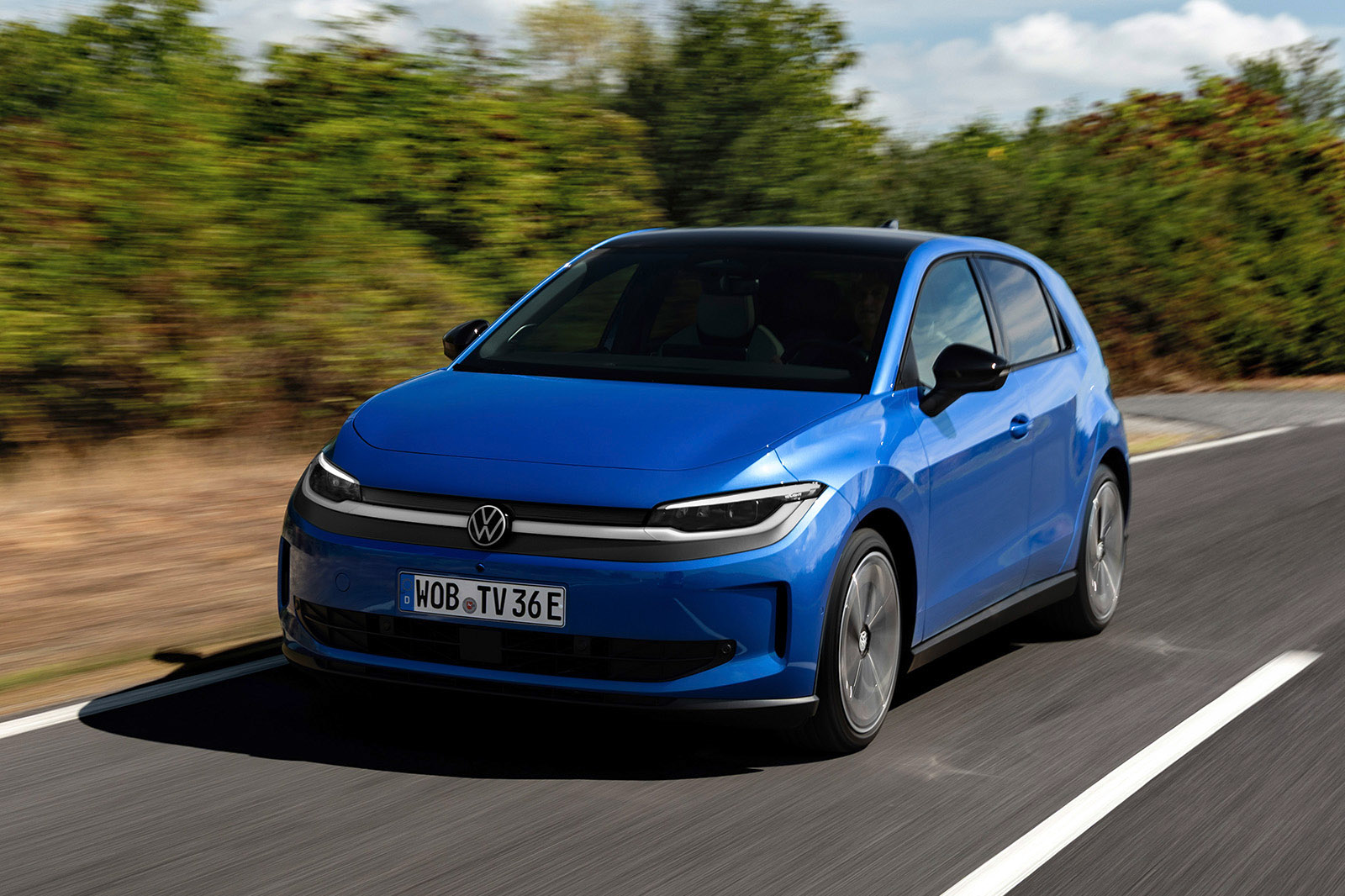
Even clothed in snazzy wrap, it’s clear that the ID Polo is remarkably close in design to the ID 2all concept that served as CEO Thomas Schäfer and design chief Andreas Mindt’s statement of intent for reviving the brand. There are recognisable Volkswagen design cues all over it, such as the chunky C-pillar and wheel arches. It already looks familiar.

The MEB+ platform uses a front-mounted motor, with most of the mechanicals underneath the bonnet (no room for a frunk here). The electric motor is the Volkswagen Group’s latest-generation APP290 unit, while there are new power electronics and and lithium ion battery uses cell-to-pack technology to help make it lighter. Complete with a claimed reduced complexity, that has allowed Volkswagen to reduce the number of components, helping to lower the weight.

The ID Polo will be offered with 114bhp, 133bhp and, as tested here, 208bhp – and a sporty GTI version will follow with 223bhp. There are two battery sizes: the two lower-powered cars will use a 37kWh lithium-iron-phosphate (LFP) unit, while the 208bhp car and the ID Polo GTI will use the larger 52kWh nickel-manganese-cobalt (NMC) version in our test car. 

The smaller battery will offer up to 186 miles of range, the bigger one up to 280 miles. The former can be fast-charged at speeds up to 90kW, the latter 130kW. Both batteries are similar in weight, so every ID Polo will tip the scales at around 1500kg – notably light for an EV. 

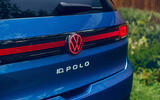
The ID Polo name came quite late in the car’s development cycle, but it’s remarkably close in dimensions to its petrol namesake. At 4053mm long, it’s 21mm shorter, although its 2600mm wheelbase is 48m longer, helping to create what is claimed to be Golf-sized interior space. It is 1816mm wide and stands 1530mm high, with a drag coefficient of 0.26.

INTERIOR

VW ID Polo review 2025 006

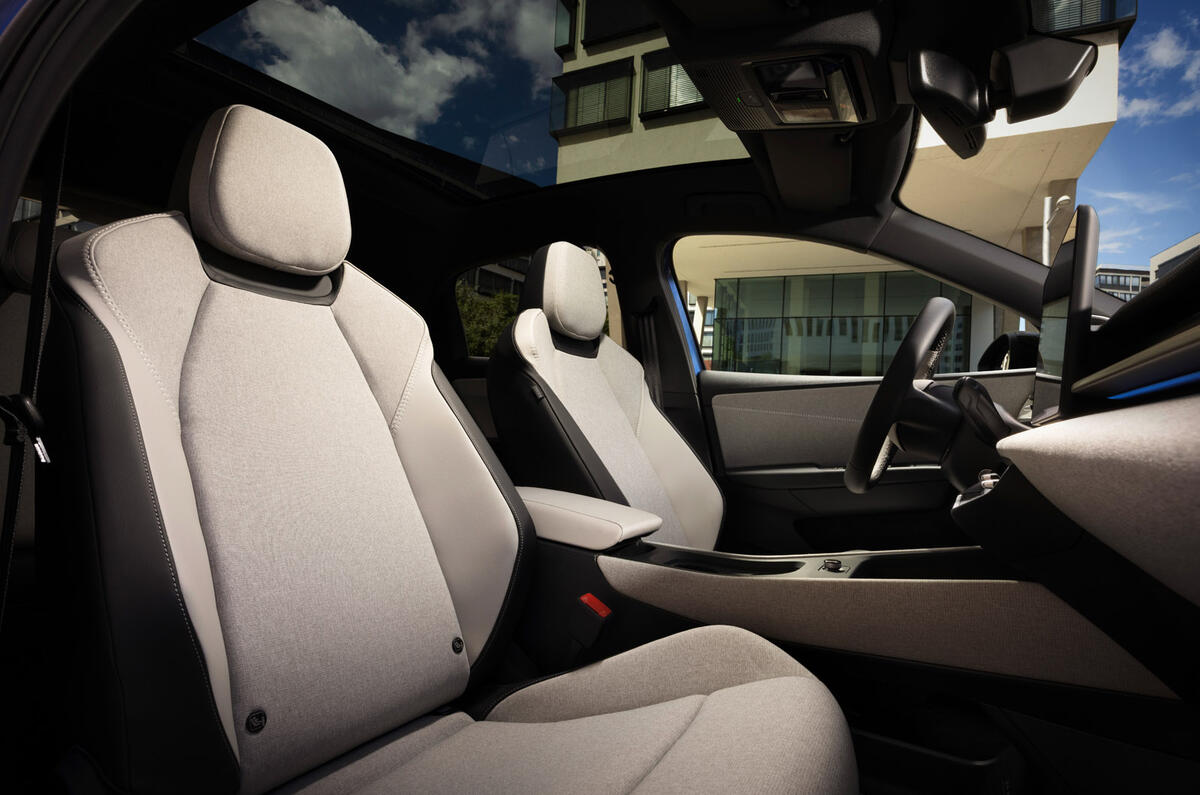
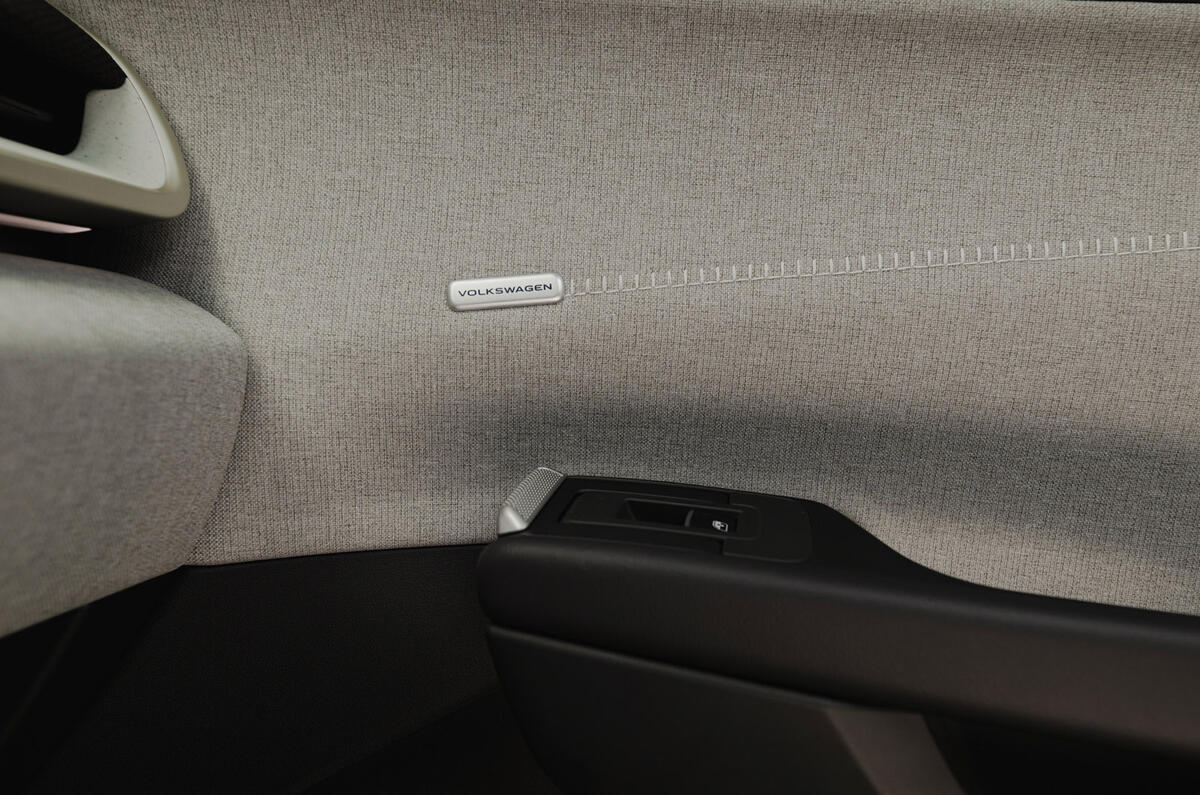
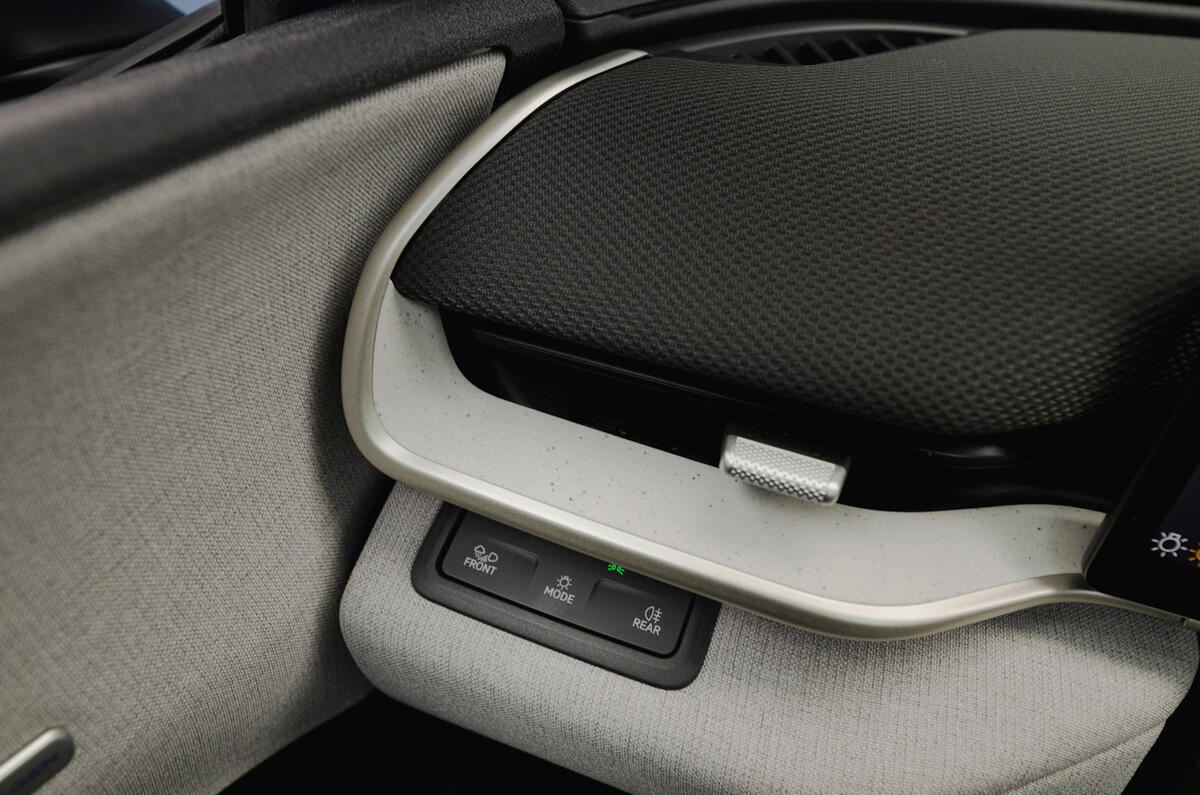
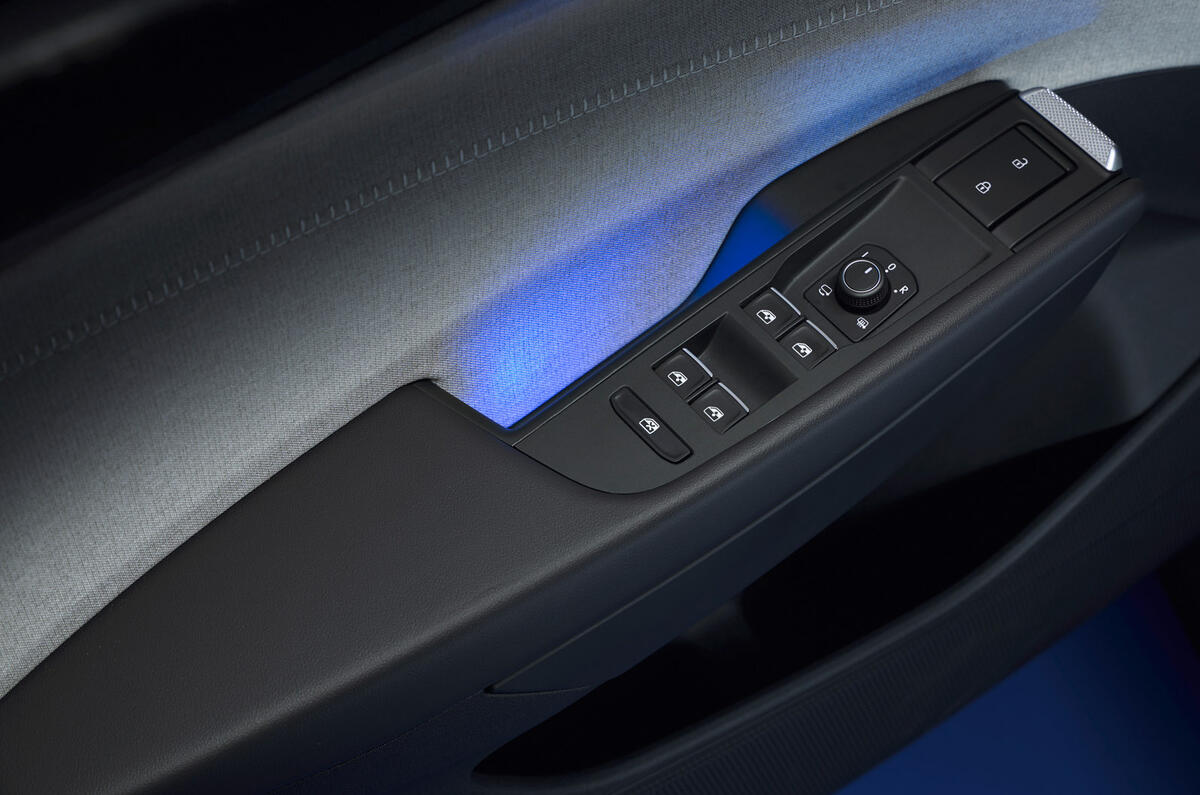
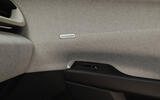
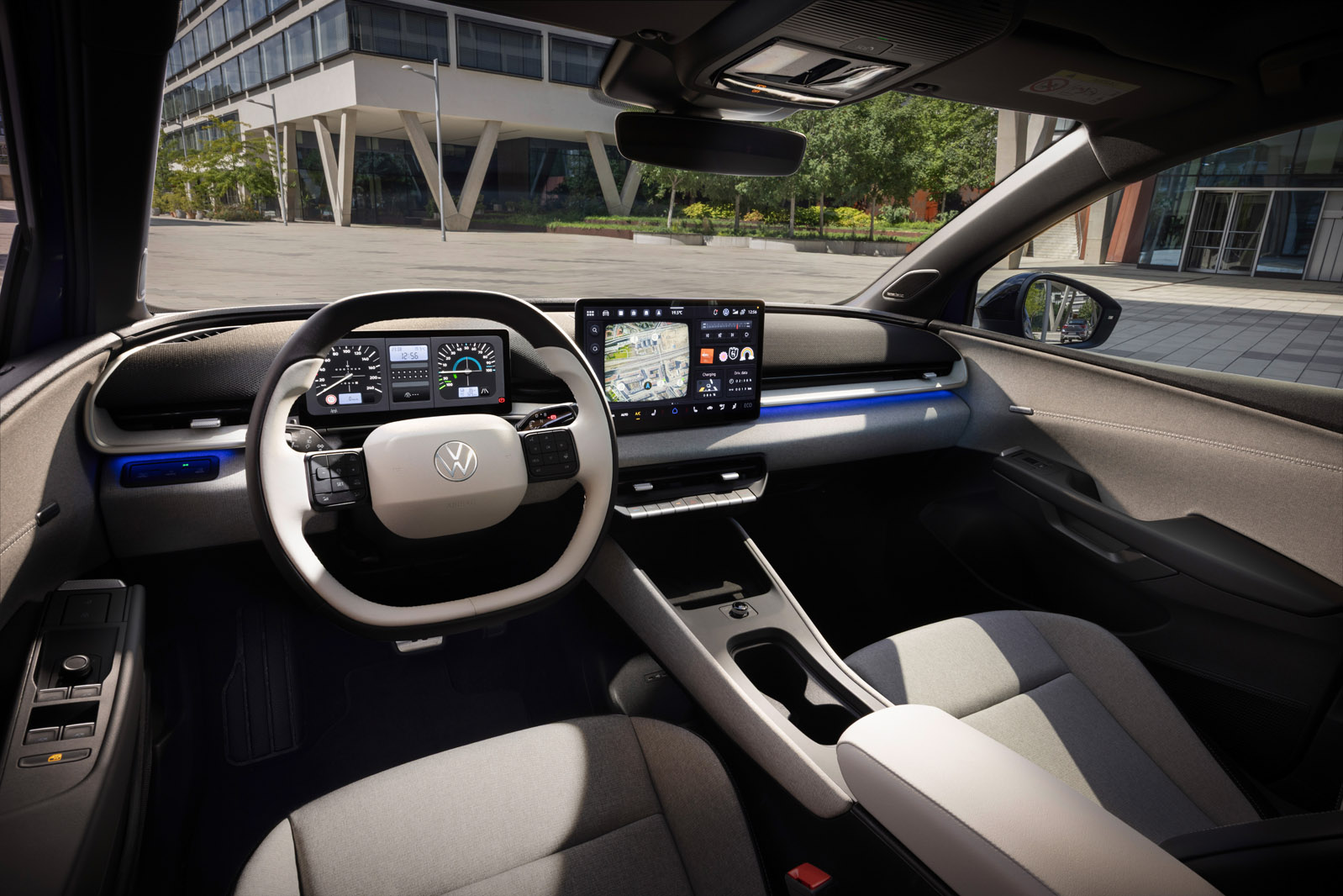
Much of the interior of our test car was covered up, but the space is notable, particularly in the back: grown-ups will find a lot more room in the rear of an ID Polo than in a Renault 5. The deep boot is bigger too, with 435 litres of capacity.

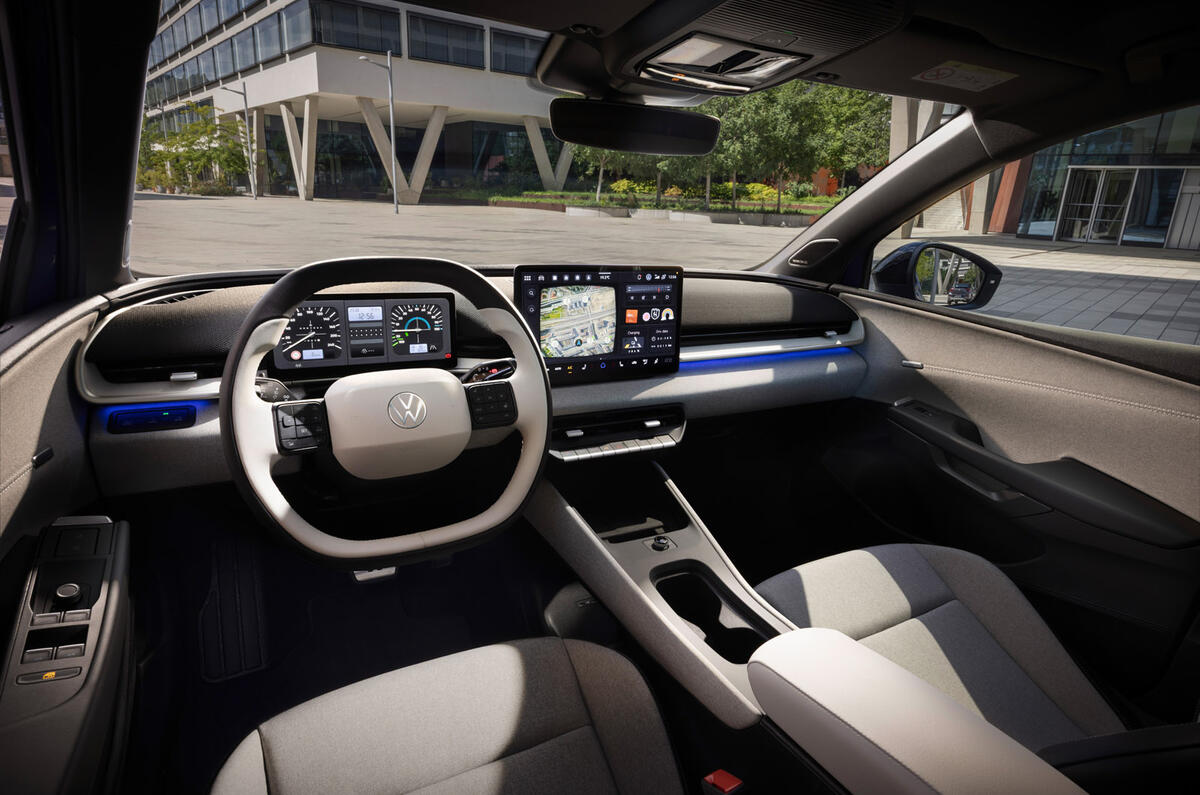
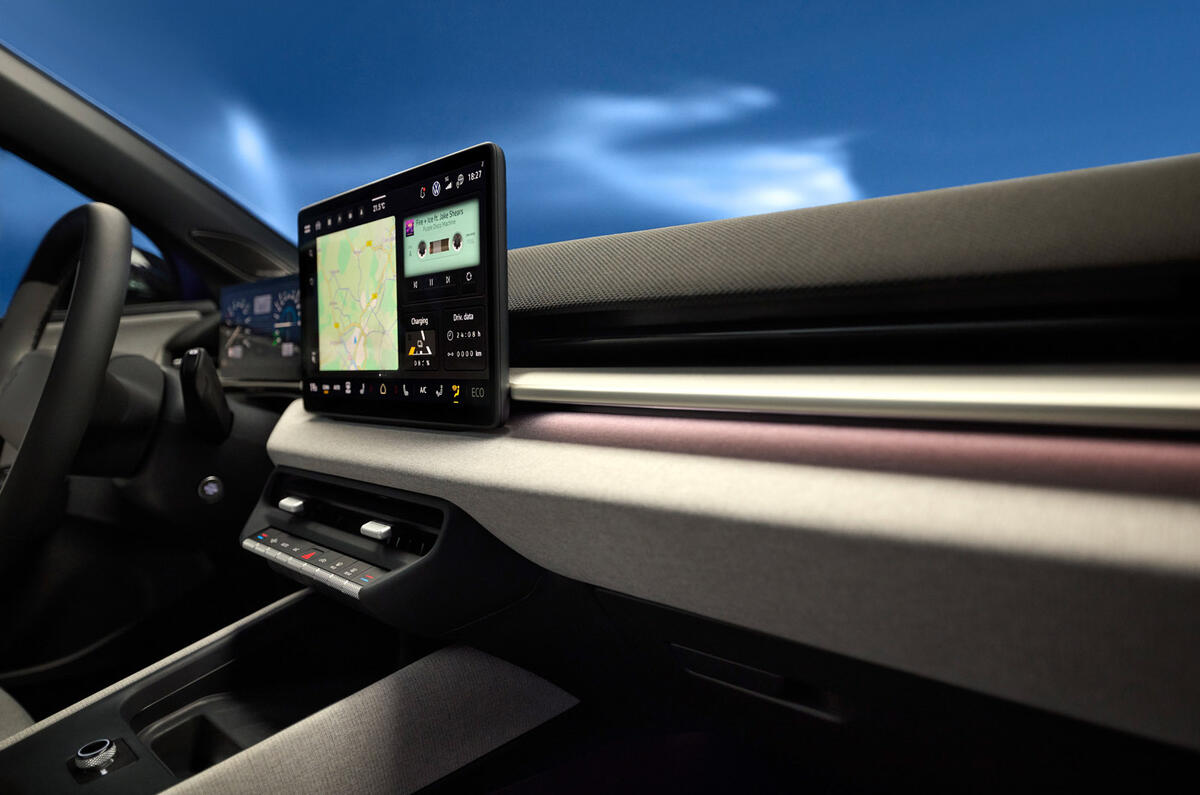
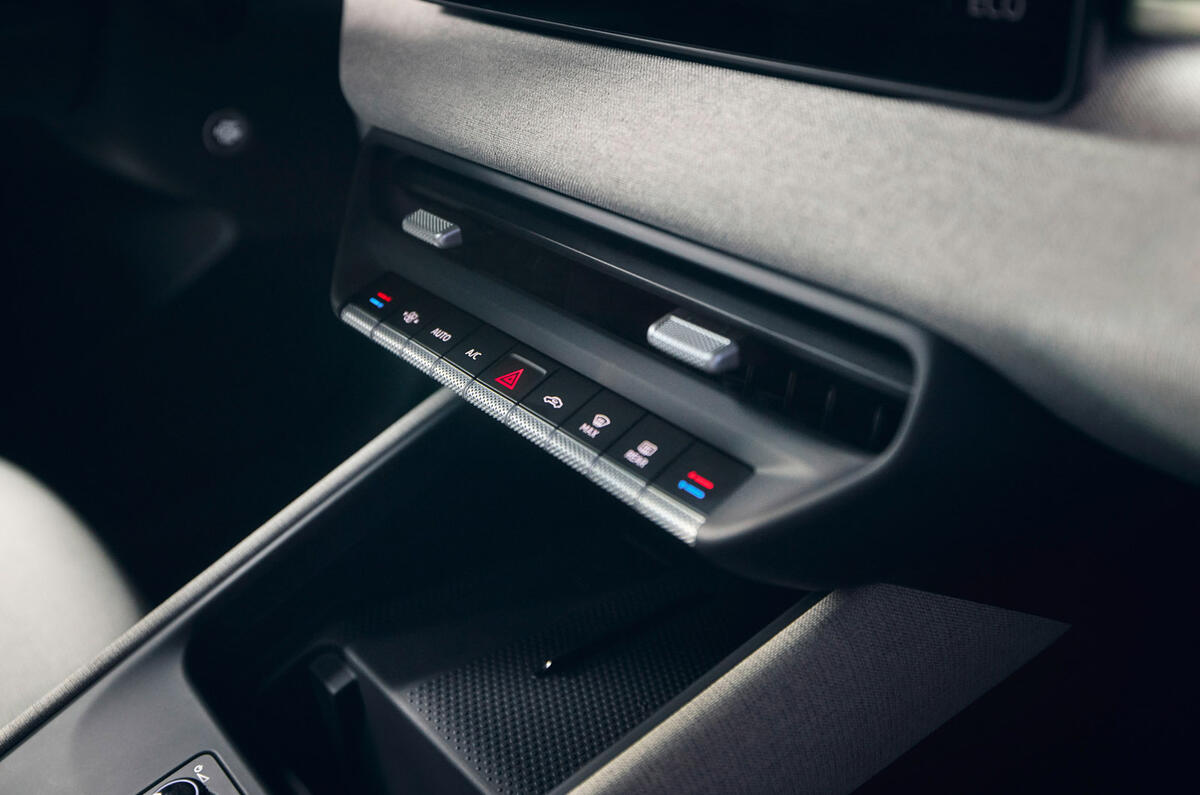
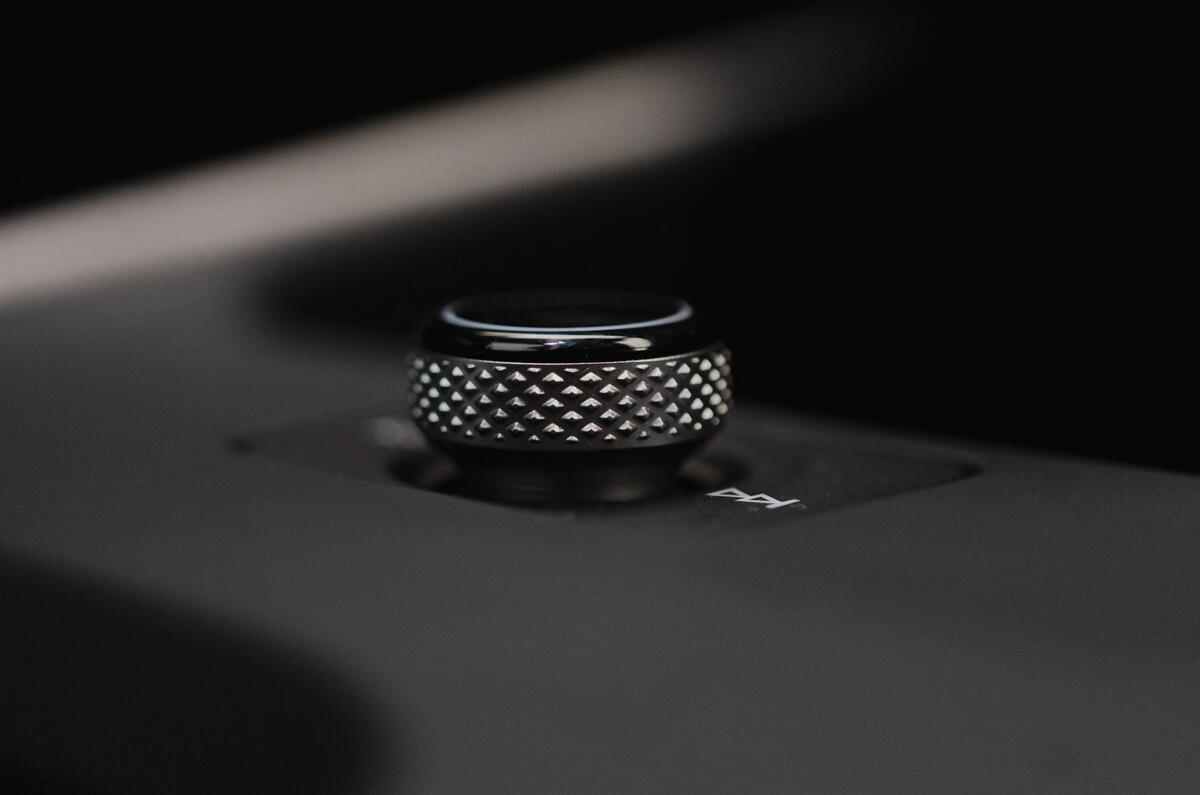
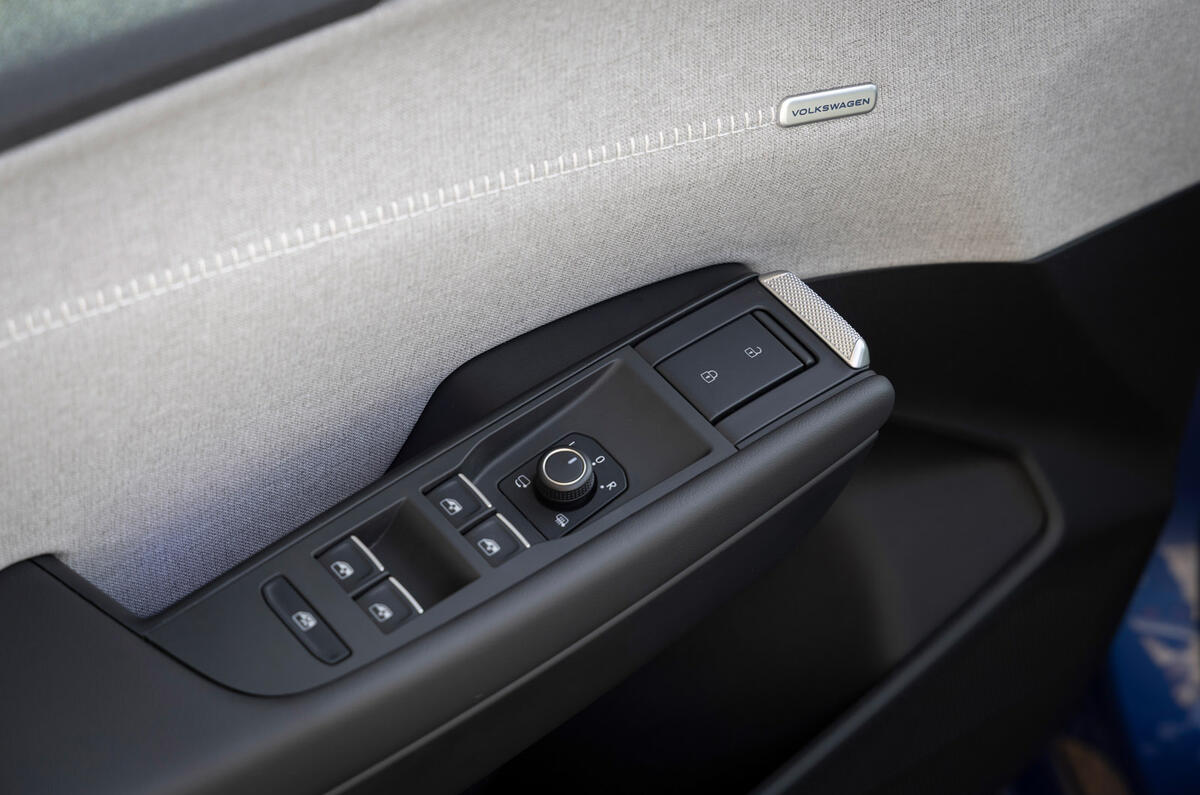
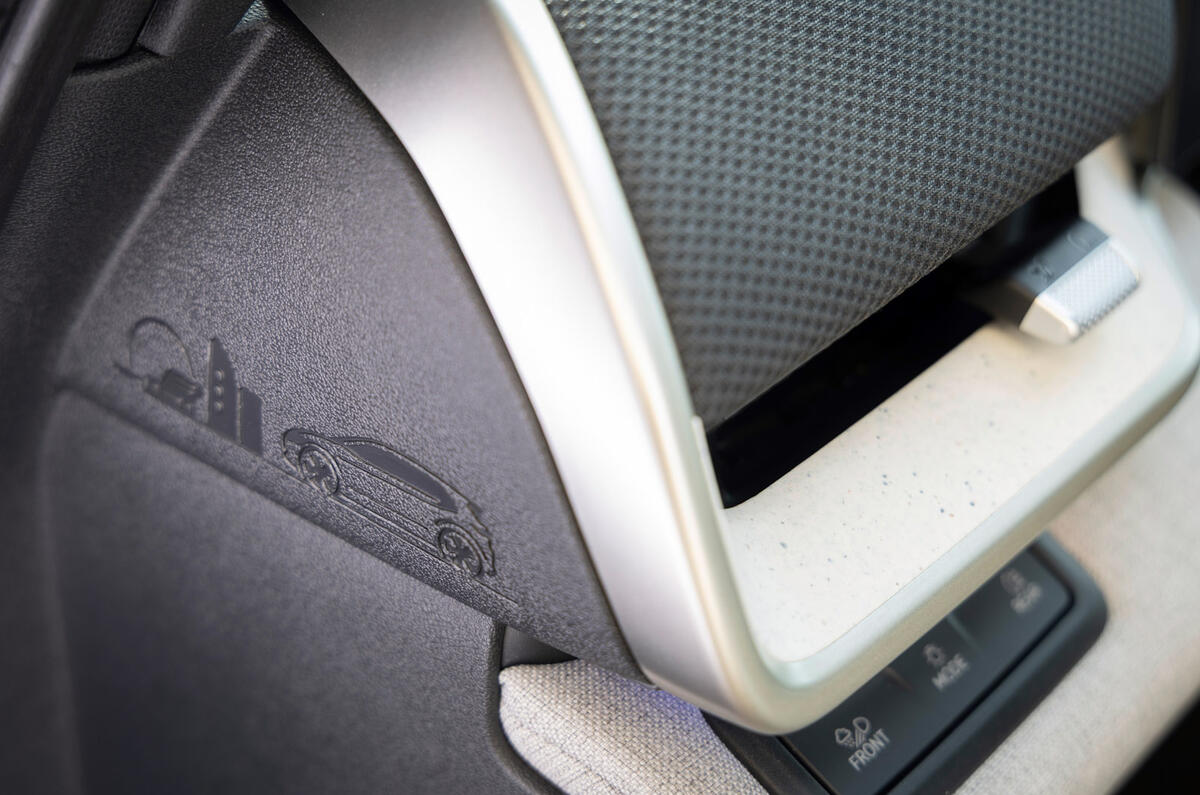
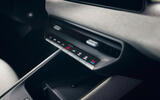
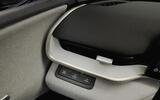
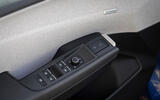
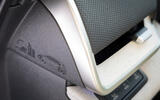
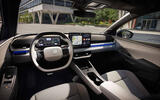
The interior of our prototype was hidden by various bits of dark cloth (with a Volkswagen expert on hand to stop us sneaking a peak), but we could see the large digital instrument display and touchscreen. While the latter controls many functions, there are plenty of buttons on the oddly shaped steering wheel, and we’re promised physical controls for key systems like the heating and volume. 

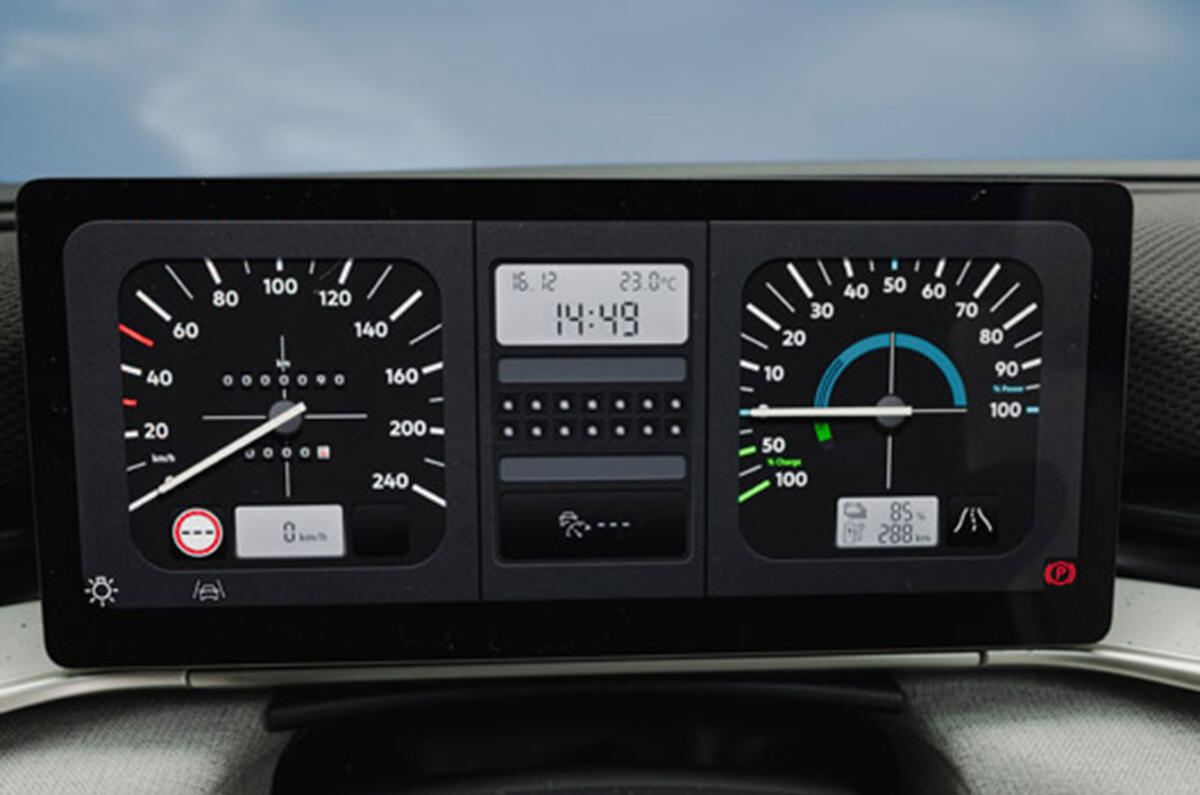
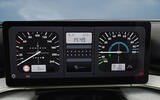
The digital screens retain the retro mode seen on the ID 2all concept. There's a display based on the dash of a Golf Mk1, complete with a virtual tape deck. Trust me, it’s a winner.

ENGINES & PERFORMANCE

VW ID Polo review 2025 002

The design may be infused with the ‘secret sauce’ that Mindt often talks about, but when it comes to dynamics, given the Cupra-led platform, the question is whether the ID Polo will be more patatas bravas than currywurst ketchup.

The suspension set-up is a key area in which the Volkswagen Group’s small EVs will be differentiated, and Volkswagen engineers are proud of the work they’ve put in to develop a relatively conventional set-up of MacPherson front struts and a multi-link rear. The front struts feature new shock absorbers and strut mountings to soak up bumps without compromising on cornering rigidity. At the back, the small torsion beam gains a passive vibration damper and new axle guide bearings to boost the ride and reduce noise.

The result is impressive: the ID Polo has impressive isolation and rides with unruffled fludity over bumps, with a classiness that few small EVs offer. The steering is direct and responsive and the power delivery is smooth. You can certainly push on on a winding mountain road, with a hint of front-drive understeer that will be familiar to ICE hatch fans. Some of that, Volkswagen reckons, is down to the range-boosting EV tyres. 

It’s pleasantly fun, although not thrilling, but this is meant to be a Polo, and for most buyers pleasantly fun will be more than enough. The GTI version, with 223bhp, further suspension tuning and performance-focused tyres, is coming soon. Still, even in standard form this has the potential to worry rivals: it’s roughly the same price as the 5 yet bigger and, while perhaps not quite as sharp to drive, feels more rounded.

MPG & RUNNING COSTS

VW ID Polo review 2025 001

Volkswagen has yet to reveal full pricing for the ID Polo but has said that entry-level models will start from around £22,000 and hinted that prices will be competitive with its chief rival – understood to be the 5.

That means our test car would likely cost around £30,000, with the GTI model likely stretching to £35,000. The ID Polo should be eligible for the UK’s Electric Car Grant.

Our short test loop in a prototype car on winding roads near Barcelona wasn’t enough to hint at a real-world range, although somewhere around 230-250 miles should have been possible for our larger-battery test car.

VERDICT

VW ID Polo review 2025 008

Even a one-hour driving loop in a disguised prototype car is enough to confirm that the ID Polo should be a strong all-rounder among the pack of small EVs suddenly battling for attention.

It has a classically Volkswagen feel, poise and maturity and blends a pleasingly mature driving experience with decent practicality and a reassuringly solid feel.

It might not have the retro charm or outright dynamic thrill of the 5, but it should be more practical and feels a more rounded proposition. 

In fact, the ID Polo – a car that didn’t start out life as a Polo, and which was developed and built in Spain – feels remarkably like the current Polo. Switch from the petrol Polo into this and, lack of engine noise aside, you would barely notice the difference.
A Volkswagen that feels like a Volkswagen, then. For that alone, it should be a winner.

James Attwood

James Attwood, digital editor
Title: Associate editor

James is Autocar’s associate editor, and has more than 20 years of experience of working in automotive and motorsport journalism. He has been in his current role since September 2024, and helps lead Autocar's features and new sections, while regularly interviewing some of the biggest names in the industry. Oh, and he once helped make Volkswagen currywurst. Really.

Before first joining Autocar in 2017, James spent more than a decade in motorsport journalist, working on Autosport, autosport.com, F1 Racing and Motorsport News, covering everything from club rallying to top-level international events. He also spent 18 months running Move Electric, Haymarket's e-mobility title, where he developed knowledge of the e-bike and e-scooter markets.