











Currently reading: New Jaguar Type 01: radical EV arrives to spearhead brand's reboot

Bold 1000bhp £150,000 grand tourer will kick-start British brand’s EV-only rebirth

Jaguar has revealed the Type 01, the electric GT on which the brand's future rests.

Five years ago Jaguar, unprofitable for years, found itself in a life-threatening quandary. The political situation surrounding large petrol and diesel cars was changing fast, propelled by onrushing EV technology. The company was also caught in a crossfire of rival premium marques, whose traditional buyer base was in rapid decline.
Something had to be done, and there were three options: close Jaguar and lose vast sums for no gain; make cost-cutting tweaks to the existing cars and hope for better times; or produce a range of cars to relive the shock and desire of the E-Type 65 years ago. Choosing the third option, at a cost of about £2.25 billion, has produced the Type 01.

It begins a radical new future for the marque, lifting it out of the executive class price range it has inhabited for its 90-plus years into a new, higher class between top-end Mercedes and bottom-end Bentley. Jaguar said around £150,000 will buy you a well-equipped car.

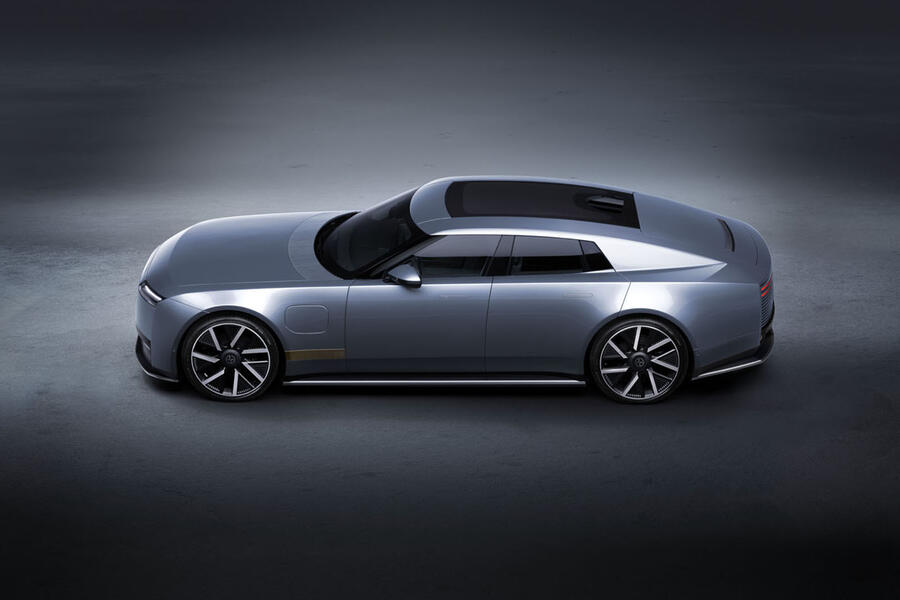
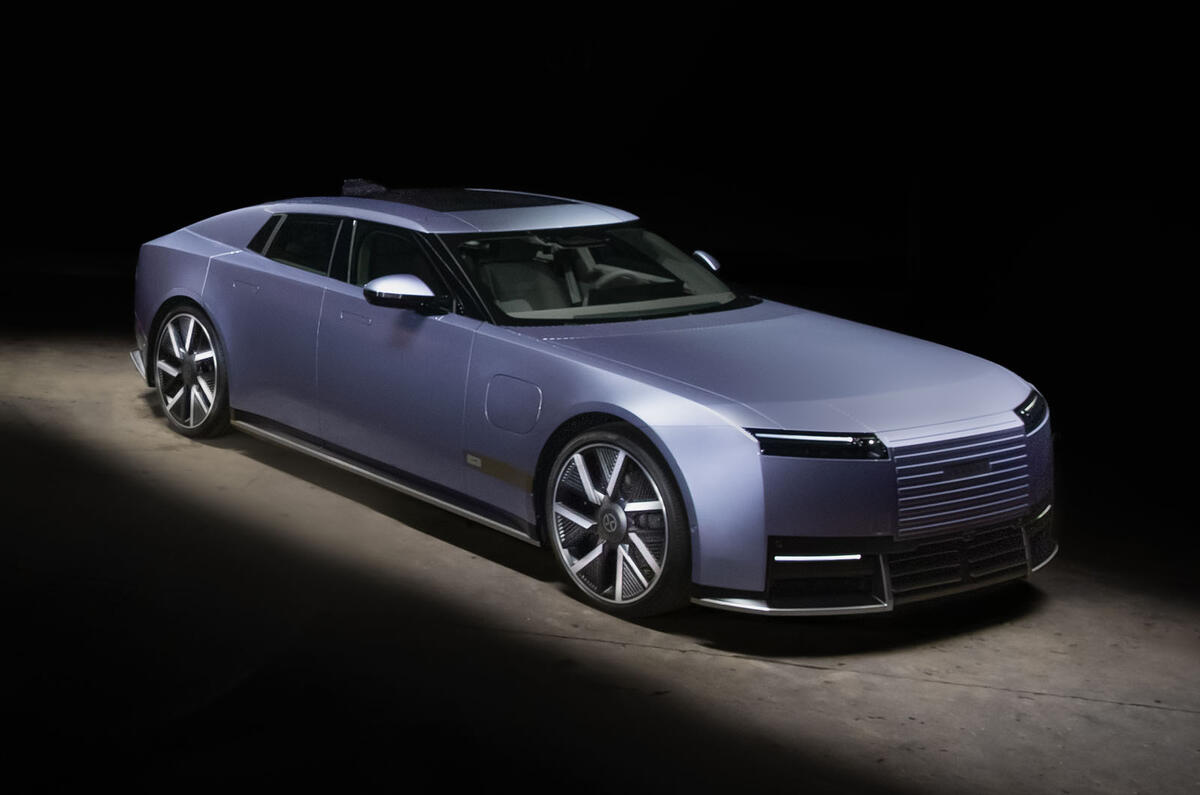
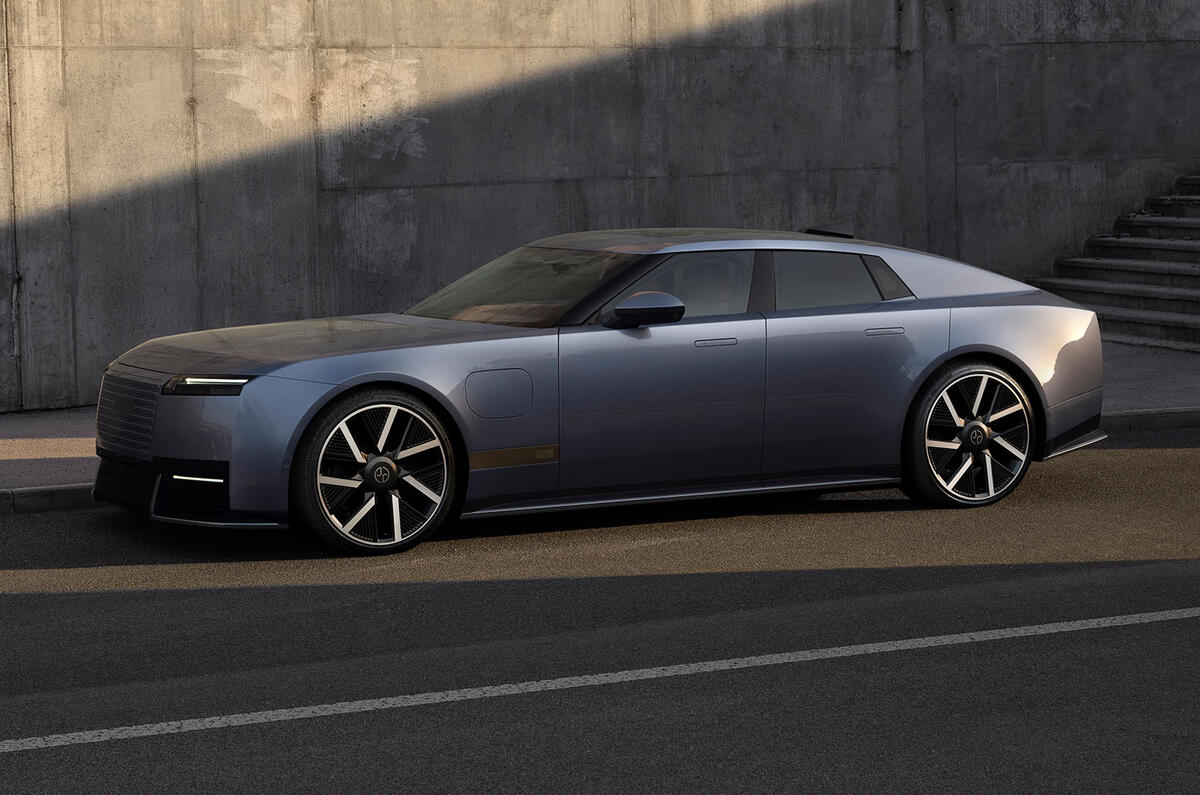
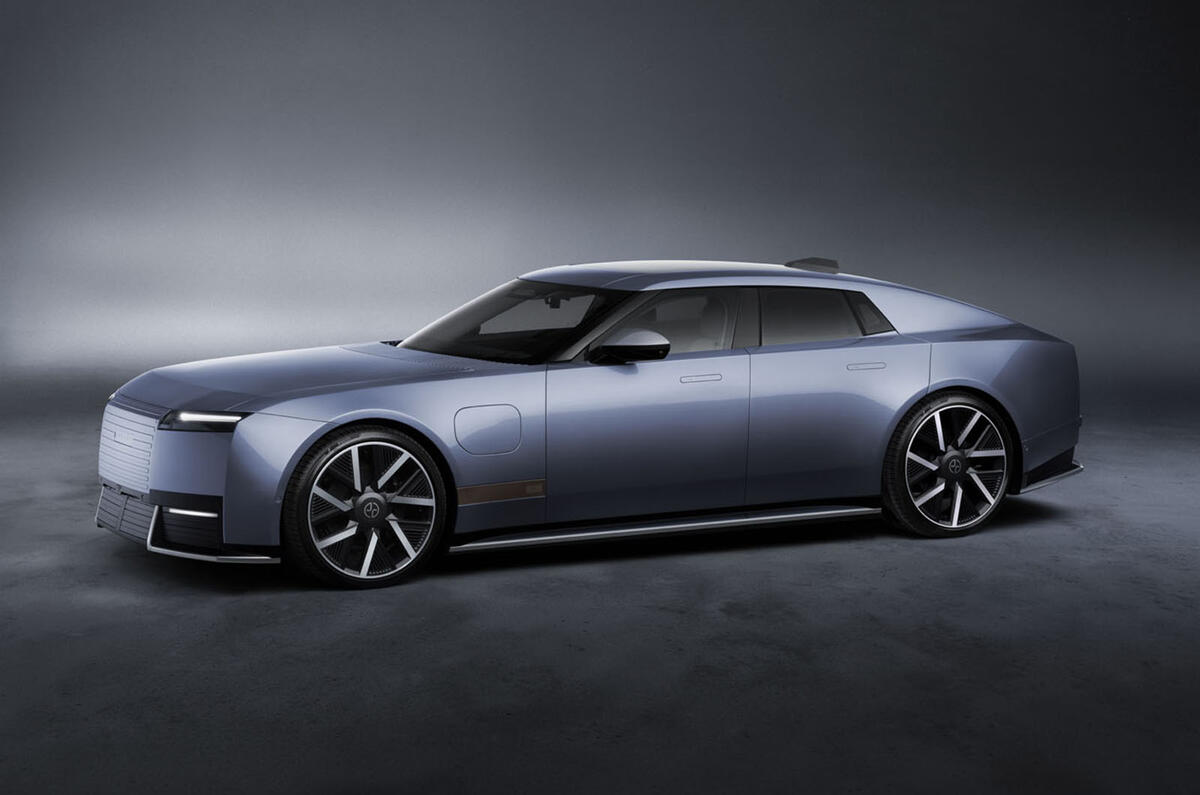
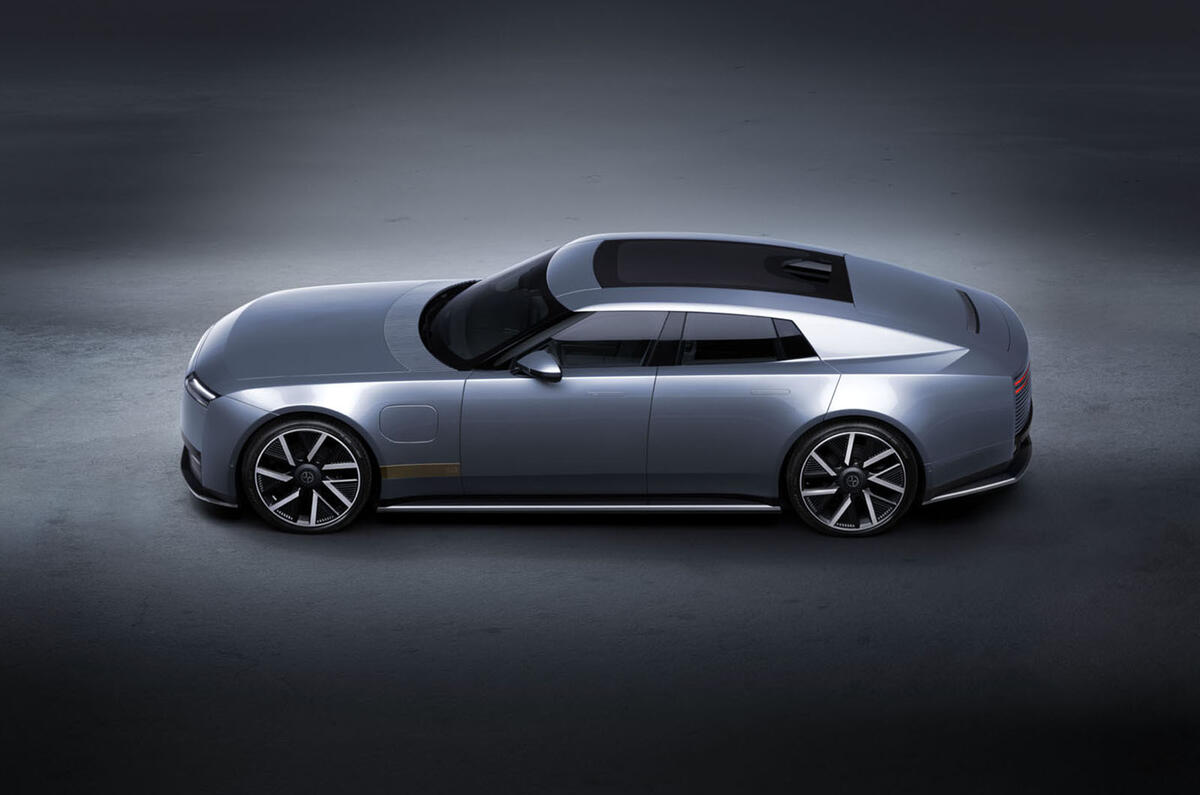
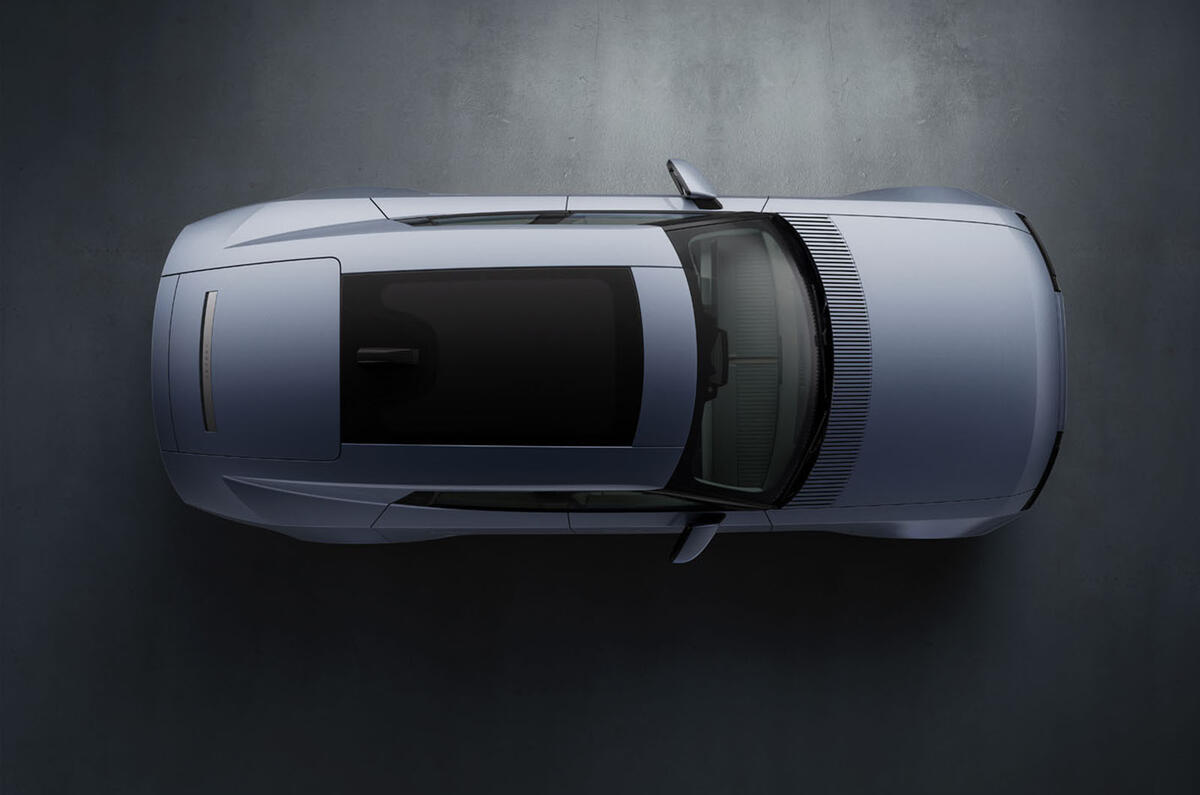
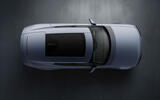
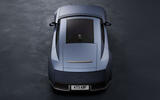
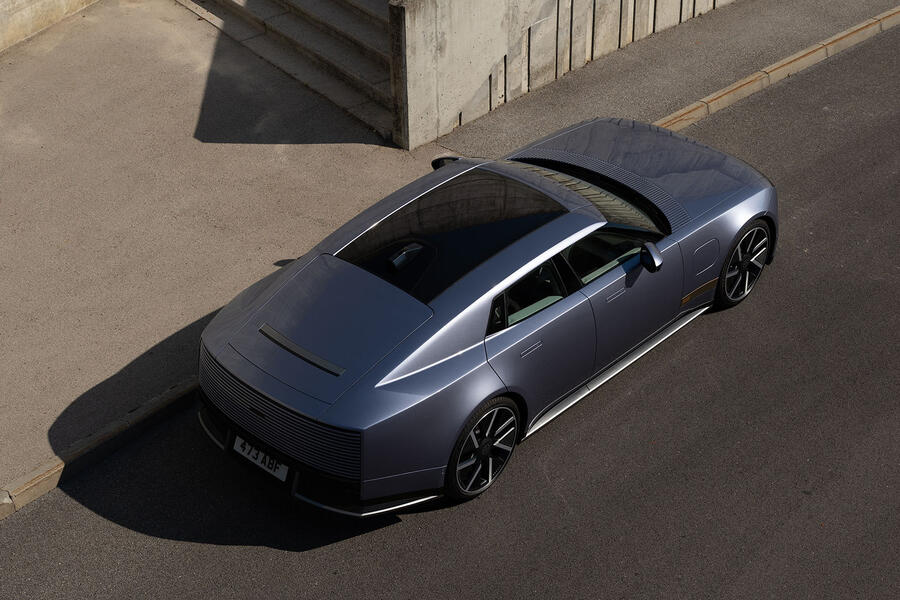
The Type 01 is a 1000bhp, four-door, all-aluminium GT saloon. It is 5.2m long-only a handspan shorter than a Bentley Flying Spur - with a wheelbase of 3.2m. It has a cab-rearward design with a very long nose and a low roof.

Seen in the metal it is indeed "a copy of nothing" - the description coined for Jaguar by company founder Sir William Lyons and often repeated by the firm since its rebrand - though this hasn't stopped Jaguar insiders drawing comparisons to the long-nosed XJS of the mid-1970s, which replaced the ubiquitous E-Type of 1961 with something quite different.

Design

Jaguar conducted extensive customer research, which suggested that key buyer priorities for a new Jaguar model were how it would look inside and out, and what it would say about its owners. The company said there was much concentration on "soul" and "personality", together with concern about quality of execution. Any worry about the Type 01's use of electric propulsion came lower down the priority list.

Back to top

Back in 2020 Jaguar set three groups of designers in competition with one another to propose a new car. The rules were simple: the car needed to signal a wholesale change, to be jaw-dropping to look at, and to copy no other car. Its design language also had to be scalable to future cars.

The design groups produced 18 full-sized models, which were eventually displayed together in the company's outdoor viewing garden. Design development director Andy Wheel, who was there, described it as "an incredible day". From this group, the "exuberant" Type 01 shape was chosen and developed. "Compromise was a banned word," said Wheel.

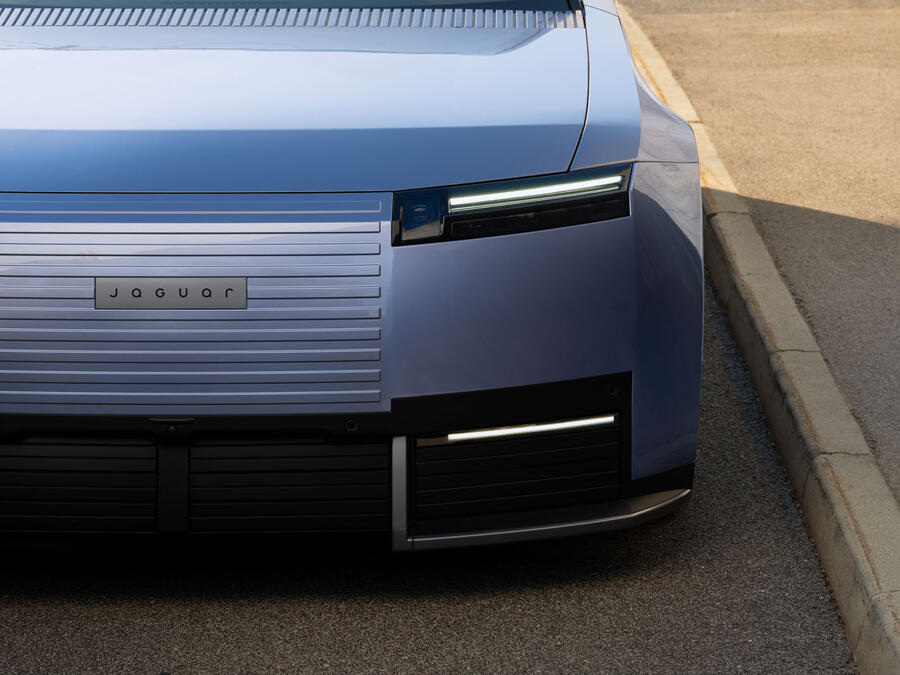
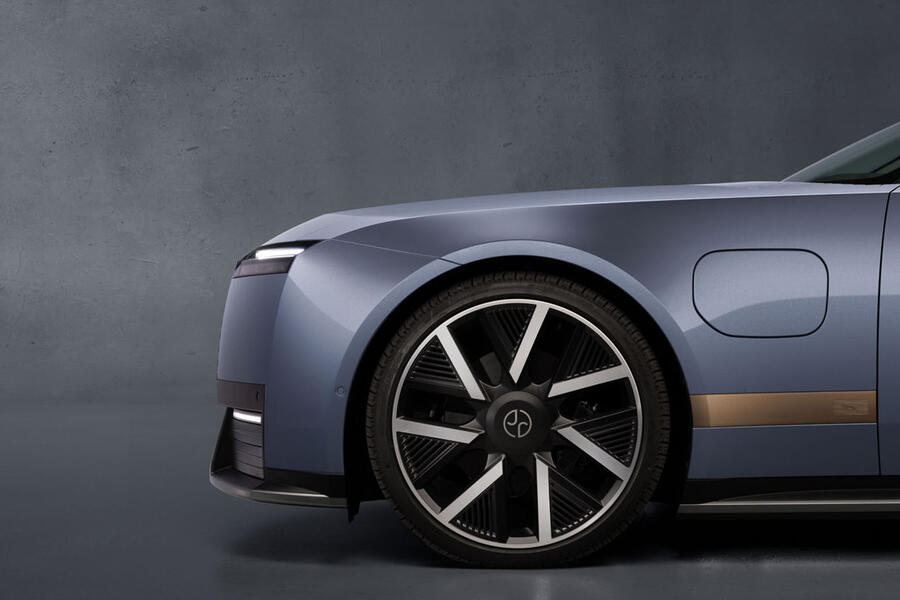
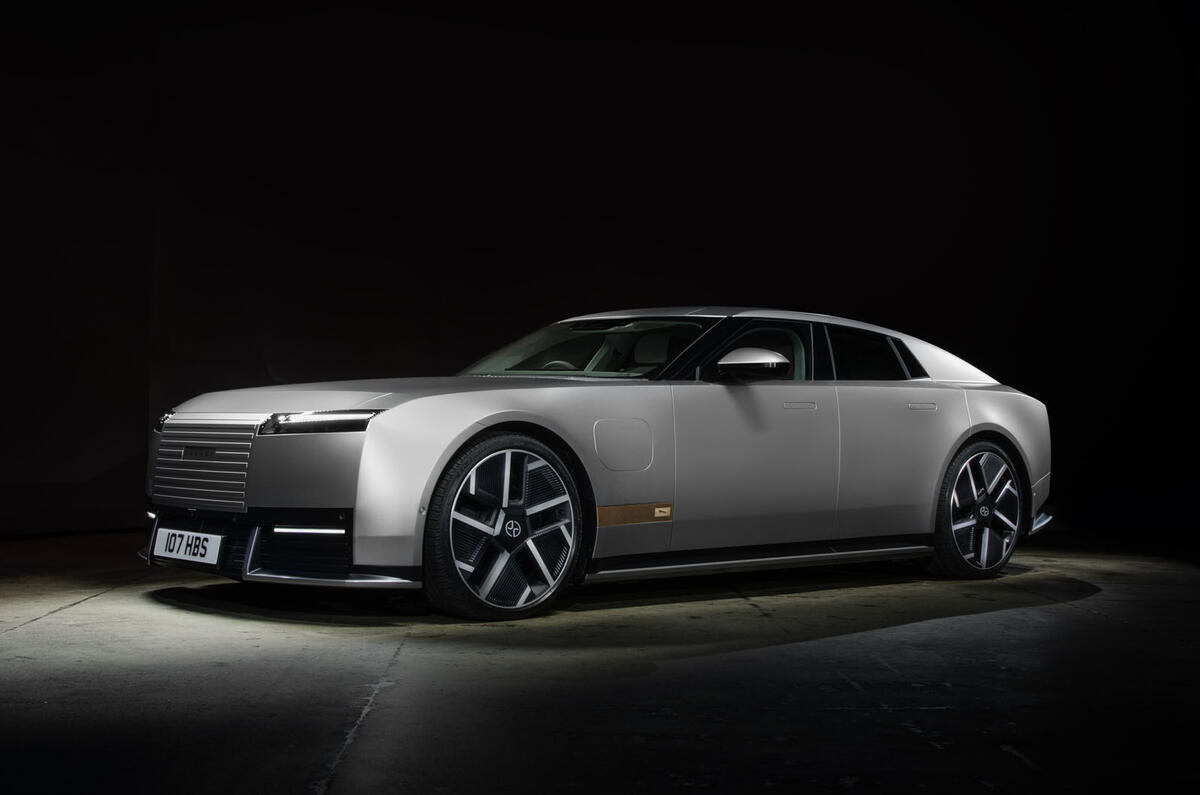
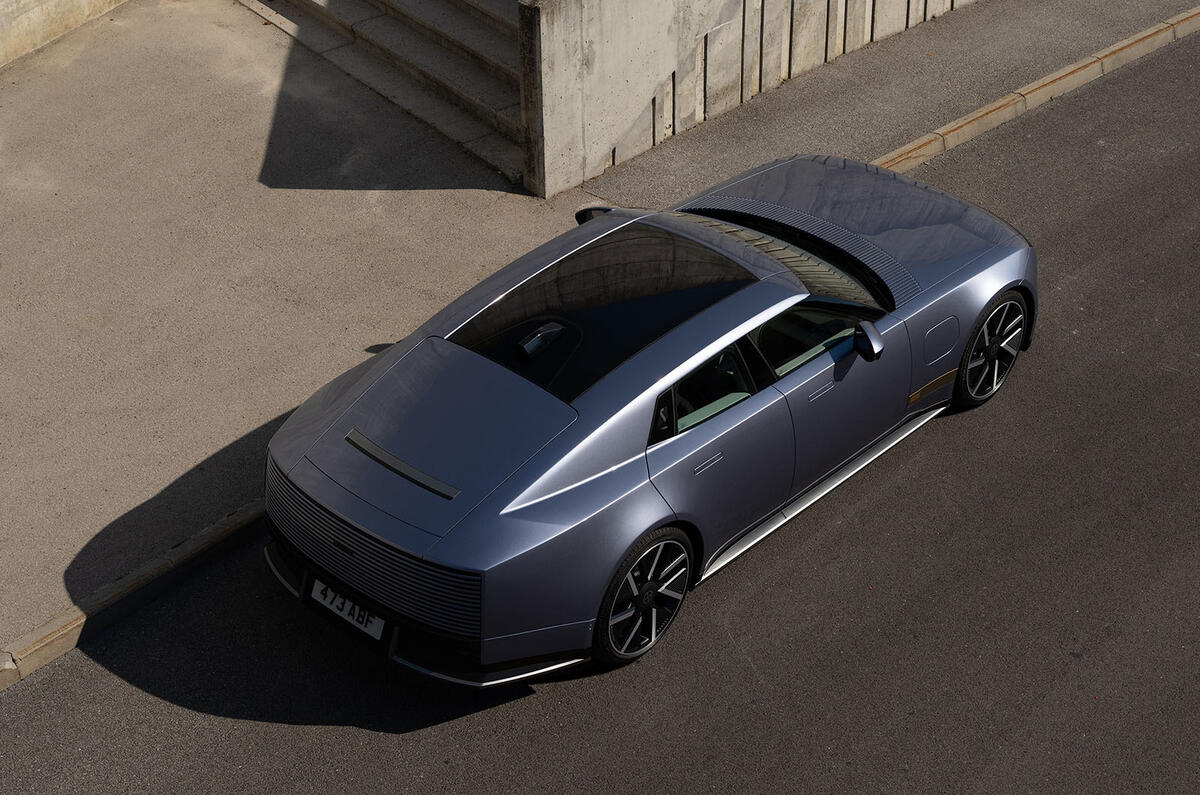
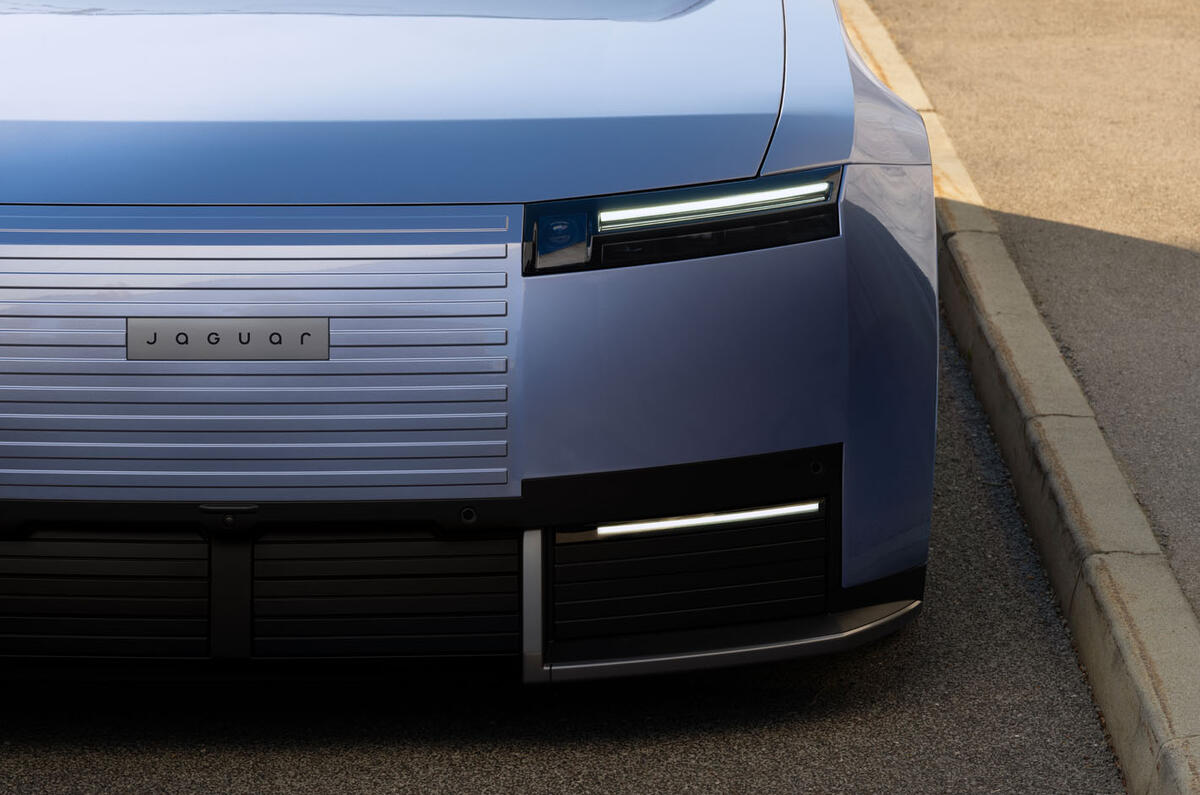
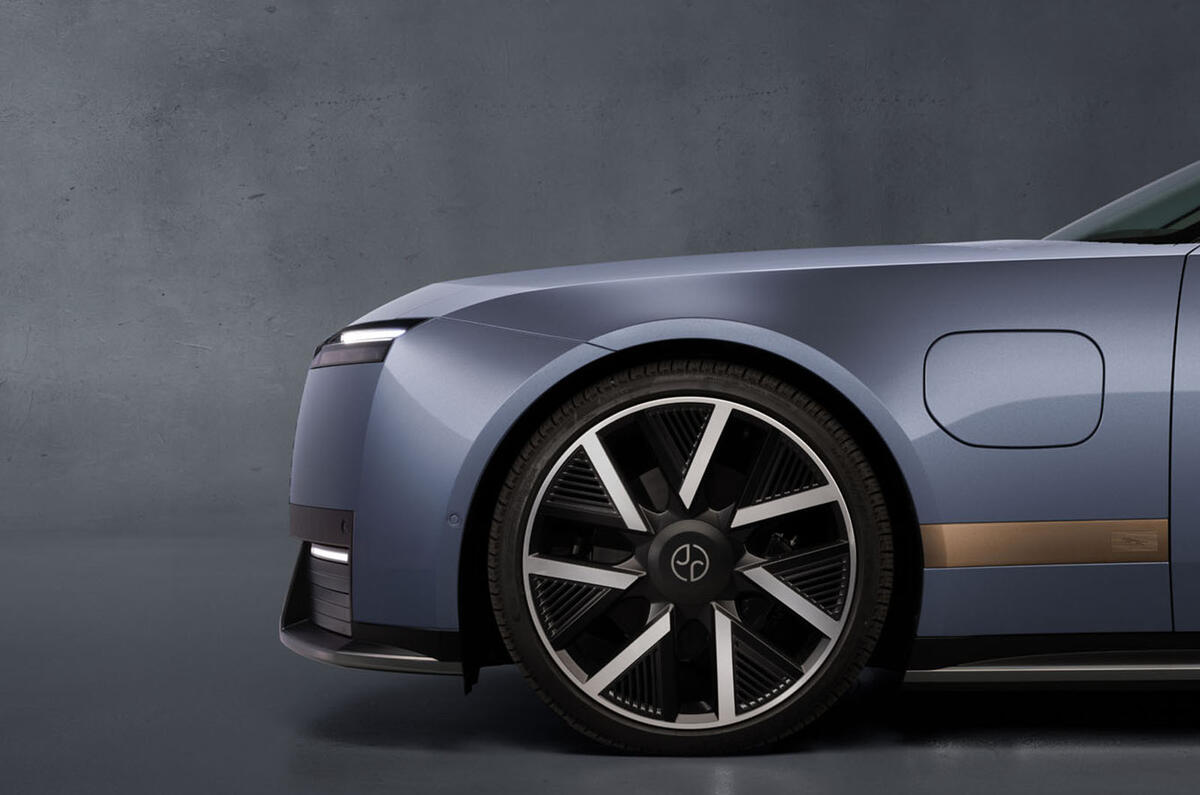
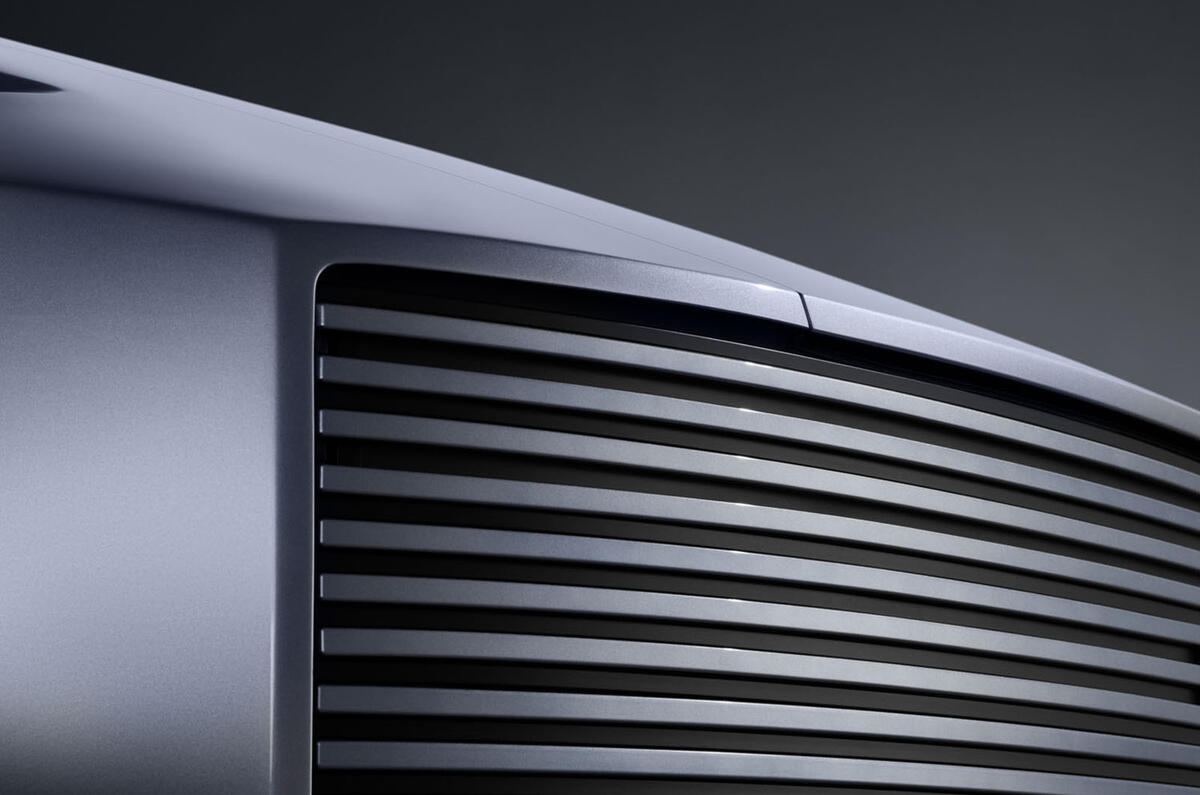
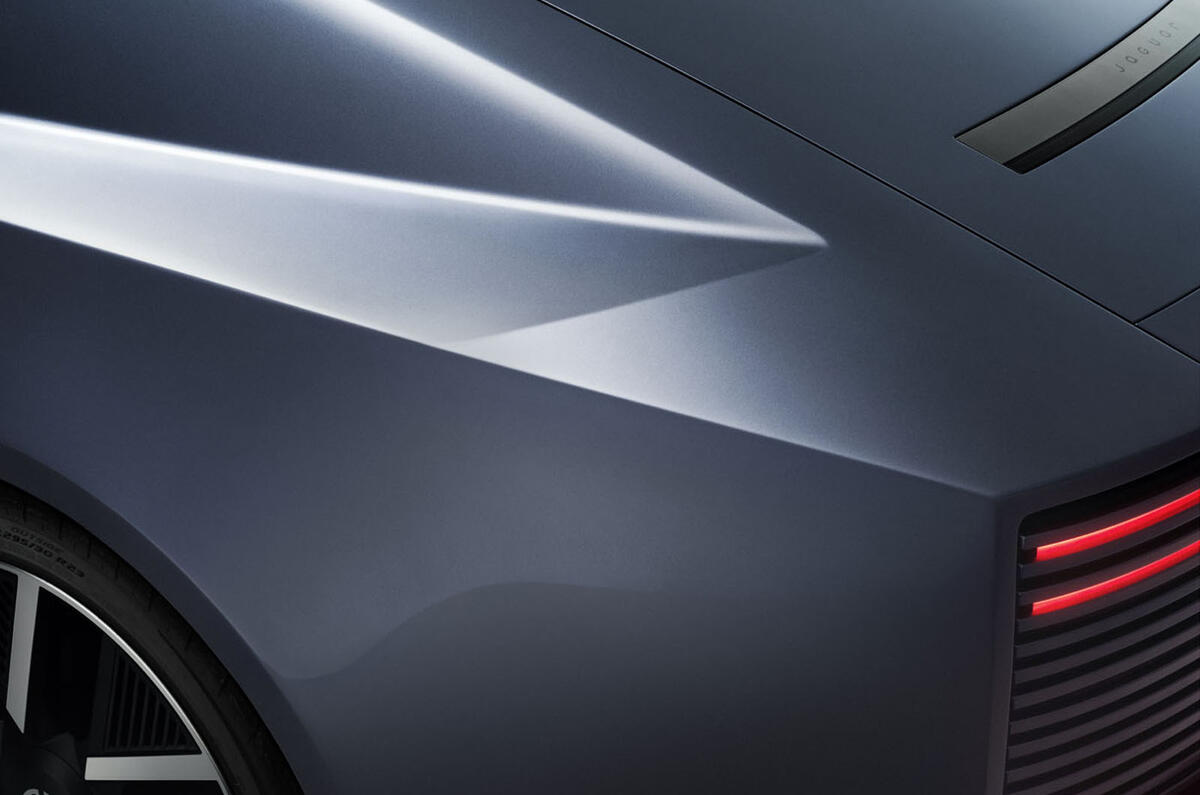
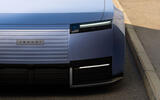
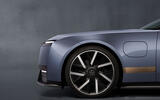
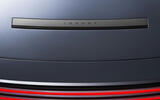
The car's length, bold shoulders and extended bonnet-which leaves an exaggerated "luxury gap" between the front wheel arch and front door - all grab attention. The slim headlights have a unique night-time signature, surrounding a bold blank space where a grille would traditionally be placed.

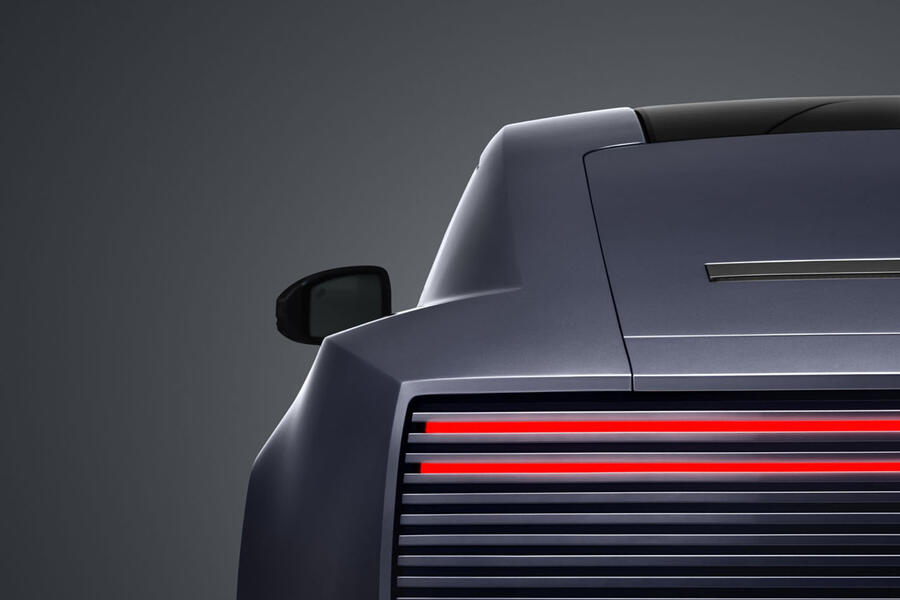
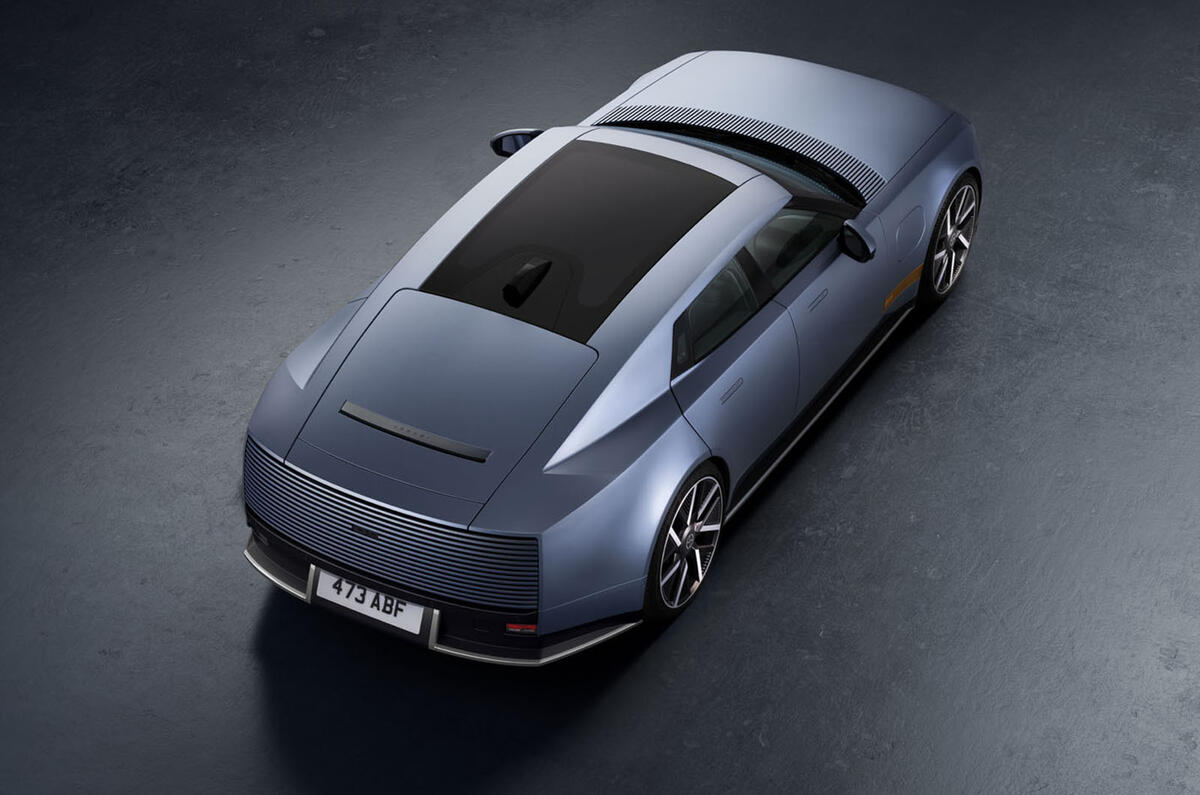
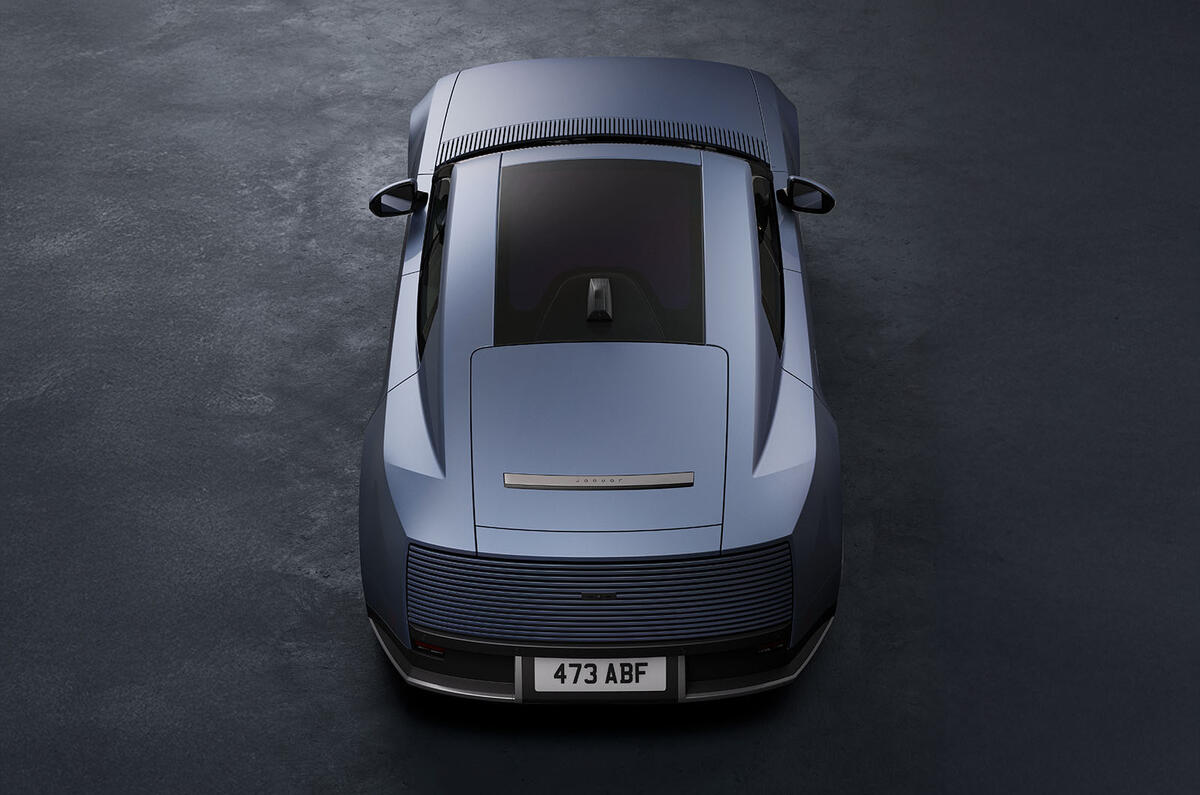
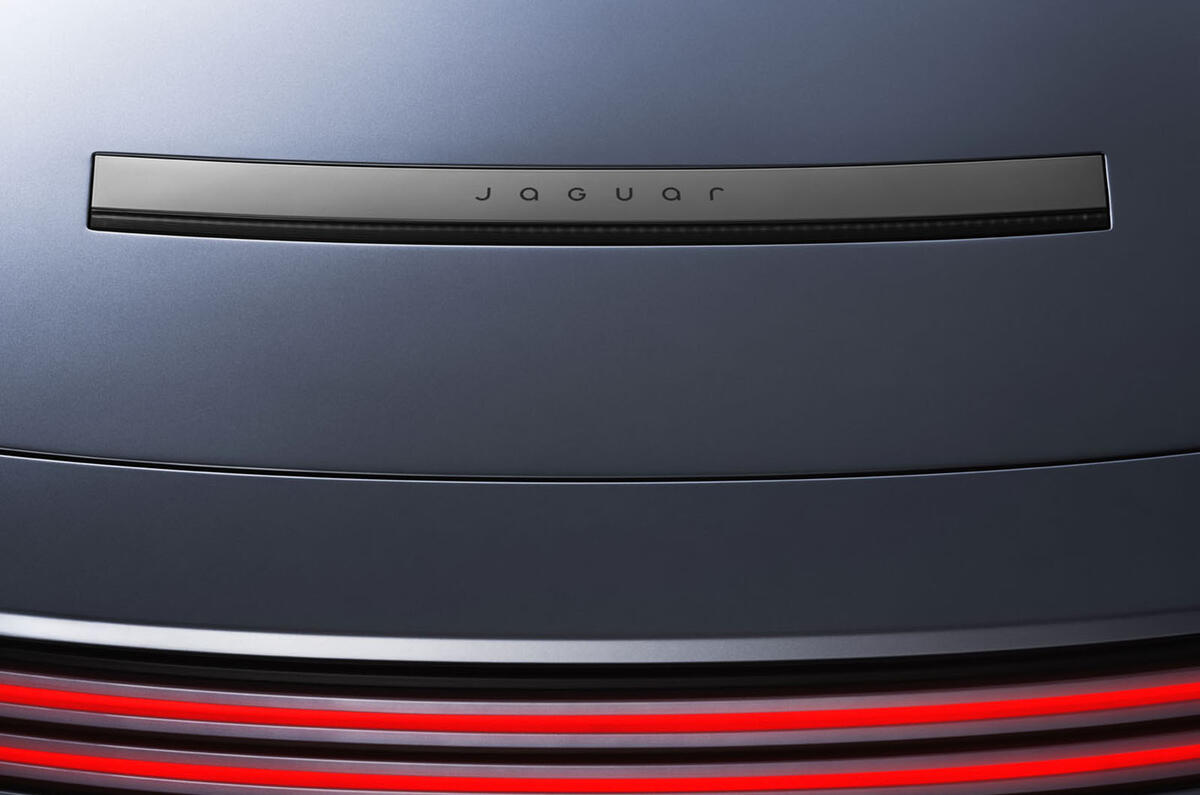
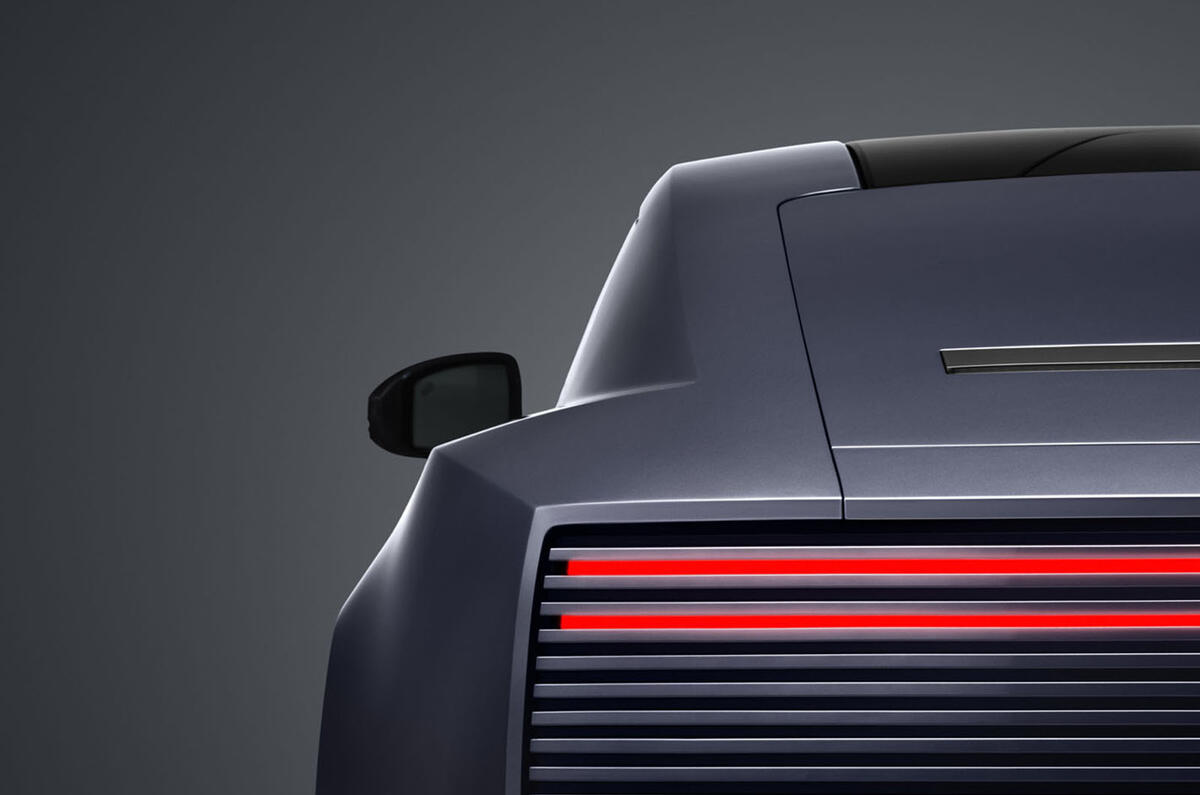
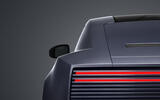
At the rear, the tail-lights are hidden in an array of horizontal slats that the designers describe as a 'strike-through'.

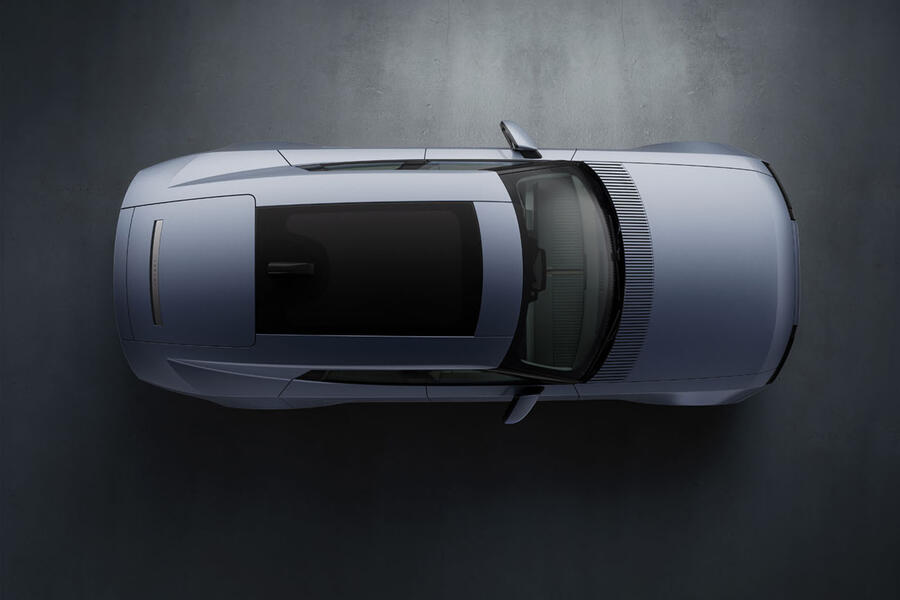
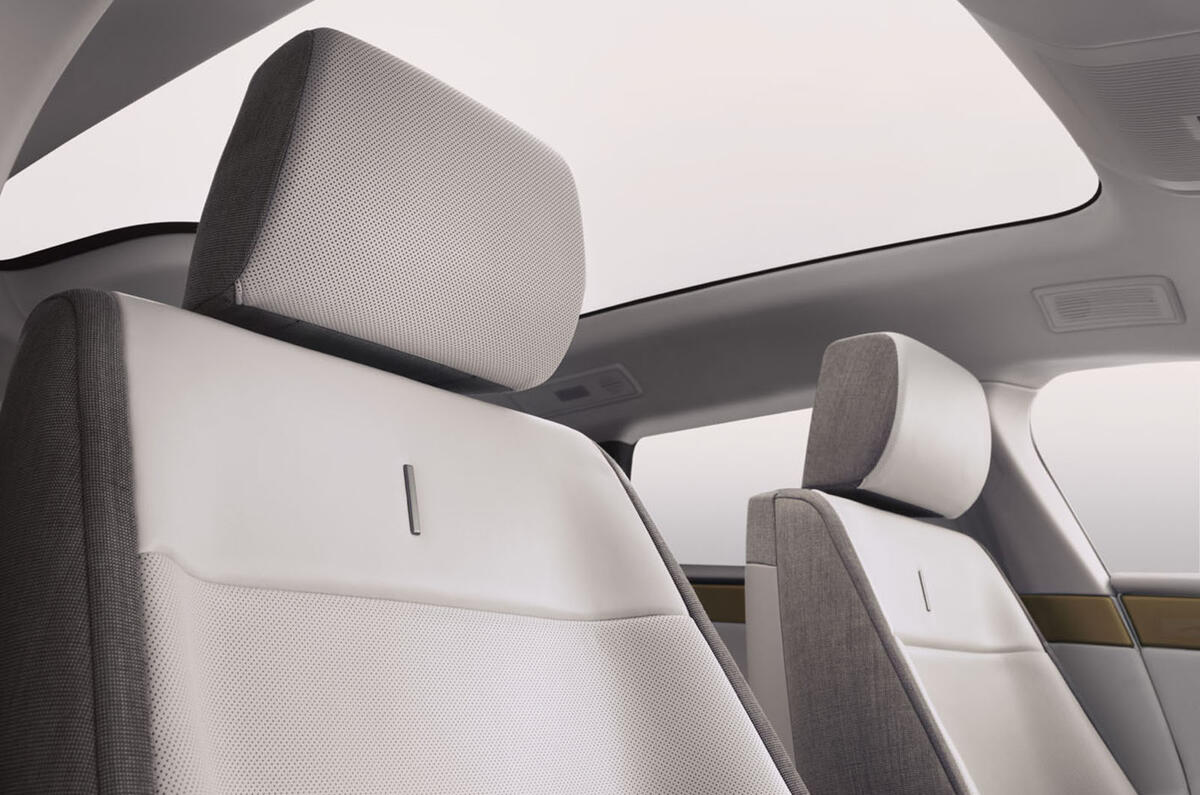
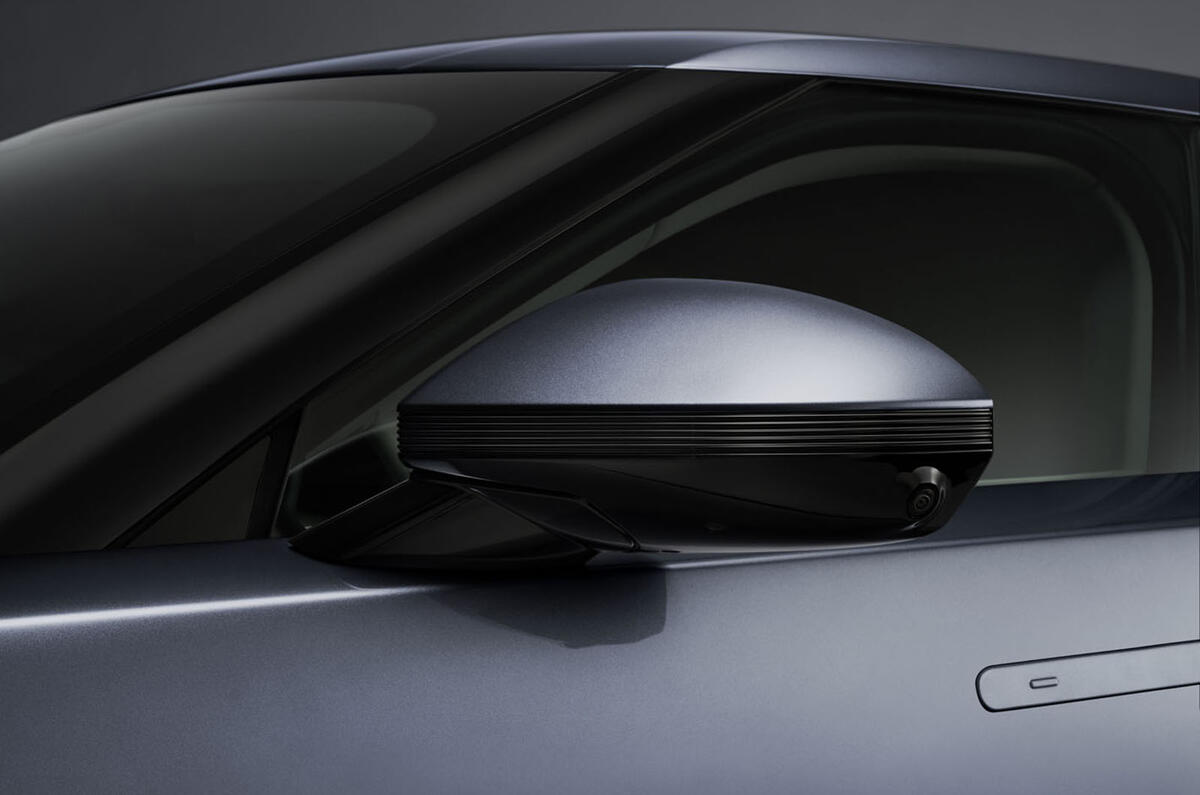
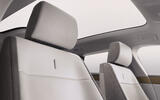
There is no rear window, in similar fashion to the Polestar 4. As with the Swedish SUV, that decision was taken to improve rear head room. Rear vision, meanwhile, is handled by a roof-mounted camera that feeds a cross-cabin screen inside.

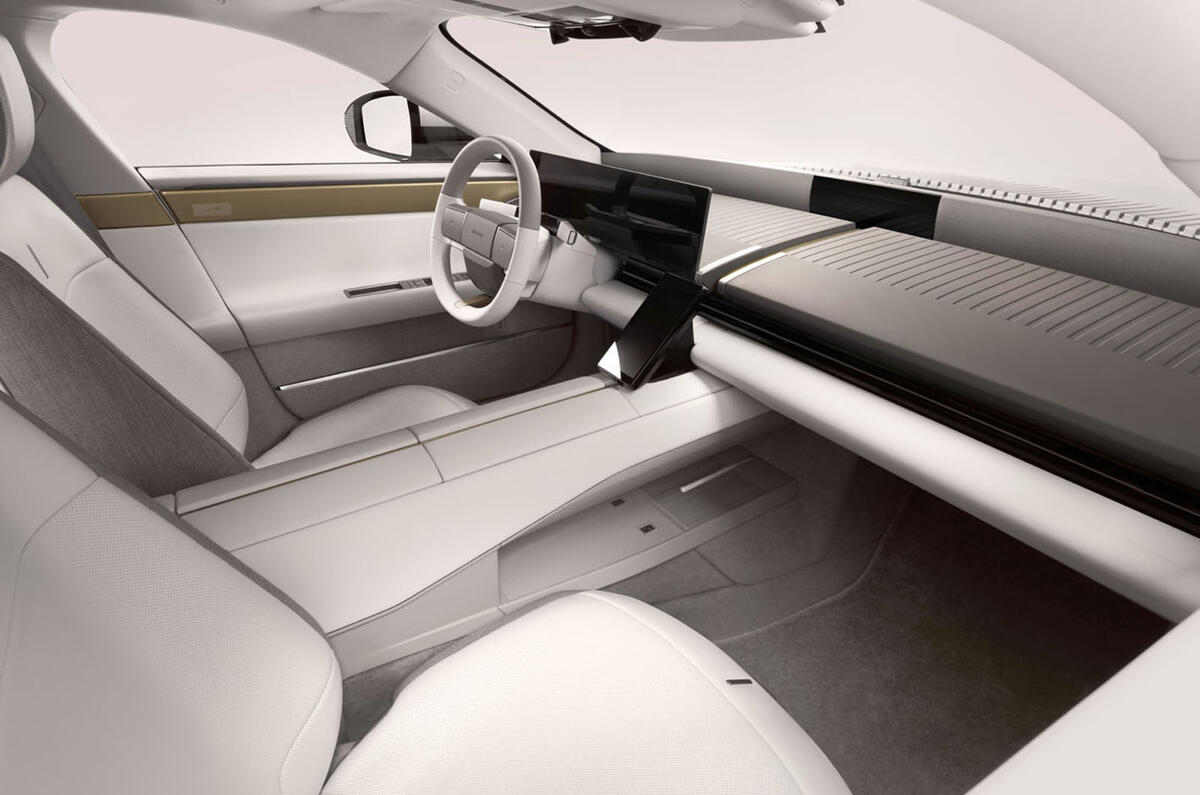
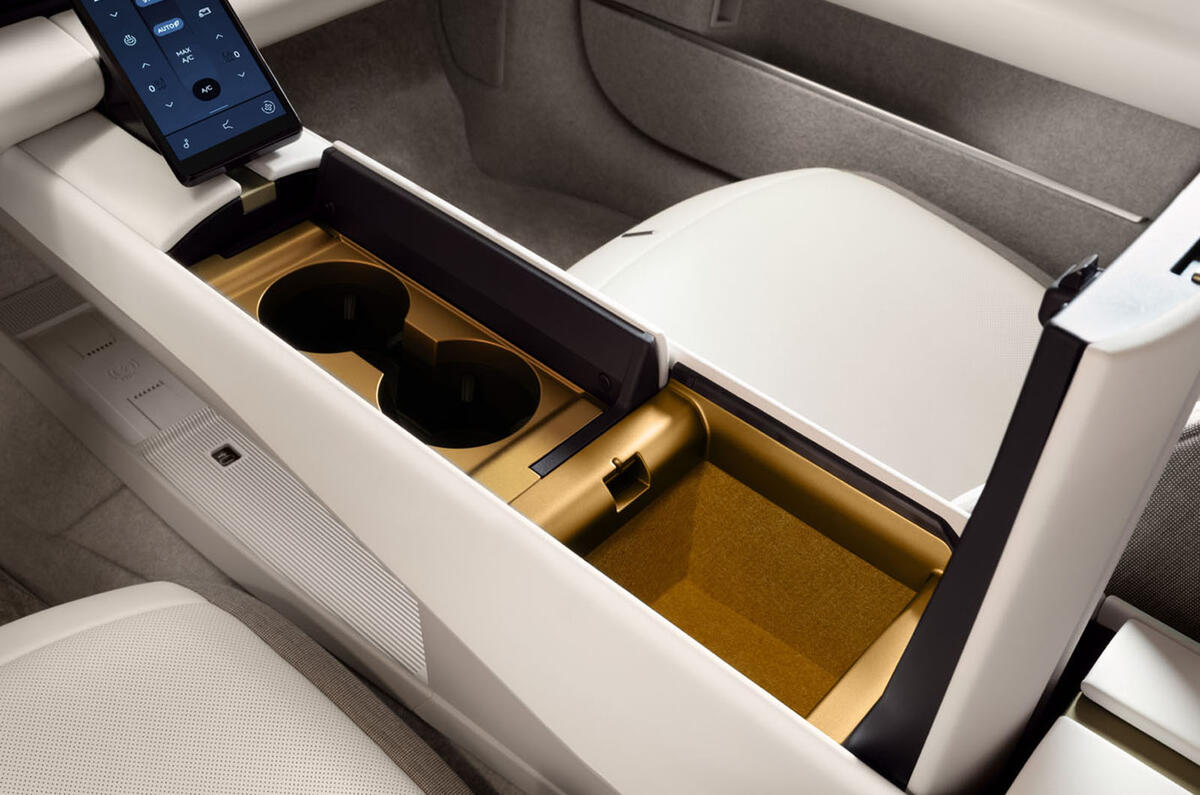
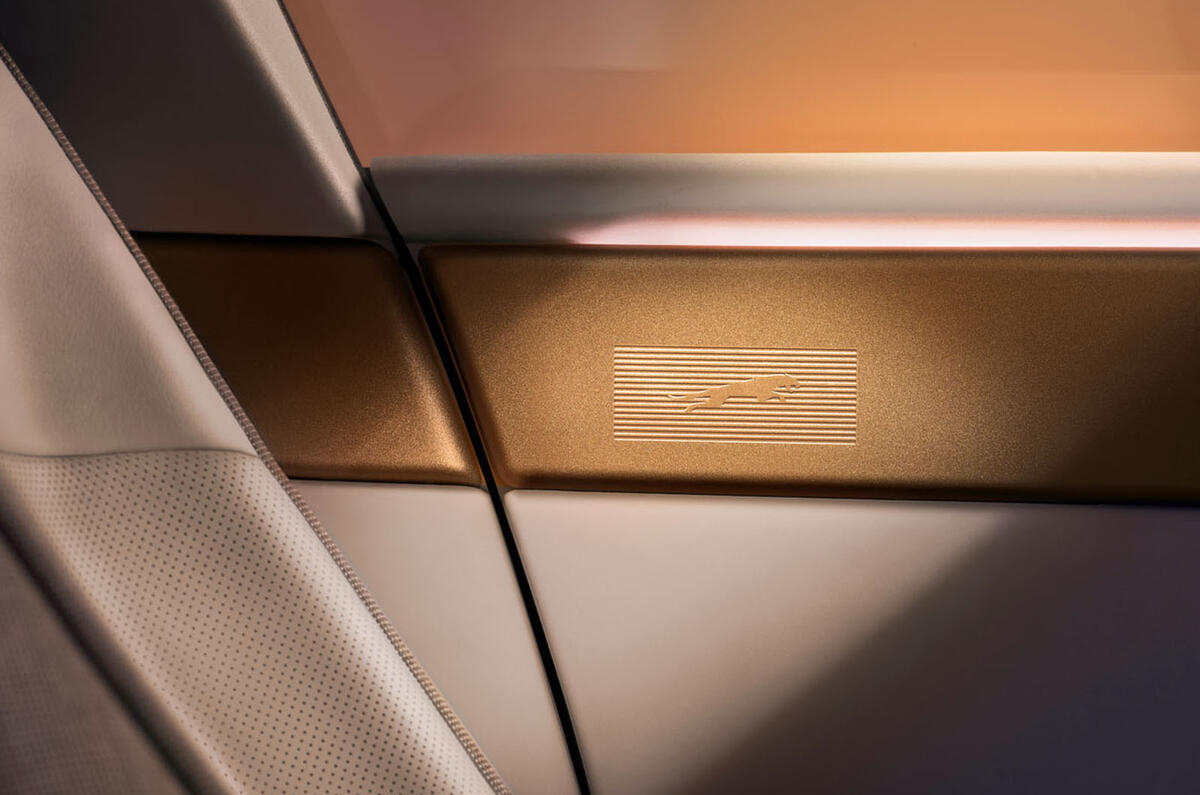
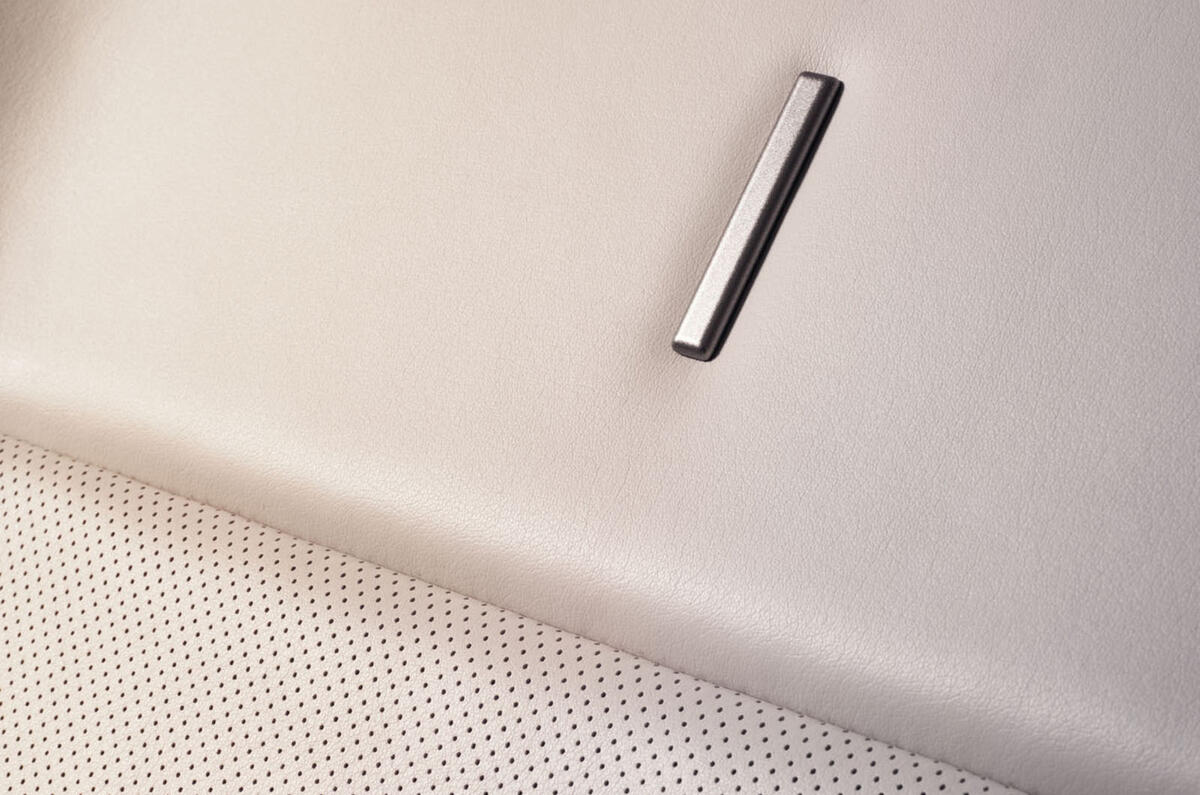
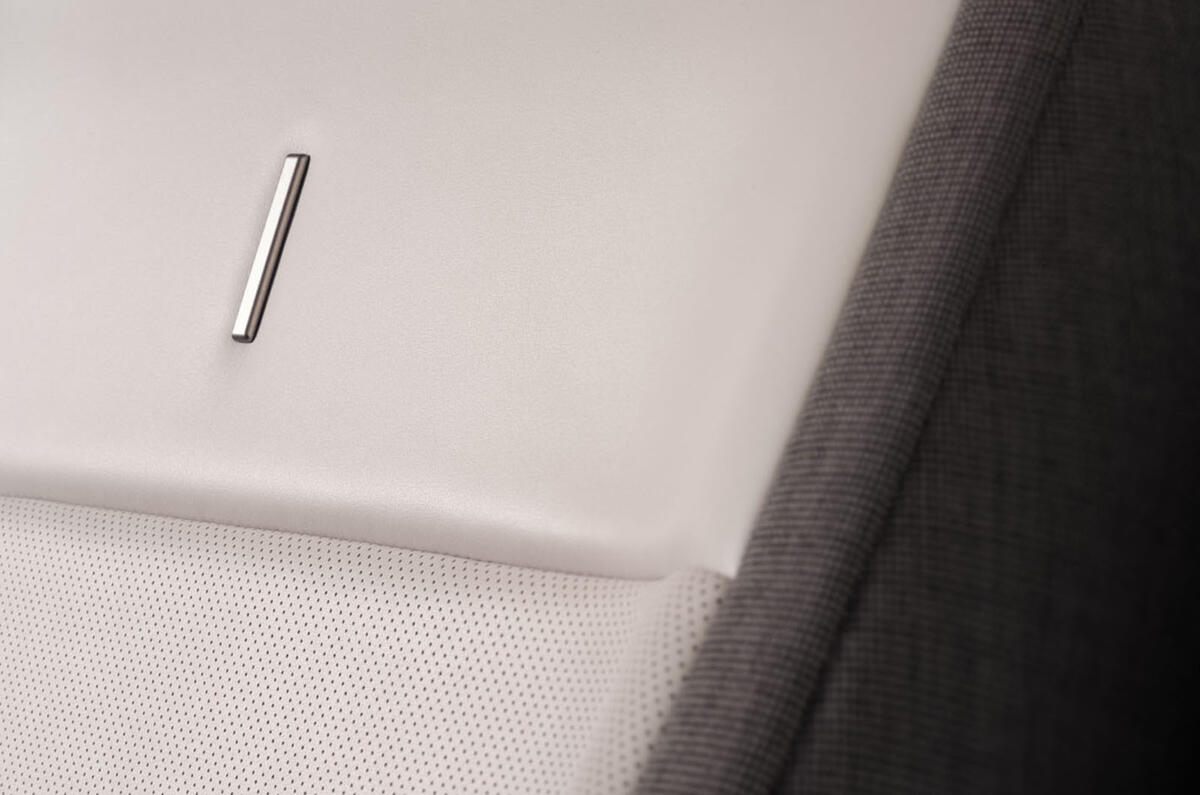
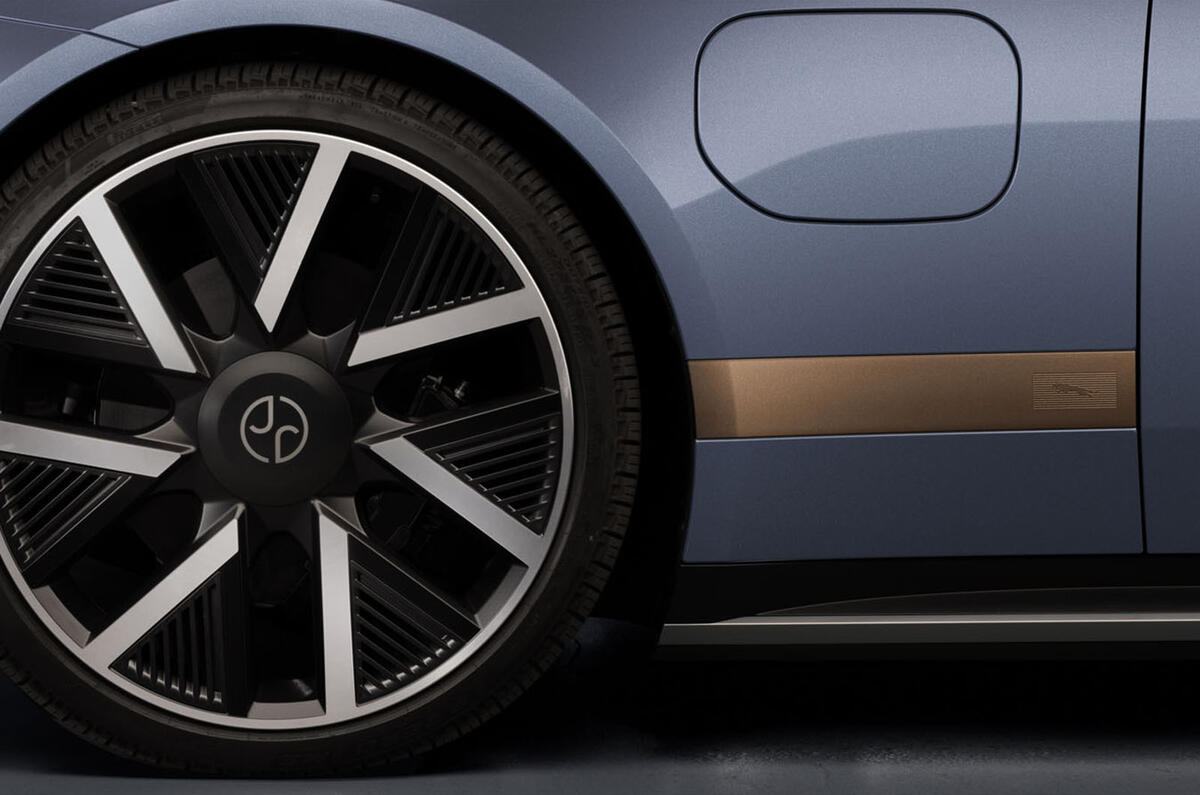
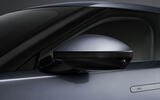
The car also has frameless doors, with brass detailing containing the brand's 'leaper motif along (and inside) the body.

Back to top

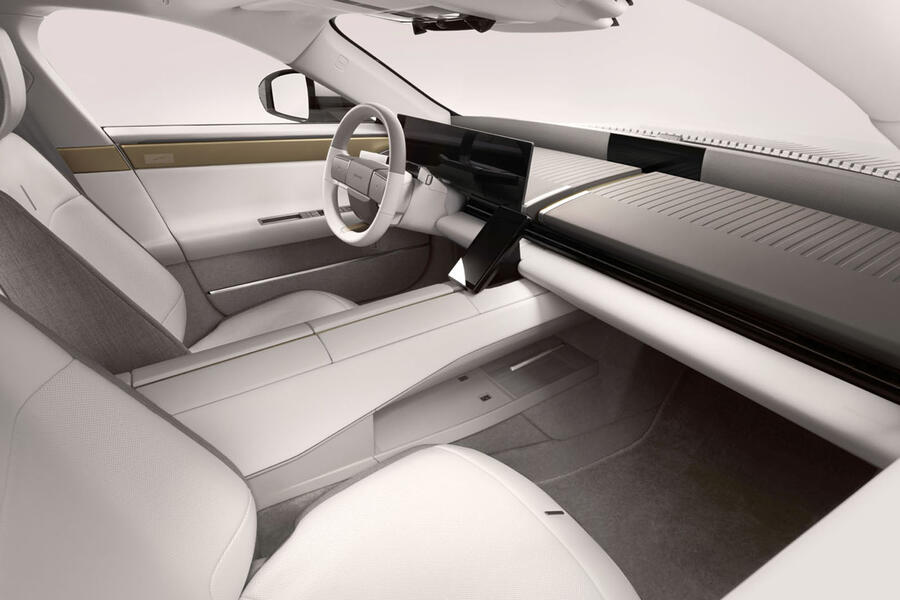
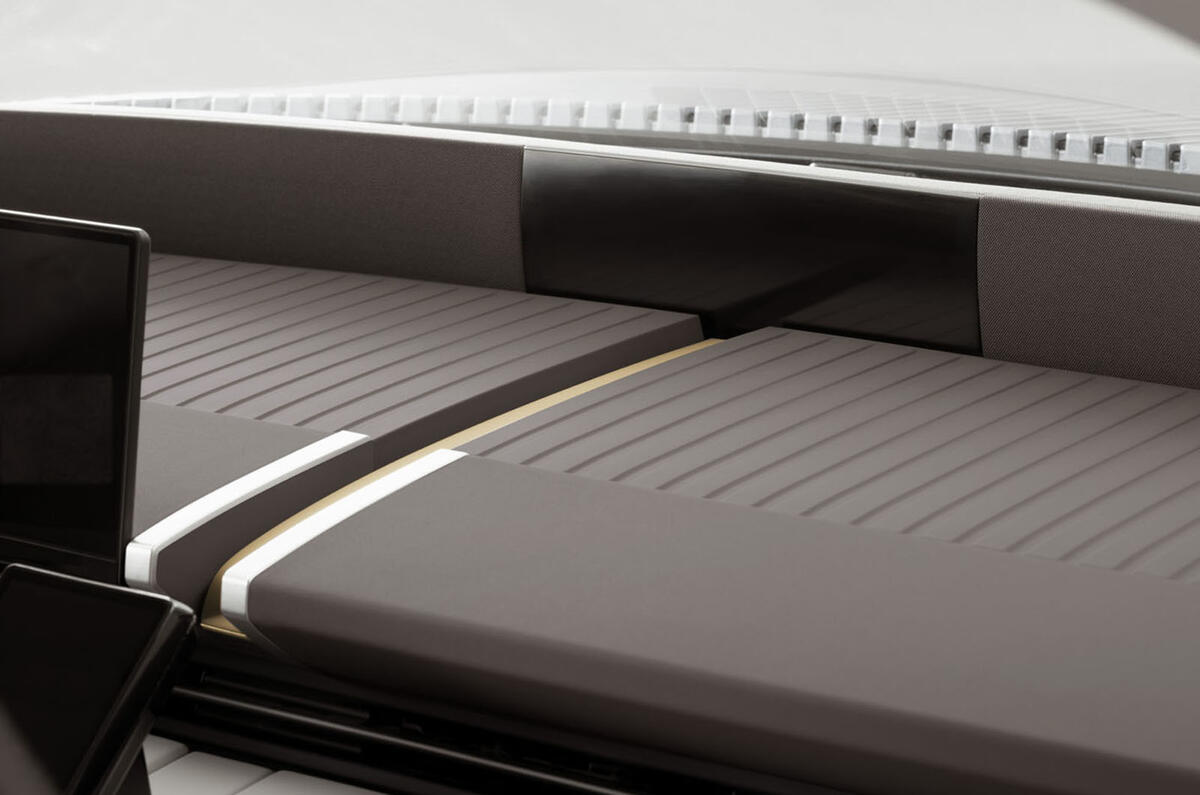
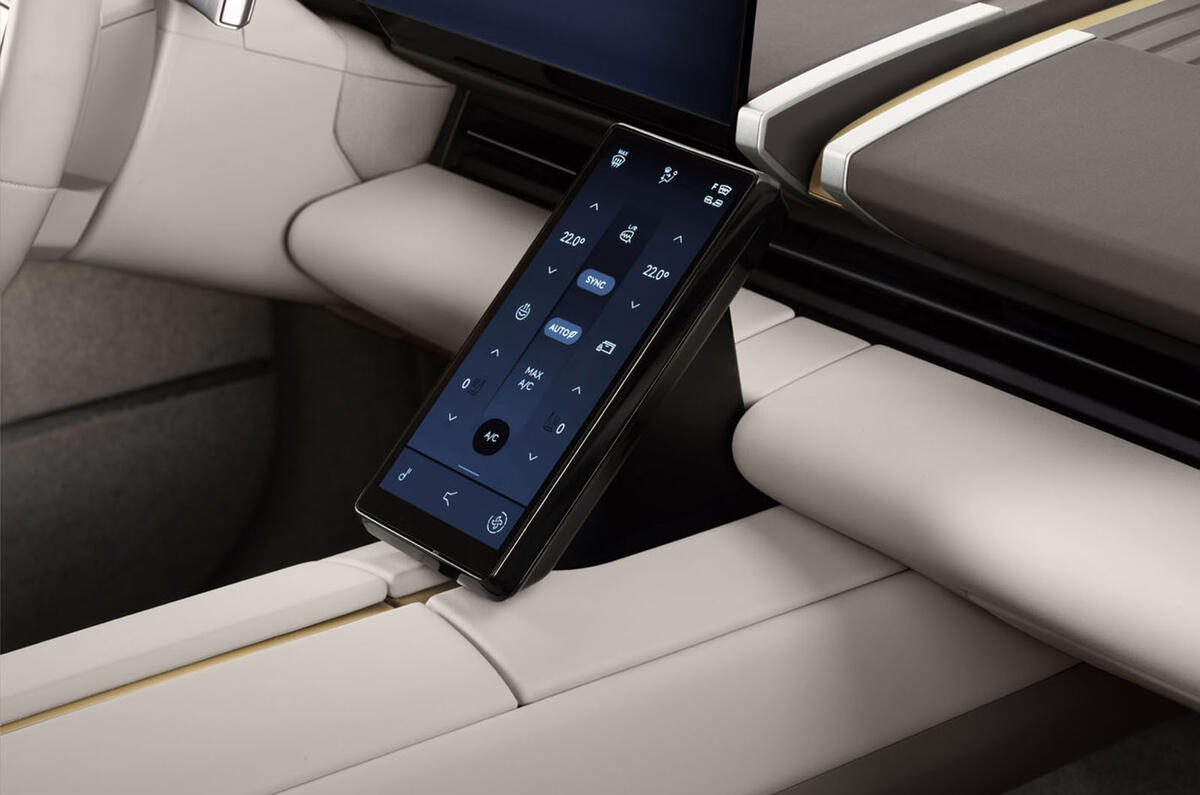
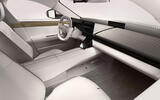
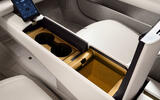
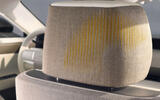
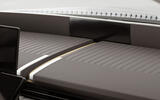
A central spine divides the cabin into four zones and the driver's controls are predominantly situated on screens.

Engineering

Early on, Jaguar engineers set out to find a rival company whose platform might suit the emerging recipe for the Type 01, with a view to a chassis-sharing partnership. But, according to chief engineer Jon Darlington, who joined Jaguar 31 years ago and has been involved in this project from its outset, they soon found there was nothing suitable for a car with the Type 01's 5.2m overall length and diminutive 1.4m height, rolling on 23in wheels, none of which they were willing to alter.

This led rapidly to the conception of JEA - the Jaguar Electric Architecture - in aluminium, whose cost has been put at £2.25bn and which is currently the subject of more than 360 patent applications.

The Type 01 uses all-independent suspension by double wishbones up front and what Jaguar calls integral link at the rear, a multi-link set-up. Twin-chamber air springs adapt their rates to road and driving conditions and the dampers are also adaptive. The car has four-wheel steering, giving it a similar turning circle to a Volkswagen Golf's.

Back to top

The new Jaguar's unique architecture provides a special layout for its battery cells, which are divided between front and rear compartments to allow space for the occupants to sit very low in the car. A conventional 'skateboard' arrangement would have added 20cm to the overall height and made the Type 01's styling unviable. The battery cells are of a special large (and high-efficiency) format designed around the Type 01's layout.

The car's official WLTP range is 450 miles, but it will sustain "highway speeds" for 320 miles, according to Jaguar engineers. It will also charge at 350kW, enabling up to 200 miles to be added in half an hour.

Drive comes from a tri-motor layout-one unit with a peak output of 349bhp in front and two 416bhp motors at the rear. The front motor alone propels the car when it's cruising at a steady state on the motorway, saving energy. The two rear units chime in during sportier driving. They are grouped in the same housing but are independent of one another, enabling torque vectoring.

At full pelt, the car will cover 0-62mph in 3.2sec, but Darlington said a better gauge of the Type 01's sustained performance capability is the 62-112mph time of just 4.0sec.

Aerodynamics

The long and low Type 01 is the most aerodynamic production Jag yet, its 0.23 Cd easily beating the previous-best late-model XF's 0.25 - without, in Darlington's words, compromising its design or moving away from the standard-fit 23in wheels (21s are also available).

Back to top

The car has a three-position rear spoiler that can provide up to 75kg of downforce at speed. Vanes at the front open or close based on sensor data to adjust flow to battery cooling apertures or brake cooling ducts as needed.

When the battery cooling vanes are closed, the WLTP range figure improves by 27 miles. With just the corner-mounted brake cooling ducts shut, it gains 12 miles.

Marketing

Jaguar's latest prediction for an on-sale date is February 2027. The first cars will be delivered to owners by the middle of the year. Prices will start at £120,000, with a "centre of gravity" for well-equipped cars at around £150,000. However, bespoke specifications will be encouraged - in much the same fashion as they are for many rivals - and some cars may top £200,000.

JLR continues to be confident of the new car's popularity at launch. It claims to have the names of 50,000 people in 'keep me informed' files around the world and 80% of them have never previously owned a Jaguar.

But according to global marketing director Carlee Hardaker, the company isn't looking for blanket market approval of the Type 01. She said: "Our detailed research showed that while many people we researched returned 9s and 10s, some returned 1s and 2s. We're happy with that. We want this car to evoke emotions."

Join our WhatsApp community and be the first to read about the latest news and reviews wowing the car world. Our community is the best, easiest and most direct place to tap into the minds of Autocar, and if you join you’ll also be treated to unique WhatsApp content. You can leave at any time after joining - check our full privacy policy here.

Steve Cropley

Steve Cropley Autocar
Title: Editor-in-chief

Steve Cropley is the oldest of Autocar’s editorial team, or the most experienced if you want to be polite about it. He joined over 30 years ago, and has driven many cars and interviewed many people in half a century in the business. 

Cropley, who regards himself as the magazine’s “long stop”, has seen many changes since Autocar was a print-only affair, but claims that in such a fast moving environment he has little appetite for looking back. 

He has been surprised and delighted by the generous reception afforded the My Week In Cars podcast he makes with long suffering colleague Matt Prior, and calls it the most enjoyable part of his working week.