

Do you know what CASE or MAAS means? I thought the former was a tractor manufacturer and the latter could be anything, to be honest – something about sensors, probably. But I was reminded in a Honda press conference last week that one is ‘connected, autonomous, shared, electrified’, and the other ‘mobility as a service’.
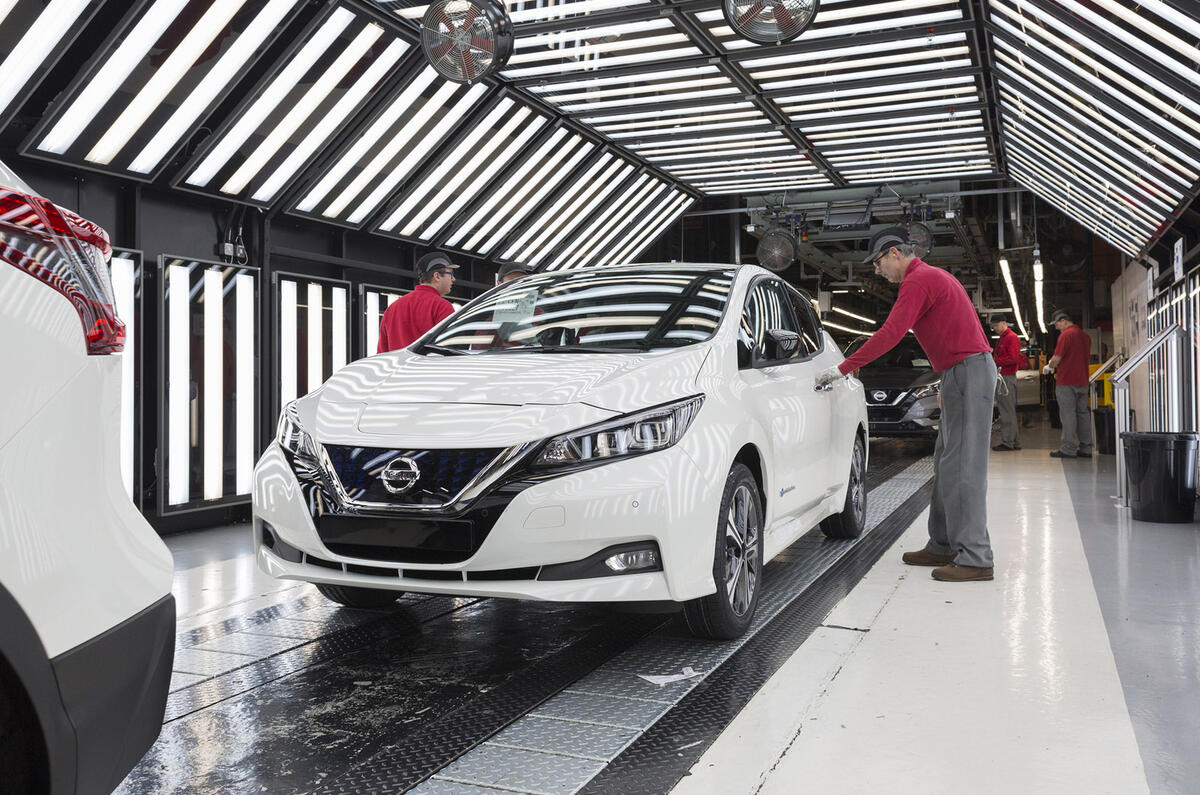
Both are recent industry buzzwords as puzzling as when a mate of mine told me his new company had a ‘matrix management structure’. And both are quite a long way from one of my go-to quotes from the past couple of decades, from a senior manager at Nissan’s Sunderland plant, who attributed the success there to the following: “Keep your head down; build cars people want.”
That, I always figured, was a fairly certain route to success in most things in business. Stay sensible, make things people want to buy, and everything will be dandy.
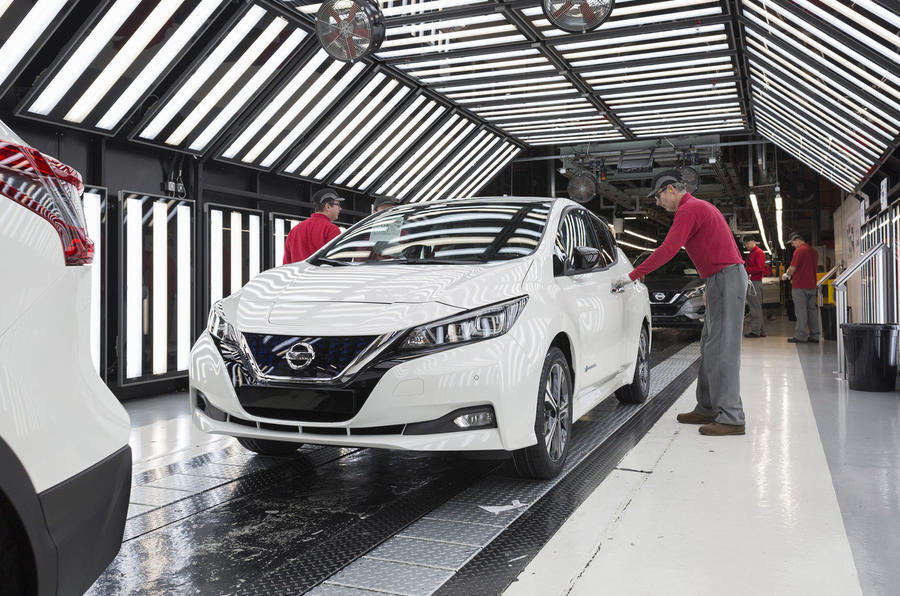
But it might be getting harder. For a start, there are a lot more people making cars – so there are lots of cars people want – and there seems to be some uncertainty about what cars drivers will want over the coming years. And whether ‘cars people want’ easily tallies with ‘cars sufficiently clean to be saleable’ – as CAFE (sorry, another one: ‘corporate average fuel economy’) standards really start to hit across Europe, beginning this year but biting harder in 2021 – is another matter again.
Hence the thinking, in some parts of the industry, that people might start consuming cars in rather different ways from how they have for the past, say, 70 years. It’s comfortable to think that the way the industry has been for my lifetime is just the way it’ll be for the next 70, but when I think so, I remind myself of Nantucket.
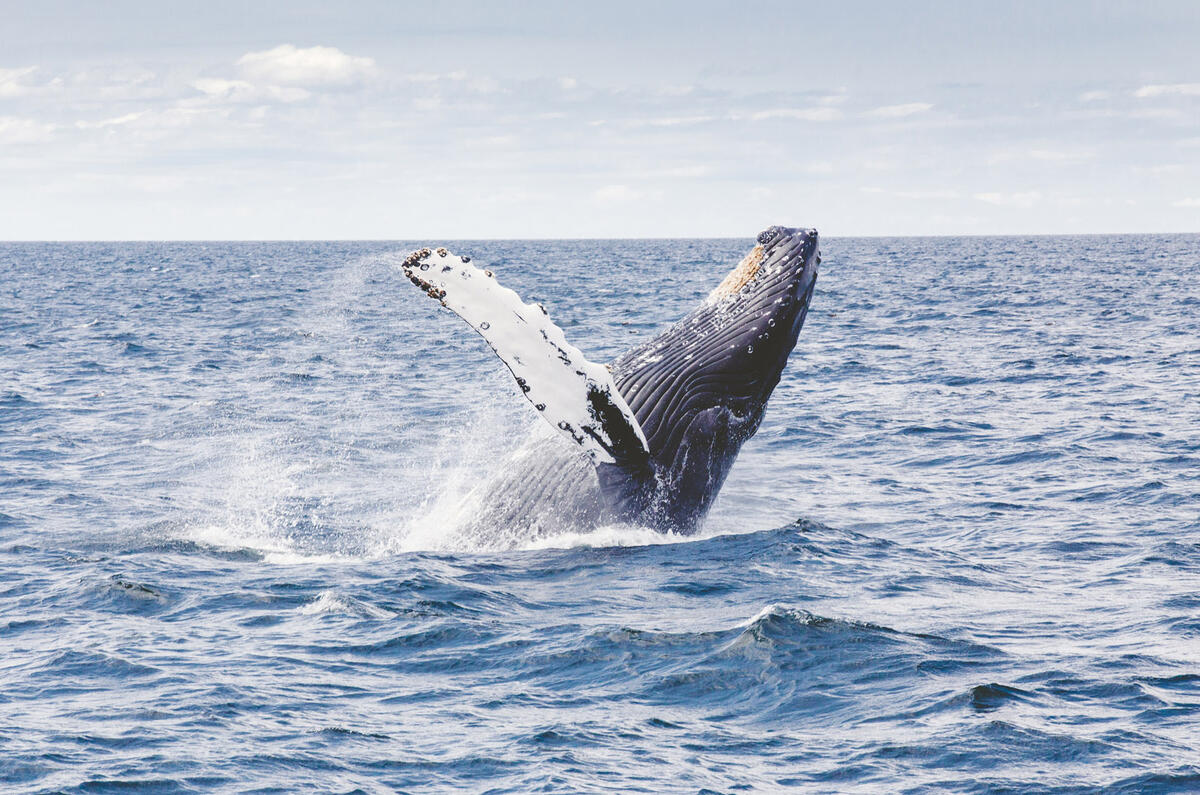
Nantucket used to be known as the whaling capital of the world. In the early 1800s, more than 70 ships were based on this small island in the North Atlantic a few miles off of Massachusetts, from where they’d sail for months on end – as far as the South Pacific – in search of whales to harpoon and kill (as described and imagined in Herman Melville’s novel Moby Dick), for oil to light homes.