8

Affordable sporty coupé returns with an interesting hybrid powertrain and tech from Civic

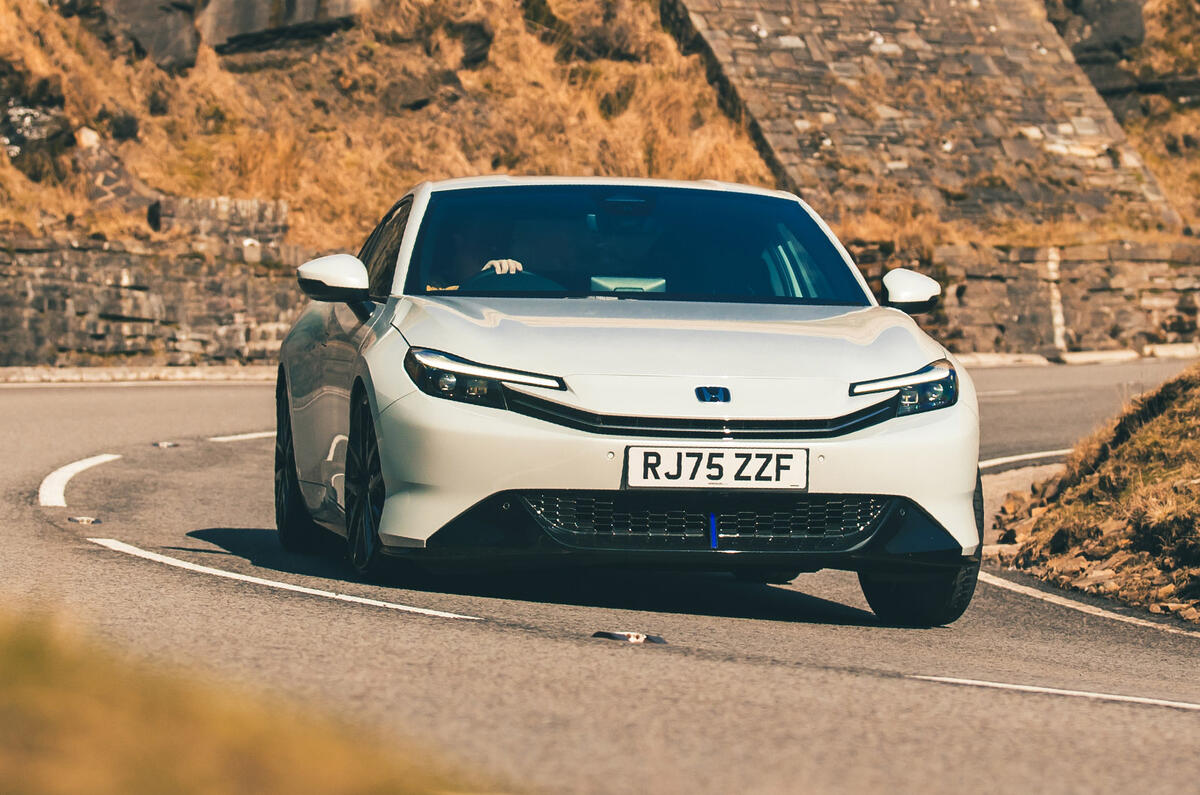
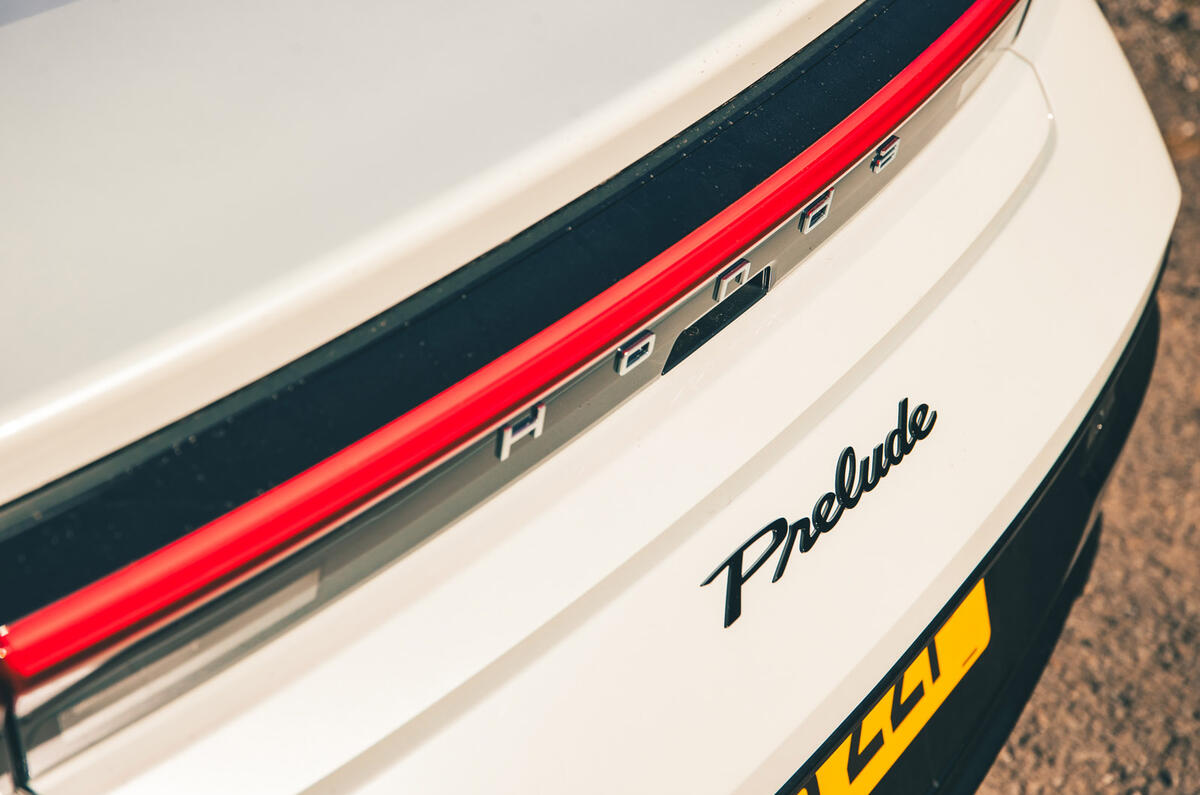
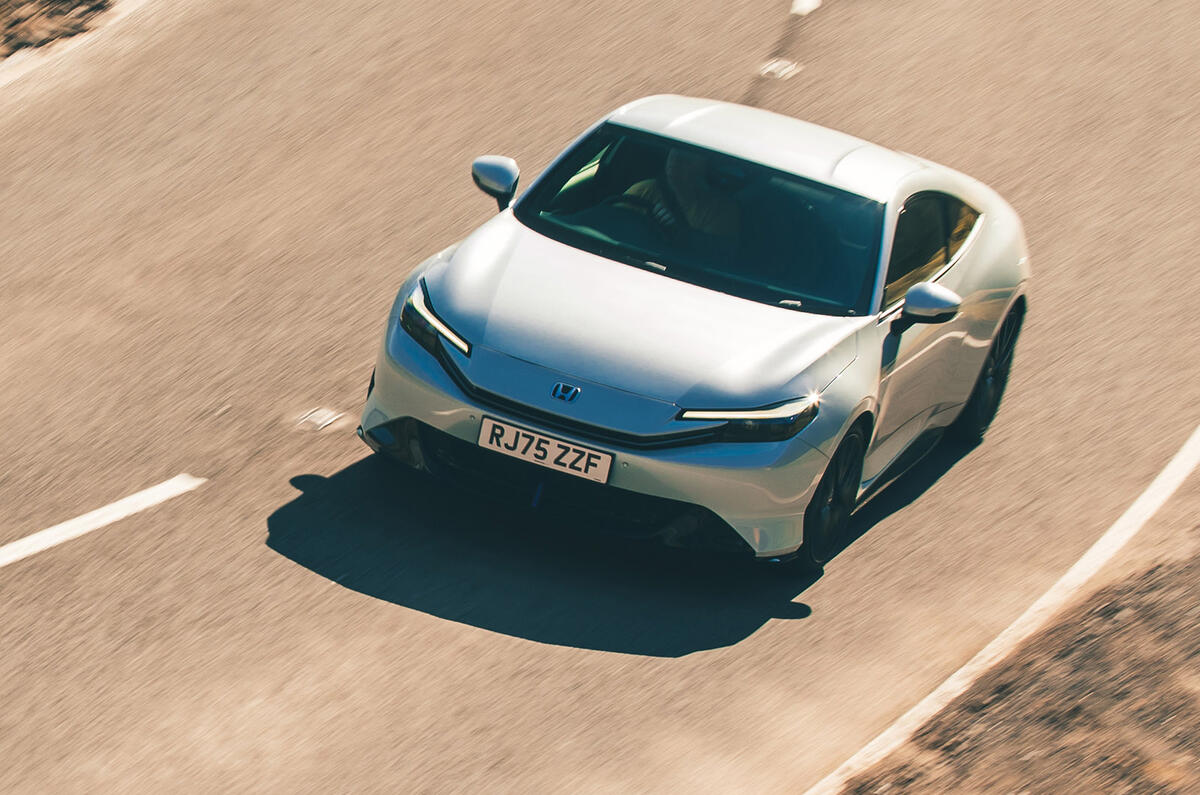
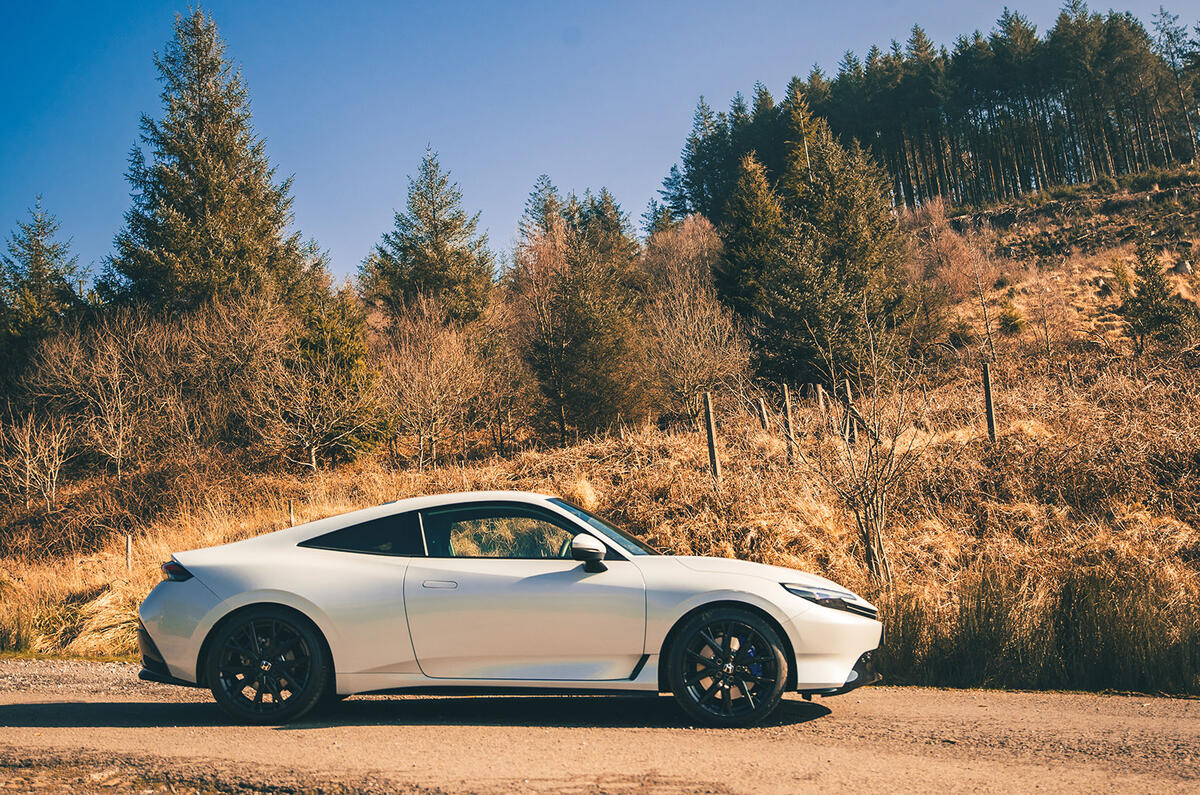
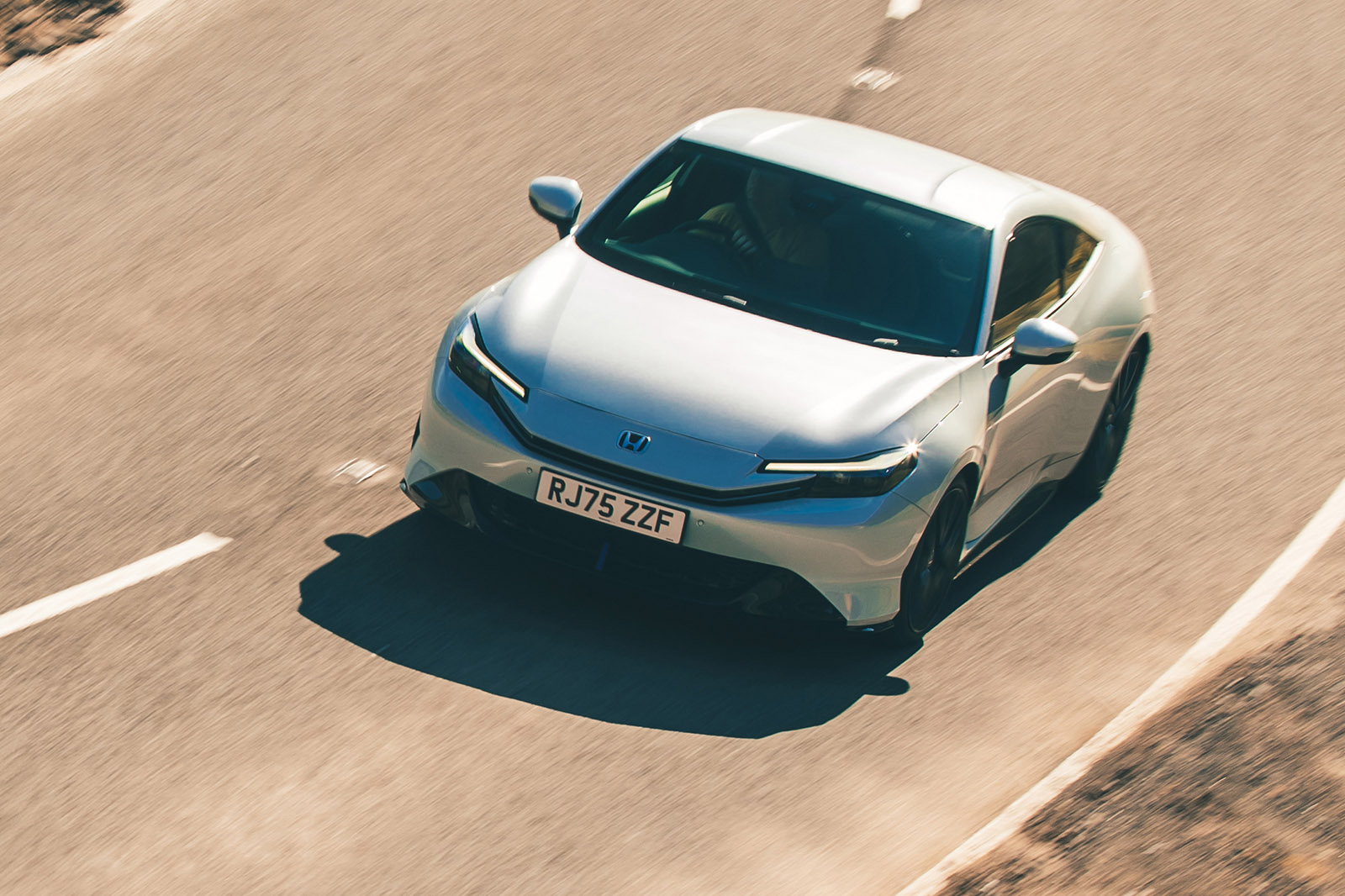
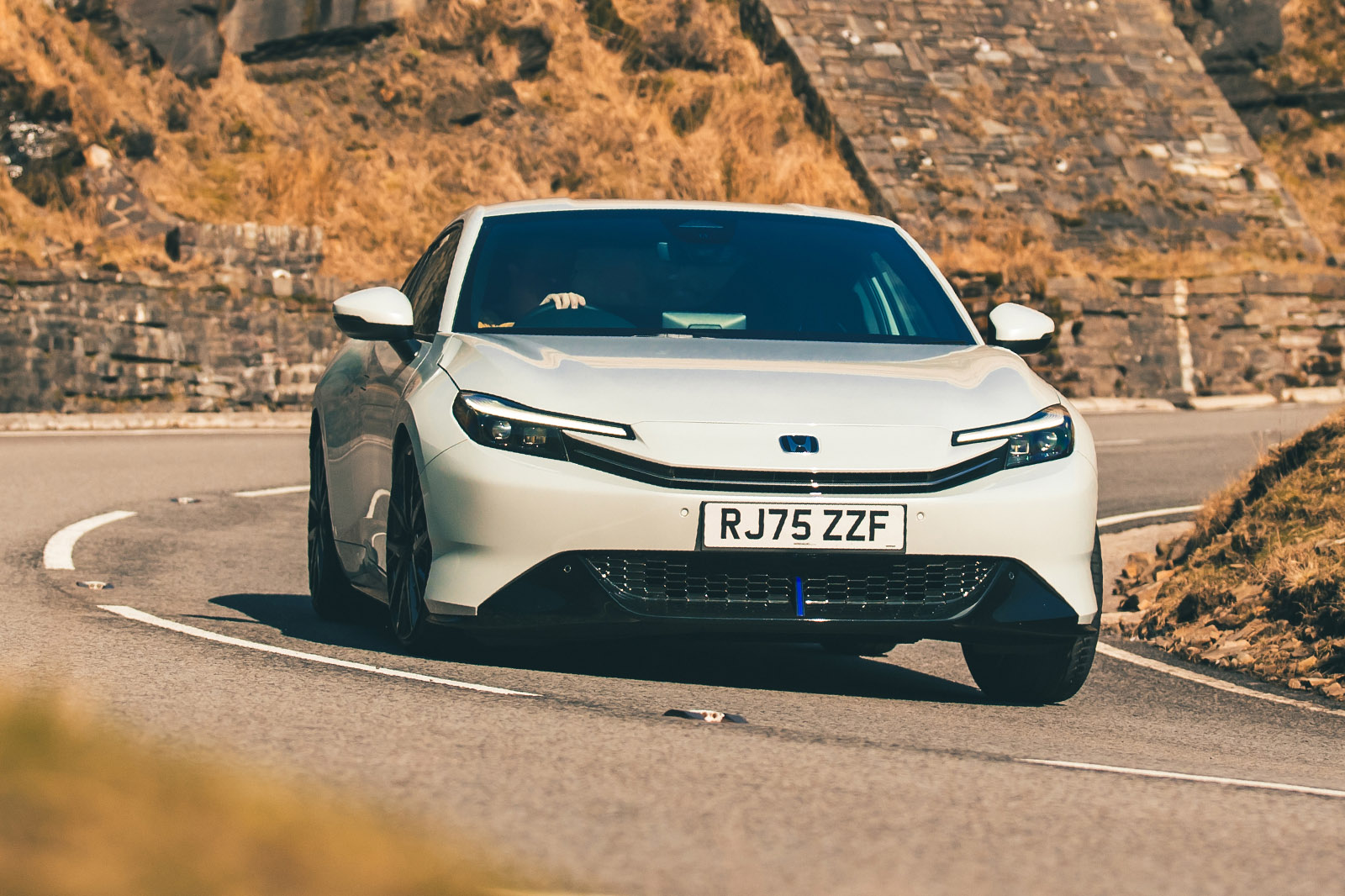
Thanks to the likes of the new Ford Capri, you’d be forgiven for assuming that Honda’s revival of the Prelude after more than 20 years was going to result in a crossover. Fortunately that has not happened, and the fifth interpretation of a nameplate that will celebrate its 50th anniversary in 2028 is, as every one of its predecessors has been, a front-driven coupé.

We have spent a fair bit of time with the new Prelude – enough, certainly, to warm to its charms as a relatively affordable, frugal and usable junior GT. As we will shortly discover, calling this 181bhp, hybrid-powered machine an out-and-out sports car is perhaps a stretch, and there are areas where it can’t live with the similarly priced BMW 2-Series 220i M Sport, but framed correctly there’s plenty to like here, so let’s get into it.

Advertisement

DESIGN & STYLING

7
Honda Prelude review 2026 002

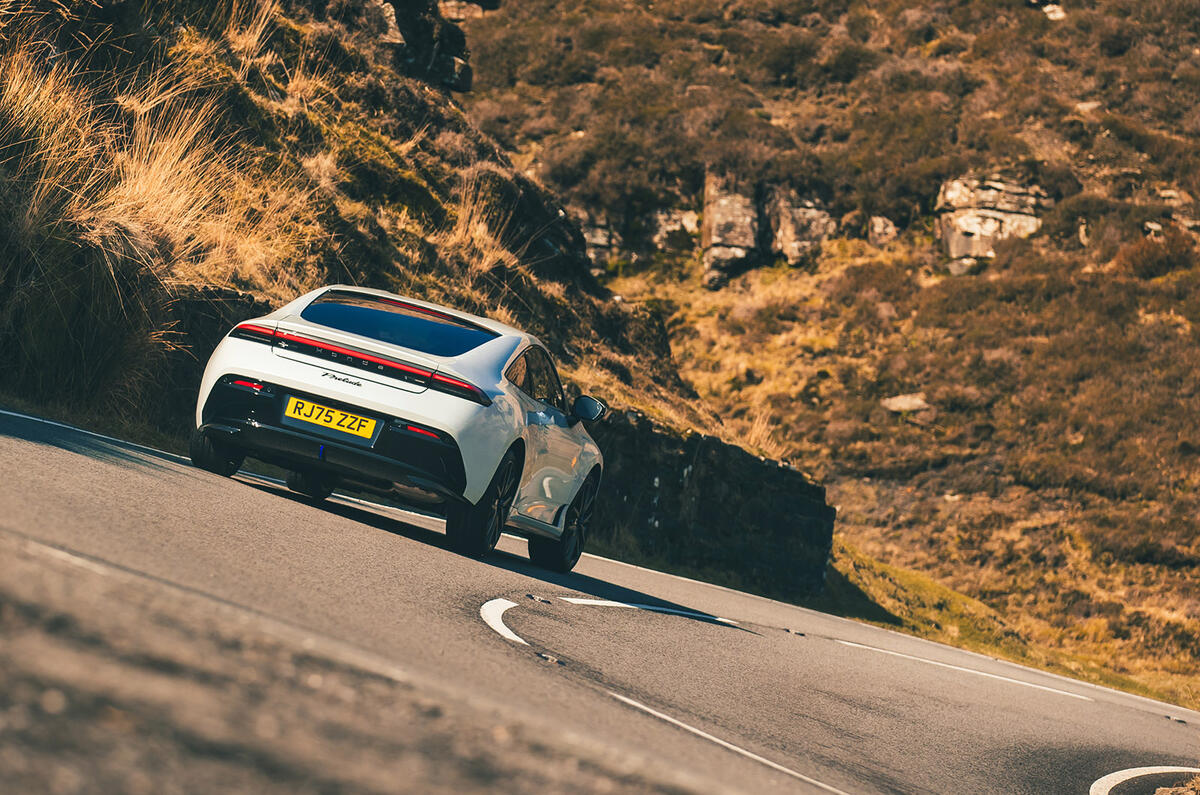
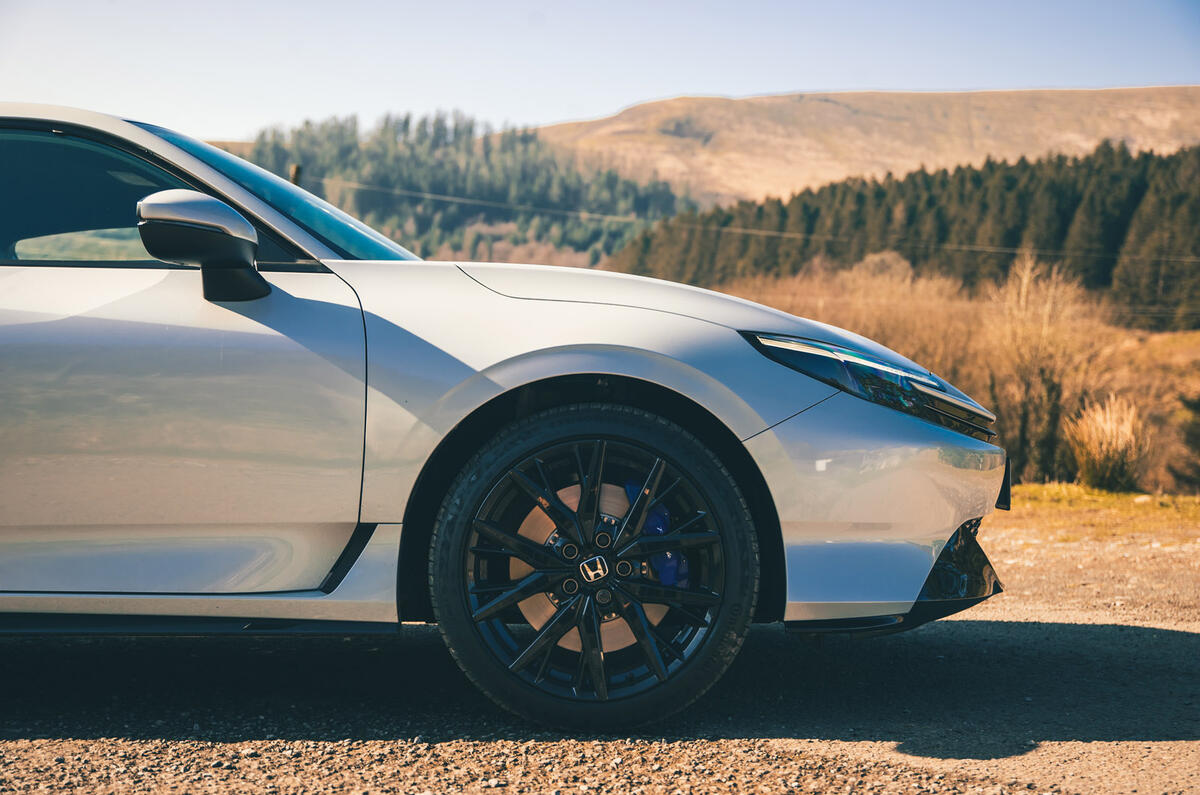
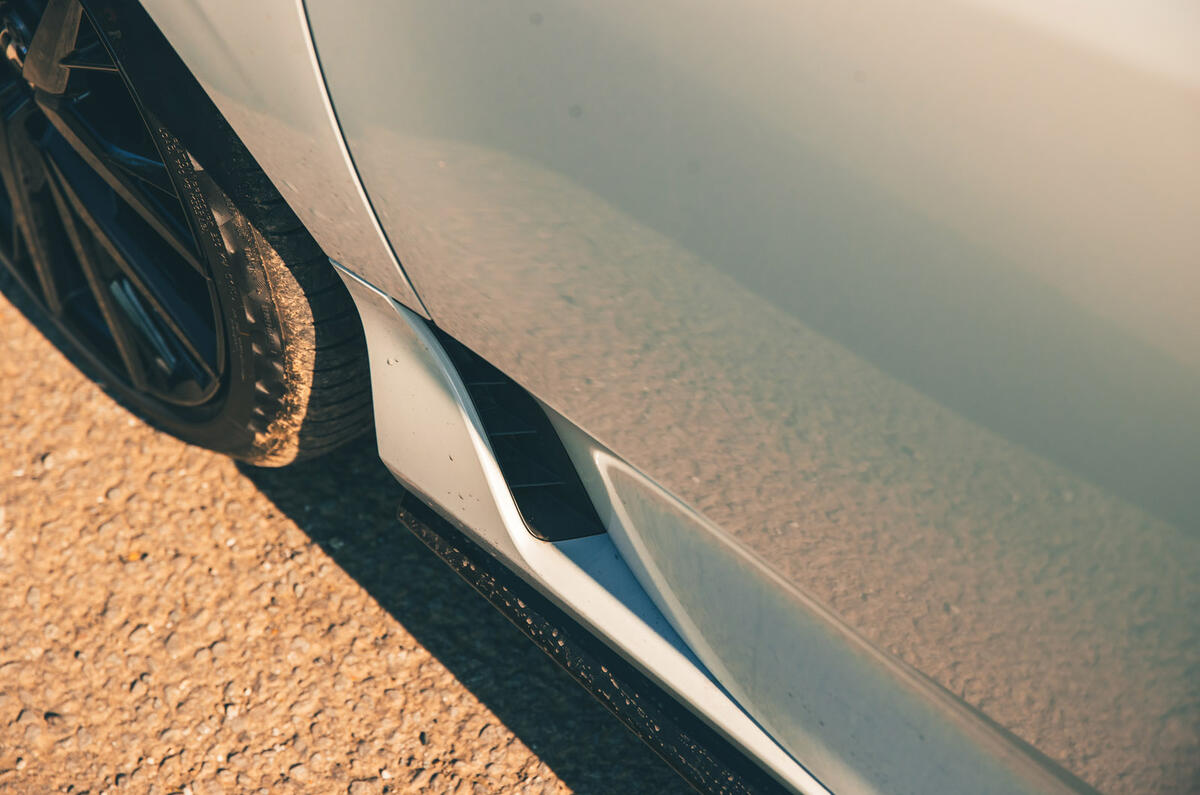
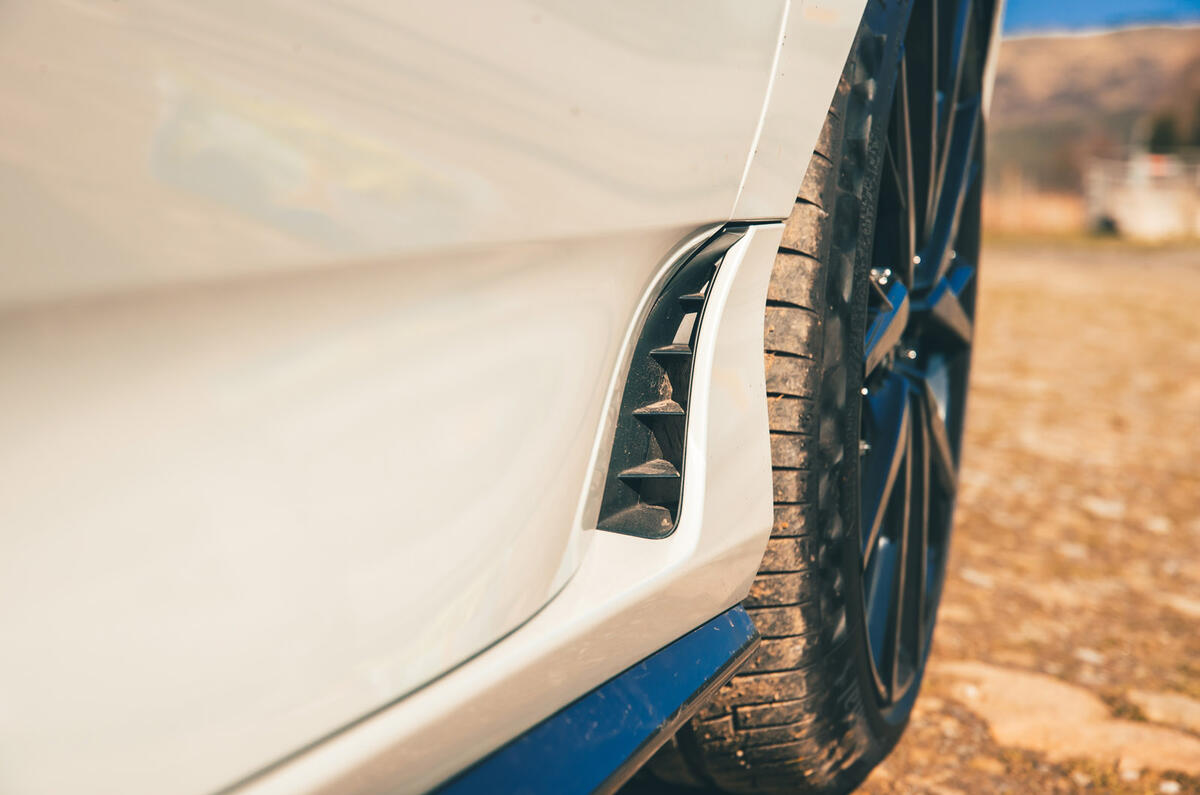
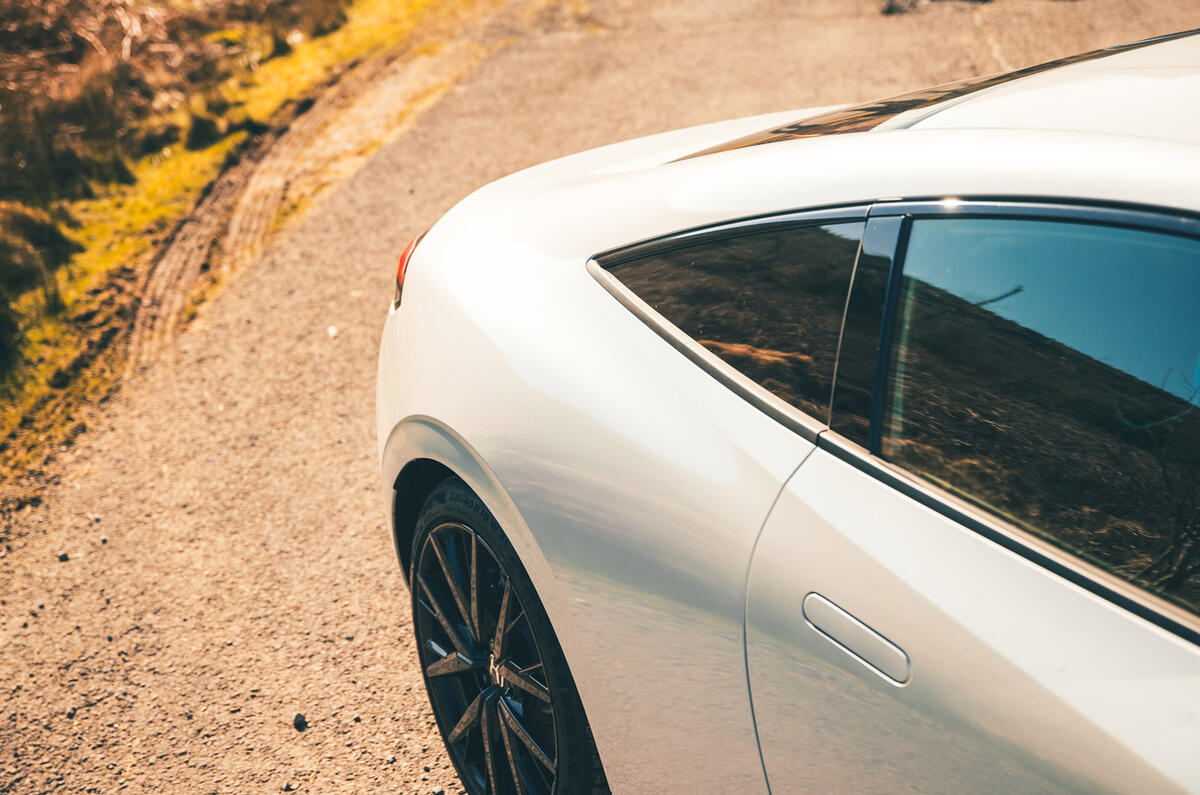
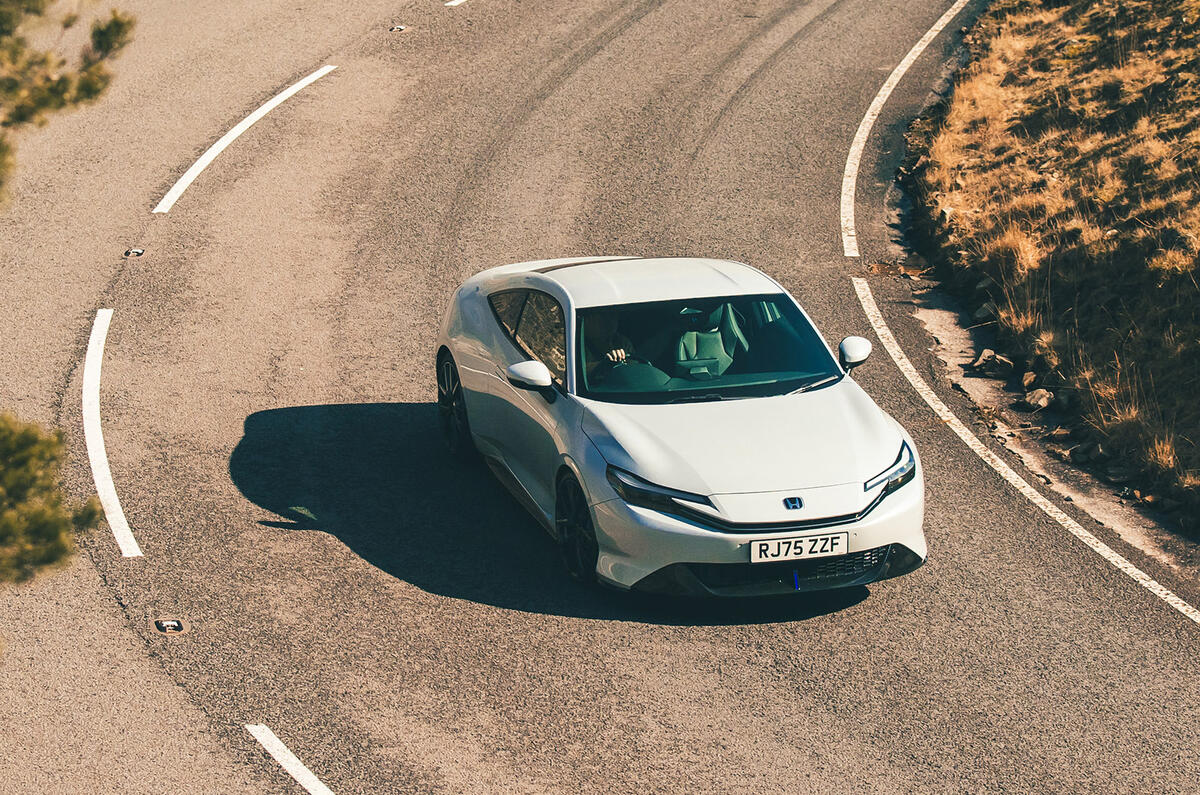
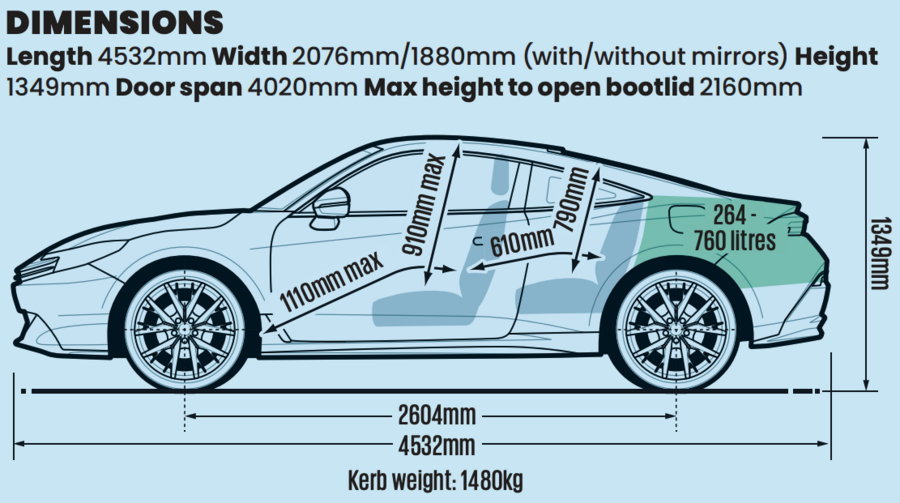
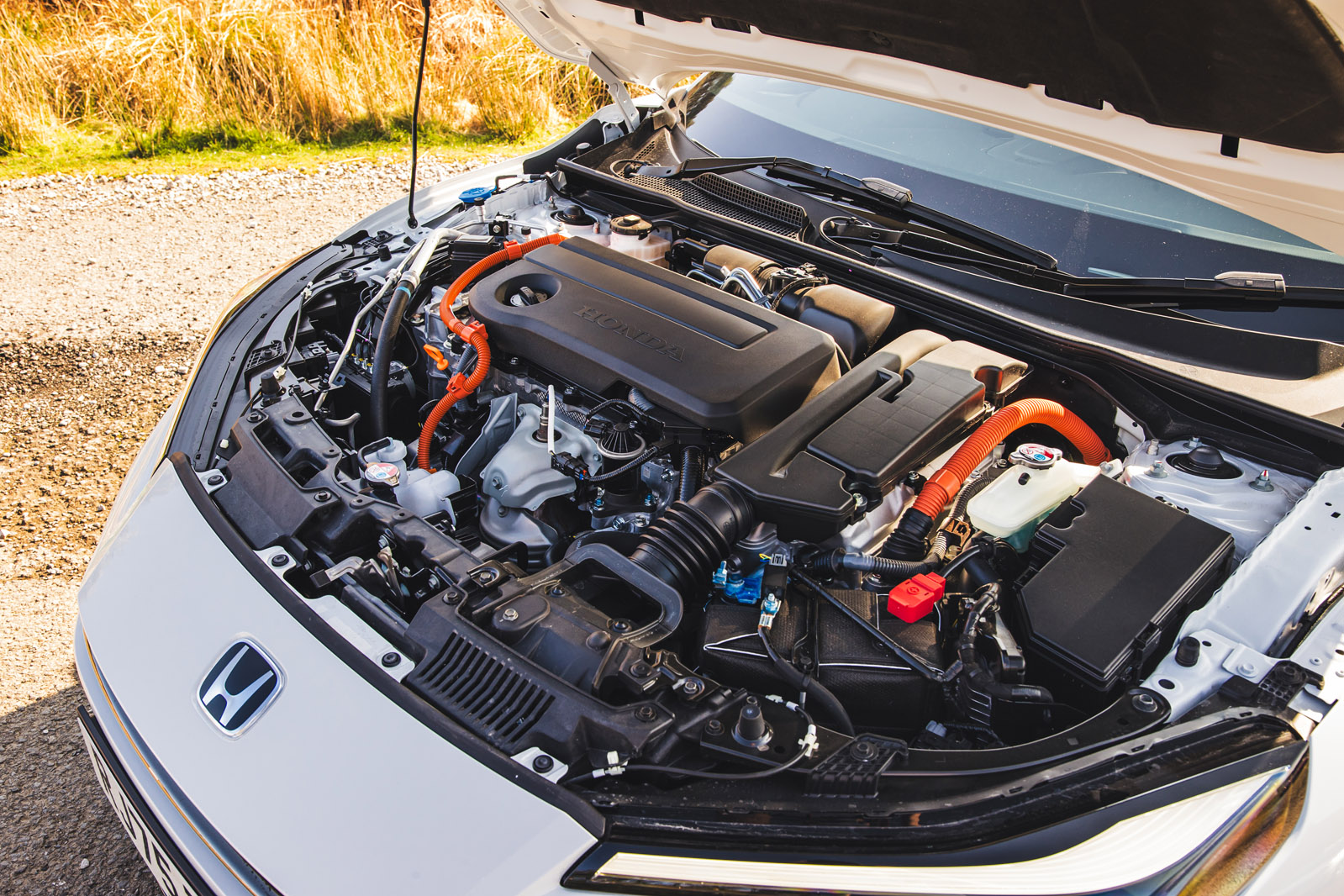
Underneath the strikingly styled 4.5m body are the mechanicals from the Civic Hybrid, albeit with the dual-axis front-strut design of the outgoing Civic Type R (not identical, though, because the geometry is different). Those struts are intended to mitigate torque-steer, which is handy in the 316bhp Type R but perhaps of less importance in the Prelude, which makes just 181bhp from its hybrid powertrain. Still, innovation was always part of the Prelude’s DNA – earlier iterations featured rudimentary front-axle torque vectoring as well as mechanical four-wheel steering – so it’s good to have some engineering interest.

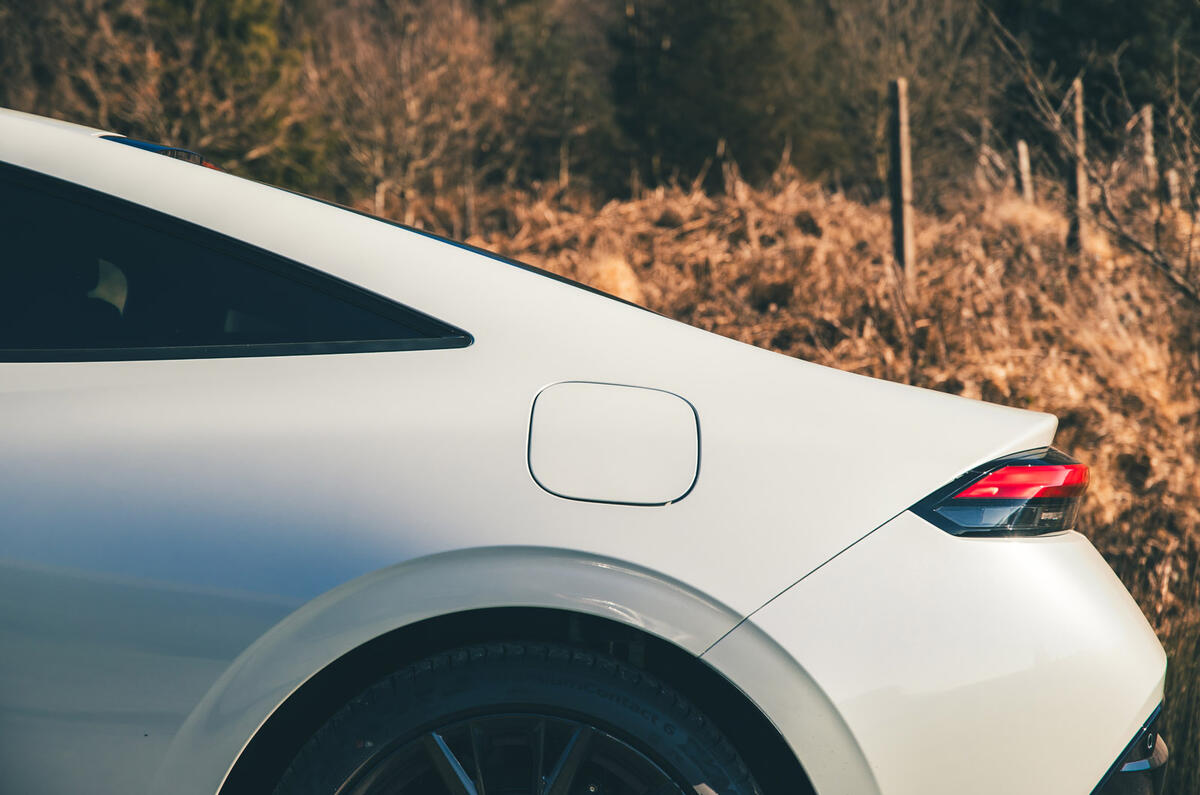
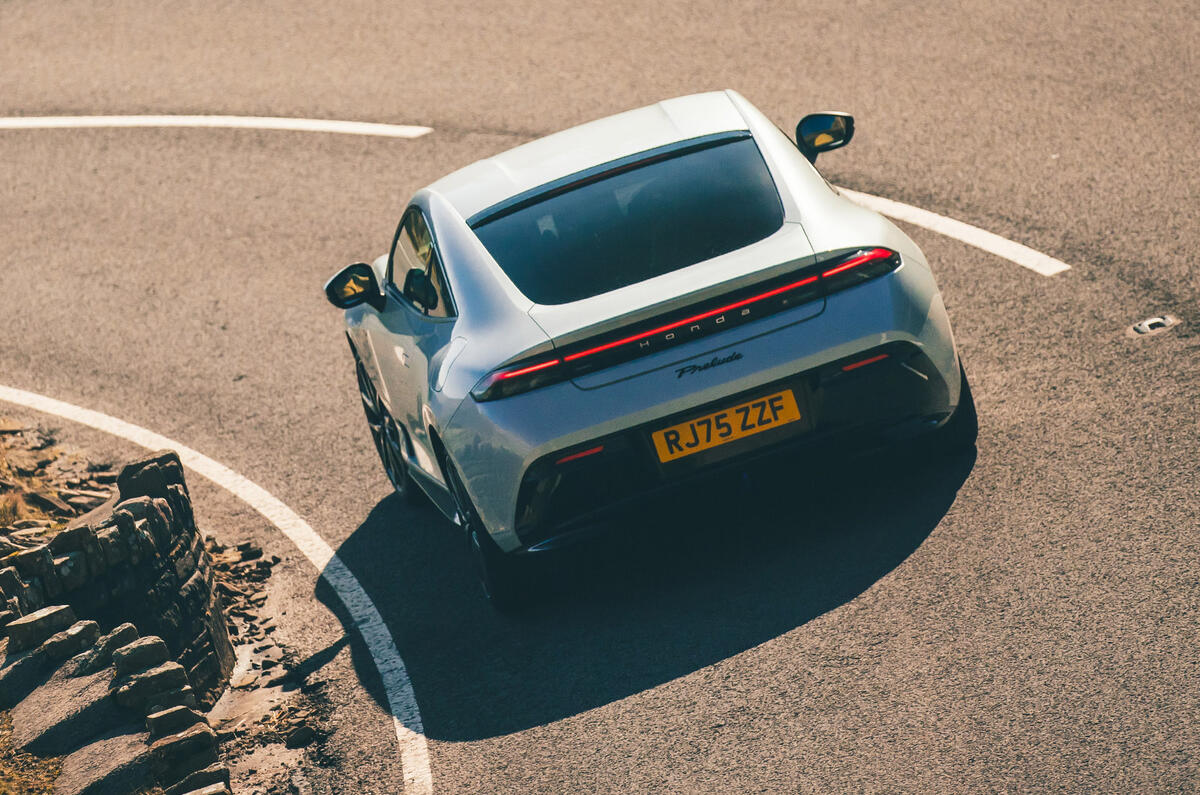
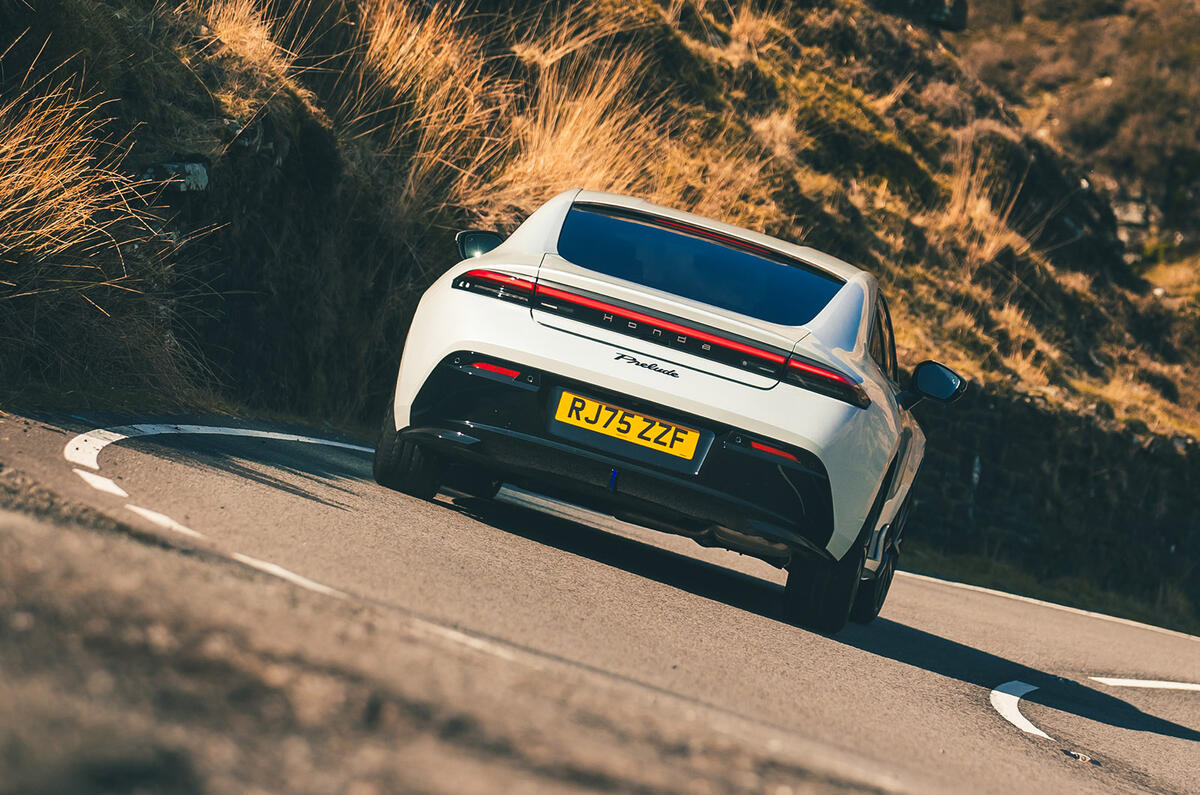
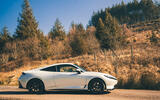
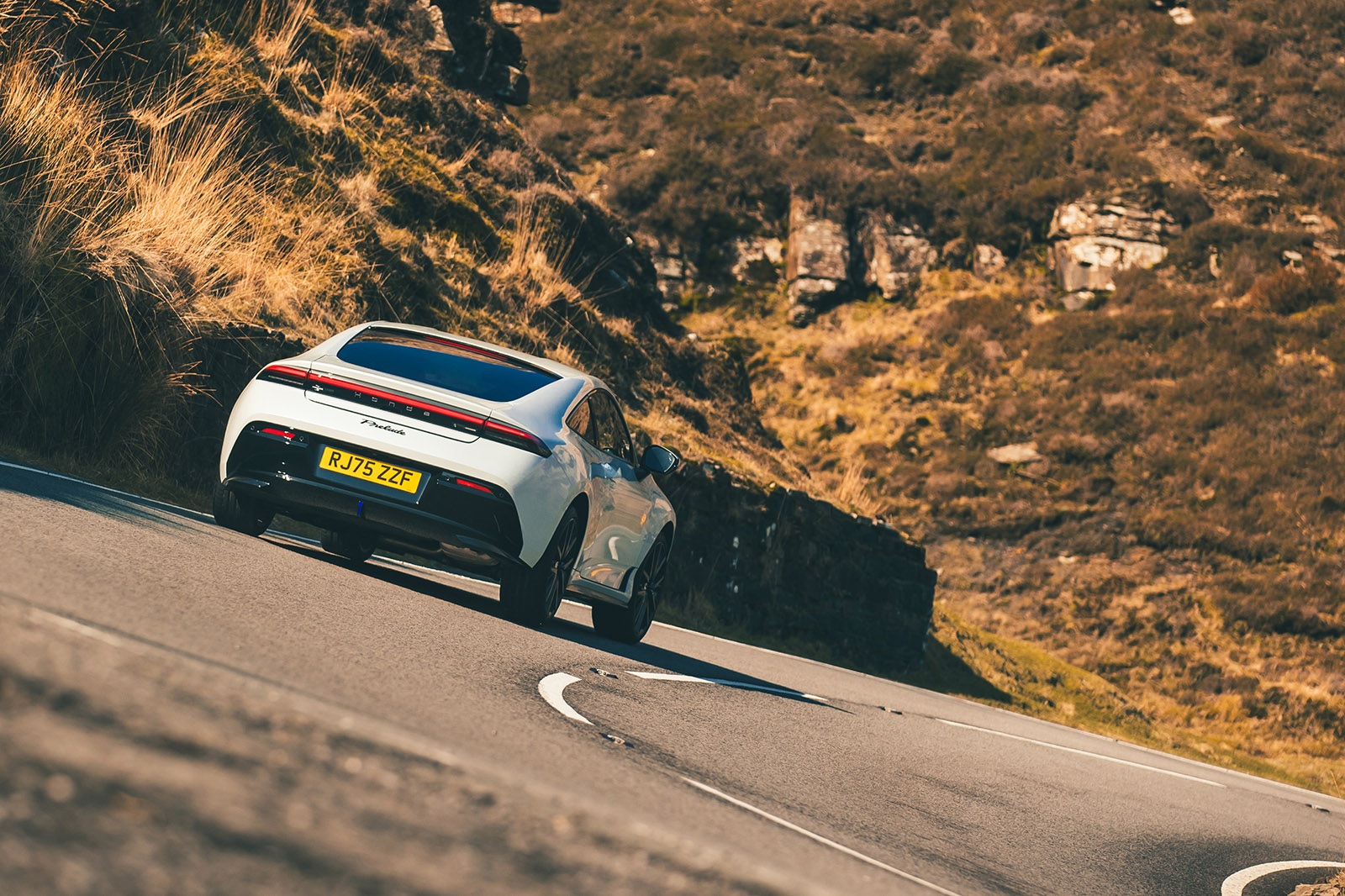
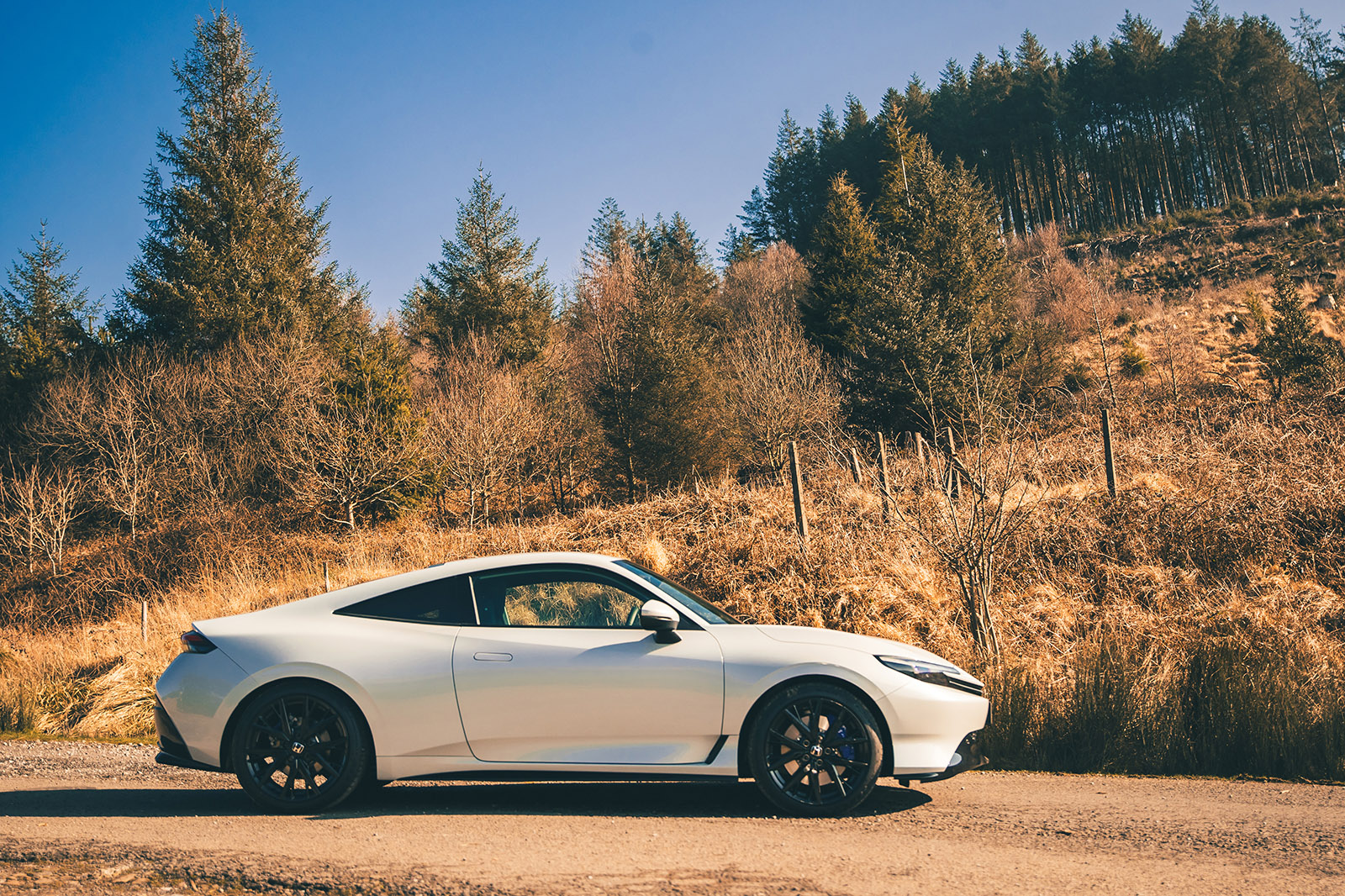
Honda says the Prelude's shape was inspired by a glider. With its very gently sloping rear end, I can see it. Let's assume it doesn't have a glider's aerodynamics, though.

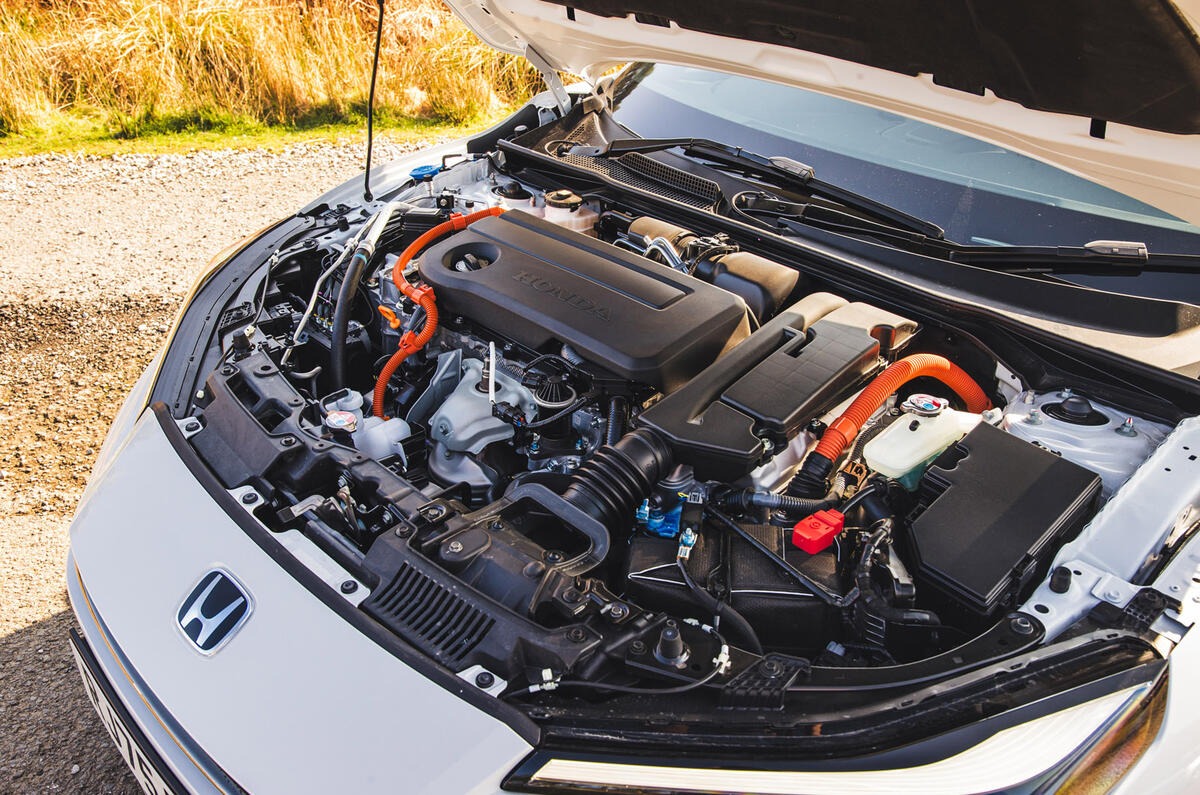
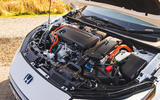
In 2026 most of the complexity concerns the powertrain, which is Honda’s familiar e:HEV set-up. The combustion element is a 2.0-litre Atkinson-cycle engine, which can directly drive the front wheels via a lock-up clutch (this is often the case at higher speeds). Normally, however, it drives a generator that produces electricity that is then fed through a 1.06kWh battery pack and to the drive motor that turns the front wheels via a fixed gear ratio (there is no CVT pulley here). Most of the time the car’s traction motor is driving you, not the engine.

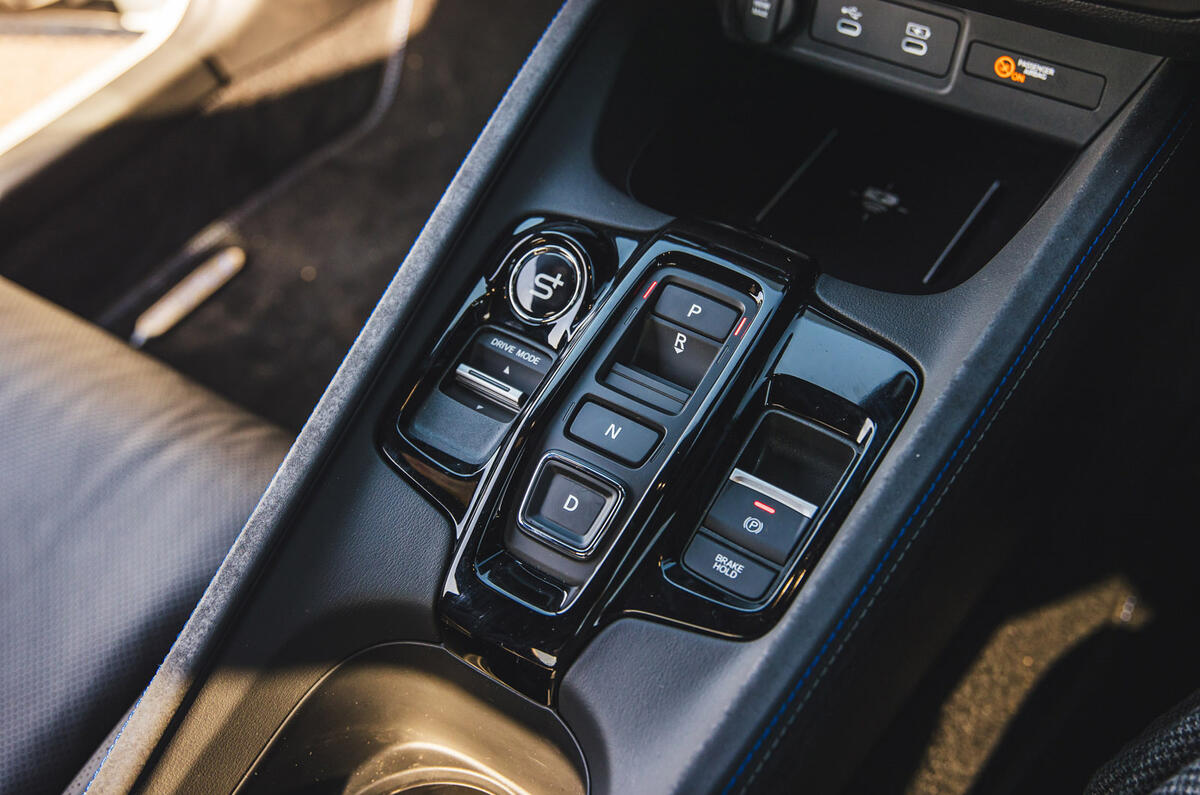
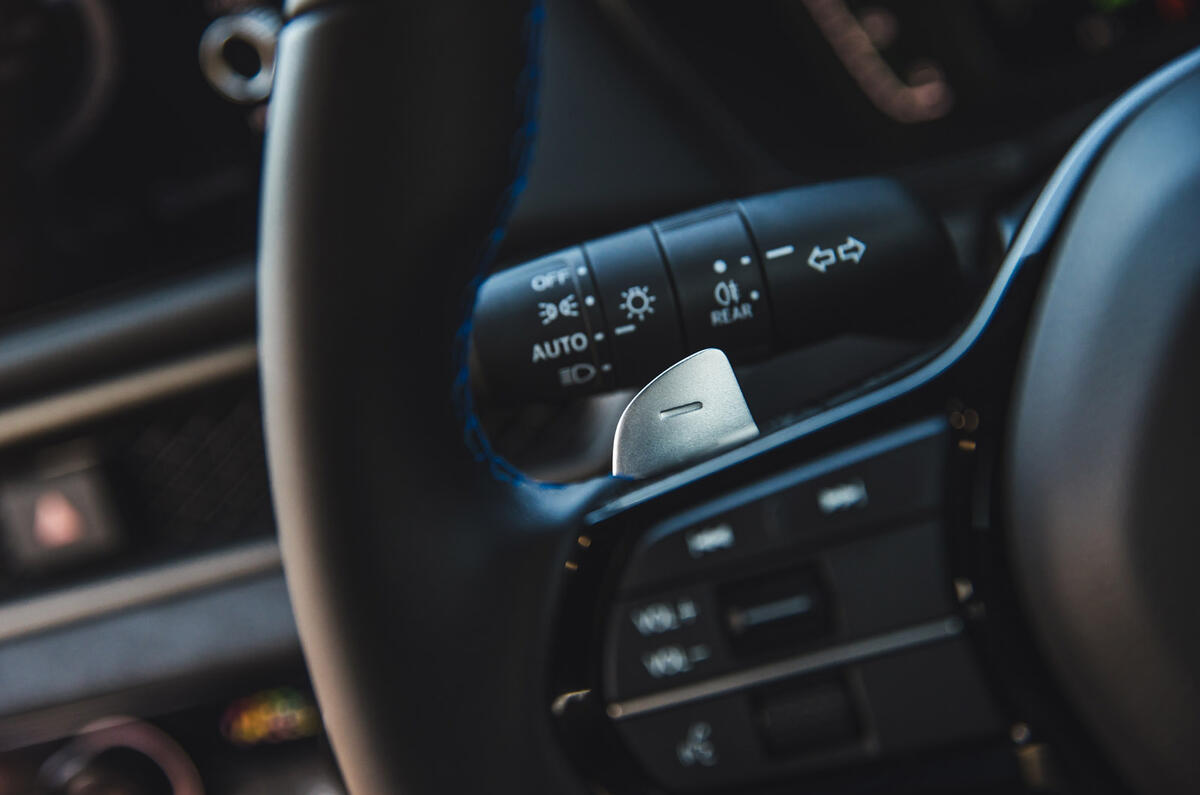
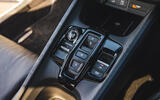
This series-hybrid set-up is as per the Civic Hybrid, though the Prelude has what’s known as S+ Shift. In this setting the driveline simulates gearshifts, which you can elicit using the expensive-feeling metal paddles on the back of the steering wheel. It’s a similar philosophy to that of the Hyundai Ioniq 5 N, albeit with an actual combustion engine providing the soundtrack.

INTERIOR

7
Honda Prelude review 2026 011

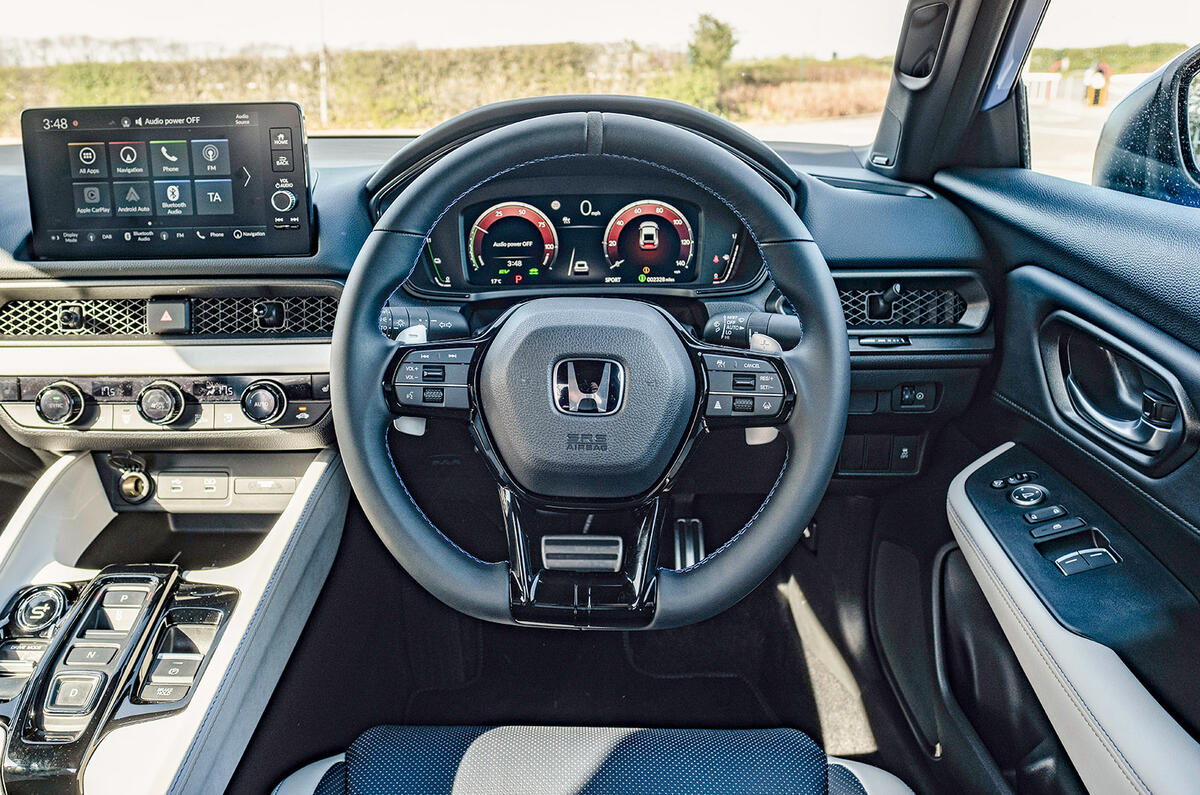
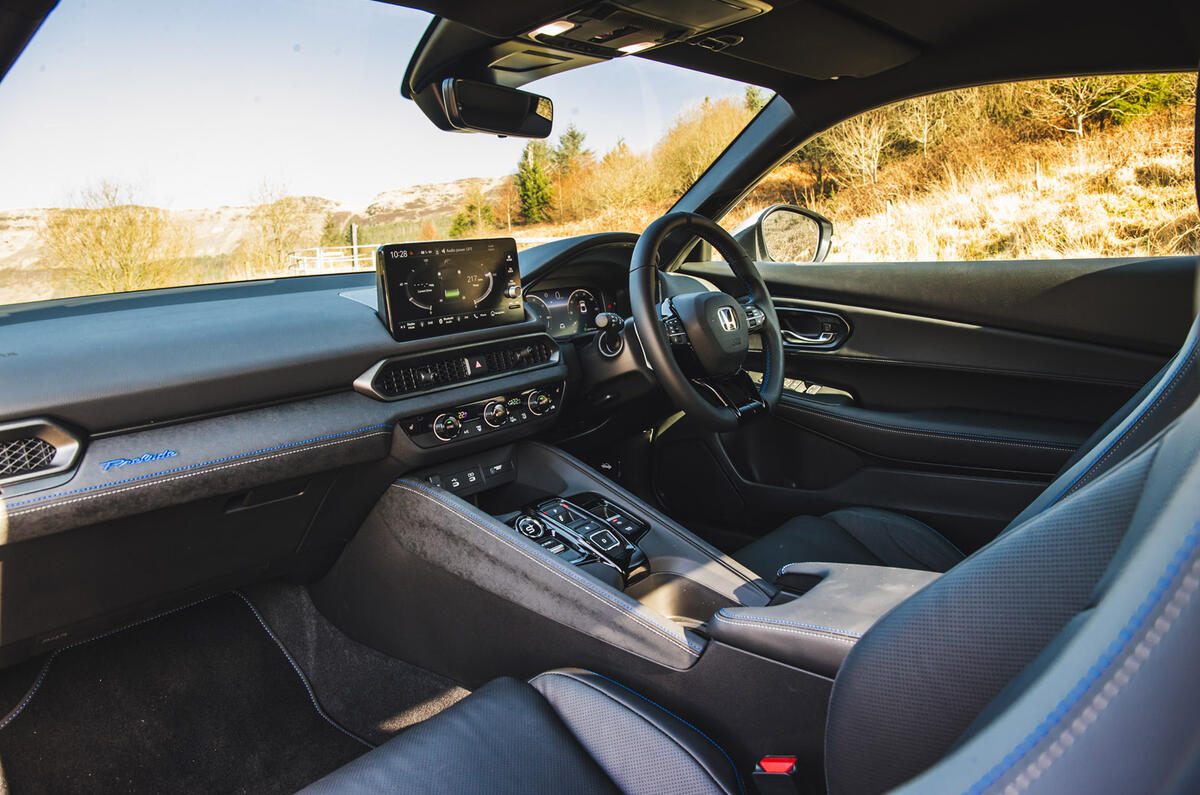
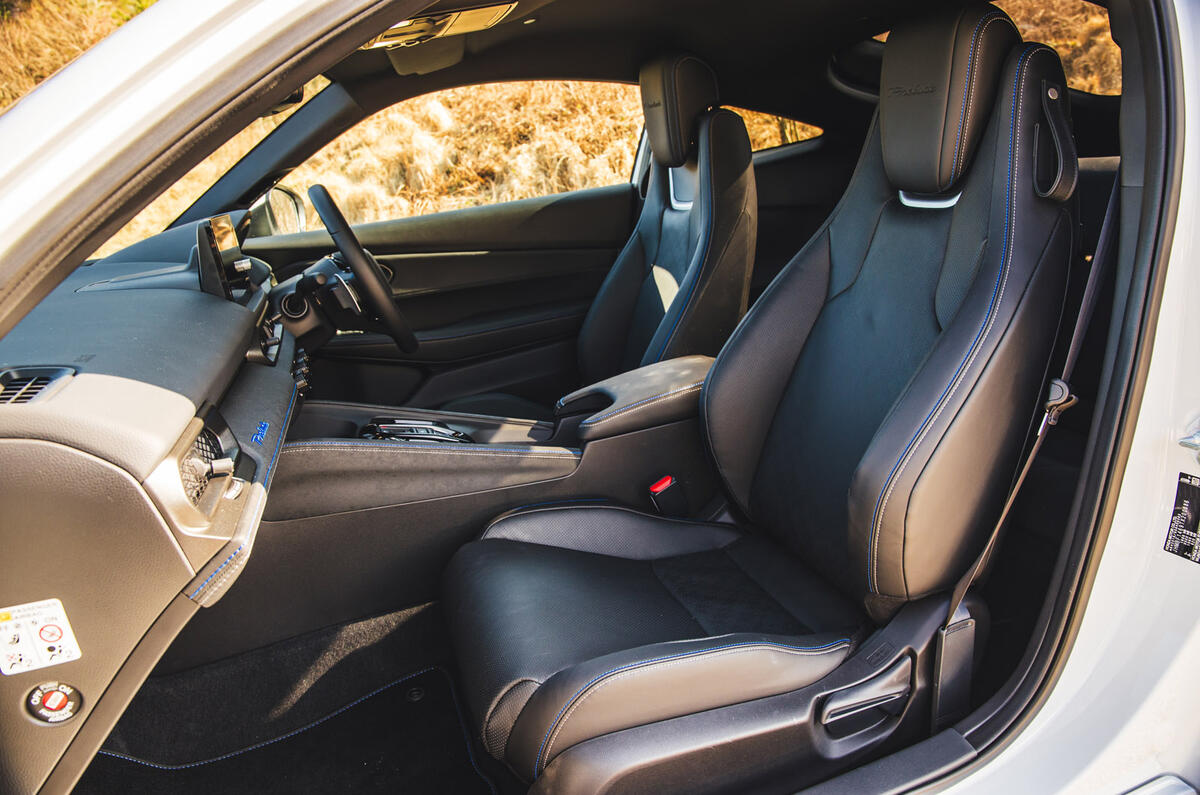
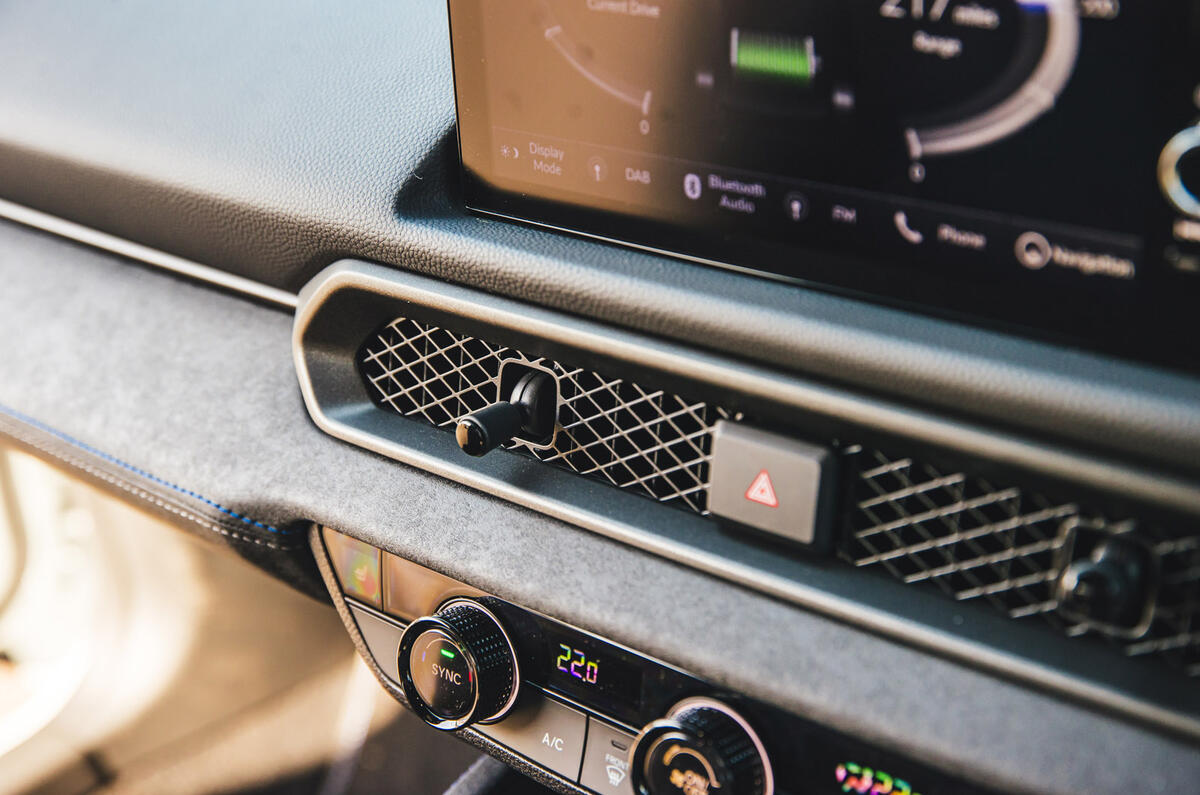
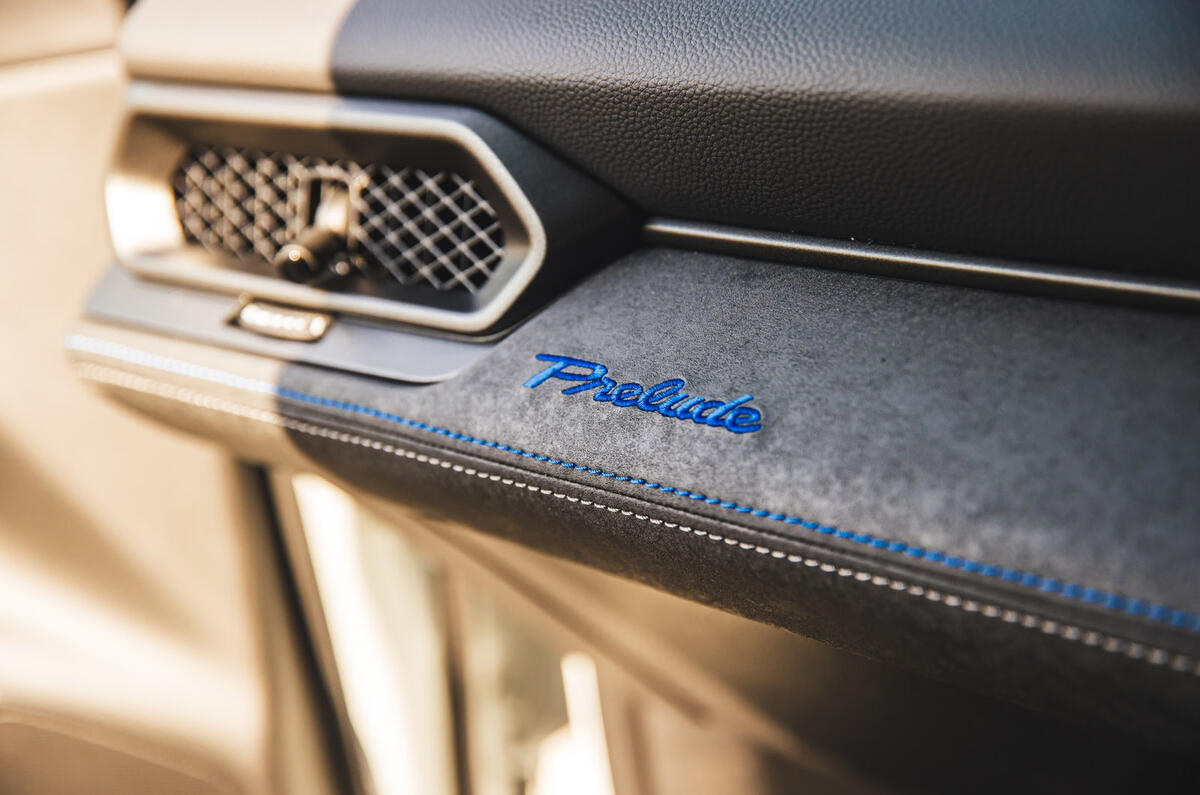
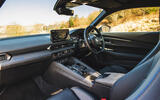
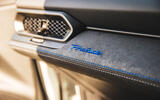
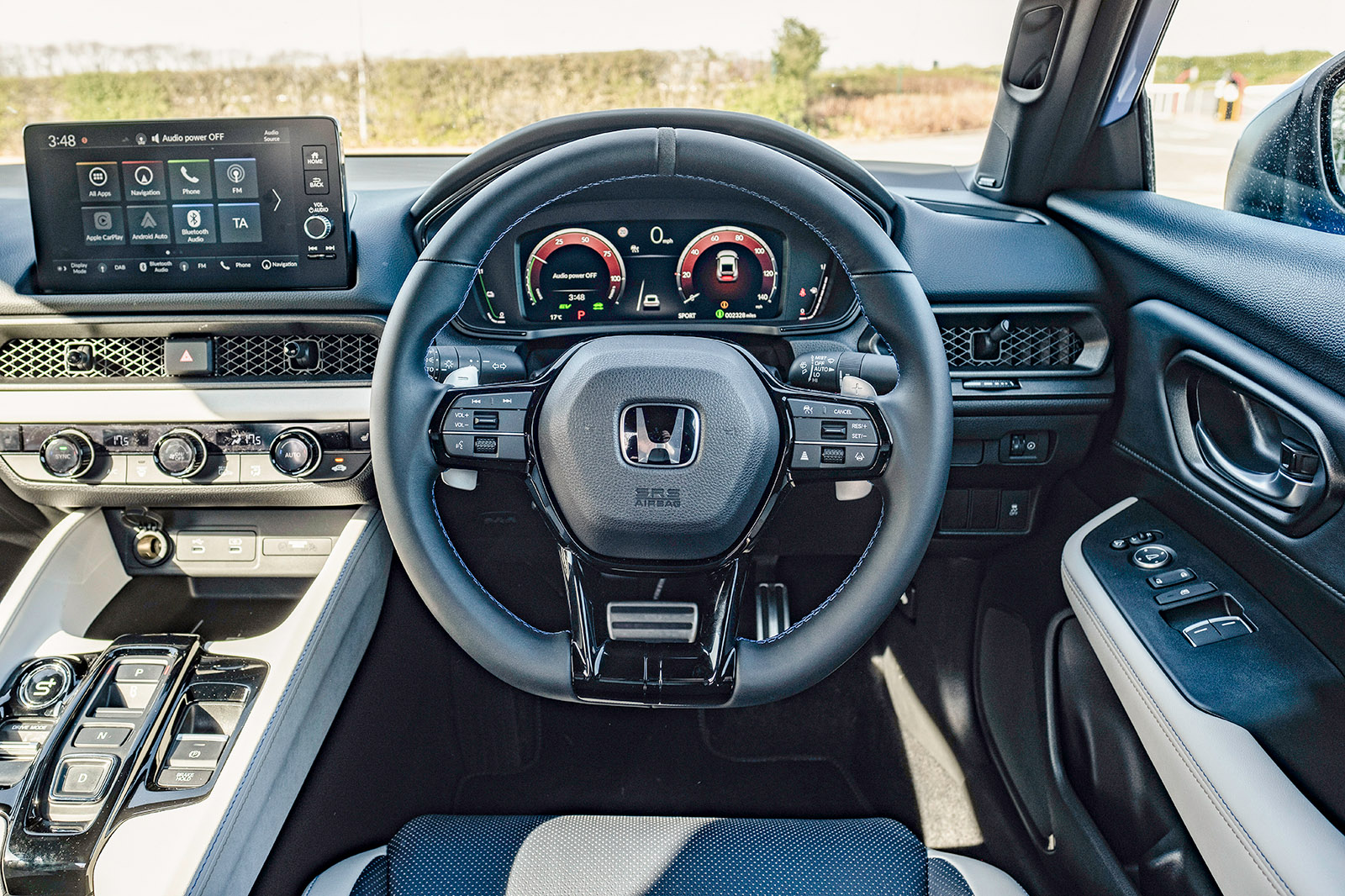
The Prelude’s interior is mostly Civic but with added charm. The dashboard and centre console are a little more sculpted but still house plenty of physical controls. Opting for the blue-and-white interior colour scheme also gives the Prelude some added flair that makes it feel less dour than a BMW 2 Series, and what gloss black surfacing exists is sparingly deployed. It’s smart but fun and could only be Japanese.

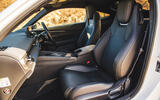
In terms of ergonomics, the driving position isn’t any lower than in the Civic so the Prelude doesn’t hit you with that instant pedigree sports car feel, as the BMW or a Mazda MX-5 does. The part-electric seats are nonetheless a bit sportier than those of the five-door hatchback, with more lateral support for the driver. Curiously, in the new Prelude the front passenger seat is different from the driver’s, offering a slightly softer cushion and shorter side bolstering.

The infotainment system is the same as in other Hondas. It's logical enough, doesn't dominate and has wireless phone mirroring but feels quite dated.

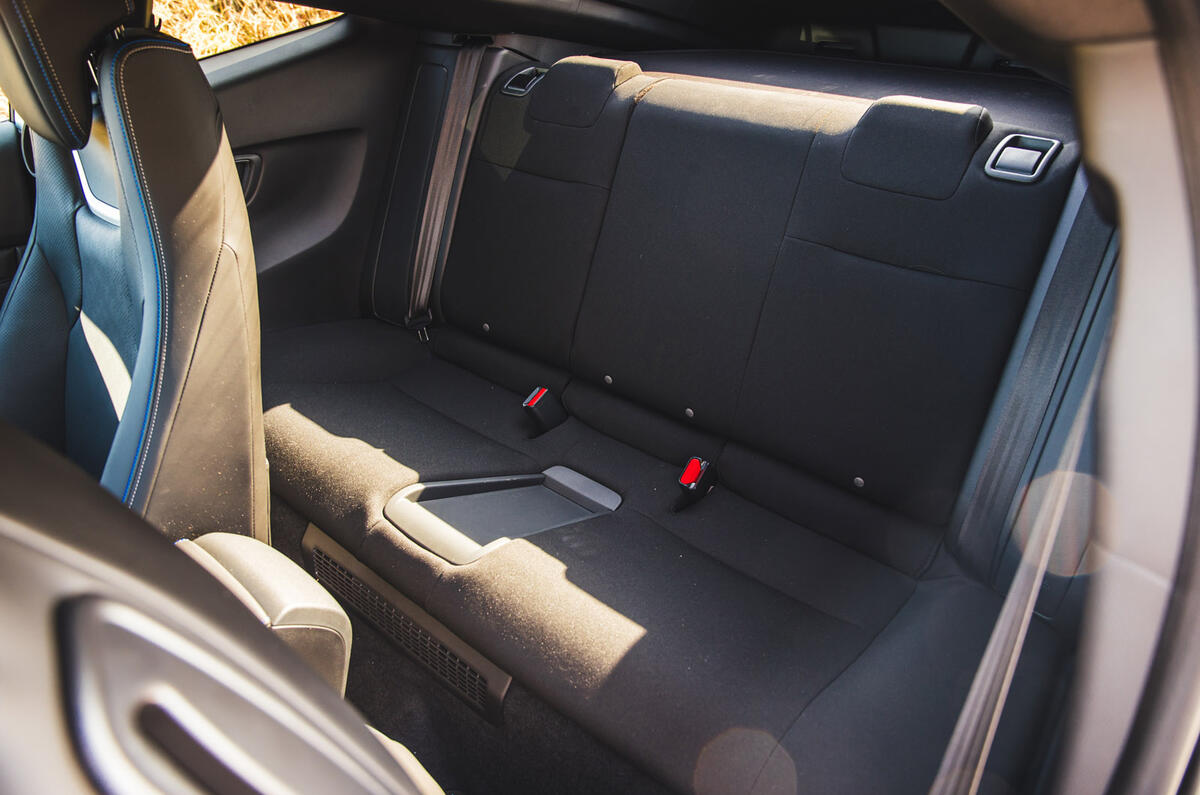
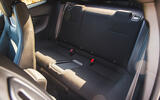
This is a compact coupé, so don’t expect too much from the rear seats, which are of the Porsche 911 school of afterthought. They are useful for emergencies, but adults won’t want to spend any length of time there. Young children will find them far more friendly, and might even enjoy having the large rear screen above their head. Note that the back seats are also cloth rather than leather.

Meanwhile, the boot cavity is surprisingly deep, and with 264 litres of capacity, extending to nearly 800 litres with the rear seats folded (and folded almost perfectly flat, at that), the Prelude is fine for week-long getaways. However, the luggage cover is flimsy and any overweight dog will need craning in over the substantial loading lip.

Elsewhere, the digital array is fairly ordinary, with so-so sharpness, a bit of latency and smallish displays, but in a sporting coupé that’s mostly forgivable, especially when Apple CarPlay (wireless) and Android Auto (wired) work well enough. Less impressive is the low-res reversing camera and that Honda-typical difficulty of altering the ADAS on the move.

ENGINES & PERFORMANCE

7
Honda Prelude review 2026 020

The Prelude’s lukewarm reception in certain quarters came as a result of its modest power output. Was the lack of enthusiasm justified? Partly. It’s true that, in its long history, the Prelude has never been one for outright firepower, and various motorsport iterations (including the current GT500 version, with its 650bhp and rear-wheel-drive chassis) have borne little relation to the road cars. But on the other hand, when we saw the new car’s rakish body, and had the recently retired Civic Type R’s 316bhp fresh in our memories, some people reasonably expected more than 181bhp from this sporting coupé. Blame emissions regulations.

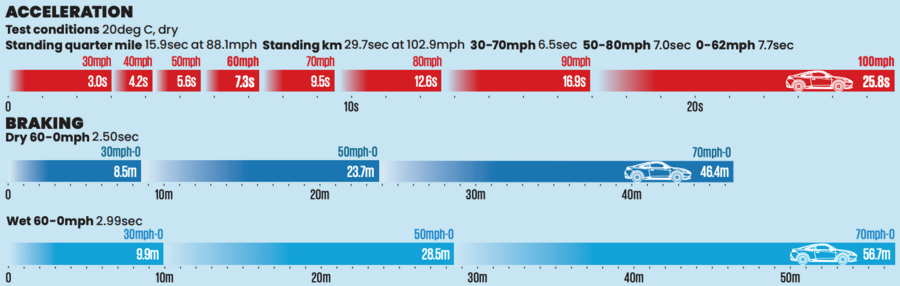
las, 181bhp and 232lb ft is all the UK market is getting, and against our stopwatch it’s enough to propel the 1480kg Prelude to 60mph in a modest 7.3sec. Interestingly, this time was achieved with the powertrain in Sport mode but operating as an unapologetic hybrid, with the engine speed constant and high as it remained in pure generator mode, and the electric motor performing propulsive duties. This approach to gaining velocity, with its associated din, is not at all gratifying, and while you can use S+ mode to simulate gears for a more natural and engaging accelerative effect, we found that this costs you half a second to 60mph.

Frankly, it’s a price worth paying, and on the road we reached for the S+ Shift button more often than what boils down to a gimmick would ordinarily warrant. In essence, the electric motor continues to drive you forwards, but the engine will ebb and flow to the tune of your paddle-shift inputs. In these moments it can be fun to flow the Prelude along, and you might be surprised how much speed it carries – certainly it often feels more punchy than its on-paper output suggests. What this powertrain won’t do is let you ‘gear up’ and open the throttle wide open; it will instantly shift down, because in that moment the engine needs to be spinning faster to generate the necessary energy to feed the battery. This breaks the illusion somewhat. Imagine a normal auto that kicks down constantly.

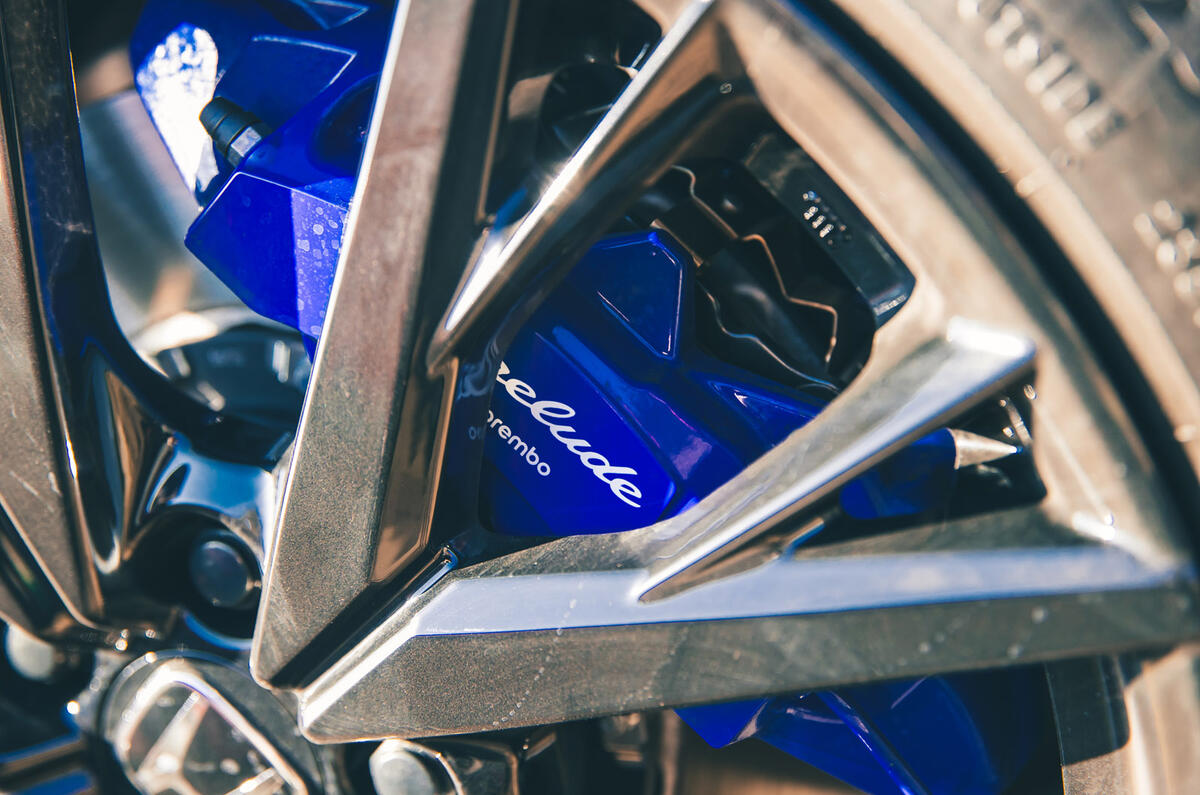
As for braking, the Prelude was consistent in fade tests but, for a light car, not especially keen to haul up in outright terms. A 70-0mph figure of 46.4m is only just adequate for a car of this ilk.

RIDE & HANDLING

8
Honda Prelude review 2026 022

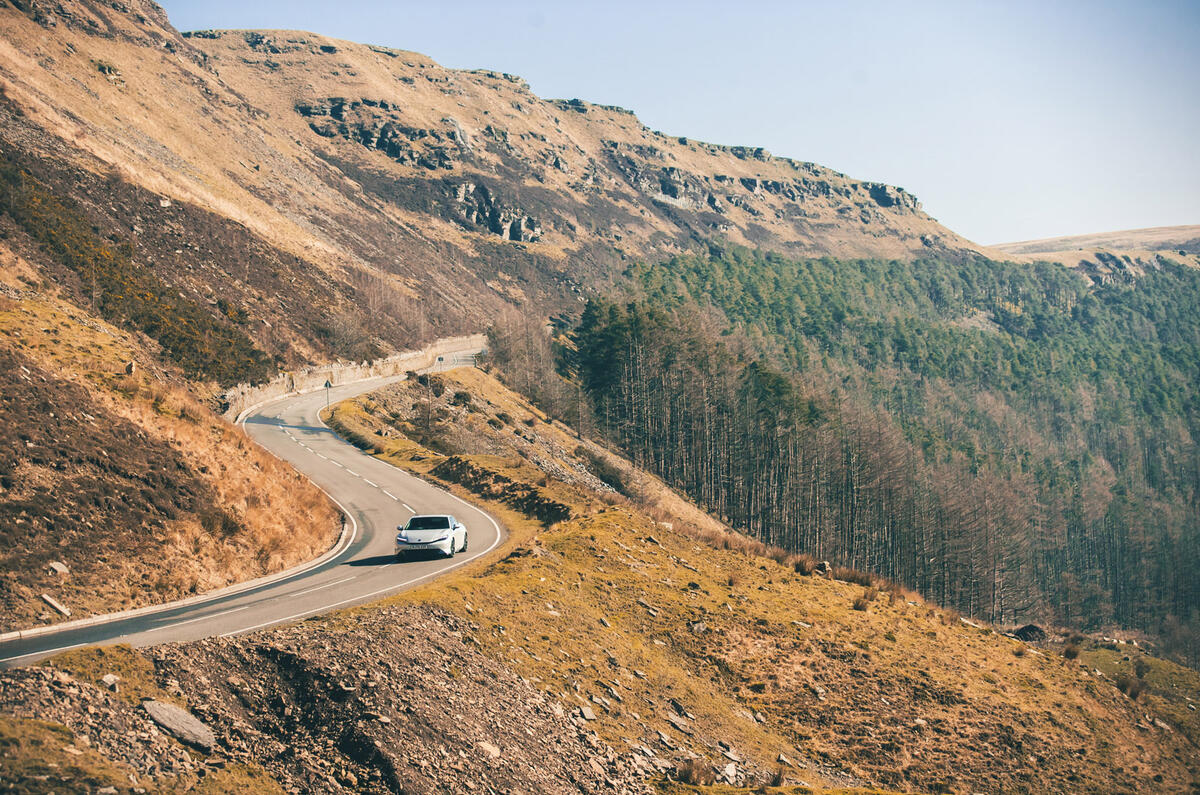
The Prelude has good road manners in the UK. The character of the suspension, with its adaptive dampers, can be varied via a rocker that takes you from Comfort through GT to Sport mode, but none is egregiously soft or uncomfortably firm. These are the same dampers as you will find on the more recent Civic Type R but with their own valving and marshalled by longer springs. It should also be noted that the Prelude’s body has greater torsional stiffness than that of even the Type R, so that suspension has a better base from which to operate.

It is not a particular surprise that the Prelude is a fluid, poised road car that claws plenty of grip from a comparatively modest contact patch and will happily tolerate being barrelled into bends on a trailing throttle, if you’re after a bit of fun. Mind you, both the built-in agility of an MX-5 and the steer-on-the-throttle pedigree of a 220i M Sport are lacking here. The Honda is less fundamentally sporting than either alternative. The feedback in the quick steering isn’t a match for either rival either, precise as this EPAS rack is. However, for a coupé that will carry momentum and has a friendly but not overbearing dose of bite about it, the Prelude appeals.

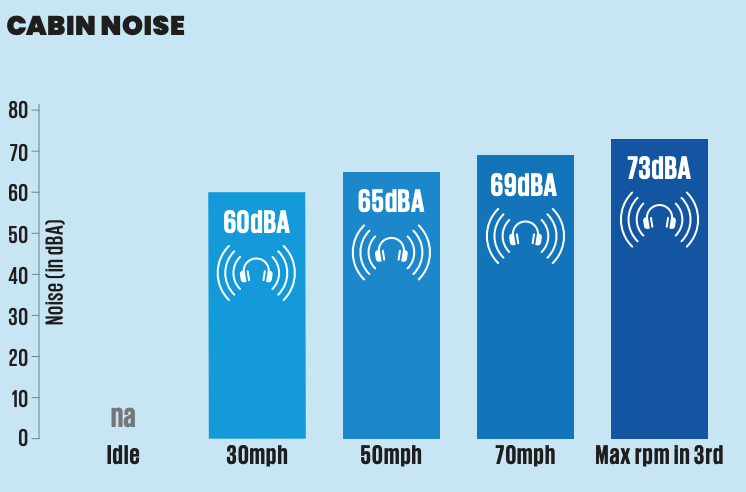
It is ultimately as much a GT as a sports car, if not more so. As such, comfort and visibility are good, the Prelude’s very inoffensive, Civic-style driving position standing it in good stead for long drives. Meanwhile, a noise reading of 69dBA at 70mph possibly looks a little worse than it sounds in reality, and reflects the fact the Prelude is on the smaller, more affordable end of the GT spectrum. Mind you, on its 19in wheels, the Prelude can labour rougher road surfaces, throwing up additional noise and oscillations.

MPG & RUNNING COSTS

8
Honda Prelude review 2026 001

As you would expect from Honda’s e:HEV powertrain, everyday economy – down to the shops, back home via the bypass, and so on – is very high indeed for a car of this ilk, at 54.7mpg.

Thank the fact that, in these circumstances, the Prelude is basically a Civic. For touring, when the combustion engine can’t slip into dormancy so often, efficiency drops a little to 45.6mpg, which is a figure you could potentially match with a judicious right foot in the BMW 220i or Mazda’s MX-5 RF. Nonetheless, it secures you more than 400 motorway miles between fill-ups from the car’s 40-litre tank.

In terms of rivals, the Prelude finds itself in clear airspace. The BMW is similarly priced but comes across as a larger, more muscular and at times slightly overwrought character if you want only an easy-driving coupé. Meanwhile, Mazda has discontinued the hard-top RF variant of the MX-5 but the rag-top still starts at less than £30k. It’s less practical than the Honda but more nimble and engaging all round.

Honda is currently offering the Prelude at a touch under £40k, and thus quite favourably in regards to tax, but remember that any colour other than black costs £700 and some of this car’s exterior addenda also doesn’t come as standard. A sniff of the options list will take you over the threshold.

VERDICT

8
honda prelude vs toyota prius vs volkswagen golf gte 2026 jh b 5

Esoteric cars are in short supply at the moment, which makes this new Prelude – even in its slightly underpowered hybrid form – a welcome sight on UK roads.

In truth, the aggressive body is something of a red herring, because this front-driven coupé isn’t about to take it to BMW’s 2 Series in dynamic terms and neither is it intended to. Rather, it’s an efficient, versatile interpretation of a junior coupé, with just enough poise and performance to make it enjoyable company on the right road.

We like it, in short, and welcome it's arrival. But we certainly wouldn’t discourage Honda from making a Type R variant…

Illya Verpraet

Illya Verpraet Road Tester Autocar
Title: Road Tester

As a road tester, Illya drives everything from superminis to supercars, and writes reviews and comparison tests, while also managing the magazine’s Drives section. Much of his time is spent wrangling the data logger and wielding the tape measure to gather the data for Autocar’s in-depth instrumented road tests.

He loves cars that are fun and usable on the road – whether piston-powered or electric – or just cars that are very fit for purpose. When not in test cars, he drives an R53-generation Mini Cooper S or a 1990 BMW 325i Touring.

Richard Lane

Richard Lane
Title: Deputy road test editor

Richard is Autocar's deputy road test editor. He previously worked at Evo magazine. His role involves travelling far and wide to be among the first to drive new cars. That or heading up to Nuneaton, to fix telemetry gear to test cars at MIRA proving ground and see how faithfully they meet their makers' claims. 

He's also a feature-writer for the magazine, a columnist, and can be often found on Autocar's YouTube channel. 

Highlights at Autocar include a class win while driving a Bowler Defender in the British Cross Country Championship, riding shotgun with a flat-out Walter Röhrl, and setting the magazine's fastest road-test lap-time to date at the wheel of a Ferrari 296 GTB. Nursing a stricken Jeep up 2950ft to the top of a deserted Grossglockner Pass is also in the mix.