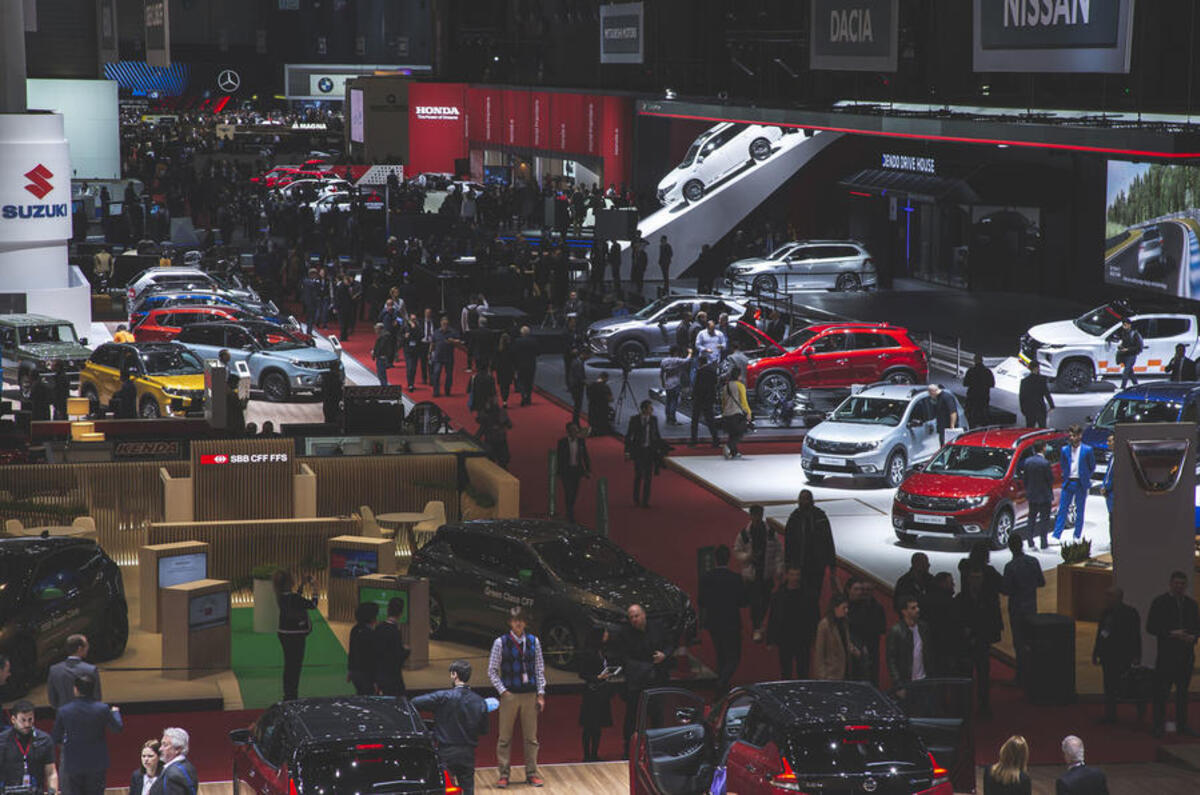

As I write – Friday morning, a bit behind deadline, obvs – the last show standing, as we imagined the Geneva motor show would be, has been cancelled. Although not for the reasons that motorshows are usually afflicted.
Geneva is worried about us catching a virus. Other motorshows, like the British one we don’t have any more and the formerly massive biennial Frankfurt one, are suffering their own malaise.
They’ve been affected by the internet, which is now the preferred way people research and ingest stories about cars, rather than traipsing around a hot, harshly-lit show hall where a coffee is four quid and a show stand costs a manufacturer more than £1 million.
If you’ve recently seen a clever viral (sorry) car advert or video, or some astutely targeted social media posts, it’s where the smart car show money is going instead.
But Geneva, the thinking goes from a lot of industry people I talk to, is exempt. They like that it’s on neutral ground, that stand space is limited so seeing the whole thing and talking to who they need to is doable, and that it’s easy to get in and out of because it’s right next to the airport. Hence the most important people and cars, as a rule, tend to be there.
But throwing 200,000 people from all over the world into two hot rooms in close proximity isn’t that clever right now. Organisers had been reluctant to cancel because it’ll be hard on those who’ve invested in it, particularly smaller companies having their moment.
But moreover it’ll be a test of not just Geneva’s, but all shows’, immune systems. The bad news for shows won’t be if car companies miss out this week. The bad news will come if they realise they haven’t missed out at all.
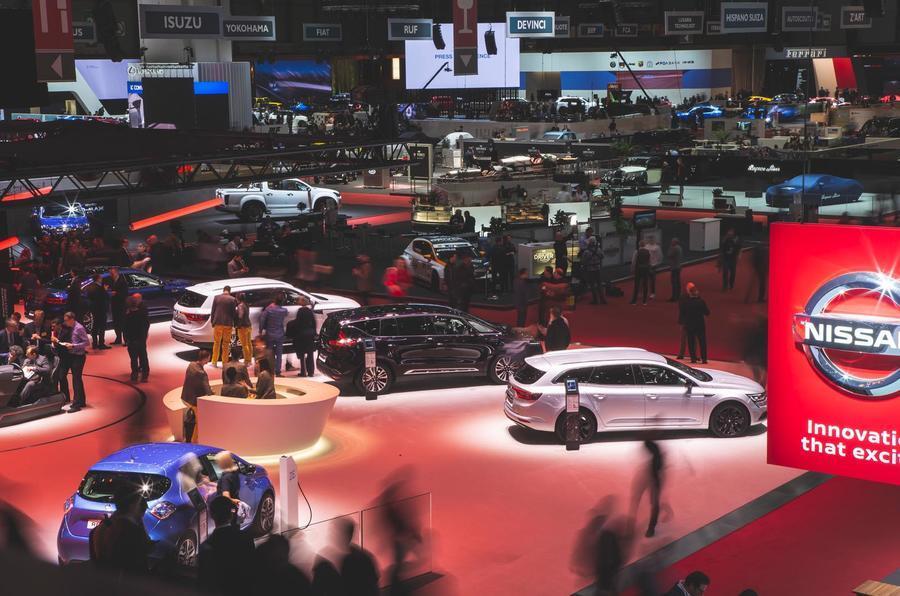
The Geneva show traditionally kicks off on the first Monday afternoon in March with the announcement of Car of the Year, the pan-European competition whose reigning champion is the Jaguar I-Pace and of which Autocar remains a founding sponsor.
Our involvement’s insufficient, though, to bend the rules by enough to tell me who the winner is before this magazine walks out of the door the preceding Friday. Only the three people who add up the 60 judges’ scores know who the winner is before it’s announced to the world.