


Ah, 2030. Or 2035. It probably seems a long way away if you could be voted out of your job in four years’ time but presumably not if you’re more than half of the way through engineering a car to replace the one you currently sell, which will arrive within two years and still be on sale by the end of the decade. You will have started designing for 2030 three or four years ago.
But fine. I’m not worried about the mainstream car makers. They knew this sort of thing could happen, and the UK is just one of many markets. They will shuffle production and adapt, and those who cheated diesel emissions tests are partly responsible for tightening legislation anyway.
And for us: a cleaner planet. So all good? Well, it’s eminently possible to want a carbon-neutral, quiet, clean-air future but still have questions that haven’t yet been answered.
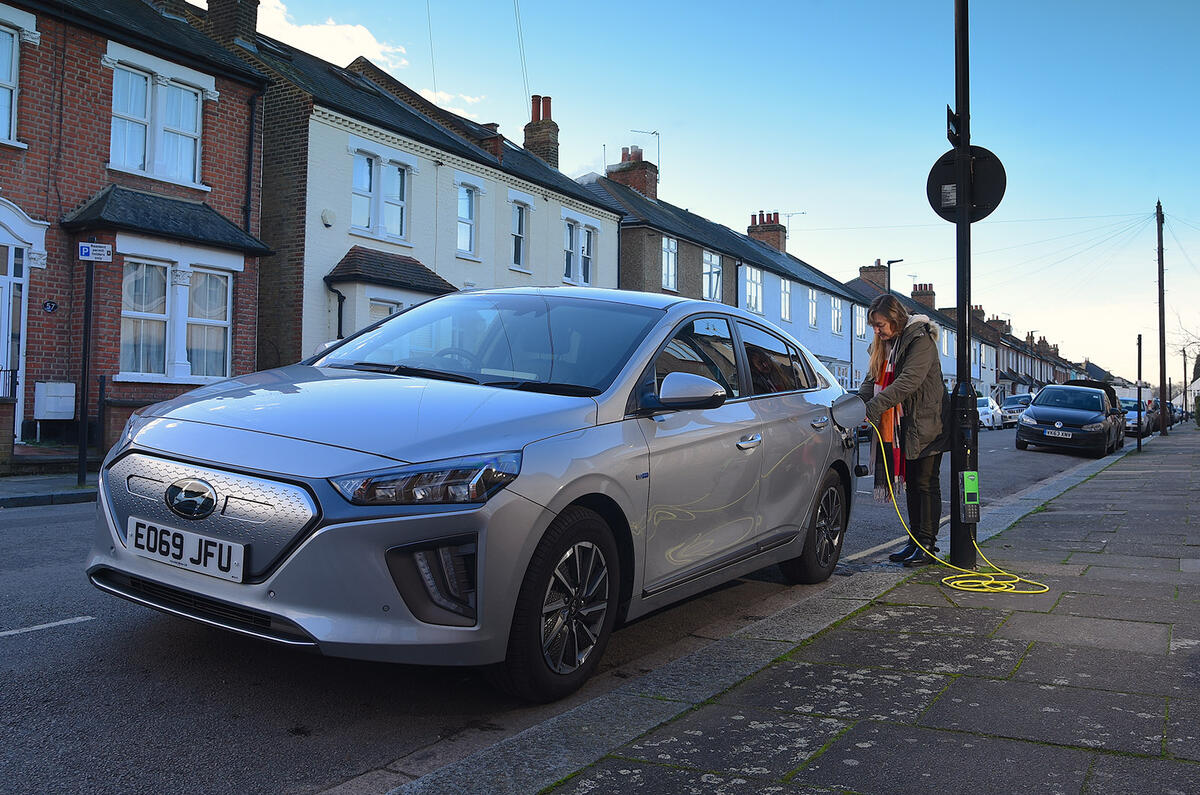
It’s possible to worry about inequality. How do we avoid giving low-income drivers – reliant on landlords or councils to provide domestic charging – the choice of sticking in an old ICE car or being forced to use expensive rapid chargers if they get an EV? Will the fuel of a tenant parking on the street with no choice of energy provider cost more than that of a senior manager who can plug into their solar-panelled house each night?
I know we have time. Even some non-plug-in hybrids will be on sale in 15 years, and cars have a 12-year life on average. But let’s not pretend that injustices and inequality don’t happen to those who can least afford it. Right now, there are leaseholders forced to pay extortionate ‘waking watch’ charges because property developers clad their buildings with flammable materials. In embracing a zero-emissions future, we need to make sure that nobody is treated unfairly or gets left behind.
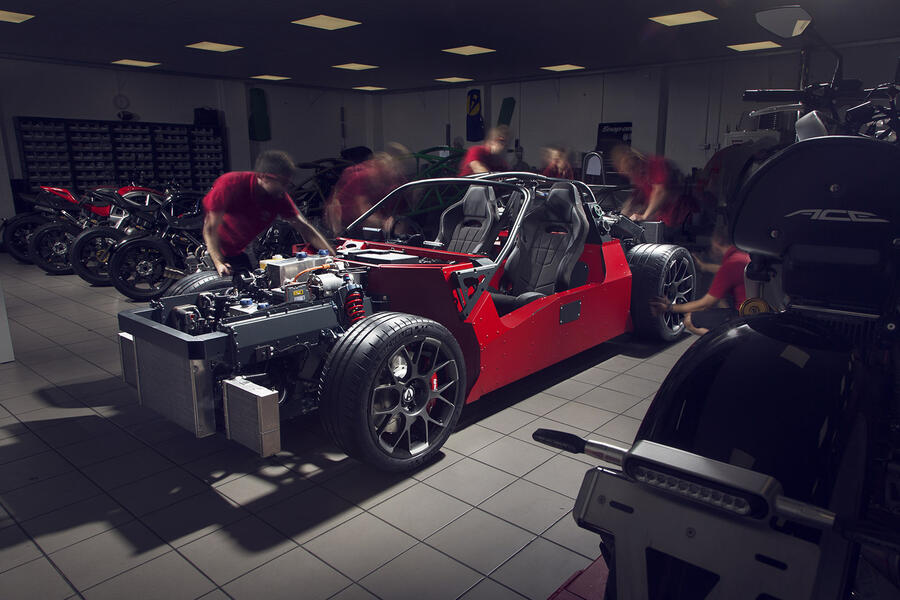
â– On an entirely different level, what of supercars? And what of those who make sports cars that go through the IVA test? Micro volumes of cars doing micro mileages, less damaging to the climate than having a dog or a wood fire or eating meat?
Do synthetic fuels have a part to play? Fuel companies are working on them. Or, as with crash tests and other emissions regulations, will there be a lag or exemptions for those building in very small volumes?