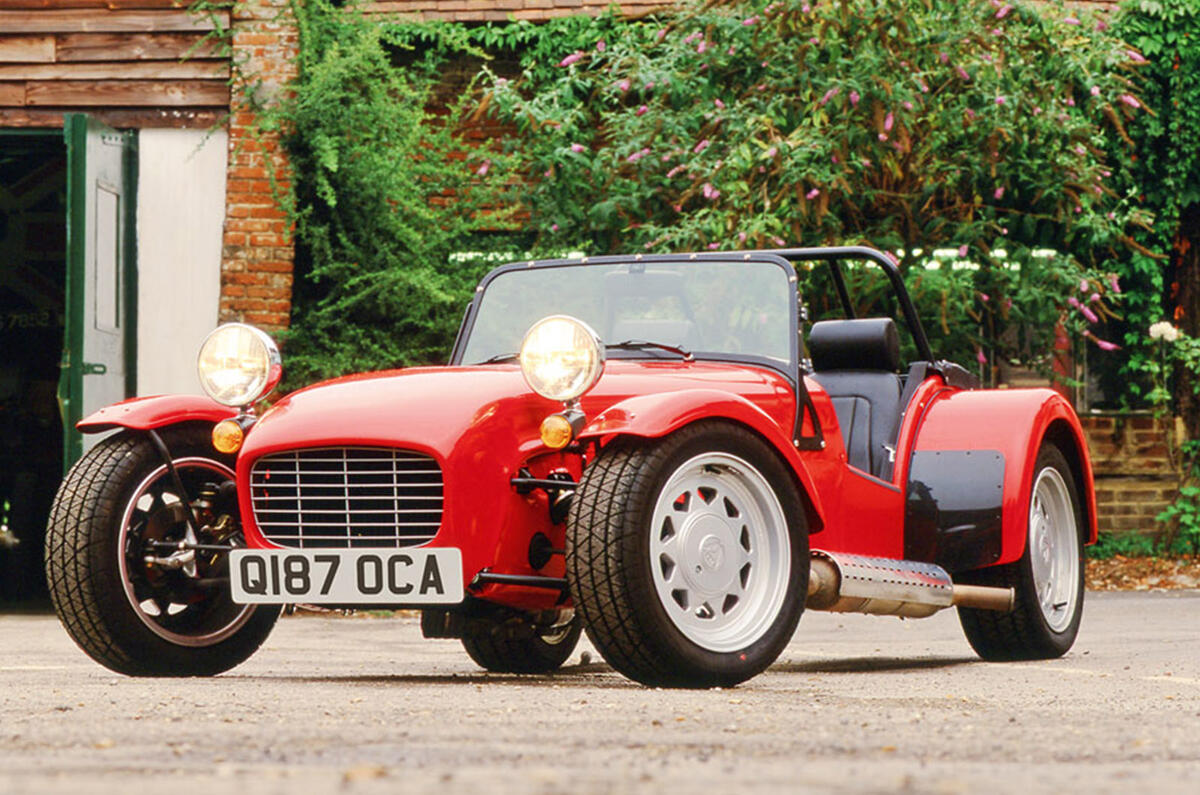


Remember Q registration plates? This country’s vehicle licensing agency, the DVLA, issues these to vehicles ‘whose age or identity is in doubt’.
I believe a sizeable number of the British home-working population currently qualify.
You used to know what a Q-plate meant: some shiny new components had arrived in someone’s garage and been placed alongside a photocopied set of vague instructions and a broken Ford Cortina.
Several summers later, these and some other used parts would be united, diligently or otherwise, following a build process that culminated in something resembling a car – albeit not necessarily an attractive one.
That was taken to a test centre and given a Q front and rear. But a kit car’s value was, and I believe remains, higher if you could avoid the dreaded plate.
If everything in a self-build is new, a car can be given a current registration plate. At times, you can apply for an age-related plate, based on how old some parts are.
There has been additional cachet, then, to avoiding the ‘in doubt’ plate, and I don’t think you see Q-registered cars as often as you used to. These days, you’re most likely to spot them on eBay, accompanied by the term ‘project’ or ‘barn find’. Or on a Pagani Zonda in central London. Wait, what?
Yes, there is a Zonda that, it seems, was imported to the UK and has been altered in specification since it was first built. Either way, I doubt the owner of Q821 GFE is too fussed about the provenance suggested by his or her numberplate. And perhaps in future neither will the rest of us.
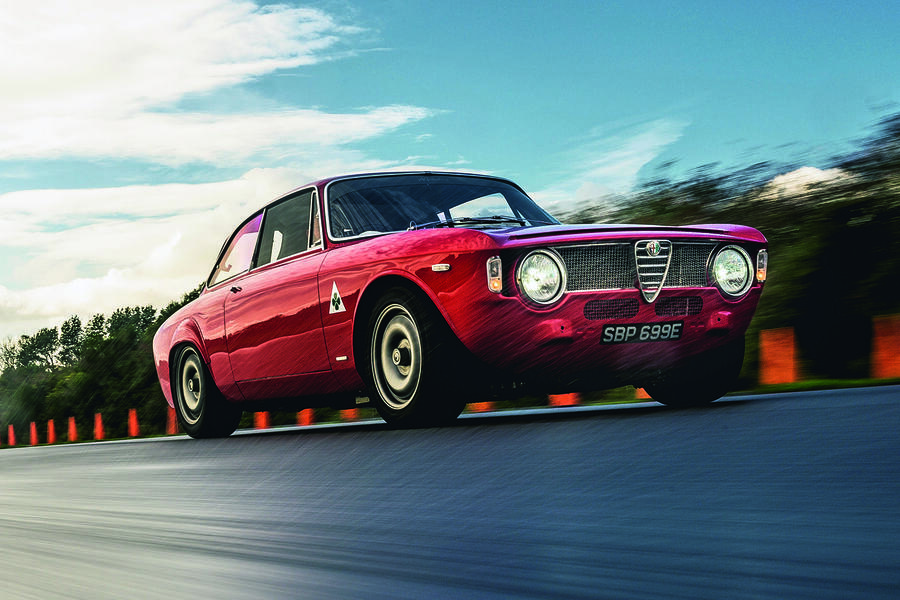
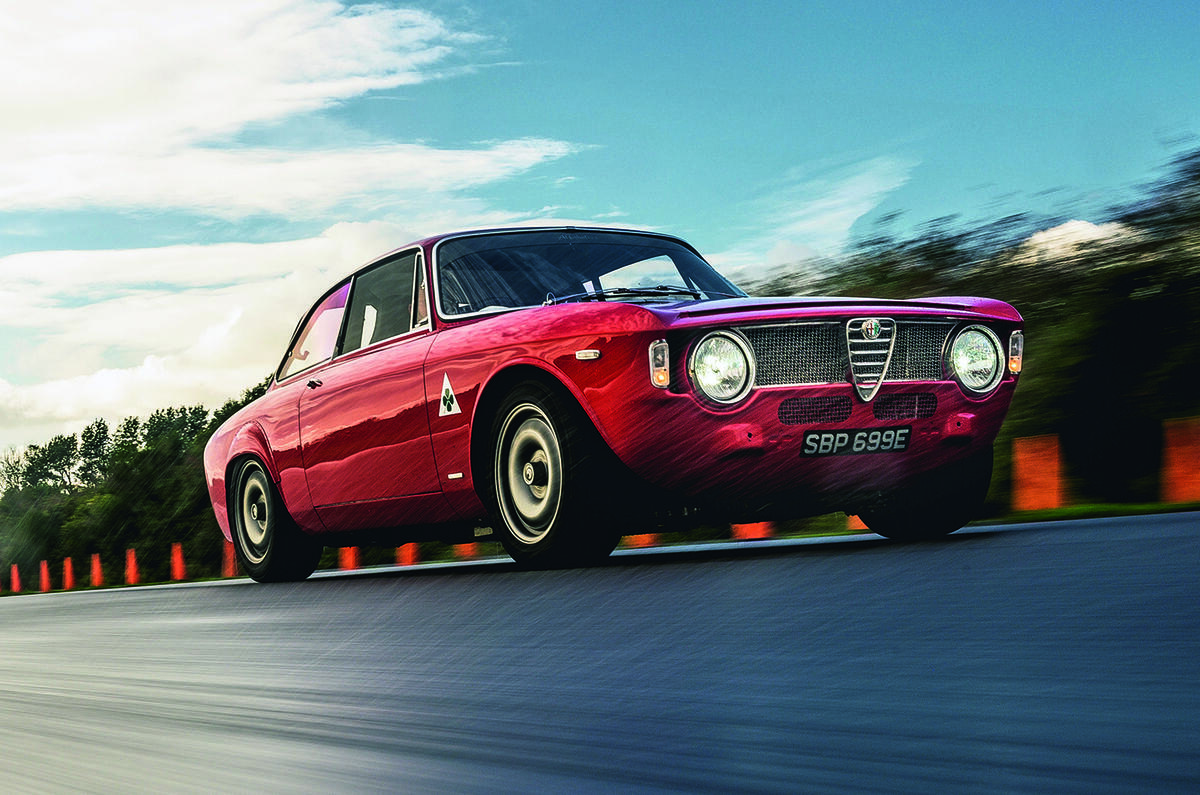
Step forward the restomod (restored and modified), which seems to be becoming the modern alternative to a kit car. Rather than taking an old car, ripping the mechanicals out of it and putting them into a new chassis, you keep the old chassis and start squeezing new or modified components into it.
The DVLA’s system for retaining a car’s plate in such circumstances is quite clear, if quite complicated. There are different rules for – deep breath – rebuilt vehicles, kit-built vehicles, kit-converted vehicles and radically altered vehicles.