
Do you own a smart fridge? The probable answer is no, you don't. In fact you're twice as likely to have no idea what a smart home appliance is than be one of three in 100 people in the UK who own one.
Smart appliances are those that are in some way connected to the internet or a home network. From a chiller perspective, this means your fridge will turn from a machine that keeps your food cold and has a little light that comes on when the door opens into something so much more useful like... well, honestly, it's hard to say.

One that plays music, like your phone or stereo or TV already does ; or that can tell you what the weather is like, like looking out of the window can. Some fridges have interior Al scanners that can help write shopping lists or even recipes.
I don't know if they recommend throwing away those capers that have been on the back of the top shelf for nine years. Either way, according to a recent YouGov survey, they remain an incredibly niche item in Britain. They have, in other words, features most people don't want.
The adoption rates of other smart items is more variable. Nearly 40% of us have a smart energy meter, but there's no way of knowing whether we actually wanted one or were just asked to have one by the electricity company.
The next biggest take-up is in smart alarms, sensors, security lighting or cameras. Though, as with locking front doors, it's hard to know how many people really want these, rather than believing that they're the only way to prevent somebody nicking their stuff.
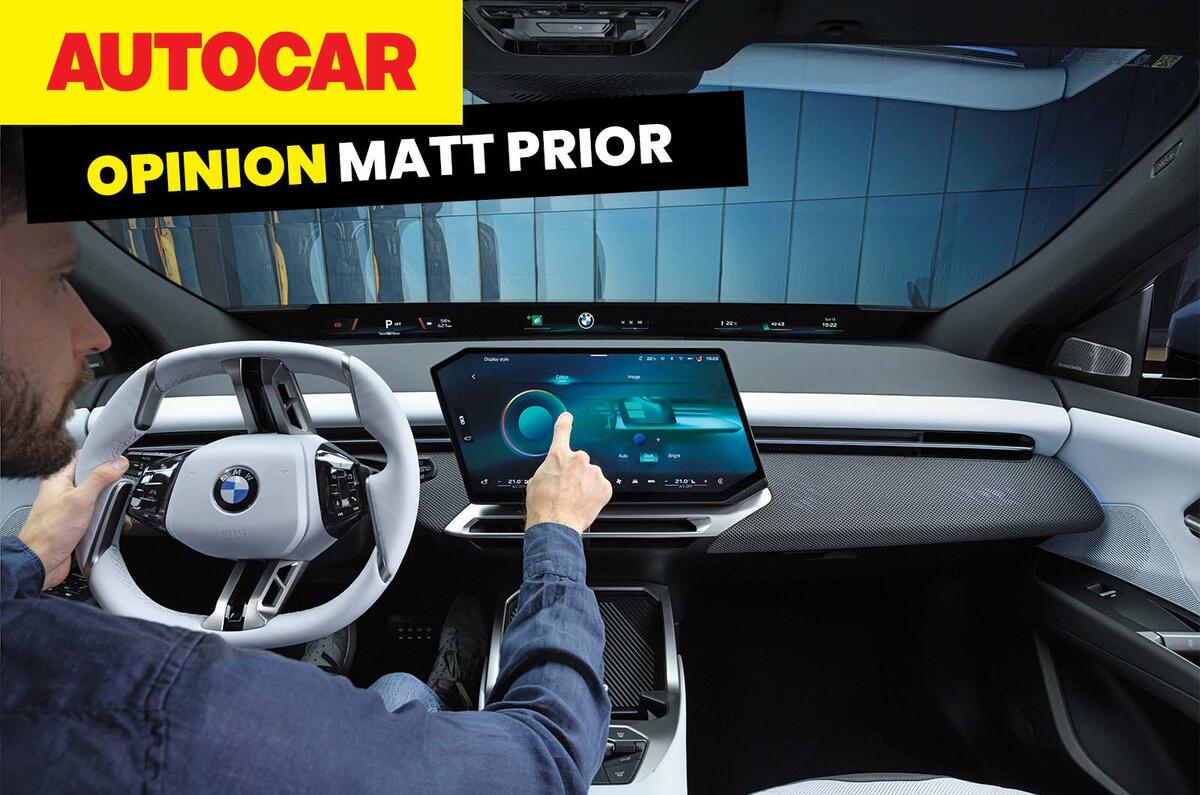
What's not included in YouGov's recent survey is the number of people who own a smart vehicle. Not Smart as in the compact car, but cars that are data-connected. The answer is that it's just about all of the new ones. Do we all want that? I'm not so sure.
The difference again is that when it comes to how many features and screens and options your fridge has, you have a choice. Even with a smart meter, if you ignore your supplier for long enough they'll give up on the idea.
But with a vehicle, you don't get much of an option about the things it comes with. Partly this is because of a necessity to have an SOS function that will alert someone if you have an accident, and partly because of the creep towards over-air-updates, which leads to the offering of continued services, which means subscriptions rather than ownership.
And I suspect that many cars today have too much of that stuff for the likes of most buyers. It's hard not to write about this without sounding like an old man yelling at clouds.
But I think new cars come with more of this 'stuff than most people would like; too many screens, too few buttons, too many menus to wade through. It's not as though I dislike technology.
I have computers and games consoles and two telephones and a camera to see the cat when I'm on holiday. The other day I even replaced the light bulb in the fridge. But I have these things through choice rather than necessity.


Join the debate
Add your comment
Completely agree. Some of the new tech is genuinely useful (rear view camera, sat nav), some of it is nice but hardly essential (automatic wipers and lights), and much of it is unwanted and irritating including the mandated 'safety' features. Interior light mood patterns?
But the biggest headache remains the use of touchscreens for things you need to do on the move. Tech fashionistas may like fiddling with gigantic distracting screens, but any serious driver doesn't.
Don't blame the car makers. Most of the smart tech is a legal requirement, largely due to successful lobbying by suppliers keen to expand business. I doubt whether half the stuff fitted could be justified by drivers having fewer or less serious accidents - indeed there may be increased risk due to driver distraction, glitchy operation or over reliance on its use by some drivers. If the tech was that effective, insurance costs might be expected to decrease - but as I recall, some firms actually increased premiums when expensive ABS brakes were introduced, because the potential extra repair costs would exceed any saving from fewer accidents!
when ABS brakes were first introduced, some insurance companies