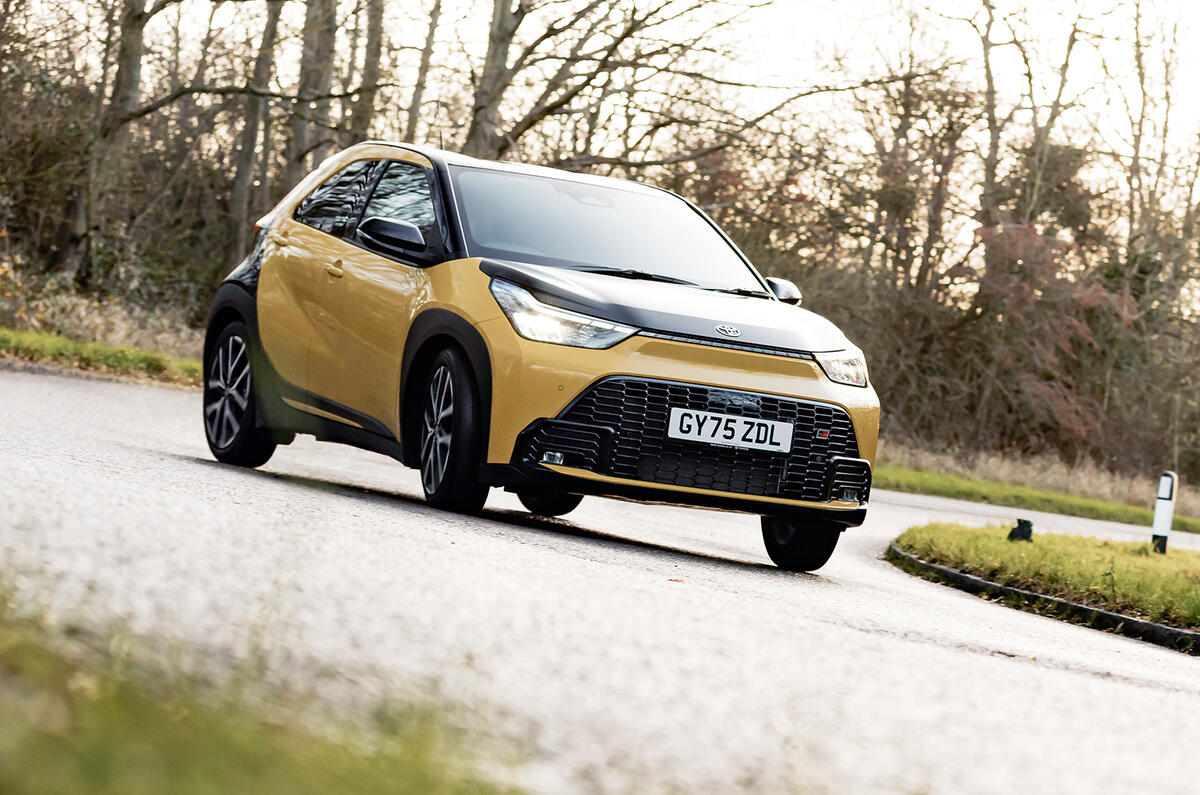
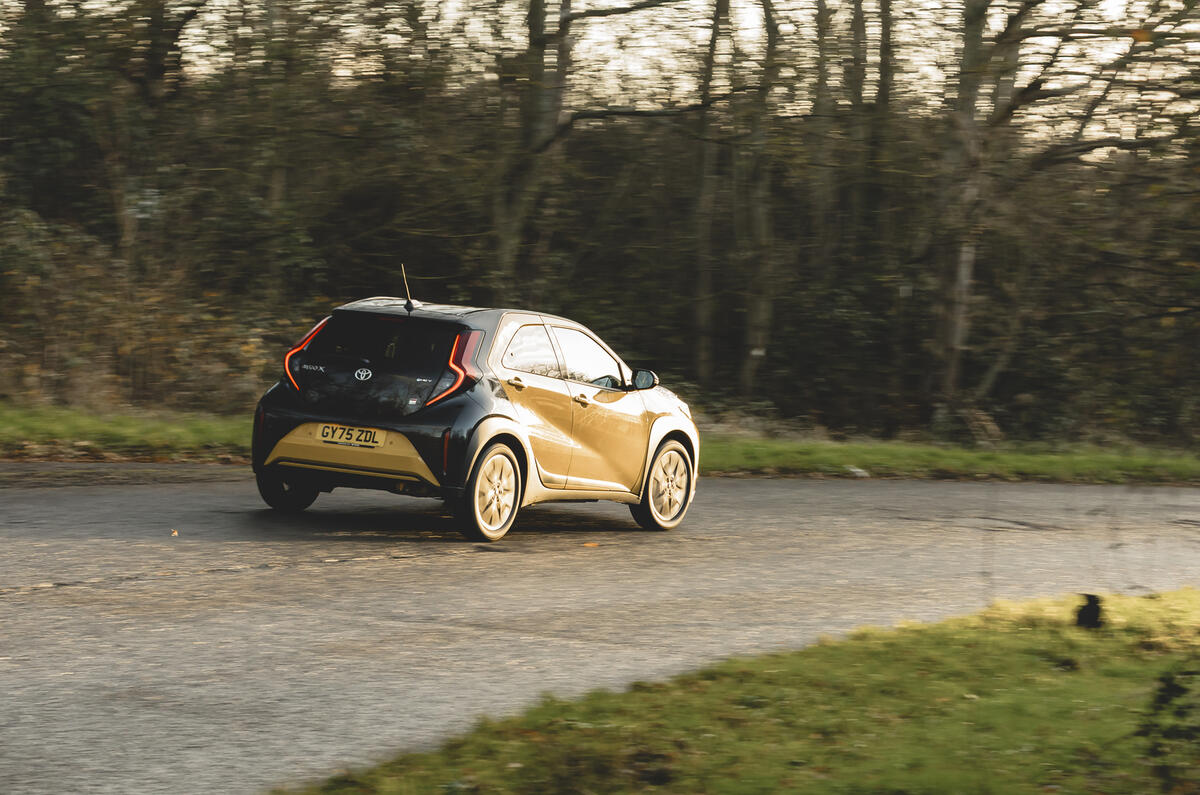
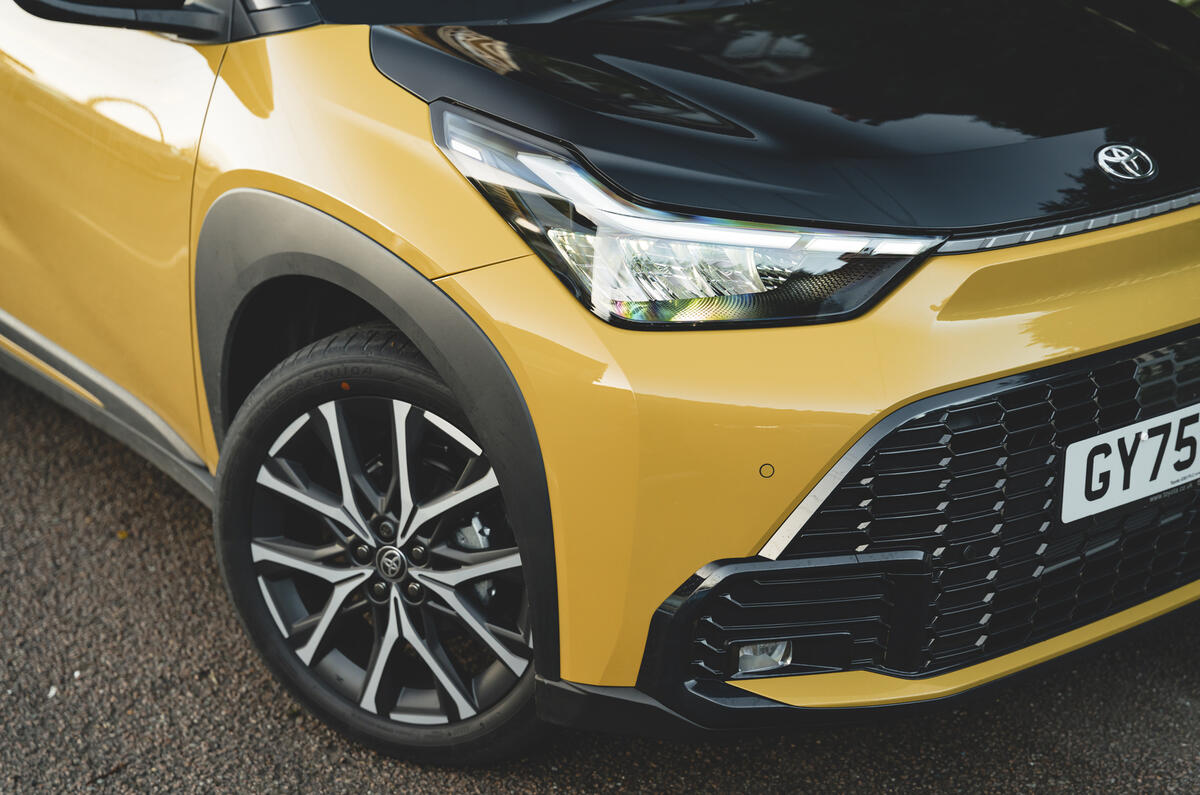
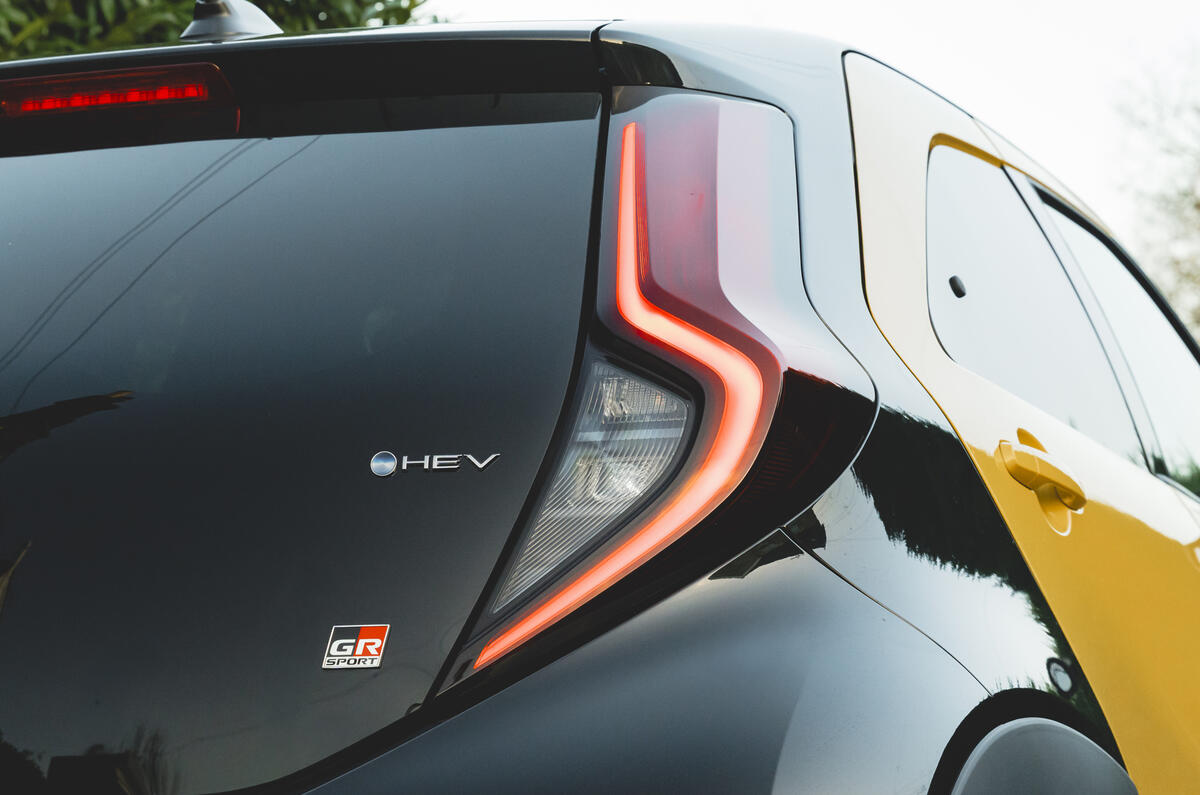
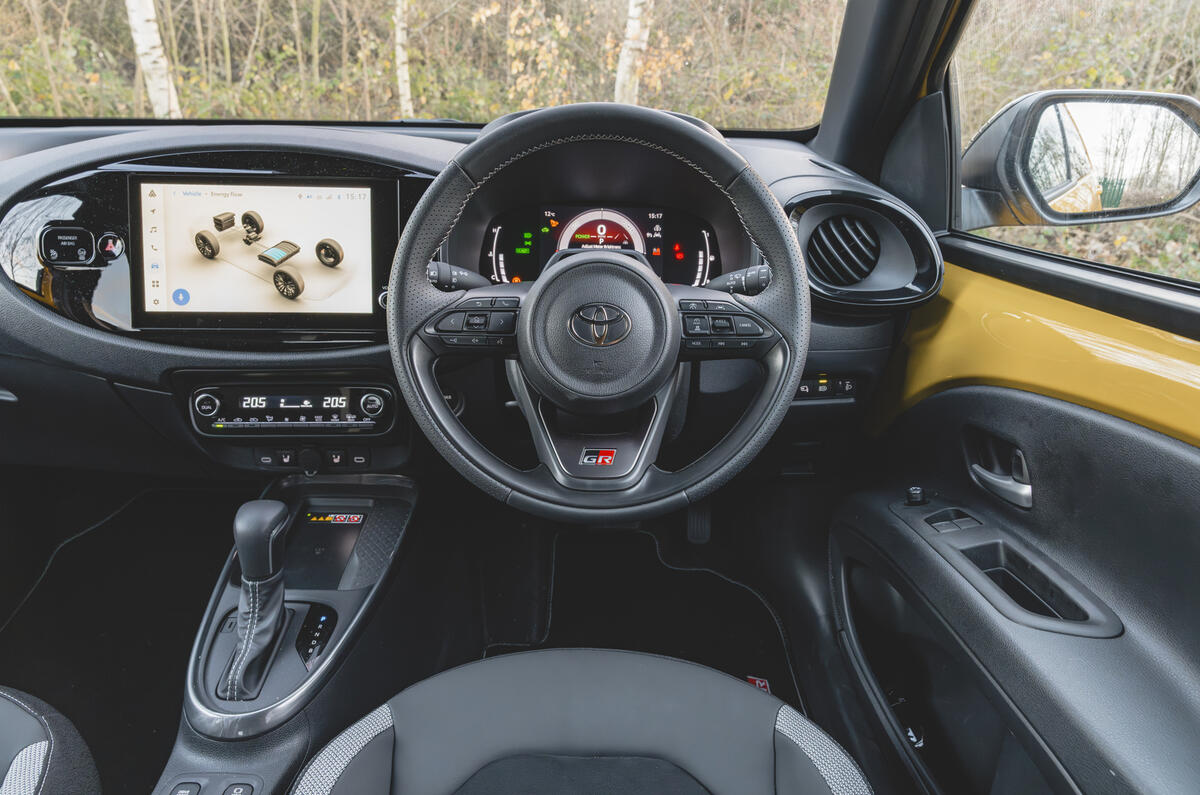
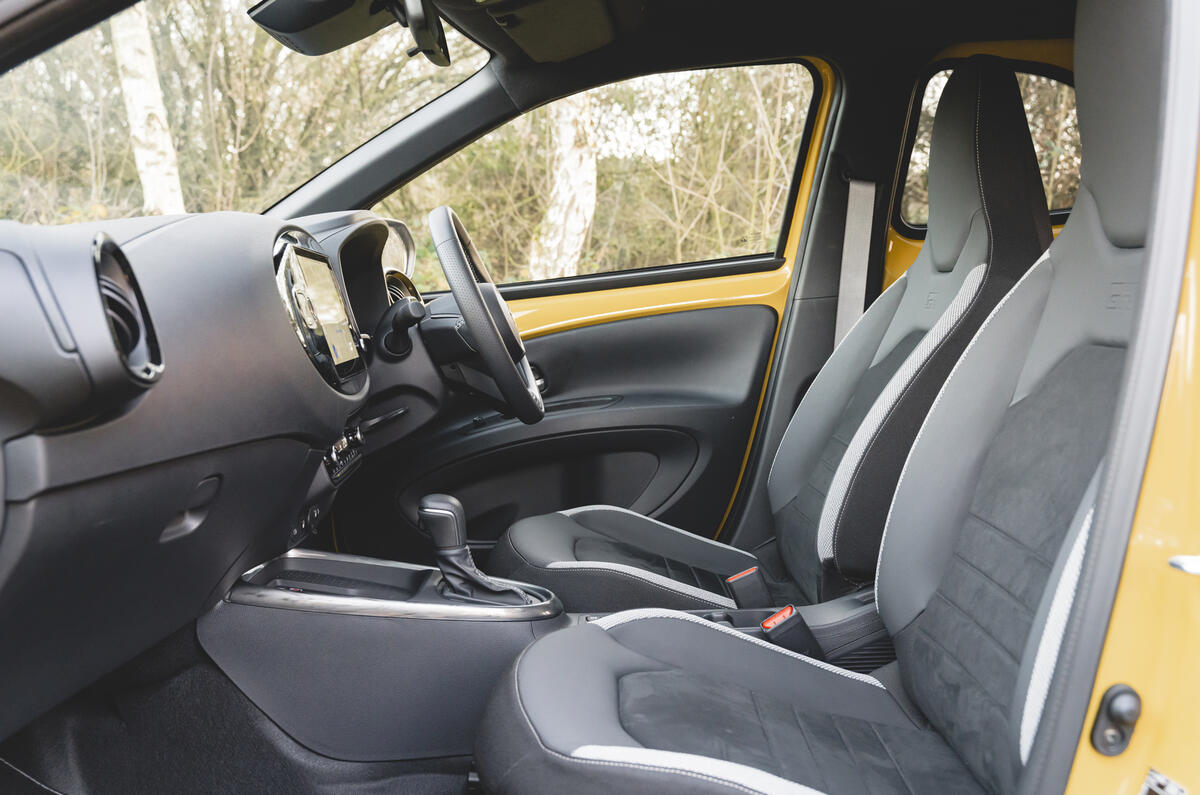
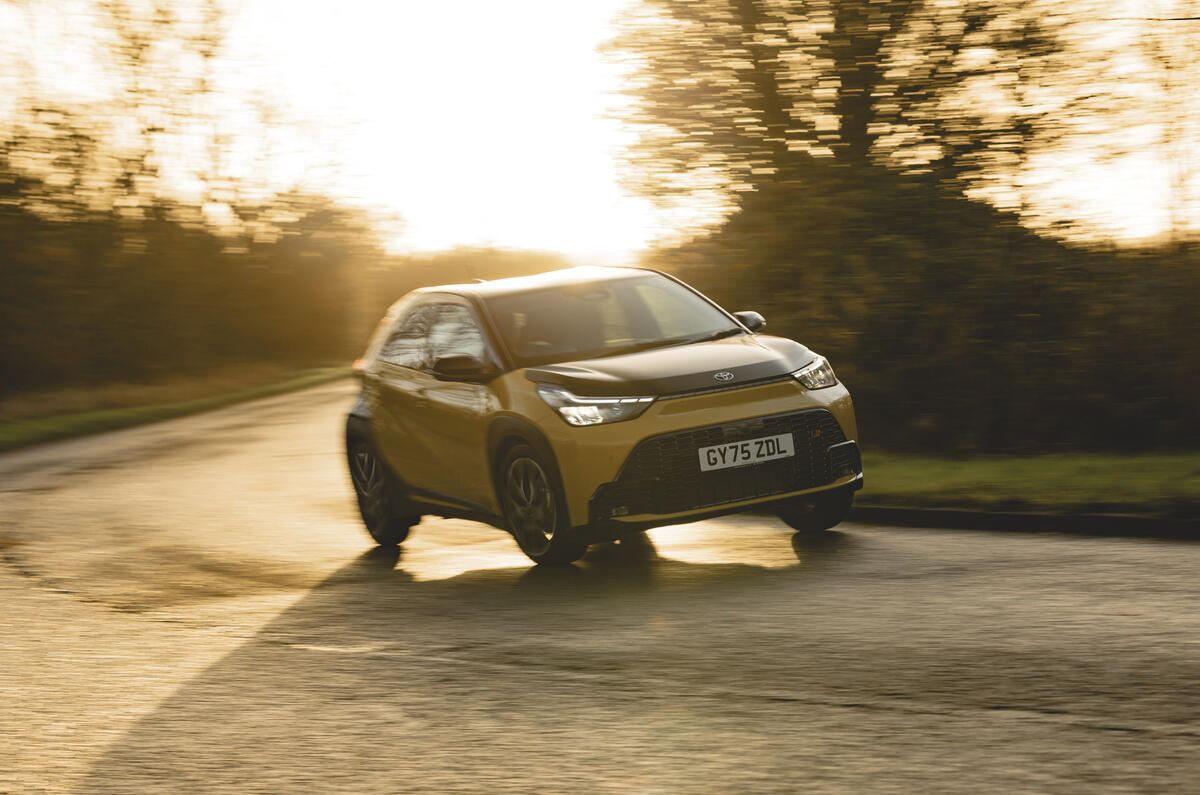
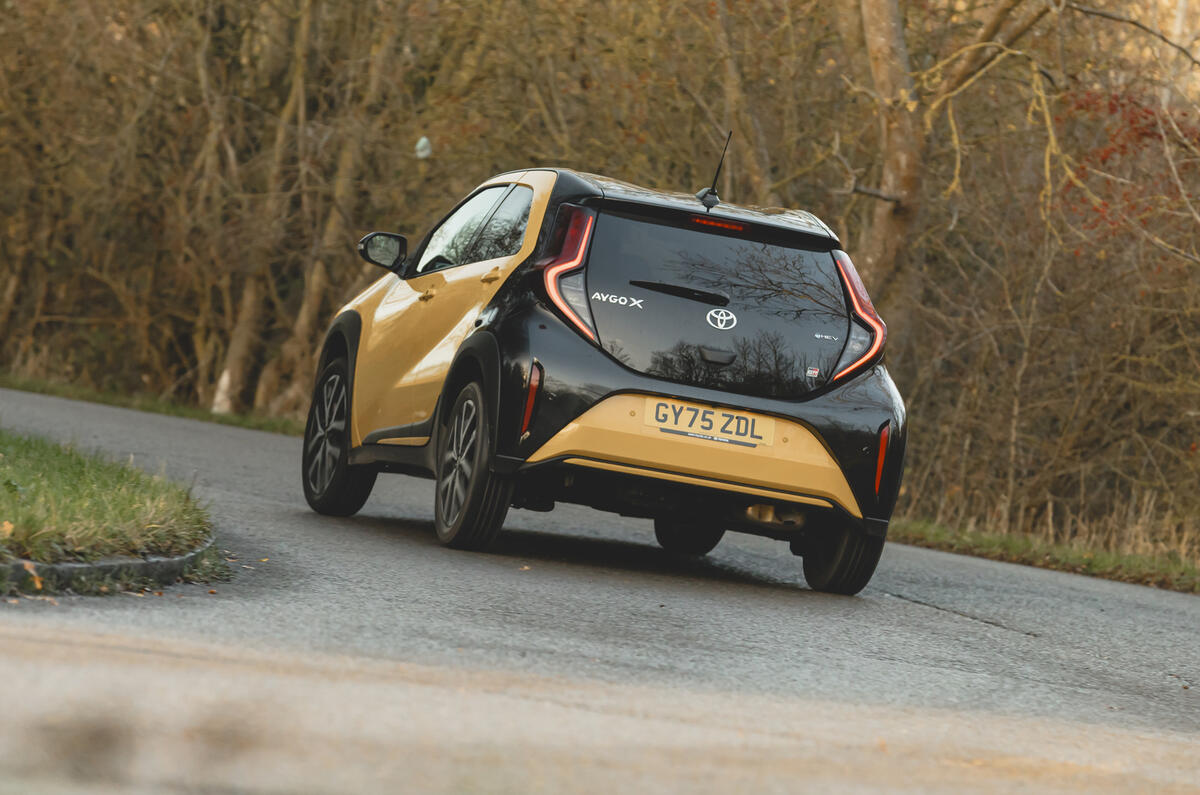
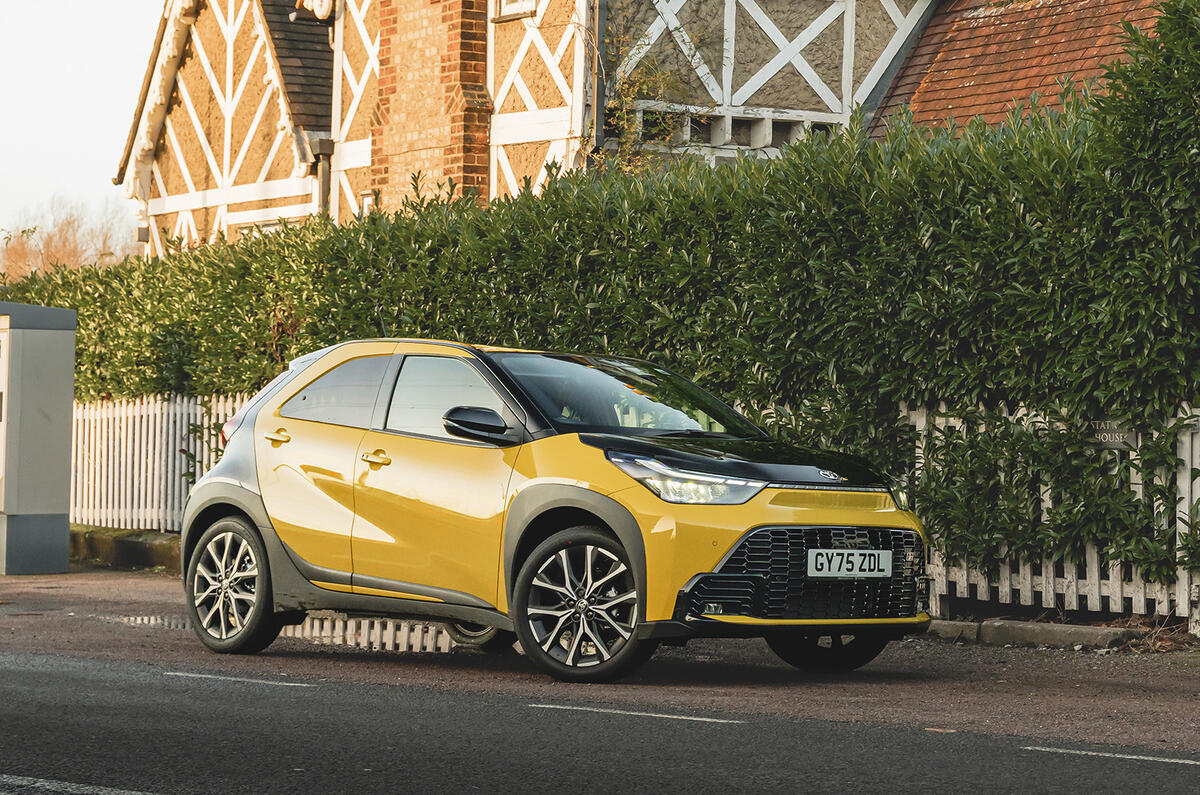
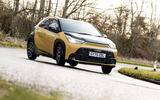
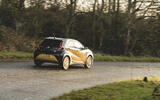
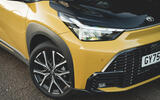
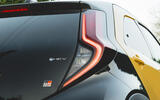
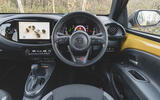
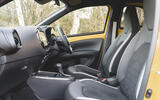
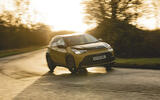
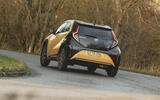
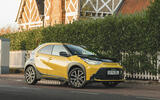
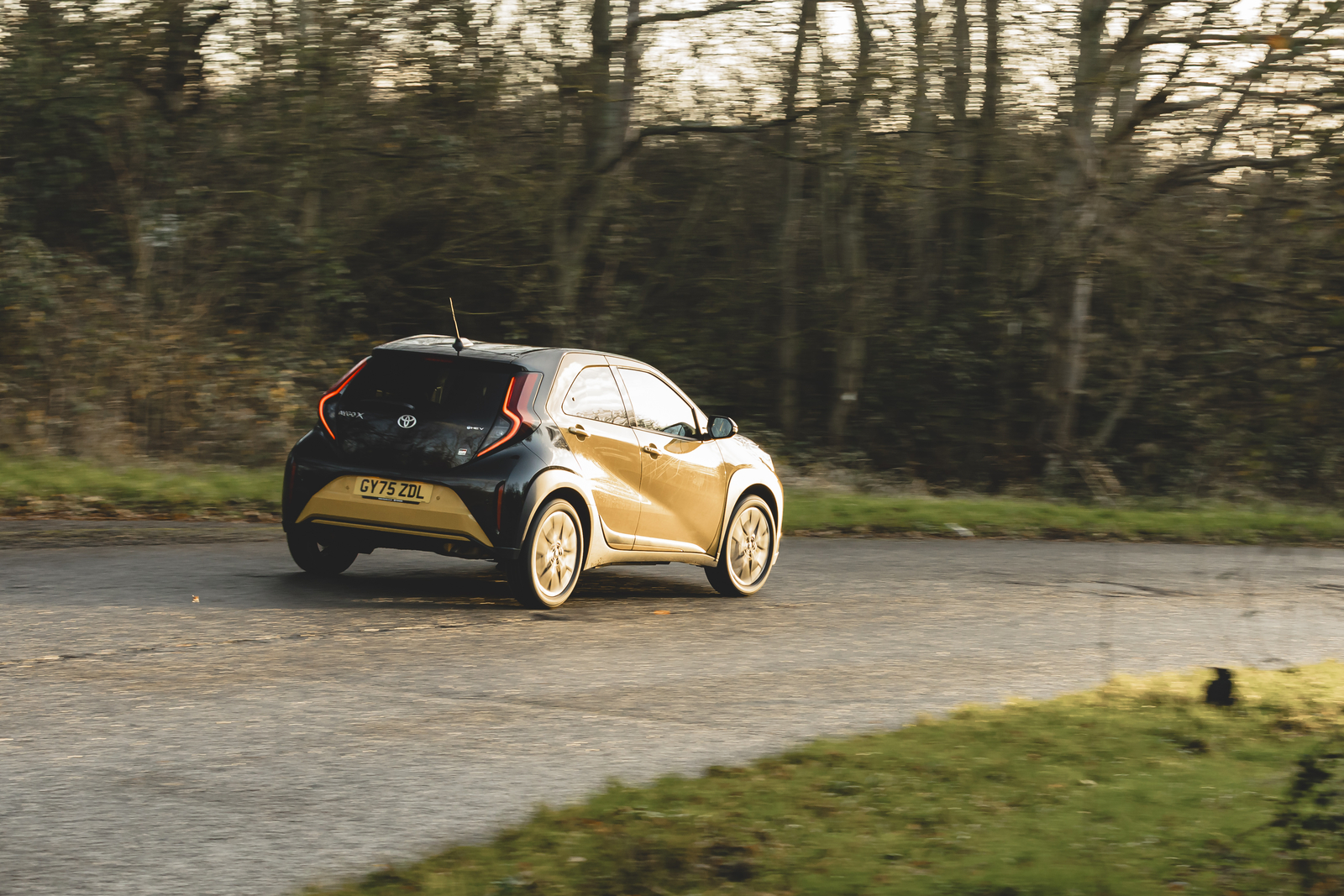
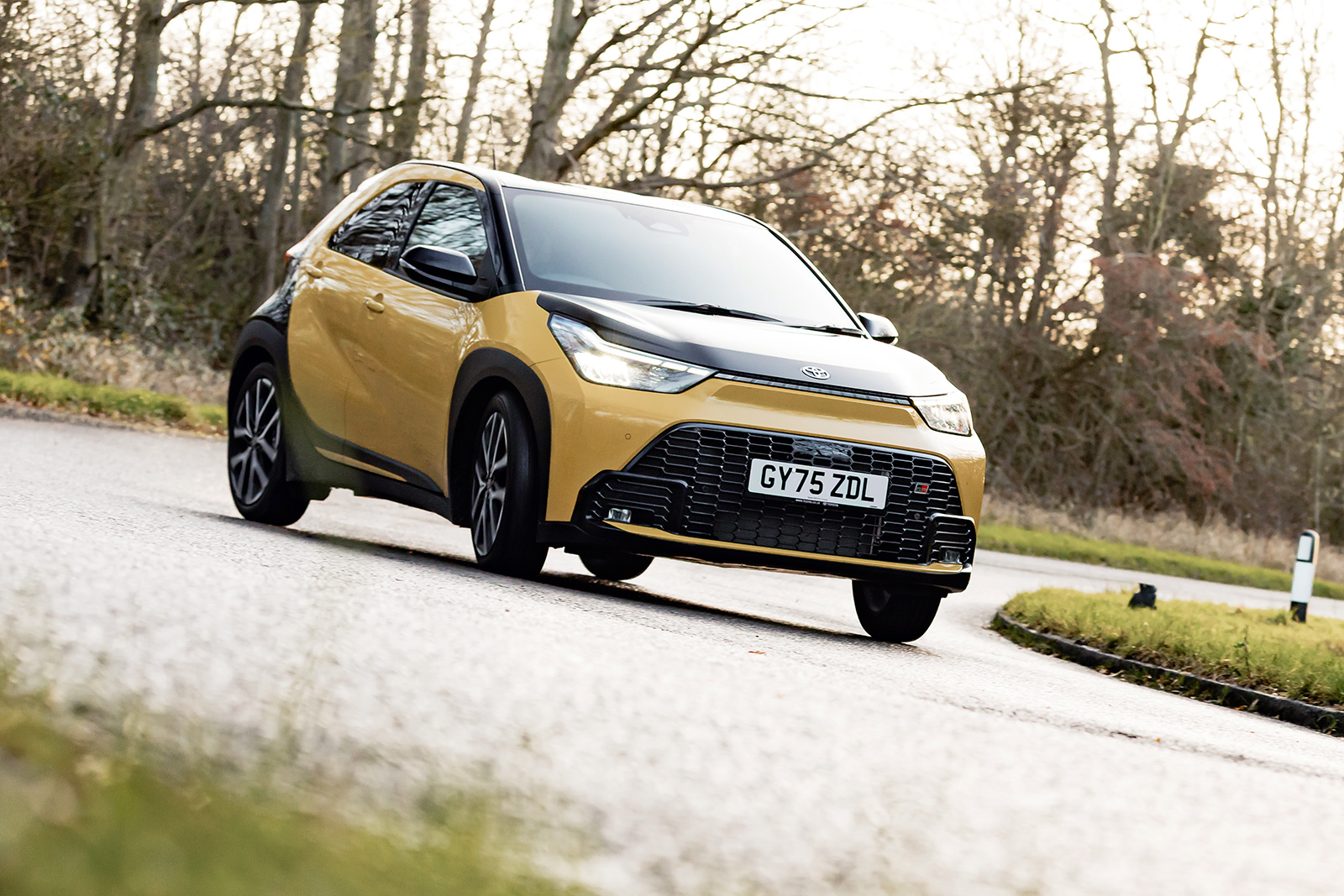
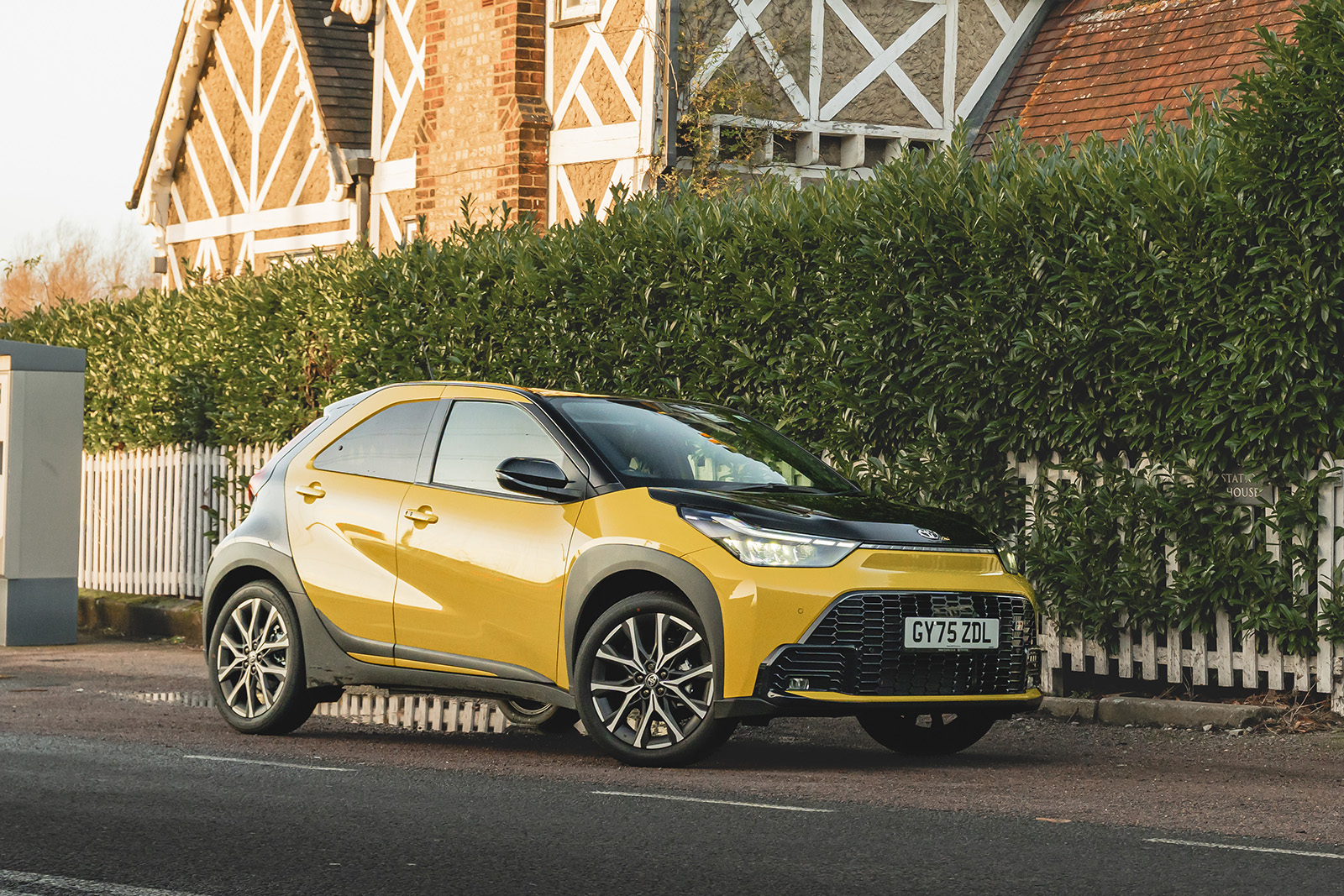
With no modifications to the platform (the wheelbase is unchanged), the new Aygo X's ergonomics are as they have been since 2022 and that's mostly fine by us. Within the constraints of a sub-4m city car, the outgoing model entirely avoided the cramped feeling up front that has often dogged A-segment hatchbacks and it's the same story here.
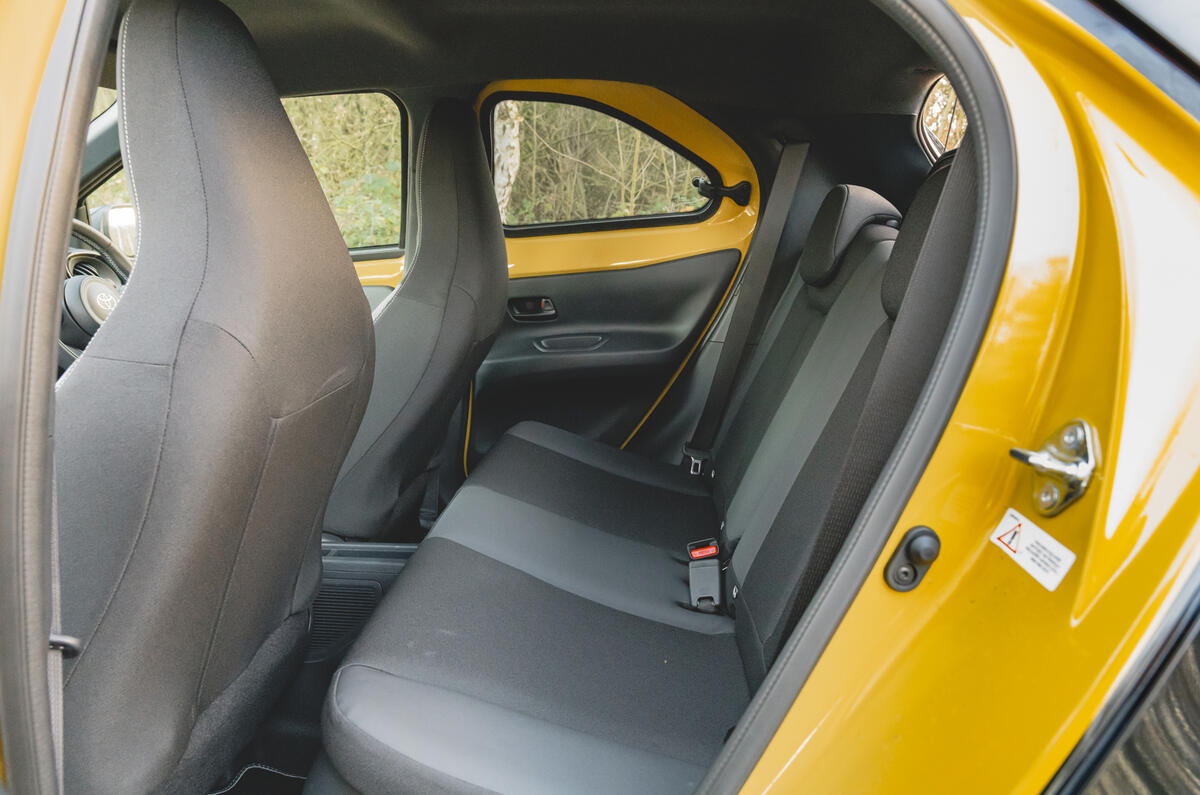
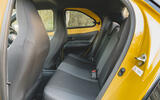
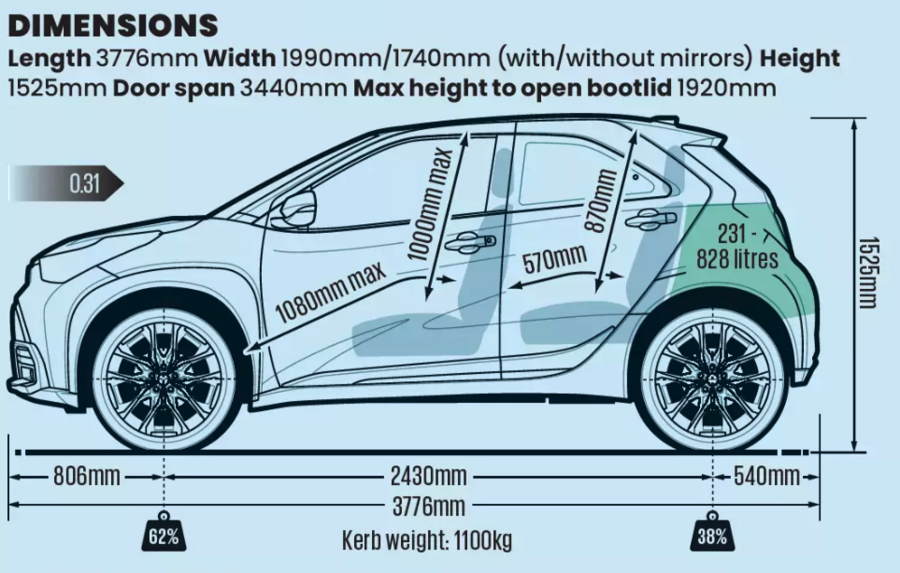
The only architectural change is that the rear bench is slightly more inclined than it was, which in theory should mean a little more leg room, thanks to a more acute bend at the knee. In reality, it's still very tight in the back, with 570mm of leg room as measured, making the Aygo X suitable for only small adults and, ideally, younger children. The new hybrid system has also required a tunnel to be run through the middle of the rear footwell, which will make life even more difficult for anyone trying to squeeze into the middle berth.
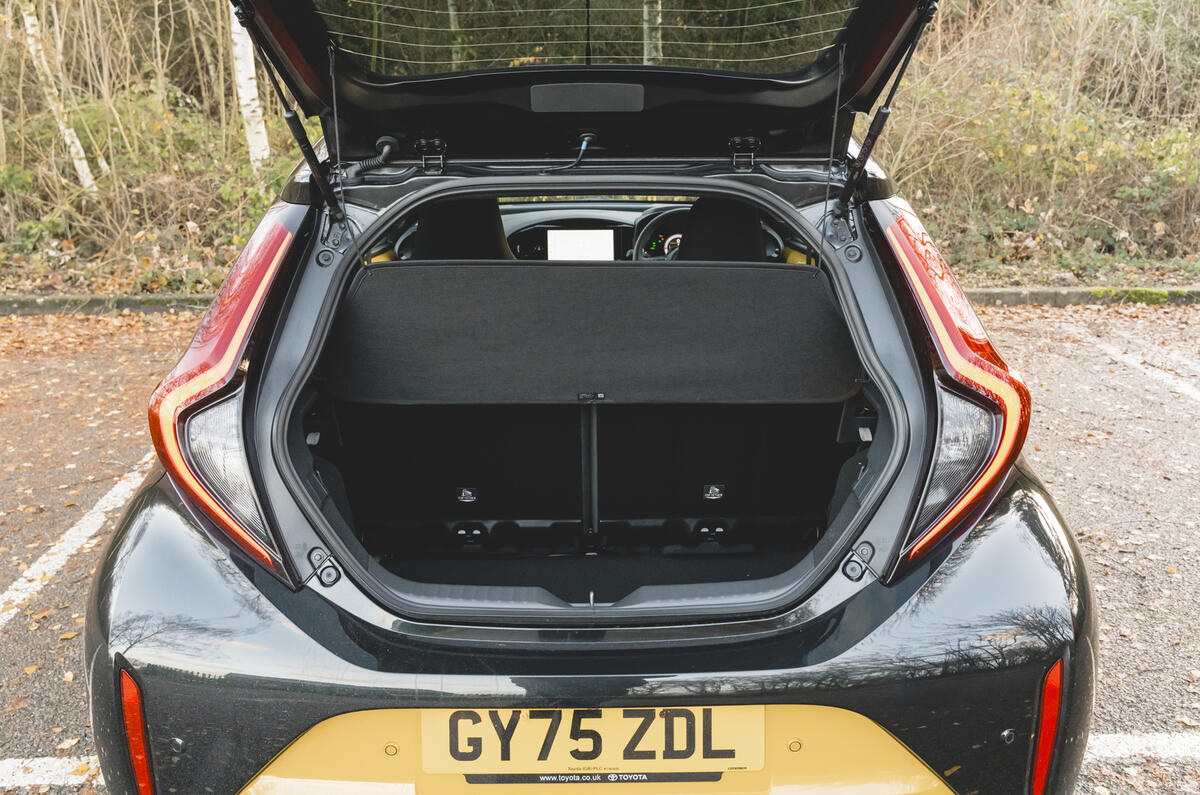
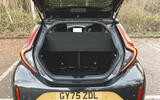
The boot isn't vast, either. At 231 litres, it is just about competitive in the segment but trails the official figures of the likes of Hyundai's i10 and Inster and it is well beaten by larger (but cheaper) options such as the Dacia Sandero.
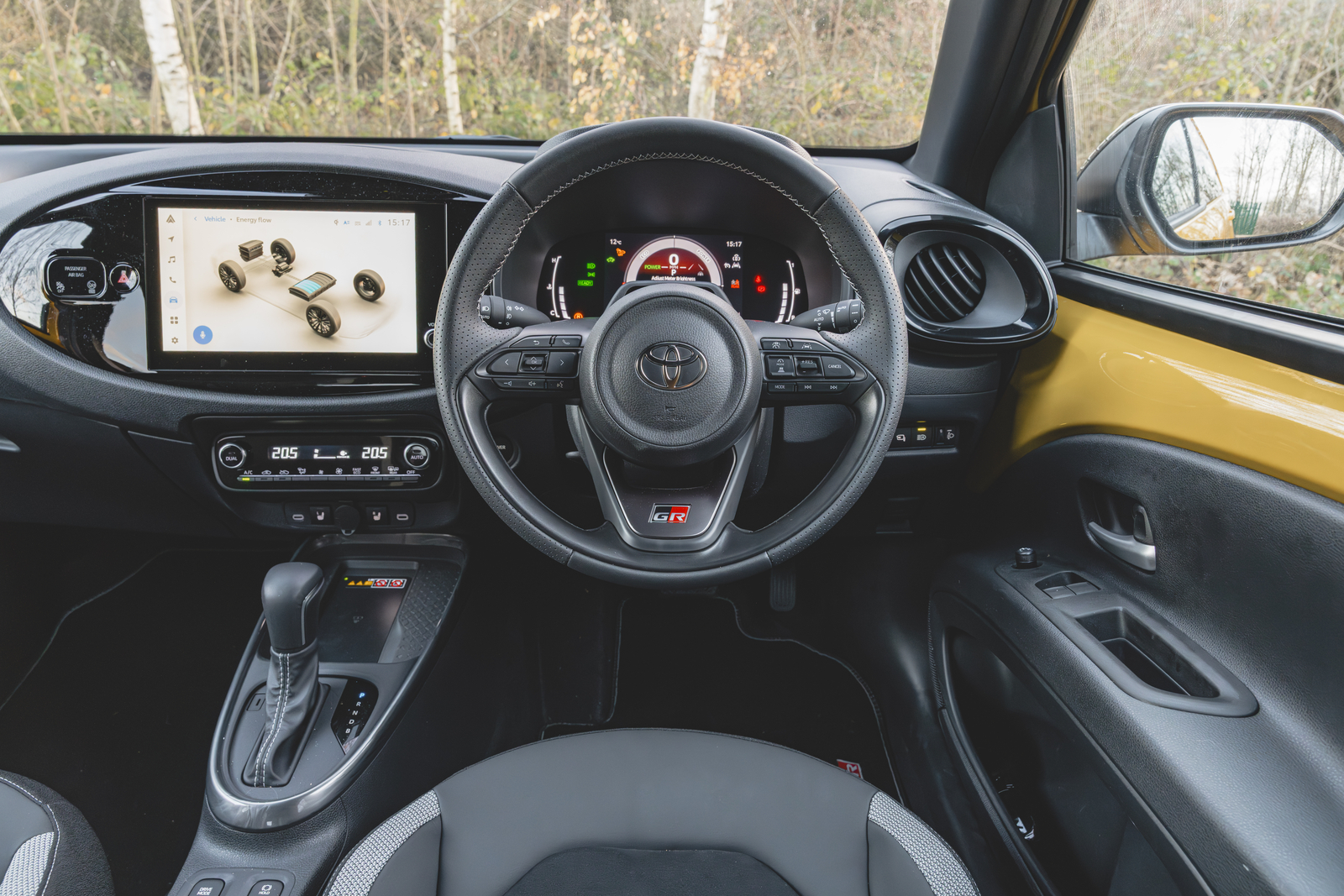
However, you will be tempted to put up with all of that because the cockpit itself is rather a nice place to be, with a dash of colour on the door card to match the exterior. For one thing, Toyota's current generation of small cars has surprisingly expensive-feeling steering wheels and the decently low-slung driving position itself is grown-up—far from guaranteed for this class. Forward visibility is expansive too, with the one caveat that the quarterlight panels are filled in with plastic. (Rear and over-the-shoulder visibility, meanwhile, remain pretty poor in the class.)
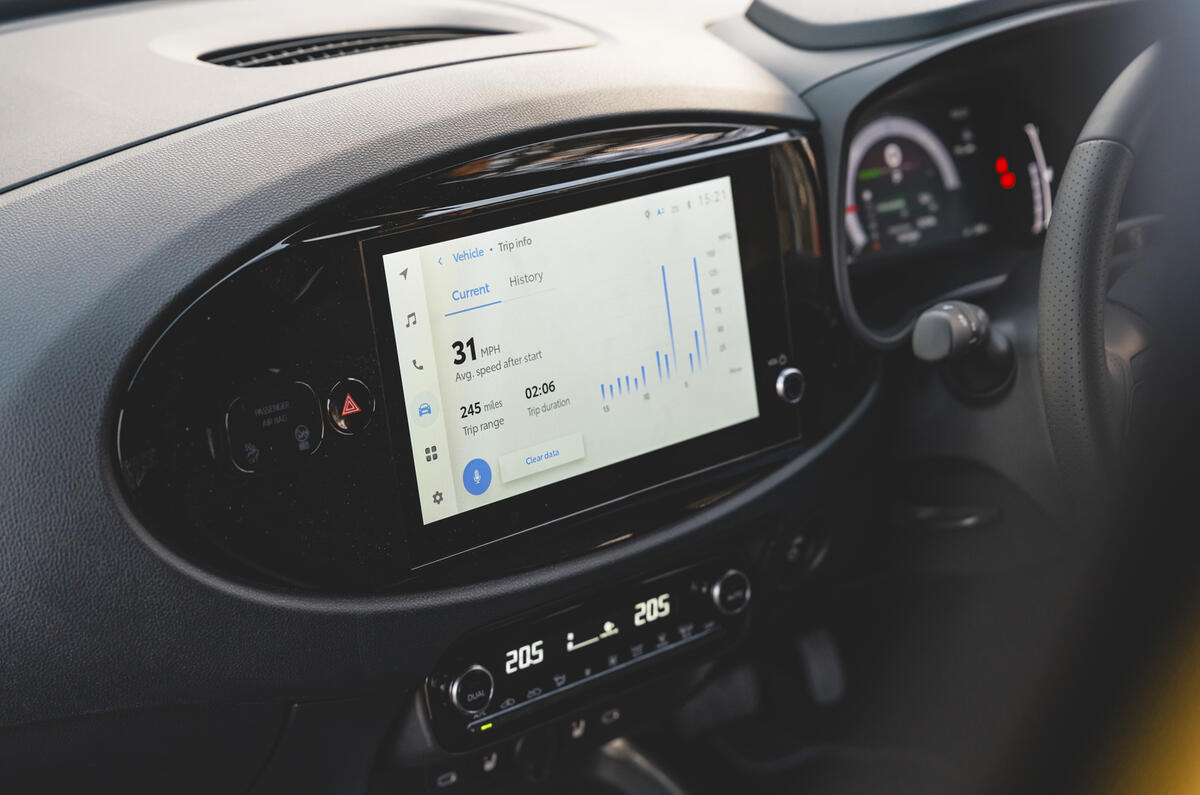
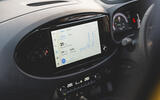
There is also plenty of physical switchgear, including that for the climate controls, which exist on a smart panel between the central touchscreen, with dual-zone control in higher specifications. On the subject of physical switchgear, the substantial gear selector feels a bit of an anachronism in 2025 but does at least mean that moving between drive (there are two modes: regular and a regen-heavy setting) and reverse during manoeuvring doesn't require you to look down.
As for the digital array, you get a 9in display in Icon and Design trim, but that grows to 10.5in in Excel and GR Sport. Both offer Android Auto and Apple CarPlay, and are generally slick, though the owner who has a premium executive saloon on the other side of the garage will certainly notice the slight latency and occasional need to double-press in the Toyota. You can connect your phone via either of the two USB-C ports clearly positioned at the front of the centre console.
Higher trims also get a wireless charging pad, though a deeper oddment bin might have been more useful, given there's no glovebox to speak of. Lastly, the rustic-feeling rev counter of the old car is no longer, the entire instrument binnacle now being digital, rather than a small portion of it. It's clear and easily controllable via buttons on the steering wheel, which is useful because they are what you will be using to turn off the plethora of intrusive ADAS.