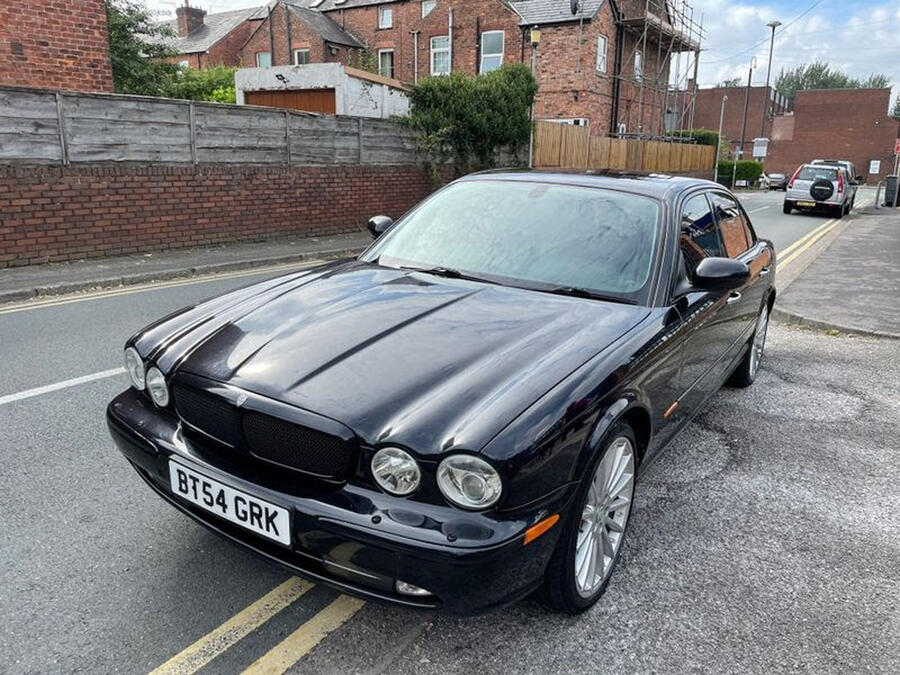
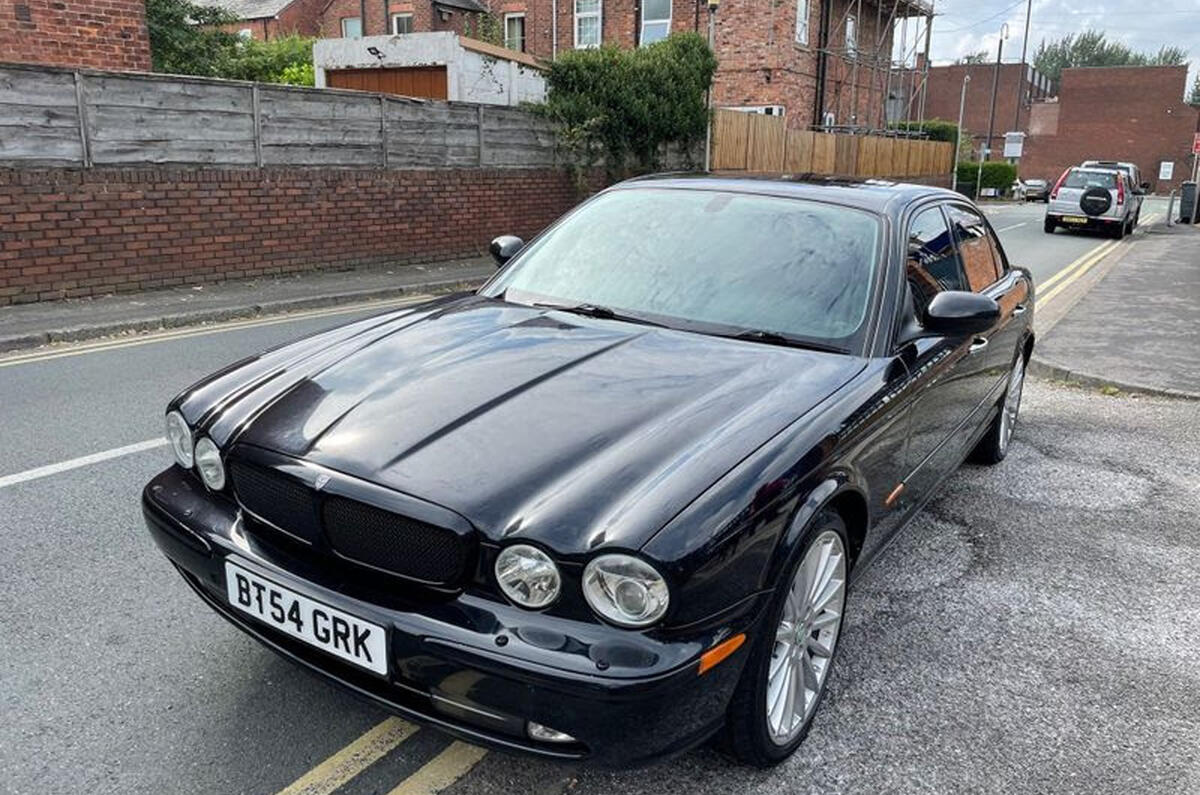

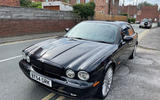

The Jaguar XJ has personified stylish, luxurious comfort with usable everyday performance for five generations over 51 years. But we’re focusing our spotlight on the X350 generation (2003-09) this week, the last of the retro-focused cars before the more modern, Ian Callum-designed XJ (X351) arrived. Don’t be fooled by its traditional looks, though: this car broke new ground.
The X350 had an aluminium chassis and body constructed using an aerospace method known as rivet-bonding, which was a first for the car industry. What resulted was a body that was 40% lighter and 50% stiffer than the previous, X308 model’s.
Another key draw for the X350 XJ was its electronically controlled, self-levelling adaptive air suspension, which replaced a double-wishbone, independent rear set-up. It produced a ride quality that today still feels exemplary, even by modern standards. Safety was bolstered by an emergency brake assist system, traction control and dynamic stability control.
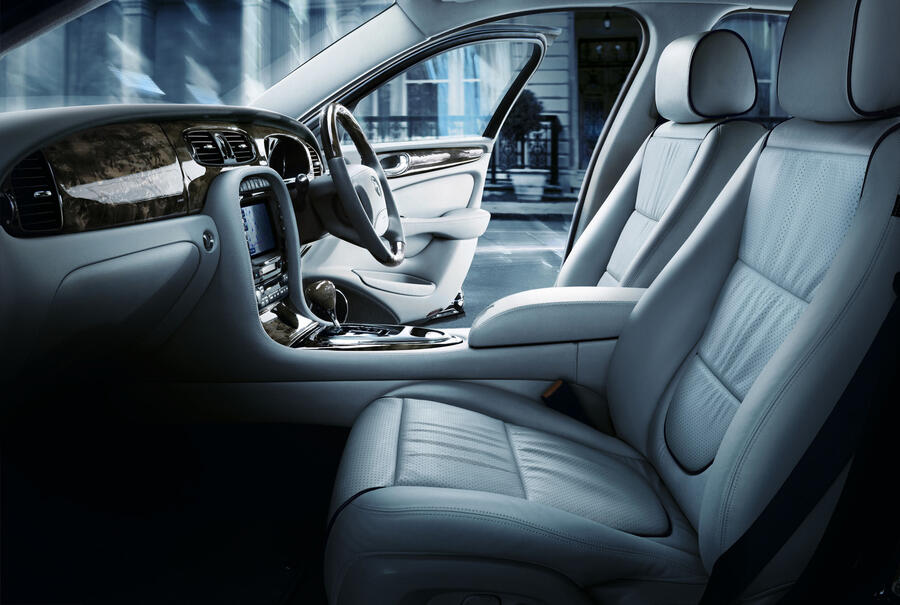
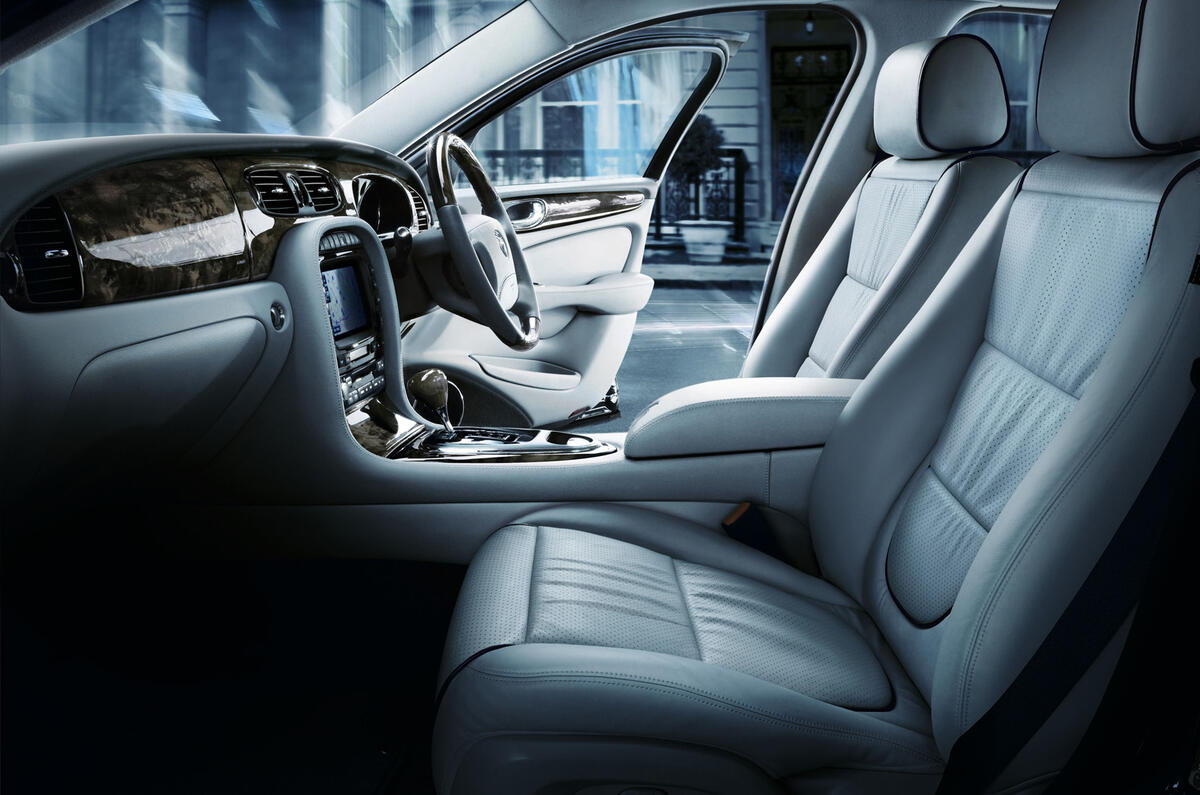
Inside, the Mercedes-Benz S-Class rival mixed the modern with the traditional. A retro flavour was apparent from the extensive use of wood grain trim, including on the steering wheel for some models, and leather upholstery. More up-to-date touches included dual-zone climate control, automatic headlights and wipers, keyless entry and an eight-speaker sound system. Among the options were more powerful xenon headlights, adaptive cruise control, a heated steering wheel and multimedia screens sited in the back of the front-seat head restraints so rear passengers could watch DVDs.
There was a choice of diesel or petrol, too. A 237bhp 3.0-litre V6 petrol engine marked the starting point of the range. Two V8 petrol options, both naturally aspirated, were also offered – a 261bhp 3.5-litre version and a punchier 296bhp 4.2-litre. Then there was an XJR model that used a supercharged version of the 4.2-litre V8 to extract 395bhp and cover 0-62mph in 5.3sec. A twin-turbo 2.7-litre V6 diesel was added to the range in 2005, the first time a diesel had been offered in an XJ. The diesel proved popular in the UK, as today’s classifieds attest.
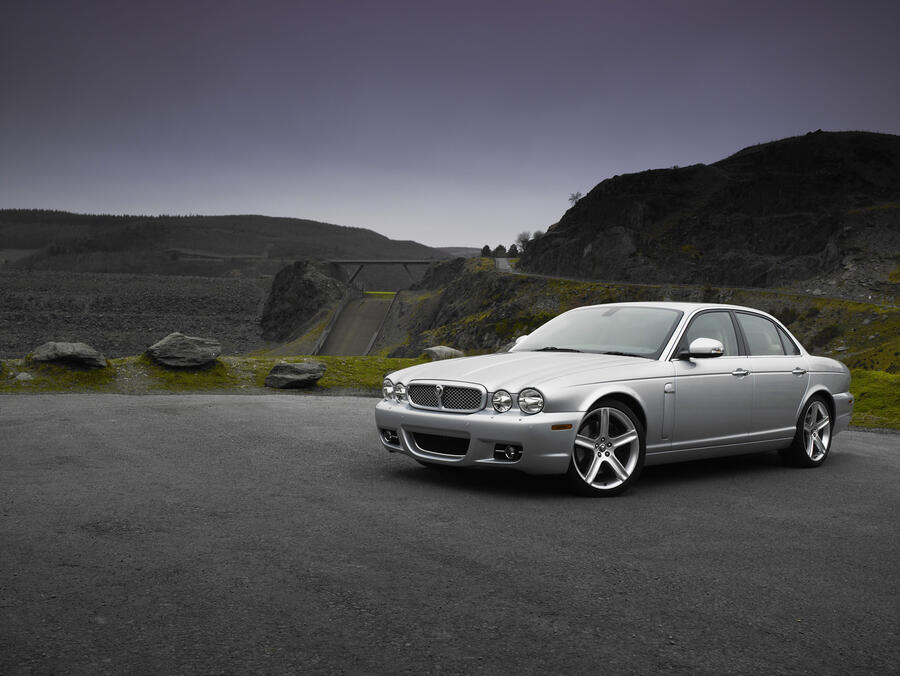
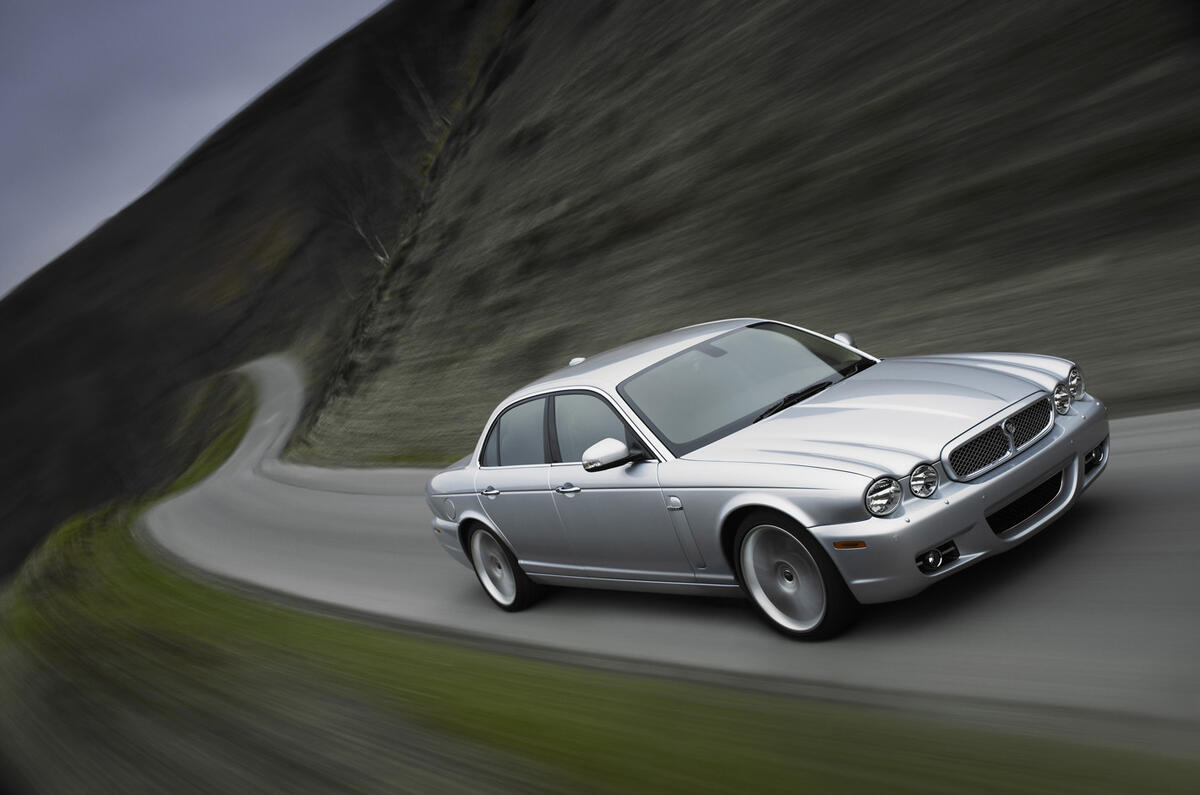
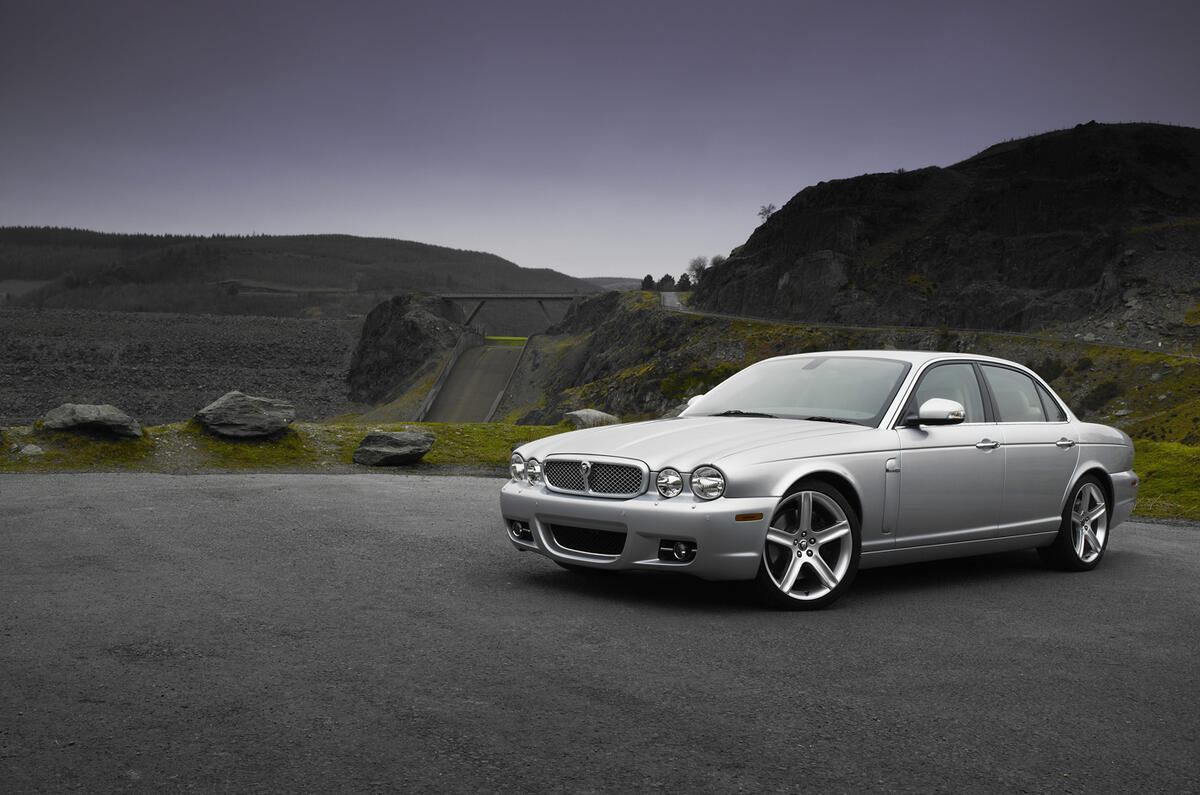
A facelift for the 2008 model ushered in an updated grille that received a mixed response from the public, along with new bumpers, mirrors and rear lights. The Jaguar badge was embedded in the grille, rather than appearing as a bonnet-mounted ornament. The front seats were also redesigned and the front wings featured faux side vents.
Today, facelifted models command a premium (despite the public reaction). Either way, there’s never been a better time to buy an X350. Depreciation has long since slowed and cars can range anywhere from £2000 up to £19,000 for the finest, low-mileage examples – a decent saving compared with launch prices of £39,000 for the basic V6, rising to £68,500 for a supercharged V8.