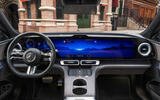

Mercedes-Benz will stick with large touchscreens in future vehicles as a way of showcasing their digital craftsmanship, according to the firm’s sales boss – but the company has listened to customers and will now always offer physical controls for key functions.
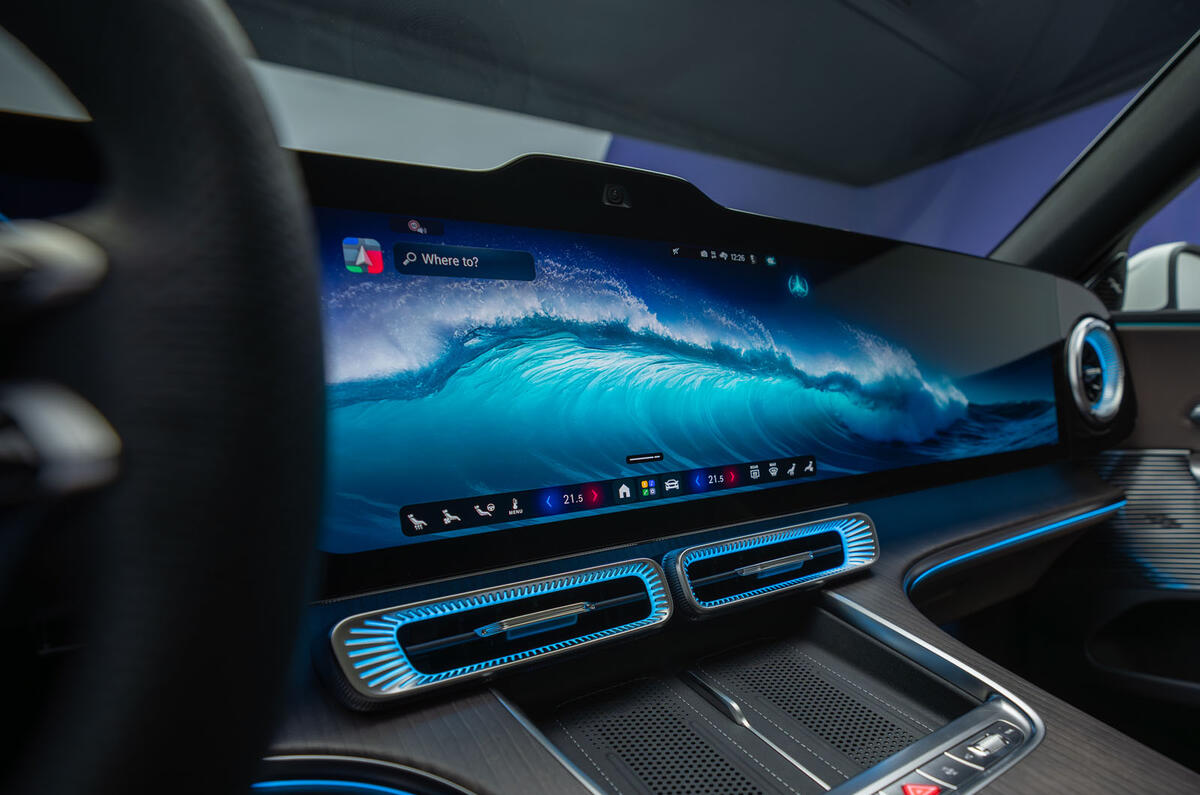
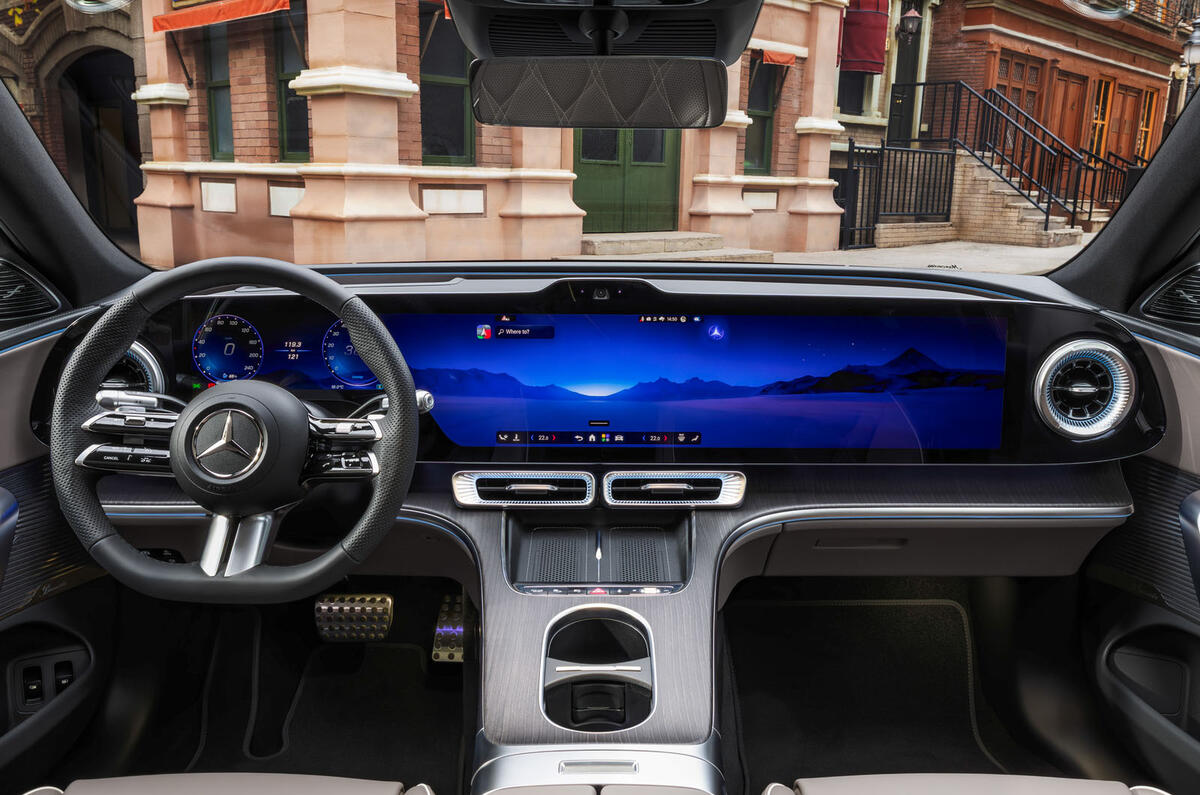
While rivals including Volkswagen and Audi have started to reduce the size of screens in their cars and reintroduce a larger number of buttons in the wake of customer resistance to touch control, new Mercedes models such as the GLC and C-Class continue to feature a vast 'Hyperscreen' that spans the length of the dashboard.
Sales boss Mathias Geisen said Mercedes' commitment to large screens is in keeping with the brand’s premium position: “We have the highest-craft machine in the interior, in look and feel and materials, but we make sure that this overall experience seamlessly blends into what you do on the digital side.
“I always refer to my phone: for the last 20 years it basically looks the same but the magic happens behind the screen, and this is why we a big believer in those screens.
"With the wallpapers offered in the new C-Class infotainment, you can really create your own atmosphere. We have to make sure the sophistication we have when it comes to hardware craftsmanship is somehow carried over [to the digital side].”
Geisen said he understands why some firms are opting for more “functional” touchscreens but “if you want to connect to the customer, you’ve got to find a way to translate this digital experience from your phone to the customer".
He continued: "If you have a seamless screen of roughly a metre with ultra-high resolution and you put wallpapers on it, you put pictures of your kids on it, it means you can individualise the interior not only on the hardware side but also on the software side.”
Despite that, Geisen acknowledged that Mercedes has changed track on the use of physical controls, citing the return of physical ‘roller’ controls in place of haptic pads on steering wheels.
He said: “Customers told us two years ago, ‘guys, nice idea, but it just doesn't work for us’, so we changed that and made it more analogue.”
That approach will continue in the future, said Geisen, and Mercedes will “blend” the use of screens and physical controls.
“I'm a big believer in screens, because I really believe if you want to connect, you have to make the magic work behind the screen," he explained. "But in our future products, you will see more hard keys for specific functions that customers want to have direct access for with hard keys.
“When we do car research clinics, customers are very clear: ‘We love the big screens but we want to have [hard controls for] specific functionalities.’”