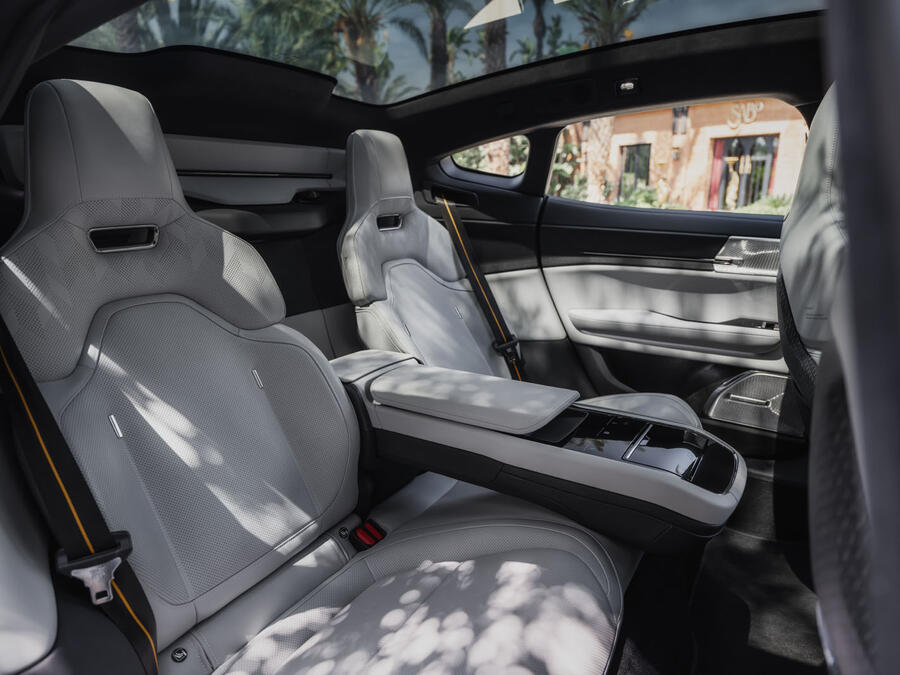

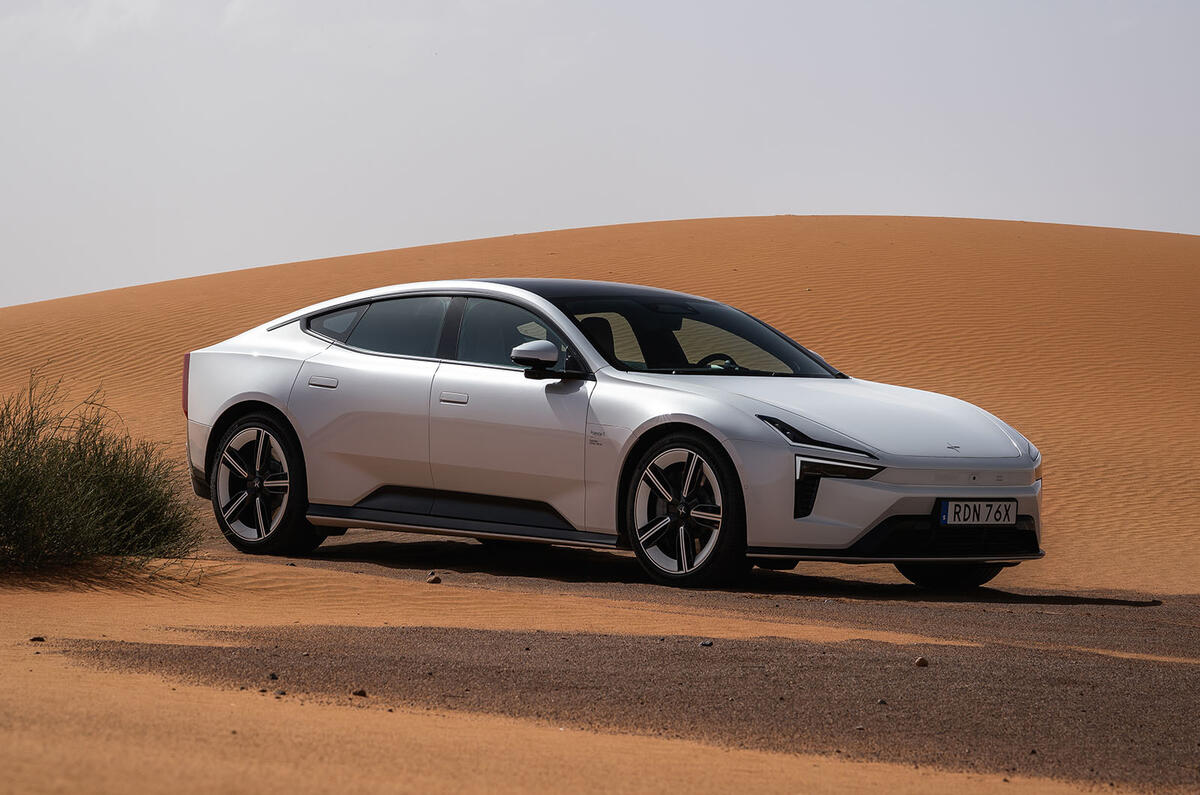


























In these homogenised times not many cars have the ability to stop you in your tracks, but leave it to Polestar – unabashedly design-led – to deliver one of the few.
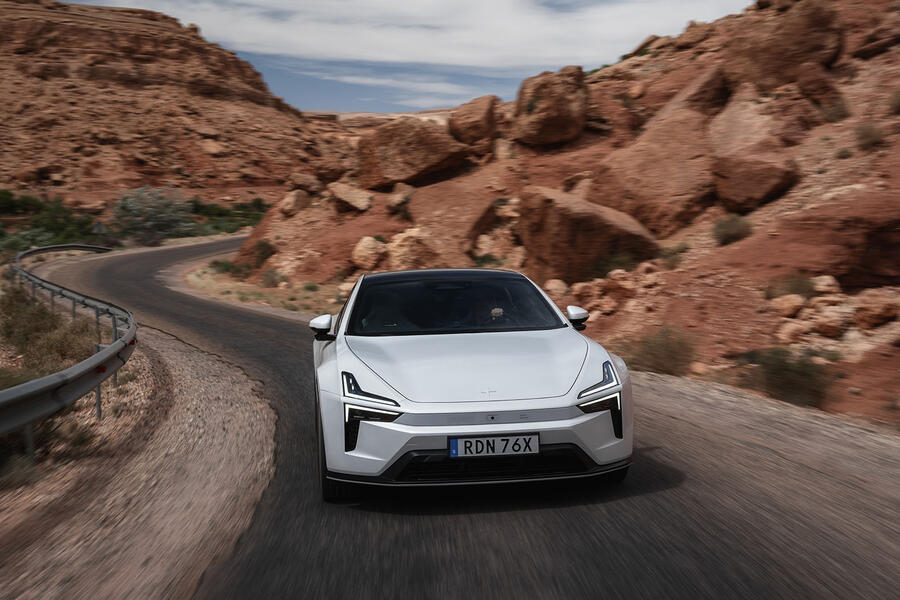
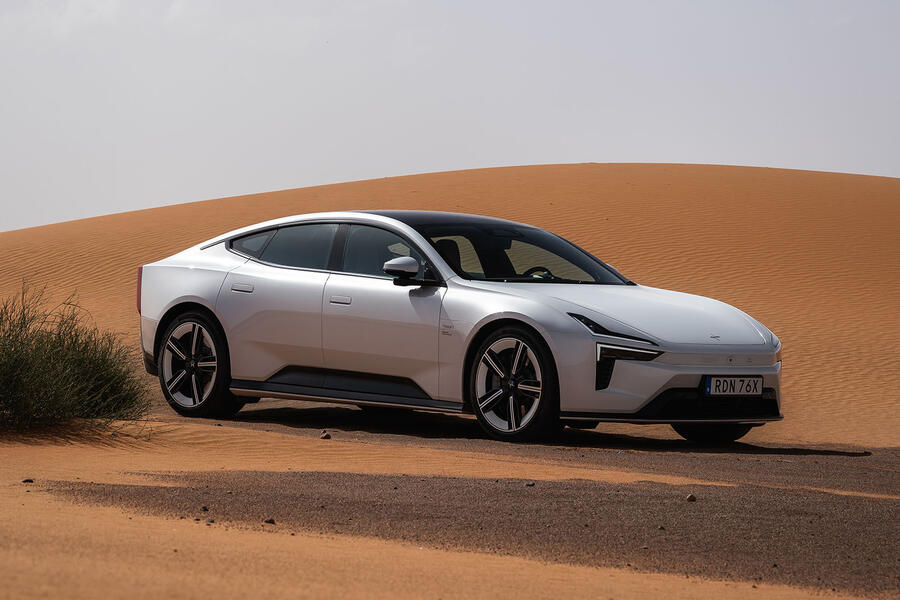
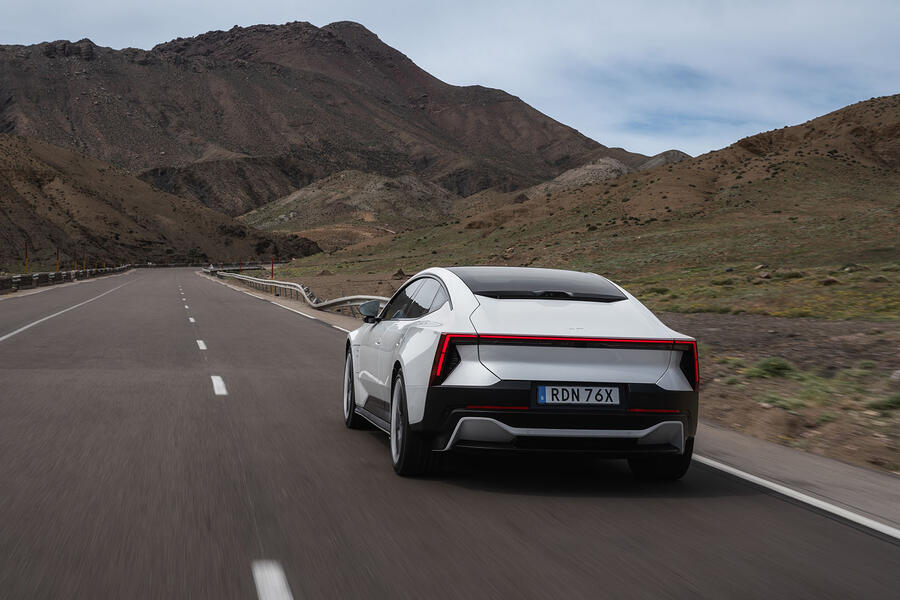
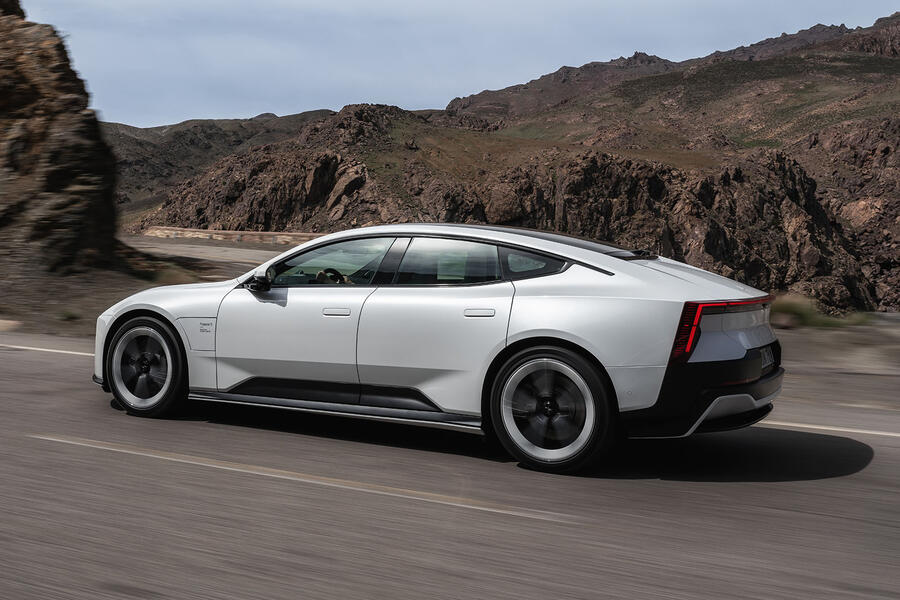
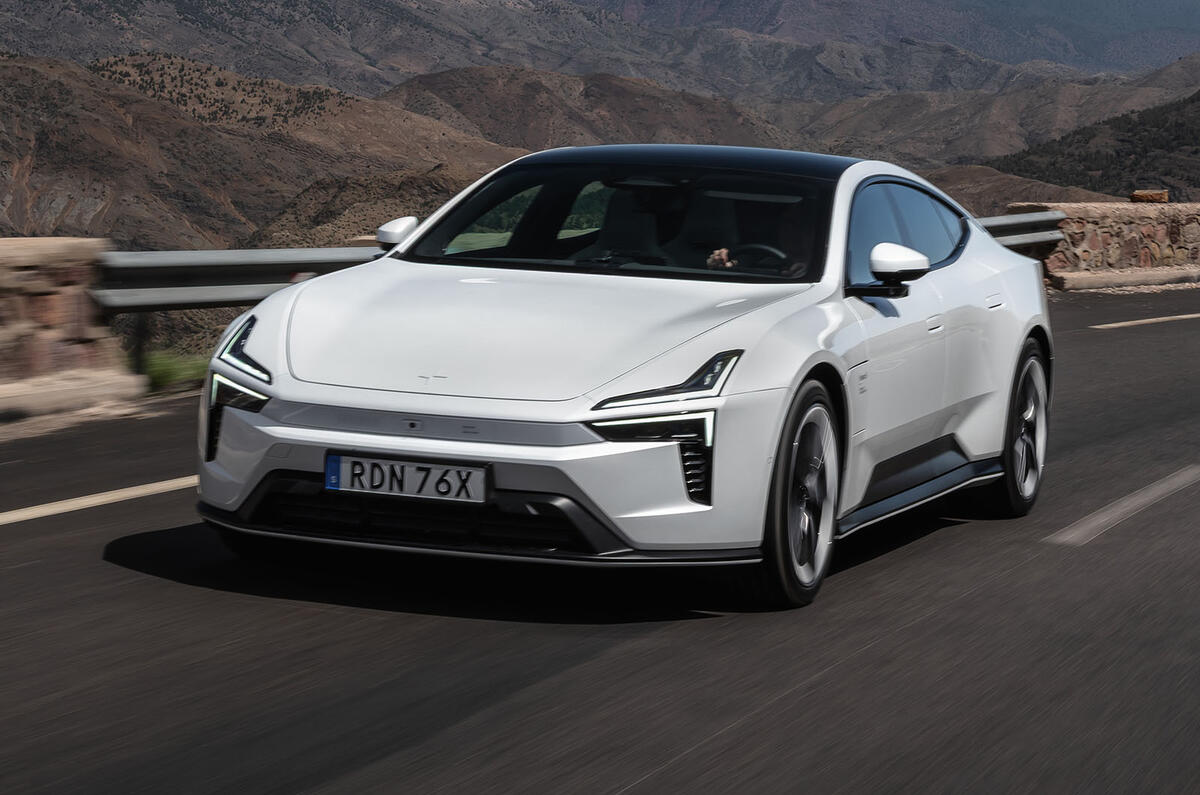
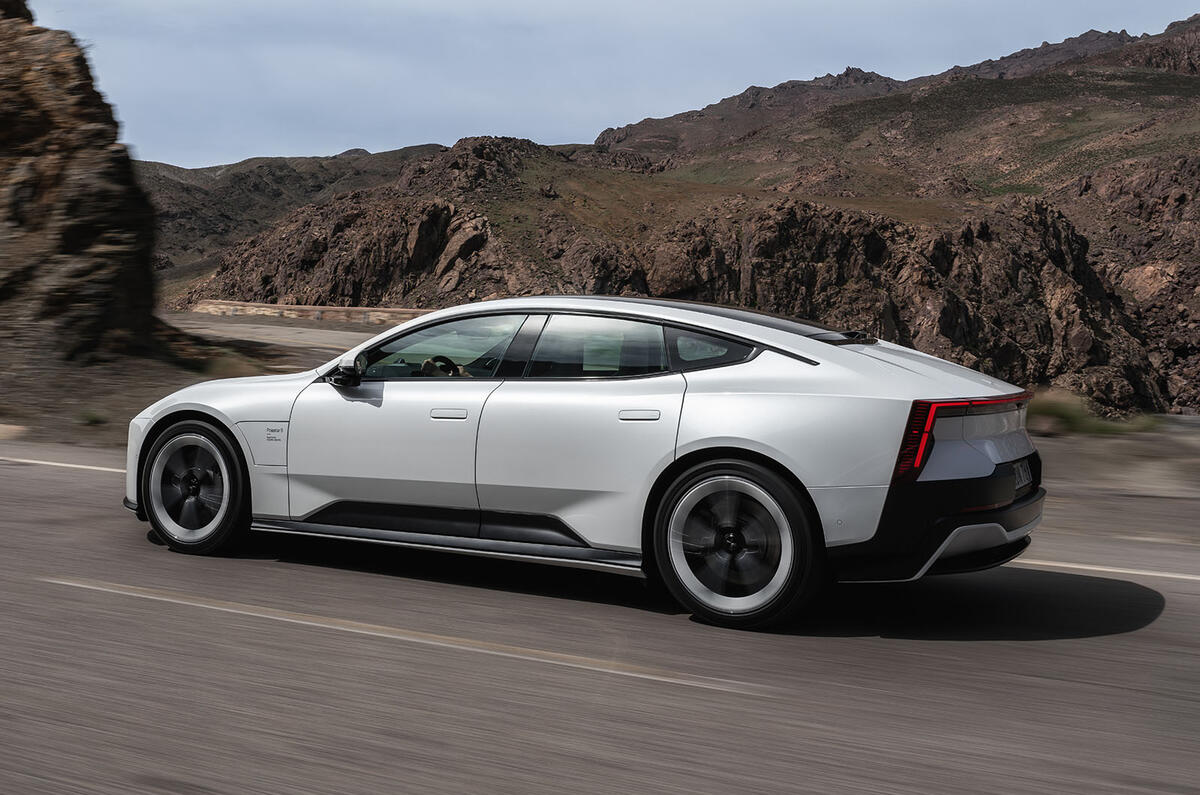
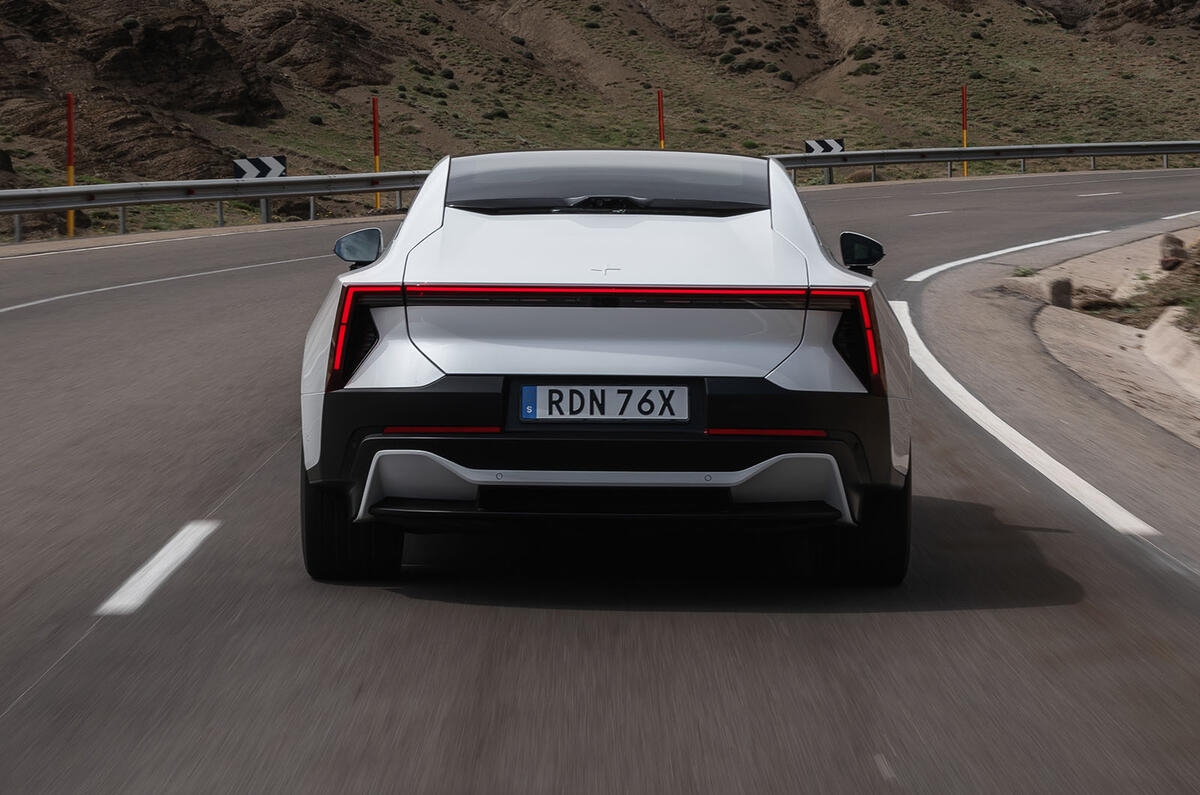
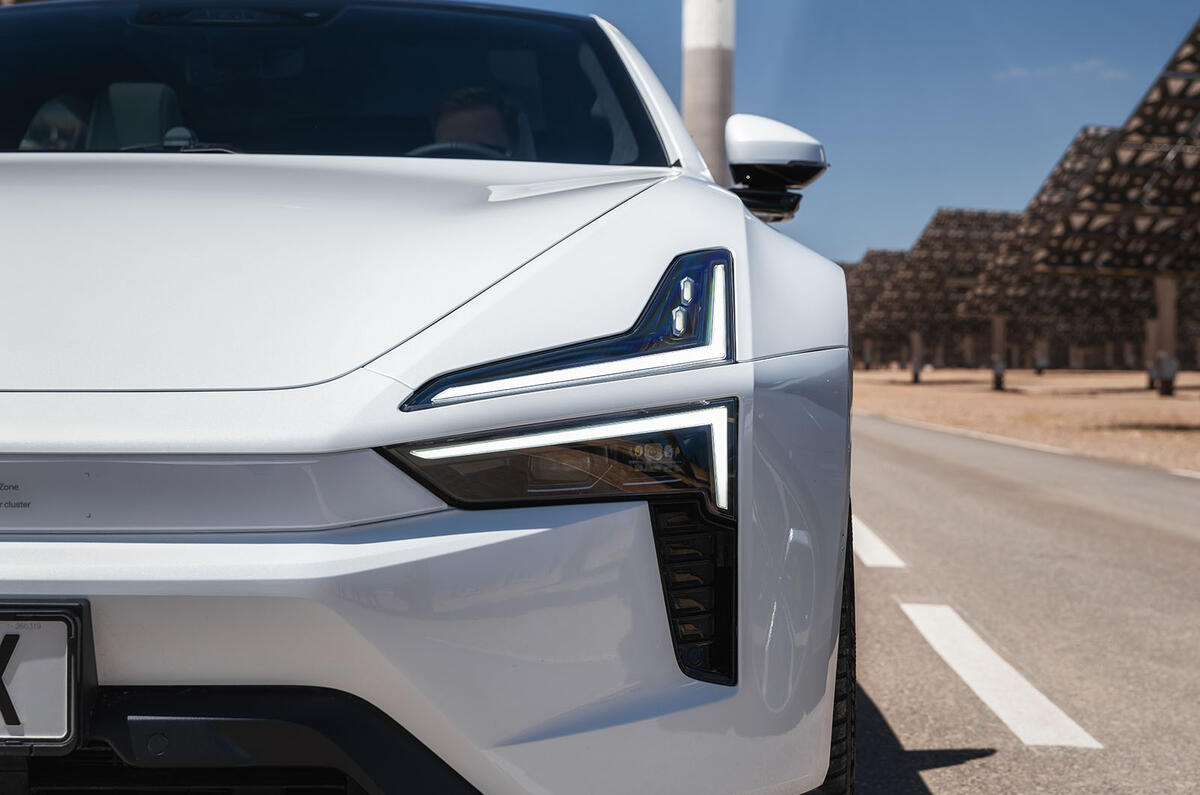
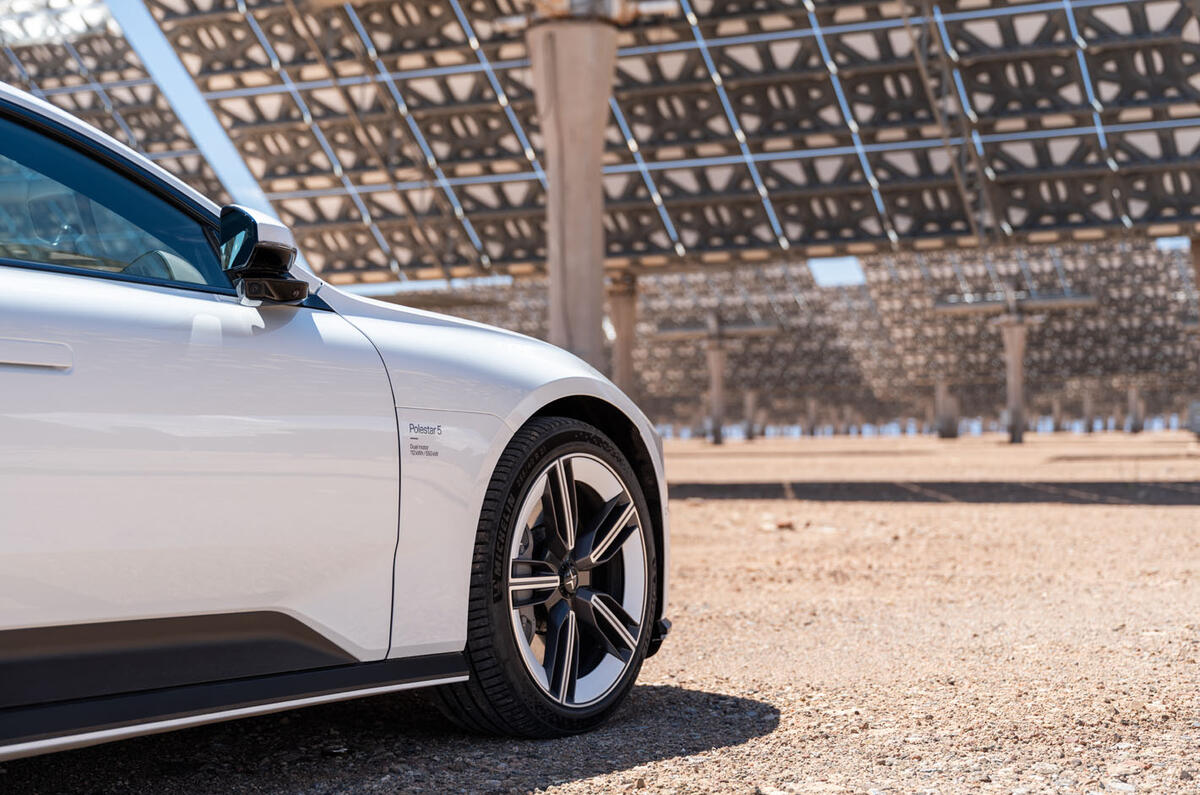
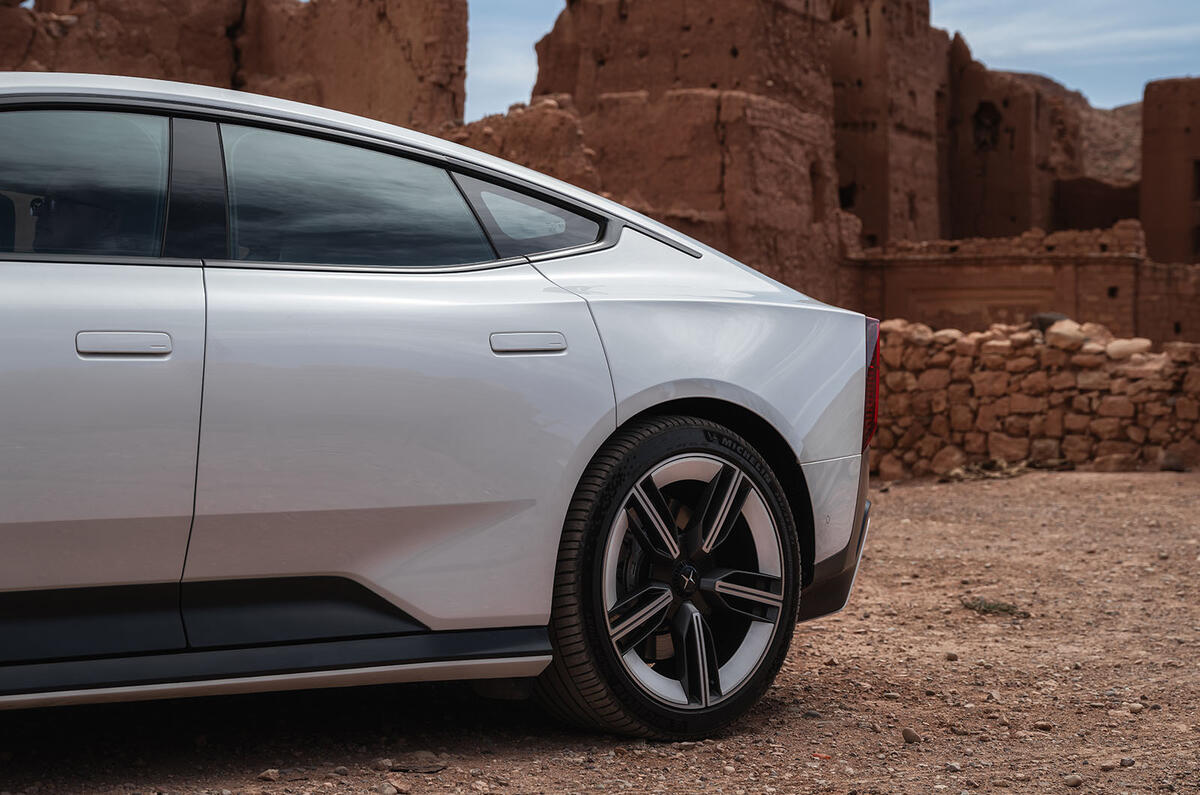
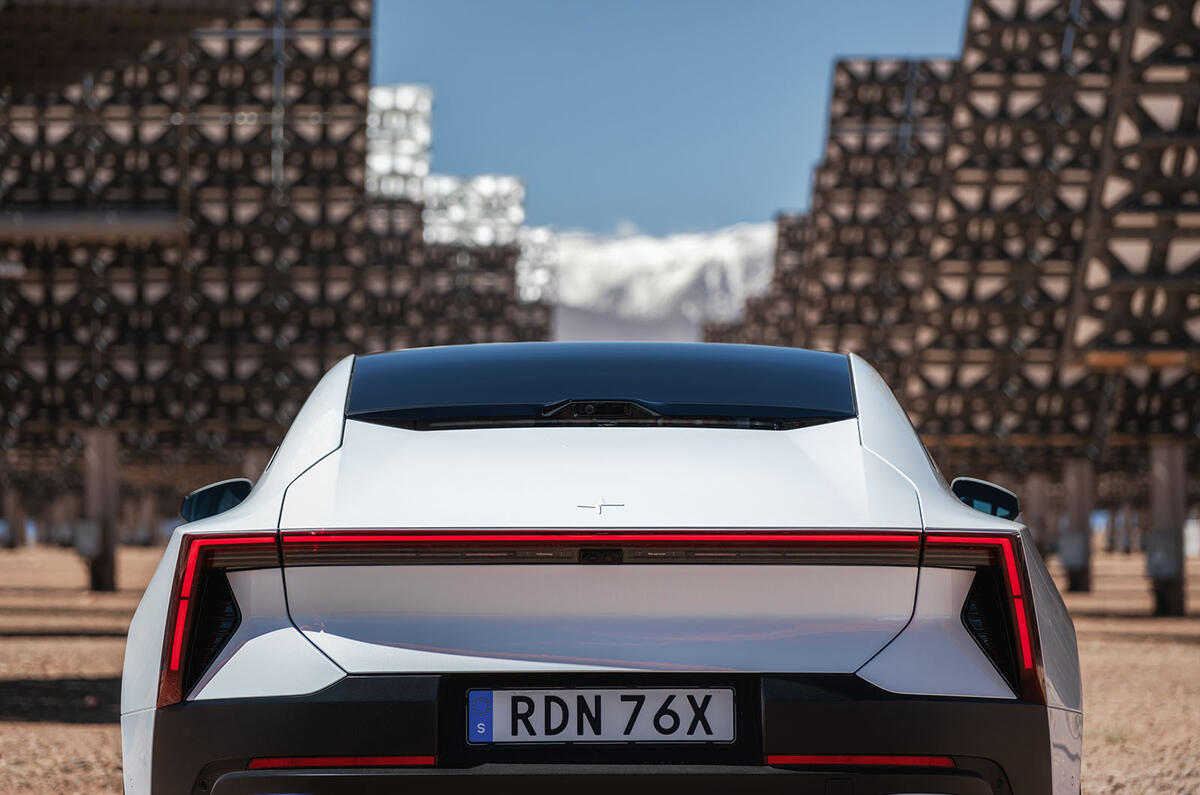
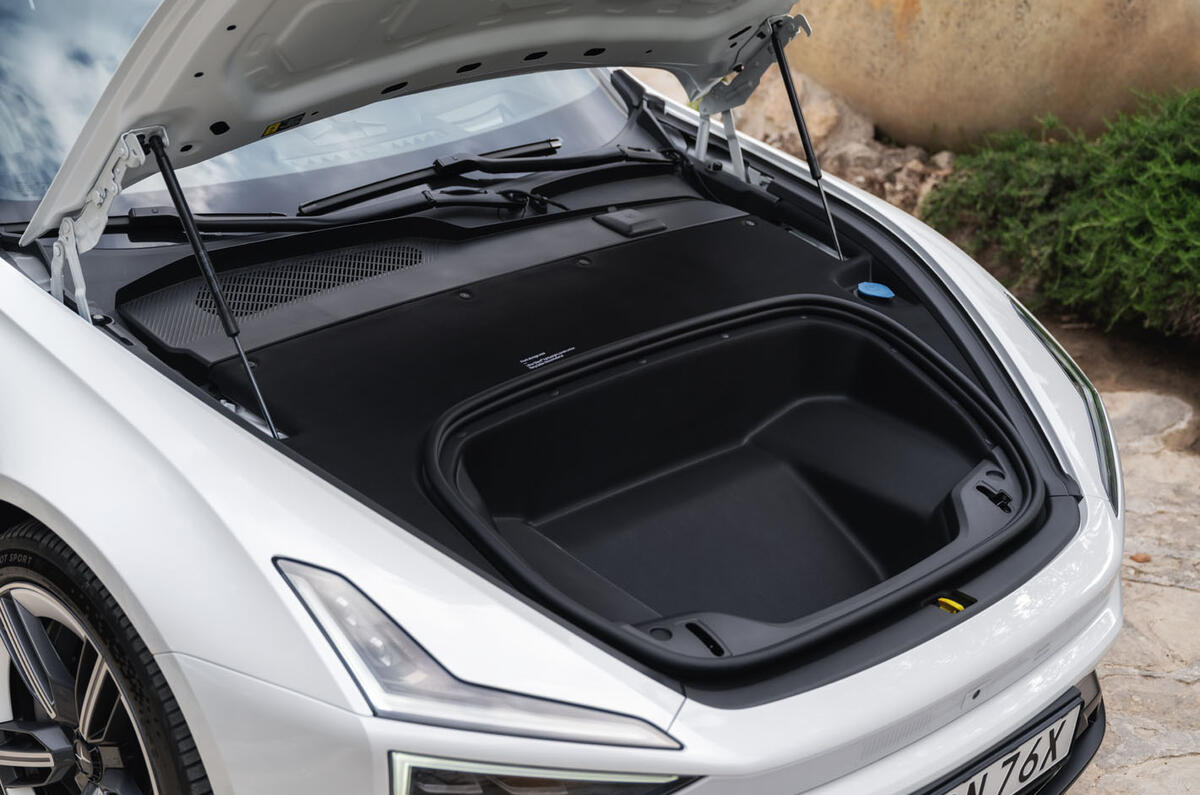
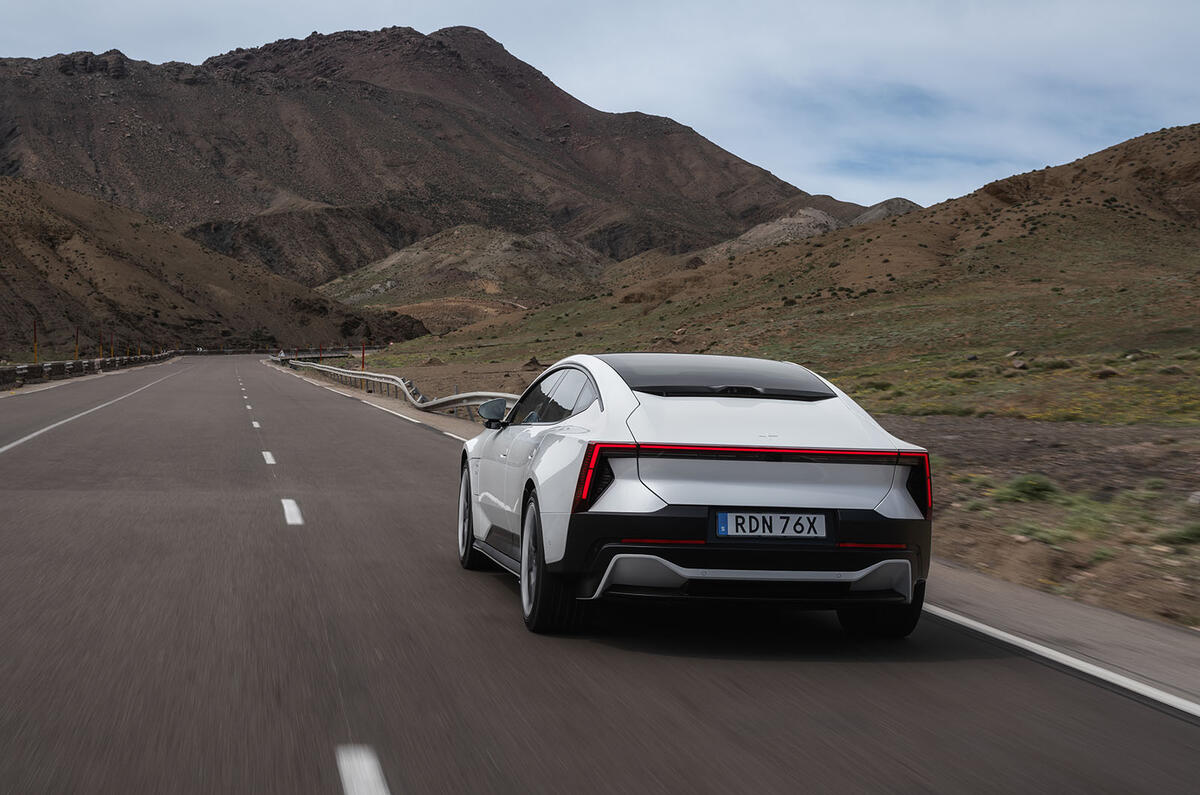
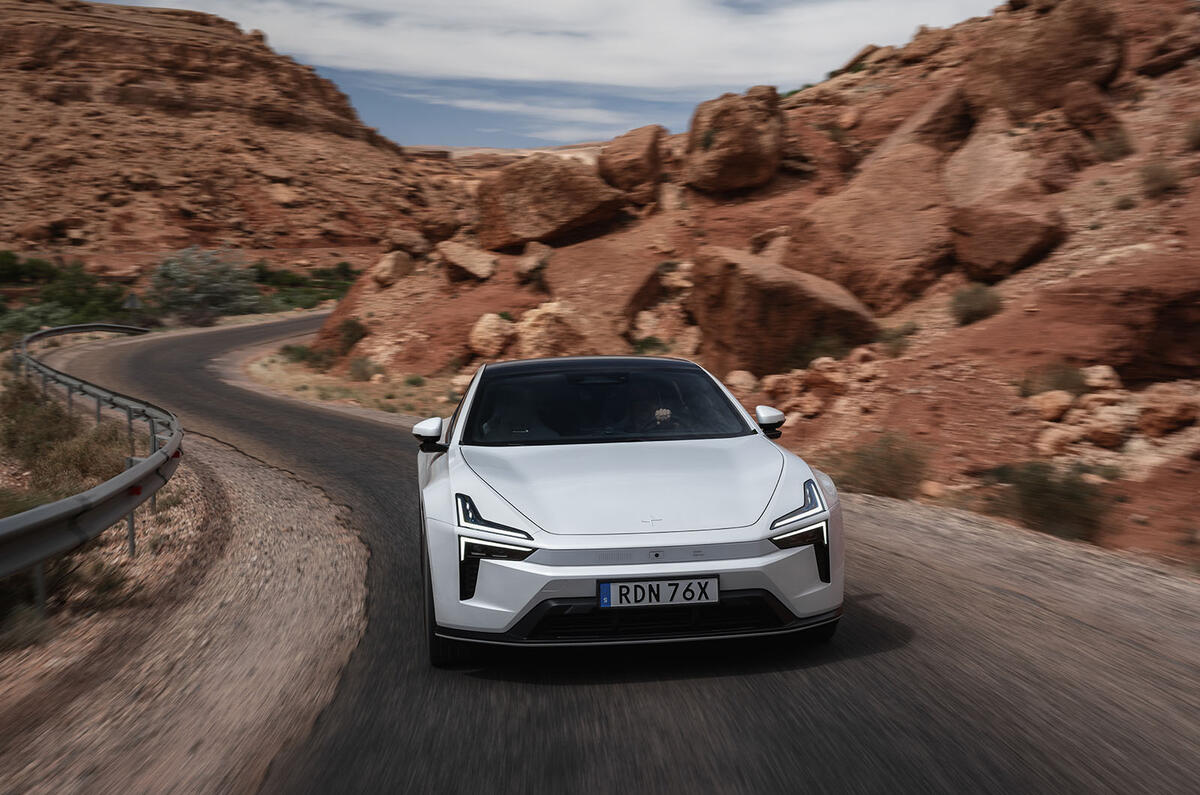
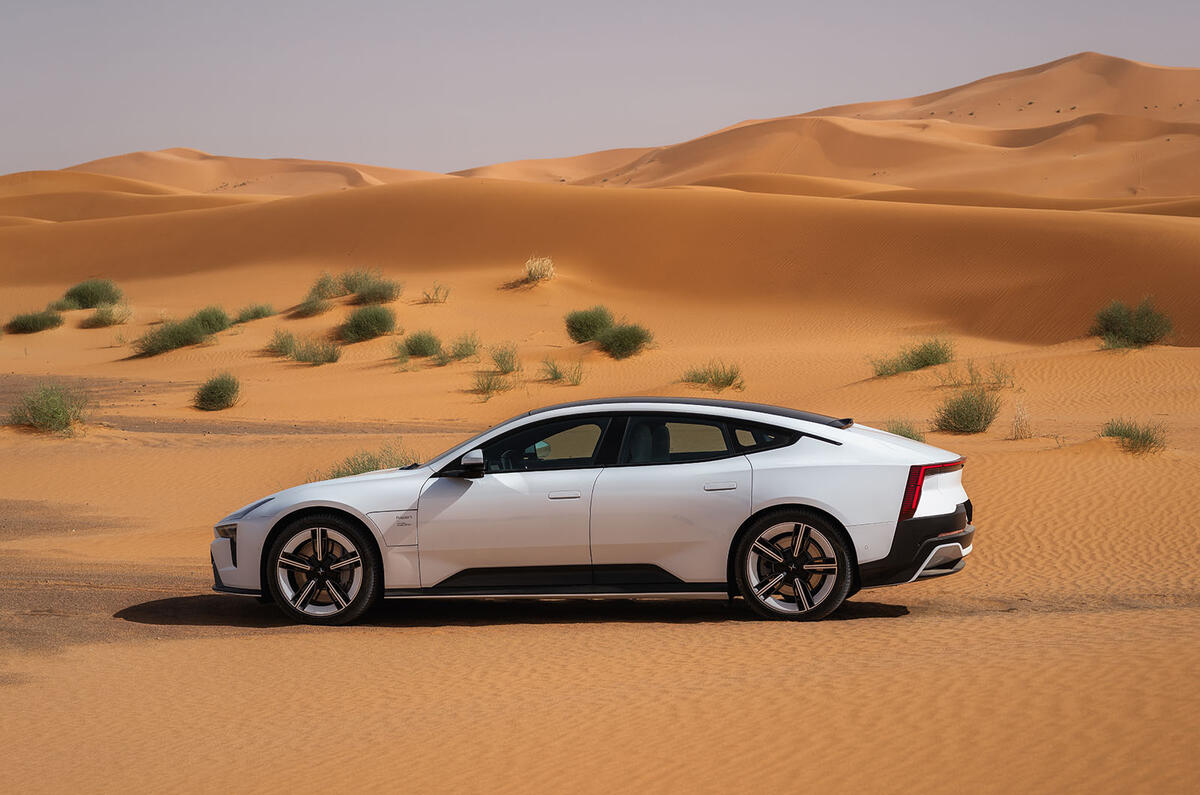
Happening upon a finished Polestar 5 for the first time, the car basking in soft morning light outside a hotel on the outskirts of Marrakesh, is enough to momentarily halt the chitter-chatter. The car's snout, so low and wickedly tapered, has you wondering how it passed pedestrian impact regulations, quite apart from leaving room for the suspension top mounts. It has a menace that arouses some deep, primordial uneasiness, but the effect is spectacular and pure Polestar. An endless wheelbase then separates alloys snug in their arches before the spearish silhouette ends in a Kamm tail that has a whiff of the sci-fi Volkswagen XL1 – an effect enhanced if you opt for the Magnesium matt paint.
The 5 is a striking car – as it would be, having faithfully taken the lead of the show-stopping Precept concept of 2020. But pulling on the aesthetic thread unravels an even more interesting story. How is it that the proportions – beneath which lurks an output of 737bhp, rising to a ludicrous 871bhp in the top-ranking version – are so harmonious, and so unlike anything else in Polestar’s stable?
In the era of cost constraints and engineering rationalisation, the surprising answer is that the 5 has its own platform – one made with bonded sections of extruded aluminium in the Lotus spirit. It’s a curiously artisanal turn for a mainstream manufacturer, especially given that the Polestar Performance Architecture has limited potential to spawn other creations beyond the upcoming 6 roadster. Candidly, the 5 and its ultra-stiff underpinnings are unlikely to generate much profit. Yet it was important for its maker that this car be precisely as imagined, because it will serve as Polestar’s flagship. It’s the manifestation of the brand’s deepest values: electric performance in an elegant, reductive GT package.

It gets more interesting when you learn that, while production will be split between Polestar parent company Geely’s Chongqing and Wuhan plants in China, the development was undertaken largely at Horiba MIRA near Nuneaton by a 500-strong team of mostly British engineers.
The harsh reality is that many of those engineers, plenty of whom have decorated careers with stints at Lotus and McLaren, are now out of a job. Polestar quickly disbanded the facility at the end of the 5’s five-year development cycle. There’s no plan for another such project – not when Polestar already has Geely’s CMA, SPA2 and SEA platforms to use (as it has done for the 2, 3 and 4 respectively). The company is if anything spoiled for choice, which makes its decision to construct the 5 on a bespoke sporting platform both highly laudable and a bit bewildering.