



With some exceptions (new Ford Bronco, anyone?), I do subscribe to the belief that parts of the car industry need to try to look forward, not always draw inspiration from the past.
But this only works if the future-thinking engineers, developers and product planners truly subscribe to the belief that things on their patch will get better, not worse. Generally, there’s lots to like about the very latest crop of electric vehicles (EVs): they're highly accelerative, clever, brilliant around town and easier to live with than ever. But I still reckon there’s one, very crucial thing stopping many car enthusiasts - including those inside the industry - from getting on board.
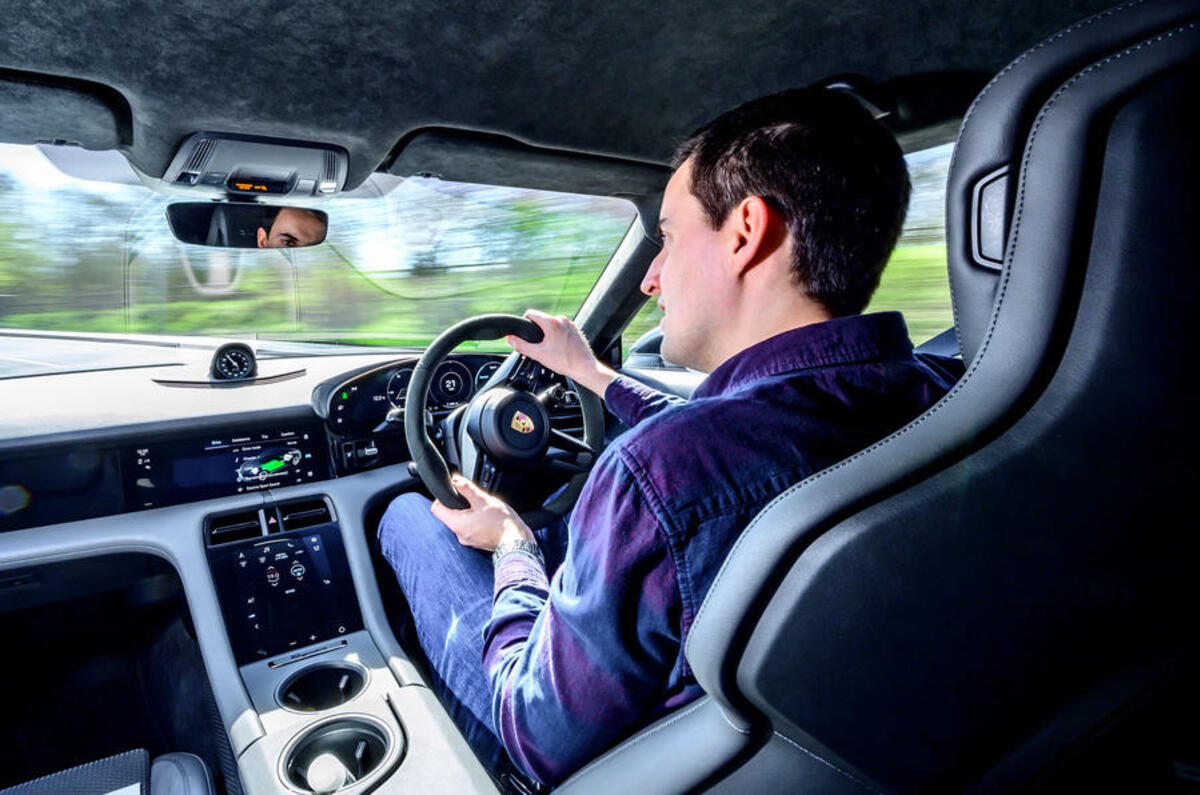
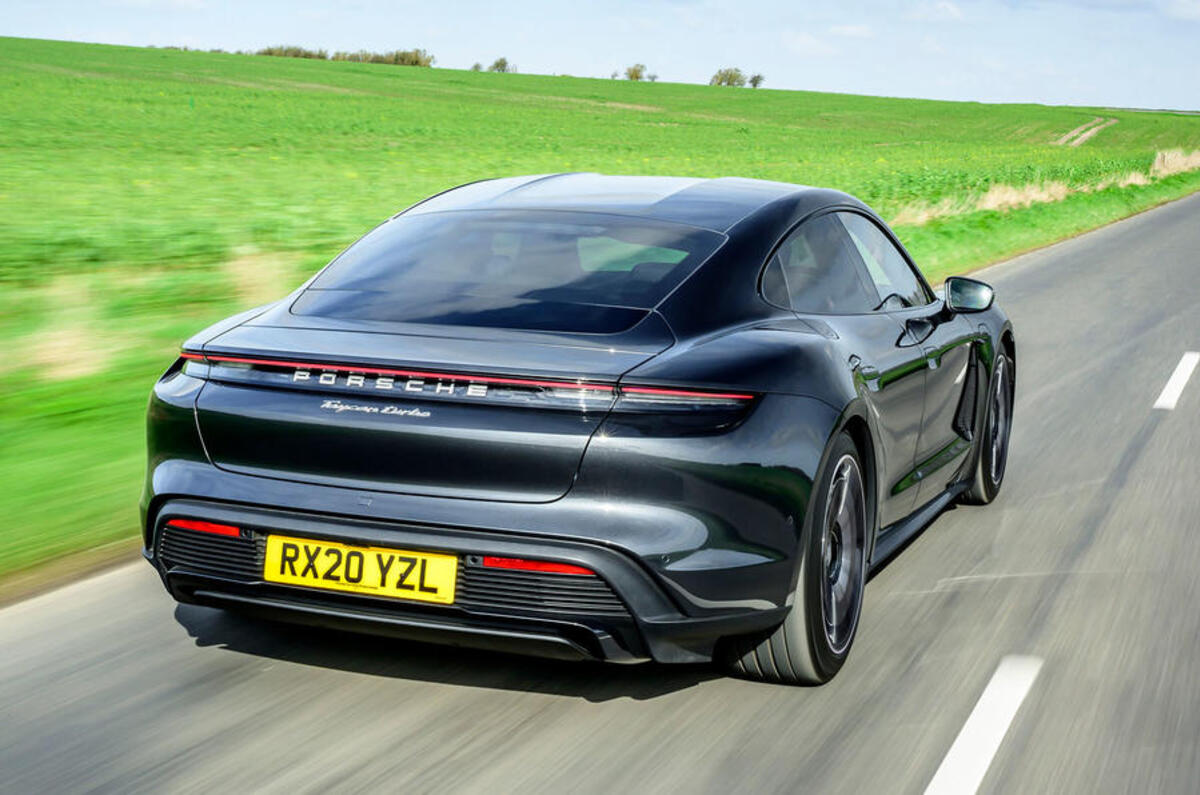
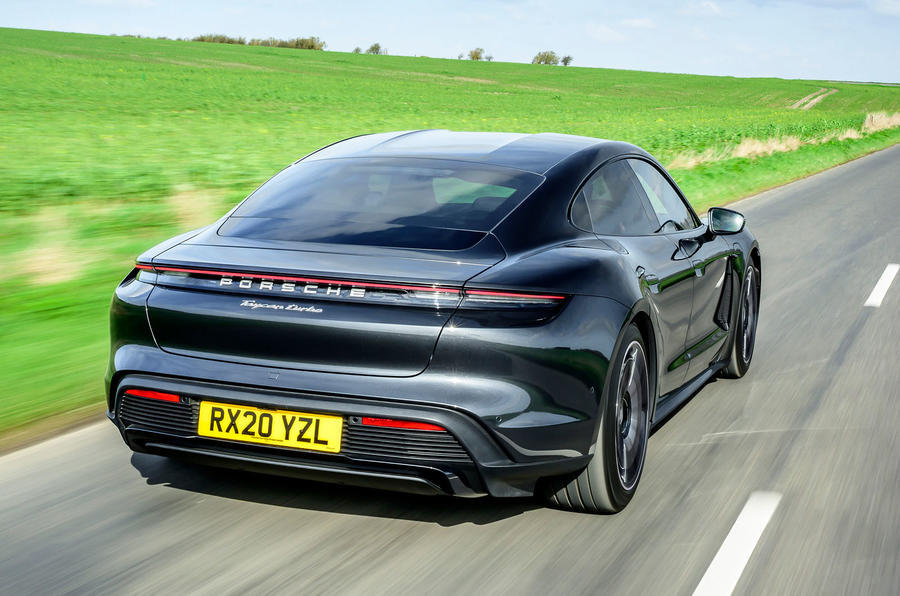
Take the Porsche Taycan. It has received generous armfuls of superlatives throughout the year so far, and deservedly so. I was lucky enough to drive one just before the lockdown was imposed in March, and on my favourite local road (I’m not telling you where; it’s already getting too busy).
Simply put, it’s the most fun I’ve had in an electric car, and by quite some margin. It’s an EV that can live with proper sports cars, not just in terms of acceleration but of handling, too. Yet my hairs weren’t standing proud on the back of my neck, like they were a few days prior on exactly the same road in my 14-year-old BMW 330i.
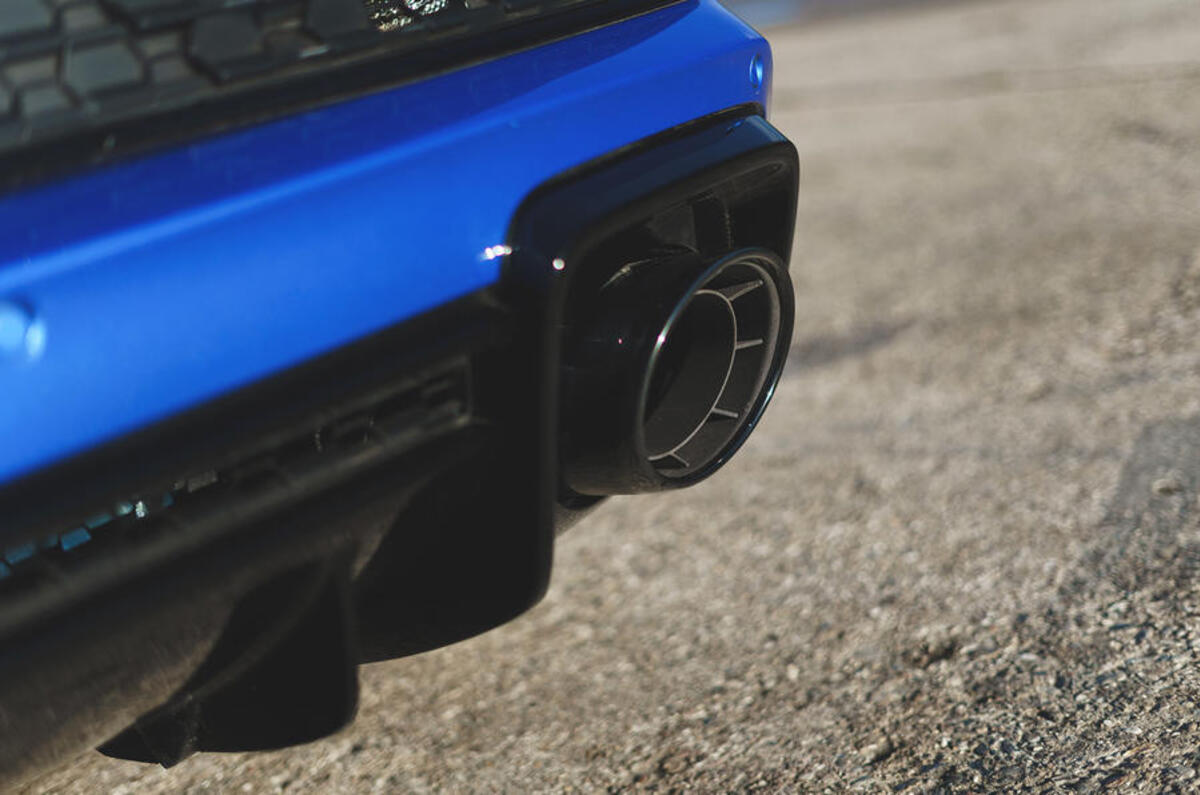
It’s obvious where I’m heading. A number of EVs have had a stab at artificially generated sound, but pretty much all emit a humming, sci-fi whoosh deemed suitably space-age for the new electric generation. The Taycan’s isn’t too offensive, but I’m finding myself increasingly convinced that more brands need to have a crack at offering realistic combustion engine notes in their EVs.
I guess many will consider that sacrilege: why pump in an engine note when it doesn’t have one? And, of course, many prefer the eery silence. But I reckon that if done properly, faithfully (and with the option to turn it off when you’ve had enough), it could revive an element of the familiar ICE driving experience that I consider vital to truly engage petrolheads.
Renault did this with the previous-generation Clio RS: you could choose to pump in the engine note of cars such as the Nissan GT-R or Renault 8 Gordini through the speakers. But it was, frankly, pretty naff. The sound was about as faithful to the original as an early-1990s arcade game, and it wasn’t very well synchronised with the revs.
Imagine what could be done in 2020, with properly financed input from the people who design the spookily accurate engine notes on recent Gran Turismo video games, for example. There’s opportunity for marketing departments to do what they always love – shamelessly shoehorn in their history to a largely unrelated modern-day product – but in a more welcome way for enthusiasts.