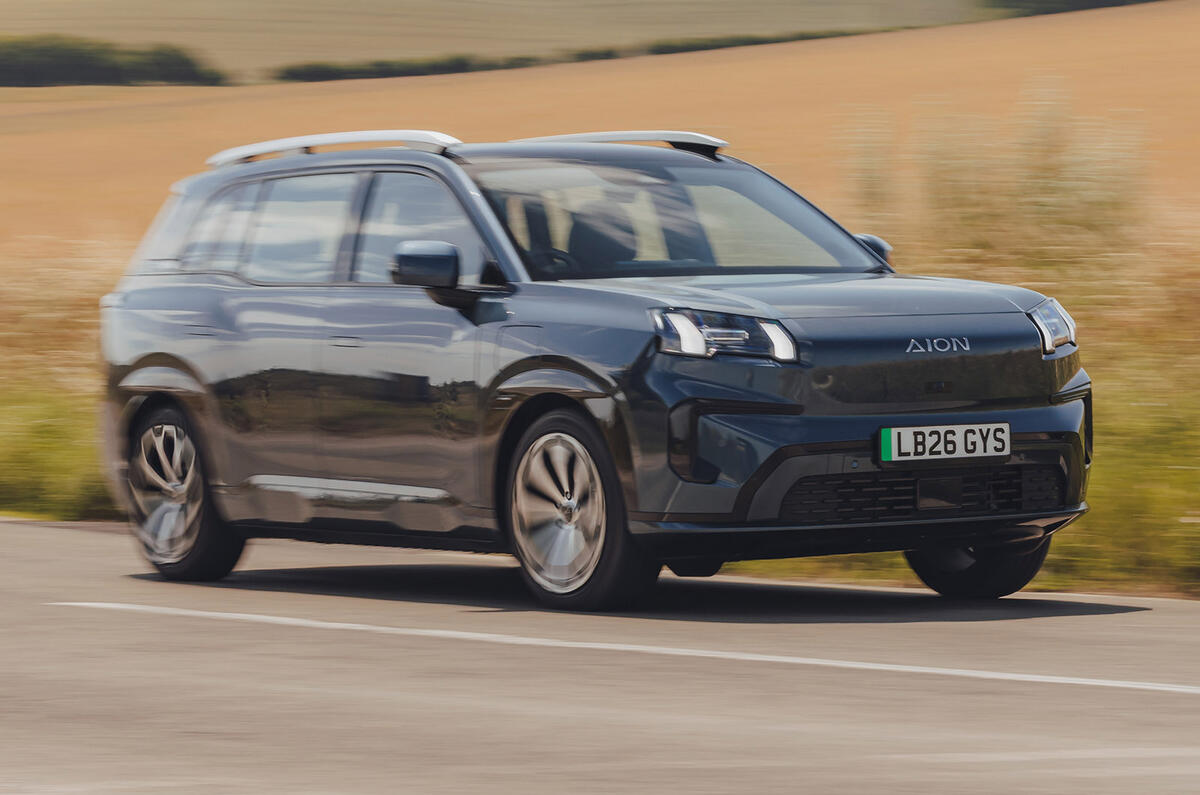
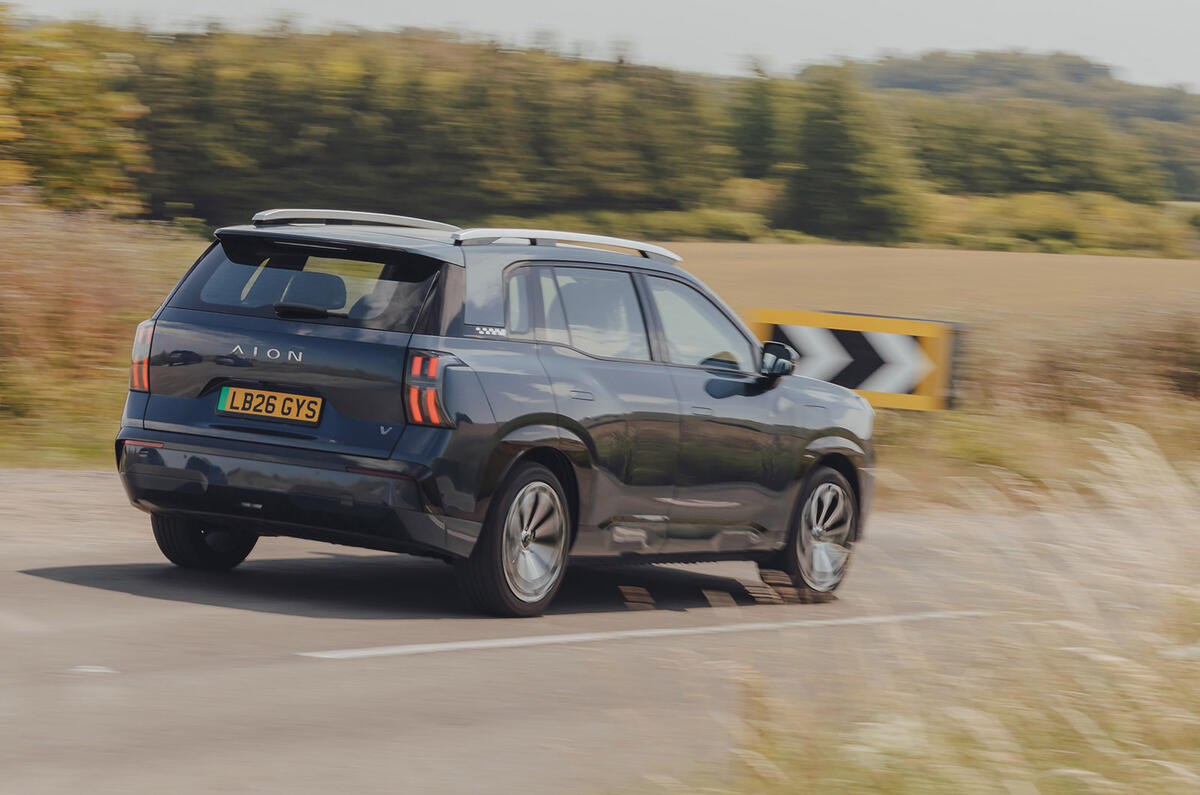
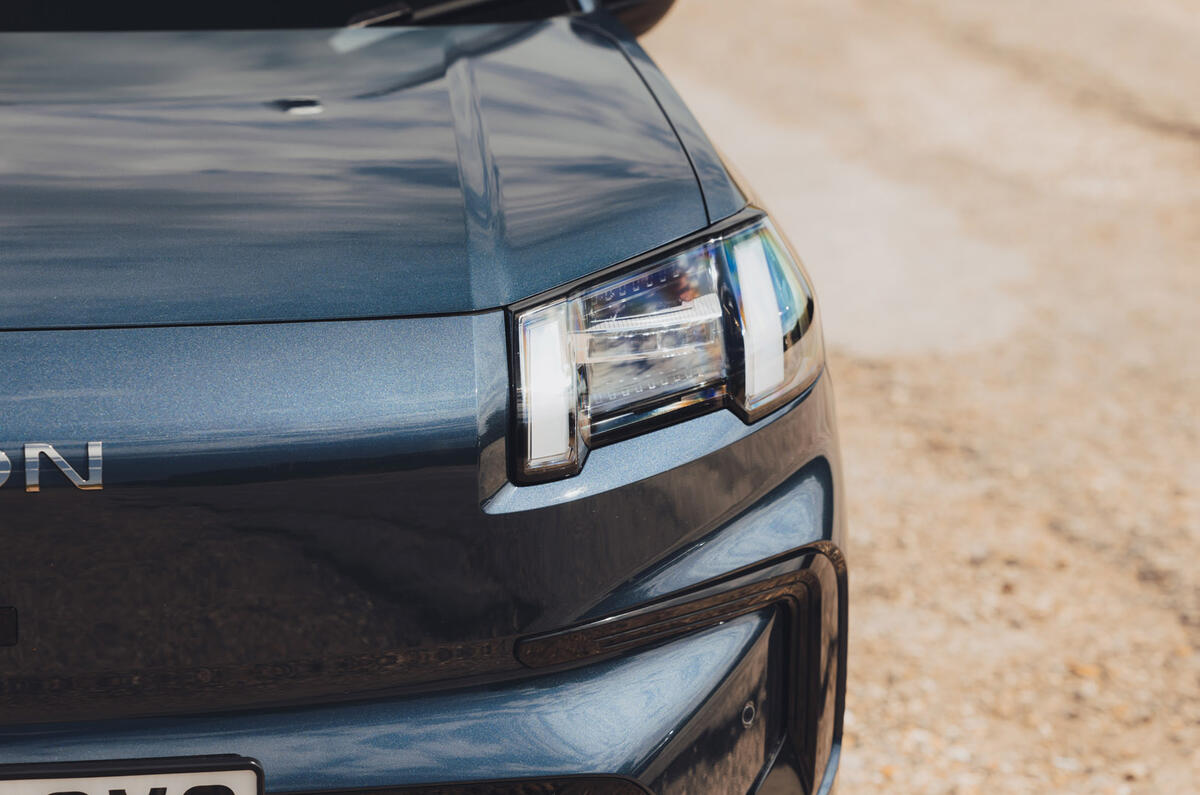
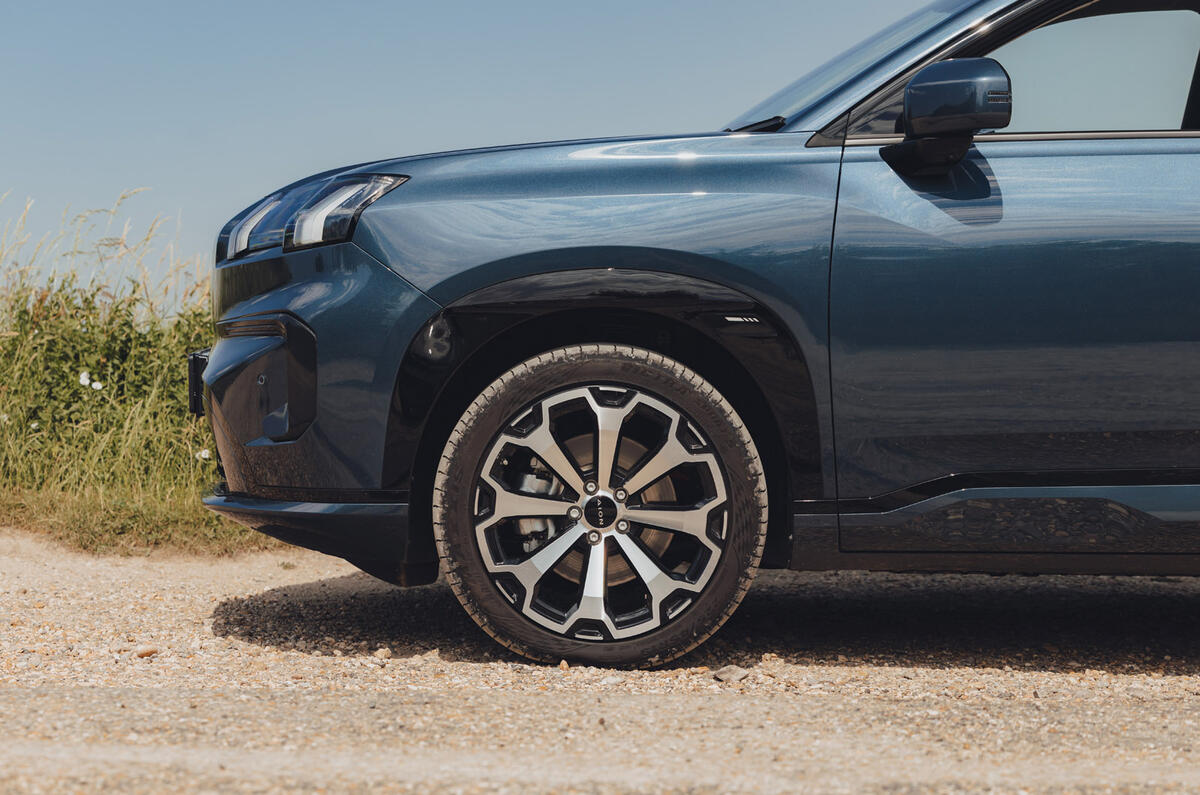
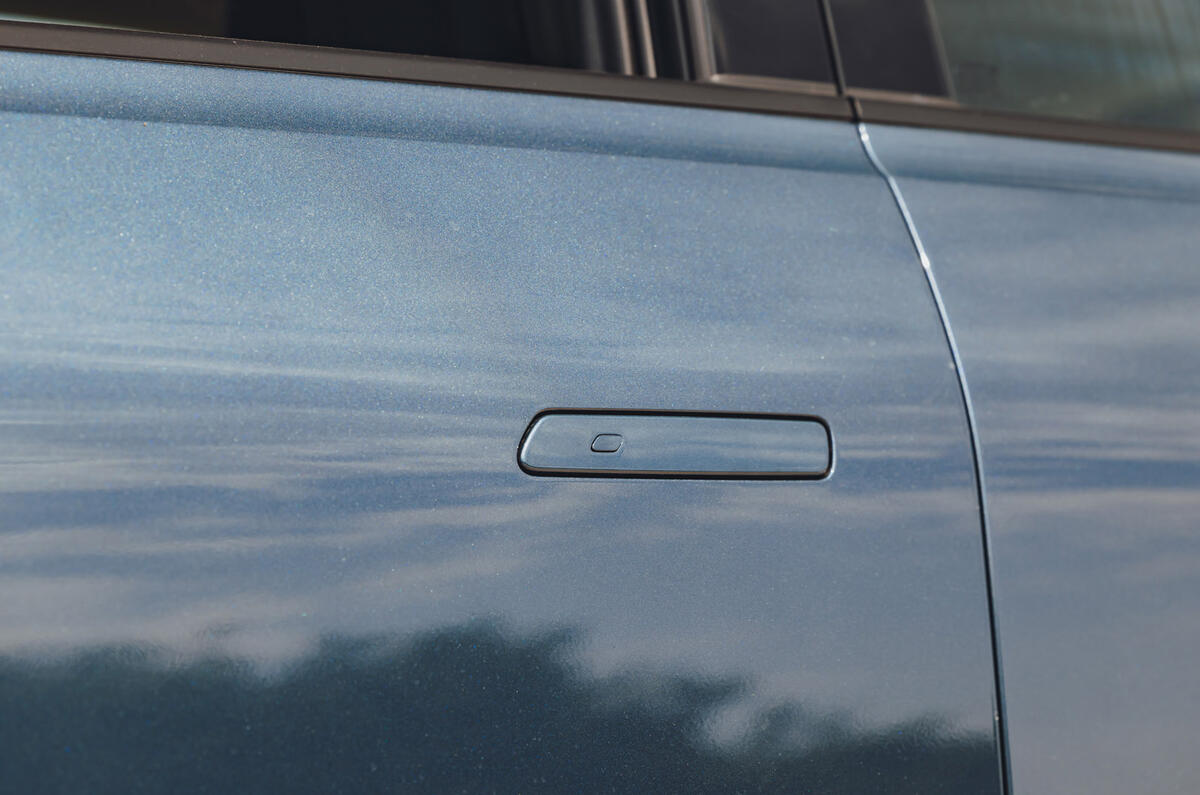
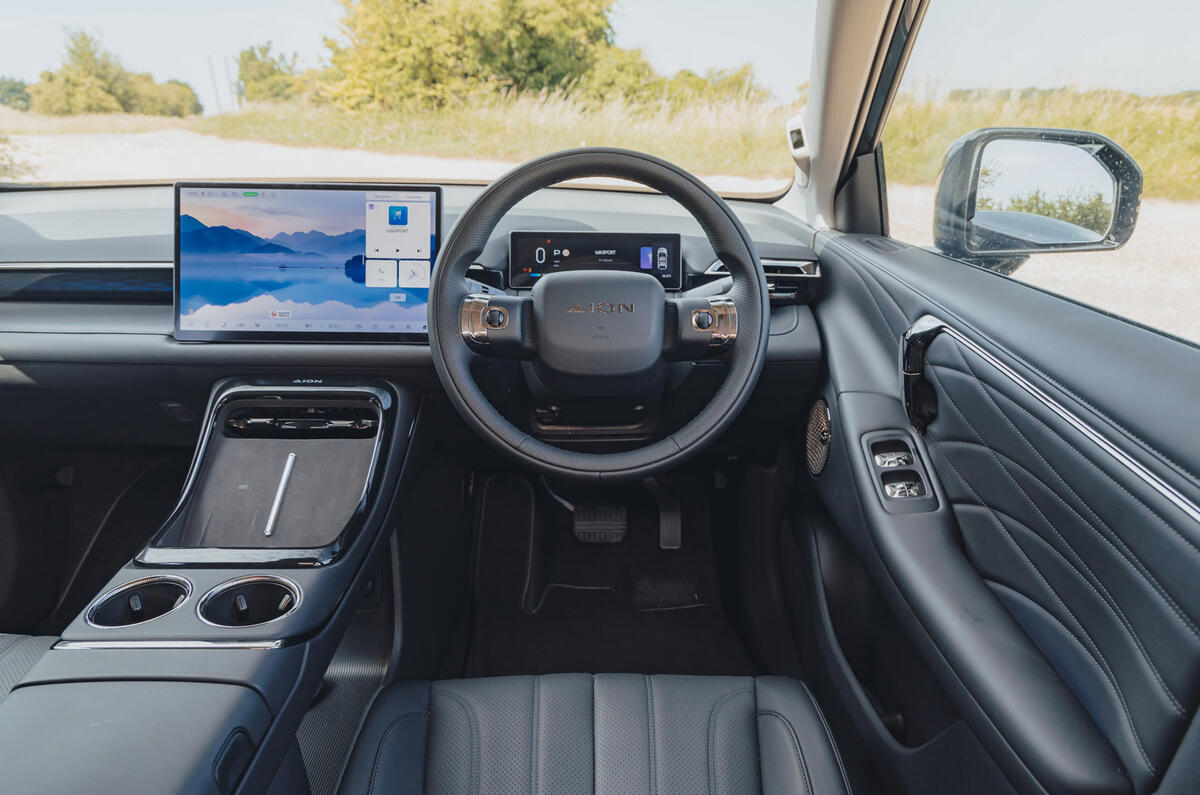
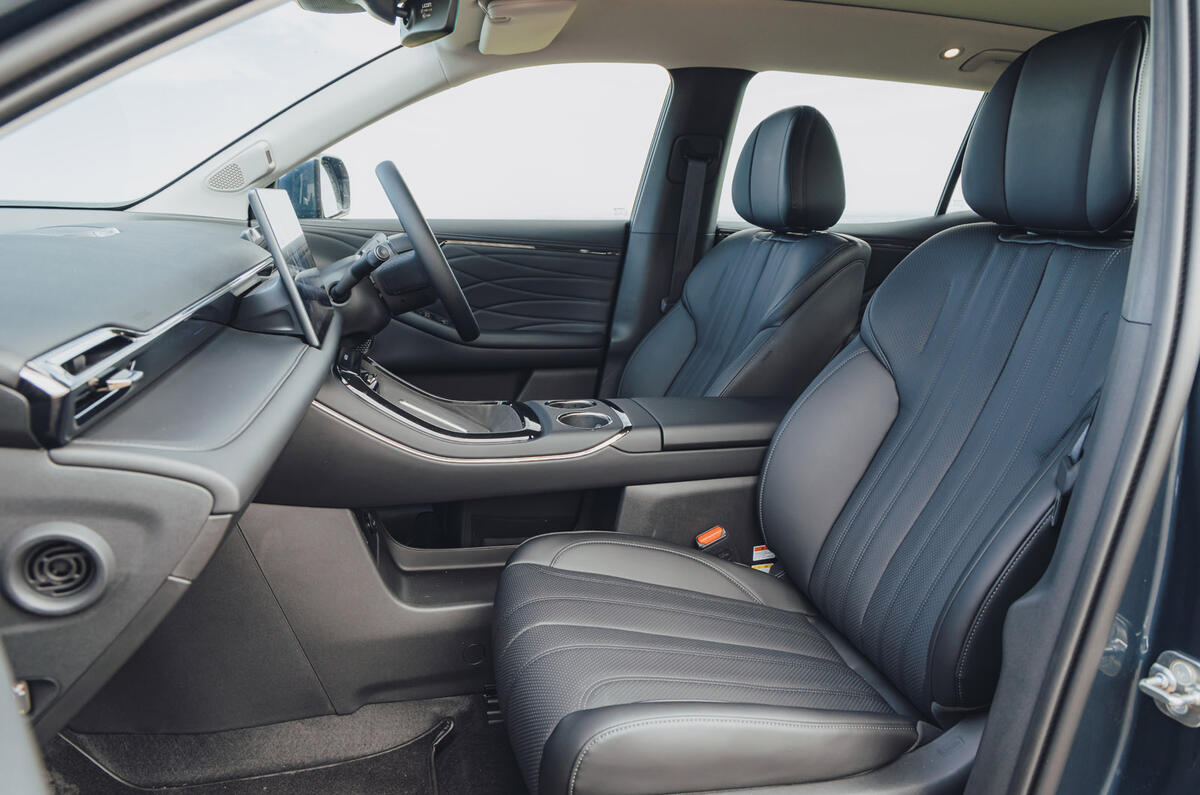
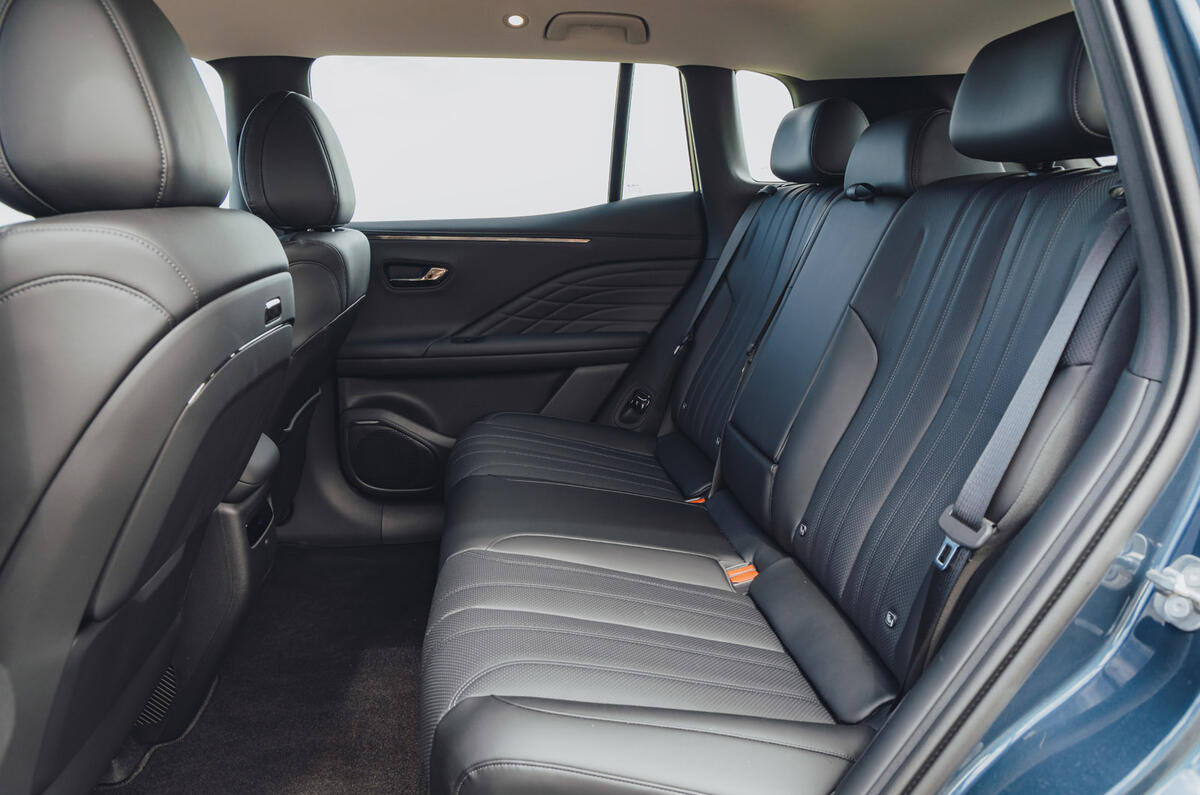
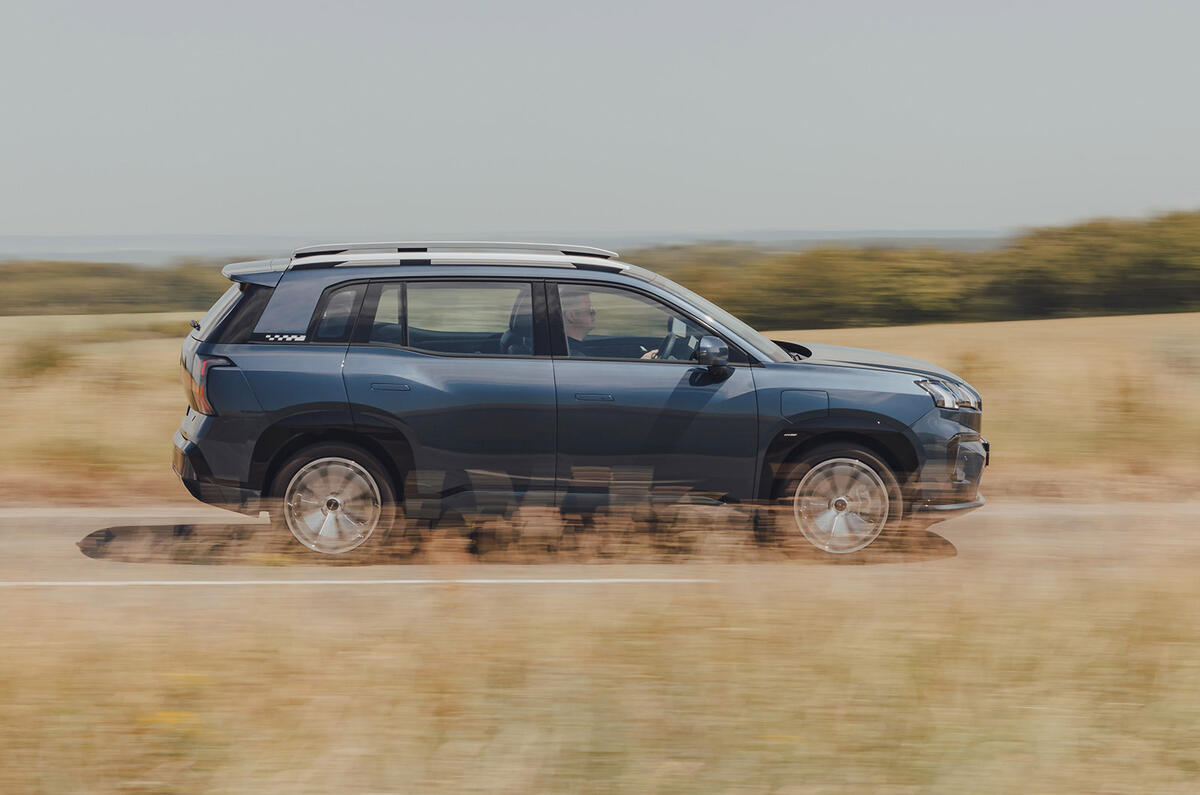
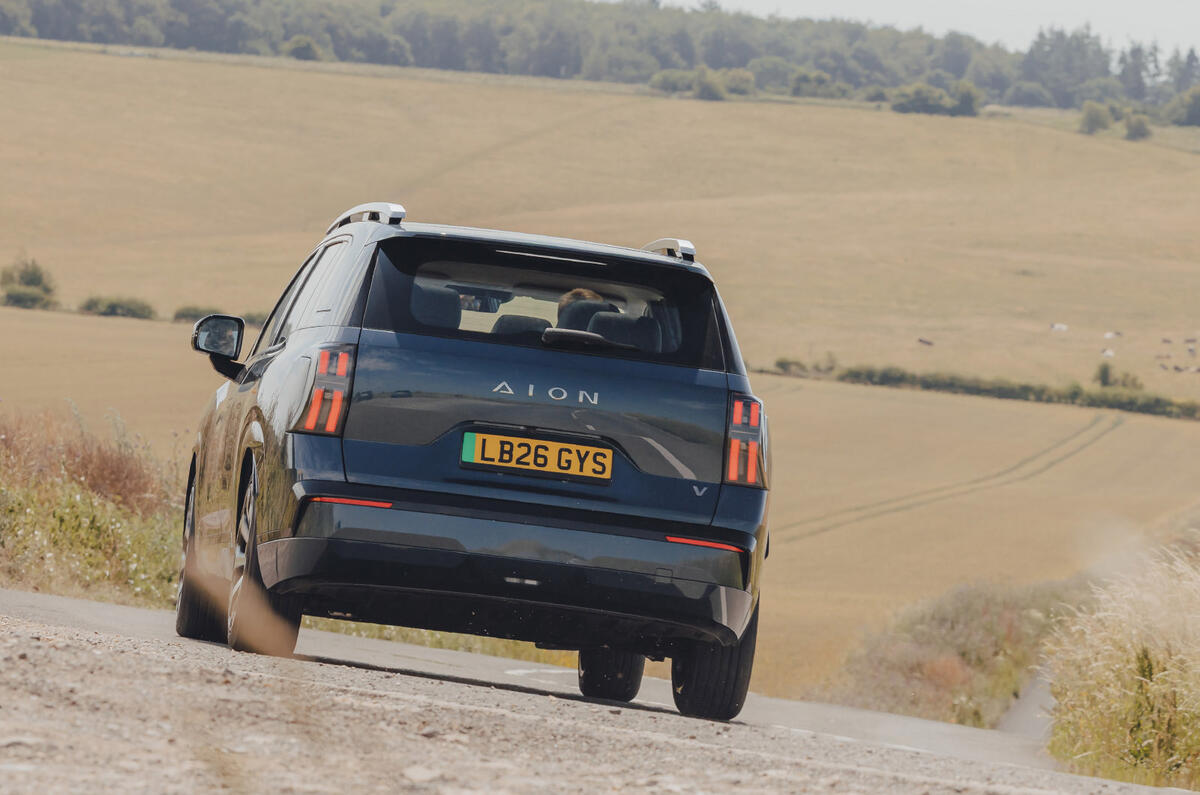
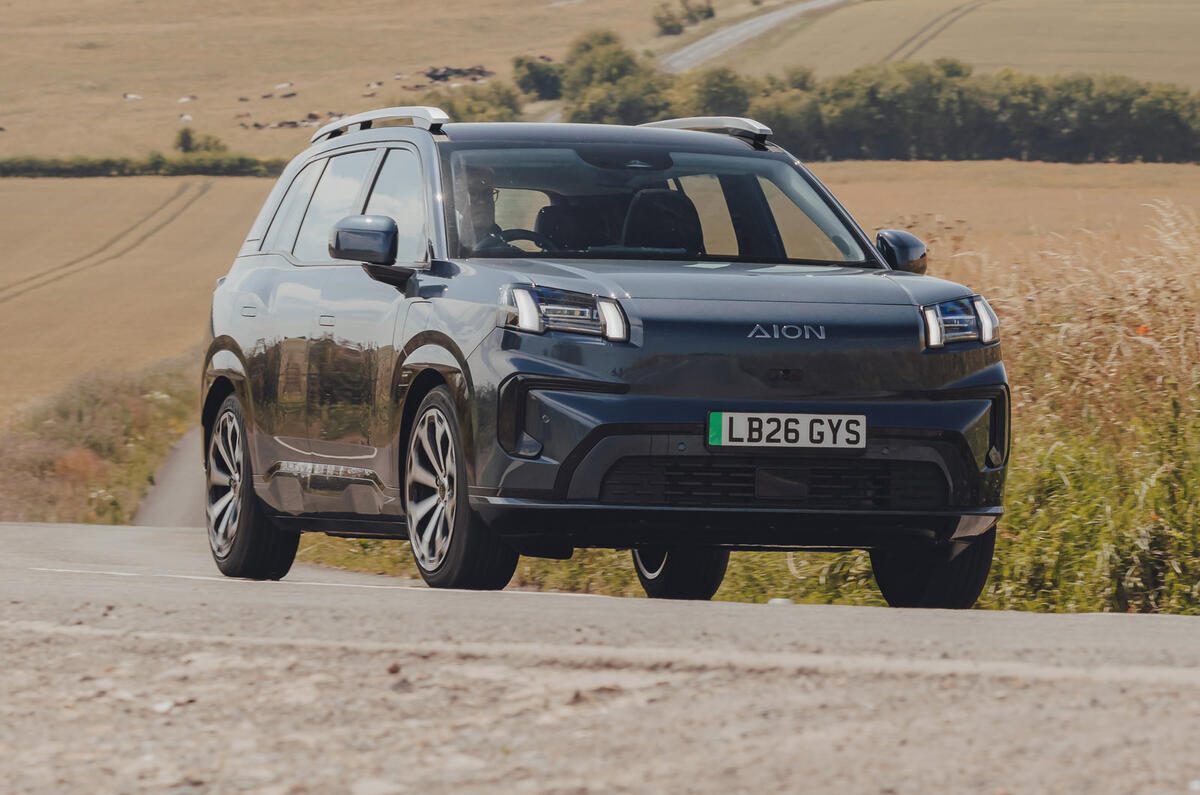
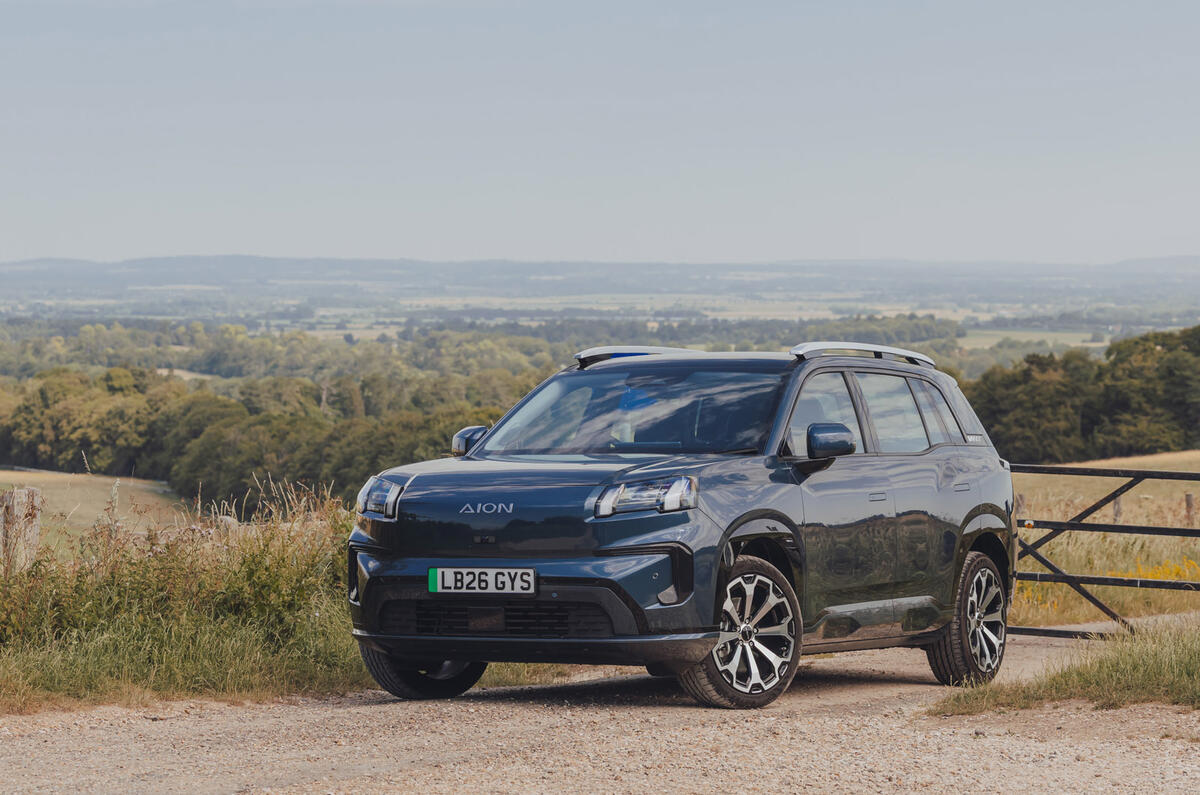
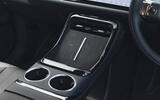
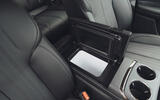
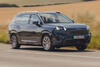
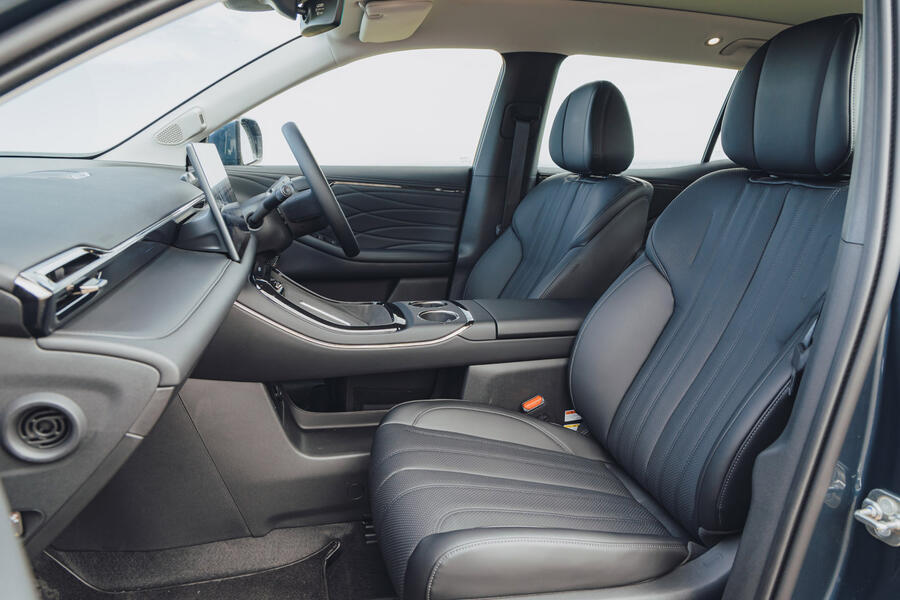
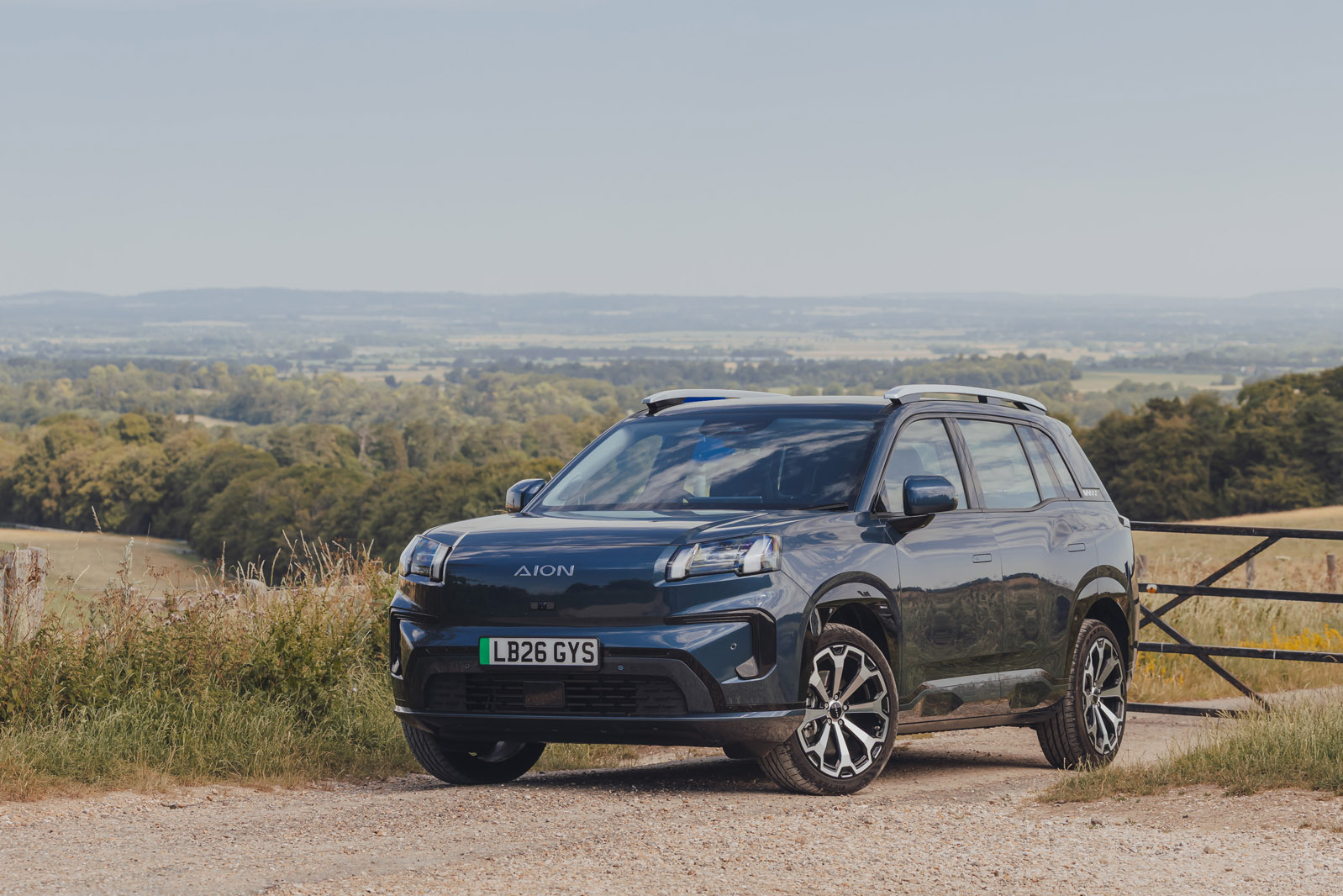
What’s waiting within the V – assuming you can operate its fiddly, cantilevered, pop-out door handles – is quite plainly the car’s main selling point. The cabin is generous in its size and quietly convincing in its premium material finish. It’s also very accessible and quite versatile.
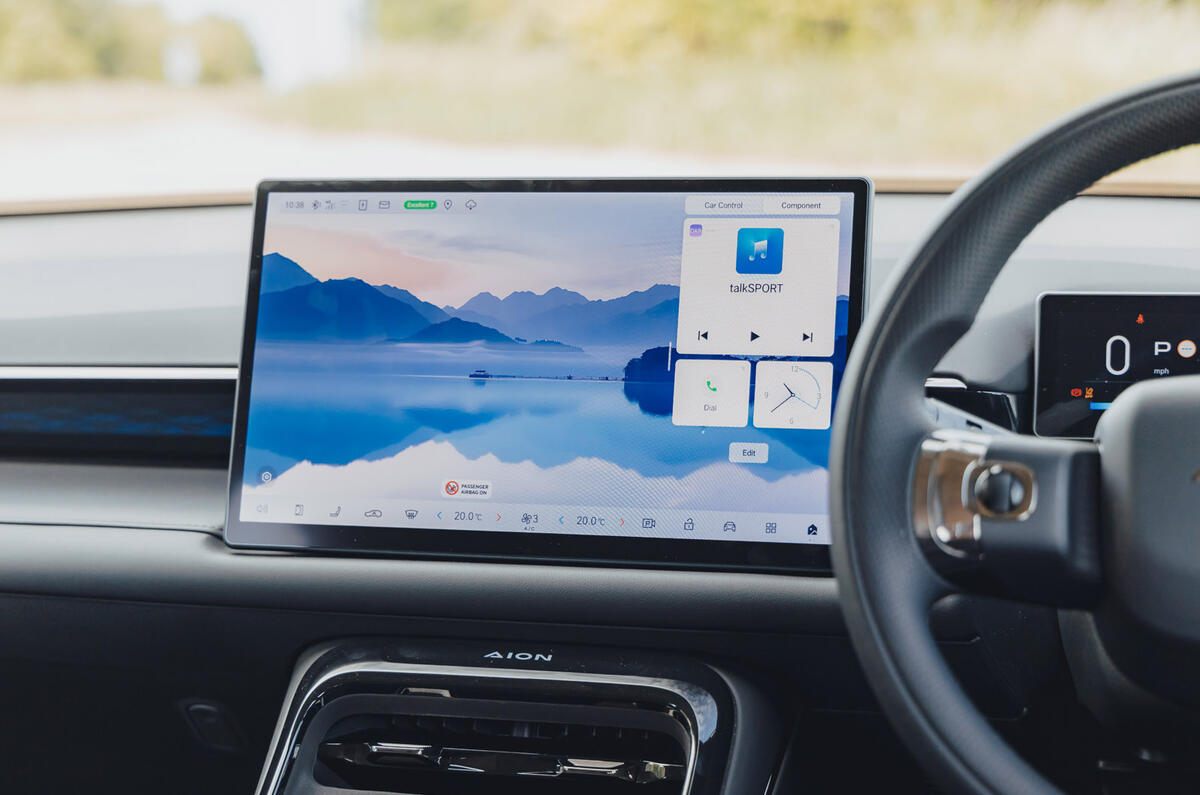
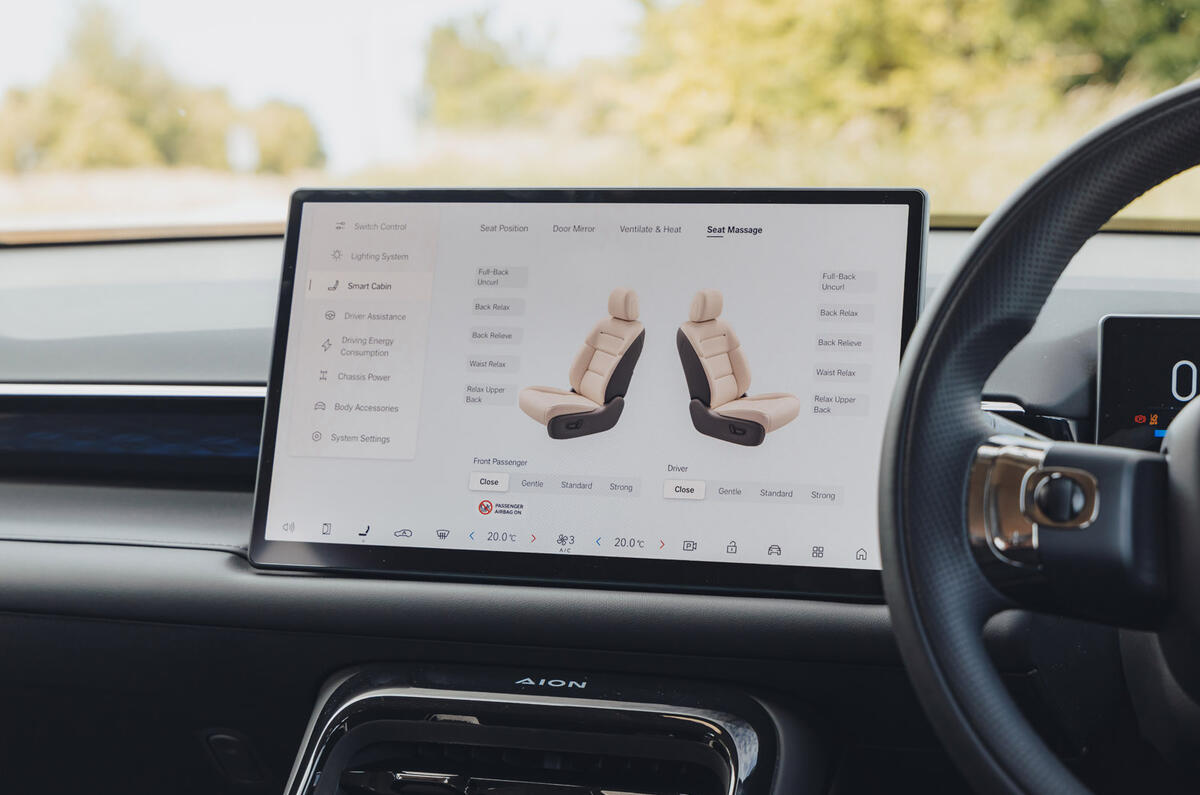
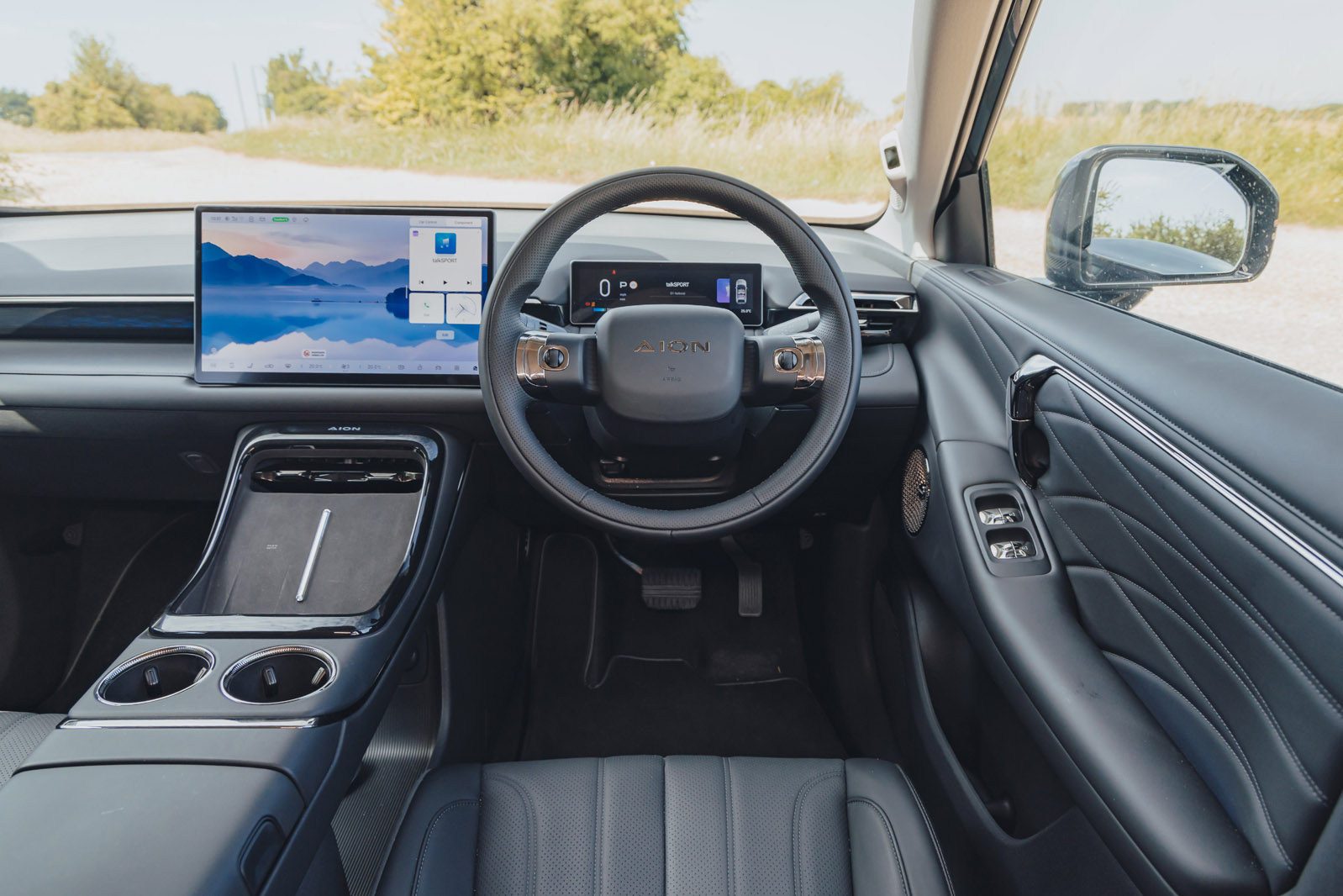
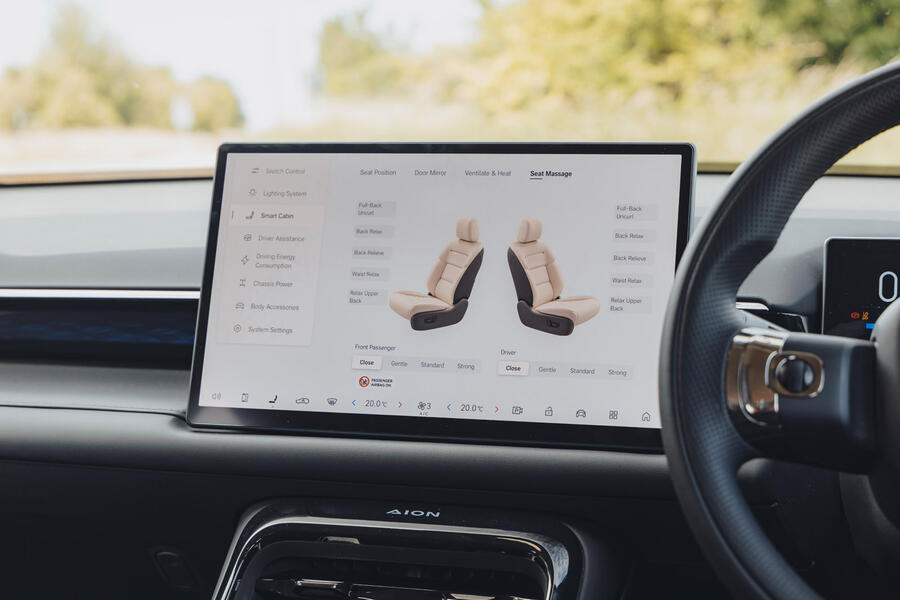
Up front, the V conforms to the convention of many other Far Eastern aspiring premium brands by keeping physical switchgear to a minimum, and relying heavily on the various menus of the 14.6in central touchscreen – not only for heating and ventilation control, but
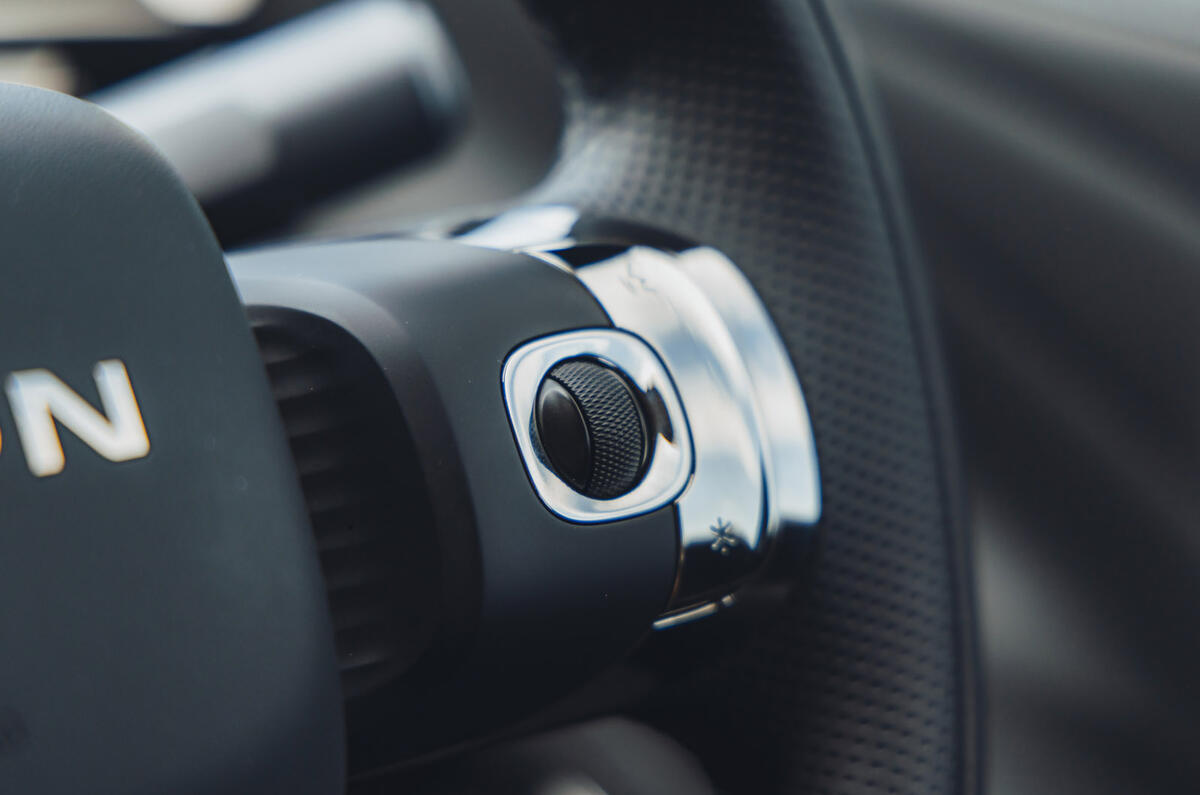
also for ADAS, mirror adjustment, the wipers and more. There are a few user-configurable shortcut keys on the steering wheel that mitigate the impact of this on usability, but a significant toll is exacted all the same (see ‘Multimedia’).
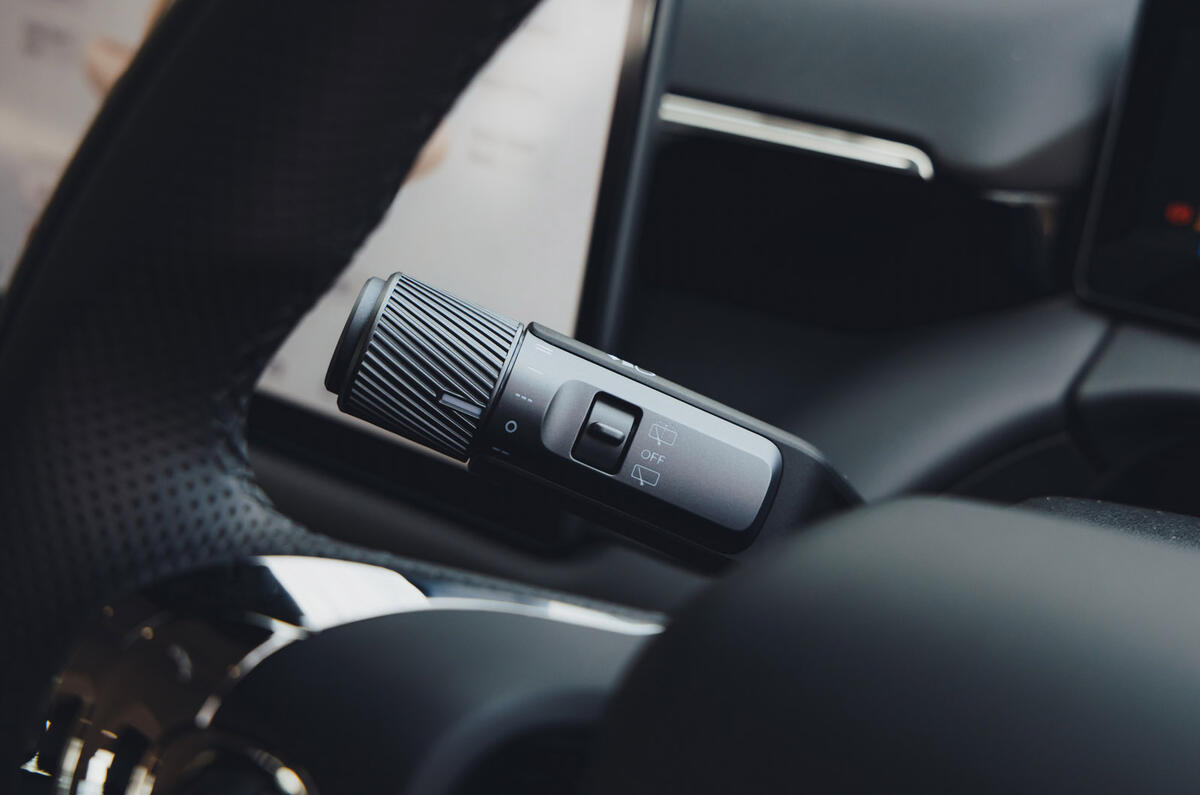
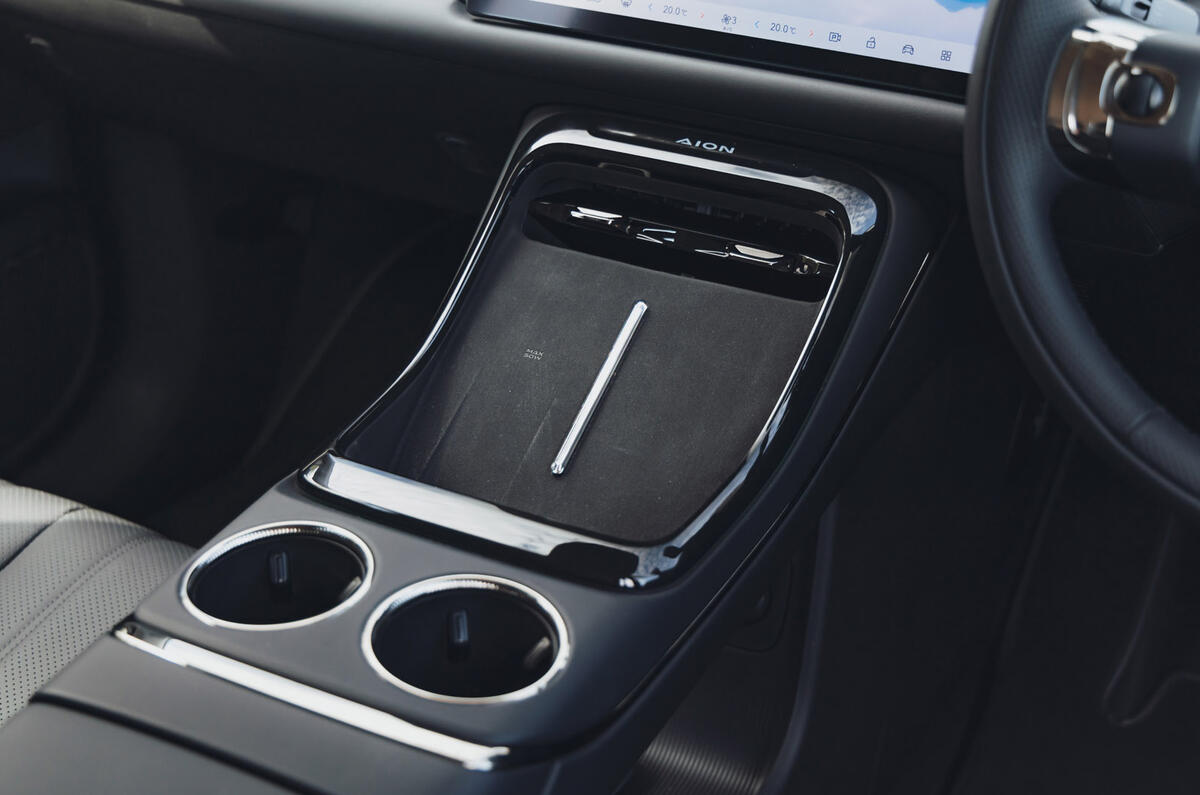
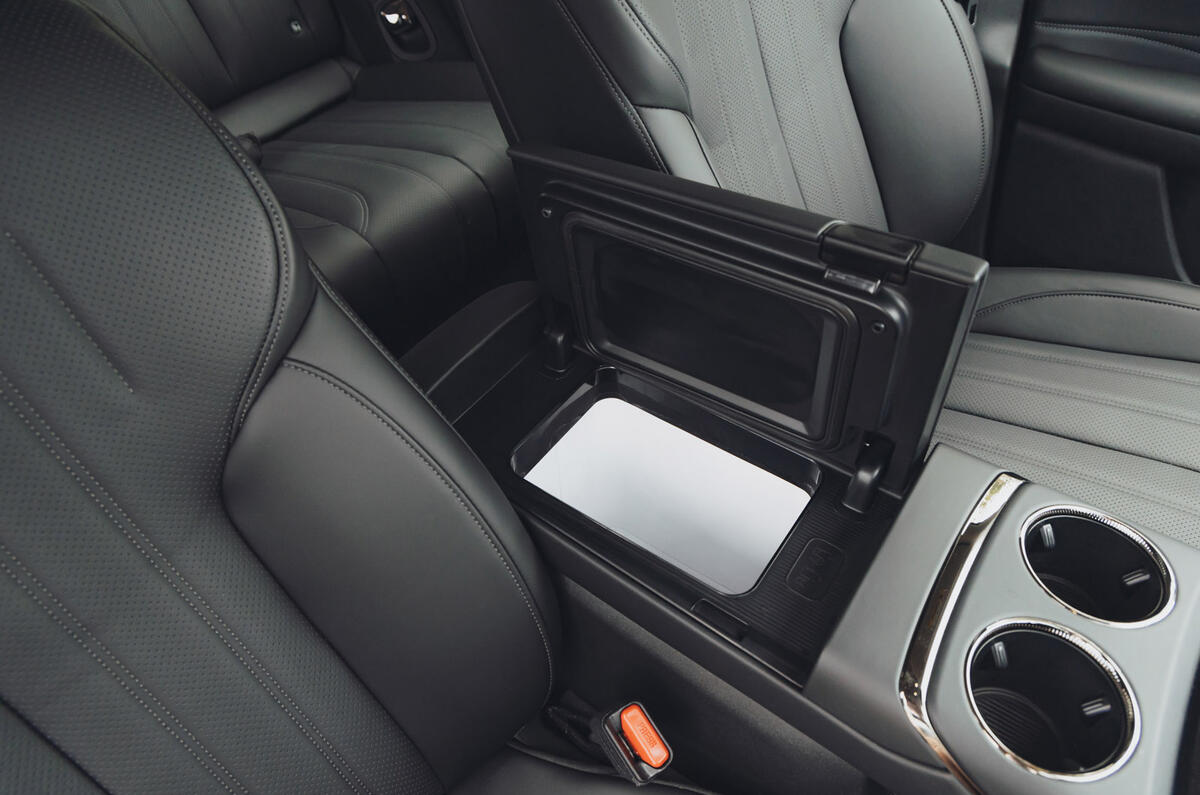
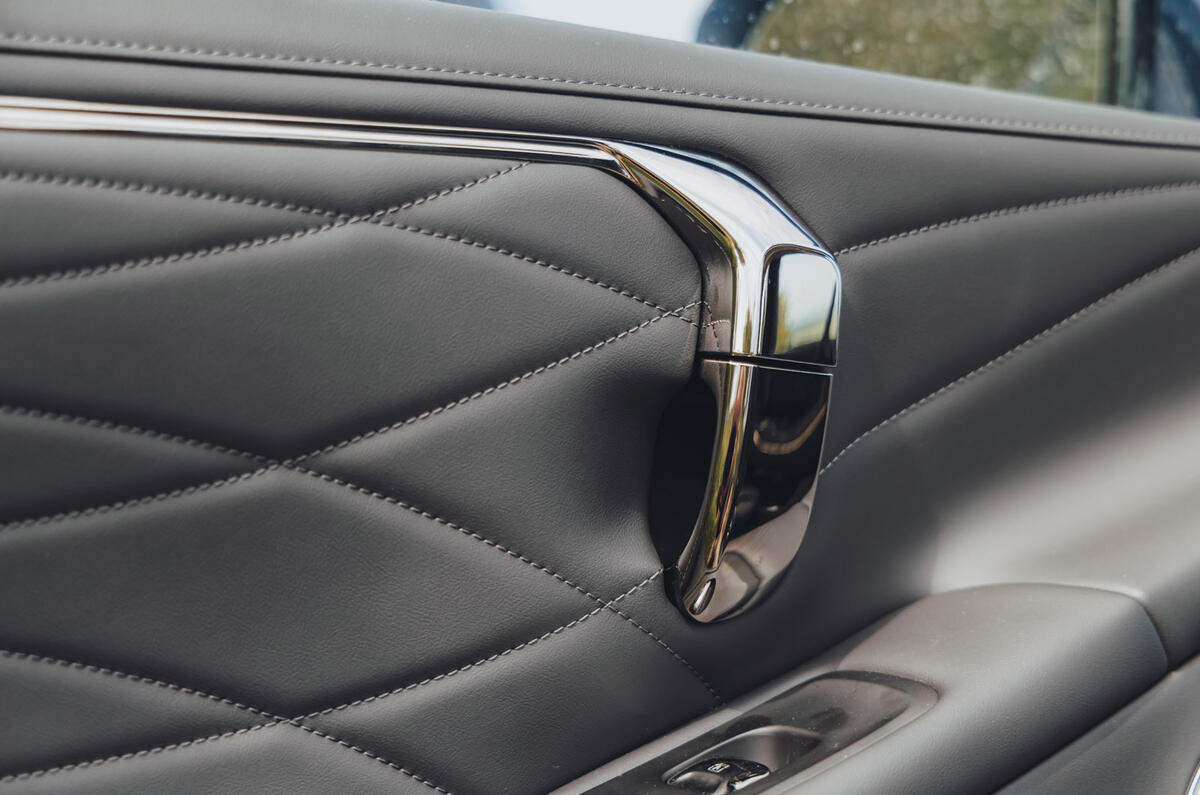
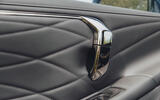
There are at least some physical features around the cabin that lift the ambience. Our test car’s Premium Pack brought genuine leather for the seats, which combines with the quilted leather-effect panelling on the door consoles, and with the look and feel of other fixtures and fittings (the hefty metallic column stalks and chunky, damped-action interior door releases) to engender an understated but perceptible impression of luxury.
It’s comparable, perhaps, to the look and feel of an upper-medium-sized Volvo or Volkswagen, and should exceed expectations of a £38k Chinese car for many owners.
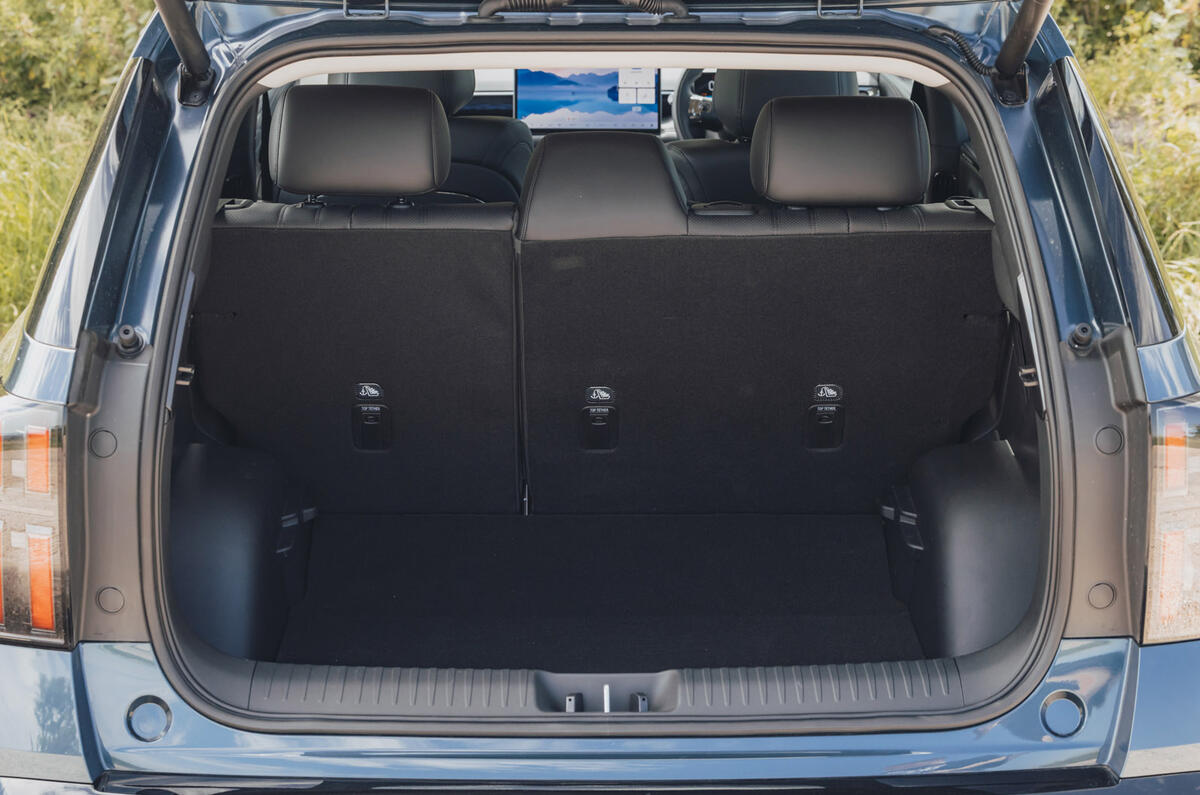
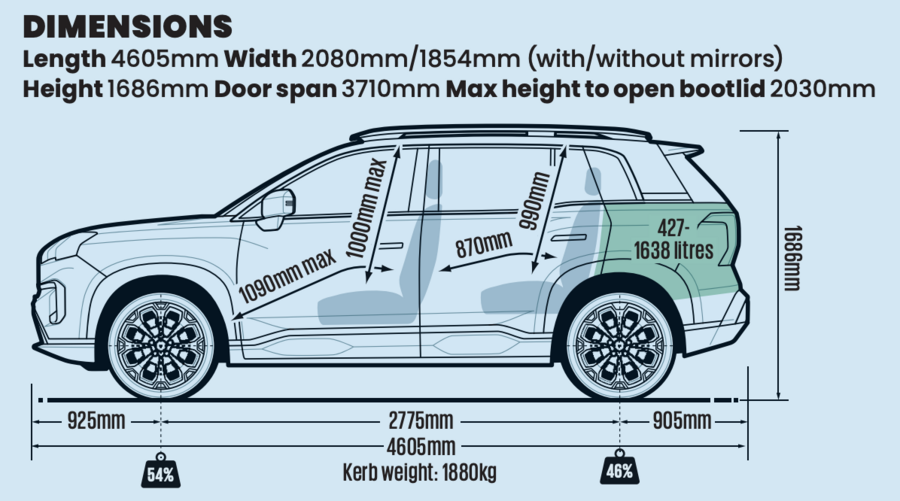
In the back, the V’s designers have plainly chosen to prioritise rear passenger space over boot volume, which seems odd at first. The boot is unquestionably small: deep, with a useful adjustable-height floor, but short of loading length, and with only 472 litres of volume (against a class standard of 550-600).
But there’s abundant leg room, and plenty of head room, in the back seats, where the seatbacks recline to an unusually generous angle. Extended familiarisation is needed to work out quite why they do this.
Only when you remove the front headrests do you realise that the front-seat squabs recline almost horizontally, and when down can be made to align perfectly with the edge of the rear seat cushions to form lounger-style chairs in which two passengers can repose – perhaps while their car charges. It’s a neat practicality trick – and more useful, probably, than the way we have seen other EVs convert their cabins into sleeping quarters.
Multimedia - 2.5 stars
The V’s ‘ADiGO’-branded multimedia system has a quick-reference, widget-style panel on the home screen that improves access to some commonly used controls, though not quite enough of them.
The functions on the screen’s lower navigation bar do include some permanently displayed HVAC controls, but the wider selection here can’t be customised. That makes finding key ADAS controls, as just one example, a bit laborious and distracting. Our test car’s system also tended to need a prompt to reconnect with Apple CarPlay.
In general, you spend too long prodding and probing the screen to find adjustment functions that ought to have fixed controls, and ultimately using a system that could be more configurable and grant easier access to key functions.
The AI-powered voice assistant, meanwhile, struggles to recognise spoken addresses for the factory navigation system accurately (though you’ll probably prefer to use your smartphone anyway).