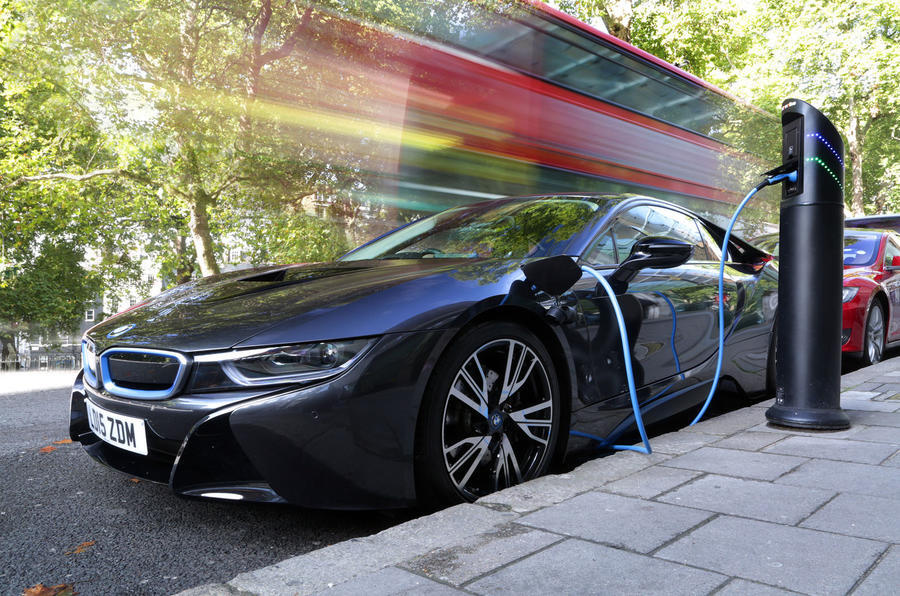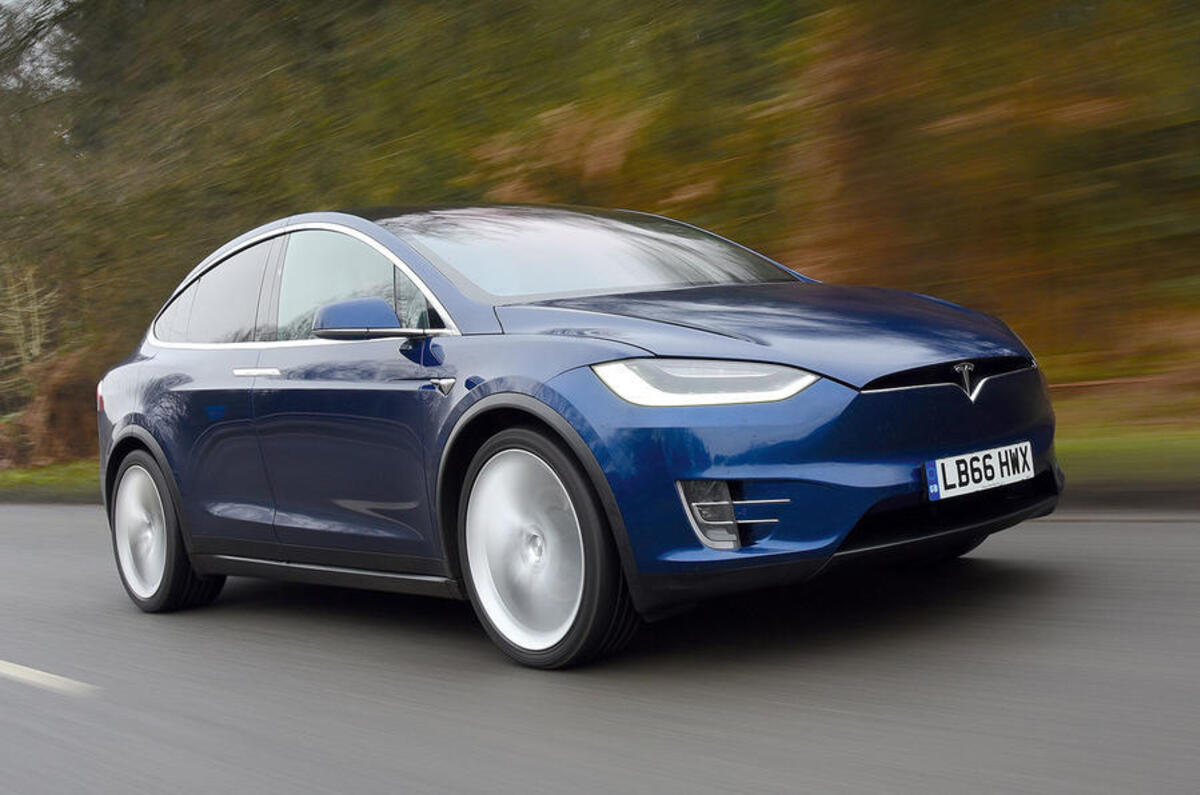

A sole focus on developing and promoting electric powertrains will lead to the UK missing emissions targets and long-term environmental issues, leading figures in the automotive industry have said.
Speaking at the Driving the Future event in London, Neville Jackson, chief technology and innovation officer at Ricardo, a firm developing combustion engine, hybrid and electric car technologies, said: “We are too focused on the only way ahead being electric - and that is a message we have to get across to legislators.
“If you look at the lifecycle analysis of vehicles, which is set to be part of European Commission regulations from 2026, then the analysis of cradle to grave impact is clear: the internal combustion engine operating on a very low net carbon or zero carbon e-fuel delivers the lowest overall environmental impact.
“We need to avoid the issues of spending huge amounts making batteries that aren’t recyclable, or which are expensive to recycle. There are real opportunities with the technology - let’s not forget we invented the lithium ion cell in the UK - but there are hurdles to overcome that we have to face into in a realistic way.”
Neville's comments come despite car manufacturers focusing on second-life use of batteries once they are no longer used in cars, such as putting them in houses and using them to store energy at peak output times and return it to the grid when required.
Behind the scenes of Britain's battery revolution
Jackson’s view was echoed by Michael Hague-Morgan, commercial director of Autocraft, a specialist engine and battery cell company. He said: “Whenever you rush into technology you make mistakes. That is already evident in the number of battery packs we are now seeing that have failures.
“Some were even designed as sealed, so you can’t open them and replace or repair them easily. The impact of that on the environment is huge. The focus on pure electric in isolation does not offer the best route - there is some wonderful hybrid technology coming, and it is my belief that will get us further down the path to our targets than pursuing electric in isolation.”
Craig Wilson, managing director for Williams Advanced Engineering, which focuses primarily on electrified powertrain technology, added: "There is no silver bullet here. The internal combustion engine will be around for sometime I anticpate, albeit supported by different technologies and factors."
Jackson and Hague-Morgan also highlighted the pressures of capitalising on the UK’s innovation leadership in emerging technology.