











What should we do about diesels? Should we listen to the Government, which is lining up to introduce a diesel tax tomorrow, and buy fewer of them?
Or should we continue buying diesels new in large numbers, as we have done over the past 30 years? Should we defend them, spurn them, ban them from big cities or remove them from the road altogether? Is their proven low CO2 output vital in our fight to reduce greenhouse gases, or are their particulates and nitrogen oxides (NOx) so harmful – as an increasing body of research seems to show – that they should be removed from sale altogether?
Diesel scrappage scheme hinted amid £20 daily diesel 'toxin tax' controversy
London Ultra Low Emission Zone start date announced
Finding the correct answers to these burning questions seems to be clouding more and more car purchase decisions. There are supporters for each of the above courses of action – but the arguments for banning diesels are becoming ever more shrill, led notably by Sunday newspapers quoting doctors’ organisations and academic sources in support of their case, and diesel sales are falling as a result.
Yet precious little guidance through the diesel minefield is forthcoming, either from government agencies or the car industry. The only certainties for diesel-owning motorists – roughly 40% of the 30 million or so car owners in the UK – is that they bought their cars in good faith and that tomorrow, come what may, they’ll need to get to their kids to school and themselves to work, mostly by car.
Diesel engines: your questions answered
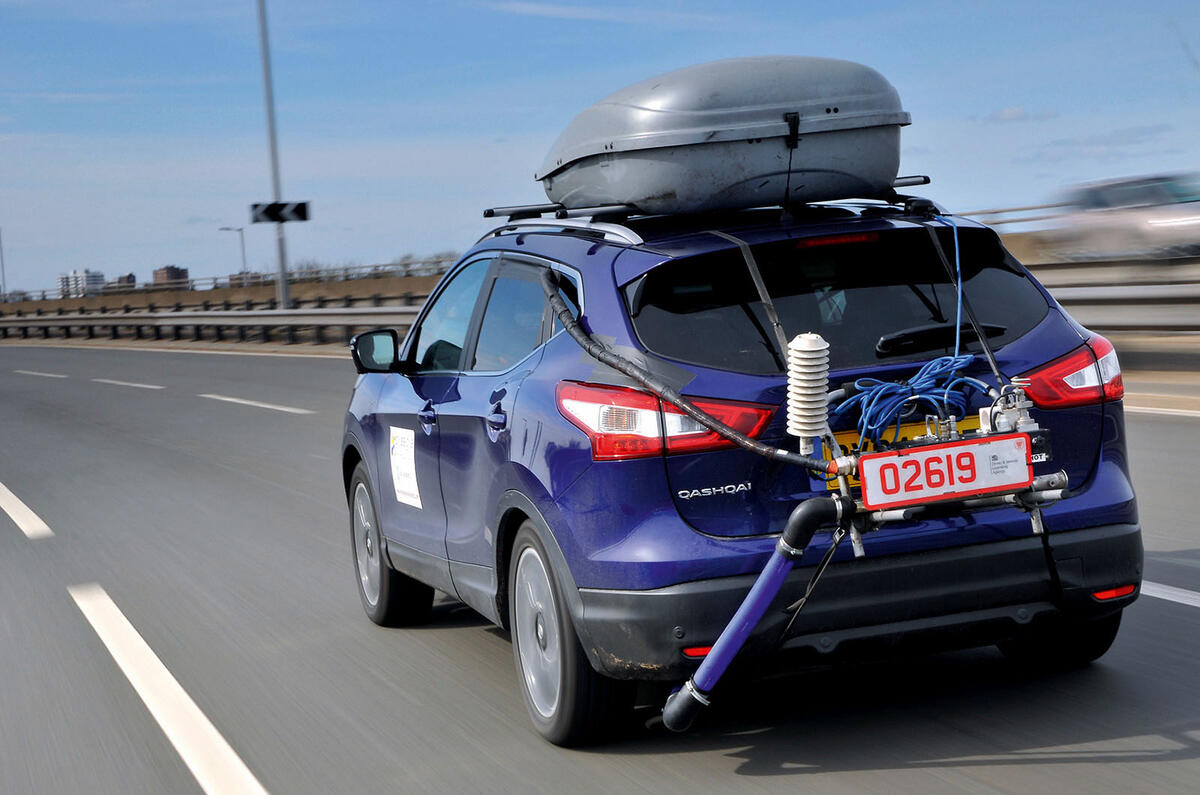
The industry’s view is multi-faceted and complex. First, while carefully admitting ‘more can always be done’, its experts believe that when current, tough Euro 6 (EU6) emissions standards are combined with much more realistic and impartial test regimes that arrive this September (called WLTP or Worldwide harmonised Light vehicles Test Procedure), a modern car’s output of NOx will have been cut to tiny proportions. Diesels should be free to get right on with their job of contributing to lower CO2.
Recent figures from the SMMT, the UK’s car manufacturers’ club, indicate that CO2 emissions have been reduced for the past 19 straight years and are now well over 30% lower (at an average for a new car of around 120g/km) than in 2000.