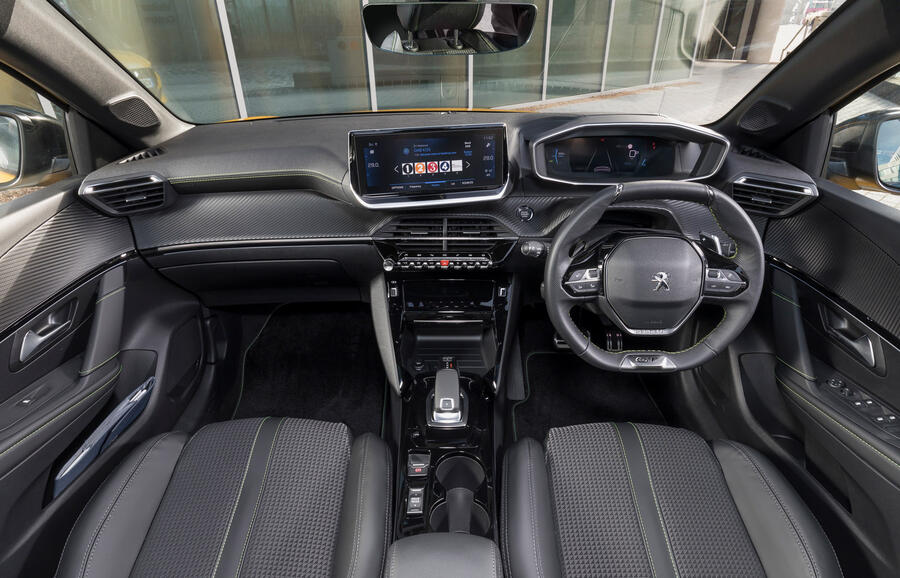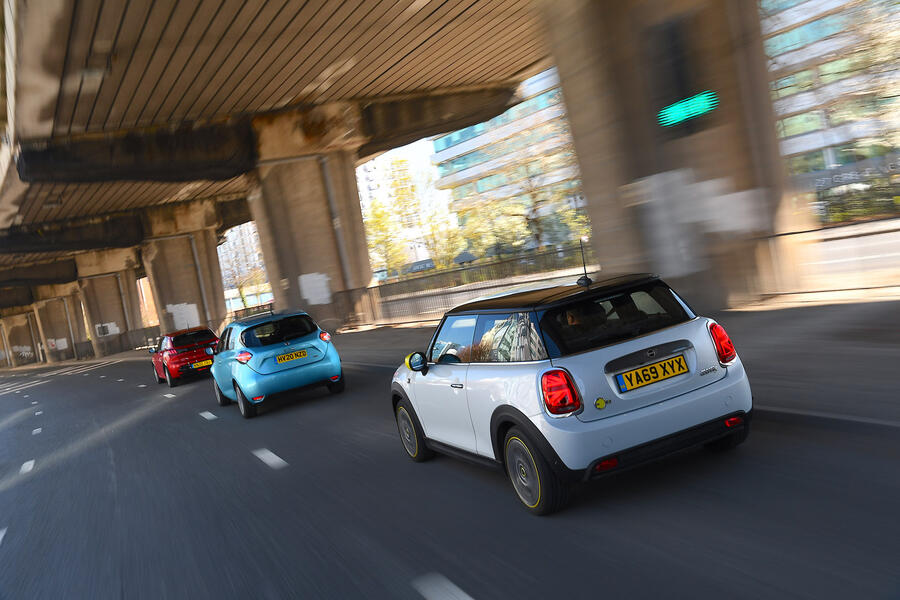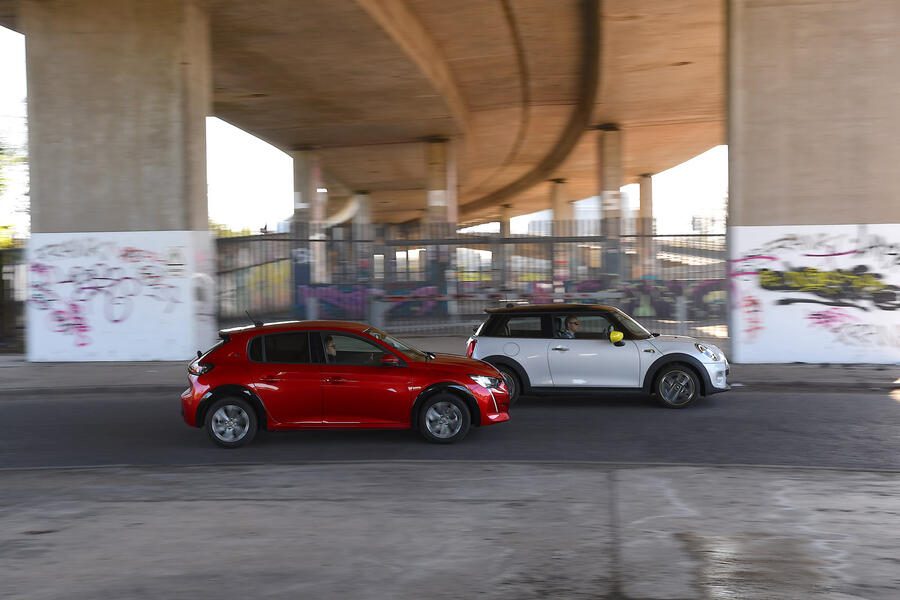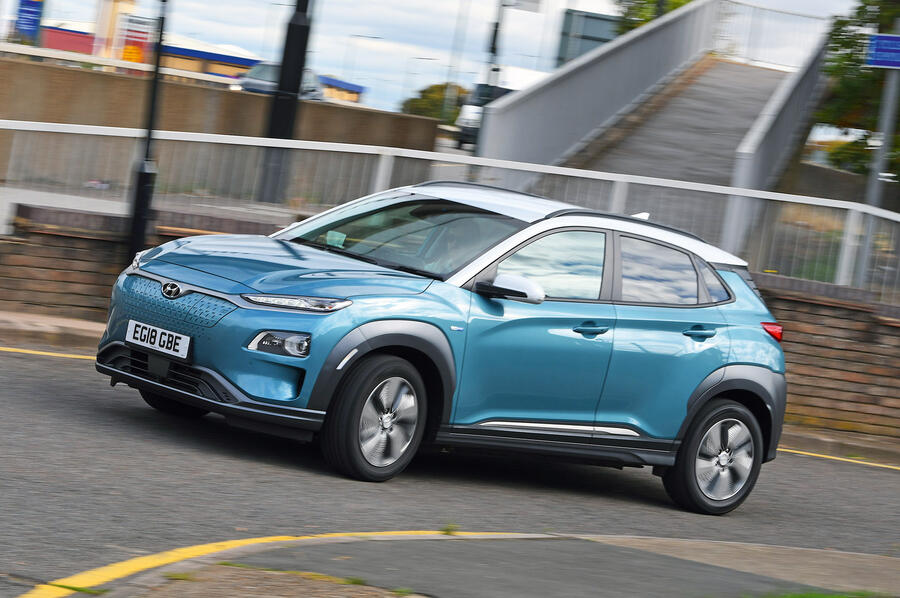
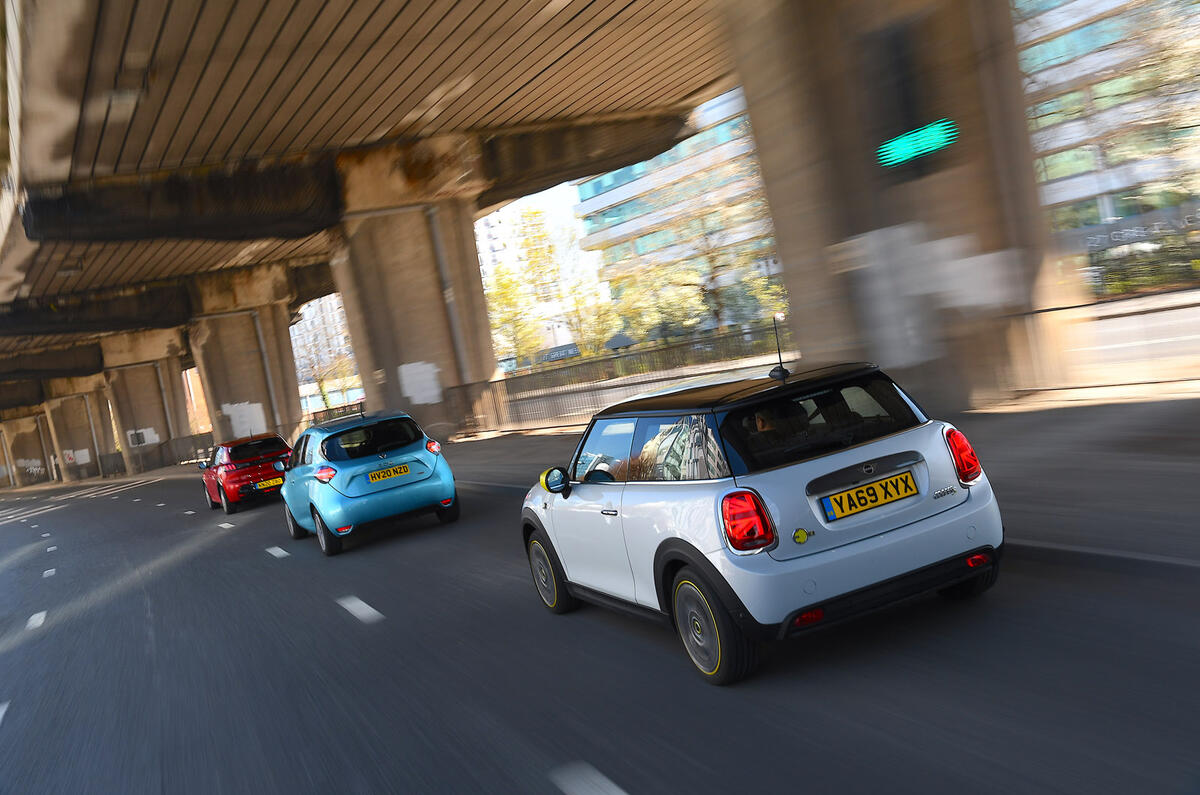





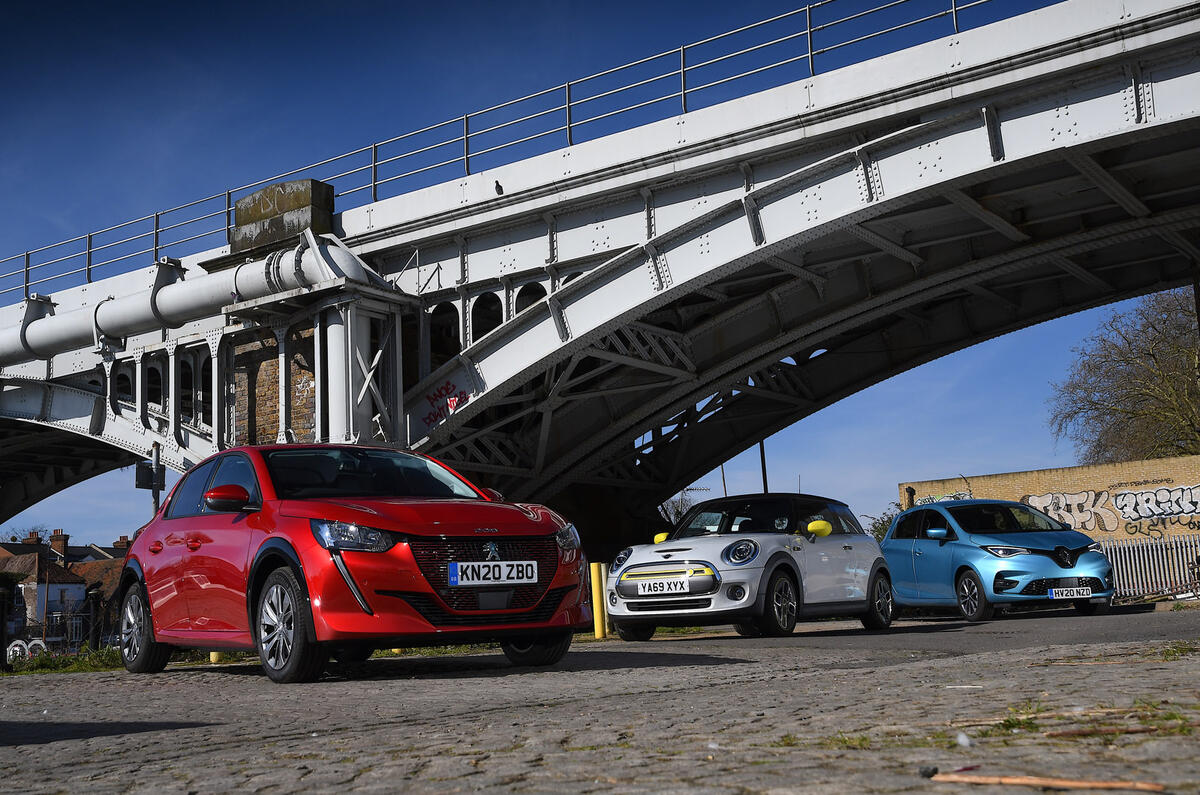




Electric cars have come and gone over the years, gaining and waning in popularity as eco-friendly fashions have flared and faded, but this time they’re here to stay. Of course, the government’s proposal to ban the sale of new internal combustion-engined cars by 2032 plays its part in their assured future, but it’s the recent rash of battery-powered superminis that really points the way to their permanence.
Small cars are big business but the margins are slim, so to invest hefty sums packaging them with expensive electrical internals is as strong an EV endorsement as you’ll get from the automotive industry. Almost all of the major players are in the process of launching a pure-electric supermini or city car, while many have already arrived.
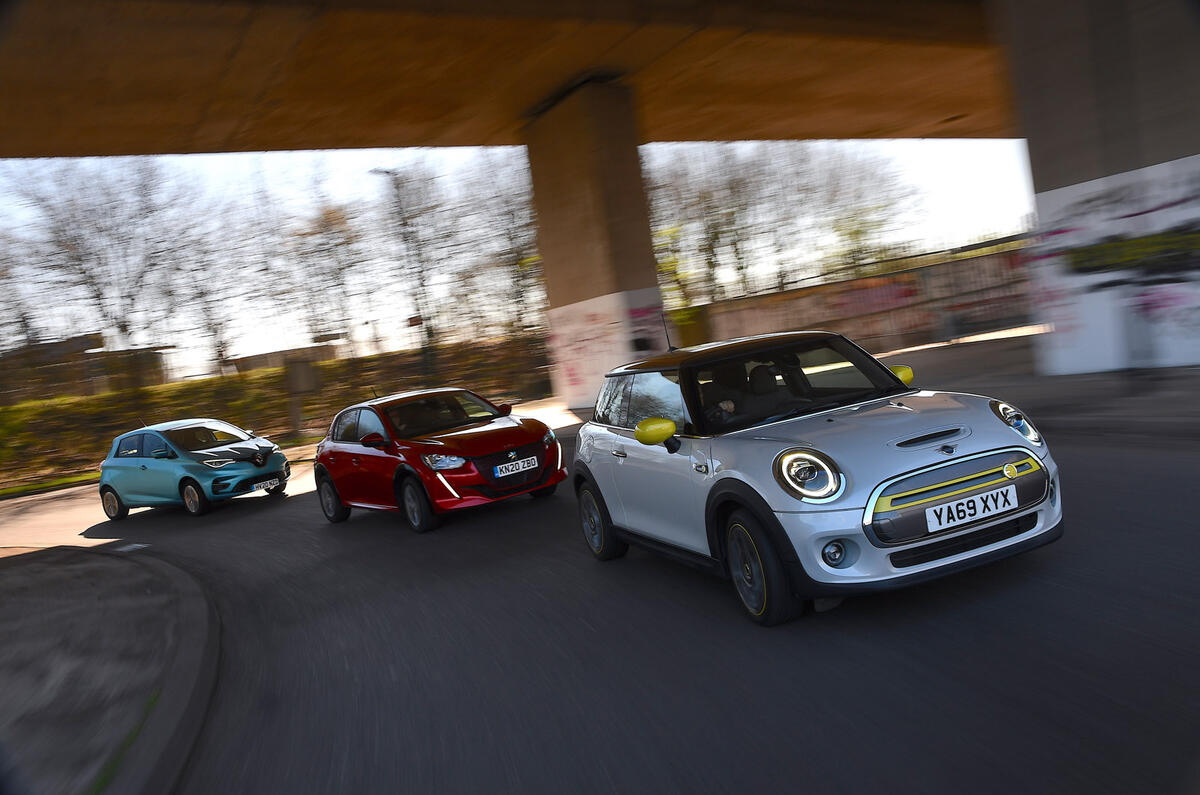
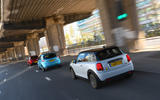
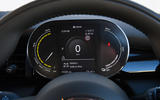
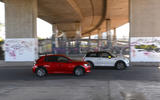
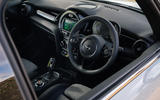
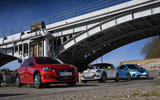
Perhaps the most eagerly anticipated is the Mini Electric, which has been on the cards since the Mini E began field trials over a decade ago. While rivals have taken a cooking approach to their EV babies, Mini has spiced up its offering with a 181bhp motor (shared with the BMW i3s) and Cooper S badging, making this a hot hatch without the environmental hitch.
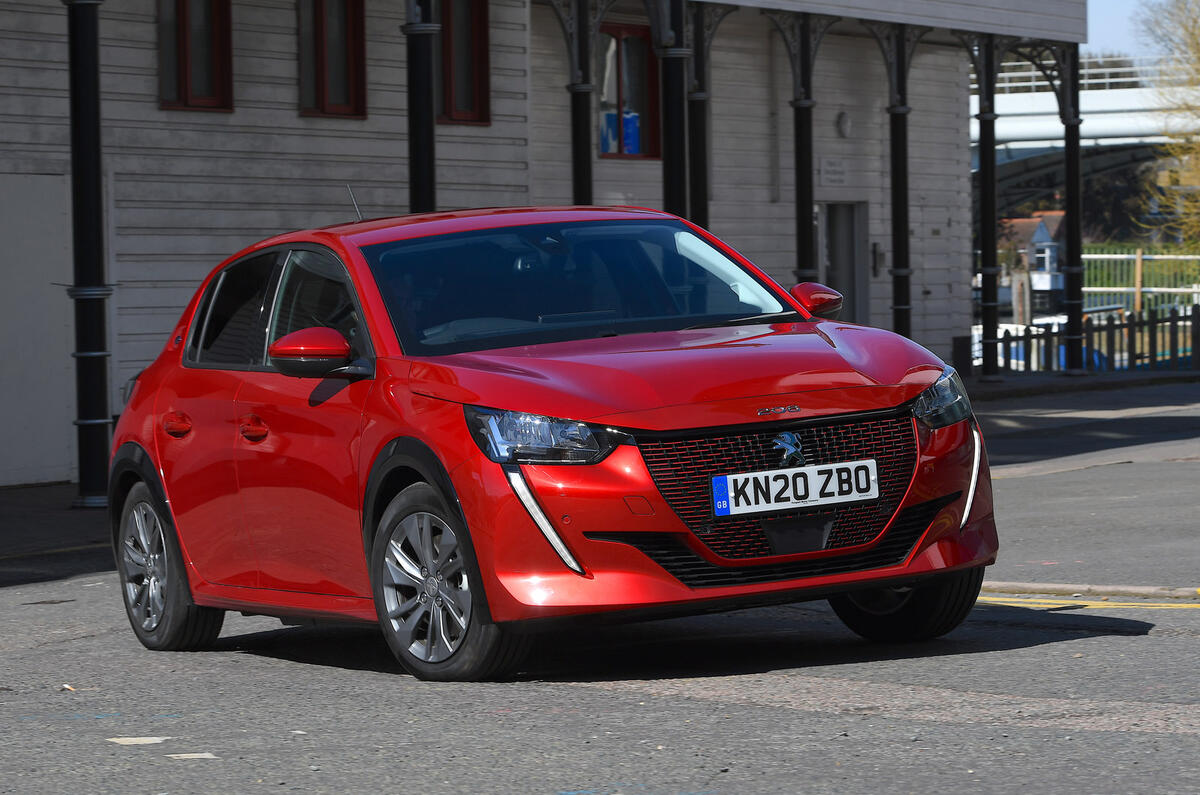
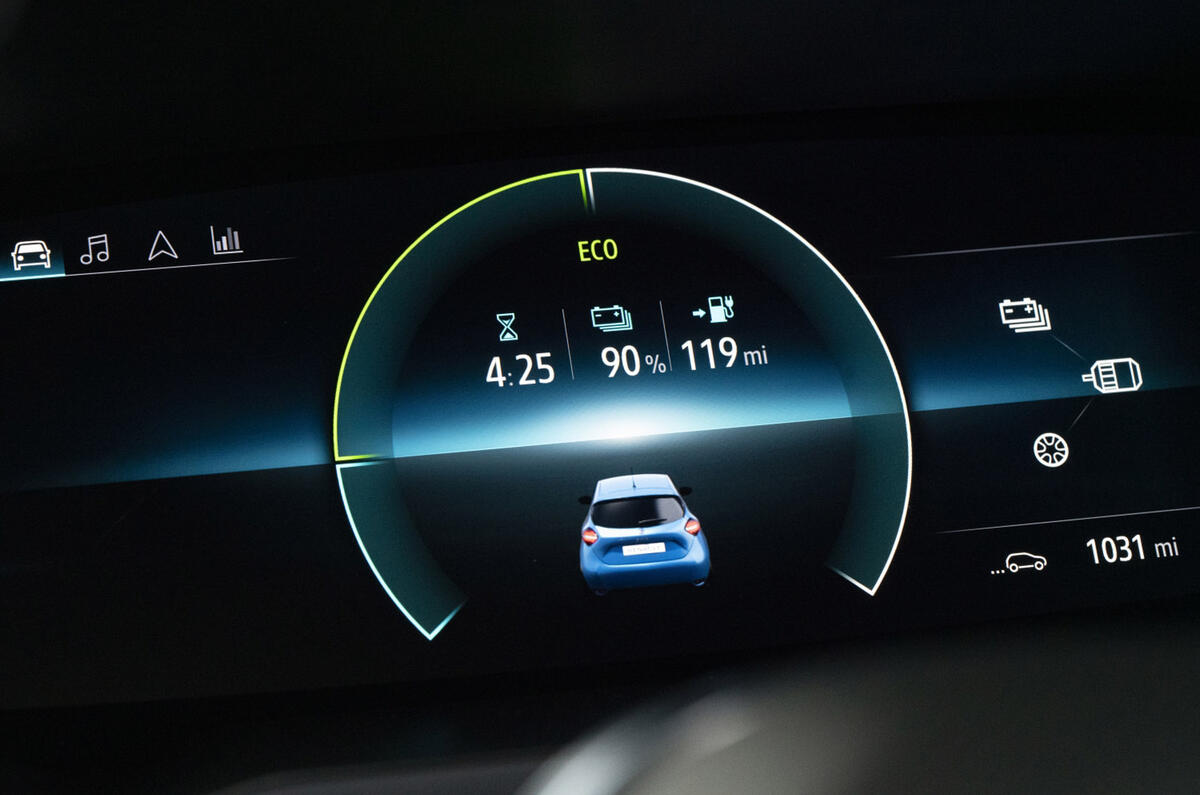
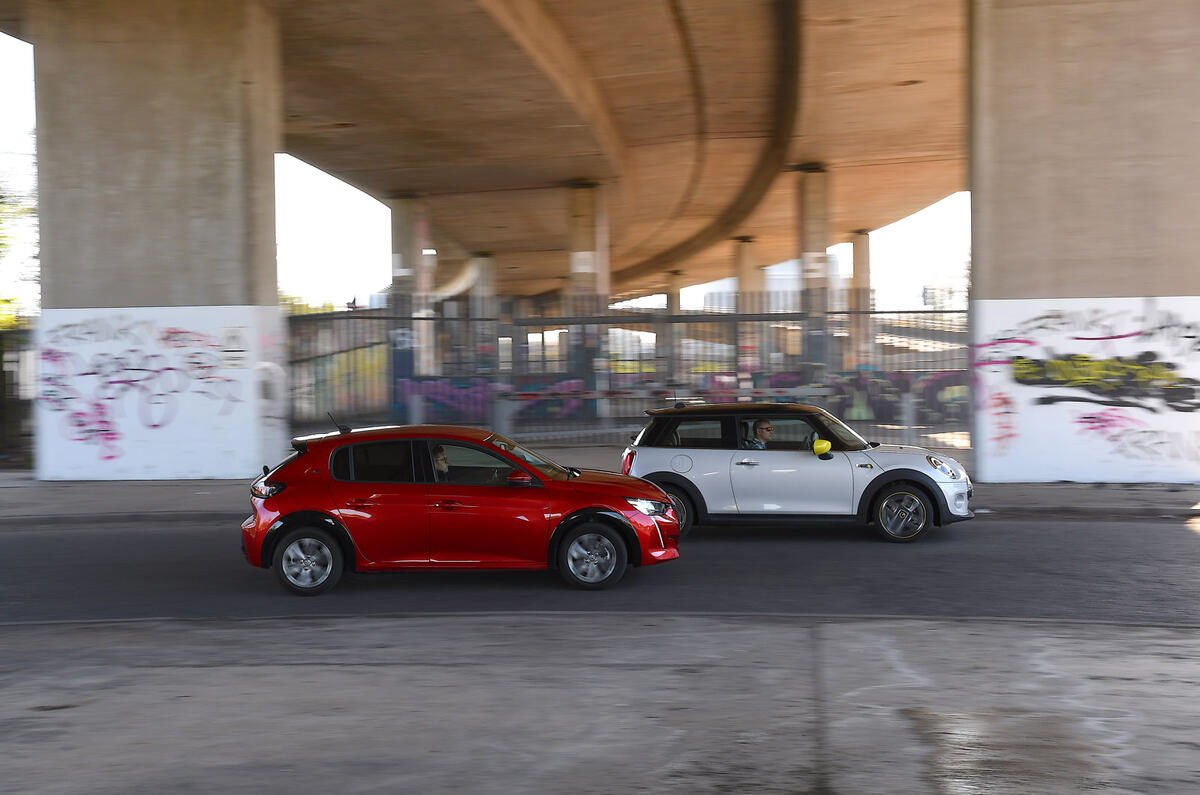
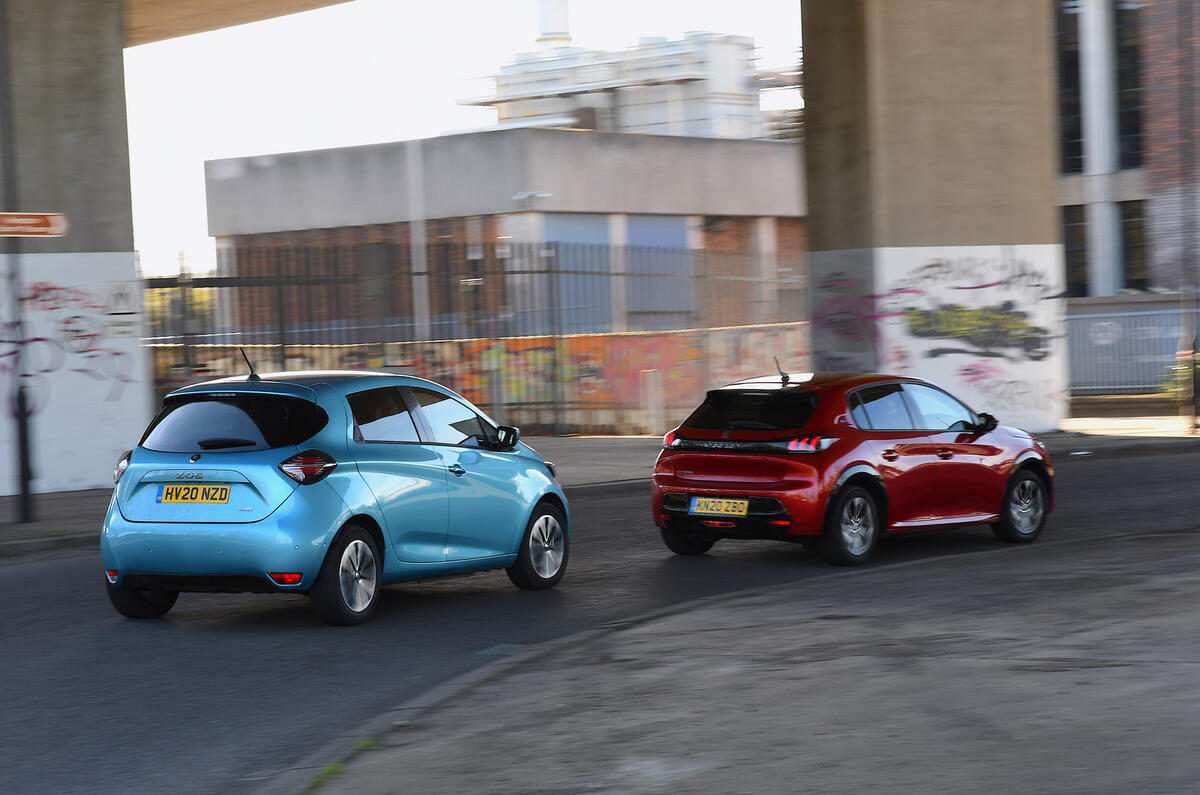
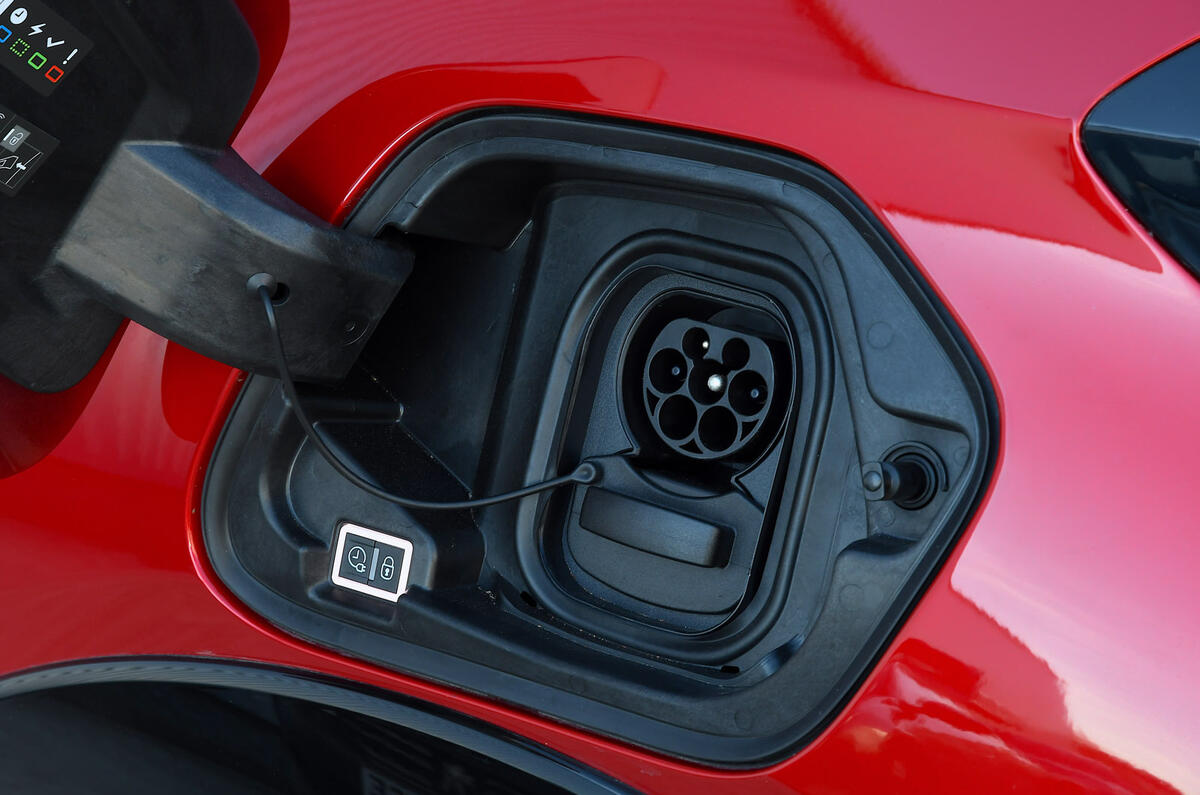
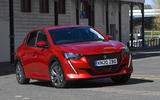
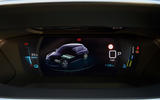
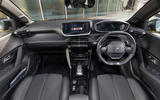
The 134bhp Peugeot e-208 (you can leave your Yorkshire-tinged French hatchback jokes at the door) trails the Mini on performance but promises greater practicality, both in terms of the space available in its five-door shell and its promised 217- mile range. The Mini can muster just 144 miles, although the claims for all three cars here should be taken with a pinch of salt, as we shall see.
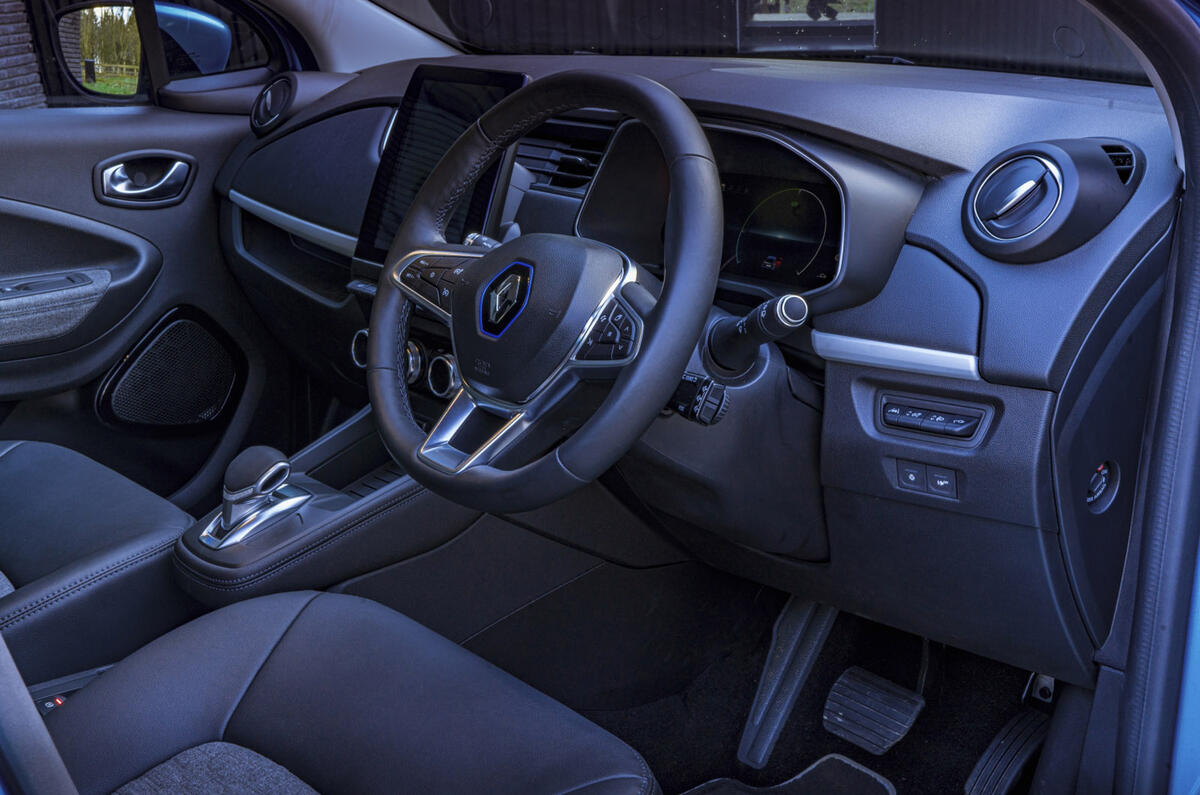
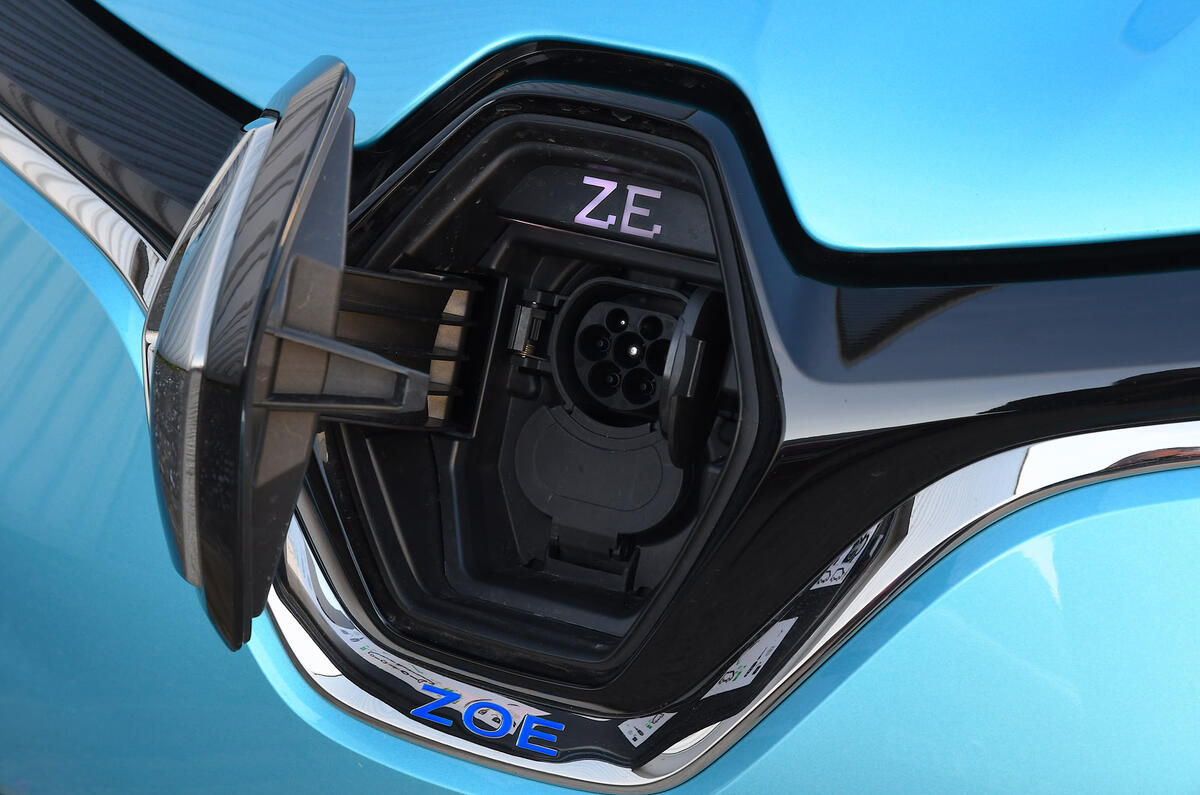
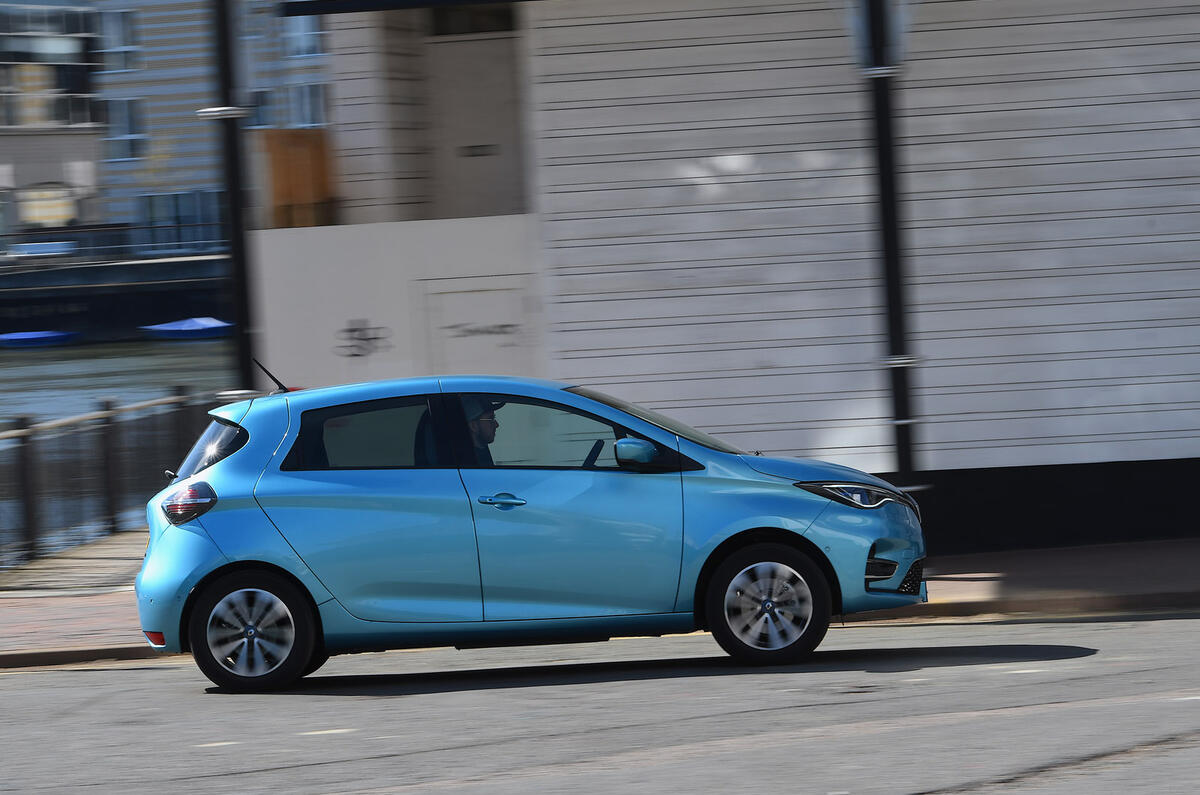
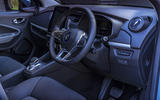
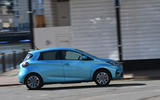
Both have to give best to the 238-mile WLTP figure for the Renault Zoe, which appears here freshly facelifted and complete with a more powerful motor – now 132bhp – and greater stamina from larger 52kWh lithium ion cells. Unlike its rivals here that have been developed to be propelled by fossil fuels as well as electricity, the Renault is exclusively an EV. It’s also Europe’s best-selling small electric car by miles.
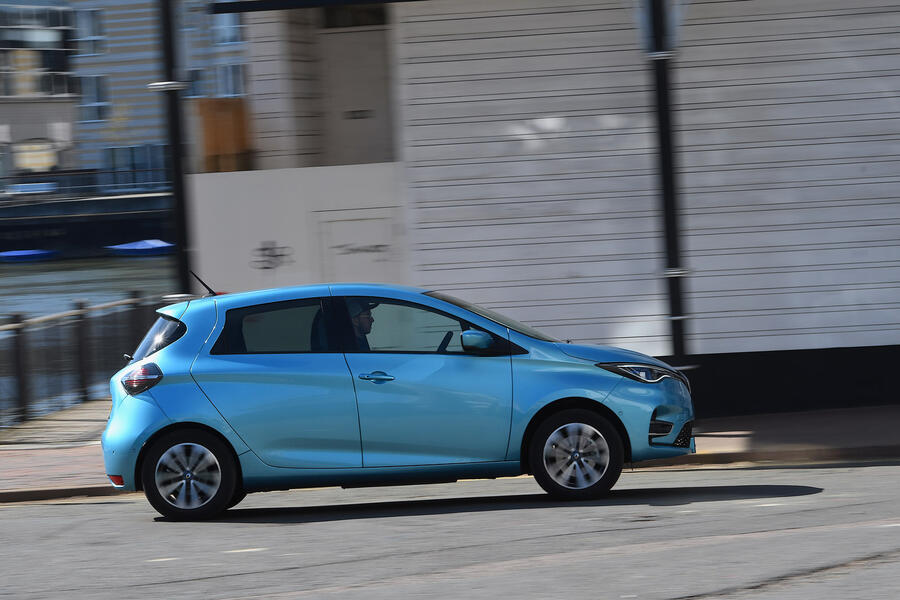
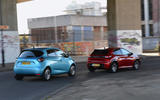
Visual updates to the Zoe have been minor, its LED-haloed headlights being the most obvious change to the tall and narrow machine. It’s distinctive but not as handsome as the e-208, which is one of the French firm’s most successful small car designs since (whisper it) the 205. Only the clunky wheel-arch extensions jar visually – although at least they are functional, covering the wider rear track necessary to accommodate its lithium ion battery.
Despite its basic shape being the most familiar, it’s the Mini that attracts the most attention, with alloys that appear to have been designed during a Minecrafting session and lemon yellow trim inserts at least helping to turn heads.