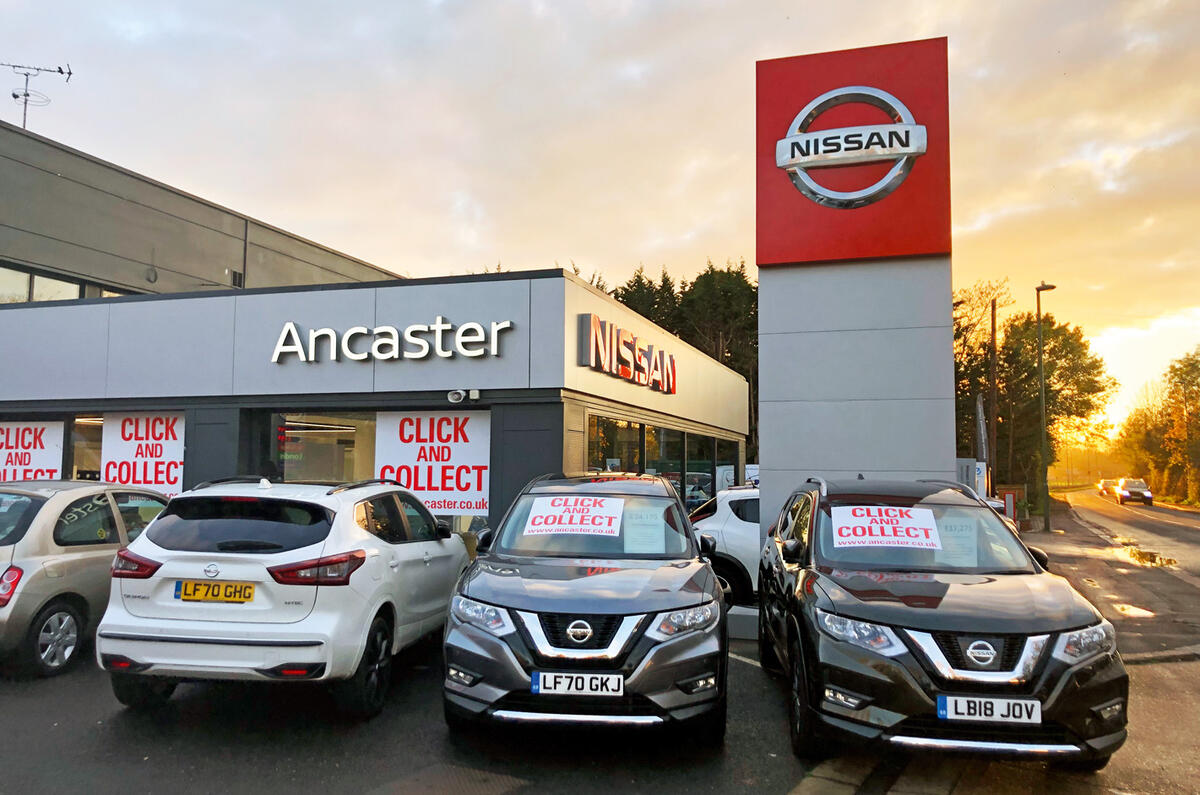







I’ve just bought a nearly new car. Well, Mrs Evans has. A couple of things struck us on our tour of dealers.
The first was how, for all their claims regarding the quality of their cars and service, the reality at one dealer was a vehicle without a functioning sat-nav and media connection; at another, a car misdescribed to a shocking degree; and another, a warranty-claims limit of just £500.
Second was sales people’s refusal to negotiate on price. It’s a free market, but I for one expect something for signing on the dotted line – plus, I suspect, the screen price always favours the seller. As it was, we did eventually get a £250 discount on a car by pointing to a better-equipped example, albeit in a less attractive colour, down the road.
The experience reminded me that buying a car in 2021 is as stressful as it ever was. That said, it’s not stopping people shelling out. Dealer groups expect to make huge pre-tax profits this year: Lookers £81.4 million, Pendragon £70m, Vertu £65m and Marshall £50m. Motorpoint, a used car supermarket group, has reported profits up 30% to £13m in the first half of 2021. These are big increases on earlier forecasts and are a result of lengthening new car delivery delays, rising used car prices and buoyant consumer demand.
It sounds like a perfect storm in the best sense, but clouds are gathering. Changes in the relationship between dealers and manufacturers, the removal of tariffs from Japanese and Korean cars and the evolution of online retail – all these and more are poised to change the future of car buying. It was ever thus.
In recent decades, we’ve seen the arrival of approved used car schemes, personal contract purchase, used car supermarkets, online retailing… However, one thing has never changed: the car buyer. Transparency, fairness and respect are all we ask for. Whatever the future of car buying, if dealers can deliver these, they’ll sell cars. Here, four of them tell us what changes we can expect to see.
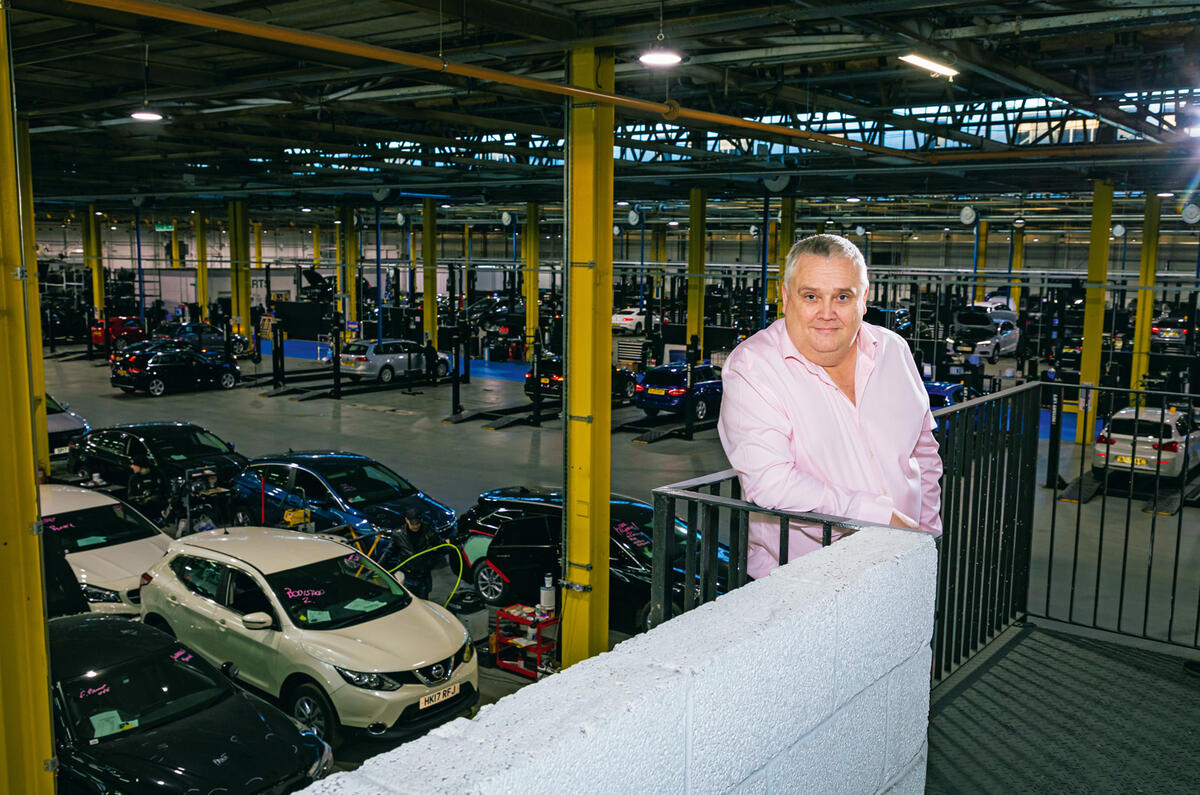
Peter Waddell: CEO, Big Motoring World and co-founder, Carzam
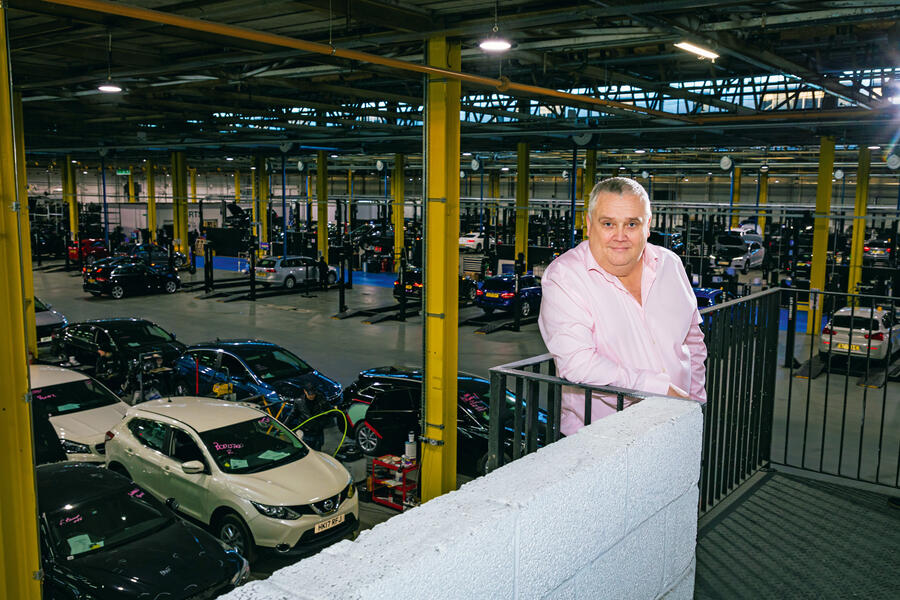
“If you look at the history of car buying, there has always been a surge in used car prices. Prices rise until they’re the same as new, so people start buying new cars with incentivised finance and used car prices fall. The big change as far as I’m concerned will be the increase in the number of leasing companies selling their cars at fixed prices with no buyer’s fee direct to buyers like us, who buy 2000 cars at a time. It means fewer cars will be bought at auction. These leasing companies are disrupting the market.