
Currently reading: Range Rover goes electric: £154k, 372 miles of range and 2885kg

Familiar styling hides all-new powertrain, with dual-motor EV dubbed ‘wholly credible’ alternative to ICE car

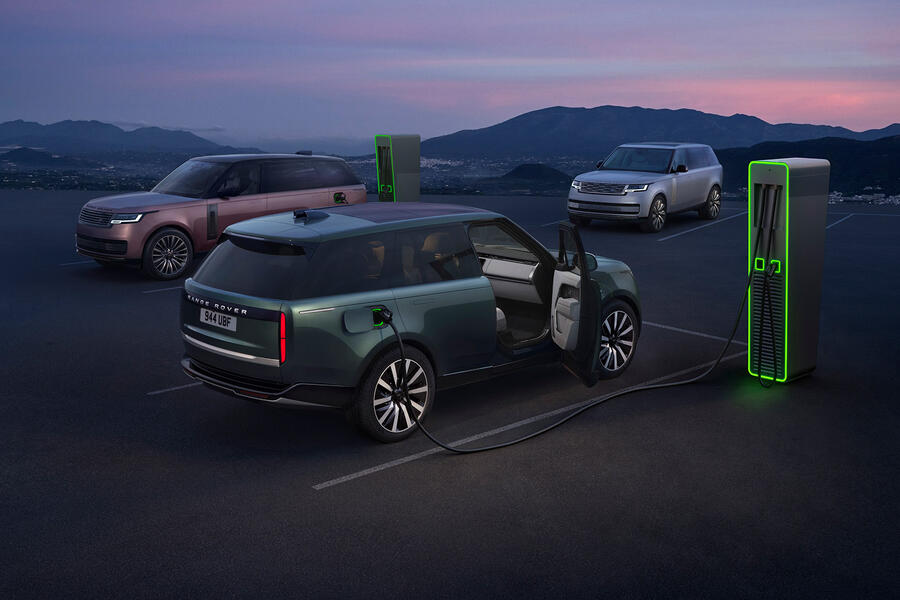
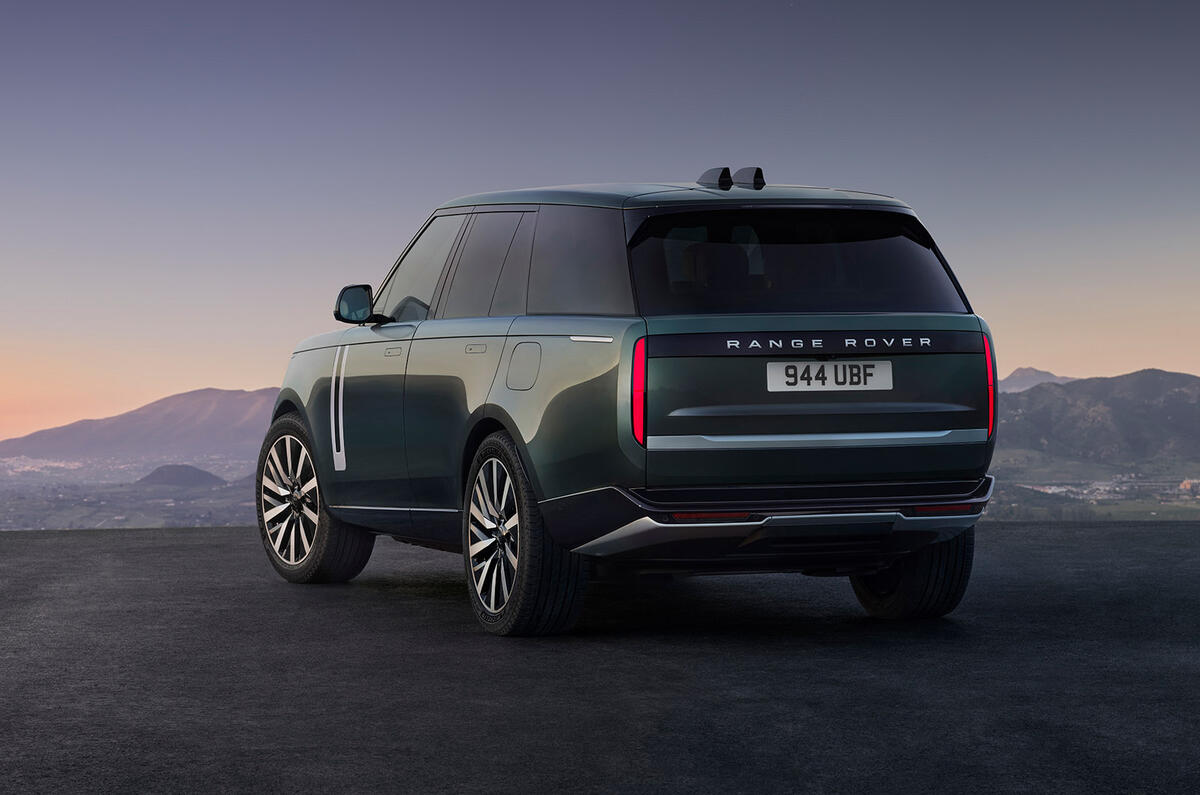
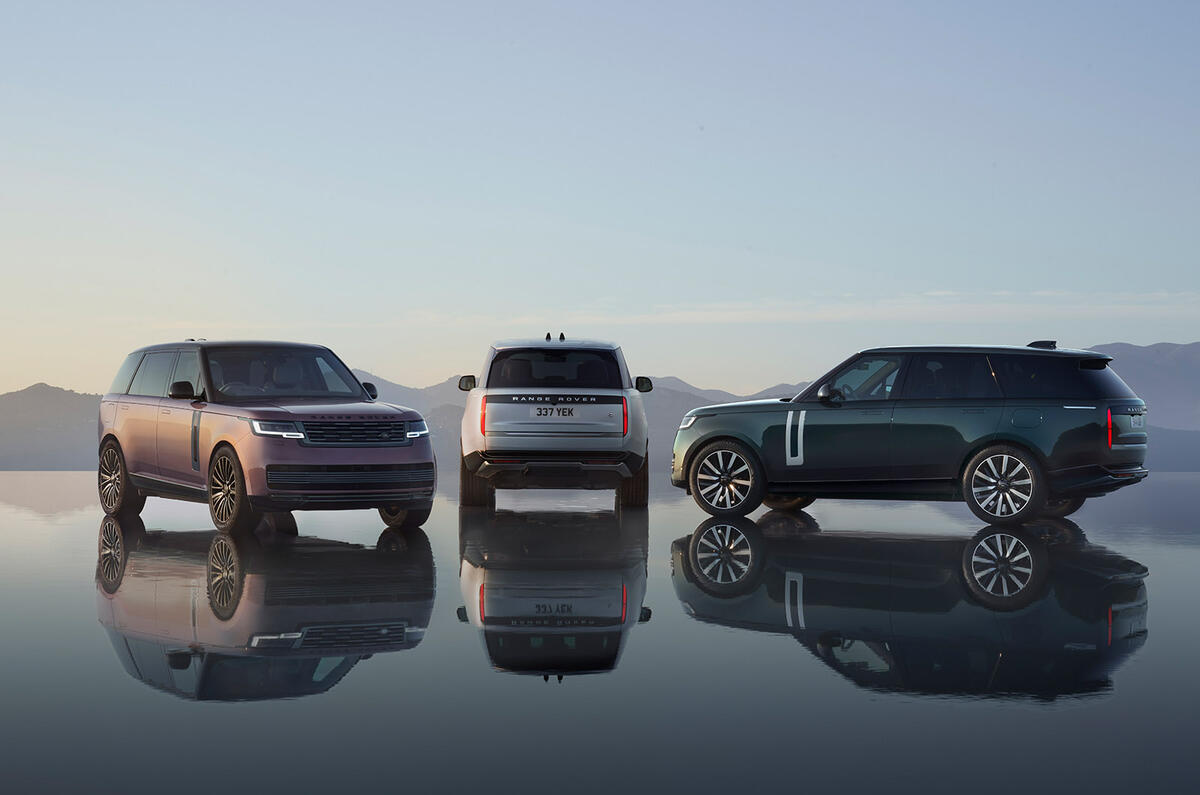
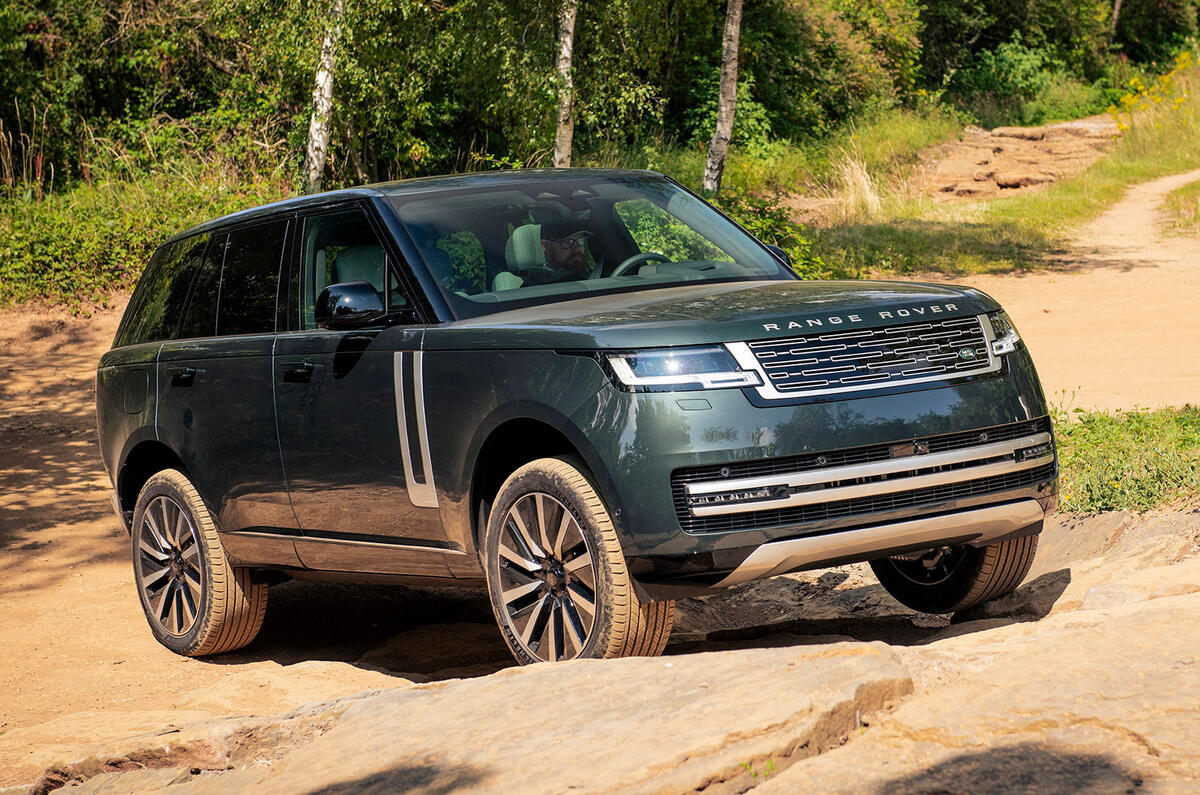
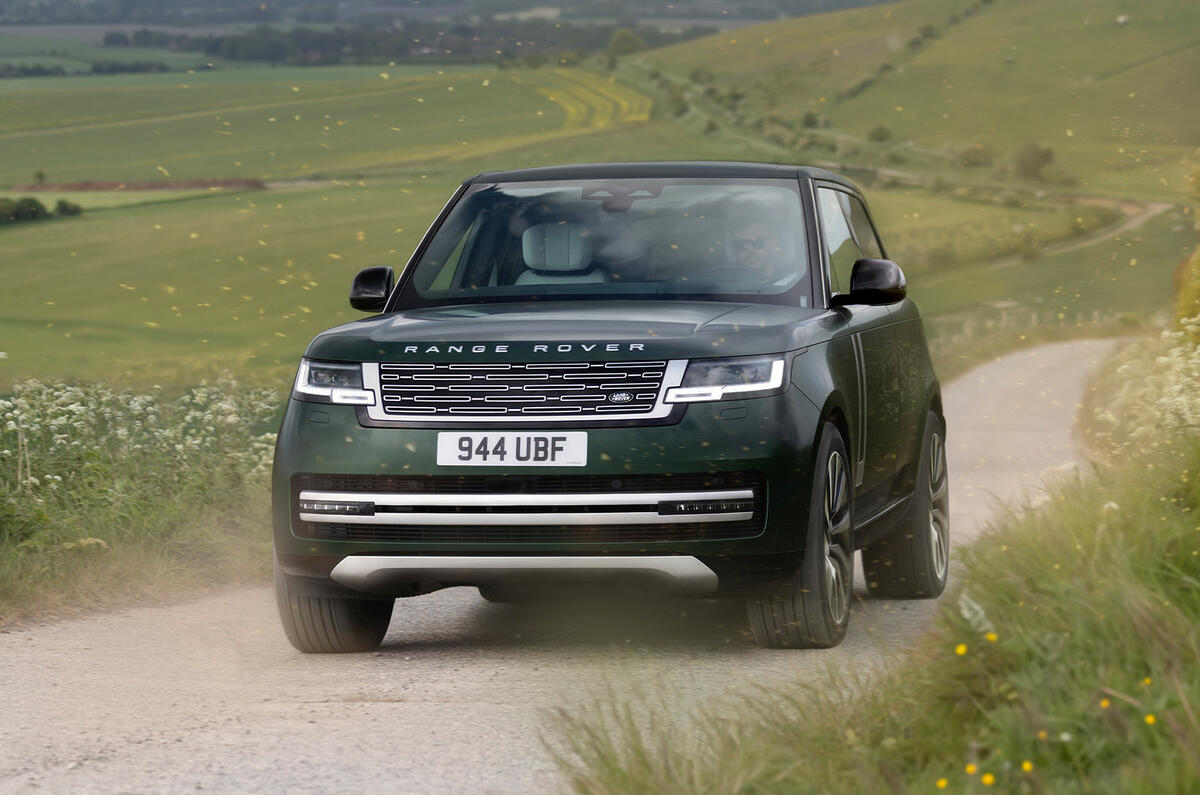
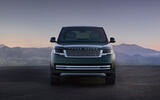
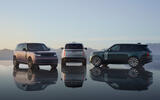
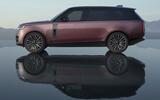
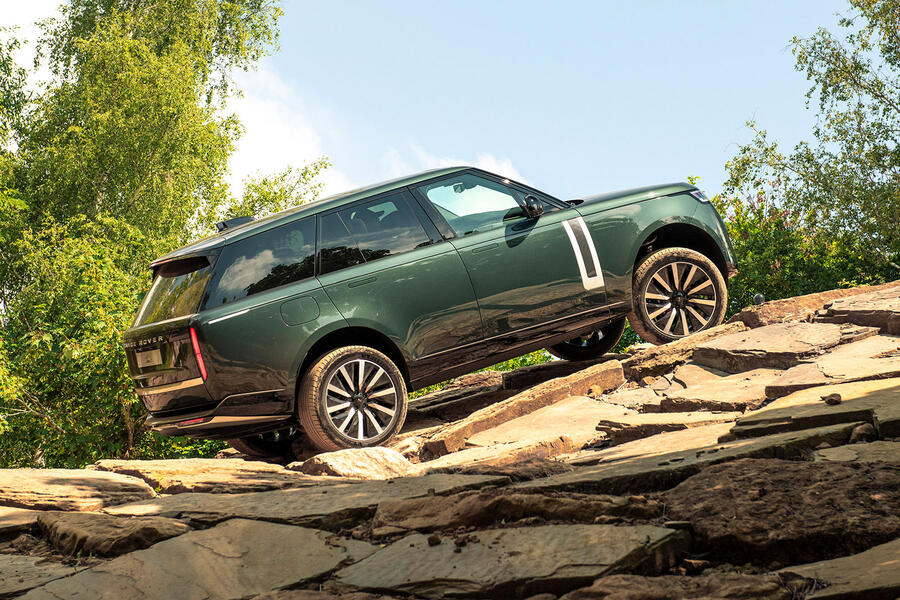
JLR has launched the first electric Range Rover, with the promise that the brand's crucial debut EV will "look, feel and drive like a Range Rover".

The new Range Rover Electric - due next year, priced from £154,070 - is a dual-motor EV based on the current Range Rover's mixed-metal Modular Longitudinal Architecture (MLA-Flex), with a 120kWh battery pack, outputs of 542bhp and 627lb ft and a WLTP range of 372 miles (or 330 miles in the real world, JLR said).

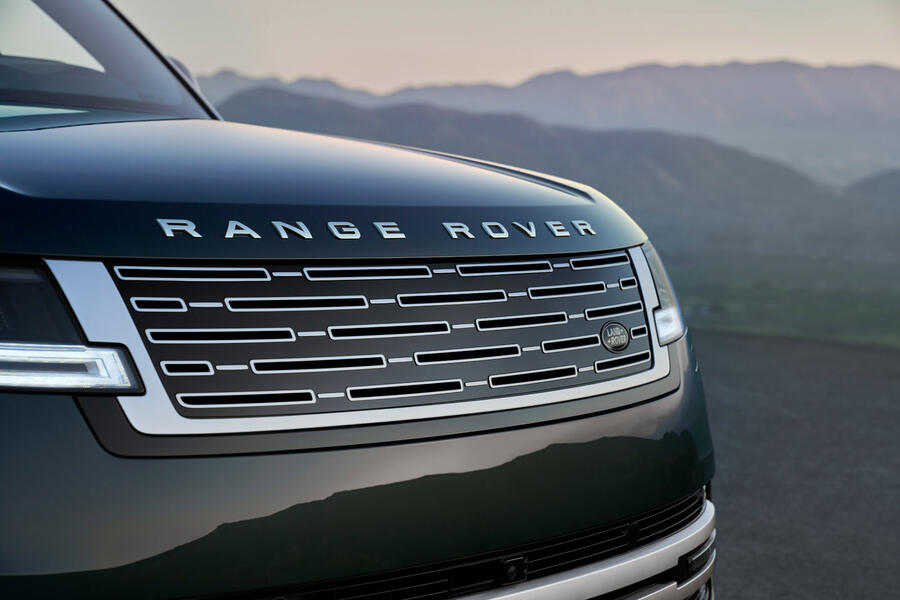
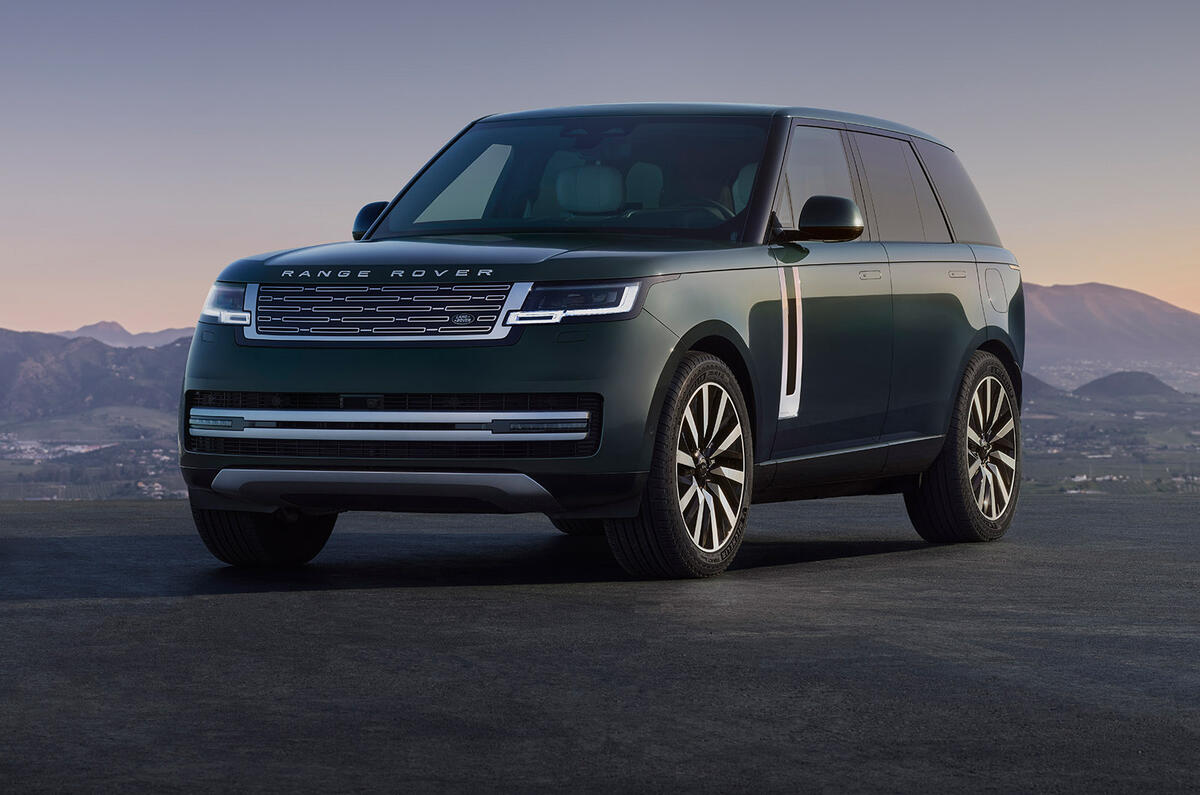
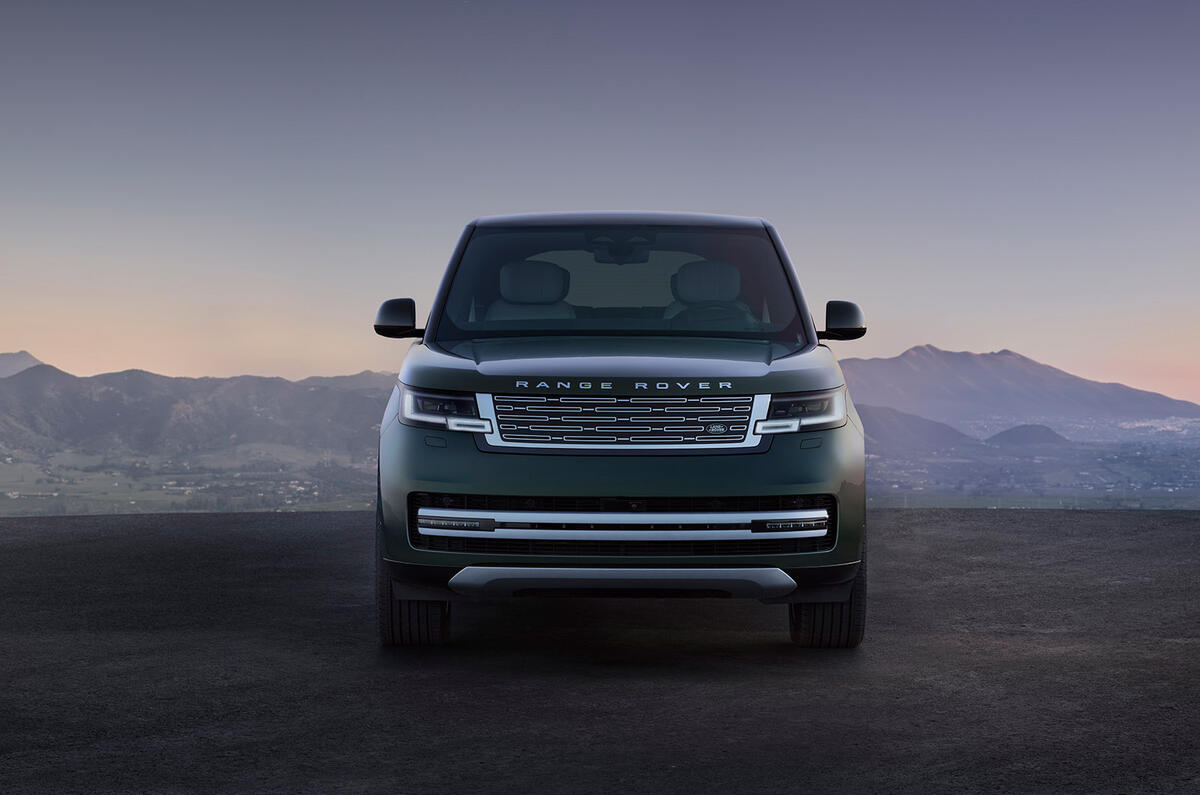
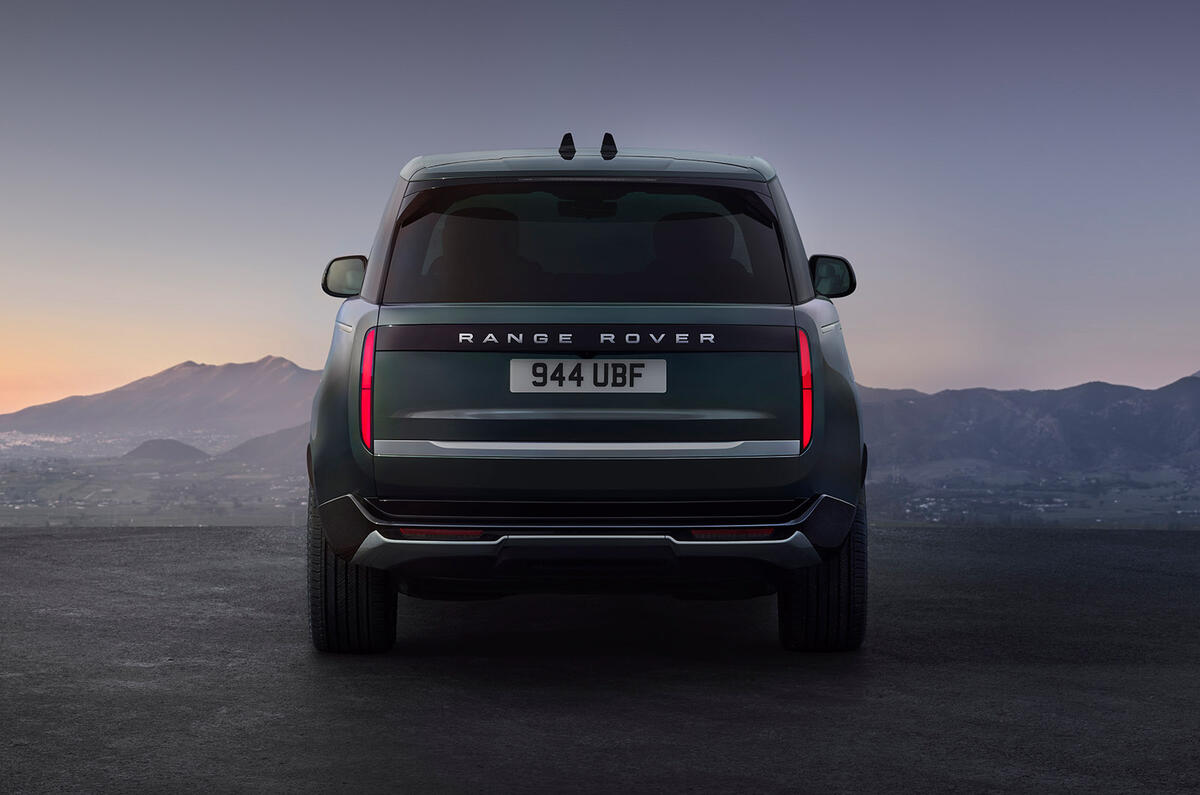
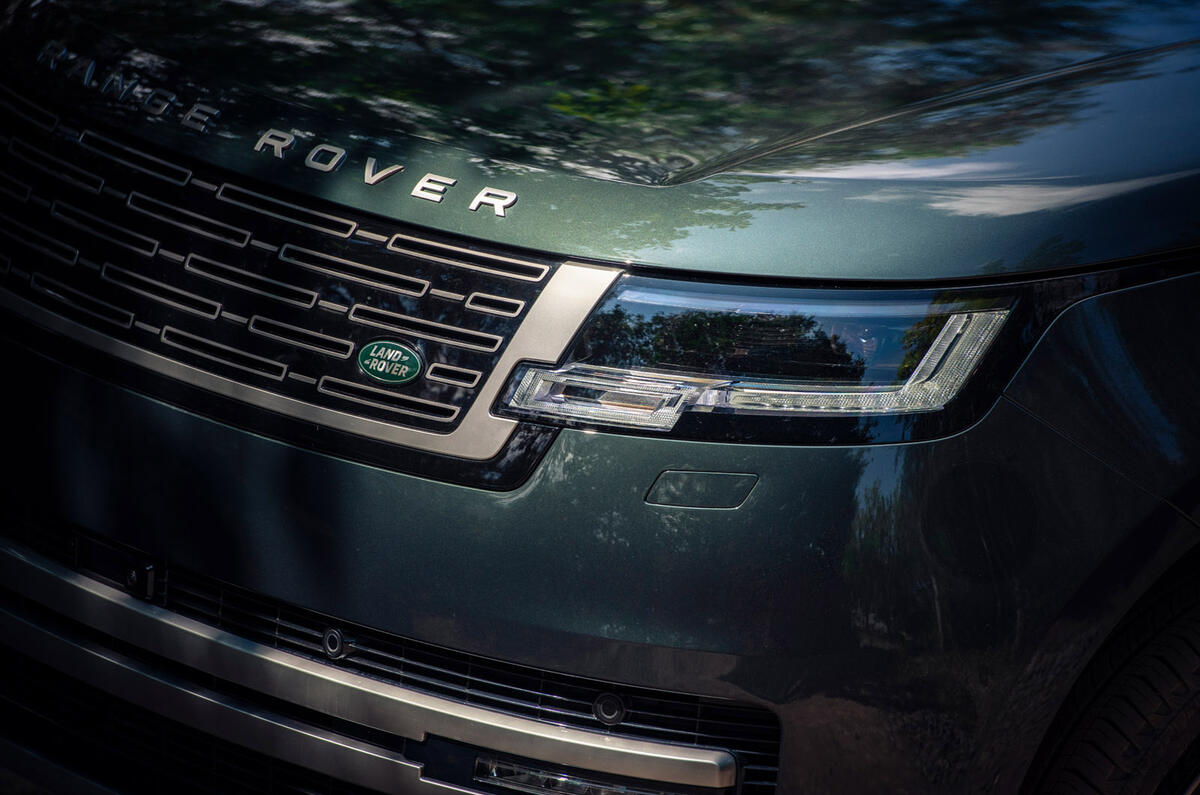
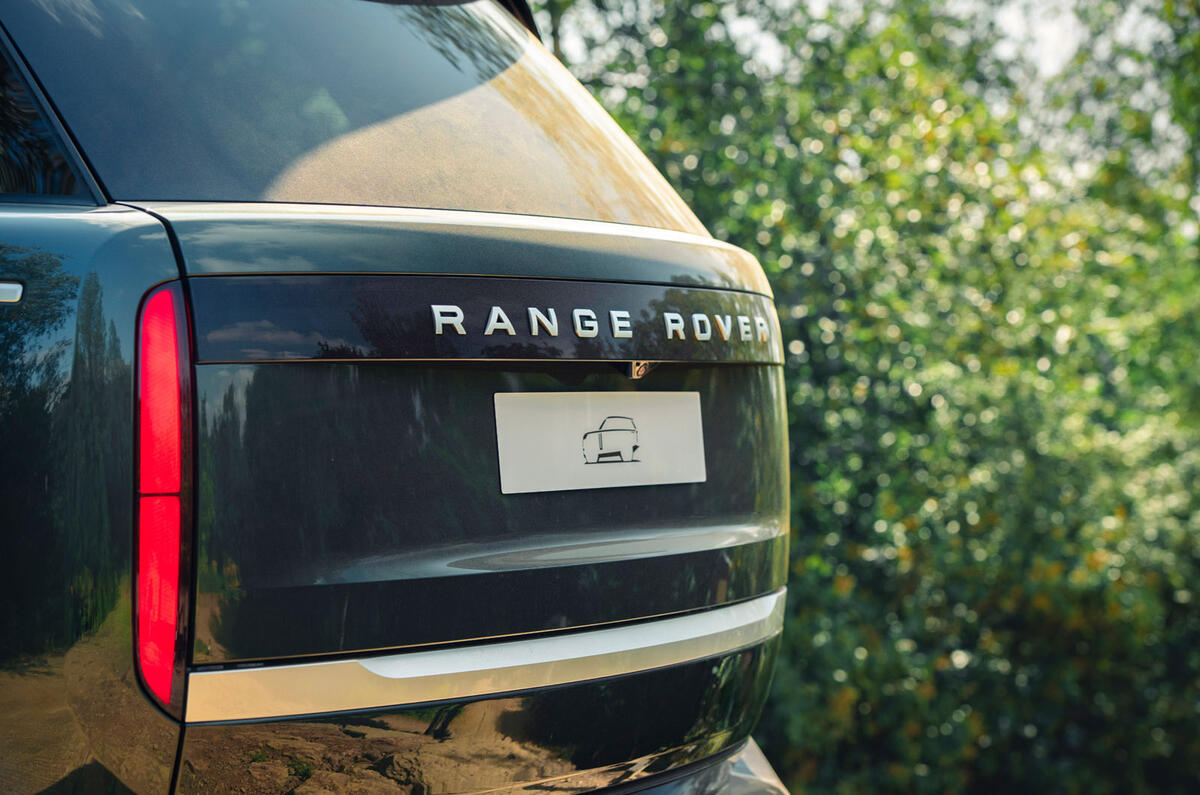
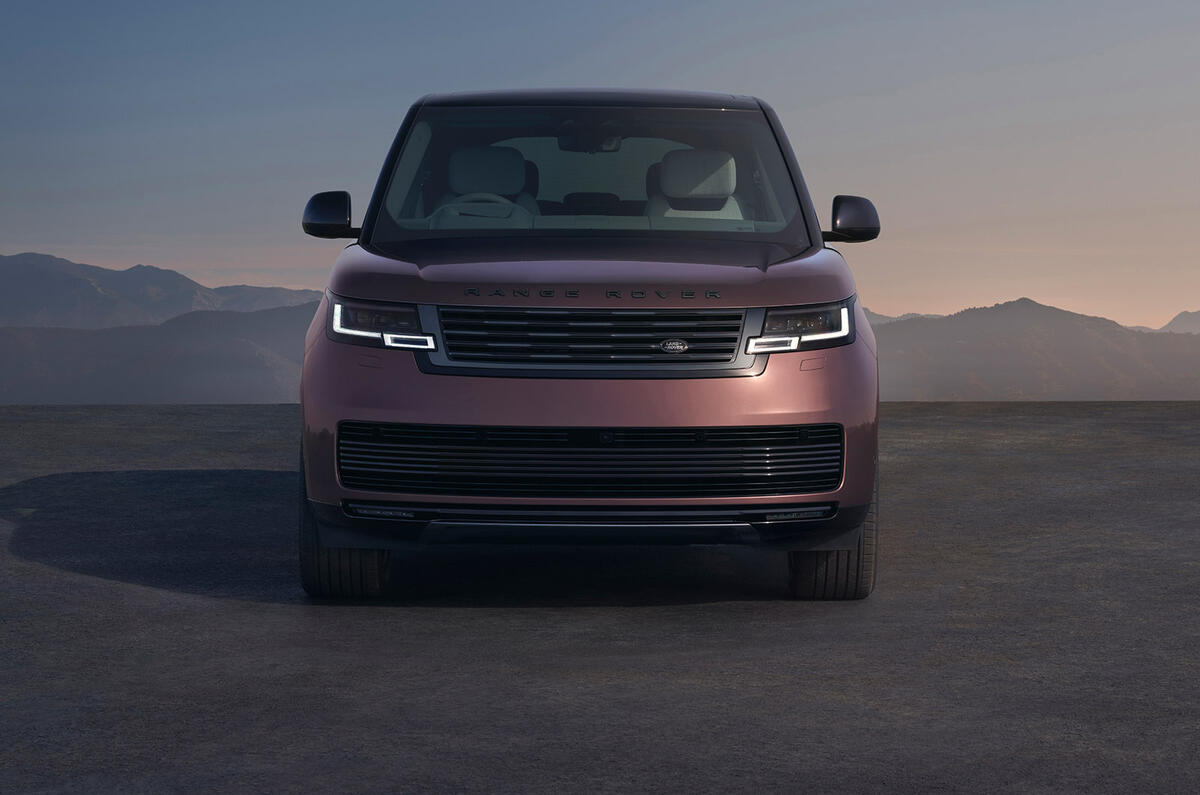
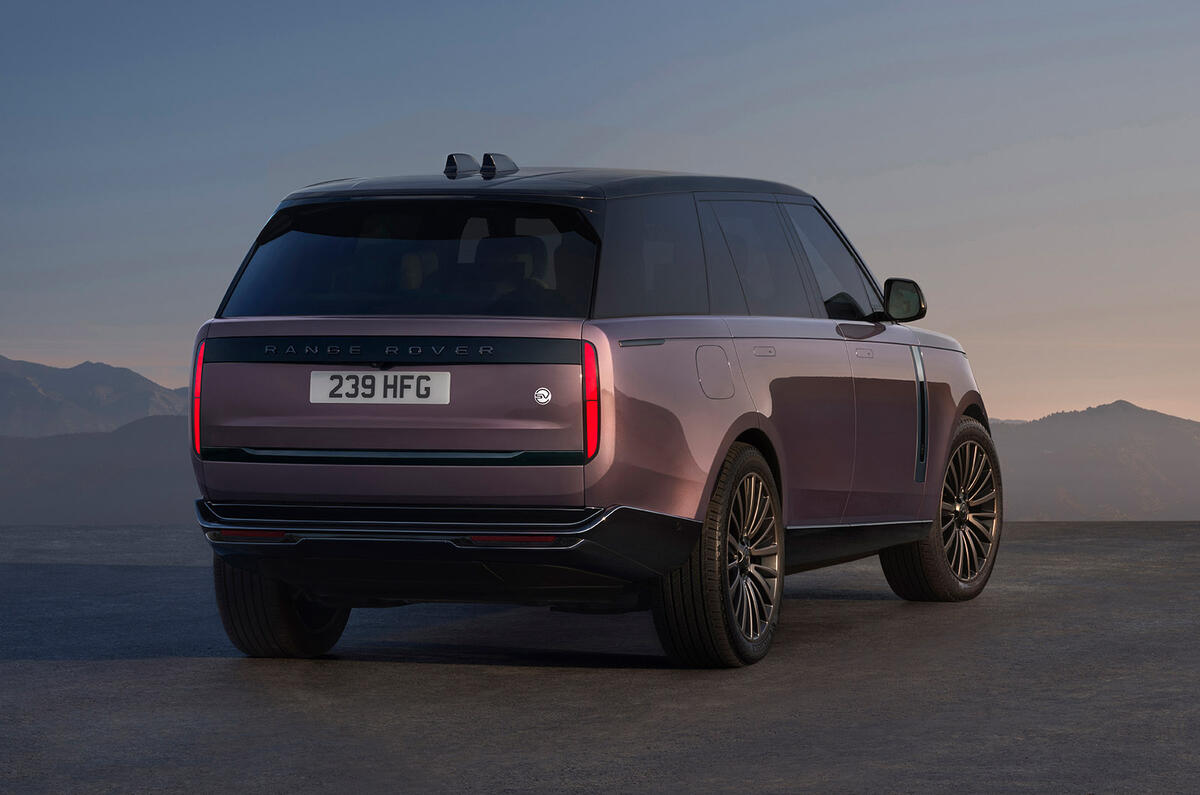
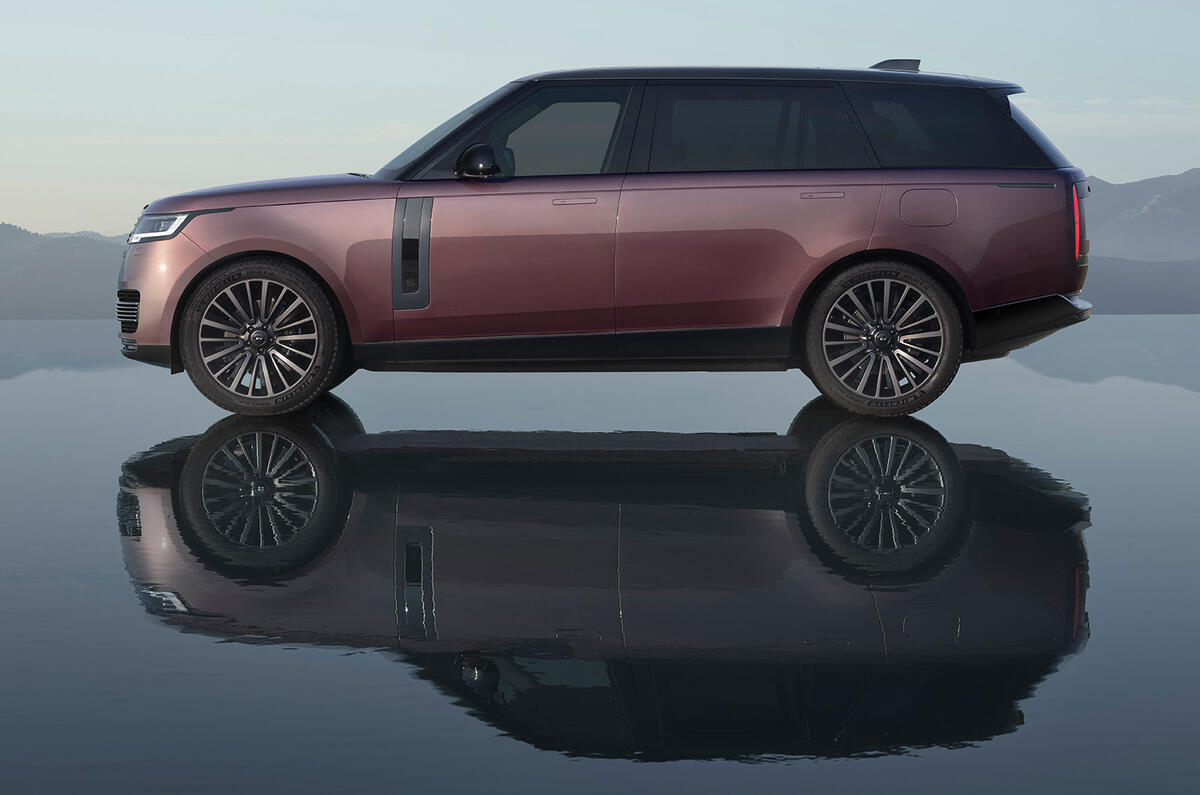
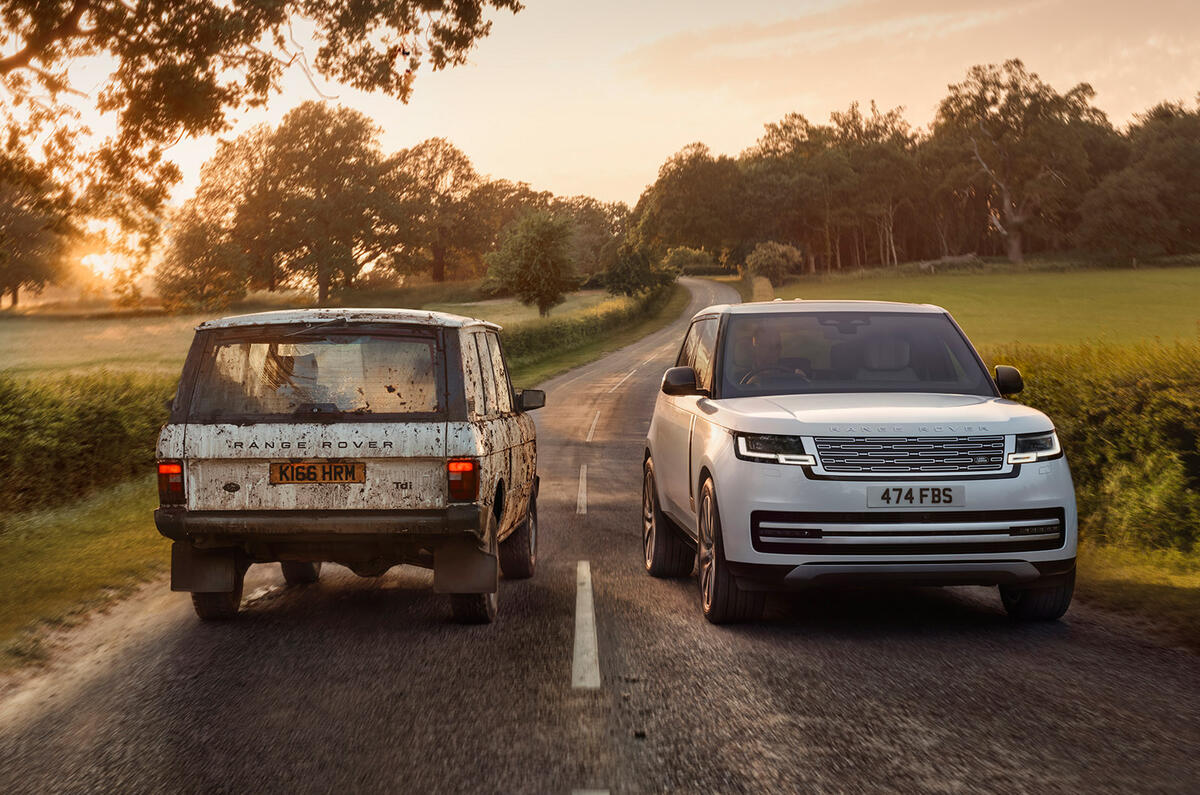
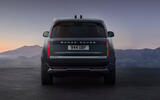
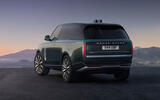
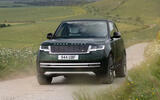
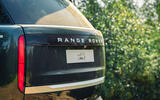
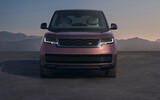
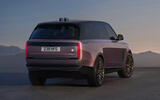
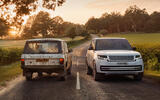
Visually, the Range Rover Electric is so close to the existing ICE and plug-in hybrid models that "we haven't needed to camouflage any of our prototypes", according to Rachel Hogg, Range Rover's global production manager.

The car has been in development for four years and has been, Hogg said, "quite a significant engineering challenge", because the company "had to make a wholly credible Range Rover".
Read more: Can Range Rover succeed where other luxury EVs are failing?


JLR has filed more than 300 patents, and a change of front motor to a more durable type cost months of development time even though Range Rover MD Martin Limpert admitted that "most customers won't really go off road".

The MLA-Flex architecture was designed from the outset with a full battery-electric variant in mind. It features 120kWh of double-stacked cells in a pack beneath the cabin floor, with identical permanent magnet motors front and rear. Each produces 322bhp, but they never make full power at the same time.

The rear electric drive unit (EDU) sits where the limited slip differential would be on the ICE model, so there is no loss of boot space.

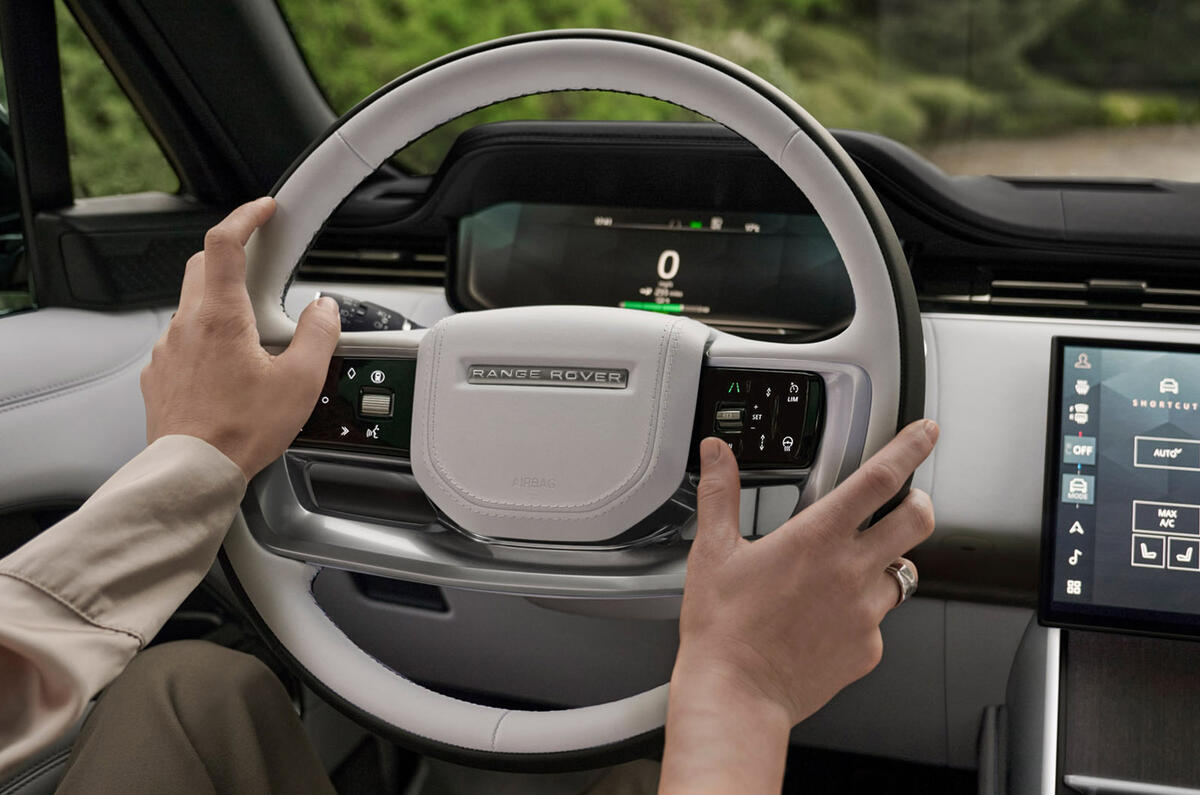
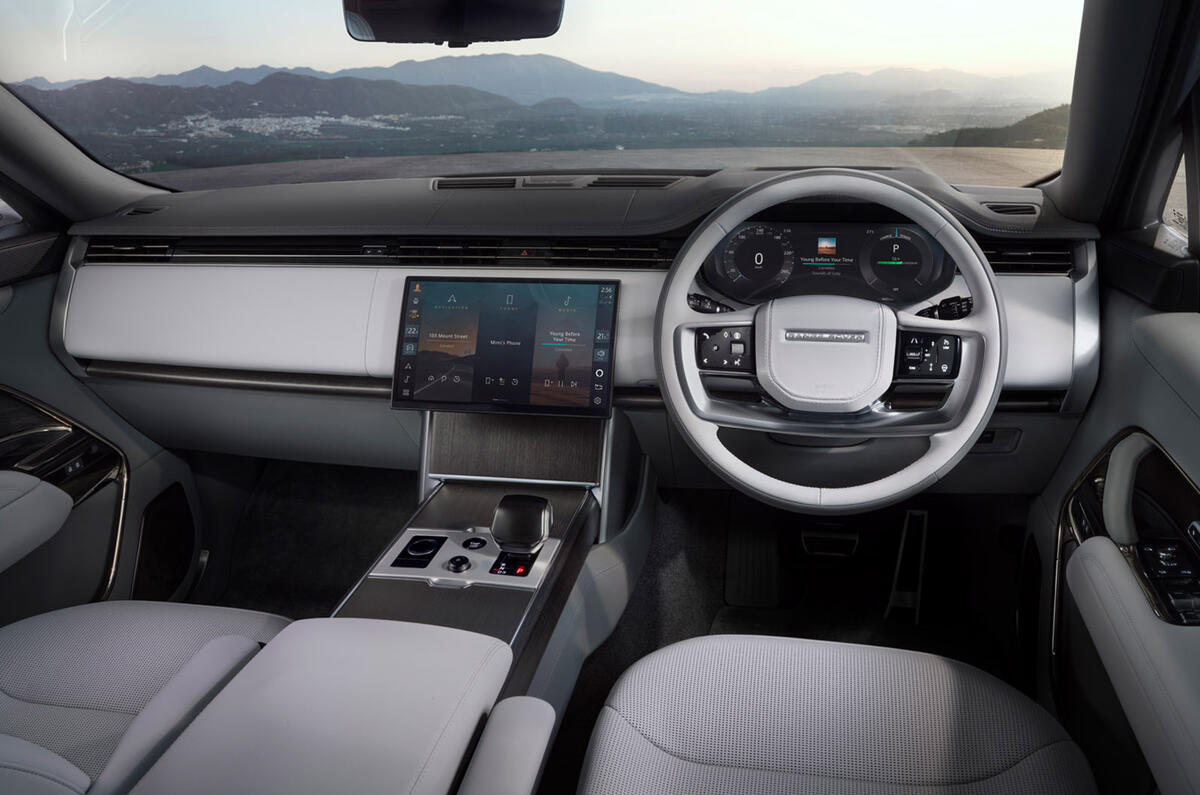
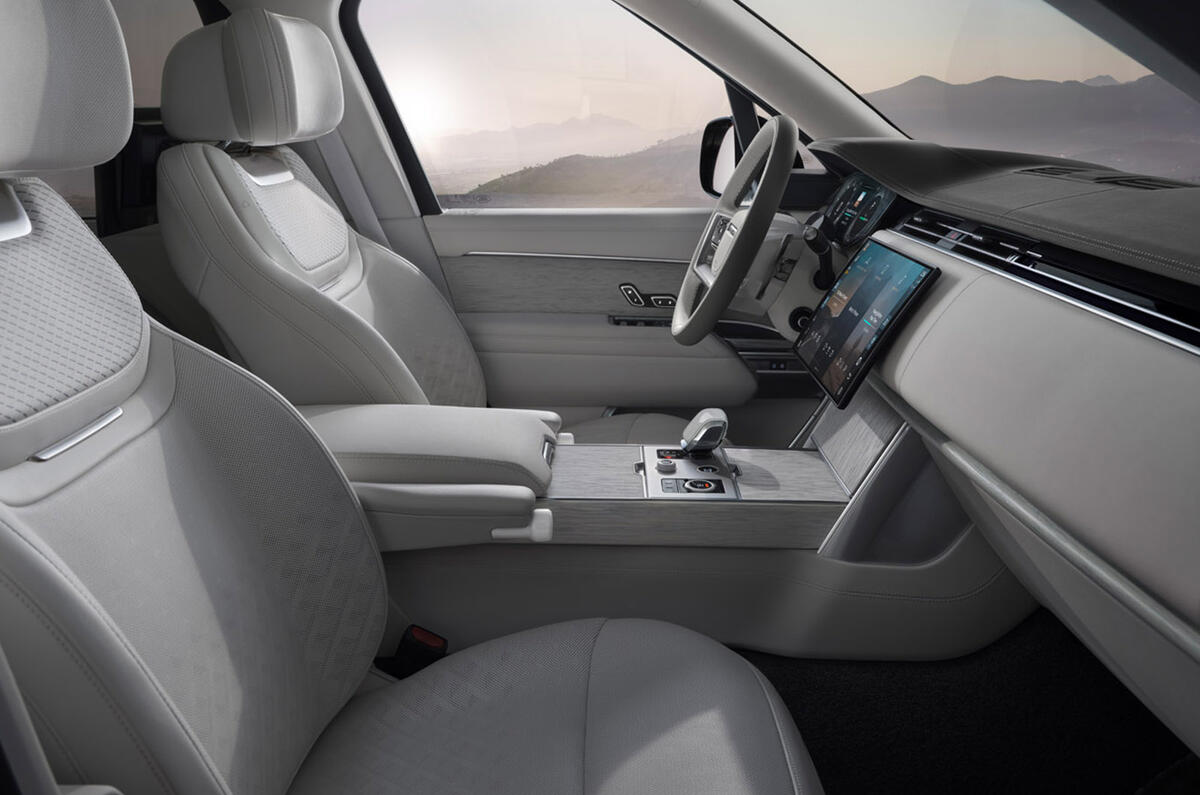
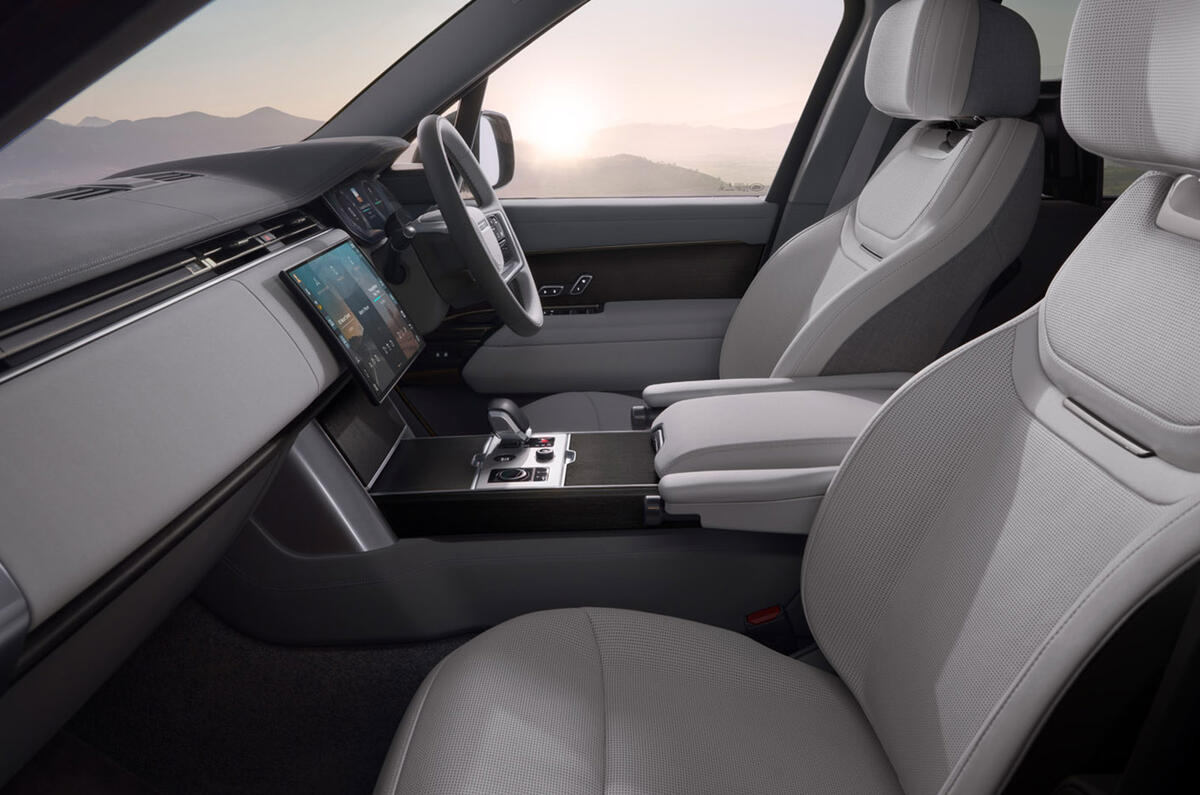
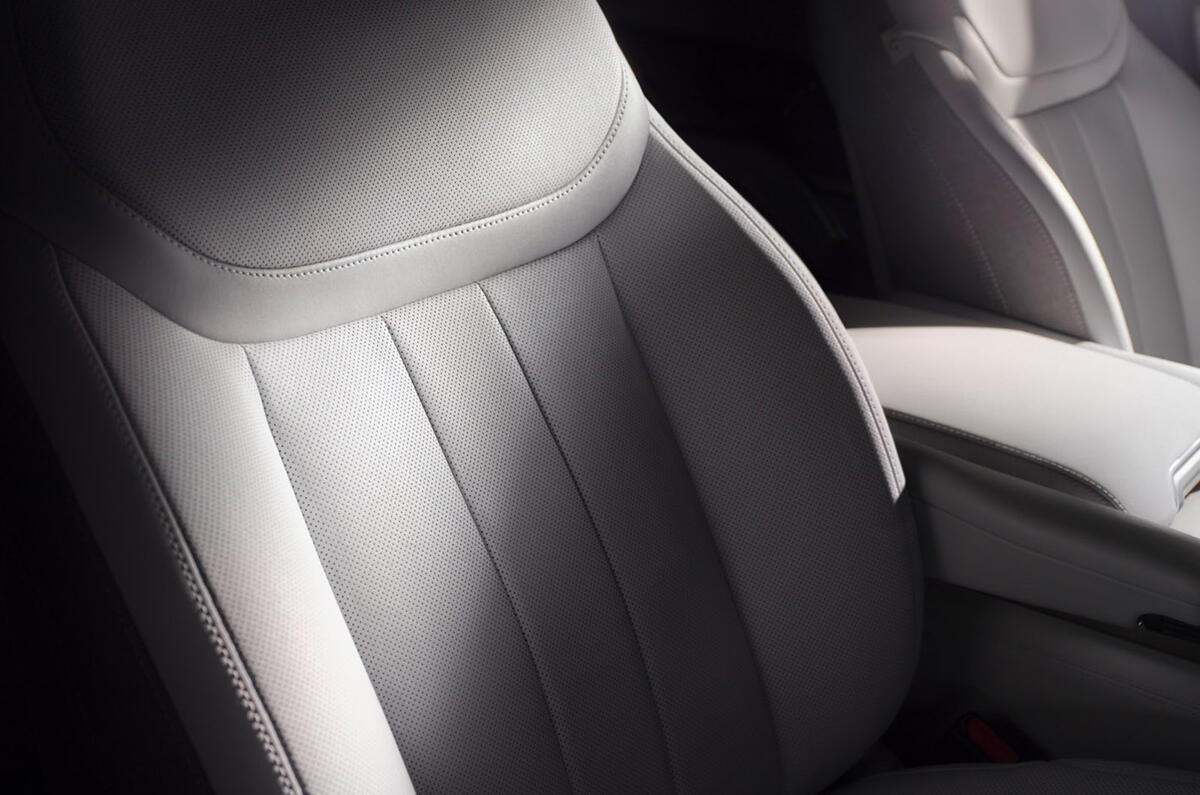
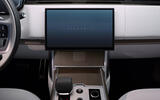
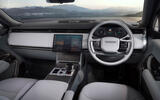
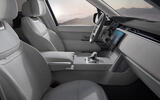
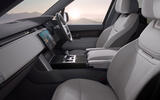
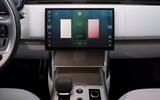
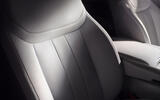
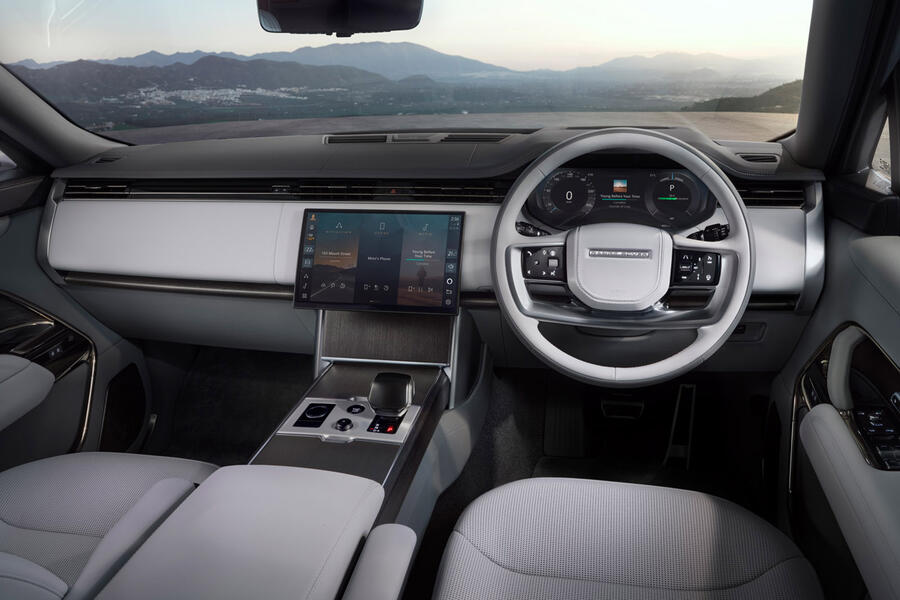
Despite there being no drivetrain through the centre of the car, the rest of the inside remains basically unchanged.

Simon Fairbrother, the Range Rover Electric's chief programme manager, said there has been "no need to provide a flat floor because everyone loves the Range Rover interior anyway".
Back to top

The Range Rover Electric weighs 75kg more than the PHEV, so it will come in at around 2885kg. It has an 88mm-lower centre of gravity than the V8 model, however, and gains twin-valve dampers from the Range Rover Sport SV while retaining two-chamber air springs with adjustable ride height, and the same 7.3deg of rear-steer, to help counter its girth and mass.

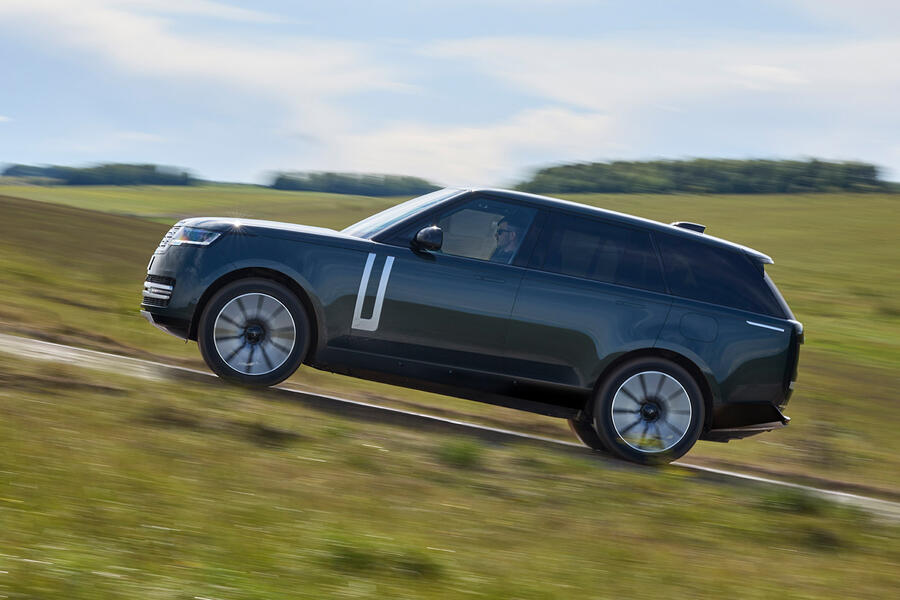
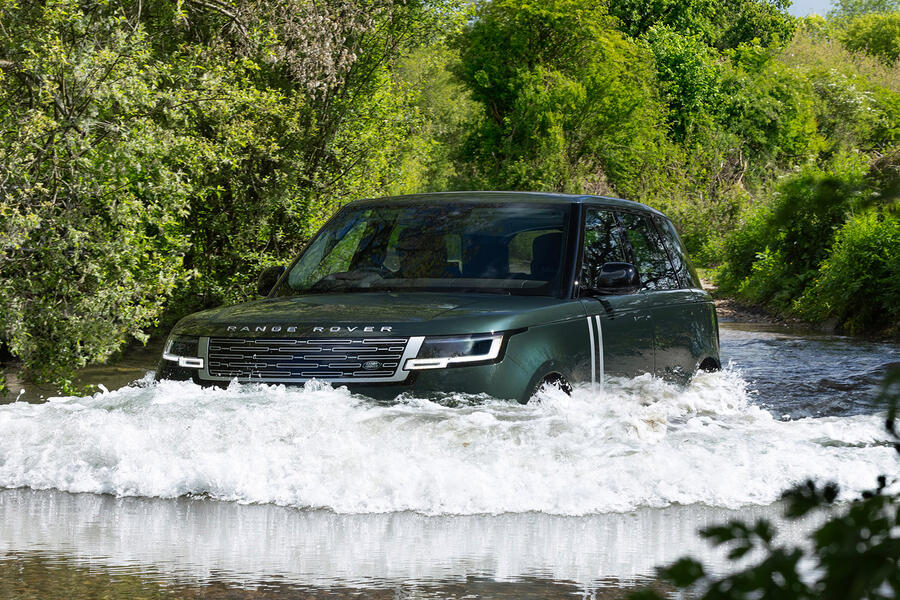
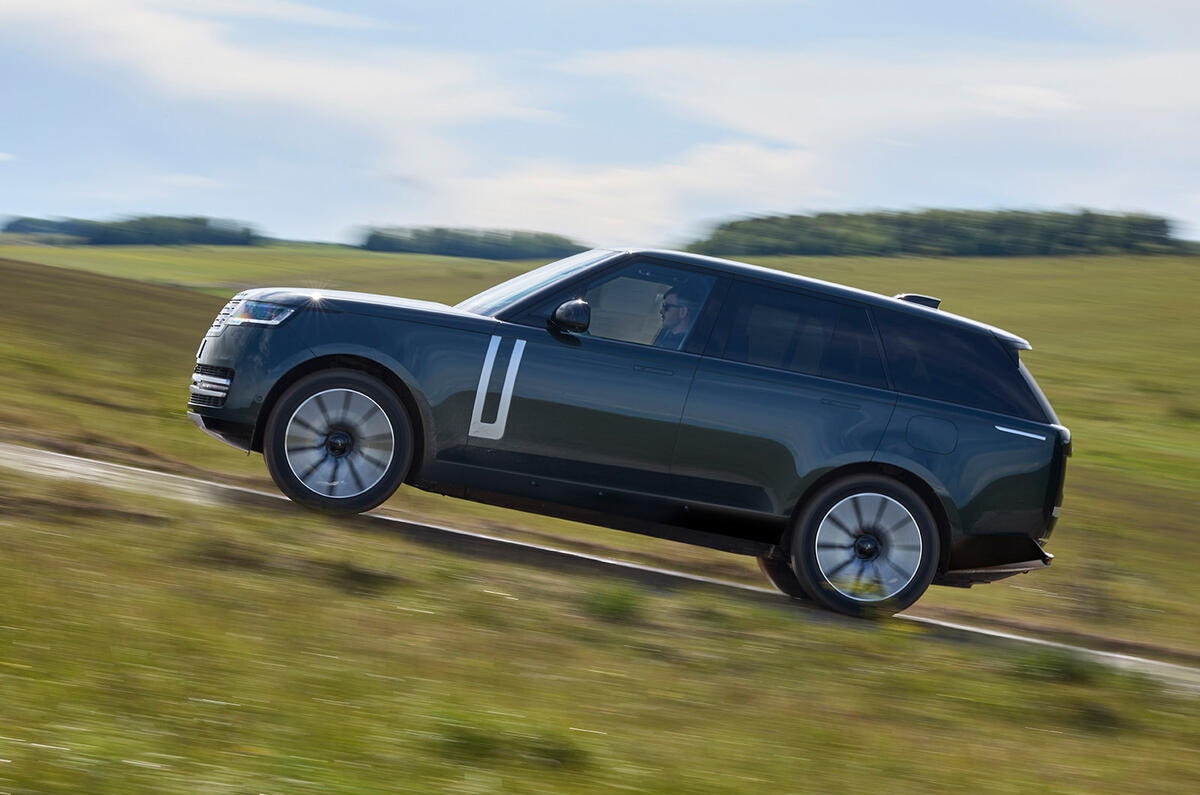
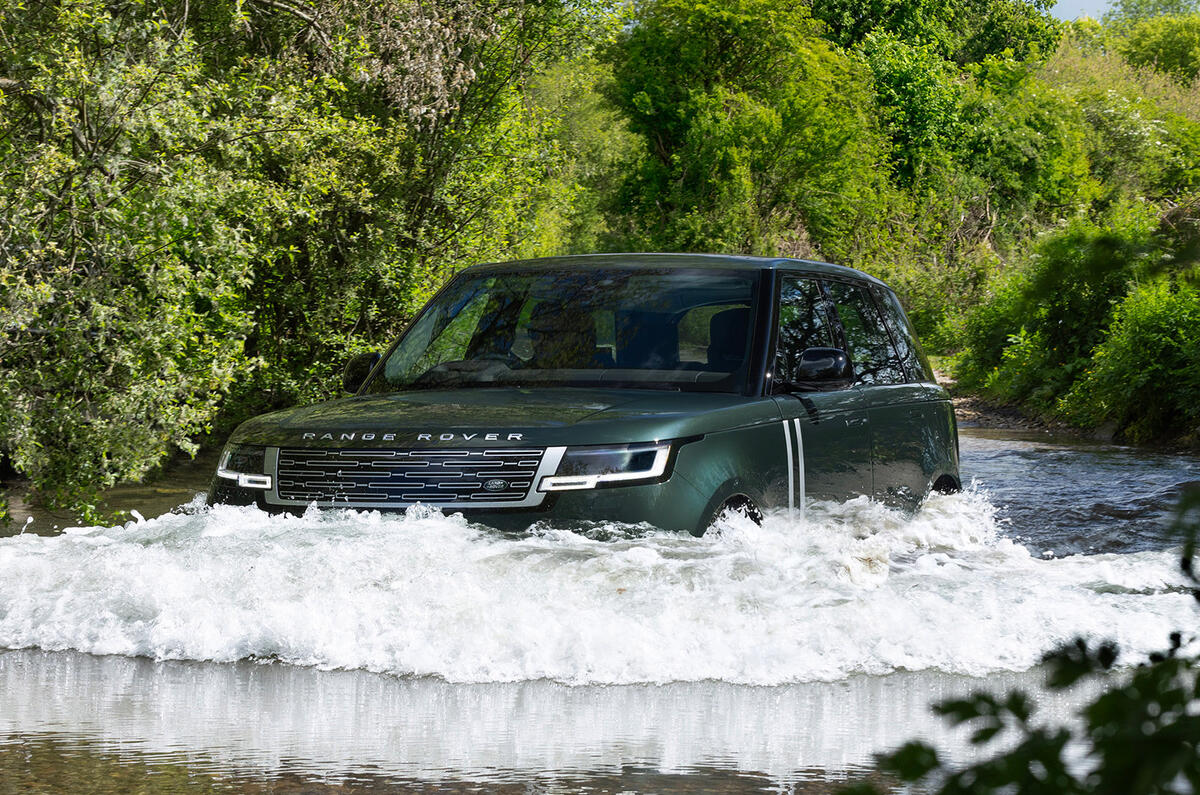
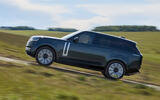
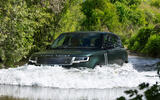
The on-road driving experience is meant to be as close as possible to that of the ICE car. The Range Rover Electric sits a little lower to the ground than its sibling, with a 15mm-lower ride height and 29mm-lower ground clearance, but the ride height remains adjustable and the 900mm wading depth is ostensibly unchanged from the ICE car.

The battery pack and drive elements are fully sealed at low level, but there are some high-mounted breathers that allow cooling while fording. But as with the ICE car, it's the vehicle's initial propensity to float and lose traction that ultimately limits its wading depth, rather than water ingress.

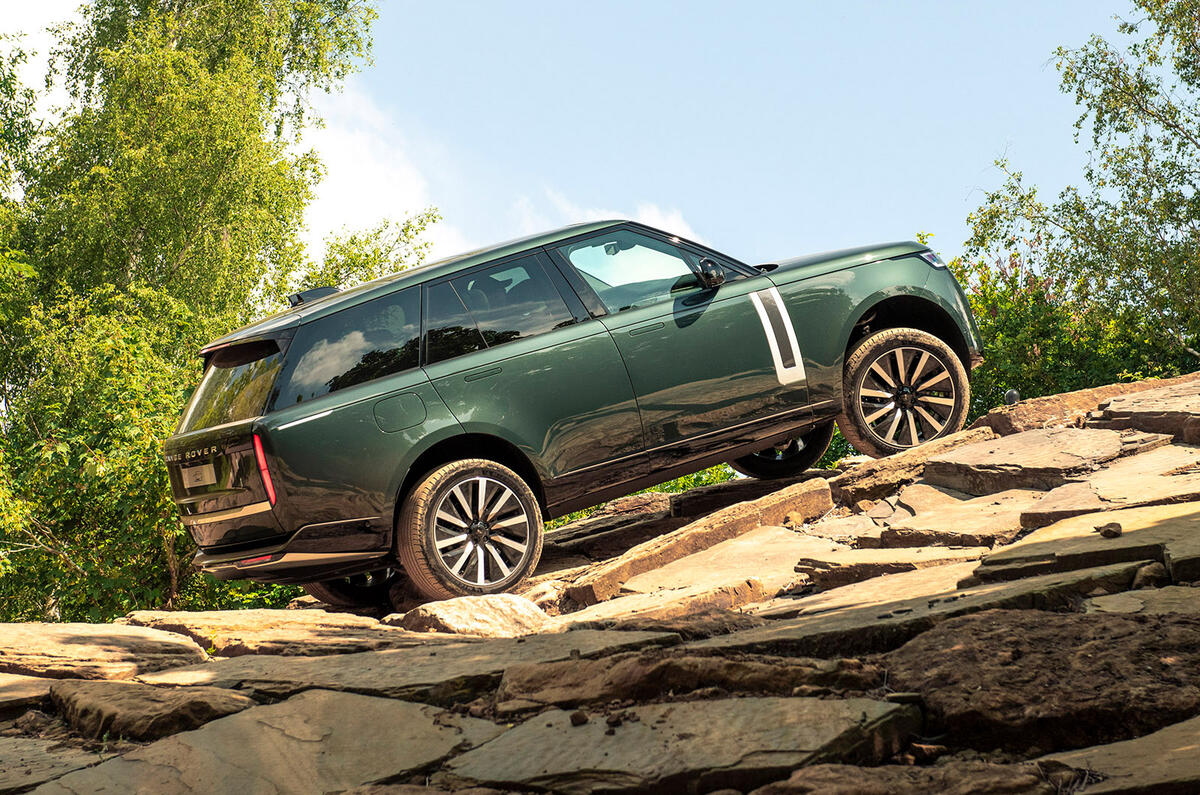
Extra weight and a small reduction in breakover angle aside, electric power brings some advantages off road. There is never a need to stop and engage low- or high-ratio gearsets and throttle response is, according to senior technical specialist Jason Walters, "a lot more forgiving". He added that the quick response and controllability of an electric motor makes an EV "phenomenal" on sand.

Range Rover investigated a four-motor set-up like that of the electric Mercedes-Benz G-Class but said it brings weight penalties and the disadvantage that a single wheel can only receive as much power as one motor. Even though the Range Rover Electric's differentials are open, once a spinning wheel is stopped via braking, a wheel with grip can receive an entire axle's power output.

Development of the electric motors was one of the more problematic areas. Initially JLR wanted to use an induction motor on the front axle, which would "do what we want, but it wasn't consistent", according to Fairbrother. In extreme off-road conditions it would overheat and fail to produce its full power.

Back to top

"There was nothing out there off the shelf," Fairbrother said, "so we've done it all in-house."

The motors will be made at JLR's Electric Propulsion Manufacturing Centre in Wolverhampton, a former engine manufacturing plant in which it is investing more than £350 million to enable it to assemble motors and battery packs.

Range Rover claims the Electric is 7dBA quieter than a Range Rover V8 under full acceleration or 2.5dBA quieter while accelerating at 0.1g. During a constant-speed cruise, there's little in it because the majority of noise is tyre and wind roar anyway.

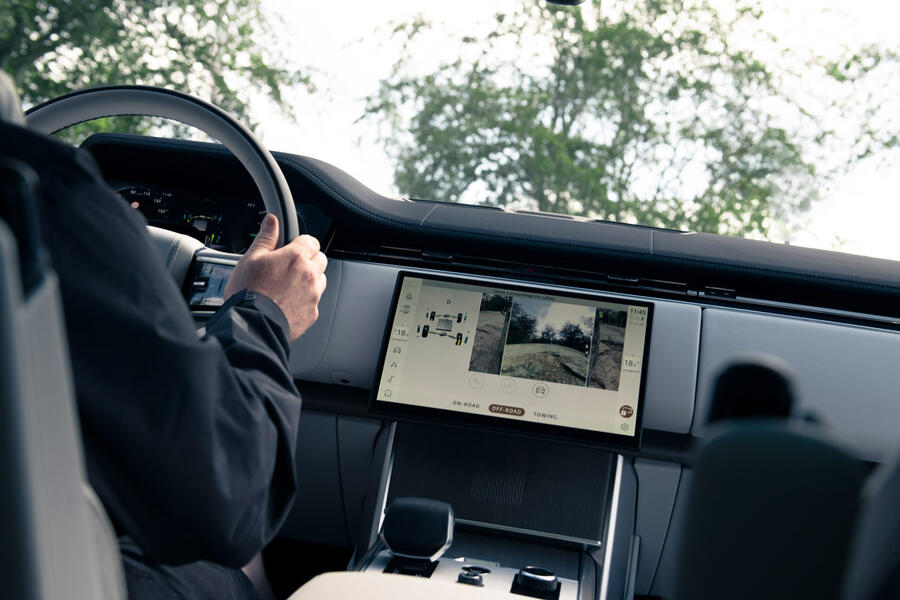
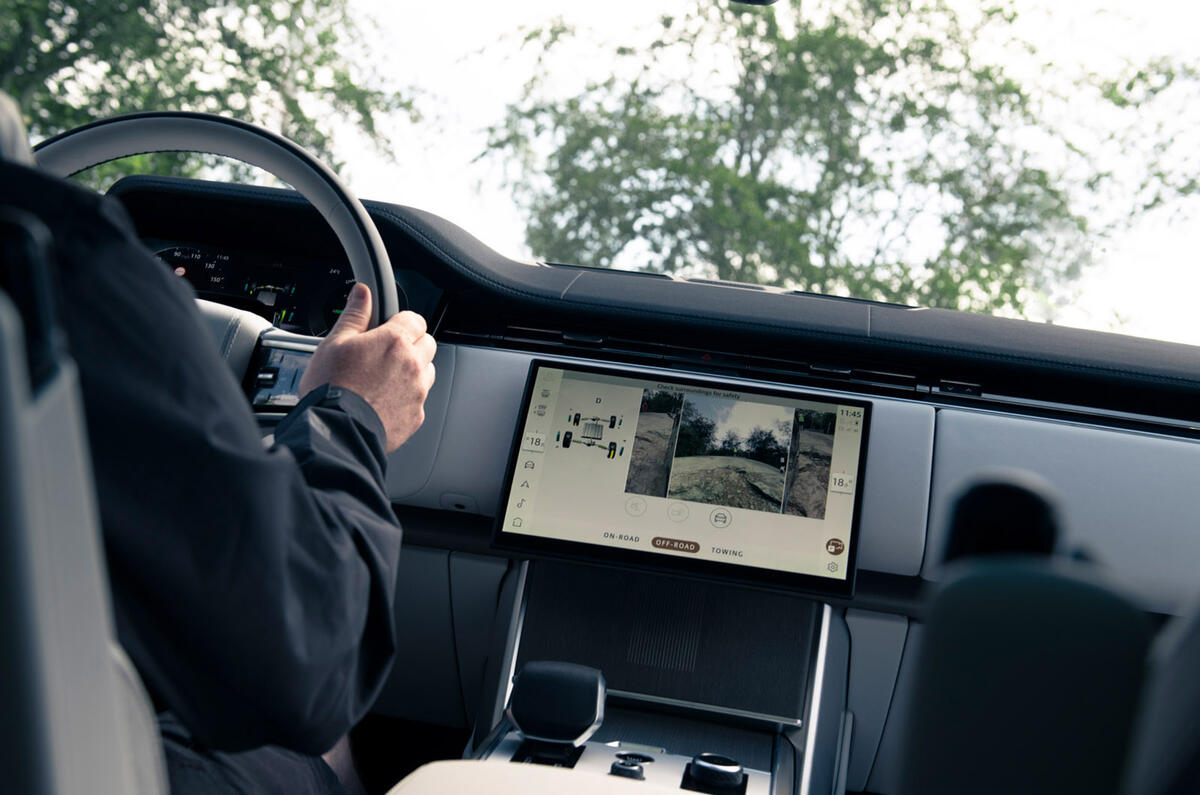
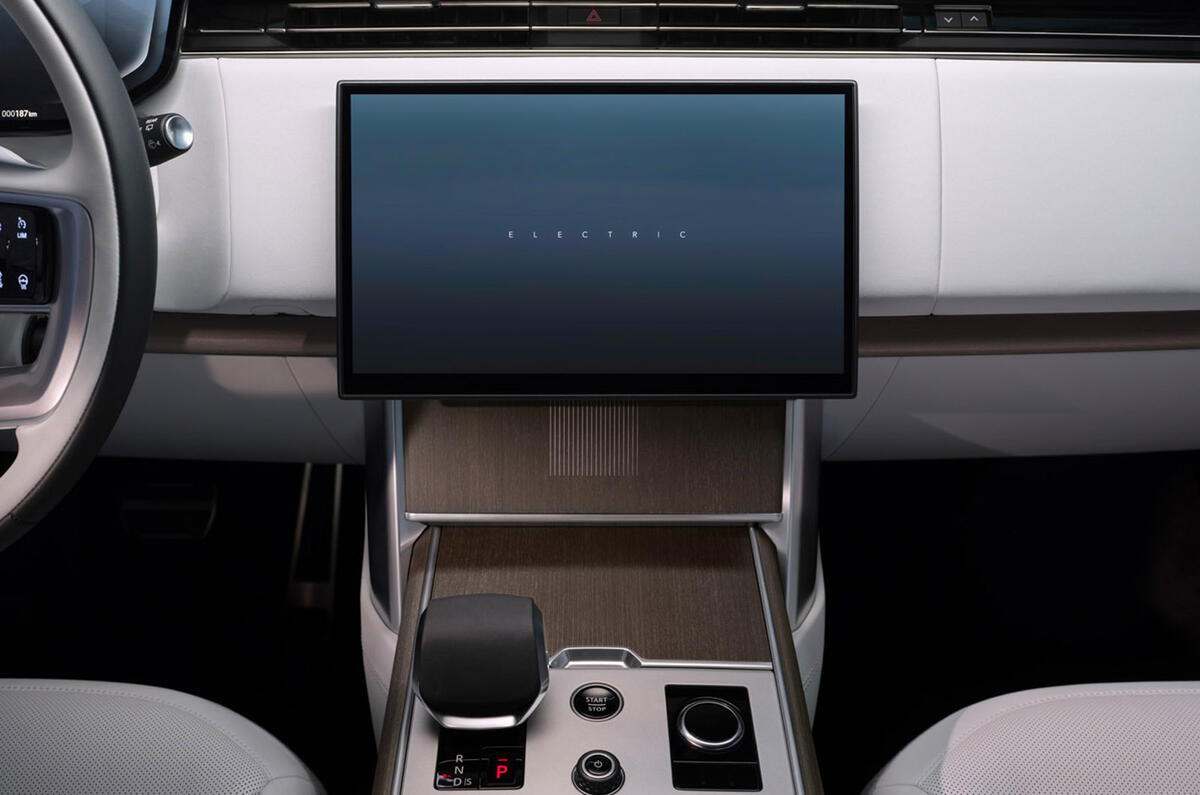
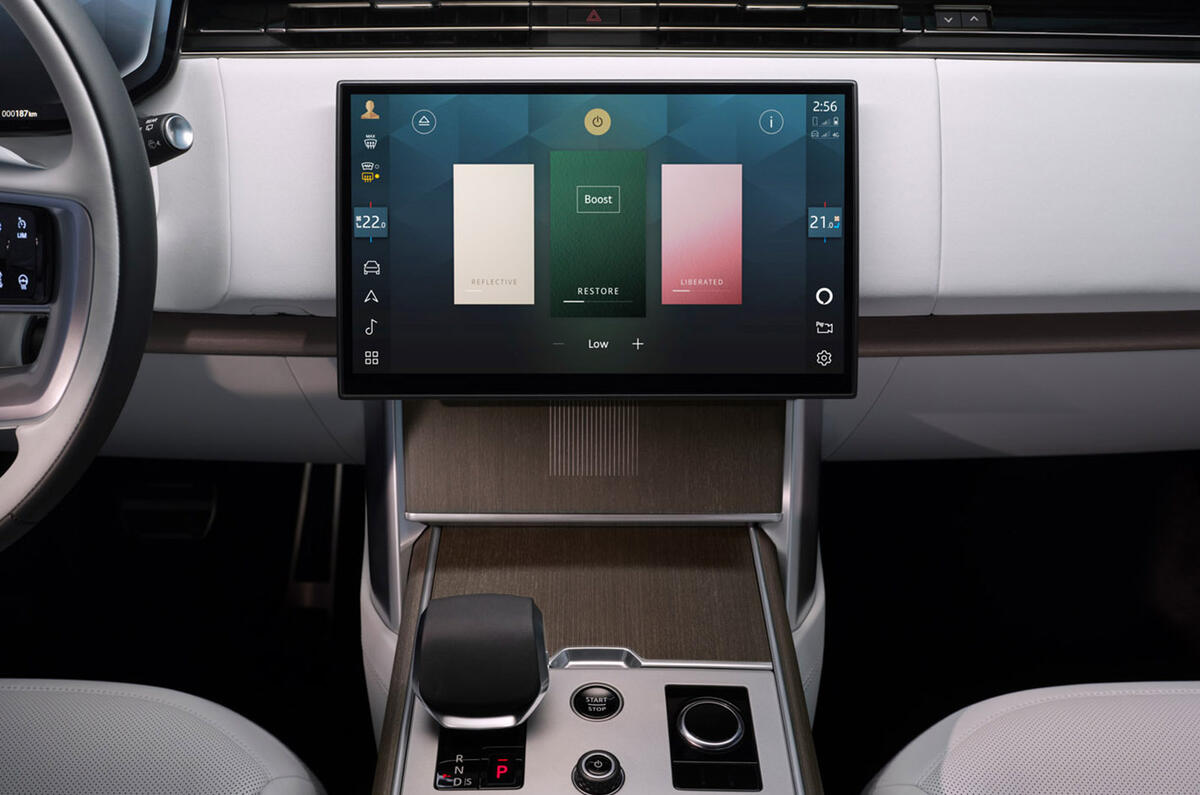
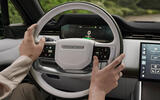
Changes inside are mostly limited to the operations of the screens.

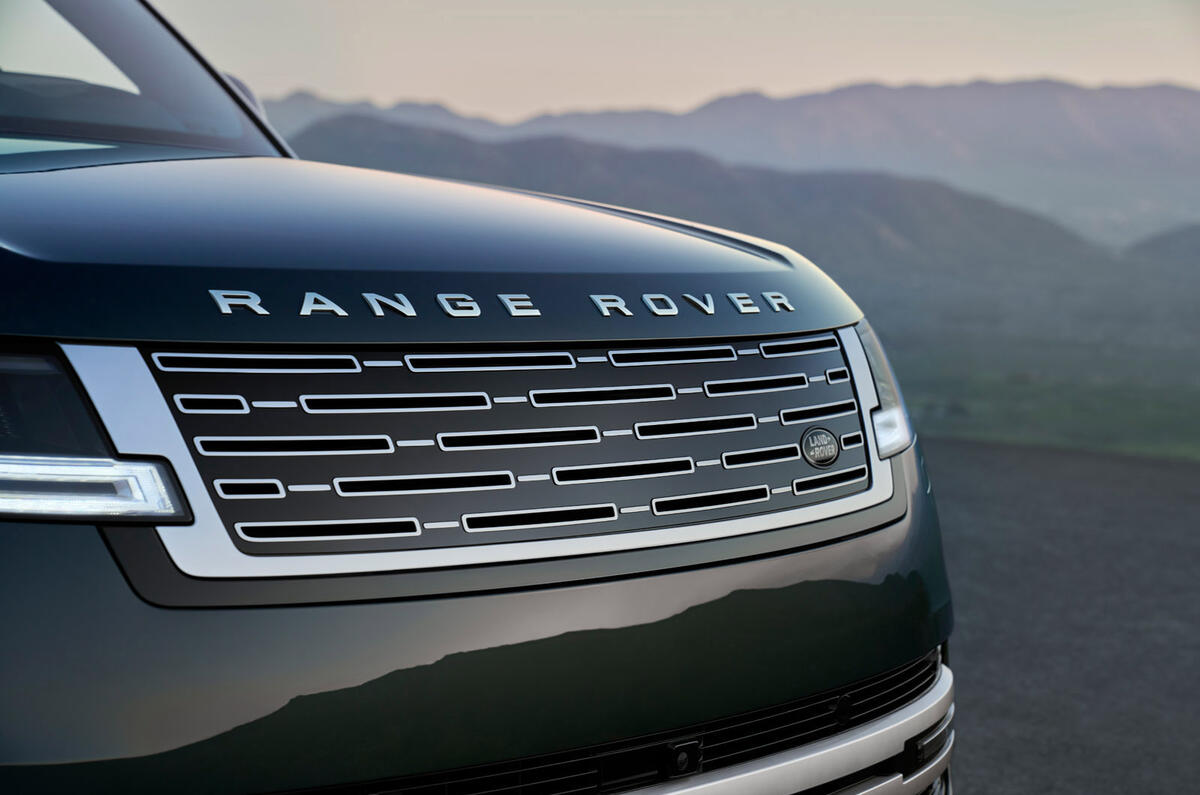
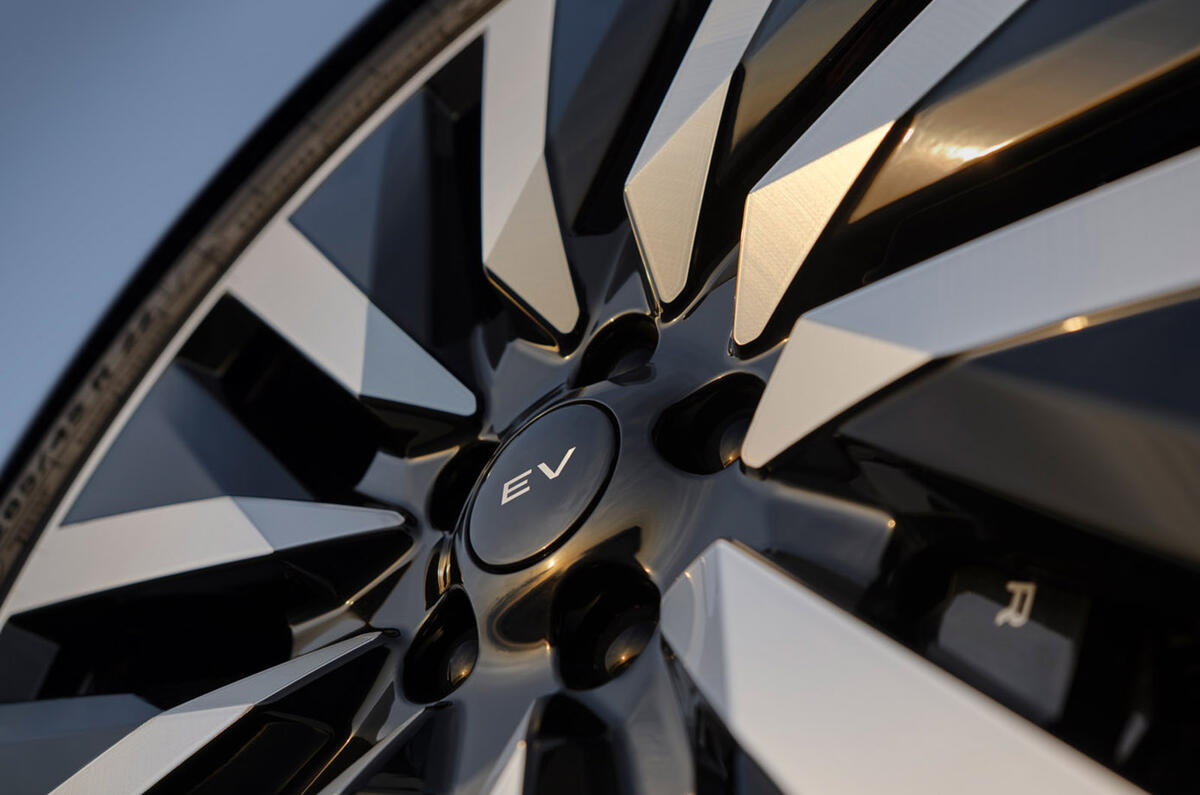
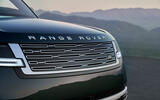
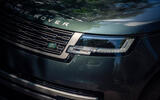
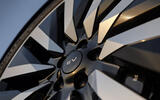
There are minor exterior changes, to the grille and wheel design, which gives a drag coefficient improvement of 0.01 - said to add five miles to the car's urban range or 10 miles on a motorway.

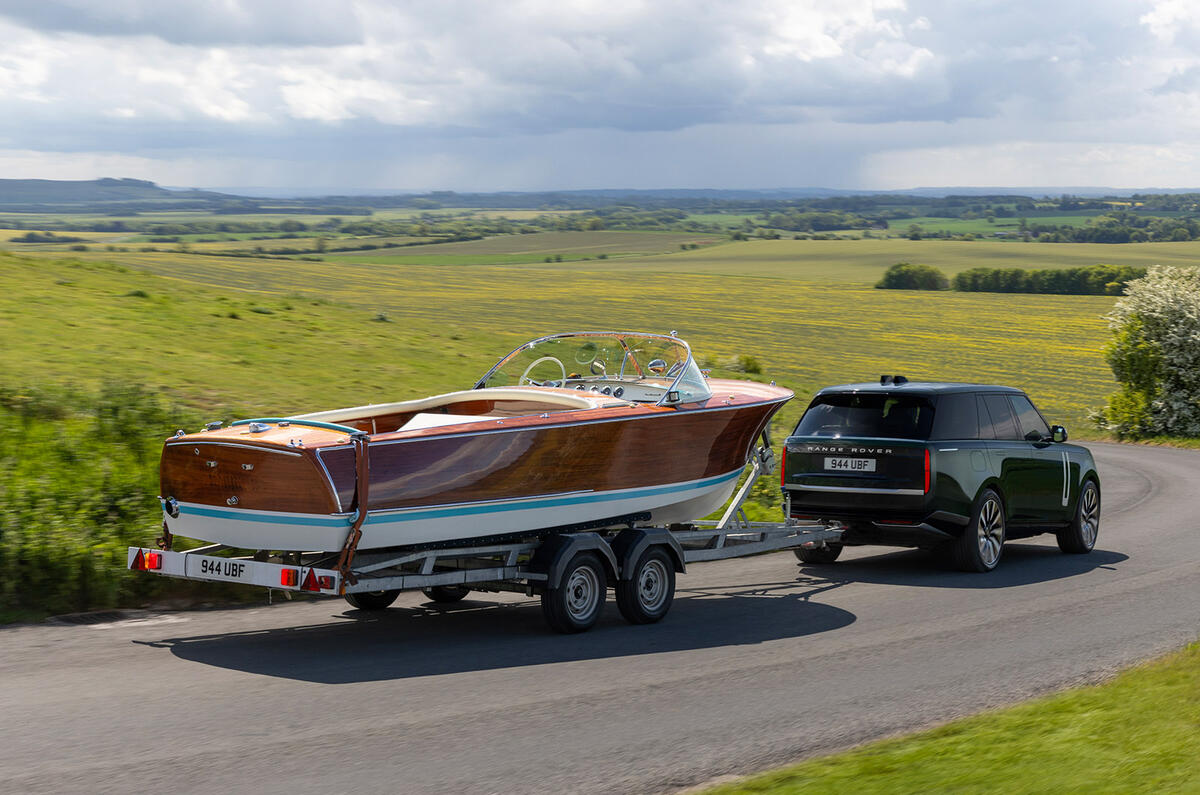
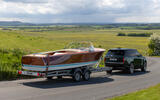
Range Rover owners don't go off road often, but Rob Mckay, JLR's head of public charging services, said: "The majority will tow during their time with the vehicle."

The Range Rover Electric's towing limit is 2500kg, lower than the 3500kg of the ICE car or 3000kg of the PHEV, but McKay said more than 360 million Range Rover customer journeys had been analysed (via anonymised data) and it was found that the electric car would be suitable for 97% of them.

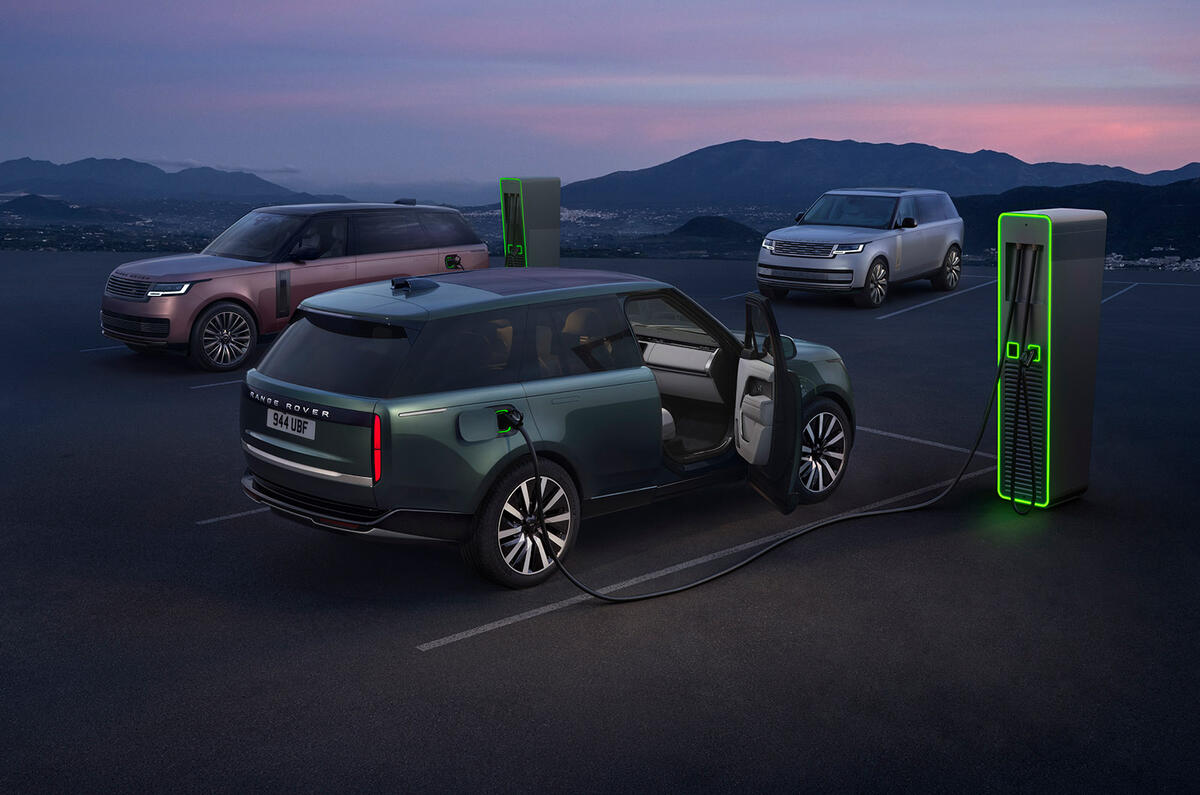
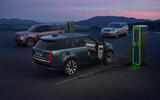
A 3.6kWh vehicle-to-load adapter is available as an option, an additional low-speed AC charging port is optional on the opposite side to the high-speed (up to 350kW) DC outlet and vehicle-to-grid compatibility will be offered at some point in the future.

Back to top

How does it drive?

Our introduction to the full technical details of the new Range Rover Electric were accompanied by a brief drive around JLR's Gaydon test track, based on an old RAF airbase and featuring myriad on-road and off-road courses.

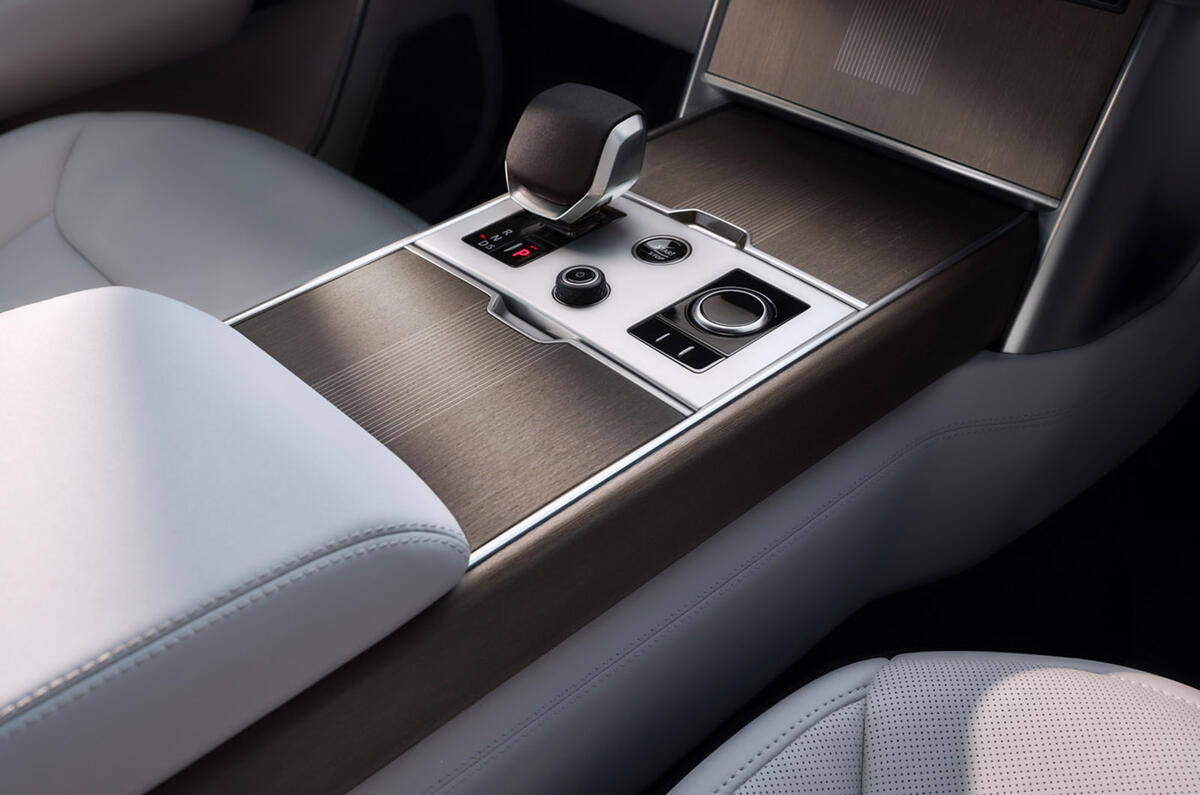
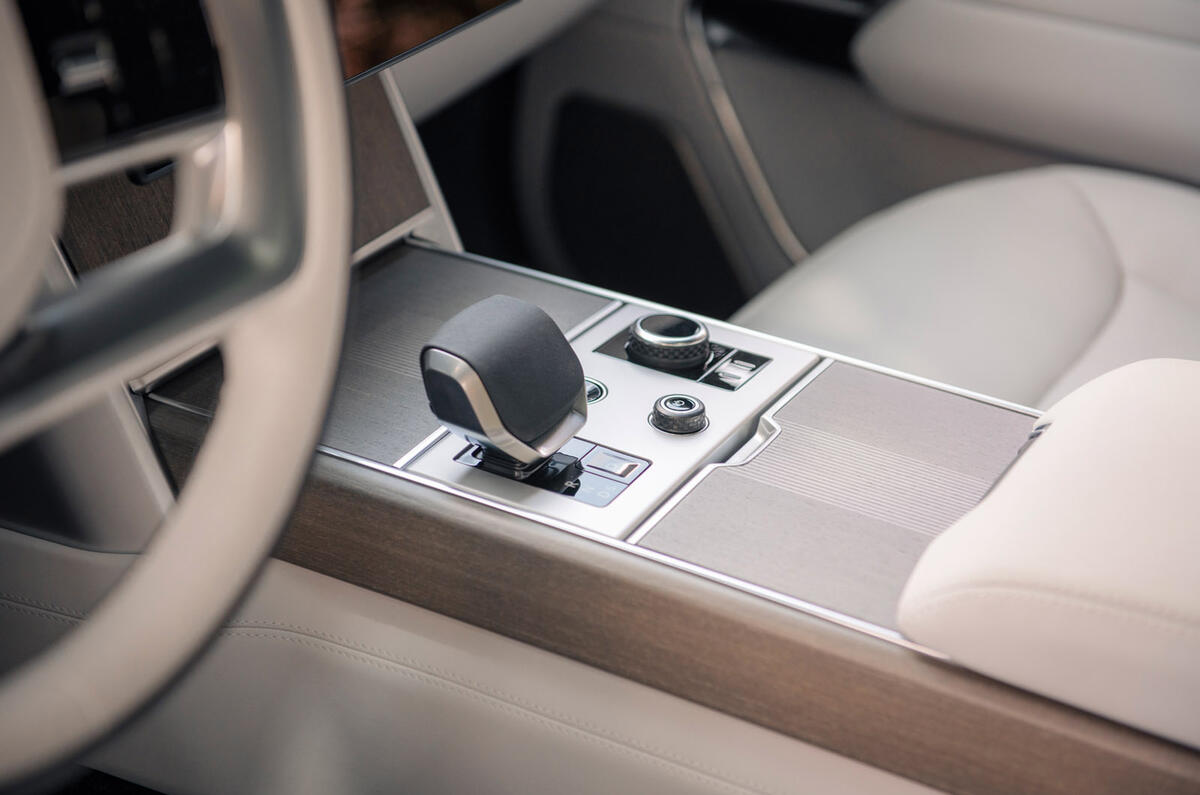
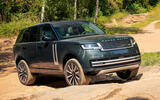
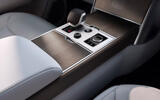
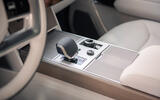
The first thing of note is how conventional the car feels, with very little difference inside over the combustion-engined car, including the same gearlever and drive mode selector on the transmission tunnel (now housing battery-topping electrical gubbins).

Instead, the differences are largely relegated to the car's screens.

There's an AI-enabled range predictor, which JLR claims is far more accurate than most other systems. All Range Rover Electrics will have a 'digital twin', by which the battery pack's health status and the car's vital stats will be monitored to help predict and manage any problems.

We spent a few minutes on back road-aping tracks, along which the electric Range Rover feels much like its combustion counterparts, only a bit smoother on the drivetrain front. A regular Range Rover V8 masks its gearshifts amazingly well and brings itself to and moves off from a standstill very smoothly, but the electric version is as you would expect: every bit its equal and then some. There are adjustable levels of lift-off regeneration, from almost a freewheel (depending on driving style, best in most driving circumstances for efficiency), through to single-pedal 0.2g braking that will go all the way to a standstill; other modes can creep from standstill like a conventional automatic.

Back to top

It's hard to gauge the electric car's true capability in dry conditions on a company's own test track when there isn't a comparative ICE car (or competitor vehicle) to run alongside it, but the things that make a regular Range Rover such an attractive companion in rough conditions - its isolated ride, easy-going but accurate steering and cameras that point everywhere, plus big mirrors, straight sides and an elevated driving position - are present and correct.

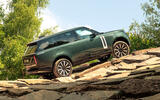
One spot where the Electric really showed its potential was a rock crawl up the kind of slope you couldn't easily walk. In a combustion car there's a response time from the engine to factor in, then take-up of slack from the torque converter and throughout the drivetrain; in the electric car the response is far quicker and can be metered much more easily.

If there is a downside it's that the rear diff must always be open, so you're relying on a spinning wheel being braked before power is applied to one with grip, but this happens pretty quickly - albeit not as solidly as if a locking rear differential were locked into position, delivering torque evenly across the axle.

The wading depth is officially 900mm, but the Range Rover knows when it's driving through water and how deep it is, because sensors measure the load on the suspension and it is aware how buoyant the body is. The suspension lengthens to suit, lifting the body out of the water as much as possible to keep more weight on the tyres and improve traction. In extremes, it will find an additional 60mm of suspension travel, making the actual, if not officially recommended, wade depth 960mm - before your Range Rover begins to float downriver. Until after a few minutes it doesn't, of course.

Join our WhatsApp community and be the first to read about the latest news and reviews wowing the car world. Our community is the best, easiest and most direct place to tap into the minds of Autocar, and if you join you’ll also be treated to unique WhatsApp content. You can leave at any time after joining - check our full privacy policy here.

Matt Prior

Matt Prior
Title: Editor-at-large

Matt is Autocar’s lead features writer and presenter, is the main face of Autocar’s YouTube channel, presents the My Week In Cars podcast and has written his weekly column, Tester’s Notes, since 2013.

Matt is an automotive engineer who has been writing and talking about cars since 1997. He joined Autocar in 2005 as deputy road test editor, prior to which he was road test editor and world rally editor for Channel 4’s automotive website, 4Car. 

Into all things engineering and automotive from any era, Matt is as comfortable regularly contributing to sibling titles Move Electric and Classic & Sports Car as he is writing for Autocar. He has a racing licence, and some malfunctioning classic cars and motorbikes.