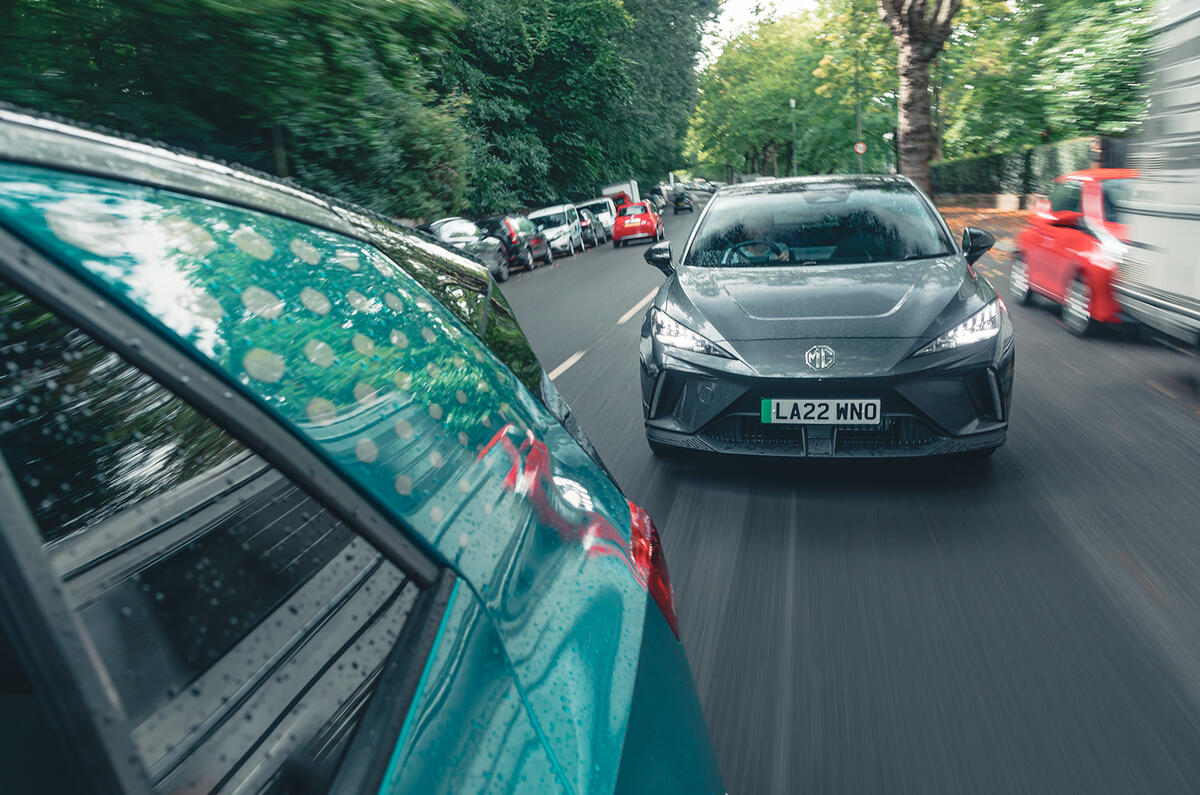

The government's pay-per-mile scheme for electric cars and plug-in hybrid vehicles, which is due to start in two years' time, faces a major threat from devices called mileage blockers that are easy to buy and to fit and freeze a car's odometer, an investigation by Autocar has found.
Pay-per-mile charging, officially called eVED, is scheduled to start in April 2028 as an extra tax placed on EVs and PHEVS to recover income lost from fuel duty, given these cars can run fully or partially on electricity. The tax will start at a rate of 3p per mile driven in an EV and 1.5p per mile driven in a PHEV and drivers will need to self-declare their mileage annually.
Concerns are growing that when the scheme is introduced, drivers will fit mileage blockers as a means of avoiding or reducing this levy.
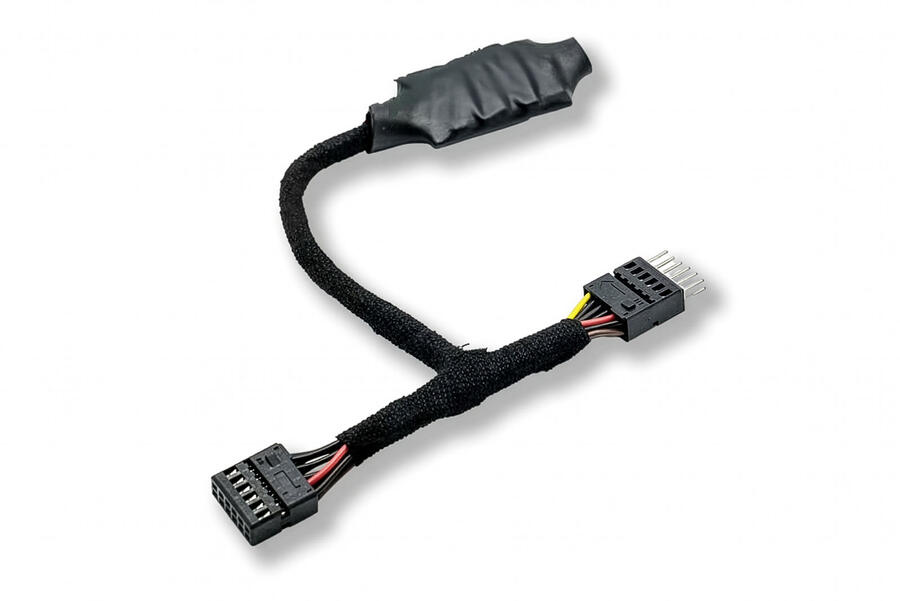
The devices, which range in price from around £200 to £900, are not illegal to sell and are marketed for use on cars being tested or developed away from the road. It is, however, illegal to use a car on the road fitted with one.
Autocar's investigation has found that hundreds of drivers and businesses are buying and fitting these devices each week, with the aim of reducing or avoiding paying a mileage penalty at the conclusion of a PCP or a lease.
Mileage blockers are available for many popular petrol and diesel vehicles and, increasingly, for electric and hybrid ones. Suppliers claim that when installed in a car's on-board computer, the device prevents a vehicle from adding mileage data to any ECU or module as well as, where enabled, to the ignition key. They claim a blocker is easy to install but difficult to detect.
Given that difficulty to detect, there are additional fears that increasing numbers of EVs and PHEVS previously fitted with the devices will enter the used car market (potentially without the current owner knowing), boosting the number of clocked cars already in circulation.
Posing as a customer, an Autocar reporter contacted a leading supplier of mileage blockers. The reporter said he owned a Volkswagen ID 3 registered in 2022 and was interested in buying a mileage blocker for the vehicle. A salesperson said the firm could supply a device that was safe and reliable. The salesperson added that each month his business sold 500 blockers to retail customers and 250-300 to the trade, and that new devices were becoming available each month.
"Our supplier in Germany has just cracked the post-2024-model VW Passat and hopes to have cracked the rest of the 2024 VW range within the next few months," he said. "Also, they are just about to finish developing blockers for Omoda, Jaecoo and Chery vehicles."