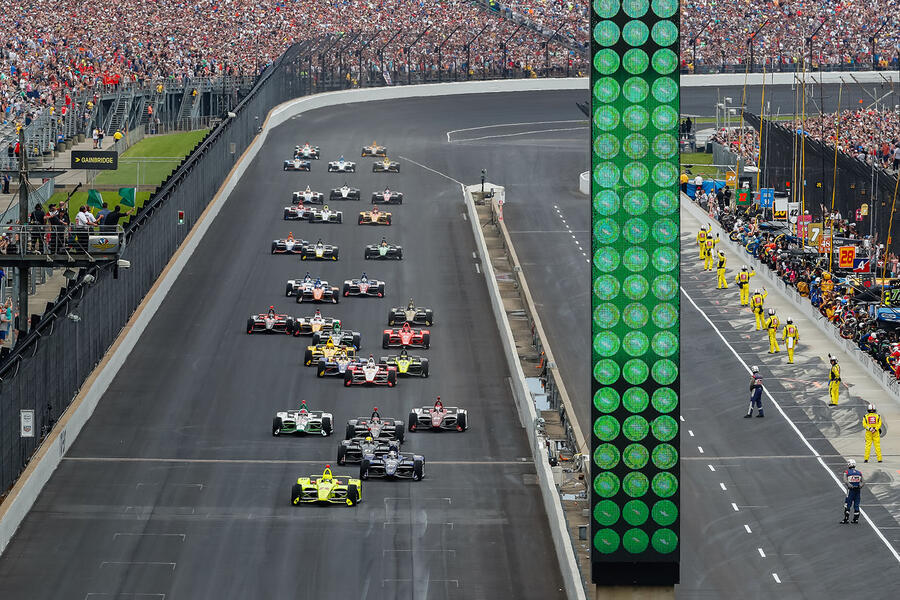
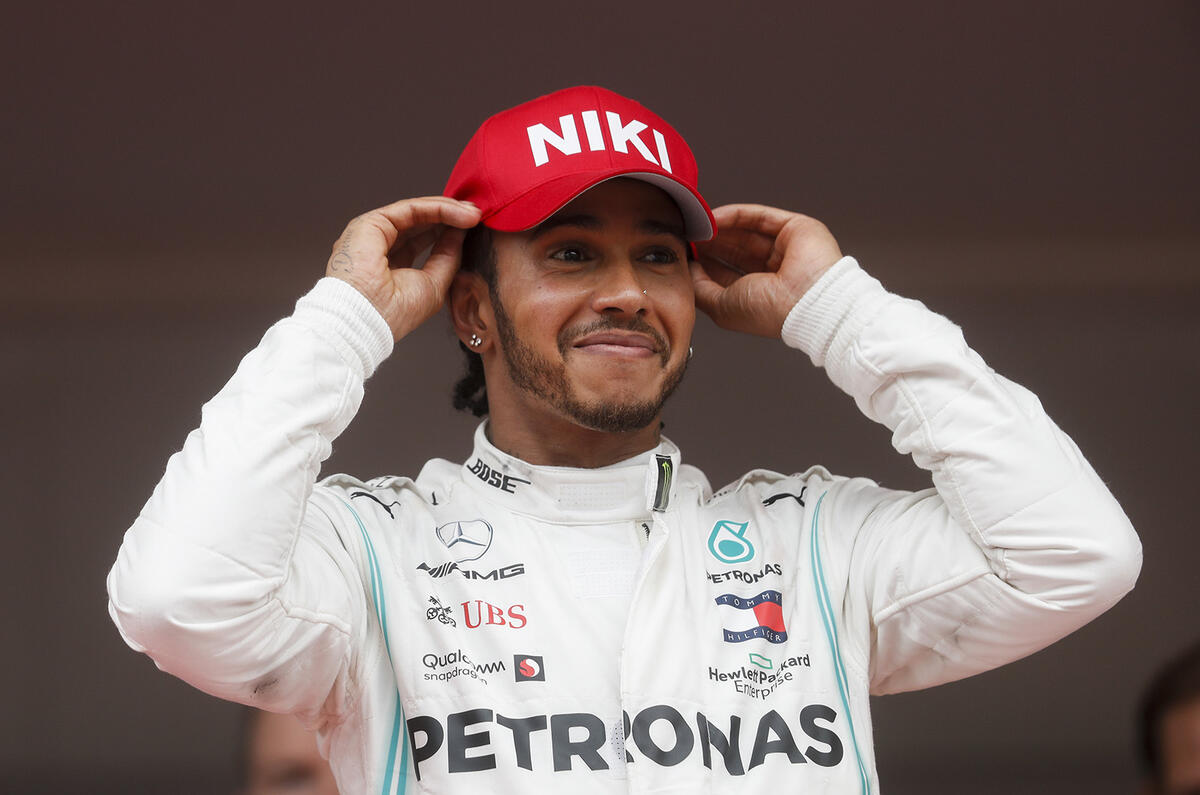
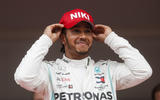
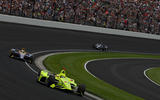
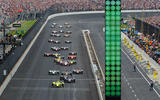
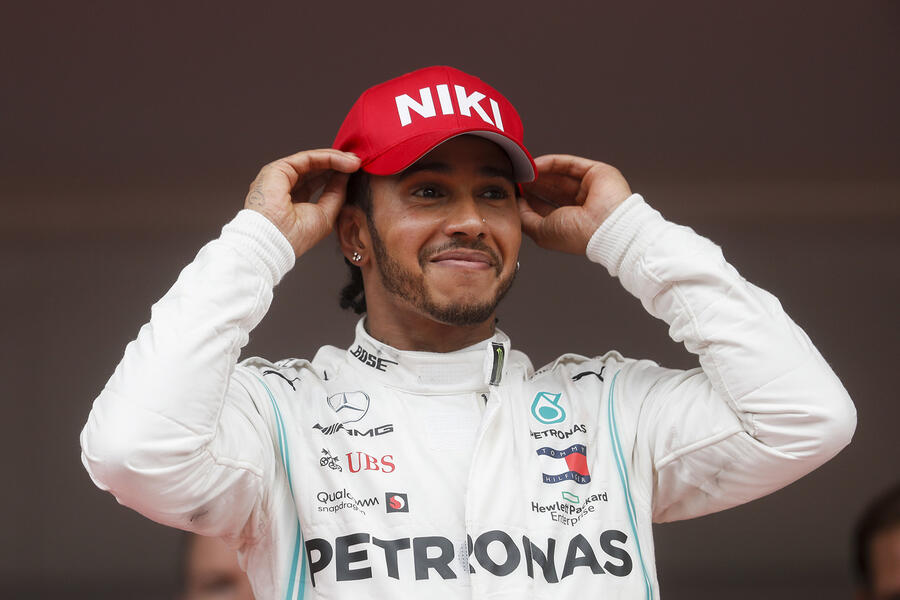
Lewis Hamilton and Simon Pagenaud won two of the world’s biggest motor races from pole position within hours of each other on Sunday – but there was little that could be described as predictable about either the Monaco Grand Prix or the Indianapolis 500 this time around.

In Monaco, Hamilton led all the way on a circuit that increasingly feels like a clay pigeon shoot in a bathroom. Formula 1 cars outgrew the Principality’s famous streets years ago and some make a case that if the drivers can’t race, it should be dumped off the calendar. They clearly have no soul. Monaco is an exception worth persevering with – as Sunday’s race proved.

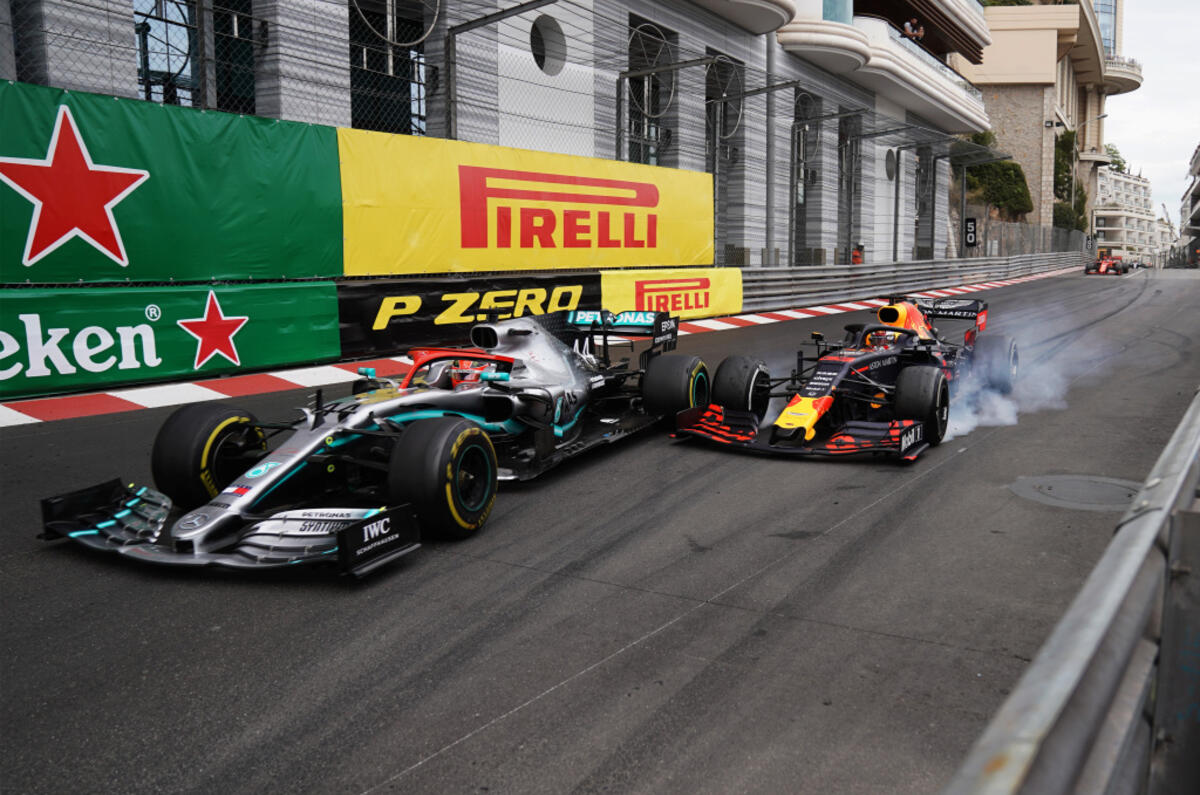
Max Verstappen’s chase of Hamilton and the leader’s struggles on medium-compound tyres that left him, as his boss Toto Wolff put it, “with zero rubber for the last 20 laps”, made this a Monaco GP of high tension. Much like Nigel Mansell’s desperate late-race chase of Ayrton Senna around here in 1992, you couldn’t take your eyes off it.

Verstappen’s lunge was probably the most predictable moment of the day – but in a good way. The Dutchman doesn’t race for podiums and he had to have a go, despite already having earned a five-second penalty for an unsafe release from a pitstop that brought him into the path of Valtteri Bottas. The contact had led to a puncture for the Mercedes driver.

But having gained track position to chase Hamilton, Verstappen gave his all despite the penalty that hung over him. The late-race move was never really on, but the contact between the Red Bull and Mercedes was slight and left no significant damage. No harm done, then – even if it released the tension from a mesmerising battle between two modern-day F1 warriors. Niki Lauda would surely have approved.
1017526584 Lat 20190526  56i1798

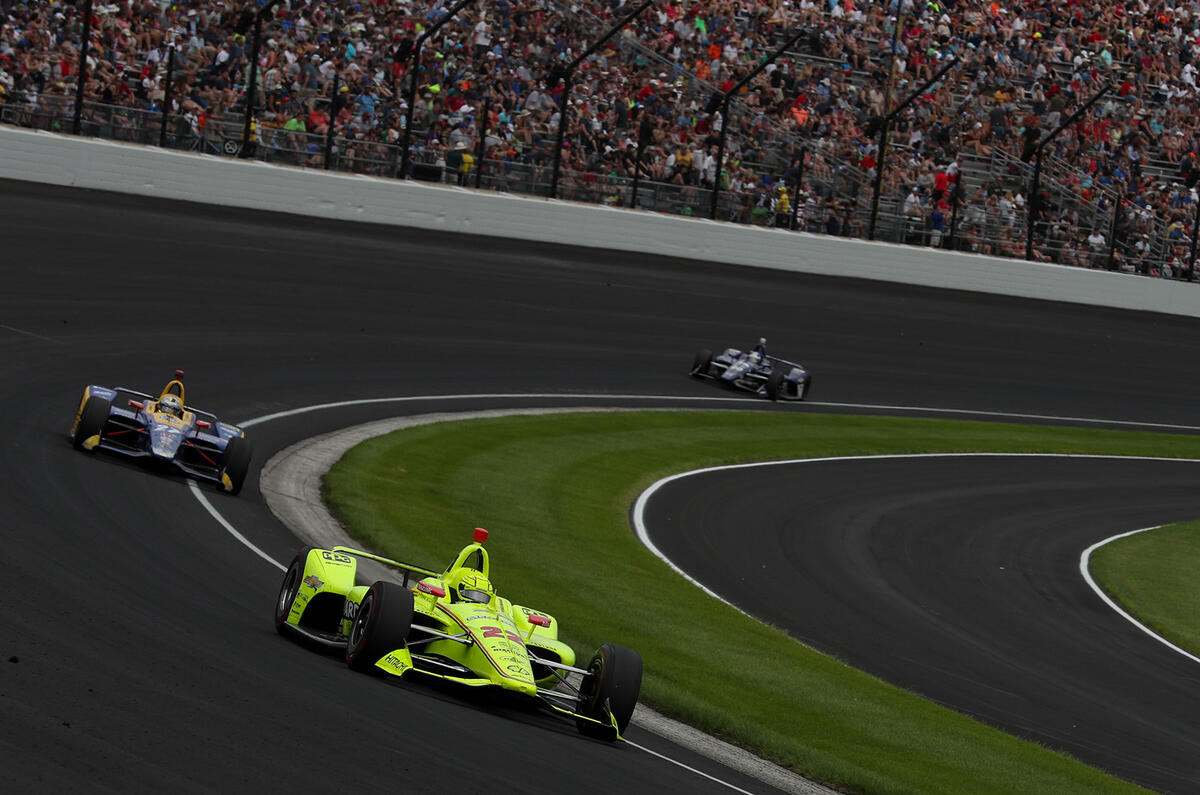
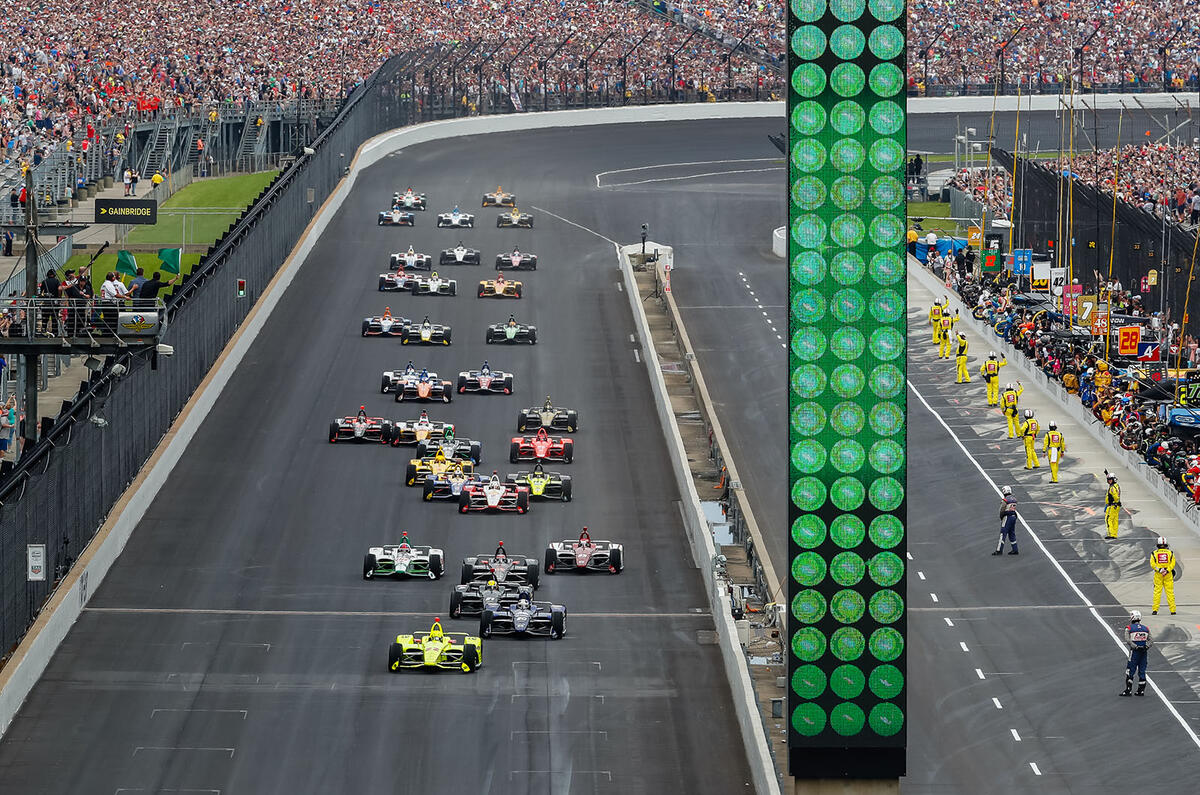
Across the Atlantic in Indianapolis, Pagenaud became the first Frenchman since René Thomas in 1914 to win the 500, as he secured an 18th victory in the Big One for Team Penske. And ‘The Brickyard’ was entranced by the type of genuine wheel-to-wheel action that can never be a feature of Monaco.

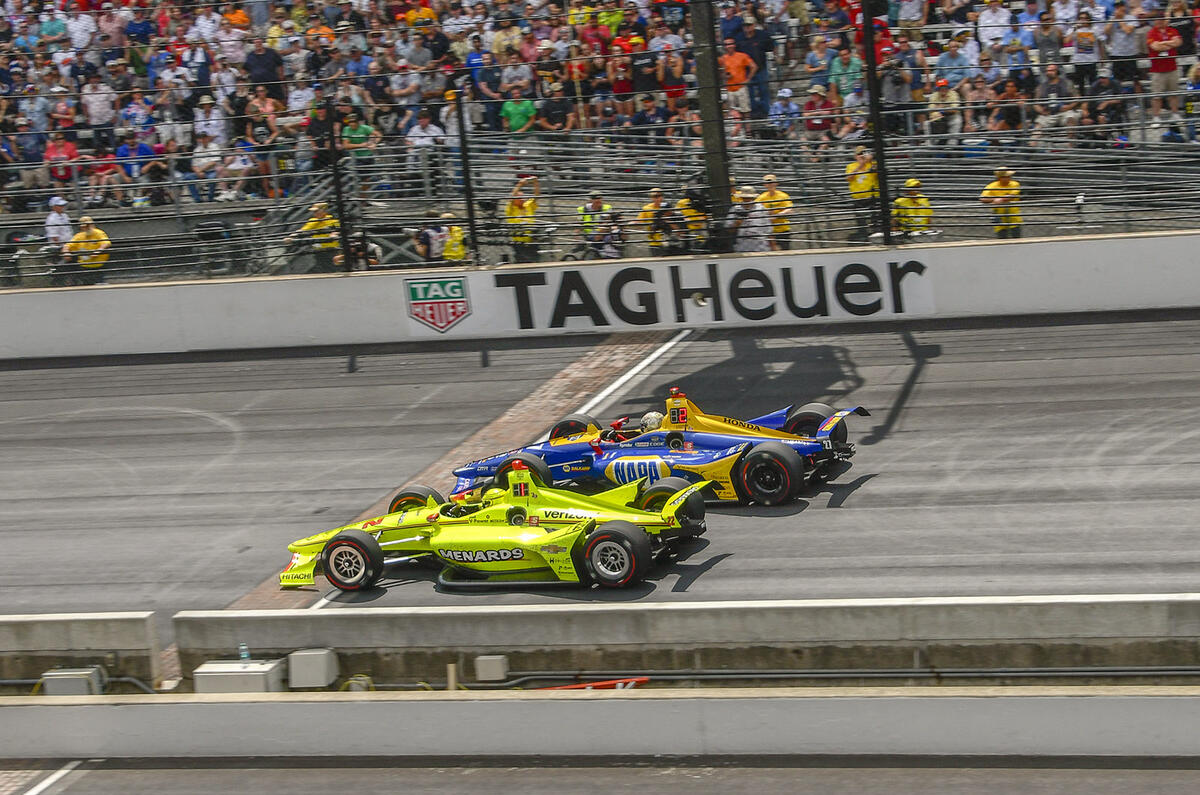
Pagenaud controlled the pace during its first half, but 2016 winner and former F1 driver Alexander Rossi then came on strong in his Andretti Autosport entry. It was Rossi who led before a late-race multi-car collision caused a red flag stoppage, only for Pagenaud to assert himself once more from the restart, with just 13 laps to run.

In the best traditions of Indycar oval racing, the pair swapped positions several times as the drama hit fever pitch, with Rossi taking back the lead on lap 198 of 200. But Pagenaud wasn’t done: he swept back past on the penultimate lap and held on to win his first Indy 500 by a scant 0.208sec.

What was Fernando Alonso thinking as this epic duel played out? The two-time F1 champion should have been in the thick of it in his quest to complete a ‘triple crown’ of two Monaco GP victories and his 2018 Le Mans 24 success. But he wasn’t even in the country, never mind the state of Indiana.

A week earlier, the great Spaniard sensationally failed to qualify his McLaren entry after an astonishing series of errors from his team, openly admitted to by team chief Zak Brown.

The string of mistakes and oversights included a late scramble to source a steering wheel (yes, really) for Alonso’s Dallara before his single scheduled test before Indy, and the car being painted in the wrong shade of orange – which was more than just a marketing distraction. It cost the team track time.

Brown has denied the effort, run in association with British team Carlin, was brought low by arrogance and a lack of respect for the race – but everything about this programme smacked of under-preparation. Alonso himself certainly knew what he was up against, following his impressive debut at the 500 in 2017 with Andretti Autosport. He must be seething.

Indy500 2

Ex-Force India F1 team boss Bob Fernley, who was drafted in to run the effort, left the team the day after the race when his contract came to an end. Brown has since cast doubt on Carlin’s ability to support the entry when it had three others to run, only one of which made the 33-car field.

But as the boss, Brown knows he has to own the responsibility for this debacle. He admitted himself that his eye was off the ball because of McLaren’s F1 priorities. Were he a football manager, he would have been sacked months ago. As it is, the F1 team is showing signs of green shoots after years of decline, with Carlos Sainz Jr finishing a strong sixth in Monaco.

But the Indy 500 experience of 2019 has left another serious stain on McLaren’s reputation. The team’s Bahraini majority shareholders must surely be watching with concern.

This story was amended on 5 August 2019. Bob Fernley wishes us to make it clear that he was not fired by McLaren, but left the company on a contractually agreed departure date of 31 May 2019. We are happy to provide that clarification.

Read more

Formula 1 vs Le Mans: why GP racing is still the pinnacle​

Jolyon Palmer: how to improve Formula 1 for 2019

How Lando Norris became Britain's youngest-ever F1 star