

Motorsport so often appears insulated from the real world, but it is not immune to its challenges. Especially now. On the surface, the 2019 season was business as usual, as racers around the globe instinctively kept their foot in, offering a welcome distraction from the stuff that really matters. But as in every corner of society, climate change cast its lengthening shadow. The car giants and corporate sponsors are already roused to the threat and are responding. The question is, will the public still be watching?

Motorsport can and will have a future in this changing world (probably), but much like the wider automotive business, what shape it will take is not yet clear. There’s a sense that these might be the final years of motorsport as we’ve known it. Change is unsettling, sometimes unwelcome – but, in this case, entirely necessary if extinction is to be avoided.

Lewis Hamilton flirts with Ferrari

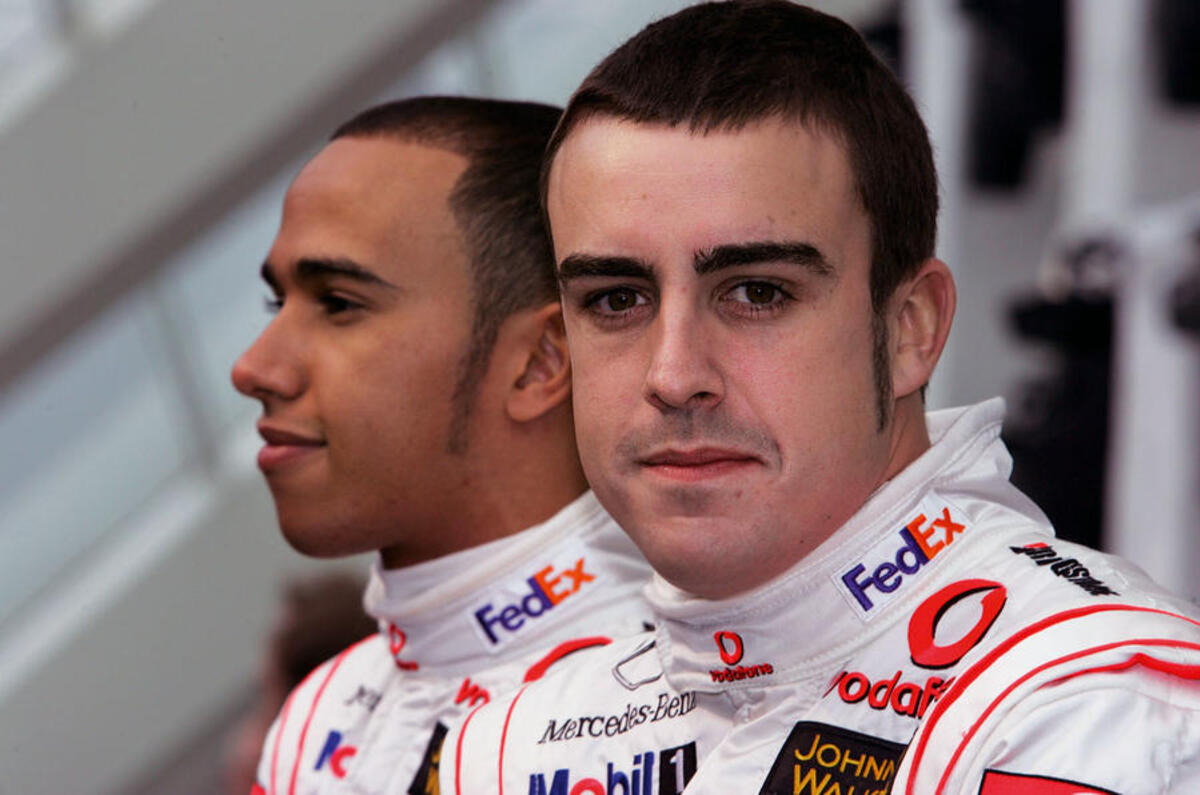
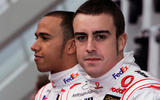
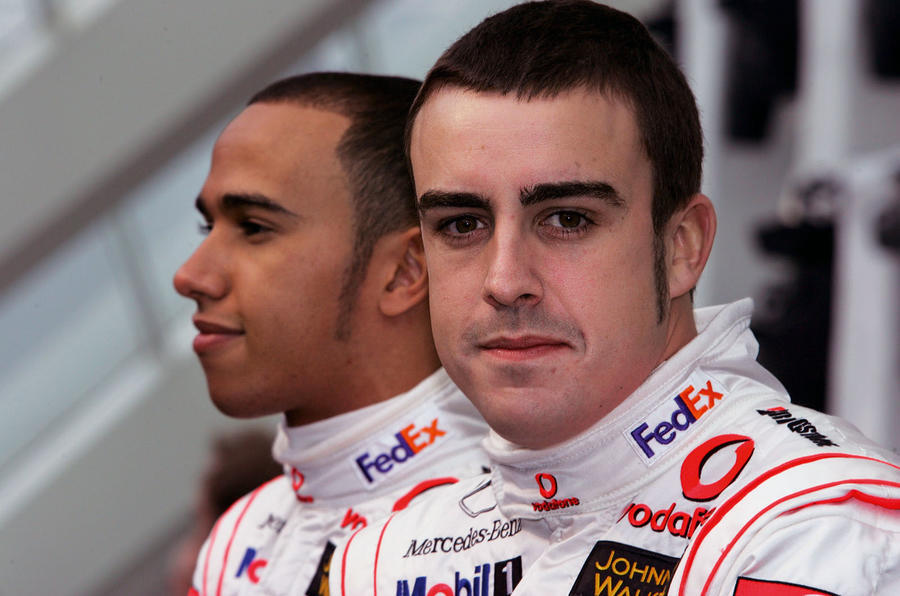
The world’s best racing driver is certainly not afraid of change. Back in 2012, Hamilton was alert to the way the wind was blowing and made the most important decision of his career when he left a declining McLaren for the potent might of Mercedes. Five drivers’ world championships later, to add to the one he’d clinched with McLaren, we’d suggest he made the right call.

But will he do so again? Hamilton is 35 in January and, after another 11 grand prix victories in 2019 that take his career tally to 84, has Michael Schumacher’s record of seven titles and 91 wins within his reach. But even with the world at his feet, the lure of Ferrari appears to be working its old scarlet magic.
11 Hamilton 0

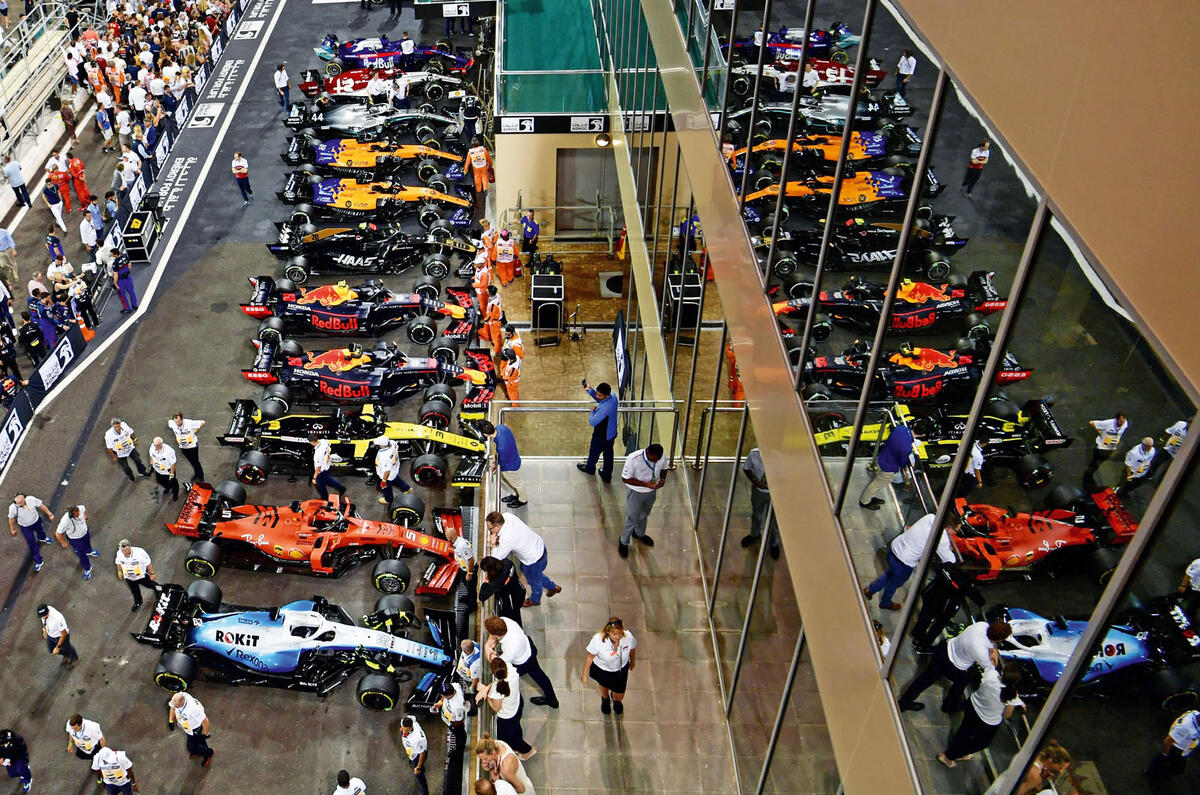
At the Abu Dhabi finale, the story threw up a desert storm. The Italian media reported two meetings this year between the driver and Ferrari chairman John Elkann, and neither team principal Mattia Binotto nor Hamilton himself moved to quench the flickering flame.

On the face of it, why would he switch for 2021 when his current contract expires? Metronomic Mercedes-AMG F1 is the greatest force we’ve seen in motorsport – ever – and although its F1 future beyond next year is not guaranteed, Daimler seems highly unlikely to end a programme that is proving so fruitful.

In contrast, Ferrari’s racing operation has been shambolic for too long. Binotto has much to address, far beyond the driver headache of a fading Sebastian Vettel versus a flourishing Charles Leclerc. Does Hamilton really need the aggro Ferrari would bring at this stage of his life?

But here’s the thing: it’s Ferrari, and even in this fast-changing world, it still means something – perhaps everything. John Surtees, Niki Lauda, Alain Prost, Schumacher, Fernando Alonso, Vettel and allegedly Ayrton Senna, had he lived: none of them could resist. Can Hamilton?

Big questions for new stars

Max Verstappen is another who might consider embracing change. The Dutchman still lacked maturity in his fifth F1 season, but the signs are he’s ready to win a world championship. But are Red Bull and Honda? That’s what he’ll surely be asking as his current contract draws to a close next year.

Charles Leclerc, only one year into his ‘dream’ life at Ferrari, might also need to do the same. Lewis Hamilton’s example shows that making the big calls at the right time defines careers. Given Hamilton’s apparent temptation, it seems unthinkable that Leclerc could turn. But like Verstappen and unlike the champ, it’s all before him rather than behind him. Will Leclerc keep faith in Ferrari or might he court Mercedes – the only team with title credentials right now?

Bottom of first page 2

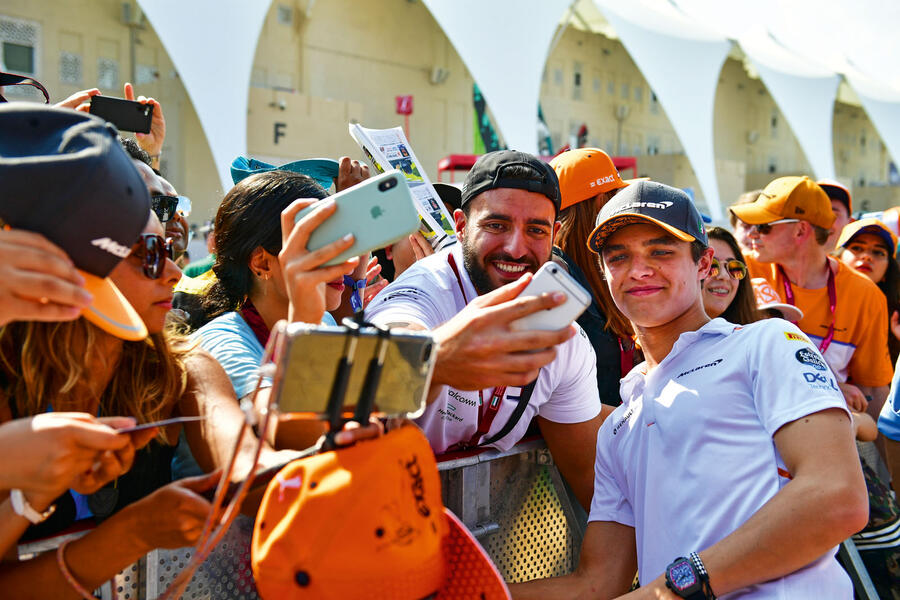
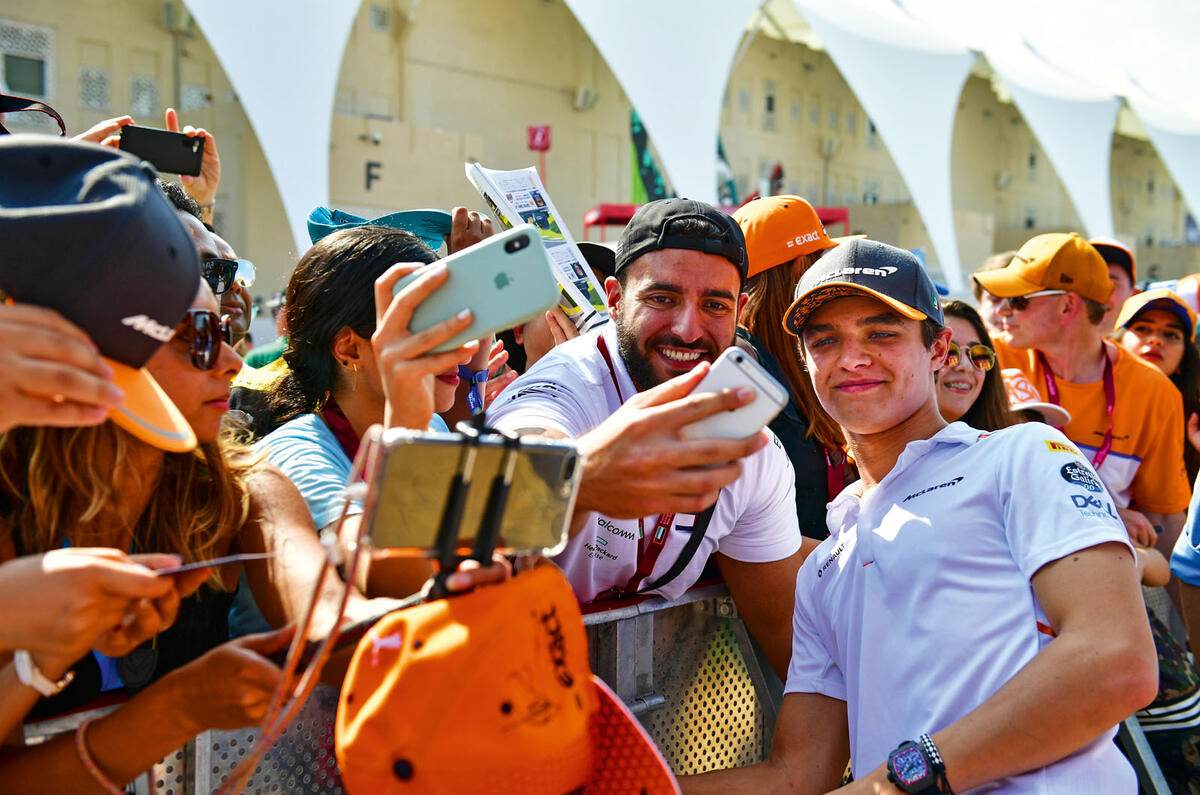
Then there’s Lando Norris, who had a wonderfully composed rookie season at McLaren. The team has him under wraps for now, but will he ever win a world championship with a mere ‘customer’? Fourth was a decent return for this once-great F1 company, but how much further can it rise without full manufacturer support?

Hypercars can't hit Le Mans soon enough

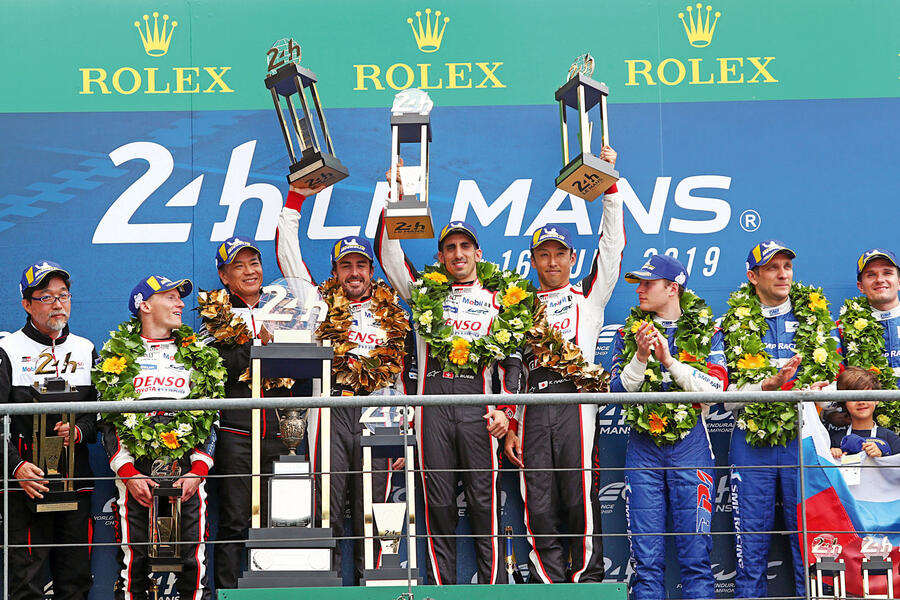
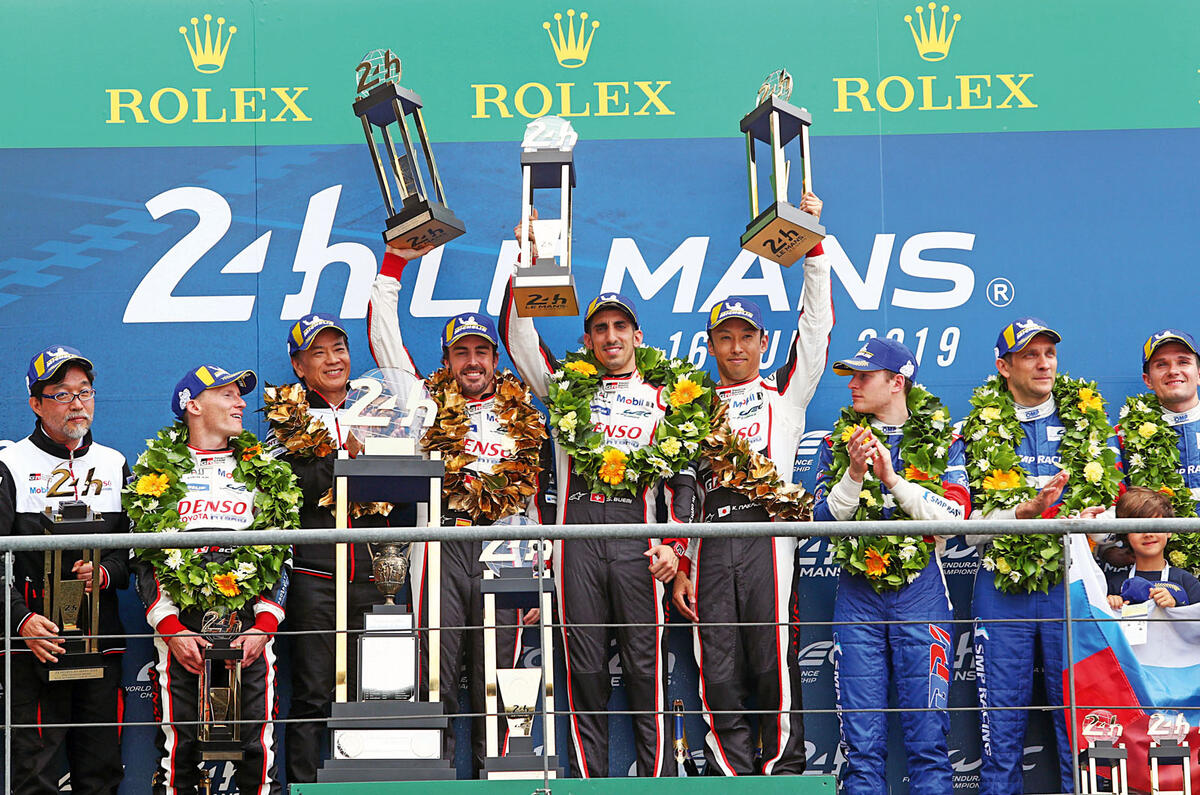
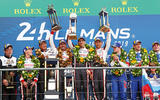
In sports cars, Fernando Alonso added a third world title to the pair he won in F1 back in 2005-06. He, Sébastien Buemi and Kazuki Nakajima also added a second Le Mans 24 Hours to their tally (albeit luckily and at the expense of Toyota team-mates Mike Conway, Kamui Kobayashi and José María López, who had them licked for pace). But this was far from a vintage year for the greatest race of them all.

Page 2 lead 3

The new hypercar rules will take their bow when the 2020/21 World Endurance Championship kicks off next summer. Until then, sports car racing is treading water, with only Toyota in the hybrid LMP1 category. Fixing performance to allow privateers to win, as Rebellion did in China this autumn, doesn’t wash. But by creating new rules that make sense to car manufacturers, both technically and financially, Le Mans is ensuring it remains relevant for at least the next decade.

At least as significantly, the French rule makers are promoting hydrogen fuel cell technology, too. Racers have to stay at least one step ahead of the game in this changing world, and here’s a neon sign that they know it.

Formula E: racing car makers can love

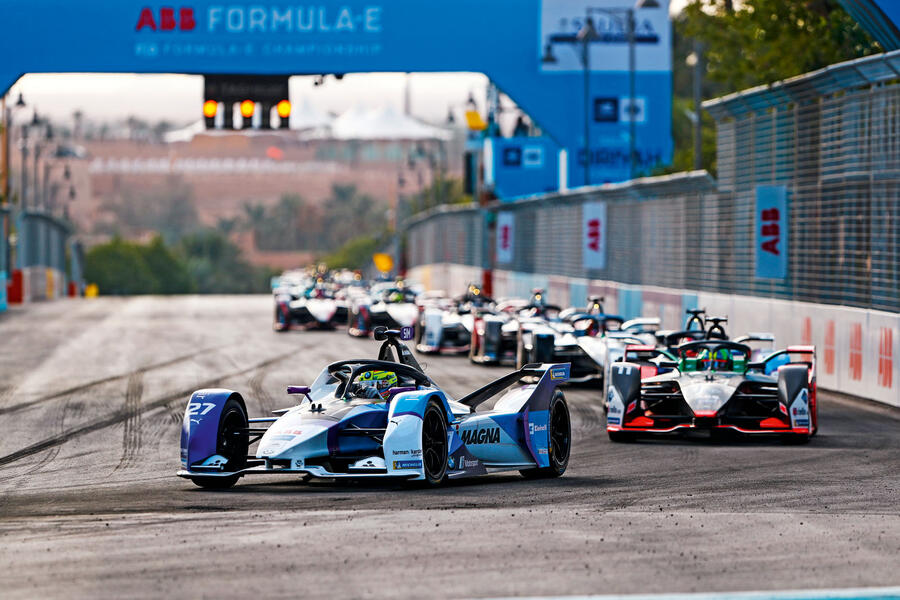
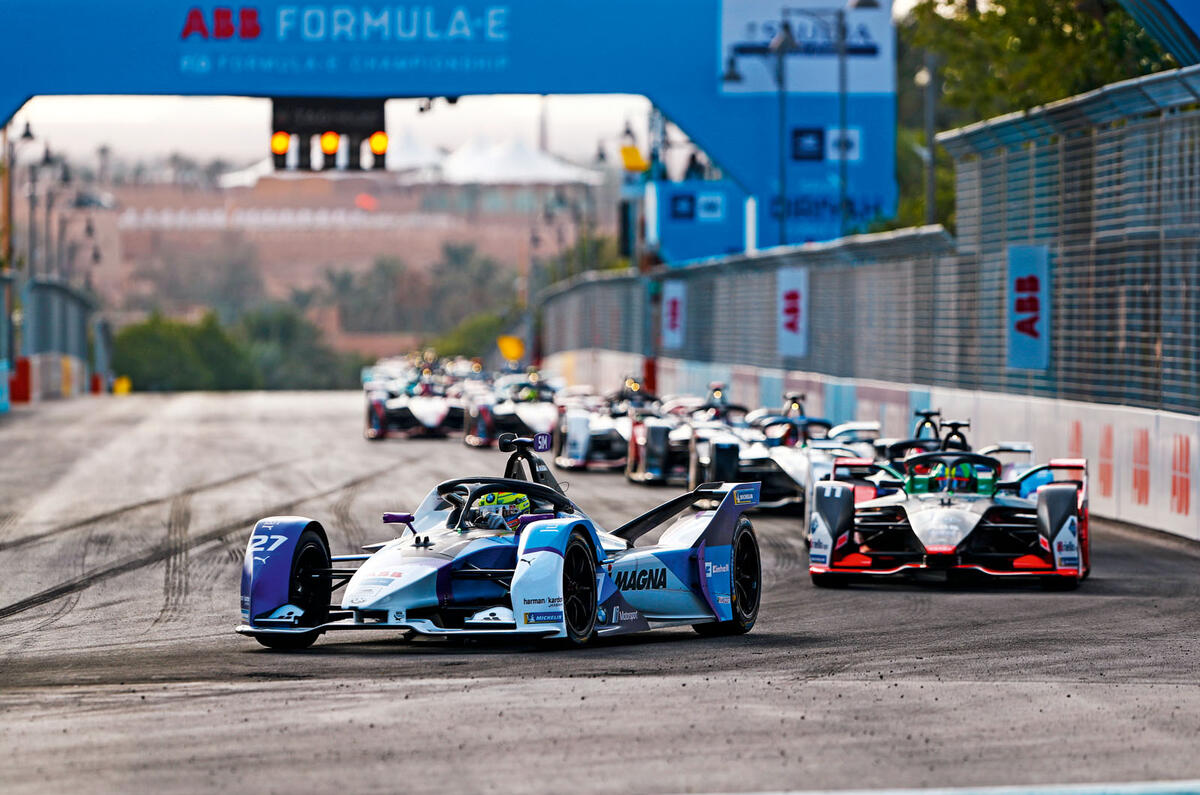
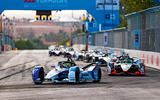
But the best example of motorsport taking steps to secure its future is Formula E. The all-electric single-seater series is already in its sixth season, long before most of us have made the switch to electric road cars, and that foresight means it boasts full-blown factory teams from the German ‘big four’ – Mercedes, Porsche, BMW and Audi – plus DS, Jaguar and Nissan. It’s surely the envy of F1, WEC and the World Rally Championship, which has just lost Citroën. Meanwhile, desperate post-Dieselgate Volkswagen is trying to win back lost PR yards by abandoning fossil-fuel motorsport completely. How long before others follow?

Bottom of second page 1

But for all its allure for big-brand car makers and sponsors, Formula E is not yet loved by the public. Traditional racing fans and car lovers still find it a turn-off – and that’s a worry if this is the future.

Then again, these are pioneering days and, as a species, we don’t respond well to change – even if we do tend to evolve eventually. For the sake of modern motorsport, we’d better. The car makers are banking on it.

READ MORE

Opinion: Why hillclimbing is the underrated hero of motorsport

Getting amateur racing back on track with motorsport's new boss 

New power generation: The young drivers making their mark on motorsport