Currently reading: Top 10: Totally bizarre and strange Experimental Aircraft

Top 10: Totally bizarre and strange Experimental Aircraft

Pushing the frontiers of aerospace technology involves imagination and the taking of risks.

Many experimental aircraft tested critical new concepts, while many successfully disproved terrible ideas. These often bizarre-looking machines provide a fascinating insight into the often-dangerous world of experimental aircraft:


10: Bartini Beriev VVA-14
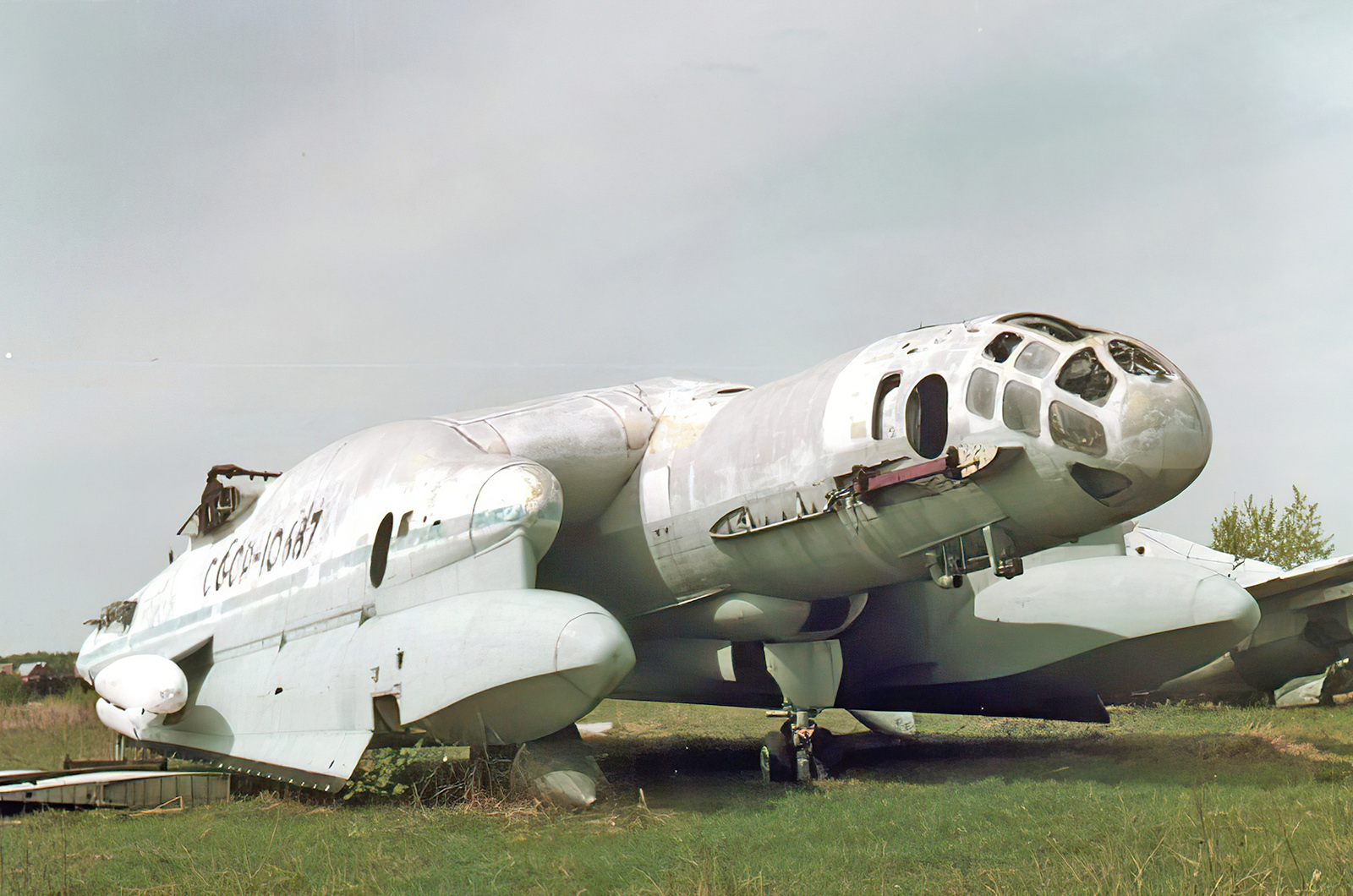
 Bartini Beriev VVA-14

Being an aircraft designer was a hazardous occupation in Stalin’s terror state; being a foreign aircraft designer was even more perilous. In 1938, Croatia-born Robert Bartini began an eight-year prison sentence. Despite spending the war imprisoned, he did a tremendous amount of work, notably on the Tu-2 bomber. Bartini also proposed the A-57, a long-range strategic bomber that could land on water and refuel by submarine.

He became one of the most important Soviet aircraft designers and survived to create the exceptionally unusual VVA-14, designed to counter the threat of Polaris missile submarines. This was a wing-in-ground-effect vehicle, a type of aircraft which sits on the recirculated air that forms beneath wings at extremely low altitudes.


10: Bartini Beriev VVA-14
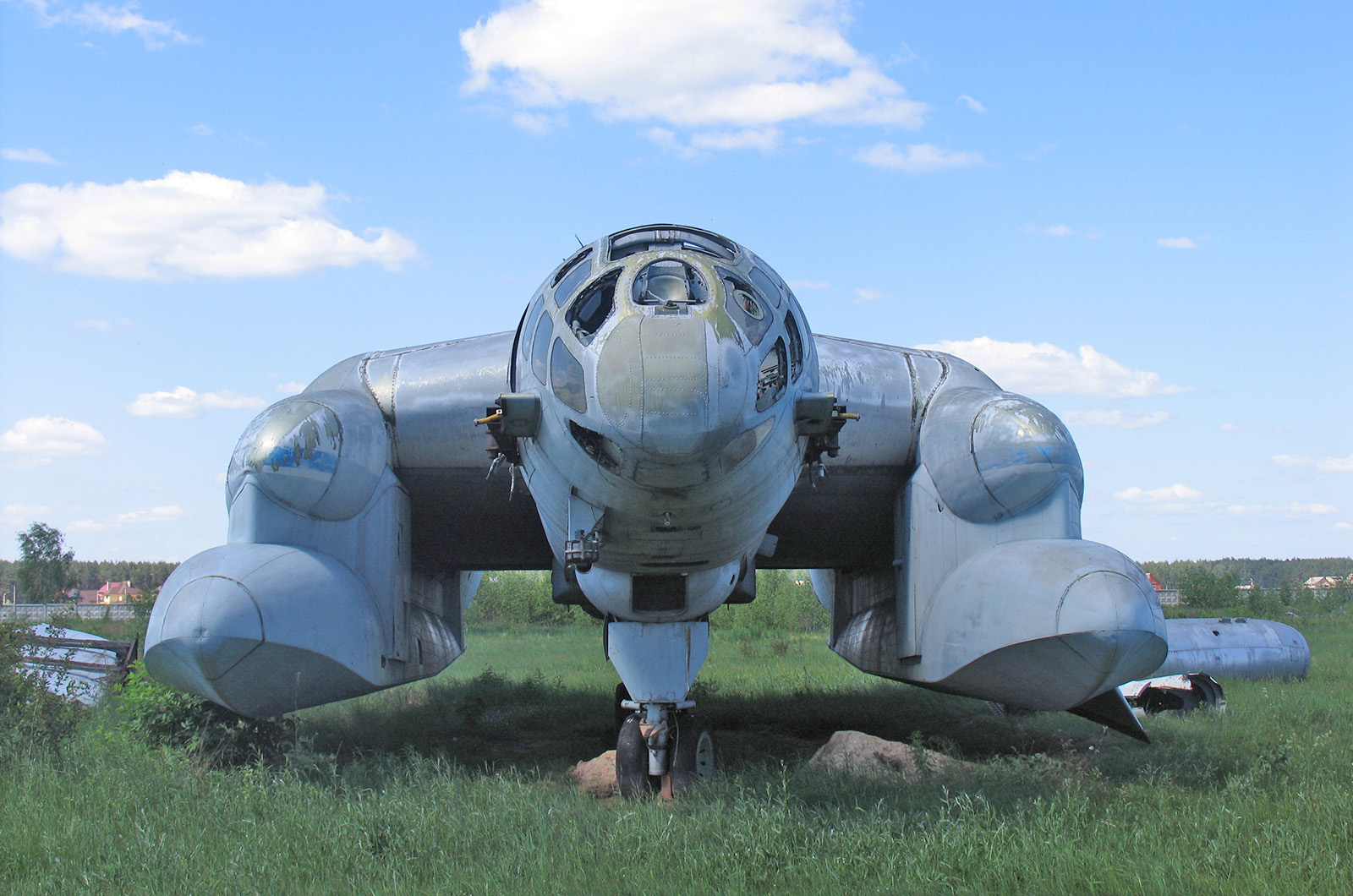
 Bartini Beriev VVA-14

Capable of taking off from land or water, the vehicle could fly far faster than any boat, flying at ultra-low level while carrying large loads. It could also fly at higher altitudes as a true aeroplane. In collaboration with the Beriev Design Bureau, Bartini planned to develop the prototype VVA-14 in several phases.

The initial M1 was to be an aerodynamics and technology testbed. The M2 would have a battery of 12-lift engines to give full VTOL capability. Bartini died in 1974, and with him, the momentum that drove the project. Like all Ekranoplans, being neither fish nor fowl, no one quite knew what to do with it, and the VVA-14 never entered service.


9: Deutsche Forschungsanstalt für Segelflug DFS 346
 Deutsche Forschungsanstalt für Segelflug DFS 346

As the Second World War came to a close, Germany’s aircraft designers realised that the main frontline fighters were based on 1930s designs and erupted into a frenzy of creativity, churning out new concepts and forms like there was no tomorrow. One of these was the DFS 346.

The 346 was intended to go supersonic before anyone was sure what supersonic flight was all about. As such, it had a highly swept wing and carried the pilot in a glass nose in a prone position, which it was thought would help him remain conscious at high speeds. Wind-tunnel tests revealed dangerous aerodynamic flaws.


9: Deutsche Forschungsanstalt für Segelflug DFS 346
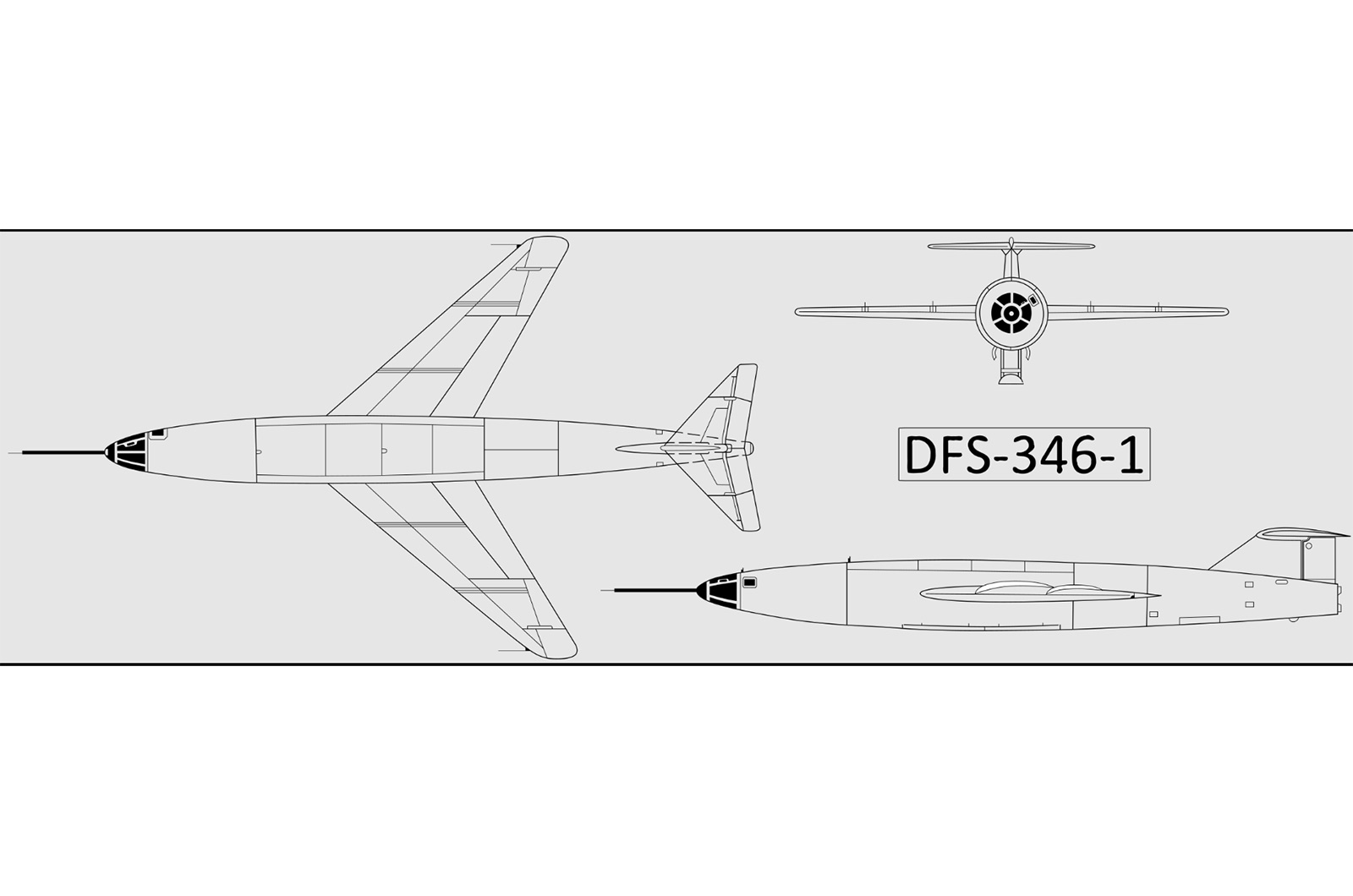
 Deutsche Forschungsanstalt für Segelflug DFS 346

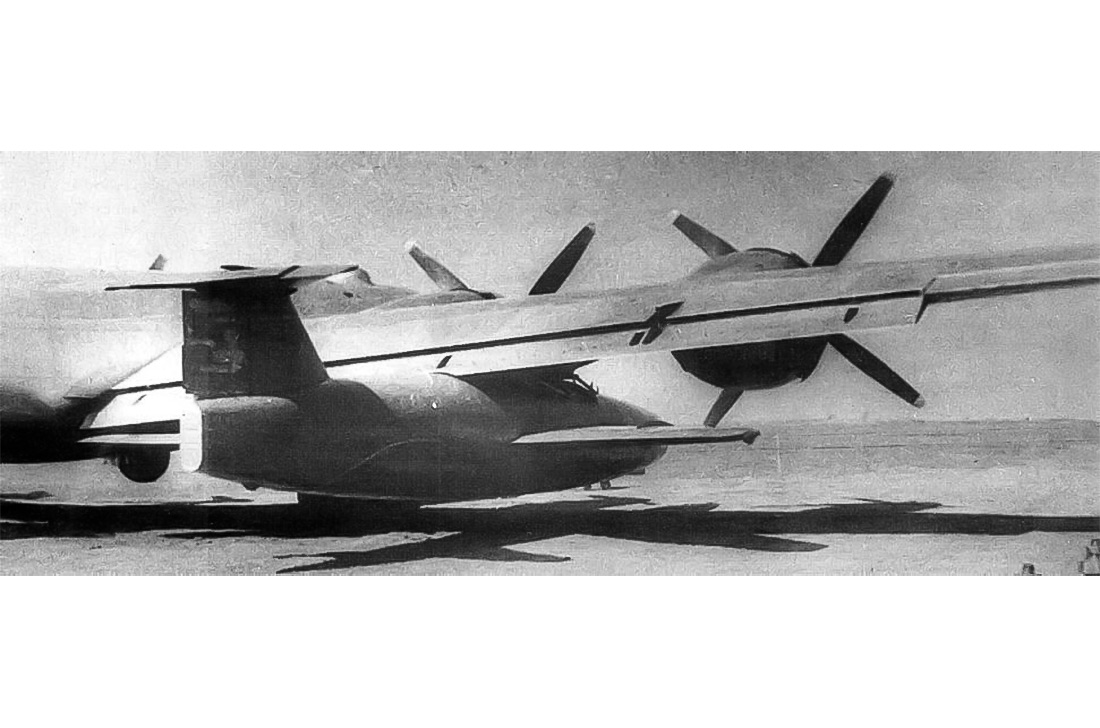
The Soviets decided to test it after the war anyway. On the first gliding flight dropped from an aircraft (previous photo), test pilot Wolfgang Ziese barely retained control of the wayward 346, descended too fast and smashed his face on the canopy on landing. Unpowered research continued until 1951, some three years after a Soviet-designed aircraft had gone supersonic.

Finally, powered tests were carried out, whereupon all control was lost and Ziese bailed out. The 346 may at least have contributed to Soviet supersonic research, though probably not much, and its chief benefit was likely to have been in persuading the Soviets that flying face-first at high speeds was not a good idea.

Back to top

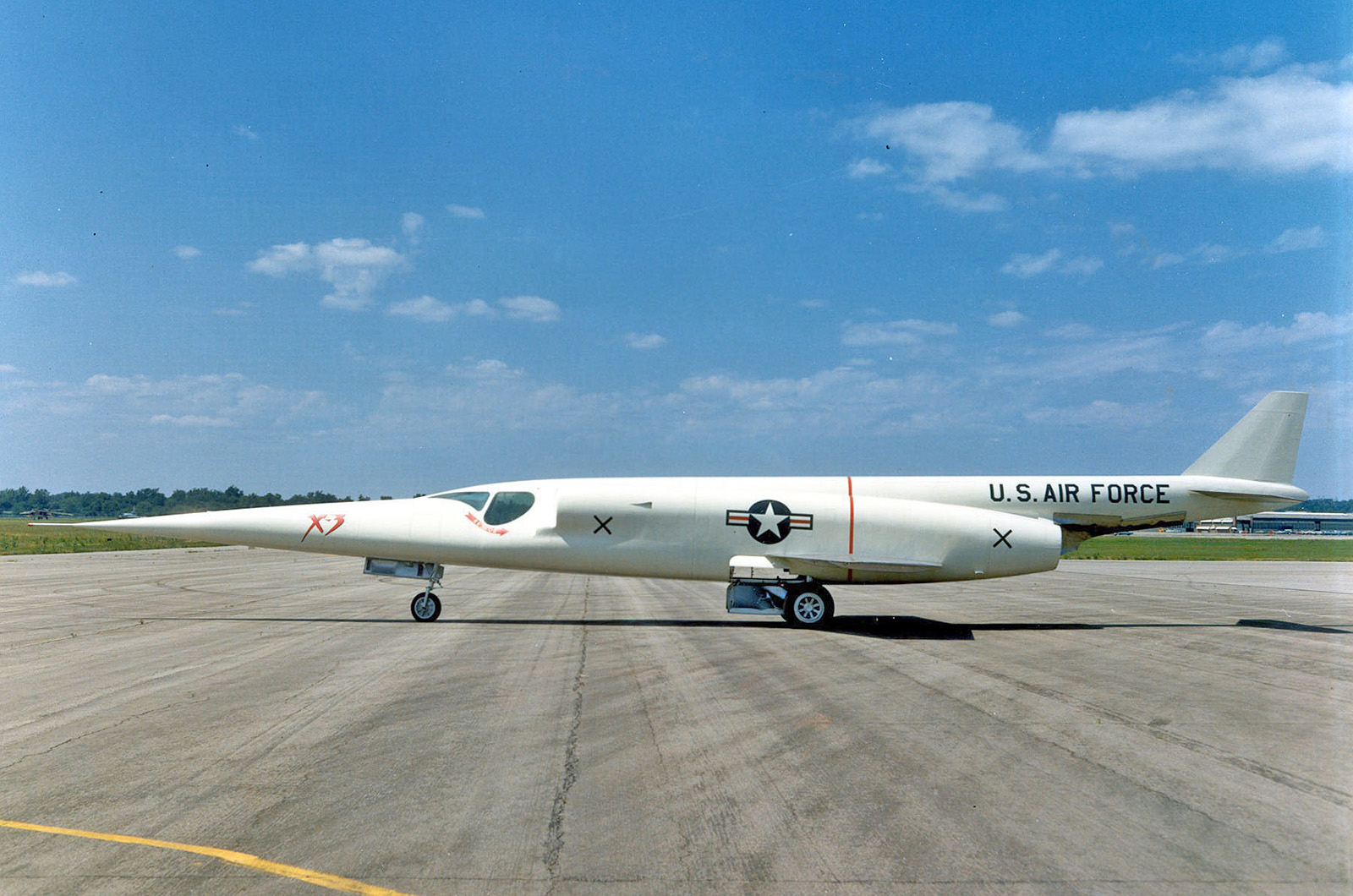
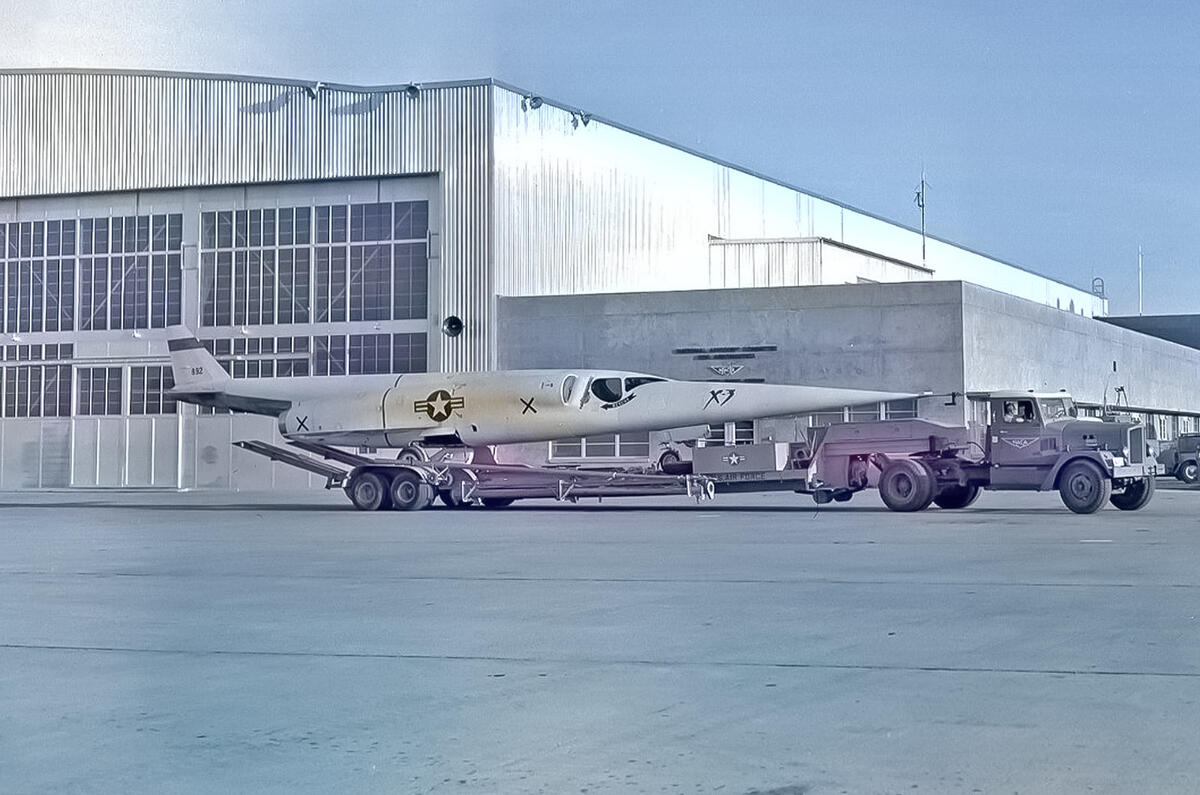
8: Douglas X-3 ‘Stiletto’

 Douglas X-3 ‘Stiletto’

The Stiletto was designed for fantastic speeds but was utterly incapable of reaching them. Douglas had a proud history of high-speed research aircraft in the late 1940s, with the Mach 1 (just) D-558-1 and the superb Mach 2 D-558-2. The X-3, intended for an airframe-scorching 2000mph, could only just exceed Mach 1, and only then in a dive.

Much of the blame can be laid at the door of the engines – Douglas realised during the design phase that the J46s they intended to fit had grown too large and too heavy during the powerplant’s development and had little choice but to fit smaller J34s of lower power. By the time the X-3 flew, in 1953, it was obvious that it was useless for high-speed research.


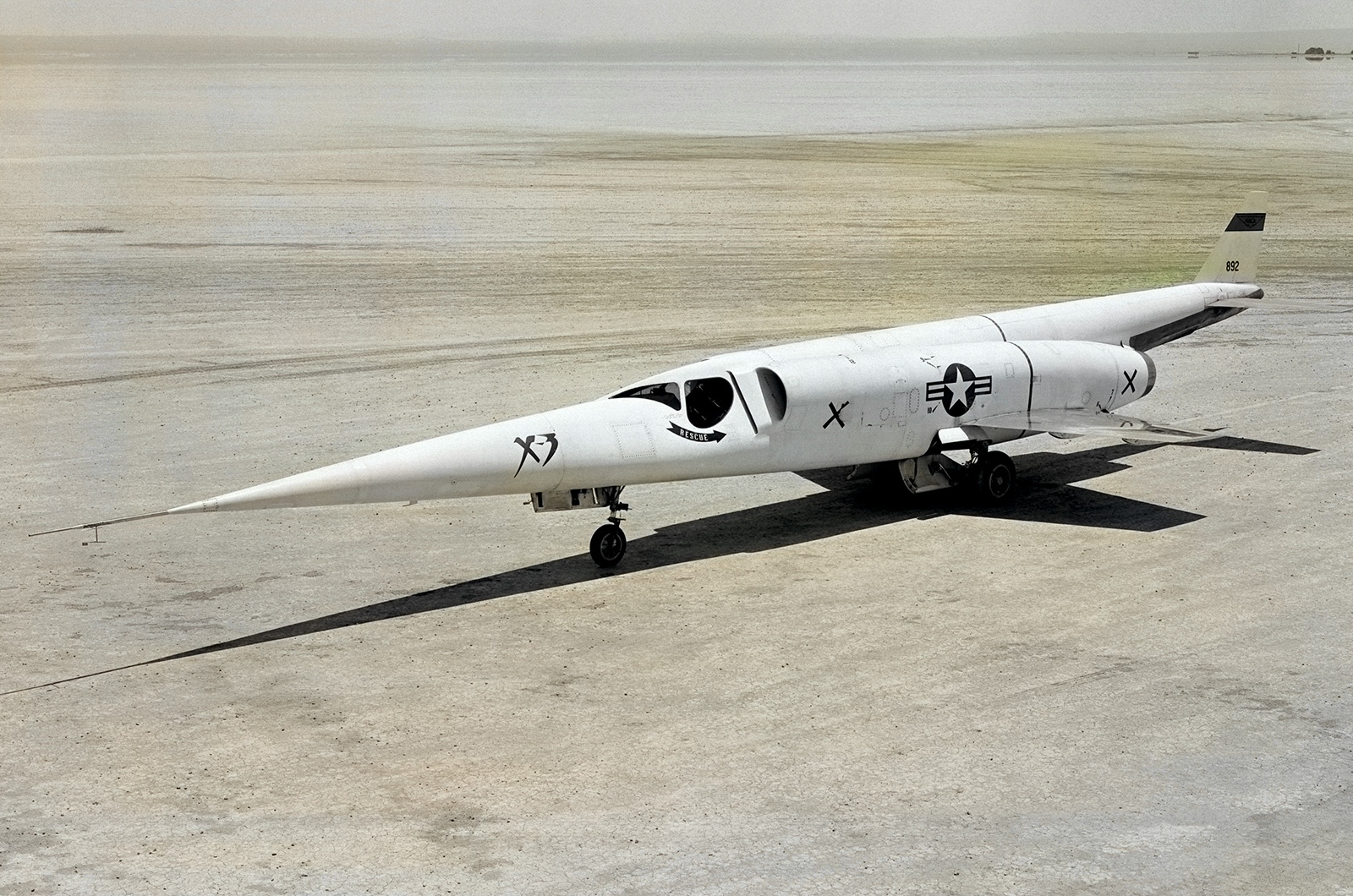
8: Douglas X-3 ‘Stiletto’

 Douglas X-3 ‘Stiletto’

A few flights by Air Force pilots were made, and a few more to test the stability of the aircraft’s layout. During these tests, it was discovered that the aircraft suffered from ‘inertia coupling’ at supersonic speeds, a phenomenon that caused control inputs in one axis to lead to violent, unintended movements in other axes.

The X-3 would have helped investigate this phenomenon, as the Air Force was starting to lose F-100 Super Sabres to the condition. Unfortunately, NACA pilot Joseph Walker was making a test flight when a particularly harsh pitching movement overstressed the airframe and it came close to falling apart. Just one X-3 was built, and it was retired in May 1956.


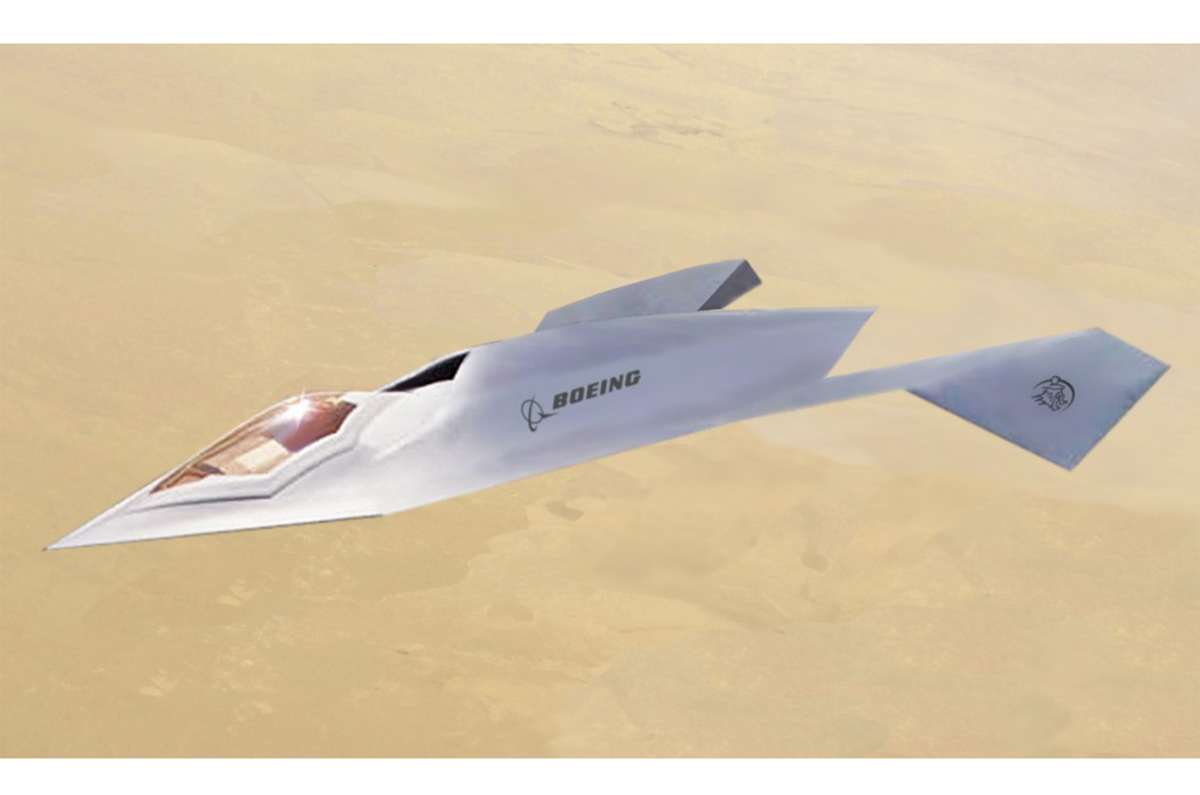
7: Boeing Bird of Prey

 Boeing Bird of Prey

The Boeing Bird of Prey, despite first flying almost thirty years in 1996, remains somewhat of a mystery. Its purpose was somewhat vague and may have included areas of research that remain in the shadowy world of black projects.

The machine received its unusual name due to its resemblance to a Klingon spaceship from the Star Trek franchise. Its wings are extremely unusual and possibly designed to reduce radar reflection from the side.


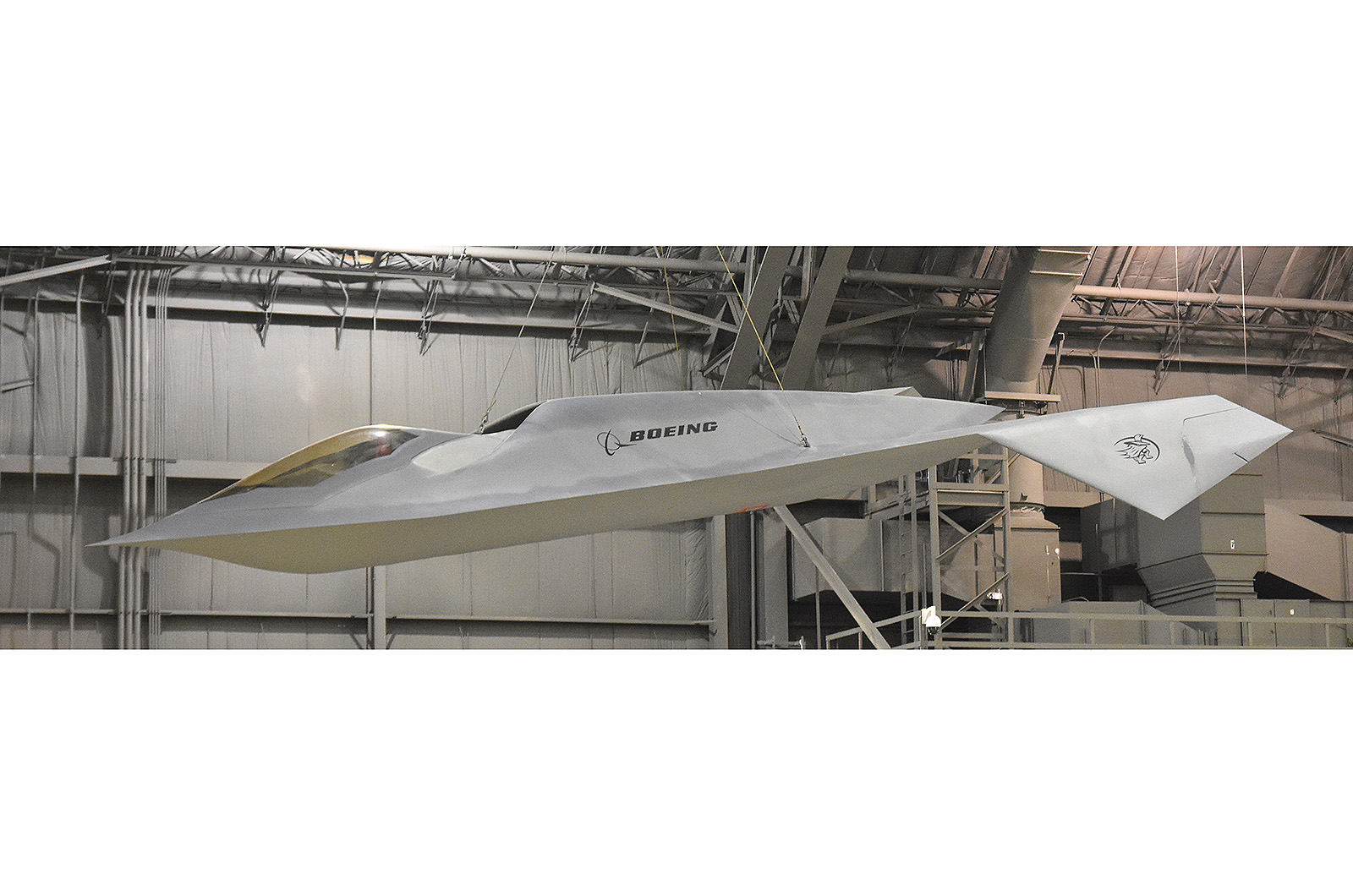
7: Boeing Bird of Prey

 Boeing Bird of Prey

Back to top

The Bird of Prey, was a tiny test aircraft about half the size of a fighter aircraft, it resembled little else, other than proposed stealthy submarine-launched uncrewed combat air vehicles (UCAVs) intended to be launched from the cramped confines of a submarine missile launch tube. Its performance was modest, capable of a top speed of 300mph and an altitude of 20,000 feet.

One of the technologies the Bird of Prey intended to research was visual stealth, possibly using special paint schemes and lighting to reduce its visual signature, enabling ‘daytime stealth’ (first-generation stealth aircraft tended to be used at night). Since the 1990s, visual aircraft stealth has not been talked about a great deal, perhaps because of technical failures of possibly because success moved it into secrecy.


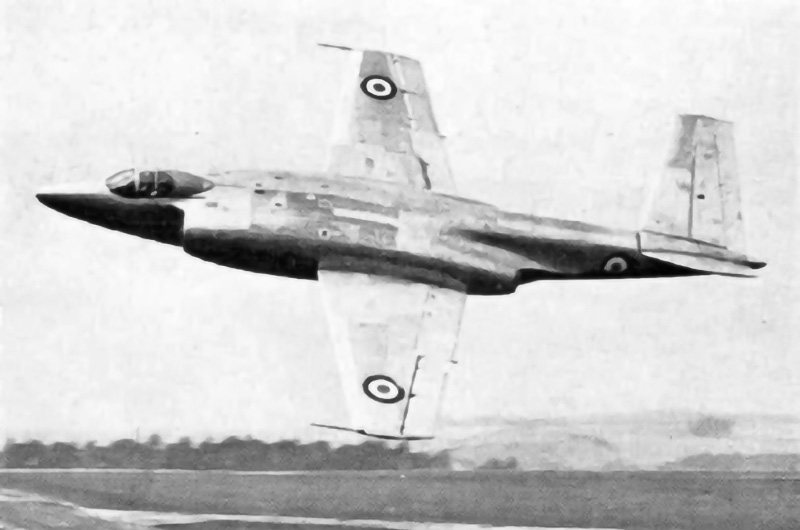
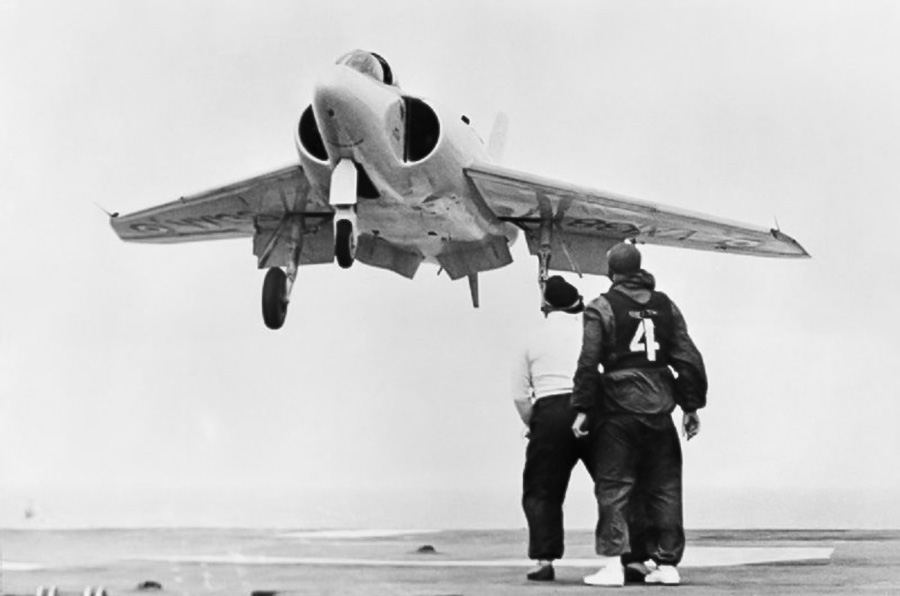
6: Supermarine 508/525

 Supermarine 508/525

On first glance, the Supermarine 508 appears almost conventional. In fact, in some respects, like its straight wing, it was old hat. Like its near contemporary, it was the product of several evolutionary dead ends, so much so that it is remarkable that it eventually spawned an operational aircraft, the Scimitar.

The 508 was designed to research the idea that the undercarriage of naval aircraft should be dispensed with and that they should instead be catapulted into the air and land on a giant mattress. The aircraft was also intended to be armed with an enormous recoilless gun that fired massive shells - and threw out a weight of equal mass behind it to compensate for the kickback.


6: Supermarine 508/525

 Supermarine 508/525

It also required the aircraft containing it to be huge and have a butterfly tail to avoid losing the tail when the gun was fired. Thanks to thin aerofoils, this straight-winged behemoth was expected to be supersonic. The Admiralty quickly realised that wheel-less aircraft firing artillery shells at Soviet bombers was not the way forward.

Rather than scrapping the 508, the design was pursued with a retractable undercarriage—the extra bulk of which meant it was now definitely subsonic. It was redesigned with swept surfaces and a cruciform tail and redesignated the Type 525. The latter flew for less than a year before it crashed, killing test pilot Lieutenant Commander TA Rickell.

Back to top

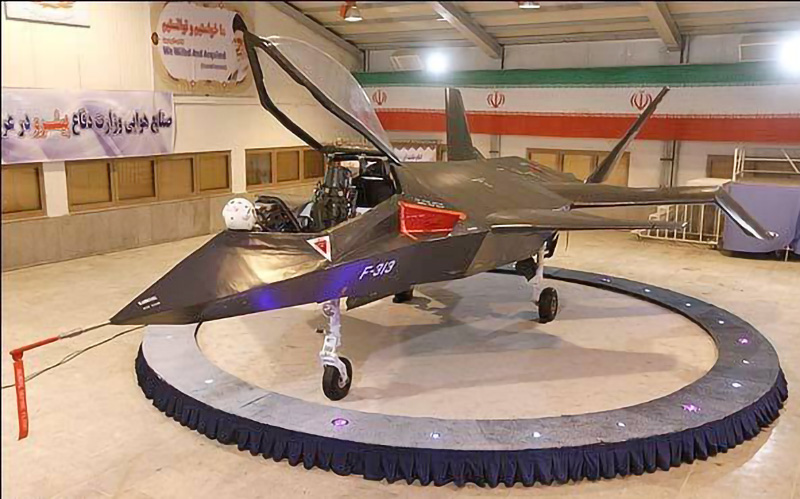
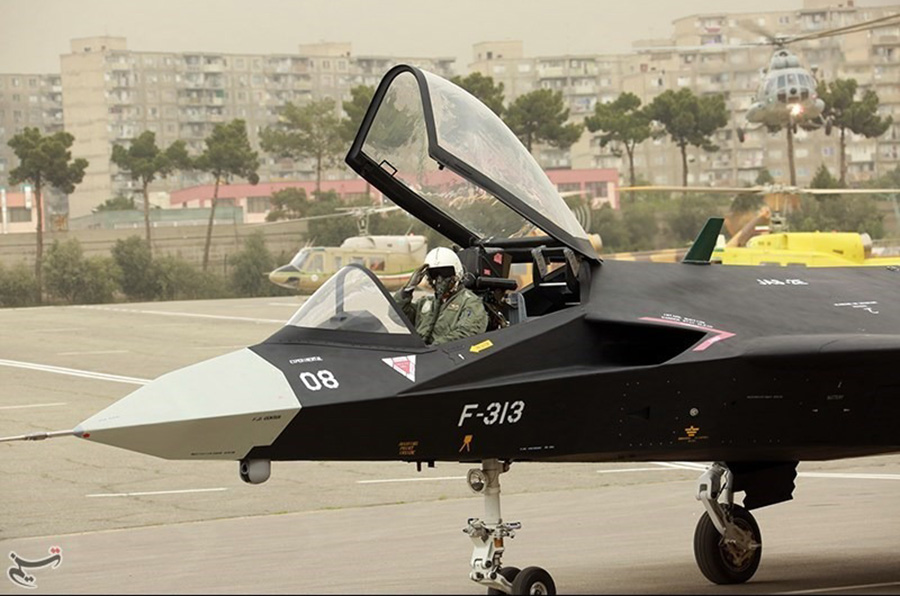
5: IAIO Qaher-313

 IAIO Qaher-313

Everything about the Qaher F-313 is spectacularly incompetent, not least the very obvious fact that it is what it is claimed to be. It was supposedly a stealthy fighter aircraft prototype developed by the Iranian state aviation organisation. In reality, it was a mock-up of something that looks vaguely like a stealth fighter, presumably for domestic propaganda.

“The advanced aircraft with an advanced appearance has a very small radar cross section and is capable of operating and flying in low altitude,” said Iranian defence minister Brigadier-General Ahmad Vahidi. This is presumably true because radars would have difficulty picking up a chipboard model aircraft sitting on the ground.


5: IAIO Qaher-313

 IAIO Qaher-313

Other odd features include a thick wing and odd fixed canards which would light up radar scopes, just before the nozzle-less jet engine melted the rear half of the aircraft – as long as it had not attempted any high-alpha manoeuvres, in which case the engine would already have flamed out. In any case, enemies would have plenty of time to prepare given the likely 260 knot maximum speed.

The Minister of Defence continued with comic ineptitude, insisting a video released to the world’s press featured a flying demonstration of the prototype, while the designer admitted that the footage featured a small-scale model. In 2025, this odd machine returned, this time as an uncrewed naval drone.


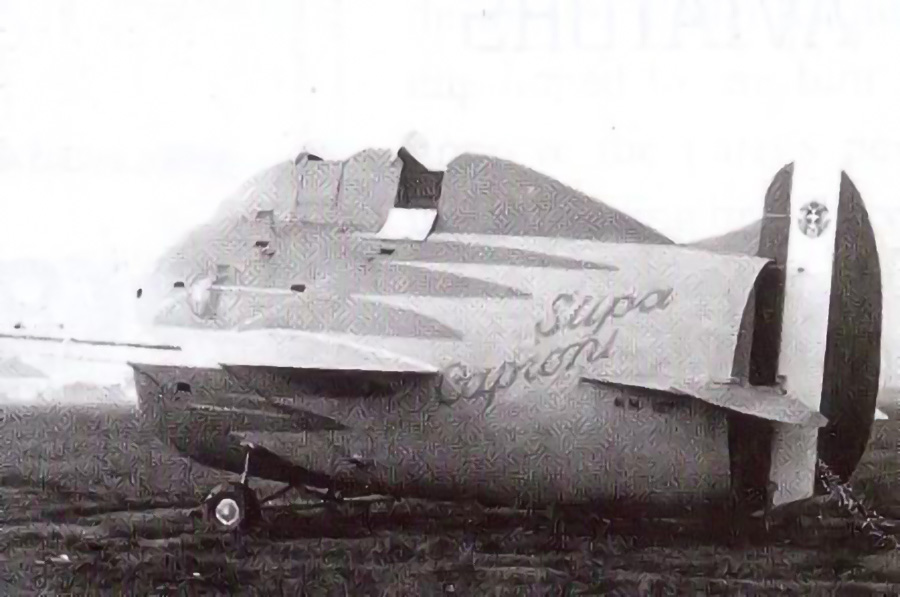
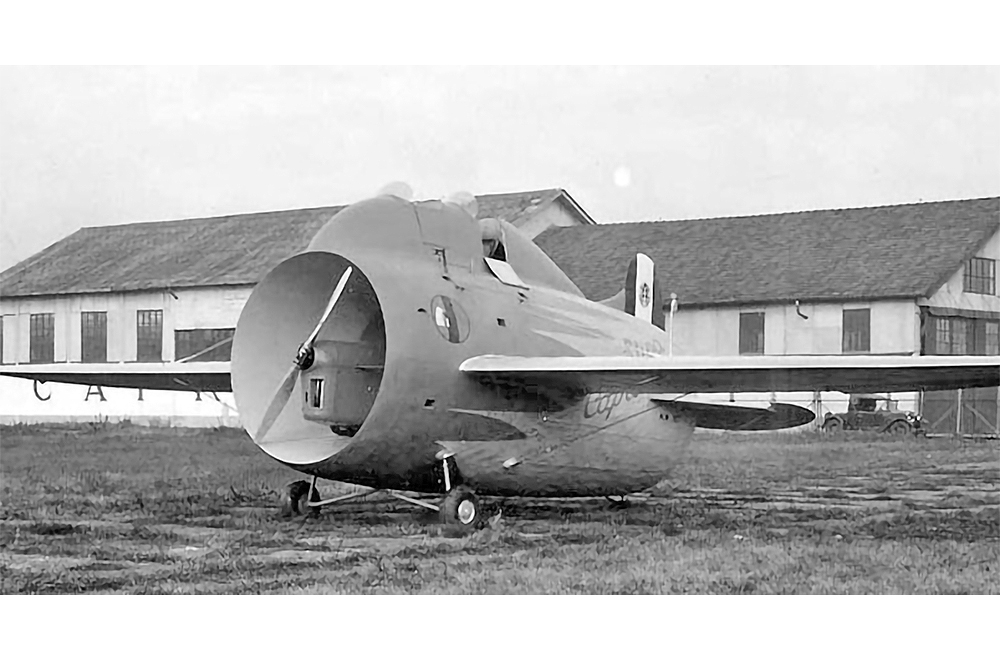
4: Stipa-Caproni

 Stipa-Caproni

There are bad ideas that seem good at the time. The Stipa-Caproni ‘(Barely) Flying Barrel’ was one of the other kind. In the early 1930s, Luigi Stipa developed the idea that blowing an aircraft’s propeller through a duct running the length of the fuselage would increase the propeller’s efficiency.

The fascist government compelled Caproni to build an aircraft to Stipa’s principles. The result was a bizarre fat tube with tiny wings that looked from the side like the ugliest cartoon aircraft ever, and from the front, like an accident involving a Miles Magister and a length of water main.

Back to top

4: Stipa-Caproni

 Stipa-Caproni

To Stipa’s credit, it did fly, but very slowly, as any increase in propeller efficiency from the duct was more than offset by the drag of the huge fuselage. It was also found to be very stable – so much so that it could more or less only fly in a straight line.

Stipa later complained that the jet engine was ripped off from his ideas. On the plus side, it wasn’t fatal – indeed, it would be pretty hard to injure yourself at the speeds the Stipa-Caproni flew.


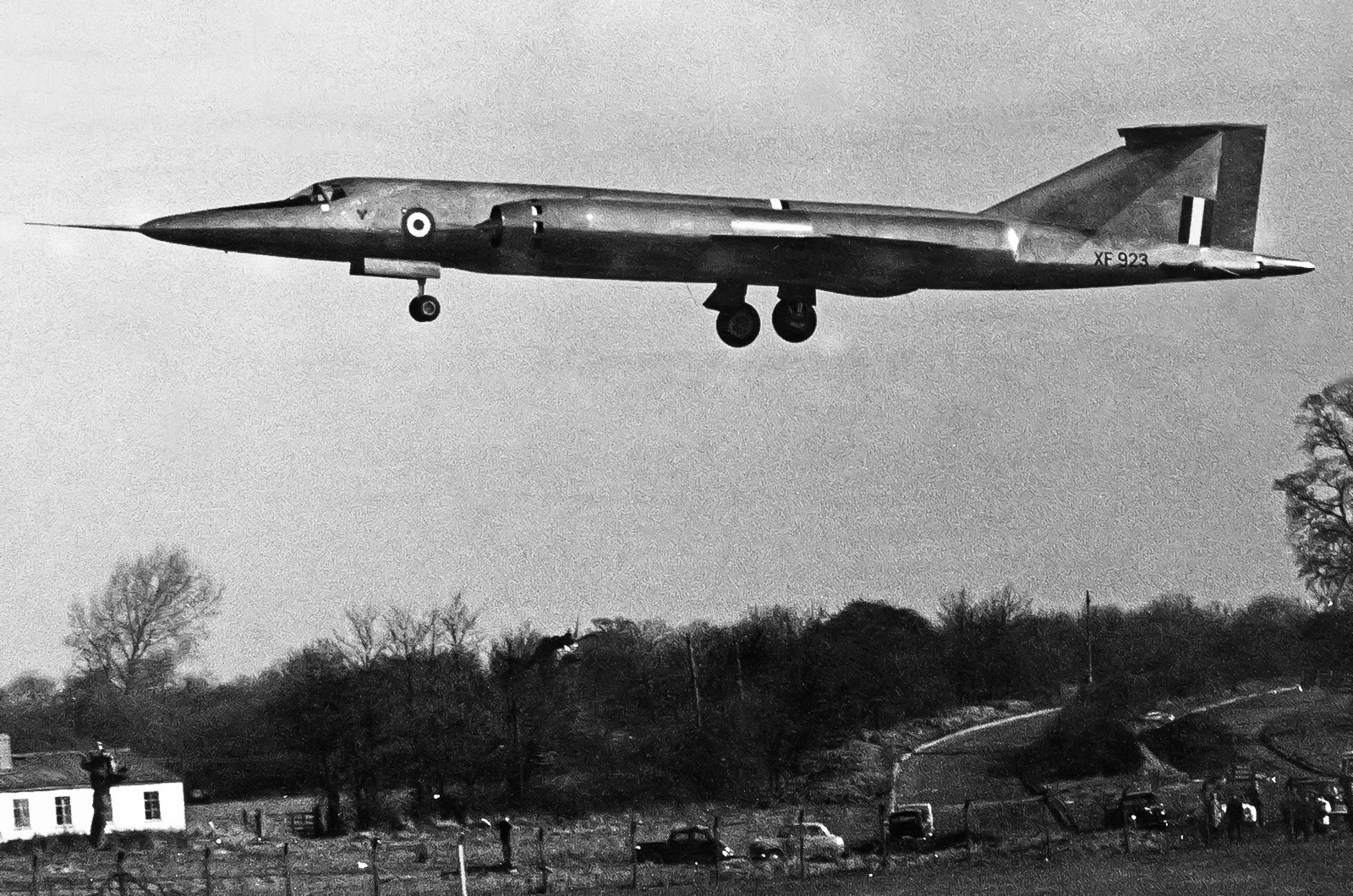
3: Bristol 188

 Bristol 188

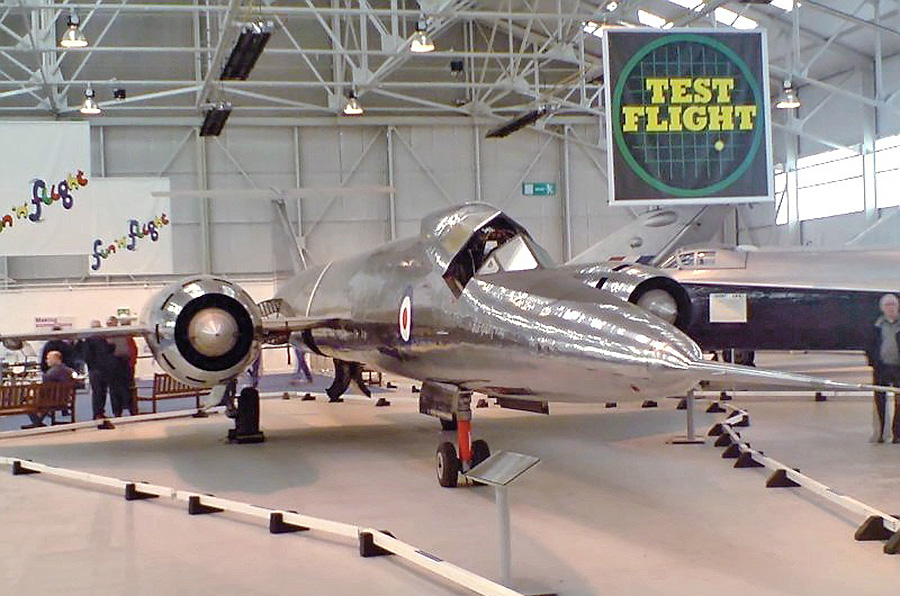
The 1962 Bristol 188 is undoubtedly an attractive aircraft and was rather fast, briefly hitting an oddly appropriate top speed of Mach 1.88. It is a shame that it fell completely and utterly short of what it had been designed to do, which was fly at speeds above Mach 2.6 for sustained periods.

The Type 188 was conceived to research heat build-up in airframes at high supersonic speeds, as this was feared to be a limiting factor for some of the very fast military aircraft then in development.


3: Bristol 188

 Bristol 188

Three were built, at fabulous expense, from (very heavy) stainless steel, assembled with specially developed welding techniques, with an exotic cockpit refrigeration system and fused quartz canopy, all intended to resist the high skin temperatures the aircraft was expected to meet and never did. Unfortunately, Bristol forgot about fuel tankage.

Even with de Havilland Gyron Junior engines that were less thirsty than the originally intended Rolls-Royce Avons, the 188 could barely stay in the air for 25 minutes and could not get near its intended speed. Despite this, it was the most expensive British research project that had then flown. An embarrassing dud, but at least everyone who flew it survived.


2: Bell X-5

 Bell X-5

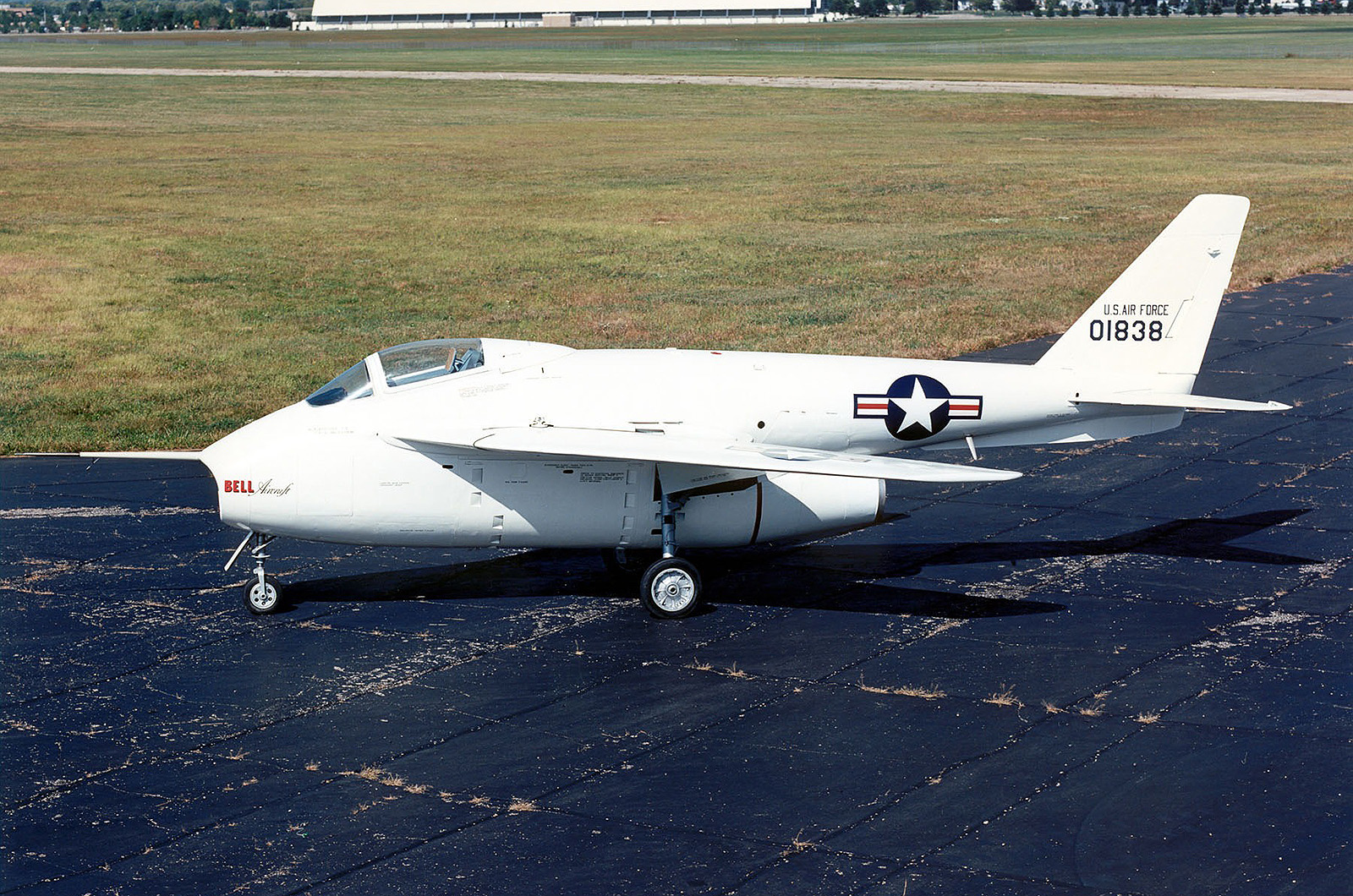
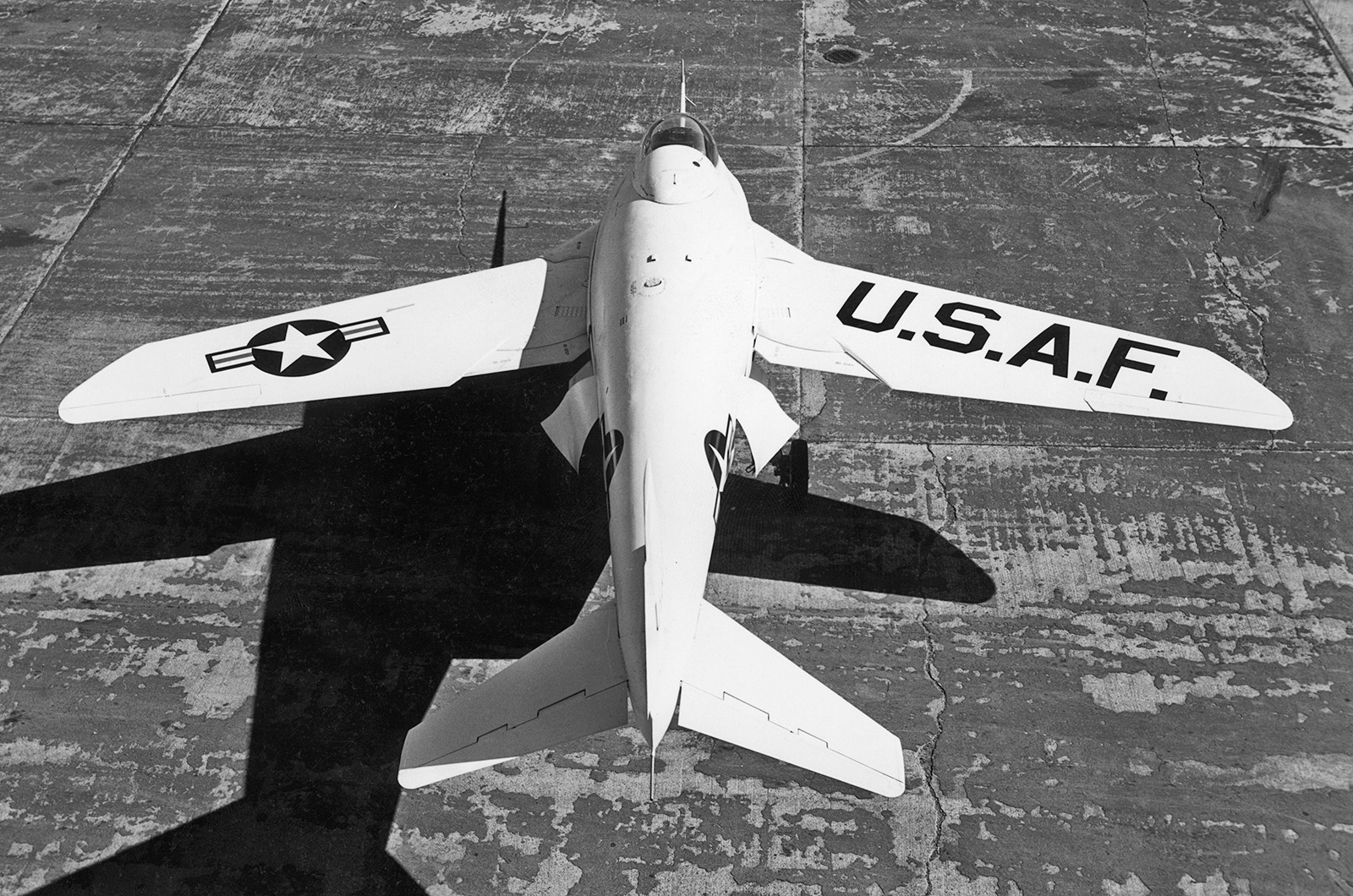
In the late 1940s, Bell, builders of the first supersonic aircraft, the Bell X-1, came by a German prototype with some unusual features. The jet-powered research aircraft Messerschmitt P.1101 recovered by advancing US troops had wings that could adjust their sweep angle on the ground.

Back to top

Bell decided to go one better and develop the P.1101 with wings that could vary their sweep in the air. The result was a machine with a stall so vicious that one false move would lead to a spin that could not be recovered from, perhaps unsurprising given the tiny tail surfaces.


2: Bell X-5

 Bell X-5

Nevertheless, it took two years and 200 flights before the perhaps inevitable crash happened, tragically with the loss of pilot Ray Popson. The US government quietly dropped plans to soup up the design and sell it as a low-cost fighter to NATO countries, but was able to claim that research into variable geometry had been useful.

Eventually, variable geometry or ‘swing-wings’ would be mastered and found success on the General Dynamics F-111, Grumman F-14 Tomcat, Panavia Tornado, B-1 bomber and various Soviet fighters and bombers. The ‘swing-wing’ allowed the aircraft to optimise its wing for the task it was doing, swept forward for short take-offs and low-speed flying, and swept back for efficiency at higher speeds.


1: Republic XF-84H

 Republic XF-84H

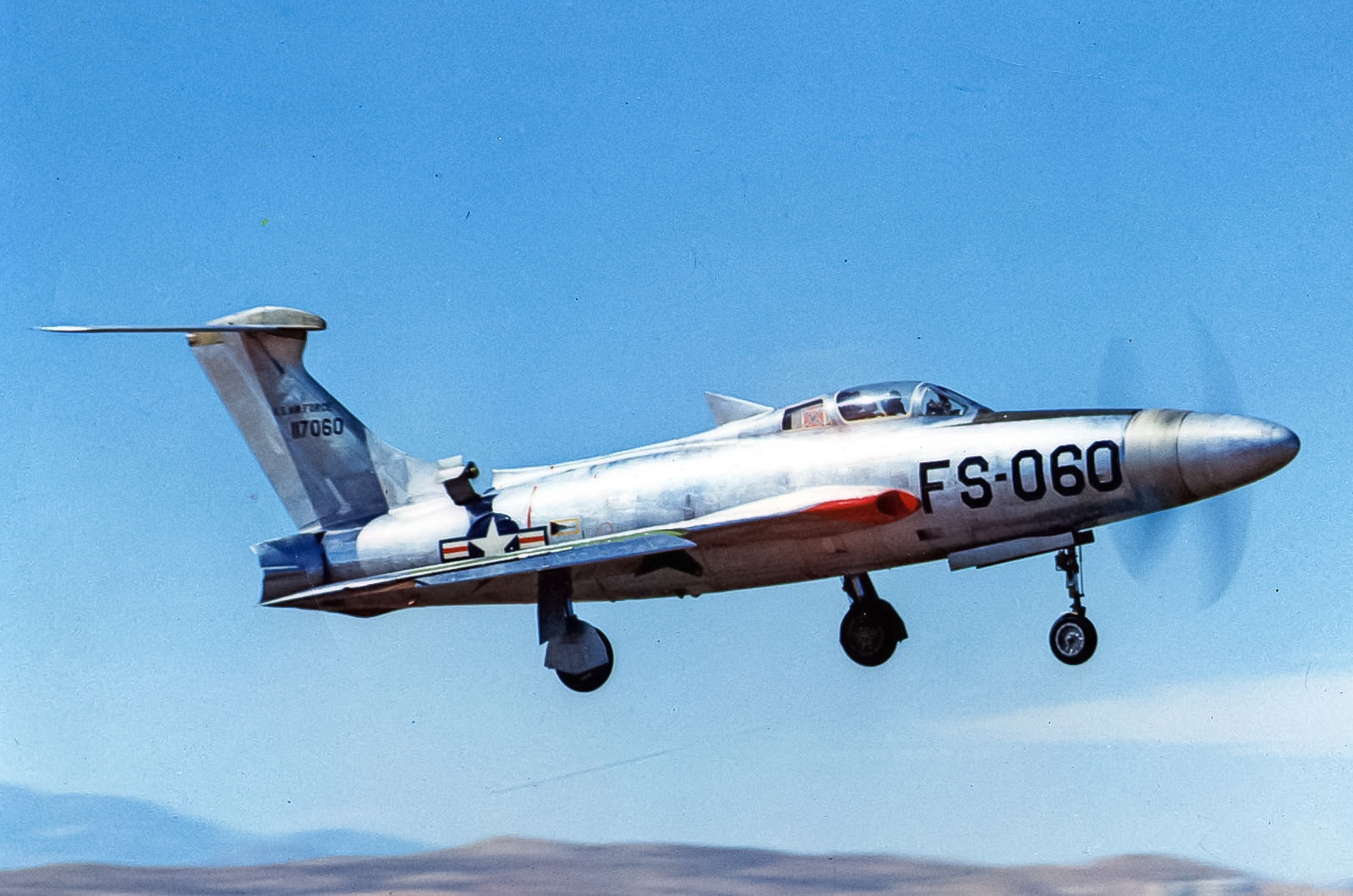
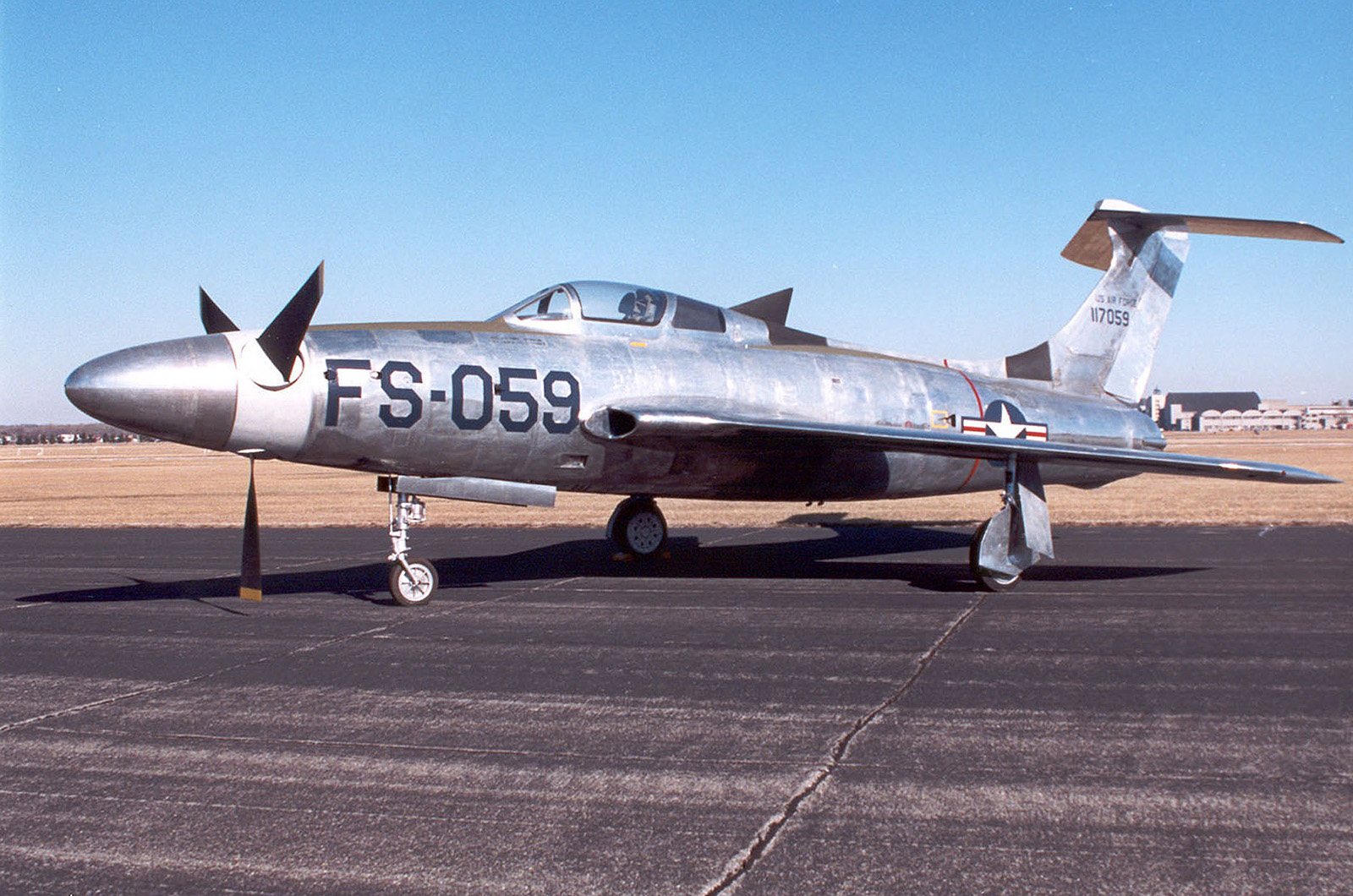
The Republic XF-84H combined terrible (and bizarre) characteristics with a conceptual dead-end and a shabbily run programme; it is clearly the winner. Jet engines of the time had poor acceleration and endurance, so the earlier F-84 was redesigned around an Allison T40 twin-linked turboprop driving a highly unorthodox propeller designed to revolve at supersonic speeds (conventional propellers lose efficiency as the speed of their blades approaches Mach 1) and an afterburner on its jet exhaust.

As such, it was designed to be the fastest propeller-driven aircraft in the world, at about 670mph, and this figure was repeated in many books, but it was never reached. The vibration of the propeller shaft and uncontrollable snaking in flight meant that the aircraft probably failed to exceed 450mph, and many piston-engined propeller aircraft have gone much faster than this.


1: Republic XF-84H

 Republic XF-84H

To add insult to injury, the supersonic propeller was so loud that it could be heard 25 miles away. Close up, the horrific howl caused headaches and nausea, and an engineer and a crew chief both experienced violent fits triggered by the sound. Edwards AFB made the test crews tow the aircraft a long distance out into Rogers Dry Lake before testing the engine.

Back to top

Twelve flights were made from 1955, one by Lin Hendrix, who threatened to fight anyone who made him fly the aircraft again. The only flights made were the manufacturer’s proving programme, and it’s tempting to conclude that this was only completed to avoid financial penalties. No USAF pilot flew the ‘Thunderscreech’. It would probably have killed someone – possibly from the noise alone – if its pilots hadn’t refused to fly it, or the USAF not cancelled the programme.

Follow Joe Coles on Substack, Twitter X  or Blue Sky. His superb Hush-Kit Book of Warplanes is available here.

If you enjoyed this story, please click the Follow button above to see more like it from Autocar

Photo Licence: https://creativecommons.org/licenses/by/4.0/deed.en

Join our WhatsApp community and be the first to read about the latest news and reviews wowing the car world. Our community is the best, easiest and most direct place to tap into the minds of Autocar, and if you join you’ll also be treated to unique WhatsApp content. You can leave at any time after joining - check our full privacy policy here.

Add a comment…