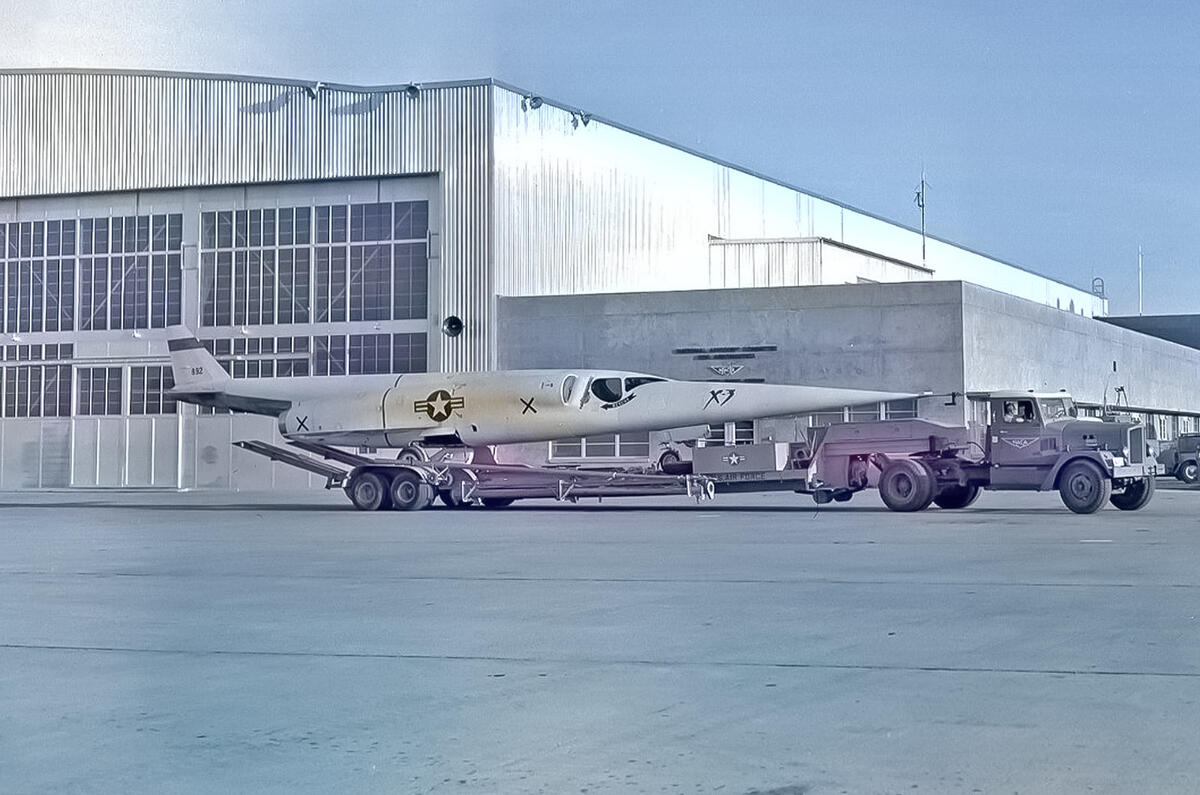

Pushing the frontiers of aerospace technology involves imagination and the taking of risks.
Many experimental aircraft tested critical new concepts, while many successfully disproved terrible ideas. These often bizarre-looking machines provide a fascinating insight into the often-dangerous world of experimental aircraft:
10: Bartini Beriev VVA-14
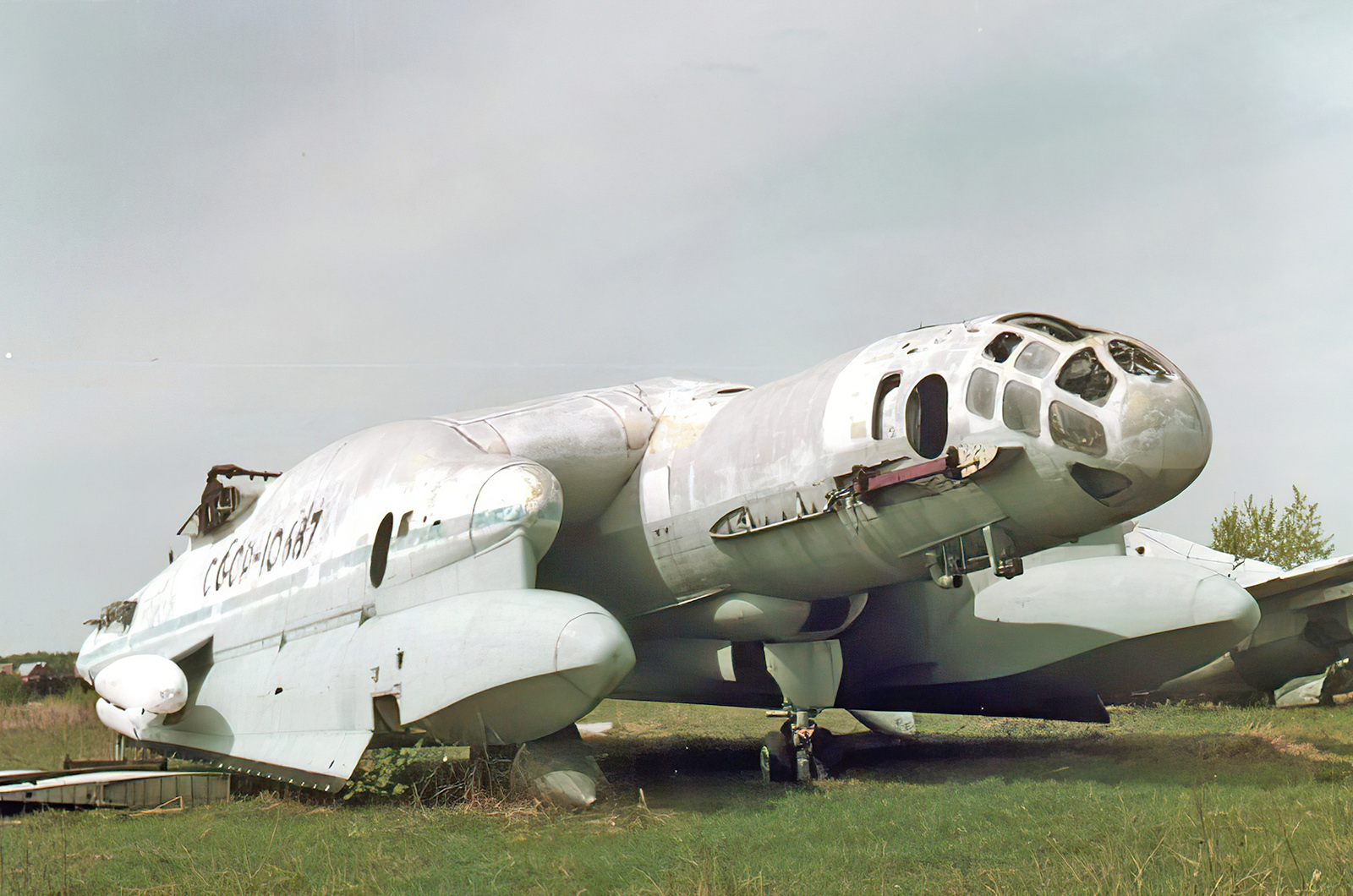
Being an aircraft designer was a hazardous occupation in Stalin’s terror state; being a foreign aircraft designer was even more perilous. In 1938, Croatia-born Robert Bartini began an eight-year prison sentence. Despite spending the war imprisoned, he did a tremendous amount of work, notably on the Tu-2 bomber. Bartini also proposed the A-57, a long-range strategic bomber that could land on water and refuel by submarine.
He became one of the most important Soviet aircraft designers and survived to create the exceptionally unusual VVA-14, designed to counter the threat of Polaris missile submarines. This was a wing-in-ground-effect vehicle, a type of aircraft which sits on the recirculated air that forms beneath wings at extremely low altitudes.
10: Bartini Beriev VVA-14
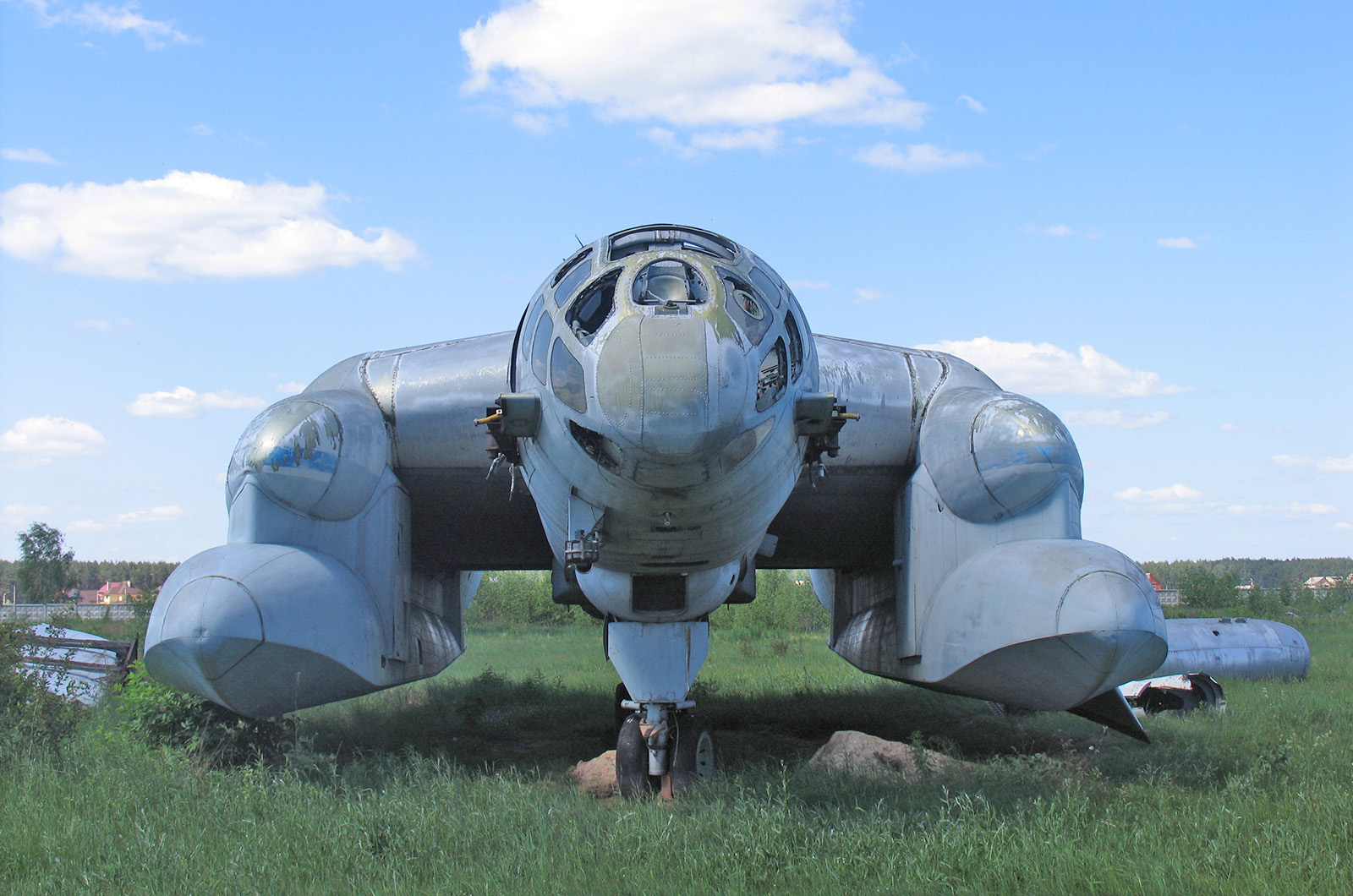
Capable of taking off from land or water, the vehicle could fly far faster than any boat, flying at ultra-low level while carrying large loads. It could also fly at higher altitudes as a true aeroplane. In collaboration with the Beriev Design Bureau, Bartini planned to develop the prototype VVA-14 in several phases.
The initial M1 was to be an aerodynamics and technology testbed. The M2 would have a battery of 12-lift engines to give full VTOL capability. Bartini died in 1974, and with him, the momentum that drove the project. Like all Ekranoplans, being neither fish nor fowl, no one quite knew what to do with it, and the VVA-14 never entered service.
9: Deutsche Forschungsanstalt für Segelflug DFS 346
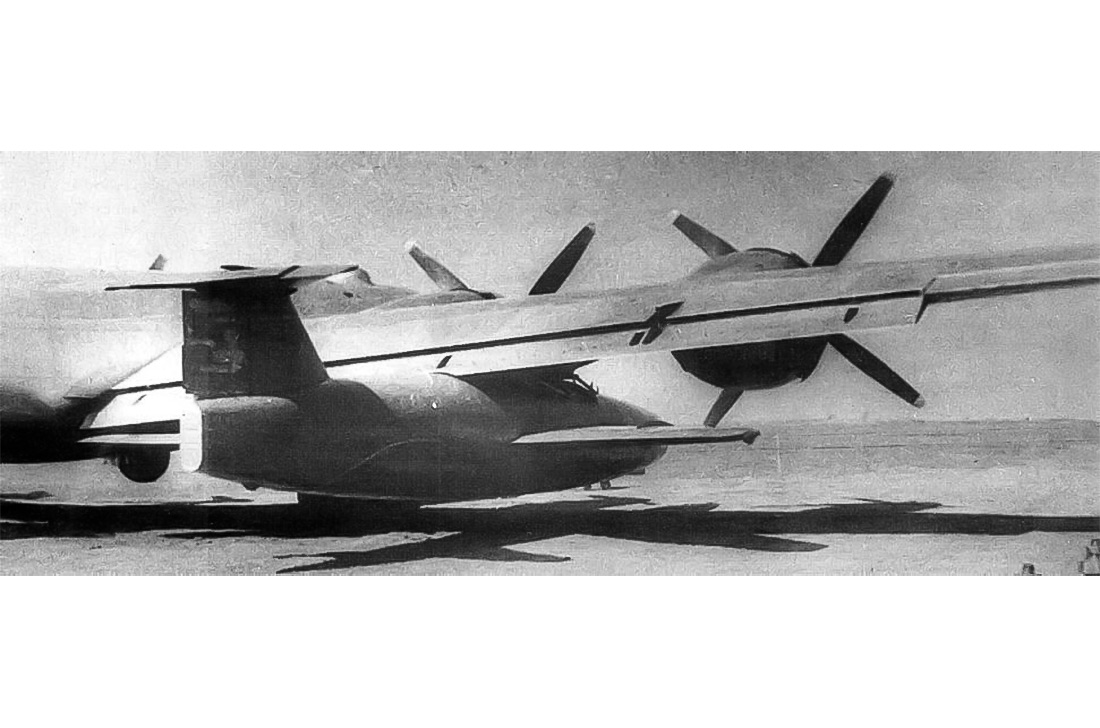
As the Second World War came to a close, Germany’s aircraft designers realised that the main frontline fighters were based on 1930s designs and erupted into a frenzy of creativity, churning out new concepts and forms like there was no tomorrow. One of these was the DFS 346.
The 346 was intended to go supersonic before anyone was sure what supersonic flight was all about. As such, it had a highly swept wing and carried the pilot in a glass nose in a prone position, which it was thought would help him remain conscious at high speeds. Wind-tunnel tests revealed dangerous aerodynamic flaws.
9: Deutsche Forschungsanstalt für Segelflug DFS 346
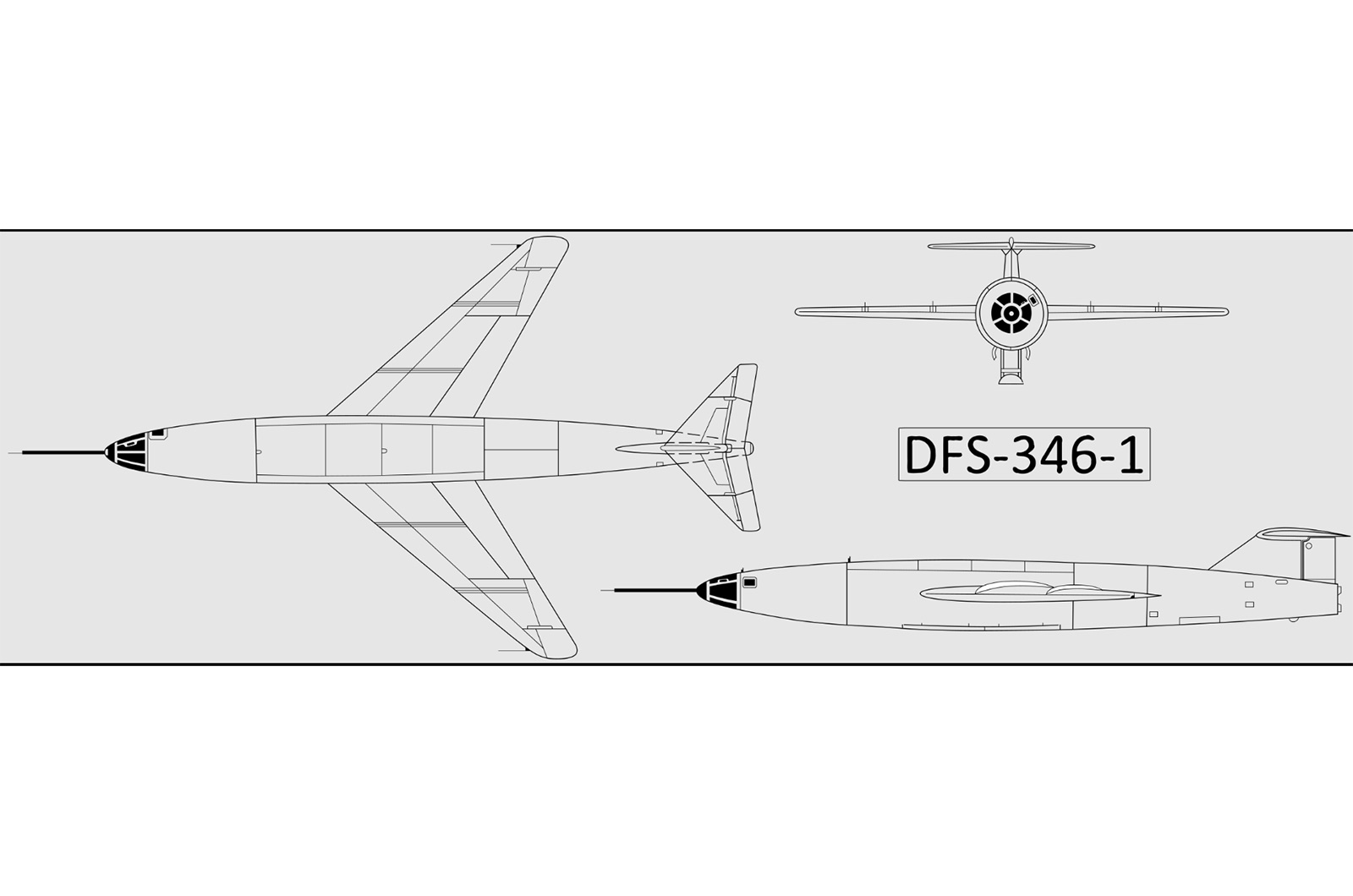
The Soviets decided to test it after the war anyway. On the first gliding flight dropped from an aircraft (previous photo), test pilot Wolfgang Ziese barely retained control of the wayward 346, descended too fast and smashed his face on the canopy on landing. Unpowered research continued until 1951, some three years after a Soviet-designed aircraft had gone supersonic.
Finally, powered tests were carried out, whereupon all control was lost and Ziese bailed out. The 346 may at least have contributed to Soviet supersonic research, though probably not much, and its chief benefit was likely to have been in persuading the Soviets that flying face-first at high speeds was not a good idea.