Currently reading: The Finest Fighter planes of The Second World War – The Low Altitude Edition

The Finest Fighter planes of The Second World War – The Low Altitude Edition

Dominance in air combat at low altitude demanded rapid acceleration, sharp roll and pitch response, and the ability to sustain energy in tight, fast-moving engagements.

Control precision and engine responsiveness were crucial, and the margin for error was tiny. Fighters in this environment generally fell into two schools: energy fighters, which exploited speed, climb, and momentum to control the fight, and angle fighters, which relied on instantaneous turn rate, nose authority, and control harmony to prevail at close range.

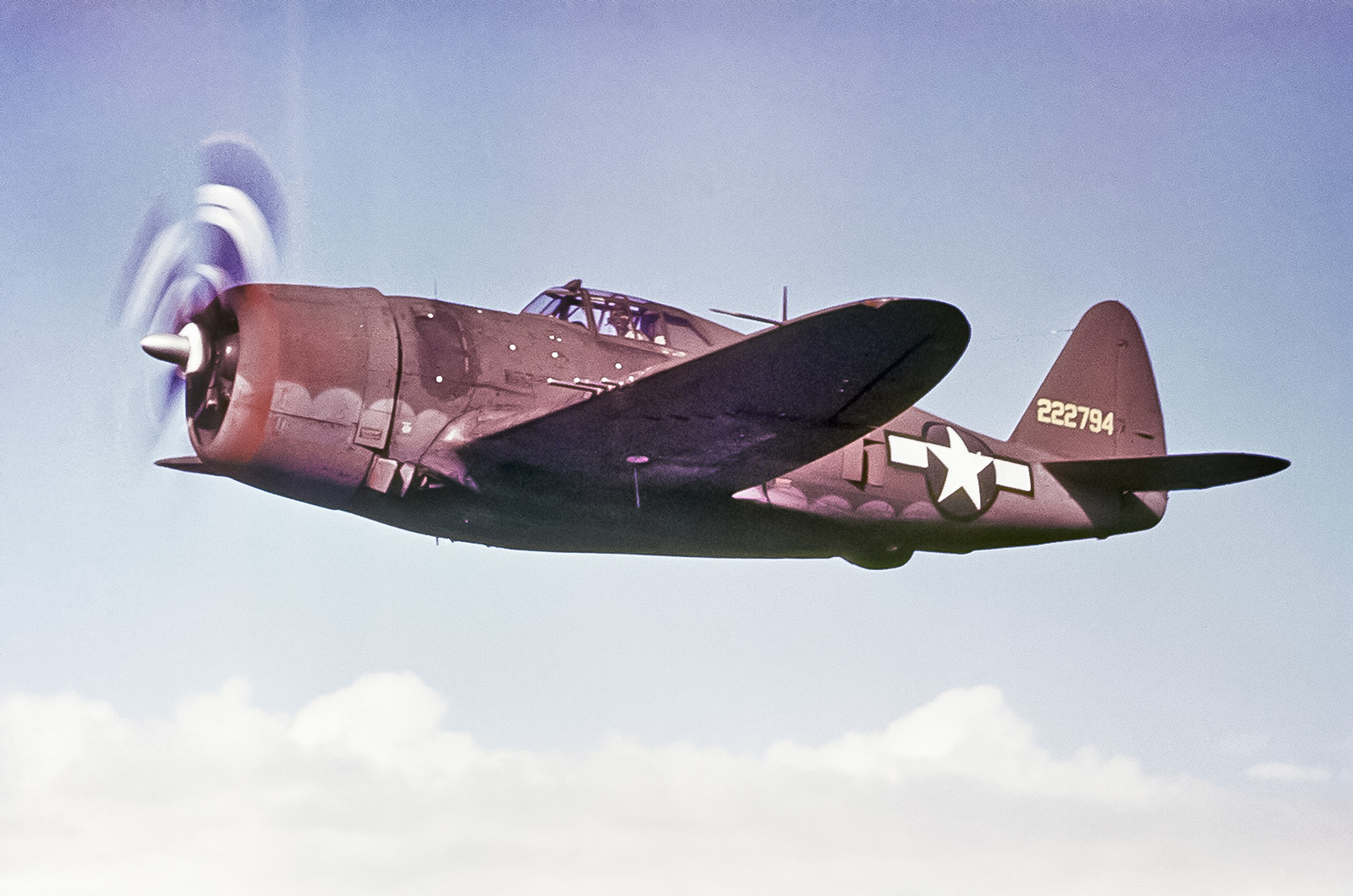
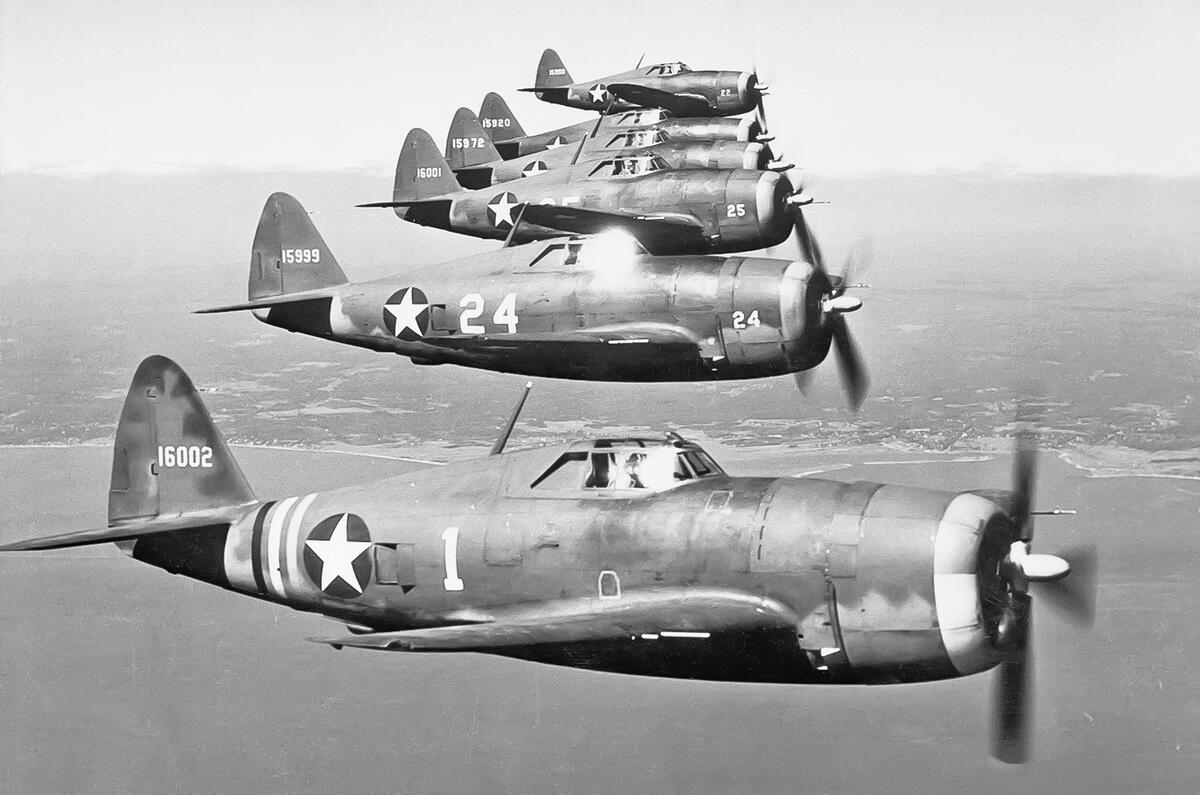
At the extremes were aircraft like the massive P-47 Thunderbolt (pictured), an almost pure energy fighter built to strike and disengage at will, and the tiny Yak-3, a near-perfect angle fighter whose light structure and explosive agility made it formidable in a turning fight. A few designs, notably the Focke-Wulf Fw 190, blurred the line—combining exceptional roll rate and acceleration with enough turning ability to threaten dedicated angle fighters.

There was a great deal of low-level air combat, from the Eastern Front’s sprawling plains to the chaotic skies over Western Europe. This list of the twelve best low-altitude fighters celebrates aircraft that excelled in these frenetic, dangerous conditions—machines that could accelerate quickly, turn hard without bleeding energy, and deliver decisive firepower where reaction time was measured in fractions of seconds. Each entry proved itself formidable in the most demanding theatres of war, and we will judge them on their potency in the air-to-air domain.


12: North American P-51 Mustang
 North American P-51 Mustang

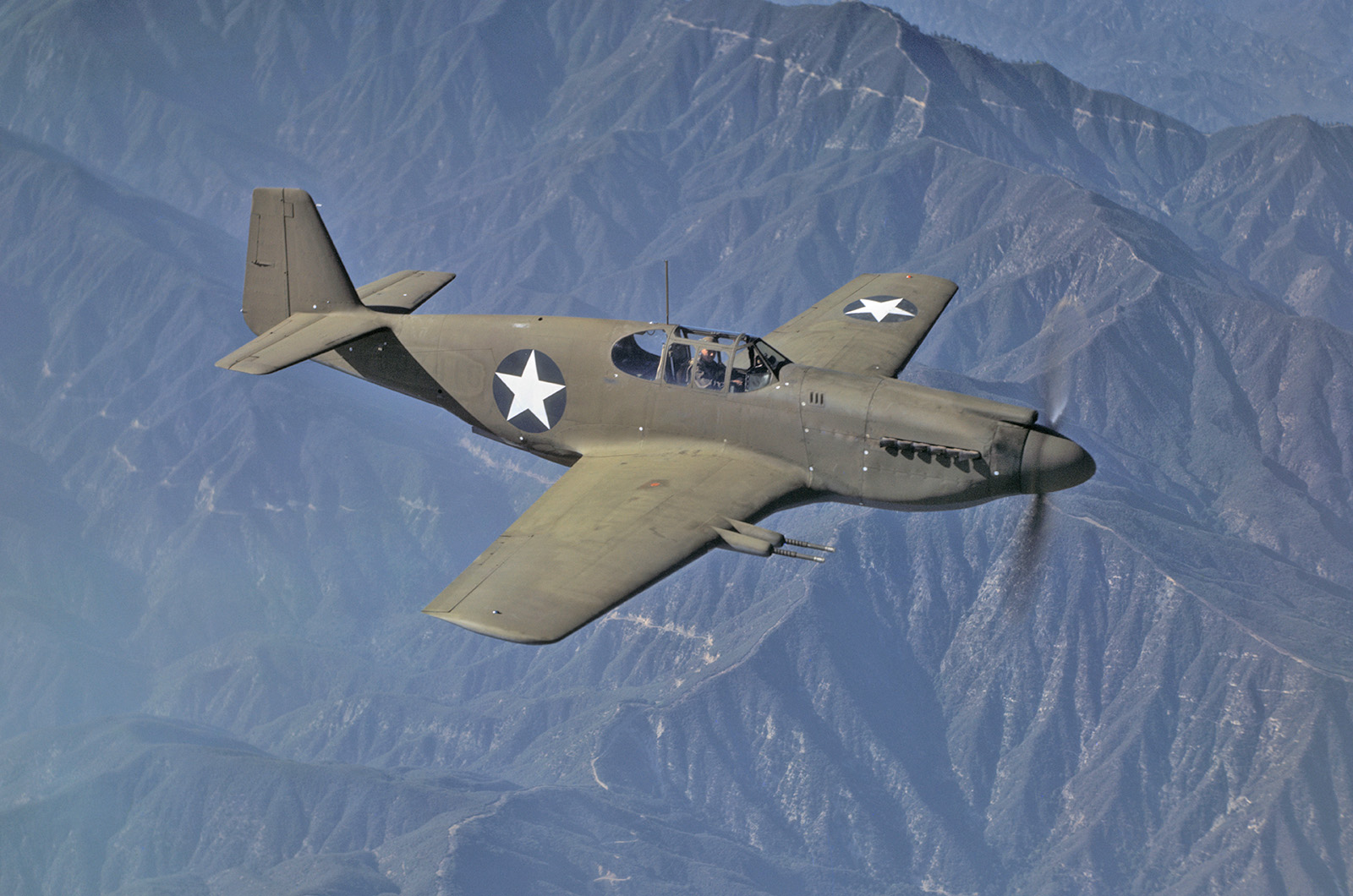
The Mustang Mk I entered RAF service in early 1942, over a year before the USAAF flew the type in combat. While the P-51 is famed as a high-altitude escort, the early, often derided Allison-engined variants were no slouches in low-level air combat. Compact, fast, and agile, they could reach 377 mph (607 km/h) at an altitude of 1000 ft (305 m). Lightweight and effective throttle response supported rapid, aggressive manoeuvres of these V-1710 series-powered fighters at treetop level.

The Allison Mustangs typically carried four, and in some versions six, .50-calibre Browning machine guns (a relatively small number of RAF Mustang IAs were even fitted with four 20-mm cannons). Although gun spacing was wider than on later variants, which is not ideal for the short distances typical of low-level engagements, their armament was deemed effective.


12: North American P-51 Mustang
 North American P-51 Mustang

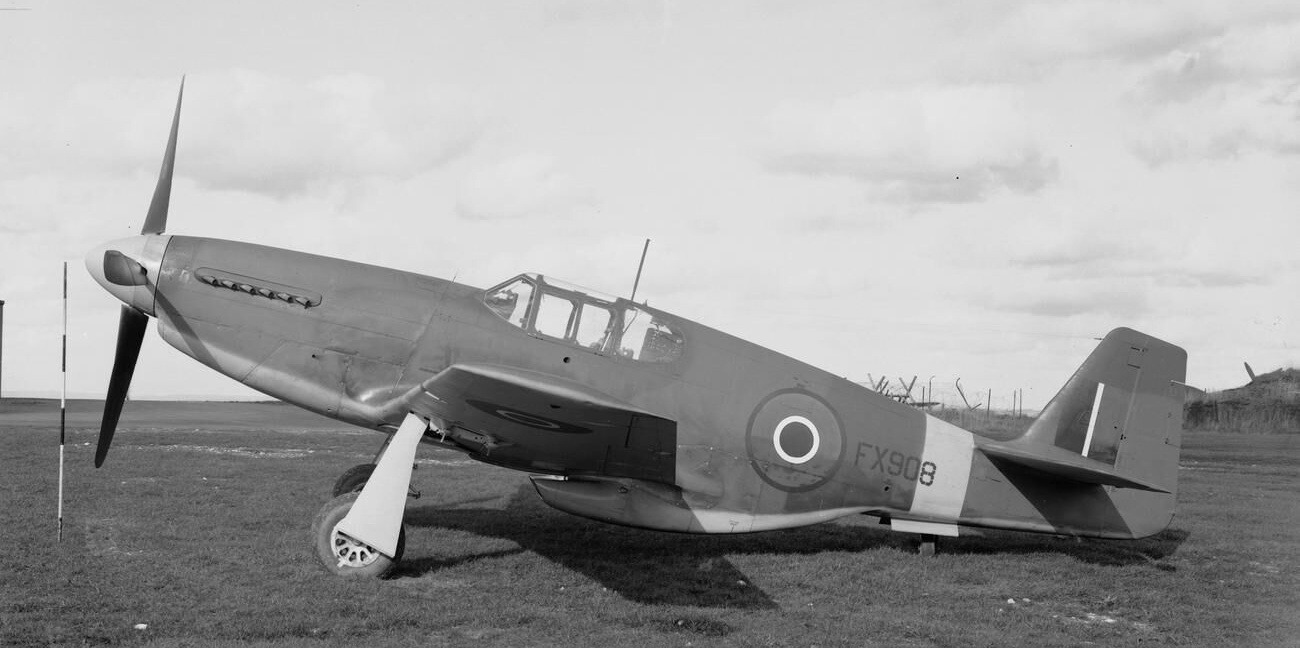
In tests, the British were particularly impressed by the Mustang’s roll rate, which exceeded any modern fighter they had tested, as well as its range—around twice that of the Spitfire Mk V—and high diving speed. The rapid roll was especially valuable, as the fast-rolling Fw 190 had become a serious threat by late 1941. Although primarily tasked with reconnaissance and ground-attack missions, RAF Mustangs intercepted low-flying fighters and escorted ground-attack formations. Across all variants, RAF Mustangs scored a total of 185 aerial victories.

Later Merlin-engined P-51B/C/D variants shifted the Mustang’s emphasis towards high-altitude escort. Additional fuel, armament, and equipment increased weight and wing loading, slightly degrading low-level handling. Merlin-powered Mustangs could inadvertently snap roll if turned too hard, which could overstress the airframe. While still fast and formidable 'on the deck', they were less optimised for treetop combat. However, the Merlin engine’s improved low- and medium-altitude performance, combined with the P-51D’s bubble canopy, offered pilots superior acceleration, energy retention, and all-around visibility in low-level combat.

Back to top

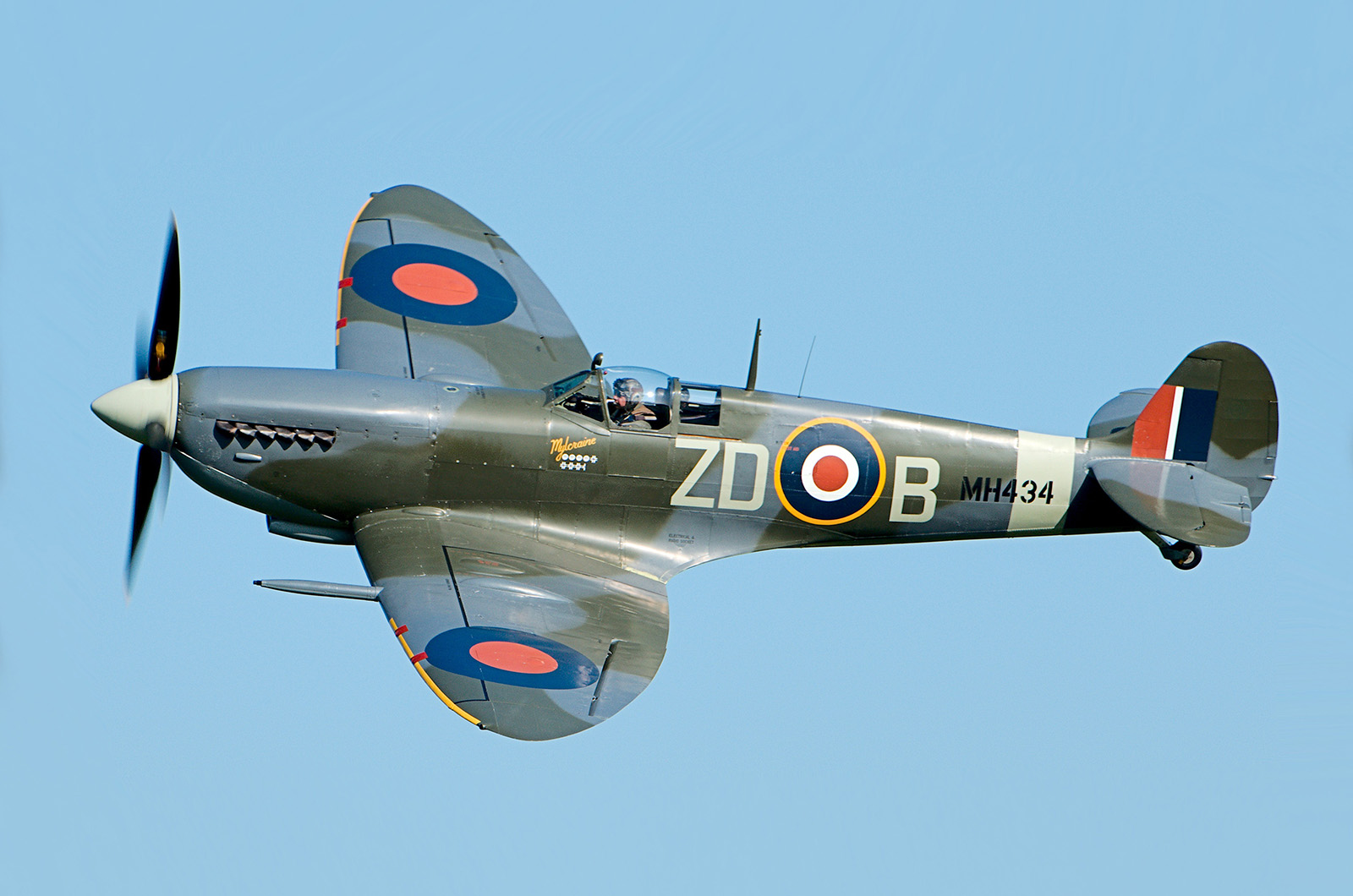
11: Supermarine Spitfire

 Supermarine Spitfire

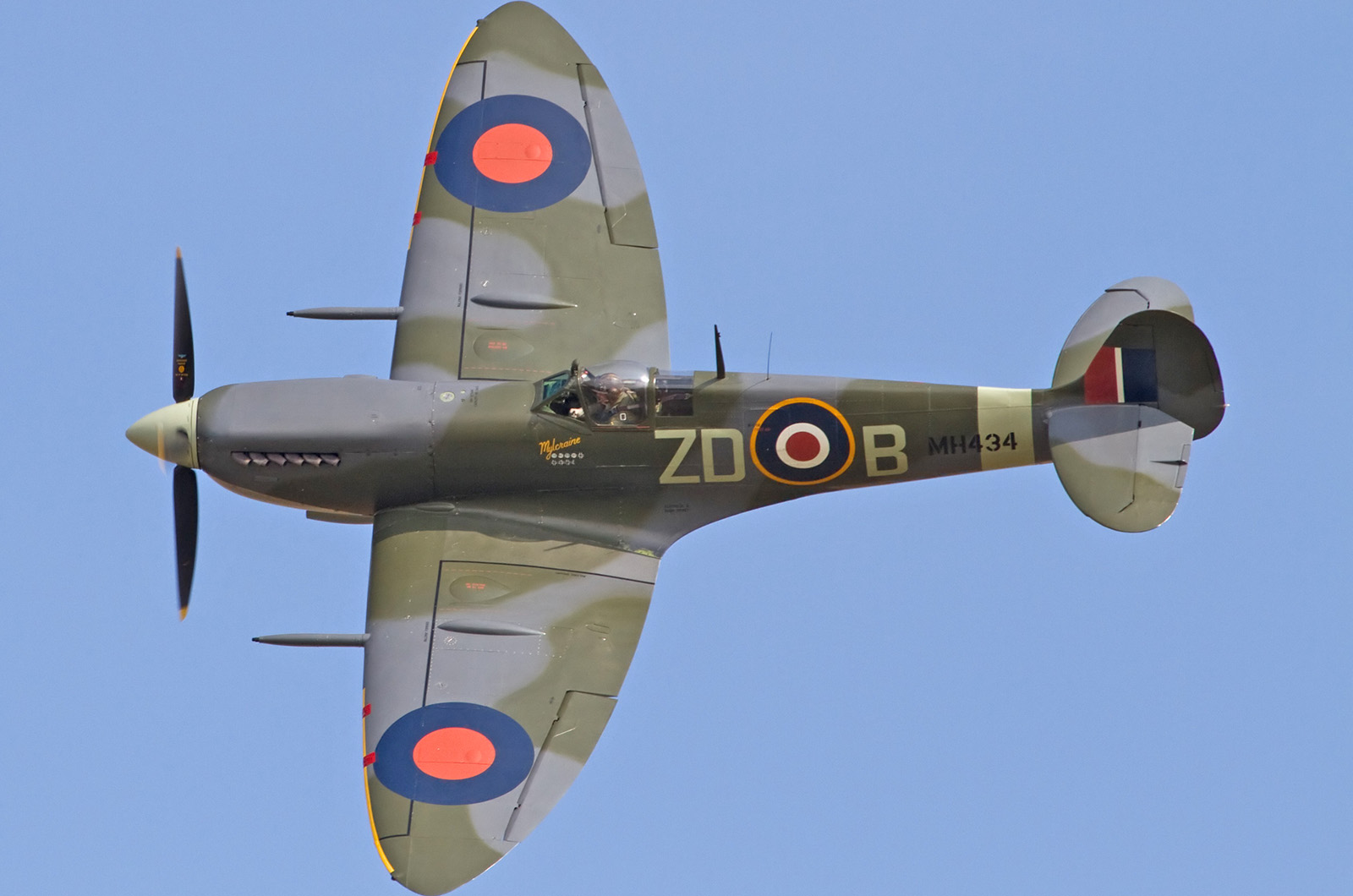
The strongest candidate for the best low-level Spitfire was the Mk IX, particularly the LF (Low-Altitude Fighter) variants powered by the Merlin 66. Introduced in 1942, it delivered excellent throttle response, acceleration, and climb below 10,000 feet (3048 metres). Sea-level speed was around 360–365 mph (579-587 km/h), approaching 370 mph (595 km/h) at very low altitude, keeping it competitive with the Bf 109G and Fw 190A.

The LF designation referred to the engine rather than the wing. Many aircraft retained the standard elliptical wing, while clipped wings were introduced later or fitted in the field to improve roll rate and low-level agility. Low wing loading and a relatively light airframe gave the Mk IX exceptional manoeuvrability, allowing tight turns, rapid reversals, and precise control during close-in combat.


11: Supermarine Spitfire

 Supermarine Spitfire

Most LF Mk IXs used the C-wing, carrying two 20 mm Hispano cannons and four .303 Browning machine guns, whereas later aircraft adopted the E-wing, which carried two 20 mm Hispano cannons and two .50 cal Browning machine guns. This firepower proved highly effective during the Rhubarb operations (low-level fighter sweeps and opportunistic ground-attack missions over occupied Europe) and during the 1944 Normandy campaign.

Later variants, such as the Griffon-engined Mk XIV, offered higher speed and superior vertical performance but were heavier and less forgiving in tight dogfights. In practical combat terms, the LF Mk IX balanced speed, manoeuvrability, endurance, and handling better than any other Spitfire, making it the most effective low-level wartime variant.


10: Bell P-39 Airacobra/P-63 Kingcobra

 Bell P-39 Airacobra/P-63 Kingcobra

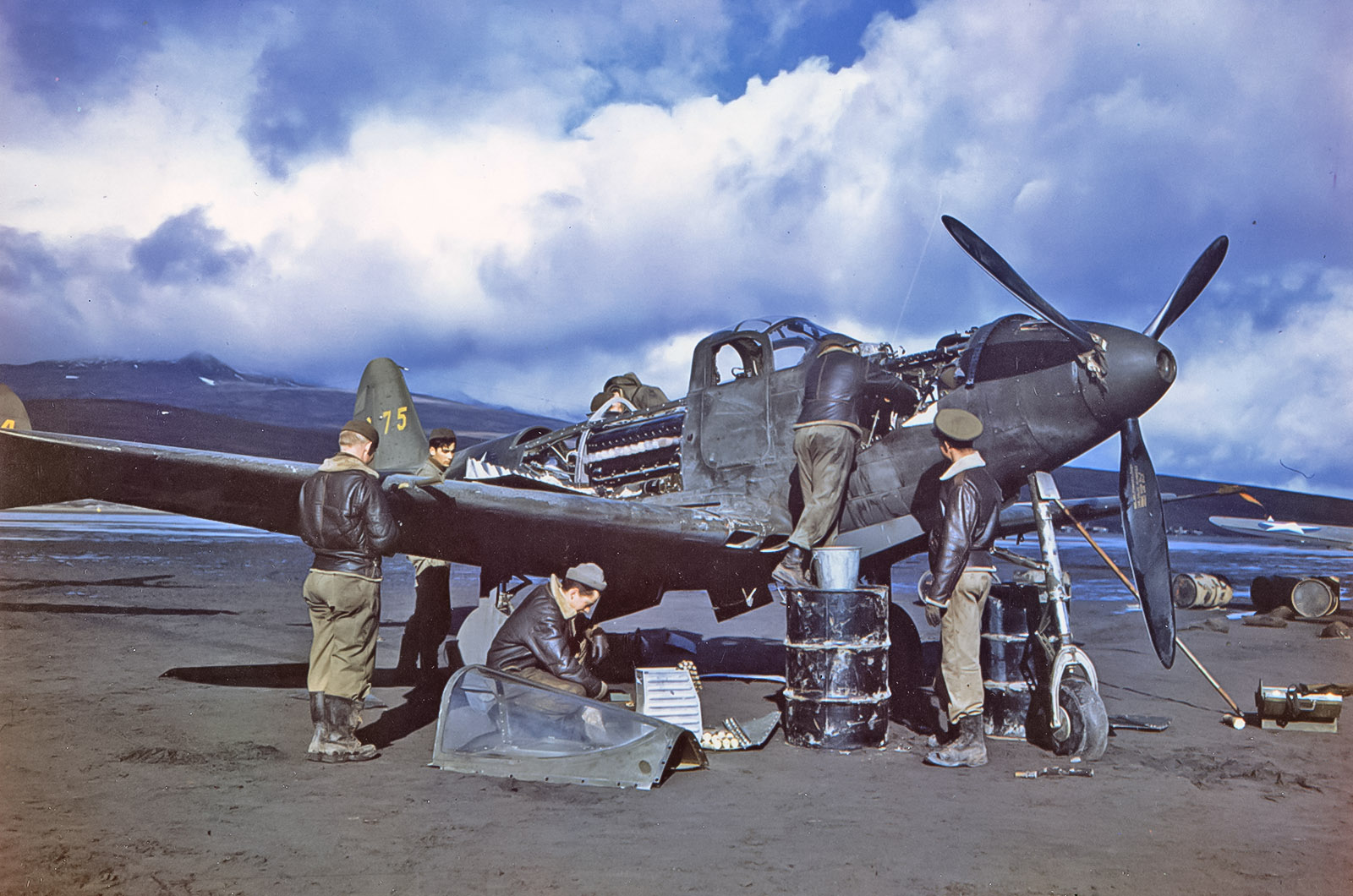
The Bell P-39 Airacobra was unusual, with a mid-mounted engine and tricycle undercarriage. Its lack of a turbo-supercharger limited high-altitude performance, but at low level it proved extremely effective. Compact, robust, and well-armed, it excelled in the close-range, fast-paced combat that dominated the Eastern Front, where acceleration, tight turns, and precise manoeuvres counted. Its top low-level speed was around 362 mph (583 km/h).

Back to top

Its firepower was formidable: the 37 mm cannon firing through the propeller hub, supported by two .50 cal machine guns, could destroy enemy aircraft in a single burst. Soviet pilots praised its sturdiness, handling, and effectiveness, achieving huge success in air-to-air combat. Tens of thousands were delivered under Lend-Lease, making it a mainstay of Soviet low-altitude operations.


10: Bell P-39 Airacobra/P-63 Kingcobra

 Bell P-39 Airacobra/P-63 Kingcobra

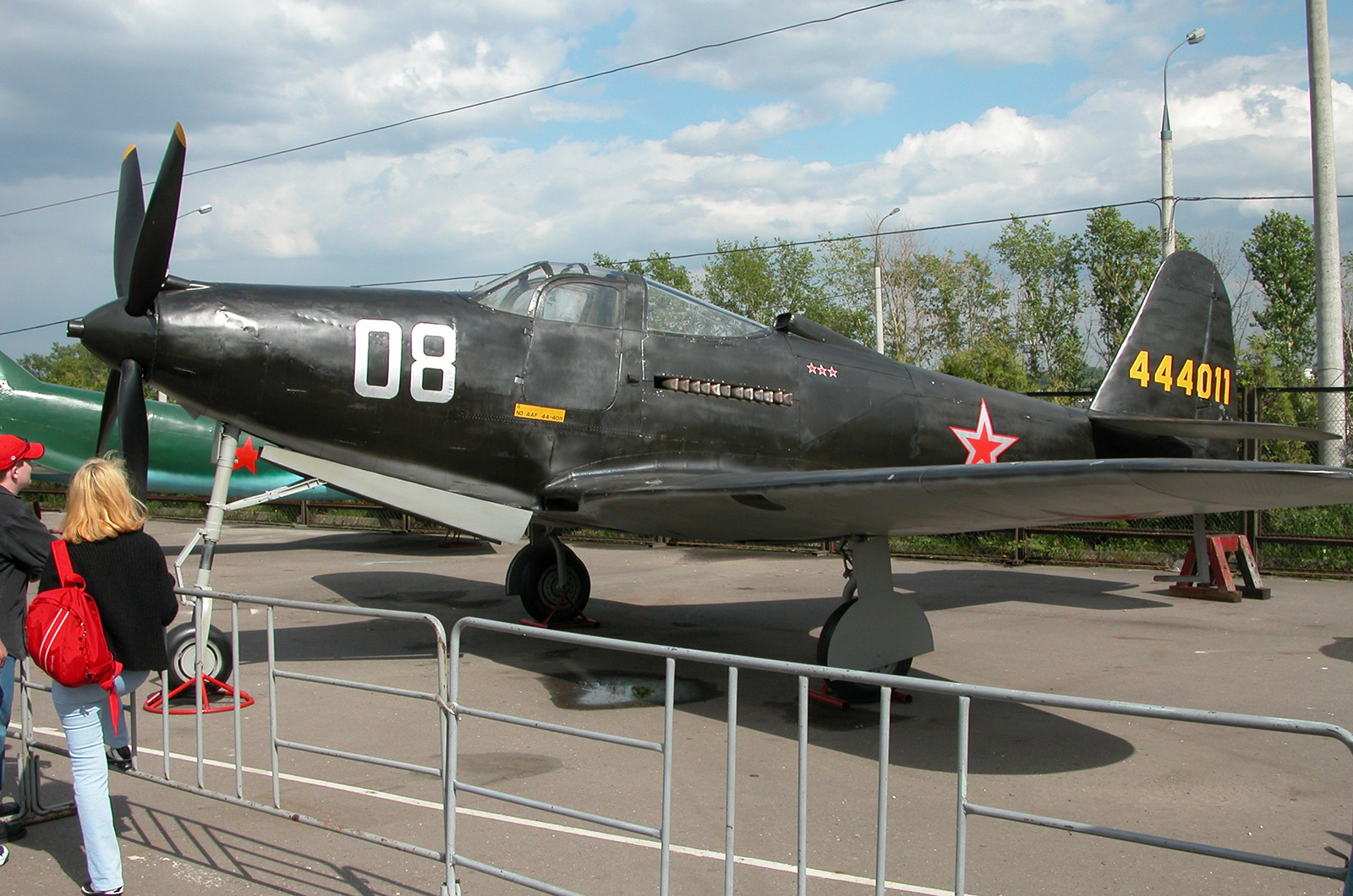
The P-63 Kingcobra was a significant departure from the P-39. While retaining low-altitude strengths, it added improved speed, control harmony, and structural refinement. It was one of the very few wartime fighters to attempt a laminar-flow wing, enhancing aerodynamic efficiency. Production aircraft reached around 410 mph (660 km/h) at low level, combining agility with better energy retention.

Though arriving too late for widespread air-to-air combat, the Kingcobra served effectively in ground-attack and training roles with Soviet units, where it also achieved notable operational success. Large numbers were delivered under Lend-Lease. Together, the P-39 and P-63 demonstrated innovative American design optimised for treetop engagements, blending firepower, manoeuvrability, and ruggedness few aircraft could match.


9: Republic P-47 Thunderbolt

 Republic P-47 Thunderbolt

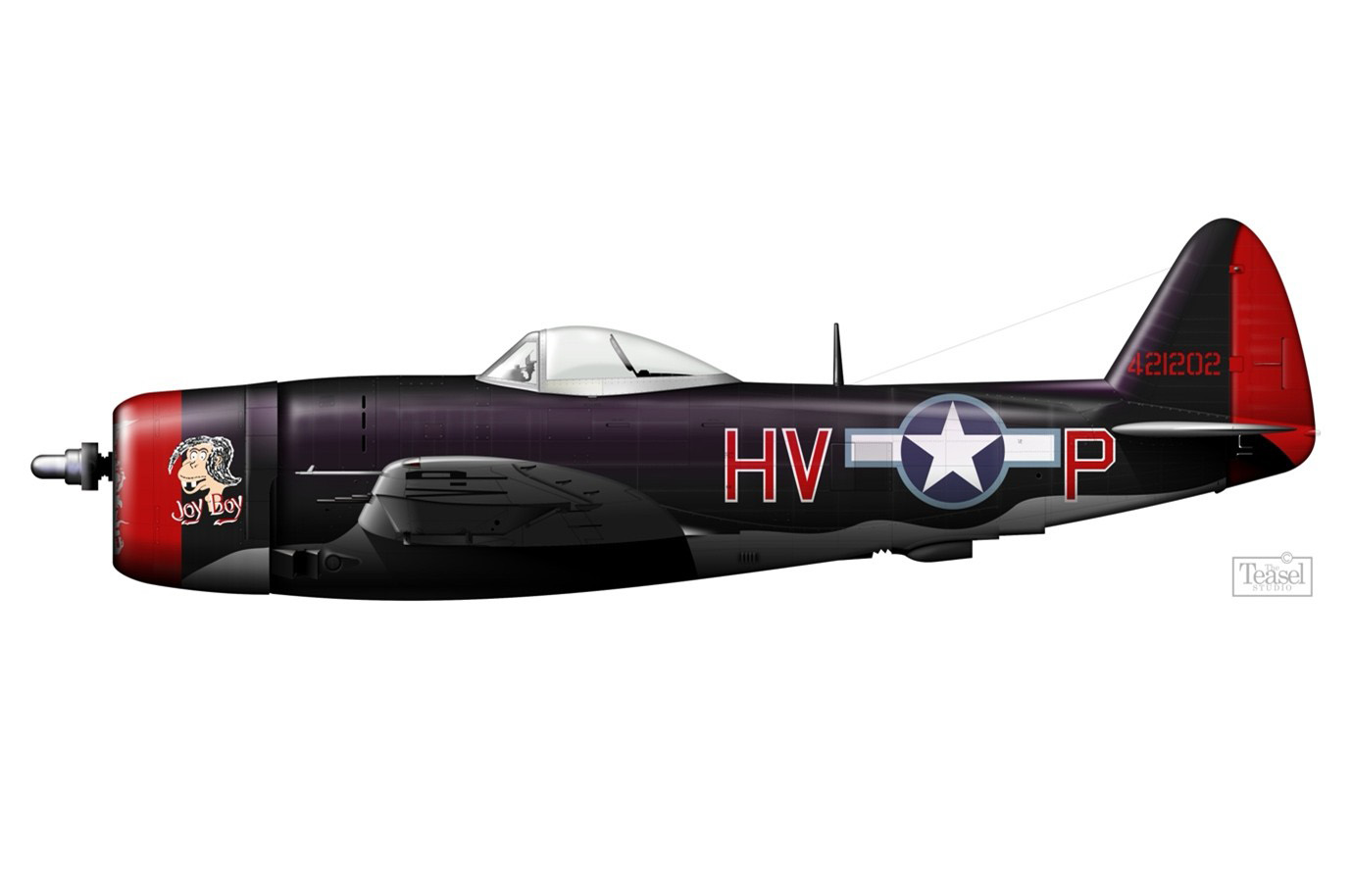
The Republic P-47 Thunderbolt was one of the largest and most powerful Allied fighters of the Second World War. Though not designed primarily for low-level combat, it proved highly survivable near the ground thanks to a massive radial engine, rugged construction, and strong acceleration. Standard P 47s could reach around 370–375 mph (595-604 km/h) in level flight at low altitude, remaining fast and stable at treetop height.

Its armament was formidable, with eight .50 calibre Browning machine guns and the ability to carry bombs or rockets, making it deadly in air-to-air and air-to-ground missions. The heavy airframe absorbed considerable battle damage, allowing pilots to survive hits that would have downed lighter fighters.


9: Republic P-47 Thunderbolt

 Republic P-47 Thunderbolt

Back to top

Among Thunderbolt variants, the P-47M was the fastest production type. Strengthened systems and a more powerful R 2800 engine gave exceptional acceleration and straight-line speed, with a top speed of around 473 mph (761 km/h) at altitude. At very low altitude, performance charts and contemporary evaluations indicate level-flight speeds in excess of 420 mph (676 km/h), placing it among the fastest piston-engined fighters ever to operate near the deck.

Despite this impressive performance, the P-47M’s tight-turning ability near the ground was slightly worse than the P-47D (which was hardly stellar in itself) due to higher weight and wing loading. Both variants proved capable at high-speed low-level combat, but pilots relied on high-speed hit-and-run tactics rather than prolonged turning engagements.


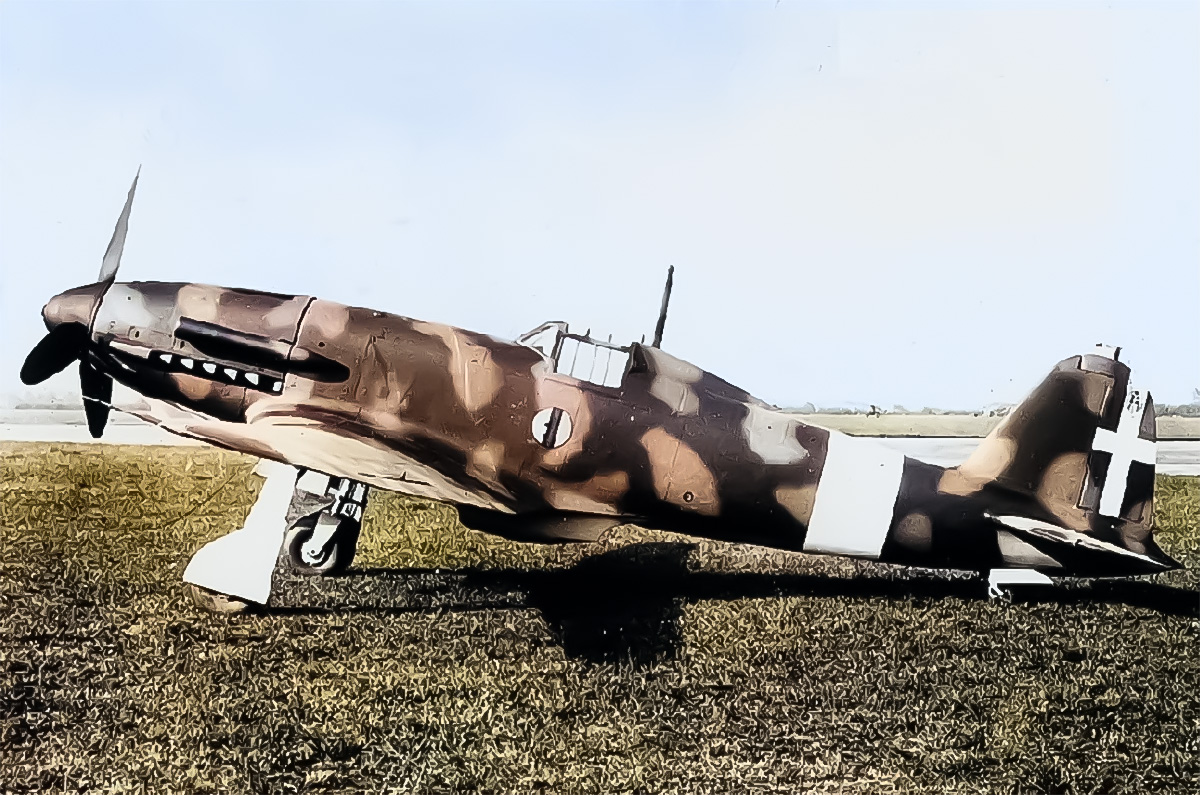
8: Macchi C.205 Veltro

 Macchi C.205 Veltro

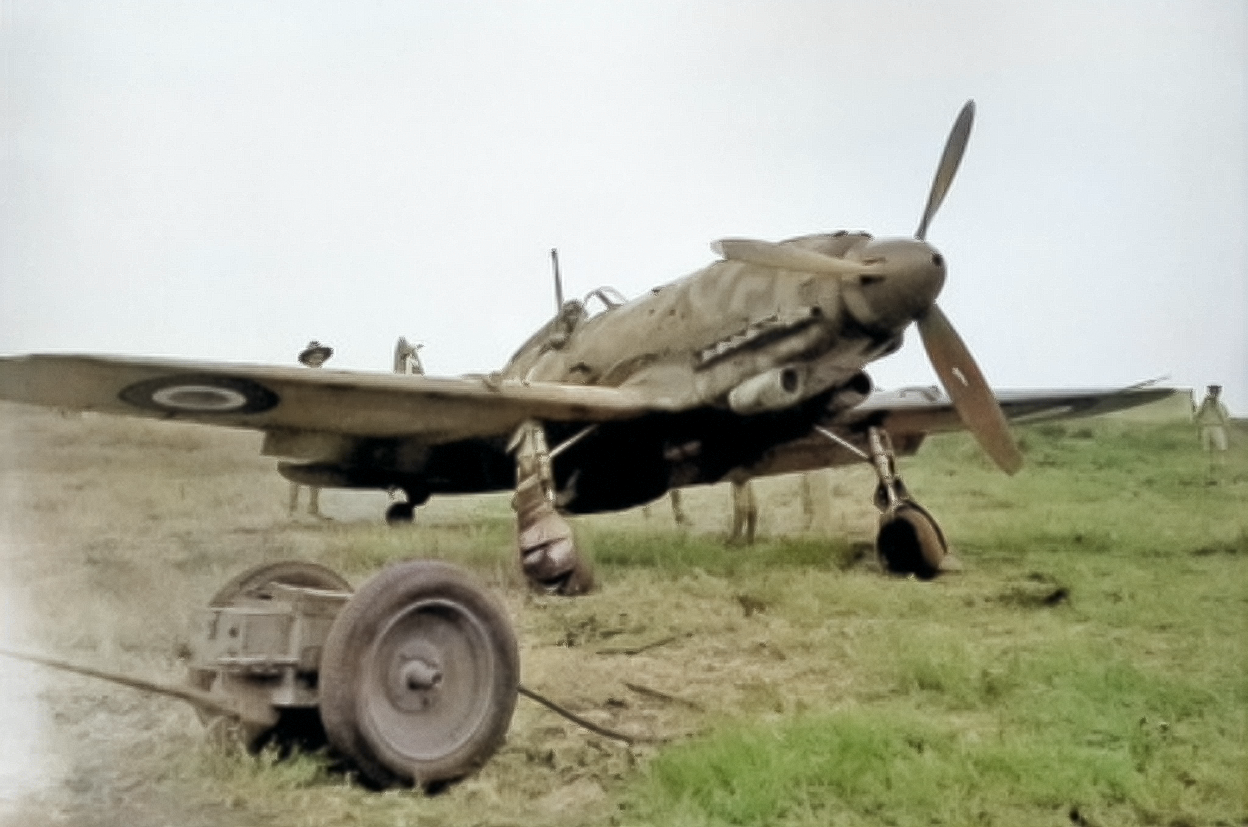
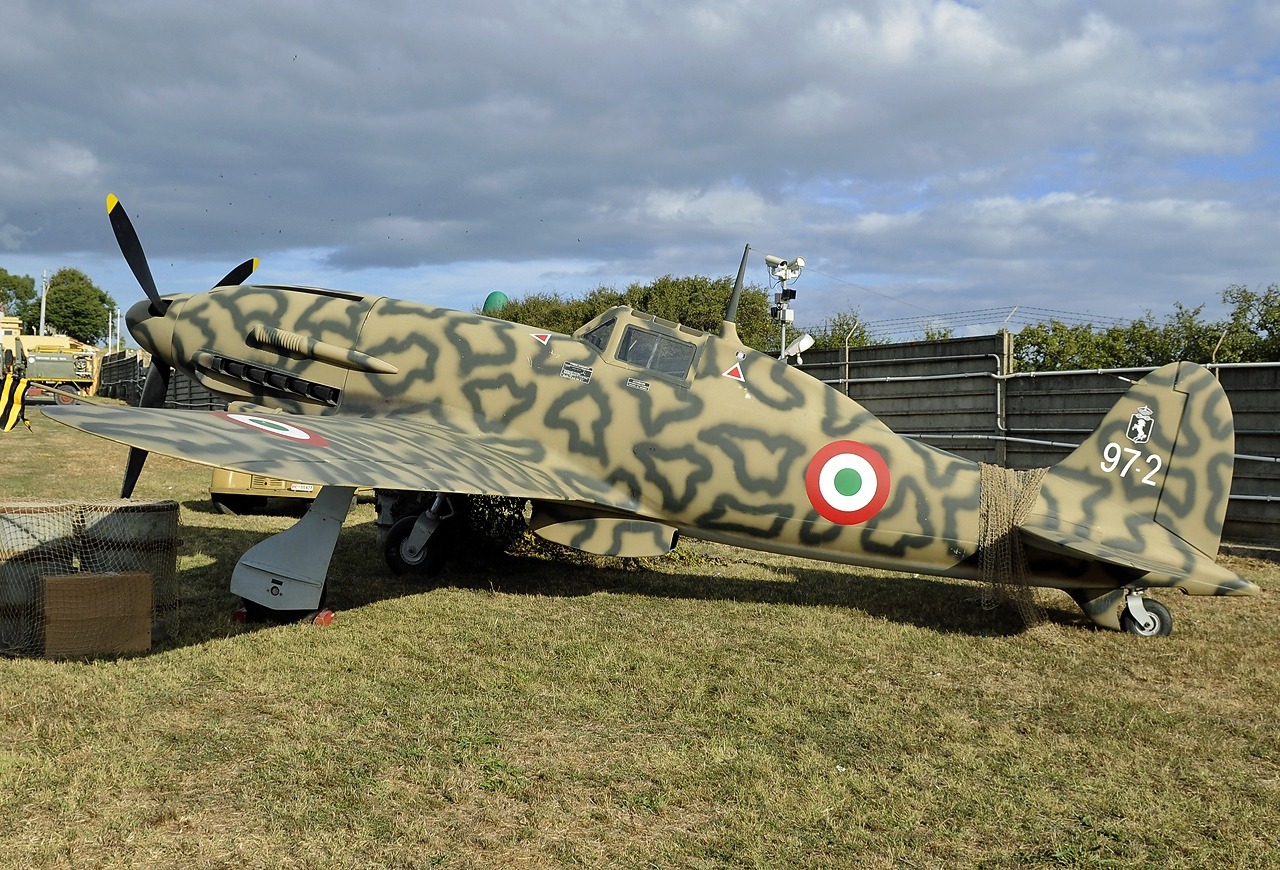
The Italian Macchi C.205 Veltro’s German DB 605A engine delivered high torque and a top speed of around 640 km/h (400 mph) at low altitude, giving pilots rapid acceleration and excellent energy retention. This allowed them to engage or disengage at will, perform boom-and-zoom attacks, and exploit gaps in enemy formations during Mediterranean operations.

Its airframe combined aerodynamic refinement, moderate weight, and responsive controls. Tight turns, rapid rolls, and precise dive recovery were possible without losing speed or stalling. Balanced wing loading and well-harmonised control surfaces allowed pilots to maintain energy in sustained dogfights, giving the C.205 a significant edge over Allied fighters such as P-40s and Hurricanes operating below 10,000 feet (3048 metres).


8: Macchi C.205 Veltro

 Macchi C.205 Veltro

The C.205’s armament was ideal for close-range combat. Two nose-mounted 12.7 mm machine guns fired along the pilot’s line of sight, while two wing-mounted 20 mm cannons were harmonised to converge at short range. This configuration allowed concentrated, accurate bursts during the brief firing windows typical of low-altitude dogfights, enabling pilots to strike effectively and disengage rapidly.

This capability was demonstrated over Sicily in 1943. C.205 pilots frequently intercepted Allied P-40s and Hurricanes below 8000 feet (2438 metres), using rapid dives to gain energy and tight turns to outmanoeuvre opponents. The combination of low-level speed, precise handling, and harmonised firepower made the Veltro highly effective in the close, fast-paced combat that typified Mediterranean air operations.

Back to top

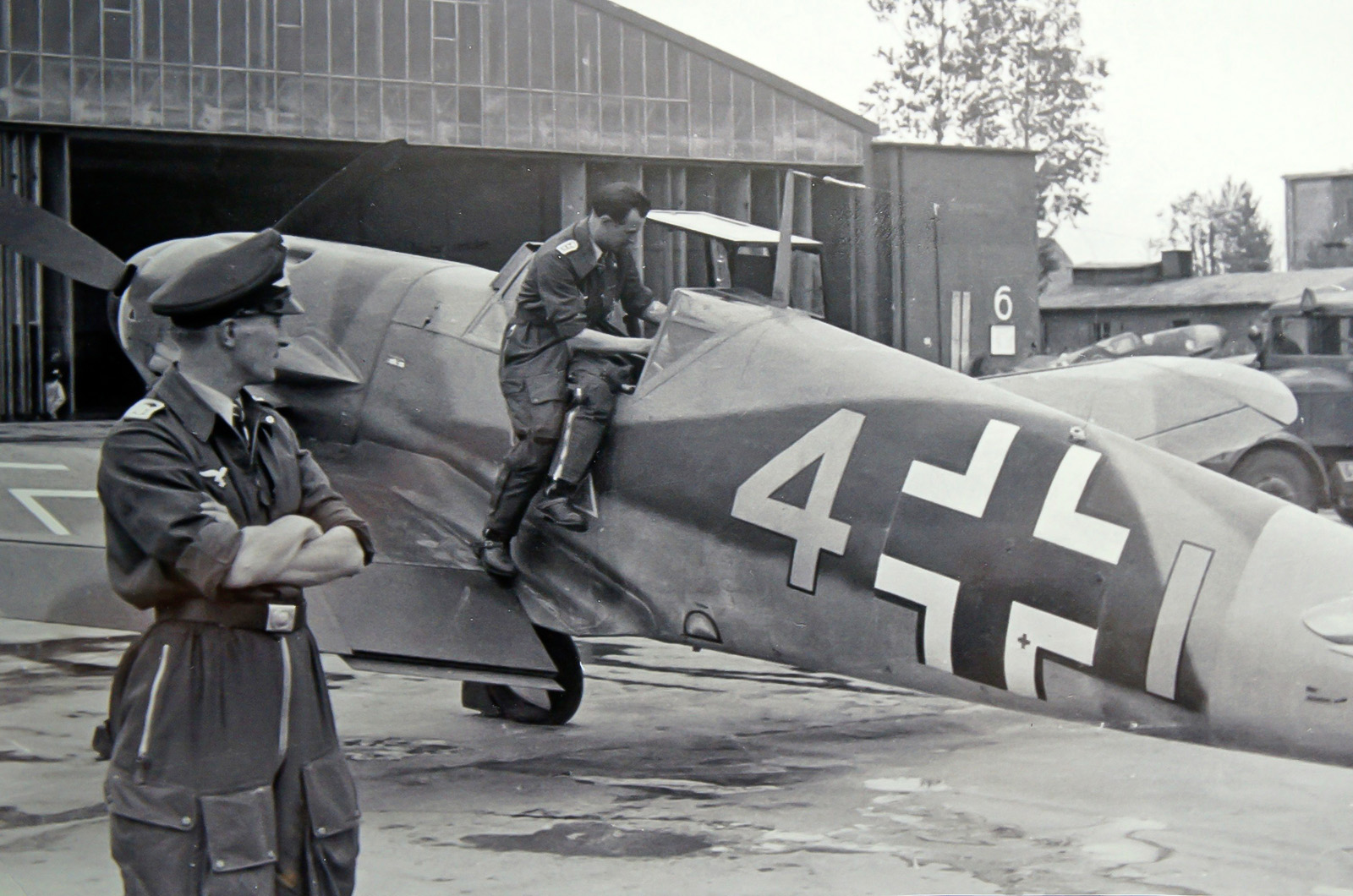
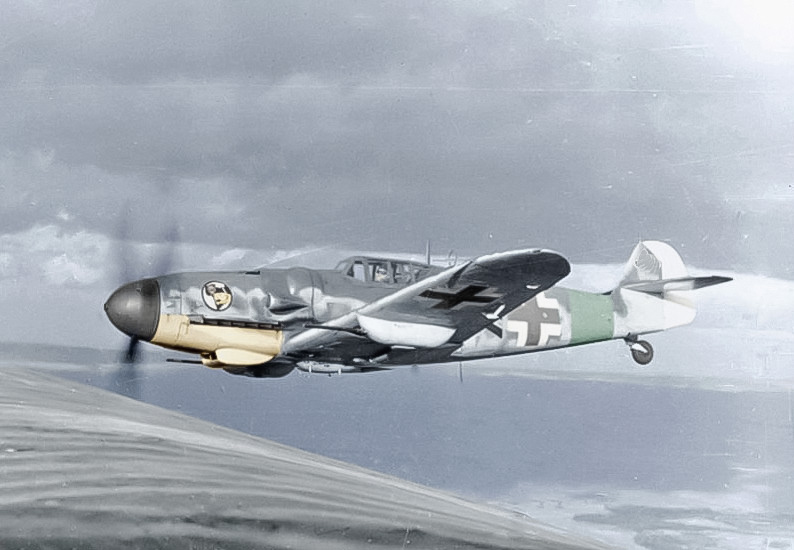
7: Messerschmitt Bf 109

 Messerschmitt Bf 109

Low-level air combat rewarded aircraft with rapid acceleration, sharp handling, good visibility, and firepower that did not compromise agility. For the Bf 109, these factors were often in tension, as later variants gained power and weapons at the expense of handling.

Maximum speed at low level was chiefly important for breaking contact. The Bf 109F-4 achieved about 385 mph (620 km/h) near sea level, while the Bf 109G-6 increased this to roughly 398 mph (640 km/h) in clean condition. The later K-4 was faster still, but its gains were harder to exploit in low-altitude combat.


7: Messerschmitt Bf 109

 Messerschmitt Bf 109

Handling and workload were decisive factors. The F-4 was renowned for its excellent control harmony and forgiving low-speed behaviour. The G-6 felt heavier and more demanding, yet still offered responsive controls if flown without underwing gun pods, allowing it to fight effectively in tight, low-level engagements.

In practice, the Bf 109G-6 carried out the greatest amount of low-level fighting. It saw extensive service on the Eastern Front in 1943–44, particularly over Ukraine, southern Russia, and Belarus. There it proved the most balanced variant, combining useful speed, strong acceleration, and effective firepower under real combat conditions.


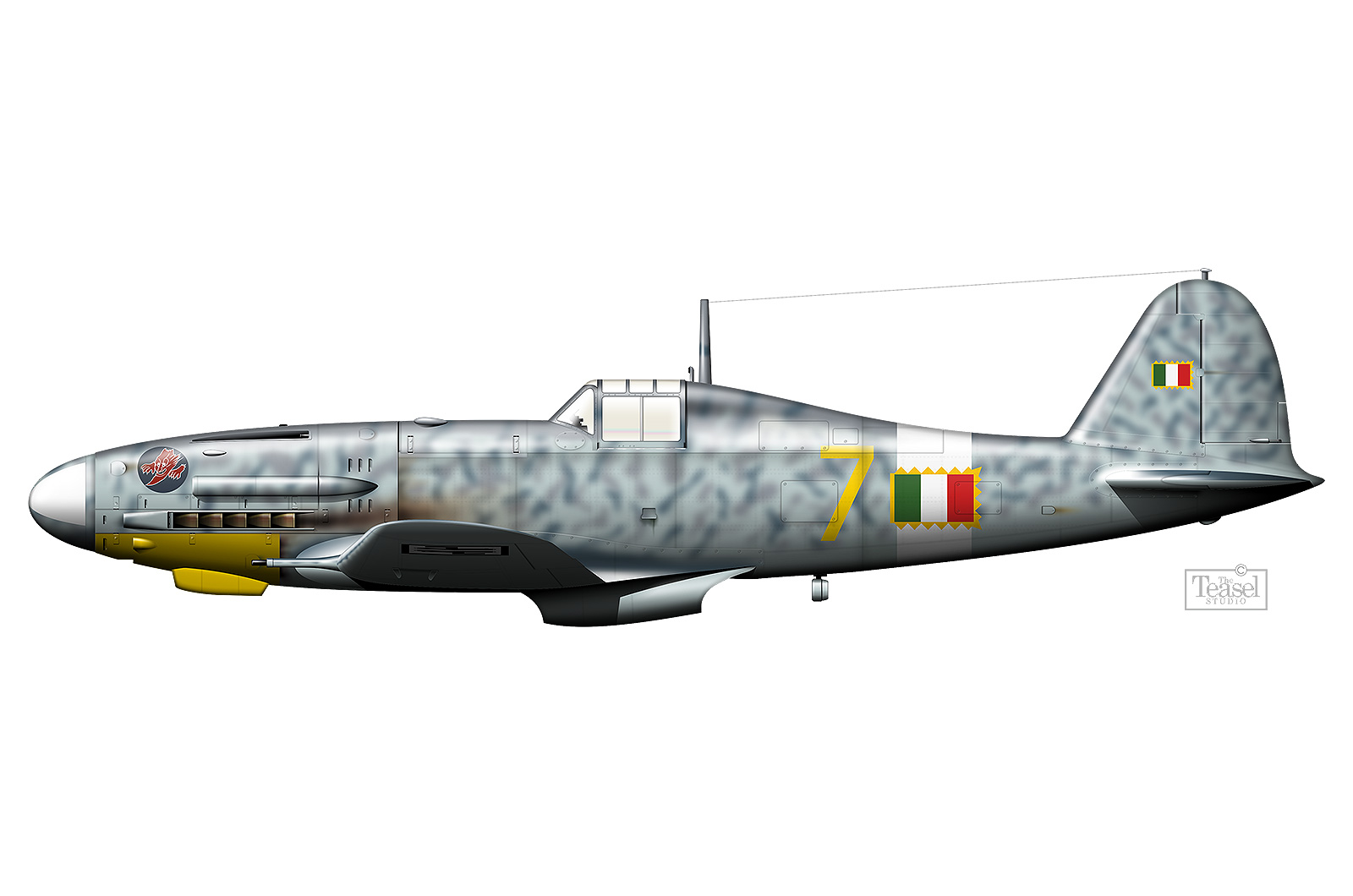
6: Fiat G.55 Centauro

 Fiat G.55 Centauro

Compared with its Italian peer, the Macchi C.205, the Fiat G.55 was the better low-level fighter because it retained energy better, handled more predictably in violent manoeuvres, and carried heavier armament—three 20 mm cannon instead of two—allowing it to dominate sustained, close-range combat rather than relying on a single perfect attack.

The G.55 carried heavy armament without compromising handling. Three 20 mm cannon and two machine guns meant that a brief firing opportunity could be decisive. At a low level, where encounters were fast and chaotic, this ability to inflict damage quickly was a major advantage.


6: Fiat G.55 Centauro

 Fiat G.55 Centauro

Back to top

The aircraft was also notably stable and robust. It behaved well in high-speed dives, remained controllable during violent manoeuvres, and could absorb more punishment than earlier Italian fighters. This resilience was critical in low-altitude combat, where there was little room to recover from errors or damage.

The G.55 was a hybrid fighter, favouring energy fighting and boom-and-zoom tactics, but with sufficient turning ability to remain competitive in close-range, low-altitude engagements. It excelled in slashing attacks and short vertical manoeuvres close to the ground. This gave skilled pilots multiple tactical options, making the G.55 one of the most capable and balanced low-level fighters of the war, with a maximum low-level speed of 405 mph (652 km/h). Even the Germans were impressed by it and wanted to produce it themselves – until they realised it took three times more man-hours to manufacture than the Me 109.


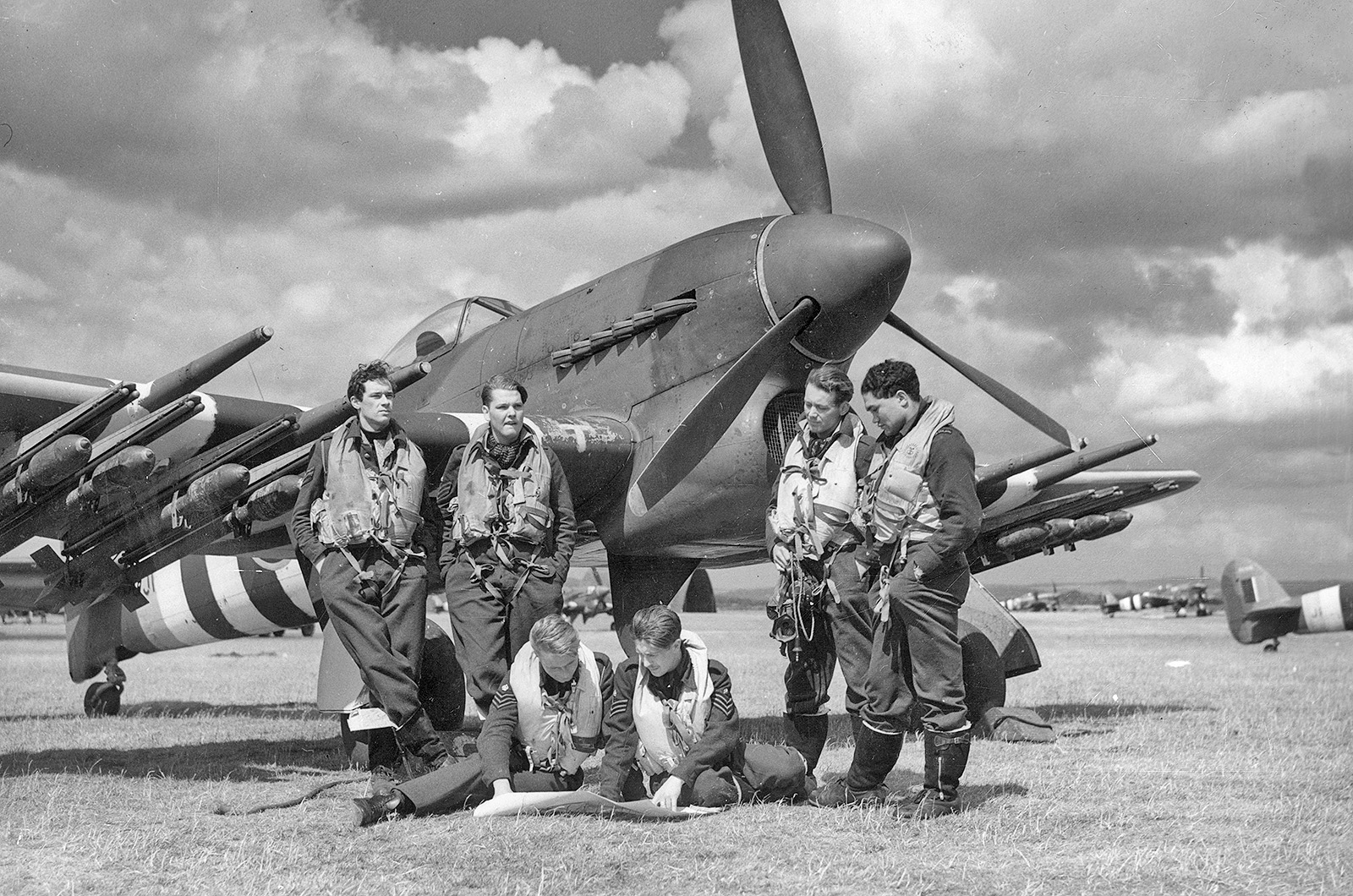
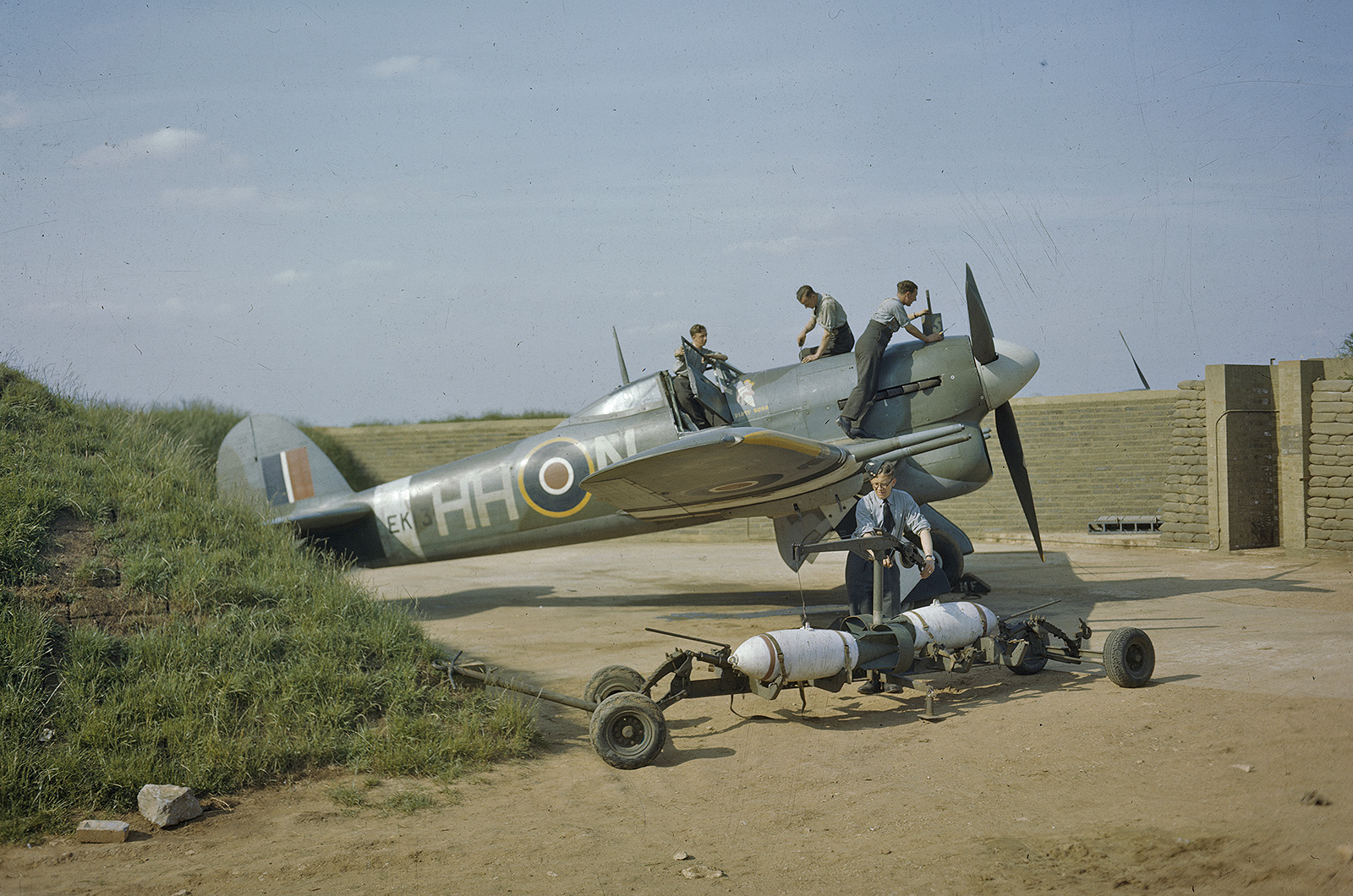
5: Hawker Typhoon

 Hawker Typhoon

Beset in its early career with a litany of dangerous or limiting problems, the British Hawker Typhoon entered the war as an immature fighter. Though originally intended as an interceptor, its poor high-altitude performance and evolving requirements led to its niche as a low-level fighter-bomber.

The Hawker Typhoon proved highly effective in low-level combat, particularly from 1942 onward, when its speed and firepower were fully appreciated. At low altitude, it could reach a top speed of around 412 mph (663 km/h), making it faster than most Luftwaffe fighters at similar altitudes.


5: Hawker Typhoon

 Hawker Typhoon

Its heavy armament of four 20 mm Hispano cannons allowed pilots to inflict devastating damage on enemy aircraft, while the robust airframe enabled it to absorb hits that would down lighter fighters. In dogfights, the Typhoon excelled in boom-and-zoom tactics, striking quickly and disengaging, though its thick wing limited tight turning.

Operationally, Typhoon pilots claimed around 1000 aerial kills, and the vast majority occurred at low altitudes, often against Fw 190s and Bf 109s. Its greatest impact was in low-level interception and ground-attack roles, where it dominated convoys, ground targets, and V-1 flying bombs, proving its effectiveness despite earlier high-altitude design shortcomings.

Back to top

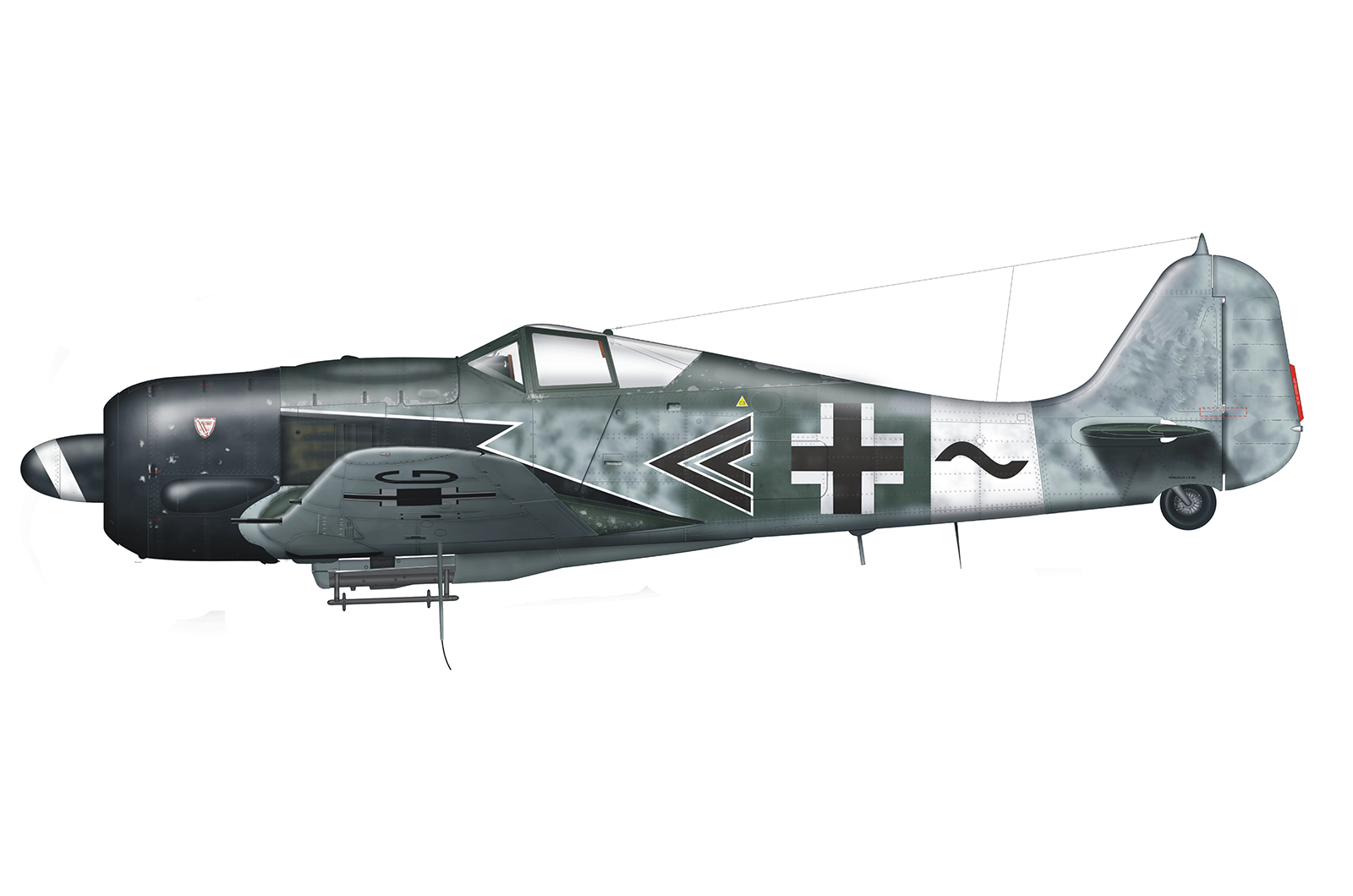
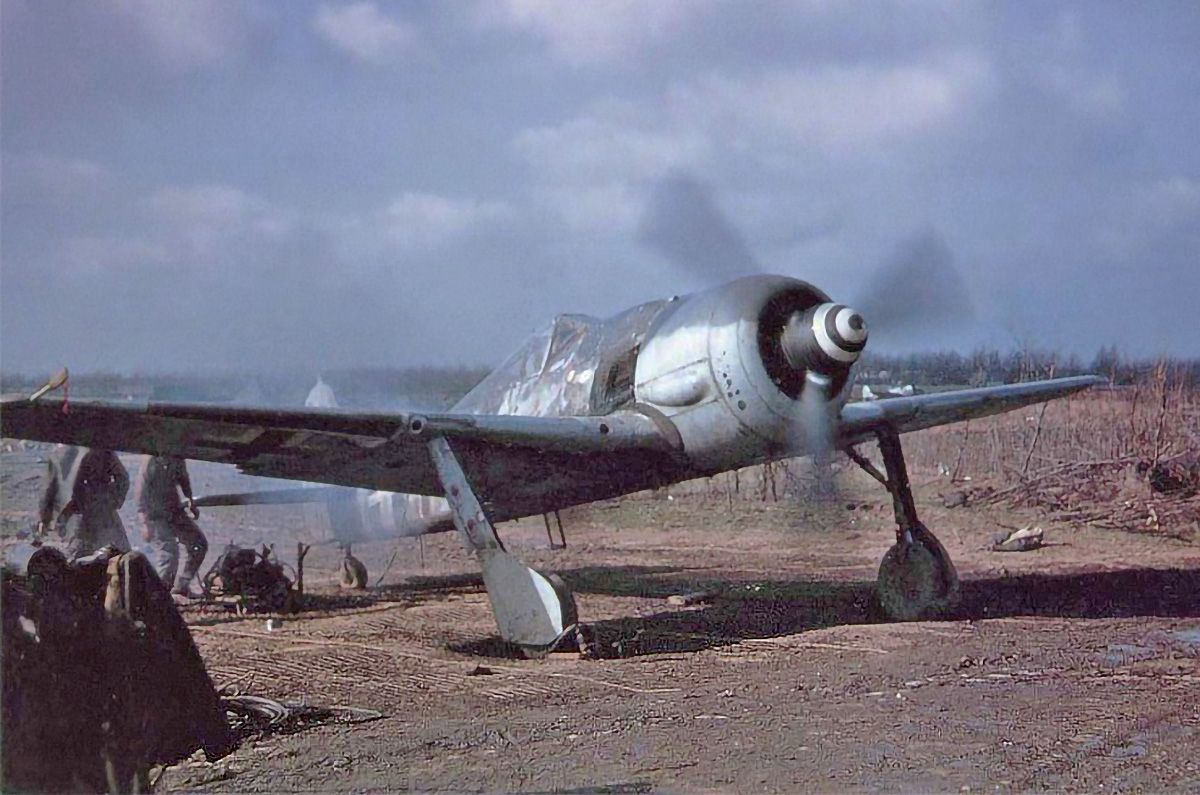
4: Focke-Wulf Fw 190

 Focke-Wulf Fw 190

Low-level air combat favoured aircraft with strong acceleration, predictable control response, good pilot visibility, and firepower that could be brought to bear quickly. For German fighters, success close to the ground depended not only on performance figures but on how effectively those qualities could be used in sudden, confused encounters where pilots had little time or height to recover.

Maximum speed at low level influenced who could disengage. The Fw 190A-8 reached about 408 mph (657 km/h) near sea level, while the later Fw 190D-9 achieved roughly 426 mph (685 km/h). On paper, the Dora held a clear advantage, allowing it to dictate terms if flown as an energy fighter.


4: Focke-Wulf Fw 190

 Focke-Wulf Fw 190

Control characteristics shaped real outcomes. The A-8 offered excellent roll response, stable gunnery, and forgiving low-speed behaviour, making it effective in tight, rolling fights. The D-9, though faster and more powerful, carried higher workload and relied on disciplined vertical tactics to exploit its advantages.

In practice, the Fw 190A-8 conducted the greatest amount of low-level fighting, particularly over Normandy, northern France, and the Eastern Front in 1944. While the D-9 was superior in pure performance, the A-8 proved more effective in the chaotic, close-quarters conditions that defined most low-altitude combat.


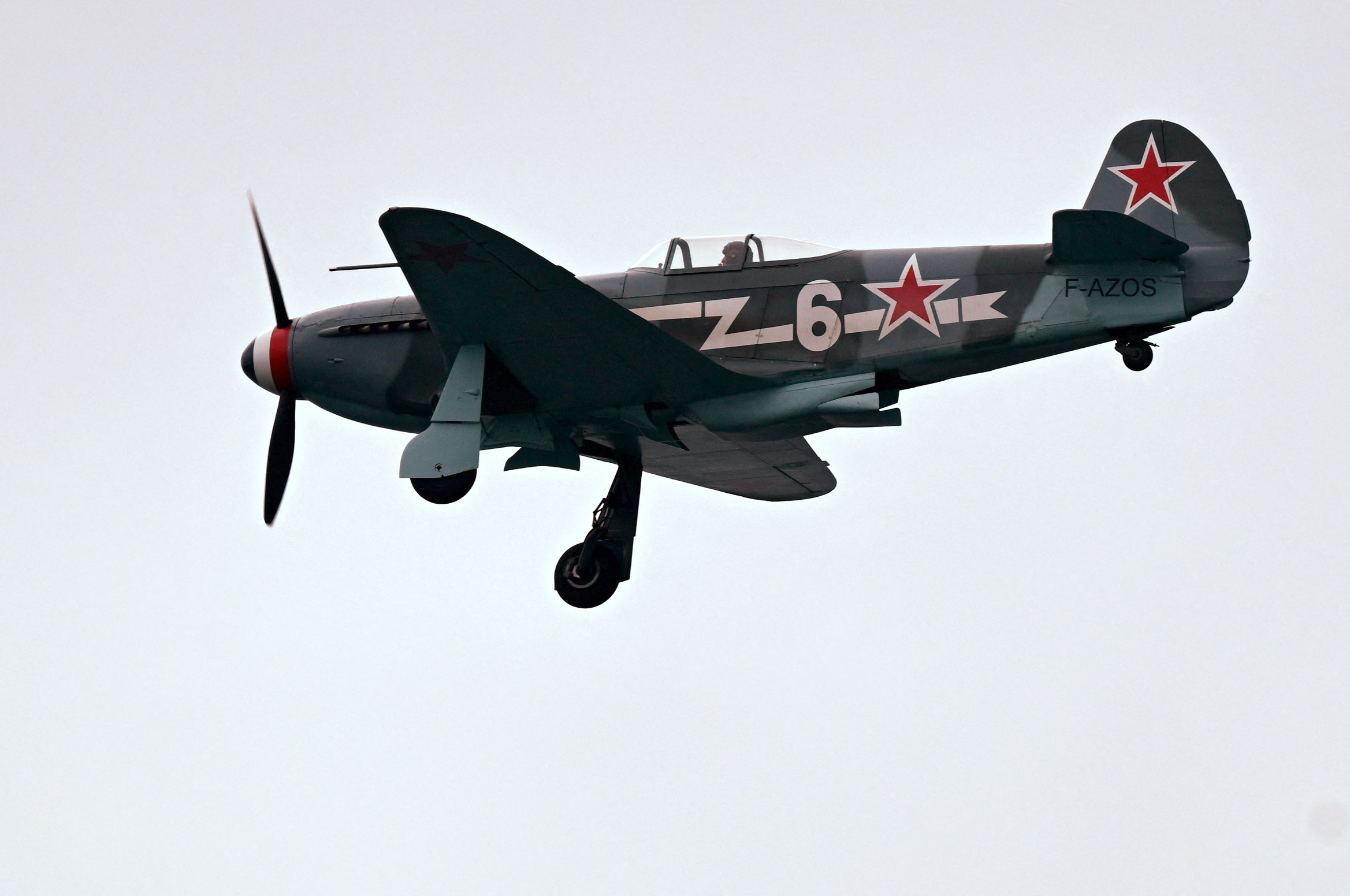
3: Yakovlev Yak-3

 Yakovlev Yak-3

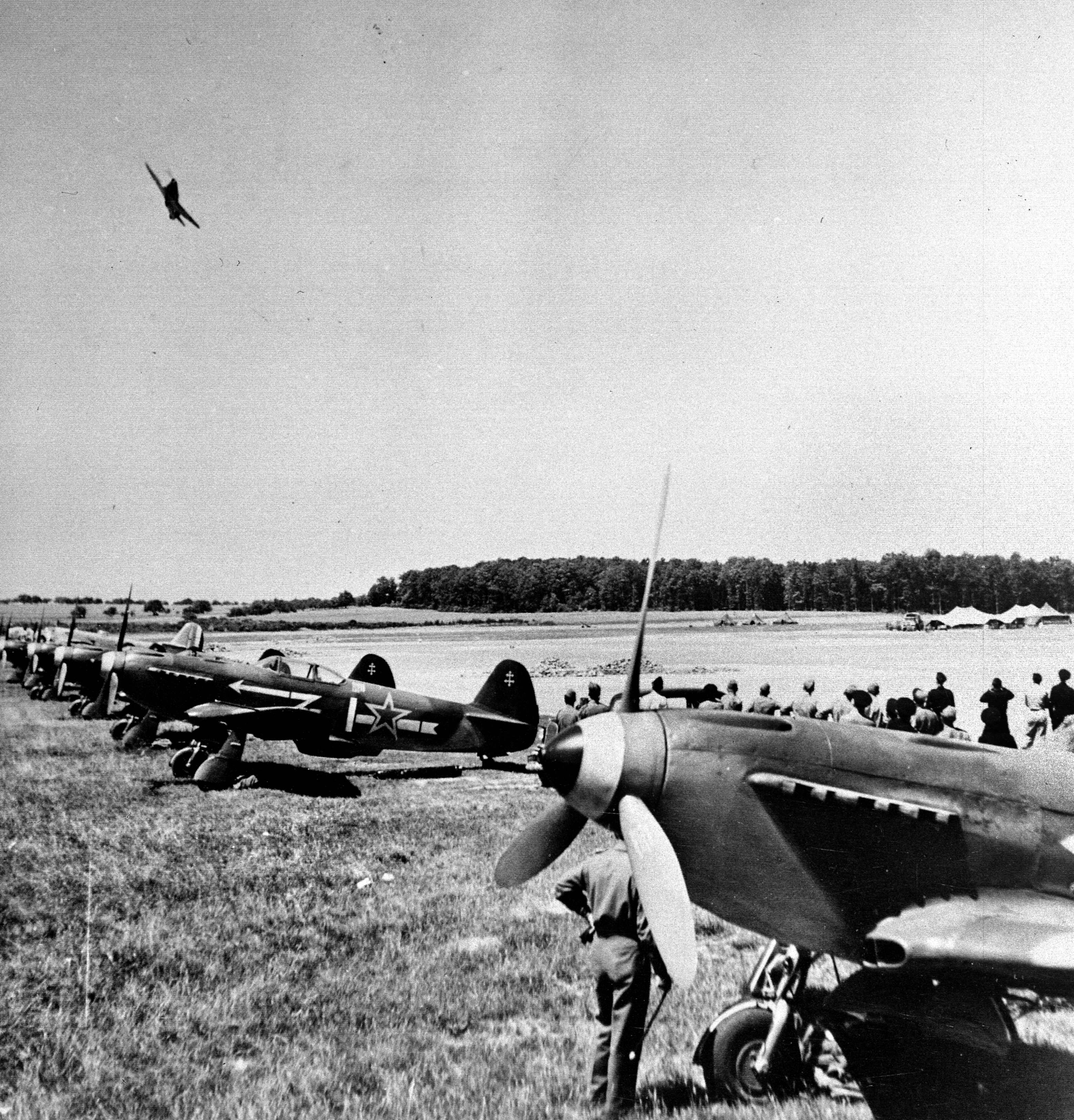
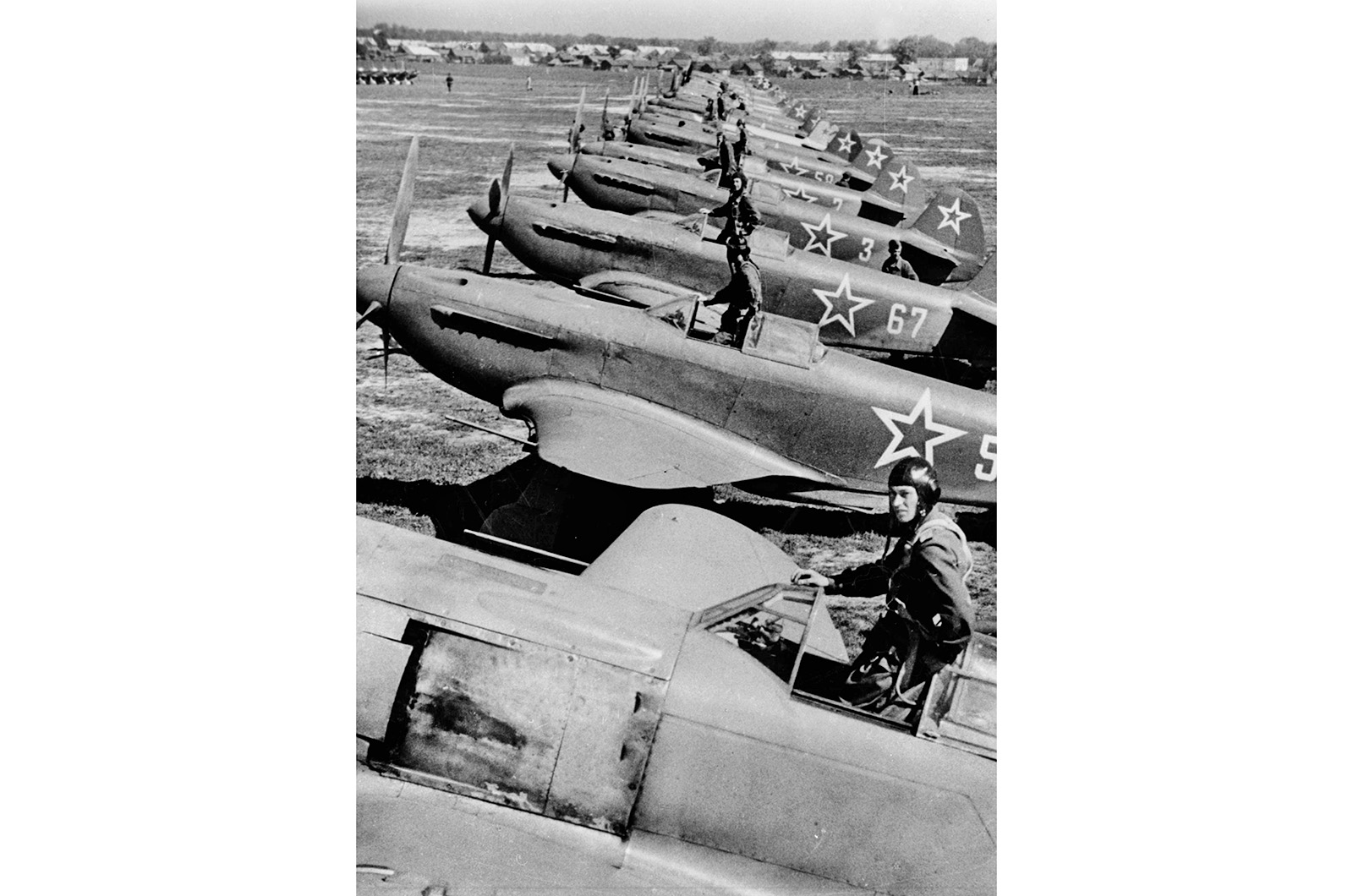
For astonishingly tight turning circles and the ability to retain energy in a dogfight at treetop level, the tiny Soviet Yak-3 was the master, a fact any fighter pilot unlucky enough to meet a Yak-3 with a skilled pilot would likely learn only once.

In size, it was about half that of the largest aircraft on this list, which was a significant advantage in a dogfight, as the Yak-3 was hard to see and easy to lose track of. It also had an impressive power-to-weight ratio, giving it an excellent climb rate. Its top speed was likely above 375 mph (603 km/h), with some sources reporting up to 402 mph (647 km/h).


3: Yakovlev Yak-3

 Yakovlev Yak-3

Back to top

Introduced in 1944, it was one of the Soviet Union’s most effective fighters. It often out-turned German Fw 190s and Bf 109s, giving Soviet pilots a decisive edge. Its combat record on the Eastern Front was impressive, achieving high kill-to-loss ratios. It was an excellent fighter, as soundly demonstrated on 17 July 1944, when eight Yak-3s met a force of sixty Luftwaffe aircraft; three Ju 87s and four Bf 110Gs were destroyed for the loss of no Yak-3s.

Standard armament was one 20 mm ShVAK cannon firing through the propeller hub and two 12.7 mm Berezin UB machine guns. The standard VK-105PF-powered Yak-3 was the most widely used and best-optimised variant for low-level fighting, combining light weight, agility, and excellent acceleration for treetop engagements.


2: Lavochkin La-7

 Lavochkin La-7

The Lavochkin La-7 was a late-Second World War Soviet single-seat fighter optimised for low-altitude air combat. Rather than prioritising extreme high-altitude performance, its design focused on speed, acceleration, and manoeuvrability where fighting actually occurred. On the Eastern Front, most air combat took place below 10,000 ft (3048 metres), often at very low level.

At sea level, the La-7 could reach around 370 mph (595 km/h), making it one of the fastest piston-engined fighters in service during 1944–45. While its maximum speed rose to roughly 411 mph (661 km/h) at around 6000 feet (1829 metres), its true strength lay near the ground, where few contemporary opponents could match its pace. Pilots even reported speeds as high as 447 mph (719 km/h).


2: Lavochkin La-7

 Lavochkin La-7

Low-altitude engagements were fast, violent, and brief. Closing speeds often exceeded 600 mph (956 km/h), leaving pilots only seconds to react. Typical firing ranges were short — usually 300–600 ft (91-183 metres) — making agility, acceleration, and energy retention more important than heavy armament or long-range firepower. Its twin 20 mm cannon were more than sufficient.

In this environment, the La-7 excelled. It out-turned the Fw 190A at low level and generally matched or slightly bettered the Bf 109 in sustained turns, while rolling faster than the latter. Entering service in late summer 1944, it ranked among the most effective low-altitude fighters of the war’s final year. The two-cannon La-7 with the ASh-82FN radial was the best low-level variant, combining superb throttle response, acceleration, turn and roll; later three-gun variants sacrificed agility.

Back to top

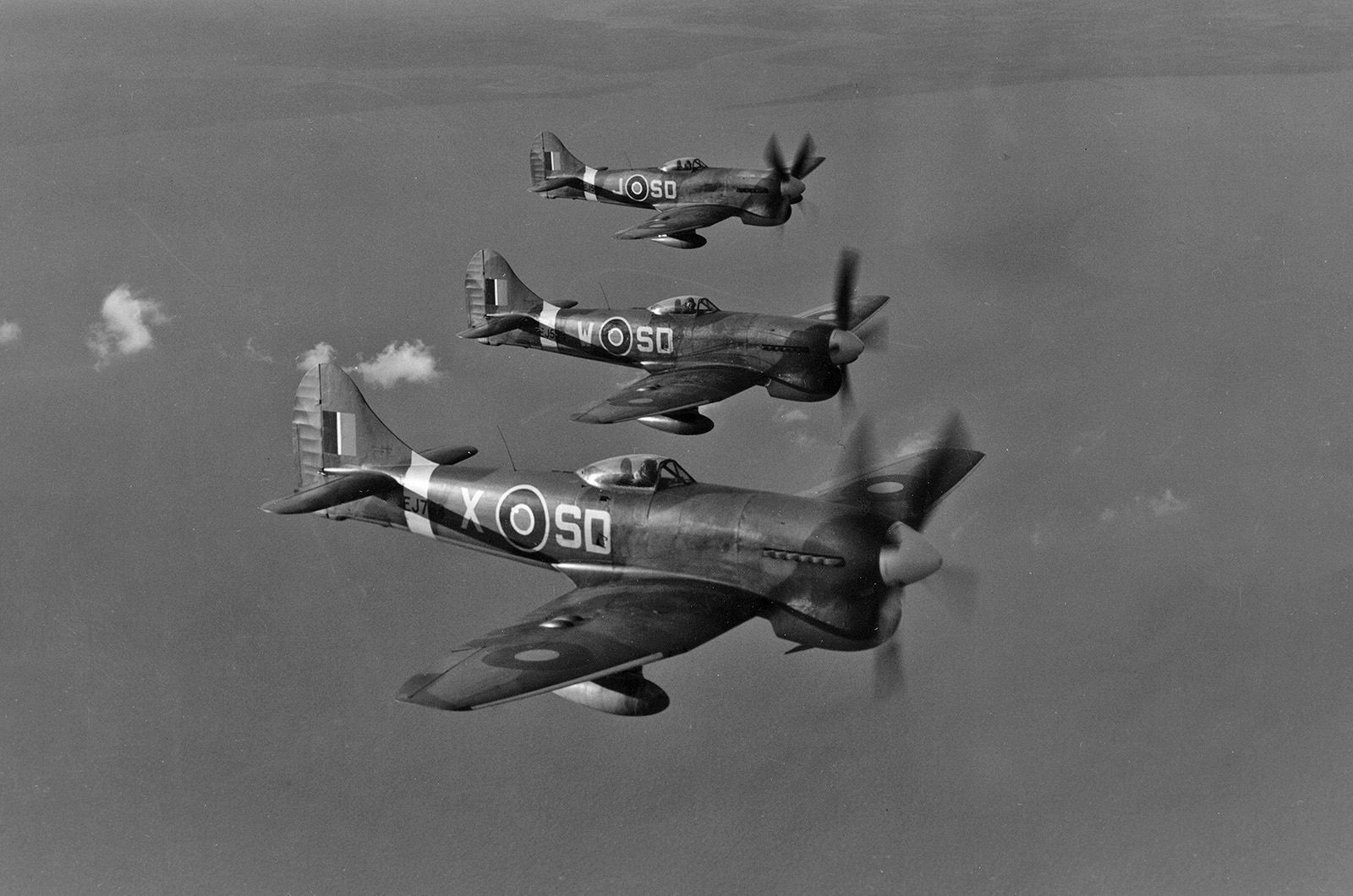
1: Hawker Tempest

The sight of the brutish Tempest screaming along at treetop height was the last thing a Luftwaffe pilot would want to see in 1944. Its acceleration from standstill on the ground to 400 mph (644 km/h) exceeded that of any piston or jet aircraft that fought in the war; low-altitude speed was unbeatable, with 440 mph (708 km/h) recorded in tests (and observed by pilots in combat). The Tempest V, armed with a hefty quartet of heavy autocannons, reigned supreme in low-altitude air combat during the war’s final phase.

The Tempest accounted for roughly a third of all kills against the V-1 cruise missile campaign against England. Between June and early September 1944, Tempests accounted for 638 V-1s (some sources as high 800) destroyed out of the RAF’s total of 1771- 1847 V-1s shot down by fighters. This makes it the most successful cruise missile killer in history. It proved equally formidable during the liberation of Europe, matching even the infamous Fw 190D-9.


1: Hawker Tempest

 Hawker Tempest

Powered by the 2180 horsepower (1,625 kW) Napier Sabre, the Tempest was the most powerful operational inline fighter of the war. In over boost, the Sabre could generate close to 3000 horsepower (2,237 kW) and the Tempest reach an astonishing 460 mph (740 km/h). It possessed overwhelming excess power near the ground, allowing it not merely to conserve energy in manoeuvres but to gain speed while turning, disengaging, and re-entering combat entirely on its own terms. The Tempest was an offshoot of the Typhoon; it was a masterpiece of engineering that rectified almost all of the flaws of the early Typhoons, while adding further virtues.

Crucially, the Tempest combined this performance with forgiving handling. Good control harmony, excellent visibility, and predictable behaviour allowed pilots to fight aggressively close to the deck without perfect energy discipline. Its four Hispano cannon and superb gun stability made brief firing windows decisive. From mid-1944, Tempests dominated low-level airspace over north-west Europe.

Follow Joe Coles on Substack, Twitter X  or Blue Sky. His superb Hush-Kit Book of Warplanes is available here.

If you enjoyed this story, please click the Follow button above to see more like it from Autocar

Photo Licence: https://creativecommons.org/licenses/by/4.0/deed.en

Join our WhatsApp community and be the first to read about the latest news and reviews wowing the car world. Our community is the best, easiest and most direct place to tap into the minds of Autocar, and if you join you’ll also be treated to unique WhatsApp content. You can leave at any time after joining - check our full privacy policy here.

Add a comment…