Currently reading: Top 10: The most produced aircraft of World War Two

Top 10: The most produced aircraft of World War Two

By the time of the Second World War, a nation could not guarantee its survival without air power.

Bombers pummelled cities, and fighters prowled the skies. A new form of combined arms warfare, with ground and air forces working in rapid coordinated assaults, was seemingly unstoppable. An unprecedented effort was made to create warplanes in large numbers.

Aircraft factories grew in number and size; the rate at which military aircraft were produced during the war is astonishing. In Britain, Canada, Germany, Japan, and the Soviet Union, factories turned out bombers and fighters by the tens of thousands. Here are the ten wartime aircraft types produced in the greatest number:


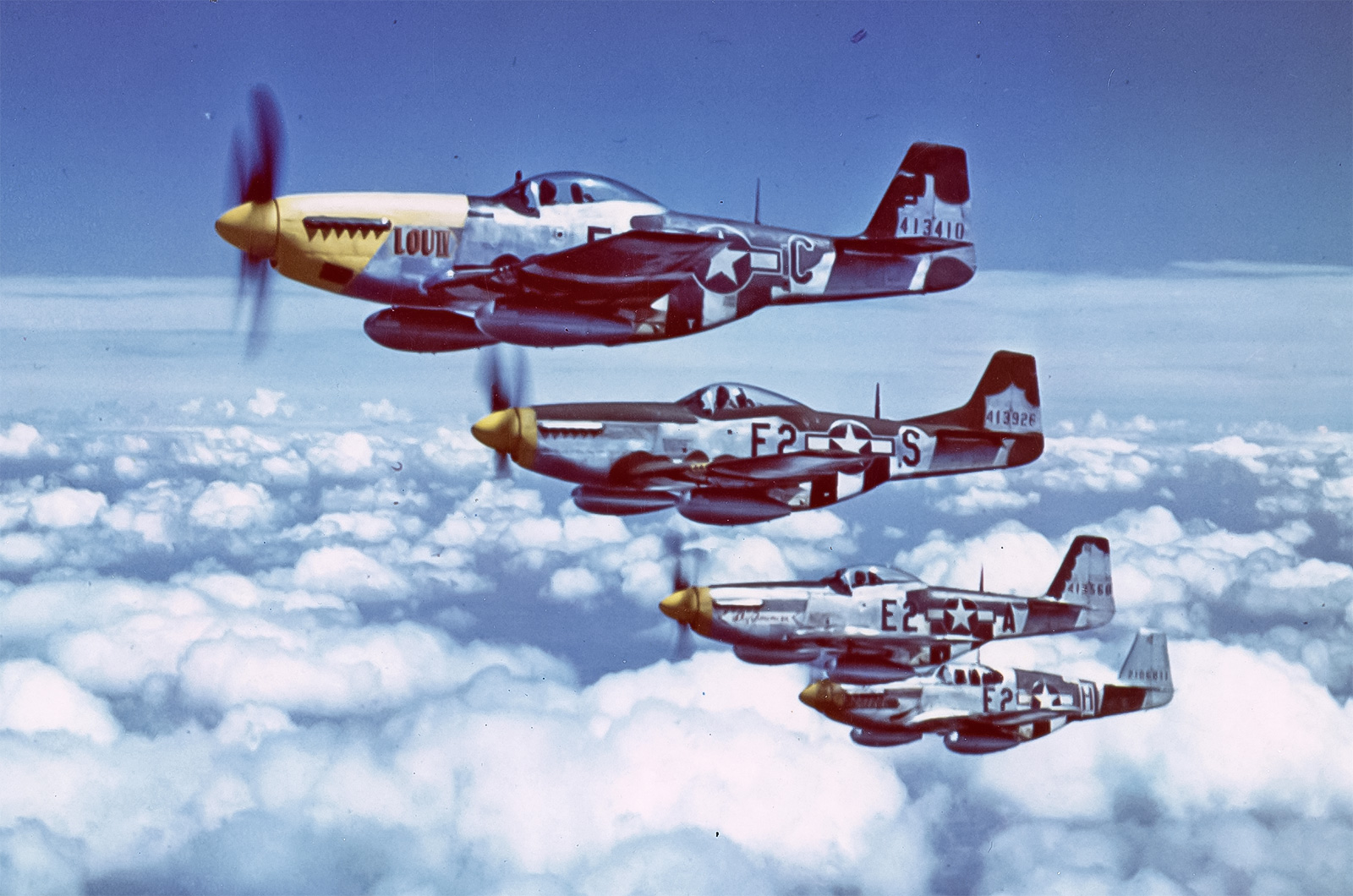
10: North American P-51 Mustang - 15,586
 North American P-51 Mustang - 15,586

In 1938, the British knew they needed a great deal more fighter aircraft. To supplement domestically produced aircraft, they looked to the USA; the best US fighter of the time was the Curtiss P-40. They asked the North American Aviation company if it would like to produce P-40s for the RAF.

North American Aviation replied that they could design and build a superior new aircraft in a shorter time than it would take to set up a P-40 production line. This they did, and the result was the superb P-51 Mustang. The P-51 embodied the latest advances in aerodynamics.


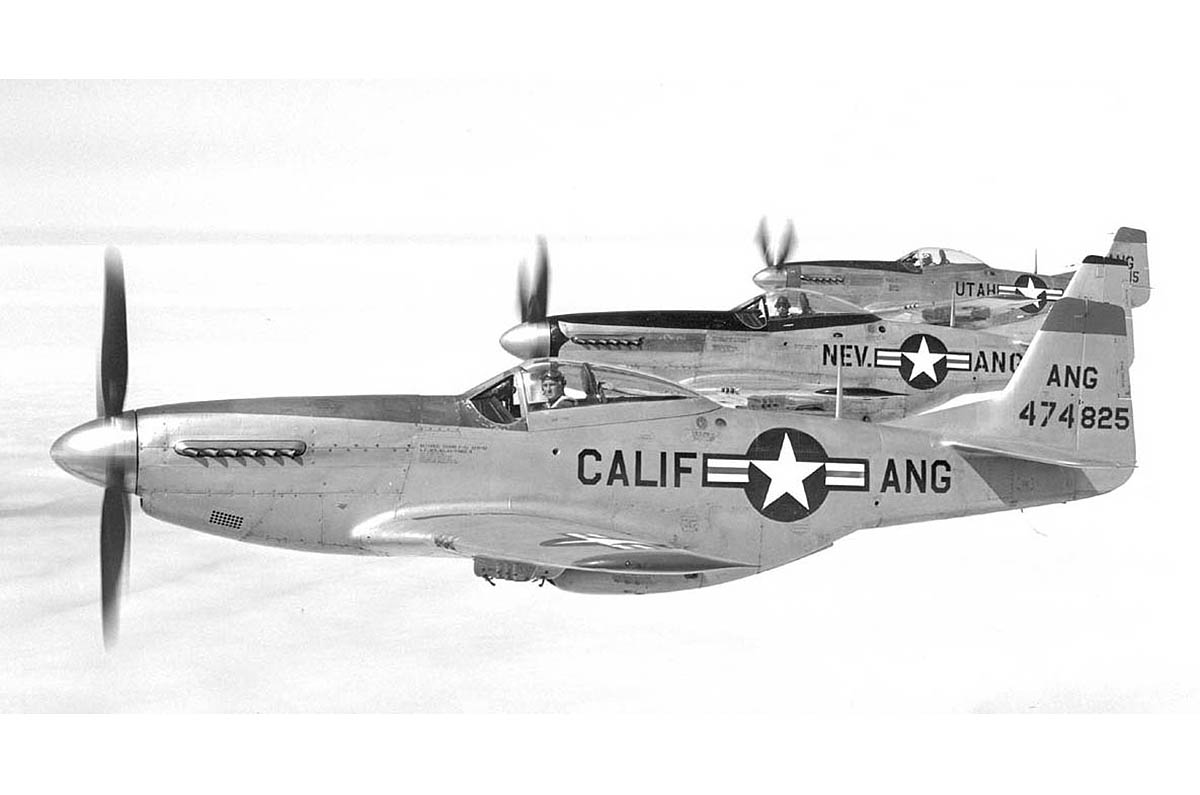
10: North American P-51 Mustang
 North American P-51 Mustang

Initially an excellent low-level fighter, the Mustang later became an excellent aircraft at all altitudes. It was very fast, with a very long-range. Importantly it was far easier to manufacture than other aircraft, especially the British Spitfire.

According to the aerospace engineer Joe Wilding, “Is it possible to quantify this design emphasis for production? Comparing aircraft production costs is challenging, especially between different countries. Labor hours per aircraft is more comparable, but the data is mostly anecdotal…most data shows the Mustang as having one of the lowest hours to build, in some cases by as much as half when compared to comparable fighters.”


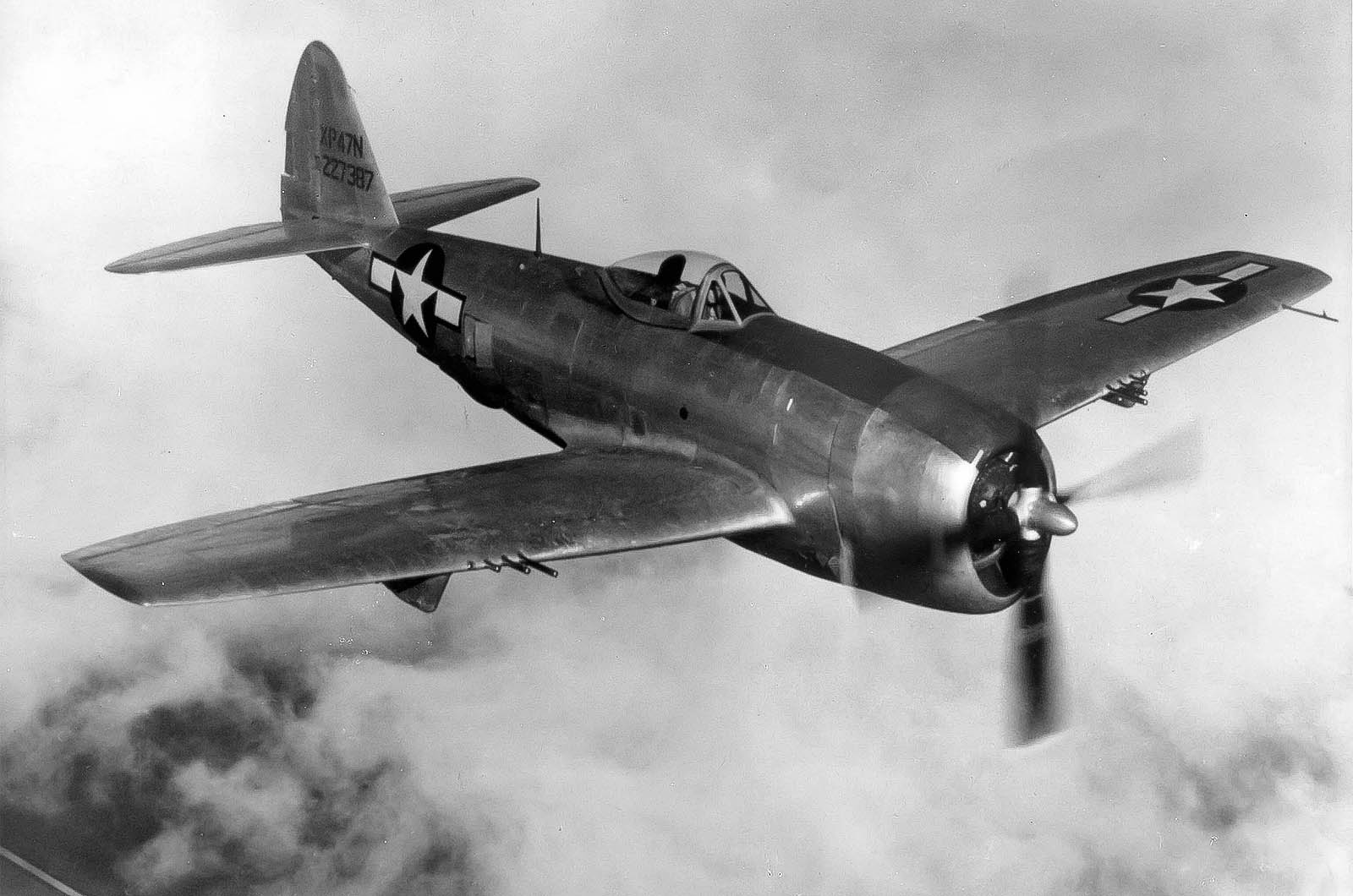
9: Republic P-47 Thunderbolt - 15,660
 Republic P-47 Thunderbolt - 15,660

The massive and extremely heavy Republic P-47 Thunderbolt was a versatile fighter bomber. The only competition the P-47 has for the title of the best operational United States Army Air Force fighter aircraft of the war is the North American P-51 Mustang.

As Joe Wilding noted, “The top 10 Thunderbolt aces (of all theatres) all survived the war. This statistic is not shared by any other aircraft in World War 2”. That alone should be enough to give it bragging rights as the king, but there are myriad other reasons to love the ‘Jug’.


9: Republic P-47 Thunderbolt
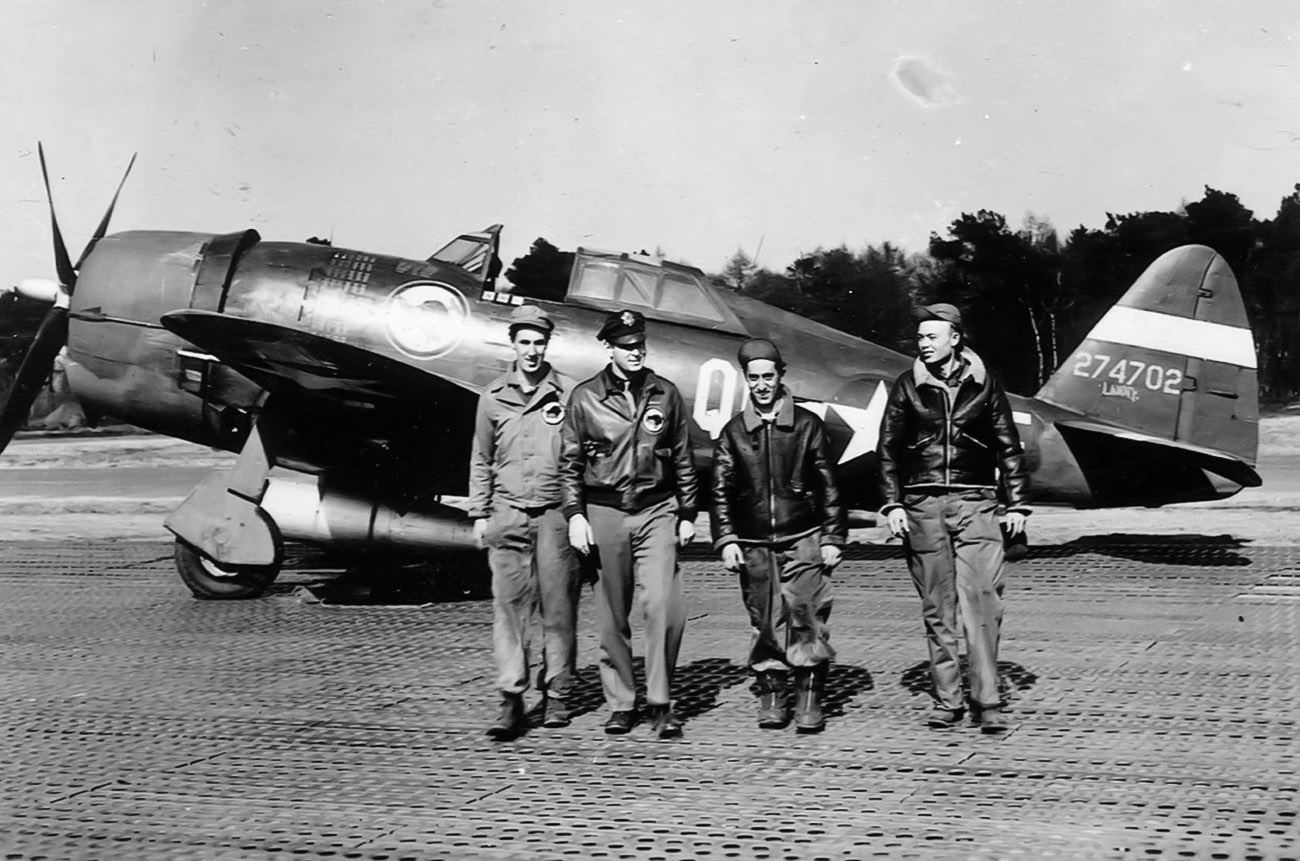
 Republic P-47 Thunderbolt

More were built than any other American fighter, and it proved itself repeatedly in every conceivable fighter-bomber role. It was far tougher and longer-ranged than the Spitfire. It had more firepower than the Mustang and carried 65% more ammunition.

Whereas most fighter aircraft wheezed and flailed around at higher altitudes, the P-47 could take on the best the enemy had at 30,000 feet with a decisive advantage. The Jug’s marginal range disadvantage against the famously long-legged Mustang was rectified in the phenomenal P-47N, which was also faster than the P-51D.

Back to top

8: Douglas C-47 Skytrain/Showa/Nakajima L2D/Lisunov Li-2 - 15,472

 Douglas C-47 Skytrain/Showa/Nakajima L2D/Lisunov Li-2 - 15,472

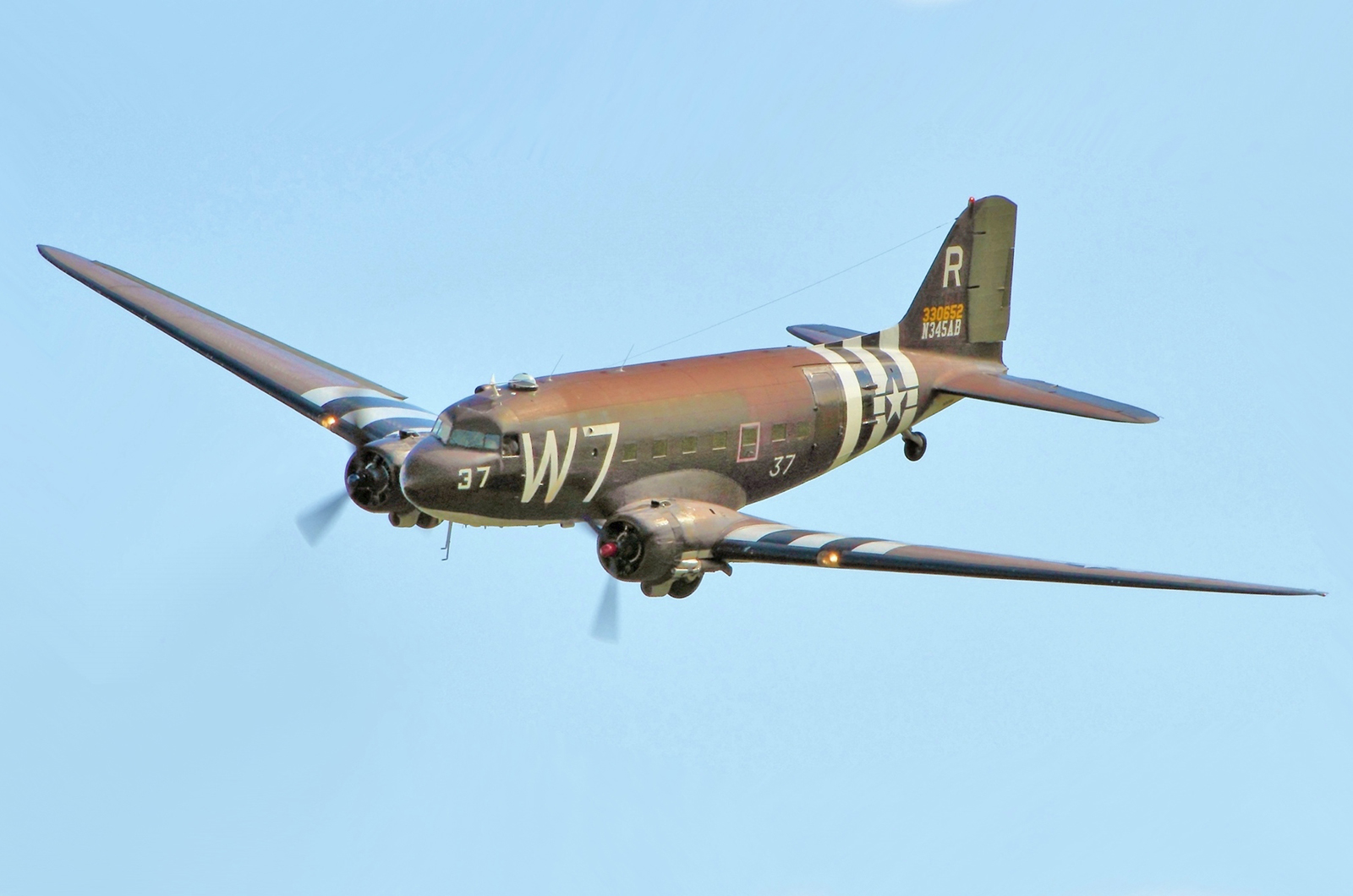
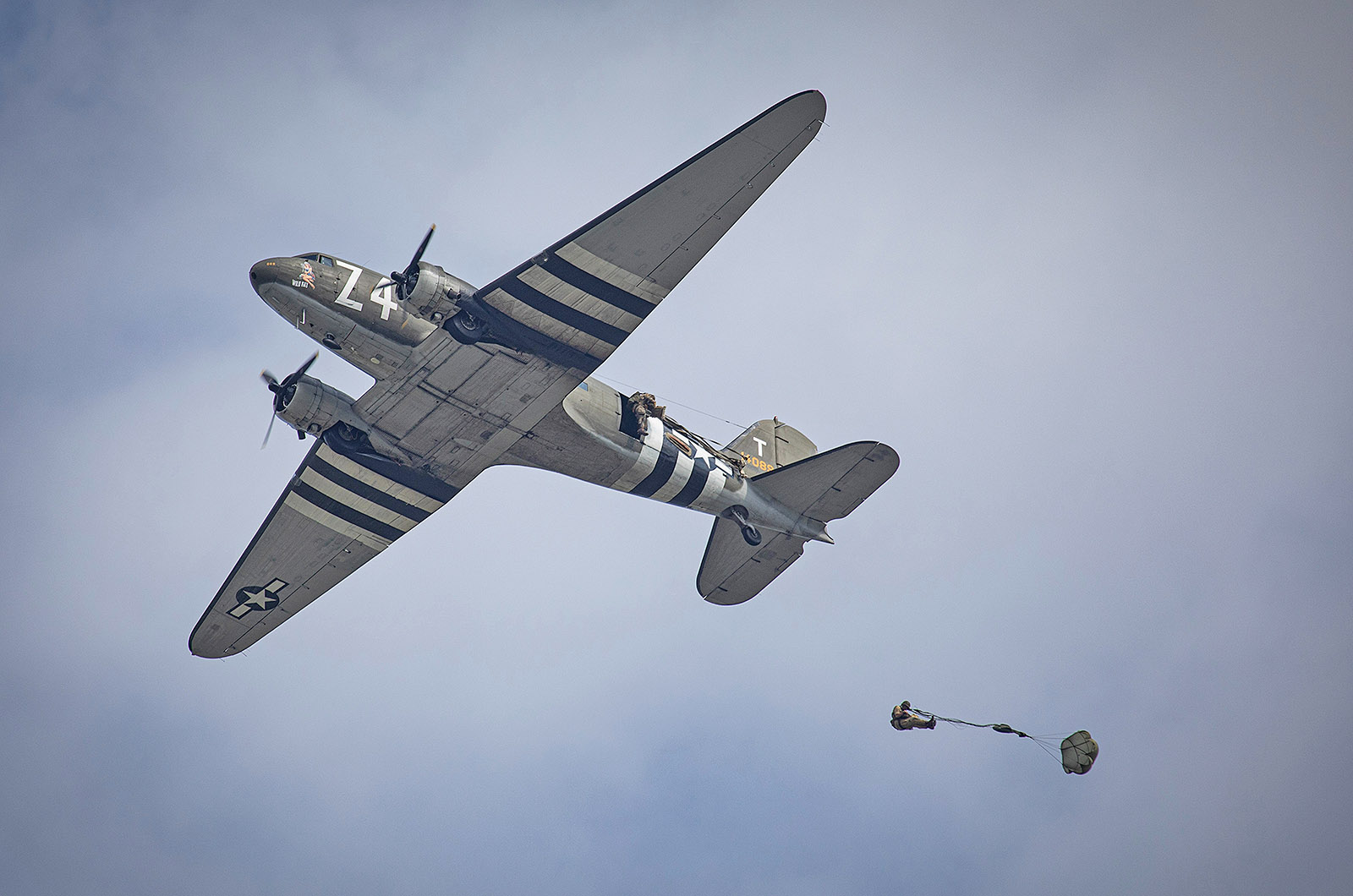
No less a figure than General Eisenhower listed four things that were vital to the war: the atom bomb, the bazooka, the jeep and the C-47. The Douglas C-47 Skytrain (or Dakota in RAF service) deserves a place in any list of the most important aircraft of World War II.

The DC-3 was a civilian airliner developed in the mid-1930s. At the beginning of the Second World War, it was adapted (with minor modifications) into a military transport aircraft and (predominately) designated the C-47. Over 95% of the airframes built were these military versions.


8: Douglas C-47 Skytrain/Showa/Nakajima L2D/Lisunov Li-2

 Douglas C-47 Skytrain/Showa/Nakajima L2D/Lisunov Li-2

The original DC-3 was powered by the 9-cylinder Wright R-1820 Cyclone 9 producing 1000 horsepower. The C-47 predominately used the 14-cylinder Pratt & Whitney R-1830 Twin Wasp which produced 1200 horsepower. One-third of the US-built aircraft was the C-47B variant. This aircraft used R-1830-90 engines with a high-altitude two-speed supercharger. This 1942 modification was critical for the China-Burma-India supply routes.

C-47s were also produced during the war in the Soviet Union and even in Japan (due to pre-war licensing agreements). In both cases, similar engines produced in those respective countries were used. The Soviet version (around 4937 made) used the 9-cylinder Shvetsov M-62, producing 900 horsepower, and the Japanese (487 made) used the 14-cylinder Mitsubishi MK8 Kinsei 43, producing 1000 horsepower.


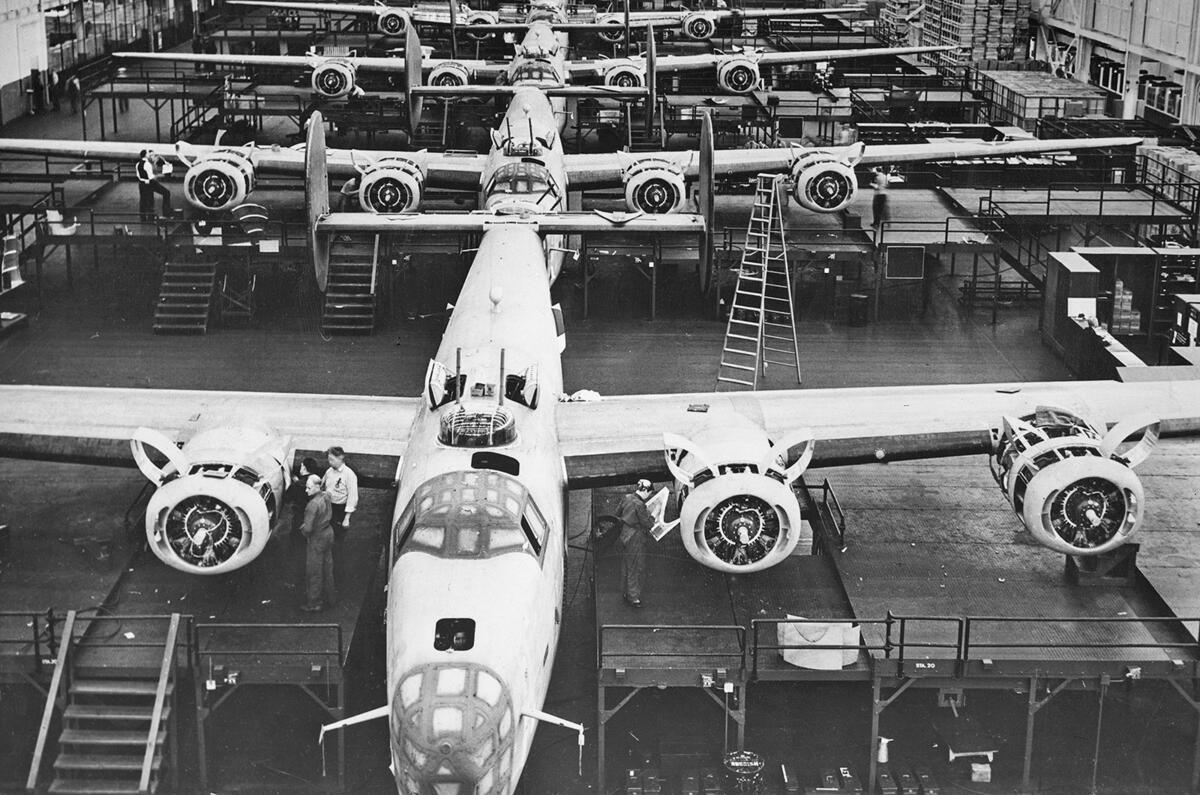
7: Consolidated B-24 Liberator - 18,482

 Consolidated B-24 Liberator - 18,482

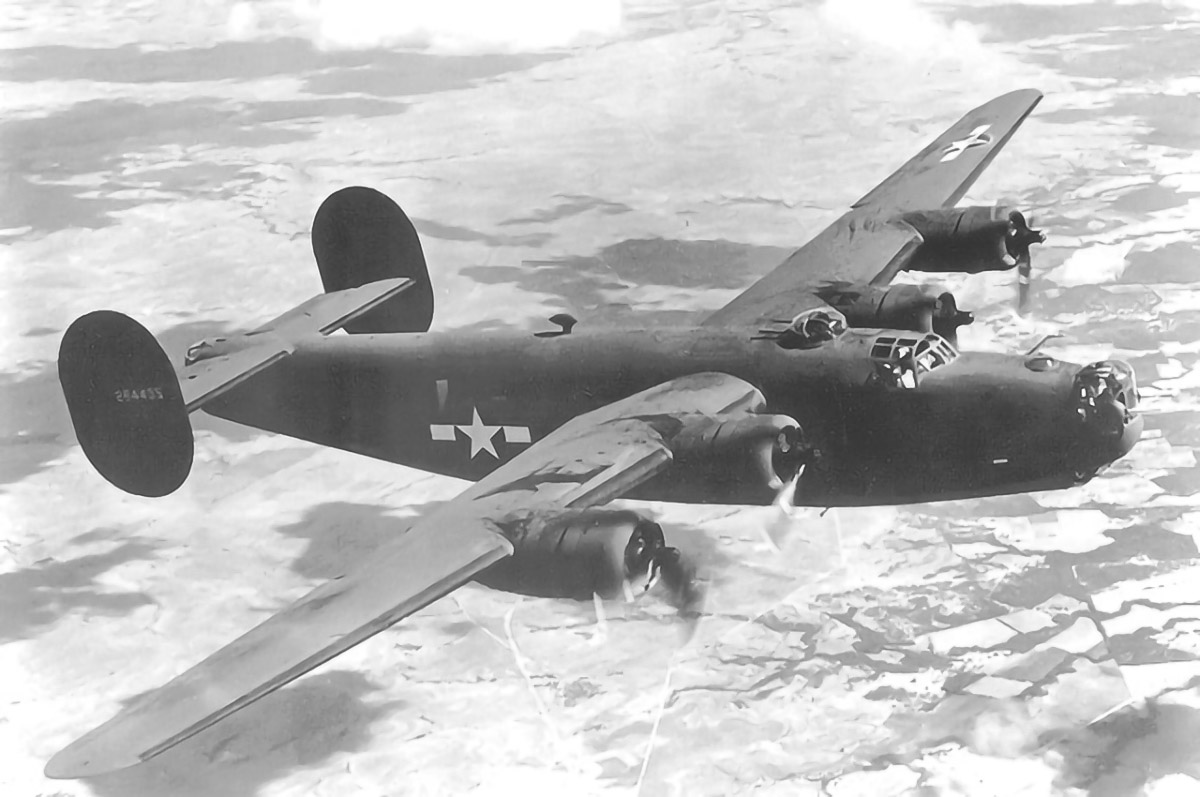
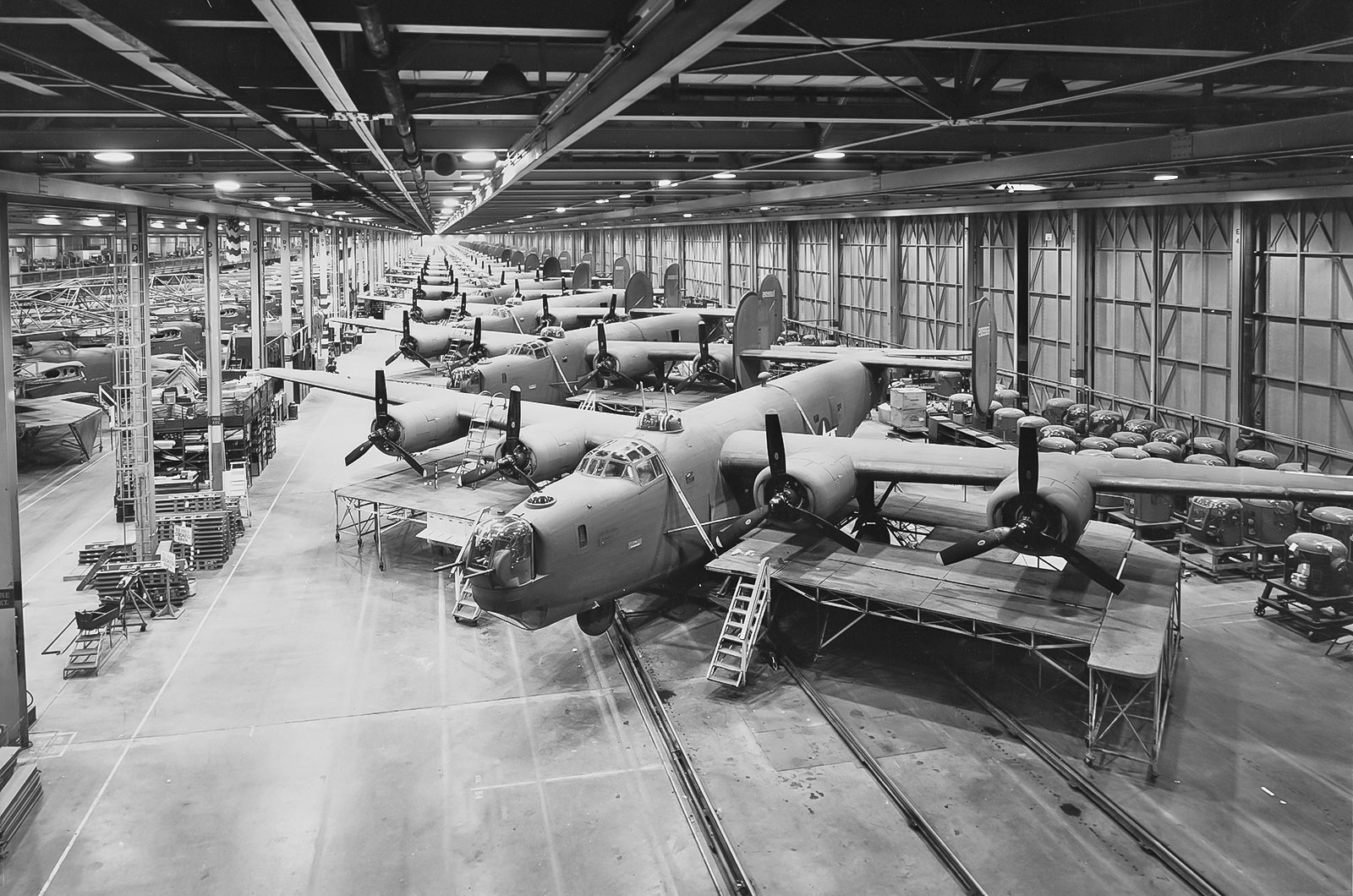
Ask most people to think of an American warplane from World War 2, and they will likely name the P-51 Mustang, P-47 Thunderbolt, B-17 Flying Fortress, or perhaps the P-38 Lightning or Corsair, but all of these were produced in relatively small numbers compared to the rather less famous Consolidated B-24 Liberator.

In July 1942, the 8th Air Force of the USAAF was activated. Its primary mission was to defeat Germany with a vast force of heavy bombers. It was equipped with the B-17 Flying Fortress and B-24 Liberator. The B-24 was the most numerous military US aircraft off all time, the destruction wrought by the B-24 was vast, it is sobering to learn it dropped more than 452,508 tons of bombs.

Back to top

7: Consolidated B-24 Liberator

 Consolidated B-24 Liberator

It also served in large numbers with Britain’s RAF. 1900 B-24s were supplied to Britain and served with distinction. By 1944, they were the principal strategic bomber in the Far East, but are better remembered for their role with Coastal Command destroying German submarines.

The B-24 sank more submarines than any aircraft in history and was the top-scoring aircraft in both the Atlantic and Pacific wars. Reliable and with a long range, Liberators were also used as transport aircraft. For a short time, a modified example, AL504 Commando, was the personal aircraft of British prime minister Winston Churchill.


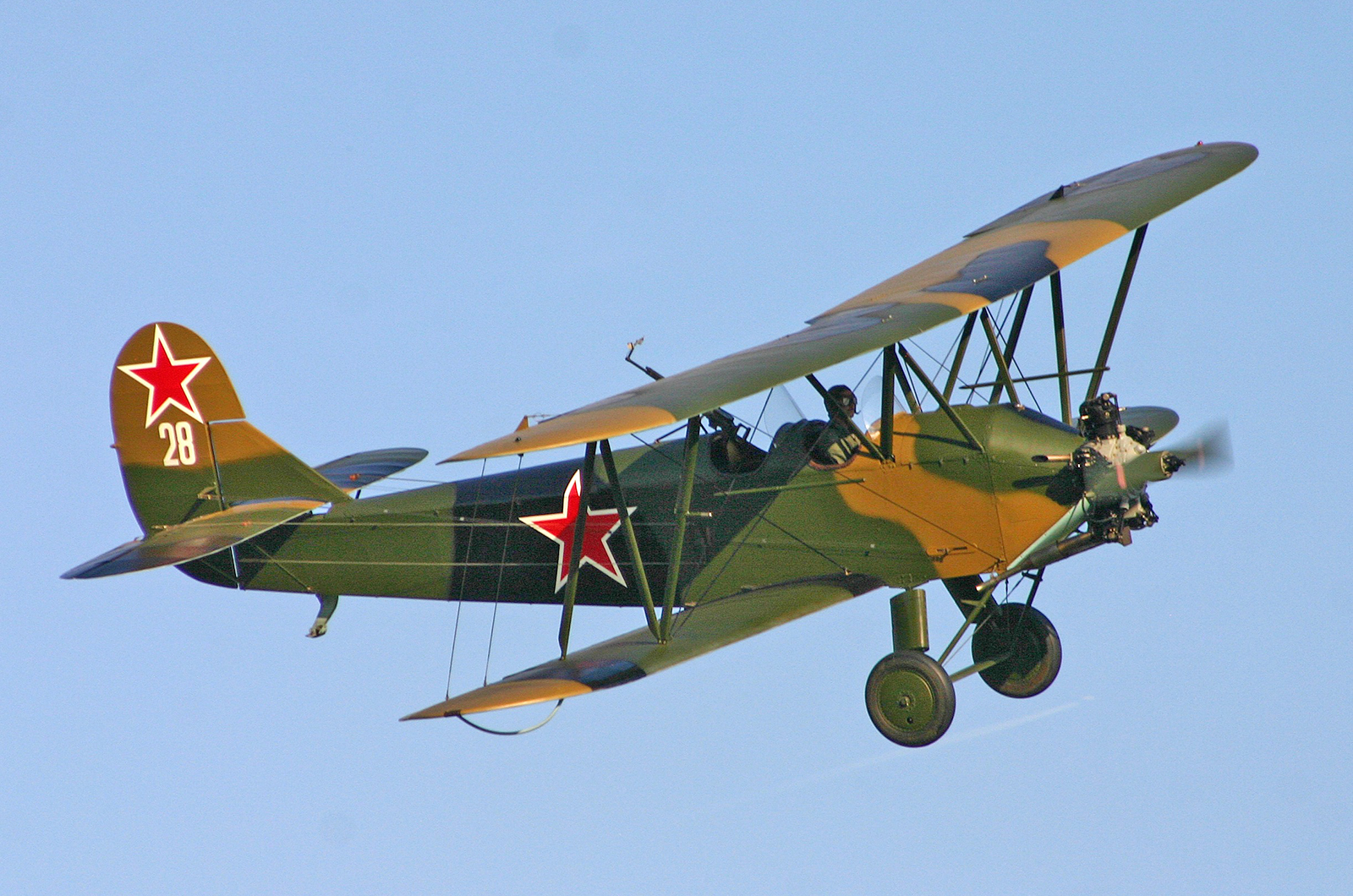
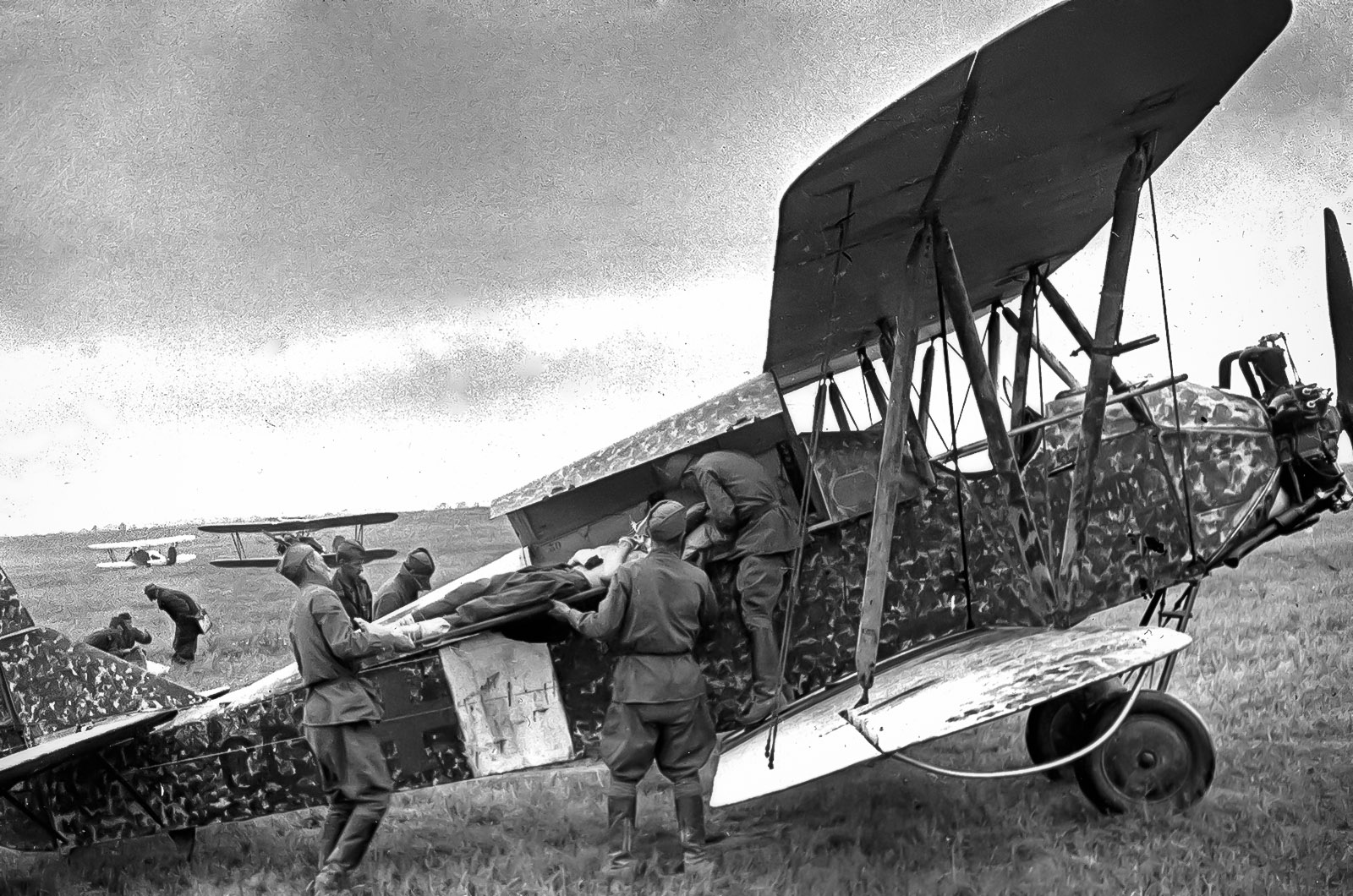
6: Polikarpov Po-2 – 20,000+

 Polikarpov Po-2 – 20,000+

This simple (and simple to produce) aircraft was a small biplane, and was far more significant than its rather unassuming appearance might have you believe. Deployed at night at low altitude, with little engine sound and flying below the stalling speeds of German fighters. Due to its flight profiles, size, and wood and canvas construction, it was virtually undetectable to contemporary radar.

The ‘Night Witches’ were an all-female bomber regiment much hated by the Axis forces that endured their sleep-depriving harassment raids. The ‘Night Witches’ flew the Polikarpov Po-2. To frozen bewildered Axis ground forces, the Night Witches seemingly appeared from nowhere, dropped their bombs, strafed, and disappeared.


6: Polikarpov Po-2

 Polikarpov Po-2

Just before sunset, Po-2s (initially known as U-2s) were deployed to forward operating bases, under cover of darkness the aircraft performed their short-range harassment raids. They then returned to re-arm and then re-deploy; on one occasion U-2 crew Yekaterina Ryabova and Nadezhda Popova flew 18 missions in one night!

The Po-2 had excellent short take-off and landing (STOL) performance and was easy to manufacture, both extremely useful in a huge, desperate war. No biplane has been produced in greater numbers than the Po-2, with estimates of the total number-built ranging from 20,000 up to 30,000. The Po-2/U-2 is often overlooked but was a significant aircraft of the Great Patriotic War.

Back to top

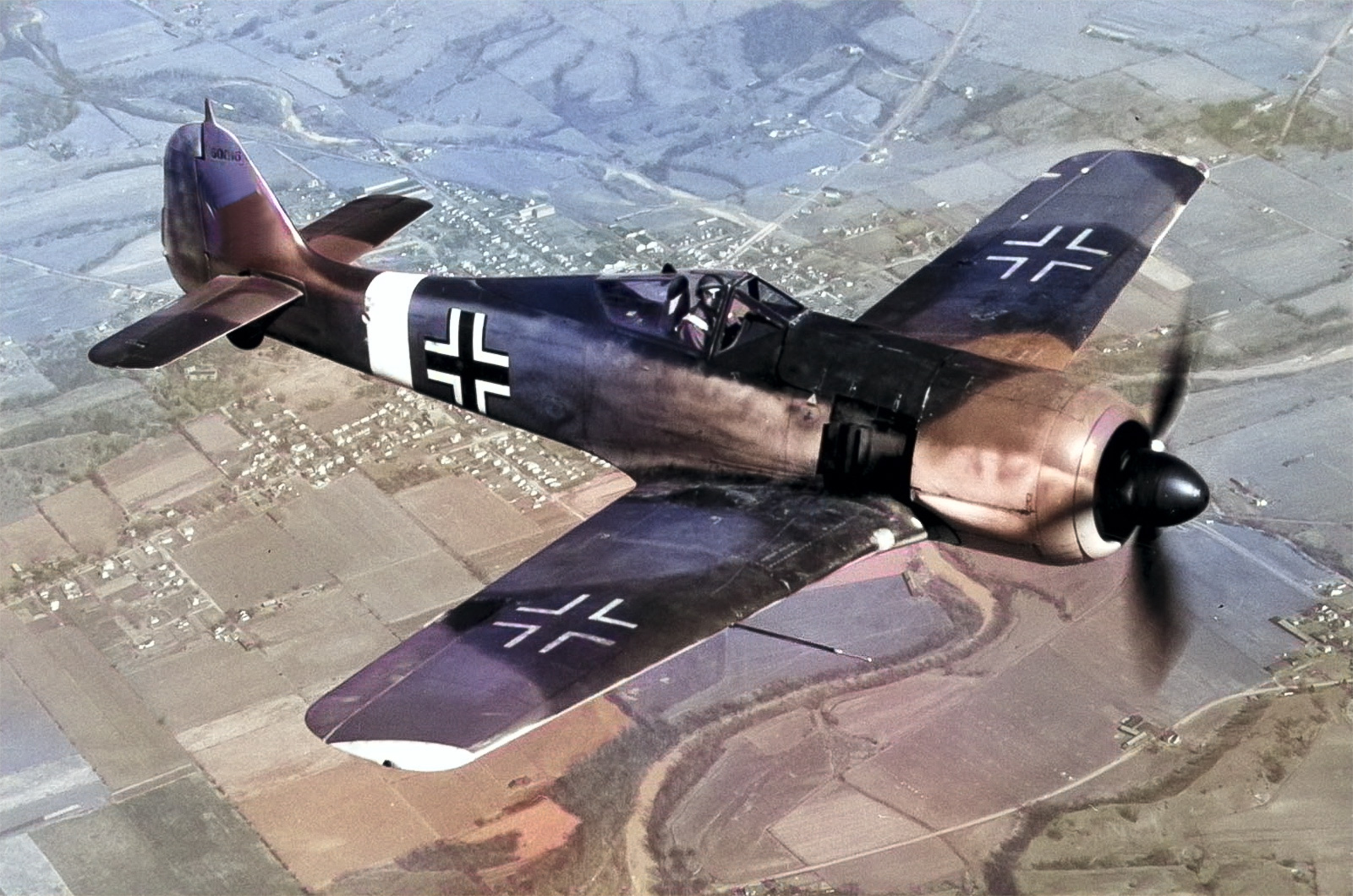
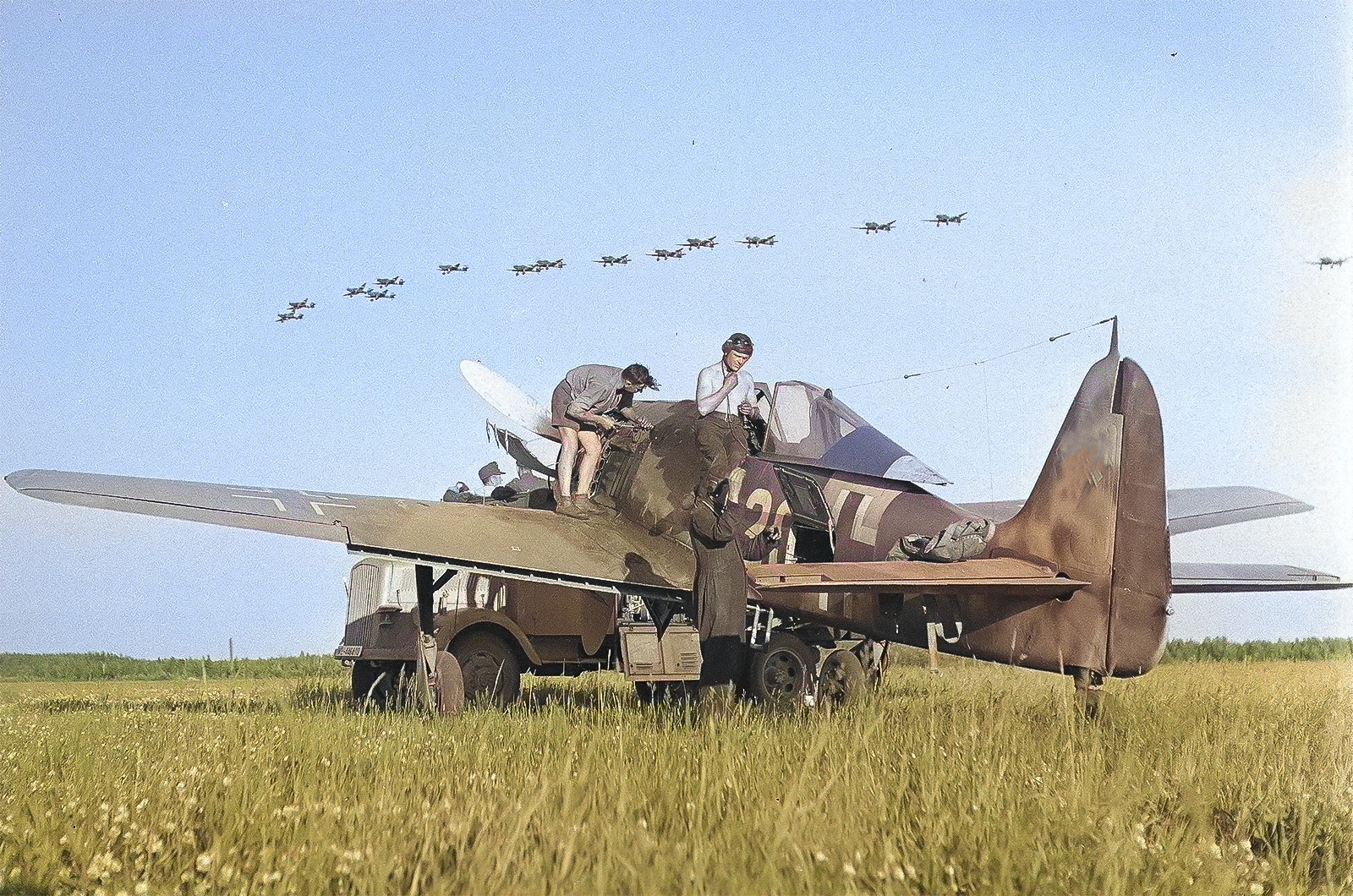
5: Focke Wulf Fw 190 - 20,051

 Focke Wulf Fw 190 - 20,051

The prototype of the Focke Wulf Fw 190 flew on 1 June 1939, two months before the start of World War II. The BMW 801C-1 radial engine-powered initial variants of the machine demonstrated superb performance and a dazzling roll rate. The appearance of the Fw 190 was deeply alarming to the RAF as it outmatched the Spitfire.

Testing an example that accidentally landed in the United Kingdom compounded this fear; the 190 was a brilliant fighter. As Britain rushed to develop a counter to the 190, for a period, it reigned supreme. The Fw 190 served on the Western Front, Eastern Front, performed fighter-bomber raids, and was of importance in the Normandy campaigns and the defence of Germany.


5: Focke Wulf Fw 190

 Focke Wulf Fw 190

From 1943, long-nosed Fw 190s were produced, the appearance due to the use of the Jumo 213A inverted-Vee engine, which had water/methanol fuel injection. This new model, the Fw 190D-9, carried two wing-mounted 20-mm cannon and two machine guns on the nose. It was known as the Dora-9. Heavier-hitting armament came with the Fw 190D-10, which featured a centrally mounted 30-mm cannon firing through the propellor, and two machine guns.

This trend towards greater firepower was furthered by the formidable Fw 190D-12 ground attack variant, which combined the 30-mm cannon with two wing-mounted 20-mm guns making it one of the best armed fighters of the war. Production of the 20,051 Fw 190s was by Focke-Wulf and Ago, Arado, Fiesler, and Dornier.


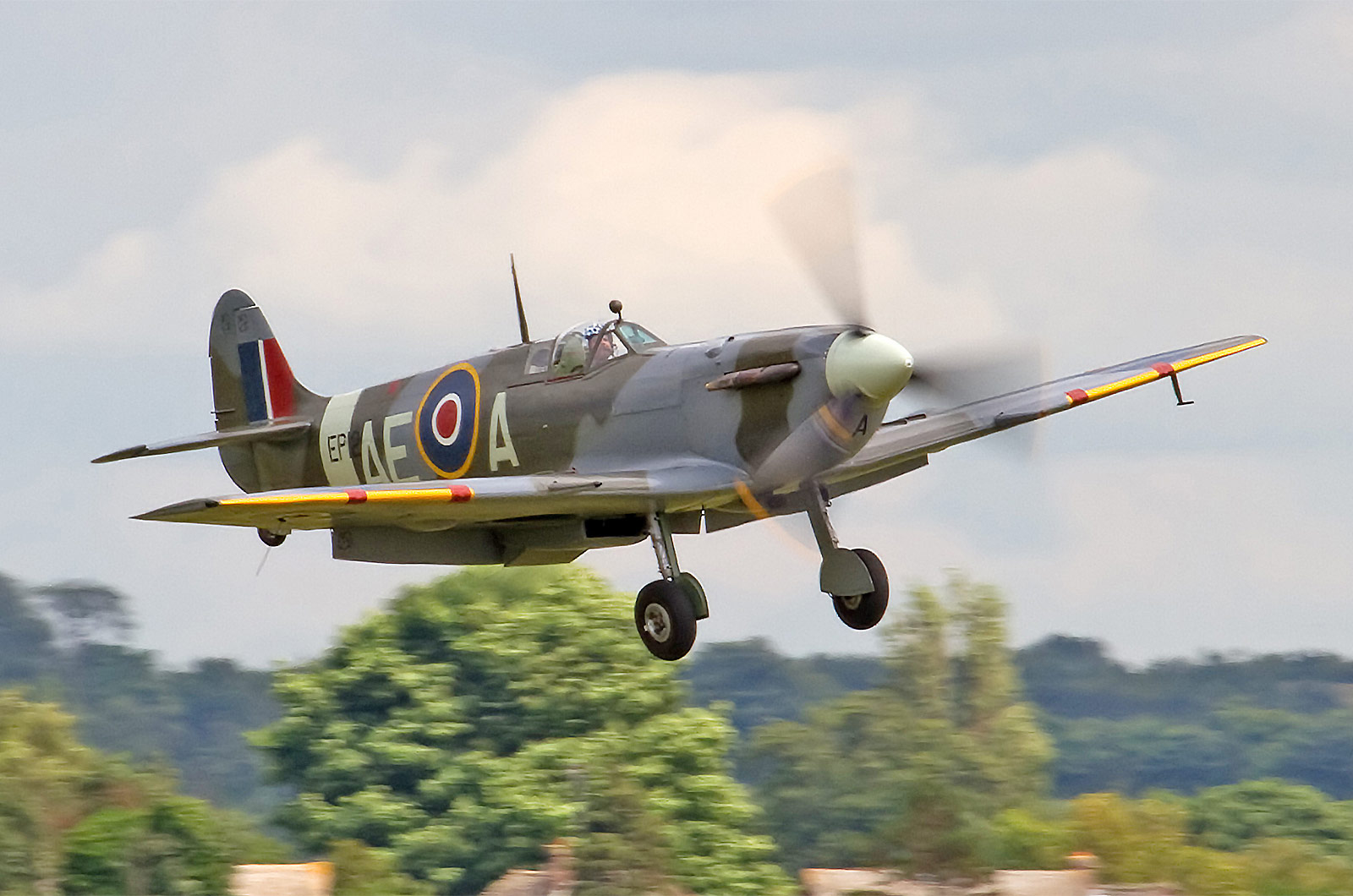
4: Supermarine Spitfire/Seafire - 22,685

 Supermarine Spitfire/Seafire - 22,685

The British Supermarine Spitfire was a manoeuvrable, high-performance fighter in production and development throughout the entire war, that fought almost everywhere there was conflict with distinction. It was, alongside the Hawker Hurricane (which just misses this list), instrumental in defeating Germany’s Luftwaffe in the Battle of Britain in 1940.

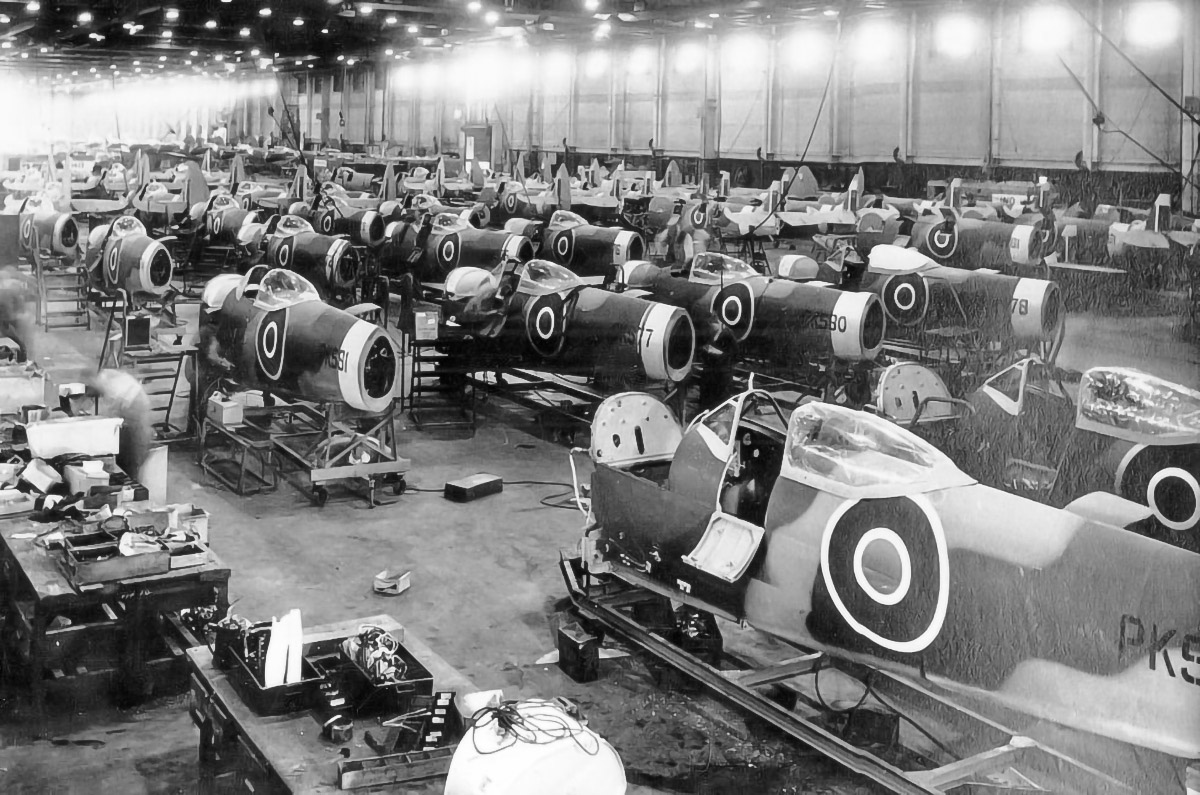
That the Supermarine Spitfire was made in such large numbers is an incredible achievement, as compared to other fighter aircraft, like the Messerschmitt Bf 109 and P-51 Mustang, it was costly and time-consuming to manufacture. The widely dispersed supply chain that fed the Spitfire production line was complex but made production more survivable against bombing attacks.

Back to top

4: Supermarine Spitfire/Seafire

 Supermarine Spitfire/Seafire

The last Spitfires had very little commonality with the first - indeed it was intended that the Supermarine Spitfire Mk 23 was to be called the Supermarine Valiant, but the name ‘Spitfire’ was so synonymous with brilliance and military success that the name survived. The Seafire was the less successful carrier fighter variant of the Spitfire.

The Spitfire was so popular that the word's original meaning, a person (particularly a woman) with a fierce temper, has been all but forgotten. Today, the aircraft firmly owns the word with its remarkable legacy.


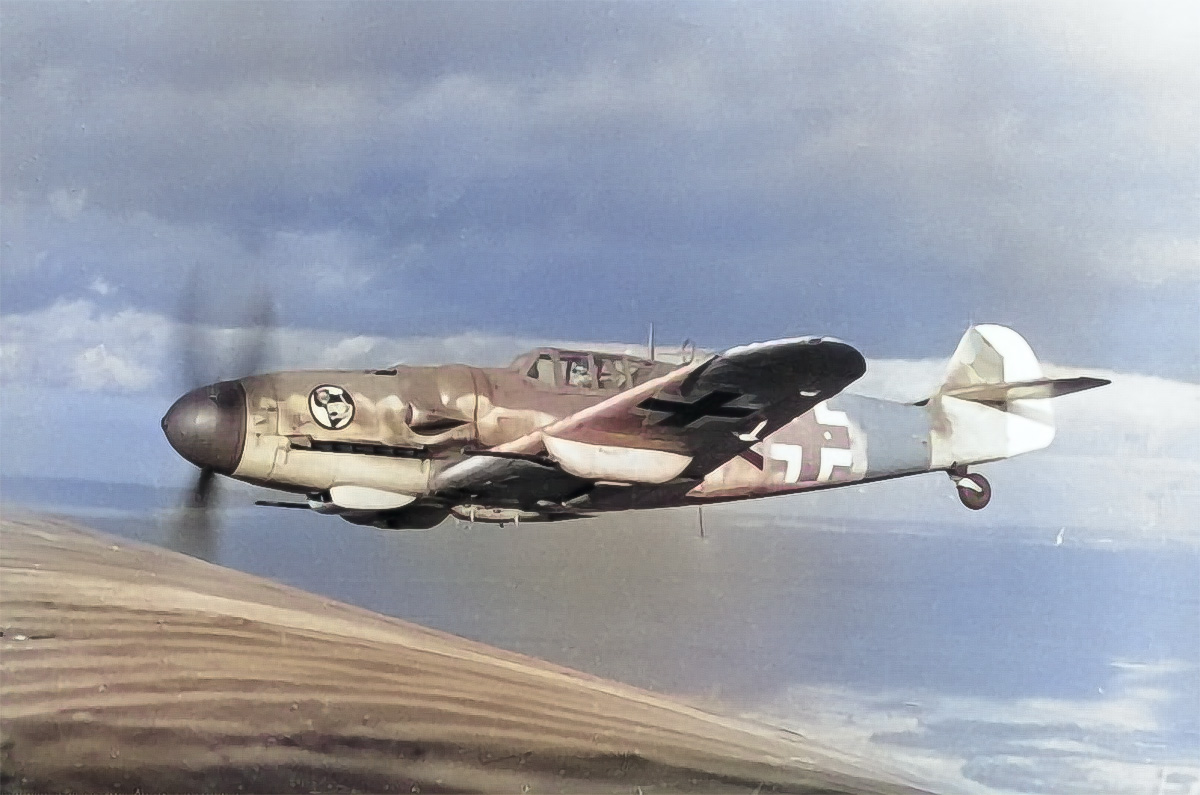
3: Messerschmitt Bf 109 - 34,852

 Messerschmitt Bf 109 - 34,852

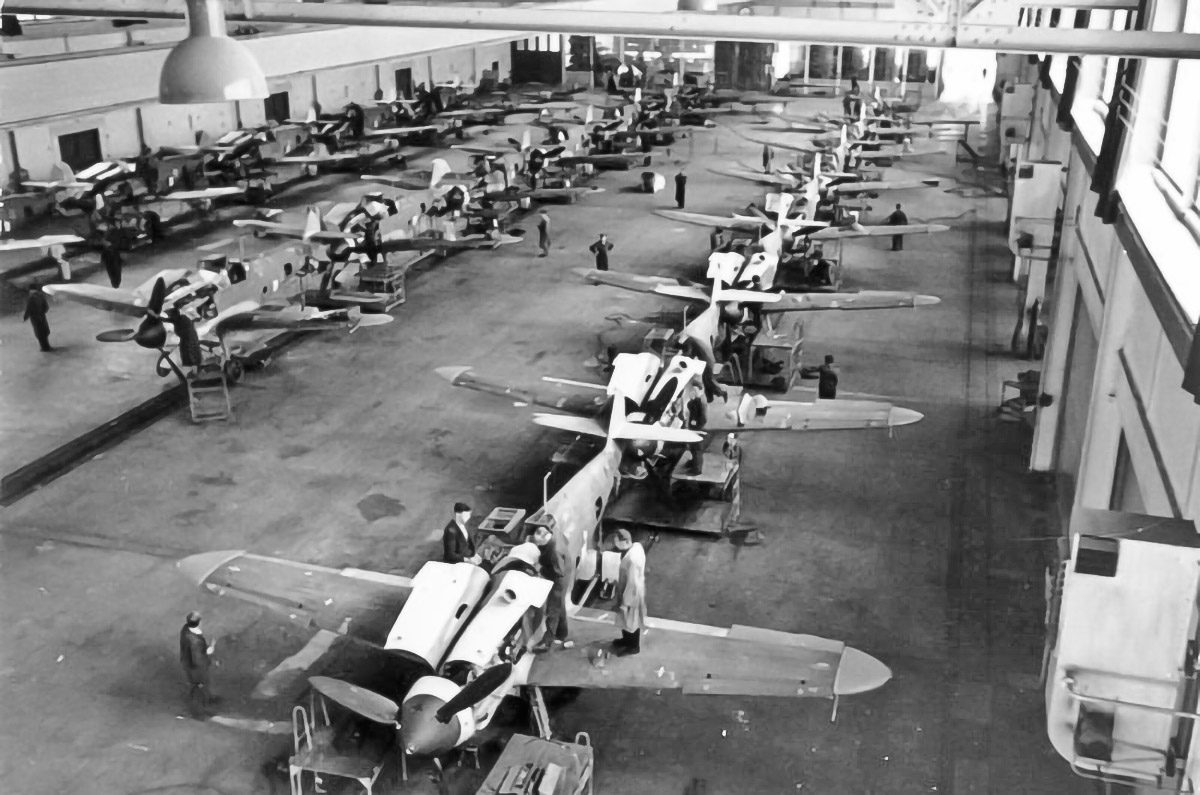
The primary fighter aircraft of the Luftwaffe was the fast and agile Messerschmitt Bf 109. The prototype first flew on 28 May 1935, and the production of the first production model, the Bf 109B, began in 1936 (the A models were pre-production models). At this point it was the most advanced fighter aircraft in the world in production, and it benefited from being relatively simple to produce.

Blooded in the Spanish Civil War, in the hands of the German Condor Legion, in 1937. It went in a bewildering number of places, in support of the Blitzkrieg warfare in Europe, the bitter Eastern Front and the skies of North Africa, among others. There is likely no aircraft in history with as many aerial victories as the Bf 109.


3: Messerschmitt Bf 109

 Messerschmitt Bf 109

Though somewhat eclipsed by the Fw 190 series from 1941 onwards, the 109 remained the backbone of the Luftwaffe.

The Bf 109G (known informally as the ‘Gustav’) was the most numerous variant, and served on all fronts from 1942. With it came weaponry options that included a powerful 30-mm cannon. It also had the option of cabin pressurisation for high altitude operations. The G series culminated in the rather wild Bf 109G-10


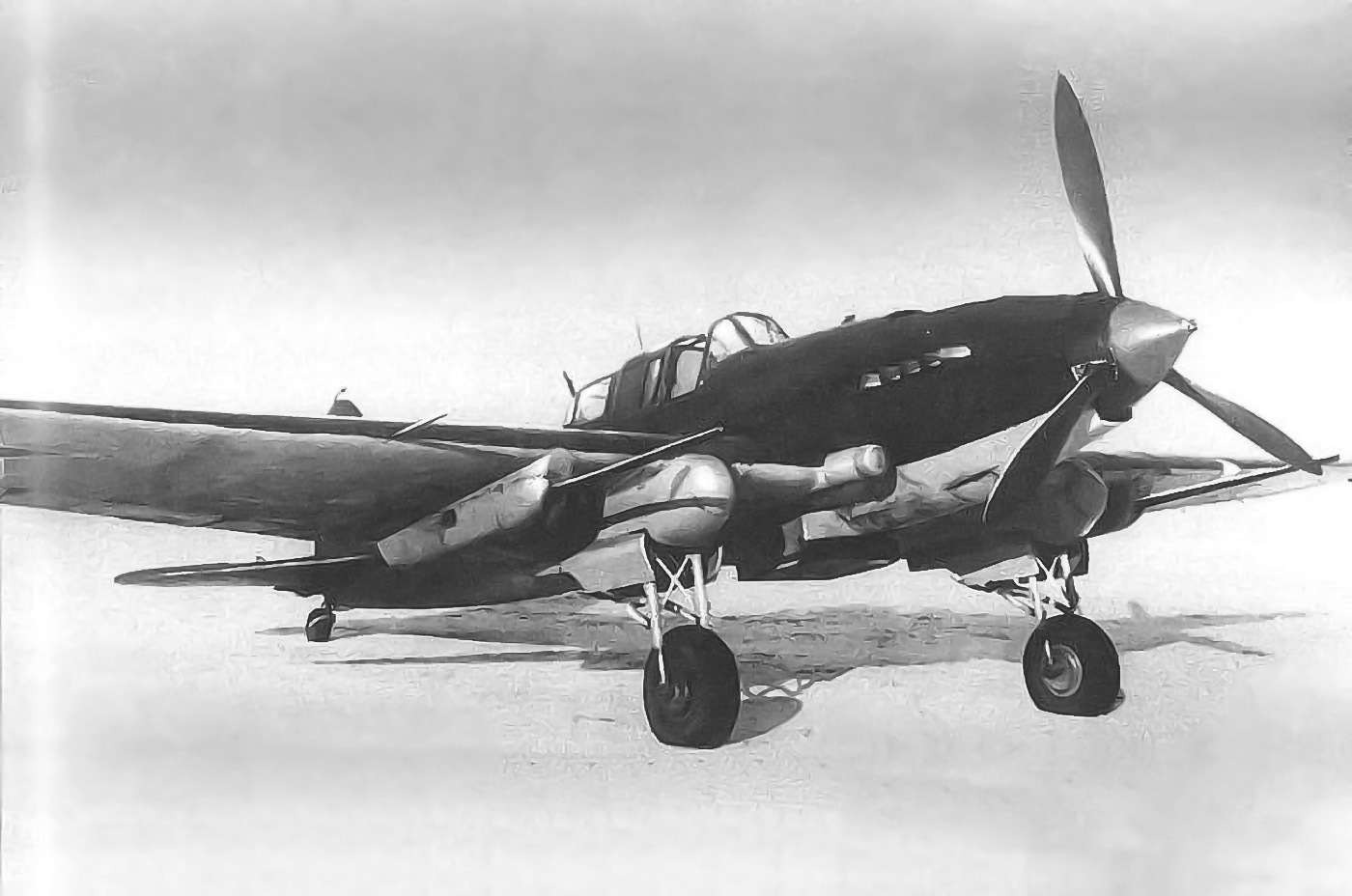
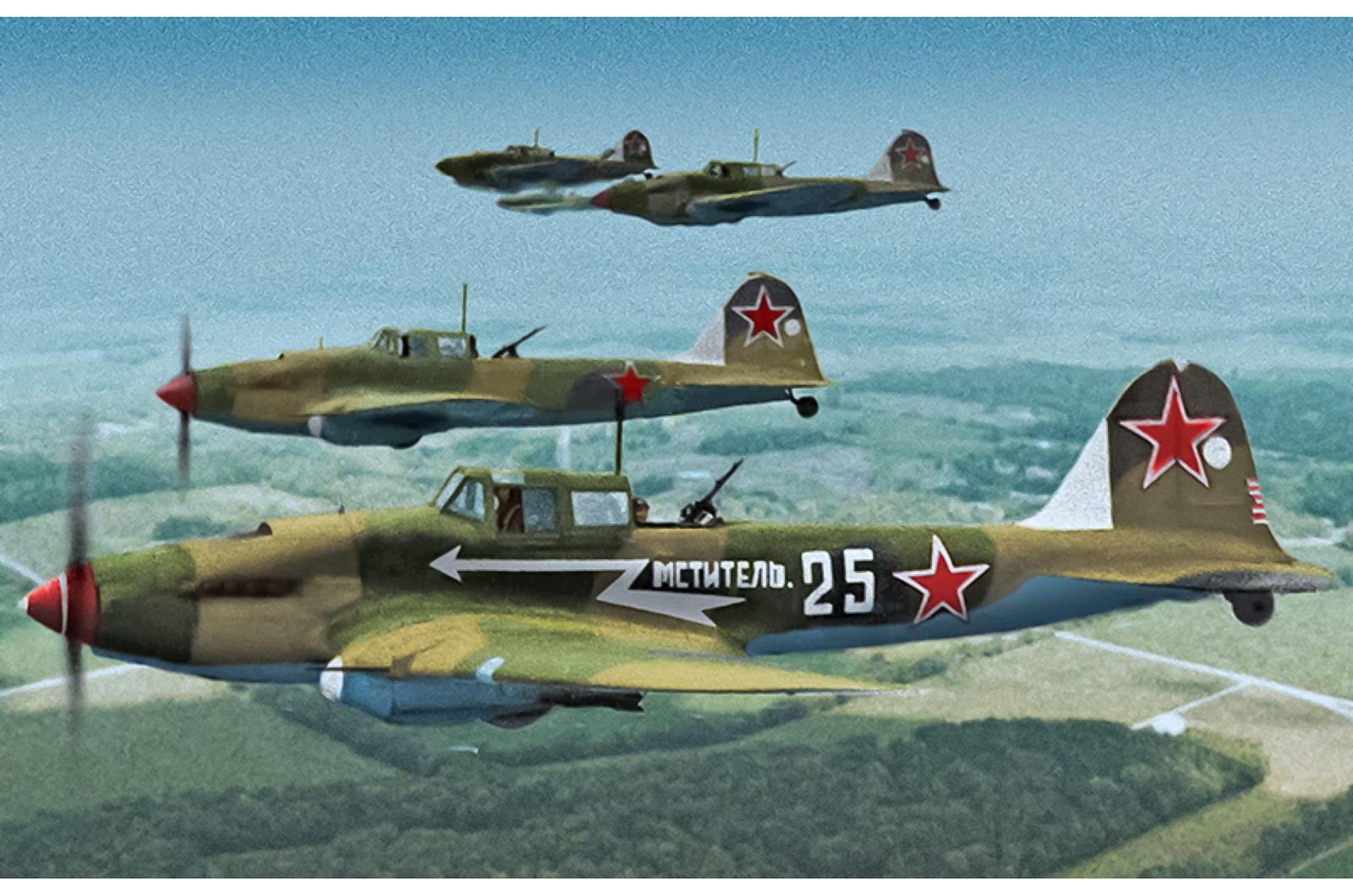
2: Ilyushin Il-2 ‘Shturmovik’ - 36,163

 Ilyushin Il-2 ‘Shturmovik’ - 36,163

For the British, the Spitfire is of immense symbolic value; for Russia, and before it, the Soviet Union, the Ilyushin enjoys the same iconic status, standing as a totem for the sacrifice and achievements of the Soviet Air Force in the Second World War. The tough Il-2 is remembered for changing the tide of war in the East.

Back to top

The aircraft was a ground attack aircraft dedicated to supporting the Red Army. In the roles of Close Air Support aircraft and Anti-Armour (tank-busting), the Il-2 proved instrumental, thrown into the fray in colossal numbers and meting out a vast destructive effect on Axis forces.


2: Ilyushin Il-2

 Ilyushin Il-2

The Il-2 depended on structural strength, armour and heavy armament for survival. Having learnt from the vulnerability of aircraft in the Spanish Civil War, the Il-2 structure was built around an armoured shell, affording a degree of protection to the two crew, engines, fuel tank and radiators.

It is the most numerous military aircraft ever produced and the second largest number of all types, including civil, popularly known as the Shturmovík (meaning ‘attacker’ or ‘stormer’). A total of 36,163 Il-2s were produced. Joseph Stalin described the Il-2 as essential to the Red Army as ‘bread and air’.


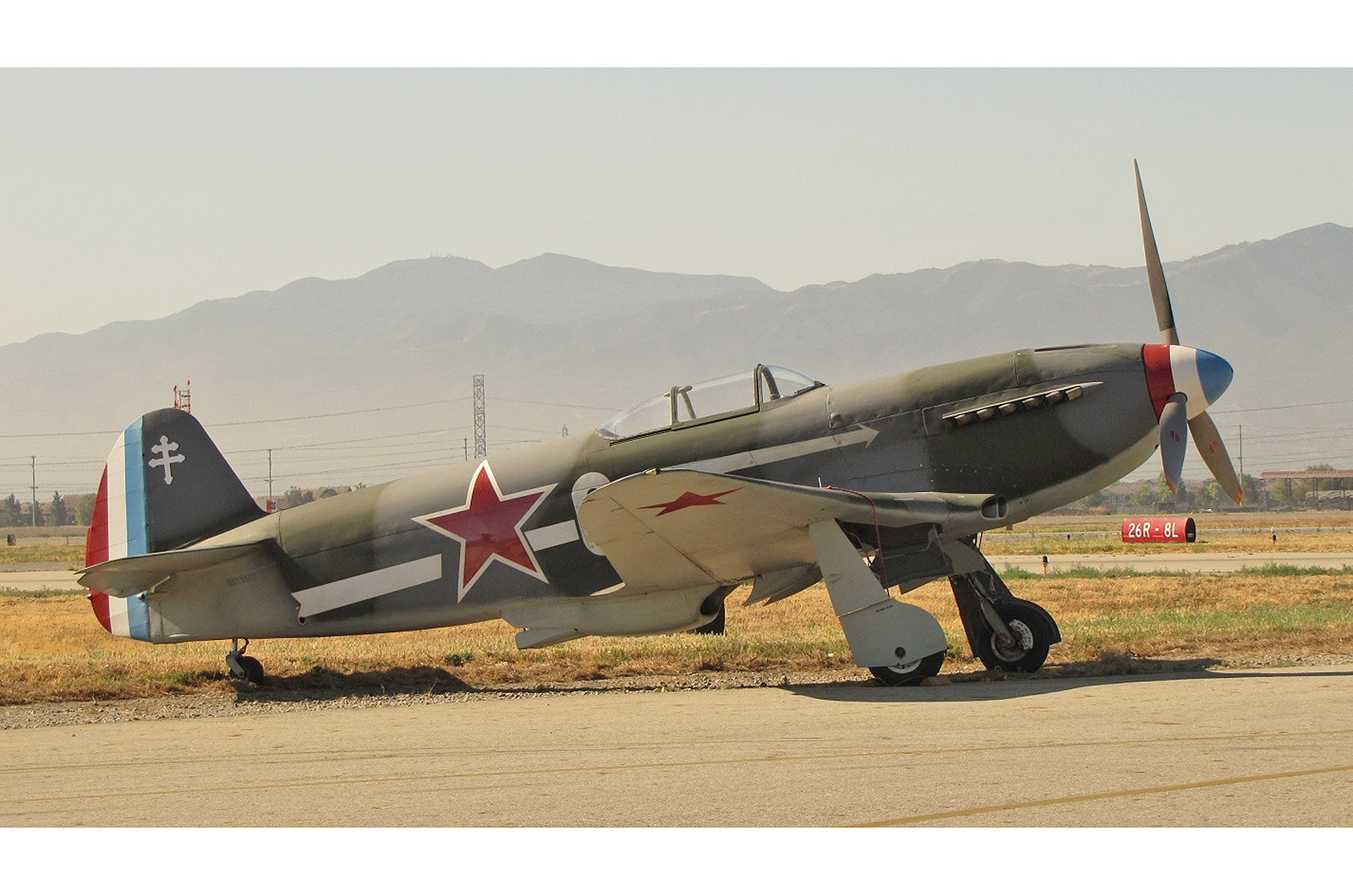
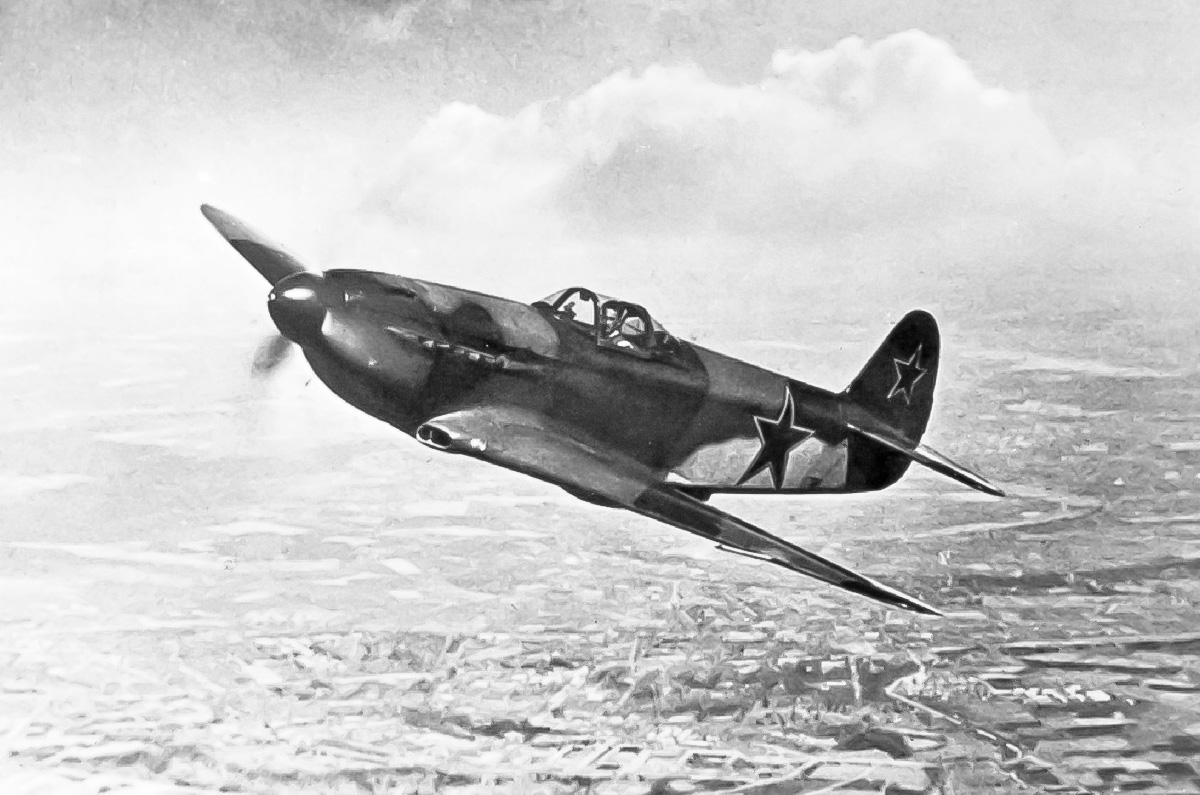
1: Yak fighter series - 36,716

 Yak fighter series - 36,716

Though given different designations, the wartime Yak fighter family is the same series, substantially more so than the Spitfire family can claim. Around 8700 Yak-1s were made, 6399 Yak-7s, and 4848 Yaks for a tremendous total of around 36,716, making it the most numerous fighter type in history.

When Germany turned on the Soviet Union in 1941, the Yak-1 was there to fight. However, the haste in which it had been ordered meant the Yak-1 was an immature design requiring 1000s of tweaks. Though inferior to the Bf 109 in most respects, an experienced Yak-1 pilot could hold his or her own (the great female fighter pilot Lydia Litvyak (1921-1943) flew the Yak).


1: Yakovlev fighter series

 Yakovlev fighter series

The Yak-7 fighter was created from a two-seat trainer and courier variant of the Yak-1, with a larger wing and tail surfaces. A fighter variant of the Yak-7 was proposed when it was realised the changes made to the two-seat Yak-7 meant a single-seat Yak-7 would be superior to the Yak-1, though a second seat was kept for the weaponised Yak-7 and proved useful. The ultimate expression of the Yak-7 series was the phenomenal Yak-9.

Back to top

The Yak-1 was further refined to become the superb Yak-3, which flew in 1943 and was the match of any contemporary Luftwaffe fighter. With a 20-mm cannon in the nose and two 12.7-mm machine guns in the cowling, the Yak had bite and could outrun almost anything else.

Follow Joe Coles on Substack, Twitter X  or Blue Sky. His superb Hush-Kit Book of Warplanes is available here.

If you enjoyed this story, please click the Follow button above to see more like it from Autocar

Photo Licence: https://creativecommons.org/licenses/by/4.0/deed.en


Join our WhatsApp community and be the first to read about the latest news and reviews wowing the car world. Our community is the best, easiest and most direct place to tap into the minds of Autocar, and if you join you’ll also be treated to unique WhatsApp content. You can leave at any time after joining - check our full privacy policy here.

Add a comment…