











Currently reading: Official: New Volvo EX60 is 'game-changer' with 503-mile range

Electric SUV's new SPA3 platform revolutionises both the way Volvo builds cars and their technological capabilities

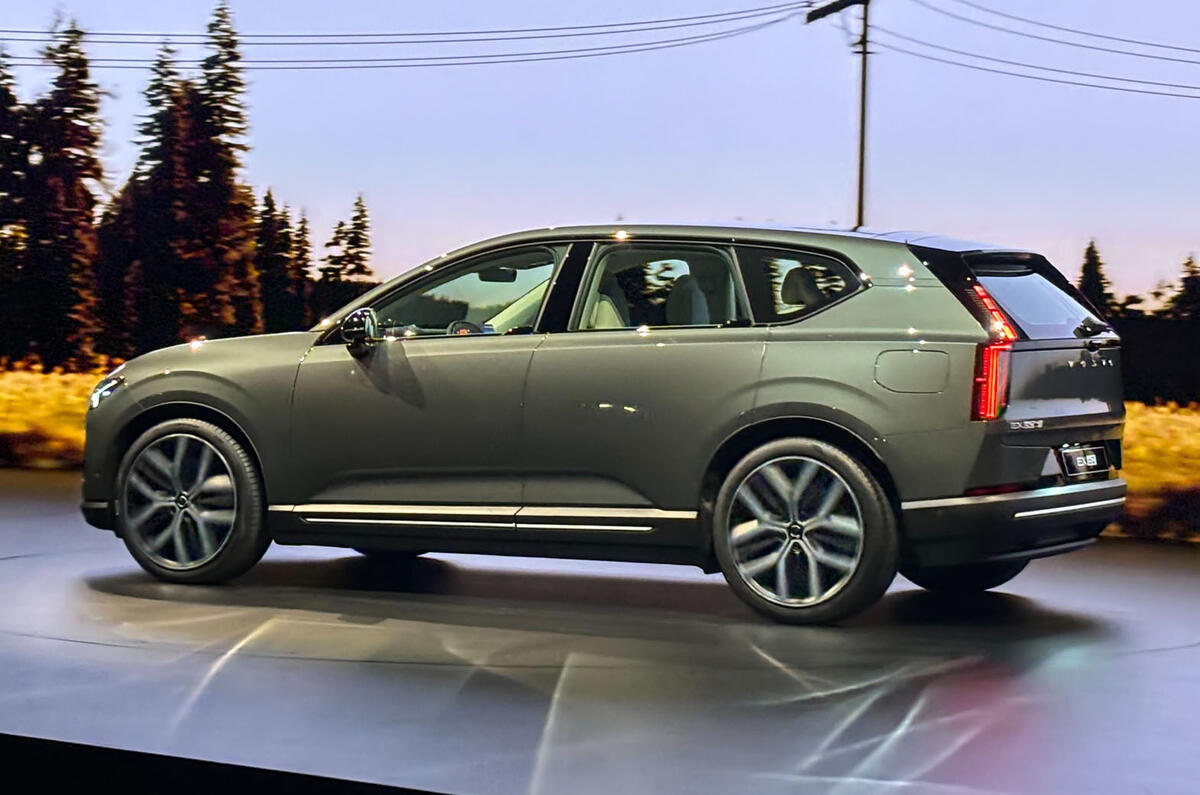
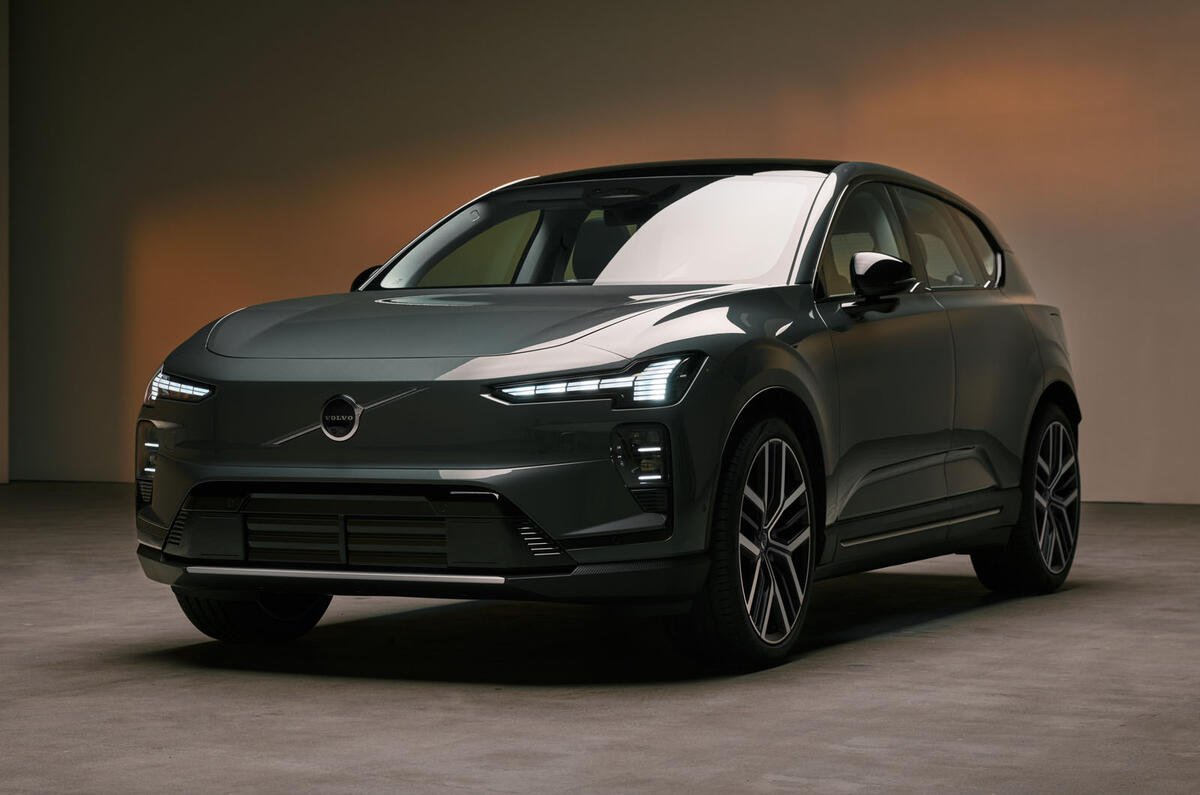
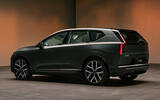
The new Volvo EX60 has been revealed as the Swedish firm's most important model in years, introducing a 'game-changing' new platform, a suite of radical in-car technology and the capacity to "end range anxiety" with a colossal, class-leading range of up to 503 miles.

The EX60 made its debut in Stockholm last week as Volvo's fourth bespoke EV, marking the firm's entry into the crucial premium electric SUV segment - in which its main rivals will be the recently revealed BMW iX3 and Mercedes-Benz GLC EQ.

Due in the UK from September, with prices starting at £56,850, the EX60 is the first car to use Volvo’s crucial new SPA3 platform, which revolutionises not just the way the firm builds its cars but also the technology they contain and what that technology can do.

It will serve as the electric equivalent to Volvo's long-time best-seller, the XC60, which has recently been updated and will remain on sale with a choice of mild-hybrid and and plug-in hybrid powertrains alongside its new EV sibling - mirroring the relationship between the larger XC90 and EX90.

Volvo CEO Håkan Samuelsson said the petrol car “will stay on the market as a sort of bridge solution as long as it's needed, because that's where we are less dogmatic". 

"We are dogmatic about going full speed with all-electric cars, and the new platform is a foundation for that, but we are less dogmatic in setting a date when we really will close down and abandon our customers," he continued.

"If they still want the plug-ins, no problem. And we can now be very neutral, because these have margin parity. So if people want to go 'EX', no problem: it's the same margin for us. And if they stay ['XC'], let them stay."

New-age, lightweight platform
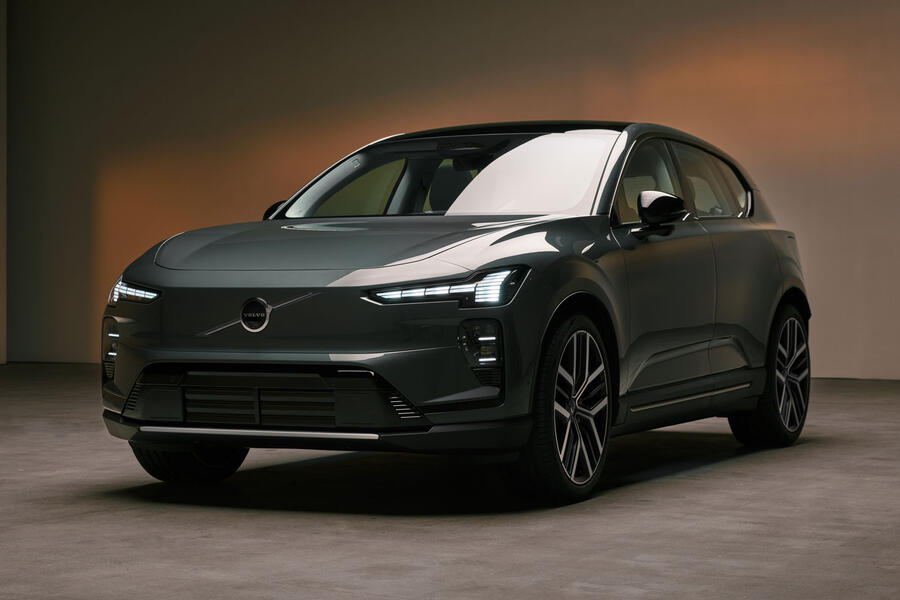
The EX60 is the first car to use Volvo's new SPA3 platform for EVs, which – as with the new Neue Klasse and MEA platforms that underpin its BMW and Mercedes rivals respectively – introduces new construction methods, a family of next-generation motors and advanced battery technologies that boost range, cost-efficiencies, dynamics and safety.

The SPA3 is described as highly modular – it can be used for cars ranging in size from the EX30 (4.2m long) to the EX90 (5.0m) – and will be used for all upcoming bespoke Volvo EVs, as well as some cars from other brands in the Geely group (including the Polestar 7 crossover in 2028, for example).

Despite its designation, the SPA3 is completely different from the SPA2 underneath the EX90 and ES90 EVs. "It's very different from SPA2," Samuelsson told Autocar. "I would have preferred another name which indicates that it's totally new."

The chief difference is that, unlike those older platforms, the SPA3 is engineered exclusively for EVs, which Samuelsson said makes it a “no compromise” structure that allows the EX60 to match or beat its rivals in several key metrics.

It's “born electric, fully scalable and introduces key technologies to lower cost and improve performance”, he added.

One of these crucial advancements is the use of a radical new ‘mega-casting’ production method, whereby sections of the car's structure are formed from molten metal in a die-cast mould, enabling large parts to be produced as single pieces rather than composed of numerous individual components being welded or bolted together.

Back to top

Volvo has previously said that producing the rear floor section of the SPA3 platform as one piece via this method allows it to omit around 100 individual smaller parts, while dramatically reducing the amount of welded joints and cutting weight by about 50%.

Another significant development is the move to a cell-to-body battery design, which does away with the weighty, costly 'battery box' that features under the floor of most EVs today in favour of a new design where the cells are integrated directly into the frame of the car, which saves weight, boosts rigidity and takes up less space. It also saves on material costs and increases efficiencies in the production process.

“This car without batteries is a Fred Flinstone car – totally open,” Samuelsson explained, touting the benefits brought by the new process in terms of safety and cost.

Step-change in design

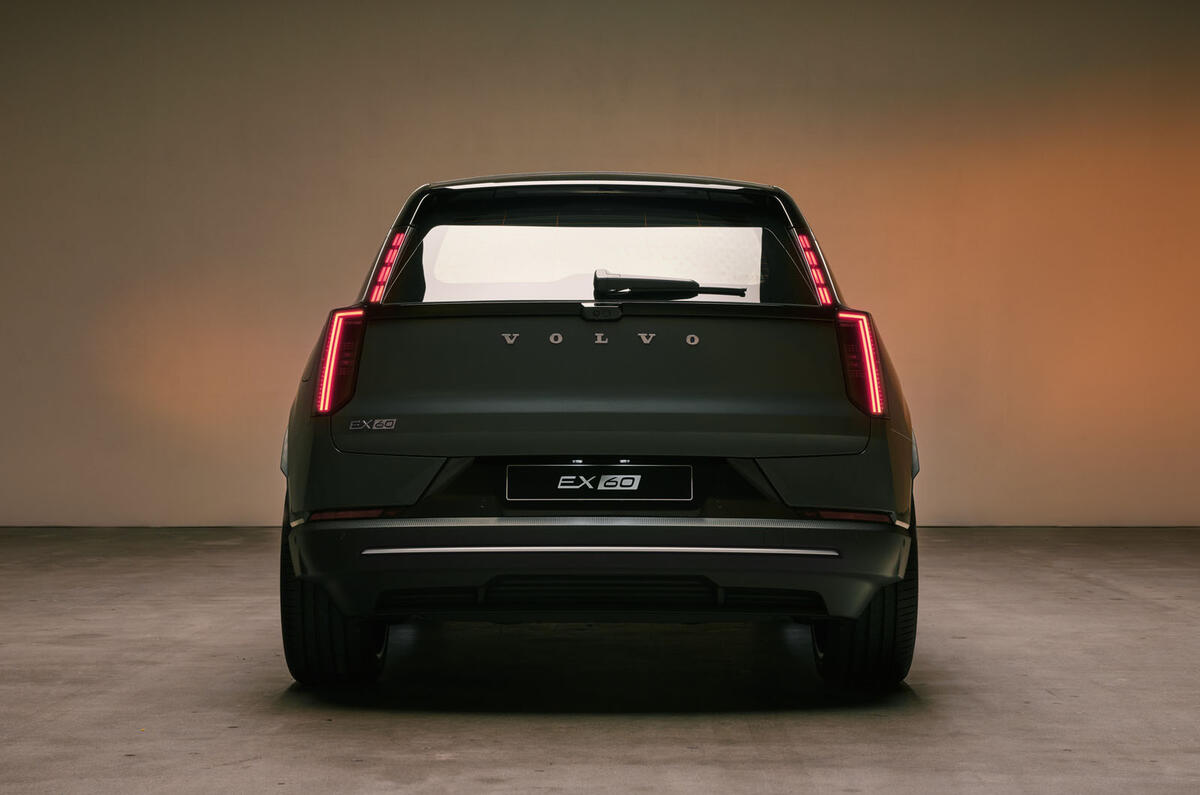
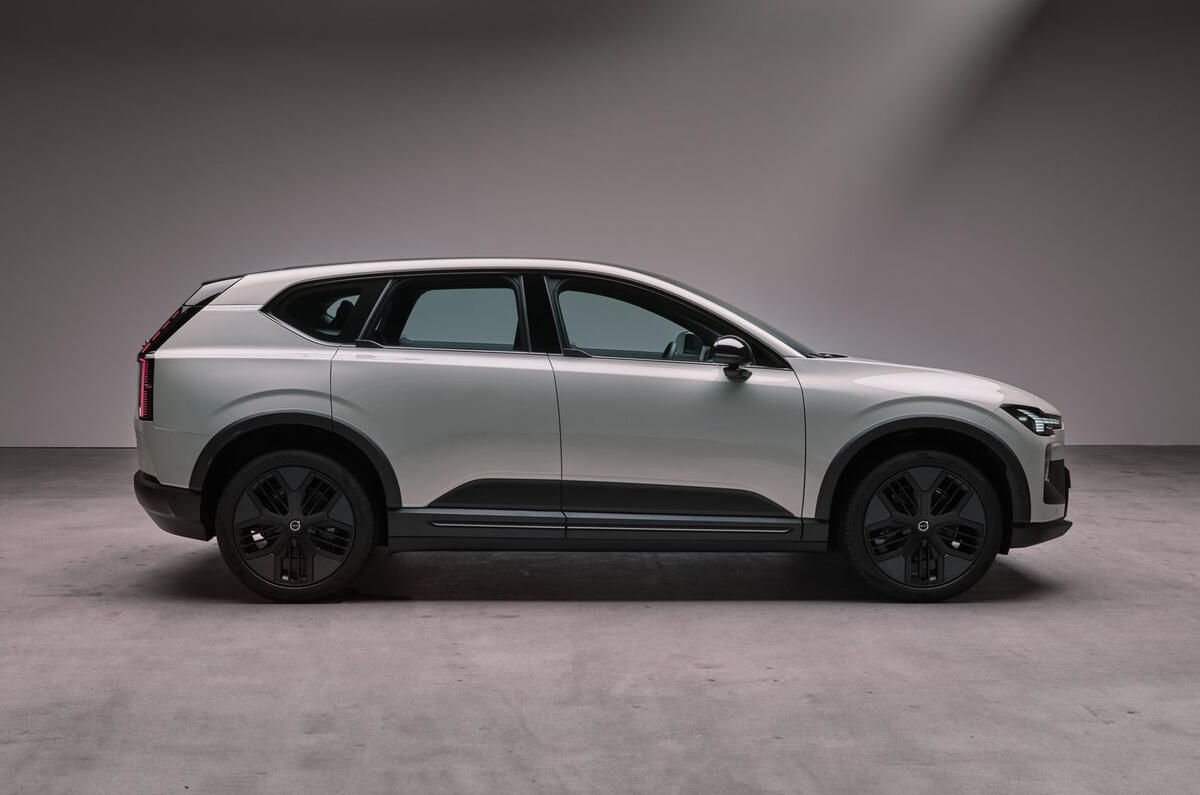
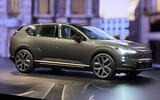
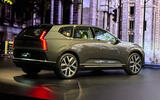
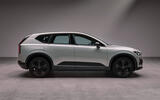
While the EX60 is pitched as the EV equivalent of the XC60, it's almost completely unrelated to its ICE sibling under the skin - and wears a bold new look that marks it out visually too.

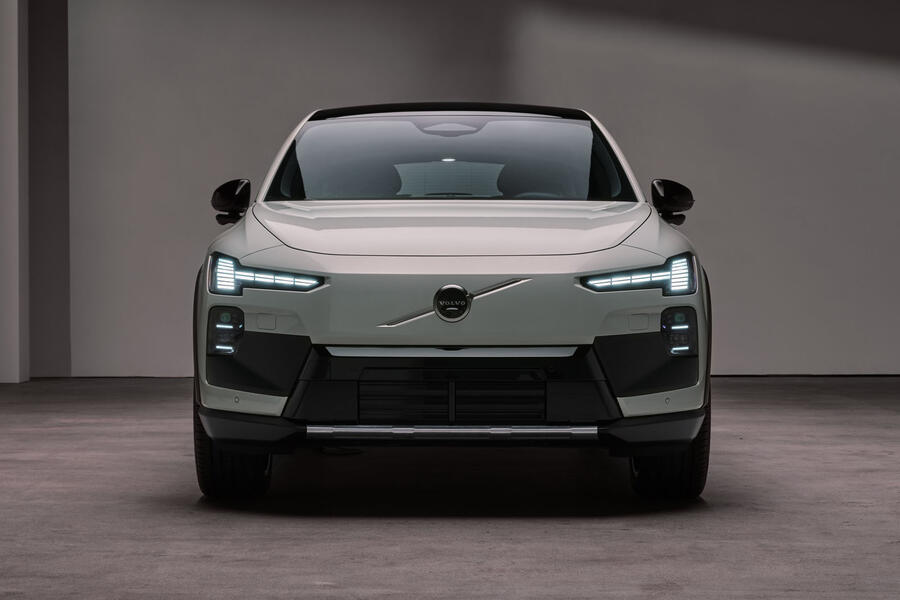
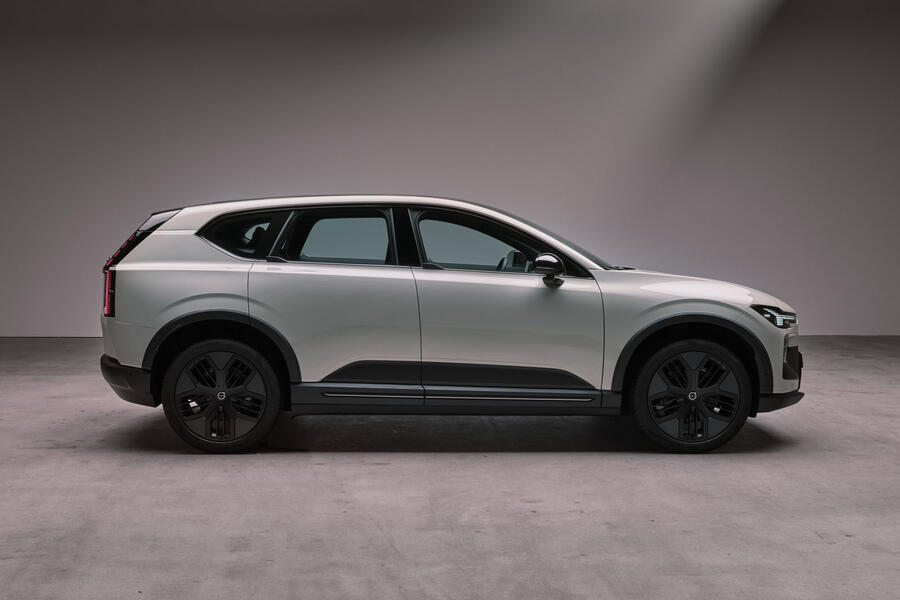
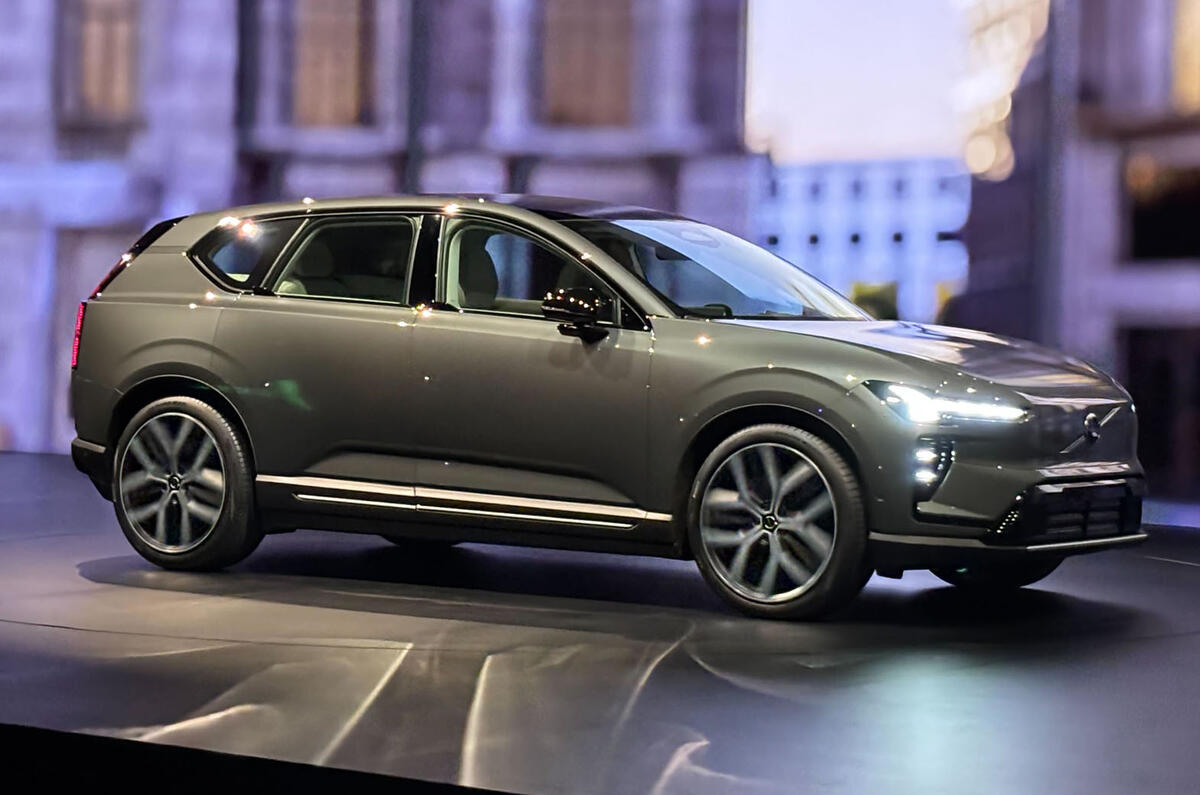
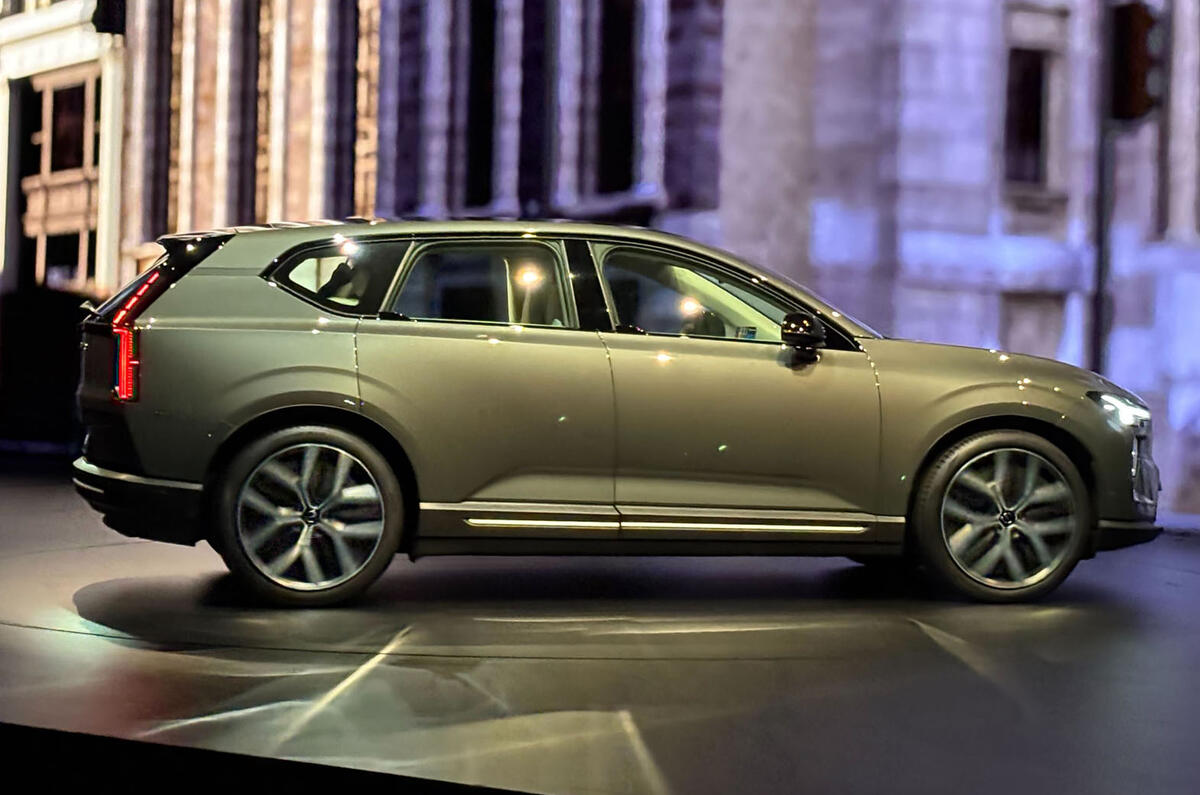
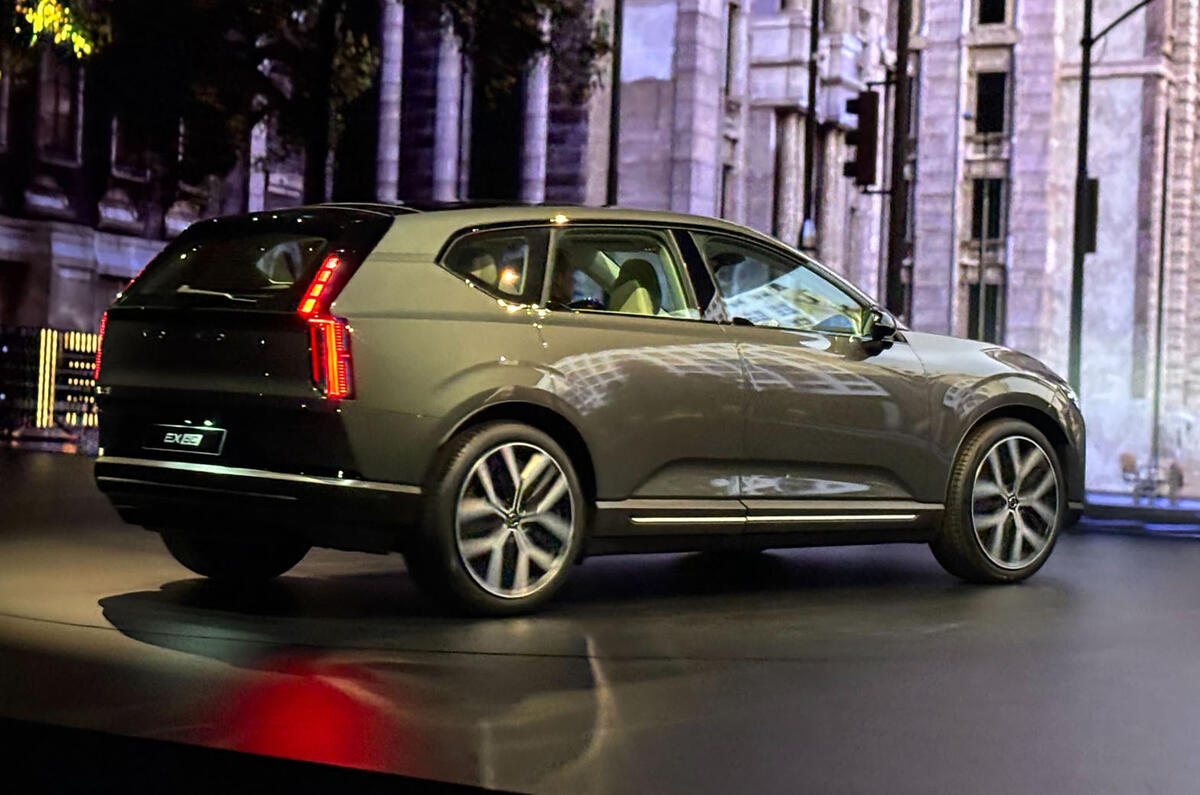
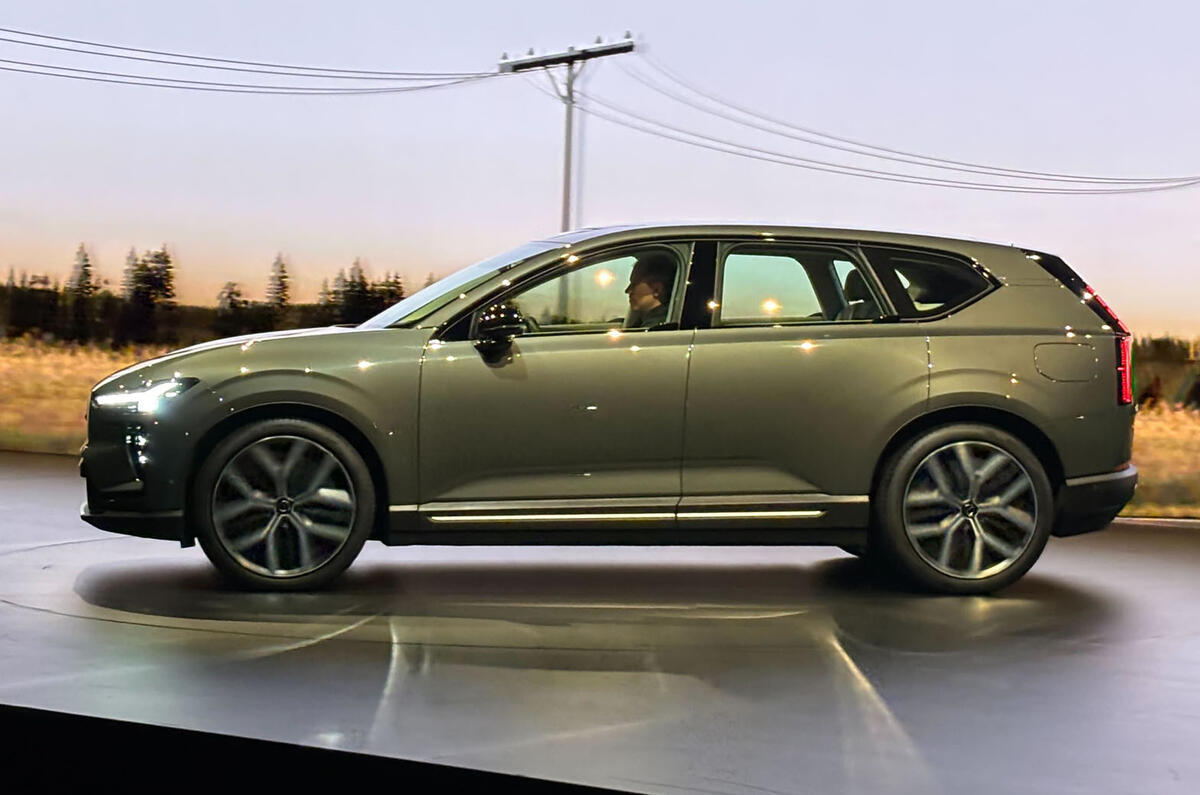
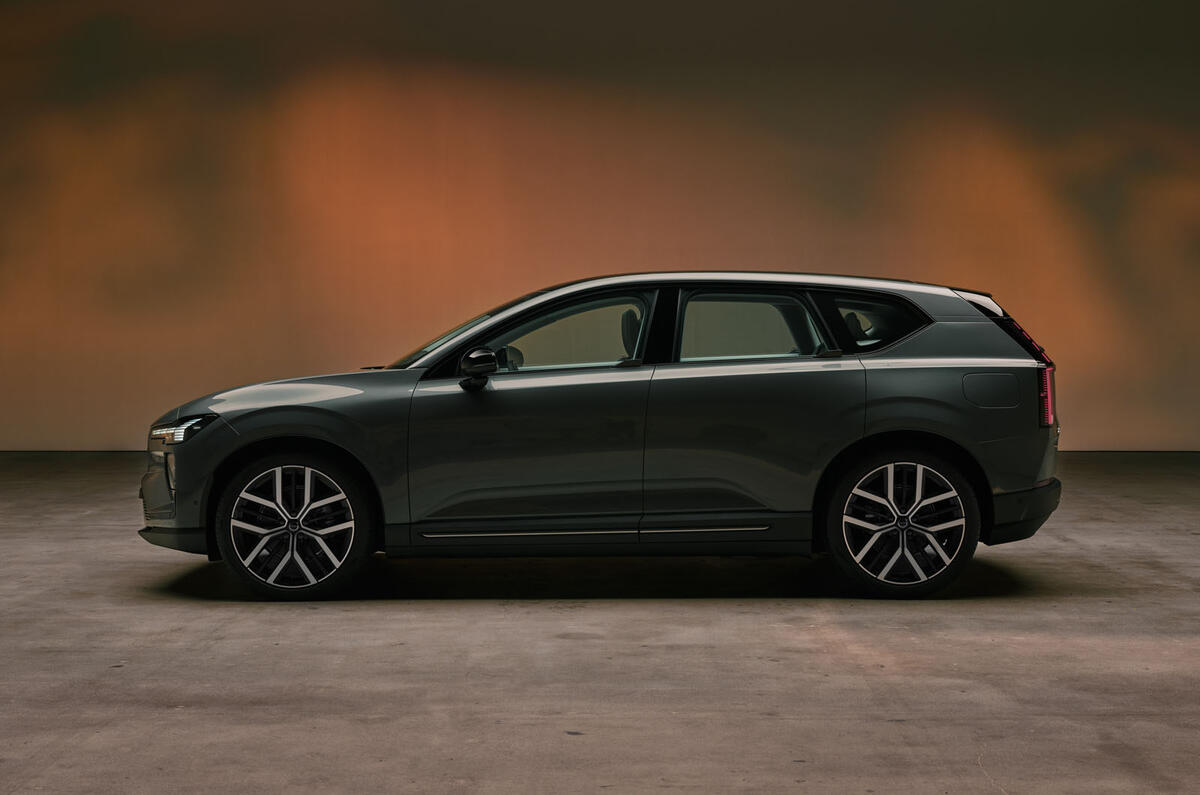
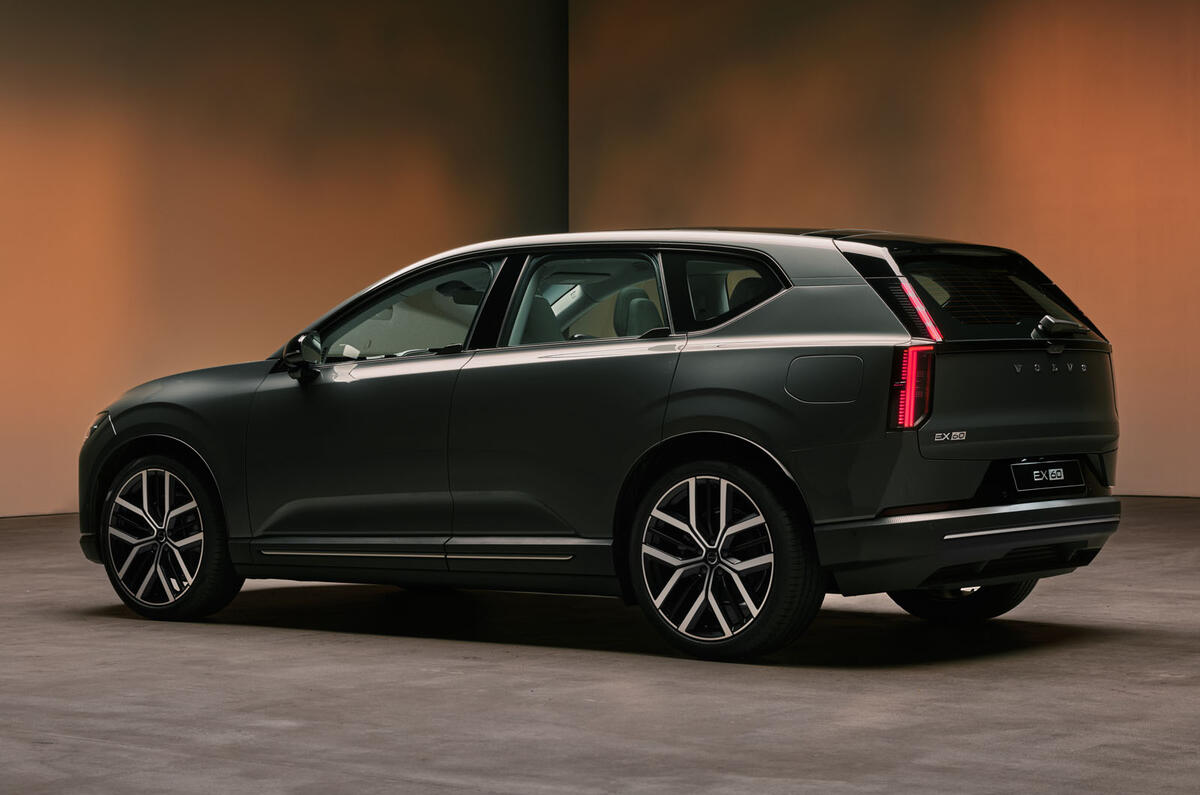
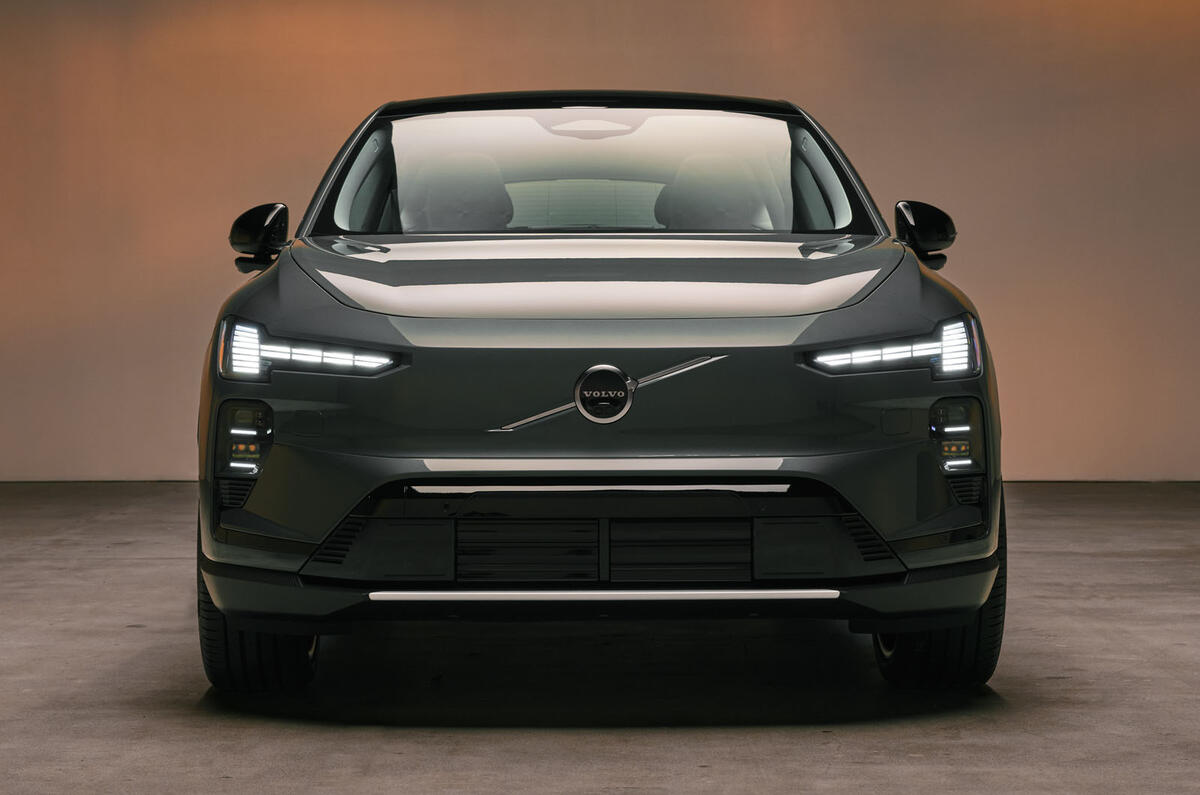
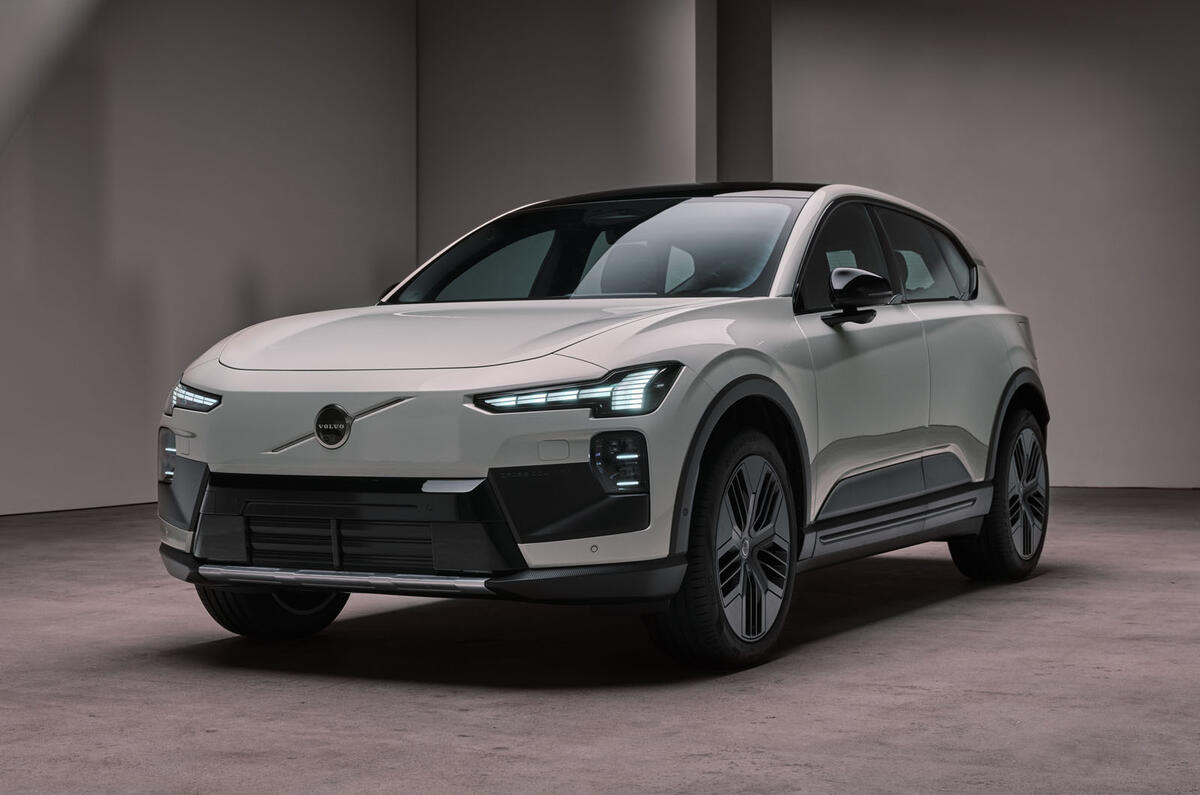
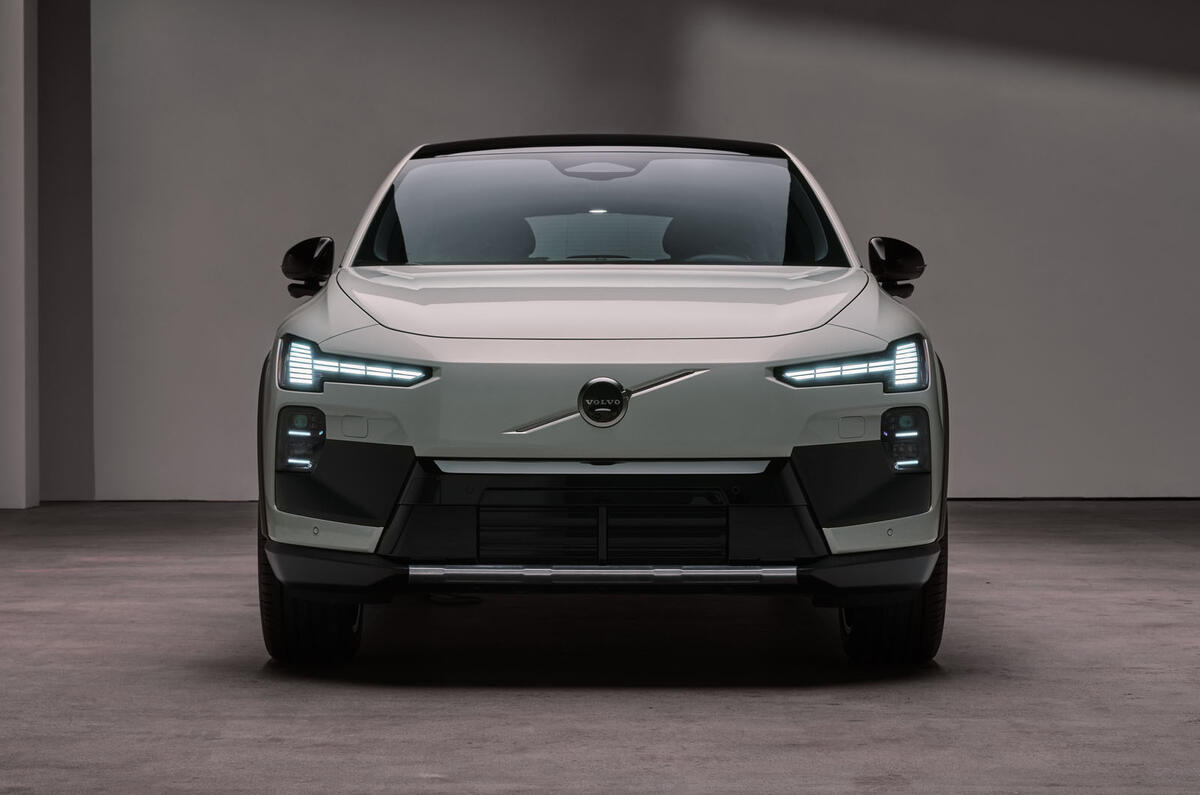
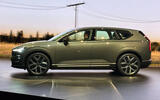
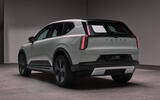
Volvo said the new SUV "takes the company's Scandinavian design principles further into an all-electric era", highlighting its sleek, aerodynamically optimised silhouette and minimalist surfacing as hallmarks of the brand's EVs, which it is moving to differentiate more obviously from its ICE cars going forward.

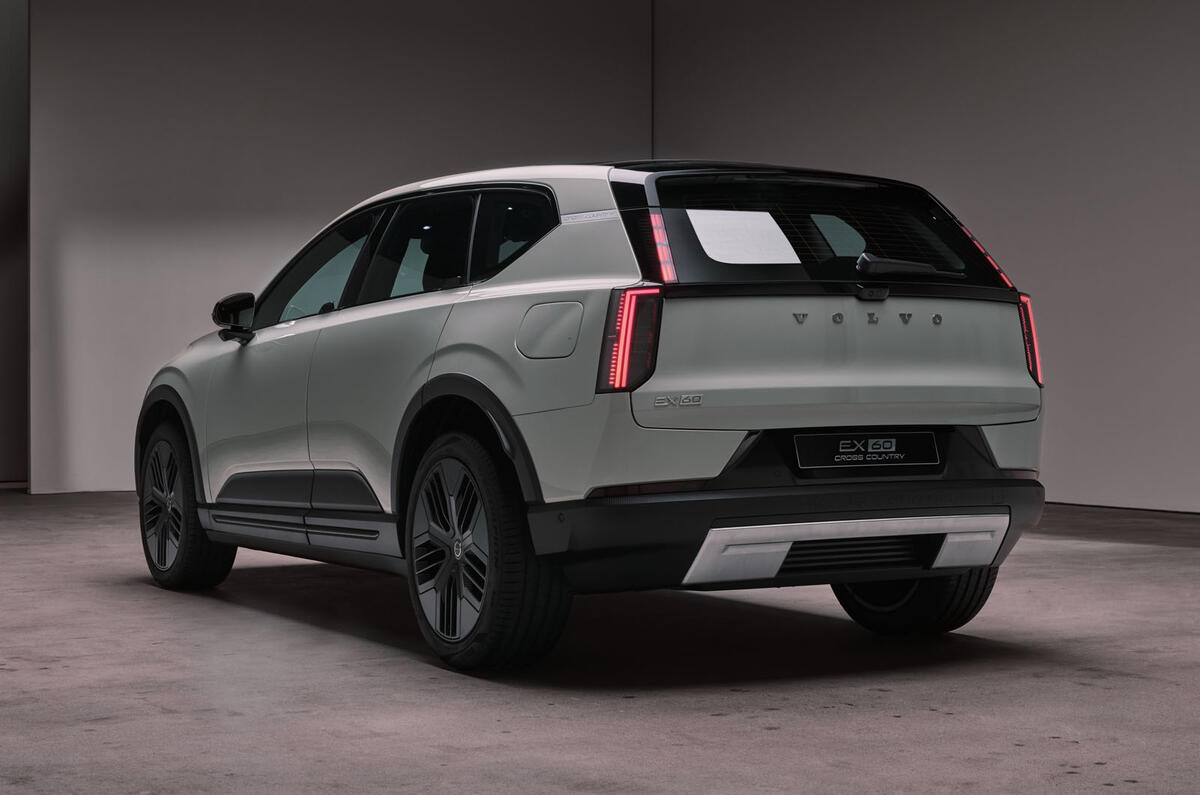
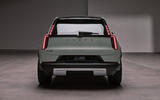
Volvo said the EX60 "slides through the air", with its raked roofline, low bonnet, tapered wheel arches and bluff rear end contributing to a drag coefficient of just 0.26 (far lower than normal for an SUV of this size and more in line with a saloon or estate car), which is instrumental in achieving such lofty range figures.

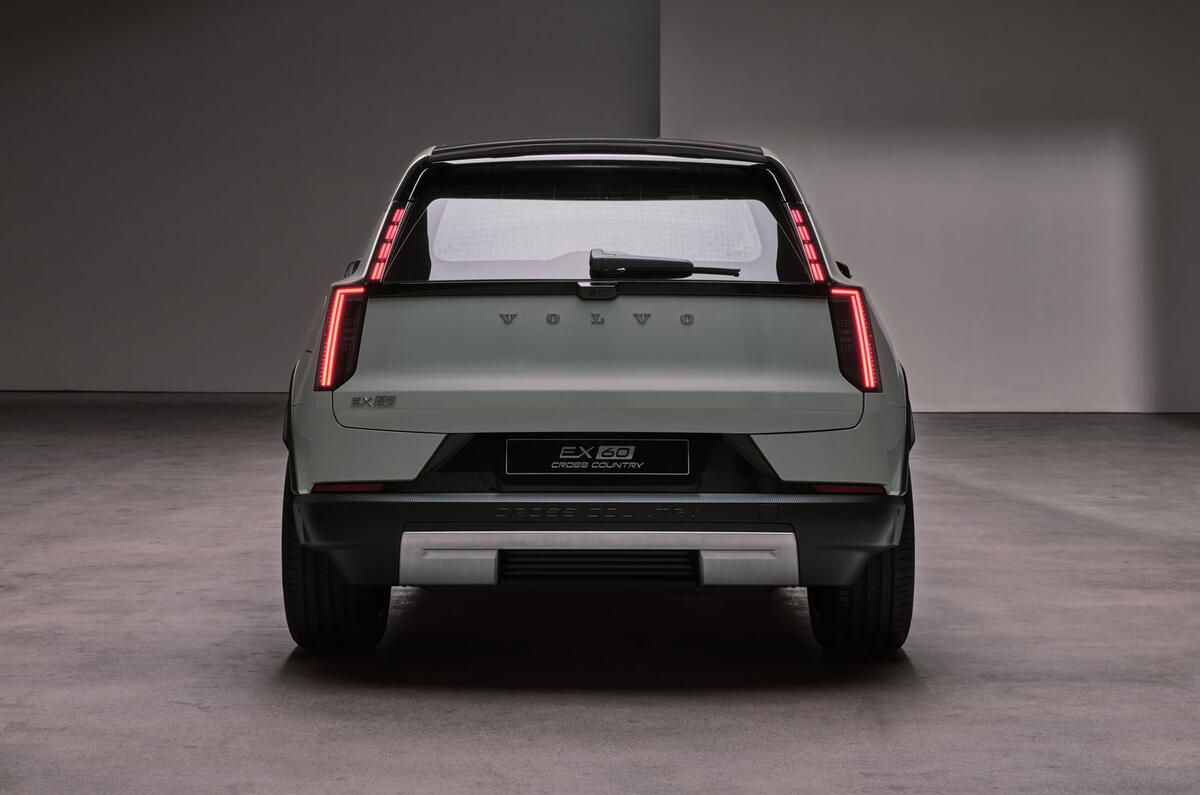
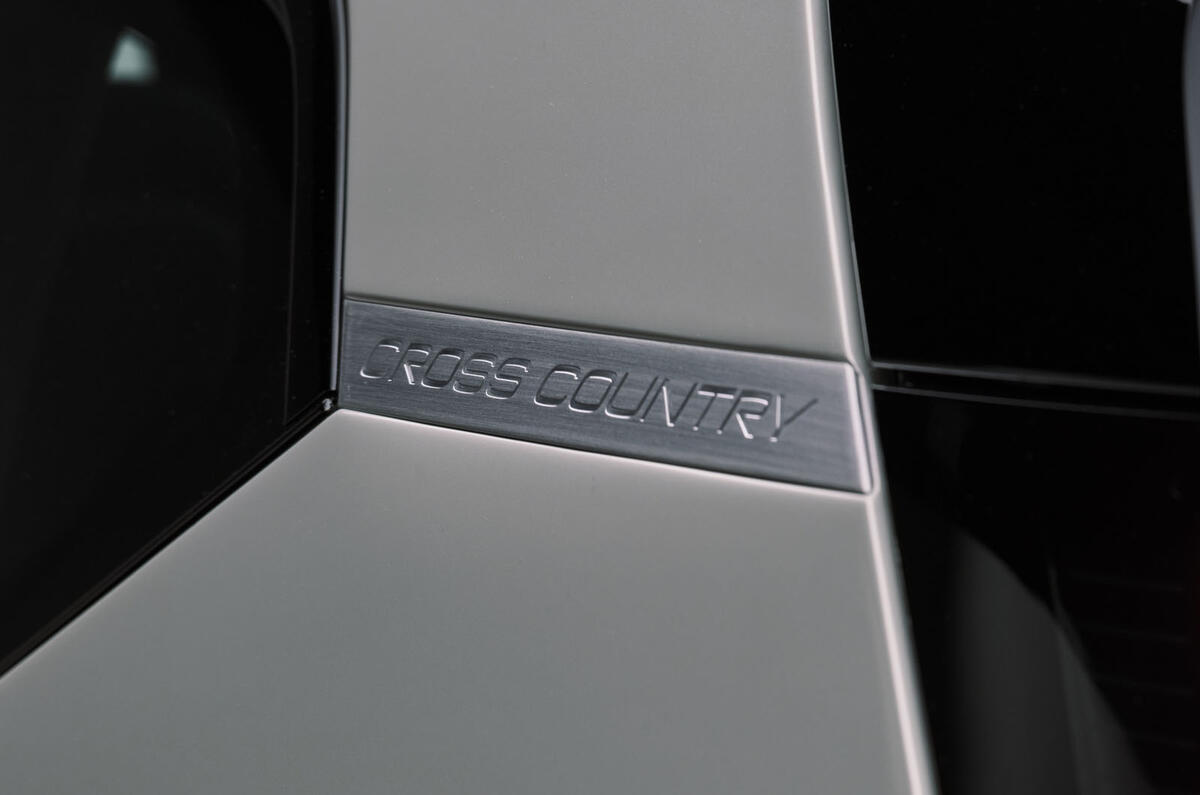
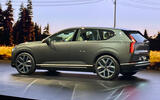
Like the EX30, the EX60 will be offered in jacked-up, off-road-ready Cross Country guise, with a bespoke wheel design, skid plates, widened arches and a 20mm suspension lift - rising to 40mm as needed on challenging terrain or lowering back down to the standard car's ride height at a cruise to boost efficiency. It also comes in a unique shade of Frost Green, inspired by Scandinavian nature.

Back to top

Otherwise, the EX60 will be offered in a simple choice of three trims – Core, Plus and Ultra – as part of a move to cut production costs and make the buying process as simple as possible.

Chief product and strategy officer Michael Fleiss explained: “We want to make sure that we have reduced variance in our product offer. That's the key of not making us more efficient and being able to offer a good price point for the cars – but also making it easier for the customer to decide and reducing wait times."

Supercar performance and huge range

The EX60 will be offered with a choice of single-motor and dual-motor powertrains, ranging in output from 369bhp in the rear-driven P6 entry variant right up to a lofty 671bhp in the P12 AWD, which is both the most powerful Volvo yet and, with an Audi RS3-matching 0-62mph time of just 3.9sec, the fastest.

The P6 takes its power from an 80kWh (usable) battery that's good for an official combined range of 620km on the WLTP cycle.

The mid-rung P10, which gets 503bhp from its two motors, boosts capacity to 91kWh and range to 410 miles while also increasing the maximum charging speed from 320kW to 370kW - making it one of the quickest-charging EVs yet launched in the UK.

It's the top-rung P12 that's capable of the headline-baiting 503 miles per charge, courtesy of a 112kWh battery pack that's among the largest fitted to a production car in Europe.

The rugged EX60 Cross Country will be offered exclusively with four-wheel drive, in line with its "go-anywhere" billing, with the 503bhp powertrain available from launch and the 671bhp option following later.

What's inside?

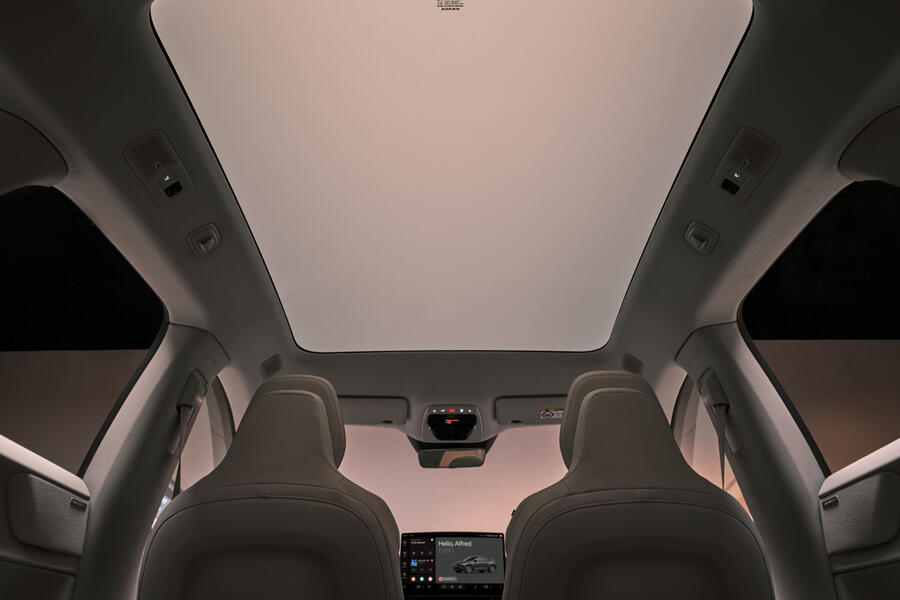
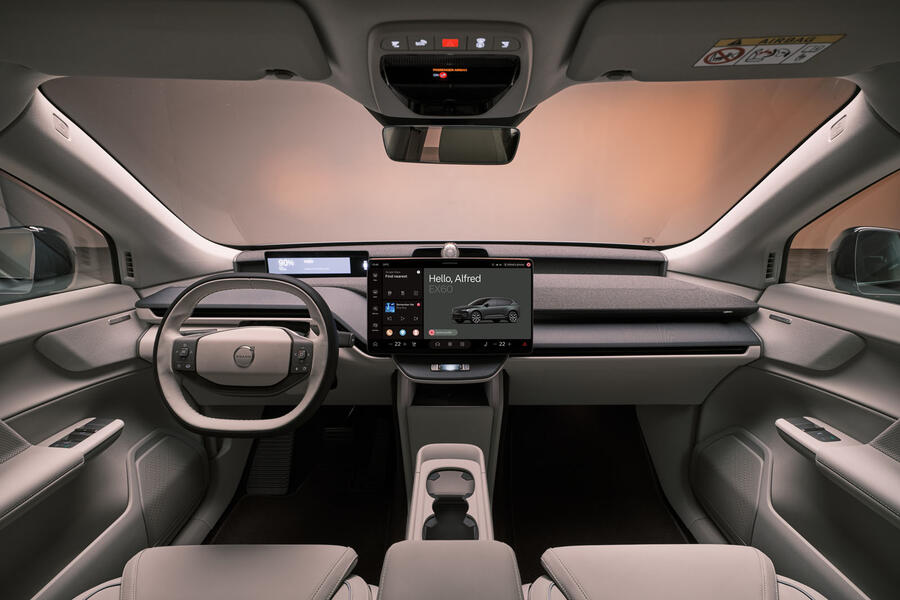
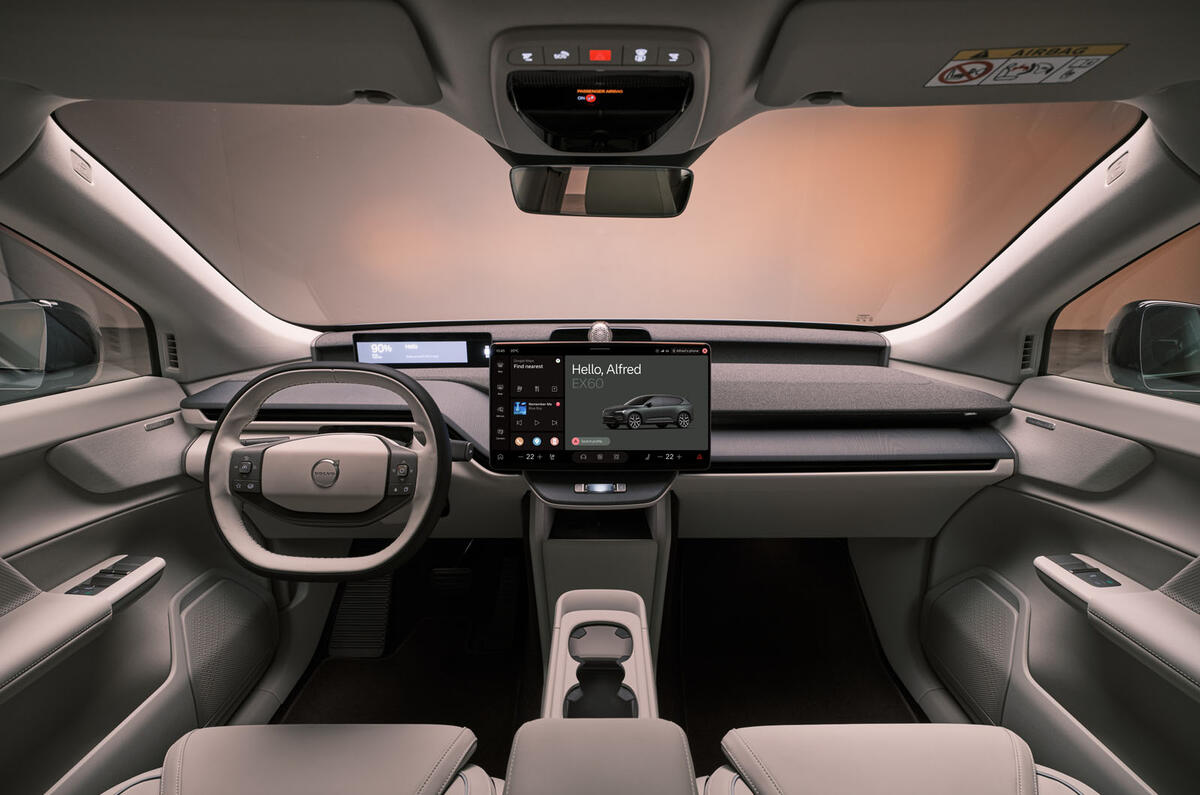
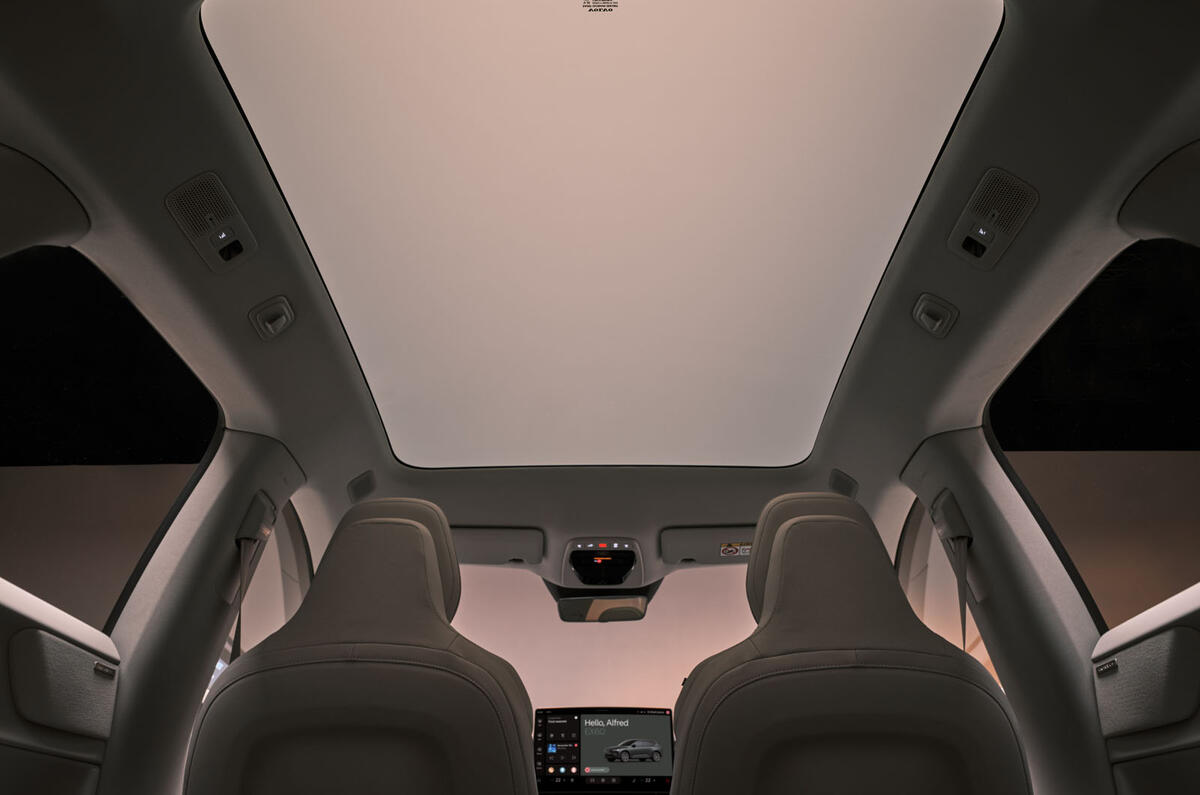
The EX60 follows its siblings in adopting Volvo's minimalist, digital-first cockpit arrangement, with its distinctive layered dashboard hosting a digital display ahead of the driver and a large central touchscreen serving as the main control interface. Physical controls feature only on the steering wheel and column stalks.

Back to top

The new model goes without a conventional toggle switch for adjusting the mirrors, for example. This omission was heavily criticised in the EX30, but Fleiss told Autocar that Volvo has been carefully monitoring feedback and is confident that the EX60 offers a suitable balance of physical and digital controls.

“"We look at customer clinics and studies to look into what controls customers want and need, and I think we found a good balance on the EX60," he said. "But let's see. In the future, we might improve that even further.

"The most important thing is that the usage is as intuitive as you can create it, so that customers don't need to bother with adjusting a lot of things.”

Asked why Volvo is continuing to move away from physical switches and buttons just as vehicle safety testing body Euro NCAP has emphasised the need for car makers to embrace simpler and more intuitive control faces, Fleiss said that touchscreens and voice control functions can actually be safer to use on the move.

"A customer or driver needs to be a little bit distracted from driving,” he explained, “because for a good driver, it becomes too boring to drive: it's too easy for the brain to drive a car if you're an experienced driver."

A car you can chat with

All of the EX60’s infotainment, driver assistance and vehicle control systems are controlled by a new-generation computing system called HuginCore, which “empowers the car to think, process and act”.

Samuelsson explained to Autocar that the system is essentially “one software stack for all cars in the future on SPA2 and SPA3 and one central computer with some controllers taking care of the mechatronics".

Capable of 50 billion operations per second, it's said to bring huge improvements in operating speed and functionality compared with the previous system – and over-the-air update compatibility means it can theoretically be kept up to date for as long as the vehicle is in service.

Back to top

"It's a platform for much faster software development and higher scale", said Samuelsson, adding that the highly publicised software issues that plagued the EX30 and EX90 following their launch are now rectified - and actually assisted the firm in ensuring this new architecture performs optimally. “The painful process of fixing that is now done, so we now have good software quality,” he said.

The EX60’s massive computing power means that Volvo has been able to integrate software partner Google’s Gemini AI platform directly into the car, rather than simply giving access to its functions through the cloud, which means it can control “more or less everything”, according to Fleiss.

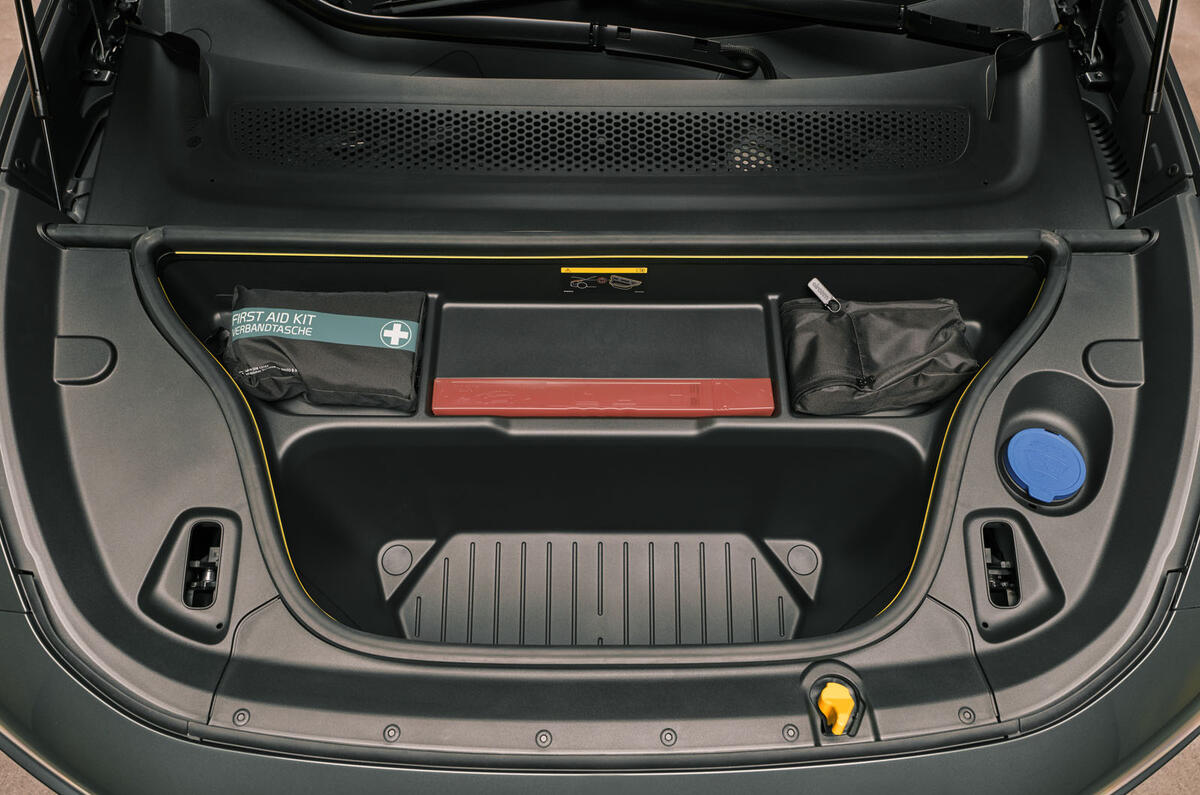
Volvo said that bringing Gemini into the car means drivers and passengers can have more "conversational" interactions with the car, rather than needing to remember specific cue words and instruction phrases. It can be used to find hotel bookings in an email inbox, for example, plan upcoming road trips or even determine whether a recently bought item will fit in the EX60's boot.

Join our WhatsApp community and be the first to read about the latest news and reviews wowing the car world. Our community is the best, easiest and most direct place to tap into the minds of Autocar, and if you join you’ll also be treated to unique WhatsApp content. You can leave at any time after joining - check our full privacy policy here.

Felix Page

Felix Page
Title: Deputy editor

Felix is Autocar's deputy editor, responsible for leading the brand's agenda-shaping coverage across all facets of the global automotive industry - both in print and online.

He has interviewed the most powerful and widely respected people in motoring, covered the reveals and launches of today's most important cars, and broken some of the biggest automotive stories of the last few years. 

Join the debate

Comments
3
Add a comment…
Andrew1 21 January 2026
Like like a really great car. If anything, I don't like the front end. It's missing the upright grille which gives ICE Volvos their elegance and upright stance.

More importantly, the big range version, P12, is dual motors and 0-62 in 3.9s. You can only have the single motor version with the smallest battery. That seems daft.

As far as I understand there will be a single motor iX3 later on, with even bigger range, maybe that will make Volvo add a P8 version (maybe that's why they skipped the 8).

xxxx 21 January 2026

With every model illitaration they seem to be just that little bit less Volvo, without the badge it could be a Subaru, Kia take your pick.

tuga 21 January 2026
Extremely disappointed by the interior. Not only by the practicality issue with the lack of physical buttons, but also because it just doesn't look as good as old Volvos used to.
And that " drivers need to be less distracted with driving thing " is such a huge cop out. You know what's distracting? Needing something in the car and not being able to do it.

Also, considering how " all-new " this car seems to be, Volvos recent history, and the "we'll see if there are upgrades in the future re: buttons " comment, might not be a bad idea to wait for a bit before actually buying one. At the very least, a year. ' Cos this whole thing sounds very " Beta-tester " to me.