
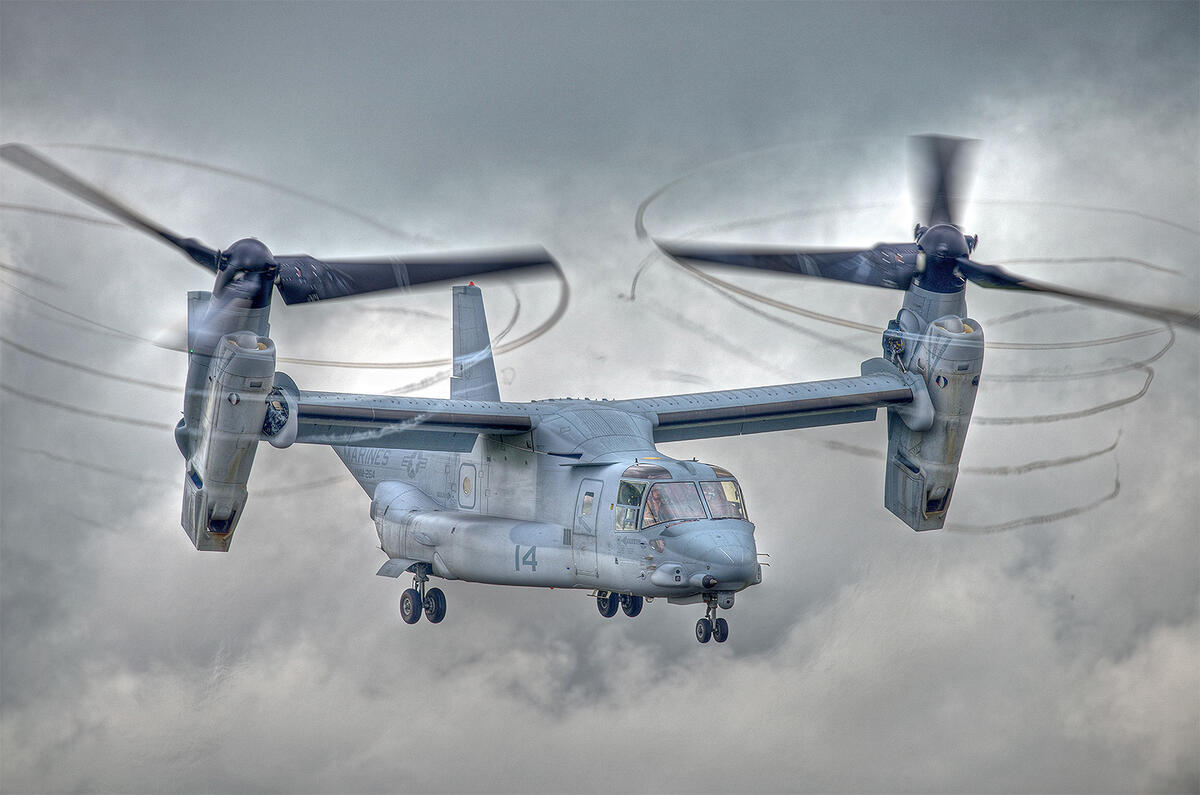

Aircraft are fundamentally a weird thing, and only a commonplace sight to (some of) those born in the last hundred years.
But overexposure to the Boeing and Airbus aircraft we see flying over every day makes us forget just how odd some aircraft are. Thankfully, there are aircraft flying today so weird that we are reminded to look skyward and refresh our wonder. Here are the 10 Weirdest Aircraft Flying Today:
10: Lockheed Martin X-59 QueSST
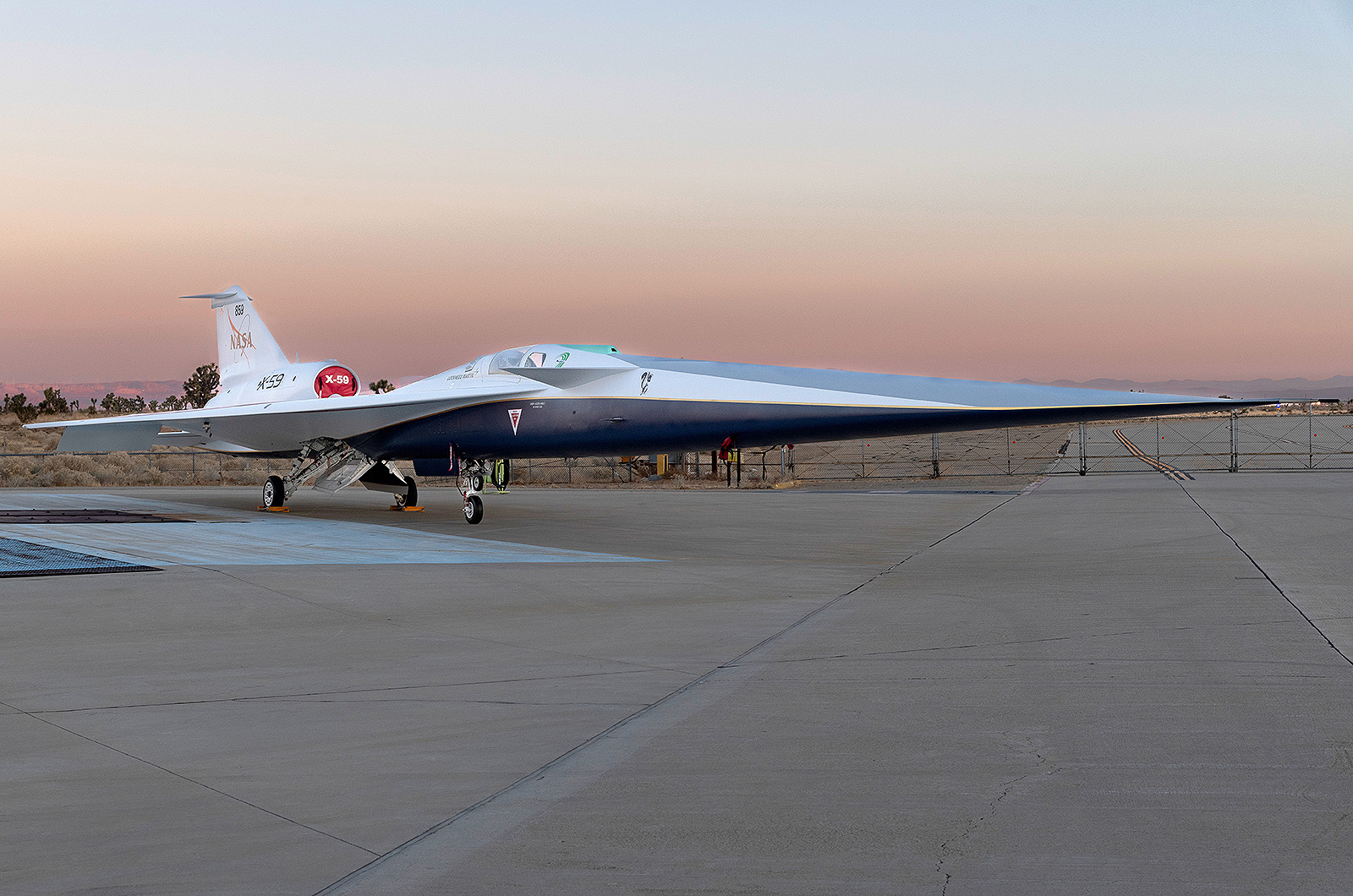
A strange, spindly aircraft developed in Lockheed Martin’s secretive Skunk Works, flew for the first time in October 2025. But why? It’s all about the double boom. Other than a tiny number of Concordes (and Tu-144s), airliners have not increased in speed since the 1960s. A major obstacle to the supersonic airliner is noise.
An aircraft travelling at the speed of sound (around 760 mph at sea level) produces a loud sonic boom. This intrusive boom is banned overland. When a plane exceeds Mach 1, it compresses the air ahead of it and generates shock waves. Our ears perceive this as a loud boom. Instead of dissipating, these waves merge into the characteristic double boom of supersonic aircraft.
10: Lockheed Martin X-59 QueSST
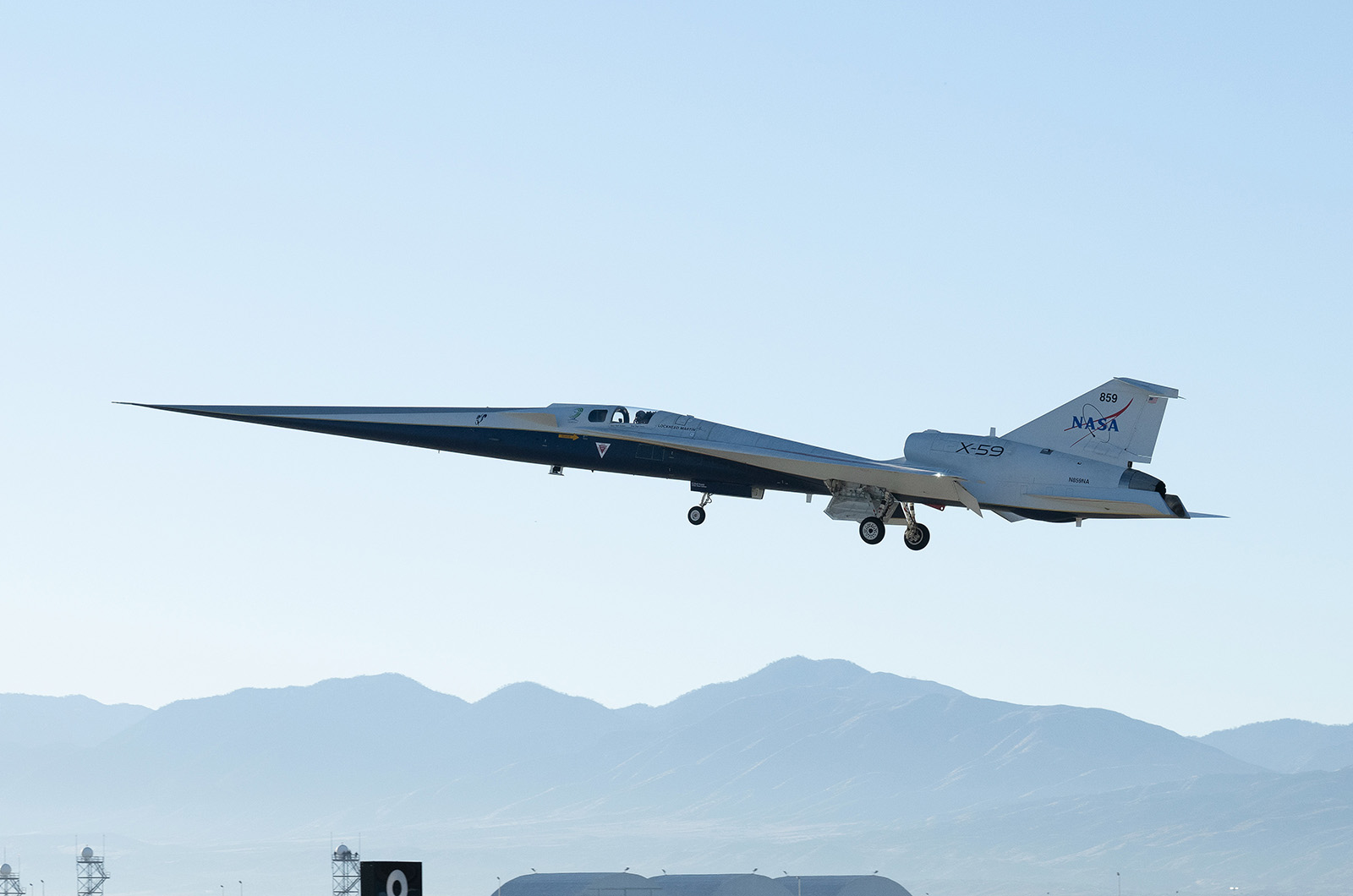
This overland ban severely limits the commercial potential of supersonic airliners—but what if this boom could be drastically reduced? The X-59’s bizarrely elongated nose, slender fuselage, engine placement, and carefully sculpted shape spread the shockwaves more evenly (by minimising and redirecting them).
NASA’s X-59 QueSST (a low-boom demonstrator) made its first flight on October 28, 2025. It is hoped that when it flies supersonically, it will produce a single “thump” rather than a loud double boom. It is not an airliner but a technology demonstrator that could one day lead to a new generation of slender, narrow-body supersonic aircraft.
9: Hybrid Air Vehicles Airlander 10
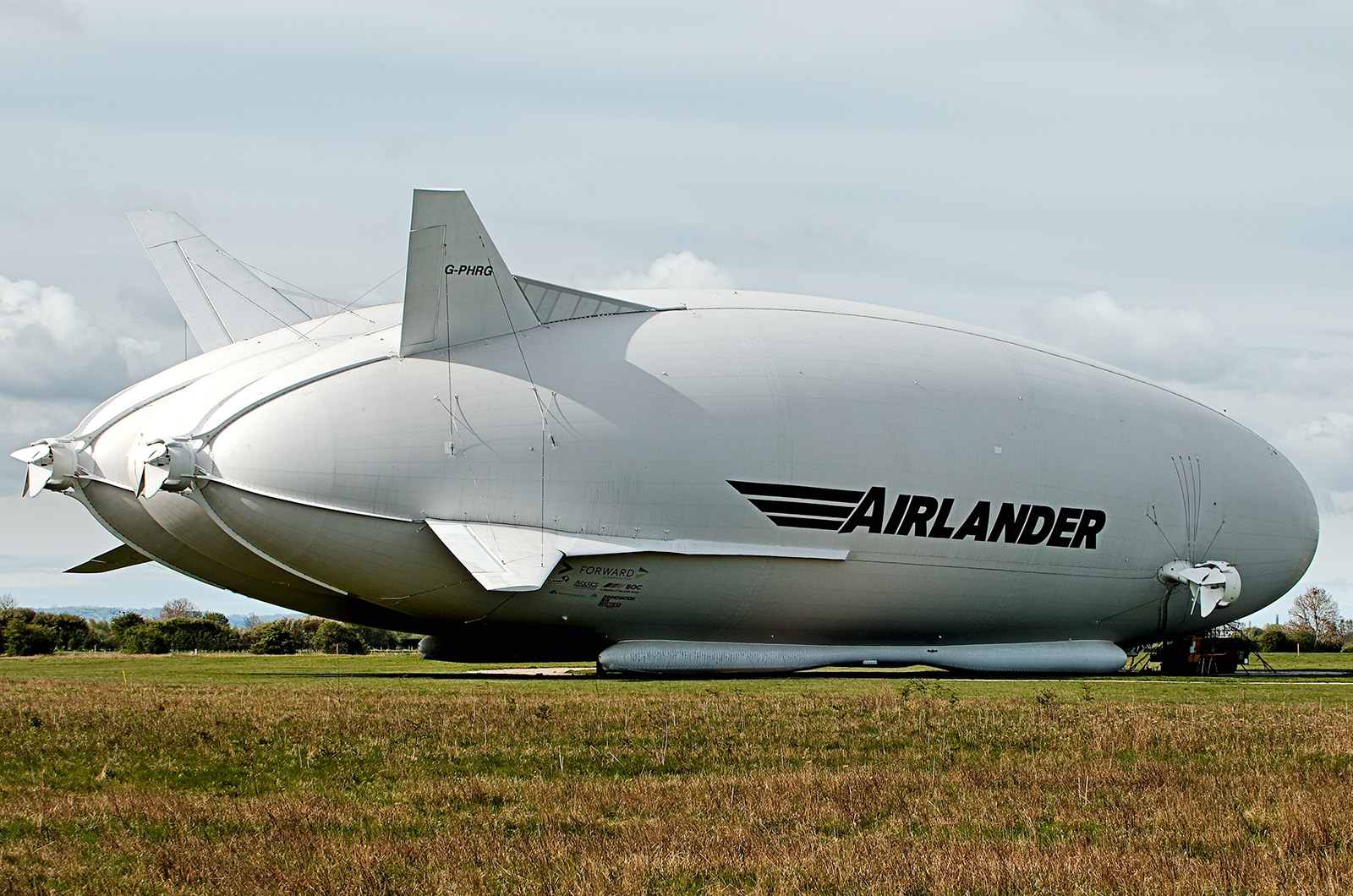
The Hybrid Air Vehicles Airlander 10 is unlike anything else in the sky. At almost 100 metres long, this immense and rather curious aircraft inevitably attracts attention for both its size and its eccentric silhouette.
In reality, the Airlander 10 is a hybrid airship, combining characteristics of lighter-than-air craft with features more commonly associated with fixed-wing aviation. Its helium-filled hull provides buoyant lift, while its broad, flattened body generates additional aerodynamic lift as it moves forward. Four propellers driven by diesel engines give it the ability to cruise steadily while carrying substantial loads.
9: Hybrid Air Vehicles Airlander 10
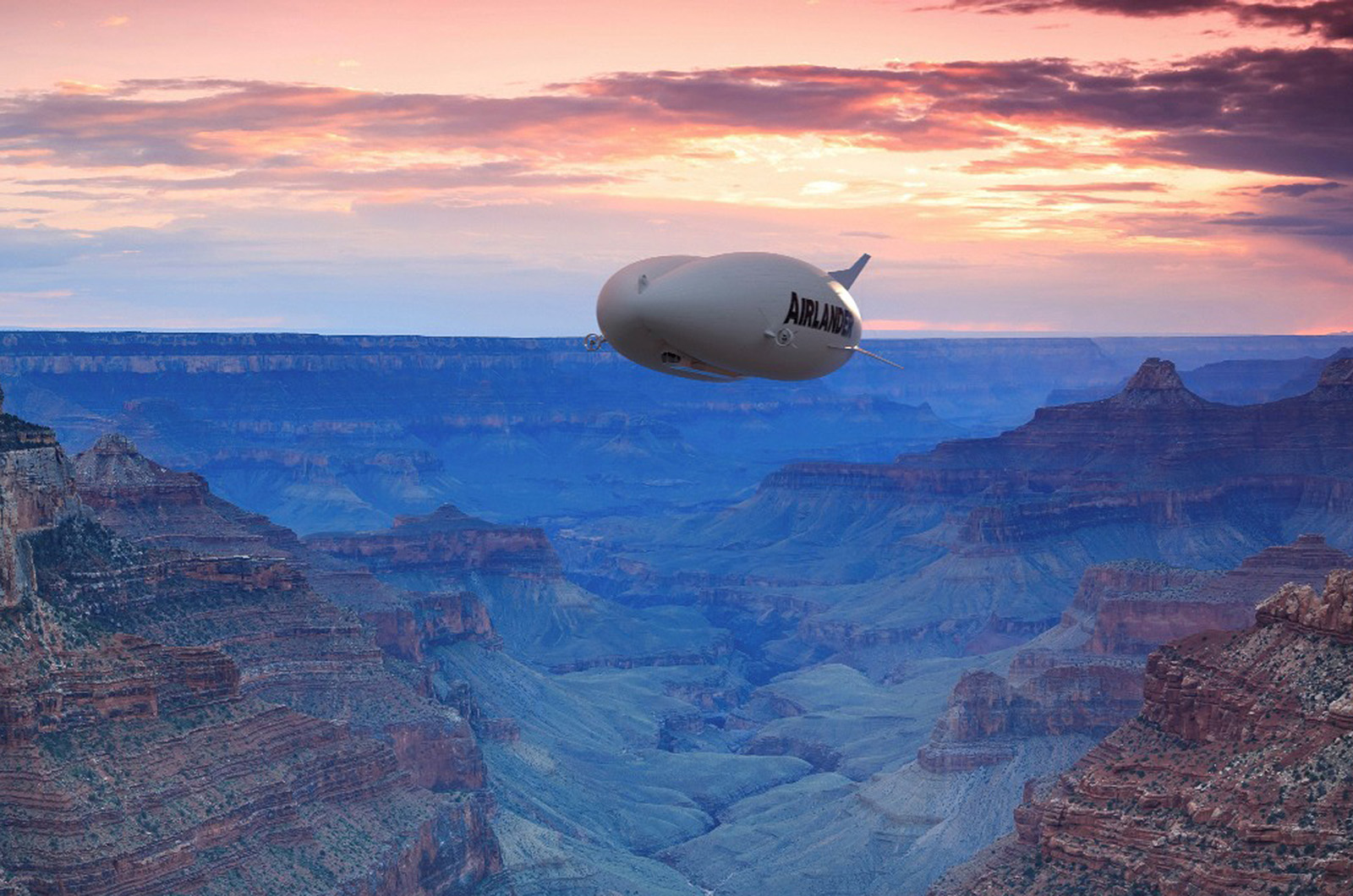
By blending aerostatic and aerodynamic lift, the aircraft can operate far more efficiently than most conventional aeroplanes. Its design also enables it to remain airborne for extended periods, making it suitable for passenger travel, cargo transport, surveillance roles, and even scientific research. Flexible landing skids allow it to operate from grass, water, ice, or unimproved terrain.
The Airlander’s origins lie in the HAV 304 prototype, which first flew in 2012 for the US Army’s LEMV programme. After that project ended, Hybrid Air Vehicles brought the craft back to the UK, re-engineered it as the Airlander 10, and conducted test flights in 2016–17. Certification work has advanced steadily, with the company aiming for commercial operations later this decade.



Add your comment