
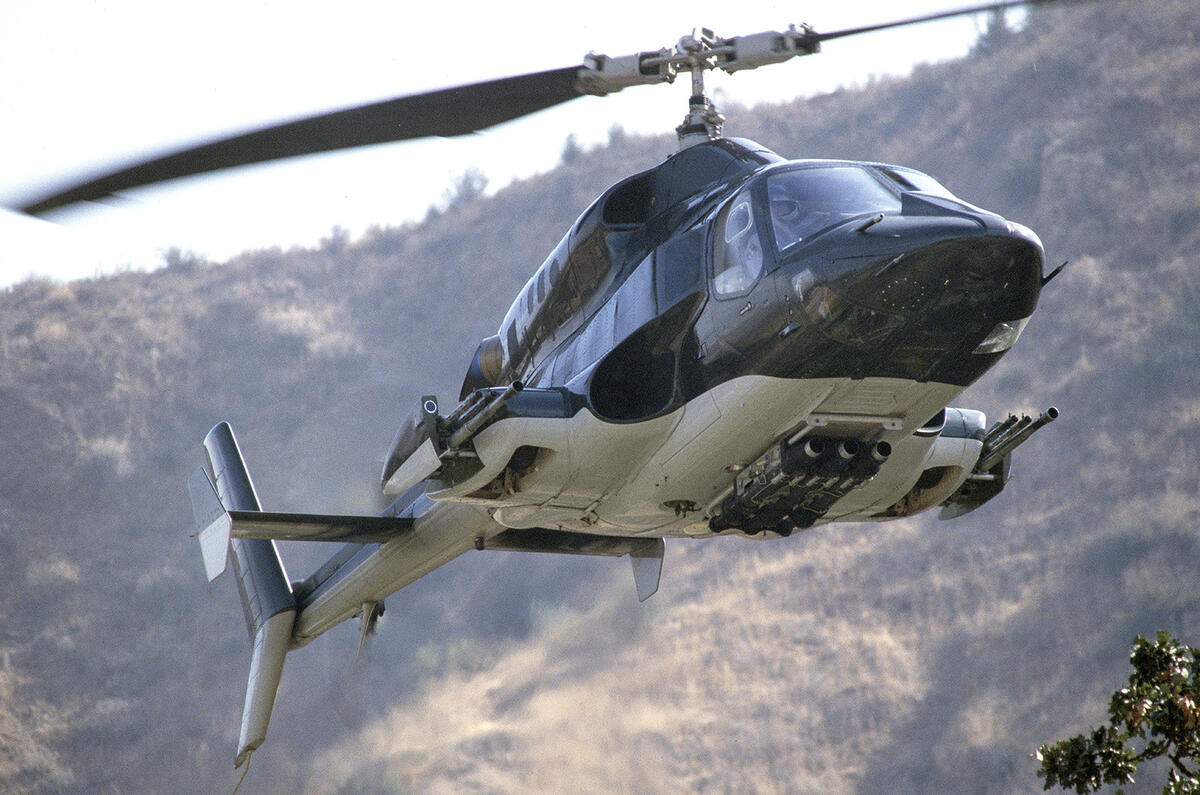

There’s something undeniably thrilling about seeing real planes and helicopters fighting in the skies on television or in film.
But what happens when producers can’t get their hands on the exact aircraft they want? That’s when aeroplanes become true “flying actors”, stepping into roles as exotic enemy fighters, high-tech helicopters, or even fantastical sci-fi machines. With clever modifications, prosthetic add-ons, and imaginative paint schemes, these airborne stand-ins often steal the show—capturing viewers' imaginations and becoming just as beloved, or even more beloved, as the human stars on screen. Let’s take a look:
9: Hispano Aviación HA 1112 Buchón - Me 109
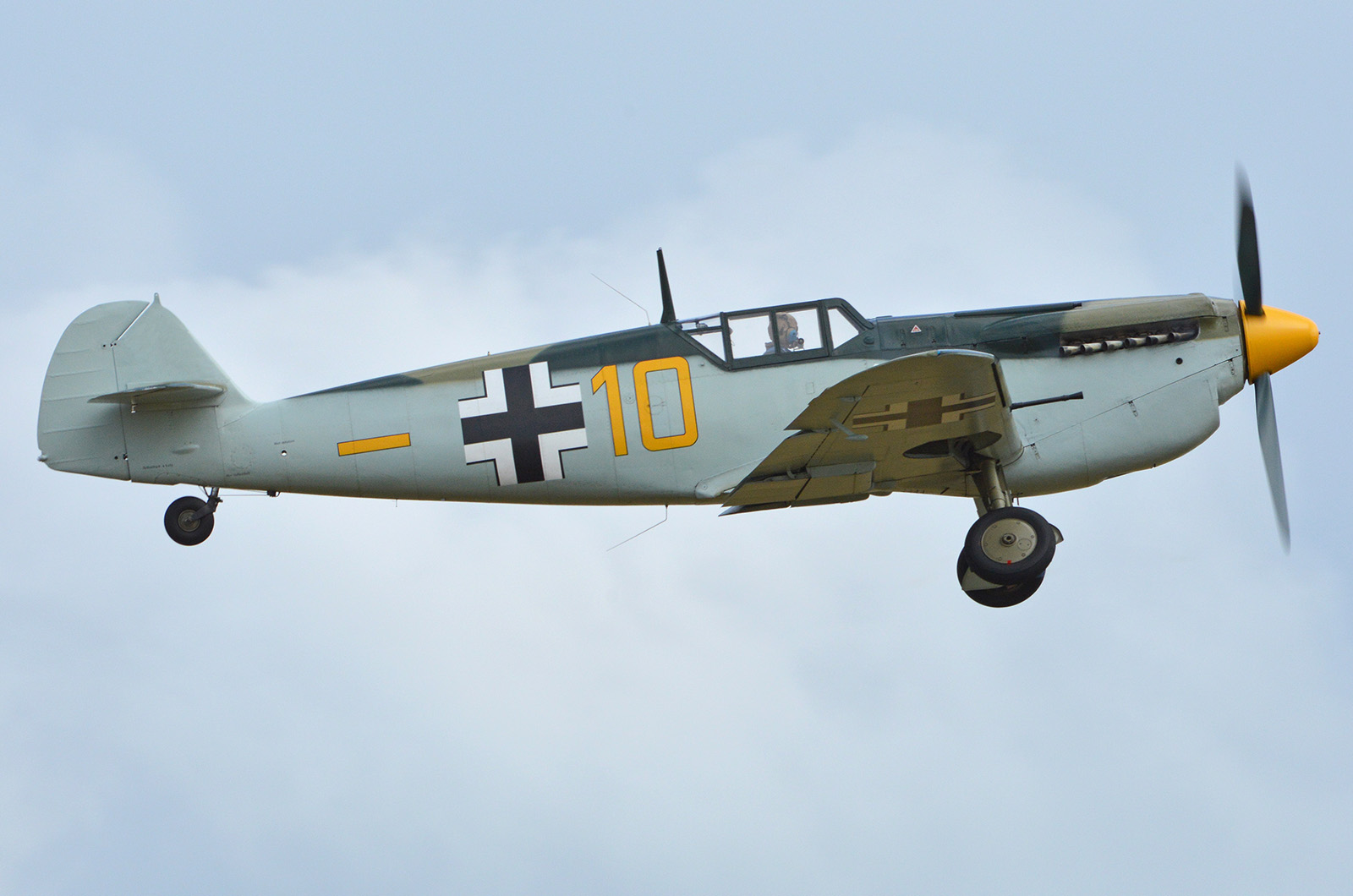
The Hispano Aviación HA 1112 Buchón was a Spanish post‑Second World War derivative of the Messerschmitt Bf 109, widely used in films to represent wartime Luftwaffe fighters. Genuine Bf 109s were rare, so directors relied on Buchóns for their overall resemblance, particularly the fuselage lines and canopy shape, making them convincing stand-ins despite minor differences.
Most Buchóns used in cinema were fitted with Rolls‑Royce Merlin engines rather than the original Daimler‑Benz of the Bf 109, giving a distinctive chin intake and different exhaust arrangement. Filmmakers cleverly disguised differences with dummy armament, squared-off wingtips, tailplane struts, and appropriate paint schemes, while careful camera angles further hid the engine’s characteristic profile.
9: Hispano Aviación HA 1112 Buchón - Me 109
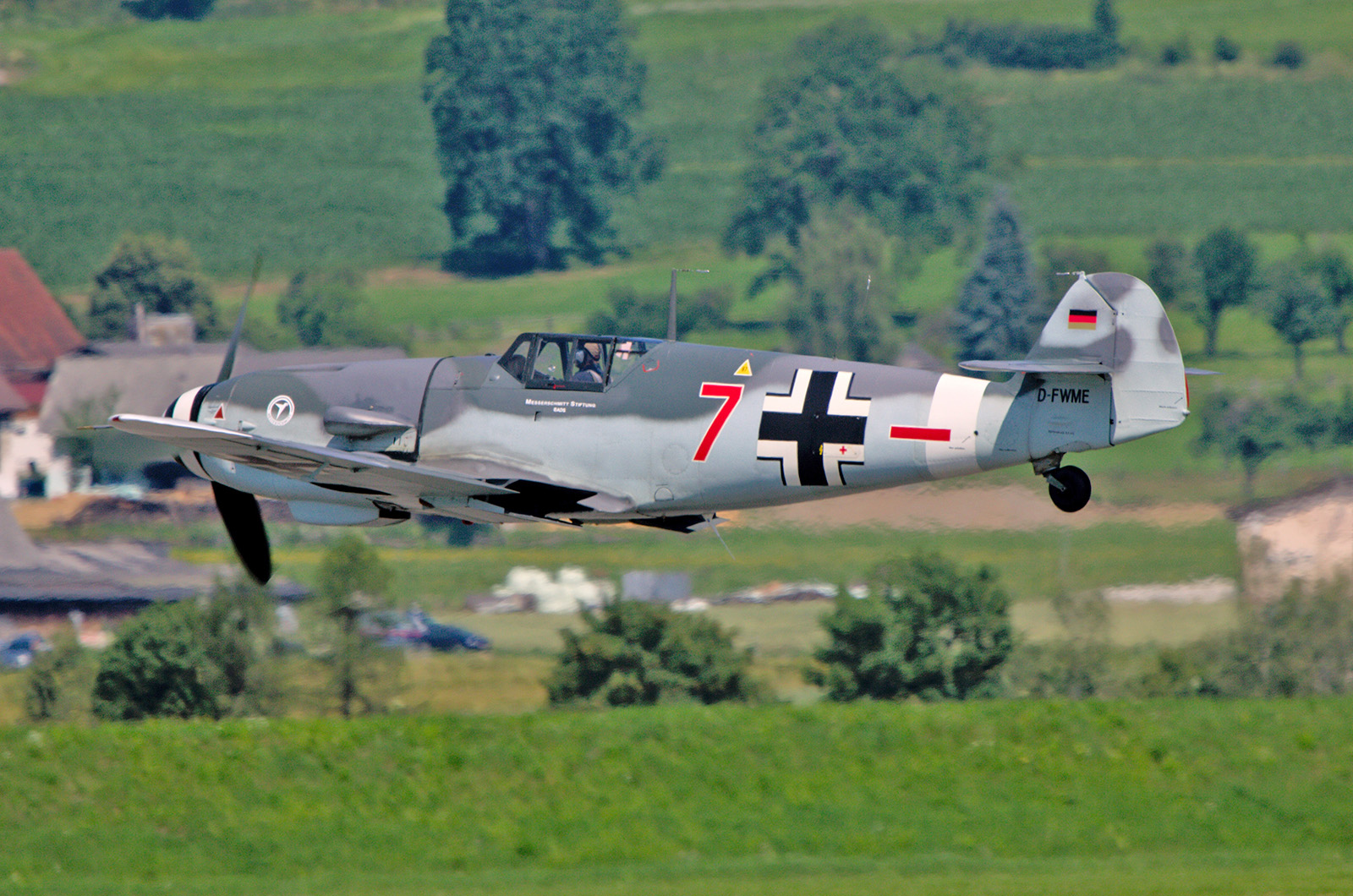
Buchóns featured in numerous productions, most famously in Battle of Britain (1969), where a fleet of these aircraft portrayed Luftwaffe fighters, and some were even painted as Hurricanes when originals were unavailable. Other appearances include Der Stern von Afrika (1957), Piece of Cake (1988), Memphis Belle (1990), A Perfect Hero (1991), The Tuskegee Airmen (1995), Over Here (1996), Pearl Harbor (2001), Dunkirk (2017), and SAS Rogue Heroes (2022).
The use of the Buchón demonstrates how filmmakers balanced historical authenticity with practicality. By adapting a post‑war Spanish aircraft, they recreated the iconic Bf 109 for audiences, preserving the visual legacy of one of the Second World War’s most famous fighters using what was essentially the same aircraft, if modified.
8: Folland Gnat / Oscar EW 5894
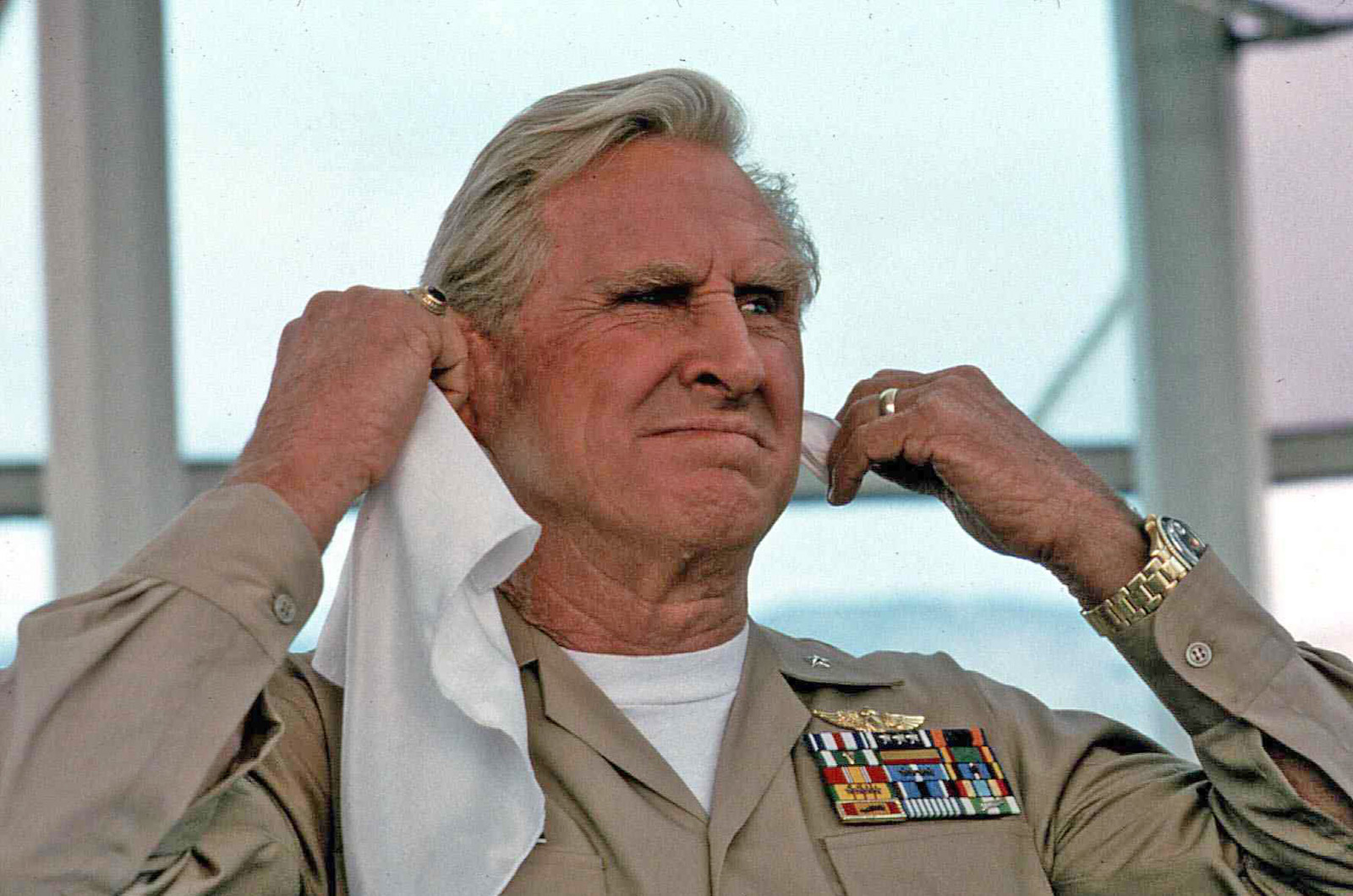
The Folland Gnat was a British light jet first flown in 1955 and later developed into a two‑seat trainer used by the Royal Air Force and also its acrobatic team, the Red Arrows. It was compact, agile, and relatively inexpensive to operate compared with larger fighters, making it ideal for training roles.
In the 1991 parody Hot Shots!, Folland Gnats and at least one HAL Ajeet portrayed the fictional “Oscar EW 5894 Tactical Fighter Bombers” flown by the US Navy characters. These jets wore mock markings for comic effect, and carried fake rocket pods.
8: Folland Gnat / Oscar EW 5894
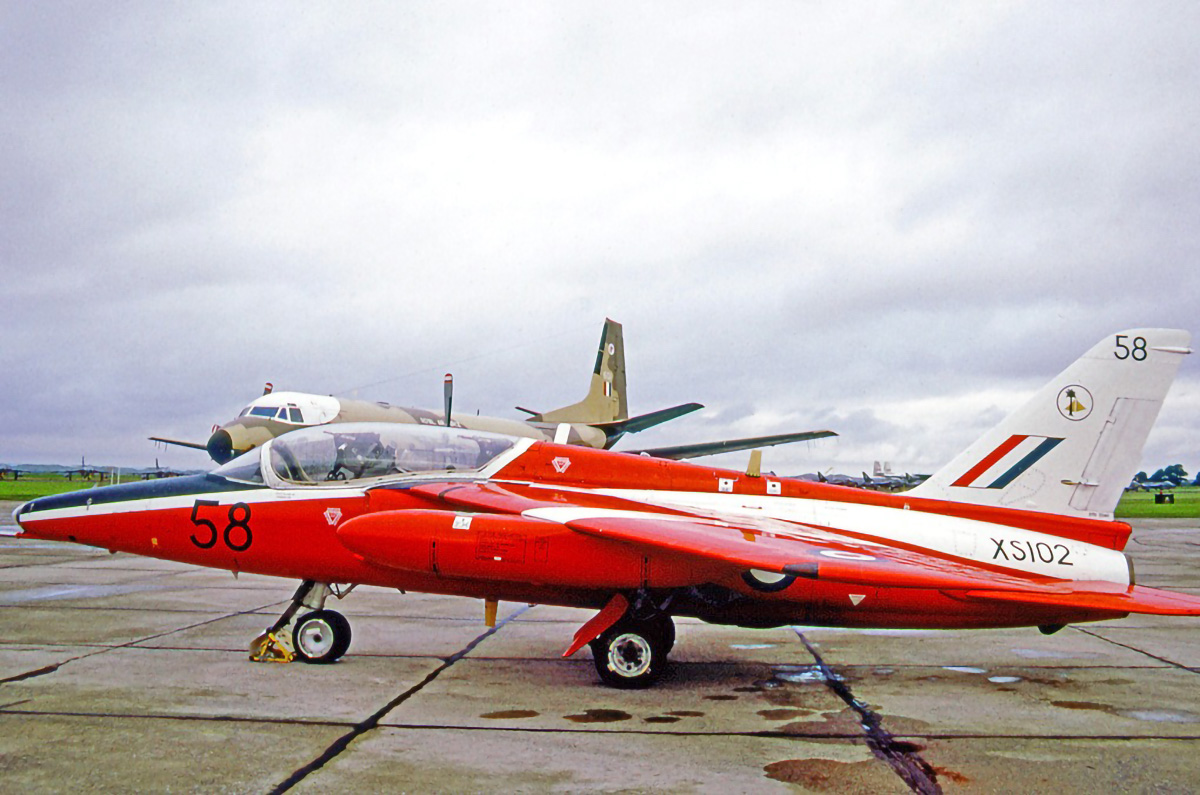
For the film, the aircraft were visually modified with American style paint, insignia, and props to resemble frontline fighters, with some shots using ground‑based mock-ups and careful camera work rather than high‑speed military jets. Practical effects and limited footage emphasised humour over realism.




Add your comment