Currently reading: Top 10: British fighter planes we totally forgot about

Top 10: British fighter planes we totally forgot about

For every Spitfire and Hurricane, dozens of British fighter aircraft remain hidden in the shadows, neglected by popular history.

Some of these were brilliant, some were terrible, and some were just unlucky. Of course, forgotten is a subjective term, and you may know some or even all of them. They are all fascinating designs that cast light on the whole dramatic story of the British fighter plane:


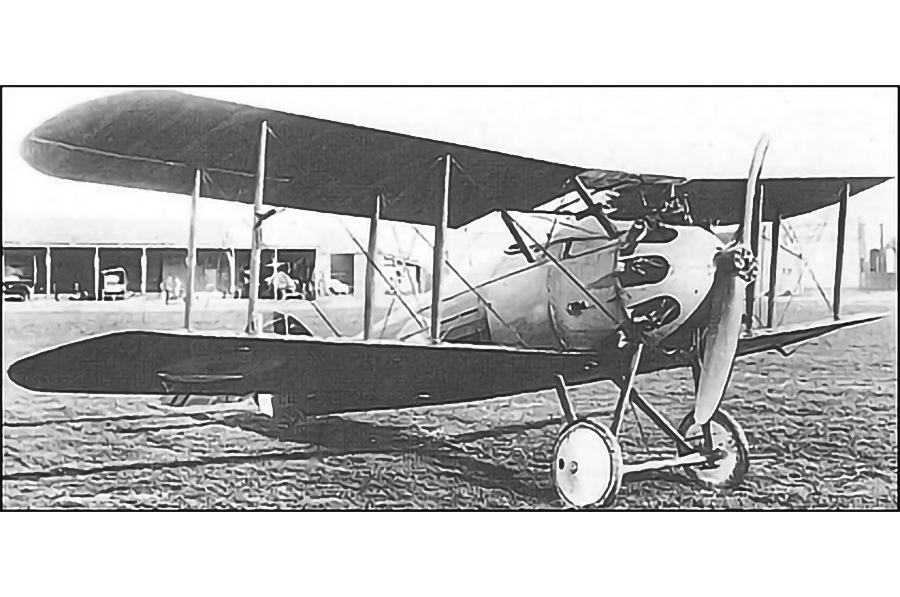
10: Bristol M.1 Monoplane Scout
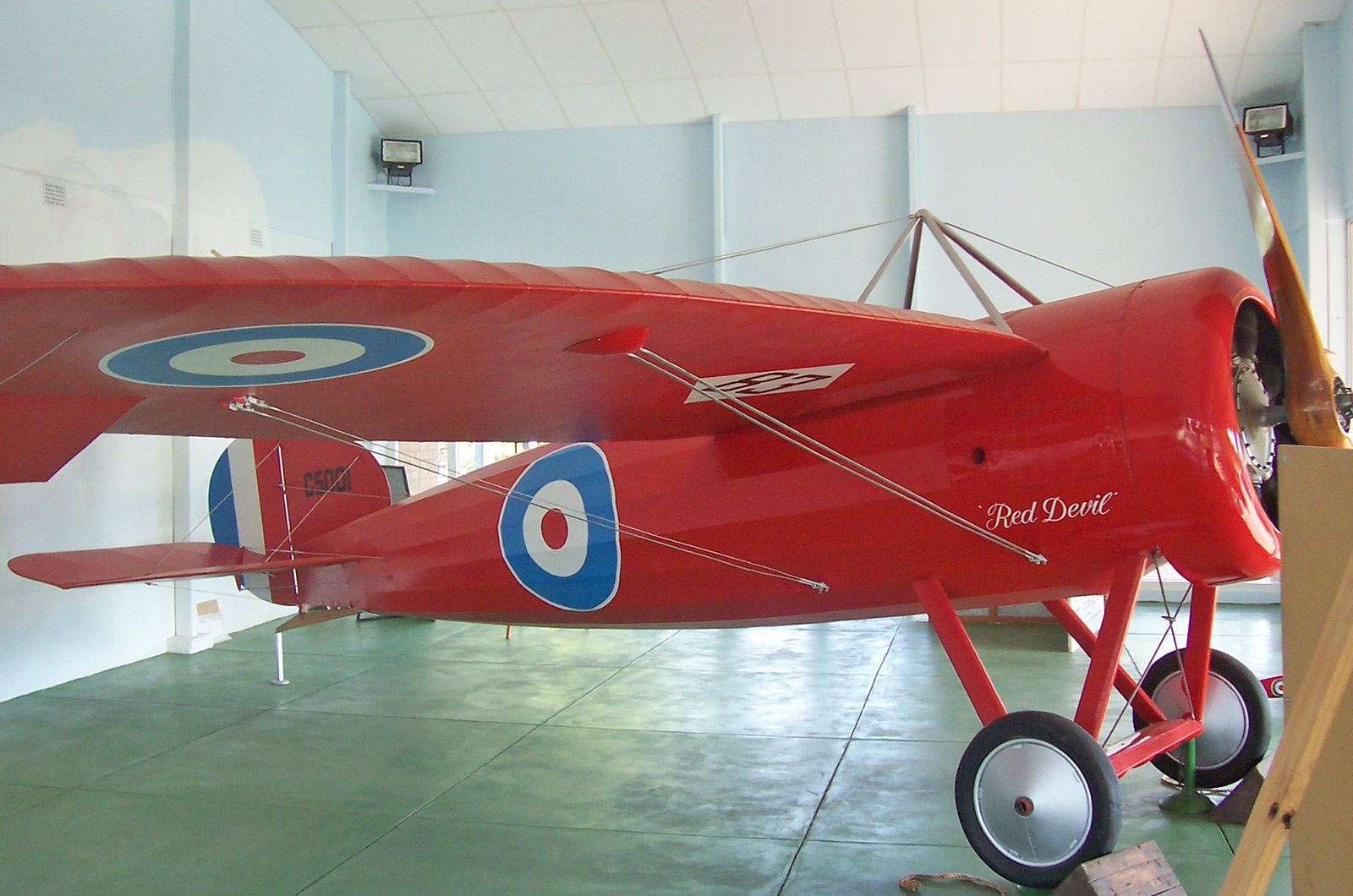
 Bristol M.1 Monoplane Scout

This excellent, exceptionally clean, monoplane fighter had its chance to fight curtailed by an overly cautious War Office, spooked by some pre-war crashes involving monoplanes. Monoplanes were banned, and even after the German Eindecker scout series had proved the effectiveness of the monoplane in 1915, it was still a struggle for the concept to gain acceptance.

This didn't deter Frank Barnwell, a Scottish aeronautical engineer, from persisting with the M.1 monoplane. Heavy losses on the Western Front lent urgency to the development of an aircraft of superior performance. The M.1 proved capable, but the War Office was nervous of its high landing speed of 49 mph and monoplane configuration.


10: Bristol M.1 Monoplane Scout
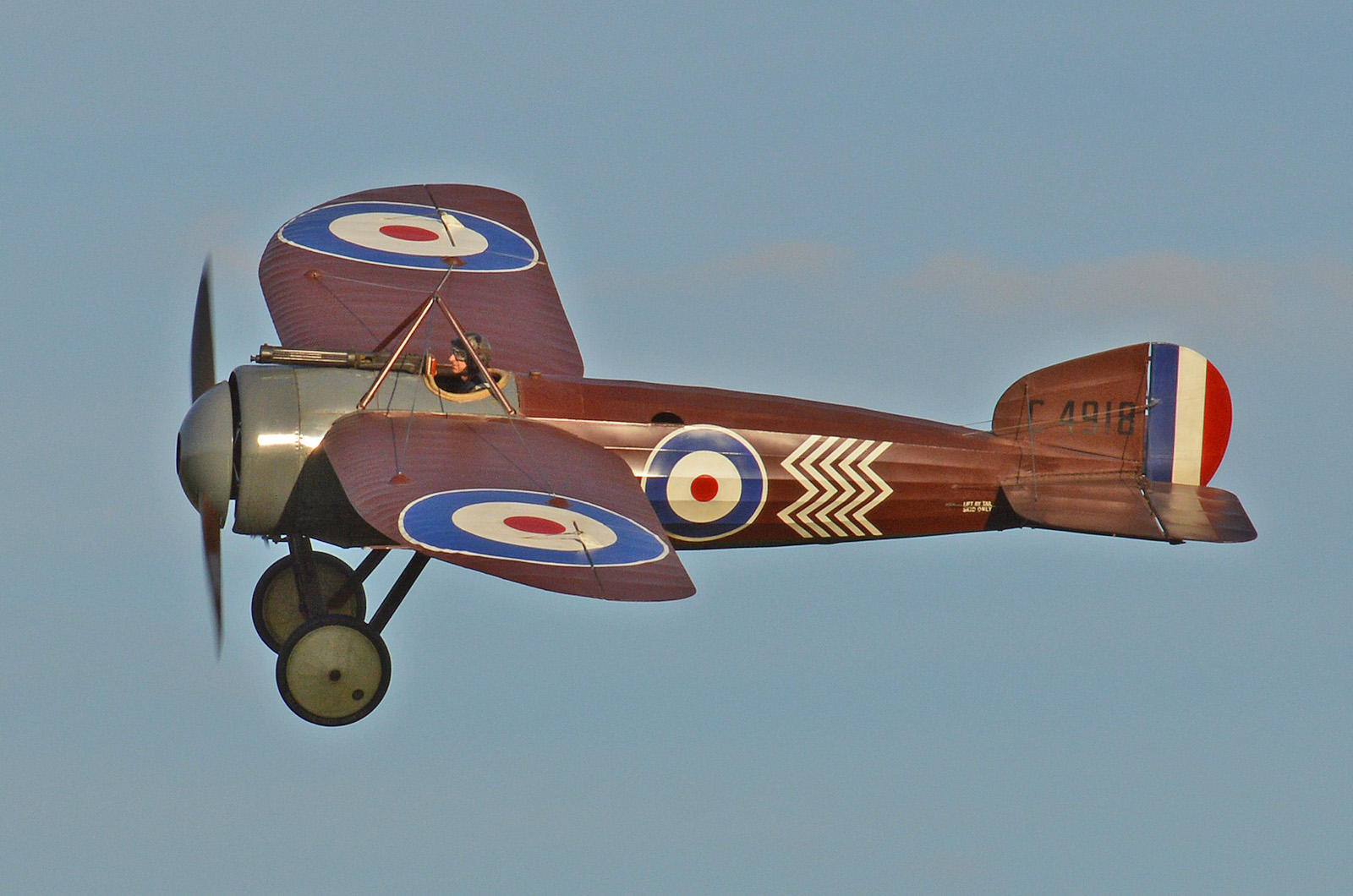
 Bristol M.1 Monoplane Scout

Royal Flying Corps pilots on the Western Front were impatient to receive the new aircraft, but things progressed more slowly than expected. Rumours abounded that another reason for its protracted delivery was an embarrassing crash by a senior officer of one of the prototypes, relating to the high landing speed.

Only 125 aircraft were built and were relegated to training roles in England, as well as service in Palestine and the Balkans. No. 14 and No. 111 Squadrons based at Deir-el-Belah, Palestine, flew the aircraft from 1917. It survived a brief time in the new Royal Air Force before being retired in 1919.


9: Westland Whirlwind
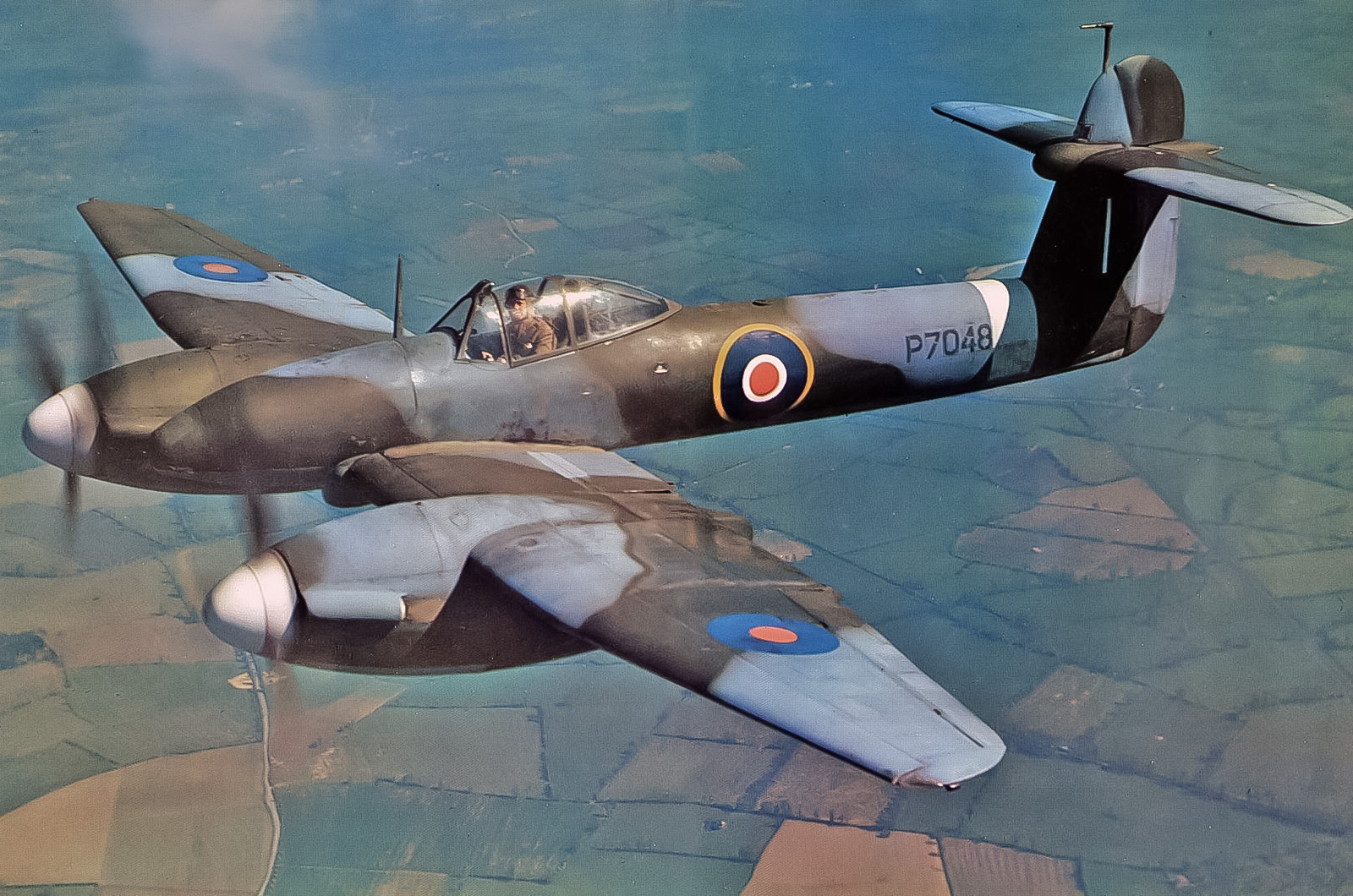
 Westland Whirlwind

In many ways an advanced and ingenious design, the sleek twin-engine Westland Whirlwind was one of the fastest and best-armed fighters of its generation. Powered by two Rolls-Royce Peregrine engines and armed with four nose-mounted 20-mm cannon, this compact fighter first flew in 1938.

The extremely capable ‘Teddy’ Petter designed the Whirlwind. However, the project was seemingly cursed. Early technical issues arose with the proposed Oerlikon guns, as well as with the replacement weapons, the 20-mm Hispano, which necessitated a redesign of the Whirlwind, and problems with engine deliveries.


9: Westland Whirlwind
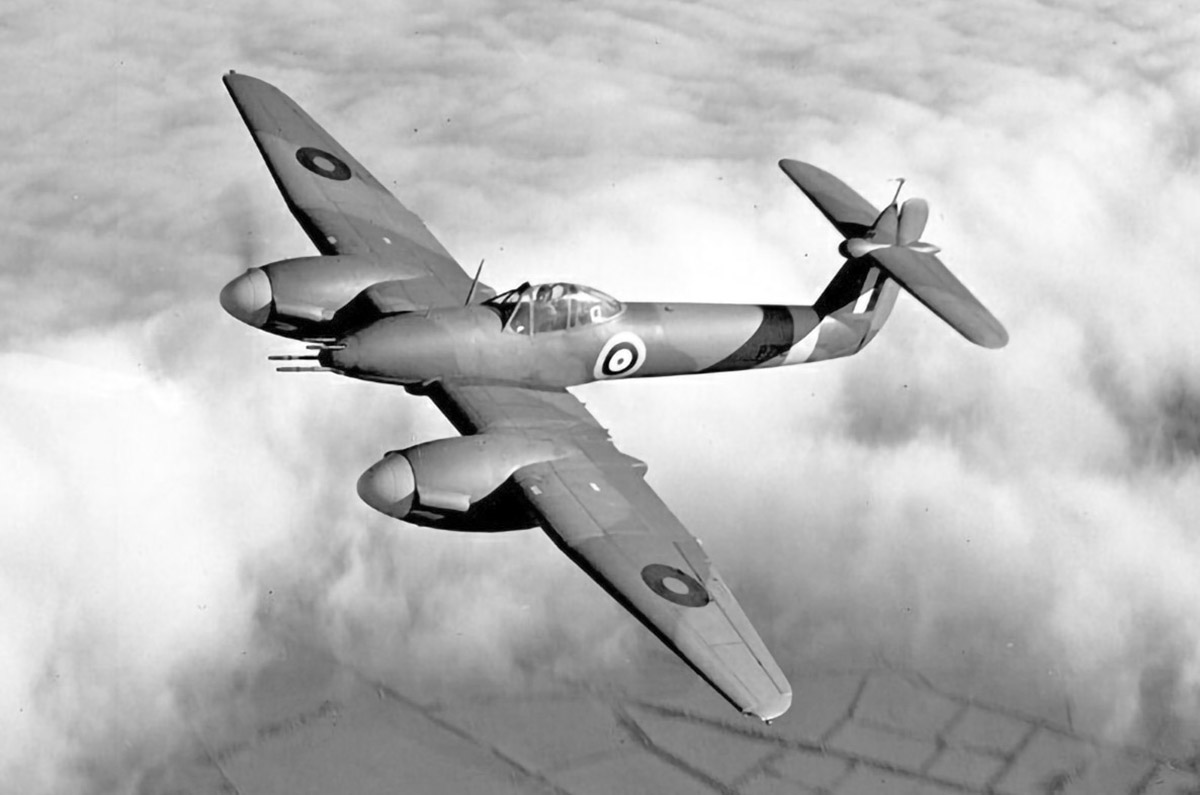
 Westland Whirlwind

As a light fighter-bomber armed with 250- or 500-lb bombs, the Whirlwind was effective, proving itself in sweeps of the Channel coast and France. Despite the design's great promise, only 114 were built, and it was withdrawn from service in 1943.

There were several reasons the Whirlwind was not built in greater numbers. One reason was the discontinuation of its power plant, which led to a general concentration of effort and resources on the Merlin. Another reason was the availability of more manoeuvrable, easier-to-maintain single-engine fighters. The fact that the aircraft was too small to be easily converted into a radar-equipped two-seat night fighter also counted against this potentially world-beating fighter.


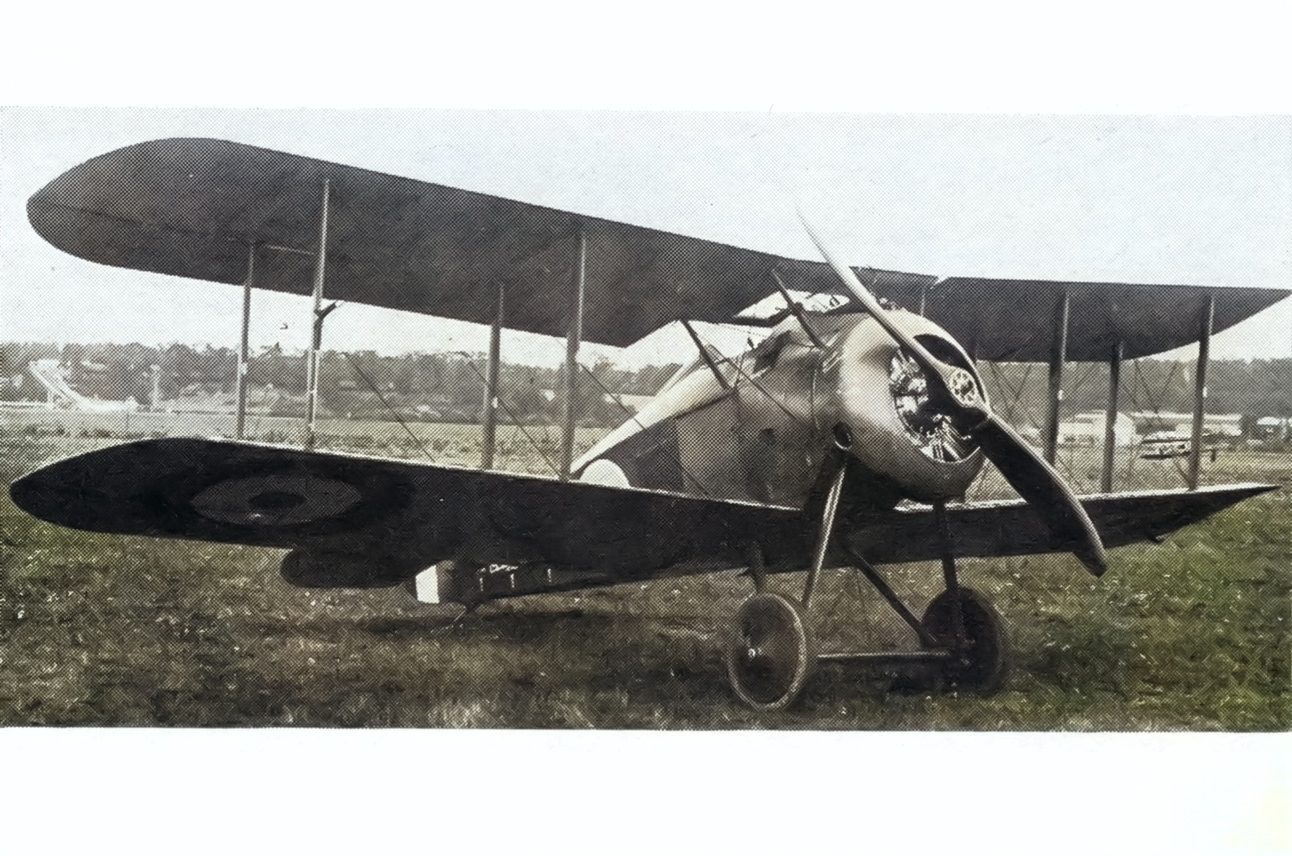
8: Sopwith Dragon
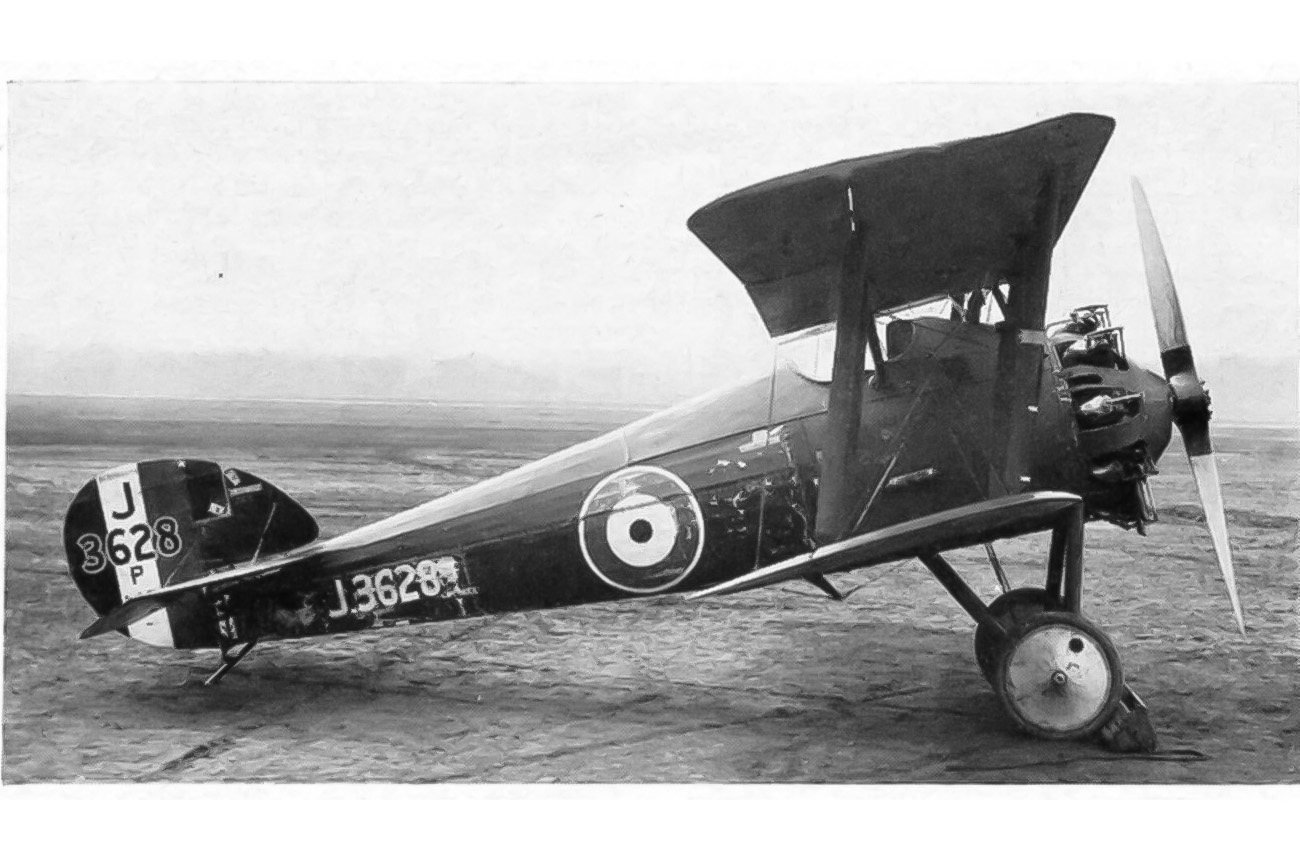
 Sopwith Dragon

Back to top

When the final Sopwith Snipe prototype was tried with a powerful 320-horsepower ABC Dragonfly I engine in 1918, the results were spectacular. Sopwith realised they were onto a winner and designed a Snipe to carry the even more powerful 360-horsepower Dragonfly IA.

It first flew in 1919. The Dragon enjoyed a blistering top speed of 150mph at sea level. Even with full fuel and ammunition, it could also reach an impressive 25,000 feet. It was capable of a climb to 10,000 feet in seven and a half minutes, an astonishment climb rate for the time.


8: Sopwith Dragon
 Sopwith Dragon

Armament was two synchronised .303 Vickers machine guns on the upper side of the nose. An order for 300 Snipes had been signed in October 1918 and was changed a month later to cover 300 Dragons. Everything was rather promising until it became apparent that the engine was a total disaster.

Though much faith was put in the Dragonfly engine, it was unreliable, prone to overheating, vibration, and catastrophic mechanical failures. Perhaps two hundred Dragon airframes were built, but only around six aircraft had their engines fitted. The Sopwith Dragon never reached a Royal Air Force squadron.


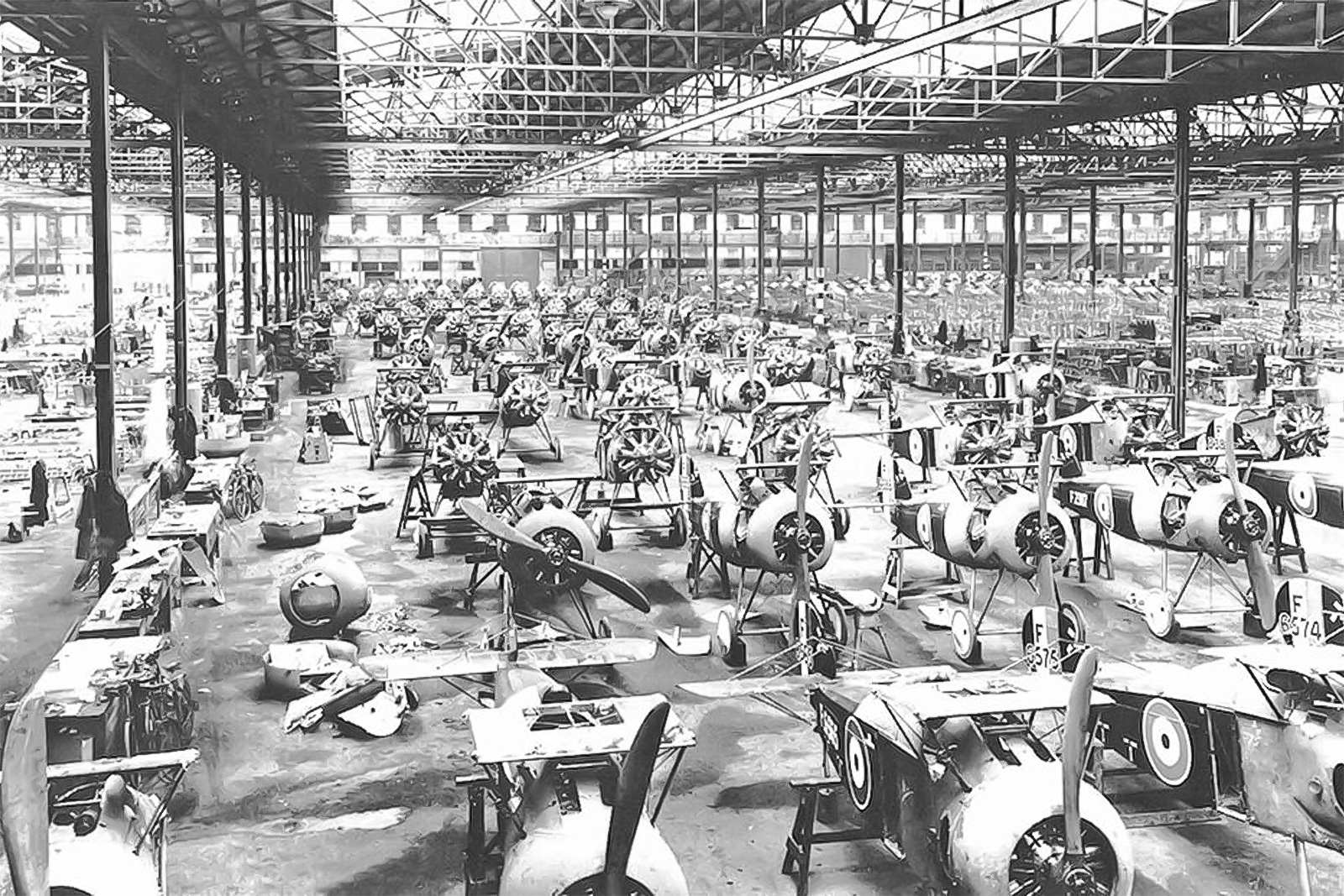
7: Sopwith Salamander

 Sopwith Salamander

The tough armoured Salamander was the A-10 Thunderbolt of its day. It was developed in 1918 as a ground-attack derivative of the successful Sopwith Snipe fighter; Sopwith Camel fighters had been used with great success as 'trench fighters' since late 1917, but losses, mainly to ground fire, had been heavy.

The Salamander was therefore designed to survive sustained small-arms fire while attacking enemy trenches. Utilising the wings and tail of the Snipe, the Salamander featured an armoured box made from a steel plate between 6 mm and 11 mm thick, containing the pilot and forming an integral load-bearing part of the forward fuselage.


7: Sopwith Salamander

 Sopwith Salamander

The armoured steel box itself weighed 275 kg, and steel accounted for more than 35% of the overall aircraft weight—an extraordinarily high percentage for the era. At least one aircraft was fitted with a battery of eight downward-firing Lewis machine guns.

Back to top

Unfortunately, problems encountered due to armour becoming distorted during the hardening process delayed production and of the 1400 ordered, only 37 Salamanders had been built by the Armistice. Ultimately, a credible total of 497 examples were built, and some served into the early 1920s.


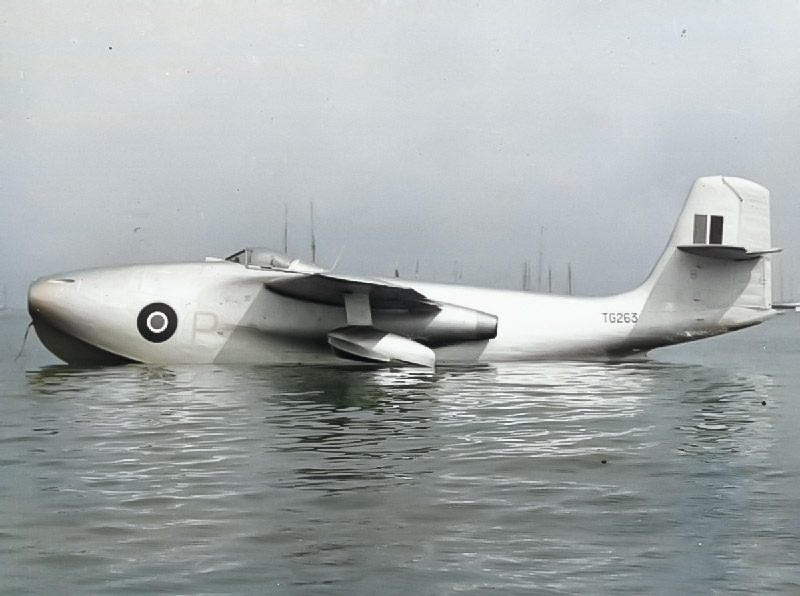
6: Saunders-Roe SR.A/1

 Saunders-Roe SR.A/1

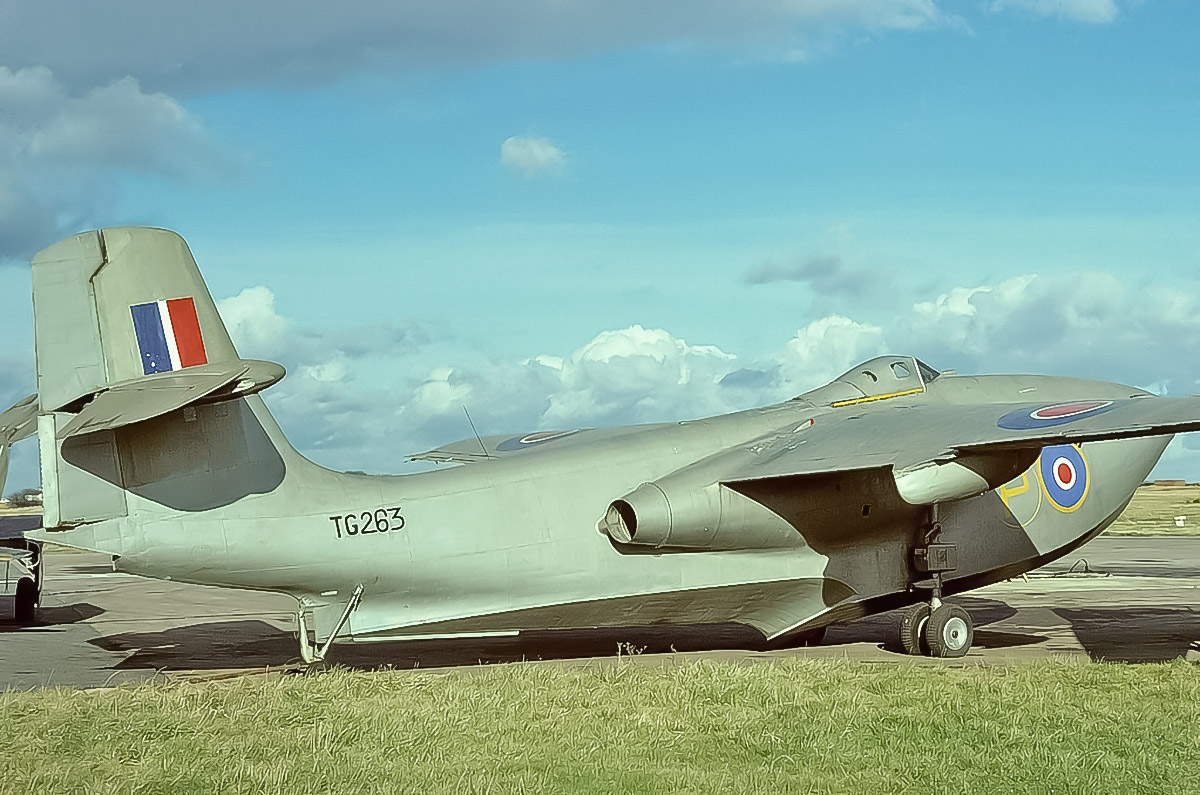
During the war, Japanese floatplane fighters proved that the idea could, to some degree, work - though mostly in the Pacific’s more tranquil waters. Britain’s Saunders-Roe was more ambitious: it envisioned a seaplane that could shed its traditional speed limitations, powered not by propellers but by a jet engine.

Creating an aircraft capable of 512mph with four 20-mm cannon would have proved an awesome, perhaps unbeatable, opponent to Japanese seaplanes and flying boats. Timing was against the aircraft; however, with the war winding down, the company looked away from this military project, instead devoting its resources to the huge, long-range, civilian flying boat, the Princess. This delayed the type’s first flight until 1947.


6: Saunders-Roe SR.A/1

 Saunders-Roe SR.A/1

The aircraft proved impressive – it had great handling, good agility and was pleasant to fly (notably, the prototypes were fitted with the first two examples of Martin-Baker production ejection seats). However, there wasn’t much need for it by this time, and two months later, a carrier fighter that was faster still (the 600mph Sea Hawk) took to the air.

The Royal Navy wasn’t very interested in this eccentric design, believing in the conventional carrier concept. It was briefly revived in 1950 to assess its utility for the Korean War, but by then, technology had advanced, and it would have been no match for the latest fighters. The ‘Squirt’, as it was affectionately known by its creators, was not to be; three were built.


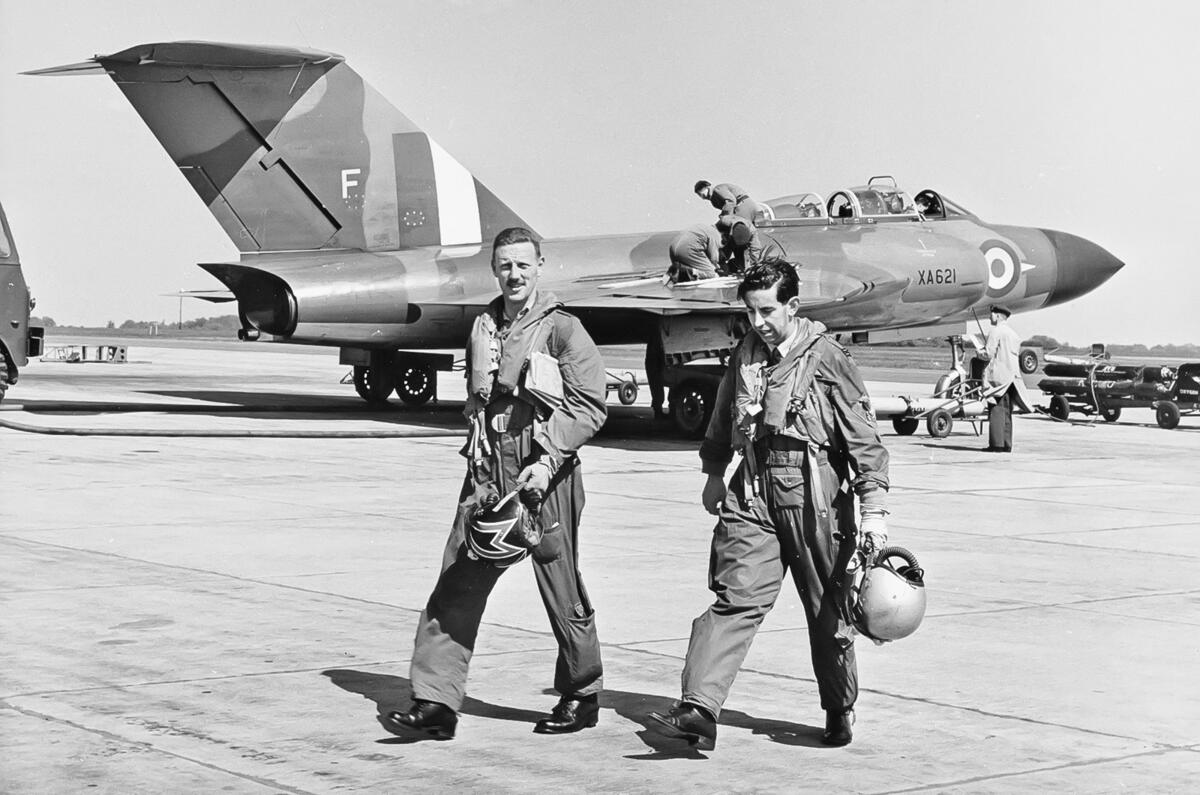
5: Gloster Javelin

 Gloster Javelin

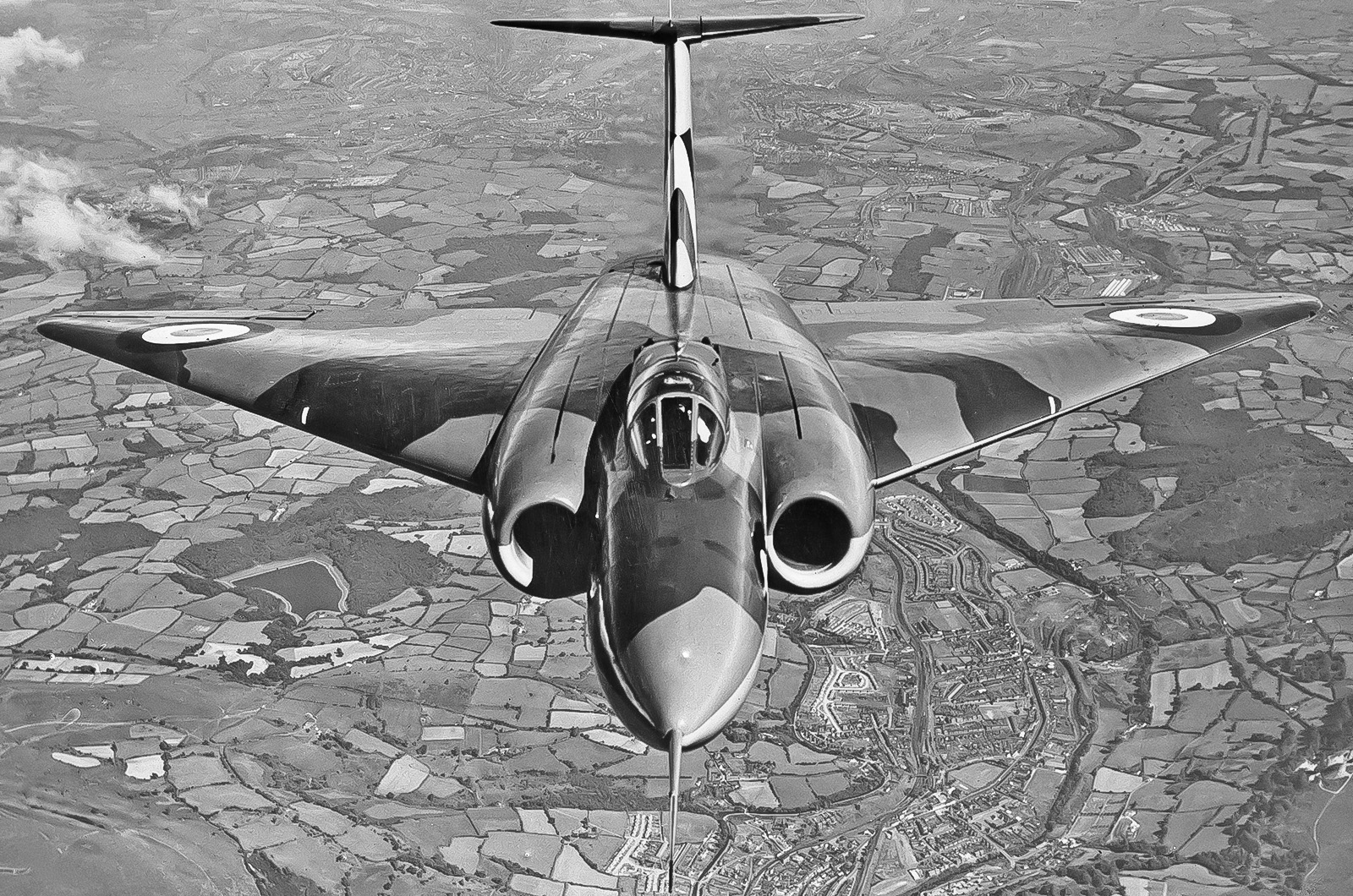
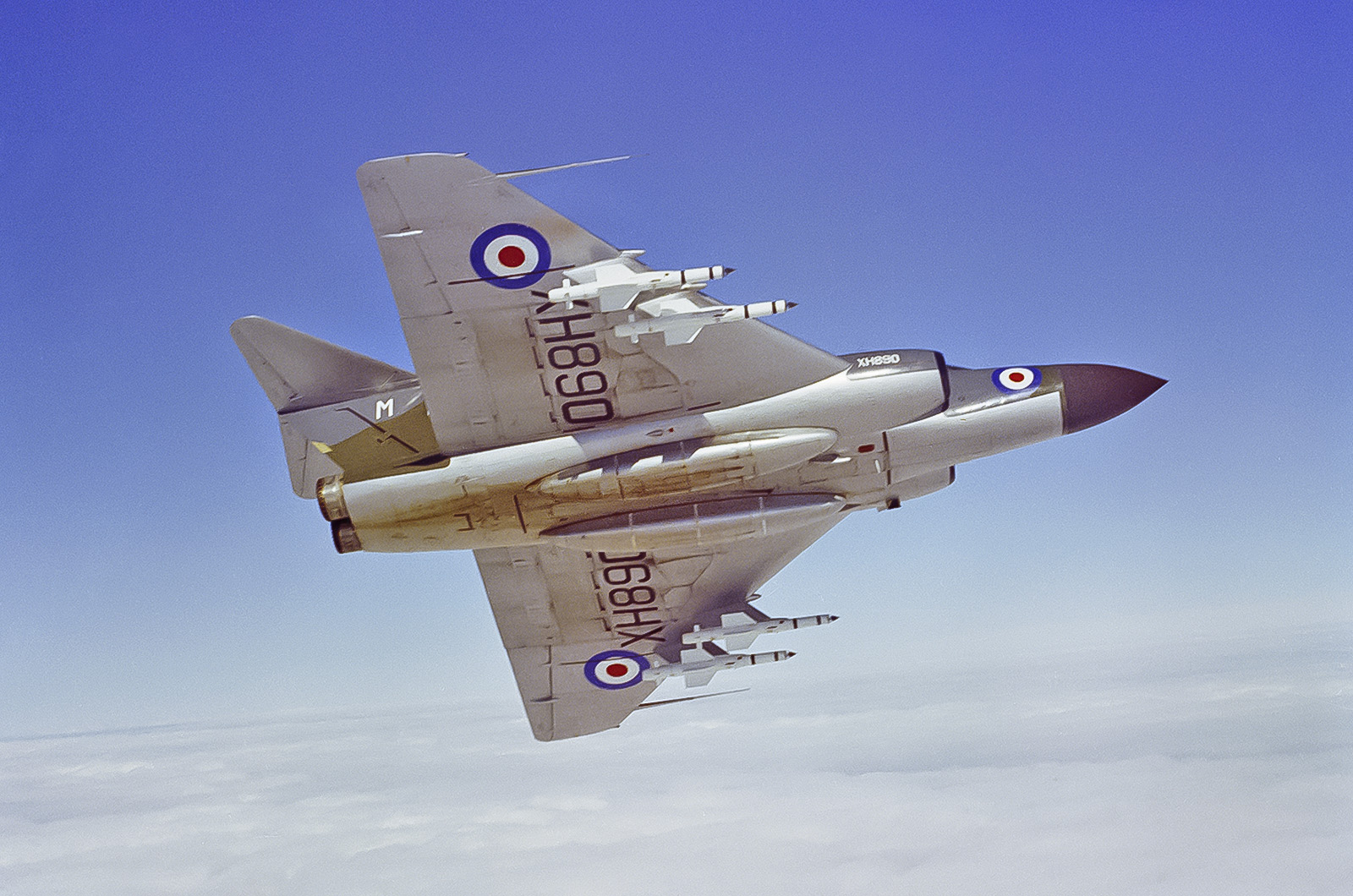
Compared to the beloved Hawker Hunter and hugely popular English Electric Lightning, the Gloster Javelin languishes in relative obscurity. This was not always the case; at the time of its operational debut in 1956, much was made of what was seen as an utterly modern design.

Back to top

Combining a tailed-delta design with guided missiles and a large radar, the Javelin appeared to offer a glimpse of the future. It was also imposing in size; it was a huge step up in size and weight compared to the Meteor and Venom—it was really the RAF’s first big twin-jet interceptor.


5: Gloster Javelin

 Gloster Javelin

This large, heavily armed (albeit subsonic), day-night, all-weather fighter was the world’s first twin-jet delta-wing fighter; it was also the Royal Air Force’s best interceptor of the 1950s. Unfortunately, the opposition moved the goalposts by developing air-launched stand-off missiles, requiring the sort of high-speed interceptor performance that simply could not be delivered by the Javelin.

Development potential was hampered by an overly thick wing and a draggy rear fuselage, which limited top speed. The Javelin had a relatively short career and no export success; 436 were produced.


4: Blackburn Firebrand

 Blackburn Firebrand

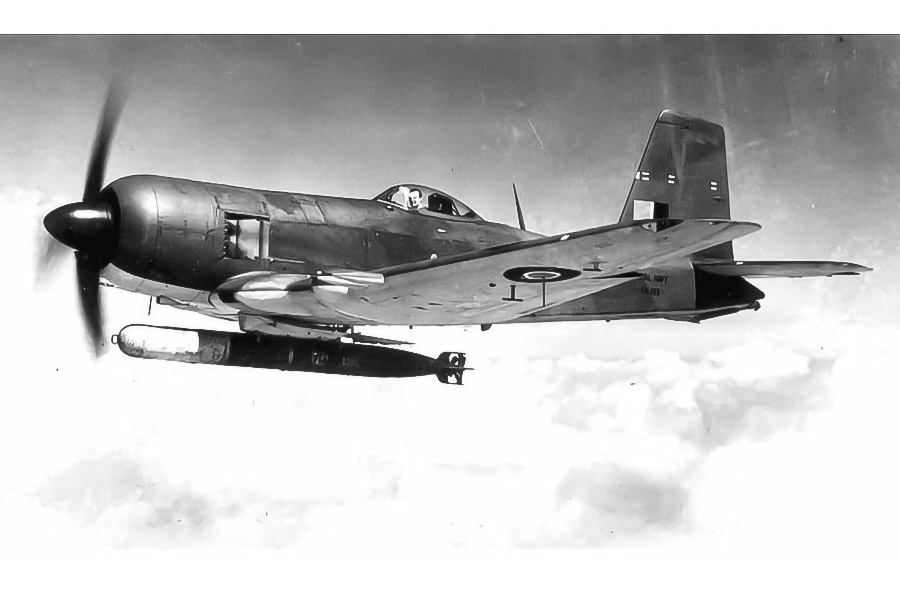
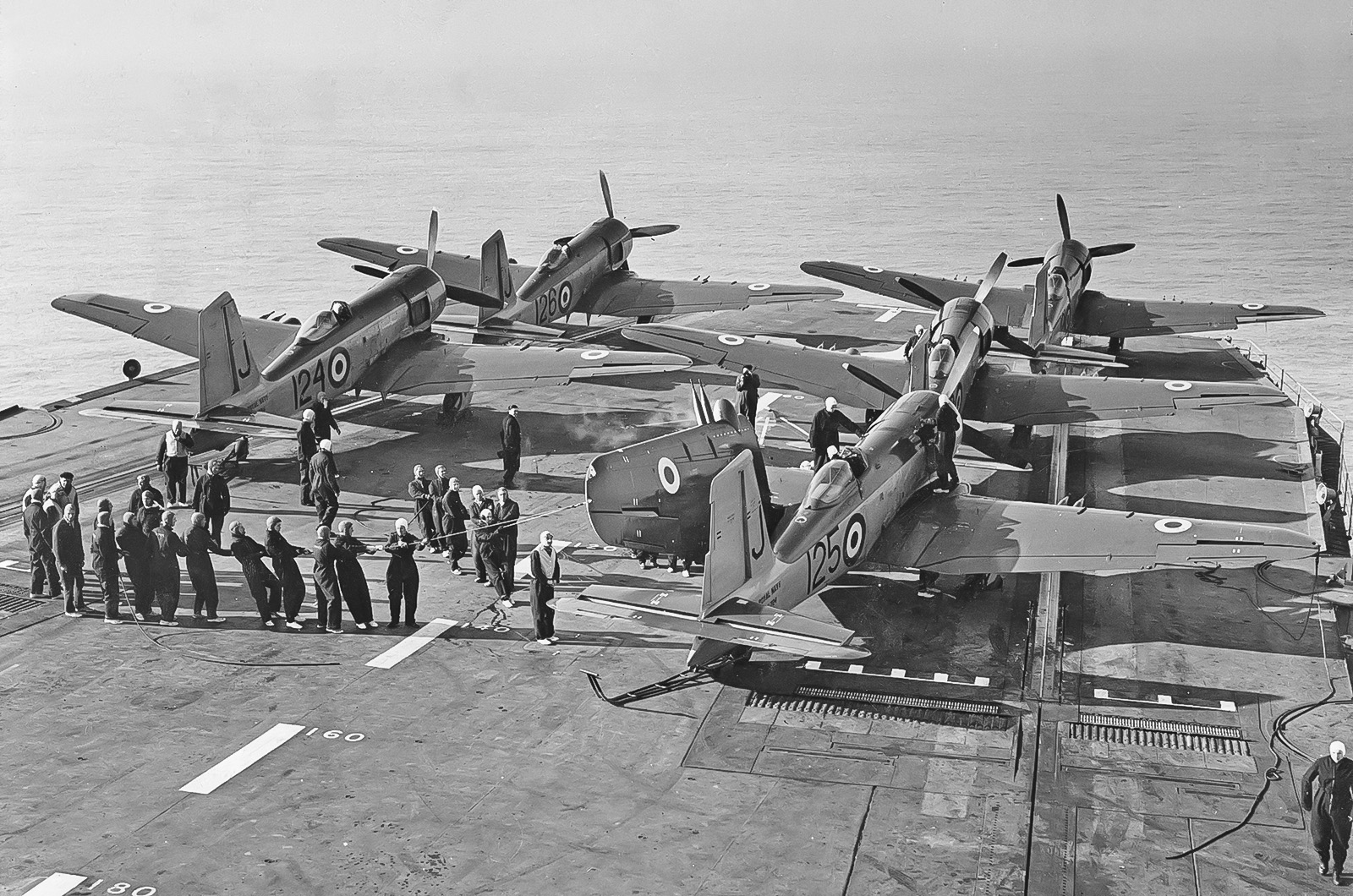
The story of the Firebrand torpedo fighter is a rotten one. The specification for the type was issued in 1939, but it wasn’t until the closing weeks of the Second World War that it began to enter service. Despite a luxuriously long development, it was an utter pig in the air, with stability issues in all axes and a tendency to lethal stalls.

There was a litany of restrictions to try to reduce the risks, including the banning of external tanks, but it still remained ineffective and dangerous to fly. Worse still, instead of trying to rectify the problems, the Royal Navy’s Fleet Air Arm (FAA) started a witch-hunt of those pilots who dared to speak the truth about the abysmal Firebrand.


4: Blackburn Firebrand

 Blackburn Firebrand

Only two Firebrand squadrons formed, of which the flying complement was heavily, if not entirely, made up of qualified flying instructors, suggesting only the most experienced pilots could be trusted with this unforgiving monster.

Despite many reports damning the Blackburn Firebrand, there are some, notably naval aviation historian Matthew Willis, who believe that the type was unfairly maligned.

Back to top

3: Martin-Baker MB3

 Martin-Baker MB3

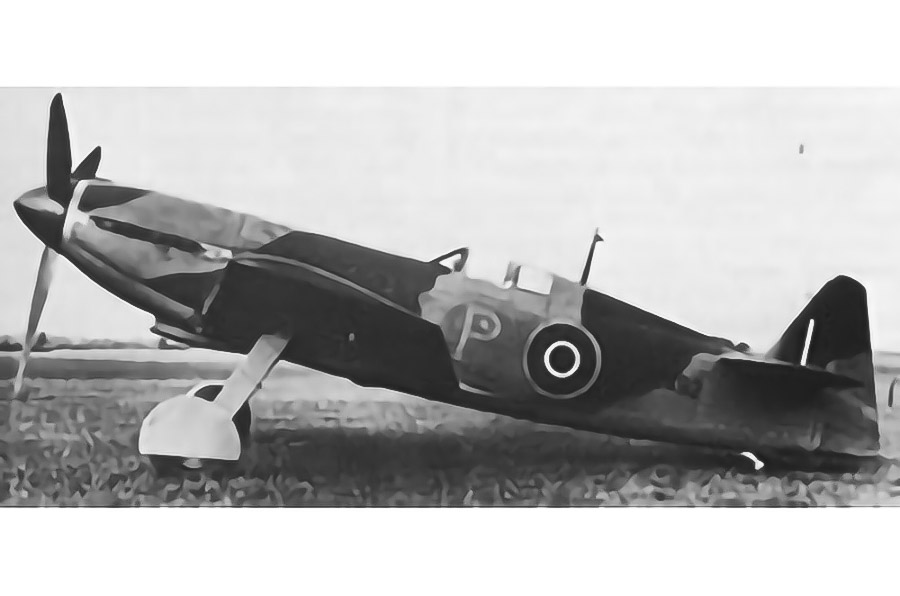
Despite never entering service, the MB3 has been indirectly responsible for saving 7700 lives (and counting). Friends and partners, James Martin and Valentine Baker, had been designing unconventional monoplanes since the early 1930s. From the start, they believed that aircraft should be as simple as possible.

The MB3 was their response to a wartime RAF requirement for a fast, heavily armed fighter. Formidably furnished with six 20-mm cannon, it was also designed for ease of maintenance and manufacture (unlike the Spitfire).


3: Martin-Baker MB3

 Martin-Baker MB3

Test flights, which started on 31 August 1942, proved it was both highly manoeuvrable and easy to fly. Its top speed of 415mph was a touch faster than the contemporary Spitfire Mk VIII. The main load-bearing structures were constructed of heavy tubing (or built-up spars) so it would have been able to survive greater battle damage than an equivalent stressed skin aircraft.

It was not to be, however: on a test flight on 12 September 1942, the engine failed soon after take-off, and the MB3 crashed in a field and killed its pilot, Valentine Baker. Though the team had been investigating the idea of escape seats since 1934, it was Baker’s death that motivated James Martin to focus exclusively on ejection seats; today the company is the market leader in those systems.


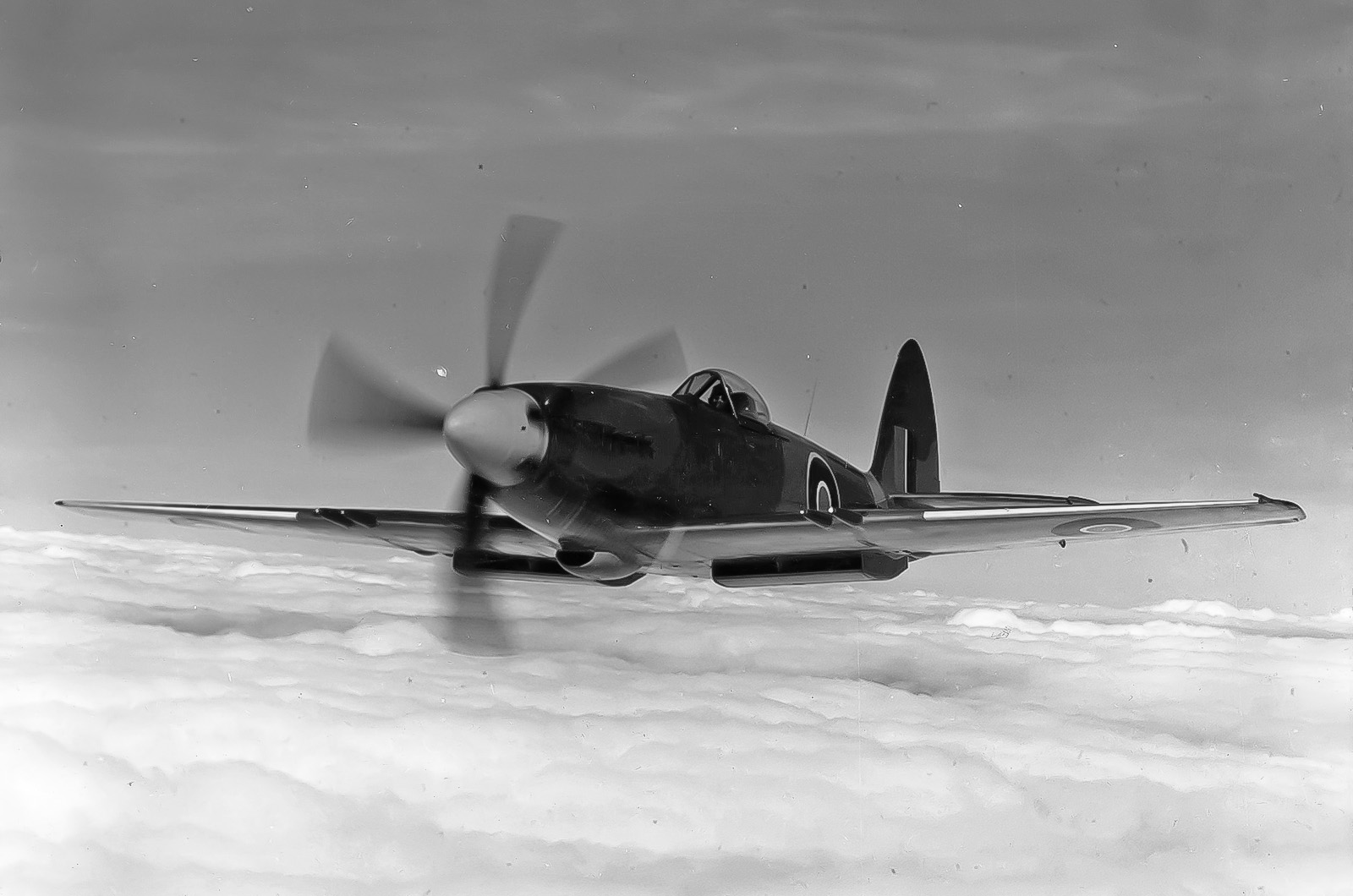
2: Supermarine Spiteful

 Supermarine Spiteful

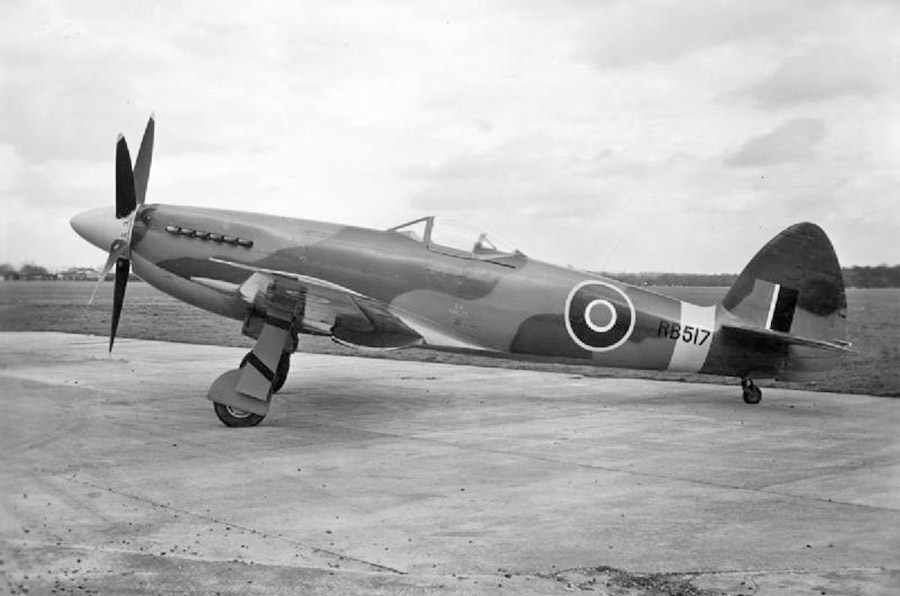
Unfairly remembered today, if it is remembered at all, as little more than a not particularly satisfactory footnote to the Spitfire story, the Spiteful deserves better. Not only did it achieve the highest speed ever attained by an unmodified British piston-engine aircraft, it was also the fastest British piston-engined aircraft to enter production.

With the Spiteful, Supermarine wanted to build a fighter that combined all the best characteristics of Reginald Mitchell’s Spitfire with the latest aerodynamic developments in wing design, specifically with regard to ‘laminar flow’, which simply put means that the airflow over the wing does not at any point break away from the surface into a turbulent flow, a major cause of aerodynamic drag on conventional wings.

Back to top

2: Supermarine Spiteful

 Supermarine Spiteful

Unfortunately for Chief Designer Joe Smith and Supermarine, the original Spitfire possessed by far the most aerodynamically advanced wing ever built when it first appeared and was the result of thousands of hours of work by the superb Canadian-born aerodynamicist Beverley Shenstone (the first academically trained aerodynamicist to work at Supermarine) and his team to tune the wing to work at the same level of efficiency from 50 mph to 500 (and beyond).

By the time the Spiteful was in development, Mitchell was dead, and Shenstone had left. Smith was an excellent engineer; he was not, however, a designer of Mitchell’s flair, nor did he possess the theoretical aerodynamic genius of Shenstone, and no one else at Supermarine did. The wing the Spiteful ended up with demonstrated worse low-speed handling than the Spitfire and a notoriously vicious stall, yet had more problematic compressibility effects at high speed than the Spitfire.


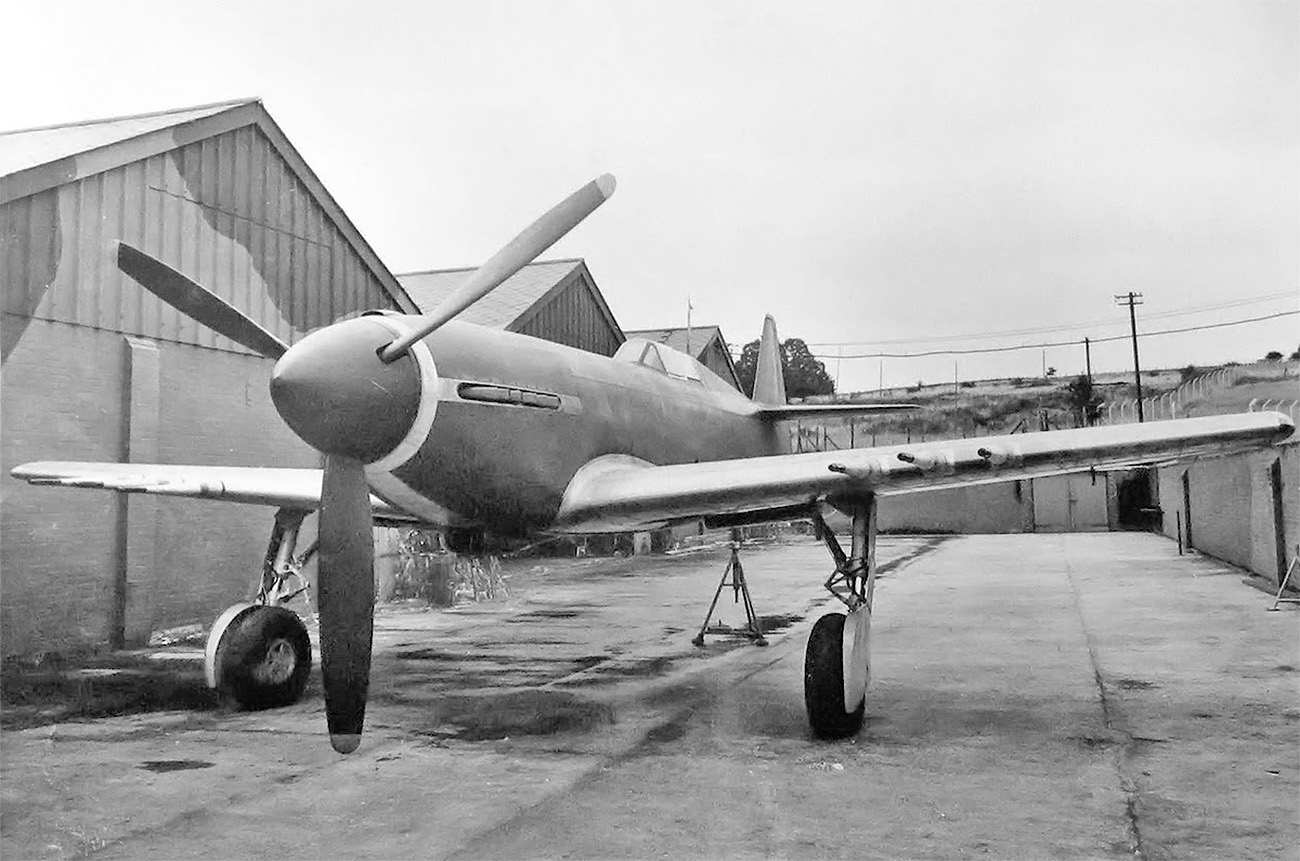
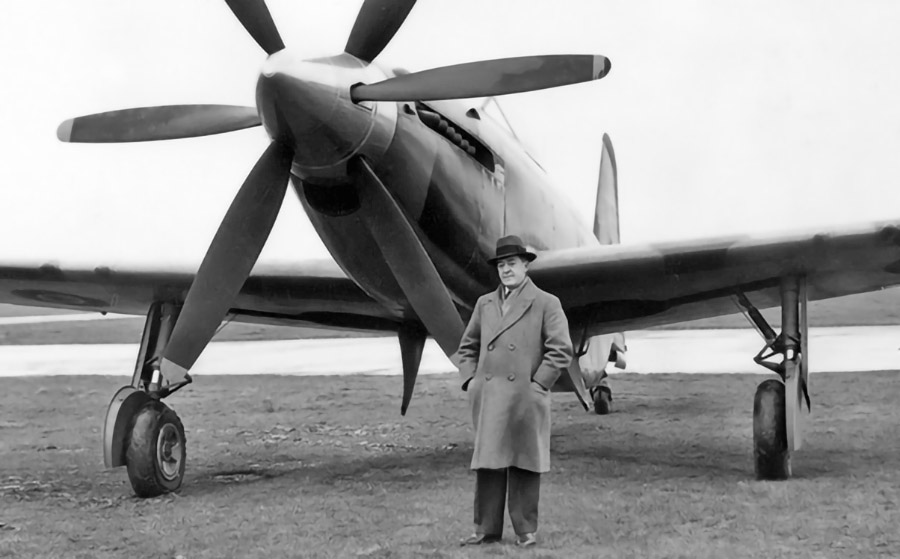
1: Martin-Baker M.B.5

 Martin-Baker M.B.5

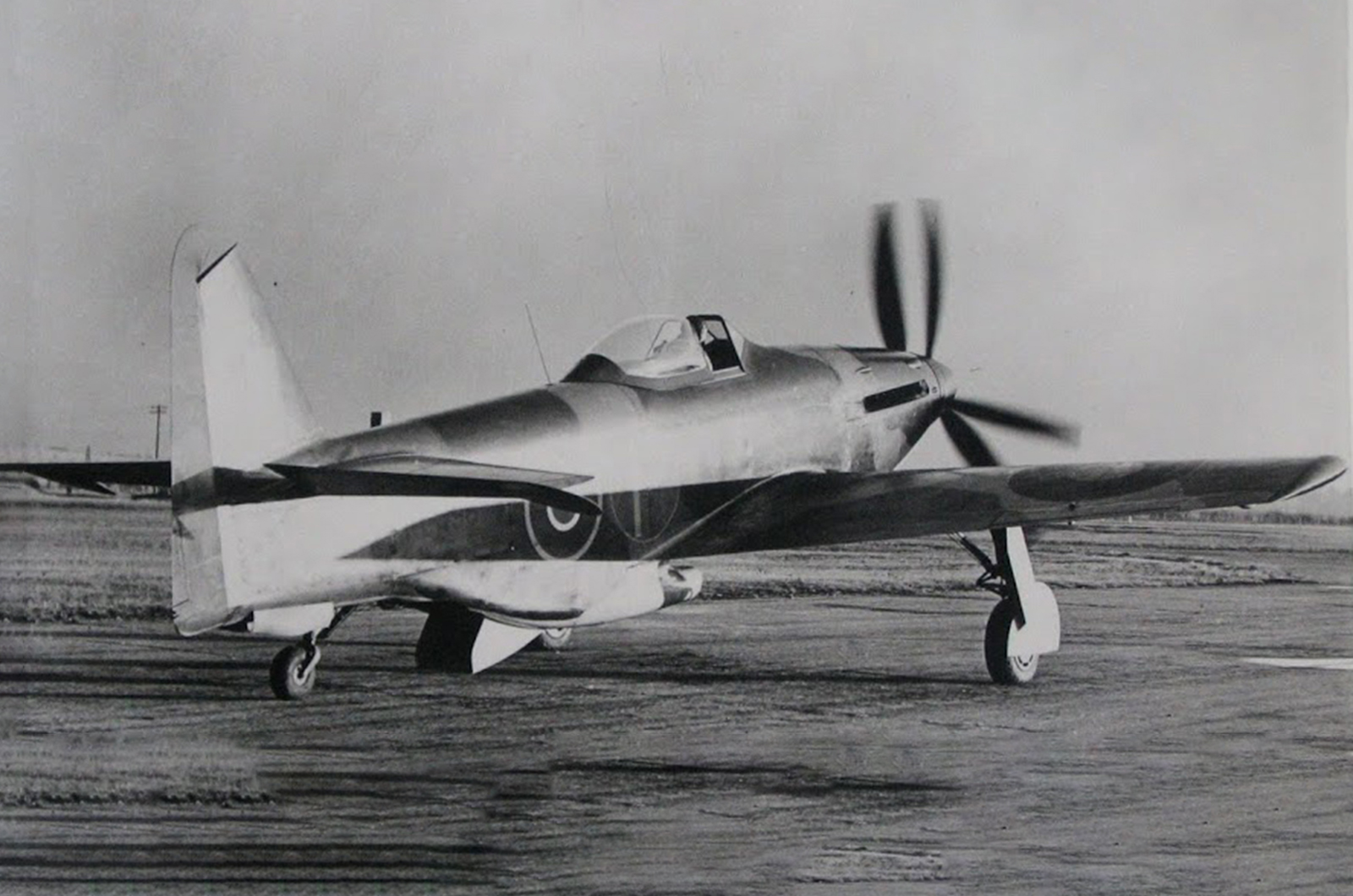
Perhaps the greatest Allied might-have-been of the war? The British Martin-Baker M.B.5 drew unanimous praise from those who flew it for its speed, range and outstanding climb-rate. Key to its stupendous performance was its two-layered, contra-rotating propellers, which enabled it to better exploit the tremendous power of the Rolls-Royce Griffon engine.

A top speed exceeding 450mph, the best-designed cockpit for pilots, and overall ease of maintenance were among the many blessings of this formidable fighter. Polish fighter Janusz Żurakowski, who displayed the type aerobatically at the 1946 Farnborough Airshow, was utterly impressed by the M.B.5 and considered it superior to even the Spitfire in many ways.


1: Martin-Baker M.B.5

 Martin-Baker M.B.5

The installation of the Rolls-Royce Griffon engine was masterly, as was the flat-feed mechanism for the cannon, which eliminated the blister fairings of other fighters. As an easy-to-maintain all-rounder, the M.B.5 was likely the best British piston-engine fighter ever made.

Whether it would have lived up to its obvious potential will remain unknown, having the misfortune to emerge into a world teeming with inferior but numerous Supermarine Spitfires and Hawker Tempests. It could also be fairly argued that the effort required to set up a new aircraft manufacturer was the last thing Britain needed at the time.

Follow Joe Coles on Substack, Twitter X  or Blue Sky. His superb Hush-Kit Book of Warplanes is available here.

If you enjoyed this story, please click the Follow button above to see more like it from Autocar

Photo Licence: https://creativecommons.org/licenses/by/4.0/deed.en


Join our WhatsApp community and be the first to read about the latest news and reviews wowing the car world. Our community is the best, easiest and most direct place to tap into the minds of Autocar, and if you join you’ll also be treated to unique WhatsApp content. You can leave at any time after joining - check our full privacy policy here.

Add a comment…