Currently reading: Top 10: World's best attack helicopters

Top 10: Best attack helicopters

Attack helicopters are often found in the ugliest situations on Earth, and angular and bristling with weapons and sensors, the helicopters themselves are appropriately ugly.

Combining armour, an automatic cannon, rockets, and guided missiles, they are often tasked with the perilous role of taking out main battle tanks, as well as supporting ground forces down low in the face of multiple guns and surface-to-air missiles – and any other weapon an enemy can point upwards.

Much feared as they are, the attack helicopter’s mission is extremely dangerous, and nap-of-the-earth flying, hiding behind terrain, and the latest countermeasures are all necessary to keep an attack helicopter crew alive above the modern battlefield. Let’s take a look at the best:


10: Eurocopter Tiger
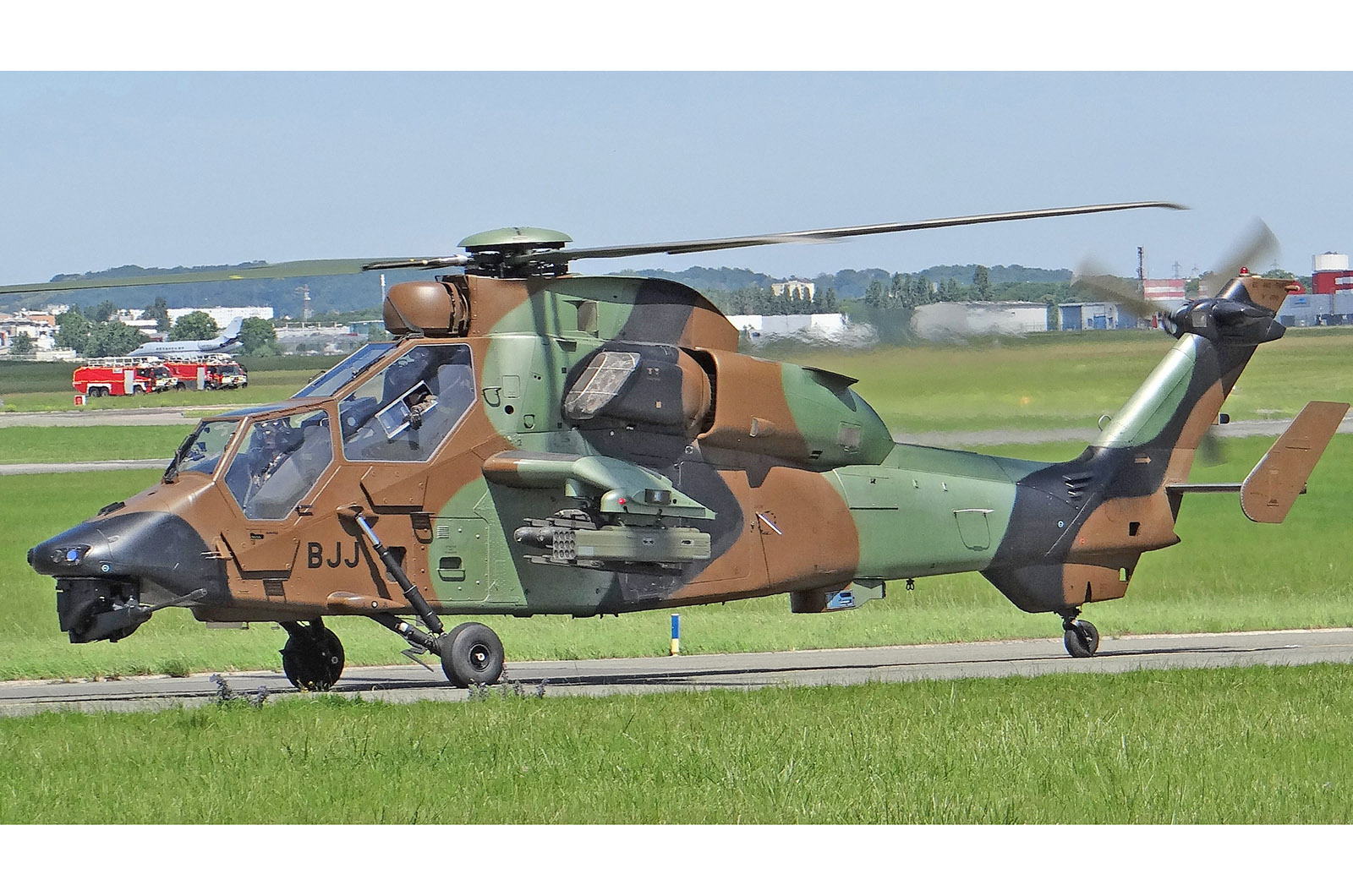
 Eurocopter Tiger

Europe’s attempt to create an attack helicopter has suffered extreme bad luck throughout its programme, despite it being created by a collaborative team with immense experience from France and Germany. Some of the trouble was sown from its conception in 1984, with the partner nations requiring different roles from the helicopter.

So, despite a relatively small production run, the type is available in different variants, one specialised for fire support and another for the anti-tank role. As well as the complications caused by these differences, the project development started in the Cold War and ended in the post-Cold War period when military spending was reduced.


10: Eurocopter Tiger
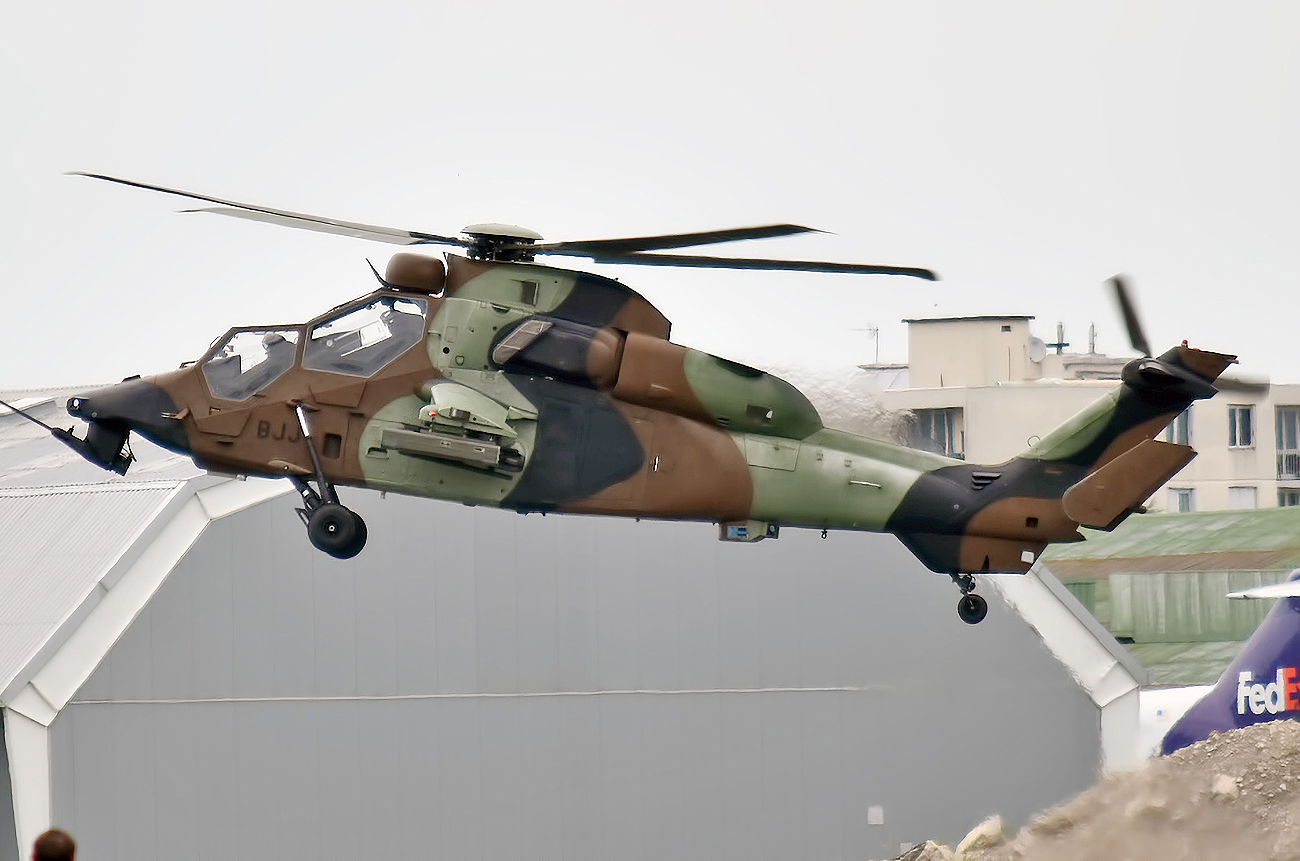
 Eurocopter Tiger

Despite a first flight in 1991, the aircraft did not enter service until in 2003, though for the sake of fairness, it should be noted the earlier AH-64 Apache had a gap of 11 years between prototype and service entry. The Tiger is best known for its appearance in the 1995 James Bond film Goldeneye.

It has been sold to Spain and Australia. Its Australian career has been dogged by technical issues as well as issues with parts supply. Despite all these issues, the Tiger has matured in French and German service into a capable machine well known for its high levels of agility.


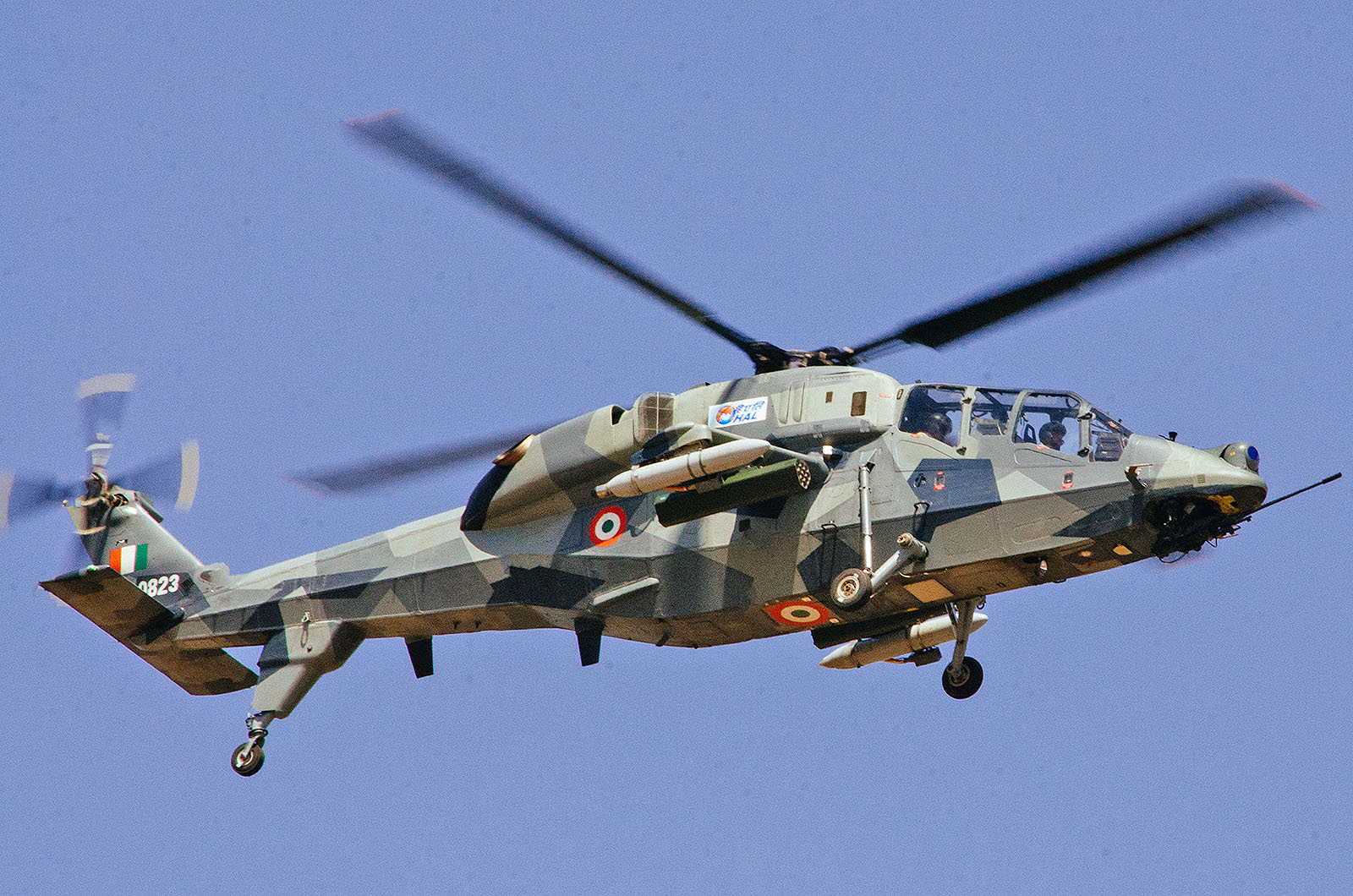
9: HAL Prachand
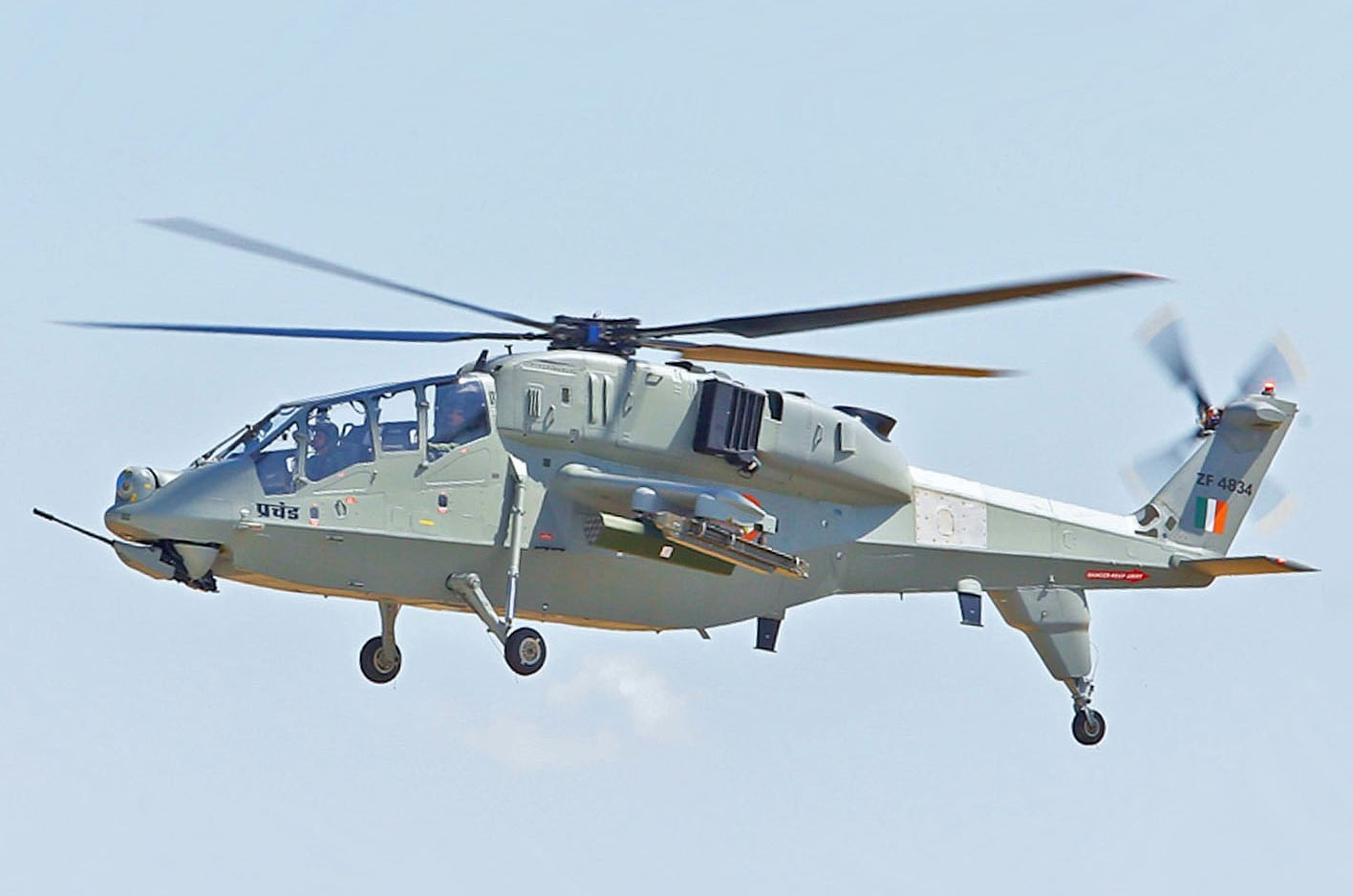
 HAL Prachand

The Indian aerospace industry has had a dramatic twenty years, with work going on in every conceivable sector from space travel, via proposed stealth fighters to light uncrewed aircraft. The Prachand (‘Giant’) is India’s move into the world of attack helicopters.

The Prachand is a light multirole attack helicopter intended to perform well in ‘hot and high’ conditions. It features a turret-mounted French 20-mm autocannon, the M621. It will armed with the indigenous Dhruvastra anti-tank guided missile, with provision to carry air-to-air missiles.

Back to top

9: HAL Prachand

 HAL Prachand

The Prachand is of an archetypal attack helicopter configuration with a narrow fuselage, which presents a smaller target to hostile forces. The crew are seated in tandem positions, and it has a ‘tail-dragger’ undercarriage, with gun and sensors near the front and stub wings for rockets and missiles.

The usual features of helmet-mounted sights, laser and radar warning receivers, missile approach warning receivers, data links, are all present however only a limited number have been produced, with full-rate production only in the last few years.


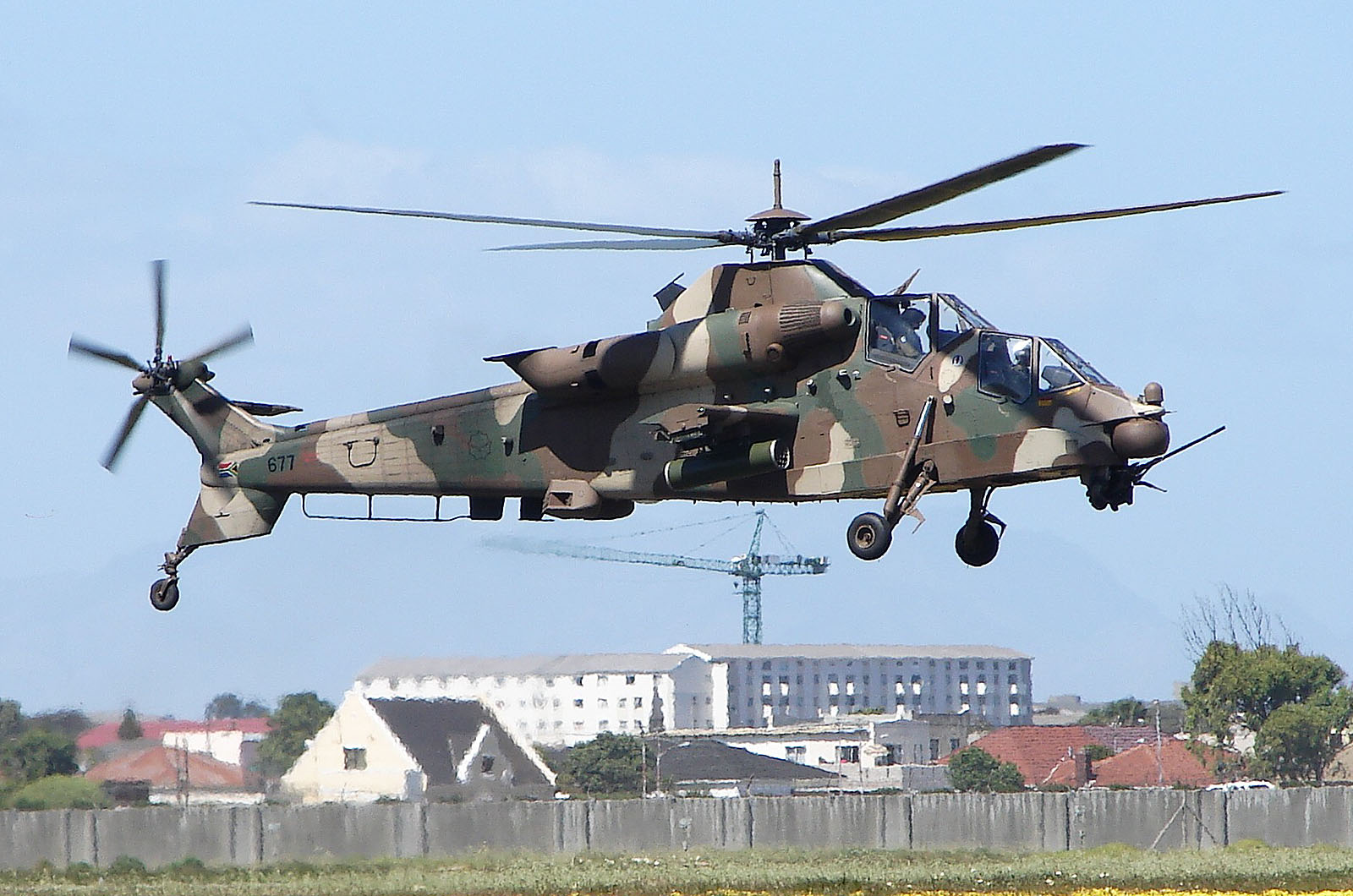
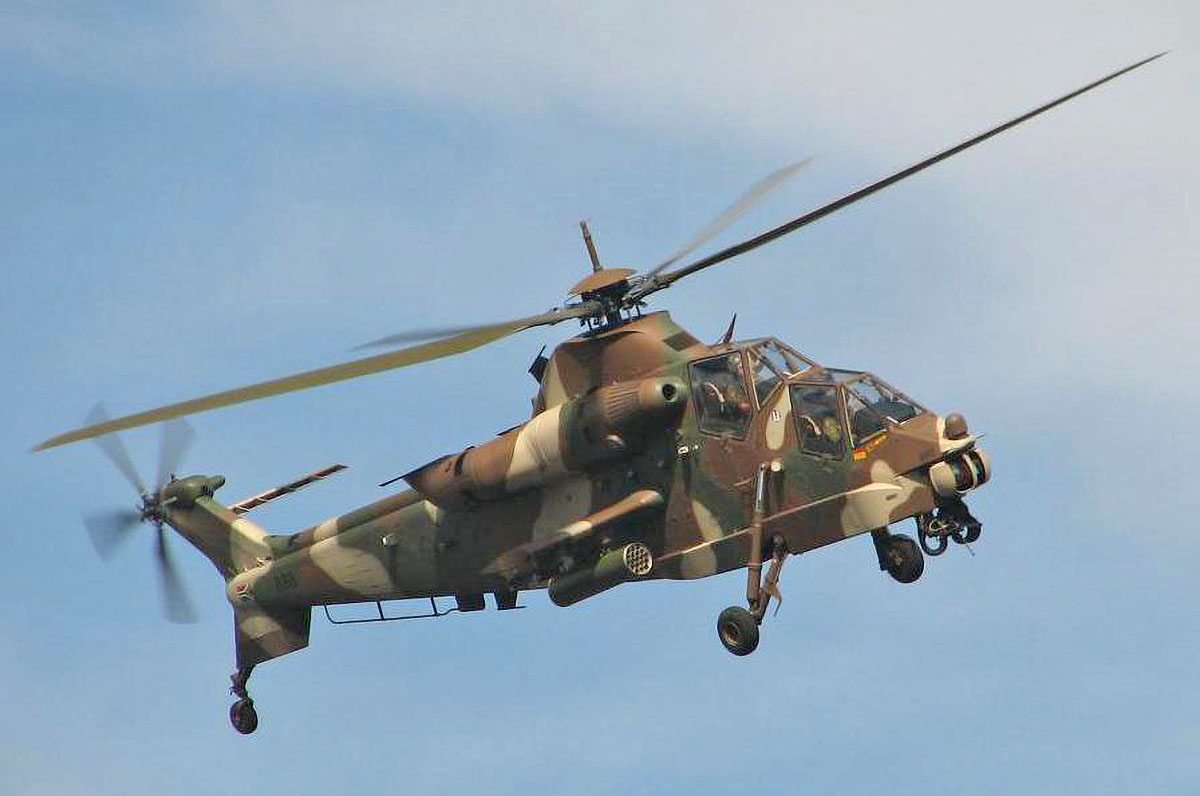
8: Denel Rooivalk

 Denel Rooivalk

The only indigenous African attack helicopter in service, the Rooivalk is a rare type with only 15 made. Big, agile and with excellent agility and handling, the Rooivalk from South Africa is very much a pilot’s machine. It forsakes armour for performance and is the product of a unique situation.

With a fast-moving border war and the threat of Soviet armour, guerrilla war and insurgency, the South African army looked with envy to the gunship helicopters by the US and the USSR. However, the weapons embargo on apartheid South Africa meant they had to develop their own attack helicopter and its weapons.


8: Denel Rooivalk

 Denel Rooivalk

The Rooivalk (Red Kestrel) was developed from the mid-1980s by Denel building on earlier work that had made a proof-of-concept gunship out of an Alouette III.  To simplify the task while operating under a UN embargo the dynamics were taken from the Atlas Oryx, a licence-built Puma, while it also used the Turbomeca Makila engines of the Super Puma.

According to its test pilot, “The best thing about the Rooivalk, was the incredibly low workload that the pilot had in flying the helicopter. The handling qualities and the performance of the aircraft was superior to anything I have flown up to that stage giving the pilot a stress-free environment to concentrate on the mission and not battle the aircraft into accurate flying.”


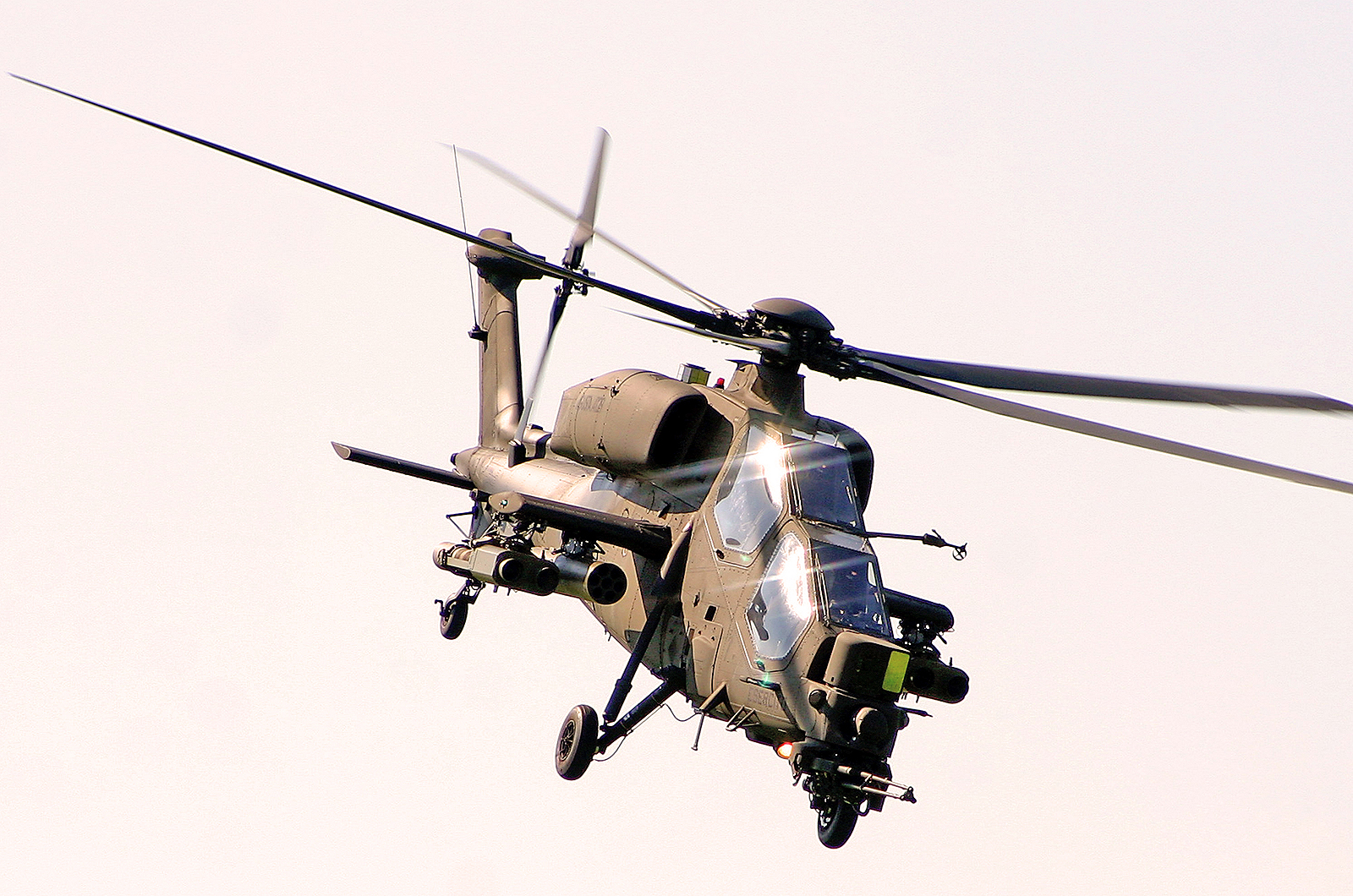
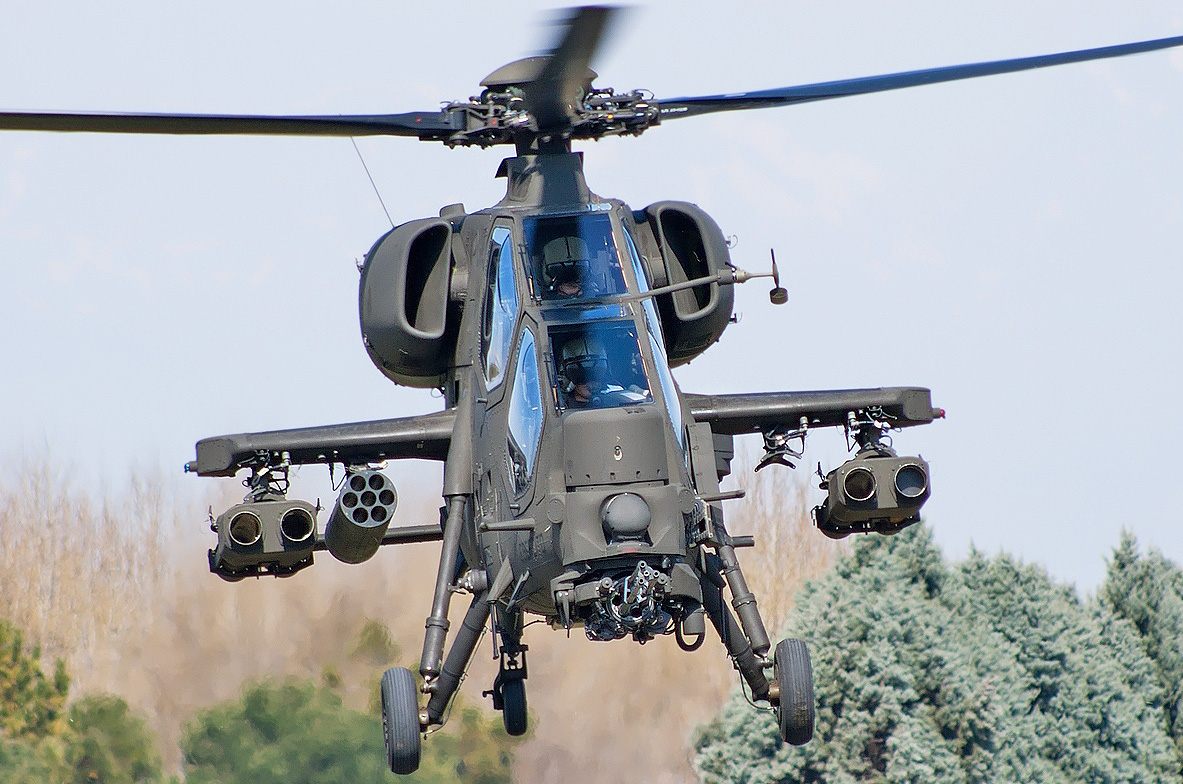
7: Agusta A129 Mangusta

 Agusta A129 Mangusta

Back to top

The Mangusta was developed in the late 70s and early 80s by Agusta to fulfil an Italian Army requirement for a light observation and anti-tank helicopter.  This was intended to guard against a potential Warsaw Pact armoured thrust against Italy’s border with Yugoslavia, the only effective direction of attack thanks to the Alps.

Operations in Somalia in the early 1990s revealed several shortcomings, leading to the requirement for a gun, full Night Vision Goggle capability, and an improved navigation system. Agusta incorporated all of these features on the A129 International variant as well as replacing the original licence-built Gem gas turbines.


7: Agusta A129 Mangusta

 Agusta A129 Mangusta

The new engines were the impressive LHTEC T800s, an advanced engine developed for the cancelled RAH-66 Comanche stealth helicopter. This gave the Mangusta improved performance, the A129 having had to operate at the edge of its ability in the scorching heat of Somalia. 

The Italian Army had the improvements retrospectively applied to its own aircraft (apart from the engine upgrade). The TAI/Leonardo T129 ATAK is essentially the A129 International with modifications to meet Turkish requirements. The T129 is operated by Turkey, the Philippines and Nigeria. 


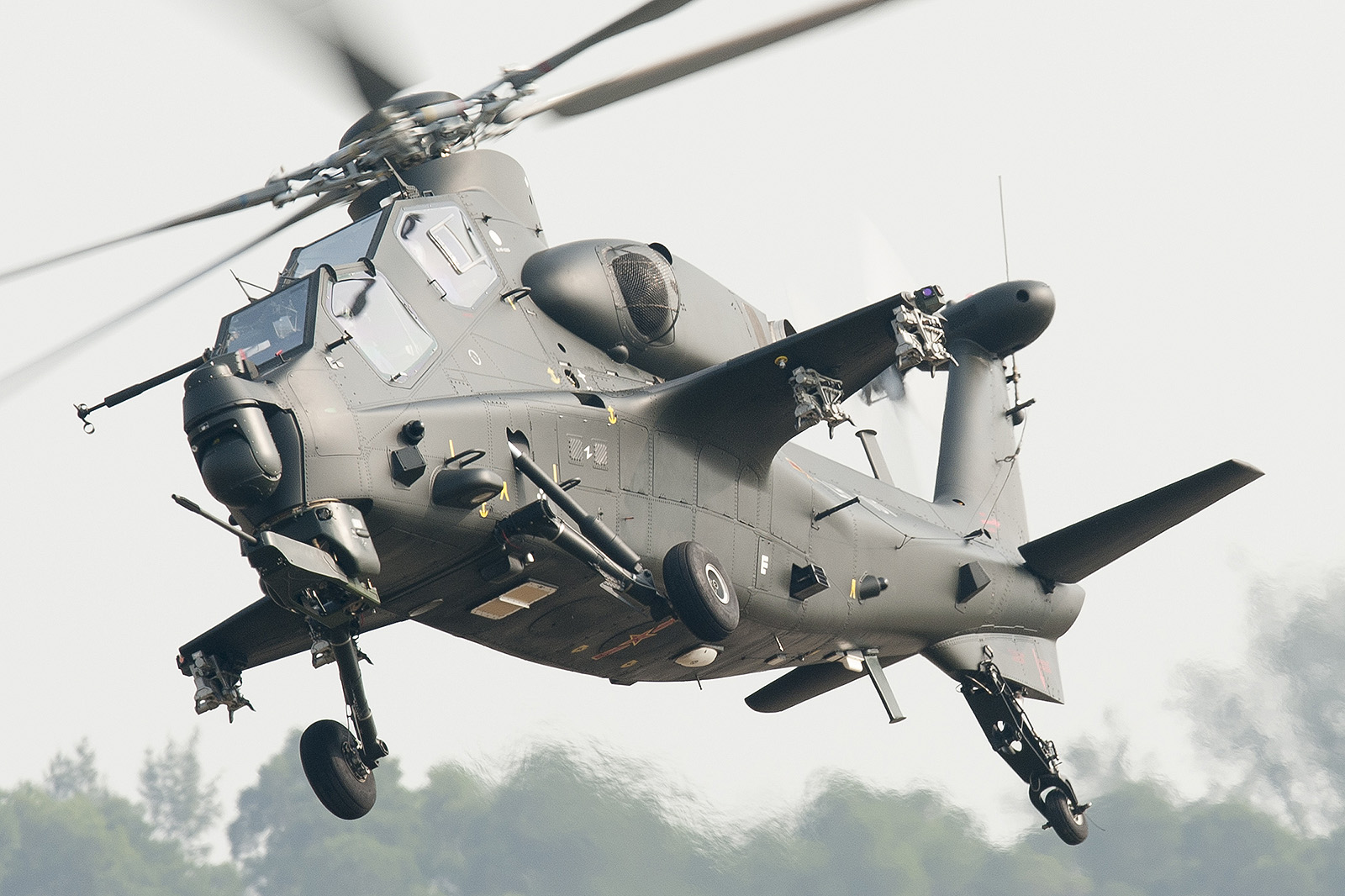
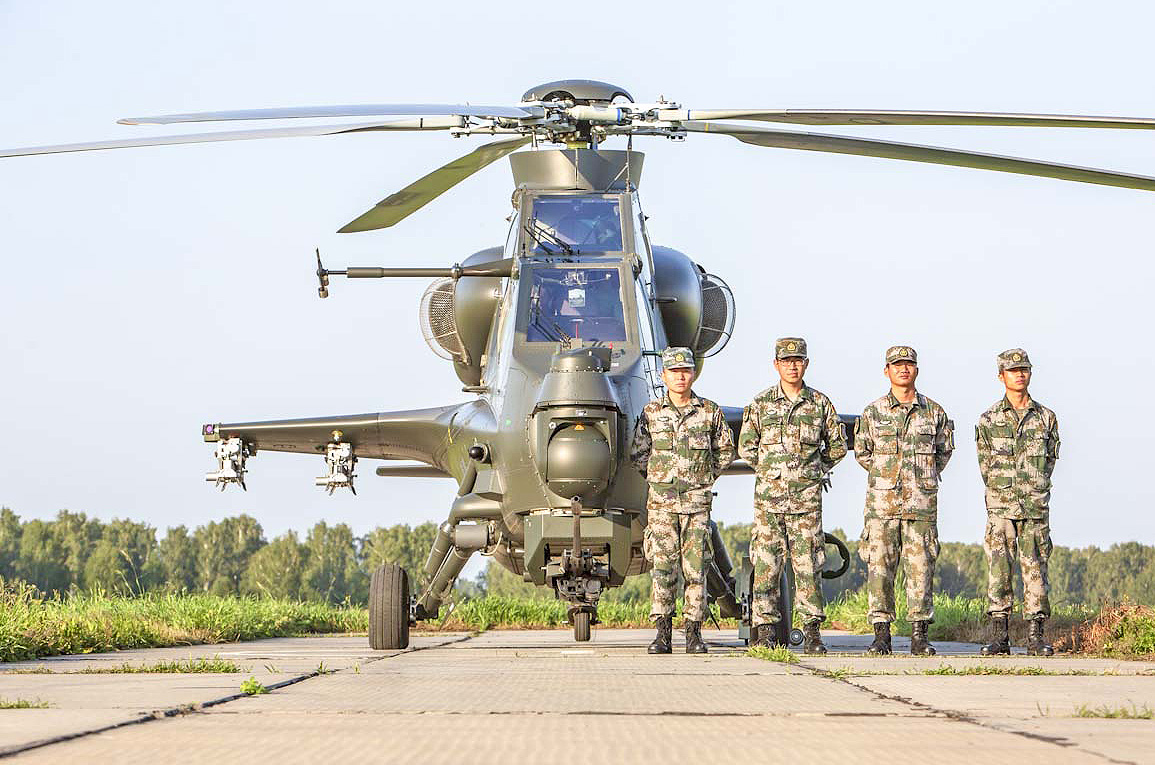
6: Chinese Aircraft Industries Group (CAIC) Z-10

 Chinese Aircraft Industries Group (CAIC) Z-10

Like most attack helicopters, the Chinese Z-10 attack helicopter features a crew of two in an armoured tandem cockpit with stub wings for weapons carriage, and a 20mm cannon in a nose turret. This is the same basic configuration as the Tiger, Mangusta and Rooivalk (though the latter has little in the way of armour).

The Z-10 is a true multi-national effort, in the mid-90s the Russian company Kamov were contracted to provide an initial design which the Chinese would develop and refine. The European companies Eurocopter and Agusta also assisted with the development. The result is a sleek futuristic machine that has been in service since 2012.


6: Chinese Aircraft Industries Group (CAIC) Z-10

 Chinese Aircraft Industries Group (CAIC) Z-10

The prototypes originally flew with US-built Pratt & Whitney PT6 turbines but production aircraft have a domestically produced engine along with upturned exhausts to reduce the infra-red signature.  Combined with at least a modest attempt at RADAR Cross Section reduction through careful matching of external angles the Z-10 has the potential to be an effective light attack helicopter.

Back to top

The Z-10ME is an upgraded variant with improved countermeasures, a missile approach warning system, a radar warning receiver, new engine exhaust nozzle canted upwards to help control infra-red signature and a more powerful engine with 1200 kW of power. It also more ammunition for the gun, graphene-based armour panels, and a countermeasure that fires lasers into the ‘eyes’ of infra-red sensors and missiles to ‘blind’ them.


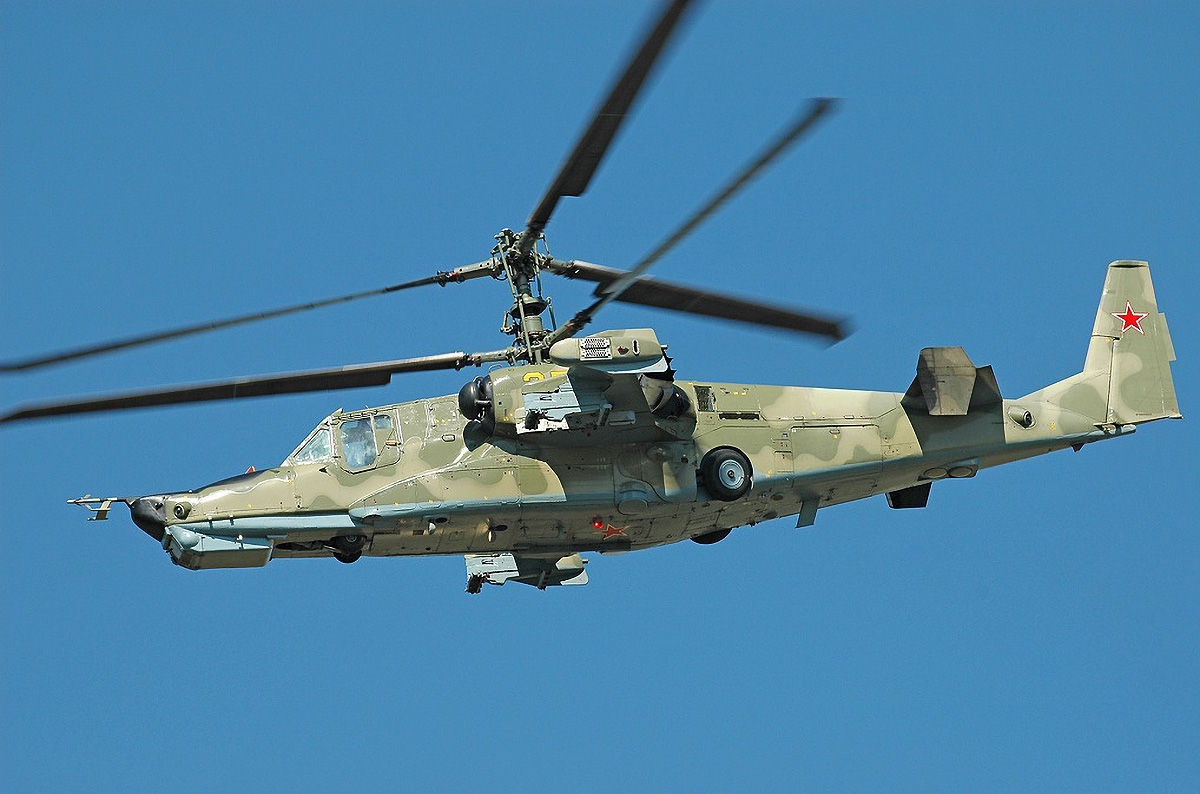
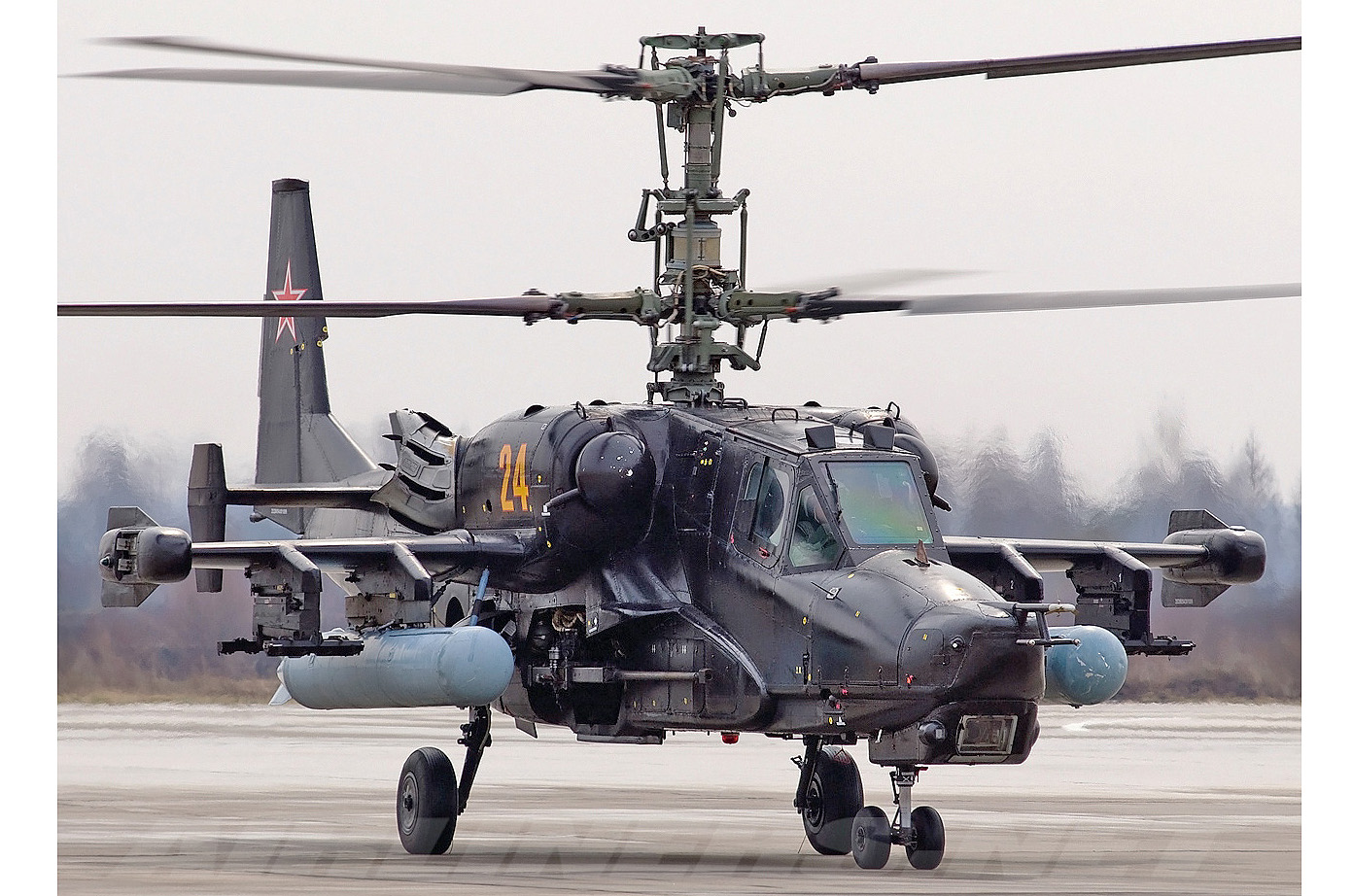
5: Kamov Ka-50/52 (NATO codename ‘Hokum’)

 Kamov Ka-50/52 (NATO codename ‘Hokum’)

Produced in response to the same requirement that led to the Mi-28 the Hokum features, unusually for an attack helicopter, a coaxial twin-rotor. Co-axial means two stacked rotors turning in opposite which eliminates torque and thus the need for a noisy tail rotor.

It is also unusual in its use of side-by-side seating.  Chosen to fulfil the requirement the original Ka-50 was a single-pilot aircraft, it being thought automation would reduce the workload to an acceptable level.  However, as the programme progressed an improved variant with more sensors led to a second crew member and the side-by-side seating arrangement. 


5: Kamov Ka-50/52

 Kamov Ka-50/52

Side-by-side seating restricts each crew member’s field of view compared to the traditional tandem layout.  Meanwhile, although the coaxial rotor system has benefits in terms of yaw inertia and hover performance it has shortcomings in overall manoeuvrability in order to avoid the risk of blades colliding.

Russia’s ongoing invasion of Ukraine has seen a large number of Hokums destroyed, the most reliable sources putting the figure as high as 60. This is not due to any inherent flaw of the design but to high-risk tactics, determined opposition with capable weapons and a paucity of cover.


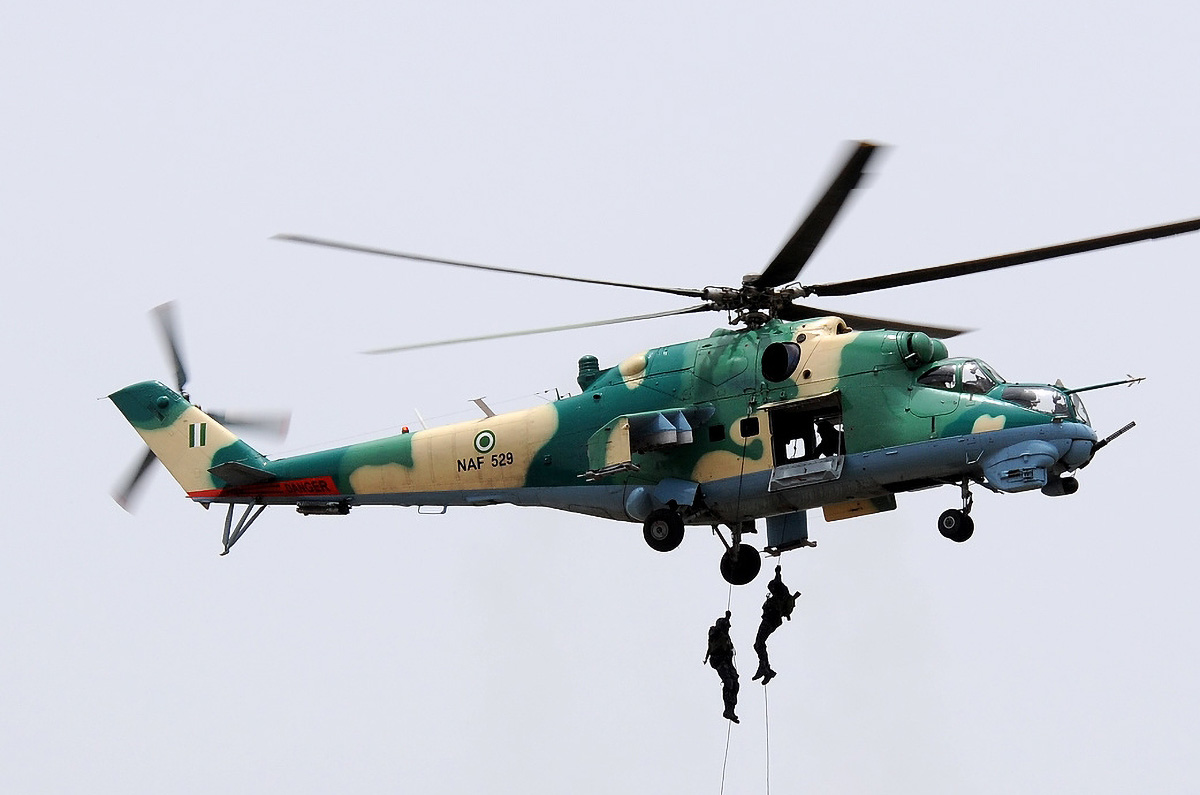
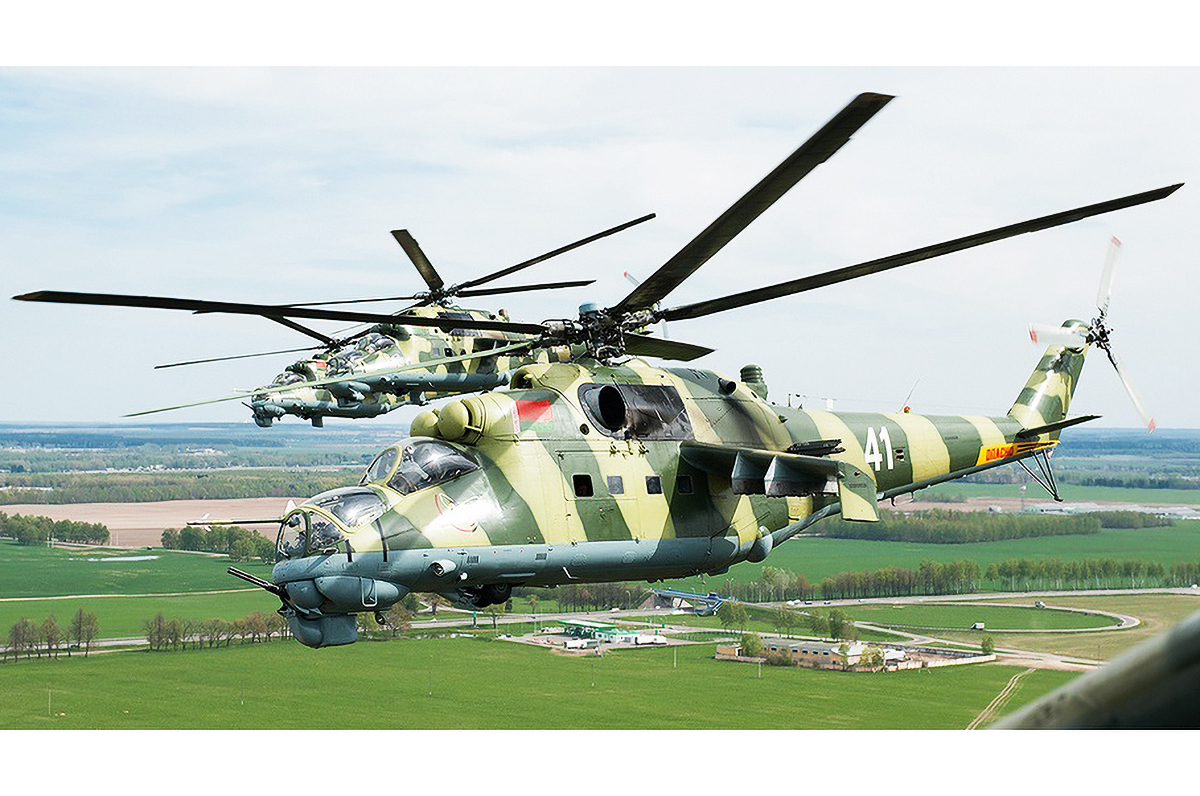
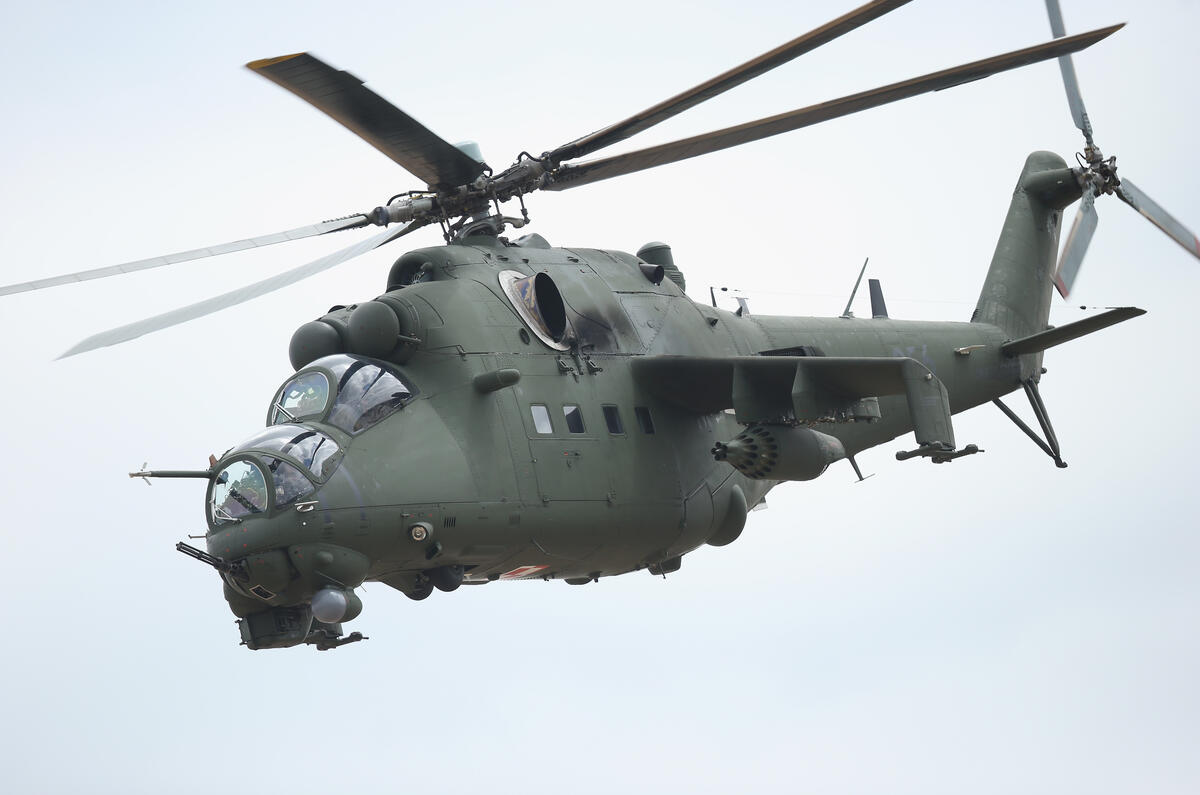
4: Mil Mi-24/25/35 (NATO codename ‘Hind’)

 Mil Mi-24/25/35 (NATO codename ‘Hind’)

The first Soviet attack helicopter was conceived as a flying Infantry Fighting Vehicle, thus as well as a selection of anti-tank missiles, rockets and a gun, it can also carry eight combat troops (when the armament load is reduced). The early Hind grabbed a series of world helicopter records, including the female speed record for helicopters (at 333 km/h) with Galina Rastorguyeva and Lyudmila Polyanskaya.

Back to top

This cockpit was then armour-plated and along with the cabin pressurised to prevent chemical or biological agents getting in.  At least until the troops want to get out.  As well as being heavily armed the ‘Hind’ is also fast and uses this speed to make up for a lack of manoeuvrability if it has to engage with other attack helicopters as happened during the Iran-Iraq war. 


4: Mil Mi-24/25/35 (NATO codename ‘Hind’)

 Mil Mi-24/25/35 (NATO codename ‘Hind’)

During the Soviet-Afghan War, to ensure aircraft availability in the harsh operating conditions time-expired engines were kept on the aircraft until they’d accumulated a further 50 hours of ‘life after death’. Other parts would deliberately only be replaced when they finally failed, which is taking conditional maintenance a step too far but does demonstrate the ruggedness of the design.

The ‘Hind’ has taken part in a bewildering array of conflicts and insurgencies starting in Ethiopia in 1978 and continuing to the present day.  Tough, well-armed, and uniquely for an attack helicopter able to deploy a section of troops, the Hind continues to live up to its Afghan nickname of the ‘Devil’s Chariot’.


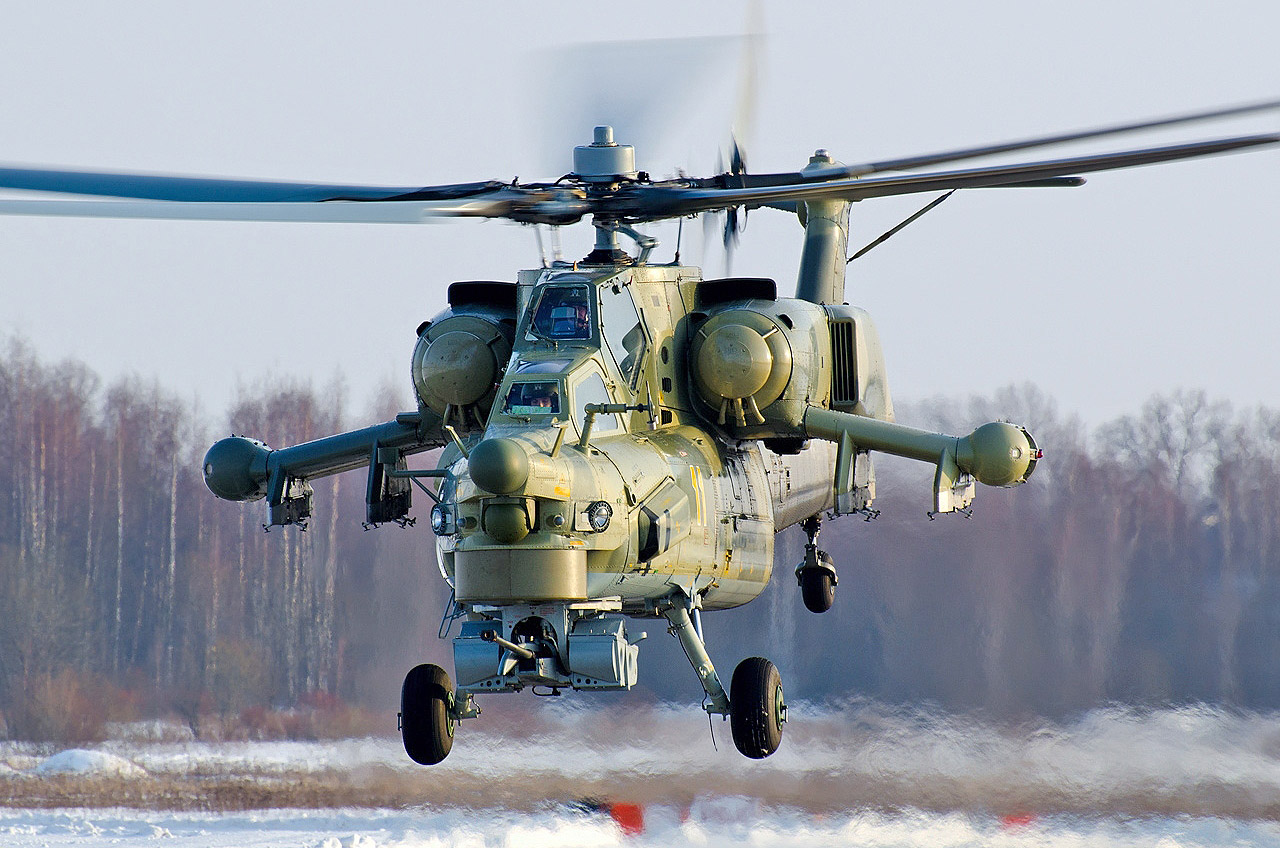
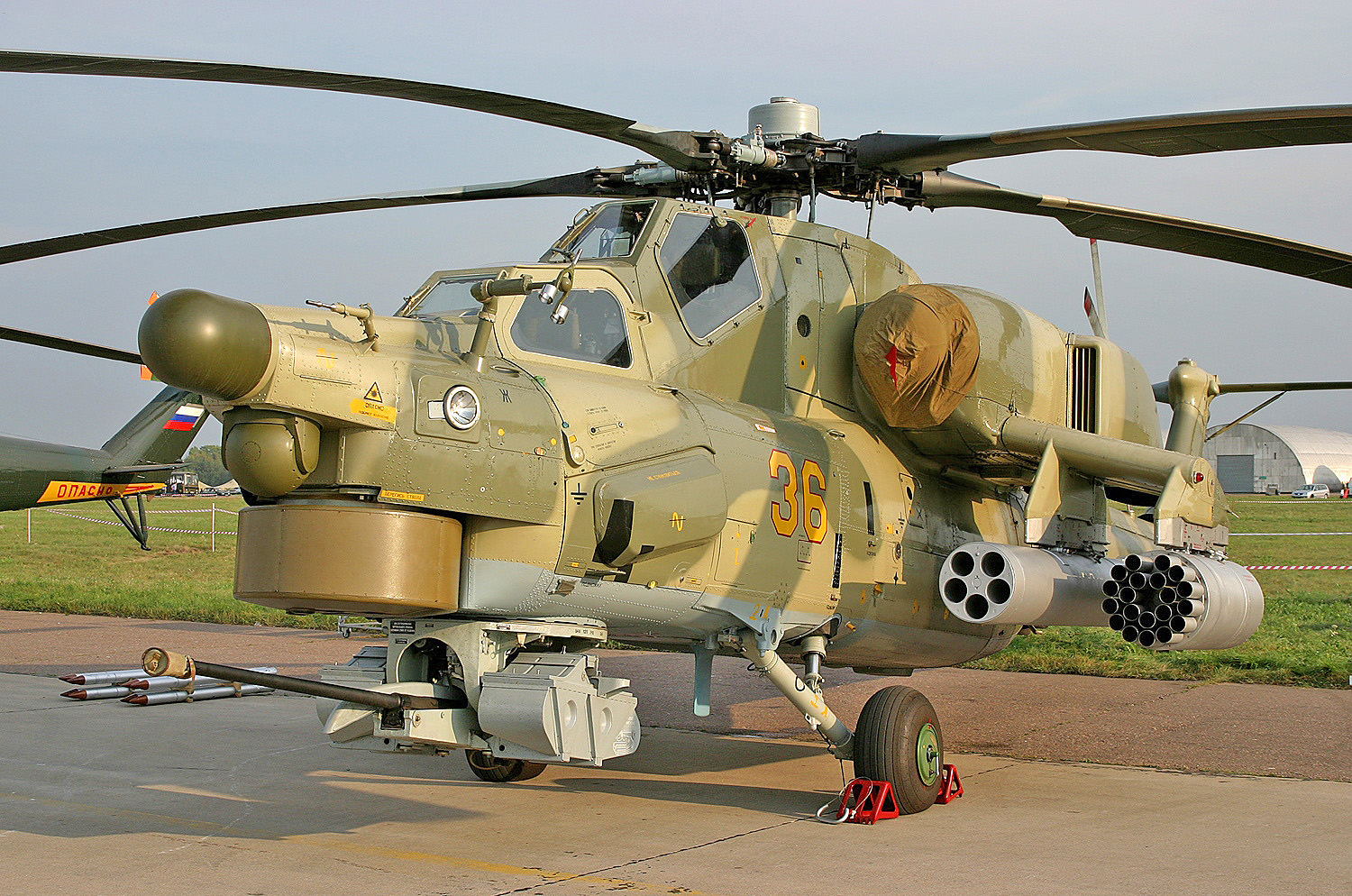
3: Mil Mi-28 ‘Havoc’

 Mil Mi-28 ‘Havoc’

Looking like a Soviet Apache the ‘Havoc’ has suffered a development history about as long as the Tiger, except in this case due to a lack of interest from the Russian Defence Ministry rather than German indecisiveness.

Learning from the experience of operating the Mi-24, a requirement was drawn up in the late ‘70s for a new helicopter that would be a dedicated gunship lacking the ability to carry armed troops.  However, a small compartment to carry three personnel remains allowing rescued aircrew to travel in slightly more comfort than sat on the chin pods as they do with the Apache. 


3: Mil Mi-28 ‘Havoc’

 Mil Mi-28 ‘Havoc’

The Mi-28 first flew in  1982, but by the end of 1984, the rival Ka-50 had been chosen as the new anti-tank helicopter.  This is where things should have ended, however, Mil continued development, improving the aircraft’s capabilities so that by 1995 the Mi-28N emerged with better navigation equipment to allow night and all-weather operation. 

Back to top

Showing that perseverance sometimes pays off deliveries of the Mi-28N to the Russian Army started in 2006, over two decades after the first flight. The type has been heavily used in the Russian invasion of Ukraine that started in 2022, where at least 13 Mi-28s have been lost so far.


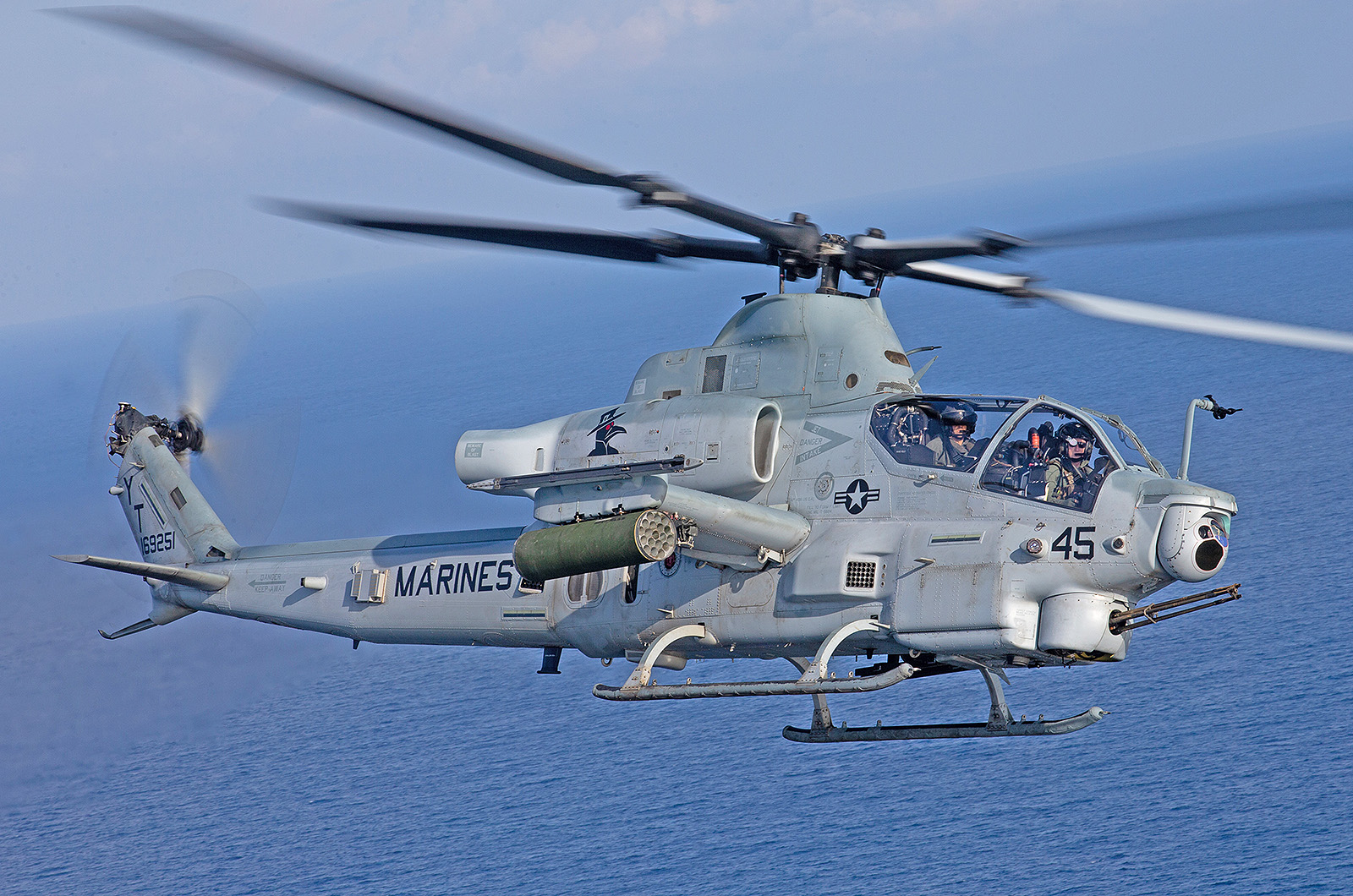
2: Bell AH-1Z Viper

 Bell AH-1Z Viper

Sharing much with the UH-1 ‘Huey’, the AH-1 was born of a need to provide dedicated fire support for US troops in Vietnam. The Huey Cobra was selected to provide an interim measure while the extremely sophisticated AH-56 Cheyenne was developed (though the Kaman Tomahawk had officially won the contest).  Bell’s model 209 entered service with only a few alterations from the competition entrant 209.

The latest version of this now veteran design is the radically more potent AH-1Z Viper’, Cobra still shares a transmission, engines and tail with the UH-1Y ‘Huey’, the UH-1Y having been developed at the same time as the AH-1Z allowing for a claimed 85% commonality in maintenance significant items. 


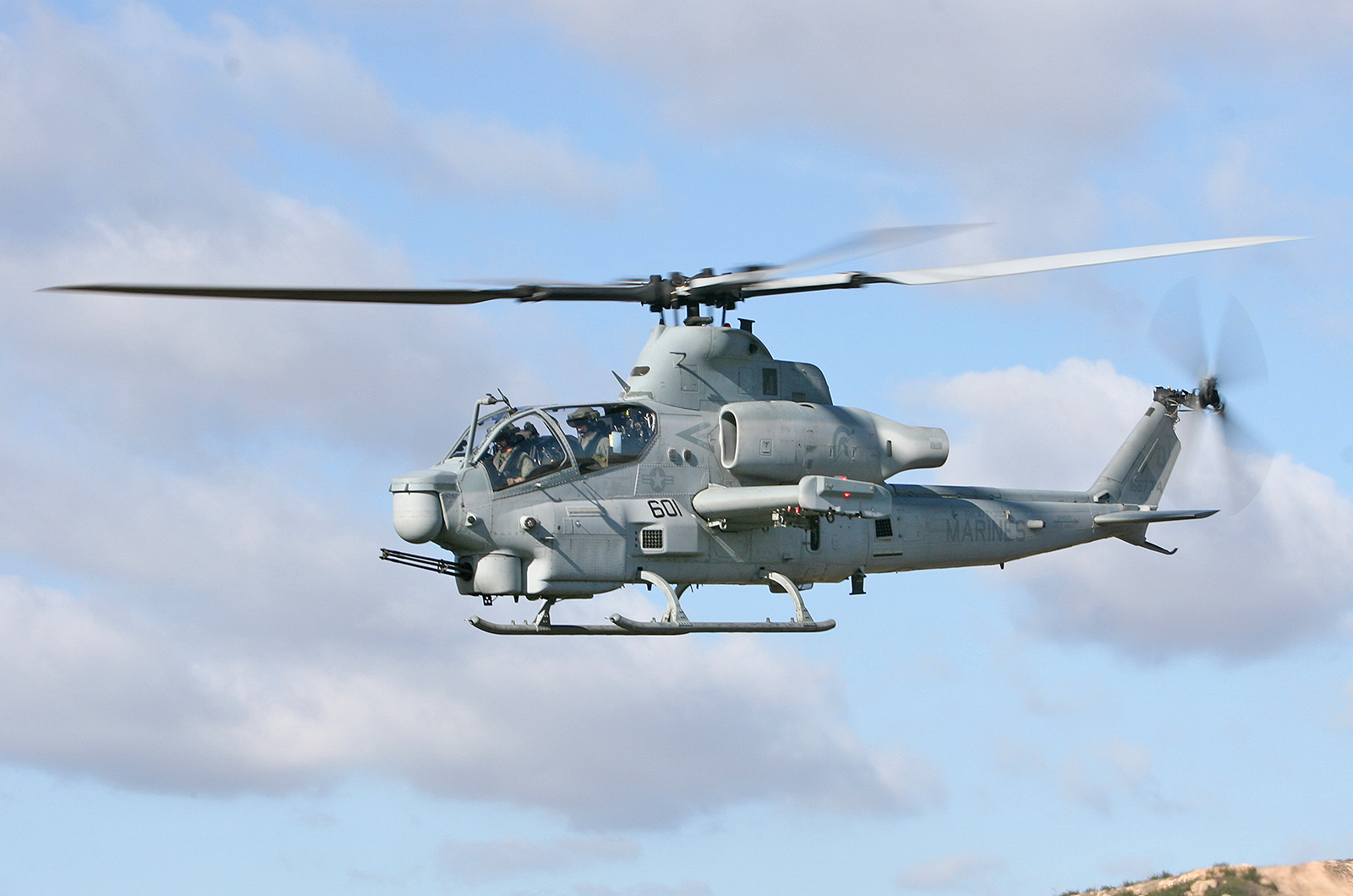
2: Bell AH-1Z Viper

 Bell AH-1Z Viper

The most obvious external difference to the legacy Cobras is a new four-bladed main rotor which should reduce the vibration levels at slow speed while also improving overall performance and all up mass. 

The stub wing is also increased in span and gains a missile pylon at the tip, the main advantage of the increase in span however is a repositioning of the inner pylon which previously had to be tilted to ensure jettisoned weapons wouldn’t hit the skids limiting what could be carried there.  As an interim measure the Cobra family has now been in service for over 50 years and doesn’t appear to be retiring anytime soon.


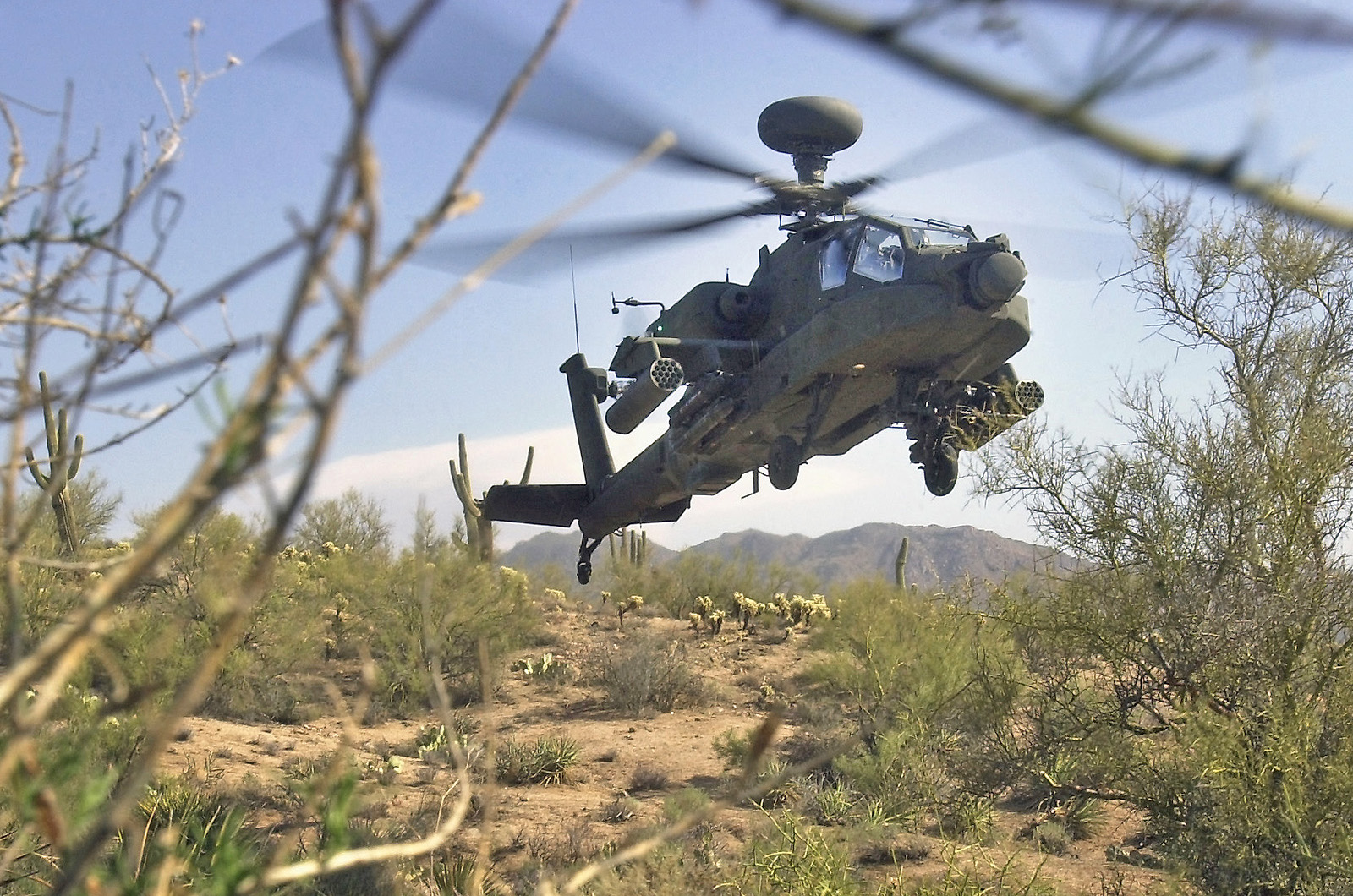
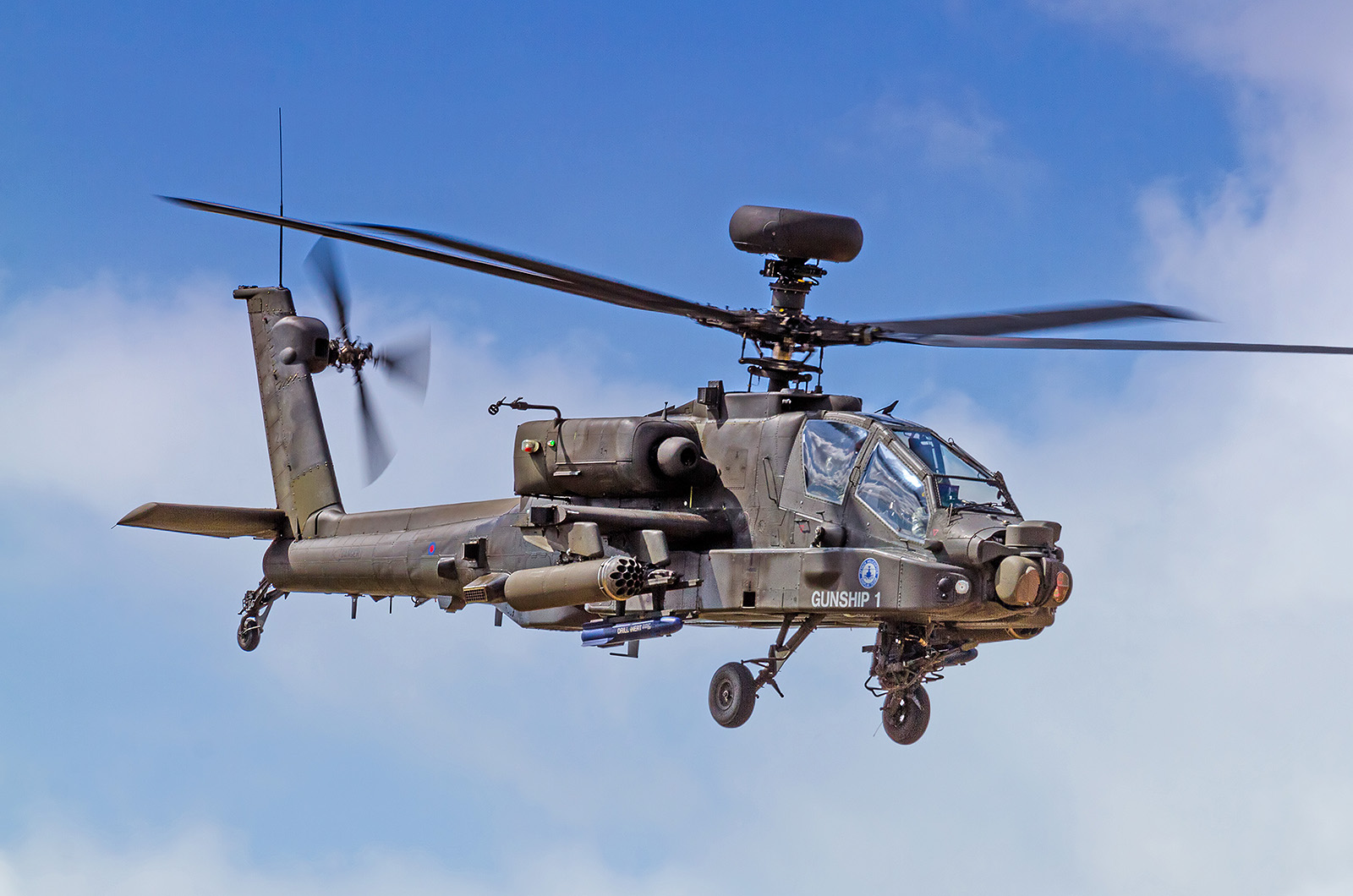
1: AH-64 Apache

 AH-64 Apache

The Apache was developed by Hughes Helicopters for the programme to replace the US Army’s AH-1 Cobra, first flying in 1975.  The first A models entered service in 1986 and three years later were deployed to Panama as part of Operation Just Cause, the following year almost half the US Apache fleet was deployed to Saudi Arabia for Operations Desert Shield and Desert Storm. 

Back to top

In 1997 the AH-64D was introduced featuring a glass cockpit, the Longbow fire control radar, a data modem to share targeting information and up-rated engines.  The US Army acquired new build D models along with converting their existing A model aircraft, making it the de-facto standard, due to the costs for other users of maintaining the earlier models without the purchasing power of the US driving down the price of parts.


1: AH-64 Apache

 AH-64 Apache

The D itself is now being phased out by the AH-64E Guardian which features improved communications and data processing, more powerful GE T700 engines, and the ability to control UAVs.  Initially the Es are being paired with RQ-7 Shadow drones, presumably as a prelude to Judgement Day when the drones take over completely and subjugate mankind as their slave work force.

Foreign operators of the Apache include the Netherlands, Japan, Saudi Arabia, and Israel; the UK builds a modified locally produced variant called the WAH-64D (pictured).   Current production is expected to run until 2026, 50 years after the first example flew and thanks to continual development it remains the standard to beat.

Follow Joe Coles on Substack, Twitter X  or Blue Sky. His superb Hush-Kit Book of Warplanes is available here.

If you enjoyed this story, please click the Follow button above to see more like it from Autocar

Photo Licence: https://creativecommons.org/licenses/by/4.0/deed.en

Join our WhatsApp community and be the first to read about the latest news and reviews wowing the car world. Our community is the best, easiest and most direct place to tap into the minds of Autocar, and if you join you’ll also be treated to unique WhatsApp content. You can leave at any time after joining - check our full privacy policy here.

Add a comment…