





8

Forgettable electric Toyota gets an outdoorsy sibling with a likable functional agenda

Find Toyota bZ4X Touring deals
Other Services
Sell your car
84% get more money with

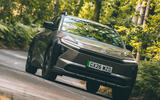
There’s something slightly curious going on with the new estate version of Toyota’s mid-sized EV: the Toyota bZ4X Touring.

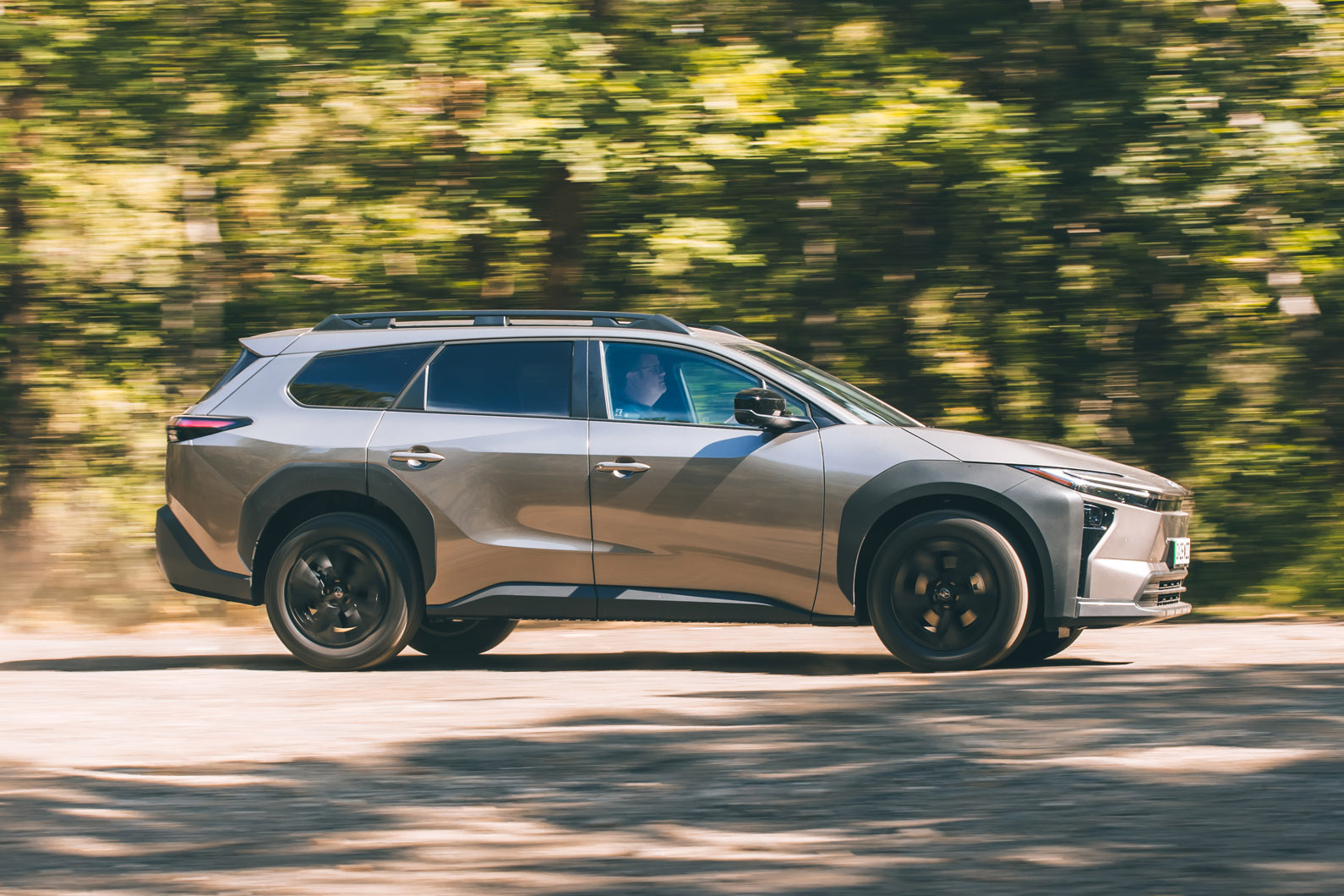
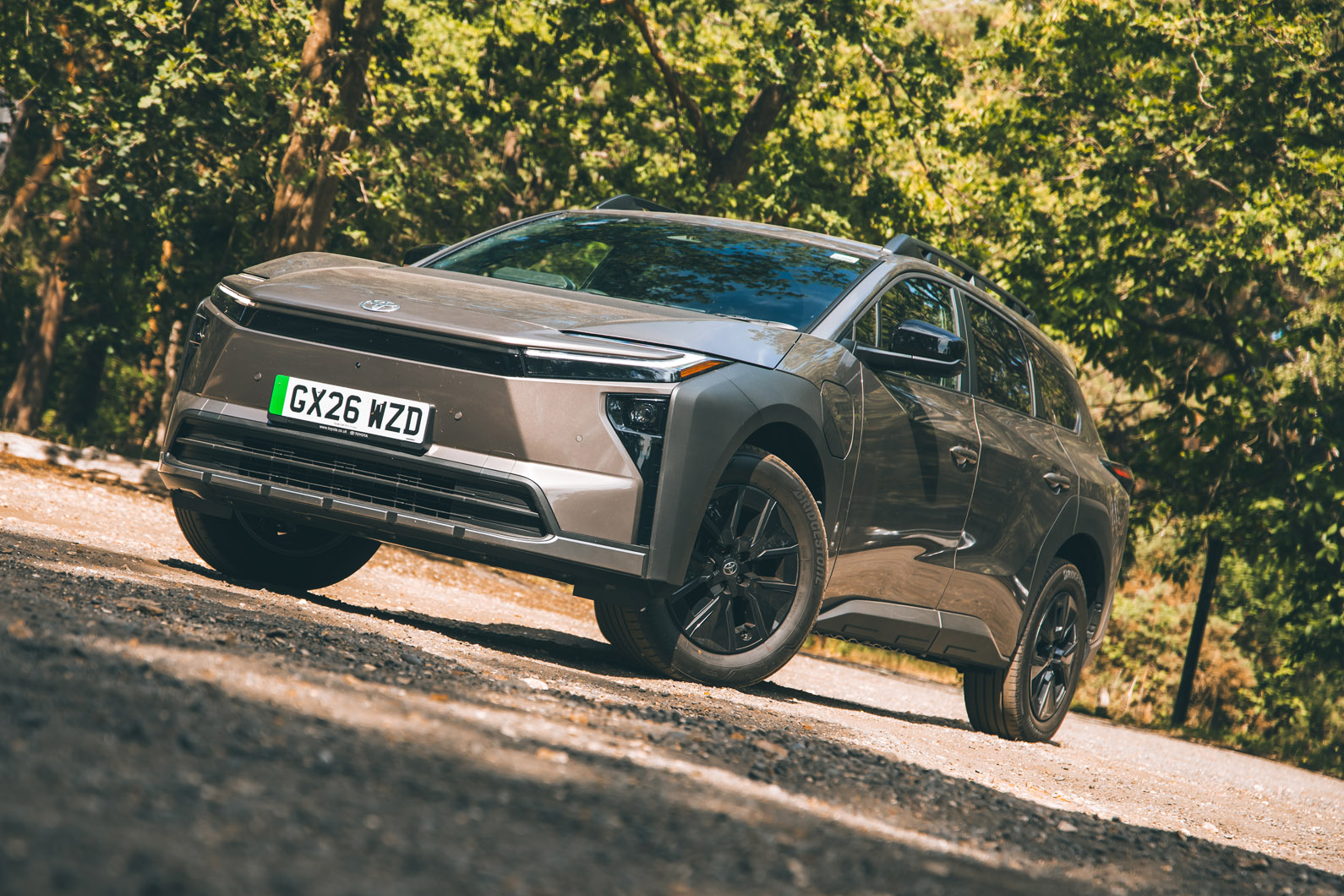
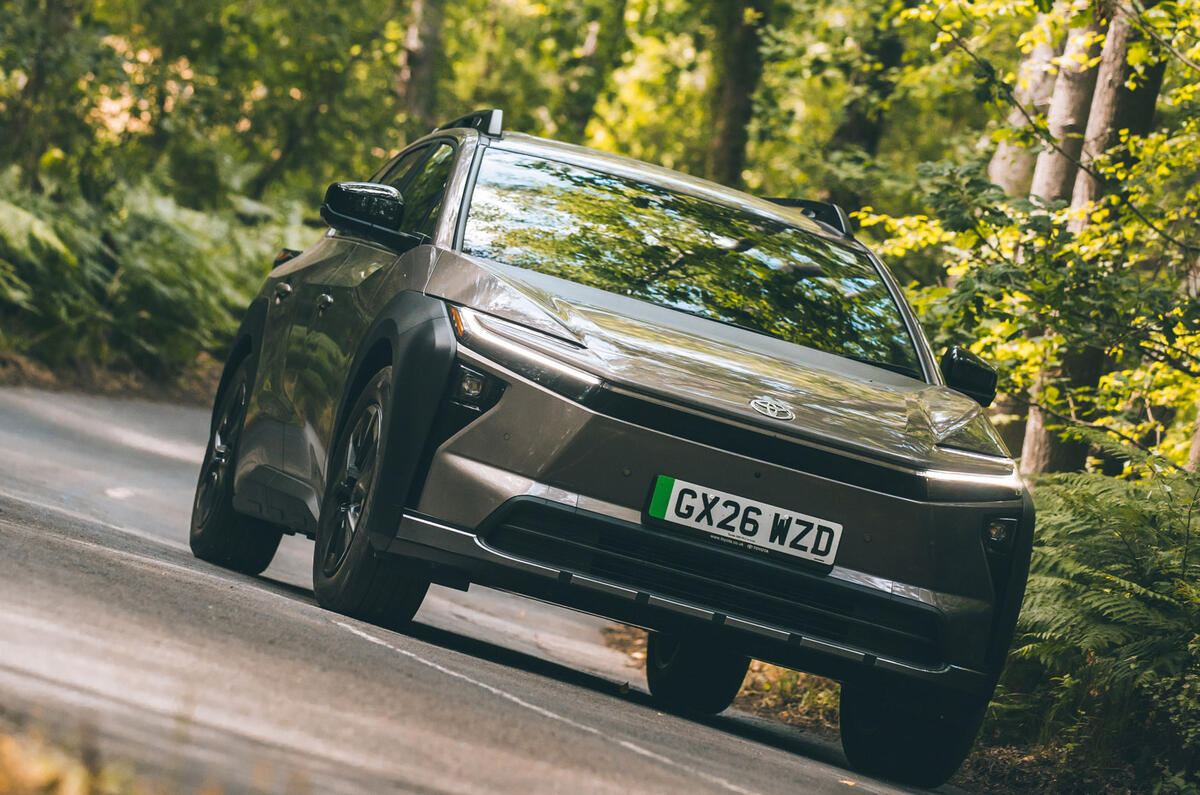
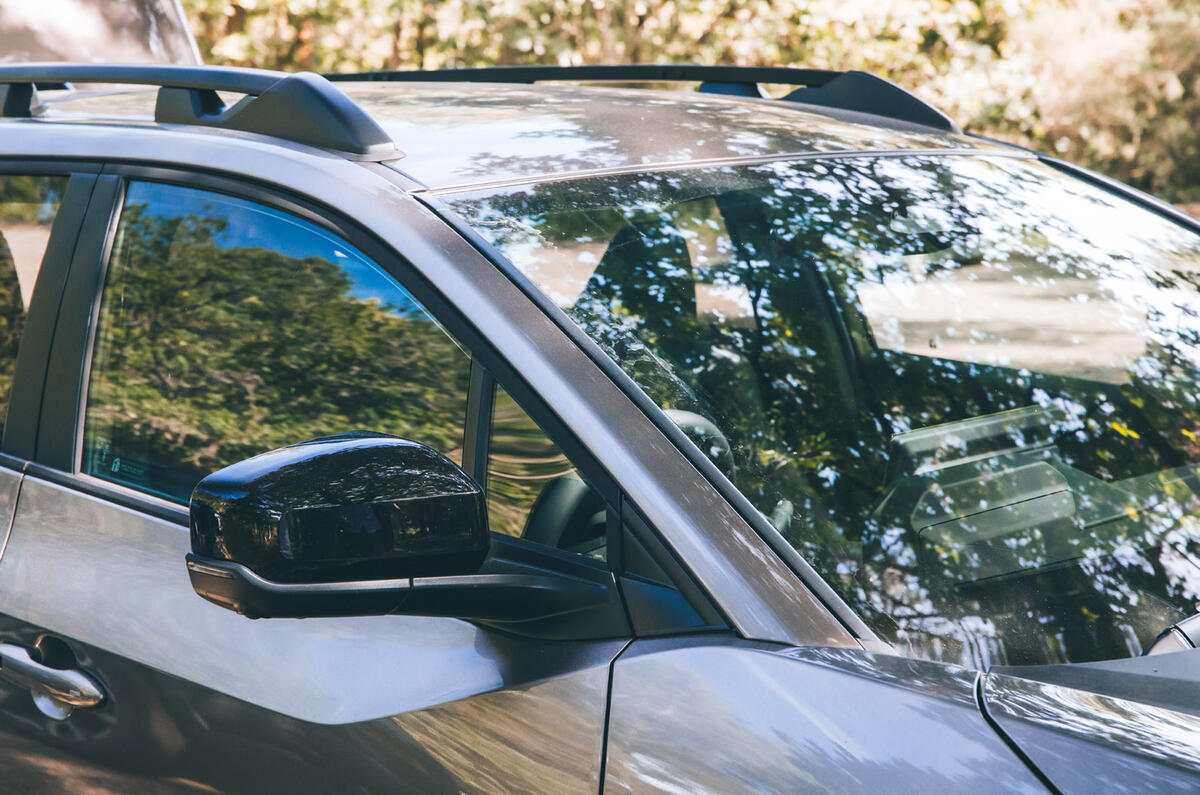
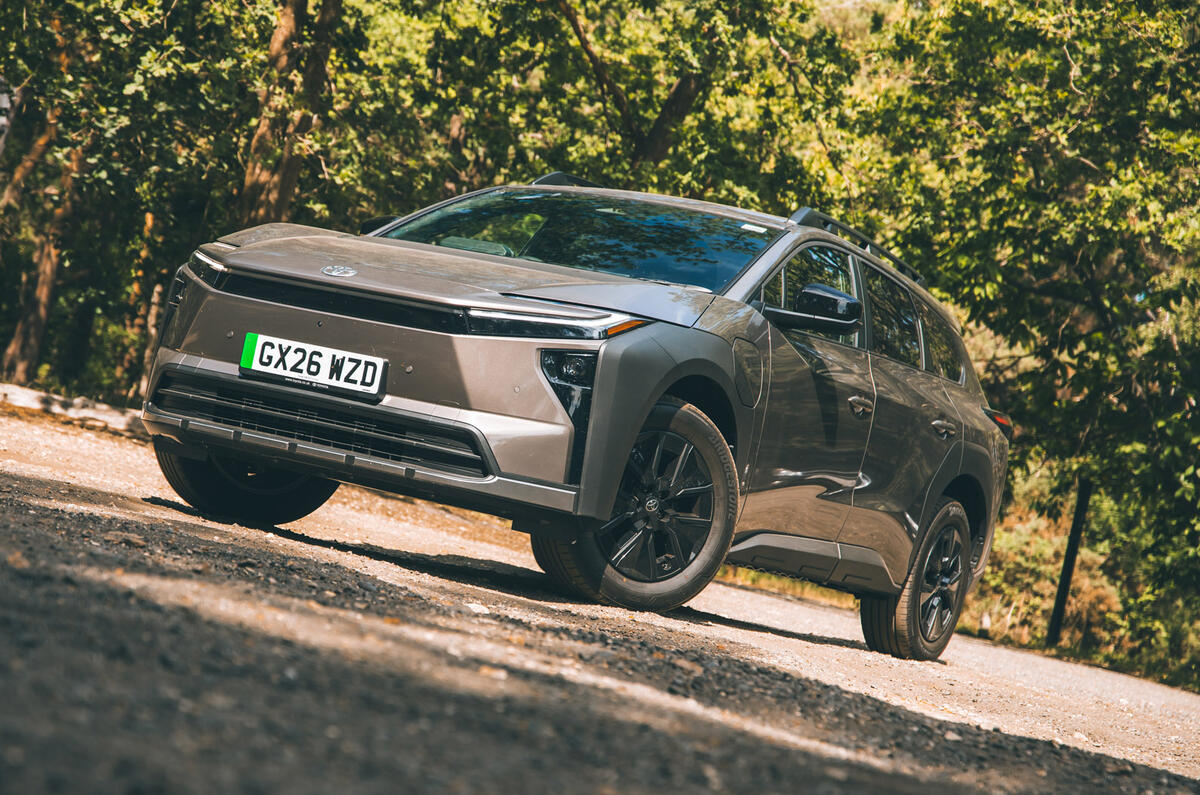
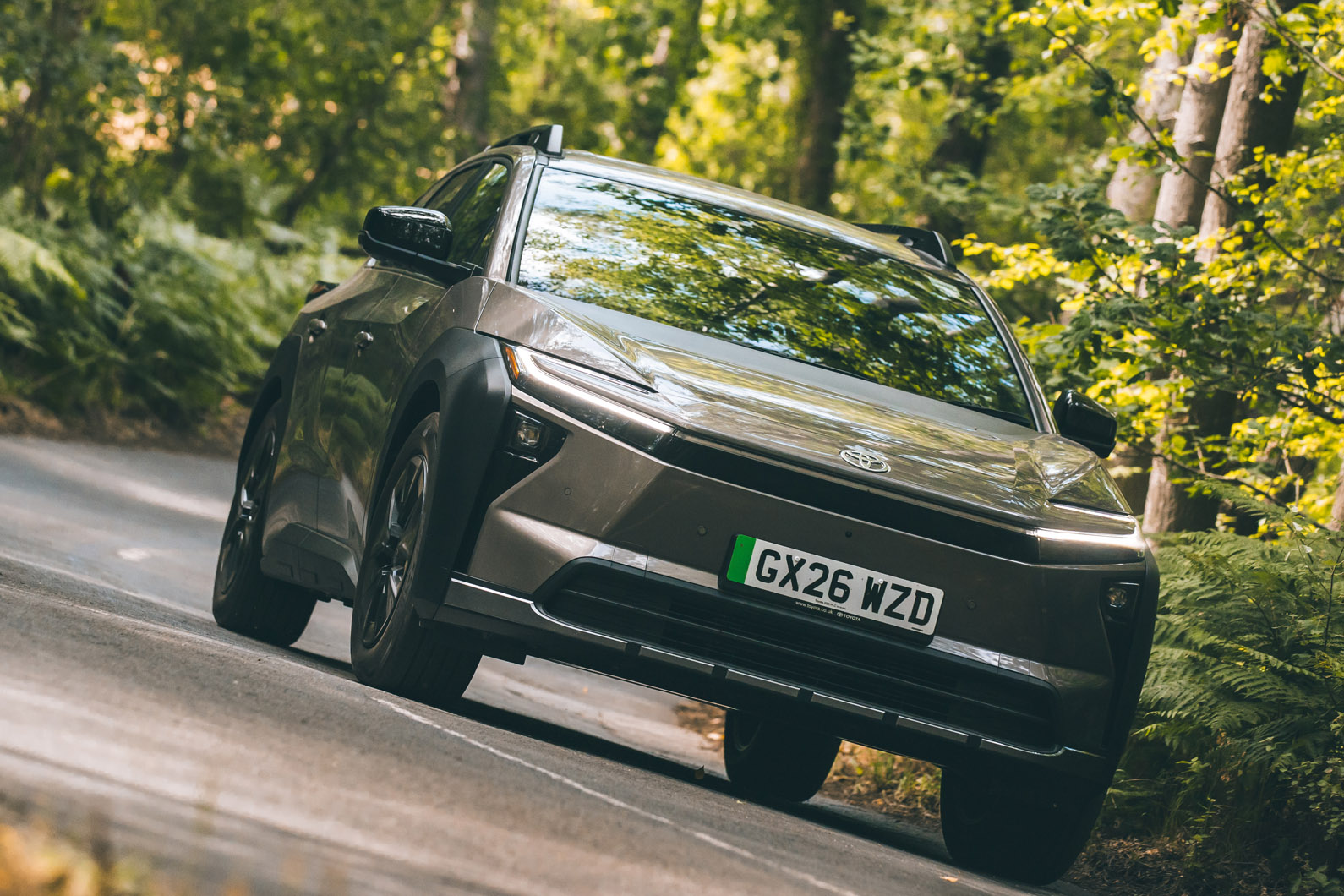
This higher-riding, rugged-looking wagon derivative can now be considered ‘even more crossover’ than the normal car, I suppose. It’s part hatchback, part SUV; part off-roader, part urban sprawler; part jacked-up hatchback, part estate car. Part Toyota, part Subaru

This is, of course, Toyota’s sister car for the Subaru E-Outback. It effectively broadens out the bZ4X offering by being the only derivative (in the UK showroom range, at least) that can be had with twin-motor four-wheel drive.

But, unlike in the Subaru, you can have it with simpler, cheaper, single-motor front wheel drive instead if you prefer; which gets you a more efficient car with a WLTP Combined lab-test range of 367 miles - the longest of any bZ4X you can buy.
Advertisement

DESIGN & STYLING

8
Toyota bZ4X Touring review 002

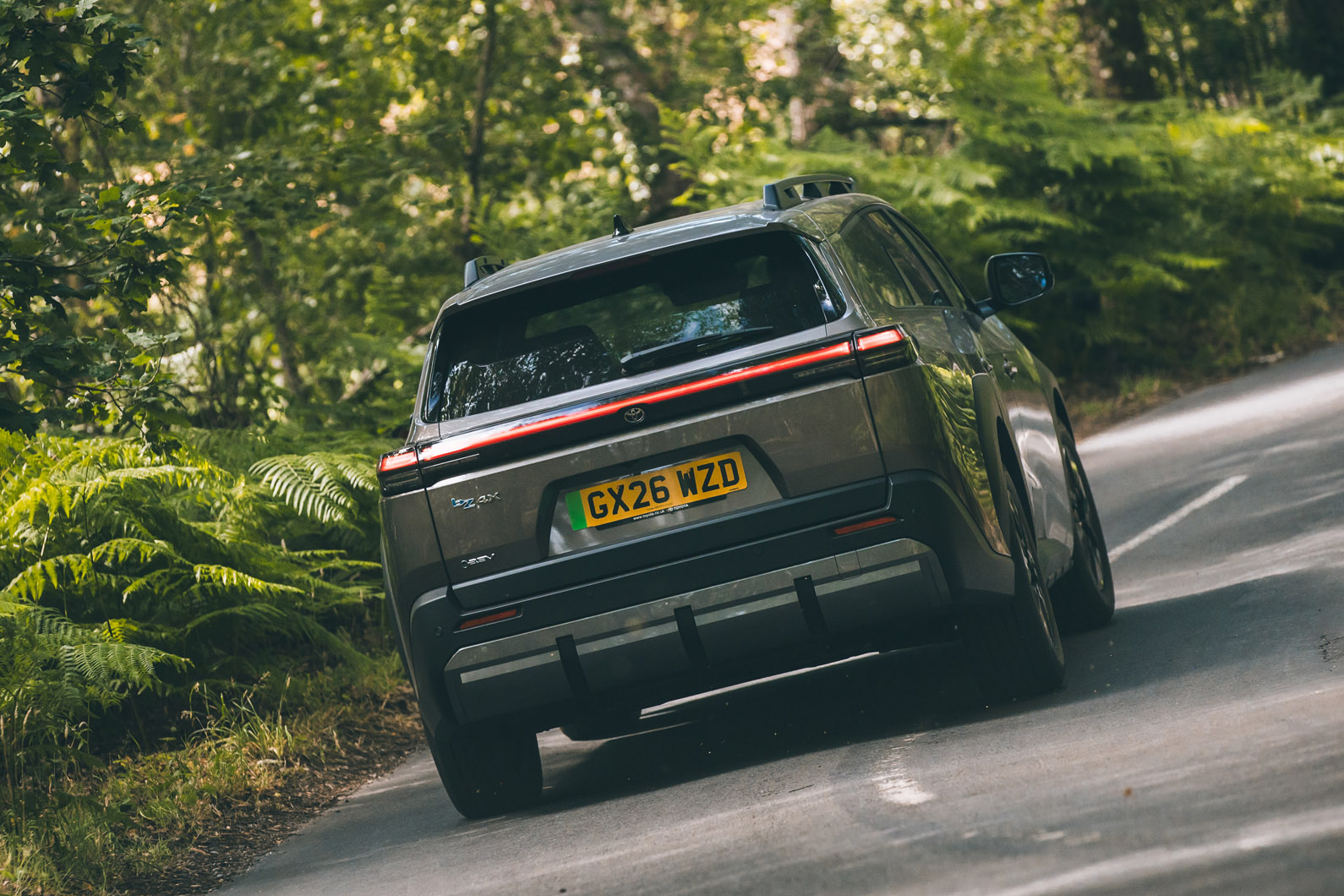
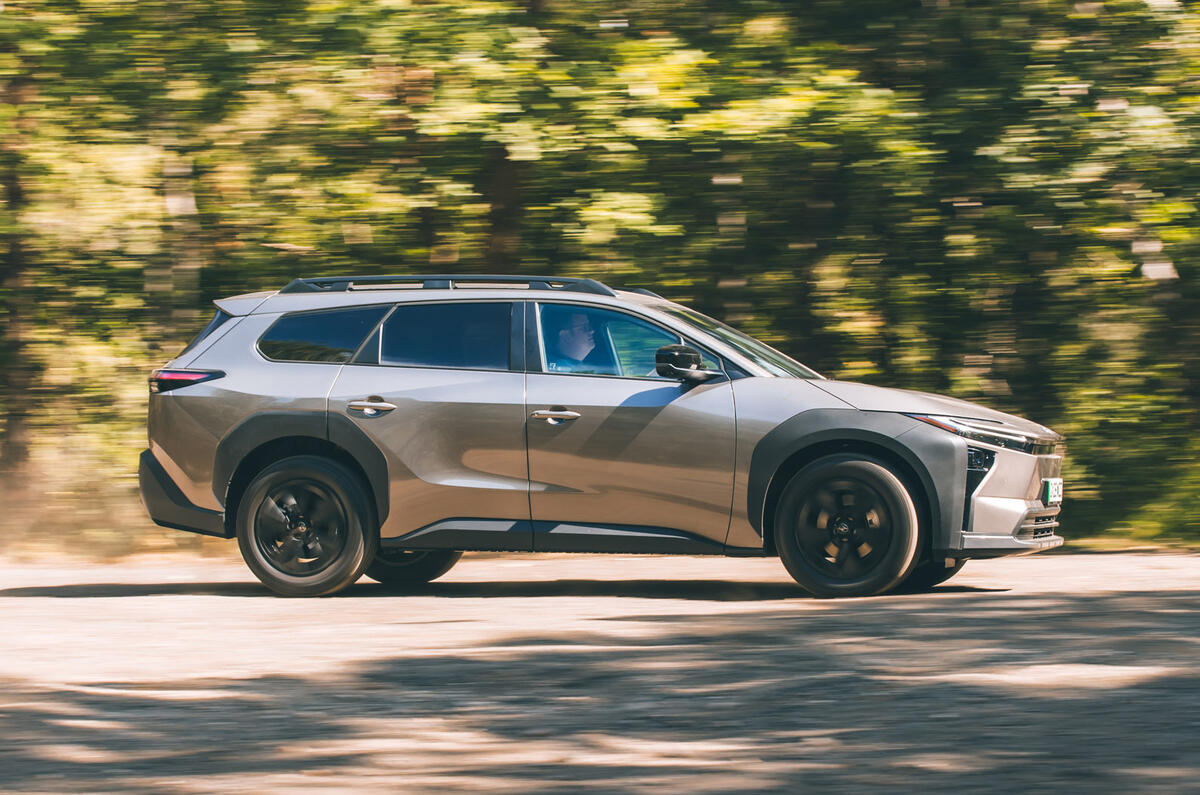
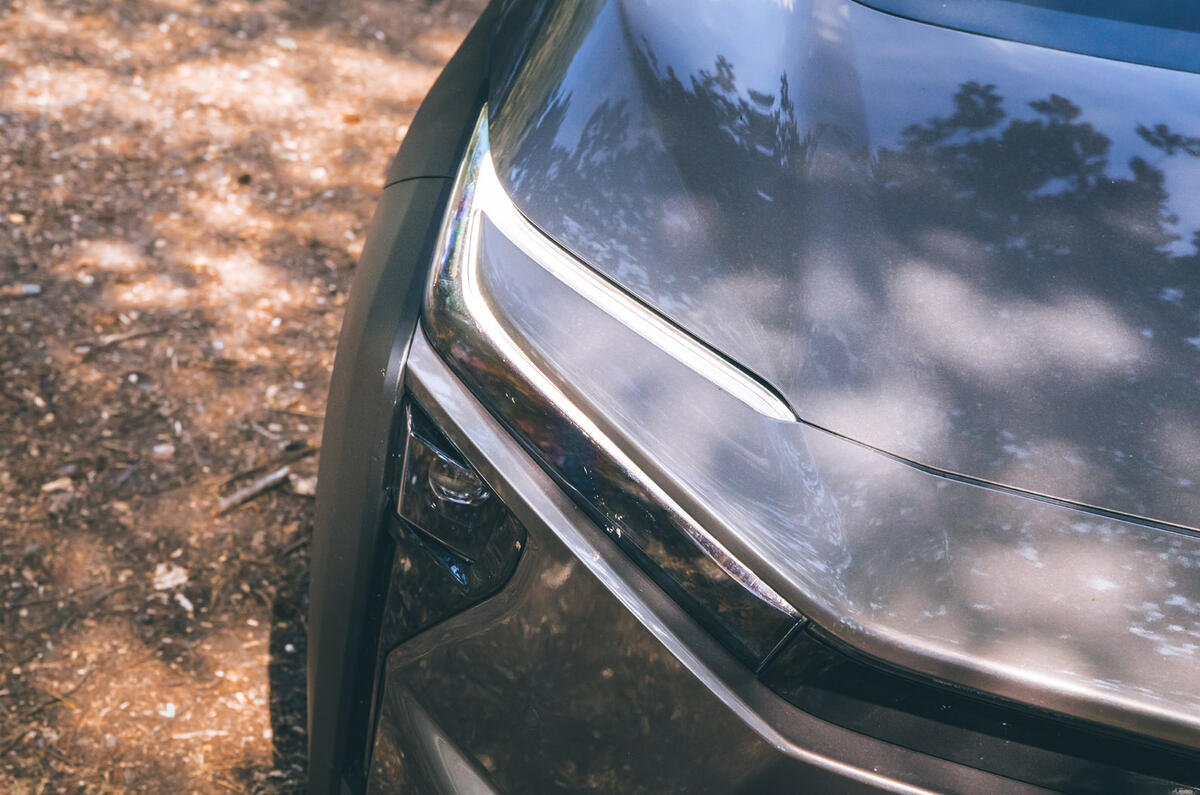
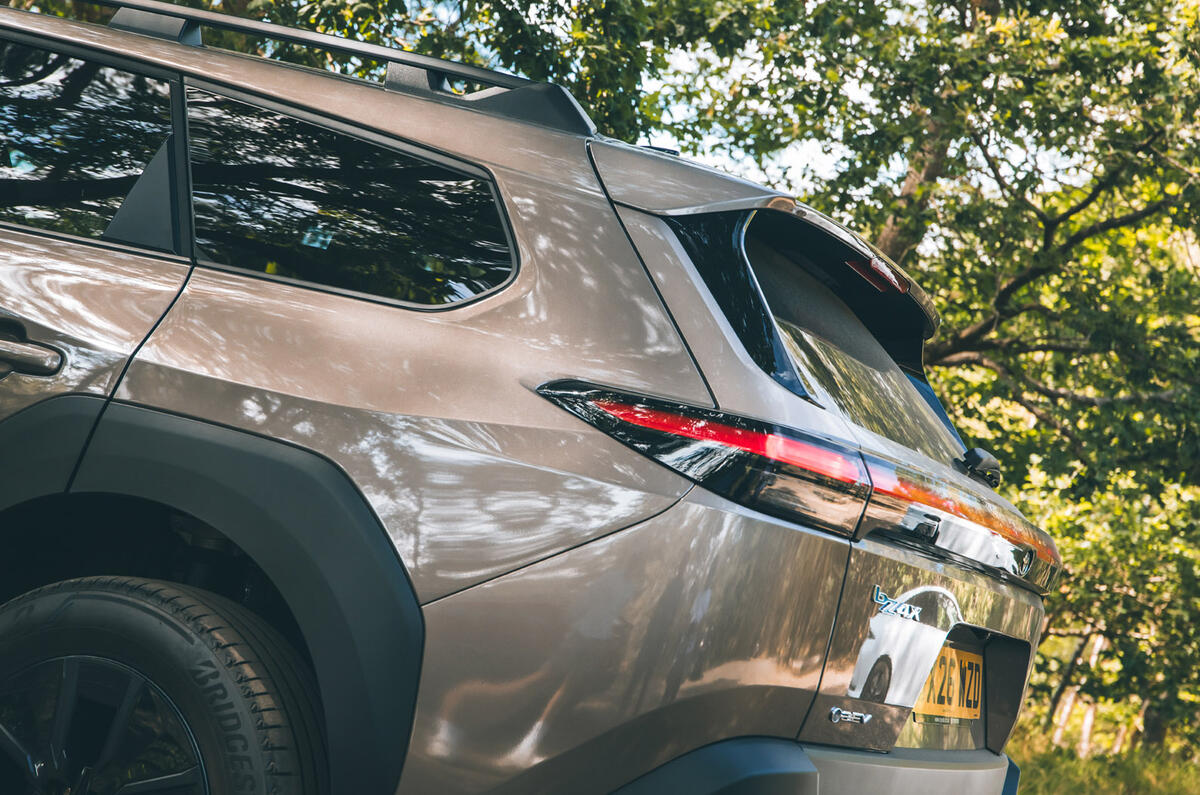
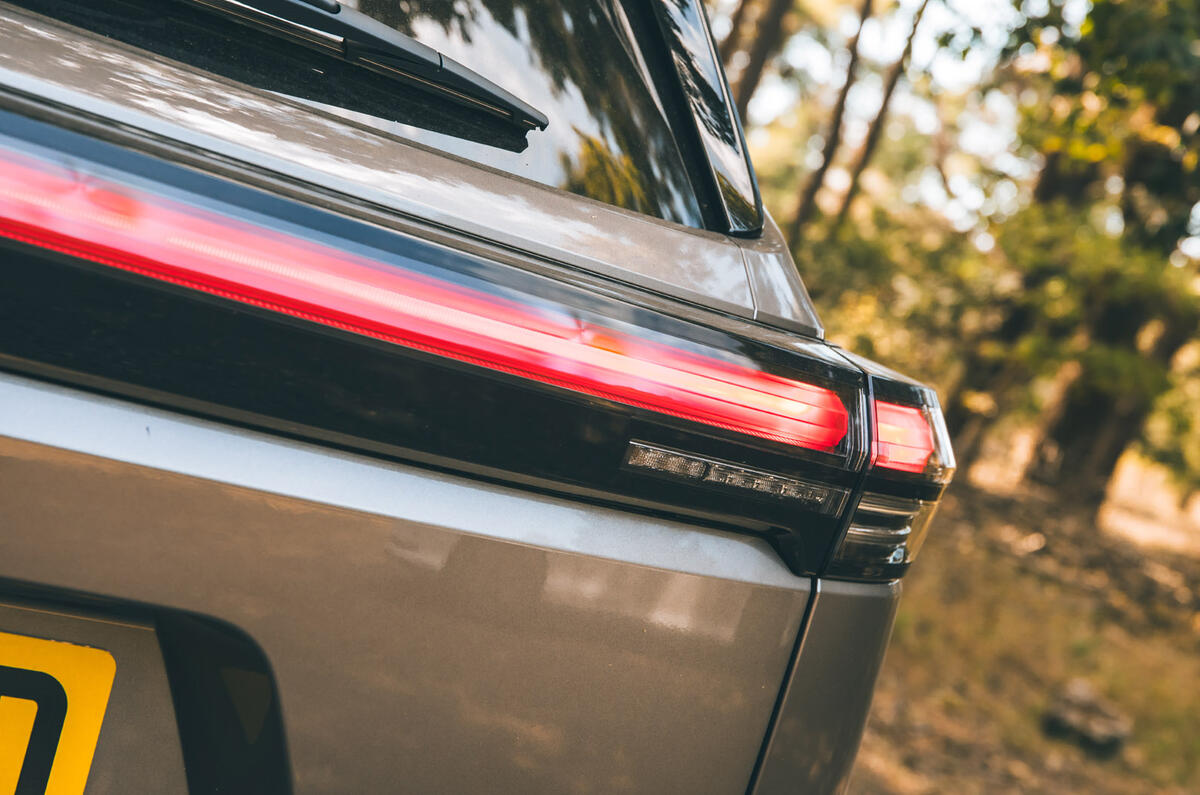
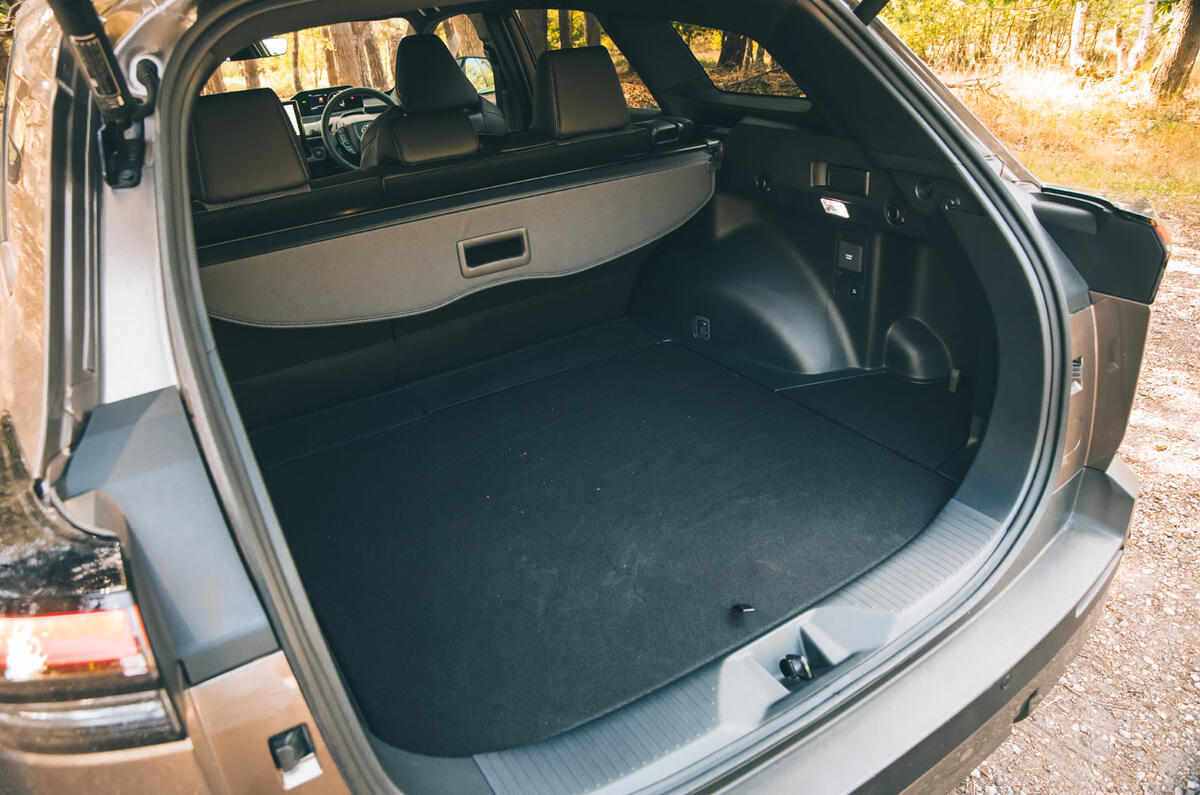
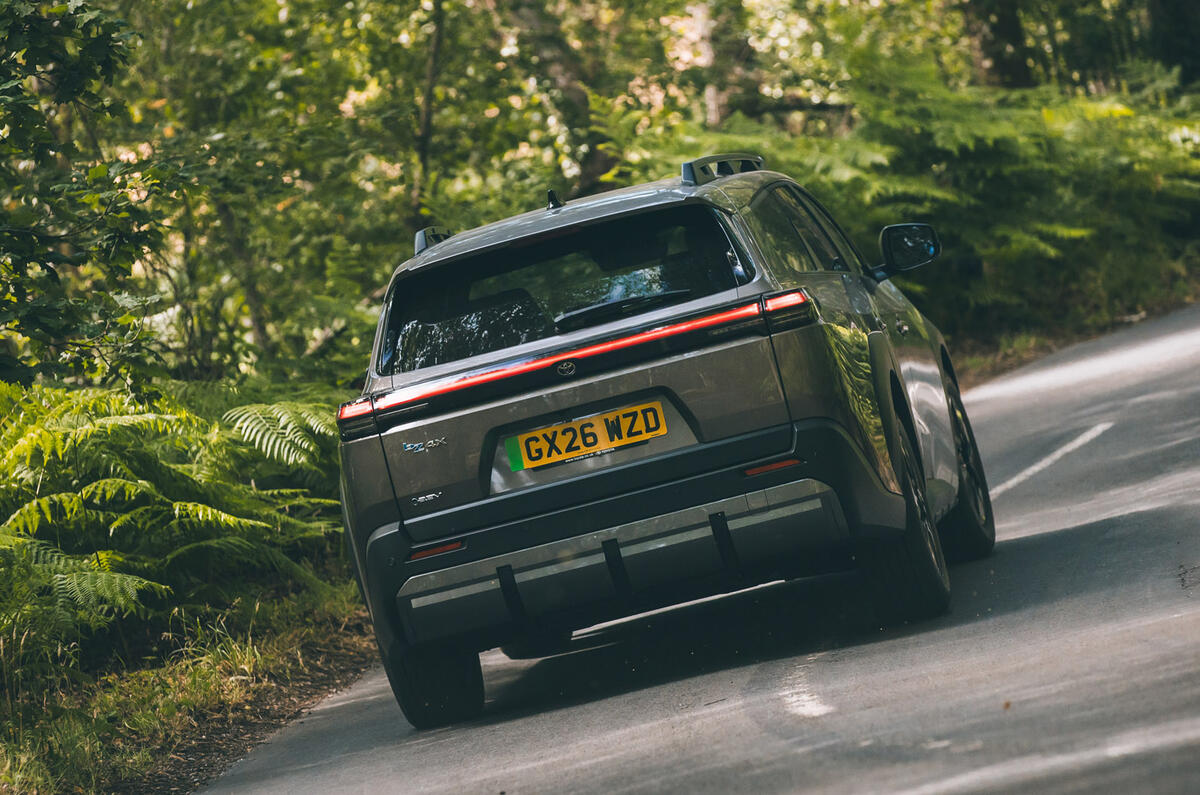
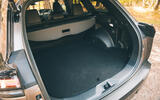
The bZ4X Touring’s a little over a foot longer than a regular Toyota bZ4X, stretched entirely within the rear overhang to the improvement of boot space. It’s got the conventional square rear end of an estate, and almost 50 per cent more cargo volume than its sister model, according to Toyota. 

It also grants 11mm of additional ground clearance versus a base bZ4X - or 15mm if you go for the twin-motor model (available exclusively in the Touring bodystyle) on account of bigger alloy wheels as standard.

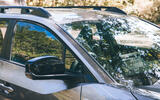
The Design version comes with 18in wheels, and glossy plastic hubcaps that don’t look especially plasticky or cheap; but which you can change when, inevitably, you scuff or kerb them.

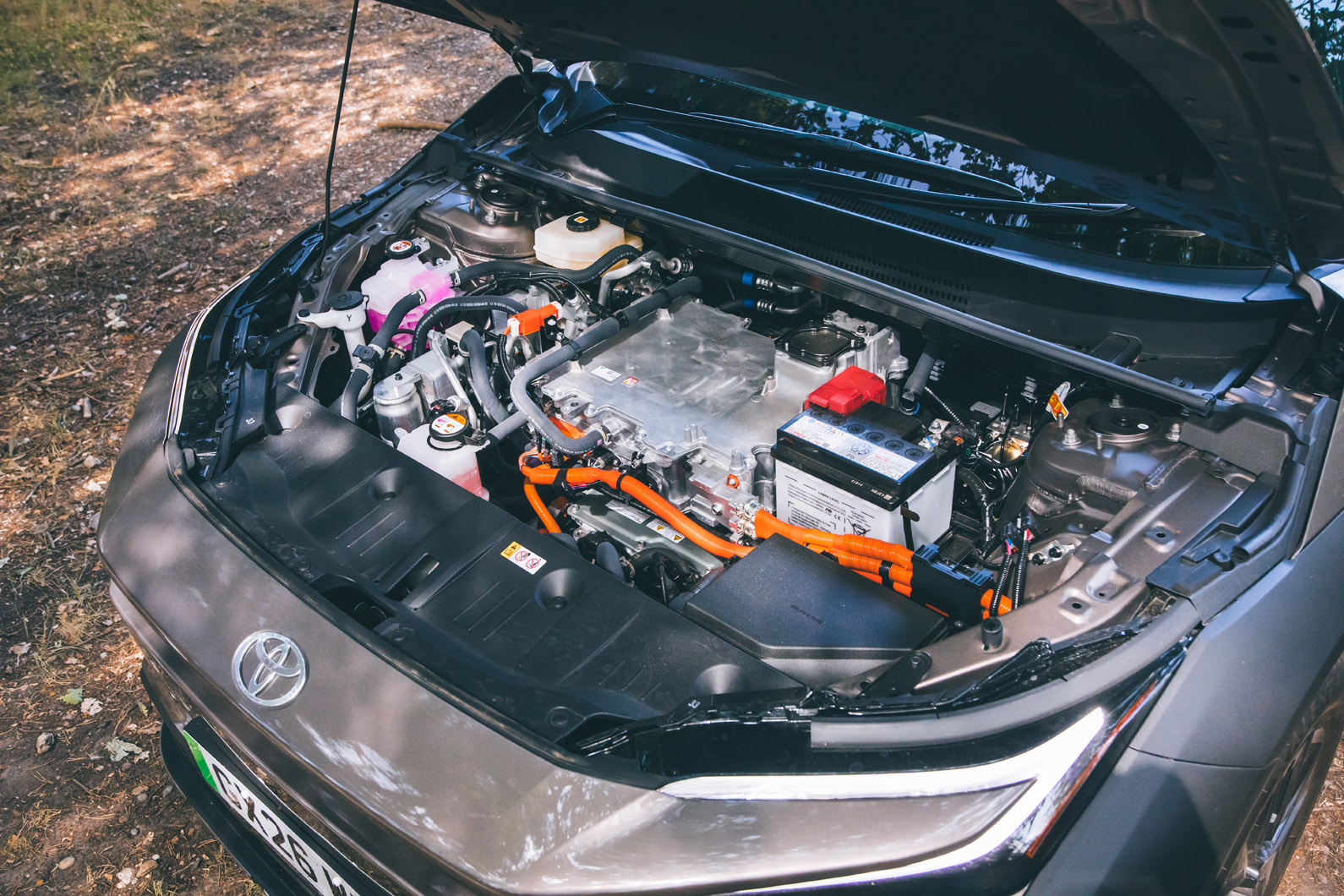
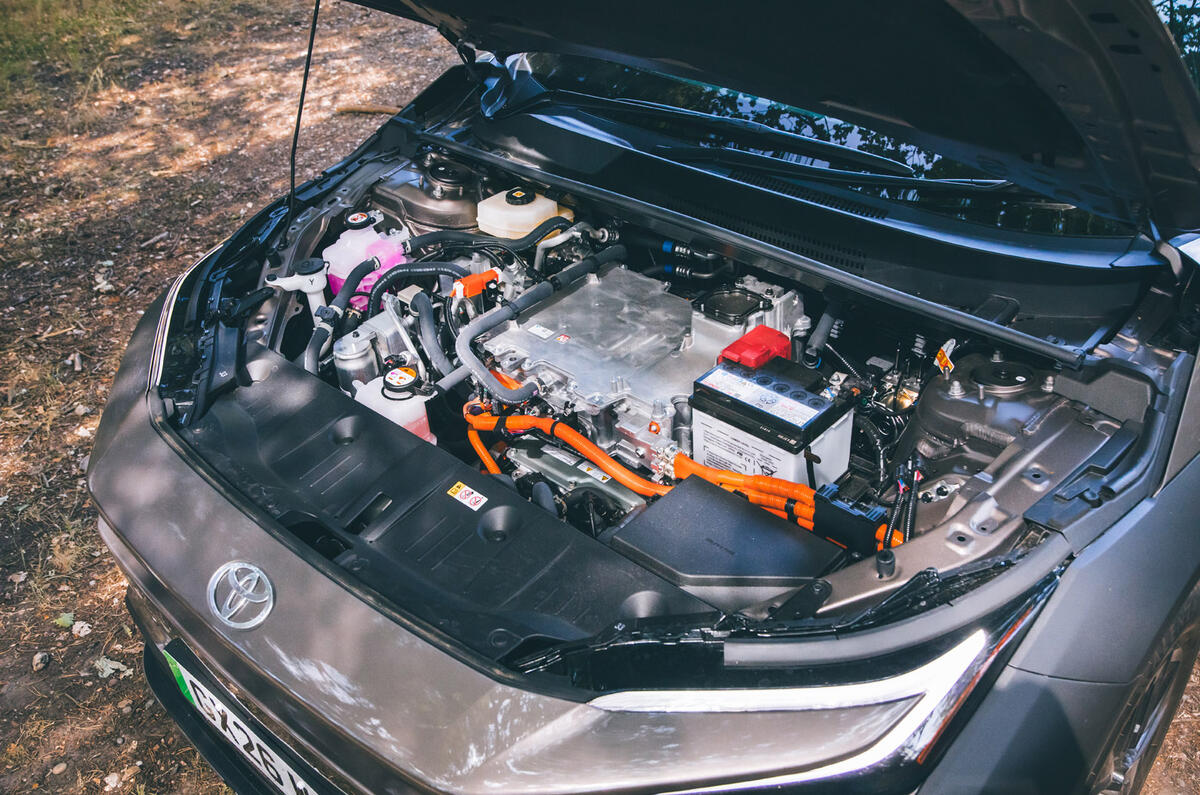
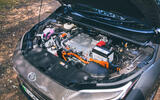
None of that stuff is at all curious, however; which brings us back to where we started a moment ago. The interesting technical differentiator for the Touring seems to be the slightly larger-capacity drive battery that it uses compared with the normal BZ4X. 

Dive deep enough on Toyota’s online tech spec comparison tool and you’ll find evidence of it for yourself. Maybe the twin-motor version needed the extra capacity to supply enough current; or maybe CATL’s pouch cells had a model-year update shortly after the updated 2025 bZ4X hatchback went into production.

Toyota isn’t explaining, so we can only guess why it should be this way; and yet it isn’t secretive about the facts, either. “Usable capacity in a regular BZ4X FWD: 69kWh. In the Touring FWD: 71kWh”.

The thing is, that battery pack must also be lighter than the one in the regular car, as well as more energy dense. Because this estate - more than a foot longer than the car on which it’s based, remember, which is plenty of sheet steel, rubber and glass - is somehow between 20- and 30kg lighter, like for like, than a BZ4X ‘hatchback’.

It’s also rated for a WLTP Combined electric range of 367 miles, compared with the regular version’s 352.

INTERIOR

8
Toyota bZ4X Touring review 008

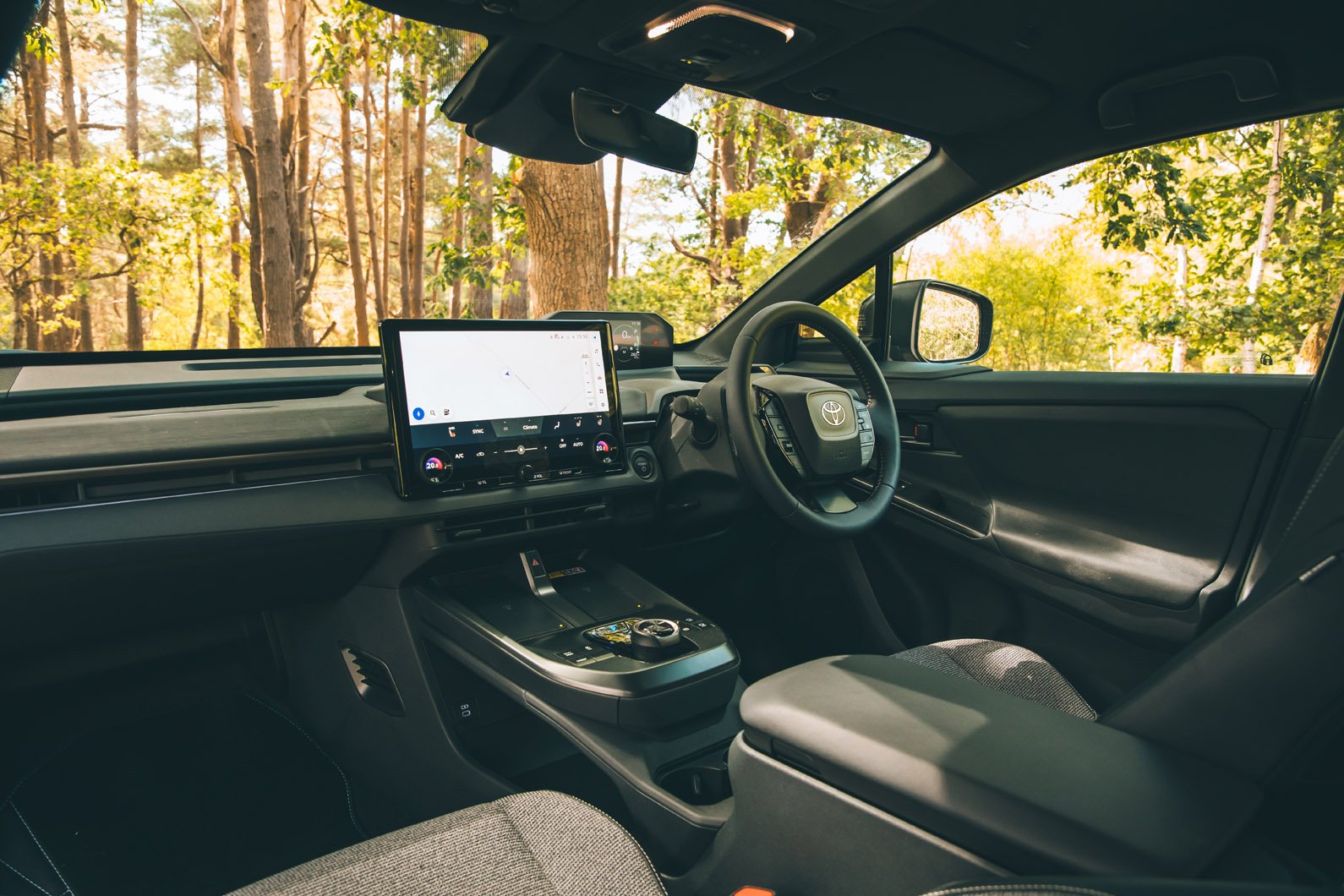
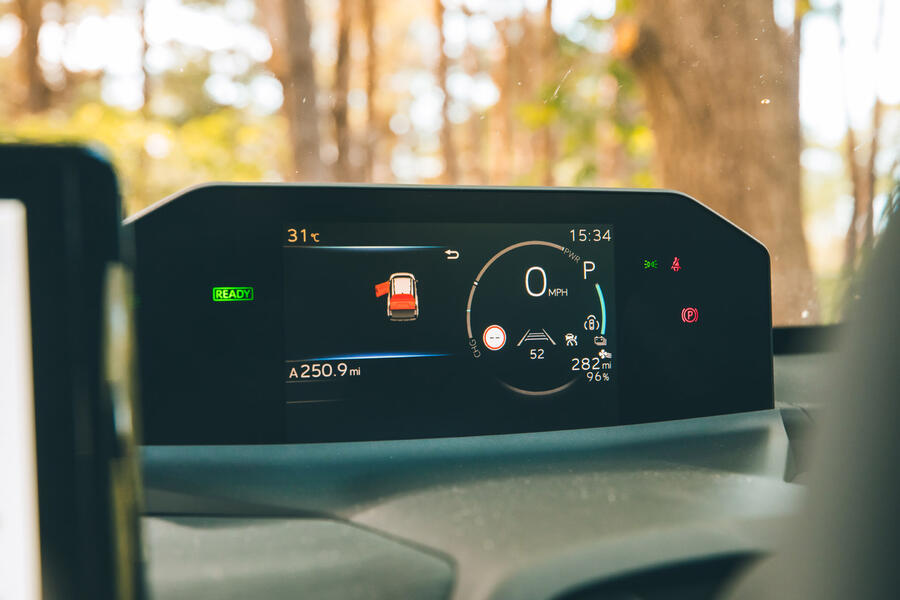
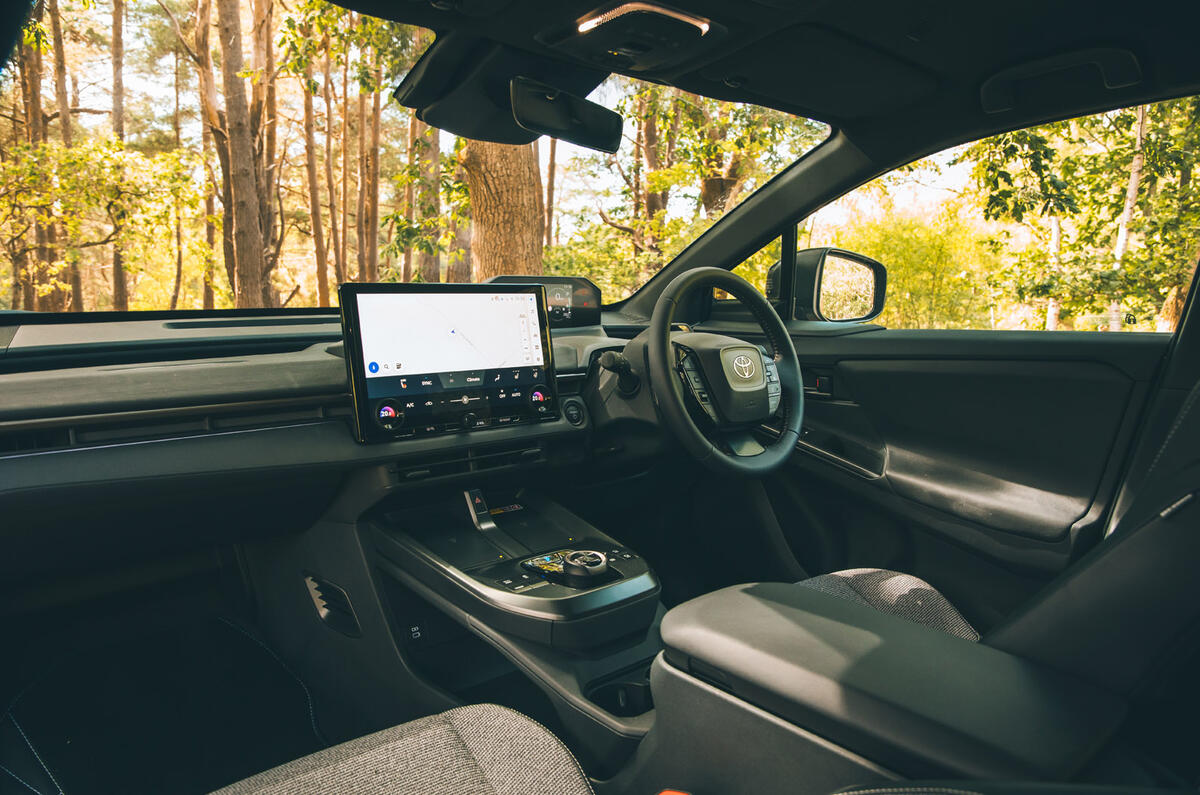
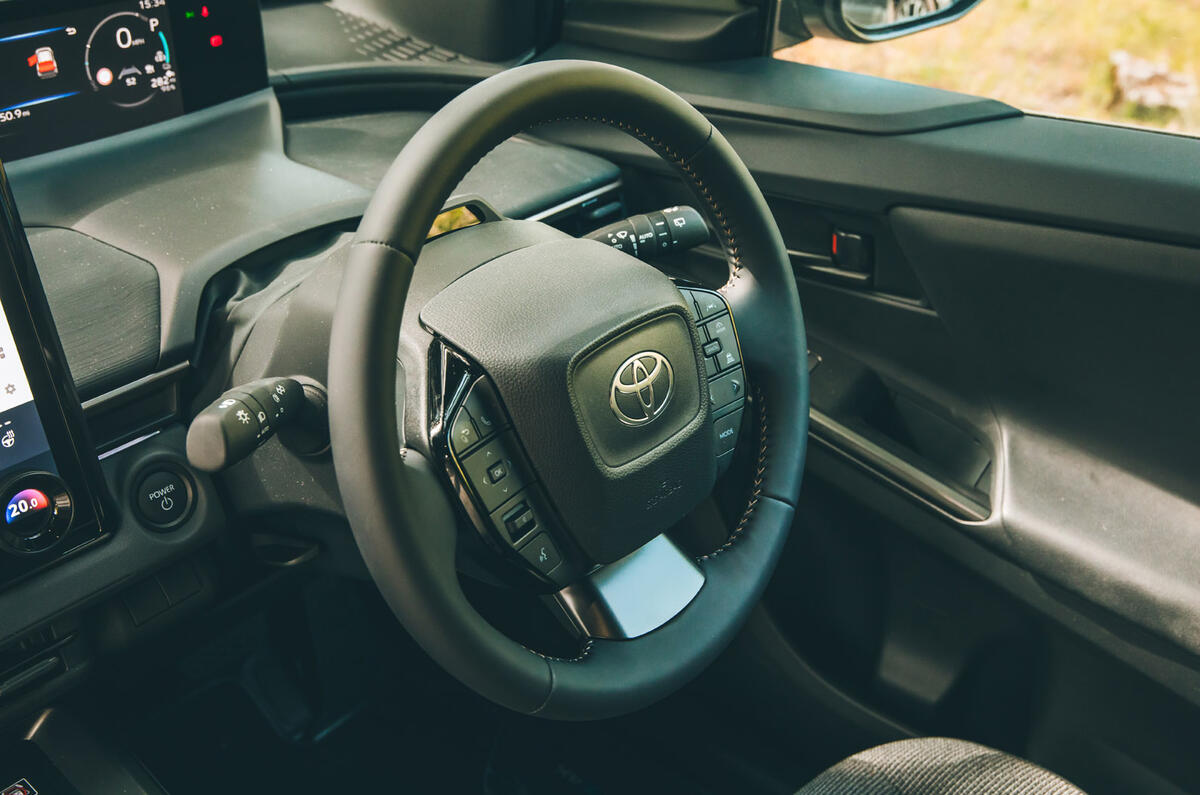
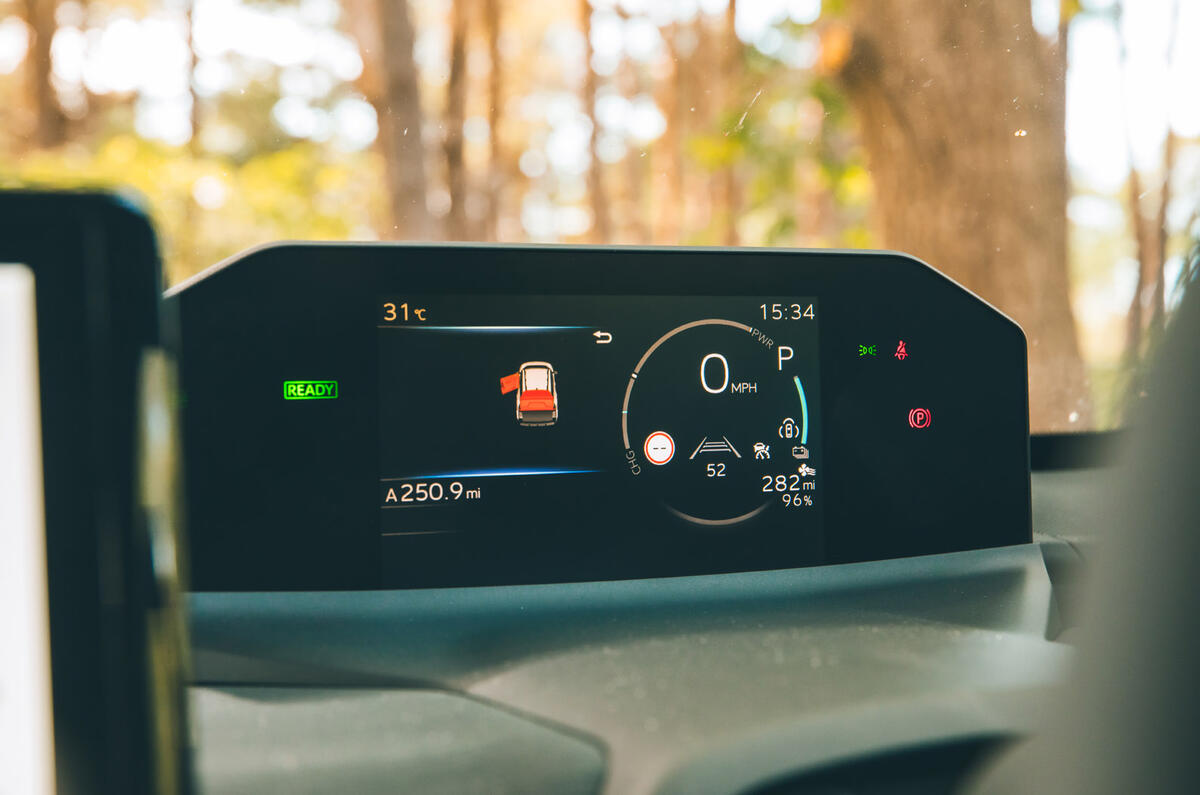
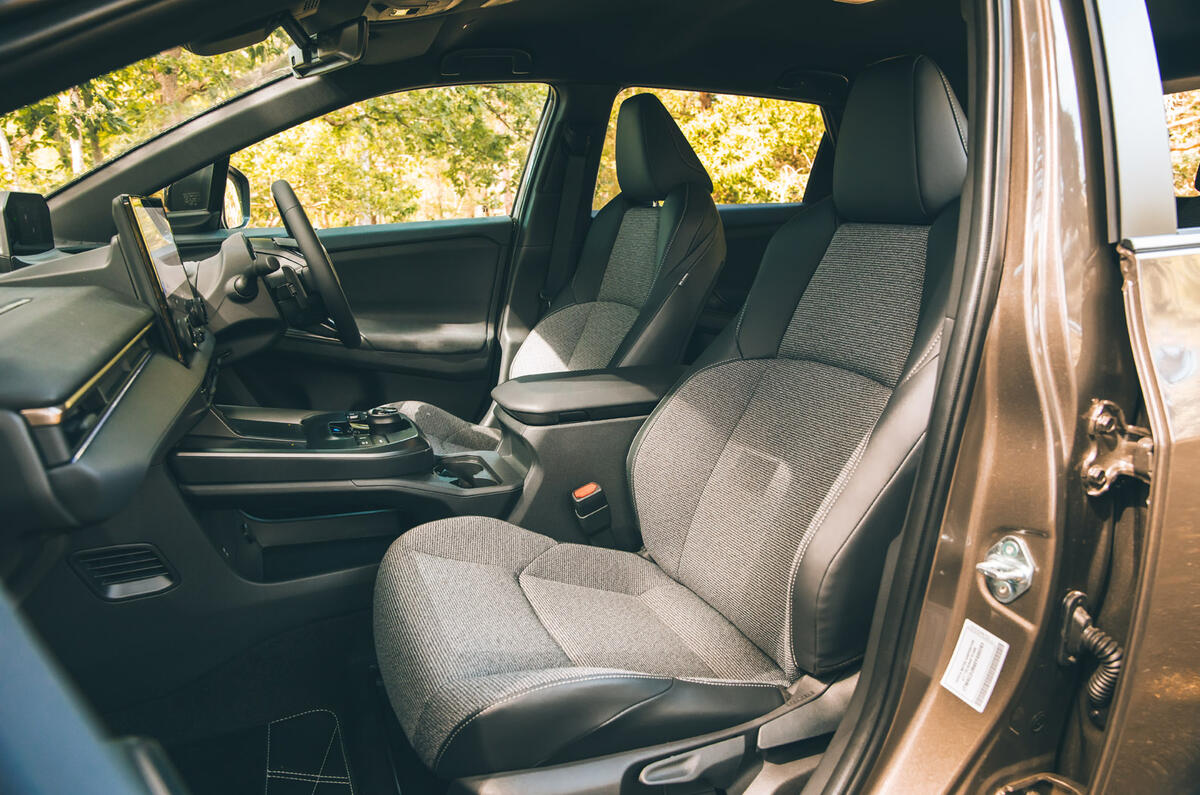
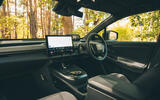
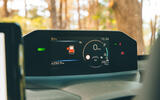
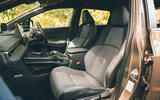
You’re not really aware of sitting any higher, when you slide onboard the Touring, than you do in the regular bZ4X; although you do still sit fairly high. The steering wheel’s a little small and low-sprouting on the fascia; and the digital instruments are set high ahead of you, right at the base of the windscreen.

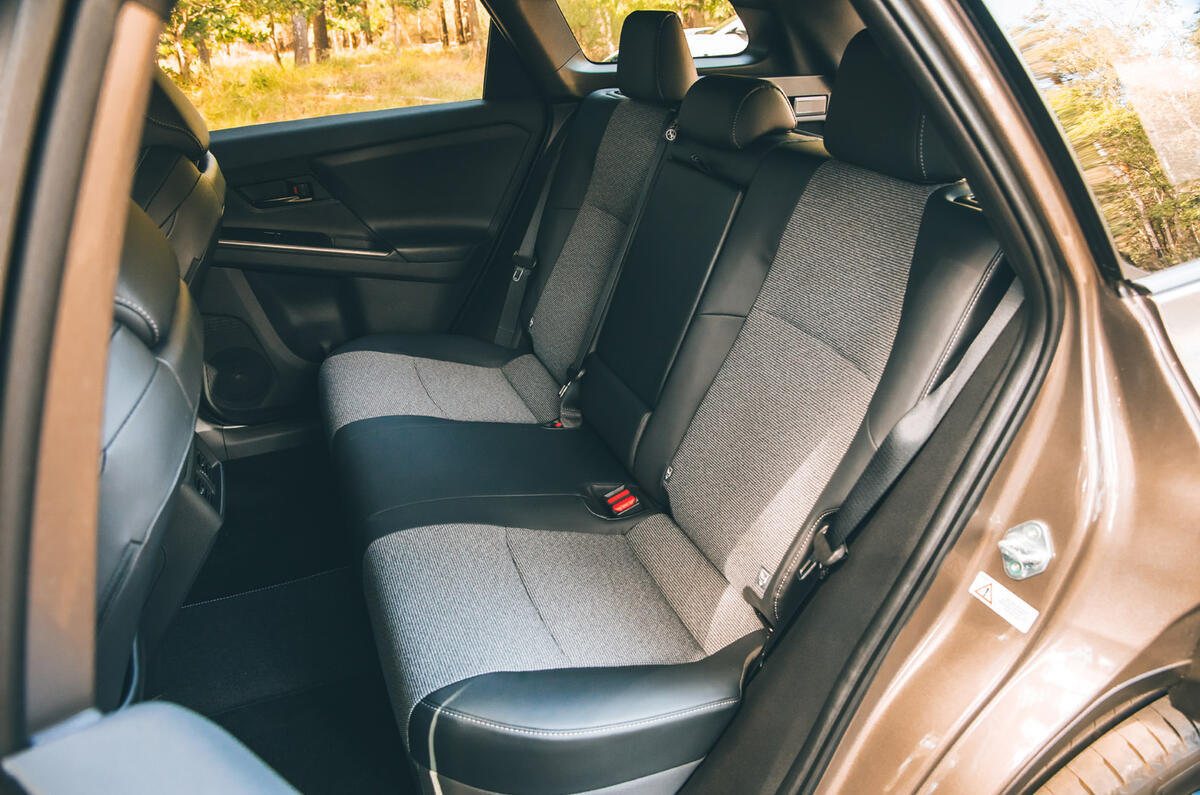
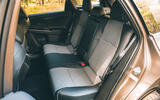
Because you sit at that raised hip point, however, you can see over the steering rim to the gauges just fine. Visibility is good to all sides, and plenty of passenger space is left for adult travellers in the second row.

There’s a chunky, conventional, solid feel to the car’s secondary controls, of which there’s a full compliment; so no need to go looking for wiper, mirror and headlight controls on the touchscreen display.

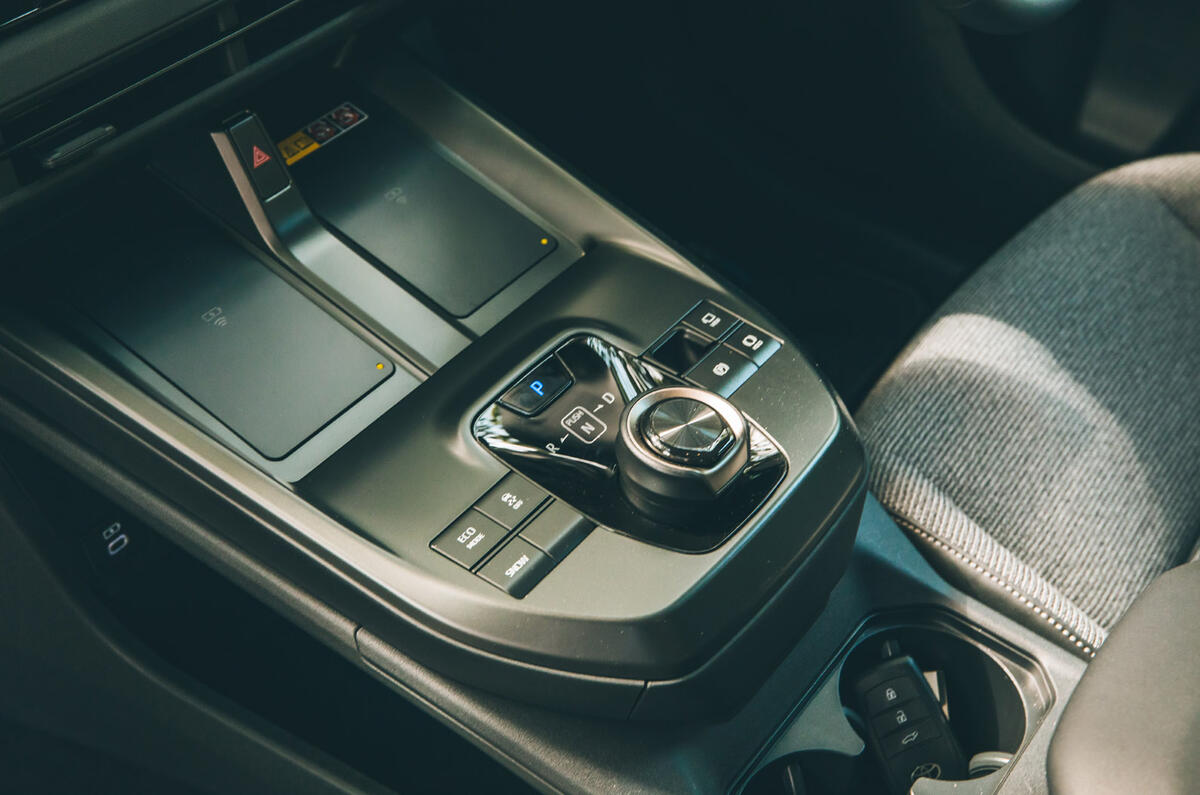
There are also physical buttons that you could find at a glance for the car’s drive modes, stability control, heating and ventilation, audio system, and more. Hooray and whoopie for Toyota still doing interiors like it’s 1983.

The boot isn’t vast or perfectly flat-sided, but would certainly accommodate smaller dog boxes and other bulky loads, and has a wide, close-to square aperture. Tie-down hooks and remove ‘seat flopper’ release levers are included.

ENGINES & PERFORMANCE

7
Toyota bZ4X Touring review 015

To drive, the bZ4X Touring goes about its business in an understated, unremarkable, competent sort of way that feels very ‘mid-market Toyota’. 

It’s not particularly quick; but it is easy to drive. There are paddles to ramp regen up and down as you go to aid drivability and efficiency; so generally the car coasts when you expect it to, regens likewise, and you don’t have to learn to trust its sensors in either respect if you’d simply prefer the car to be as predictable as possible.

It does have an automated cruise control that’ll automatically blend up the trailing-throttle regen when there’s traffic close ahead, but you can turn it off if you prefer; and even if you leave it on, it’s unlikely to bother you much.

Taming the car’s default-on ADAS systems could certainly be easier. You’ve got to go through the touchscreen’s ‘driver assistance’ and ‘notifications’ menus to turn off the car’s speed limit alert bongs; but, thankfully, there’s a physical button for the lane-keeping system. We didn’t find the driver monitoring too intrusive, but this is deactivated like the speeding alert system, via a dive into the multimedia screen.

RIDE & HANDLING

8
Toyota bZ4X Touring review 003

bZ4X owners might notice just a little bit more body roll from the Touring than is typical of the regular car; but since the bZ4X isn’t one of the EV class’s more dynamic-handling prospects anyway, little is compromised here. 

The Touring’s slightly longer-travel suspension doesn’t feel soft or wallowy, but still deals with uneven roads well, and has a generally absorbent character. That it’s a front-wheel drive option with moderate power and zero pretence towards dynamism puts you at ease behind the wheel; and the car’s laid back yet competent and intuitive character does little to spoil the mood.

The steering’s medium-weighted and paced; the chassis obedient, but clearly not one you feel any compulsion to speed along in. It’s all rather mature and agreeable; but also nicely straightforward and unaffected. The car doesn’t feel like it’s trying to be comfortable and refined, any more than it’s trying to be poised or agile.

You could call it rather bland and unmemorable to drive, of course. But my suspicion is that an extra drive motor would actually do little to change that, except adding weight and compromising ride comfort by giving the suspension more work to do. It’s only a hunch - but I suspect the FWD version is the smarter option.

MPG & RUNNING COSTS

7
Toyota bZ4X Touring review 001

The lower-trim Toyota bZ4X Touring Design is only £200 pricier than the equivalent ‘unbooted’ bZ4X; so, assuming you’re not considering Toyota’s Icon-grade bZ4X (smaller battery, less powerful motor, sub-£40k price), it’s a bit of a no-brainer. You get quite a lot more car here - as well as that bigger drive battery and better electric range - for less than half the price of metallic paint.

In a broader sense, the car doesn't compare with rivals quite as favourably as it does with sibling models; but probably well enough. There are now plenty of bigger C-segment electric SUVs (Vauxhall Grandland Electric, Citroen e-C5 Aircross, Aion V) that offer comparable electric range and passenger space as this Toyota - although perhaps not quite as much cargo space - for under £40,000.

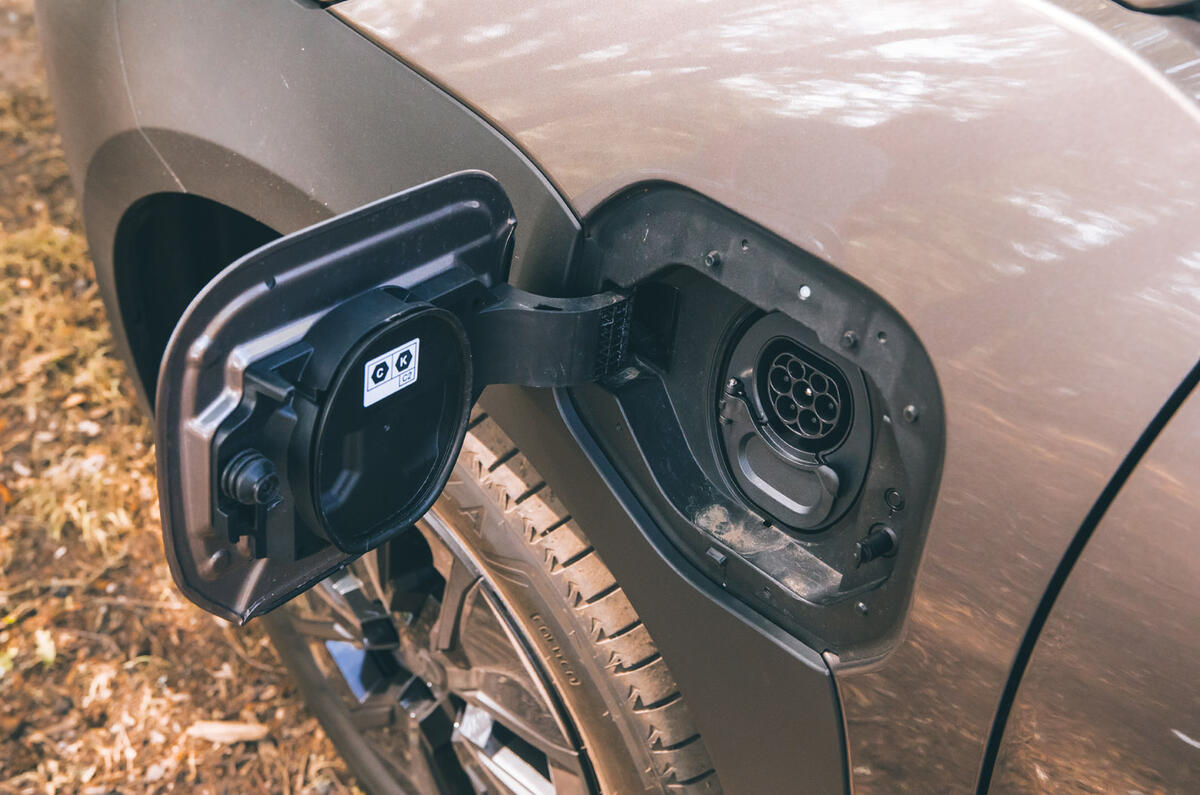
It’s not one of the quicker-charging EVs you might spend £45k on, either; maximum DC charging power is only 150kW.

But efficiency is impressive. Stay off the motorways and you’ll likely see between 4.5- and 5.0mpkWh from this car, which makes that 71kWh of usable battery capacity go a surprisingly long way.

VERDICT

8
Toyota bZ4X Touring review 018

The Toyota bZ4X Touring might have been intended for outdoorsy lifestyle types, with their bike racks and roof boxes and vapourware brisk-dog-walking apparel; but it’d work fine for just about anyone.

It’s got a bit more presence and toughness than the regular hatchback, but nothing that runs beyond the bounds of the functional. It’s got plenty of accessible performance, and all the drivability features you might want in an electric car.

Touring’s the wrong model name for it, really. In North America, this car’s called the BZ Woodland, which somehow describes it better.

That extended rear overhang doesn’t make it unwieldy or hard to park. And it’s real-world efficient, too: a genuinely practical family EV that’ll top 300 real-world miles on a charge with room to spare.

The car’s slightly alternative, practical streak makes it more likable than the regular bZ4X, I think. It’s not at all pumped up or aggressive looking; and yet, on a set of all-season tyres, would probably get as far down a muddy forest track as most would likely want. 

It’s still one of the more bland, dynamically unambitious EVs of its kind to drive; but it’s straightforward and unaffected, too. There’s just enough of an esoteric twist about the Touring to make it stand out; and something to warm to. It’s a more versatile, adaptable electric family car ready for the varied real-world demands of the everyday.

Matt Saunders

Matt Saunders Autocar
Title: Road test editor

As Autocar’s chief car tester and reviewer, it’s Matt’s job to ensure the quality, objectivity, relevance and rigour of the entirety of Autocar’s reviews output, as well contributing a great many detailed road tests, group tests and drive reviews himself.

Matt has been an Autocar staffer since the autumn of 2003, and has been lucky enough to work alongside some of the magazine’s best-known writers and contributors over that time. He served as staff writer, features editor, assistant editor and digital editor, before joining the road test desk in 2011.

Since then he’s driven, measured, lap-timed, figured, and reported on cars as varied as the Bugatti Veyron, Rolls-Royce PhantomTesla RoadsterAriel Hipercar, Tata Nano, McLaren SennaRenault Twizy and Toyota Mirai. Among his wider personal highlights of the job have been covering Sebastien Loeb’s record-breaking run at Pikes Peak in 2013; doing 190mph on derestricted German autobahn in a Brabus Rocket; and driving McLaren’s legendary ‘XP5’ F1 prototype. His own car is a trusty Mazda CX-5.