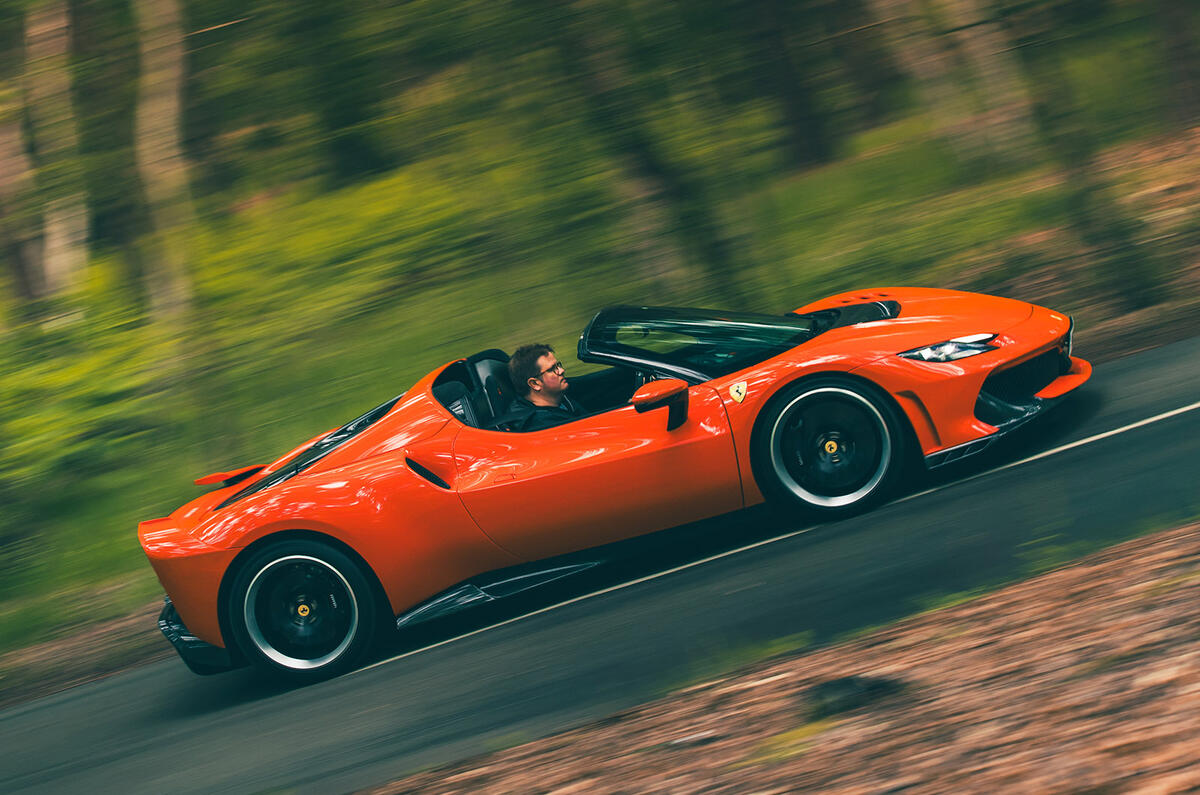
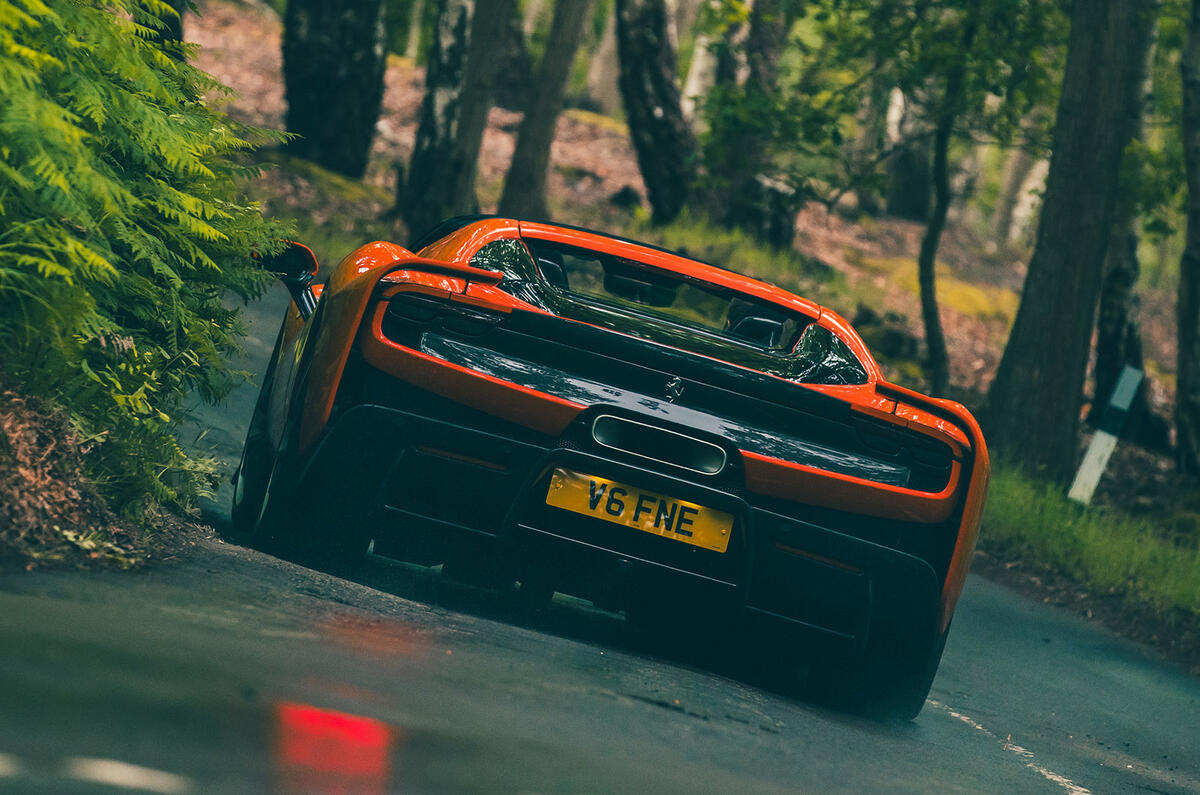
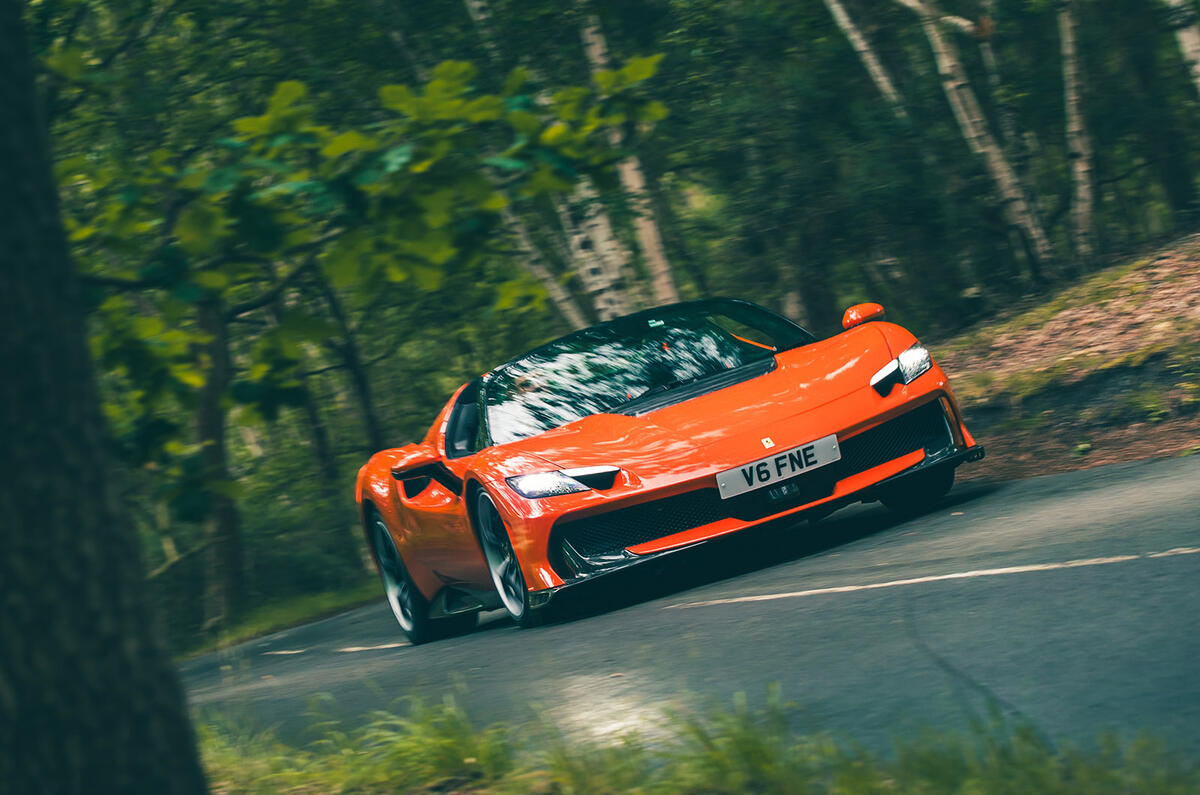
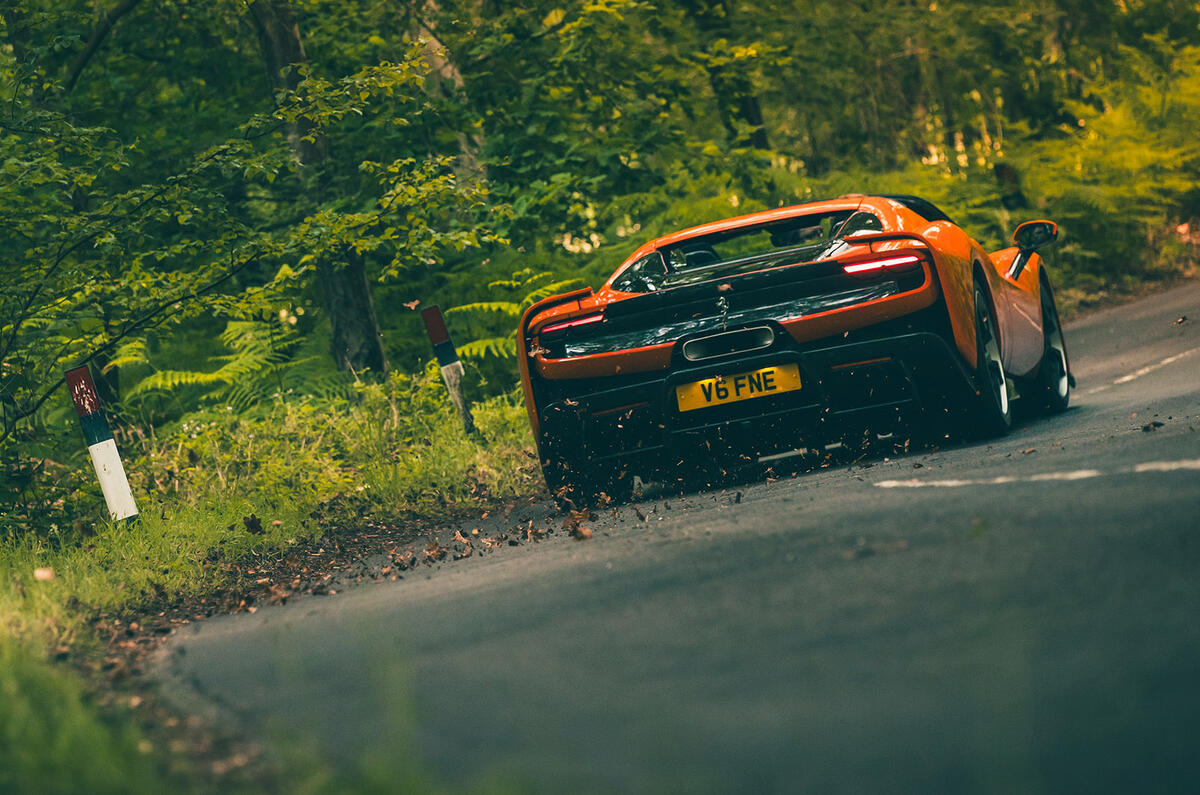
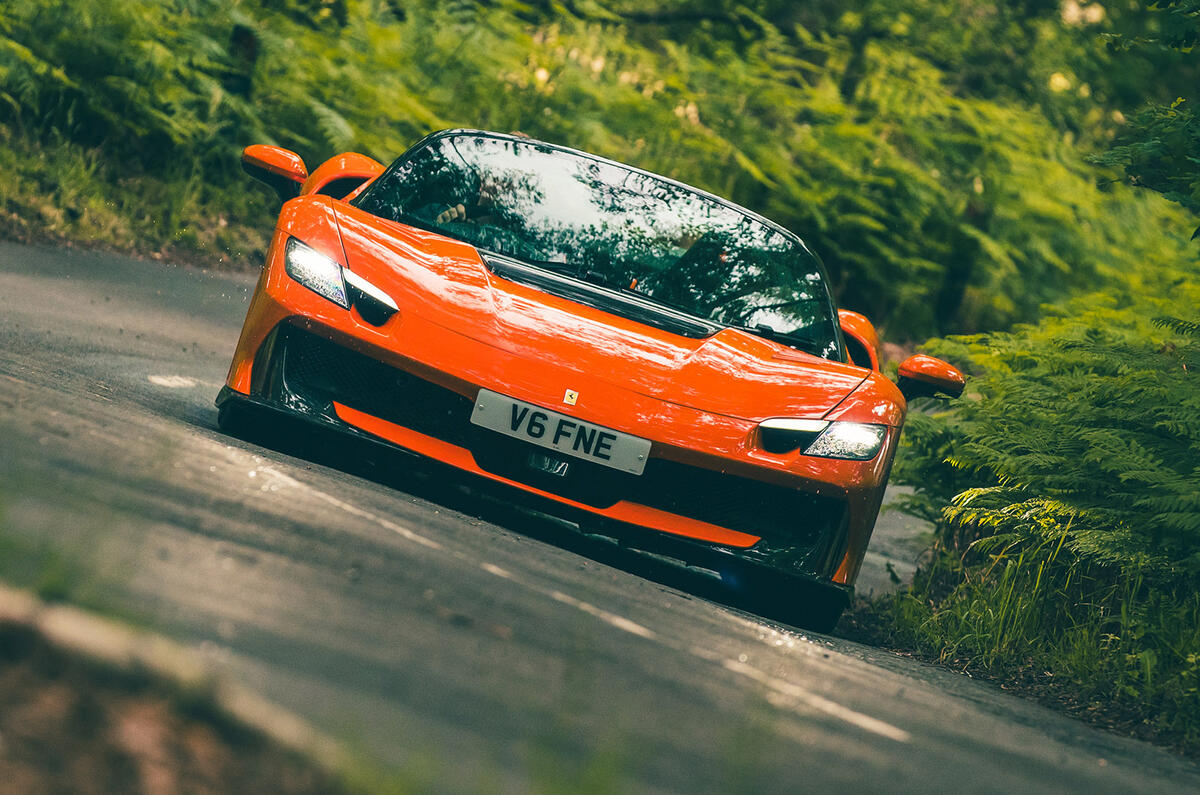
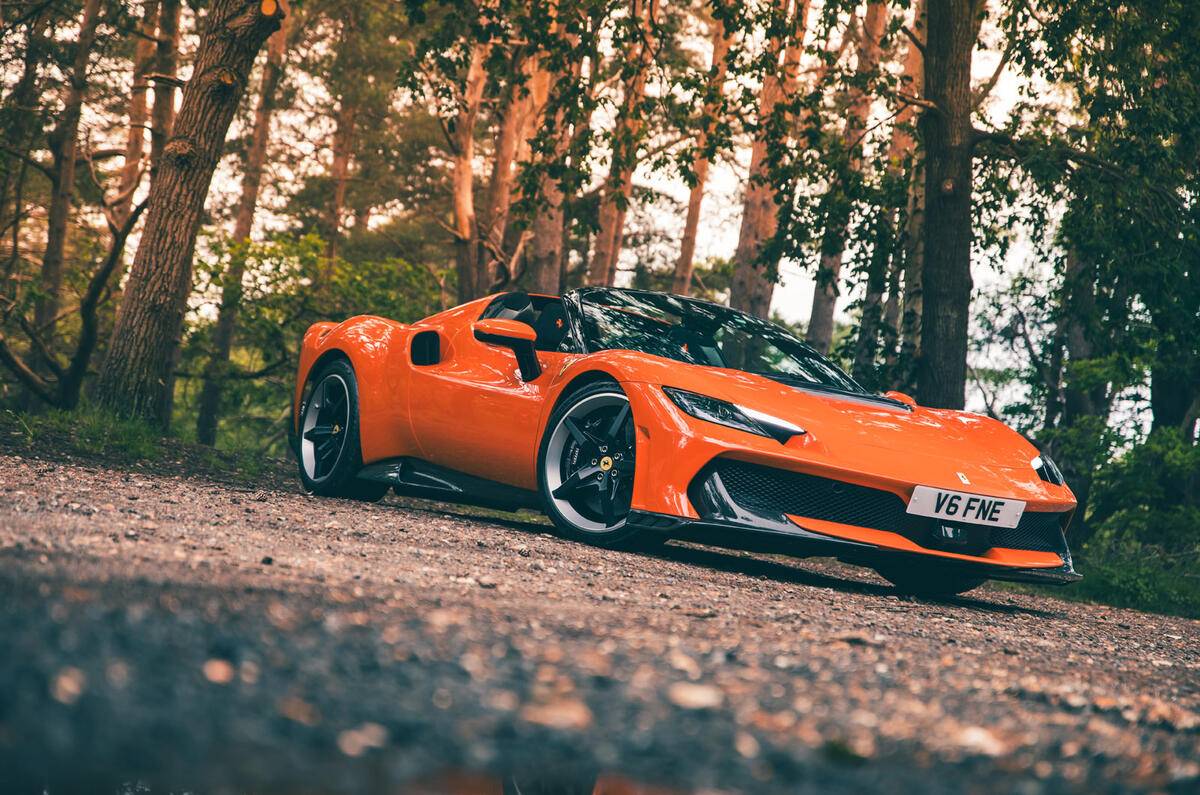
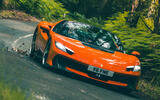
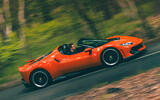
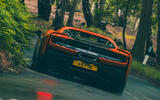
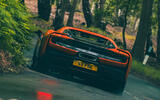
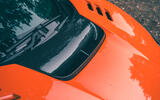
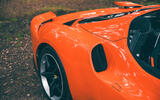
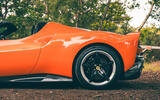
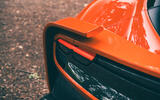


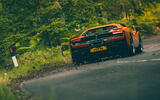
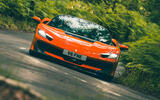

Maranello continues near-twenty-year-old tradition of peeling back the roof on its mid-engined trackday hero

Find Ferrari 296 Speciale A deals
Other Services
Sell your car
84% get more money with

The greatest supercars very often don’t make the most perfect sense. Logic would have allowed no need, nearly twenty years ago, for Ferrari to have built a limited-run of 499 open-topped versions of the untamed 430 Scuderia to celebrate the 16th constructor’s championship of its Formula 1 team. Who would want a Scuderia Spider ‘16M’ anyway, when they could just have a lighter, quicker and even more focussed 430 Scuderia coupe instead?

As it turned out, the car was admired and demanded enough to spawn several successors, the latest of which - the Ferrari 296 Speciale A (for Aperta) - has gone on sale in parallel with the equivalent Speciale berlinetta (which we drove in Italy last October).

Advertisement

DESIGN & STYLING

Ferrari 296 Speciale Aperta review 2026 36 1

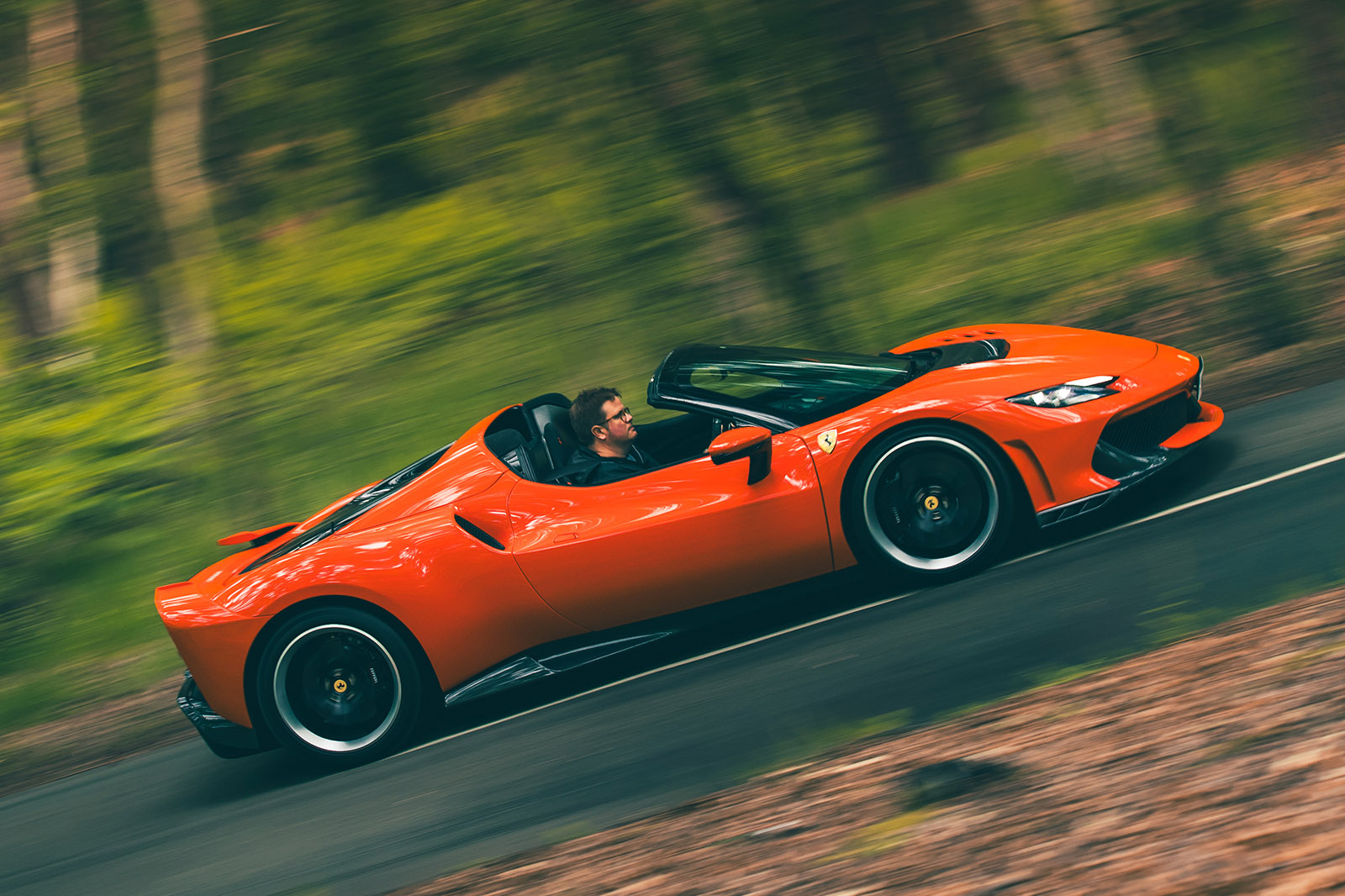
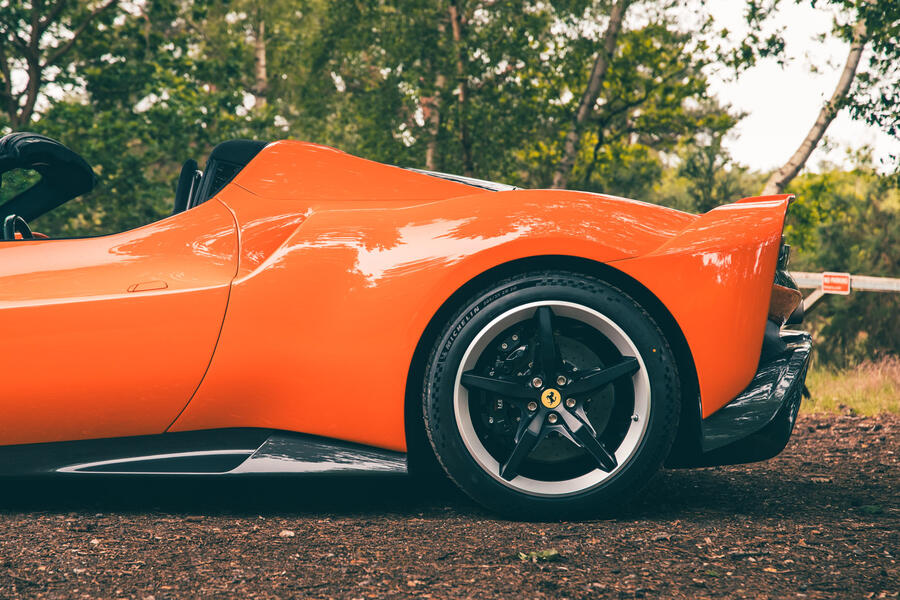
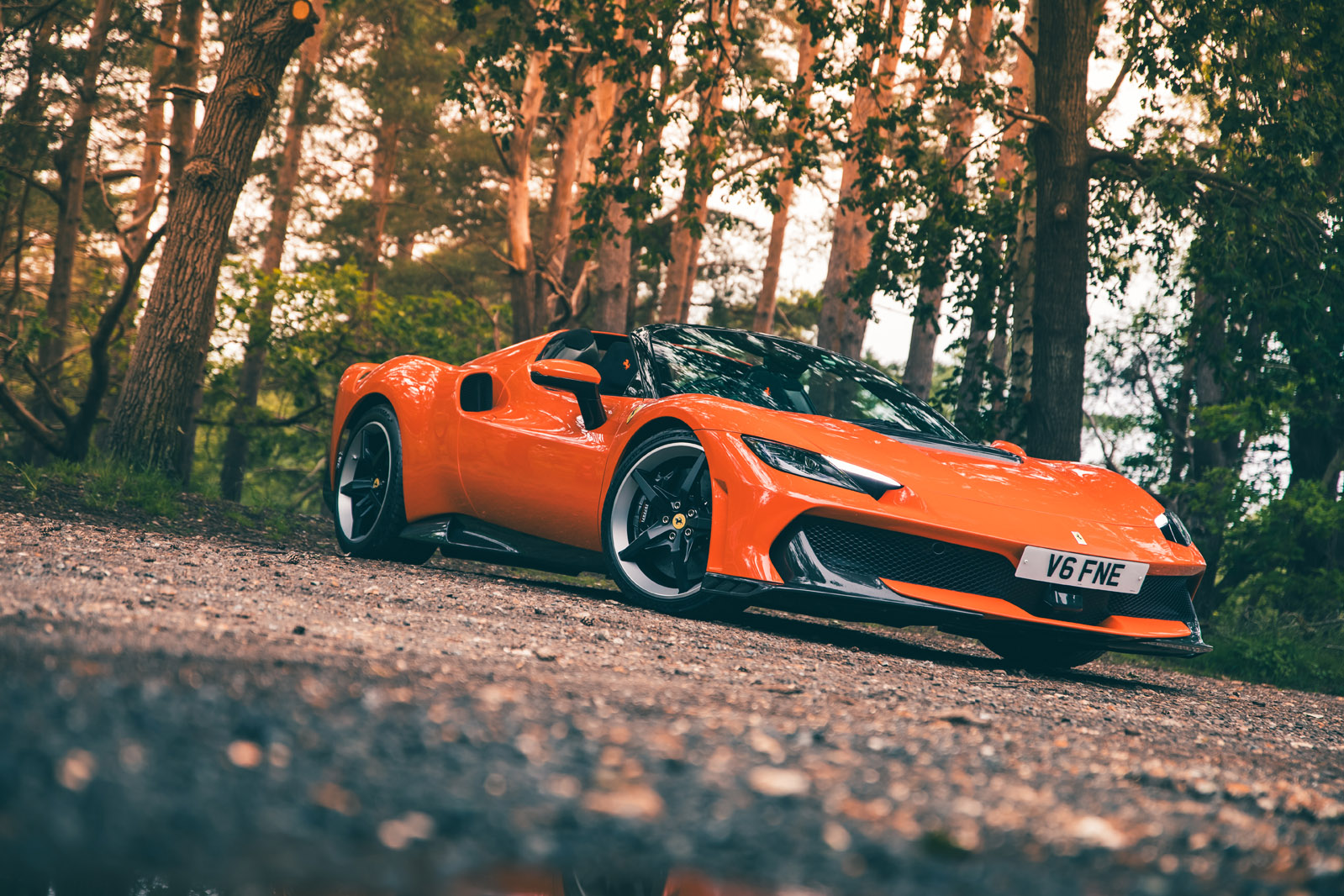
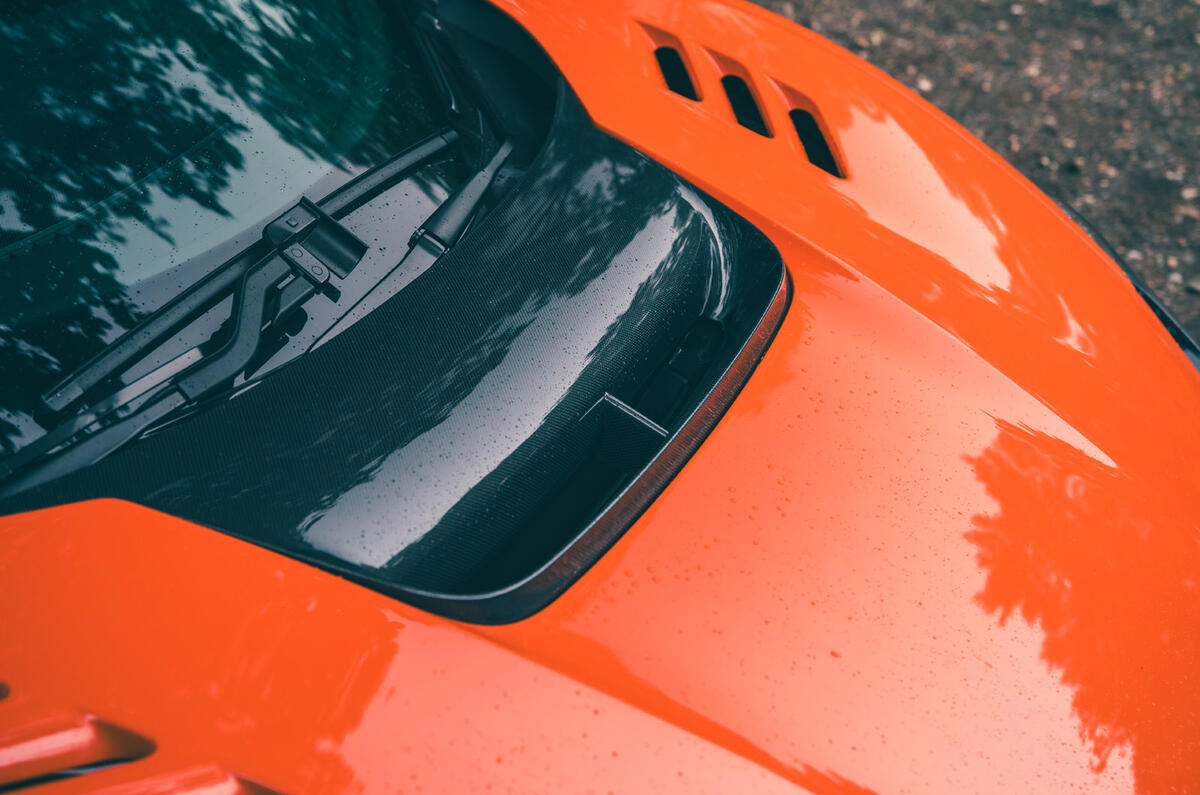
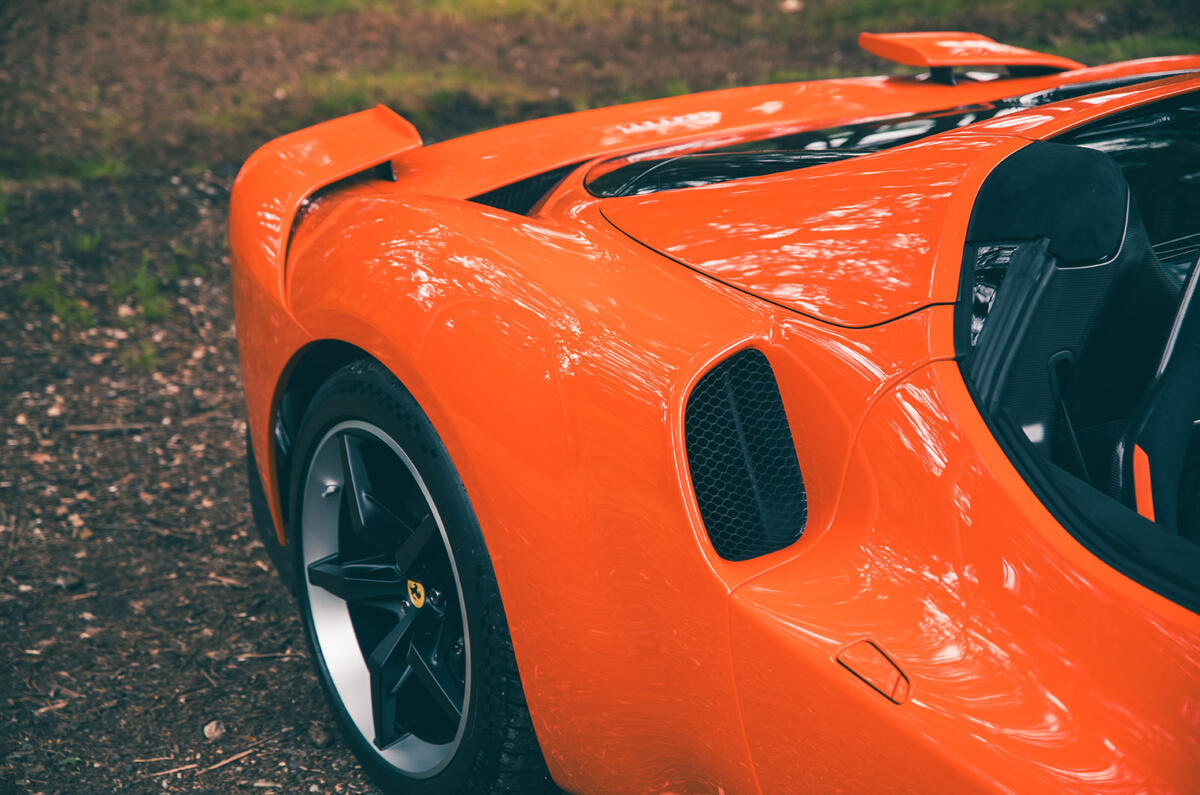
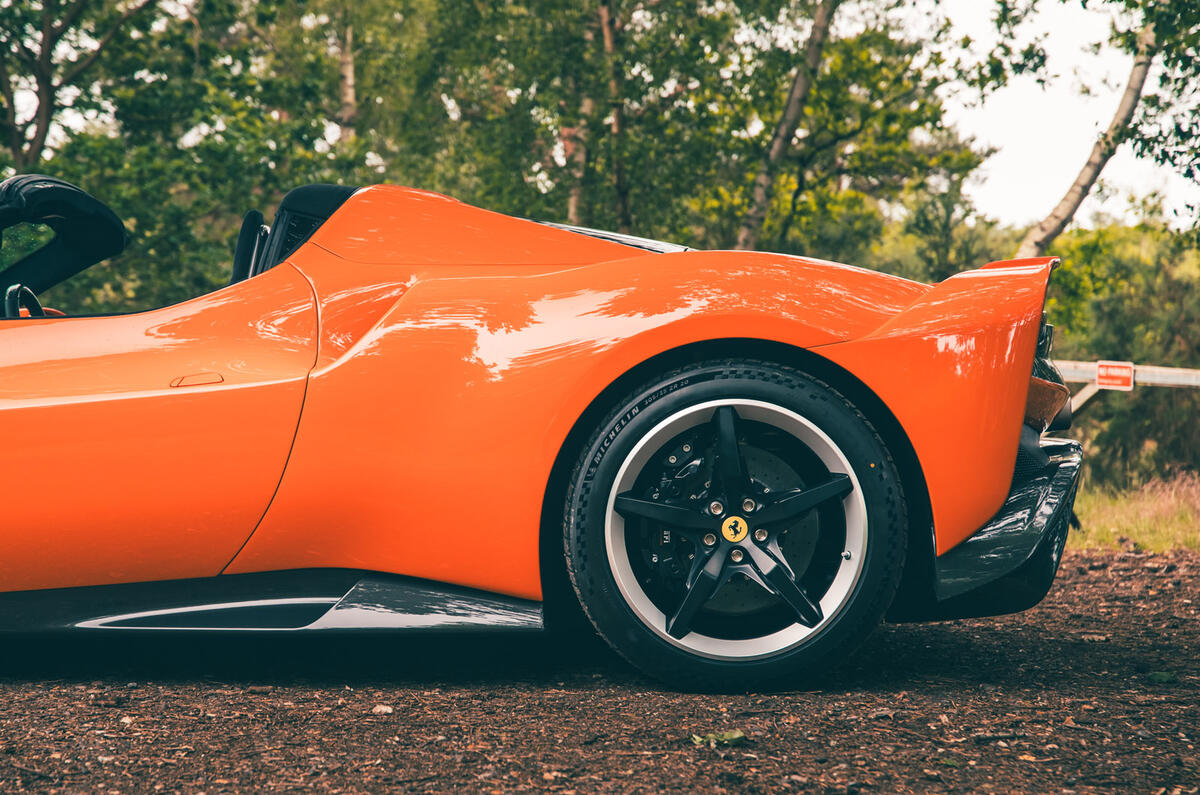
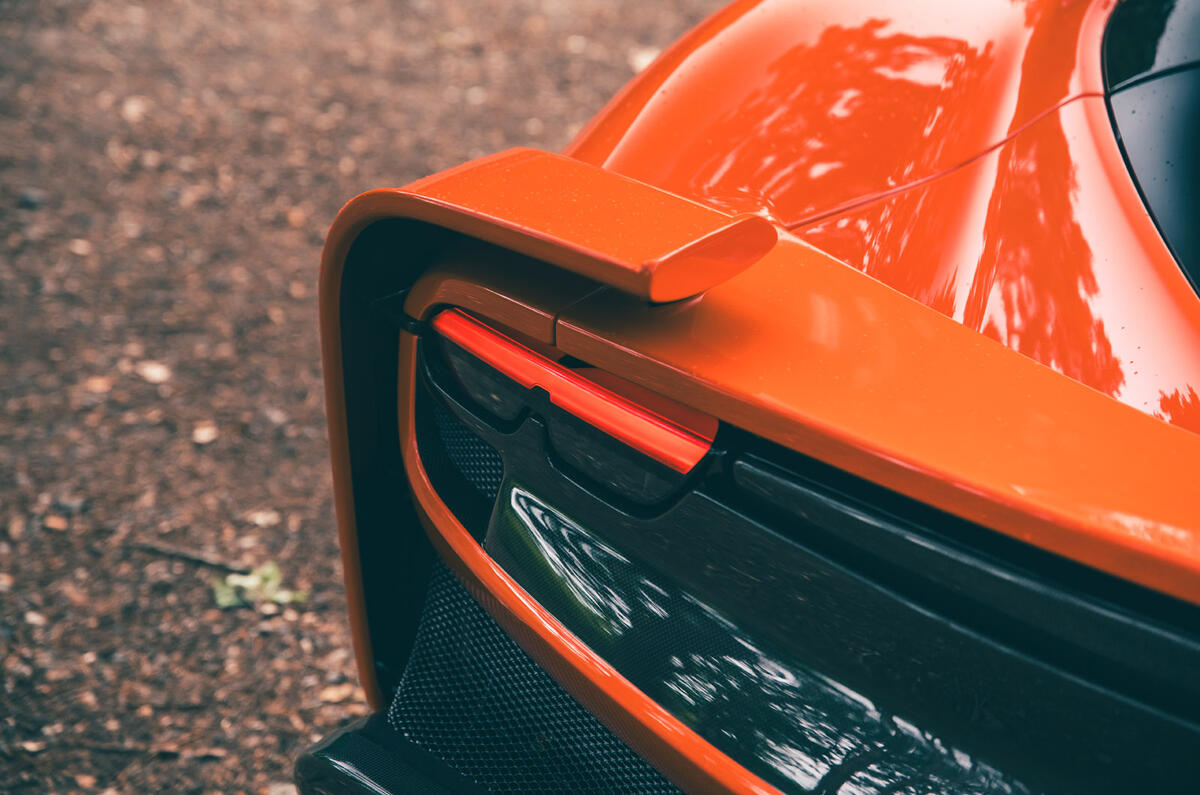
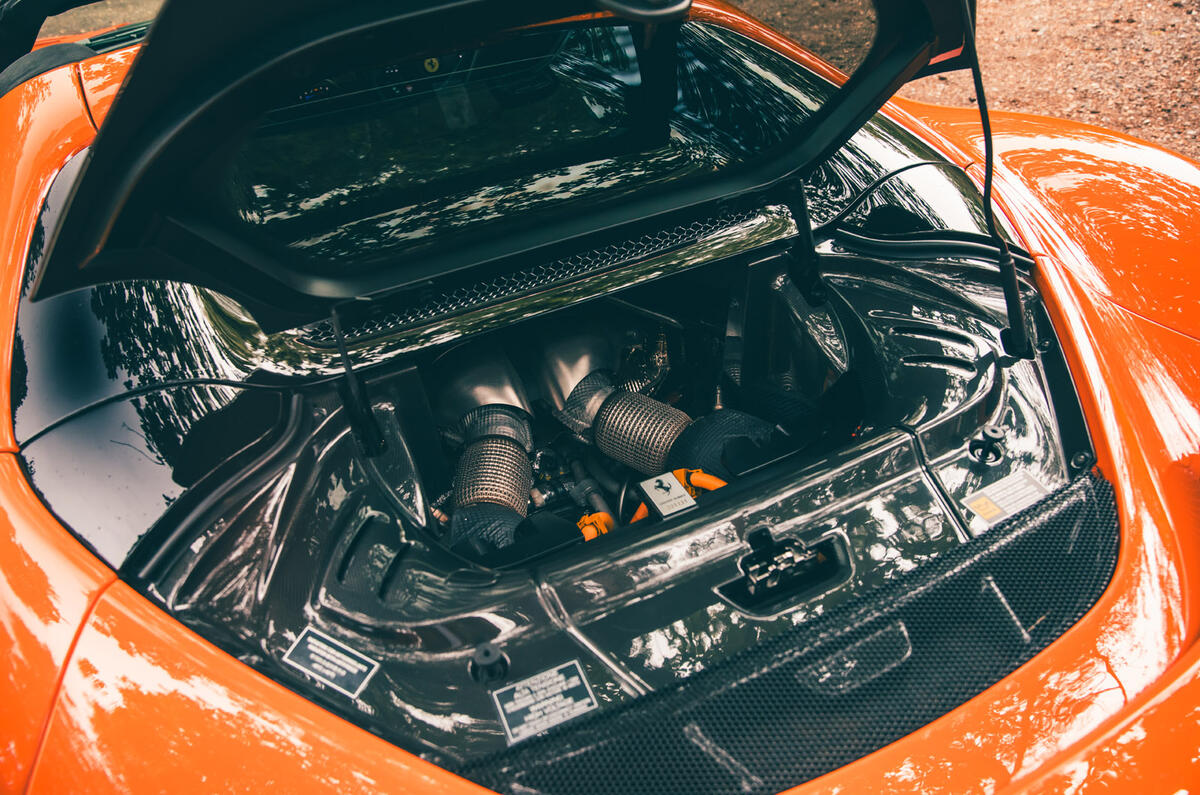
The Speciale A is ostensibly a ‘speciale’ version of the Ferrari 296 GTS convertible, then. It gets a ‘retractable hardtop’ roof that pivots around electrically to stow under the pop up rear deck panel. 

That, combined with some structural reinforcement to the chassis, makes for 80kg of extra bulk for the open-top version compared with the regular Speciale. With a lightweight engine and plenty of body panels in carbonfibre rather than aluminium, however, the Speciale A still weighs 50kg less than an equivalent GTS (even if the equivalent Speciale berlinetta managed a 60kg like-for-like saving). If you like to keep track of these things, Ferrari has trimmed 9kg from the engine alone; 1.2kg from the turbocharger housing; the rest from the body, chassis, axles and interior.

Between a more powerful V6 combustion engine and a more powerful ‘axial flux’ electric motor than the regular GTS uses, meanwhile, the rear-drive Speciale A makes 51bhp more than the car on which it’s based. Fully 870bhp in all. Even Ferrari’s own 0-62mph figures can’t separate it from the regular Speciale hard-top on 0-62mph sprinting performance (2.8sec).

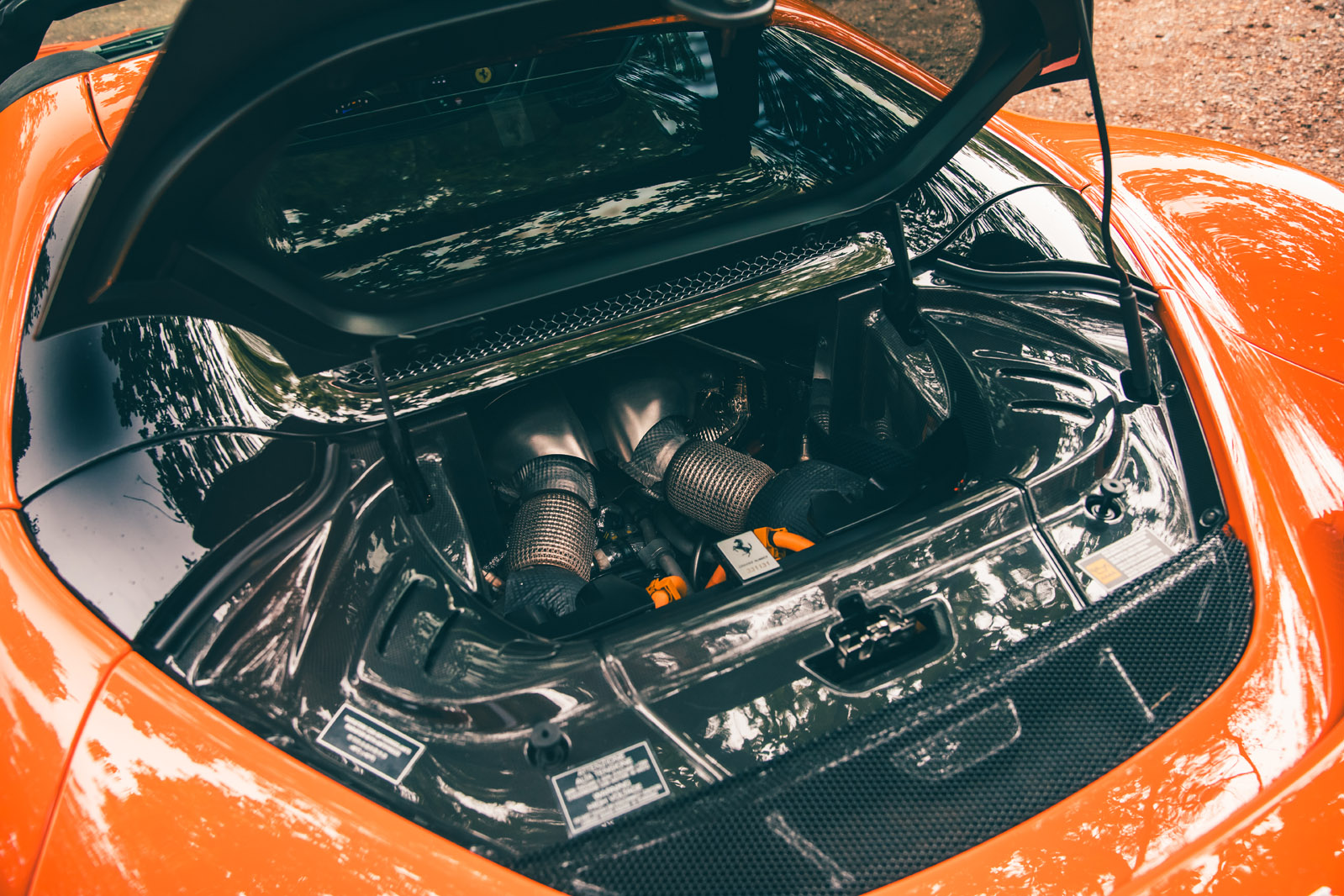
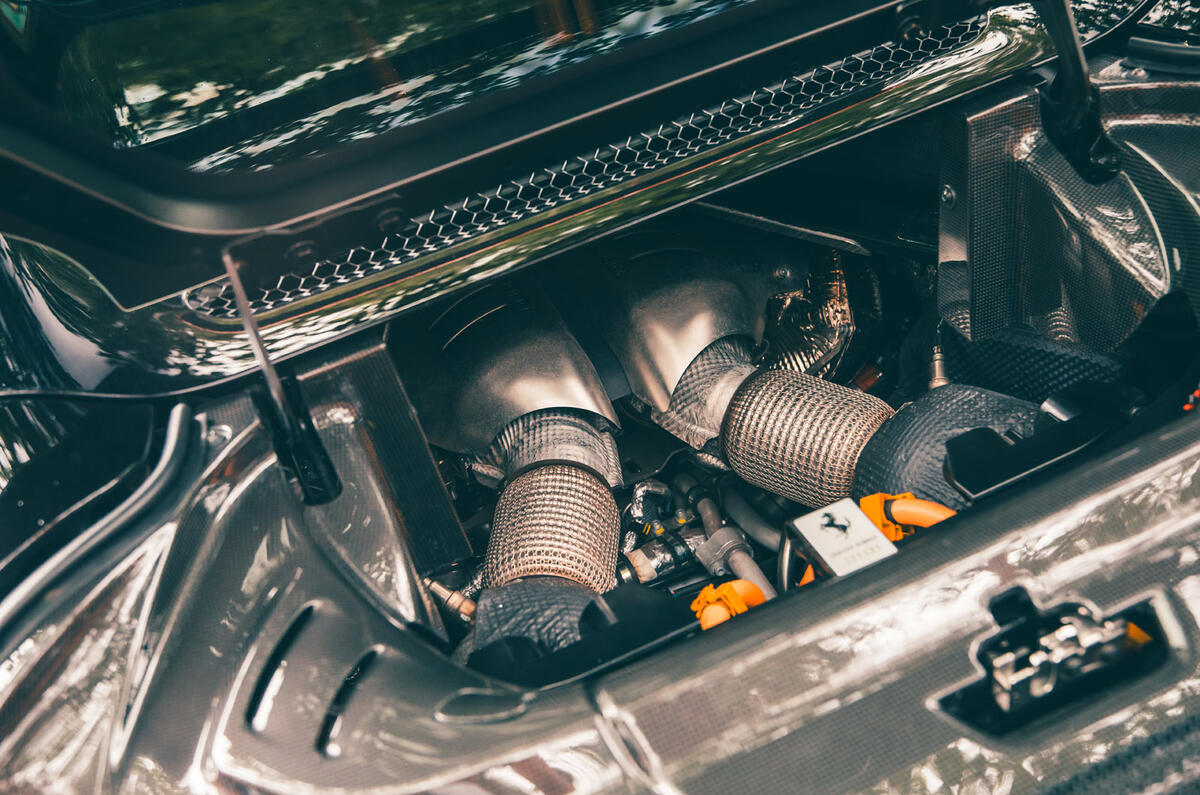
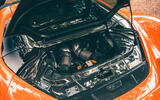
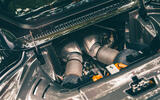
Those performance gains come from an engine with titanium conrods, strengthened pistons, lightened crankshaft, engine block and cylinder heads, and lightened turbo induction and exhaust systems. It makes an extra 37bhp than the IC engine in the regular 296 GTS; and it also has the Speciale coupe’s dedicated sound symposer system (with twice as many ‘acoustic ducts’ as a regular GTS).

The car’s ‘MGU-K’ electric drive motor, meanwhile, makes up to 178bhp and 232lb ft here; but the former only for a limited number of short bursts, and when you’re using Qualifying mode on the drivetrain controller.

INTERIOR

Ferrari 296 Speciale Aperta review 2026 43

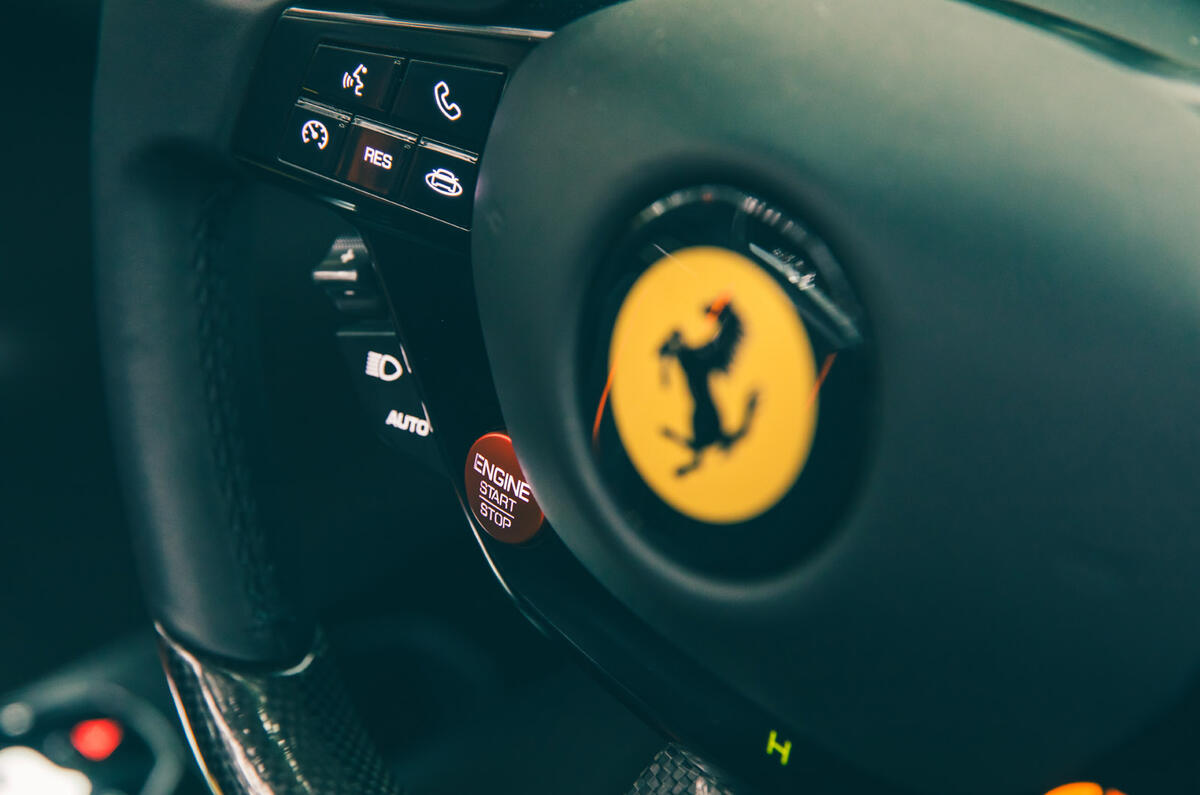
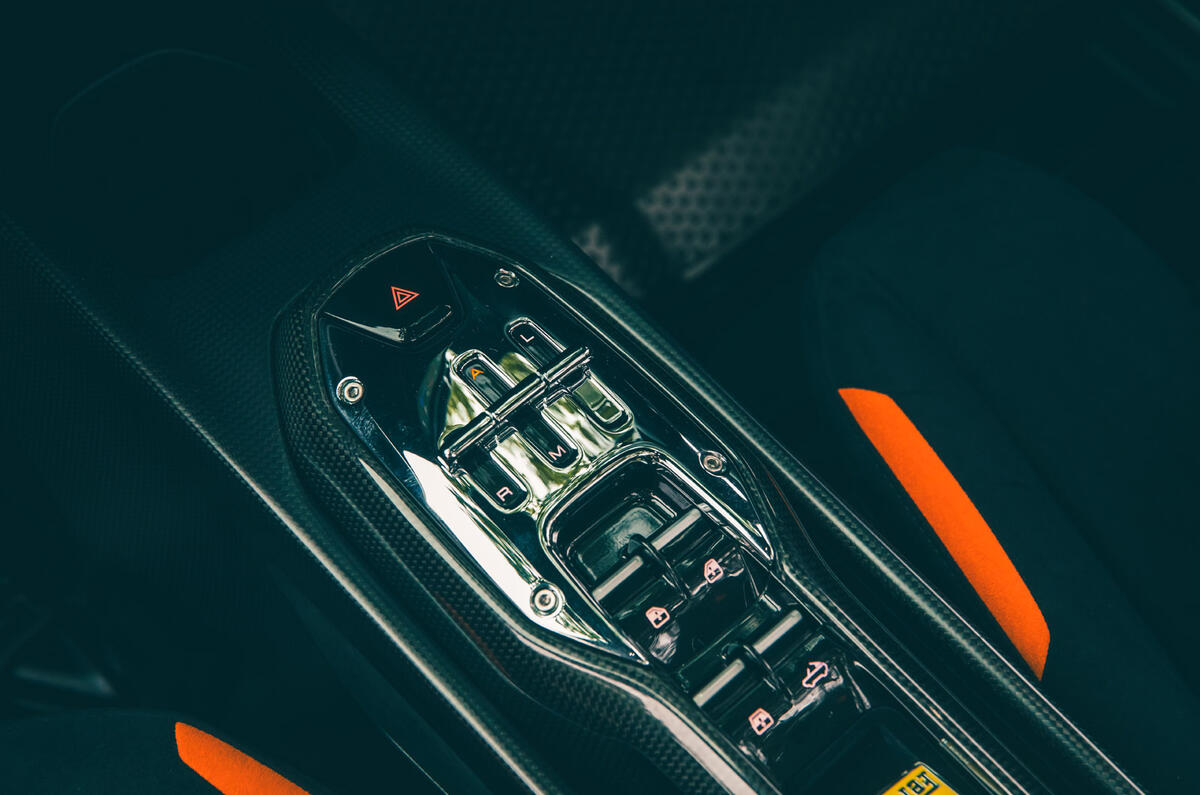
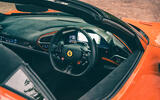
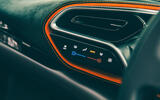
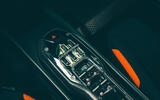
Like every ‘special series’ mid-engined Ferrari supercar before it, this one makes its status eminently clear even before you’ve pressed the anodised engine start button. 

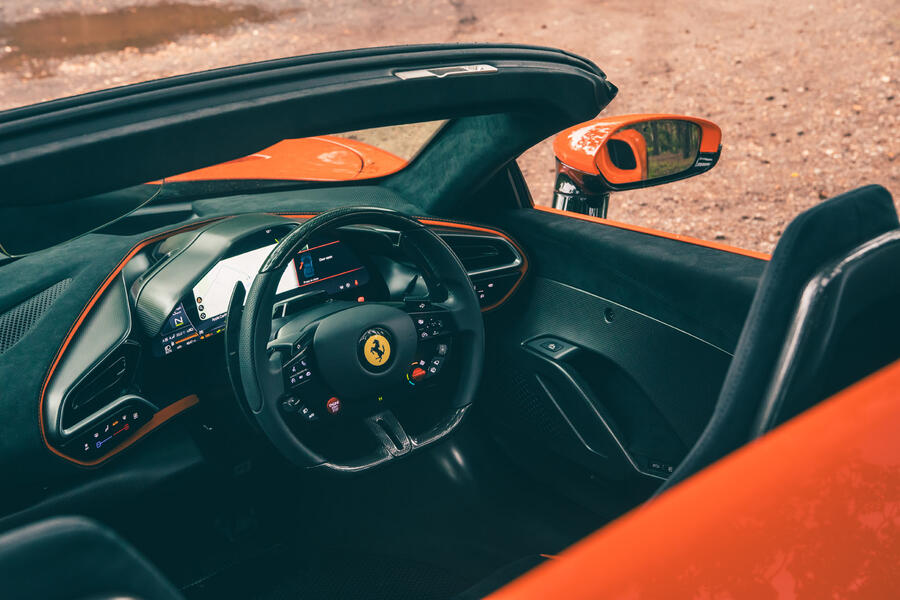
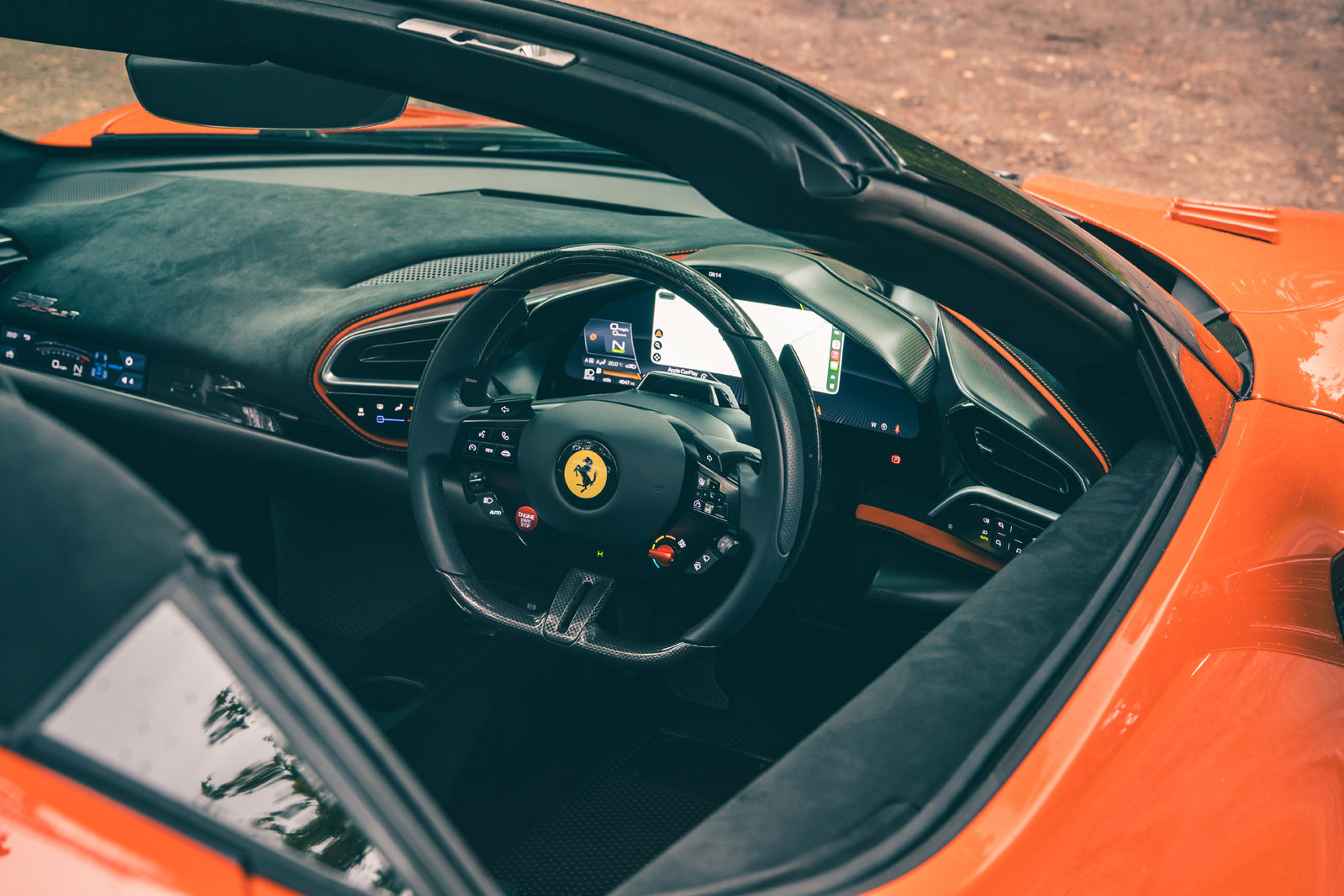
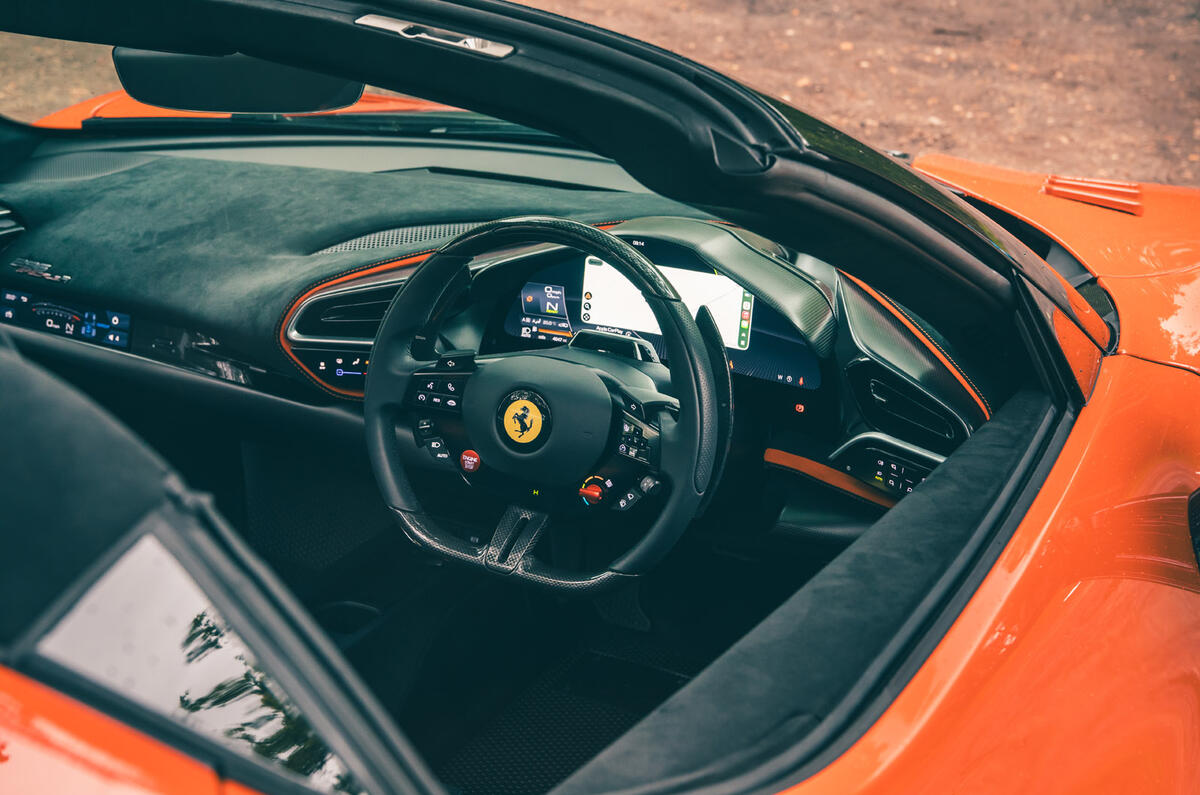
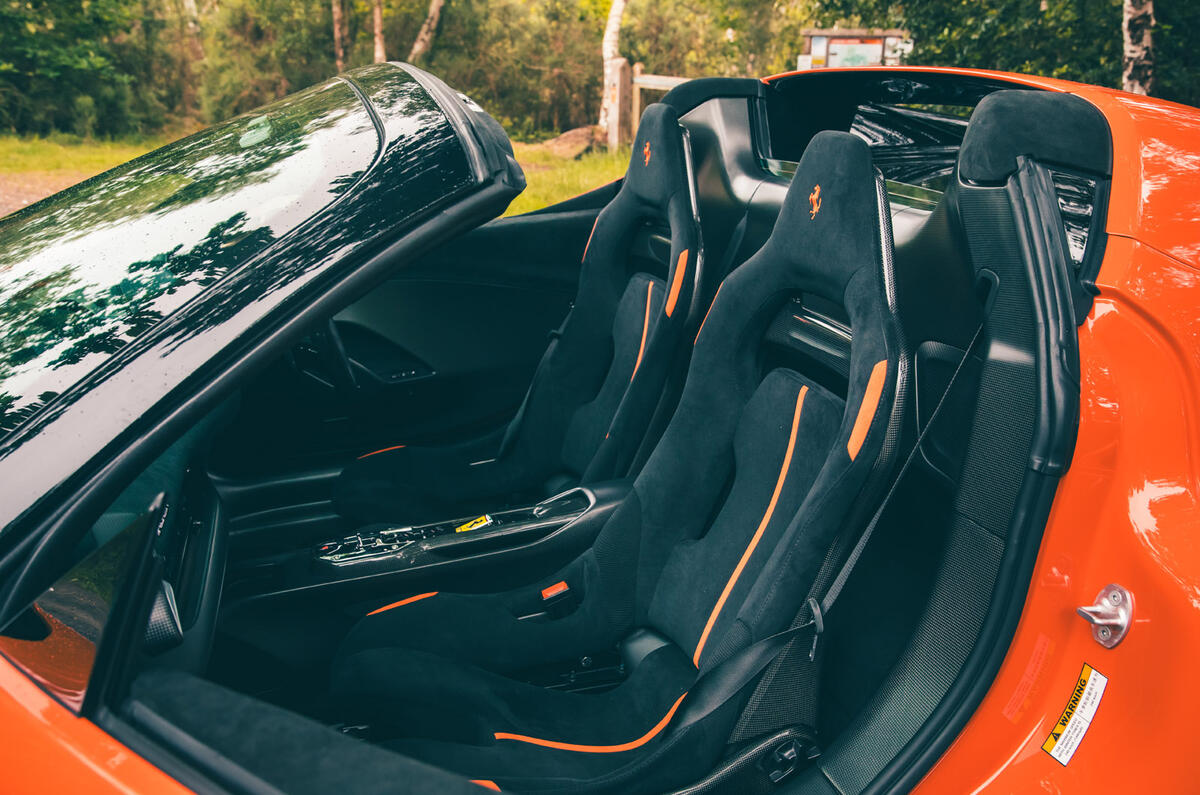
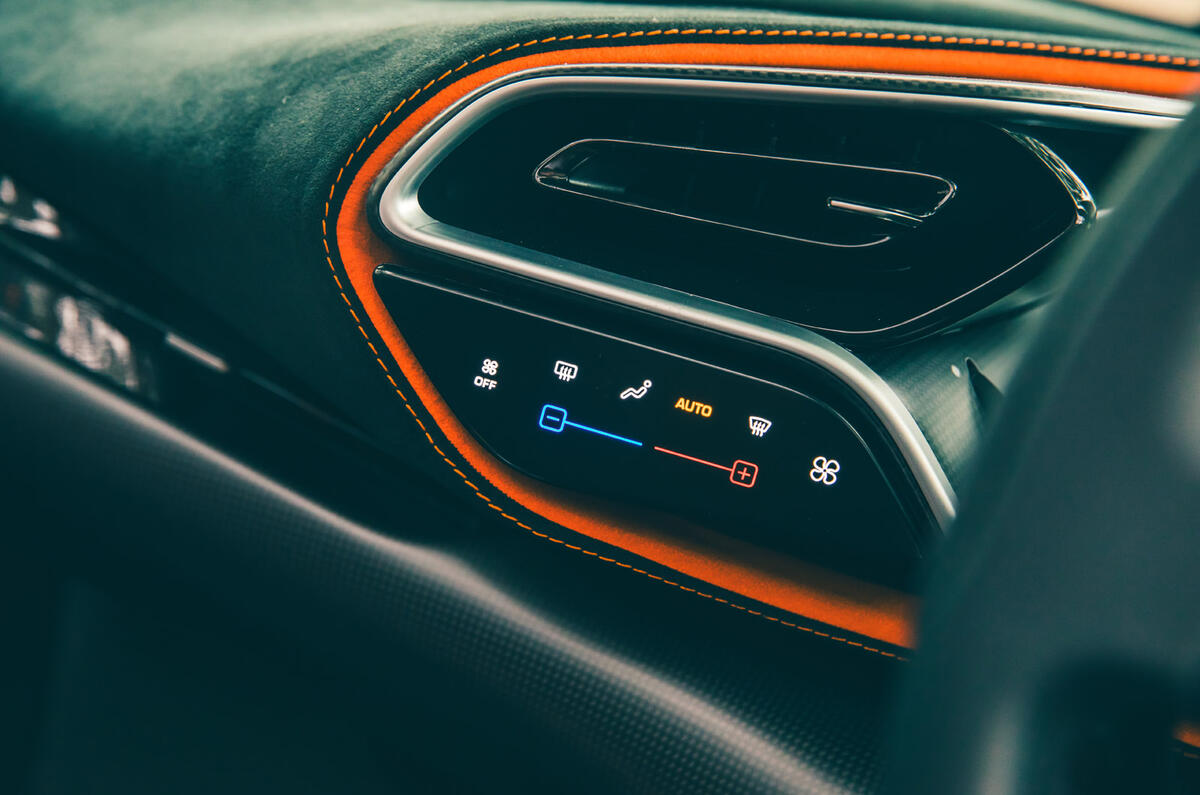
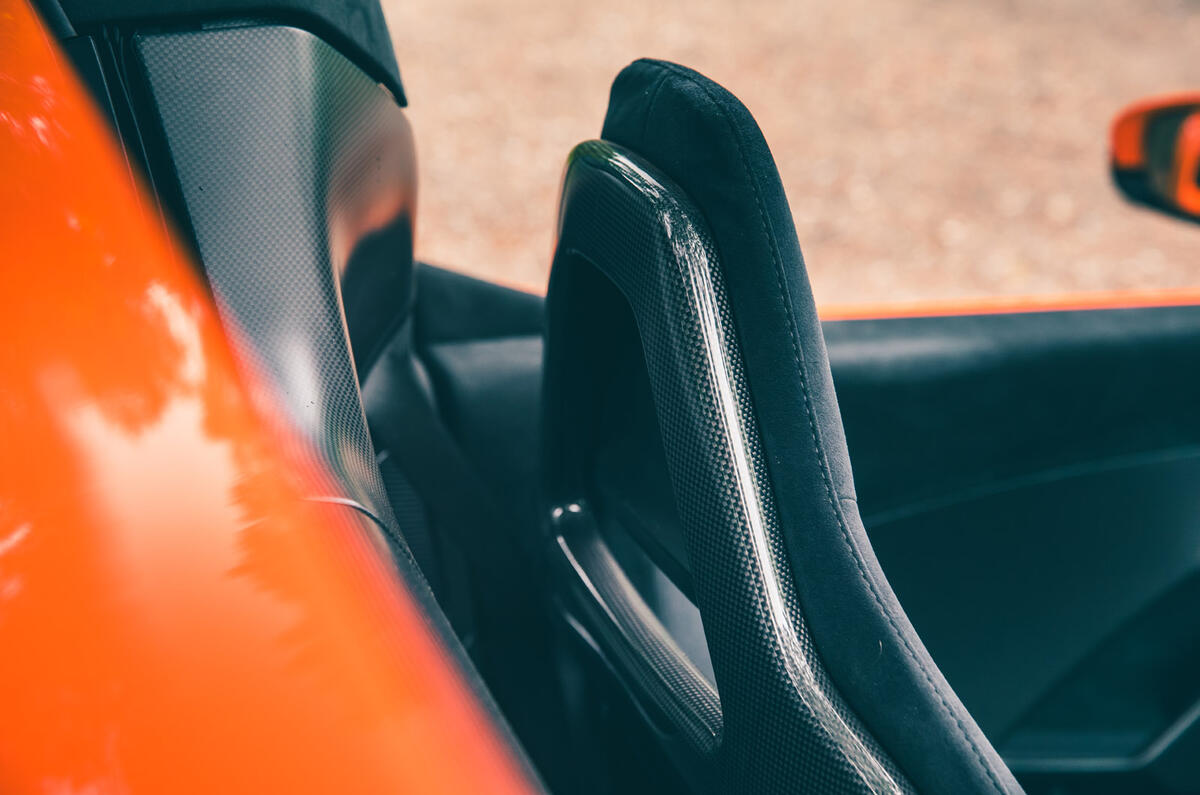
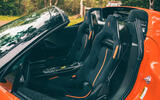
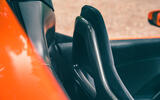
Race-car alcantara replaces leather widely across the low-rising fascia and door panels. Ferrari’s skeletal-looking ‘best weight’ lightweight bucket seats, with fixed backrests and cutaway cushion sections, advertise the intent of the car; and yet, while very thinly padded, they’re not heinously uncomfortable over longer distances.

The ‘flying buttress’ style rear deck designs preferred by Maranello do adversely affect over-shoulder visibility, tending to reflect sunlight into your peripheral vision in a way that can trick you that there’s a car moving into your blind spot. It’s only a practical consideration; but, driving a RHD car on European roads, you really notice it.

There are no carpets in the footwells. Instead Ferrari fits patterned aluminium floor panels that your shoes can either slip on, if they’re wet; or snag on, if they’re not. It’s one of many cars that this sort of Ferrari reminds you that it’s little interested in making life easy for you, but exists for other, more visceral reasons.

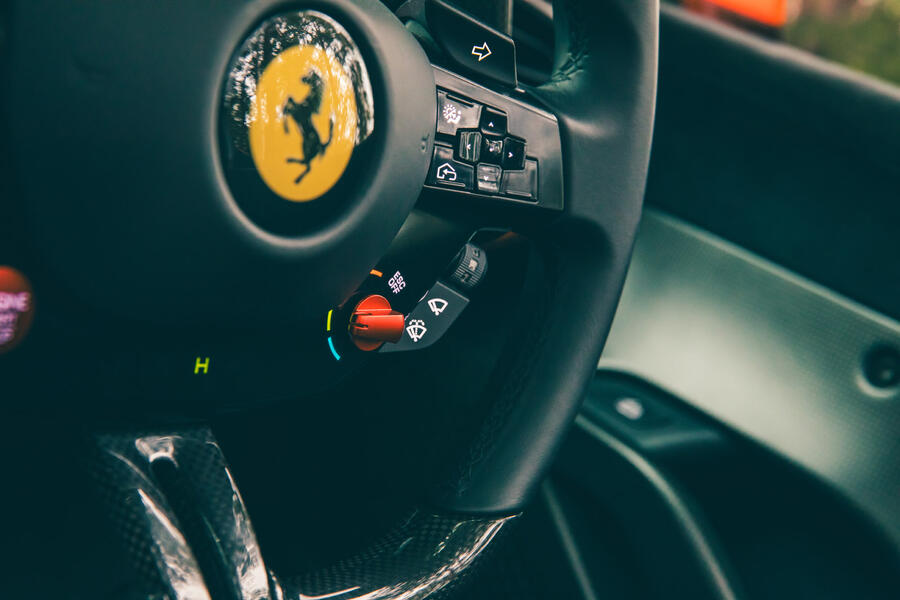
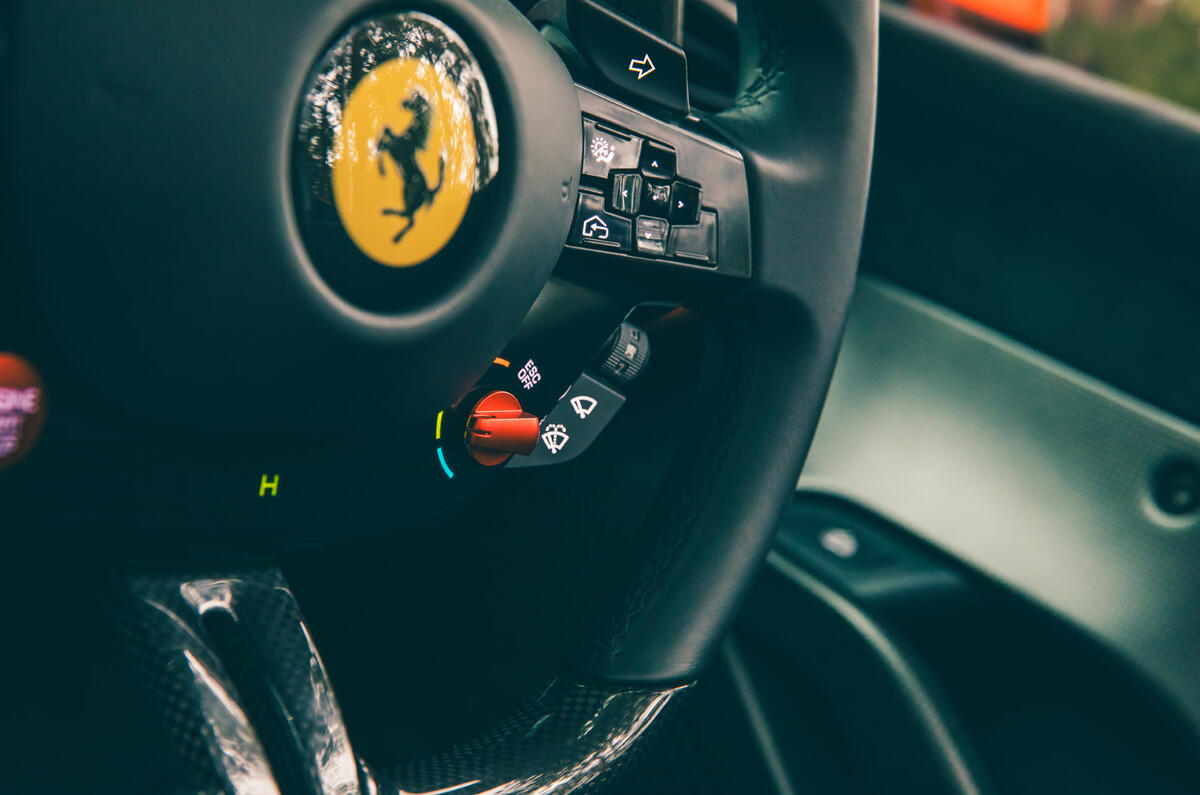
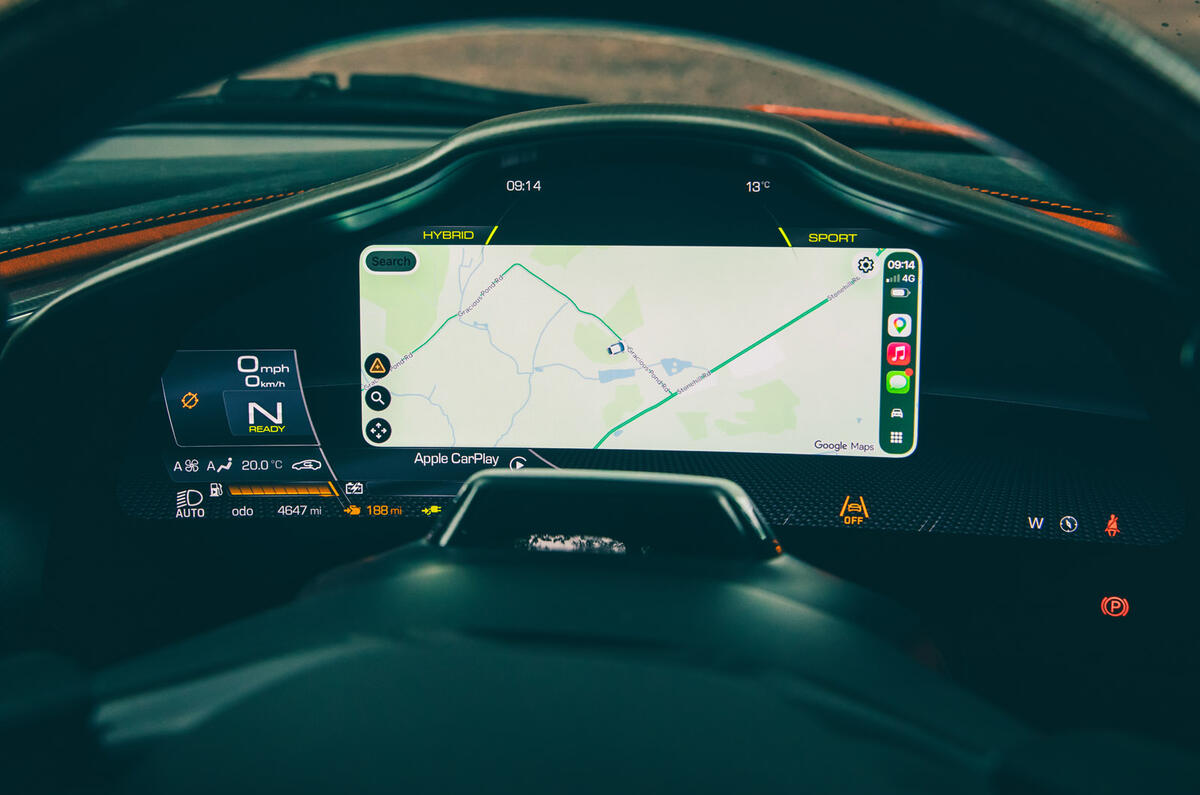
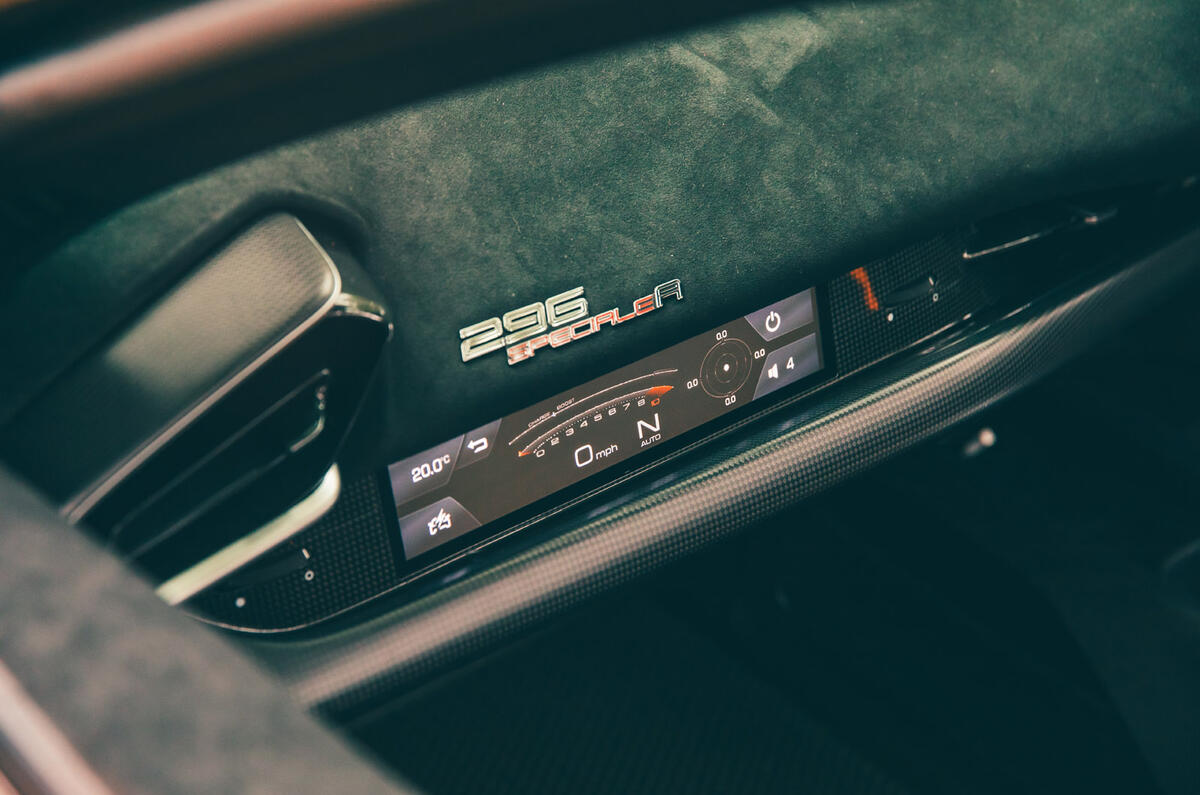
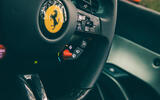
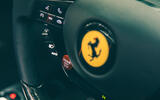
The spokes of the steering wheel ahead are packed with buttons (although they are, at least, actual physical buttons, not capacitive non-buttons that you can brush by mistake), levers and paddles; and the digital instrument binnacle behind also has to stand in for a typical central multimedia display. That means that, if you pair your phone for mirroring, the ‘CarPlay’ display displaces and demotes the speedometer to the periphery of the screen; and, generally, that there’s a lot of menu navigating to be done in order to switch off ADAS systems, for example, or change the radio station. For this reason, the screen ahead of the passenger (so often a rather superfluous feature of a modern luxury car) comes in handy in enabling someone other than the driver to carry out many of those little adjustments.

For practical storage, there’s only one medium-sized cupholder and a smartphone charging tray; and no cubbies at all in the carbon-panelled doors. There is some room for handbags and smaller items behind the seats, however; and the car’s frunk is a useful size, big enough for a small case or a couple of soft bags.


ENGINES & PERFORMANCE

Ferrari 296 Speciale Aperta review 2026 52

So, does opening this car up to the elements make it even more intoxicating than in fixed head form? It’s a complicated equation. The Speciale A certainly isn’t short on dramatic fervour; but, if anything, it may simply be too much for UK roads. Too firm, too fast, too reactive, too wayward on less than perfectly smooth asphalt.

When you start the engine - traditionally, the moment at which these extra-hardcore supercars have borne their teeth to menacing effect - the Special A doesn’t necessarily light up its immediate environs with sound and fury. It doesn’t quite conjure the same blend of enticing attitude and intimidating threat as so many of its predecessors had. 

Even if you remember to put the powertrain into Performance or Qualifying mode first (if you don’t, the engine of this PHEV supercar may not start at all, at first), there’s simply less spikey, angry, brassy timbre from Maranello’s wide-angle V6 than cars of this kind have had, over the years. Despite Ferrari’s best efforts to boost its volume and sharpen its voice, the Special A simply sounds a little bit too nice. There’s not enough of the pitbull terrier about it. 

That hint of meekness doesn’t last, though. The hybrid powertrain’s enormous torque-filled responsiveness is the first reason why, which blends with the turbocharged V6’s own boost to make this car instantaneously quick - especially in the lower gears. 

If you see an opening in the traffic, or need a quick burst of speed, you need barely think about grabbing it; the rapacious shift speed of the car’s twin-clutch gearbox (quickened for both the Speciale and the A) making it rewarding to pick ratios yourself, and keep the powertrain in that state of ‘coiled spring’ readiness.

With so much outright power and torque, the car’s performance level is understandably difficult to fully utilise on the road; though it certainly doesn’t seem to need 7000rpm wound on to really deliver. Despite Ferrari’s best efforts to free the V6’s top-end delivery, it remains more a flexible, versatile sort than a true ‘lit firework’ kind of experience. It’ll rev freely and willingly, but not with the kind of mechanical savagery of the greatest performance motors. It’s loud and dramatic, with plenty of induction turbo flutter and exhaust snap-crackle; but the truly spine-tingling combustion drama of, say, a GT3 RS’s flat six or a Revuelto’s V12 is notable by its absence.


RIDE & HANDLING

Ferrari 296 Speciale Aperta review 2026 61

The 296 Speciale A’s track-ready suspension certainly means business. Unlike the regular 296 GTB and -GTS, the car comes on titanium suspension springs (5mm shorter-in-the-ride-height than the standard-series car’s) and on fixed-rate, track-intended Multimatic dampers; and gets its own, more aggressive wheel geometry settings. 

Ferrari’s configurator doesn’t advertise as much; but apparently it does supply the GTB’s standard steel springs and ‘magneride’ adaptive dampers if you option up a car with a nose-lifter; which, quite clearly, it doesn’t expect very many Speciale owners to do (many of whom are probably trading in Fiorano-package 296 GTBs on their own Multimatic ‘track’ dampers anyway, and are looking for a ‘step up’ in hardcore temperament. So why would they?).

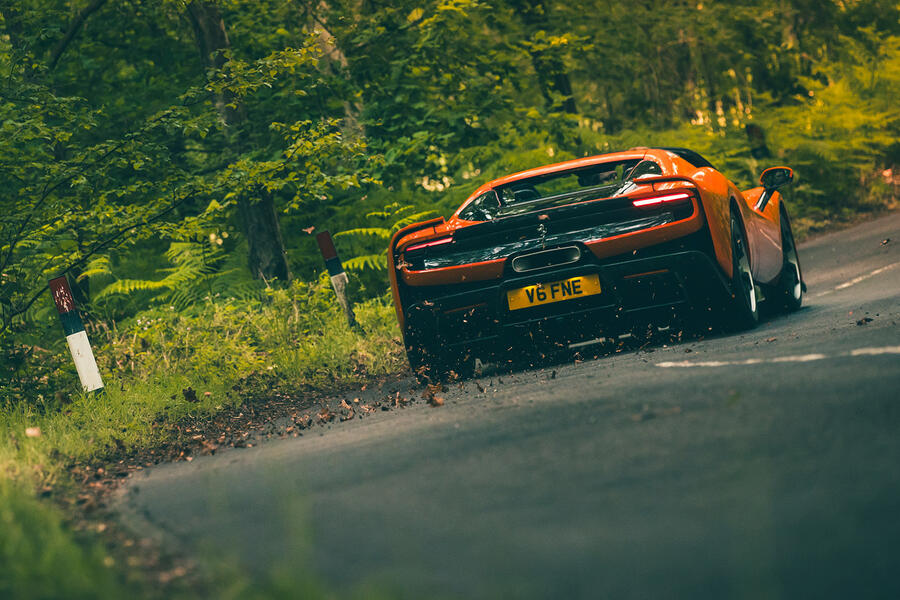
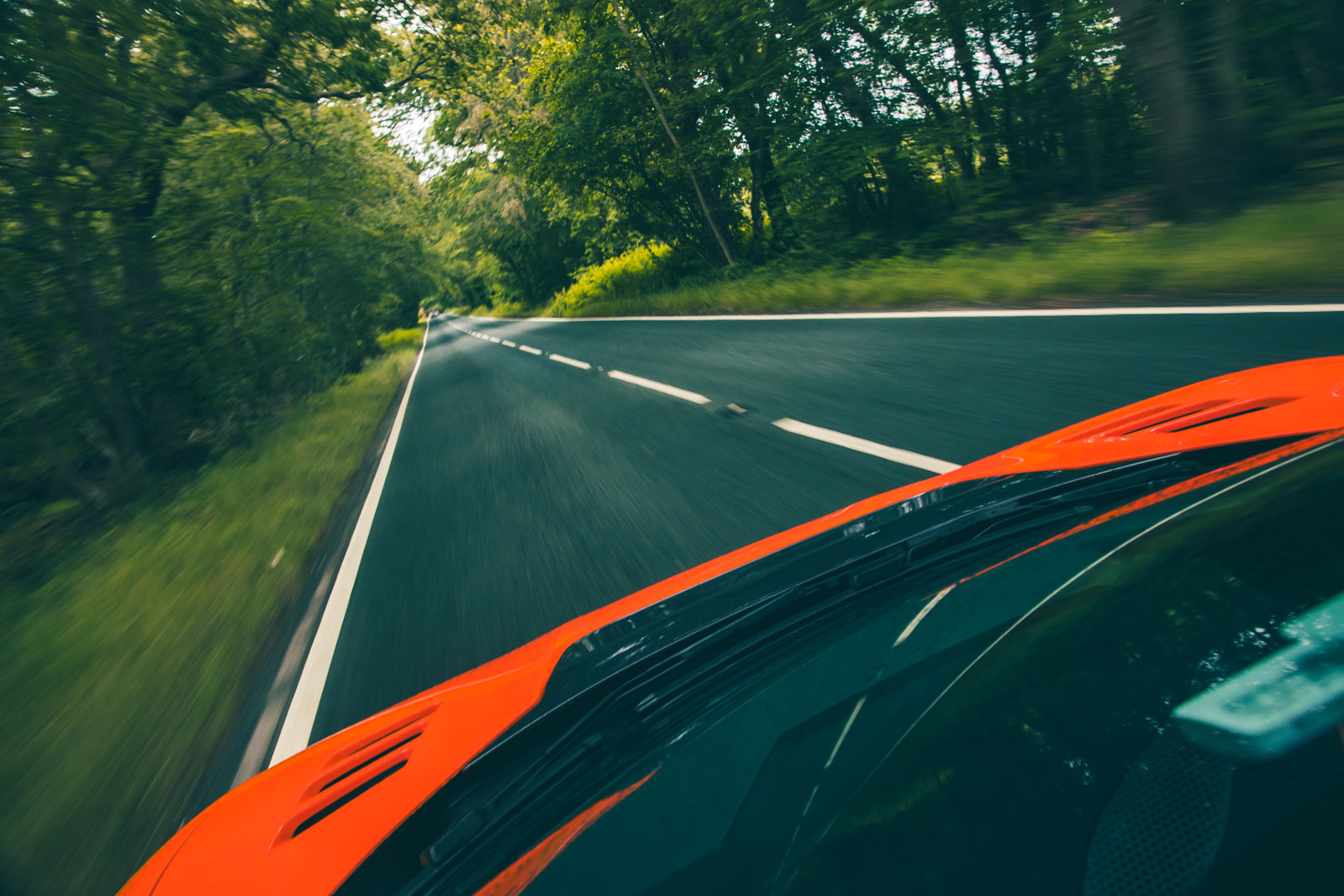
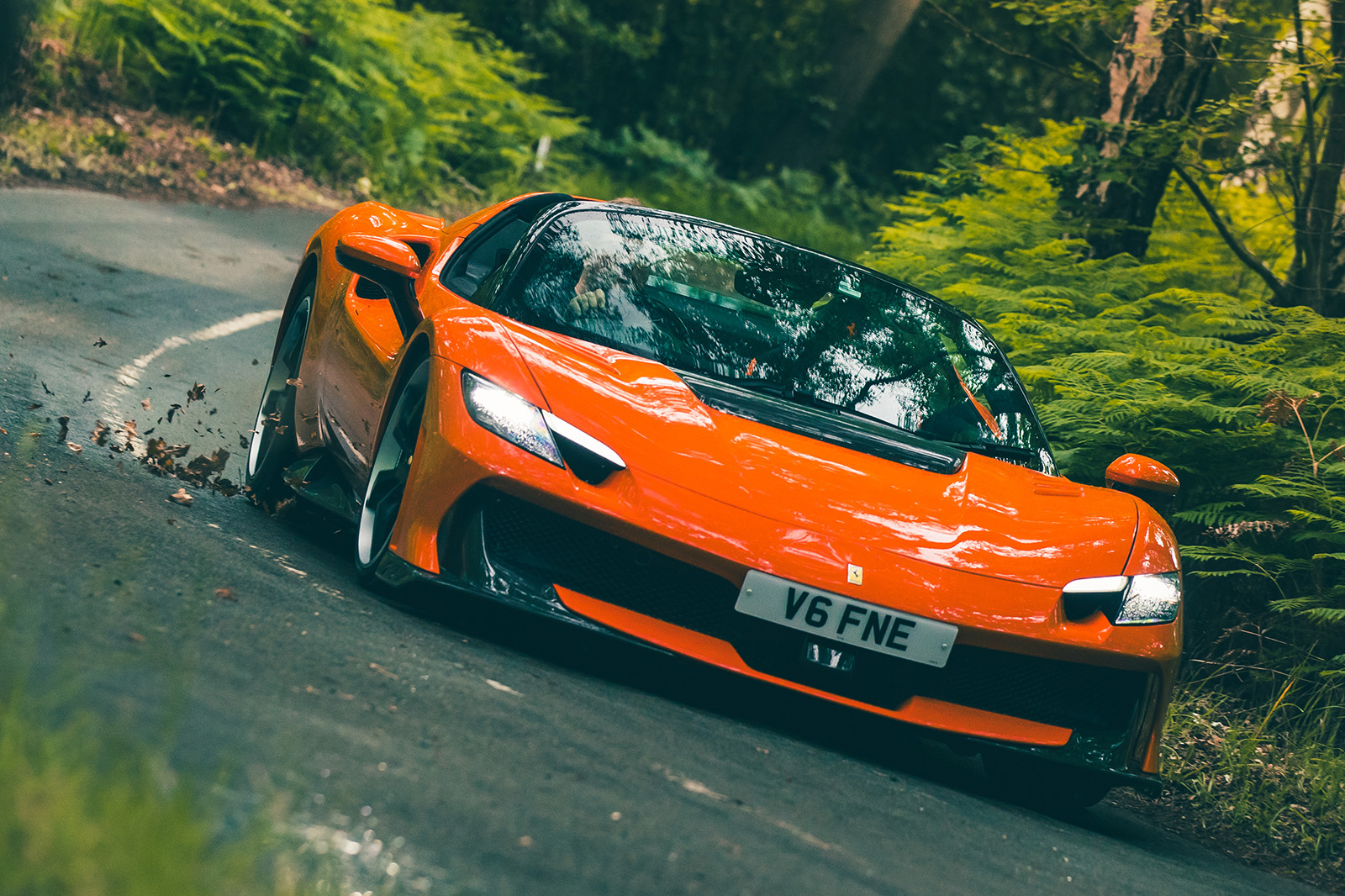
On UK B-roads, those fixed-rate dampers make for very tetchy, reactive, highly-strung ride and handling, however. The kind that has you pulling onto the crown of the road to keep the nearside wheels out of bumps that might otherwise divert you towards the kerb. Squeezing the accelerator more gingerly than you might, also, when exiting corners when the surface is uneven or slippery, in case the rear axle makes any sudden moves. We said similar of the regular 296 GTB on its ‘Assieto Fiorano’ suspension; but in the Speciale’s case, the effect is even more pronounced. On a road that doesn’t particularly suit it, this is the kind of car to keep close tabs on, even when you’re not driving it particularly quickly.

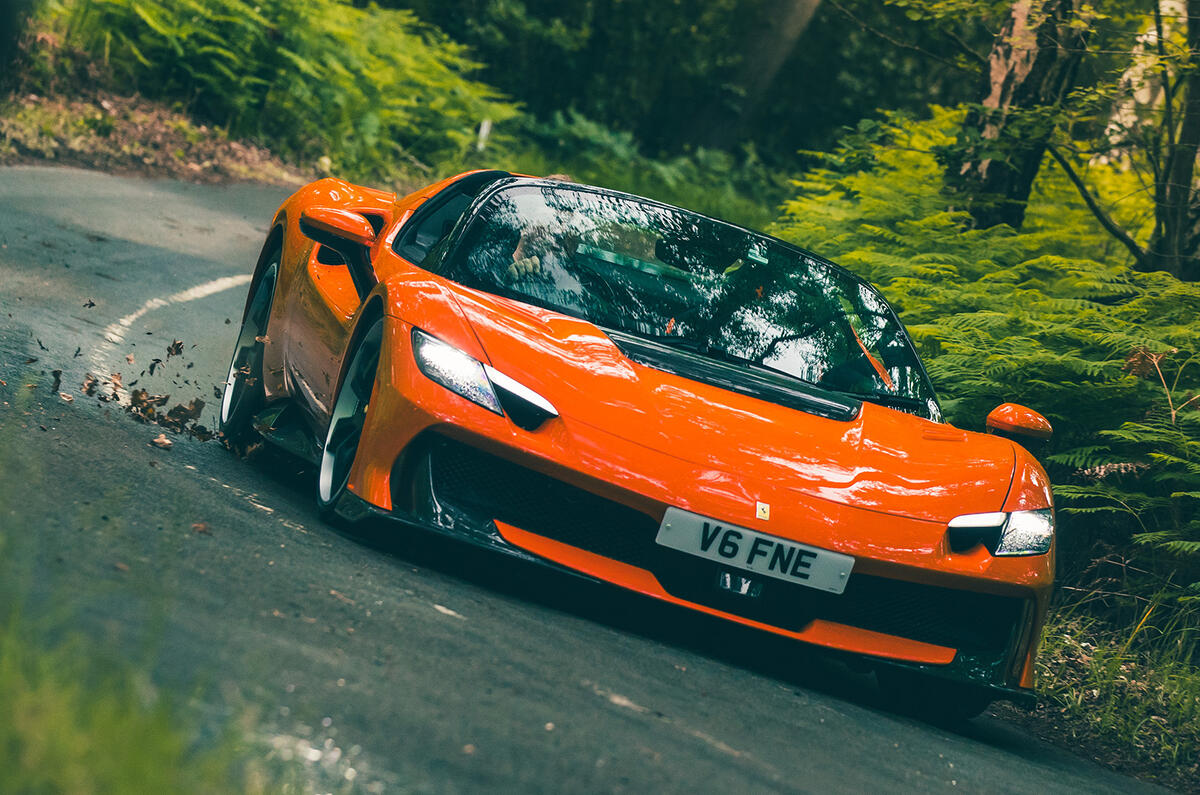
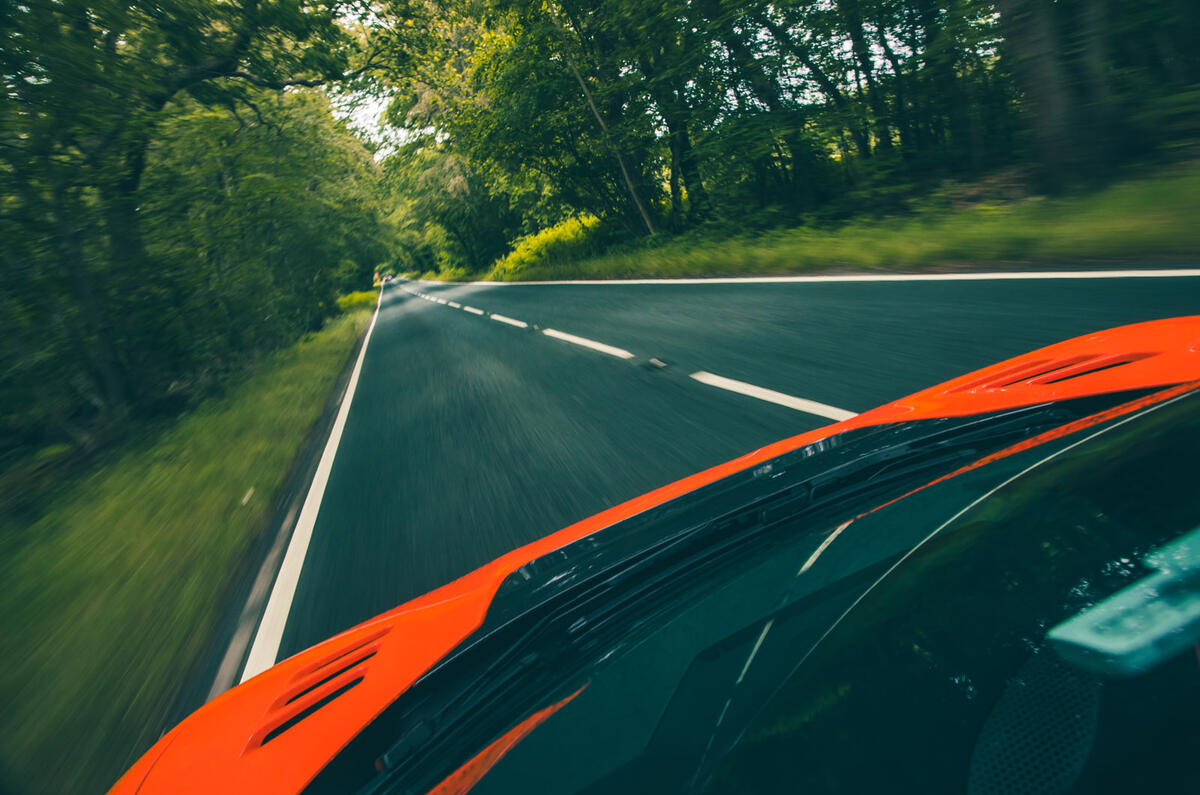
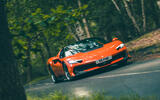
On flatter surfaces, and around quicker bends especially however, the chassis is little short of astounding. Planted on turn in; fidget-spinner-keen to rotate as soon as you turn the steering wheel; and, from there on out, just about as lively-handling and adjustable as you’ve a stomach for. It’s exciting in the extreme - and, in this respect, I can’t imagine the Aperta feels like any less of a phenomenon than the closed-roof Speciale.

Is the steering more feelsome and absorbing than is a regular 296 GTS’s? Absolutely. Does the car grip like a barnacle, and dive through corners with the zapping directional energy of an agility show dog? You betcha. I can’t tell you how it handles on a track, but my guess, educated by about 500 pretty varied road miles, would be ‘sensationally well’.

But it also has a bit of splitting roads, rather starkly, into two camps; those where it works, and feels ready to show off its sensational best - and those where, frankly, it doesn’t work, and you’ll be jiggled, jostled and generally discouraged from enjoying it.


MPG & RUNNING COSTS

Ferrari 296 Speciale Aperta review 2026 35

The Ferrari 296 Speciale A comes with a departure price just over £400,000; which can rise rather easily north of £500,000 with some optional spend, as it did on our test car. 

That makes it just under £50,000 more expensive than a fixed-head Speciale; and not far off 50 per cent more expensive than a regular 296 GTS (admittedly without Fiorano pack). It’s a very costly ‘special’ derivative indeed, then. One priced, you might even say, in full knowledge of the premiums that early examples to the ‘as-new’ market are likely to command; and the status in which ‘Speciale’ models are held by both Ferrari’s loyal customer base, and the market at large.

It’s one of those cars that’s likely to prove a canny buy to an owner with a prime spot on their dealer’s allocation queue, then; and who can afford what’s being asked for it. Though even that kind of desirability can only do so much to soften the impact of a car that could cost more than a twelve-cylinder Lamborghini Revuelto; and only has six cylinders, and one-third as many electric motors, by comparison.

VERDICT

Ferrari 296 Speciale Aperta review 2026 64

There’s really no mistaking the outrageous pace and purpose of the Ferrari 296 Speciale A; neither of which seems dimmed one iota by the removal of its fixed roof.

It is massively, instantaneously fast, and compelling in the extreme when you drive it in the right context and conditions. We’ve yet to try one on track; but even on a road fast and flowing enough to fully suit it, it’s a sensational driver’s car.

Even so - and having driven it on UK country roads, and those in northern France - I would describe it as a car to use in a much more calculated way than you might expect of the wild, unbridled supercar of your dreams. I’d avoid some journeys and surfaces altogether, while vividly enjoying others. And, for the most part, I’d probably be either on my way to, or returning from, a racing circuit - or else, be driving around one of them - when choosing to be at the wheel of one.

That may not be a problem for most Speciale A owners, who’ve probably got a small collection’s worth of other cars to pick from for more ordinary journeys. Perhaps that’s just one of the ways in which the buyer of today’s mid-engine Ferrari differs from the one for whom, say, the 360 Challenge Stradale was intended in 2003. Today's special-series supercar buyer expects even higher highs; because they also expects to drive their car less often, and in less varied ways.

For all of this car’s speed and visceral handling character, however, it’s a less effusive, dynamically versatile and usable device than I remember the 458 Speciale, 430 Scuderia or 488 Pista being; and one requiring uncharacteristically deliberate thinking to get the best out of. Ultimately, would that make it more 'speciale' to own? I have my doubts.

Matt Saunders

Matt Saunders Autocar
Title: Road test editor

As Autocar’s chief car tester and reviewer, it’s Matt’s job to ensure the quality, objectivity, relevance and rigour of the entirety of Autocar’s reviews output, as well contributing a great many detailed road tests, group tests and drive reviews himself.

Matt has been an Autocar staffer since the autumn of 2003, and has been lucky enough to work alongside some of the magazine’s best-known writers and contributors over that time. He served as staff writer, features editor, assistant editor and digital editor, before joining the road test desk in 2011.

Since then he’s driven, measured, lap-timed, figured, and reported on cars as varied as the Bugatti Veyron, Rolls-Royce PhantomTesla RoadsterAriel Hipercar, Tata Nano, McLaren SennaRenault Twizy and Toyota Mirai. Among his wider personal highlights of the job have been covering Sebastien Loeb’s record-breaking run at Pikes Peak in 2013; doing 190mph on derestricted German autobahn in a Brabus Rocket; and driving McLaren’s legendary ‘XP5’ F1 prototype. His own car is a trusty Mazda CX-5.