Currently reading: An overlooked Porsche legend for £11k? It's time to buy a 968

Why this rare, engaging front-engined Porsche is a brilliant alternative to a 911

On sale for just four years and with a small number of cars made during that time (fewer than 13,000 for the whole world), a Porsche 968 is today a rare bird. In fact, only around 850 remain in the UK.

In contrast, about 6000 examples of the 944, its immediate predecessor that was on sale for nine years, are still knocking around. For anyone considering buying a 968, the fact that so few were sold should be a red flag regarding parts availability.

But thanks to an enthusiast following, a committed supply network and the model’s links to the 944, many bits can still be sourced – one way or another. Make the leap and you’ll own one very special Porsche.

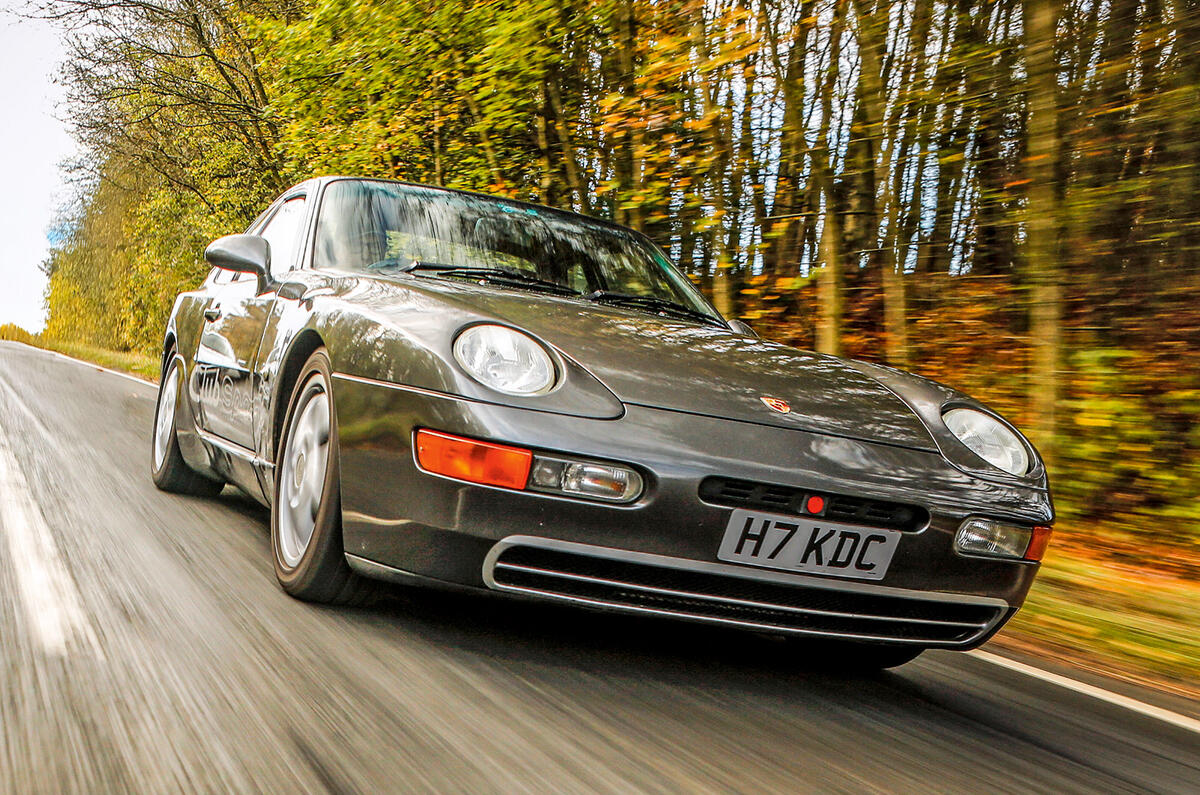
The model took the best of the earlier 924 and 944, added its own special magic and delighted enthusiast drivers whether in standard, stripped-down Club Sport or, the best of both worlds, Sport form.

The 968 was originally intended to be a 944 S3, but as work progressed Porsche decided the revised model deserved its own name. It shared its basic dimensions and chassis with the earlier car but gained updated mechanicals and a fresh, new look.
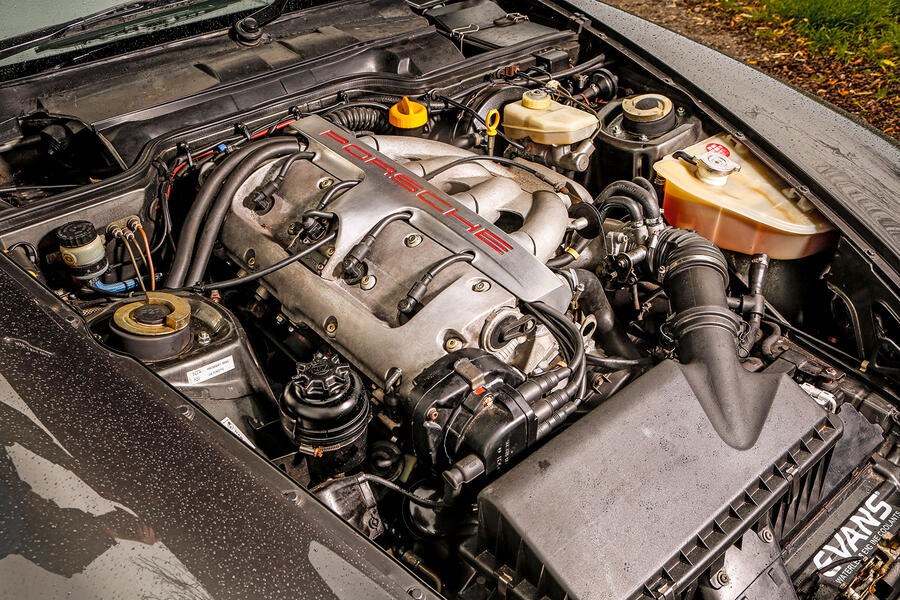
There was just one engine: an all-aluminium, 3.0-litre inline four-cylinder (it had balancer shafts to smooth out the vibes) with 16 valves and producing 237bhp. It was mounted at the front but drove the rear wheels via a transaxle – a layout it shared with the 944 and 924, the first Porsche to adopt it.

There was no turbocharged 968. Correction: there was, but it was for racing only and just 14 were built. Instead, Porsche fitted the 968’s engine with its then new VarioCam variable valve timing set-up: the system operates between 1500rpm and 5500rpm and boosts power and torque.

Performance-wise the 968 was reasonably competitive, but its key appeal lay in the engine’s instantaneous responses and deep reserves of torque. It sounded great, too. You could have your 968 with a six-speed manual gearbox or dual-mode four-speed Tiptronic automatic – like VarioCam, another technology new to Porsche.

In manual form, the car sprinted from 0-62mph in 6.1sec, or around a second or two slower with the Tiptronic option. Today, a good used 968 should still pull strongly from low revs and through every gear while feeling pleasantly smooth at all speeds.
Back to top

One displaying lumpy or hesitant performance may have issues with its Bosch Motronic fuel injection and/or VarioCam systems. Autocar’s testers gave the 968’s handling the full five stars, praising the car’s immense grip, composure under duress and direct and communicative steering.

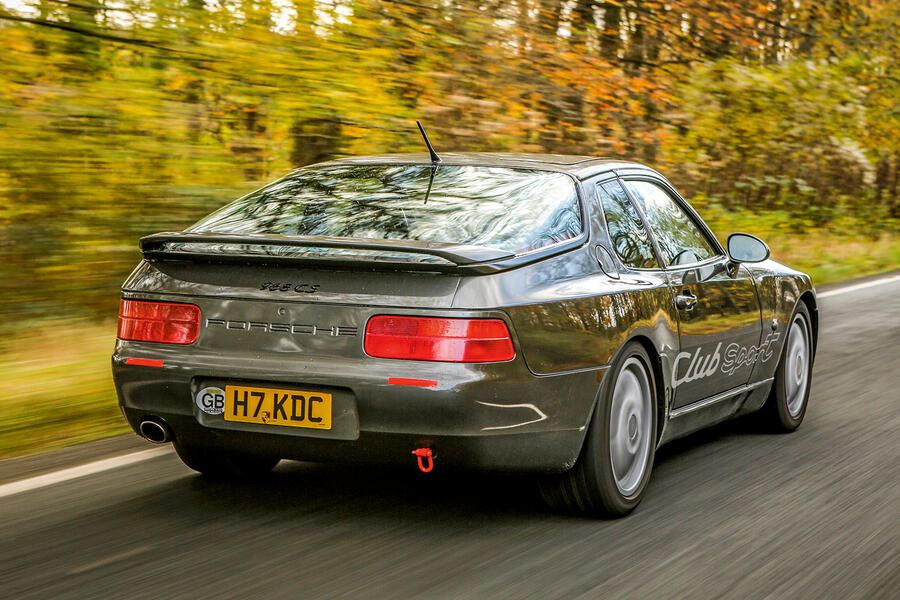
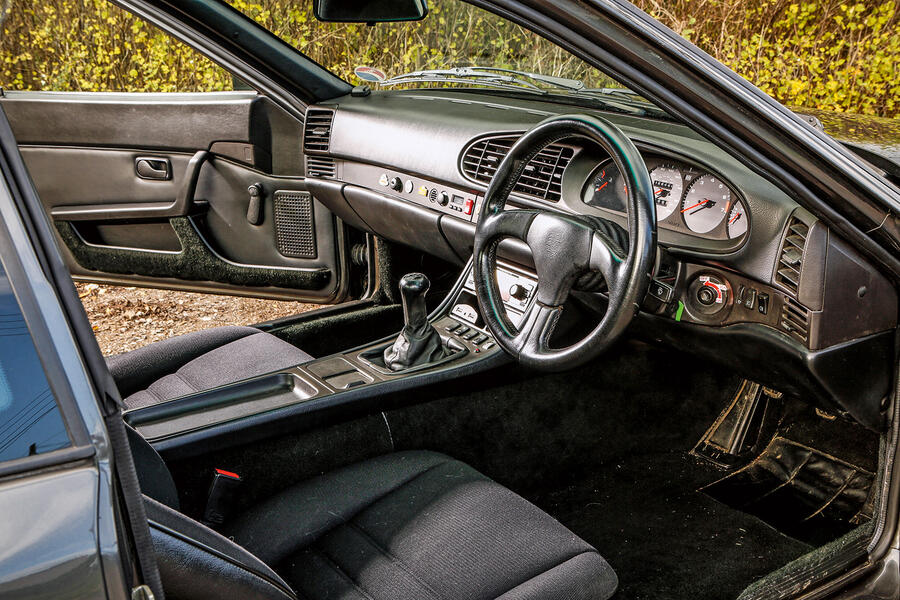
Only the ride, they said, was firm, verging on harsh, but the payoff for that was superb body control. The 968 went on sale in 1992 in 2+2 coupé and two-seat cabriolet forms. It was a well-appointed GT, but the following year Porsche changed all that with the Club Sport, which was faster, even more engaging and – surprise, surprise – cheaper.

It was faster because pretty much all but the front seats had been binned, and even those were now lightweight Recaros located 20mm lower. But can you believe it?

Punters were unimpressed, so at the end of 1994 Porsche followed it up with the semi-skimmed Sport. It was a hit, and today it’s regarded as the best 968. Rubbish, we say. The best 968 is one with a full service history and no issues – one ready to show you just how good the model is.

What to look out for

Engine: Check for evidence of regular, annual maintenance supported by detailed invoices. The engine has both a timing belt and a cam chain, which works with the VarioCam system. The belt, along with the water pump, should be changed every four years; the chain shouldn’t require changing, but the tensioner guides may (noises from the cylinder head can indicate an imminent failure). There’s a balancer shaft belt, too, which must also be changed every four years. Check for oil leaks, especially from the front engine seal.

Back to top

Gearbox: On manual cars, feel for clutch slip (a new clutch is expensive) and sticky or stubborn changes. The Tiptronic box thrives on regular fluid changes. Check for leaks from this unit and for any problems with kickdown, often caused by a faulty switch.

Suspension, brakes and tyres: Floaty handling and wheel shake can be traced to, respectively, worn/leaky shock absorbers and worn lower control arms or anti-roll bar drop links. Badly balanced or mixed front tyres can cause the steering wheel to tremble. Matching premium-brand tyres all round suggests cherished ownership. Brake calipers can be sticky and brake pipes corrode.

Body: Galvanised body can rust at the rear arches and around the rear trailing arm bodyshell mounts. Check for filler, overspray and, inside, damp caused by failed seals (water can wreck the under-seat ECU). Be sure boot and cabin carpets are in good condition and that every feature works. Check the cabrio hood fits snugly.

Also worth knowing

Thanks to a strong following, the 968 is well served by a thriving parts community. Among the leading independent suppliers is Design911, based in Essex. A spokesman said many parts are still available, with more challenging ones taking around three weeks to come through. However, some interior trim, including seat fabrics and carpets, is becoming harder to source. Other parts suppliers include Porsche itself. It claims to carry more than 80,000 Porsche Classic Genuine Parts at any one time and publishes a detailed online catalogue.  

How much to spend

£11,000-£14,999 Good choice of regular 968s, some benefiting from recent specialist overhauls.

£15,000-£19,999 Sport-trim cars at this money, plus nice regular models, most with mileages around 150,000.

£20,000-£34,999 Very clean, low-mile (80k or so) regular cars and Sports here.

£35,000 and above Your choice of the peachiest Club Sport cars

An owner's view

Lee Fryatt: I’m selling my 968 cabrio, a 1994 car with just under 110,000 miles on the clock, after four years’ happy and uneventful ownership. I wanted a Porsche but something different from my friends’ 911s, and being rare, the 968 fitted the bill perfectly. The 968 also represented the peak of Porsche’s expertise with front-engined transaxle cars, as demonstrated by the car’s wonderful balance and handling.

It was an evolution of the 944 and shares many parts with it, including its doors. Service consumables are easy to get hold of, but things like door seals, which degrade over time, are harder to find, as are headlights and wings. Would I own a 968 over a 944? I have both!   

Join our WhatsApp community and be the first to read about the latest news and reviews wowing the car world. Our community is the best, easiest and most direct place to tap into the minds of Autocar, and if you join you’ll also be treated to unique WhatsApp content. You can leave at any time after joining - check our full privacy policy here.