


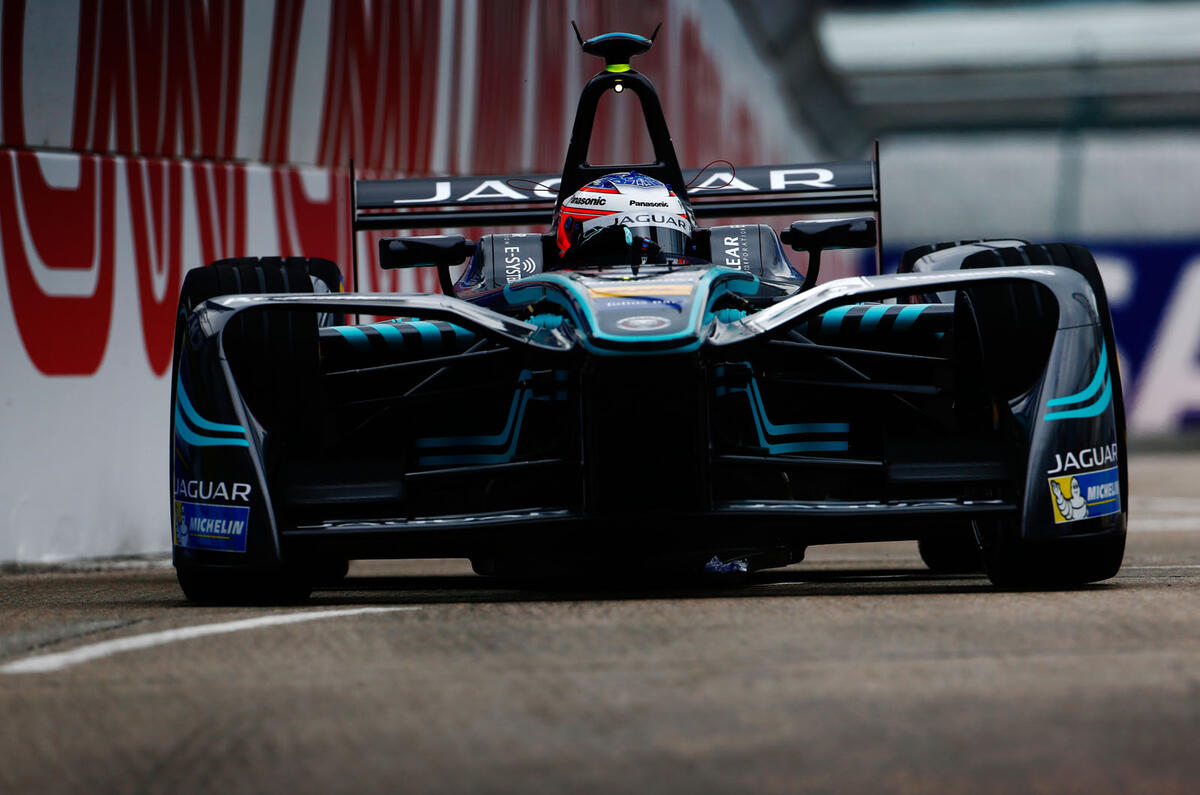














The clue’s in the name. The founders of Williams Grand Prix Engineering, famous for their exploits in Formula 1, have made their reputations and fortunes by pursuing advanced engineering for 40 years – so it’s surprising that for most of those years, the group hasn’t had an outward-facing engineering operation.
This is probably more a comment on the single-mindedness of racers at motorsport’s highest level than anything else. As Steve McQueen famously put it: racing is life and everything else is waiting. But Williams’ own straight-talking co-founder, Sir Patrick Head, has a famous quote, too, labelling Williams as “an engineering company that just happened to go motor racing” rather than the other way around.
This and the fact that in 2011 Williams became a publicly listed company – which increased its priority to earn money for investors – is probably why the famous Grove estate 12 miles south-west of Oxford is nowadays home to a fast-expanding technology business called Williams Advanced Engineering.
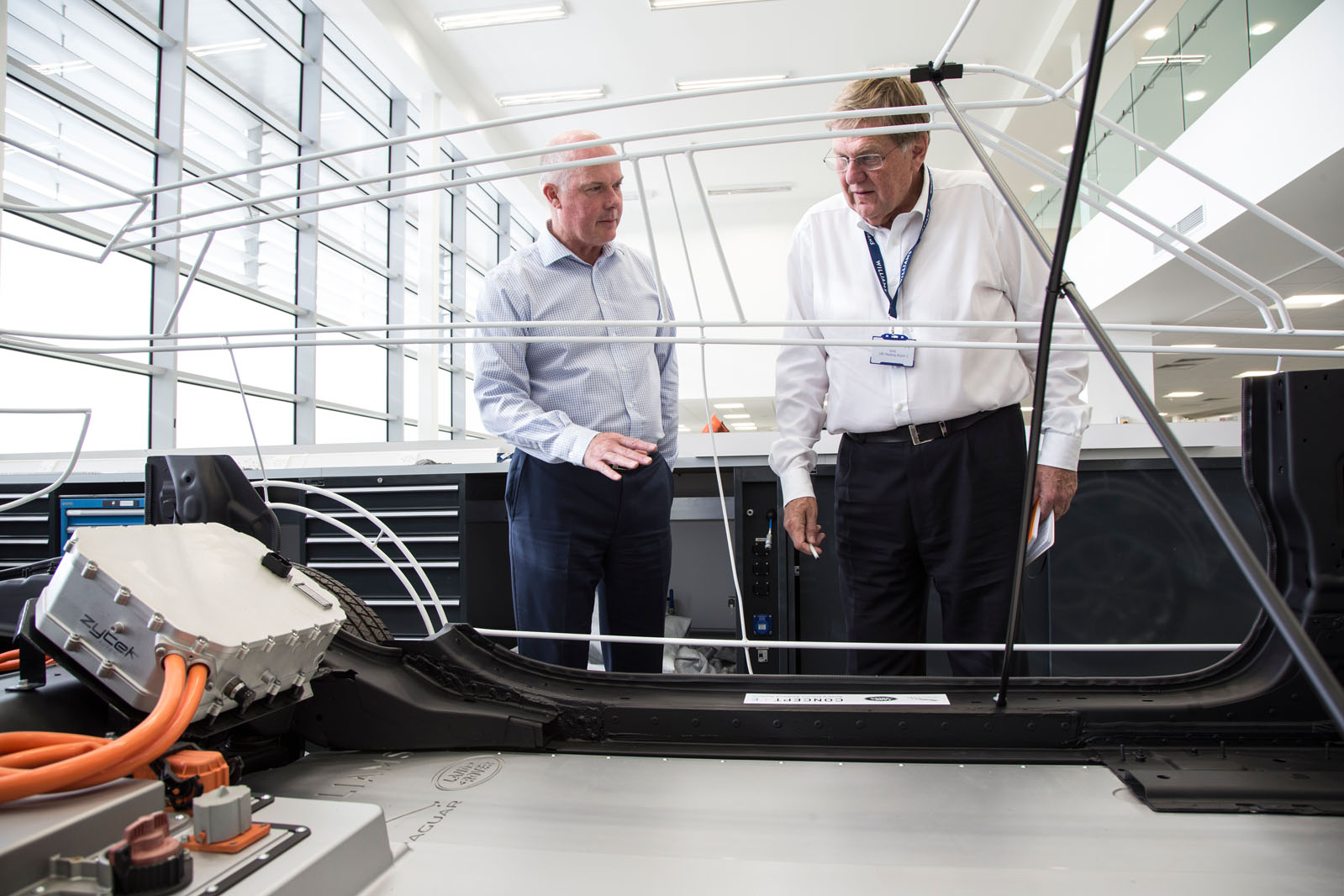
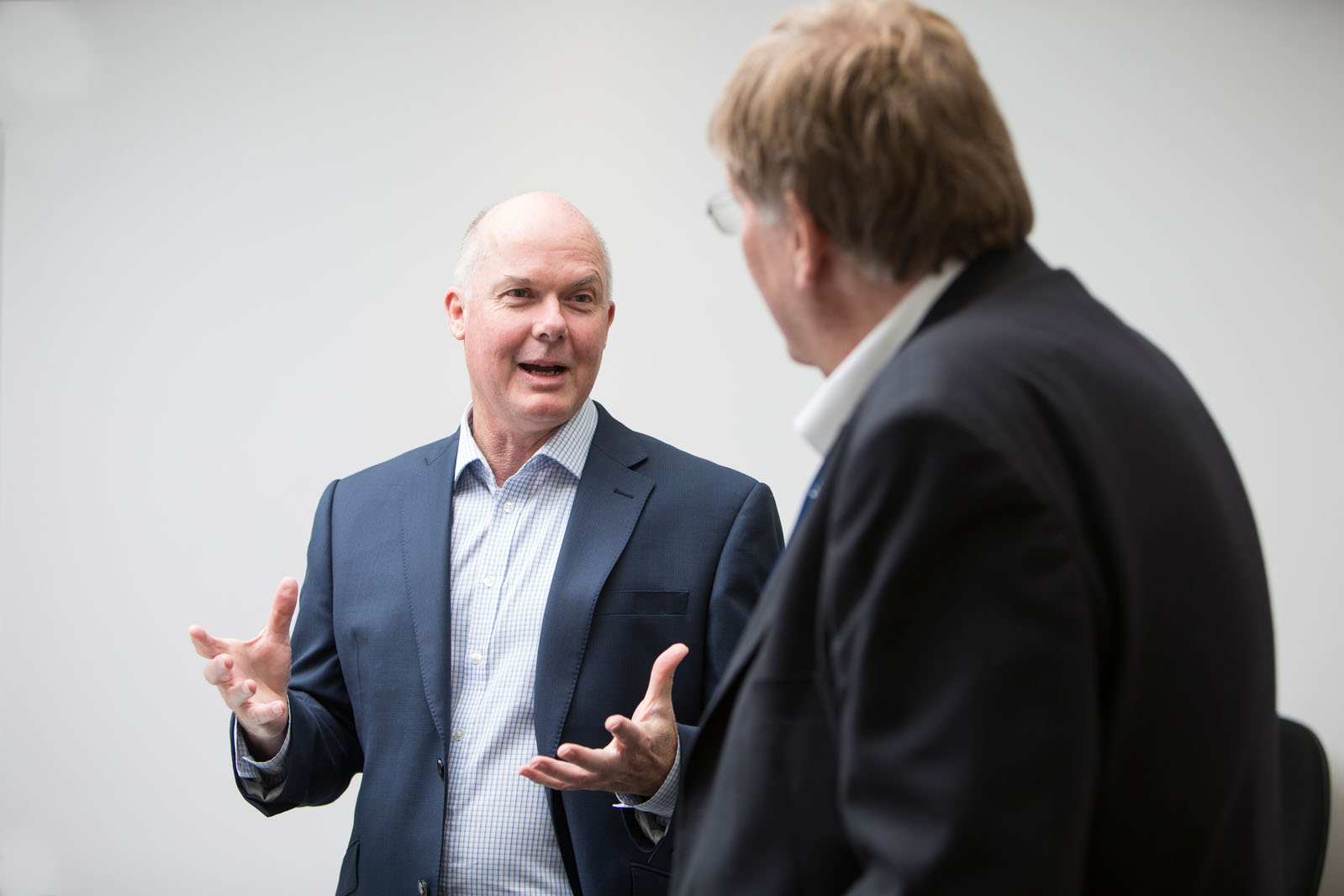
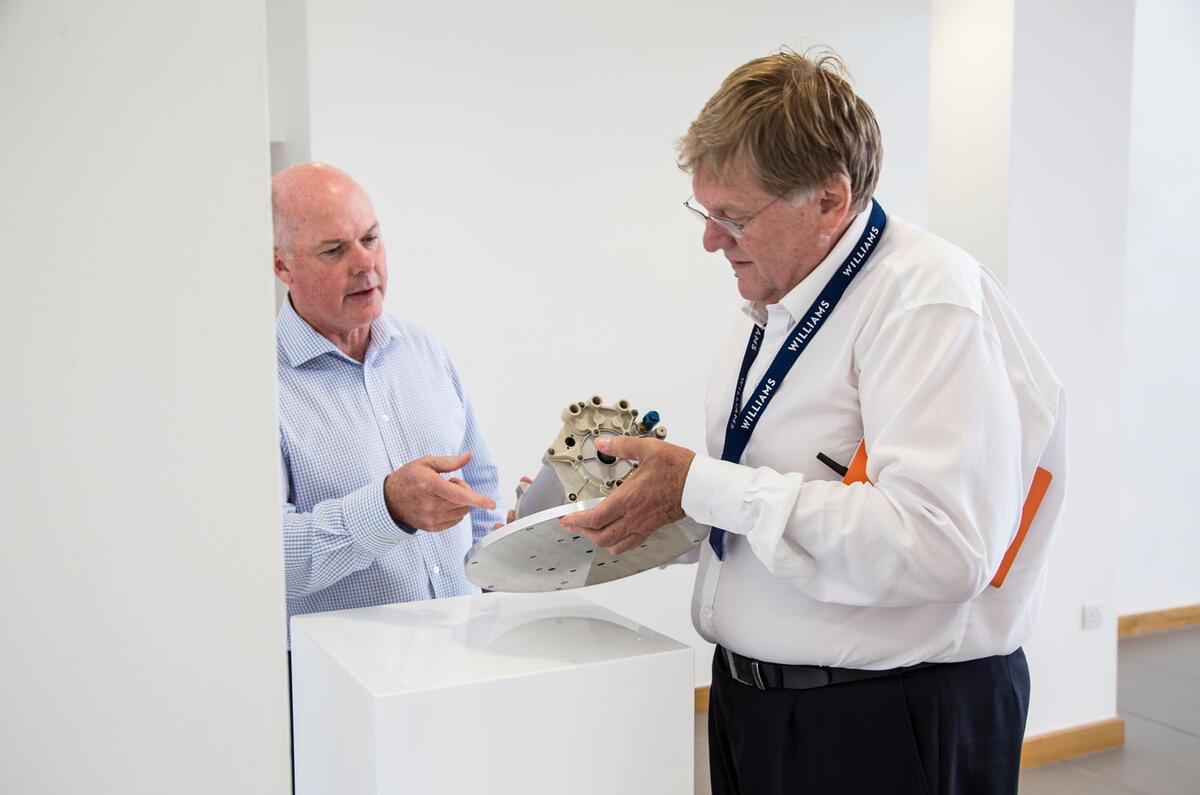
WAE’s managing director and leading light is Craig Wilson, a highly experienced Australian engineer well known for his role in holding Tom Walkinshaw’s TWR Engineering business together in the 1980s and 1990s, and then as boss of Australia’s Holden Special Vehicles operation in Melbourne. Late in 2013, Wilson returned to the UK when he “saw the writing was on the wall” for car manufacture in Australia, and he was soon recruited by group MD Mike O’Driscoll, after a recommendation from Jaguar design director Ian Callum, a former colleague.
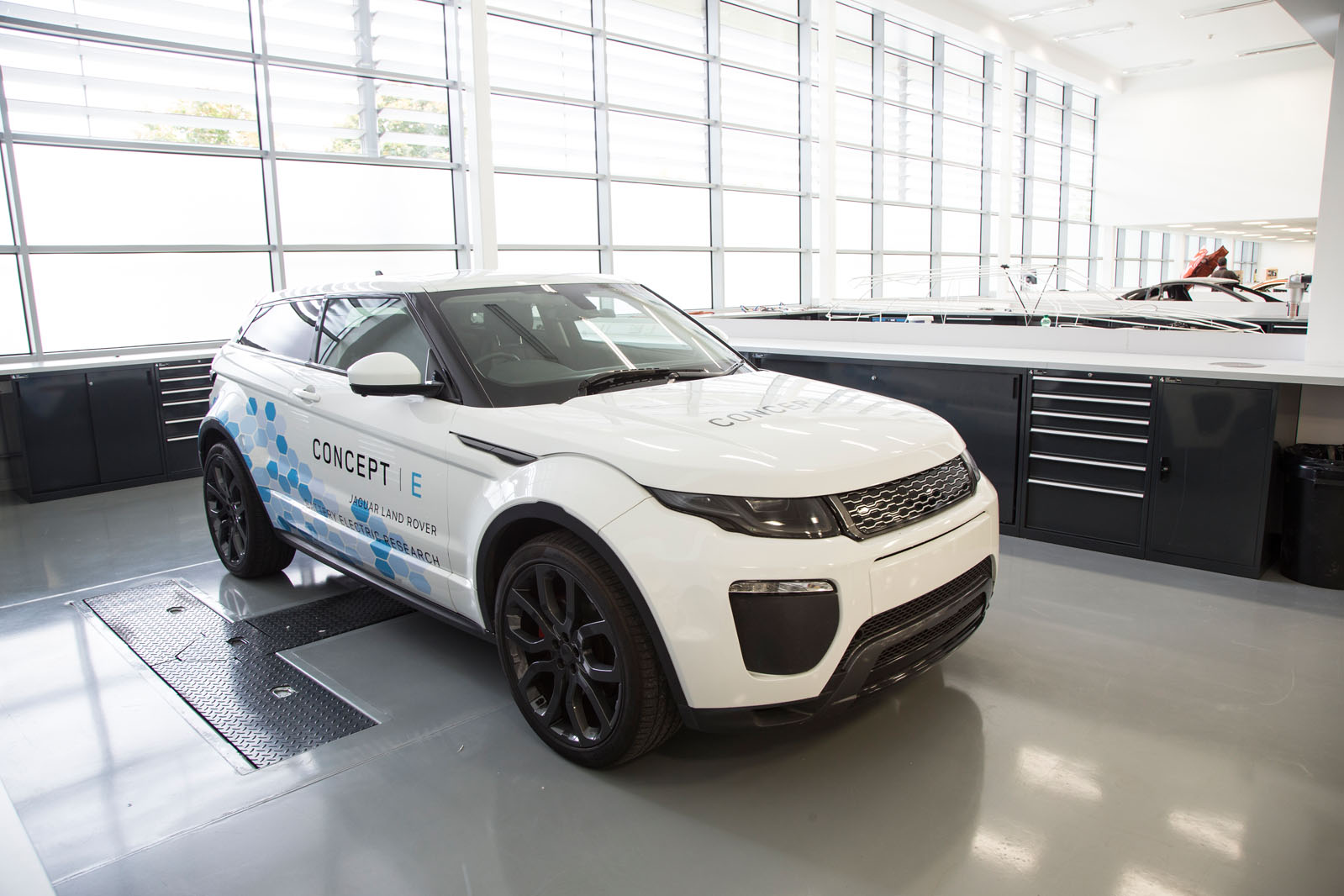
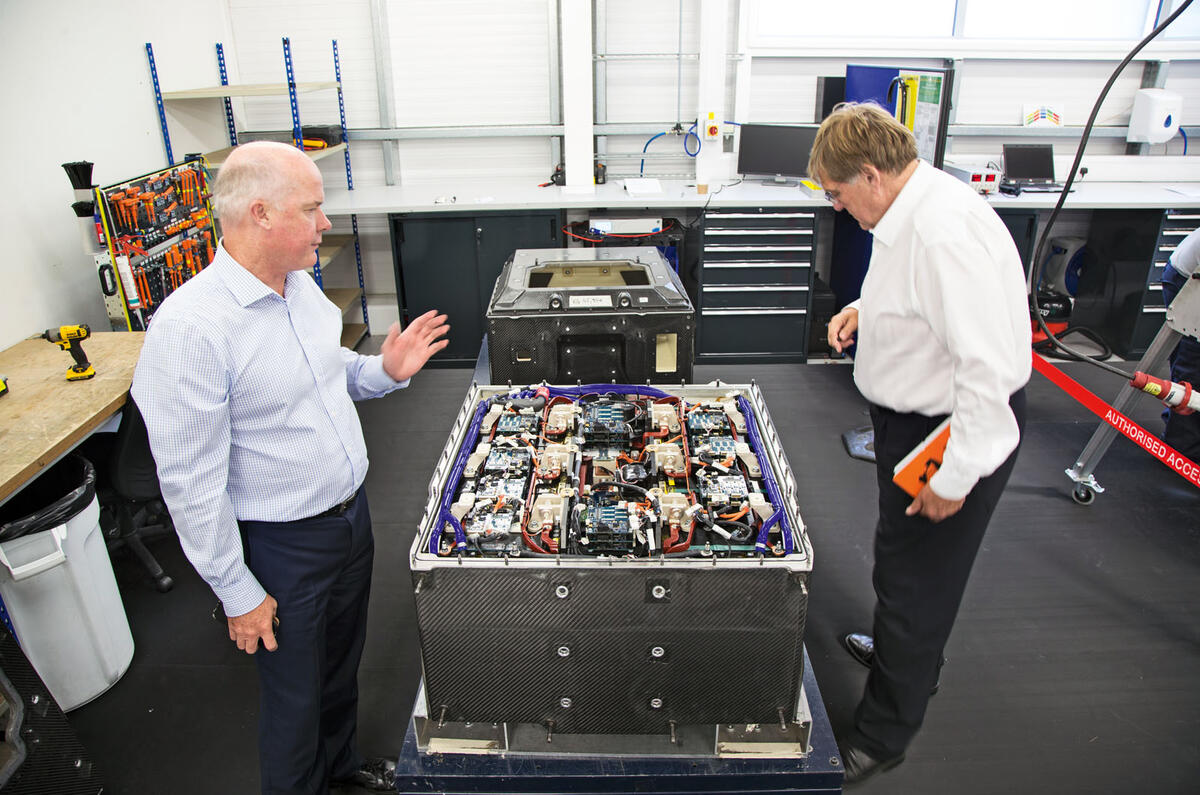
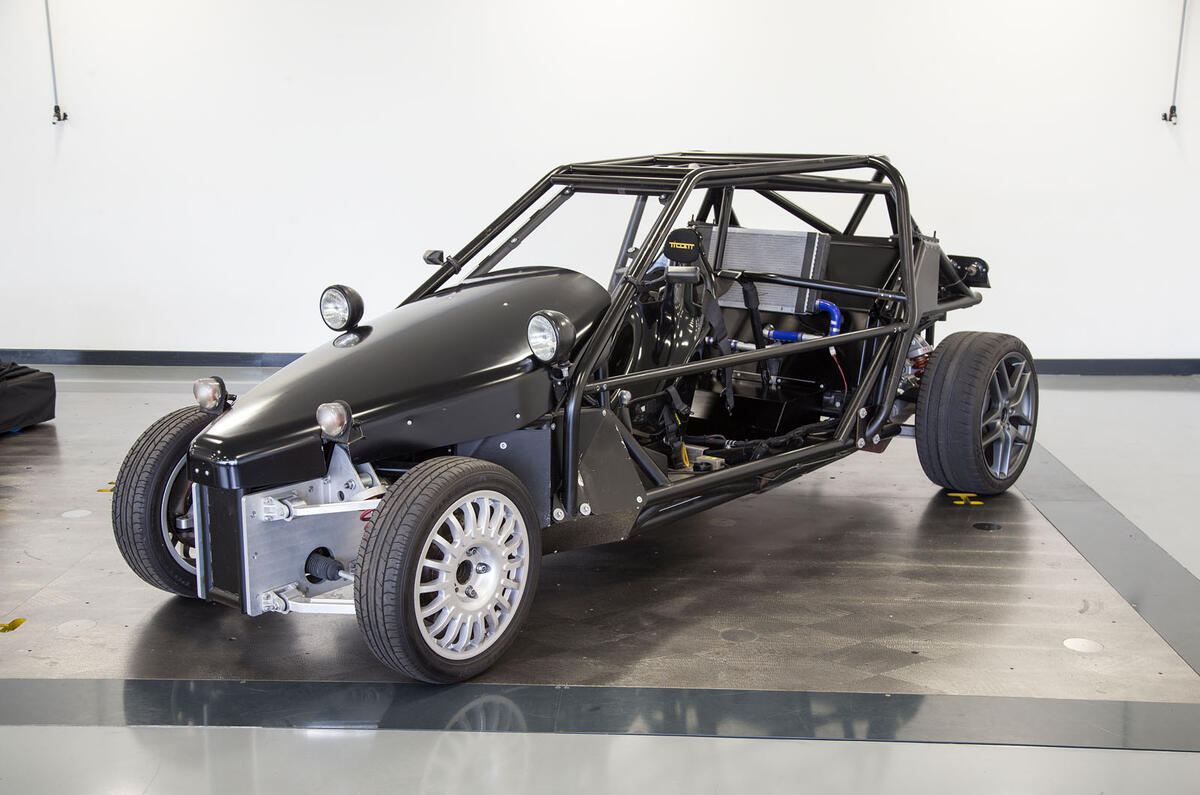
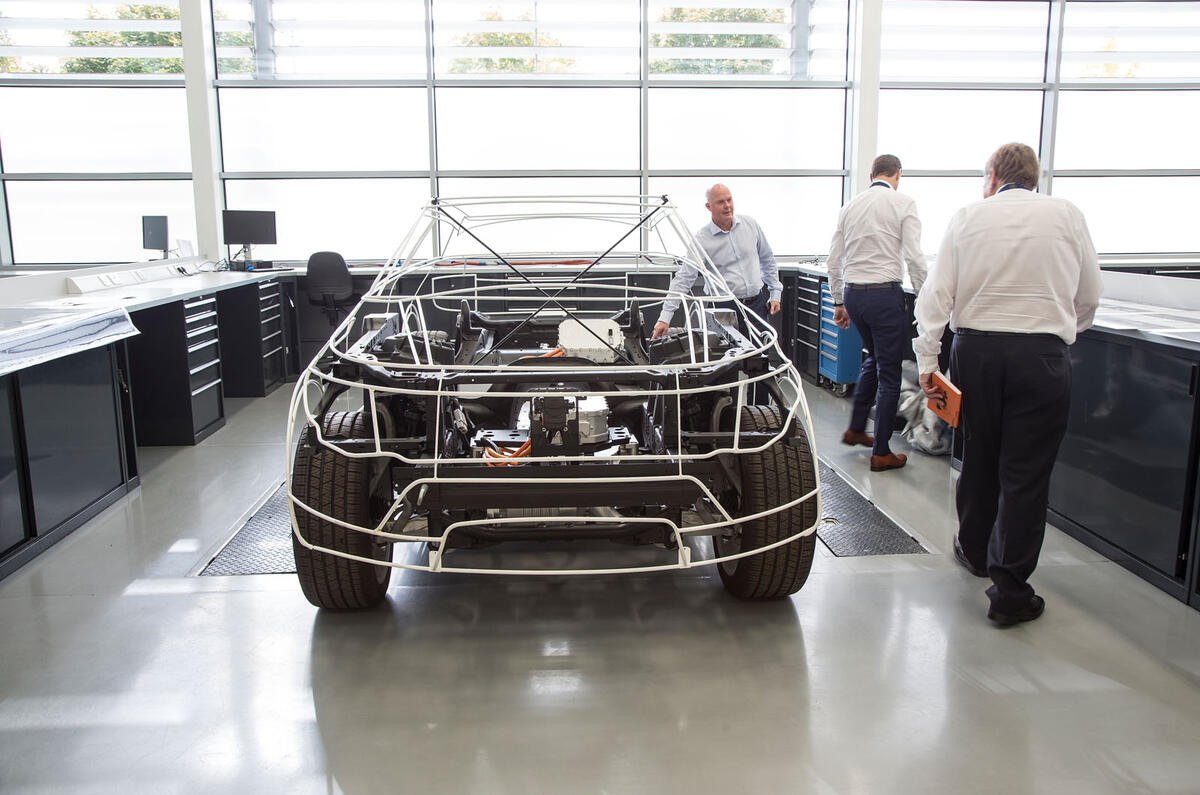
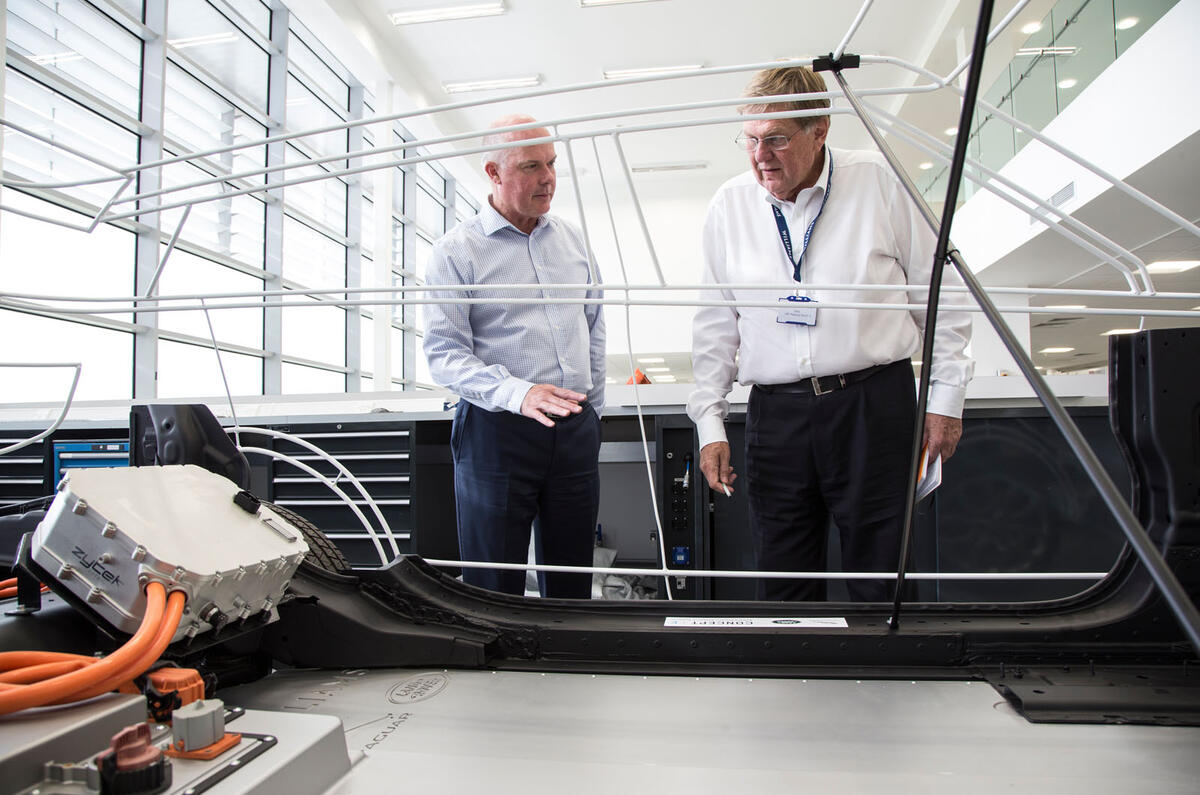
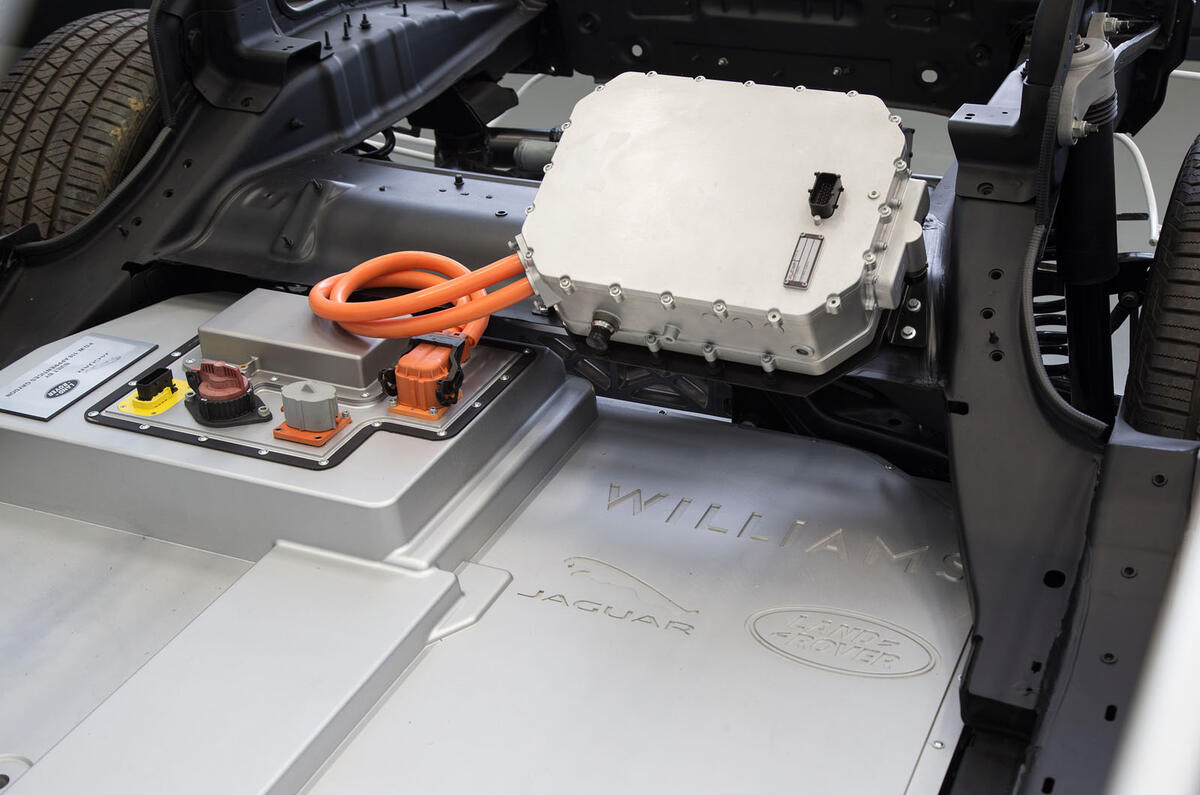
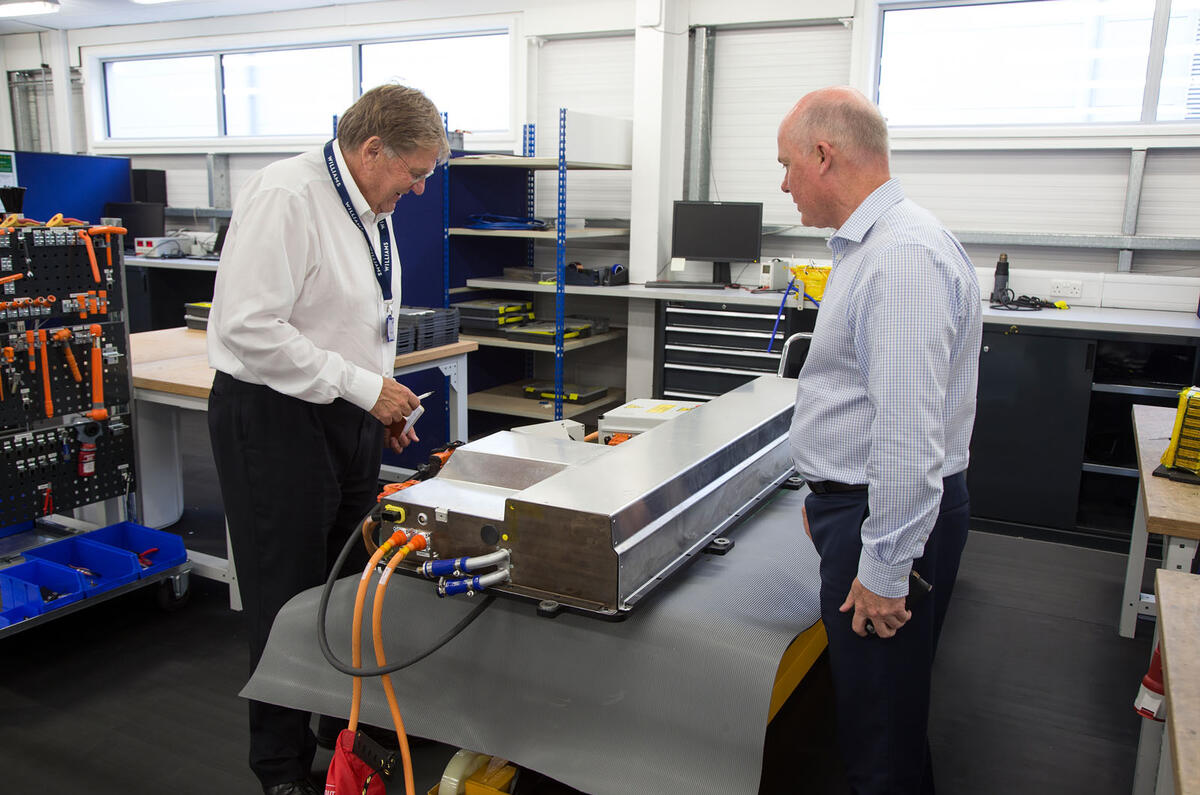
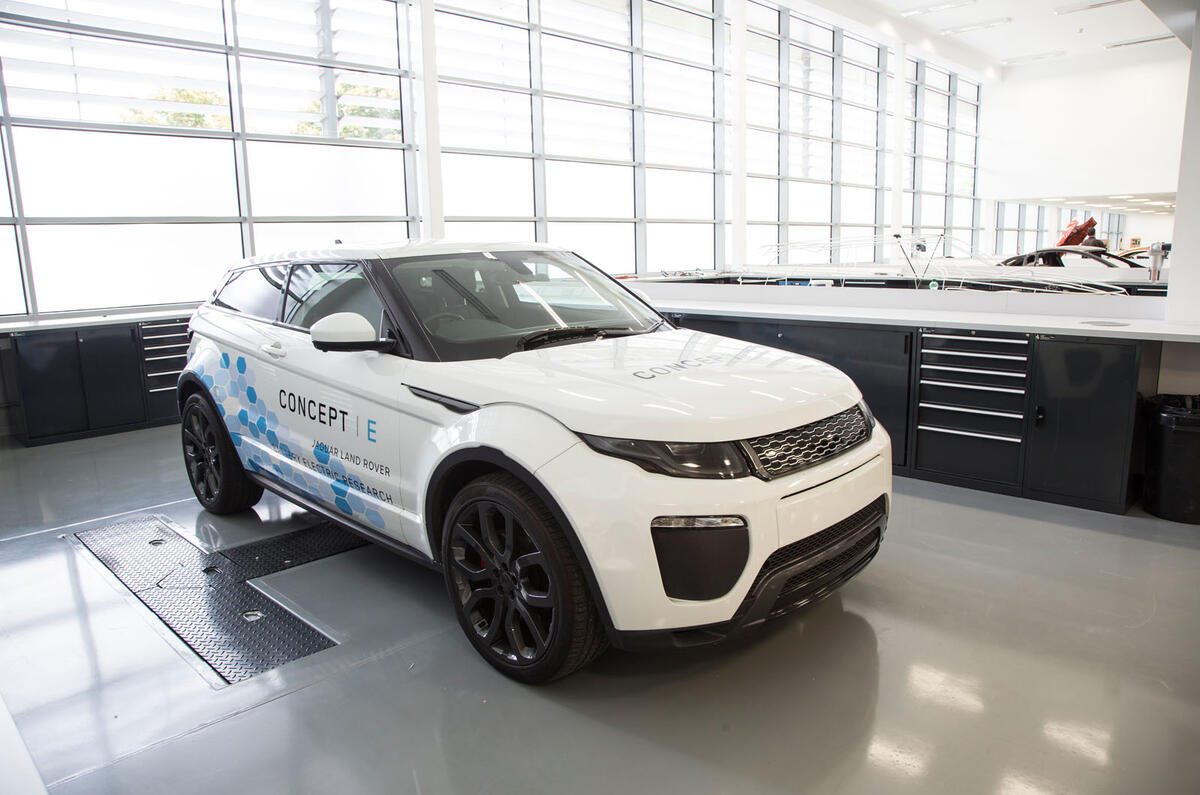
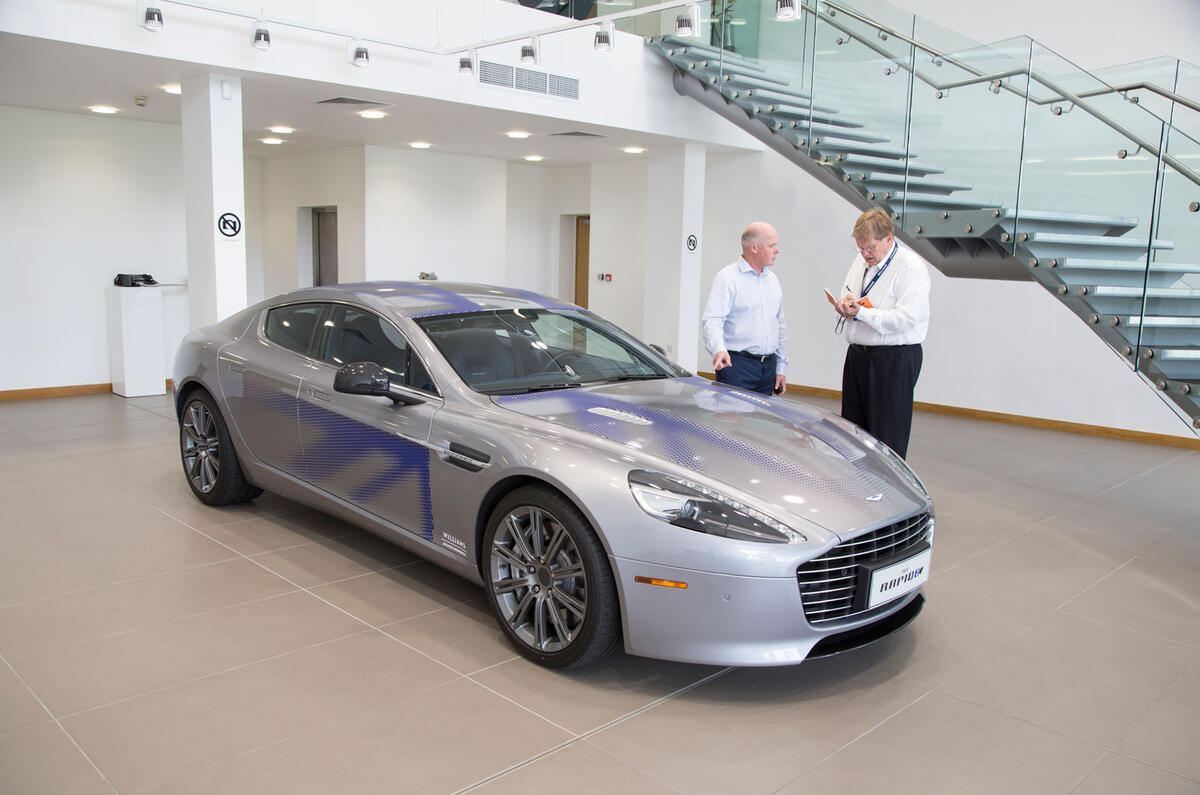
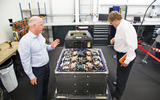
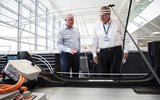
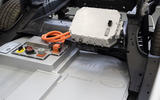
After three years, Wilson looks very much at home when we talk in a meeting room above the spacious foyer. Outside and below, WAE people are hard at work in all the areas that will improve the cars of the future: aerodynamics and heat management, lightweight composite structures, energy storage systems and electric drivetrains. Plus, of course, selected non-F1 race projects. And all of it for paying customers.
“We’ve found our niche,” says Wilson, “which is to provide energy efficient performance for our clients in all its forms, with speed and accuracy. It sounds easy when you just say it, but it’s not.”
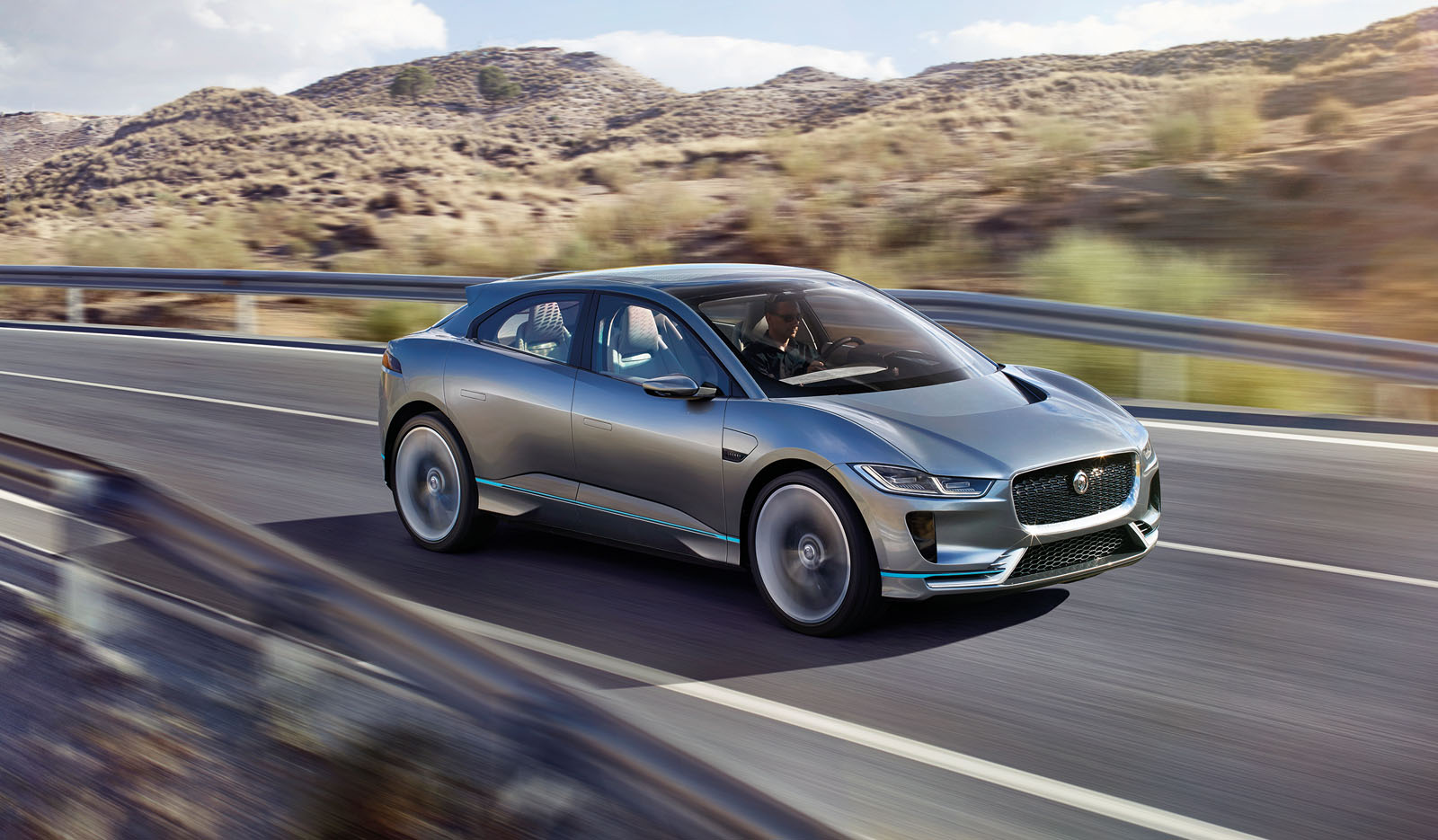
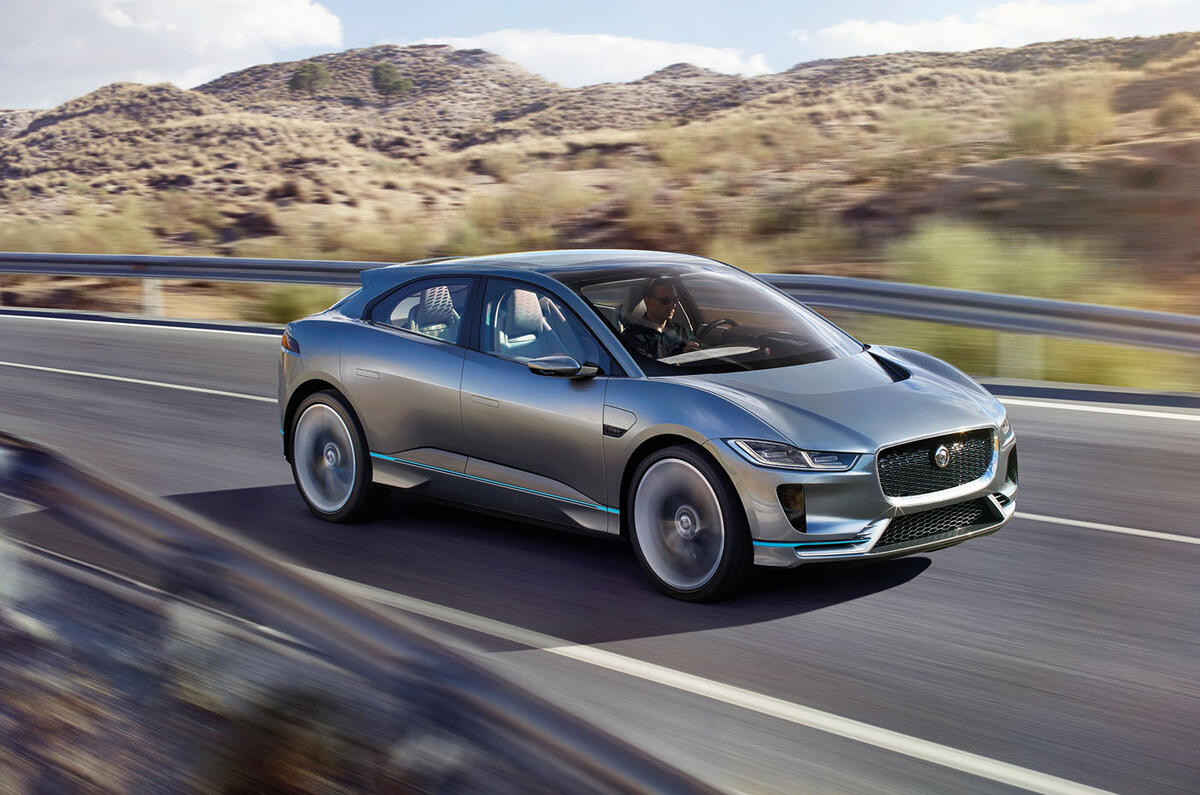
A couple of years before Wilson arrived, the business that was to become Williams Advanced Engineering had been established around one project: Jaguar’s earthshattering plan to manufacture a batch of 250 C-X75 hybrid supercars from a seminal 2010 Paris concept. Production was scheduled for 2013 through to 2015, but Jaguar Land Rover chief Ralf Speth decided at the last minute to kill the project, citing a need to pursue more pressing mainstream activities such as the Jaguar XE and Jaguar F-Pace. Williams was left with 60 engineers and a swish headquarters in the same grounds as the F1 operation but very little to do with them. There was a small military project and engineers were helping Caterham’s then F1 team with aerodynamic testing, but in essence the cupboard was bare.