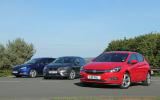


The industry’s most competitive segment: that’s how we’ve often described the family hatchback class. It receives massive investment, deals in colossal volume, is filled with household names and populates more driveways than dandelions.
However, for the past few years, critically speaking, the market has been about as competitive as the Scottish Premiership. There are plenty of also-rans, for sure, but our advice, based on fitness for purpose and driving pleasure, has monotonously circled the Volkswagen Golf and Ford Focus.
By the end of its lifecycle, Vauxhall’s entrant, the big-selling old Astra, was way down the field. Over-engineered, a spokesperson termed it in hindsight recently.
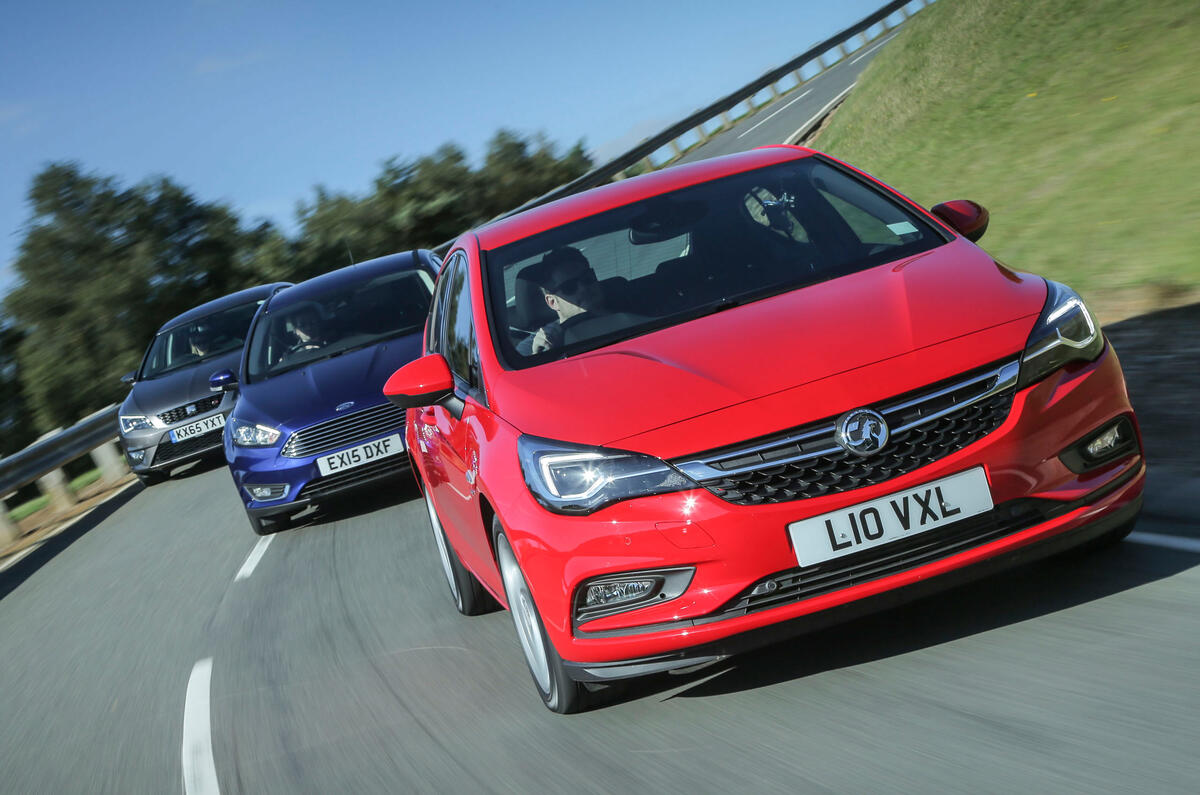
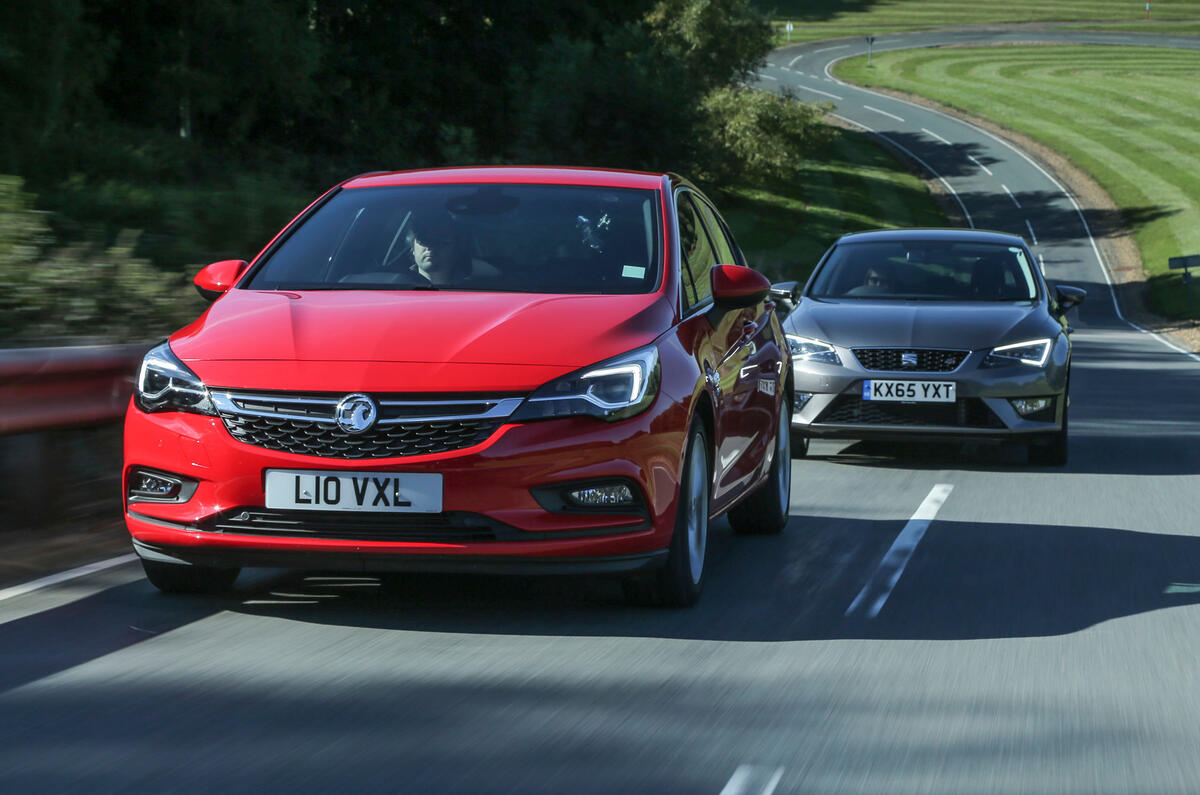
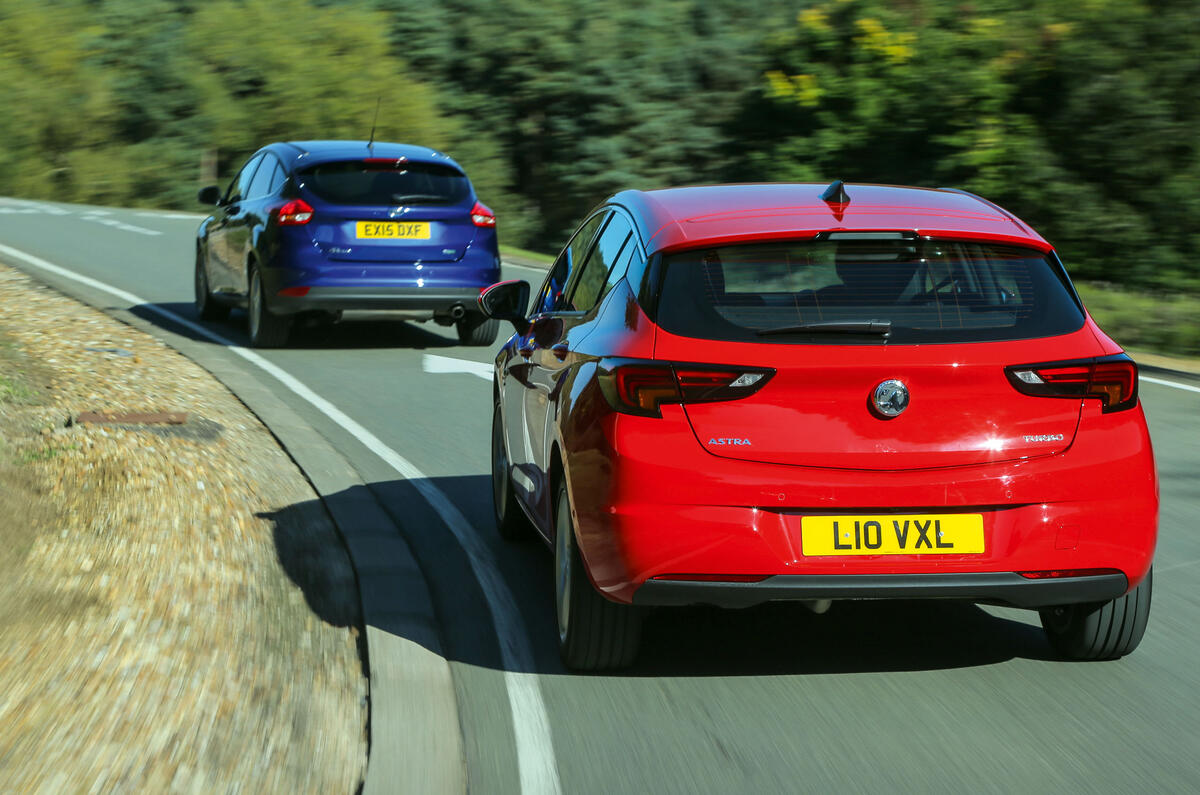
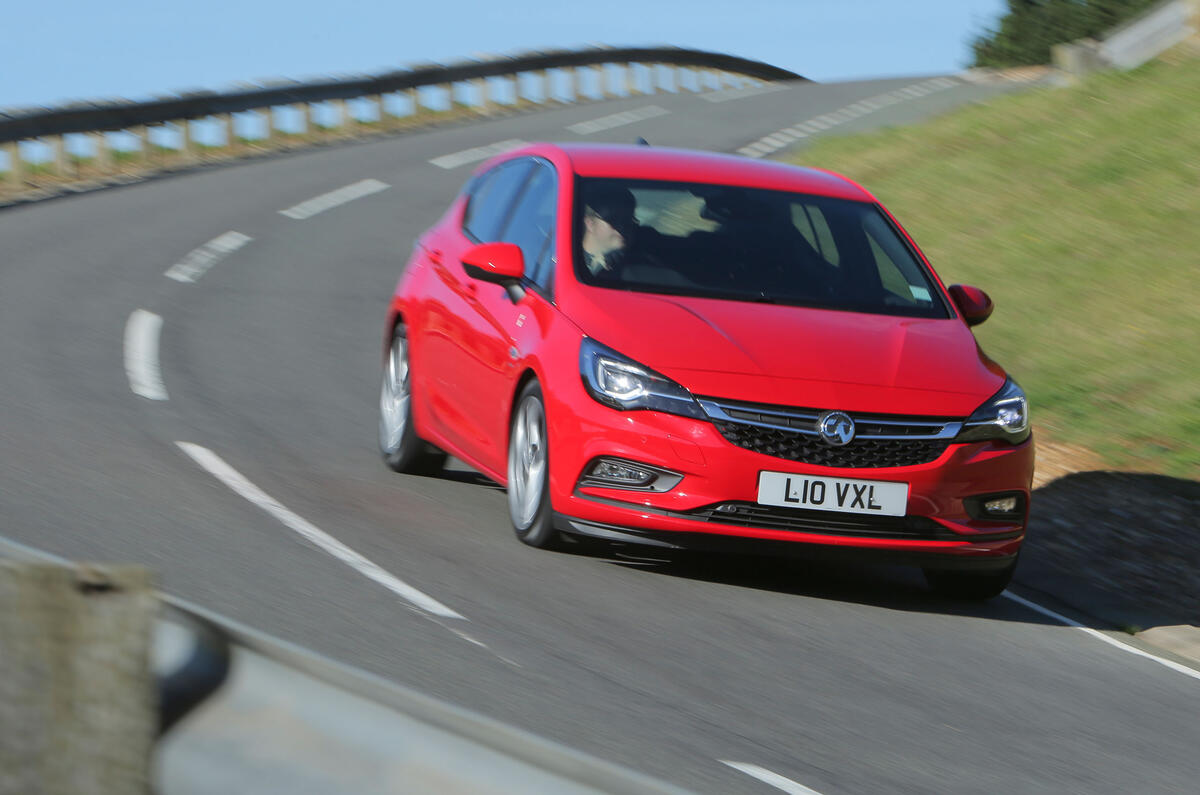
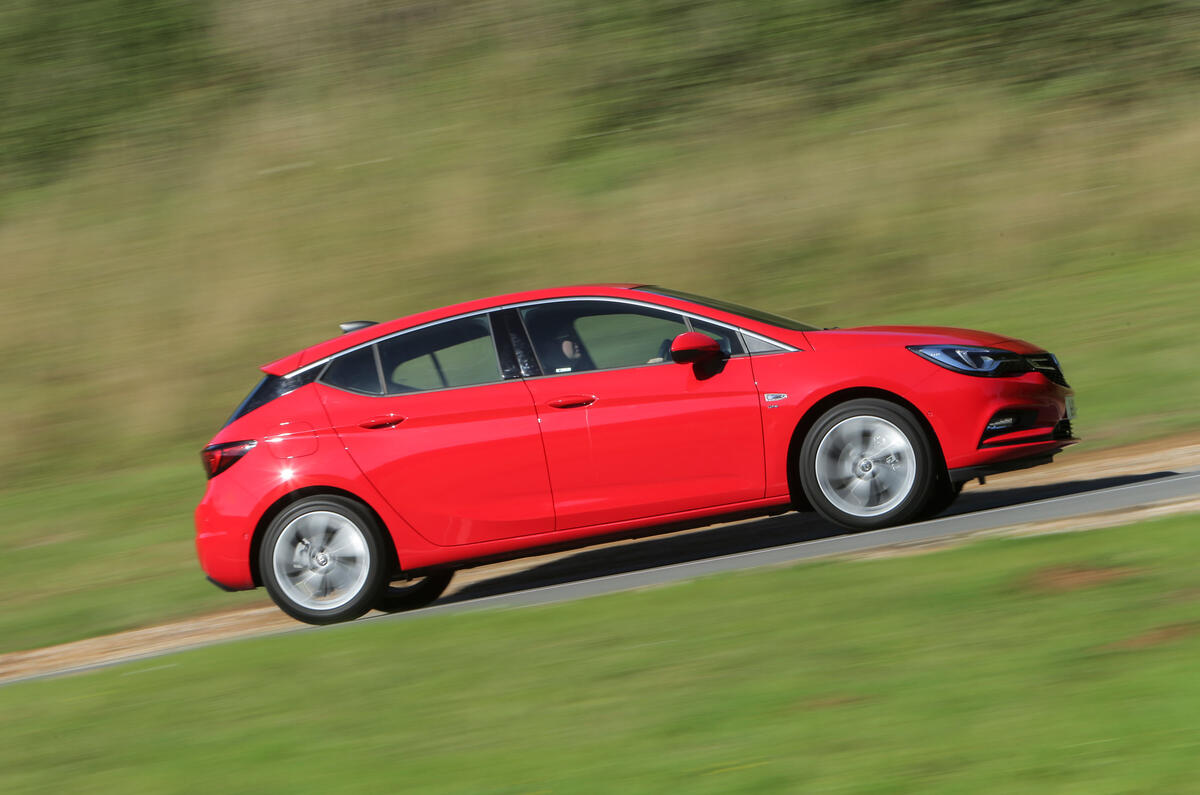
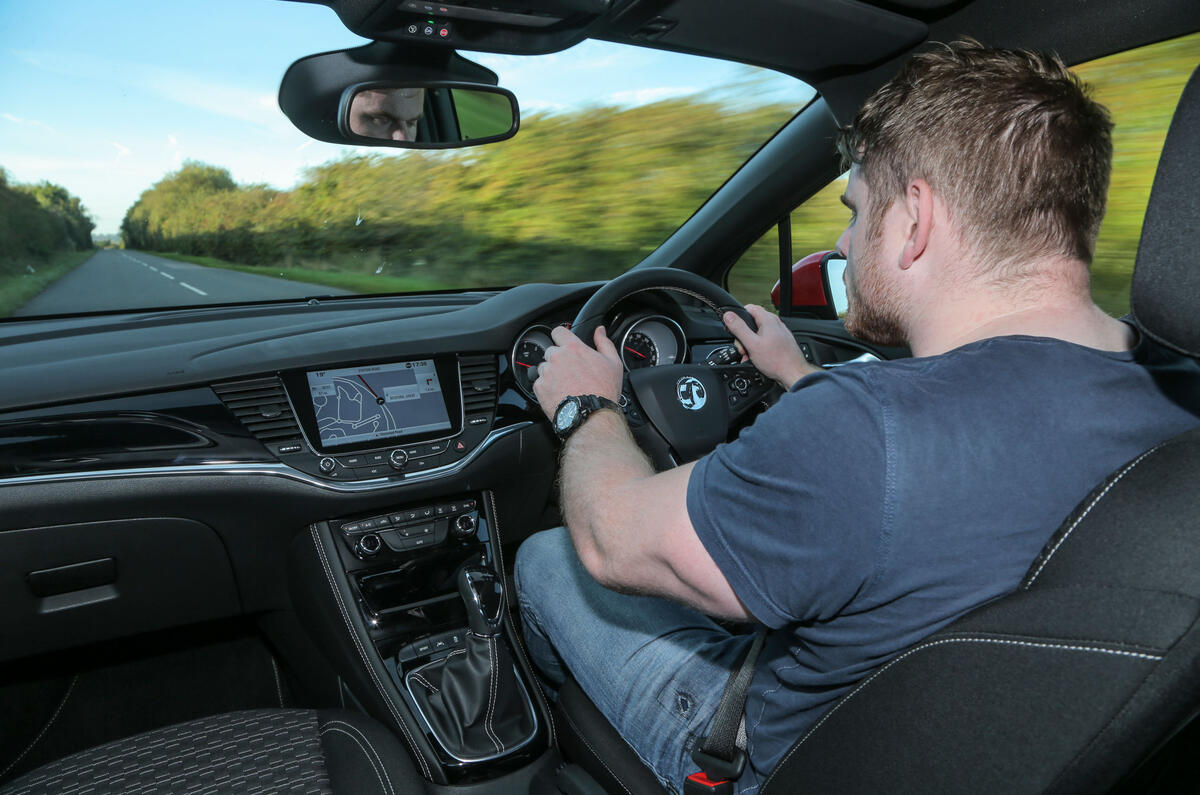
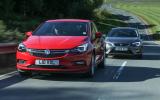
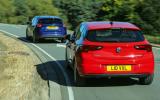
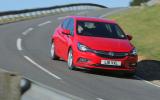
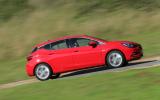
The seventh-generation Vauxhall Astra is put through its paces on the UK roads
Overweight and developmentally undernourished would be more accurate. Had it been built by another manufacturer, it might have sunk further from view, but Vauxhall, as it enjoys reminding us, is still plugged intravenously into the public’s buying cortex, and the Astra shifted even in the face of superior competition.
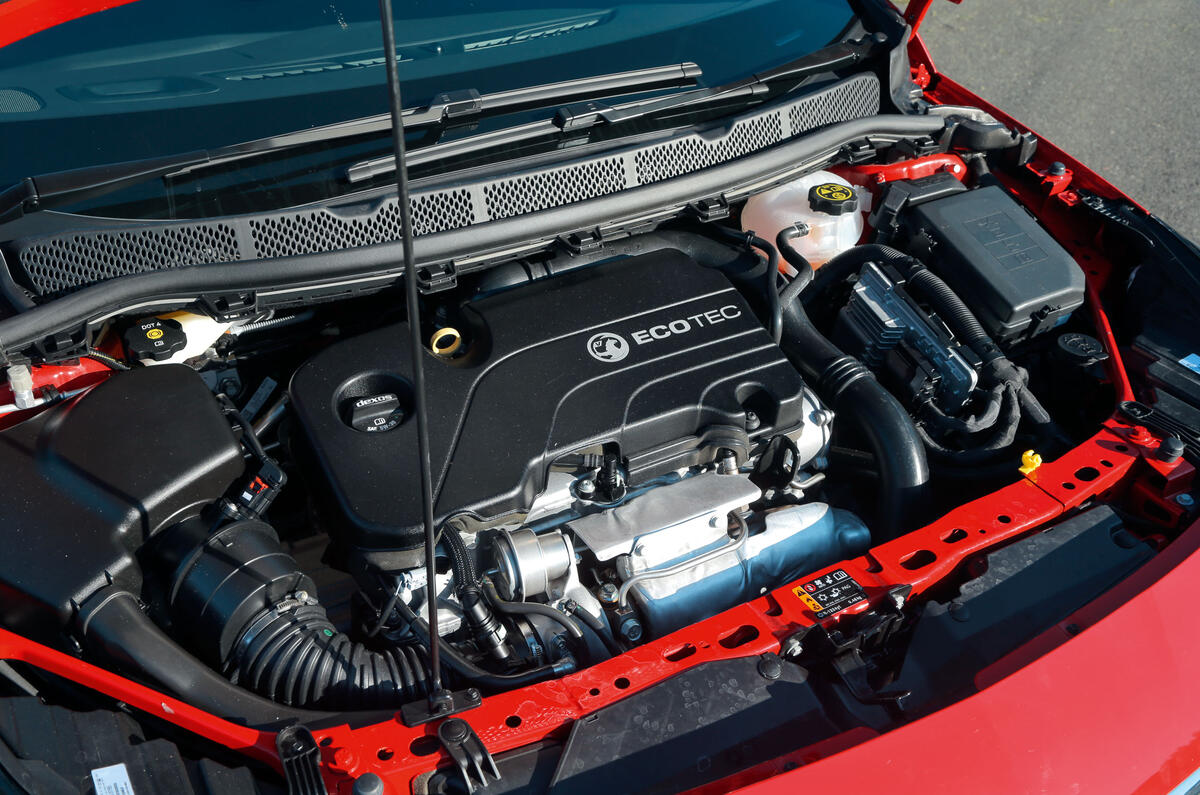
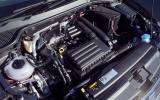
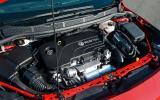
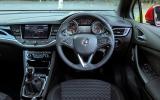
Now, though – as confirmed by last week’s road test – the Astra is suddenly back in the reckoning. Underpinned by a new platform, the model has been transformed from company car booby prize to a contender worthy of challenging its rivals’ virtual hegemony of our affections. Previously, we reviewed the 1.6 CDTi version, but as diesels are decidedly out of fashion this month, we’re focusing on the petrol motor here: the 148bhp 1.4-litre Ecotec unit, itself all new and lightened for the job.
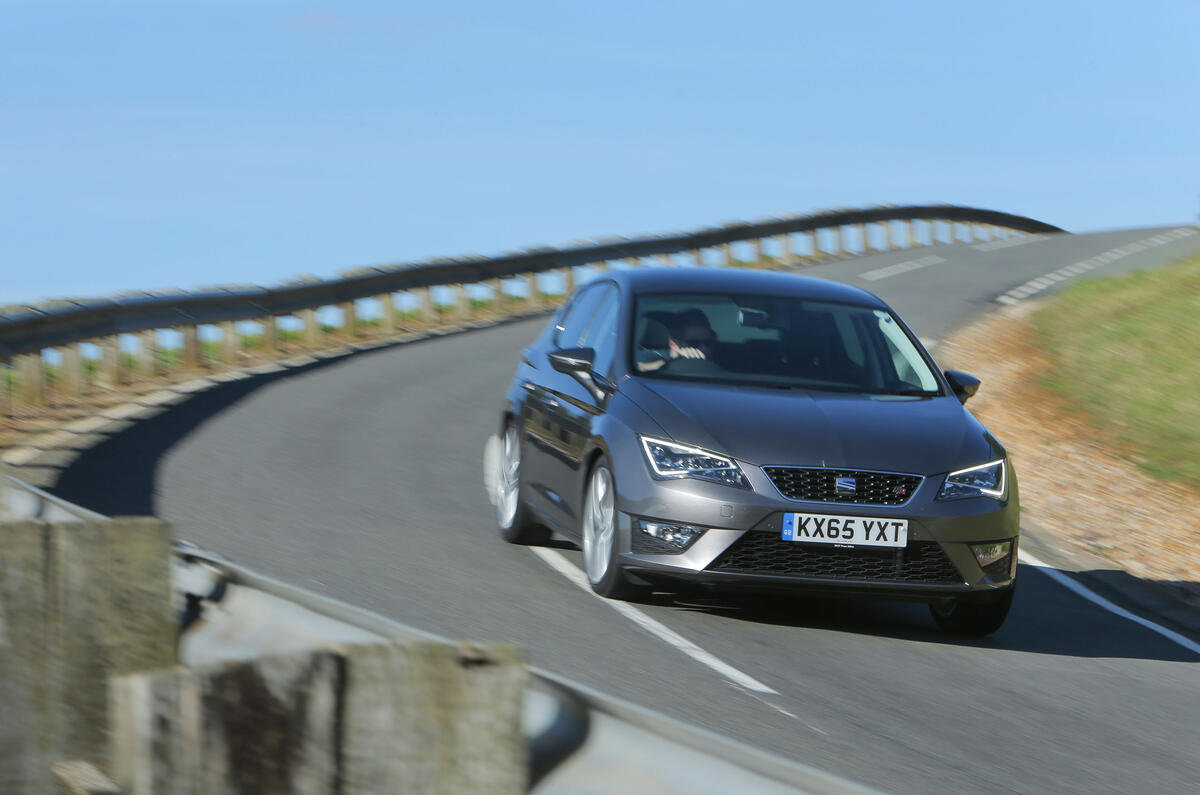
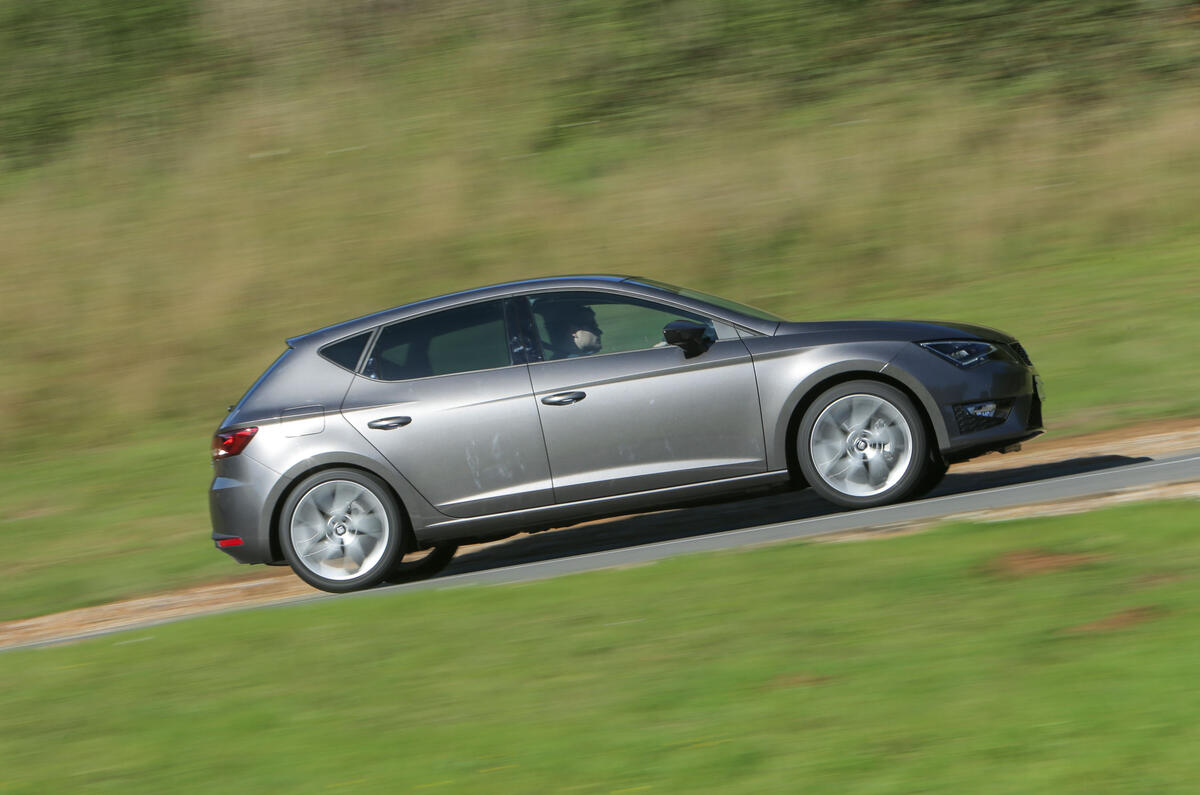
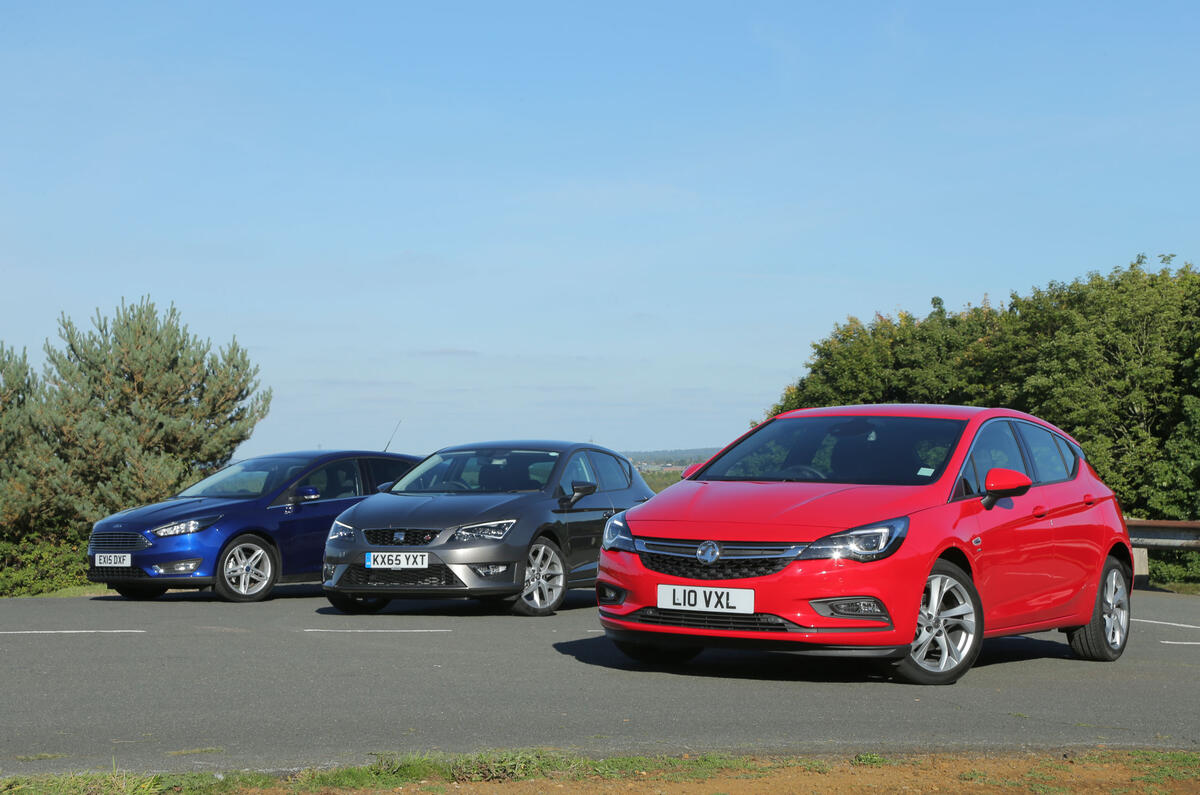
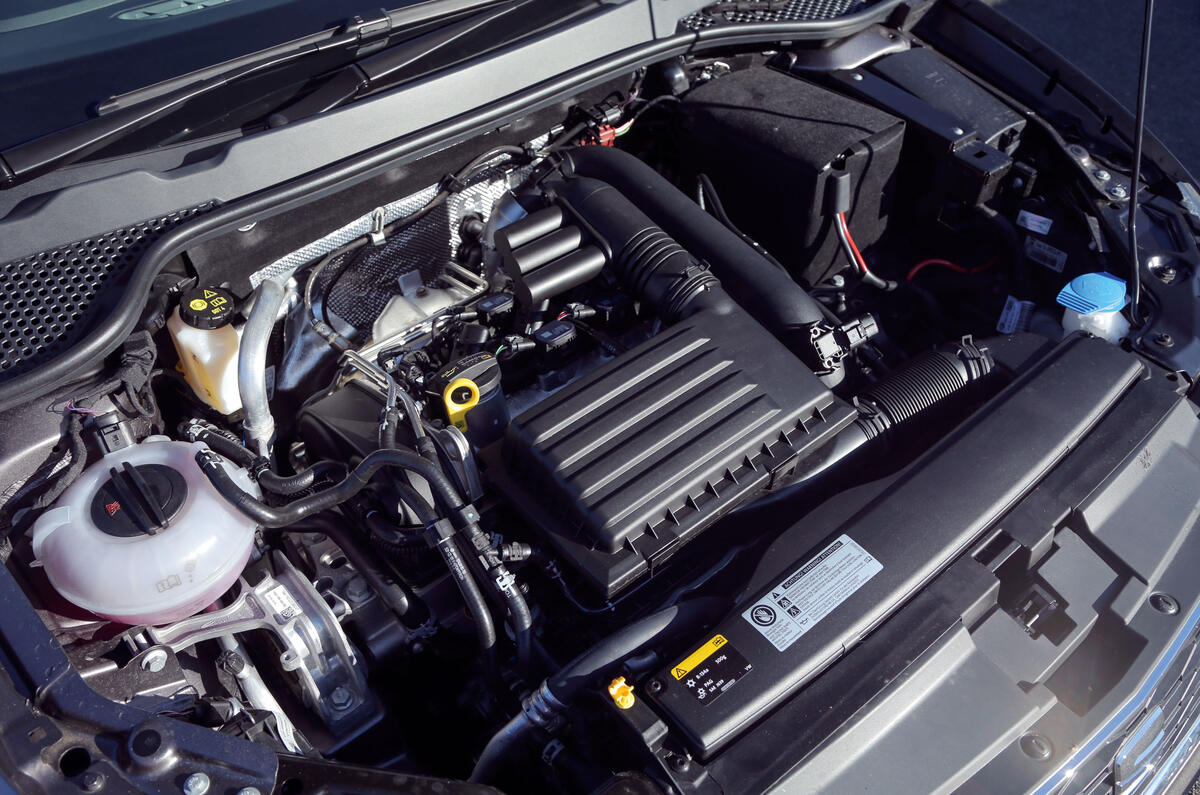
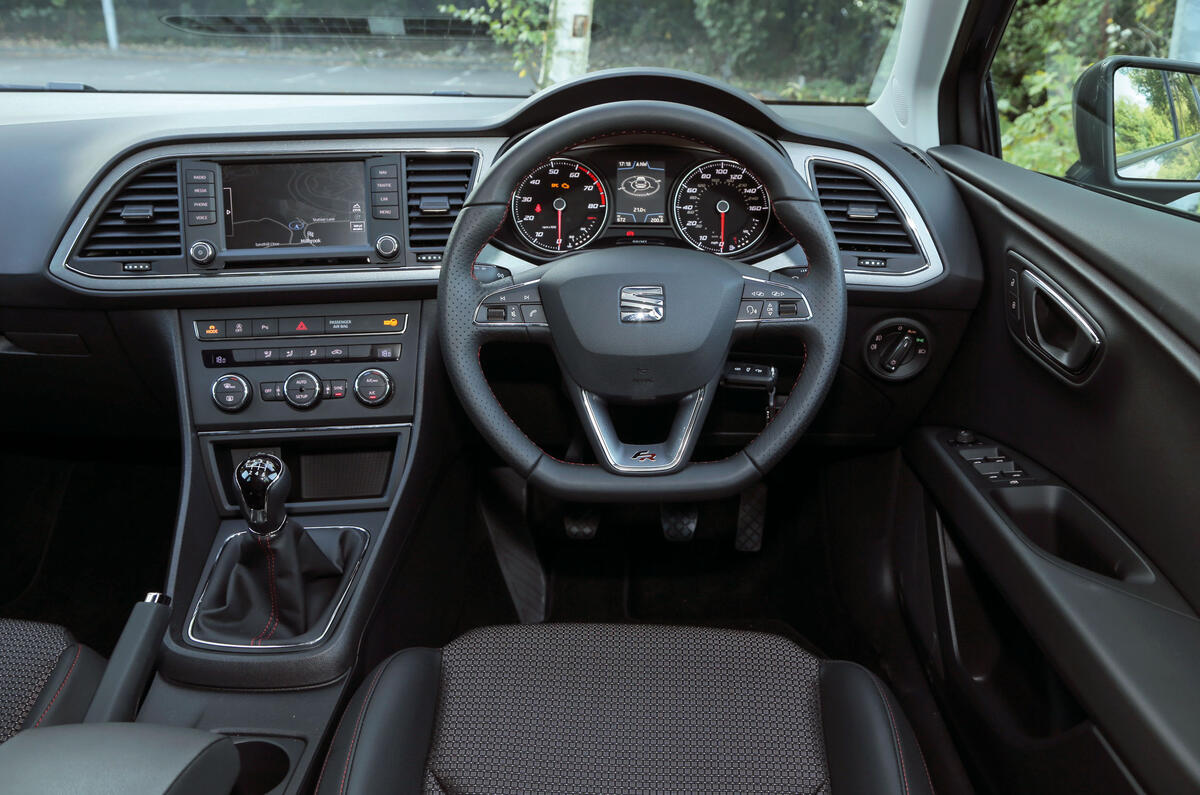
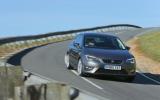
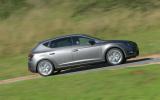
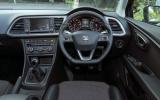
Because price is one of the Astra’s strongest suits, we’ve ejected the reassuringly expensive Golf from proceedings and selected instead its cheaper sibling, the Seat Leon, which is based on the same MQB platform as the VW. In FR trim, even this proves almost a grand more expensive than our similarly high-spec Astra SRi Nav. It is a match for its running costs, though. Seat claims an impressive CO2 output of 110g/km and 60.1mpg combined from its 148bhp 1.4 EcoTSI, compared with 128g/km and 51.4mpg for the Astra.
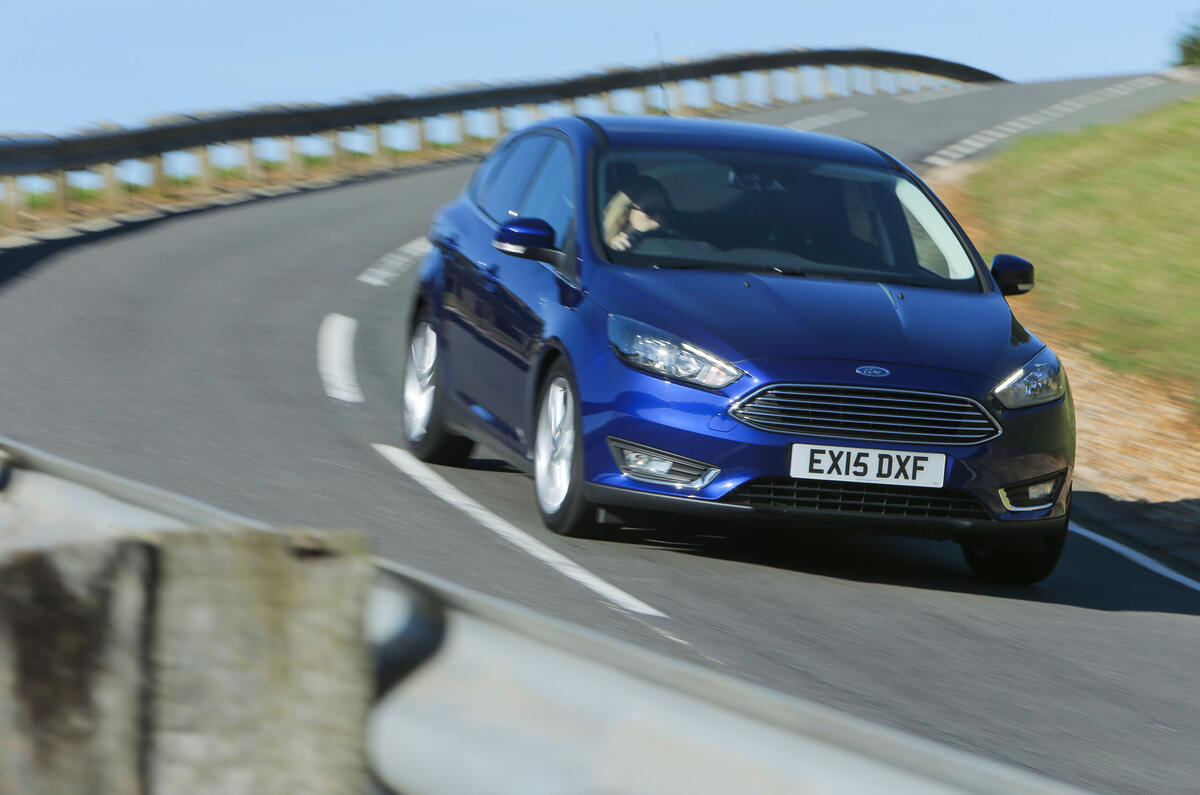
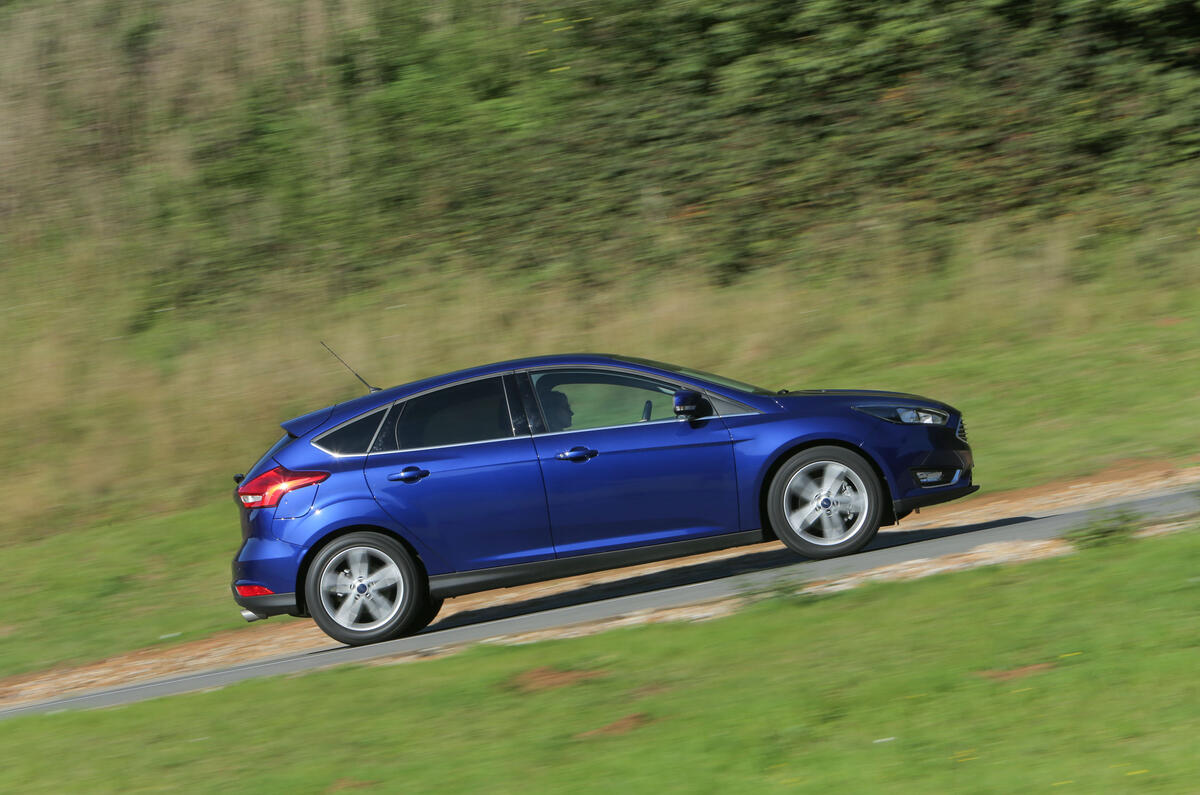
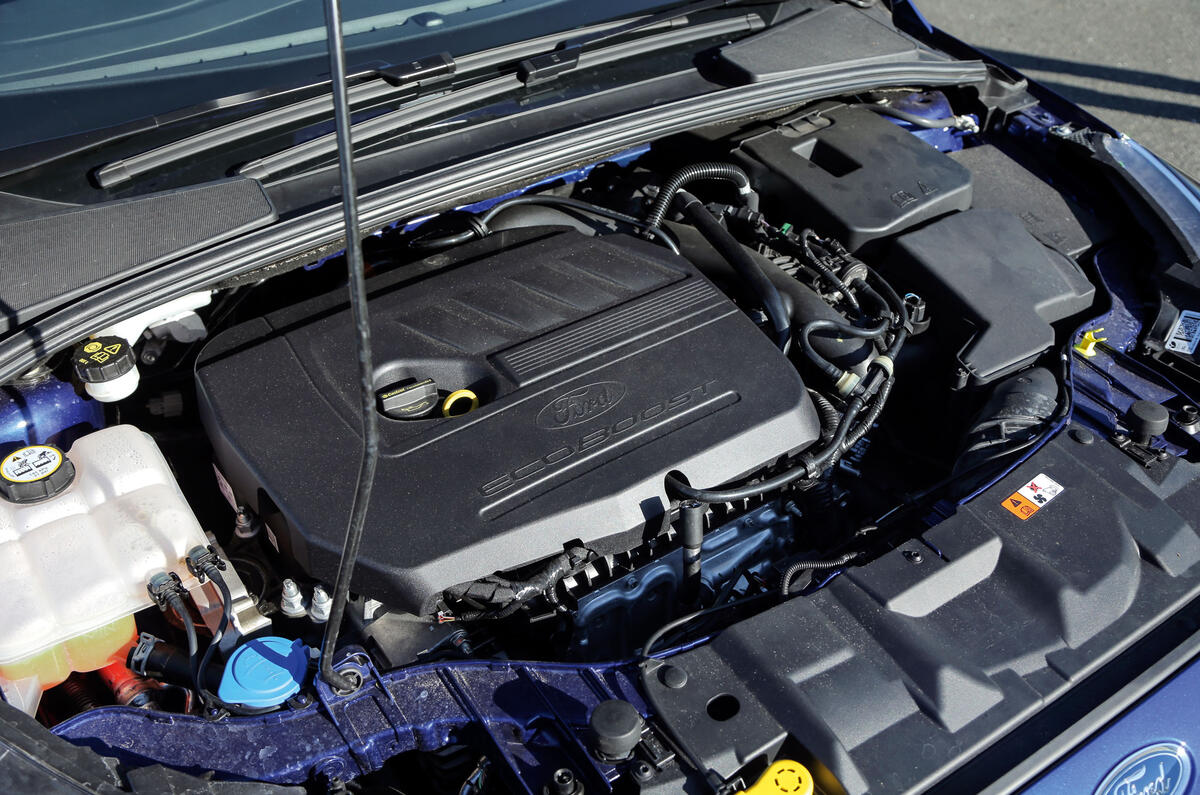
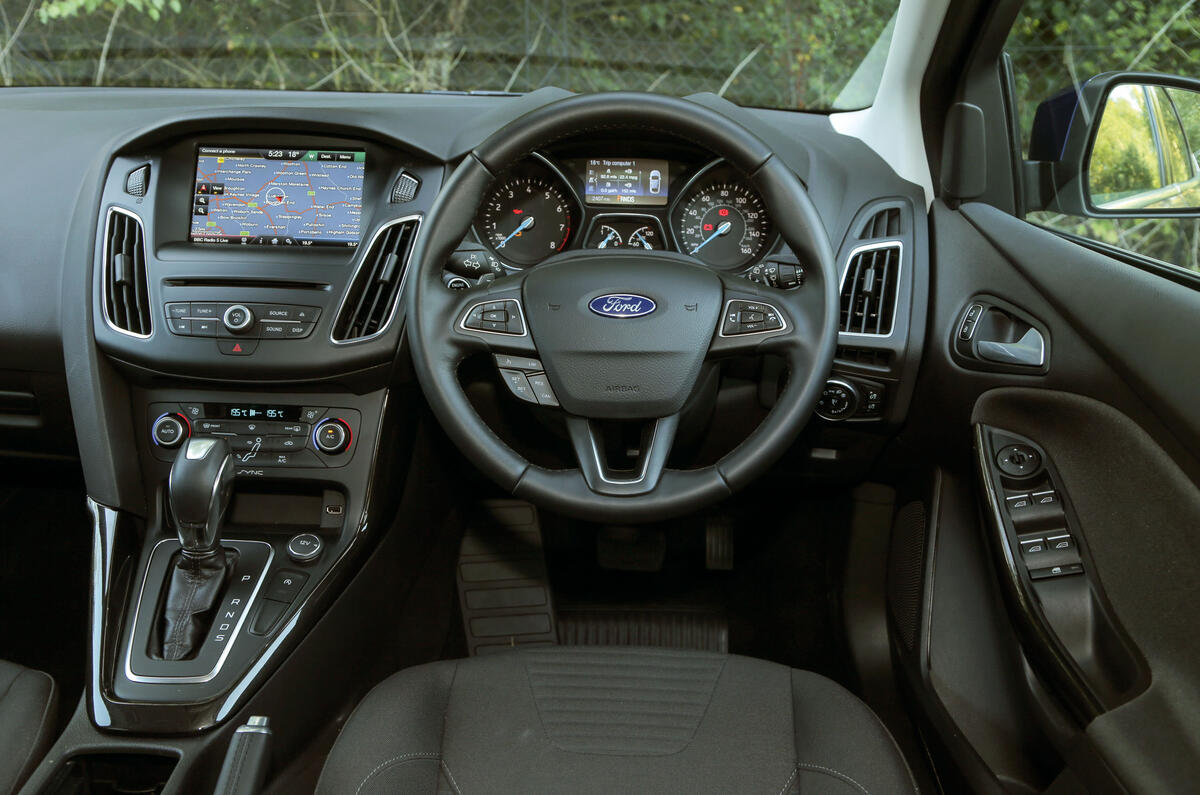
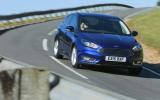
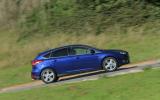
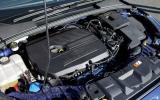
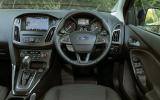
That leaves it all for the 148bhp 1.5-litre Ecoboost Focus to do. Lumbered with a six-speed automatic gearbox in this instance, the Ford lags behind on 140g/km and 46.3mpg. It’s expensive, too. This Titanium model is nearly £1500 more than the Astra even without the auto ’box – and before you’ve added the sat-nav and 17in wheels already found on board the Vauxhall.
The static test
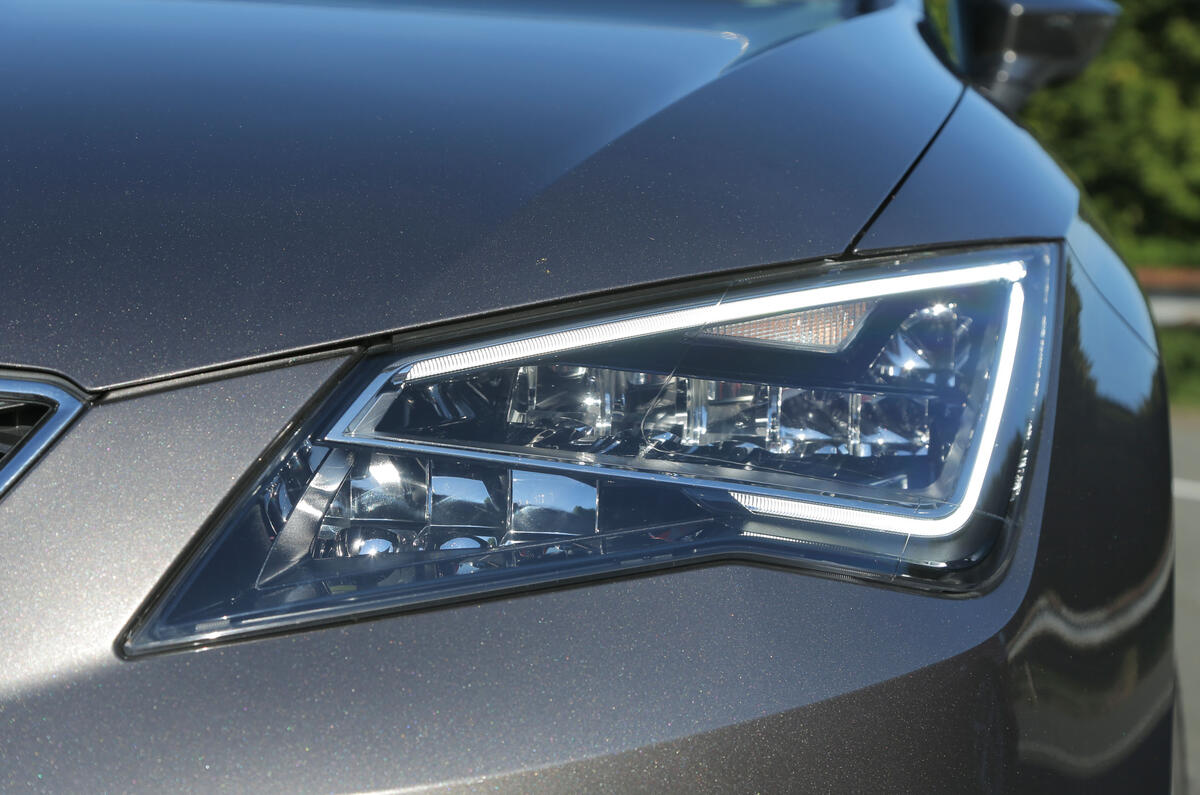
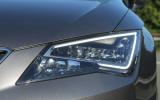
In accordance with its slightly sporty bent, the Leon gets the biggest alloy wheels and the prettiest body, a cut ’n’ shut of thigh-high creases that make the Focus look old and the Astra plain. An upshift in desirability has been a long time coming for Seat, and the handsomeness of its best-known model plays no small part.
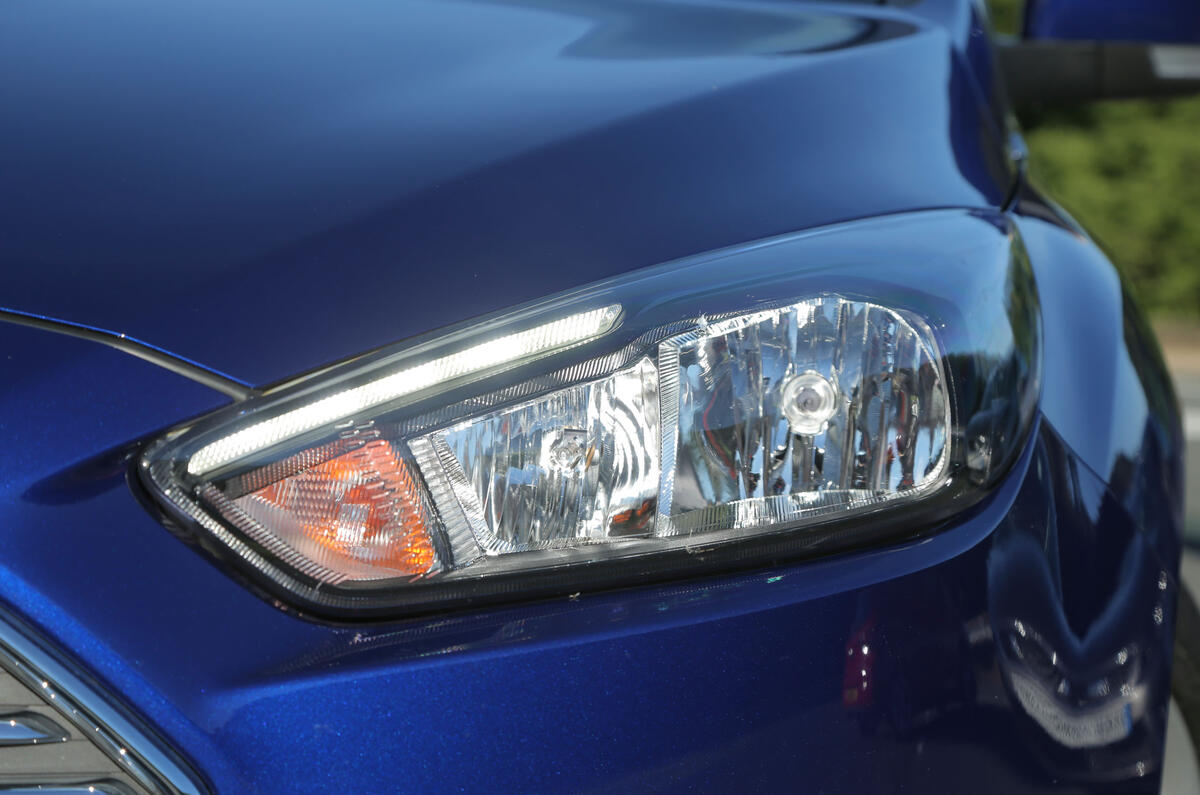
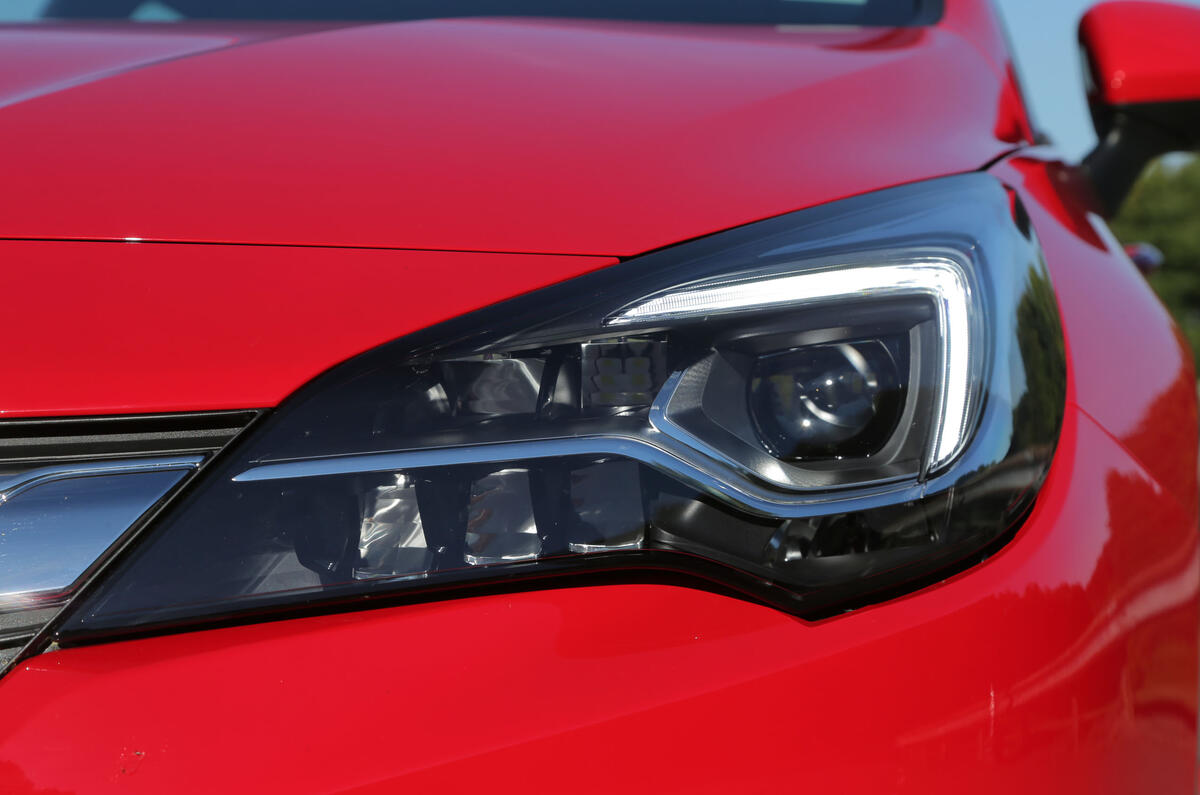
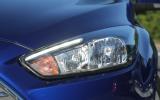
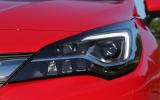
The Focus’s raptor-ish front end still appears pretty if you get down in the dirt with a prone photographer, but at head height it seems squashed by ubiquity and general prudence. That’ll eventually come to the new Astra, too, of course, but for now it looks as tasteful as everything else that Luton gets a preview of ahead of the rest of the country. The advantages of its new dimensions have been widely acknowledged. Externally, this is a slightly smaller Astra, and where its predecessor sometimes appeared to be blowing out its cheeks in self-deprecation, the new car looks as though the 5:2 diet and a weekly spin class have contributed to its leaner presence.