









Currently reading: New petrol BMW 3 Series revealed with 437bhp straight-six option

i3's ICE-powered sibling comes as £45k 320 or feisty, £67k M350; PHEV and estate come next year

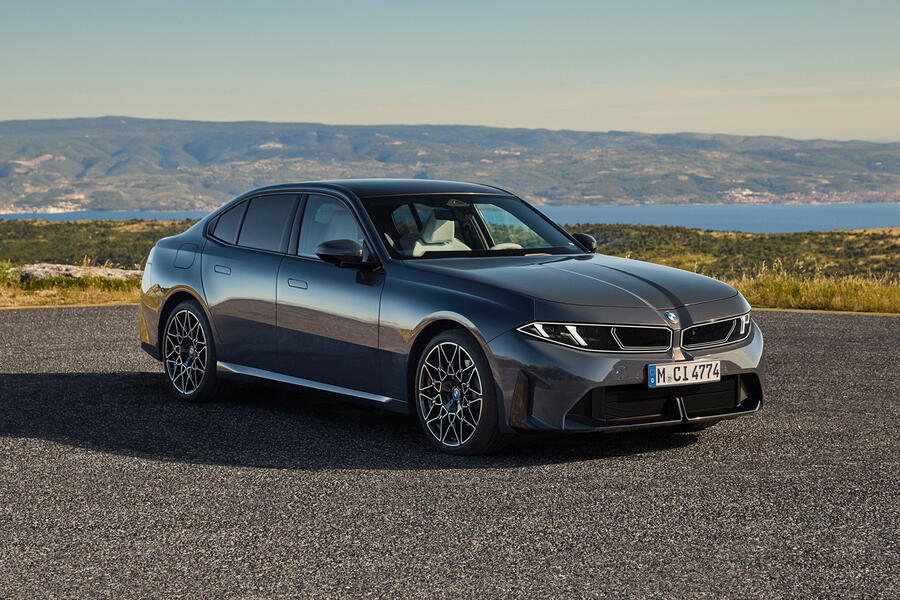
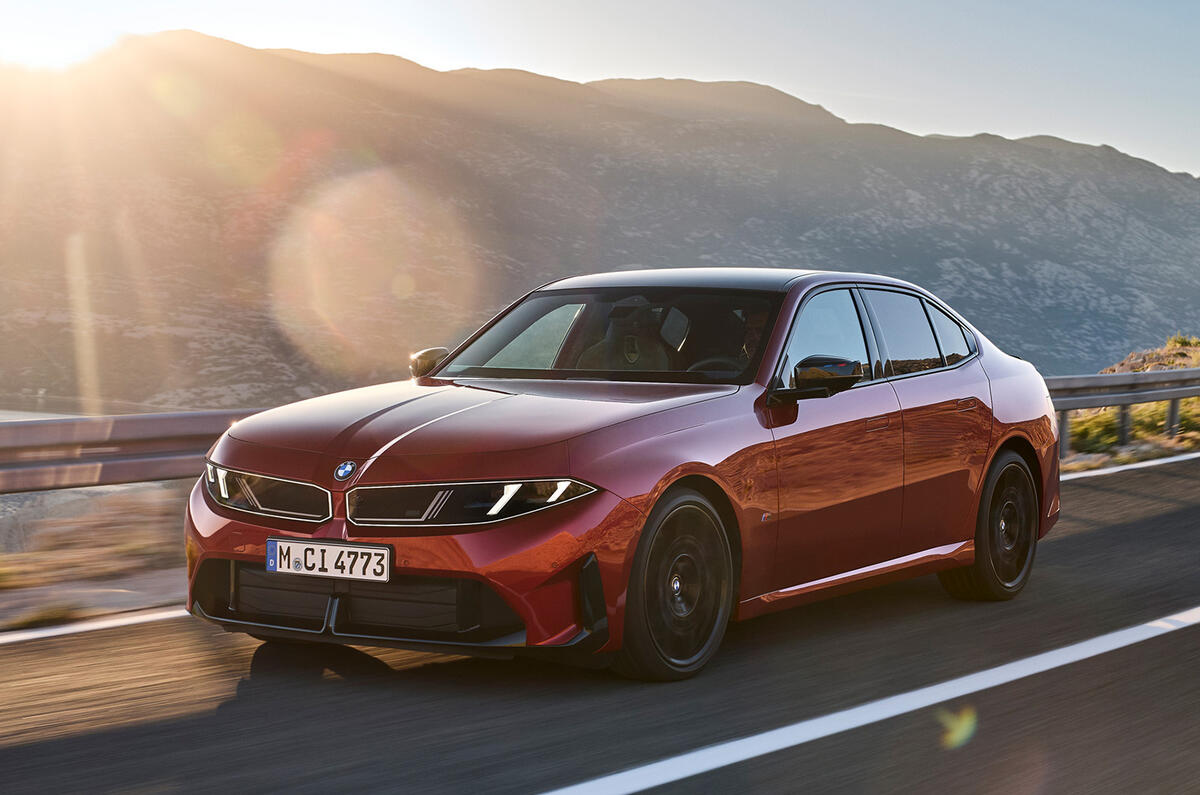
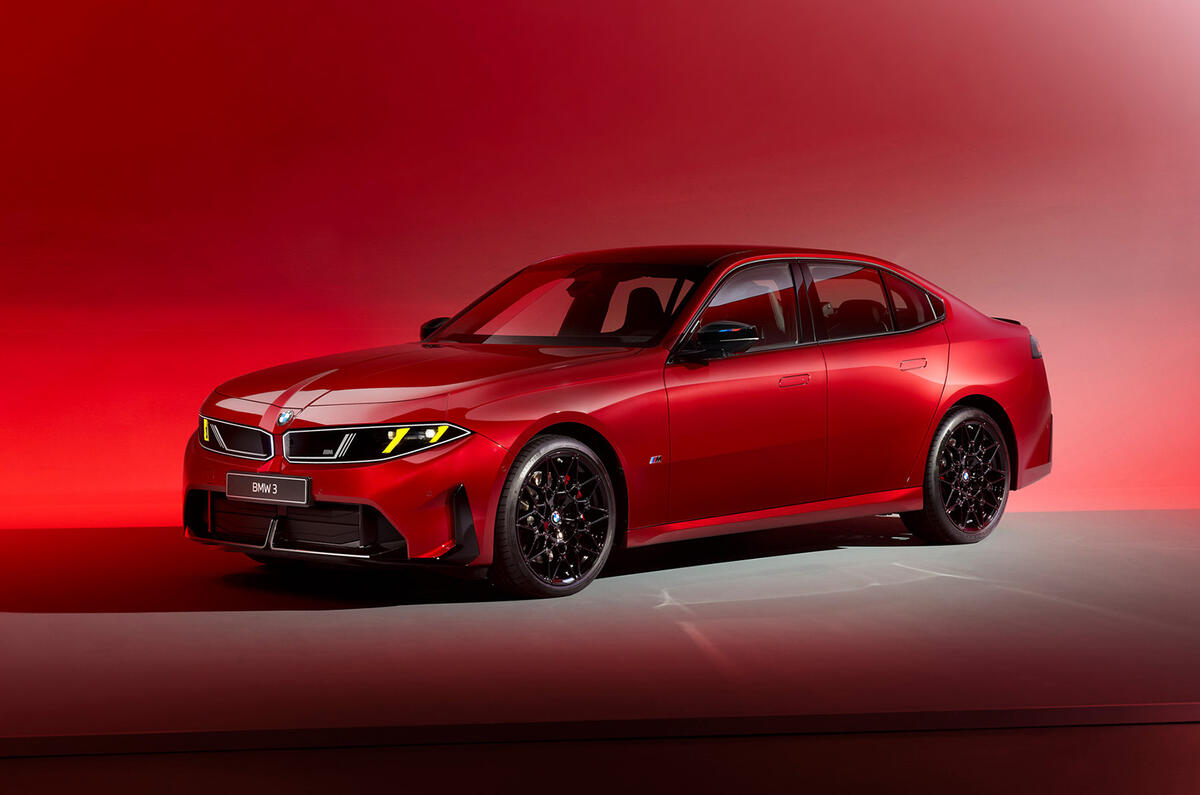
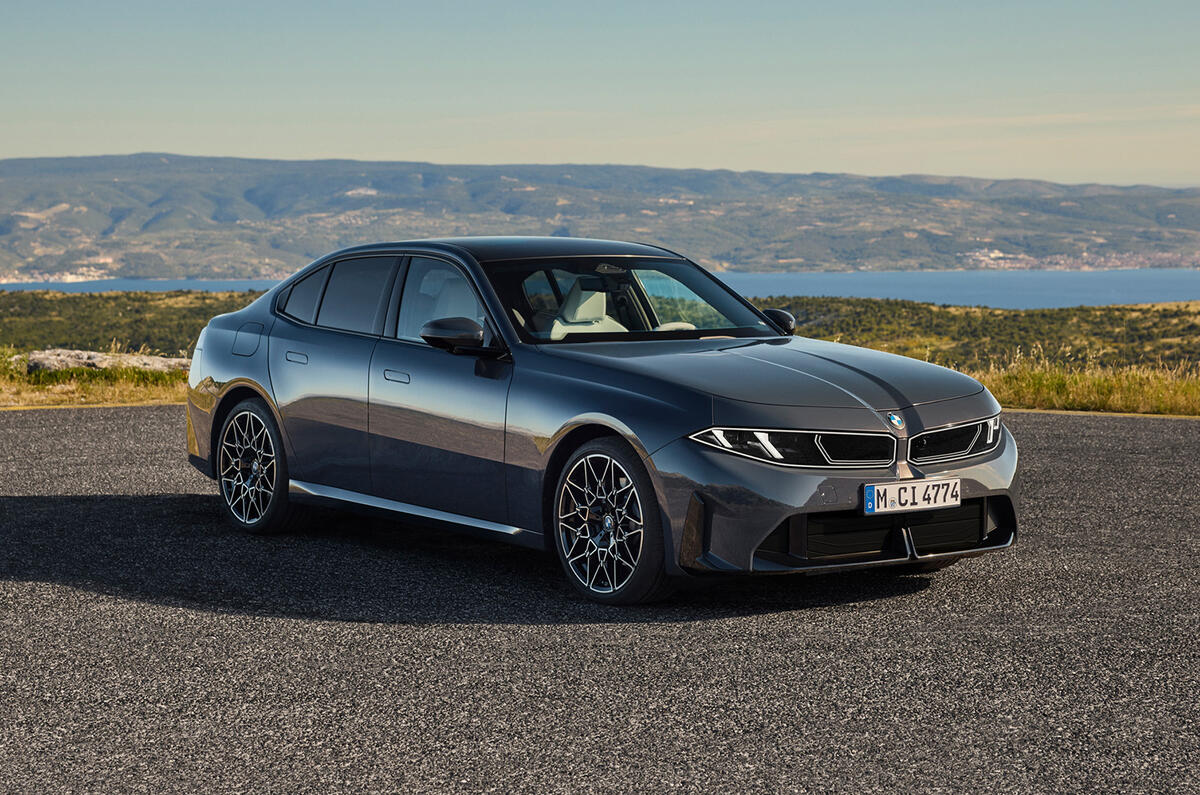
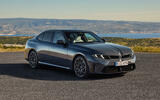
BMW has revealed the eighth-generation 3 Series as the petrol-powered sibling to the electric i3, headed by a four-wheel-drive M350 range-topper with 437bhp.

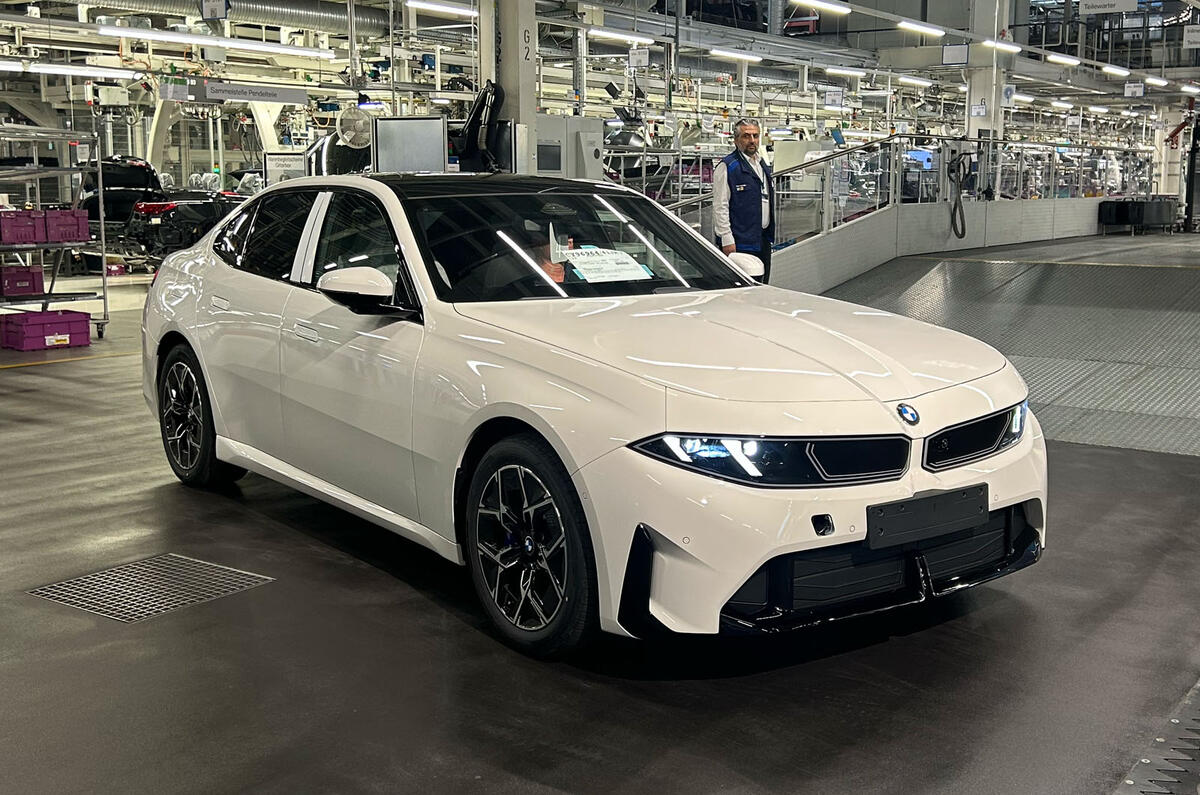
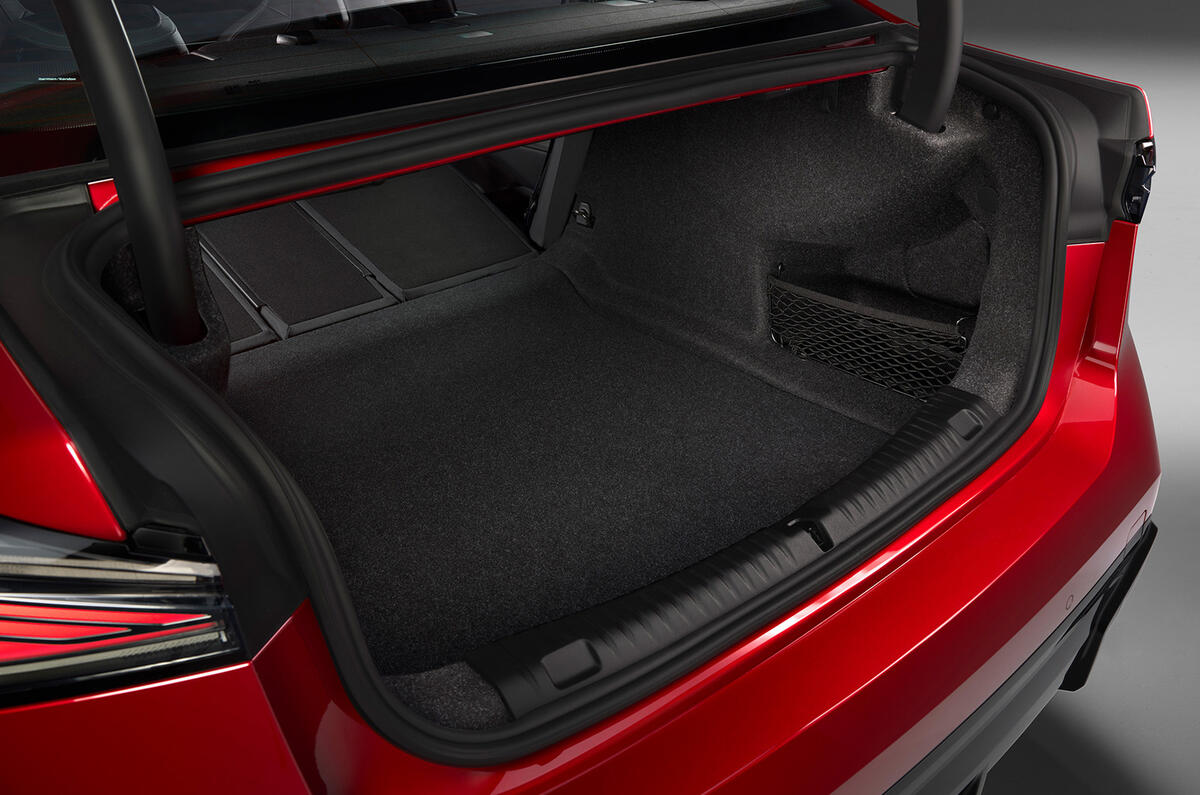
Due to reach the UK in early 2027 after starting production in November, it will be launched as a saloon. A Touring estate variant will follow later next year.

The latest 3 Series retains familiar underpinnings. While the electric i3 is based on BMW's latest Neue Klasse platform, the ICE version continues to use the Cluster Architecture (CLAR) platform from the outgoing G20-generation car.

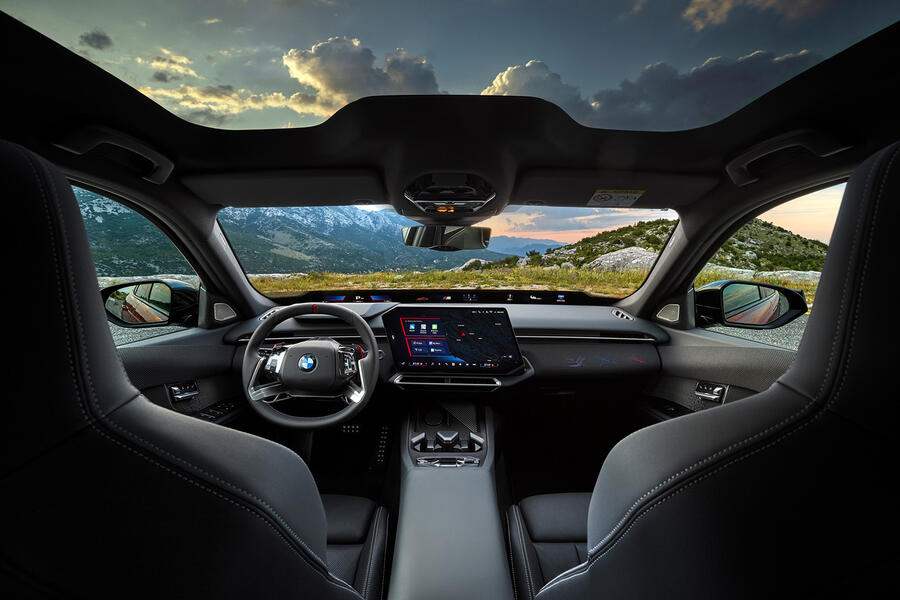
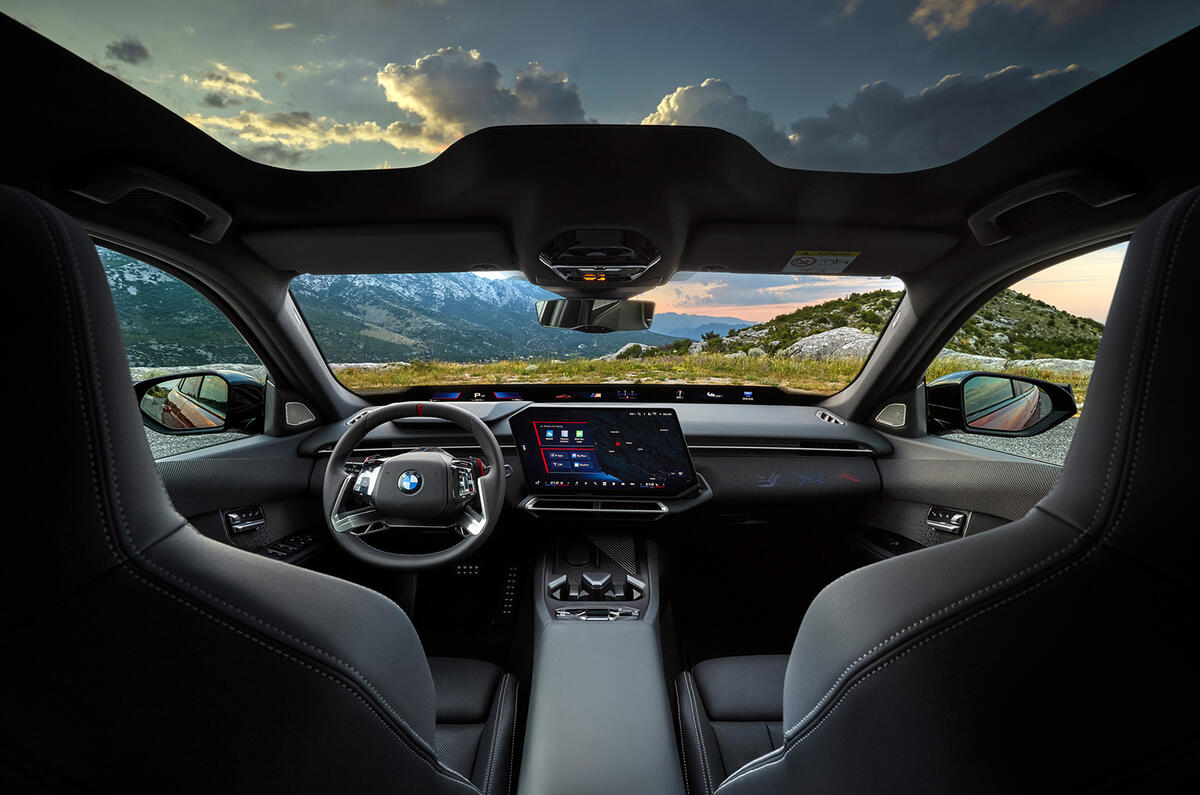
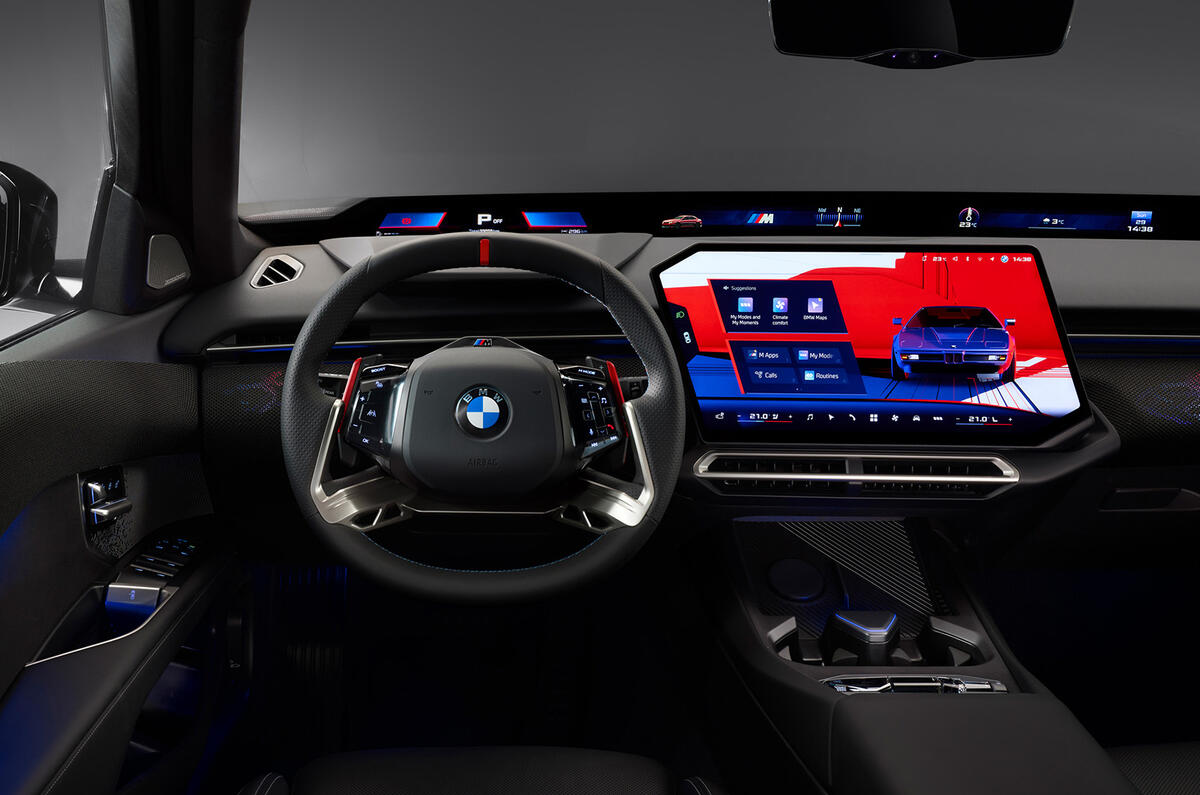
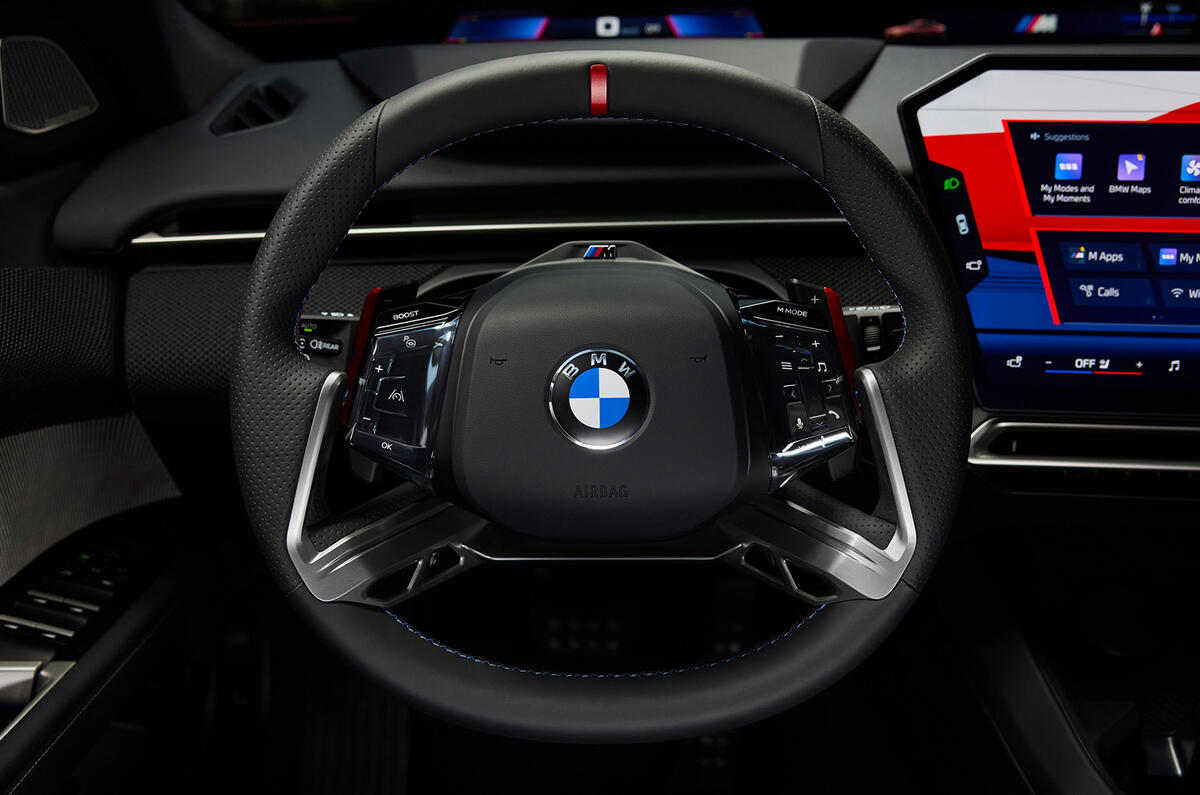
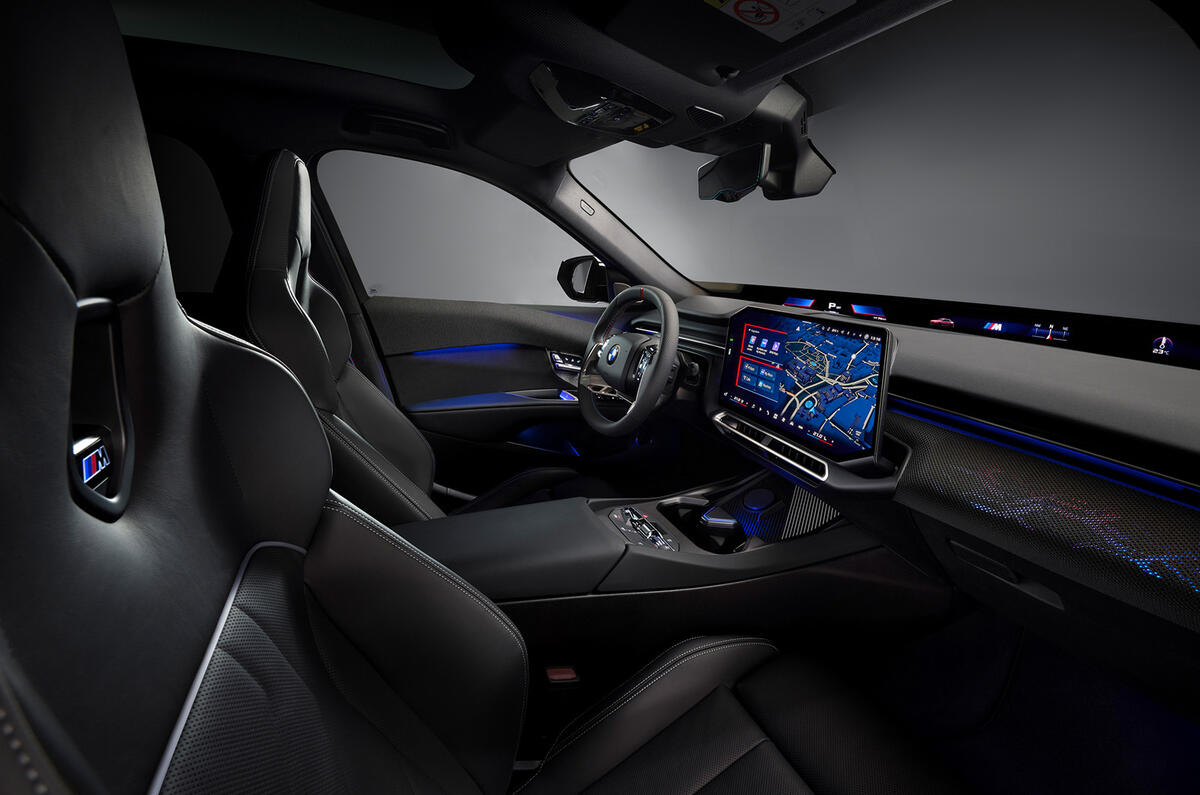
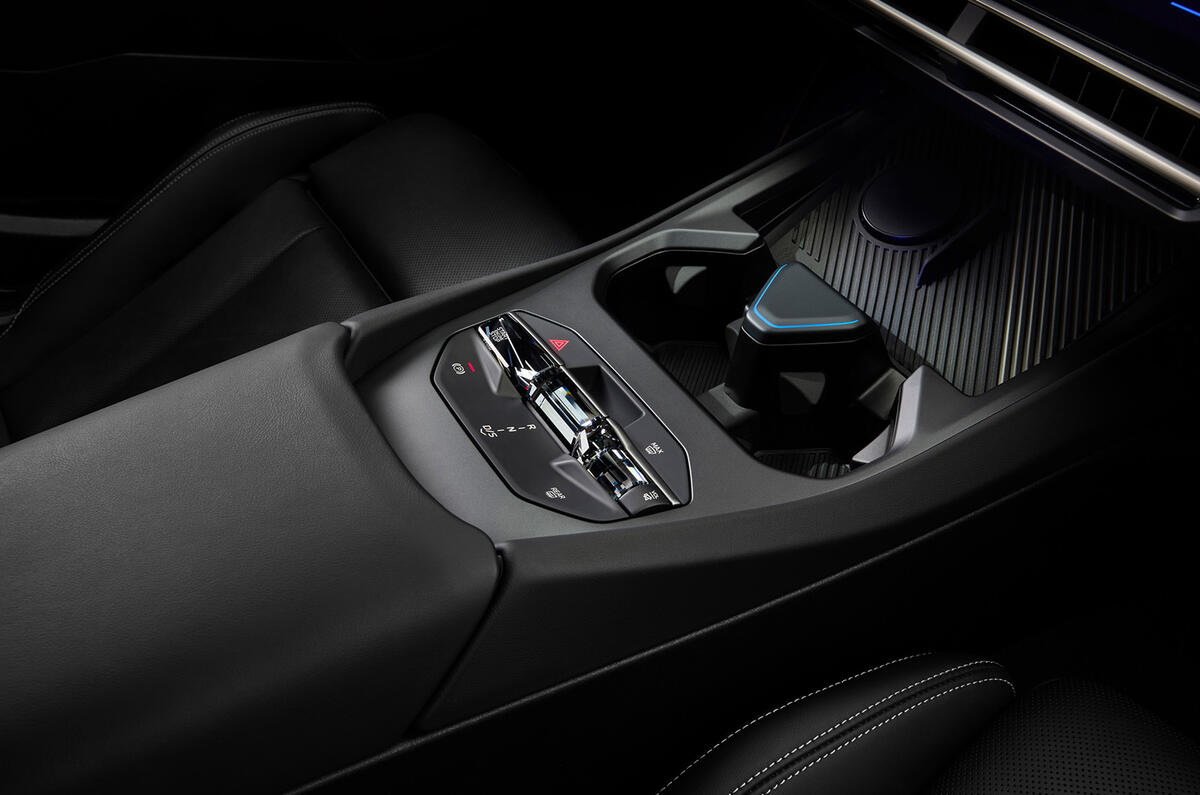
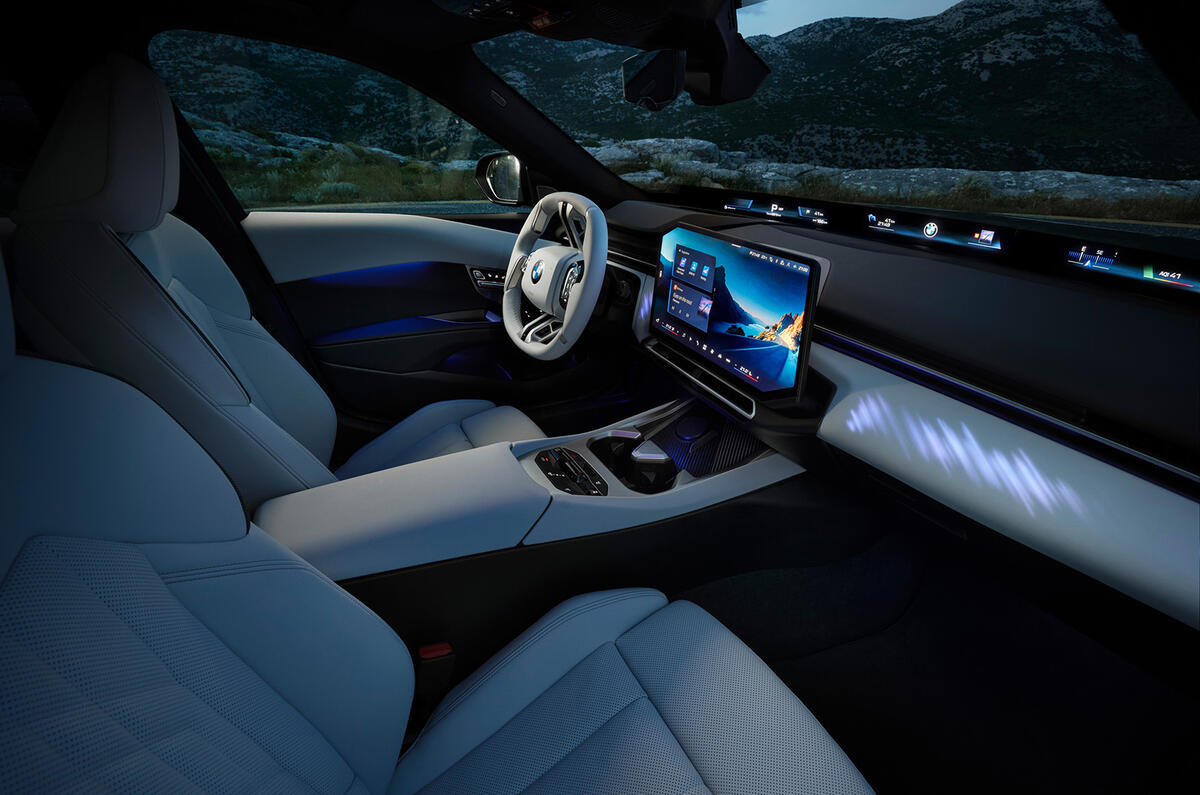
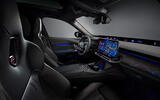
But despite their different foundations, the two cars have been brought close together in terms of exterior styling, interior design and electronic architecture, as BMW looks to more clearly unite its EVs and ICE cars.
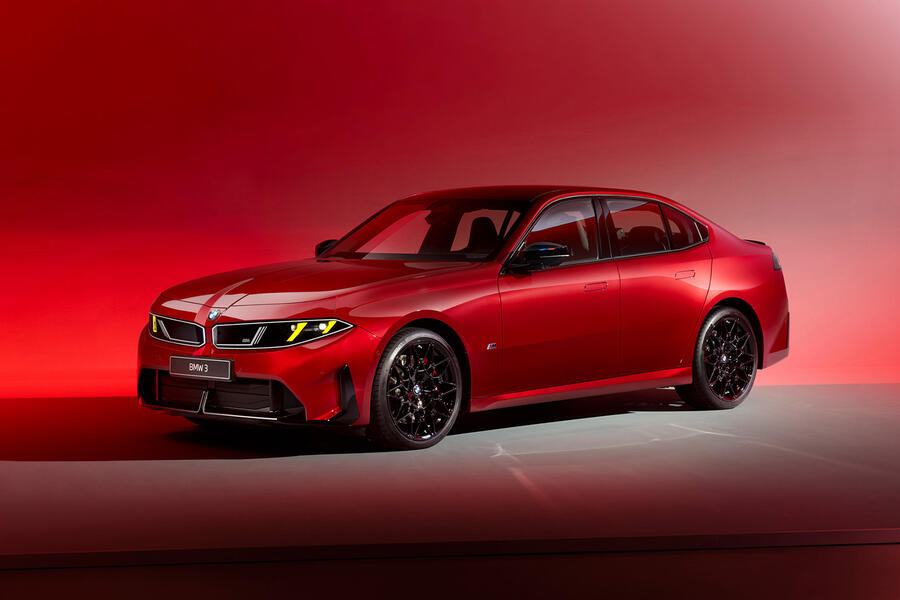
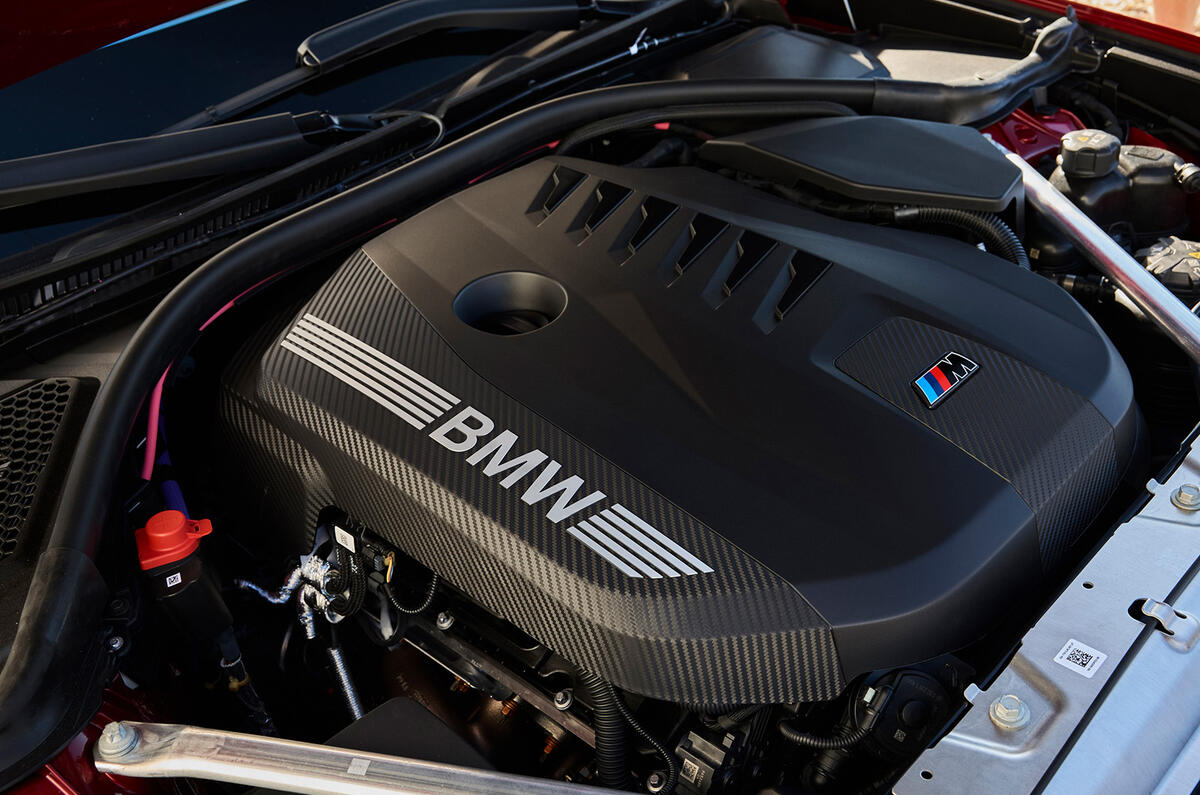
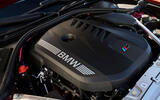
At the top of the engine line-up, and priced from £66,785, is the new M350 xDrive, with a turbocharged 3.0-litre in-line six-cylinder petrol engine that brings a sizeable increase in output over today's M340i xDrive – developing 437bhp and 428lb ft, up from 369bhp and 369lb ft in its predecessor. The petrol engine itself produces 420bhp and 388lb ft, with a 17bhp electric motor integrated into the eight-speed automatic gearbox providing extra assistance.

This makes the M350 xDrive more powerful than the previous-generation M3 and almost as punchy as the top-rung version of the electric car. The four-wheel-drive i3 50 xDrive develops 463bhp and 476lb ft from its two electric motors, giving it a 26bhp and 48lb ft advantage.

With a lower kerb weight, however, the M350 xDrive is the quicker of the two from 0-62mph, at a claimed 4.1sec versus 4.7sec for the i3 50 xDrive. Its top speed is electronically limited to 155mph.
Back to top

The M350 uses the latest version of BMW's xDrive four-wheel drive system, with a new Drift Moment function, due to become available during 2027, which can send the engine's power exclusively to the rear wheels.

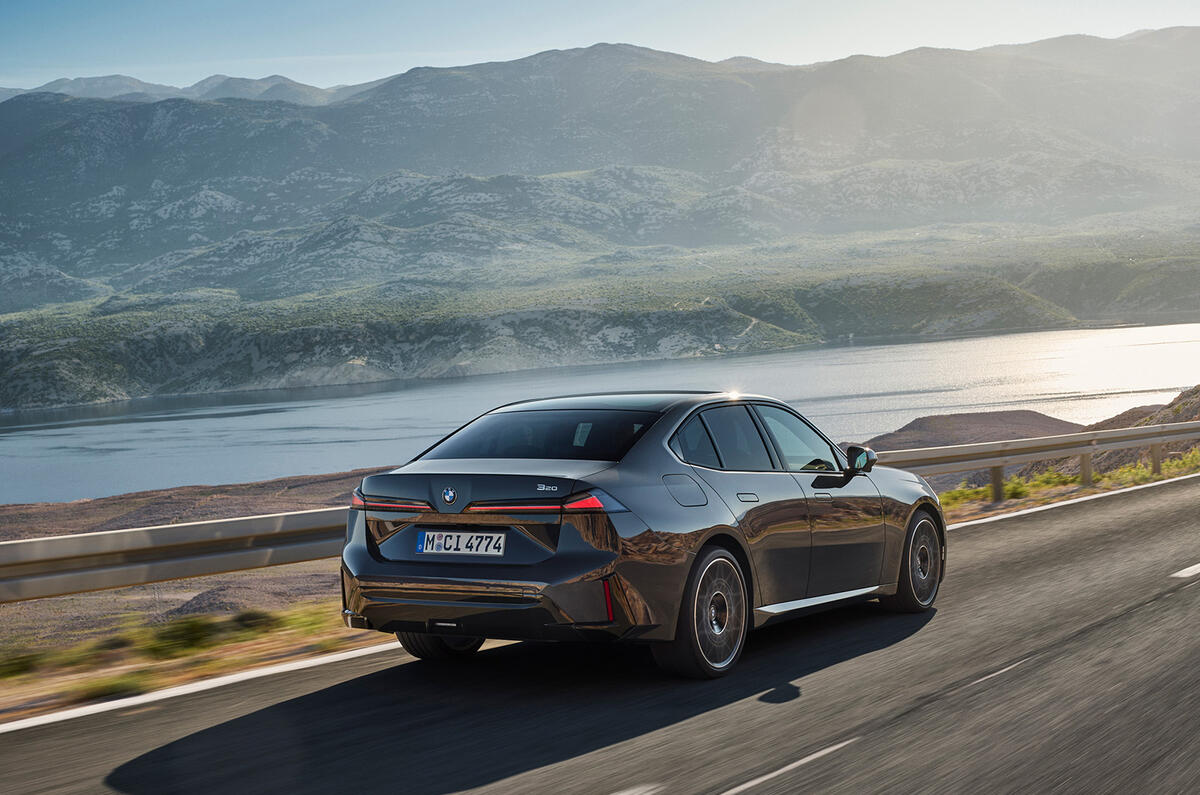
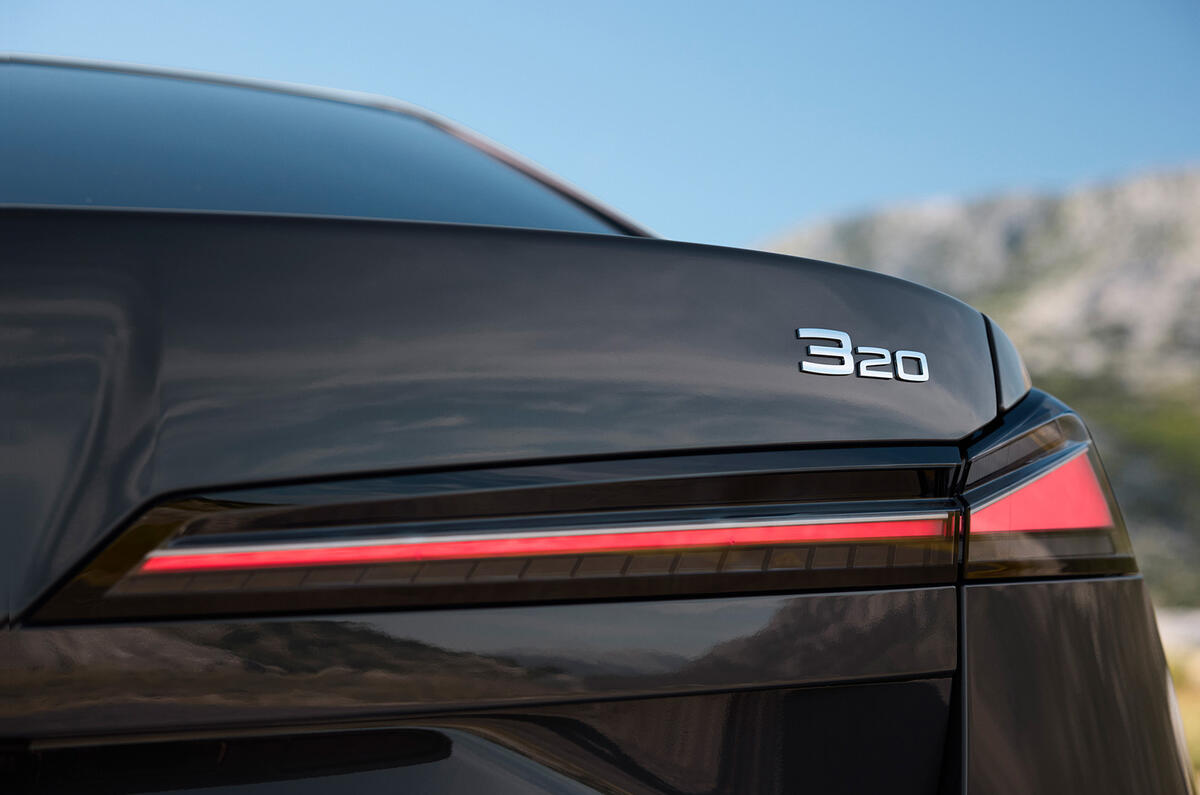
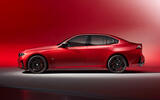
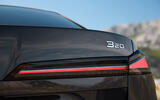
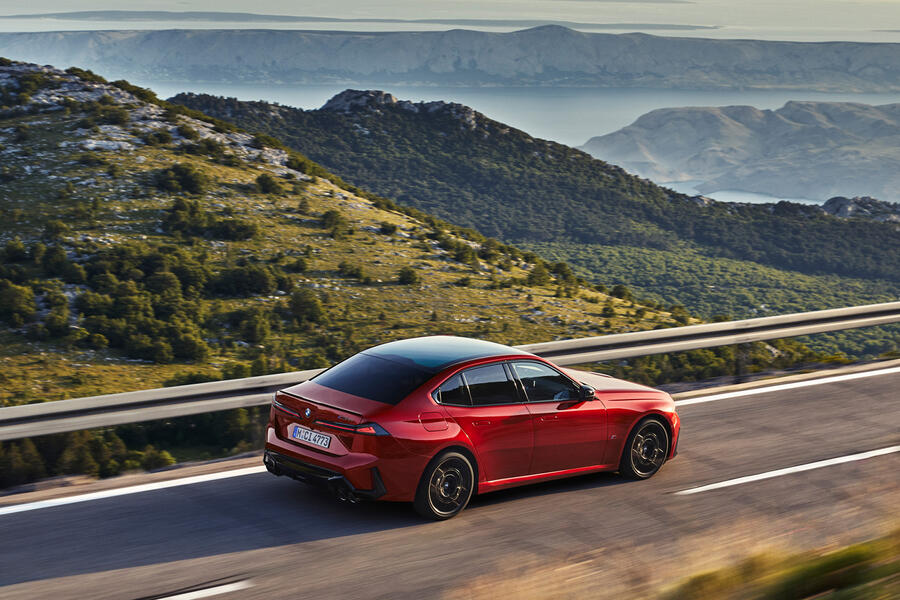
While the M350 will be the most driver-focused 3 Series – until the arrival of the new, full-fat M3 next year – the rear-wheel-drive 320 (below) is expected to account for the majority of UK sales. Priced from £44,975, it receives a turbocharged 2.0-litre four-cylinder petrol engine with mild-hybrid assistance, developing 208bhp and 243lb ft, coupled to an eight-speed automatic gearbox. BMW quotes a 0-62mph time of 7.4sec and a 149mph top speed.

An entry-level 318, developing 154bhp and 184lb ft, is also included in the wider European line-up – as are diesel derivatives, but these are unlikely to return to the UK following their withdrawal in 2024. Plug-in hybrid power will follow in 2027.

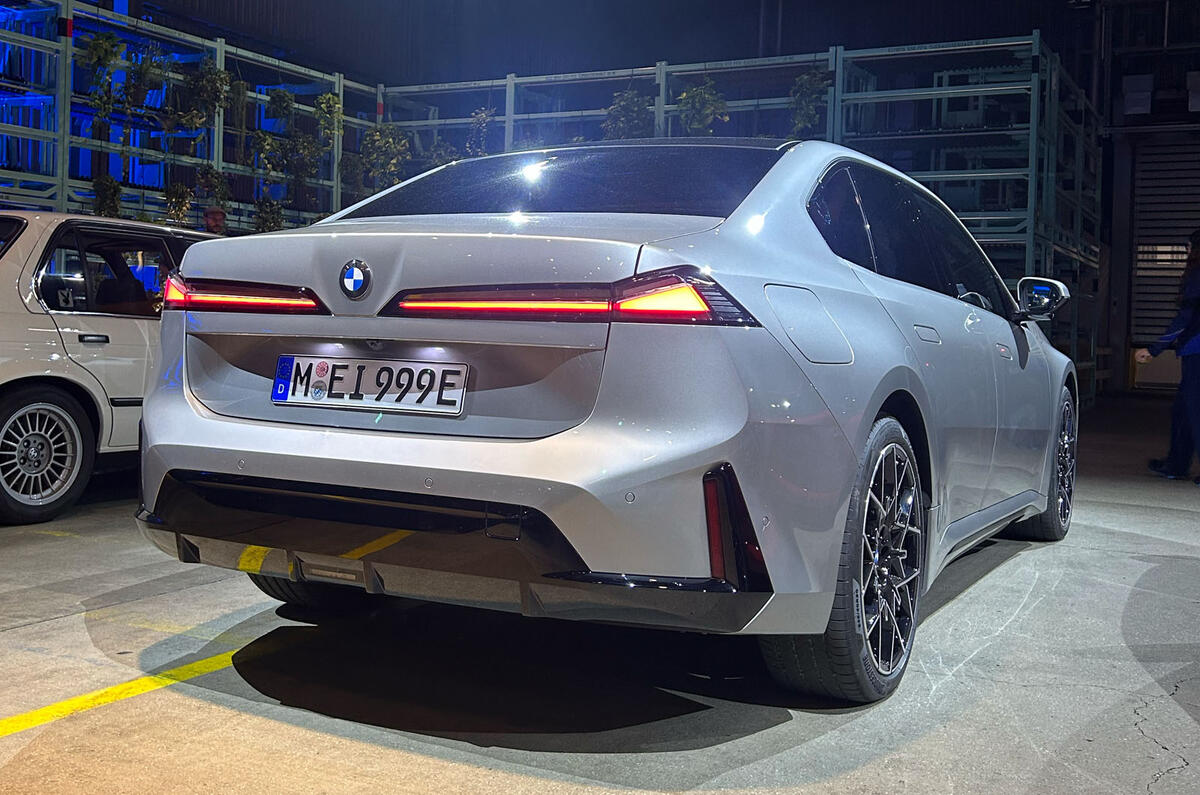
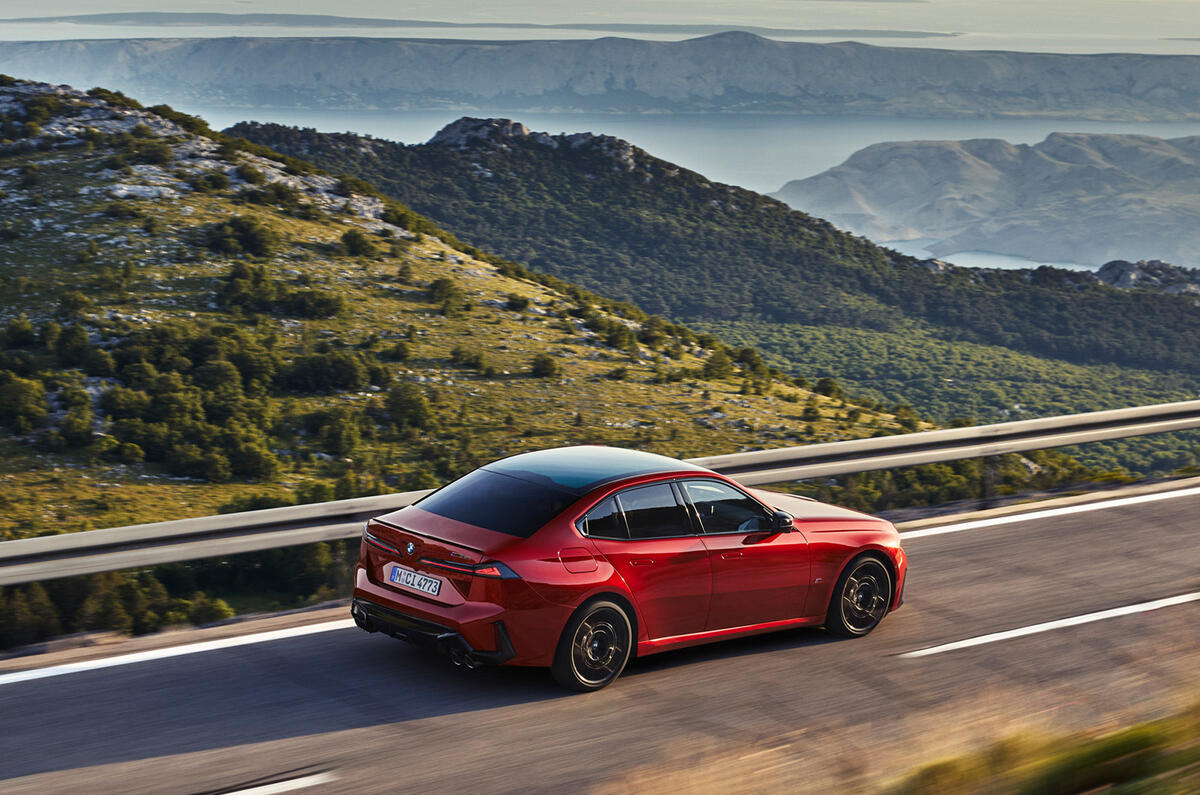
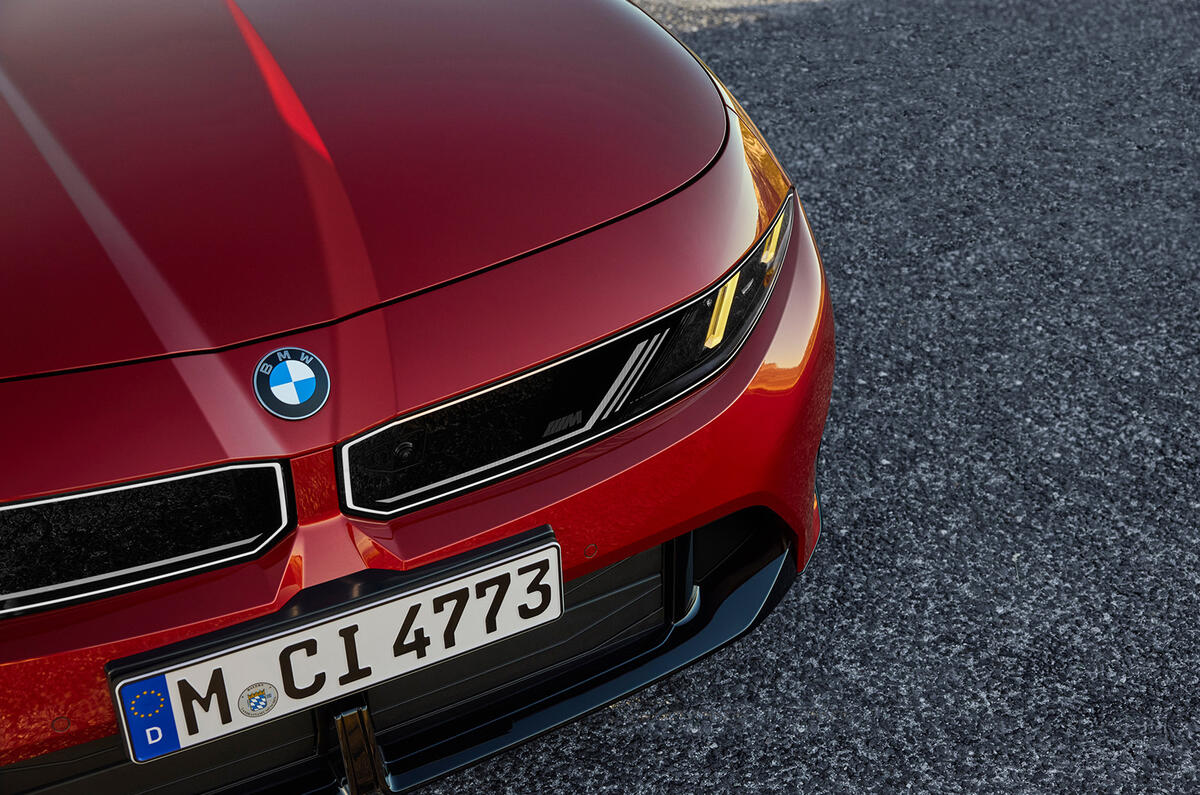
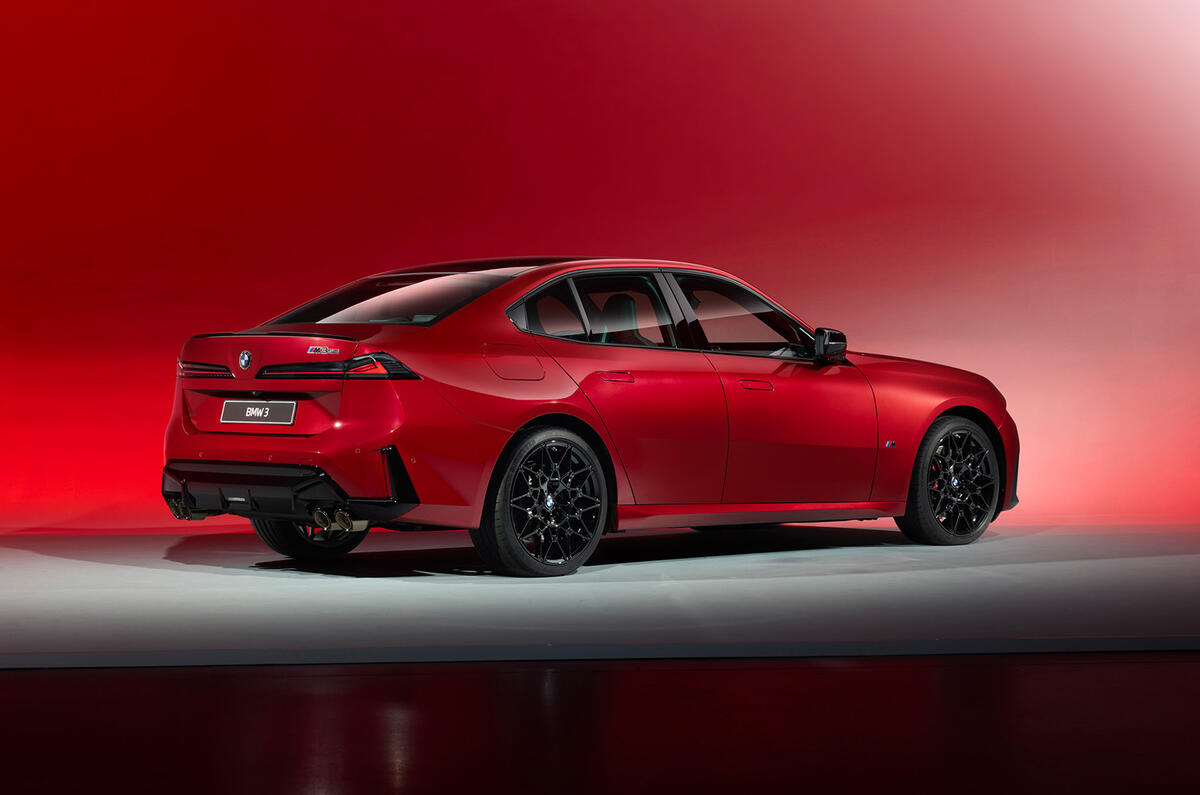
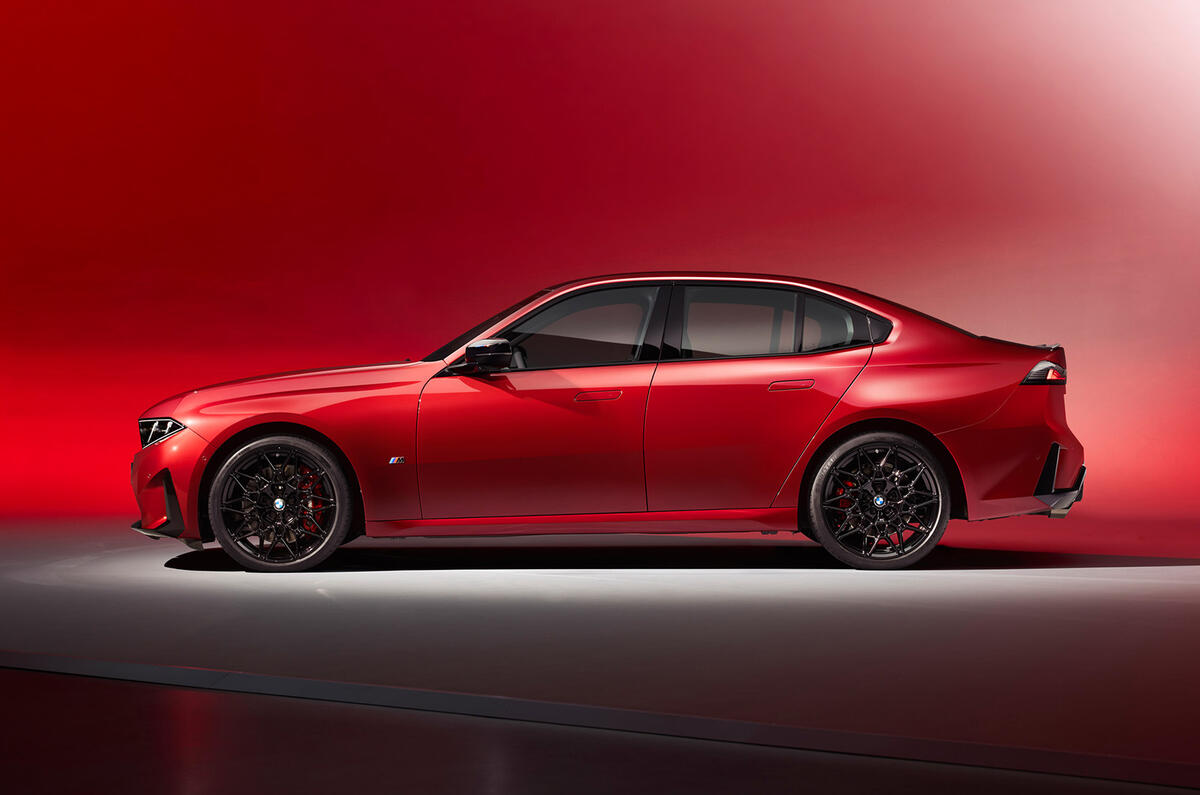
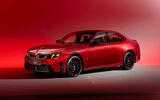
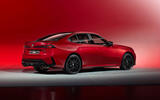
The i3 and 3 Series share the same Neue Klasse design language, with the traditional kidney grille and twin headlights incorporated into a broad horizontal graphic, along with flush door handles, traditional cab-back proportions, pronounced rear haunches and slim horizontal rear lights.

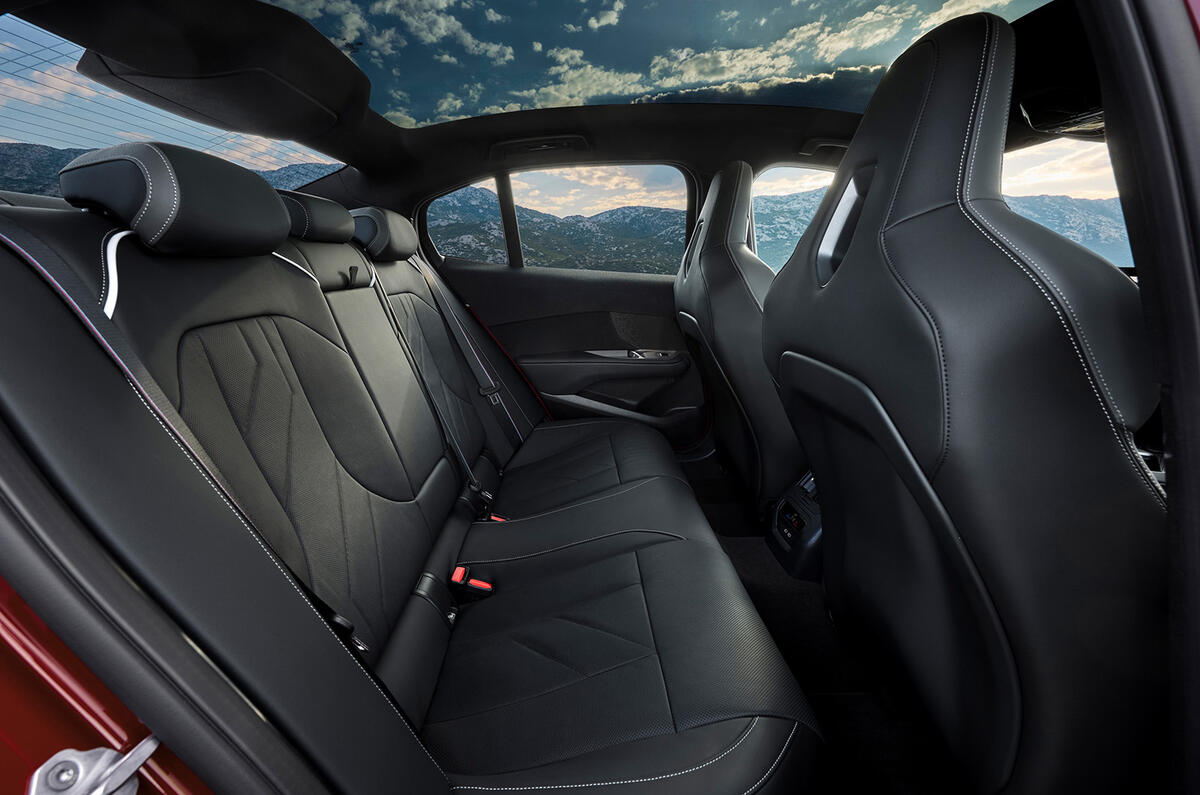
The ICE car is 4765mm long (52mm longer than its predecessor), 1850mm wide and 1455mm tall, while its 2880mm wheelbase is 9mm longer than before. The EV is subtly different in proportion: fractionally shorter, but 15mm wider, 25mm taller, and with a slightly longer wheelbase.

Back to top

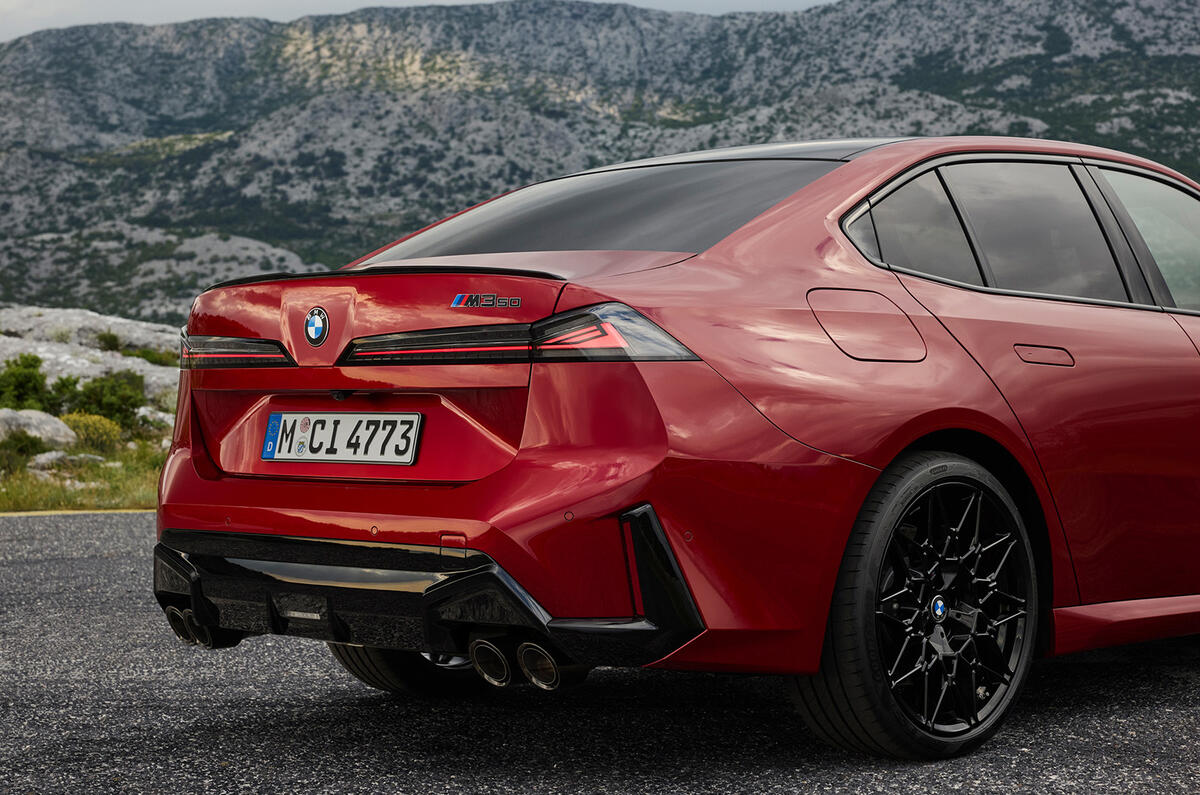
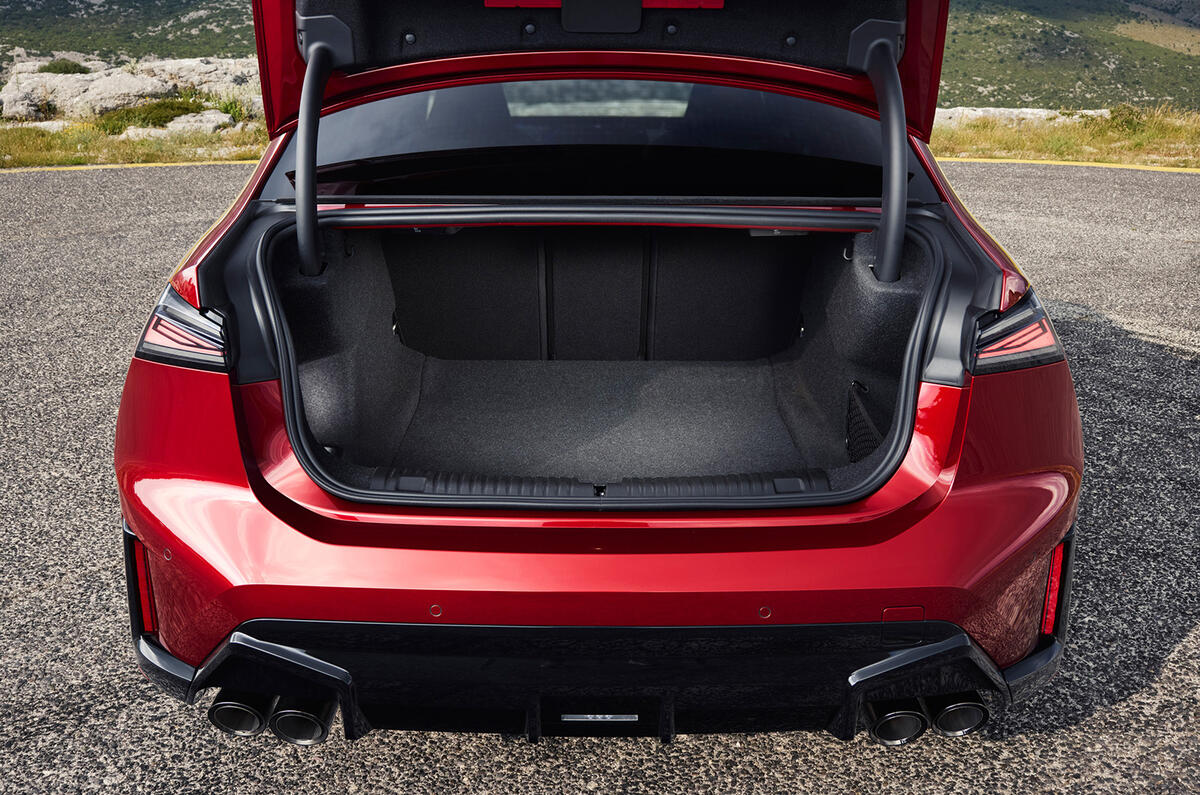
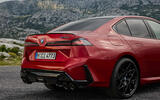
Setting it apart from the rest of the line-up, the M350 xDrive gets distinctive yellow daytime running lights, a subtle boot-mounted spoiler and four tailpipes. Buyers wanting a more sporting appearance on lesser models can specify the M Sport package, which brings different bumpers, side skirts and a rear diffuser together with blue M Sport brake callipers. The M Sport Pro package goes further with black mirror caps, a black rear spoiler and red M Sport brakes.

There has also been extensive work on the chassis. The petrol car gets its own front suspension geometry, as well as a retuned five-link rear suspension, increased rear wheel camber, stiffer chassis mountings and revised anti-roll bar mountings.

Adaptive suspension and adaptive M suspension are available as options, both using electronically controlled dampers that continuously vary their response at each wheel.

Join our WhatsApp community and be the first to read about the latest news and reviews wowing the car world. Our community is the best, easiest and most direct place to tap into the minds of Autocar, and if you join you’ll also be treated to unique WhatsApp content. You can leave at any time after joining - check our full privacy policy here.