







Currently reading: Giulia Quadrifoglio Luna Rossa driven: Ultra-rare special is a V6 ace

Sailing-themed super-saloon is a 10-off collector special from Alfa's new special projects arm

What to do with Alfa Romeo? It’s a storied and beloved brand, but due to various factors – not least the notable absence of any convincing new products – it’s not doing the numbers. Clearly it needs some good new cars, but for the time being there is also a more entertaining option: lean into making ‘few-off’ models.

That’s the idea behind Bottega Fuoriserie, which loosely translates to ‘special projects workshop’. Aside from really special stuff like the Alfa 33 supercar we drove a few weeks ago, Bottega Fuoriserie is planning a series of few-off limited-number special editions of existing Alfa Romeos and Maseratis. Because why prop up one struggling brand when you can do two at once?
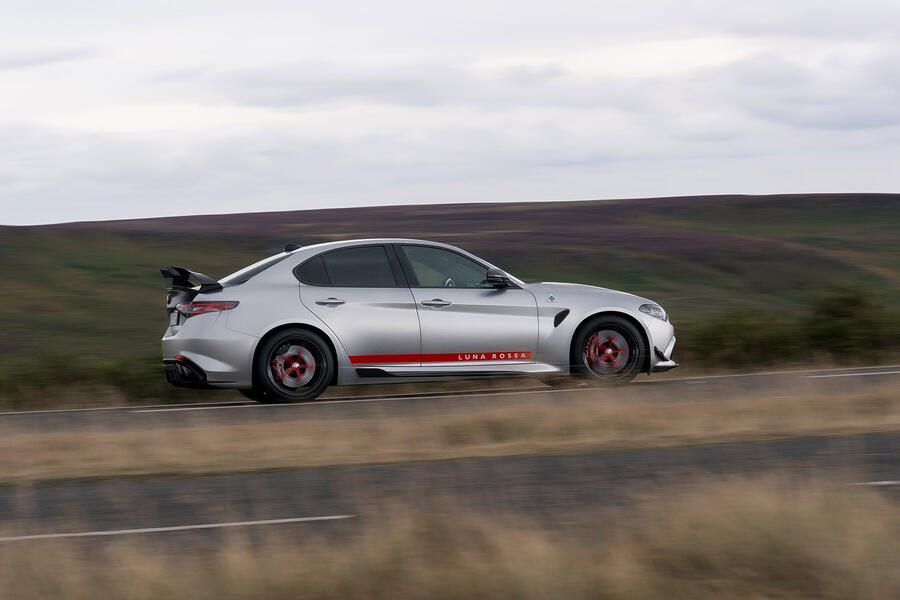
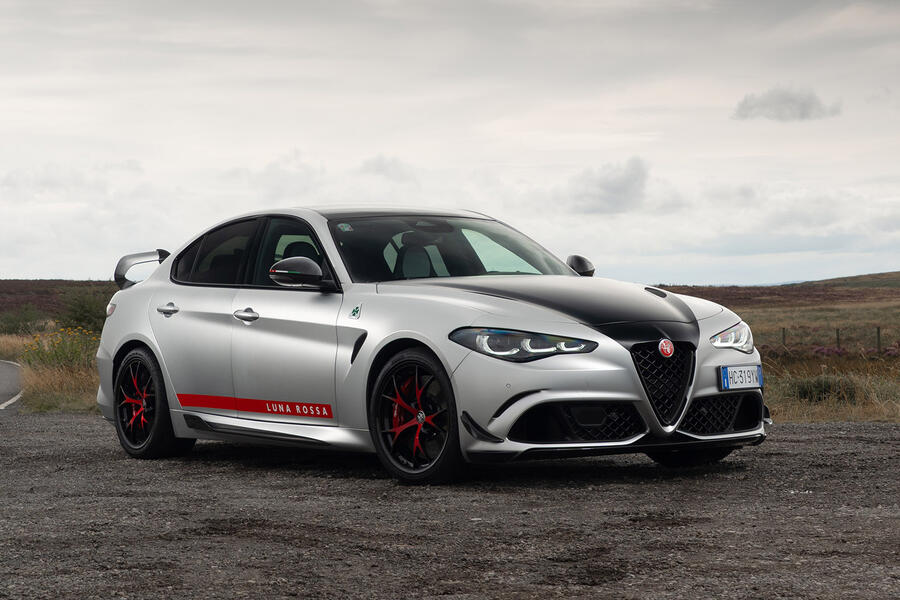
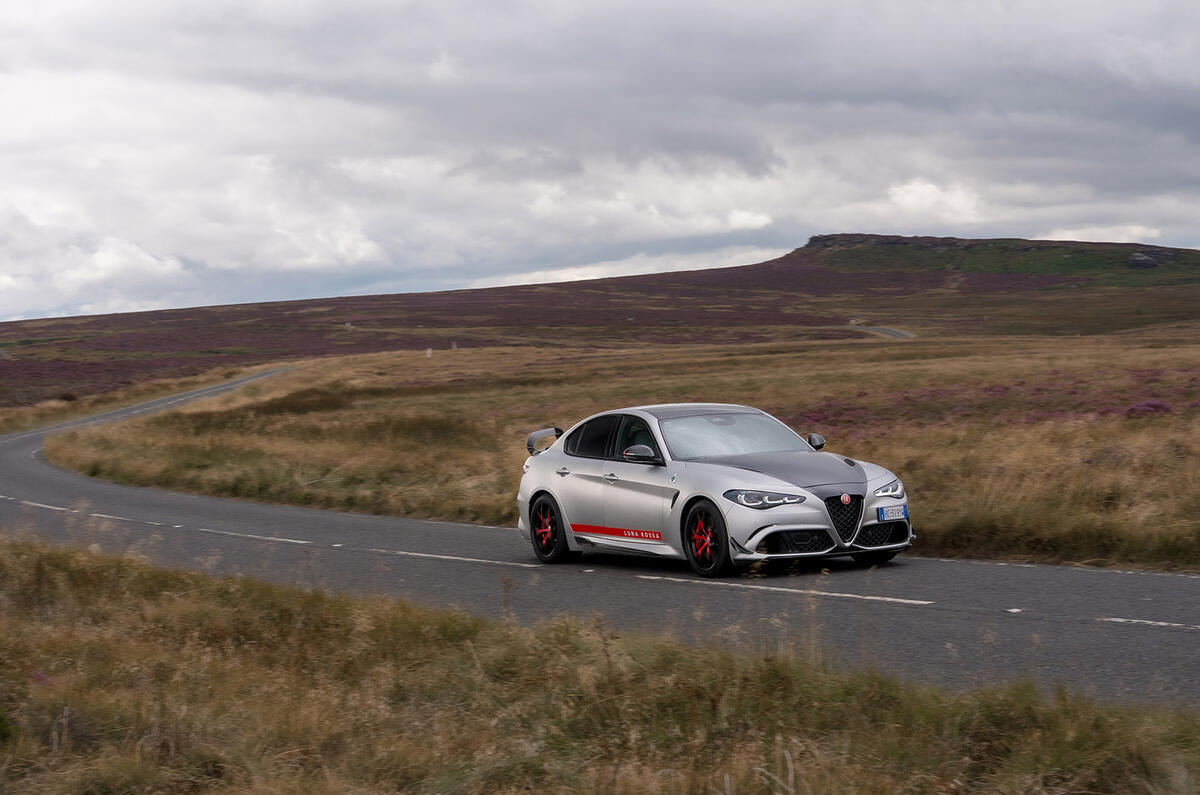
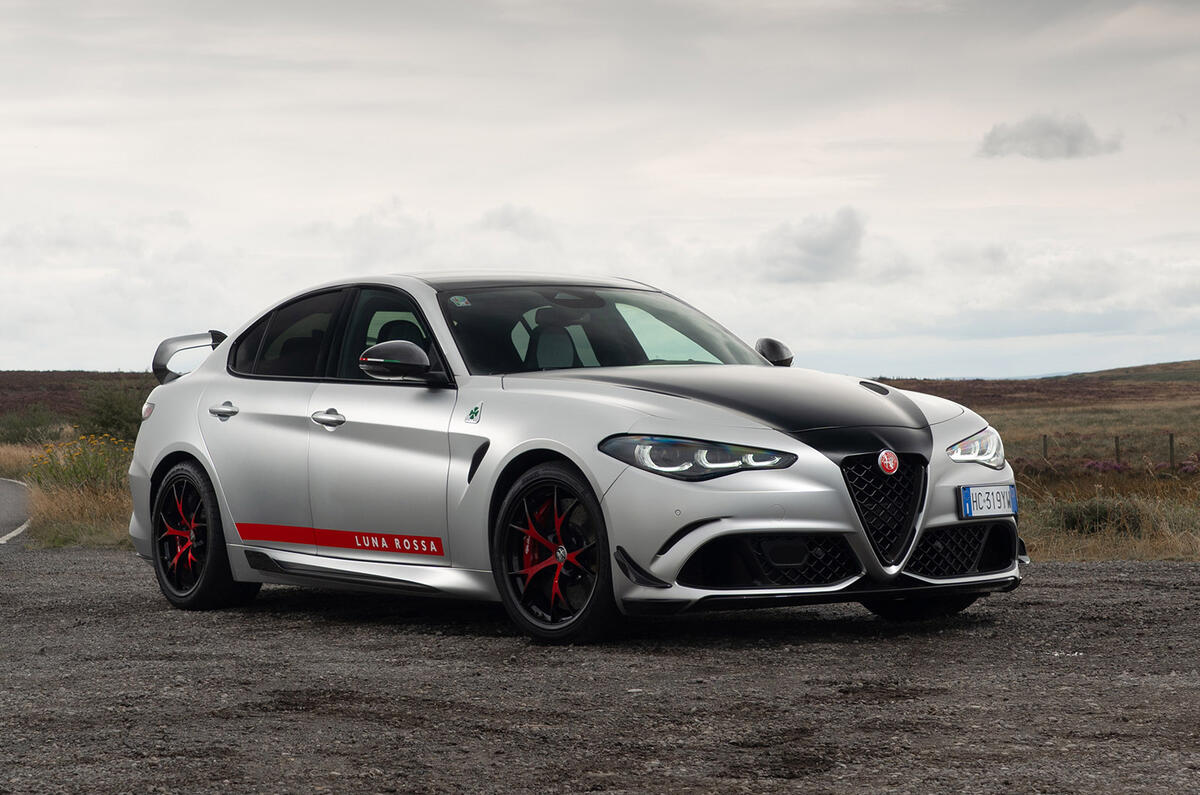
This car is the first of that series. It’s a Giulia Quadrifoglio, decked out to celebrate the Luna Rossa sailing team. A strange combination? Perhaps, but Alfa is a ‘technical partner’ of the Luna Rossa team, and sailing-themed special editions are nothing new. In 2017, BMW did an M760i inspired by a Finnish sail boat, and for many years Volvo had ‘Ocean Race’ versions of a bunch of its cars. Having said that, a 513bhp Giulia Quadrifoglio is rather more exciting than a diesel-powered XC60 with a fancy parcel shelf.

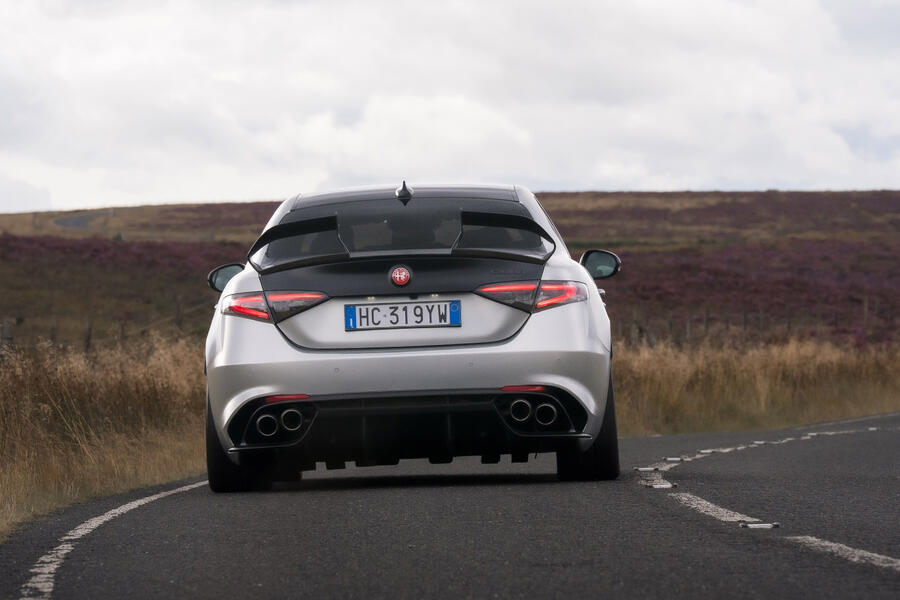
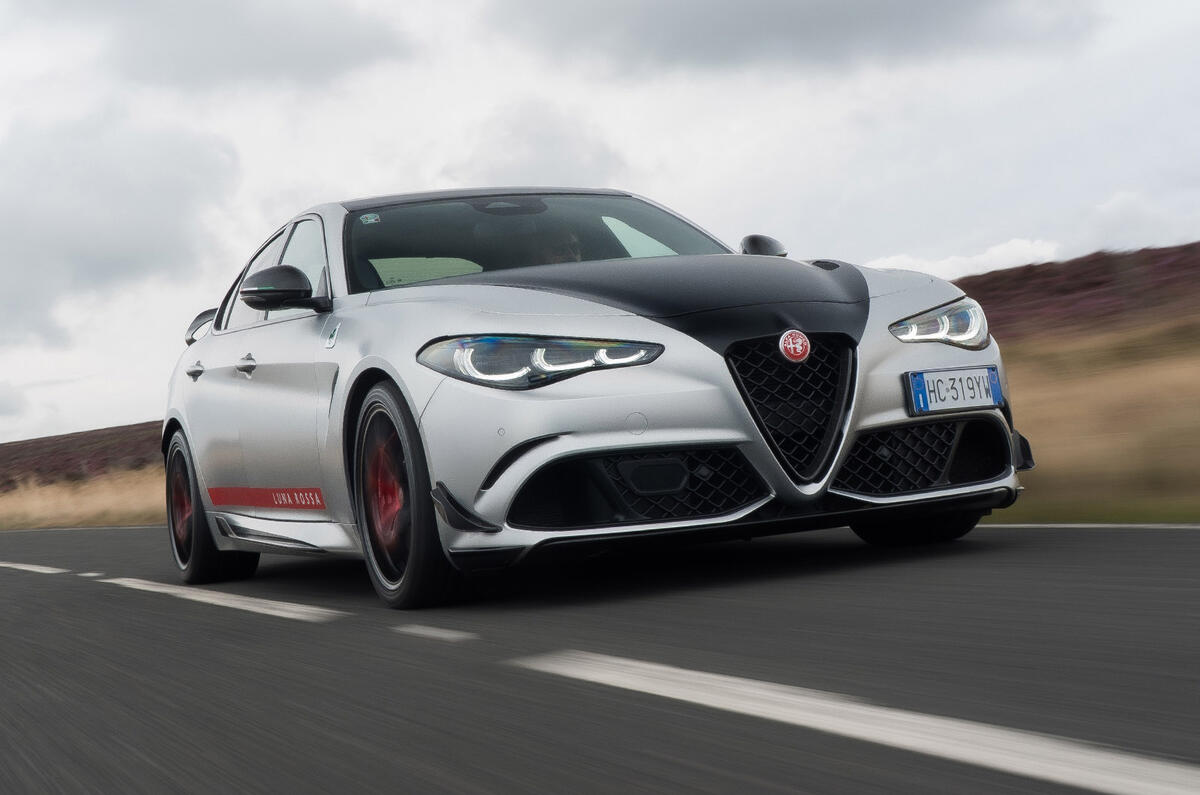
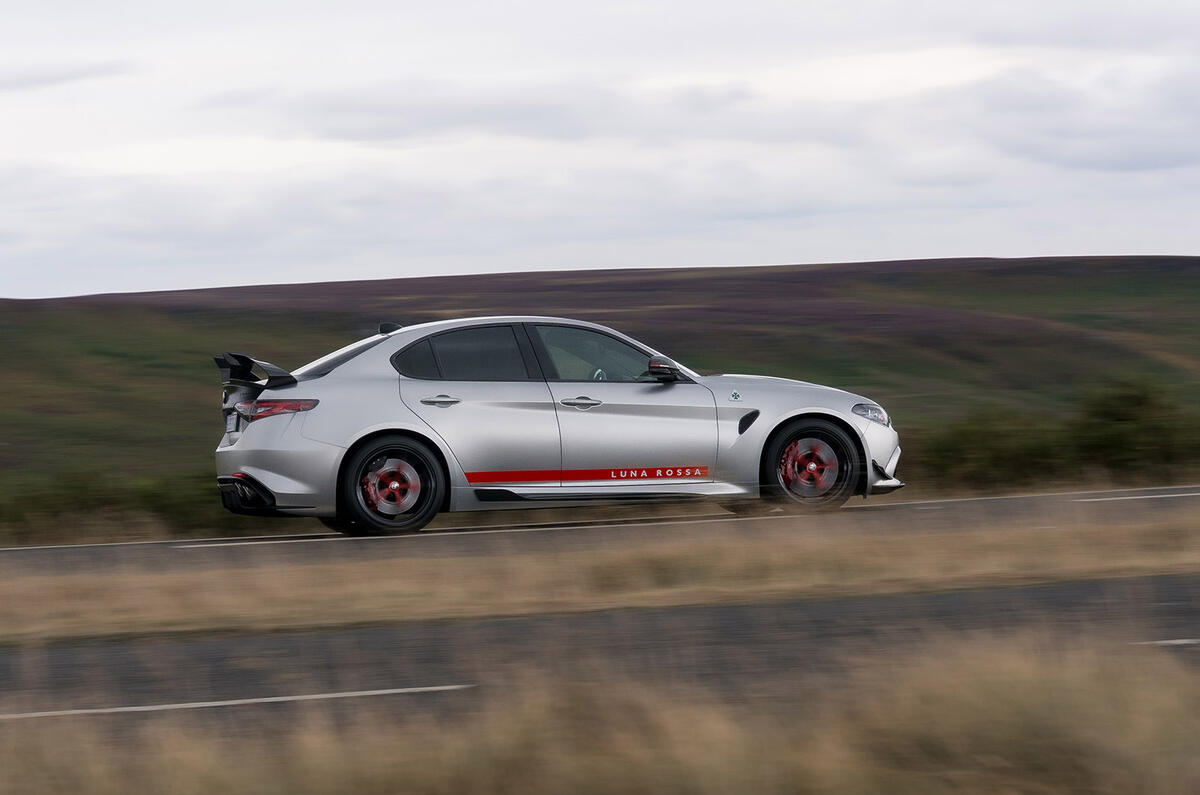
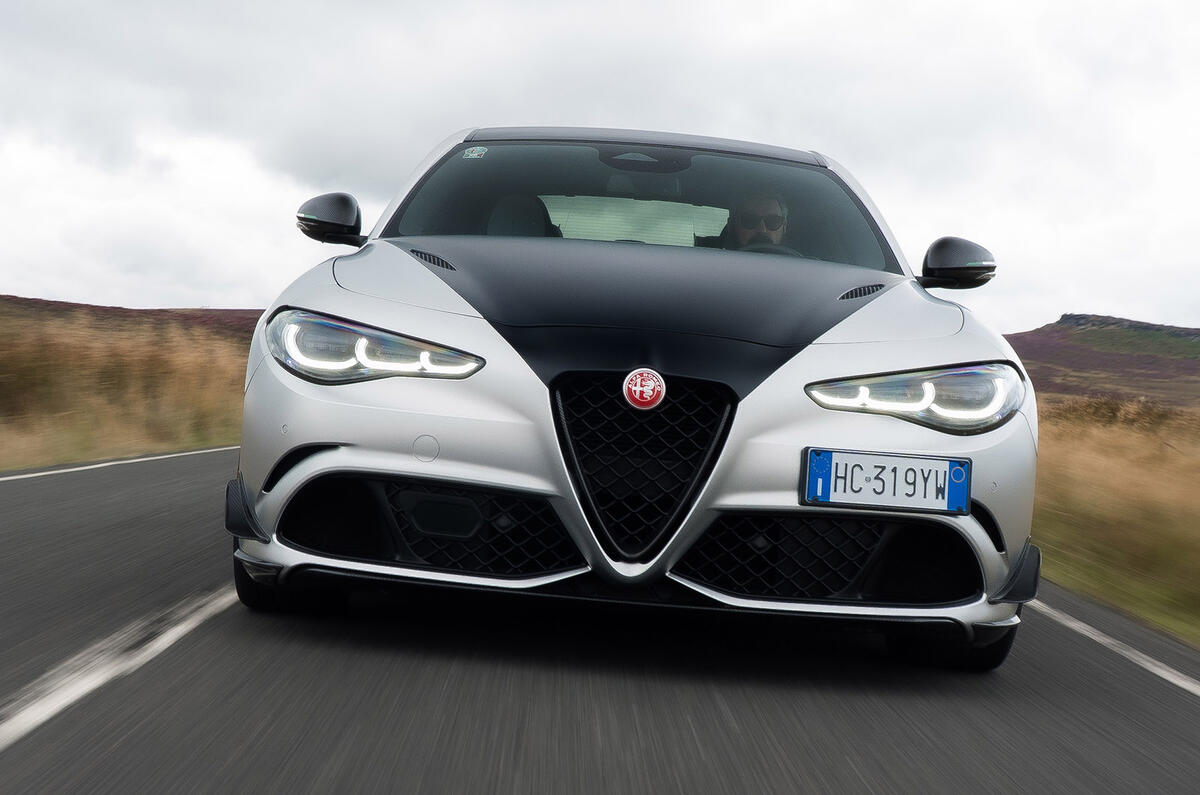
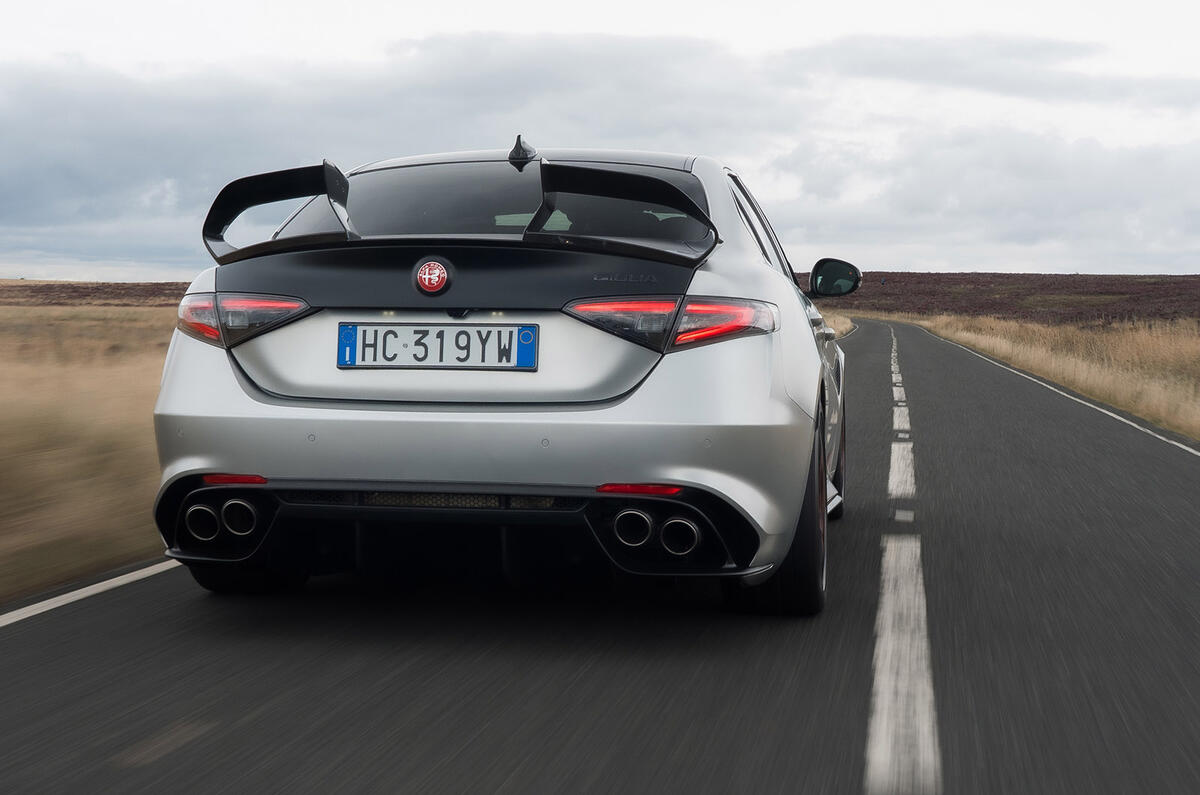
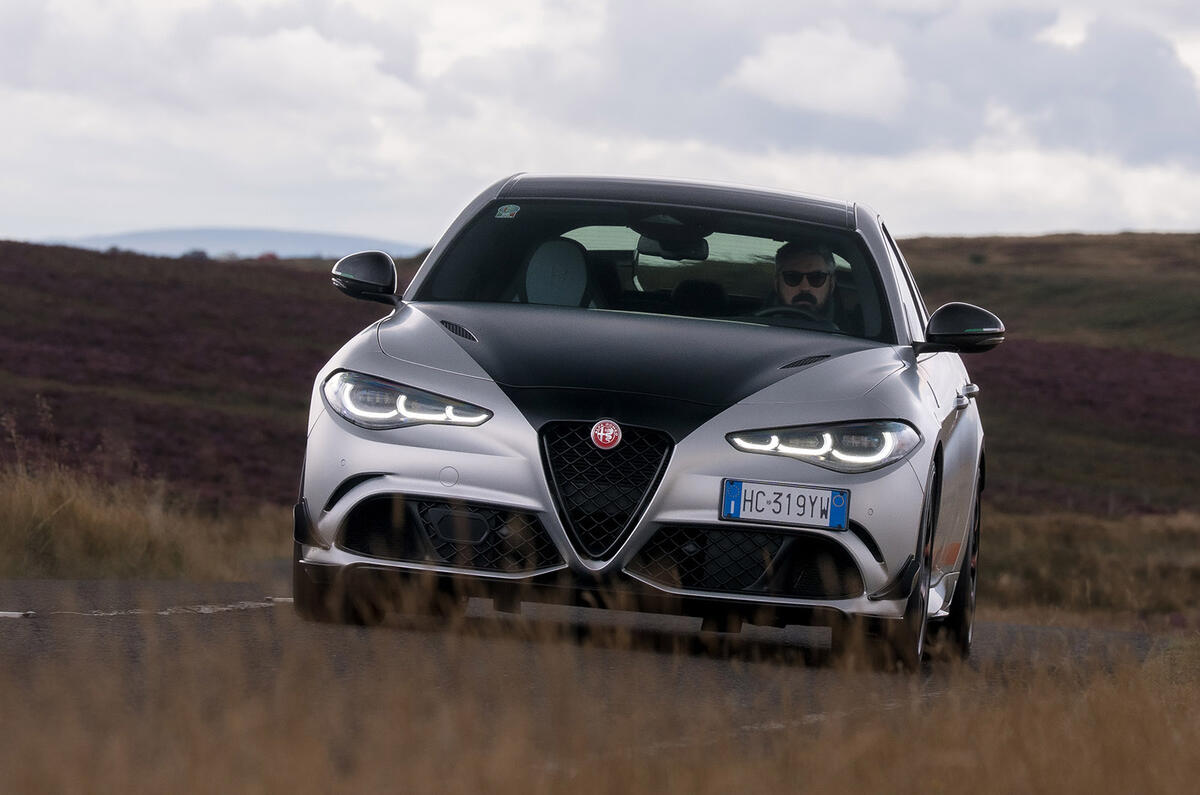
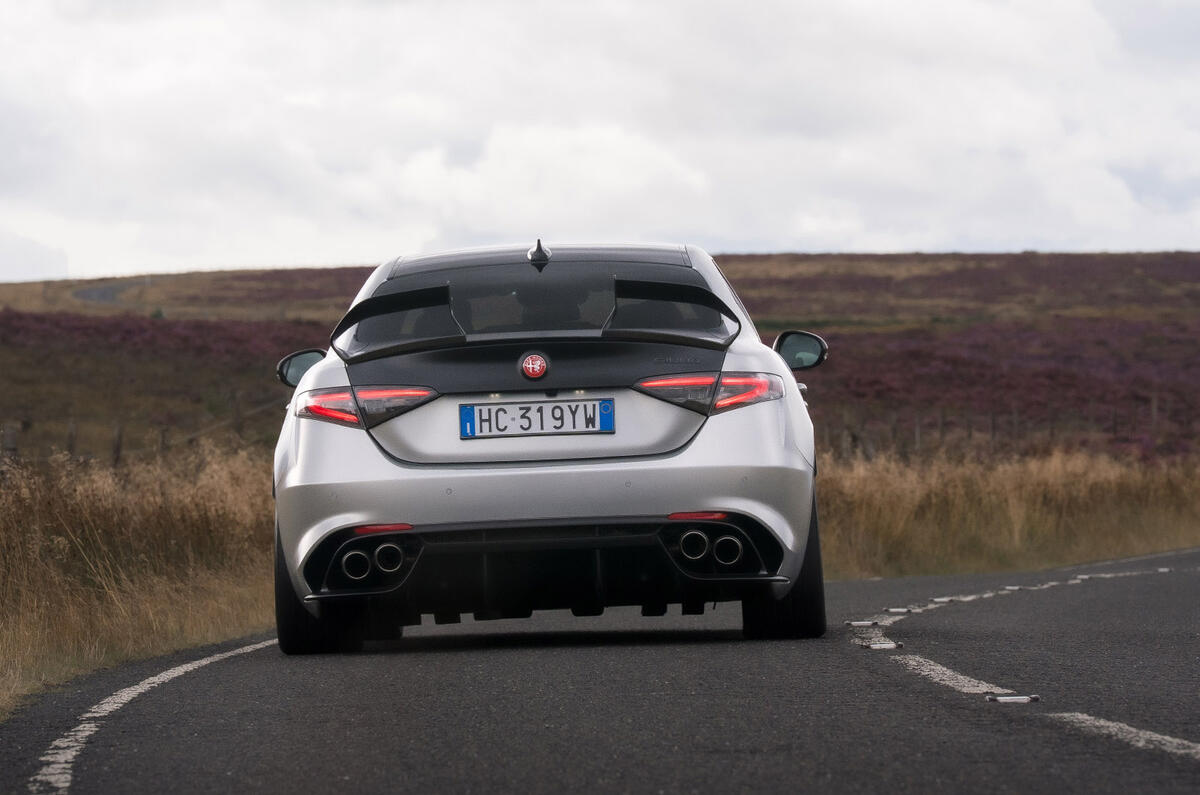
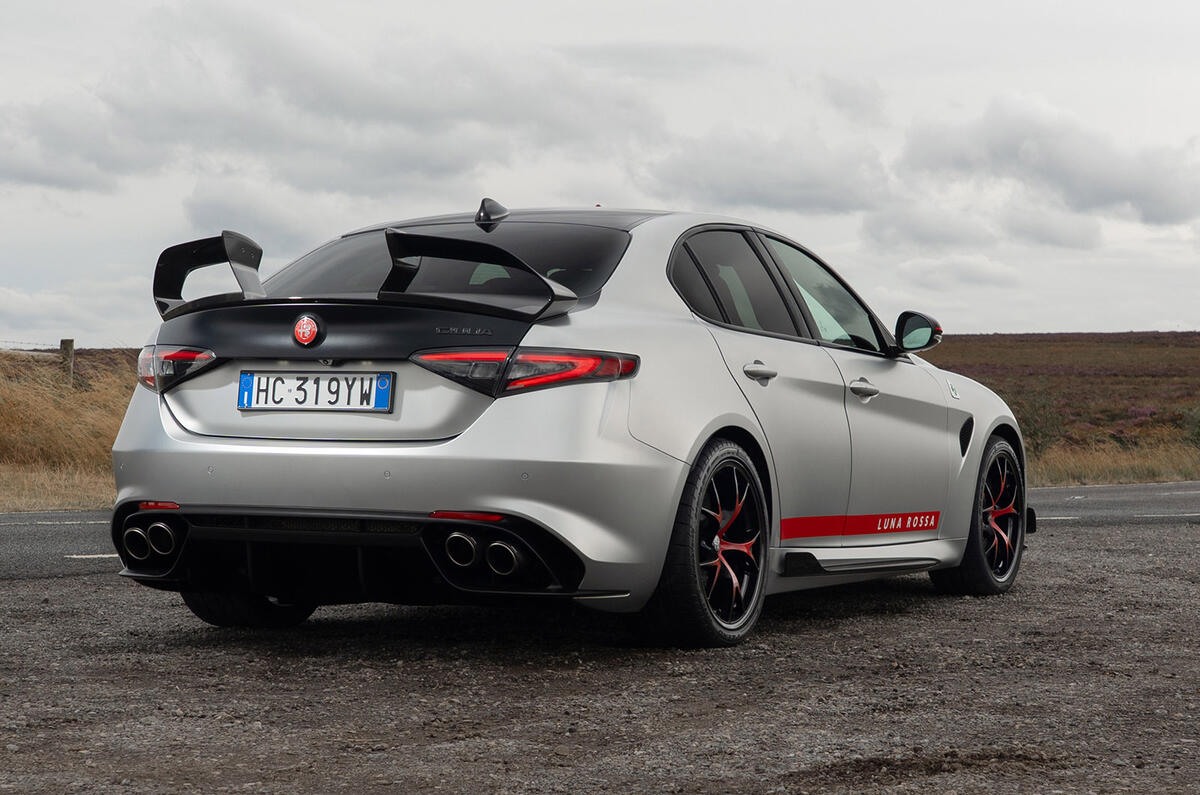
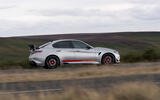
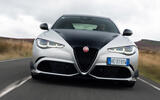
Instead of just some badges and trim, the Giulia Quadrifoglio Luna Rossa has had an aerodynamic makeover. Alfa says it’s the most ‘aerodynamically efficient’ Quadrifoglio, which is a bit of a nebulous concept, but the idea is that it makes the most downforce for the least amount of drag. Which, I suppose, is also the kind of thing you’d want in a high-end sail boat. Here, it’s the result of front-bumper canards, underbody profiles, side-skirt winglets and a rather striking rear wing that’s faintly reminiscent of the original Pagani Zonda’s. The black and matt silver paint supposedly looks like a boat deck.

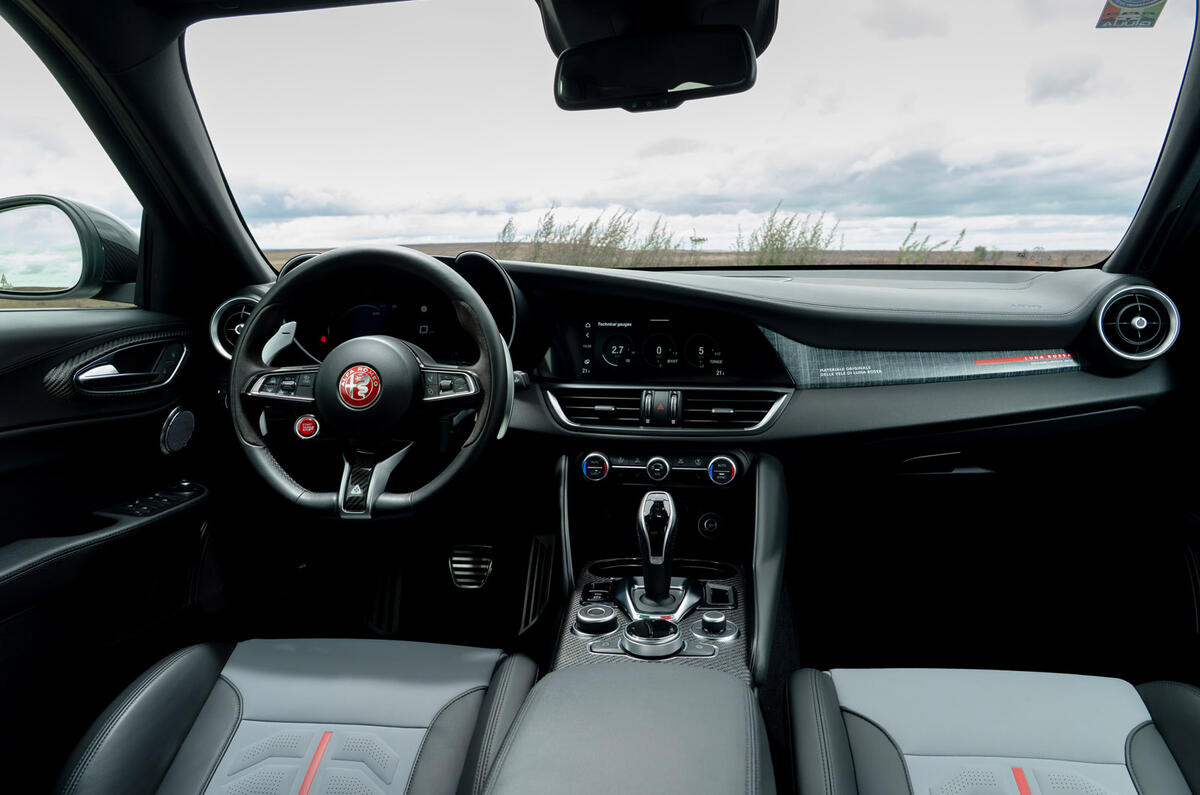
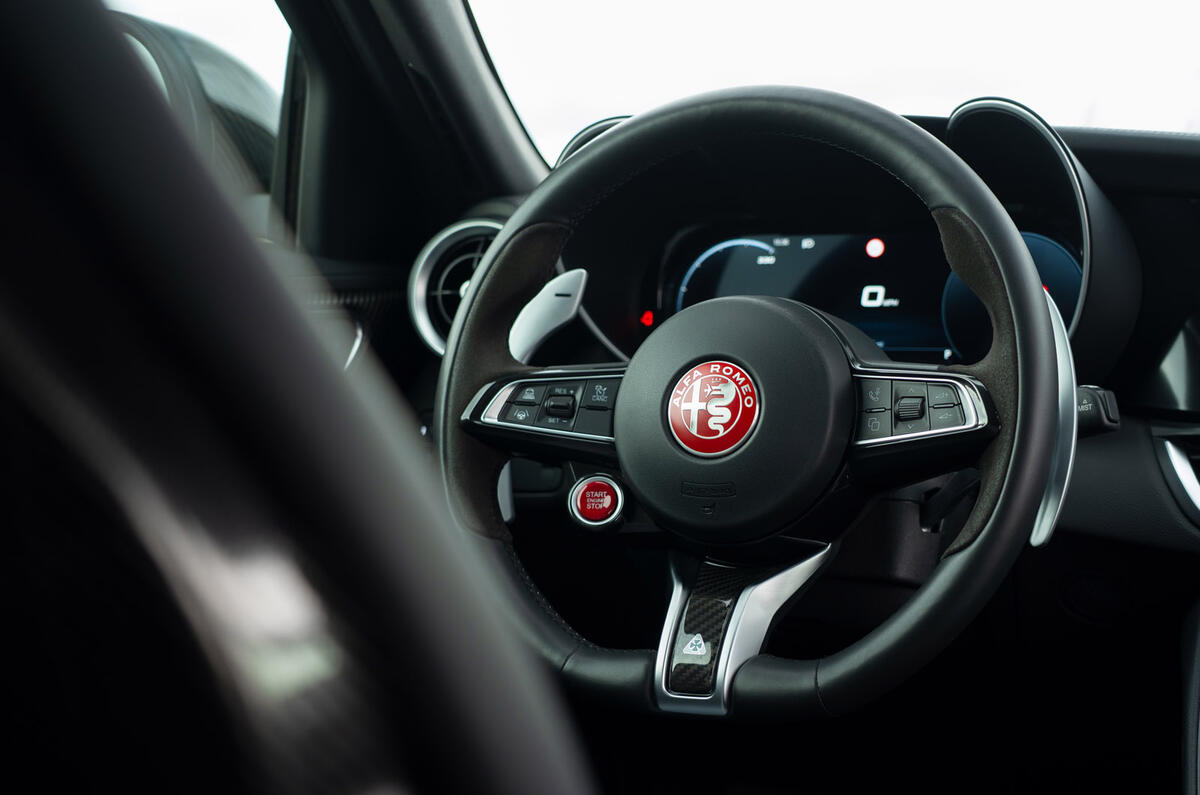
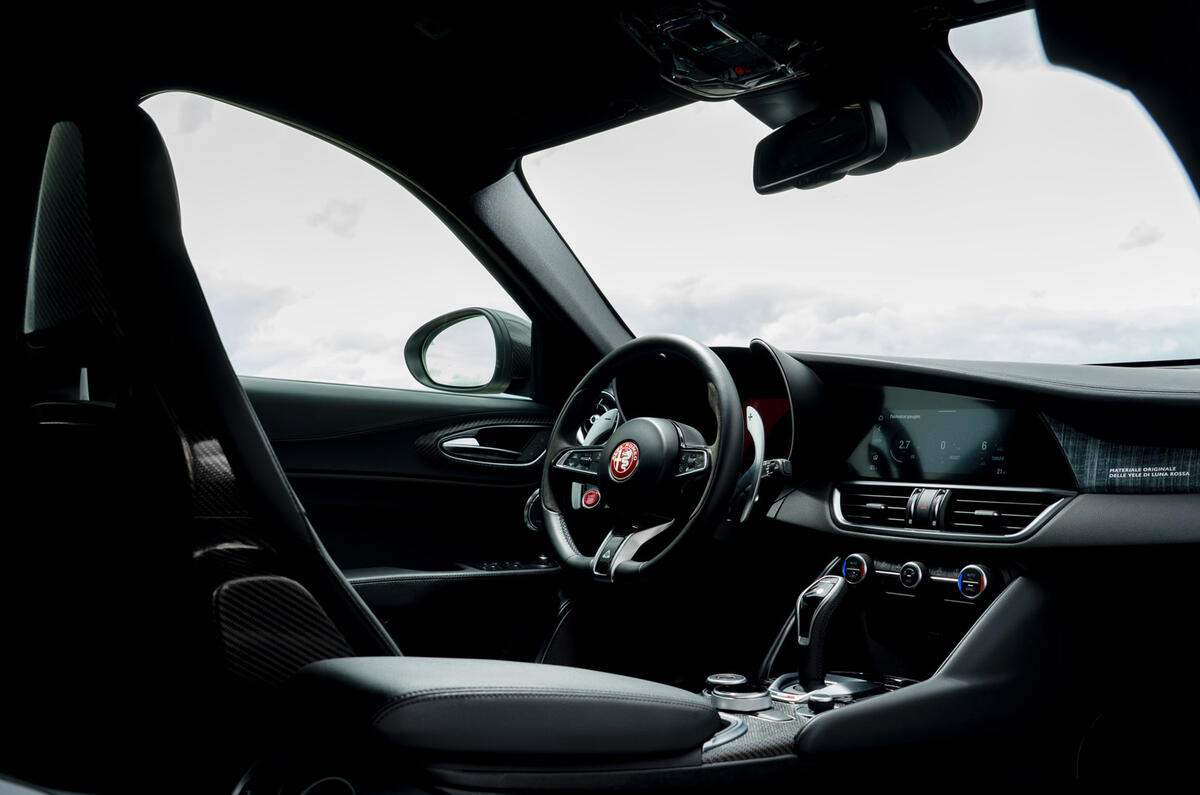
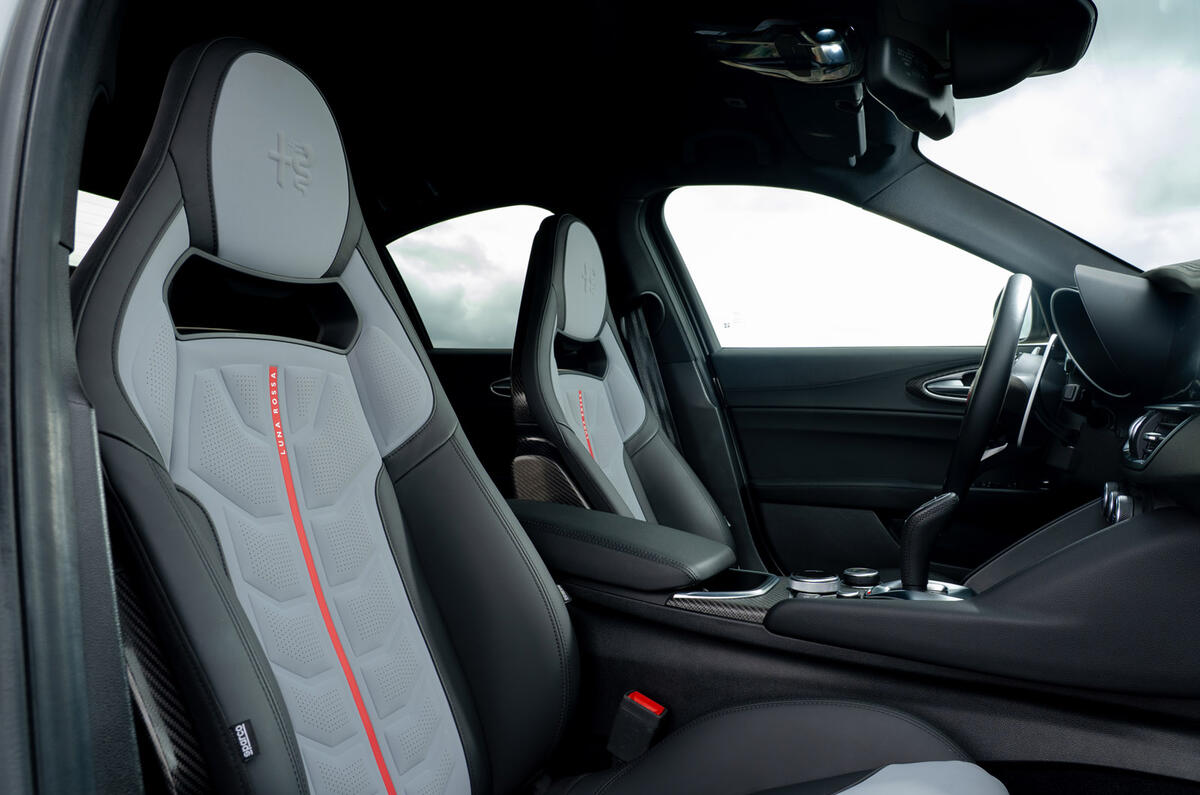
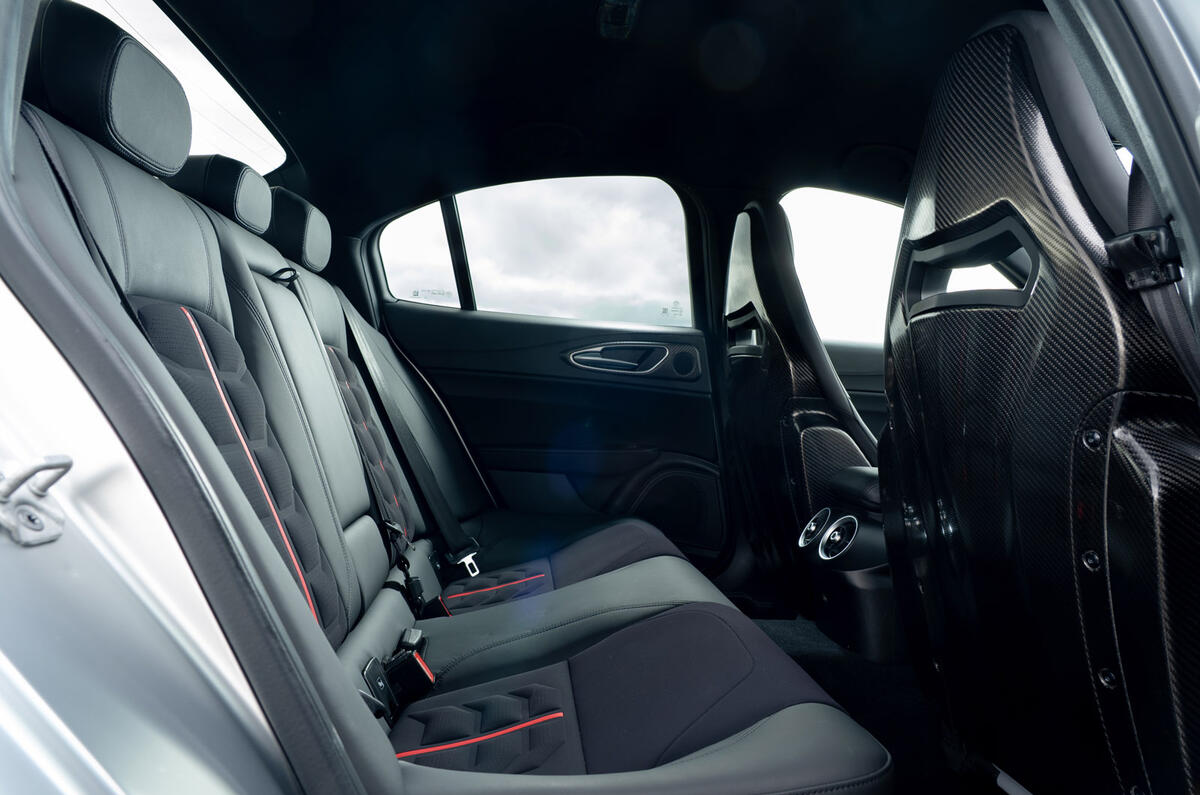
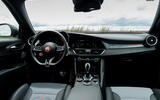
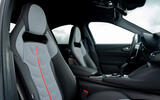
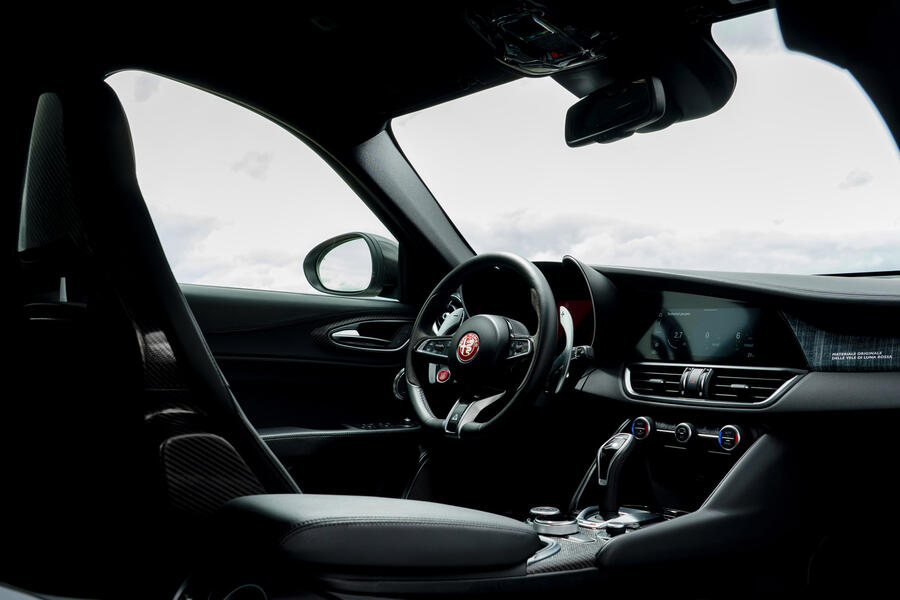
Inside, it has been treated to a sailing-themed retrim, with the Sparco carbonfibre-back bucket seats getting upholstery that’s inspired by a ‘personal floatation device’ – a life jacket to you and me. The trim piece in the dashboard is made not from carbonfibre but from actual sails. It also has the car’s build number on it – they will only make 10 (well, 11 if you include this number 0 development car). They’re all sold, by the way.
Back to top

I sure hope the customer cars will be put together with a bit more care than this prototype, though, because it had various pieces of loose trim, a seat adjustment button that hadn’t been put back properly and fabric loosely attached with Velcro, plus the new red Alfa badges had already started to fade. That said, the grey life jacket fabric is novel and interesting and brightens up the cabin. Otherwise, the interior is familiar: a bit dated and not super-solid-feeling, sure, but it is pleasingly designed, with lots of physical controls.

Those aero mods supposedly produce 140kg of downforce at 186mph (300kph), but I’d be lying if I said I could feel the effects on my test drive around the Midlands’ greatest driving roads. Apart from that, there are no mechanical changes from the standard Giulia Quadrifoglio. That may come as a disappointment, but only to those who have never driven a Giulia Quadrifoglio, because it remains a sensational super-saloon.

I recently drove the new Audi RS5 for an upcoming road test, and although they are nominally rivals and both have turbocharged V6 engines, they couldn’t be more different. The Giulia is remarkably analogue and old-school. The steering is very quick, not because of variable-ratio trickery, but because it’s just very quick, and you get used to that soon enough. It has the front-end bite and body control to back up those lighting responses, too. It sends all of its 513bhp to the rear wheels only, through a simple mechanical locking differential.

Back to top

Initially it doesn’t feel that lairy, because unless you’re in Race mode it seems to hold back the engine even before the traction control engages. To engage Race is also to turn off all the driver aids, which I’m not sure is a good thing, but it’s again quite old-school and it certainly raises the pulse to jump straight into the deep end with no personal floatation device. It proves to be beautifully progressive, though, the rear axle gently slipping sideways when powering out of a corner, like a big Toyota GT86. Rides nicely too, for something so sporty.

The engine is fine. It’s powerful and decently responsive, but all these high-performance six-cylinders are a bit gravelly and shouty, which the Akrapovic exhaust only accentuates. The eight-speed automatic ’box does what you expect of it, but as a pretty traditional super-saloon the Giulia is crying out for a manual. A six-speed was briefly offered at launch, so the mechanicals do exist. Now that would be a special edition I would like to see.

Clearly, the Luna Rossa isn’t going to turn Alfa Romeo around. It’s a bit of fun, though, a nice footnote, and it’s good to remind ourselves how brilliant any Giulia Quadrifoglio is.

Verdict: Slightly strange special edition reminds us that the Giulia Quadrifoglio is still a great-looking, great-driving super-saloon

Back to top
Alfa Romeo Giulia Quadrifoglio Luna Rossa  
Price £120,000 (est)
Engine V6, 2891cc, twin-turbocharged, petrol
Power 513bhp at 6500rpm
Torque 443lb ft at 2500-5000rpm
Gearbox 8-spd automatic, RWD
Kerb weight 1660kg
0-62mph 3.9sec
Top speed 191mph
Economy 28.2mpg
CO2, tax band 227g/km, 37%
Rivals BMW M3 Competition, Audi RS5


Join our WhatsApp community and be the first to read about the latest news and reviews wowing the car world. Our community is the best, easiest and most direct place to tap into the minds of Autocar, and if you join you’ll also be treated to unique WhatsApp content. You can leave at any time after joining - check our full privacy policy here.

Illya Verpraet

Illya Verpraet Road Tester Autocar
Title: Road Tester

As a road tester, Illya drives everything from superminis to supercars, and writes reviews and comparison tests, while also managing the magazine’s Drives section. Much of his time is spent wrangling the data logger and wielding the tape measure to gather the data for Autocar’s in-depth instrumented road tests.

He loves cars that are fun and usable on the road – whether piston-powered or electric – or just cars that are very fit for purpose. When not in test cars, he drives an R53-generation Mini Cooper S or a 1990 BMW 325i Touring.