British-built, mid-engined Caterham-killer returns with a stronger punch – and a much higher price

Thanks to some clever nomenclative thinking from company founders Mark Edwards and Ansar Ali, Zenos is the niche British sports car minnow whose catchy name you might just remember.

It was founded in 2013 when the aforementioned pair, having left Caterham (both were also Lotus veterans), set up a rival outfit with a more modern, clean-sheet-designed track-day product, built to a very keen price.

It turned out to be too keen: in 2016 Zenos went bankrupt. The year after its assets were bought by Alan Lubinsky of AC Cars. And now, with the company revived, the E10 has been updated and is almost ready for public consumption.

Advertisement

DESIGN & STYLING

Zenos review 2026 296

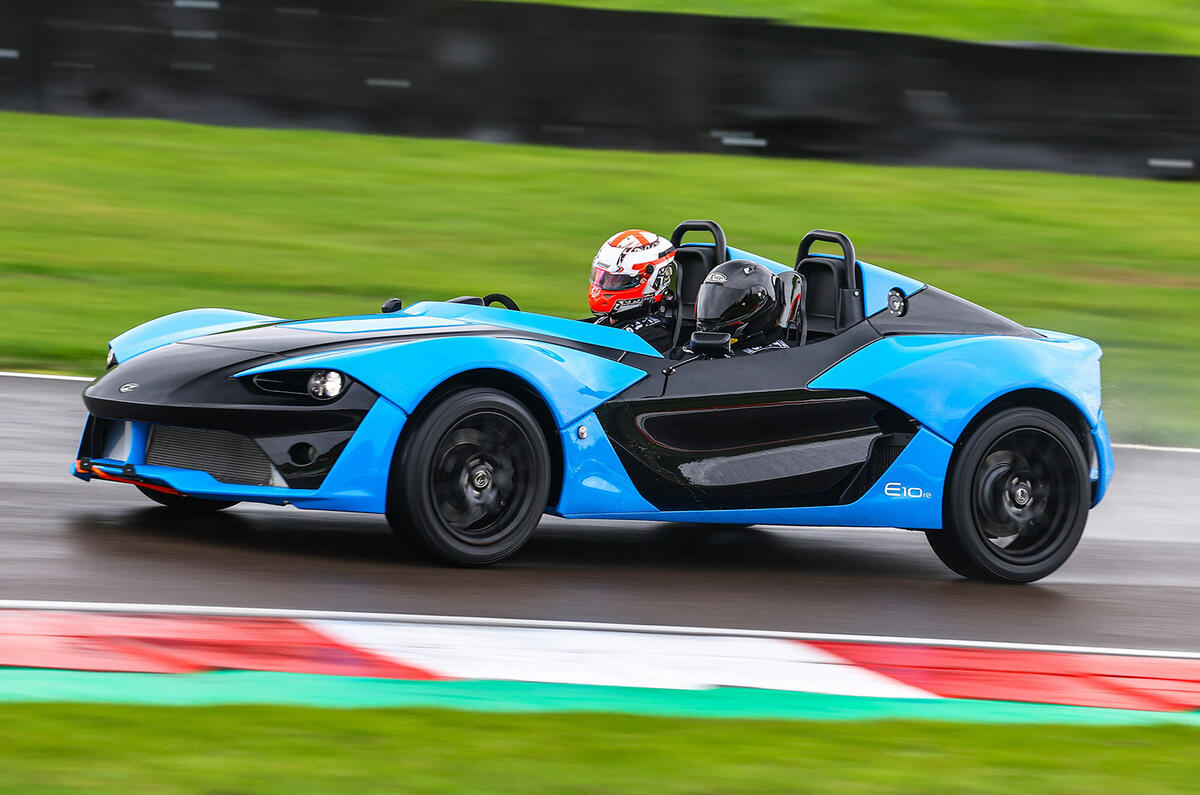
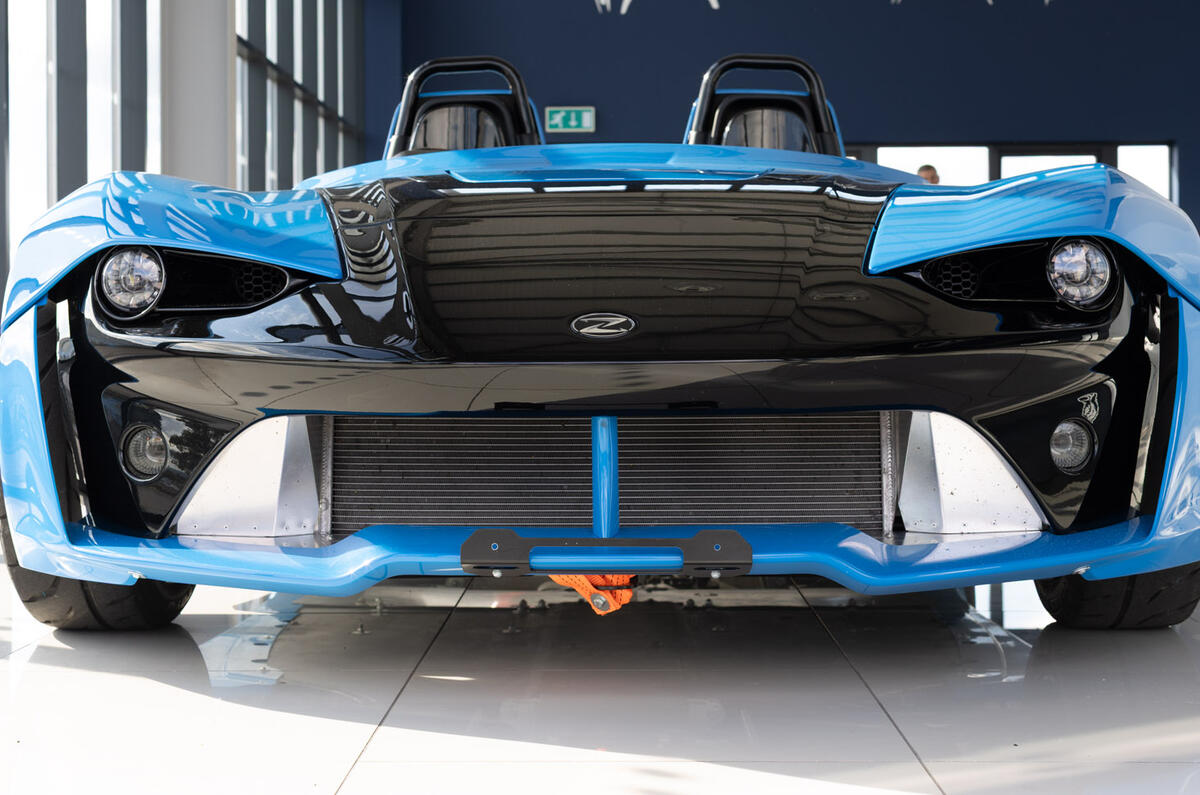
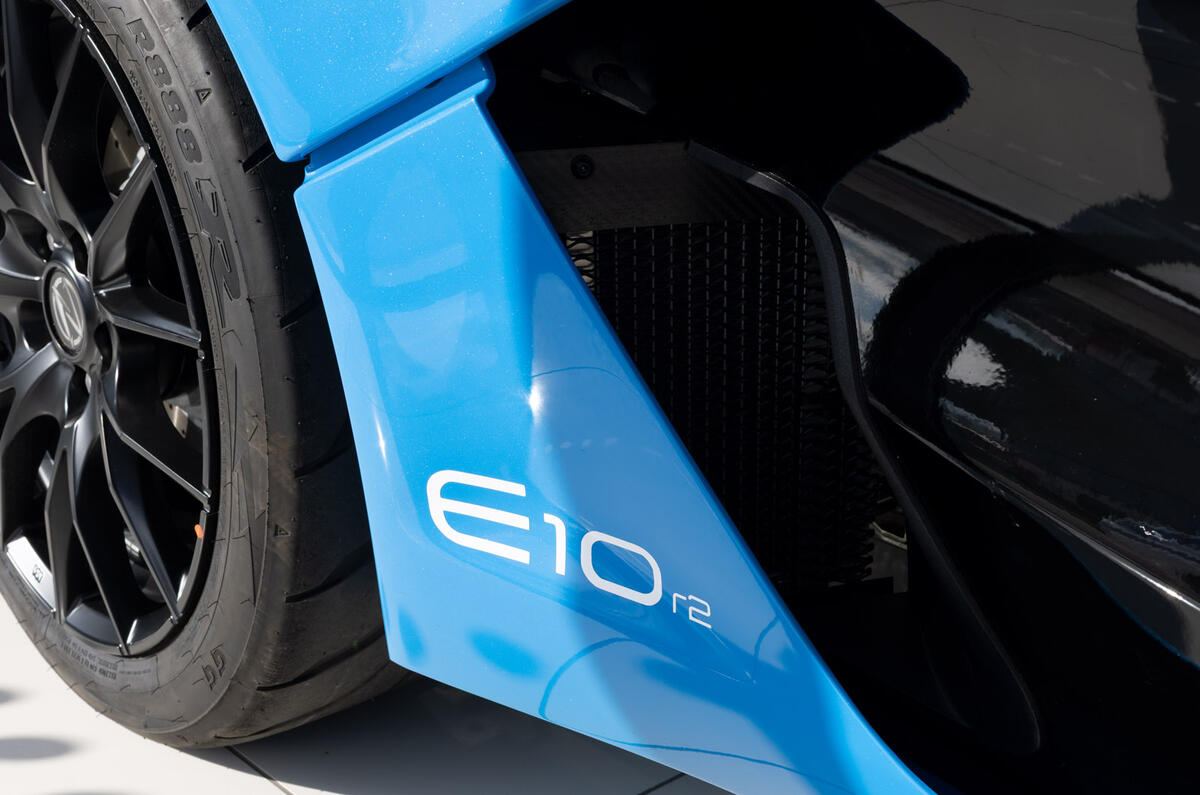
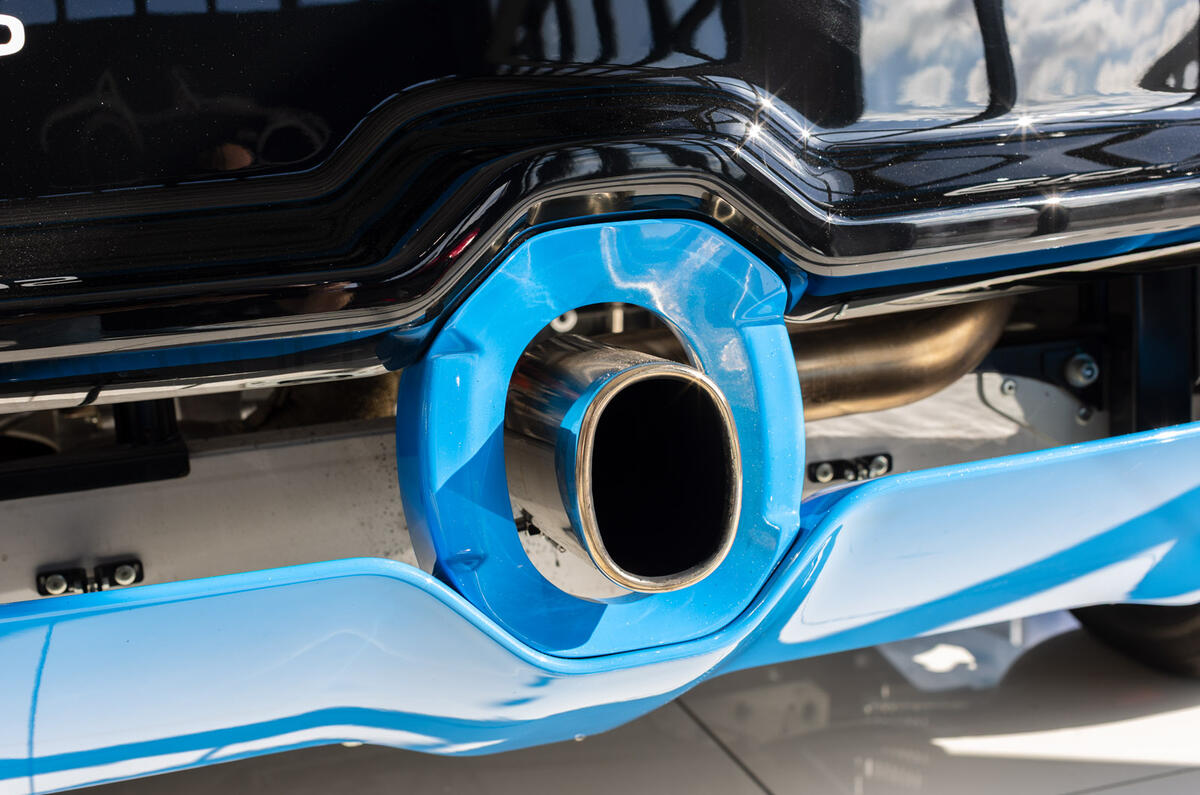
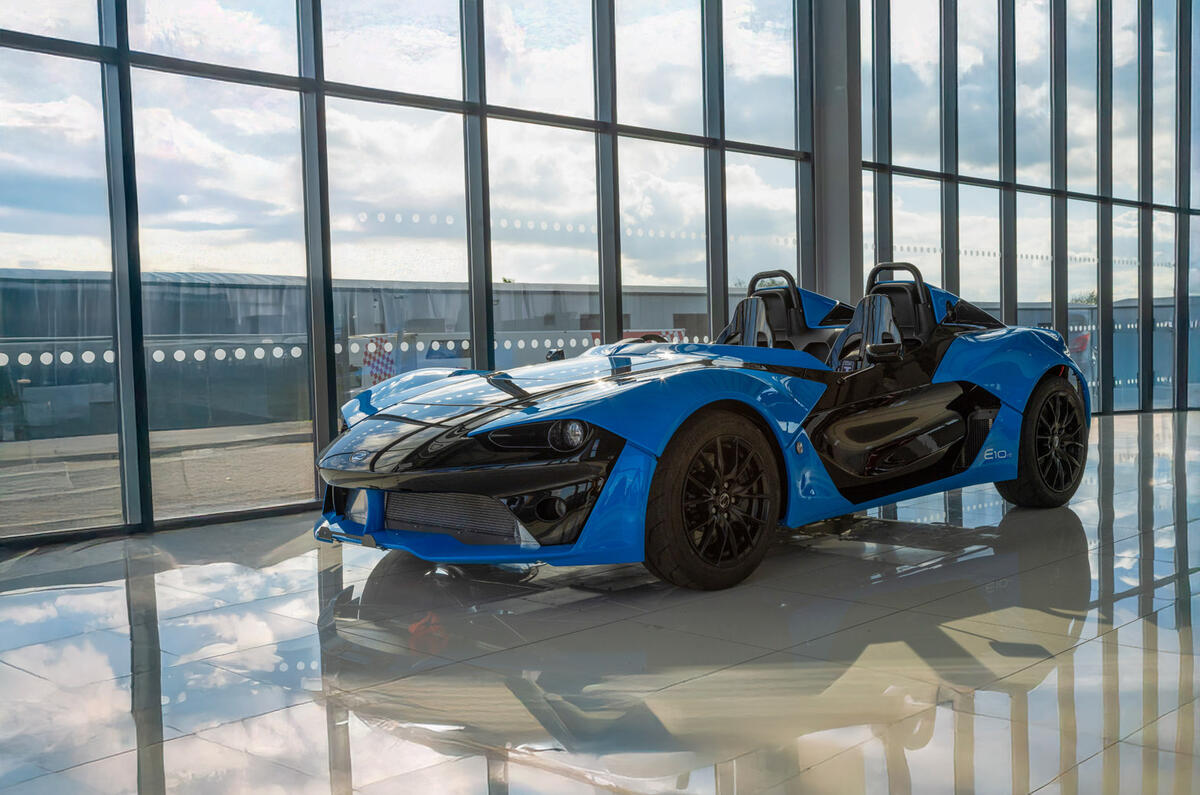
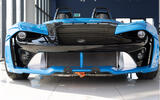
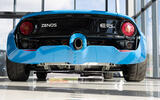
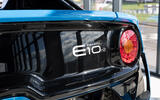
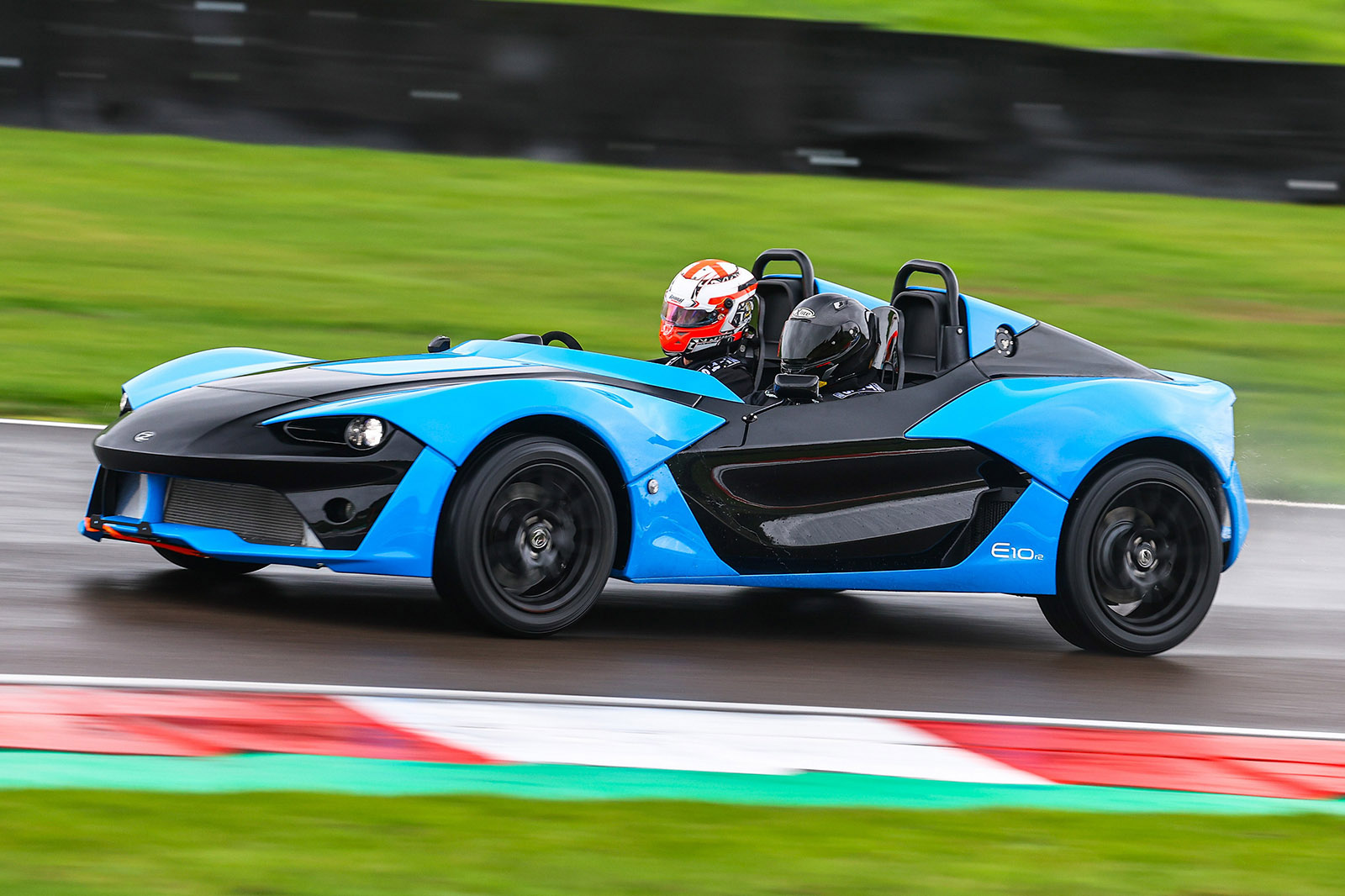
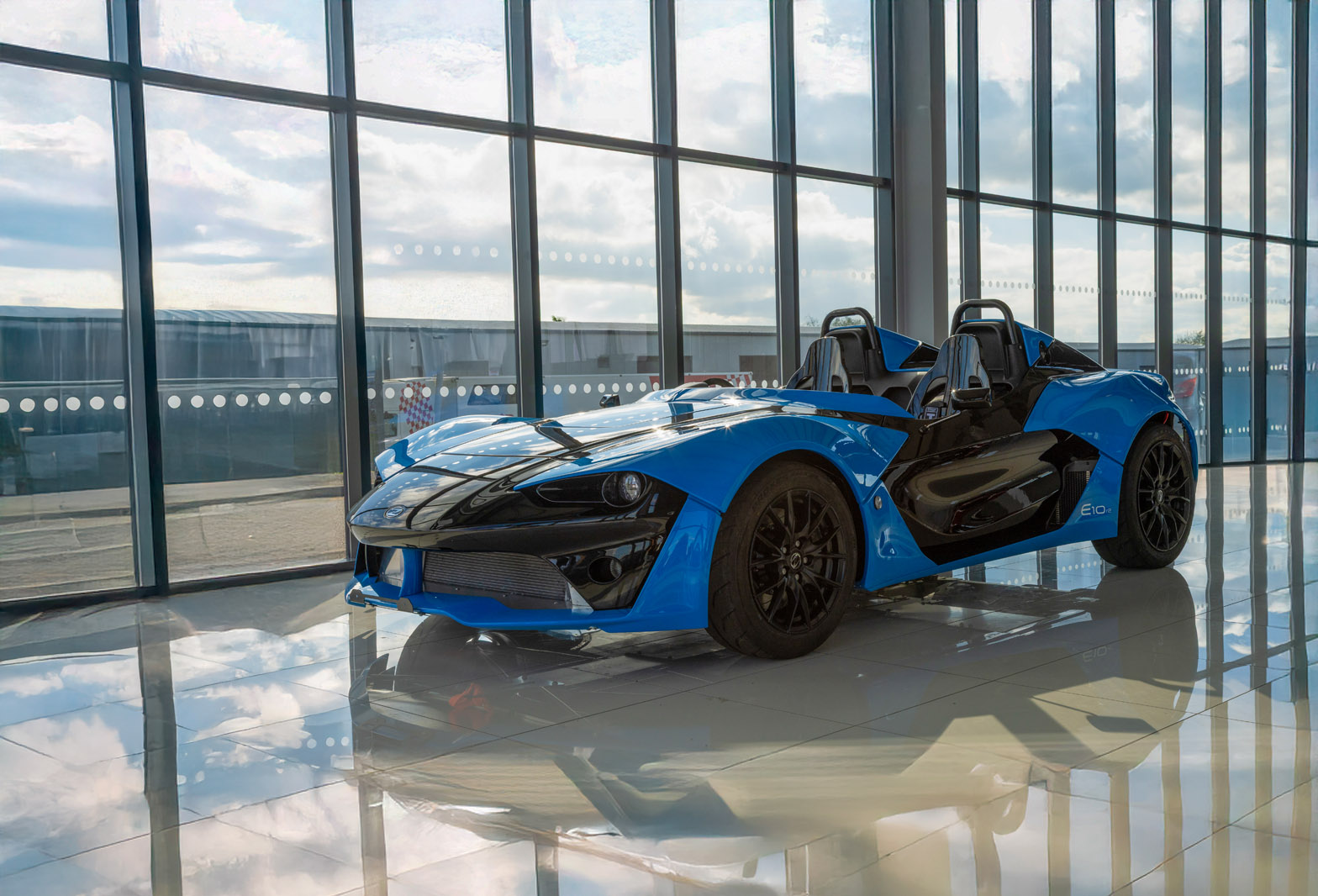
The E10’s design and layout remain very much the same as they were, but some of its details (headlights, side skirts, air intakes) and mechanical systems have been significantly improved. 

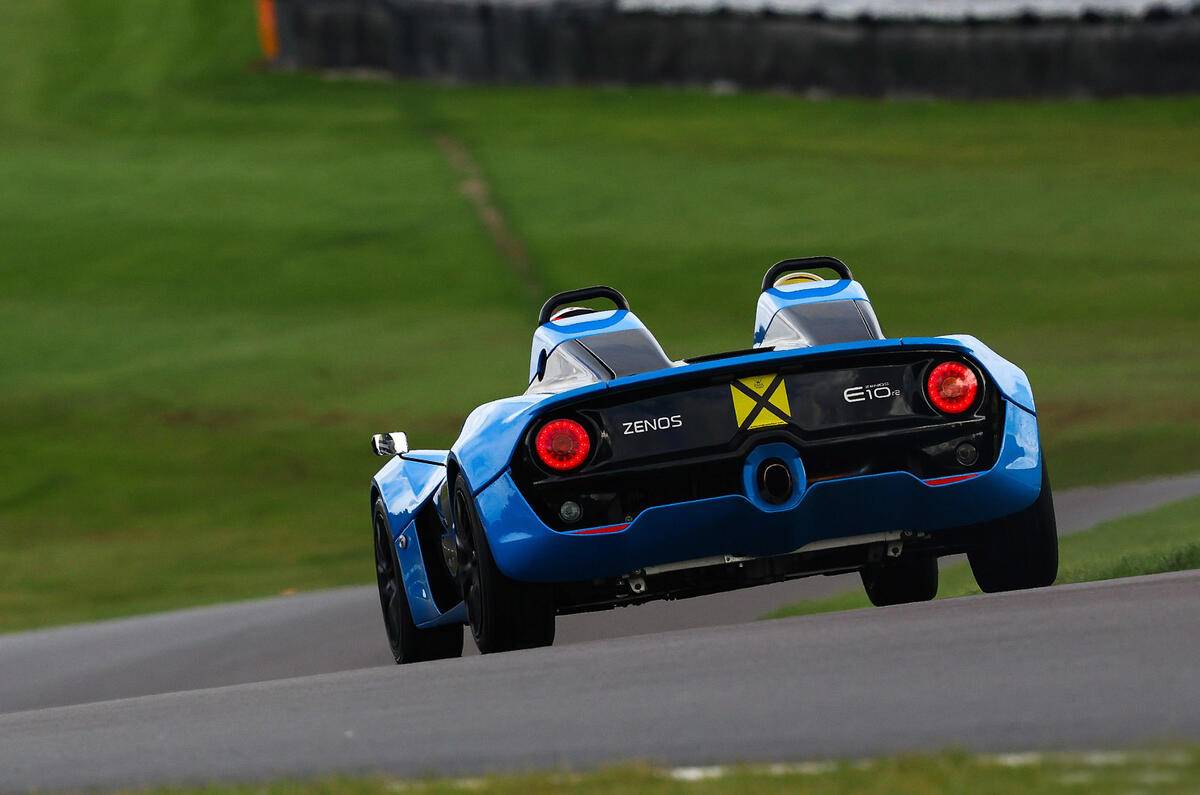
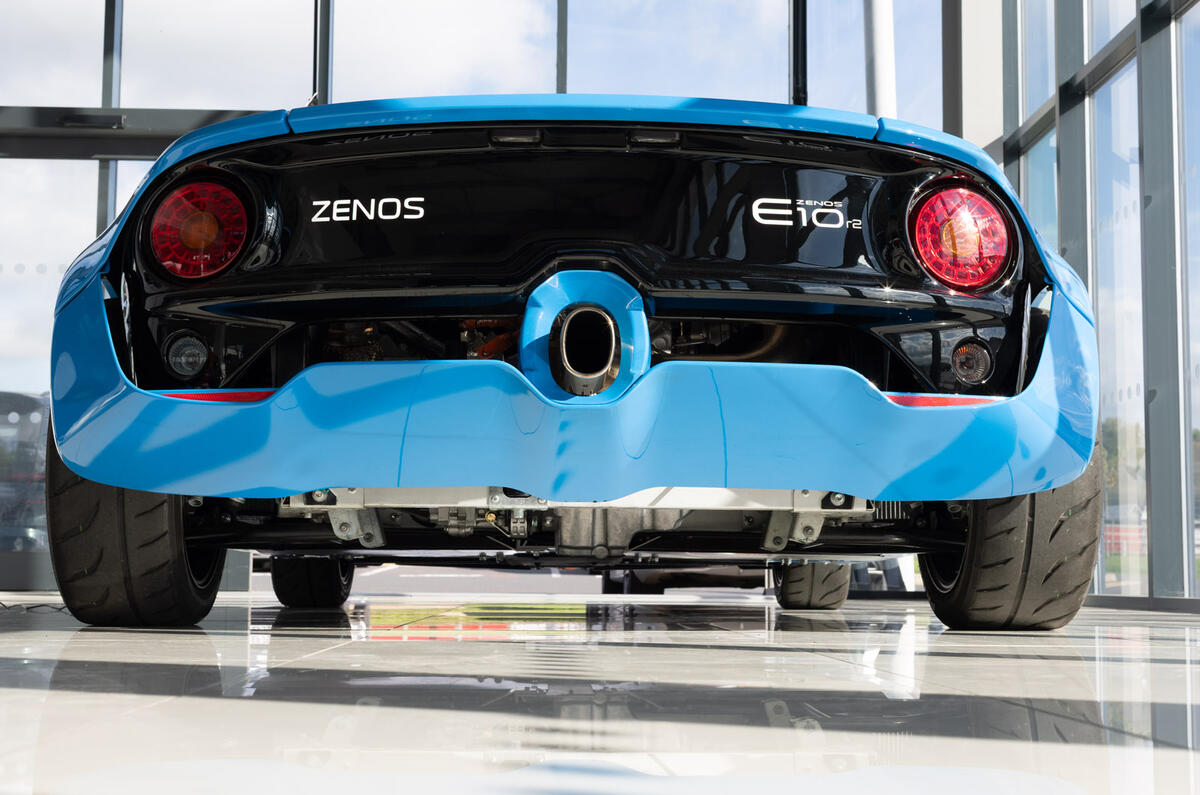
A backbone-style extruded aluminium chassis supports the car, to which are attached double-wishbone axles front and rear. A transverse-mounted four-cylinder engine is bolted in at the back and a structural carbonfibre composite passenger compartment is fixed ahead of it. The aluminium extrusions for the car’s chassis will now be sourced from China but hand-assembled, along with the rest of the car, in Bognor Regis, West Sussex.

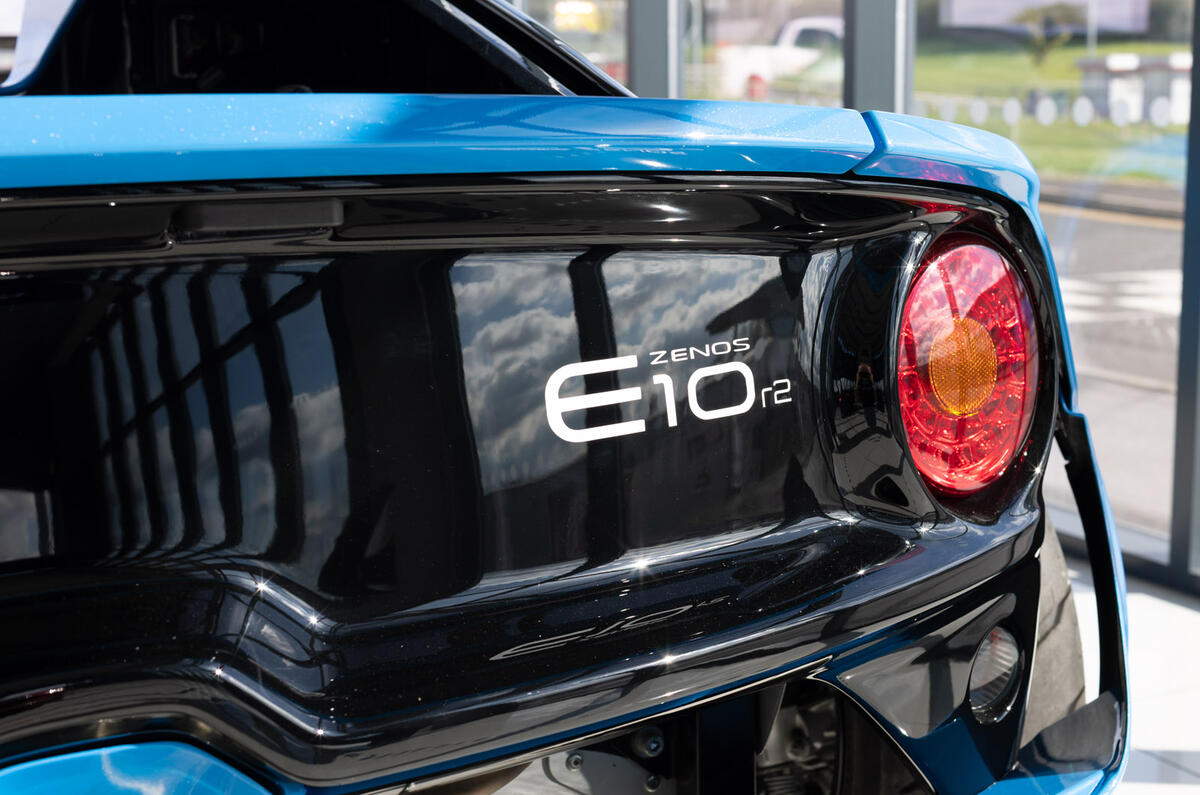
While the original E10 had fibreglass body panels, the updated one switches to an all-carbonfibre body, saving another 40kg from an already low kerb weight.

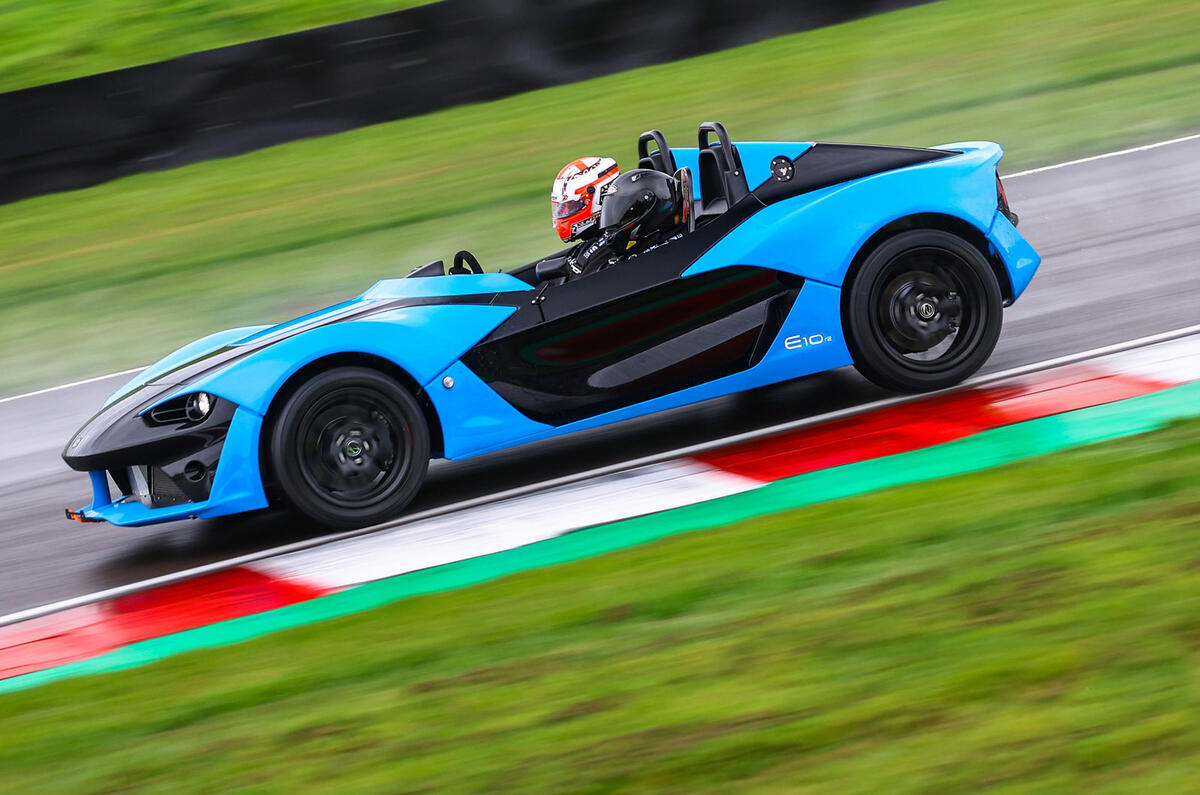
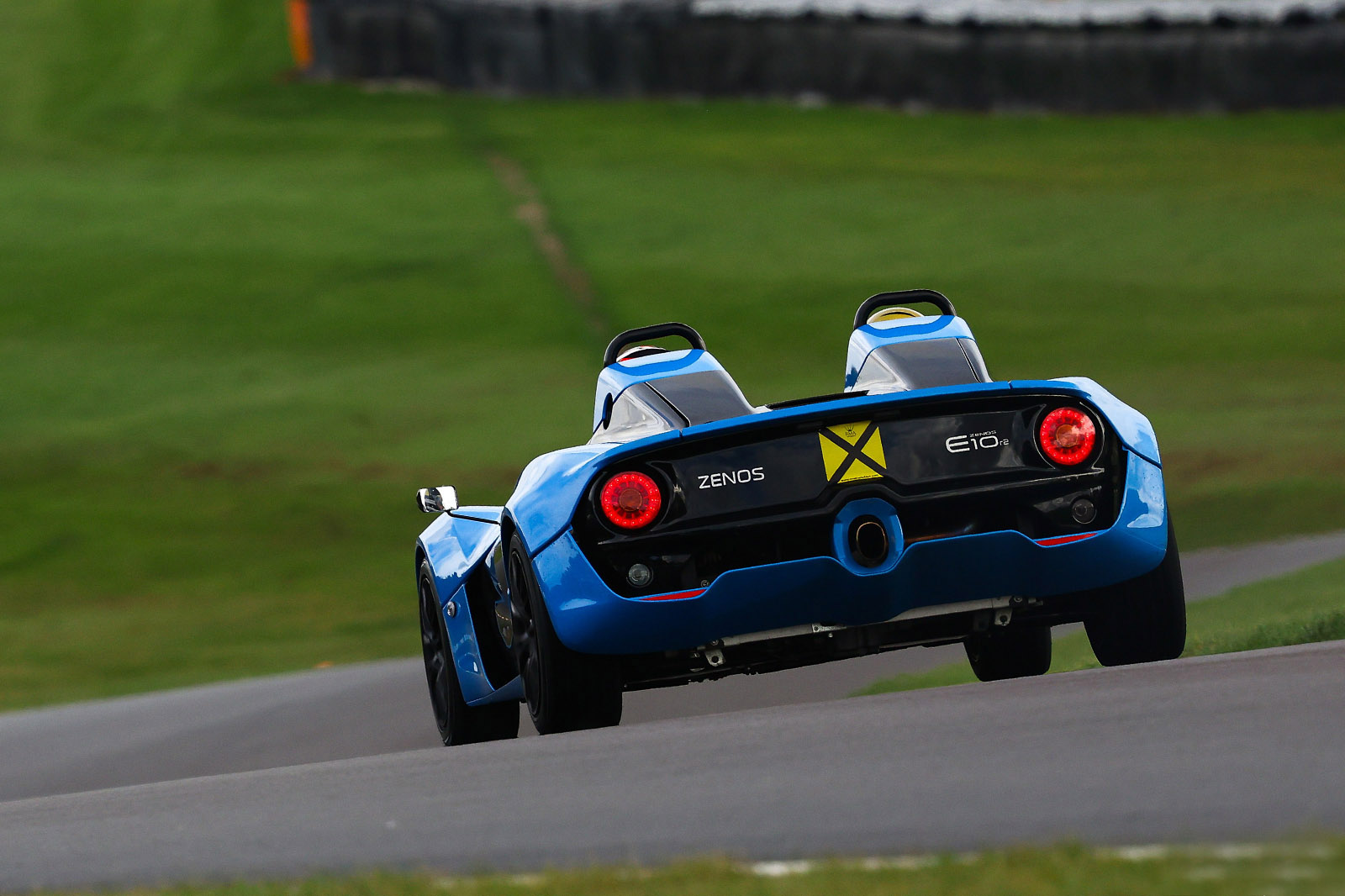
The manual gearbox and open, windscreen-less and door-less cockpit remain, although some small ‘aeroscreen’ wind deflectors, similar to the ones used on the Ariel Atom, are in the works.

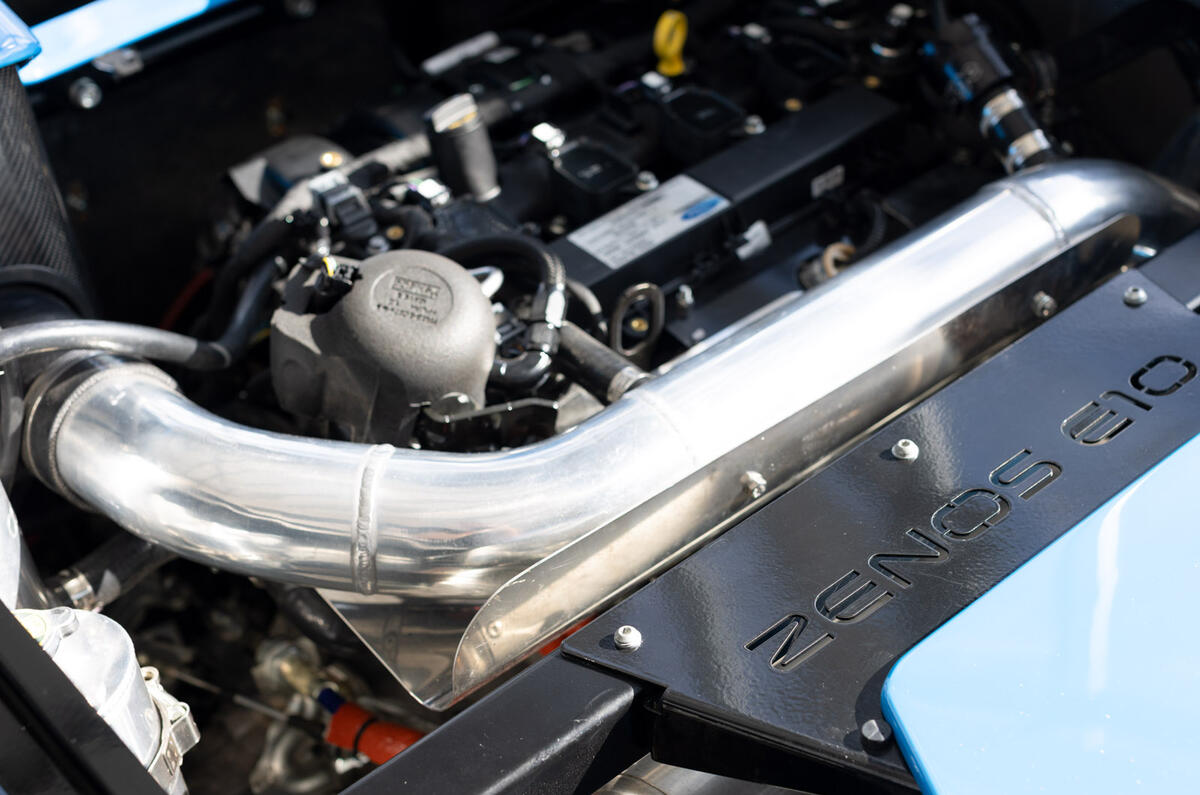
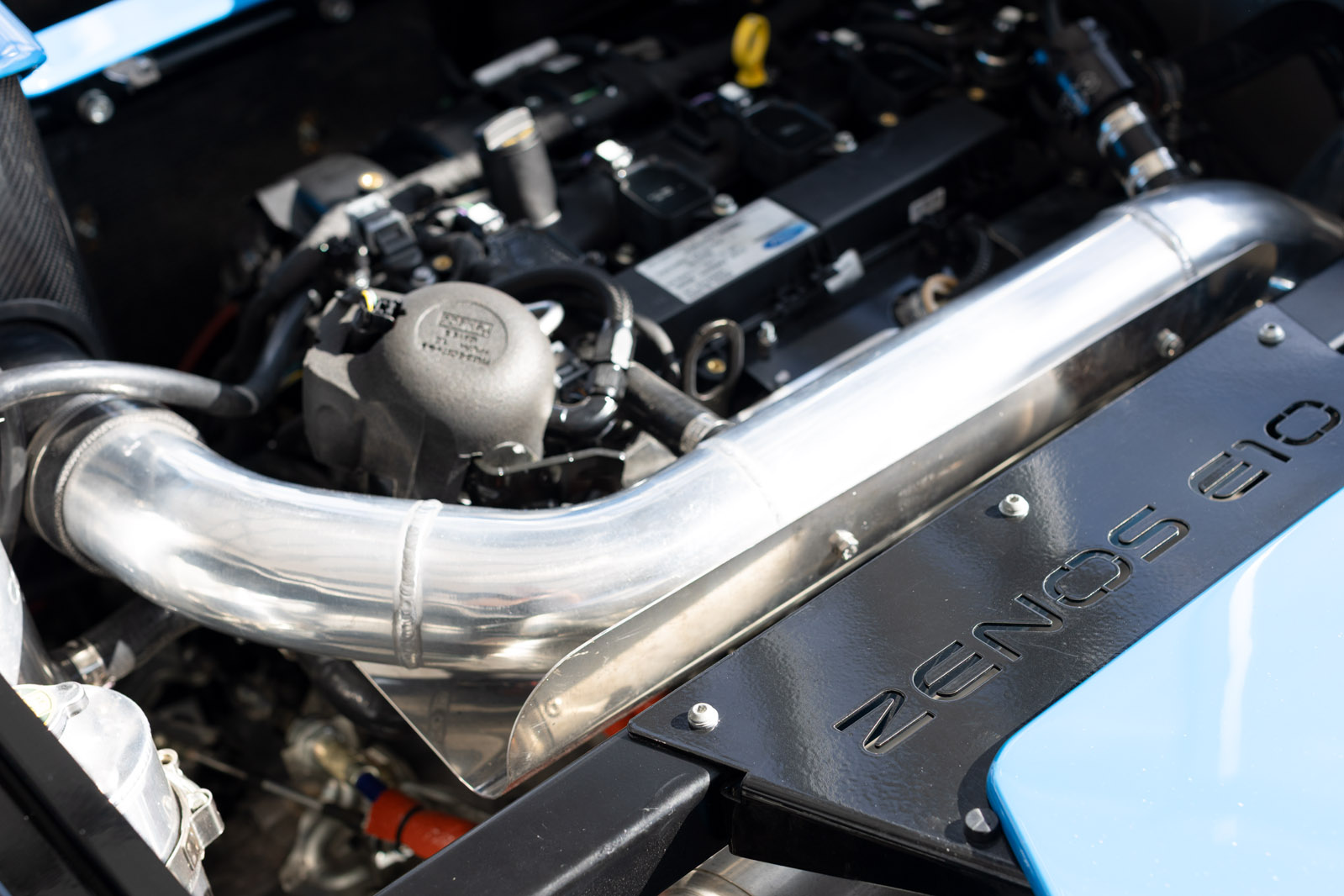
As far as power goes, there’s one familiar choice and one new one on the menu. The latter is a high-output, 2.0-litre turbocharged four by Volvo, sourced from Horse Powertrain, which makes a heady 380bhp and 376lb ft of torque in the upper-tier E10 RZ version. The former is Ford’s 2.3-litre turbocharged four, making 300bhp and 313lb ft in the lesser E10 R2. 

The Ecoboost lump has been turned down a little from when it powered the old top-of-the-line E10 R, when it was something of "a bomb waiting to detonate", company insiders admit.

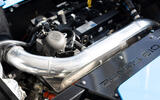
Both engines are now charge-cooled, whereas the old E10's were intercooled, which supposedly makes a significant difference to their staying power in intensive track use.

INTERIOR

Zenos review 2026 305

Zenos can be proud of the work it’s done when it comes to the apparent quality and robustness of this car.

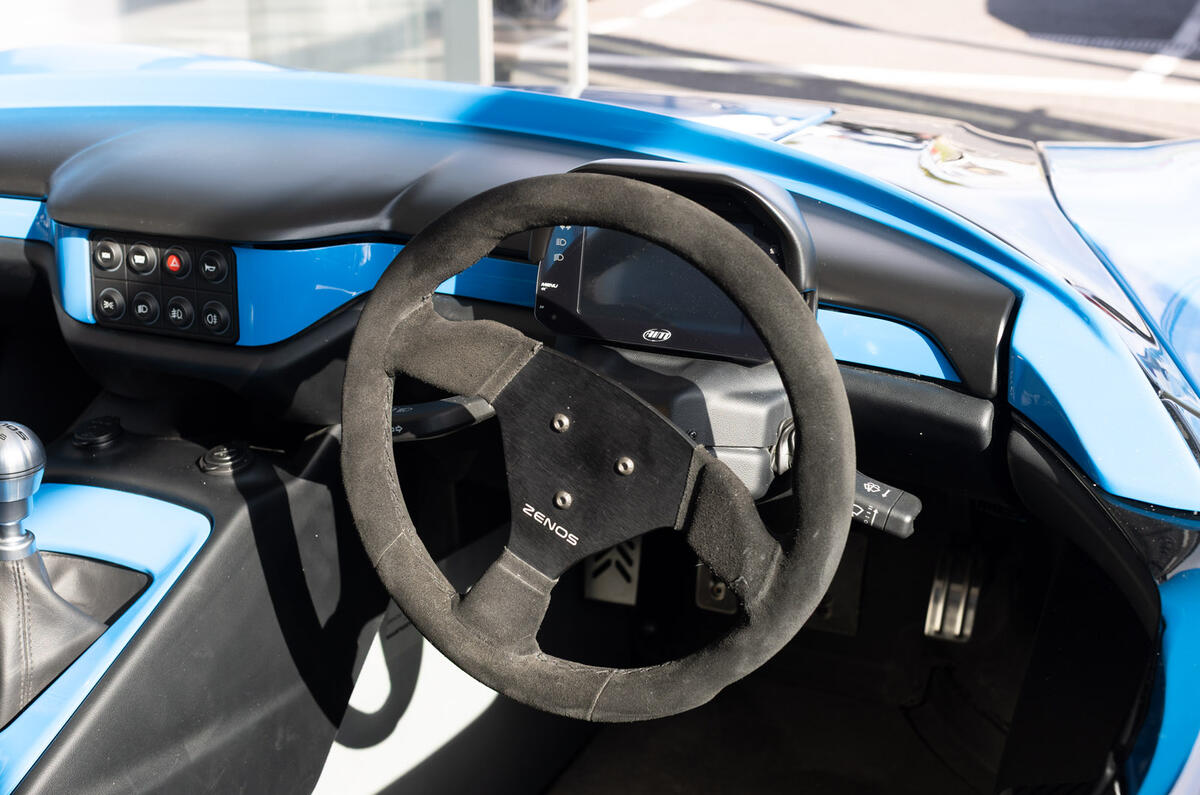
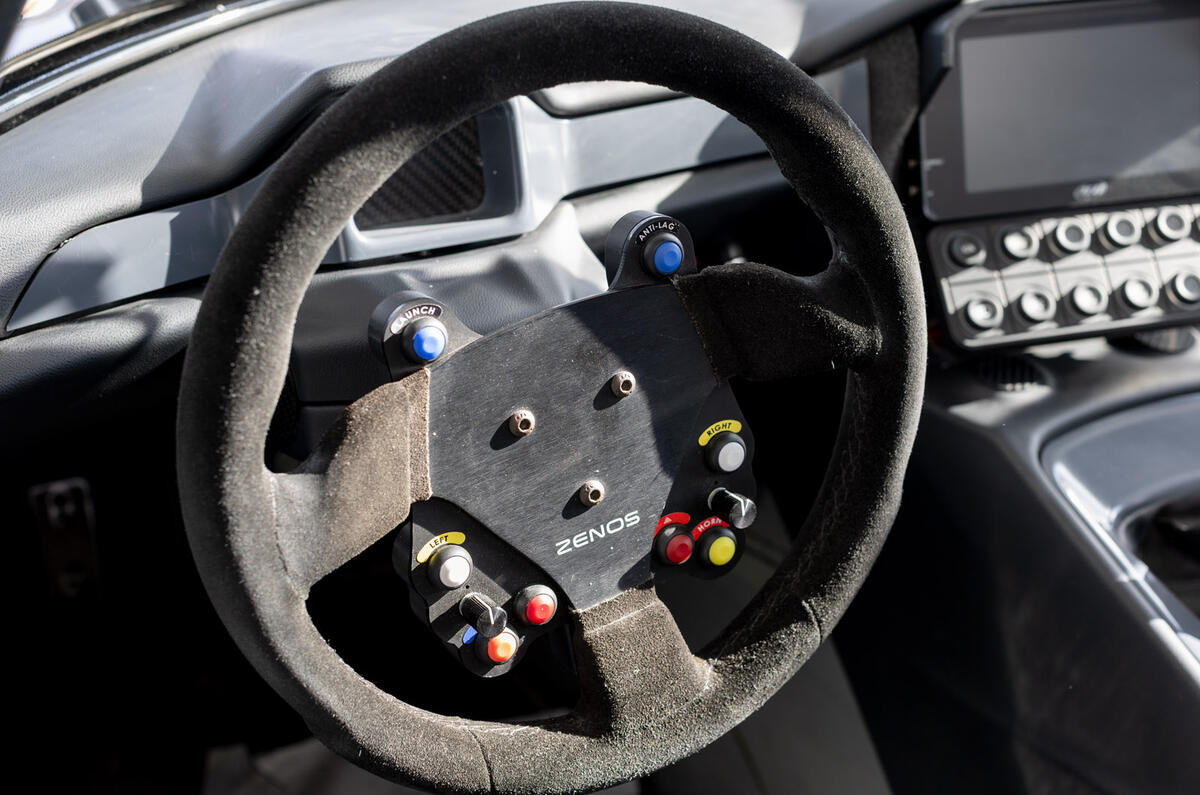
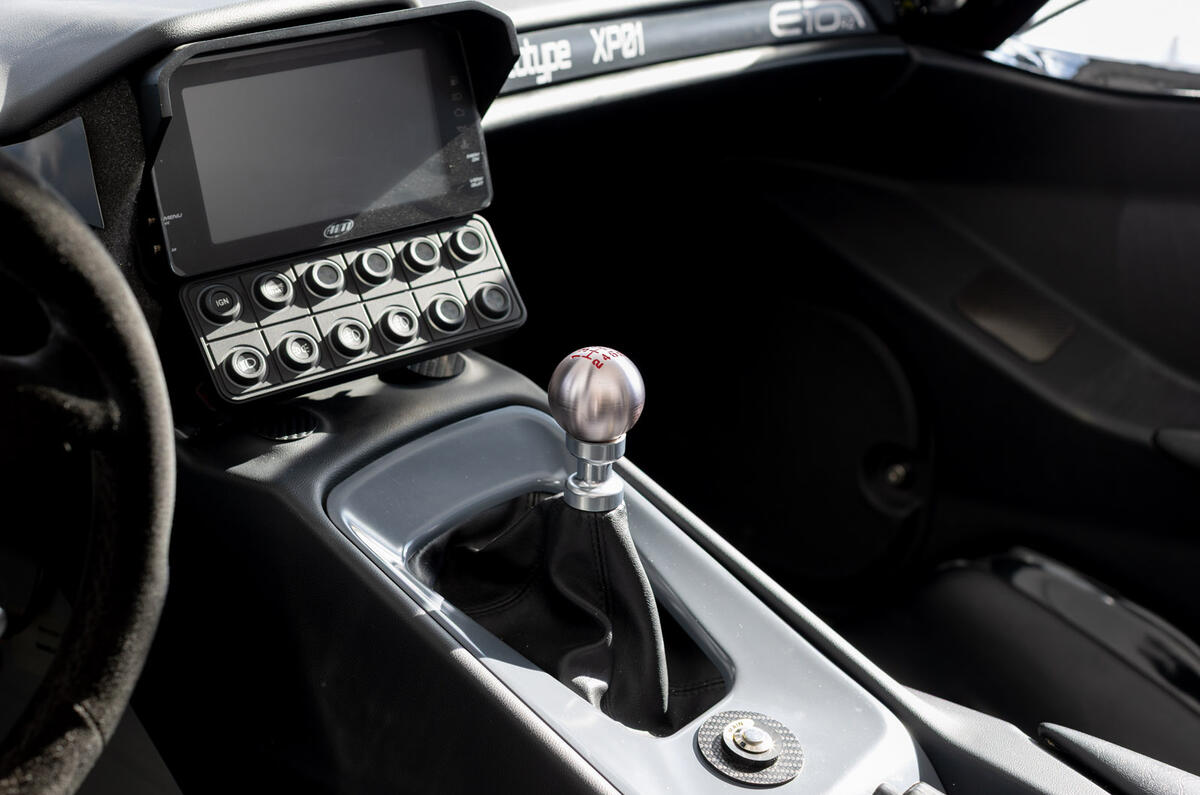
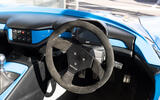
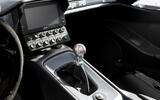
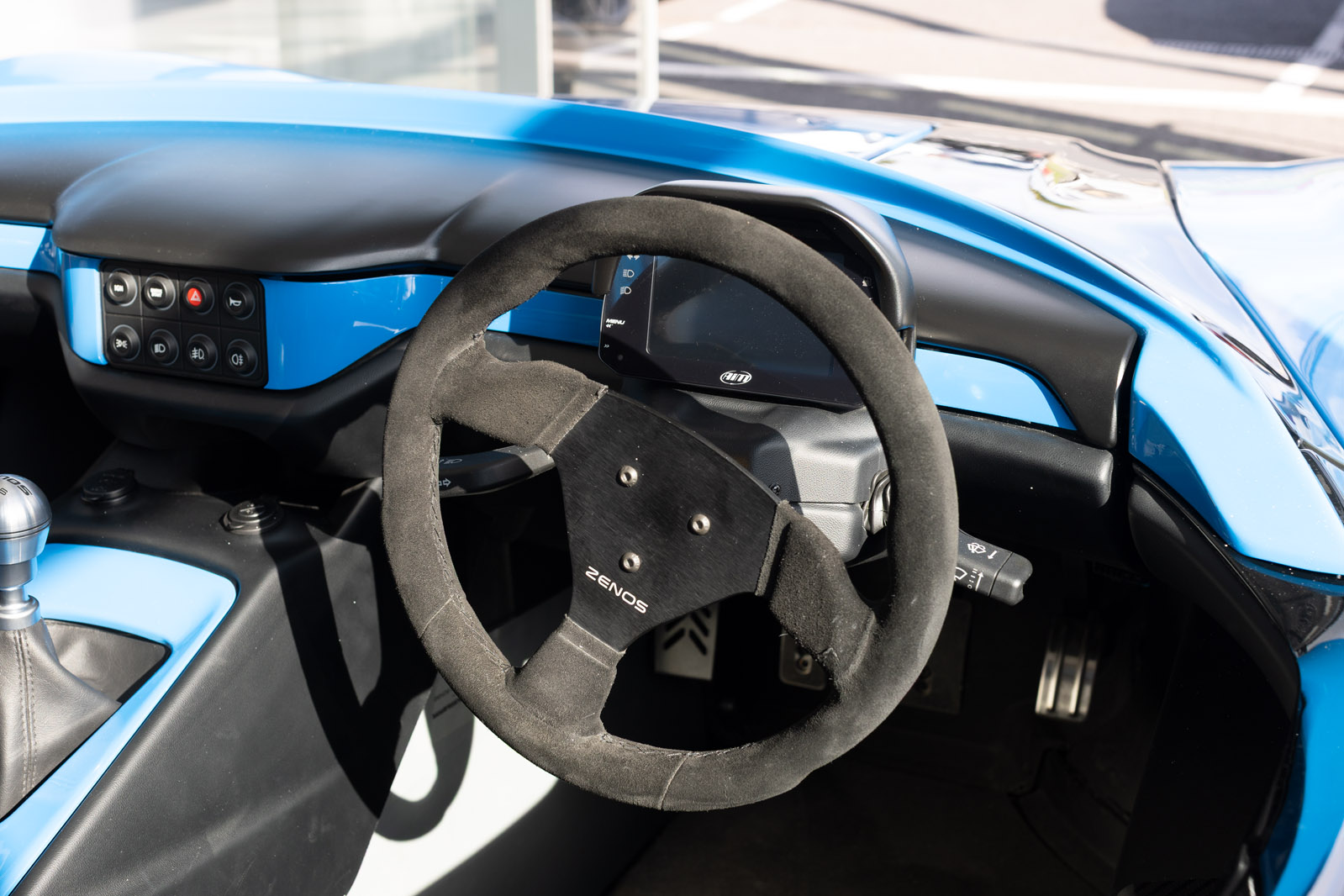
It has totally replaced the electrical system, fitting 'can bus' engine management, and tidied up and lifted the material quality of the cockpit, fitting an all-new digital instrument system from specialist Aim.

The E10 retains the spartan layout and hard, lightweight bucket seats that it used to have; but durable rubber ignition and headlight controls high on the centre of the dash, simple enough to operate with gloves on, replace the slightly fiddly ones that used to be on the ‘door’ panel. 

There’s just a little bit more room at the wheel than a Caterham Seven-style lightweight typically offers; plenty of longways adjustment on the seat rails; a couple of inches of travel, if they’re needed, in the pedal box (although that’s a job requiring spanners); and a fixed steering column that makes the top of the rim obscure the digital dash behind it somewhat (although that’s the only reason you would have to move it).

You step over the bodyside to get in and out and there's no roof, windscreen or boot. A decade ago, the E10 was offered with a windscreen and a cloth hood, in case you got caught in bad weather. There was never any heater fitted, however, so demisting that windscreen could be a challenge. Zenos has clearly decided to simplify the offering, commit to the 'high days and holidays' usability to which the car is clearly best suited and drop any pretence that this could really work as a touring proposition – which is, if nothing else, likably honest of it.

ENGINES & PERFORMANCE

Zenos review 2026 303

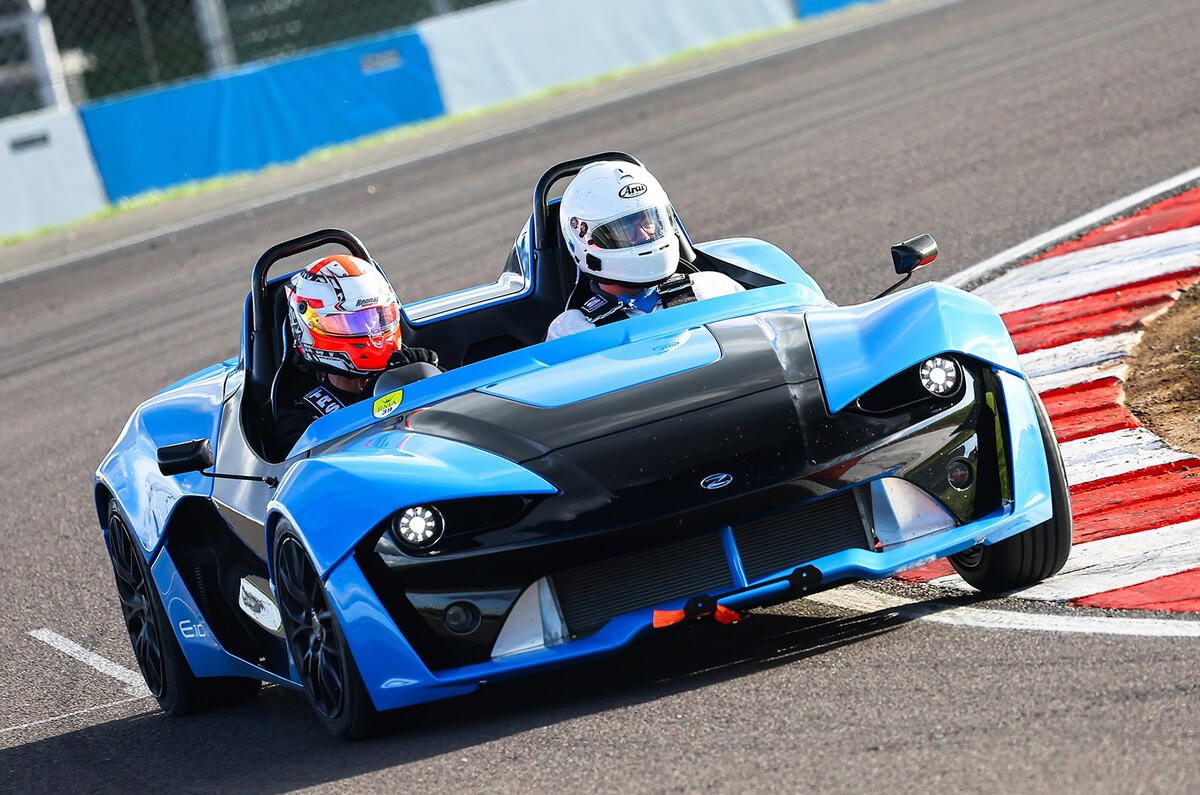
Matt Prior drove a prototype of the E10 RZ version last year and liked its urgency and sports-prototype-like track handling.

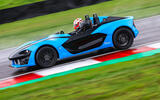
Zenos gave us the R2 to sample this time, which is still a very fast, beguiling and communicative sports car on both road and track, so has potential to be capable and compelling enough to drive to carry a six-figure price - although some work here remains to be done.

I’d like to see Zenos offer a track pack – with semi-slick tyres, adjustable dampers, the rear anti-roll bar and a slippy diff – as standard on the RZ and an option on the R2. Funnily enough, I might end up preferring my road-intended R2 without it.

The E10's chassis and steering are its greatest assets.

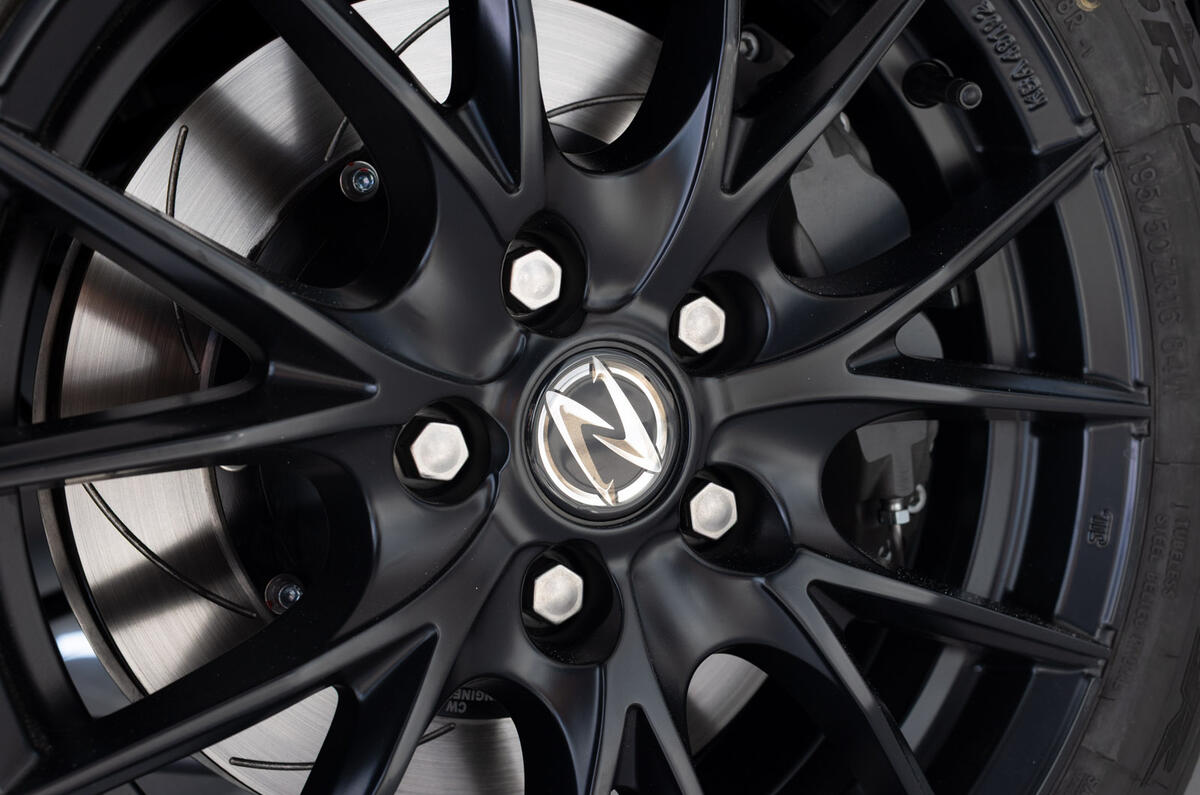
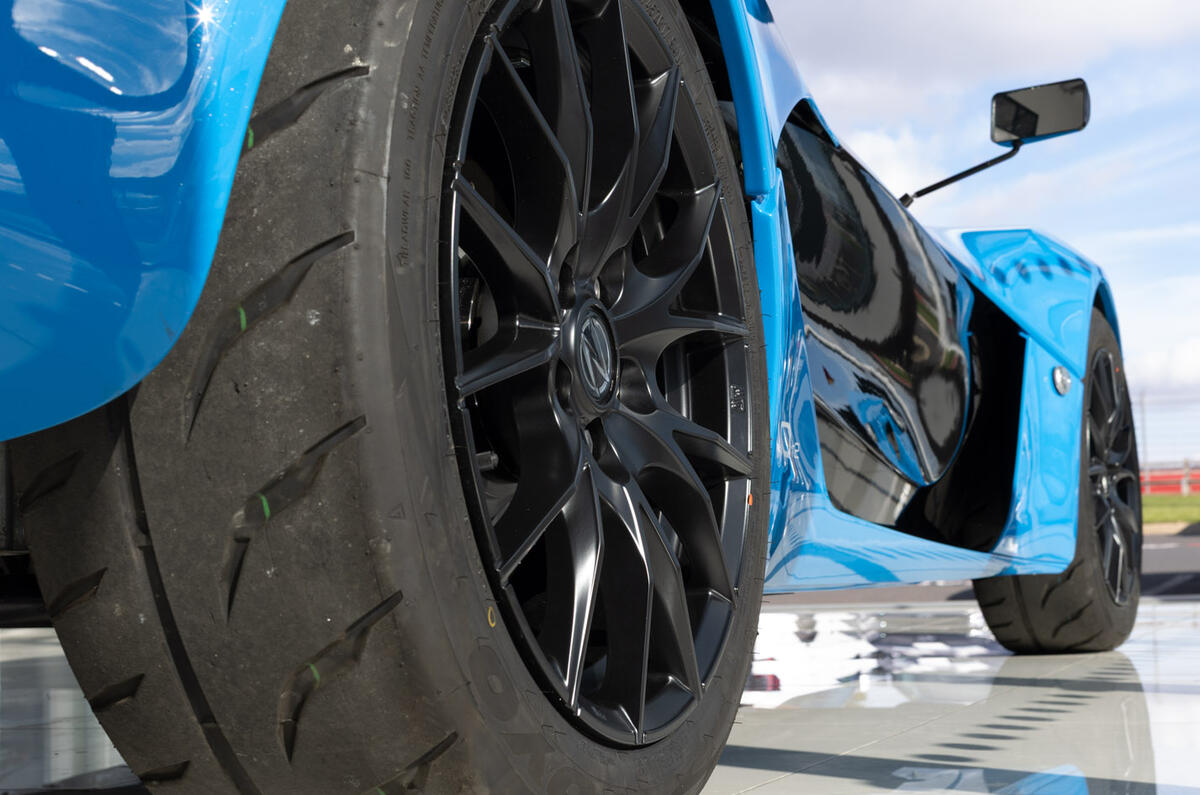
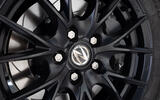
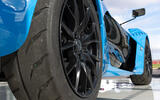
The ride is fully Lotus-like in its suppleness and dexterity on the road and lets you flow from corner to corner at plenty of speed, feeling superbly well informed about how hard the topography is working the axles and how much more the fairly modest 16in (front) and 17in (rear) wheels and Toyo tyres have left to give.

The heavy, unassisted steering feels at little at odds with the E10’s fluent body control and relatively tender grip level, although it does make more sense on track.

Here this is the kind of sports car that’s intimately sensitive to axle loading and weight transfer, so getting the best from it is a really engrossing task. 

It tends to pick its nose up and push into understeer if you’re hasty with the power on the apex, preferring a smoothly steered corner entry and to be pointed and rotated on a trailing throttle.

Indeed, the rear axle can get quite lively if you brake late and enter quickly, the heavy steering calming and dampening your inputs, yet staying manageable enough to let you tidy things up.

Zenos is yet to add a rear anti-roll bar or a mechanical limited-slip differential to the car but will in both cases - and both devices should help stabilise the car.

The R2 version’s 2.3-litre Ford engine certainly doesn’t let it down in terms of outright potency, but it does a little with its slightly flat, boosty, blunt-instrument character. In a car this light and sensitive to throttle, you can’t help wanting something sharper and freer-spinning that you can deploy with the precision the chassis demands.

As it is, the E10 R2’s is an engine that you don’t feel too inclined to rev much beyond 5252rpm and comes on boost with little delicacy or linearity. Much as Zenos’s choices must be very limited, the E10 deserves better.

MPG & RUNNING COSTS

Zenos review 2026 295

The E10 is at once lighter, more powerful and faster than it used to be, then (it opened with a 200bhp base-grade engine in 2014). And not by accident: because it’s also rather a lot more expensive.
Lubinsky defends his new pricing by pointing out that trying to sell this car in greater numbers, for between £25,000 and £40,000 each, a decade ago didn’t work out so well.

It has been a very inflationary decade. Given the way the car industry has changed in particular, we should clearly banish any notion that this car might ever have come back to market for any remotely similar figure.

Even so, Zenos would now seem to be more interested in export markets and corporate clients running driving experiences for lifestyle tourism companies than in filling up its roughly 100 annual order slots by courting the British enthusiasts who have traditionally majority-sustained outfits of its ilk.

When you can buy a factory-assembled fast Caterham Seven for £50k-60k, an Ariel Atom 4 for a ballpark £70k, a Morgan Plus Four for £80k or a Lotus Emira for £90k, there can be no doubt that £120k-130k for the E10 is ambitious.

It puts this car into competition with the modern Porsche 911. Twenty years ago, pricing bold enough to extend significantly beyond that of the Porsche Boxster was a cause of serious concern for a car like not unlike this. And it gives the E10 plenty to prove.

VERDICT

Zenos review 2026 311

Next up, once Zenos has got around to doing those last few mechanical revisions, will come another full Autocar road test and a full set of performance numbers on the E10, much like the one we did in 2015. 

At that point we will know with more certainty whether this car is fully worthy of its second coming and its rather pricey repositioning.

It’s a rare kind of sports car, more so in 2026 than it was in 2014, and undoubtedly a special one. You might well be happy to pay 911 prices for such a thing, in amongst a collection of four or five other driver's cars.

But it's not without opposition, from very good cars that needn't come with five-figure price tags. So when it's finished, the E10 had certainly better be good.

Matt Saunders

Matt Saunders Autocar
Title: Road test editor

As Autocar’s chief car tester and reviewer, it’s Matt’s job to ensure the quality, objectivity, relevance and rigour of the entirety of Autocar’s reviews output, as well contributing a great many detailed road tests, group tests and drive reviews himself.

Matt has been an Autocar staffer since the autumn of 2003, and has been lucky enough to work alongside some of the magazine’s best-known writers and contributors over that time. He served as staff writer, features editor, assistant editor and digital editor, before joining the road test desk in 2011.

Since then he’s driven, measured, lap-timed, figured, and reported on cars as varied as the Bugatti Veyron, Rolls-Royce Phantom, Tesla Roadster, Ariel Hipercar, Tata Nano, McLaren Senna, Renault Twizy and Toyota Mirai. Among his wider personal highlights of the job have been covering Sebastien Loeb’s record-breaking run at Pikes Peak in 2013; doing 190mph on derestricted German autobahn in a Brabus Rocket; and driving McLaren’s legendary ‘XP5’ F1 prototype. His own car is a trusty Mazda CX-5.