Currently reading: Confirmed: Cupra Tindaya to enter production as BMW iX3 rival

Striking crossover will enter production – but is unlikely to use the same range-extender powertrain as the concept

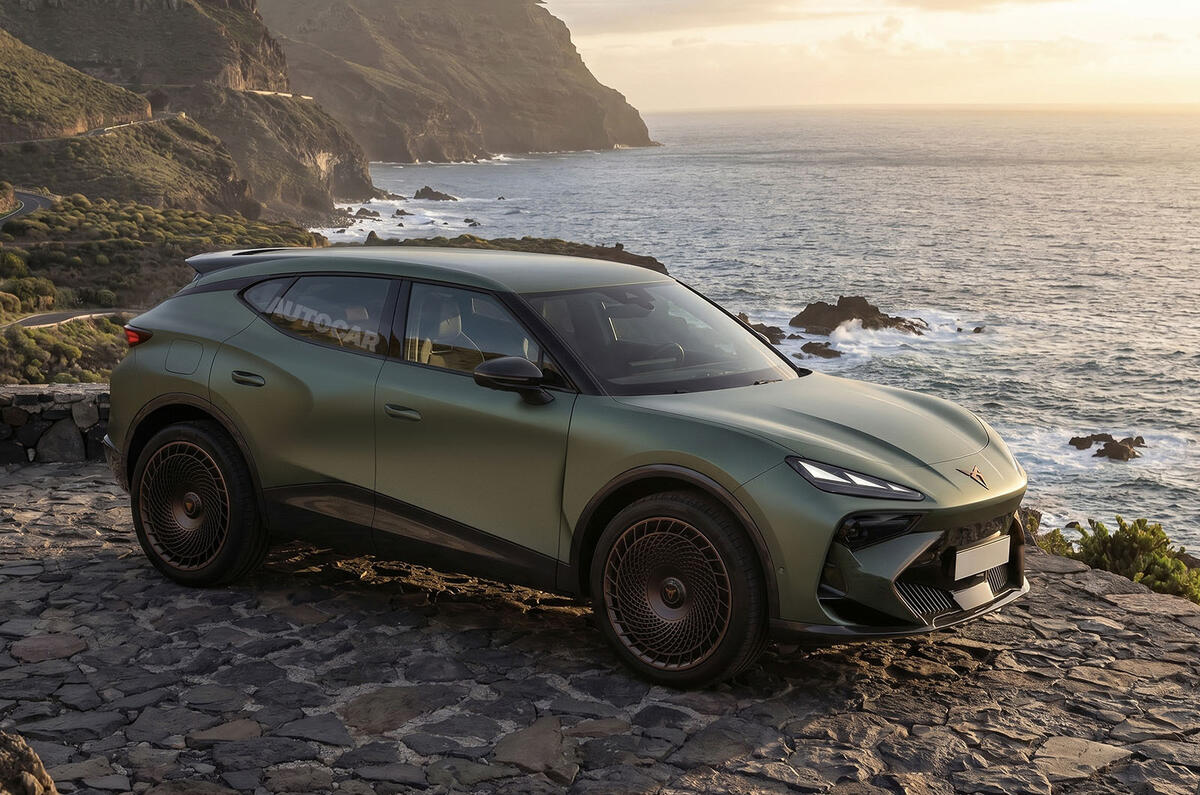
Cupra will put its radical Tindaya sports SUV concept into production in the coming years as a new flagship EV which will go toe to toe with the BMW iX3 and Volvo EX60.

The Tindaya was revealed at the Munich motor show last year as a futuristic, rakish SUV that previewed the next evolution of Cupra’s design language and emphasised the brand’s focus on driver engagement, while hinting at a potential new range-topping model to sit above the Tavascan and Terramar. 

Cupra had previously not confirmed plans to put the 4.72m-long Tindaya into showrooms, instead touting the show car as primarily a technology and design showcase, but now Seat-Cupra CEO Markus Haupt has revealed to Autocar that designers and engineers are working on the final car ahead of a launch in the coming years.

“It looks fantastic - why should we not build the Tindaya?” he said. “We are indeed looking at our plans for when we could build the Tindaya, but it’s something I can promise: this car will see the streets in some years.”

The new model, sitting above the Tavascan and Formentor crossovers, will give Cupra an entrant into Europe’s crucial premium SUV segment, which is currently dominated by the likes of the Audi Q5, BMW X3 and Mercedes GLC – and rapidly electrifying as those cars and many of their main rivals receive new electric sibling models based on advanced EV architectures.

Based on the prices of Cupra’s current models, the Tindaya is expected to be priced at around the £60,000 mark, which will line it up neatly against the German stalwarts' new EVs, as well as the likes of the Genesis GV70 and Lexus RZ.
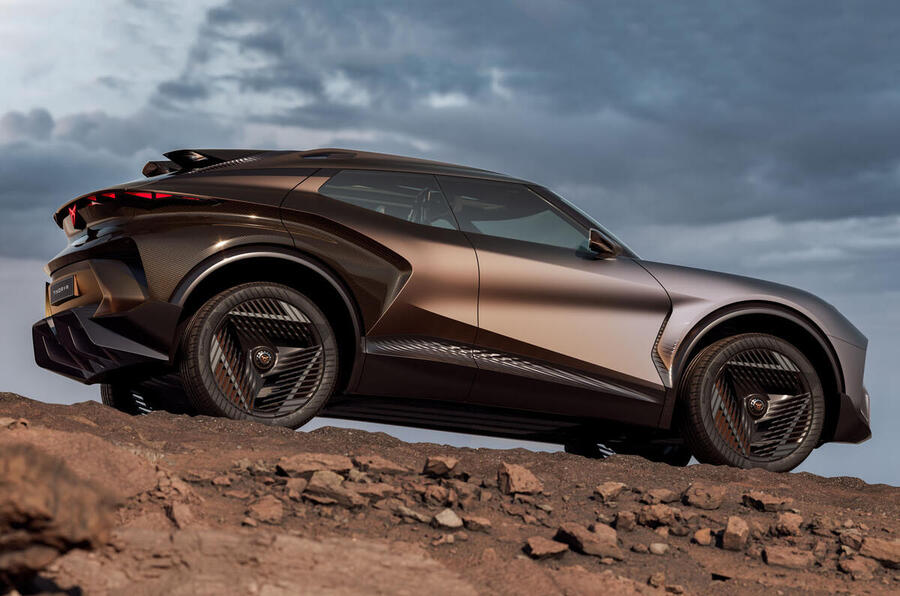
Cupra Tindaya – rear quarter

However, while the Tindaya will still use the VW Group’s new SSP platform for EVs – due to be used first by Audi – it may go without the radical 489bhp range-extender powertrain that was said to propel the concept.

Asked about the viability of offering REx power, Haupt said: “All this discussion is changing by the day, very fast. It will be, of course, on a new platform of the group – this is decided already.

“But which powertrains will we have in the end? It’s a decision we have not taken now, and we want to stay flexible as long as possible, because when the car hits the streets, we need to ensure that it has the right powertrains for our markets, for our customers.”

Back to top

“But we are lucky: as part of the Volkswagen Group, we have the technology and so we can decide quite late which technology we bet on for this car.”

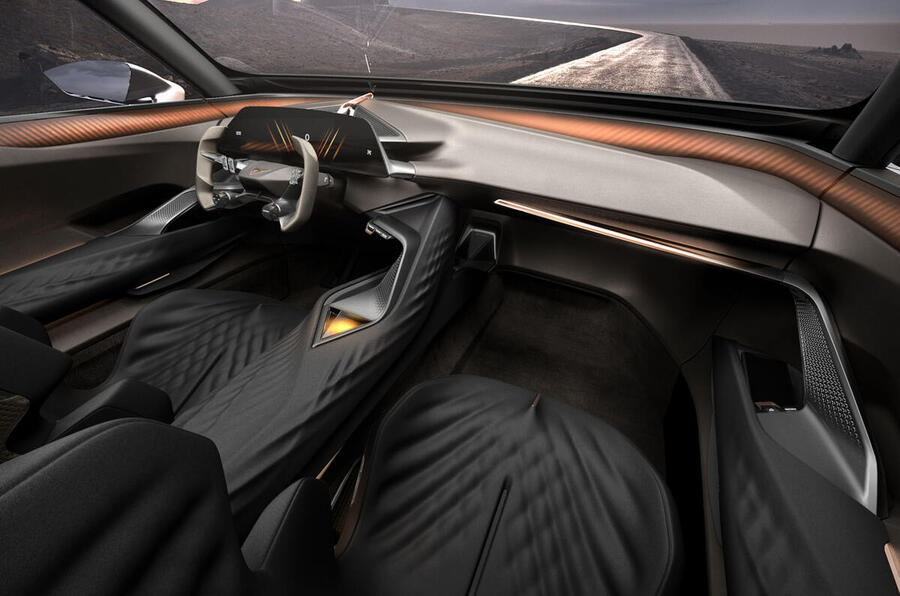
Cupra Tindaya interior

Volkswagen CEO Thomas Schäfer, who also leads the volume-oriented ‘core’ brand division of the VW Group – including Seat and Cupra – has previously argued that such systems make more sense in bigger cars for the US and in China. “The questionable area is in the smaller space. While you have PHEVs, do you really need range-extenders?” he said to Autocar last year.

The Tindaya concept’s REx powertrain gave the first indication that SSP was being engineered to accommodate powertrains with a combustion element – unlike today’s electric-only MEB skateboard which it replaces. Skoda has also said that its own debut SSP model, evolved from last year’s striking Vision O estate concept, could use a mix of powertrains if market demand dictates. 

Audi will now be the first VW Group brand to use SSP, after Schäfer confirmed earlier this month that the electric Mk9 VW Golf, previously tipped to launch in 2028, has now been delayed. Porsche will be the second brand to take the platform. 

While the Tindaya will enter a busy segment and play a significant role in broadening Cupra’s market coverage – as part of the wider Seat-Cupra company’s aim to achieve a 3% global market share by 2030 – it will not dilute the brand’s sporty, premium positioning, Haupt emphasised, saying the marque will continue to leverage its edgy, disruptive character well into the future.

Back to top

“We don’t want to be mainstream. I think the success formula of Cupra is being different, addressing customers that want to have something different, not a traditional car. This is the challenge we have: how to keep the brand as a challenger, as something that can still address customers looking for something different over the next years.”

Join our WhatsApp community and be the first to read about the latest news and reviews wowing the car world. Our community is the best, easiest and most direct place to tap into the minds of Autocar, and if you join you’ll also be treated to unique WhatsApp content. You can leave at any time after joining - check our full privacy policy here.

Felix Page

Felix Page
Title: Deputy editor

Felix is Autocar's deputy editor, responsible for leading the brand's agenda-shaping coverage across all facets of the global automotive industry - both in print and online.

He has interviewed the most powerful and widely respected people in motoring, covered the reveals and launches of today's most important cars, and broken some of the biggest automotive stories of the last few years.