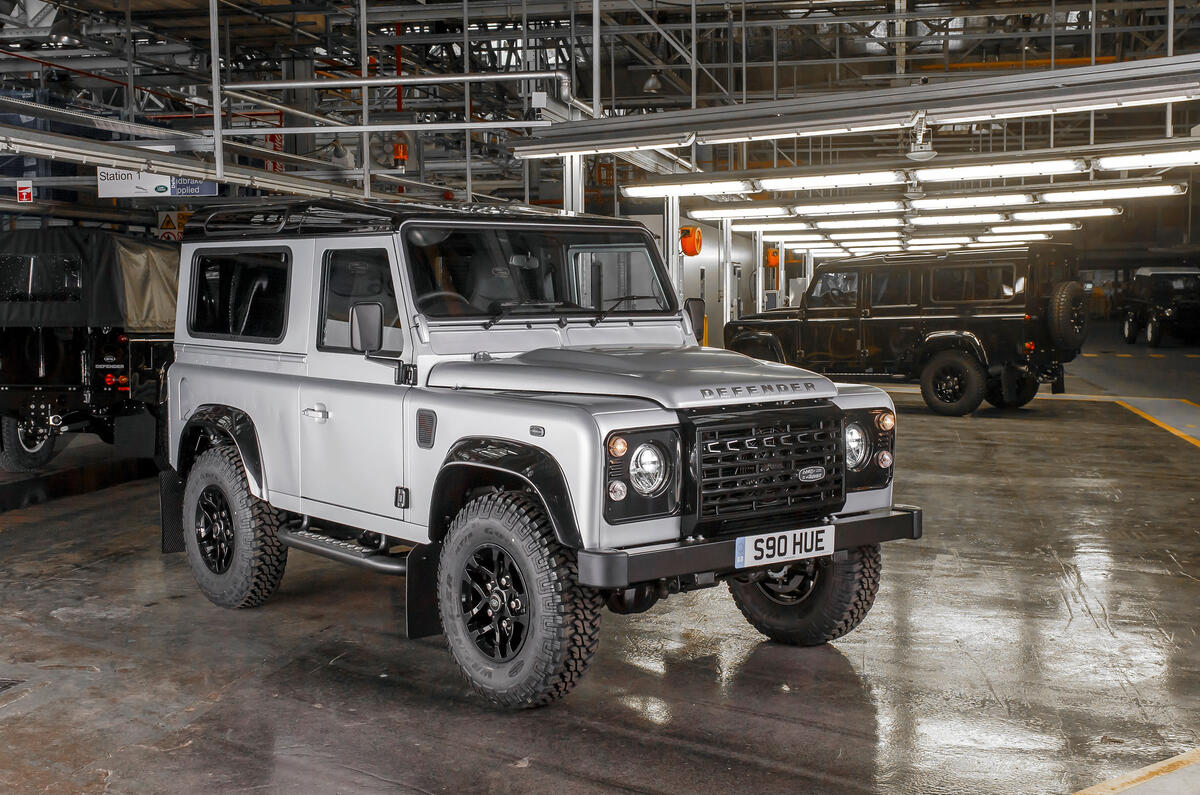
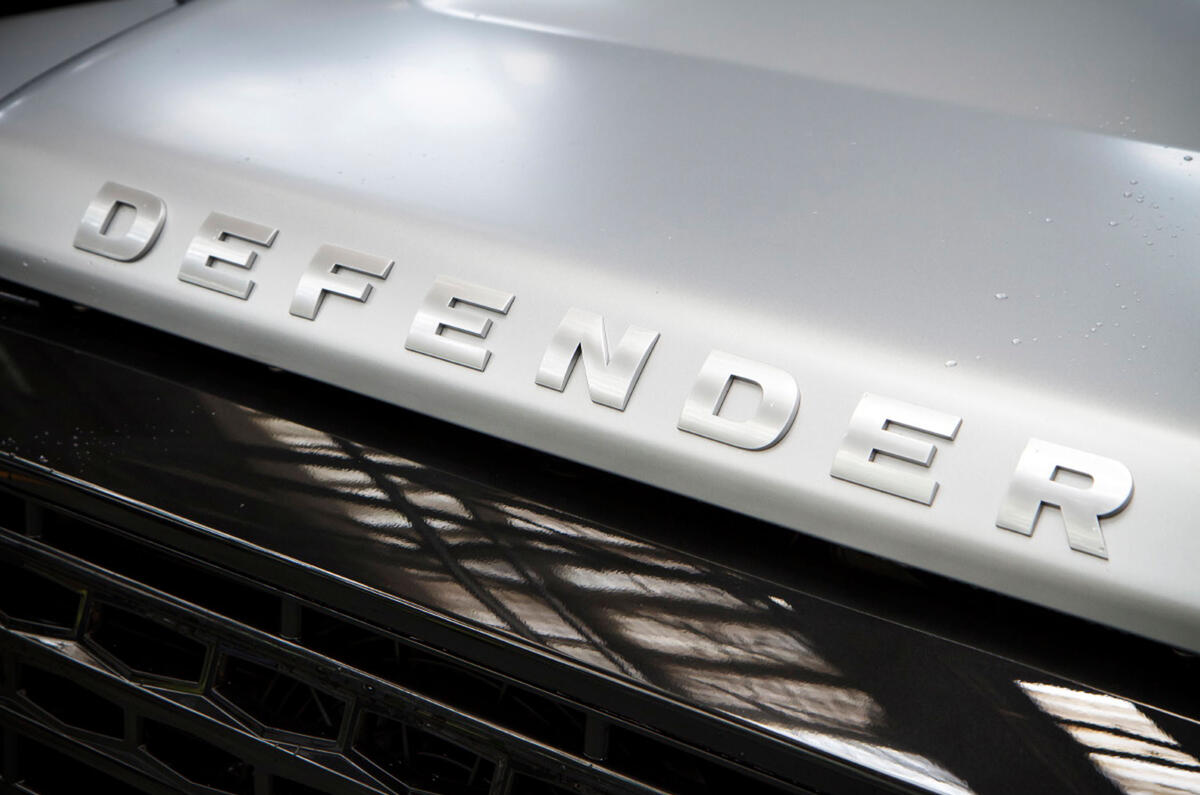
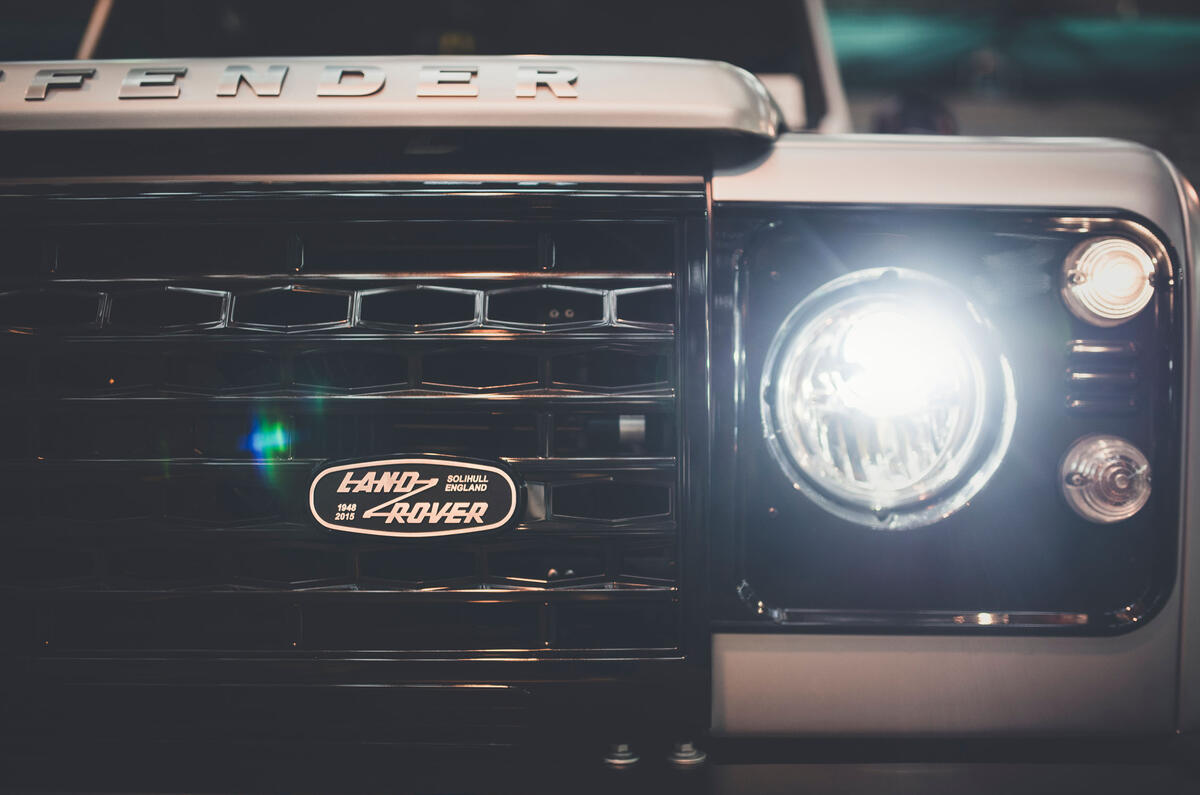
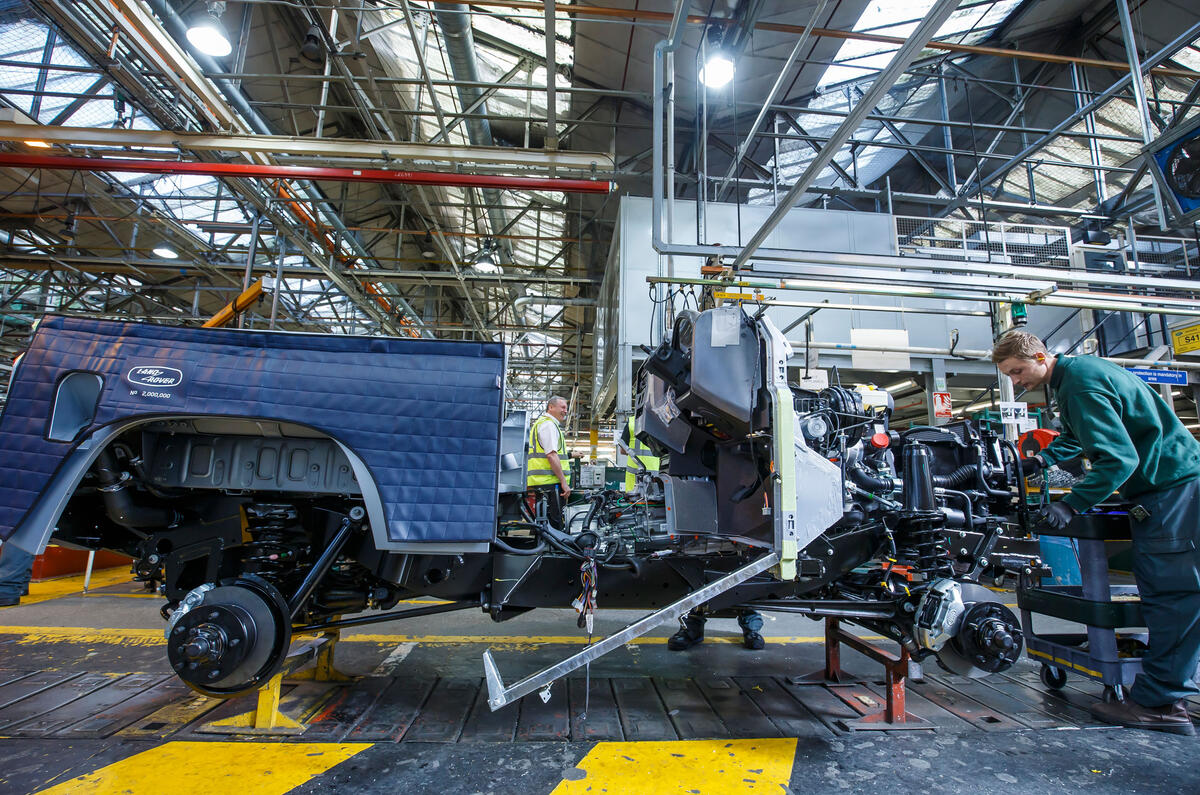
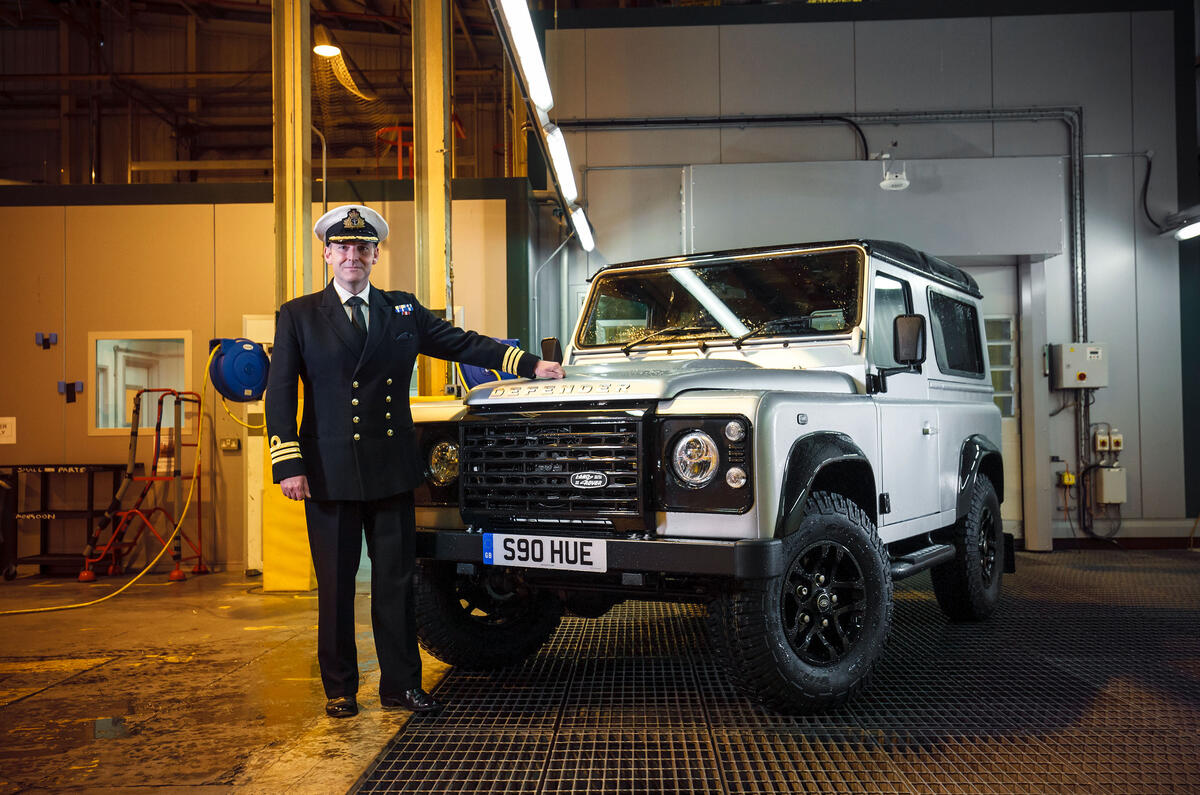

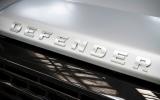
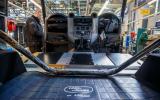

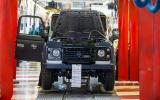



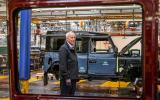



After 68 years, it hardly seems possible that the original Land Rover, nowadays badged Defender, has ended production, killed by a mix of outmoded production methods and new-fangled regulations.
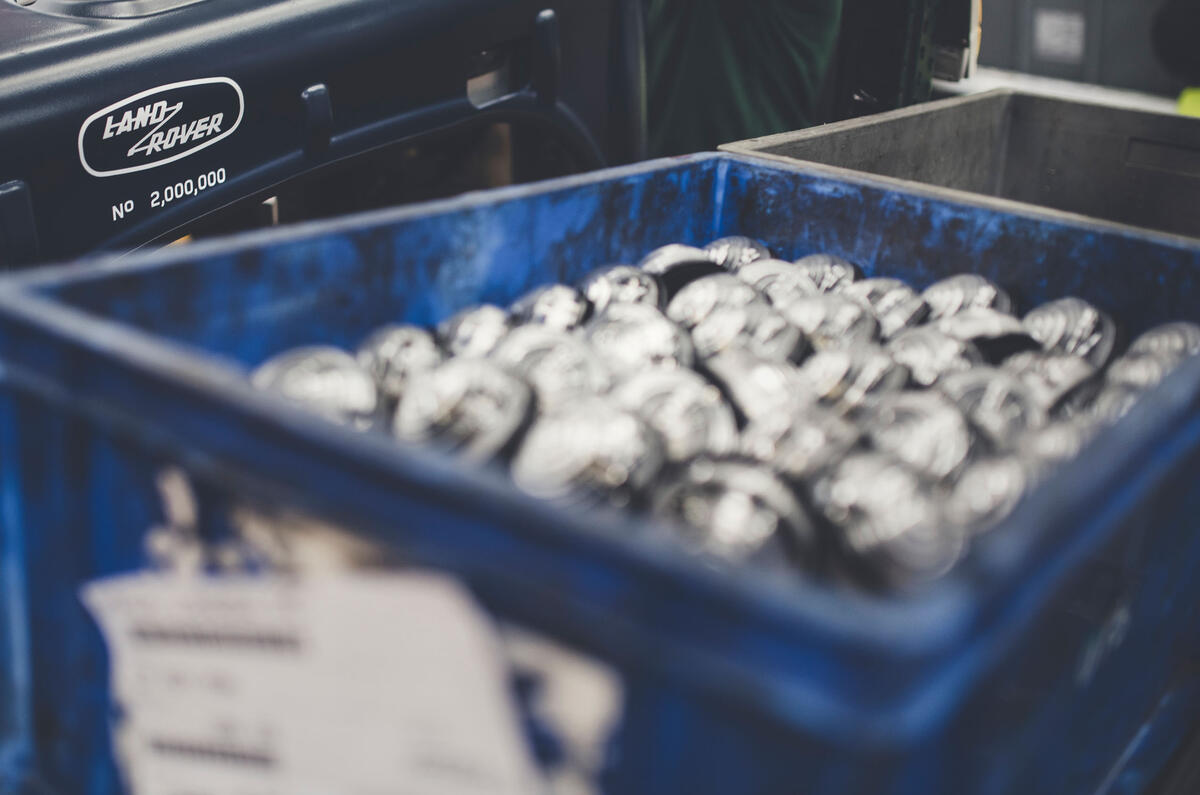
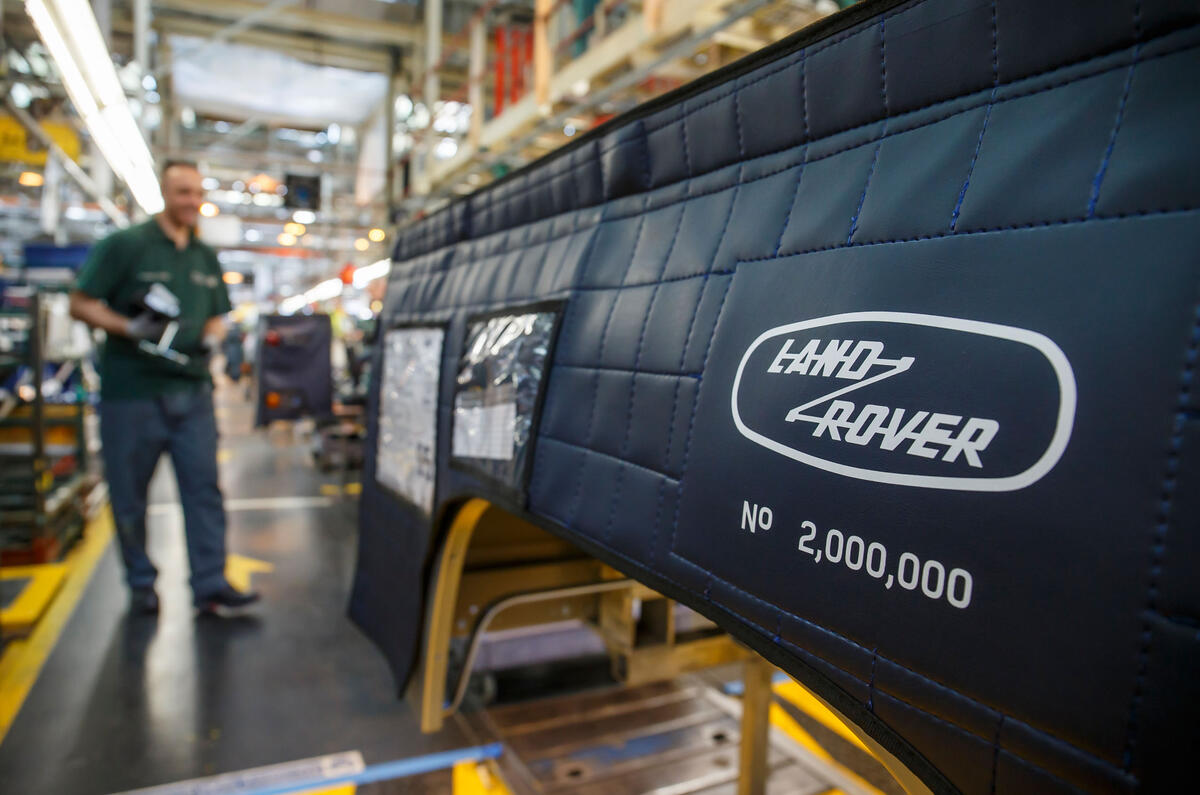
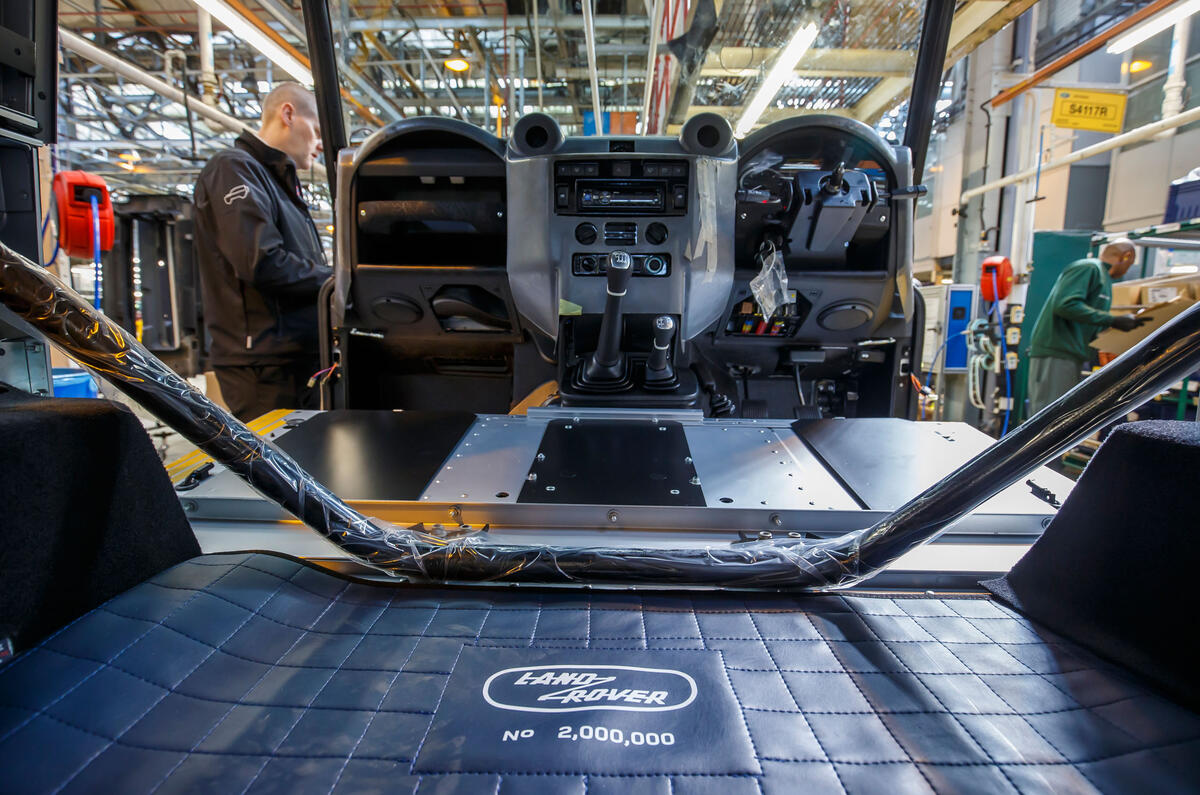
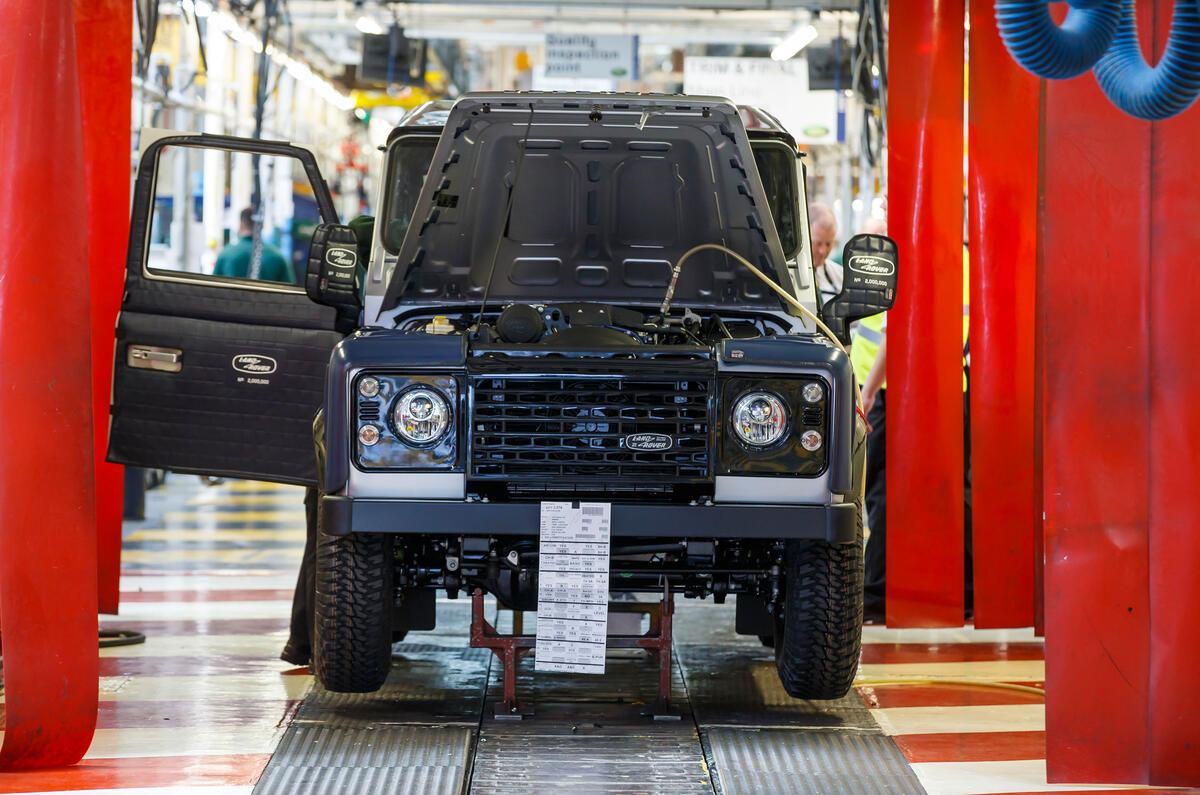
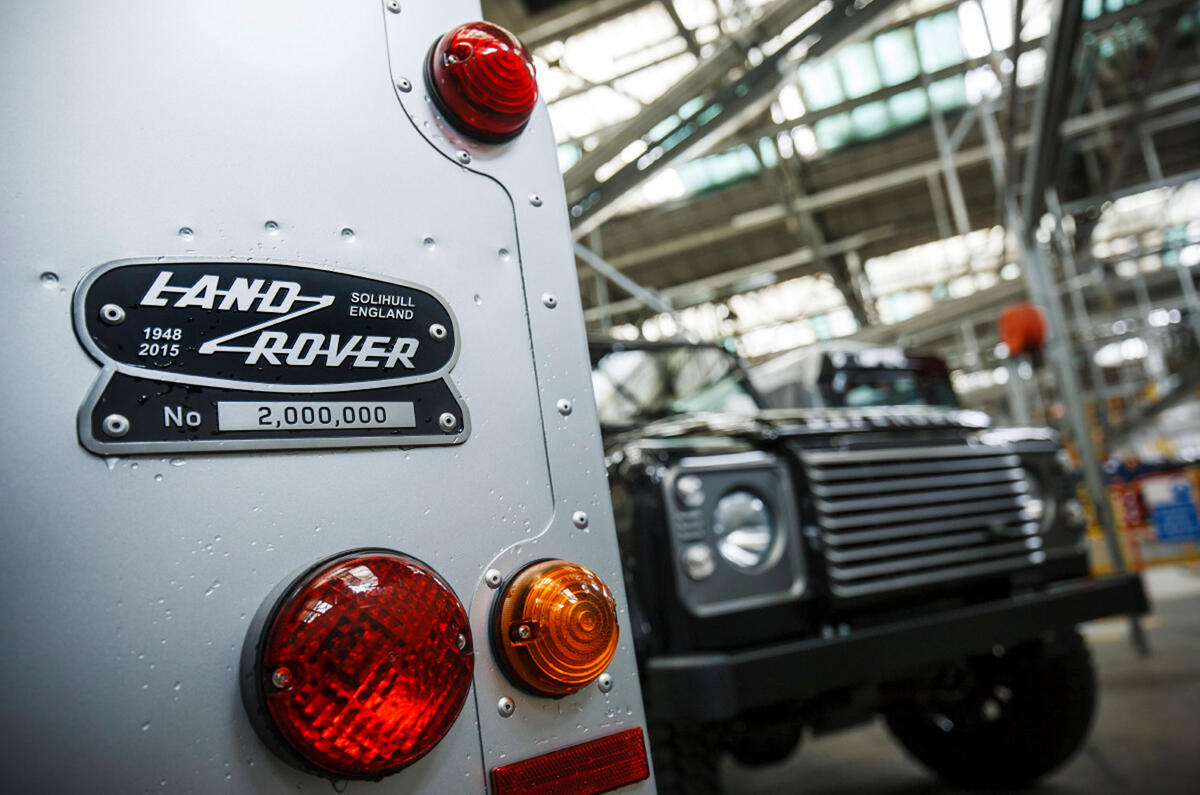
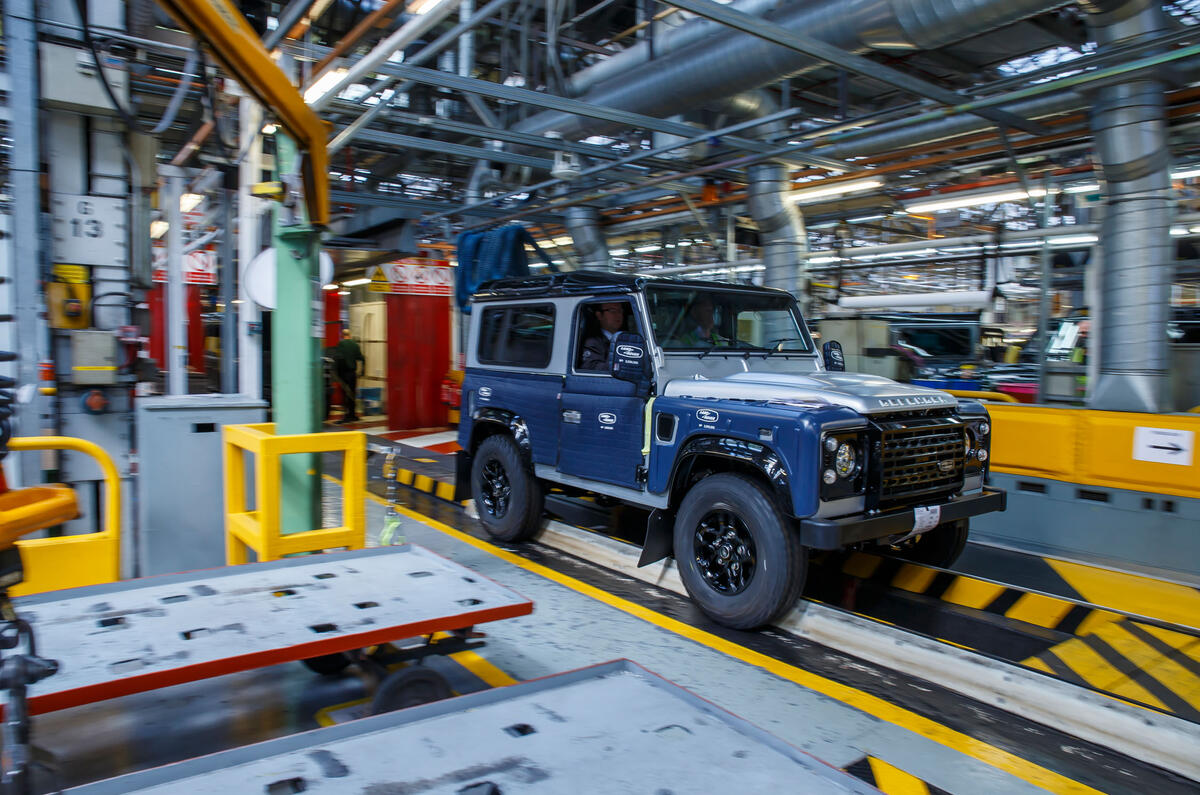
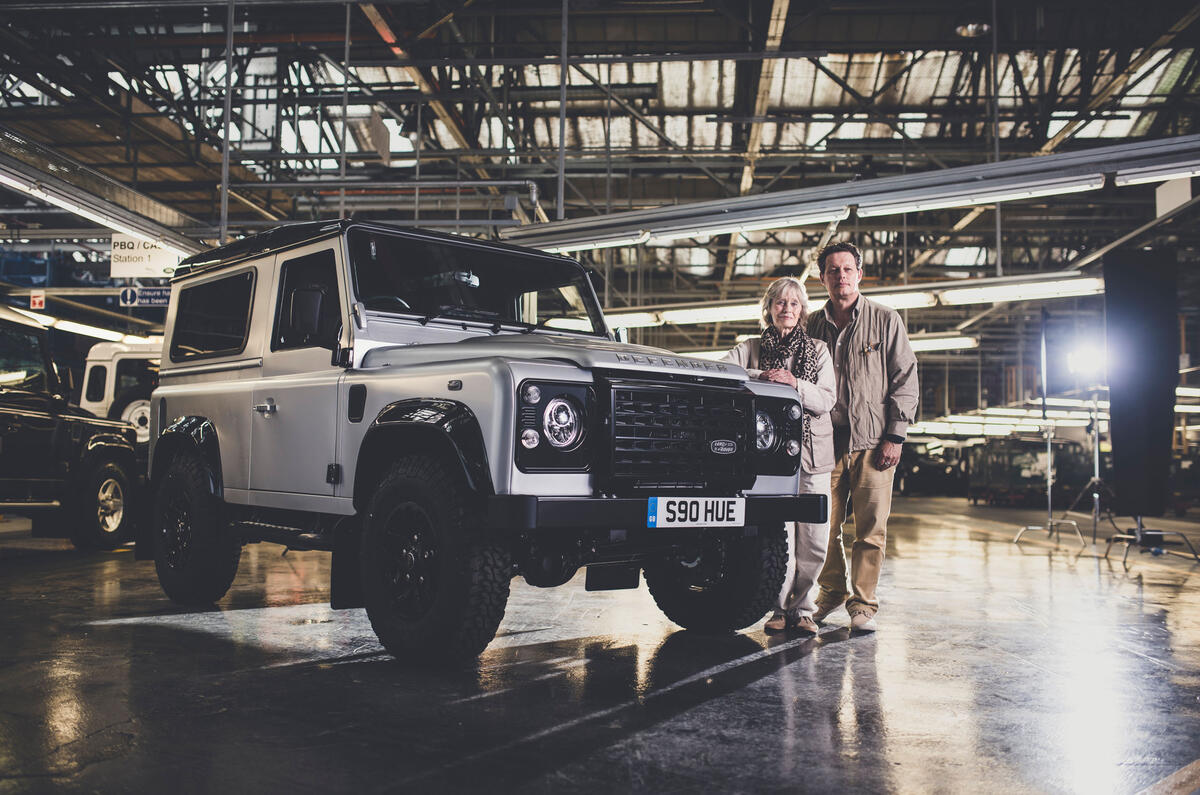
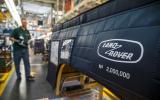
To mark this ‘retirement’, Land Rover is sending its icon out on a high, staging a series of commemorative events, launching three limited-production heritage models and auctioning the two millionth Defender, built a couple of months ago, off for charity.
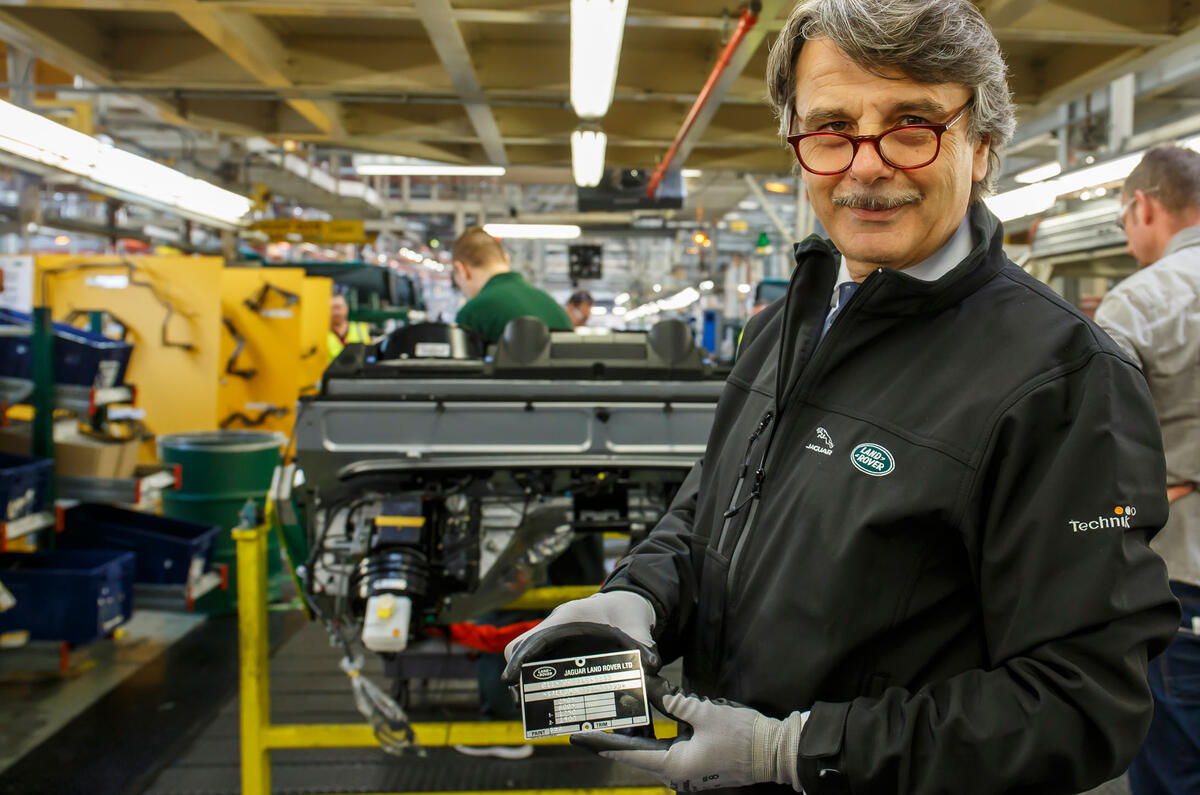
Building the two millionth Defender was a more strung-out affair than usual, because the company invited several dozen Landie-driving luminaries to participate, everyone from company chief Ralf Speth and veteran Land Rover engineer Roger Crathorne to actress Virginia McKenna, who, after portraying animal conservationist Joy Adamson in the film Born Free, set up an Africa-based wild animal charity.
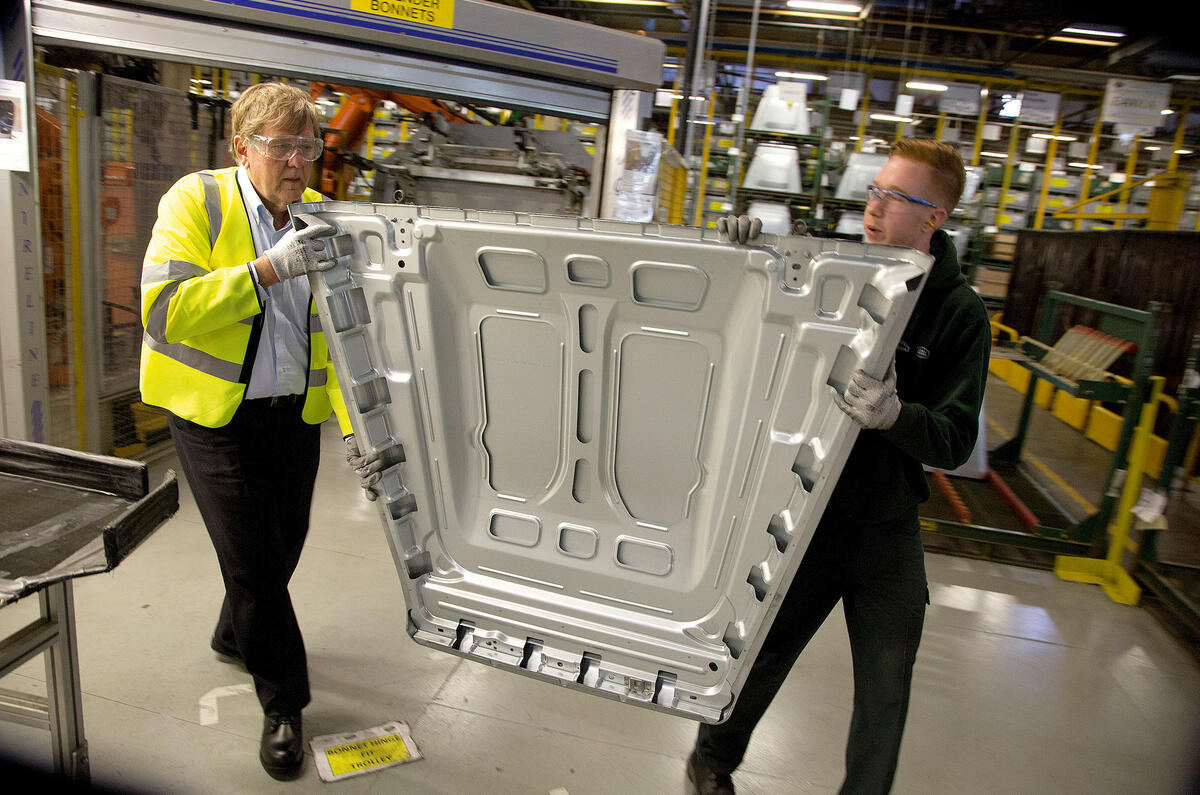
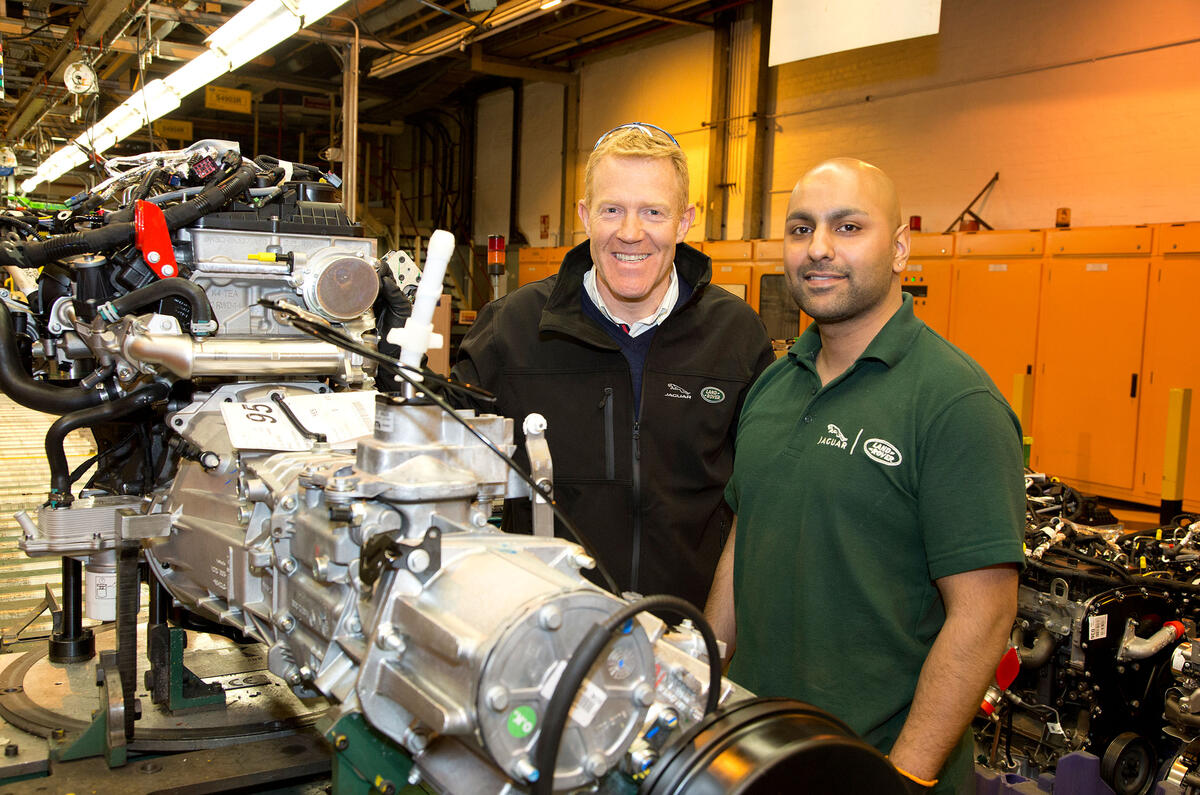
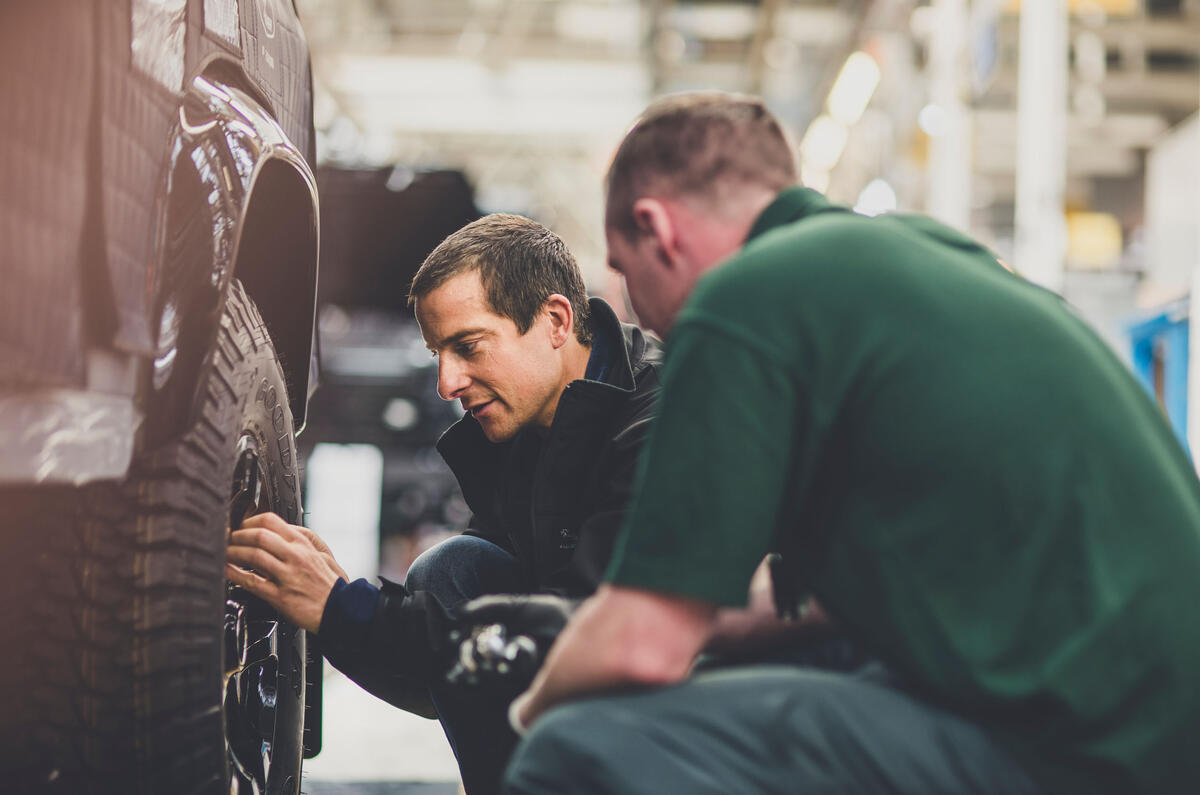
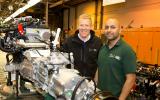
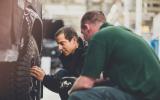
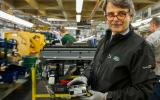
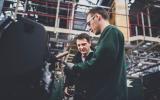
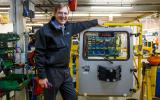
Others less prominent but equally keen were also invited, and one of them was your humble servant, given the job of helping to make and fit the two millionth bonnet.
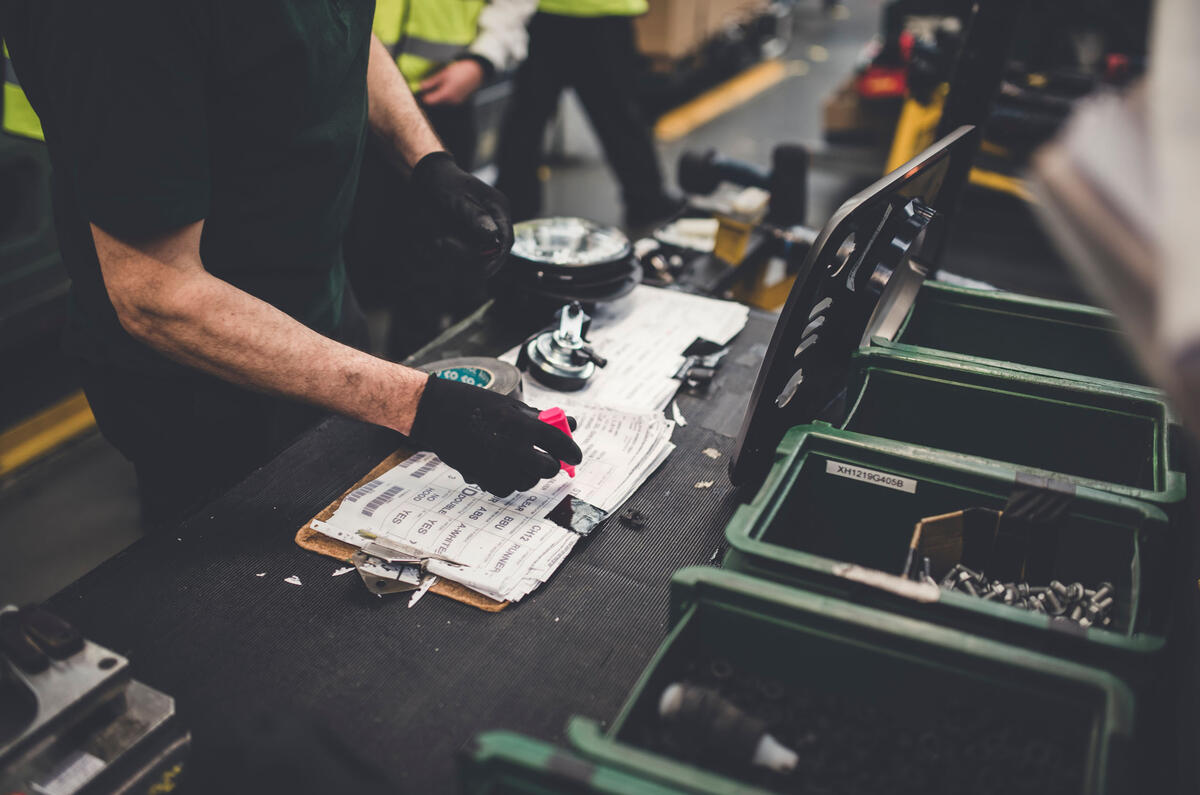
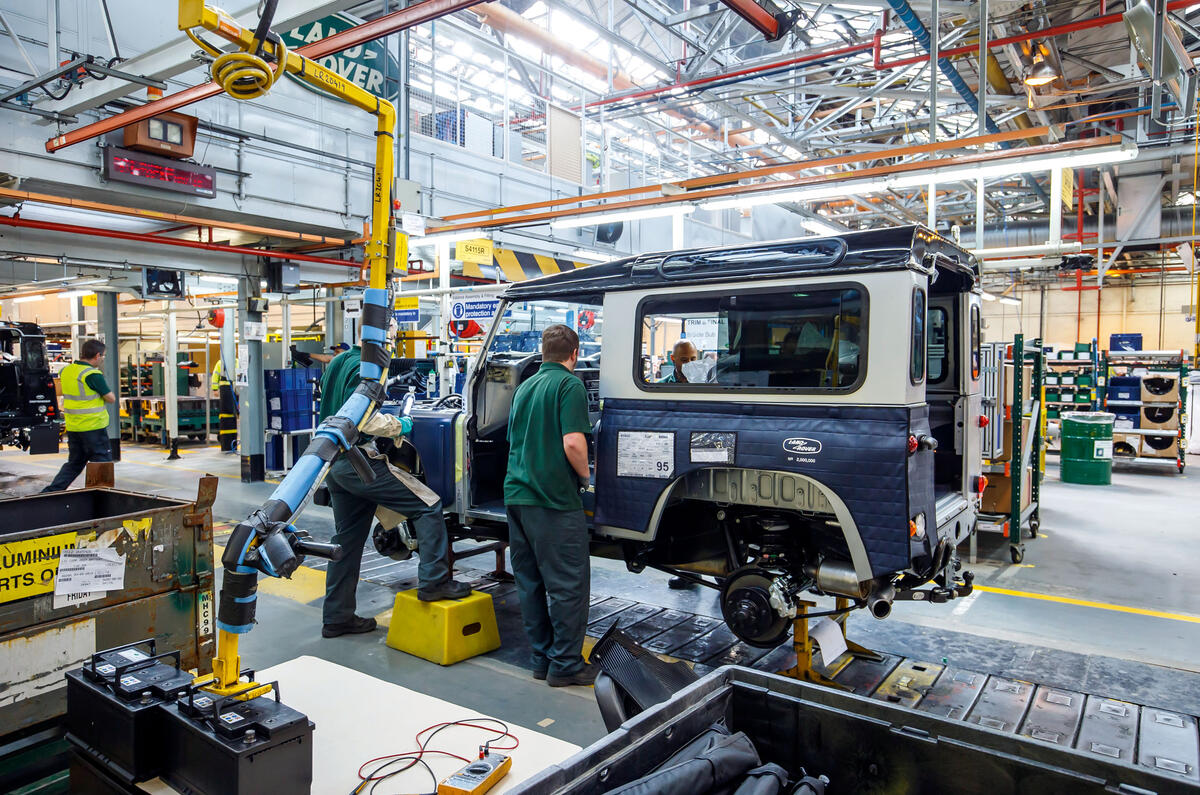
Production line work is no picnic, especially when you must perform an operation 106 times a day with perfect attention to detail. Putting cars together takes strength, concentration, dexterity and brain strain, and there’s never any time to spare.
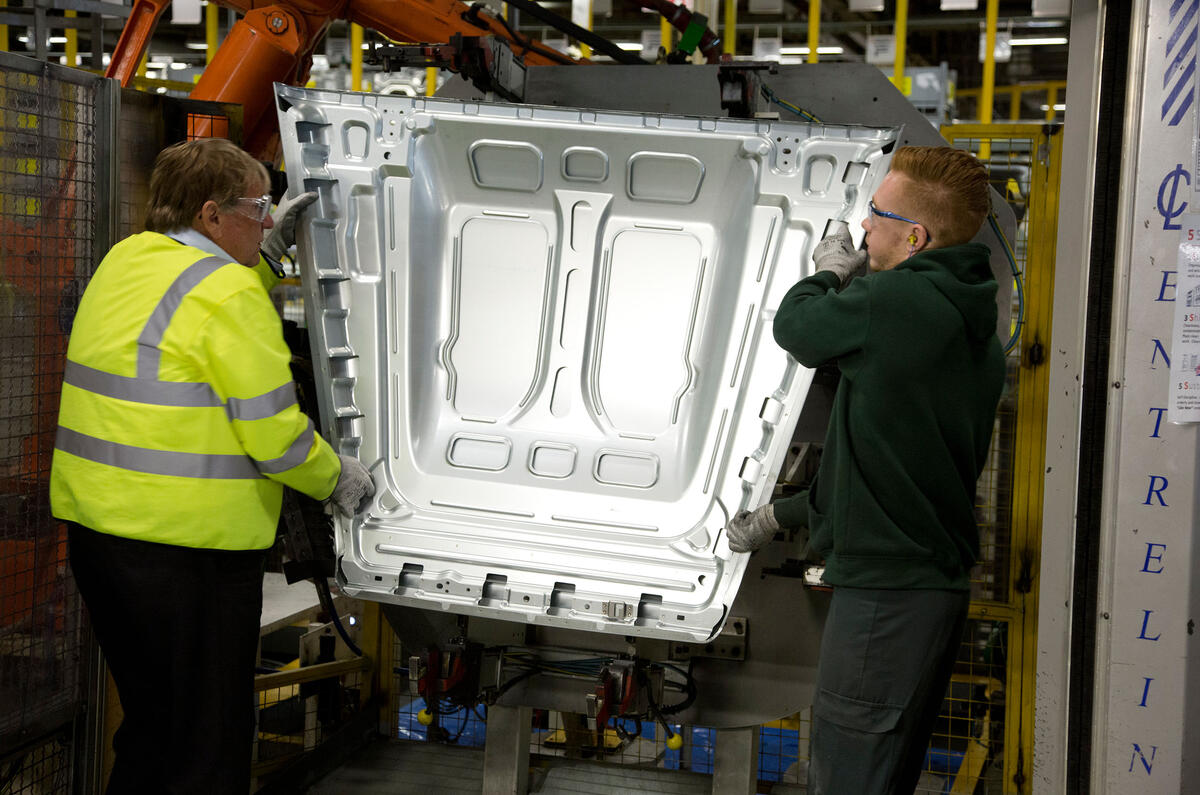
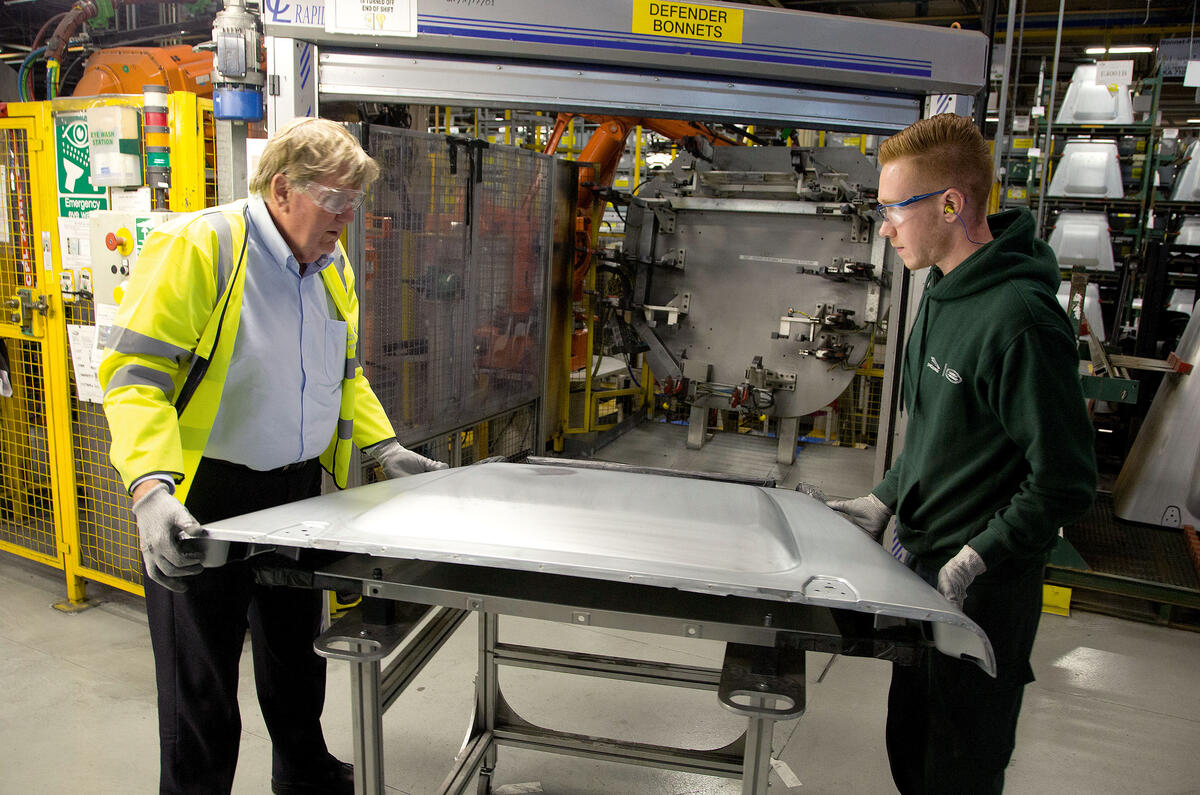
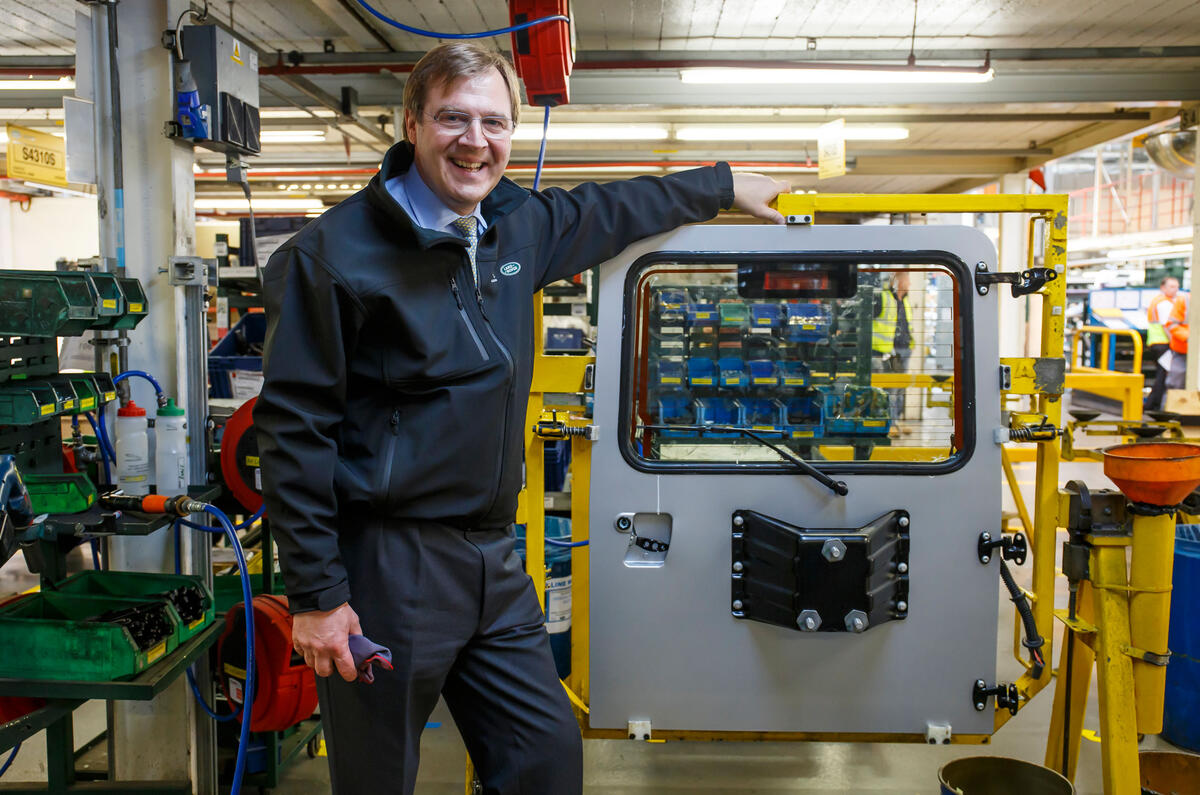
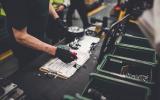
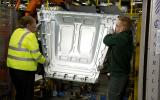
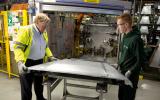
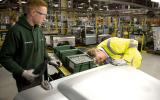
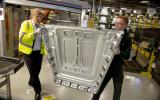
My job was to assist two operators, Jake Ainsworth and Adrian Lowe, to load a bonnet inner and outer into a welding rig, where they would be combined for ever by a series of blue flashes, then to fit the united structure with its distinctive hinges.
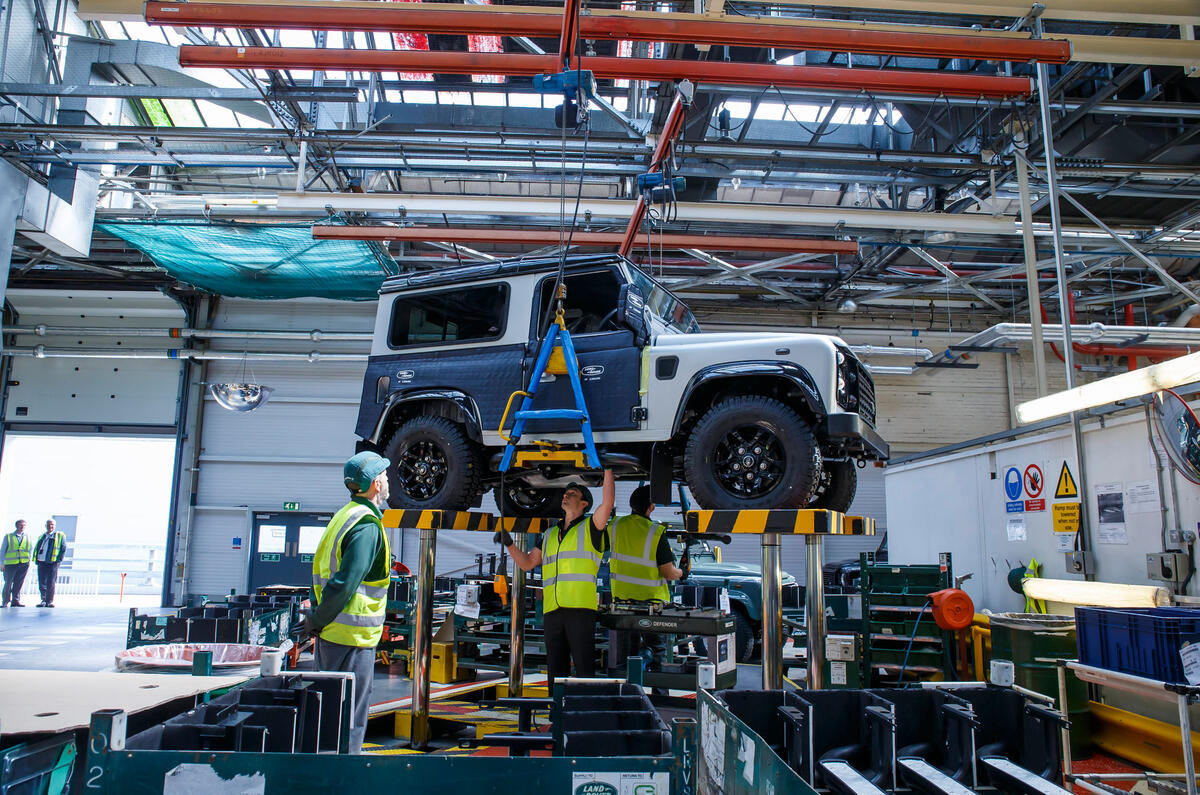
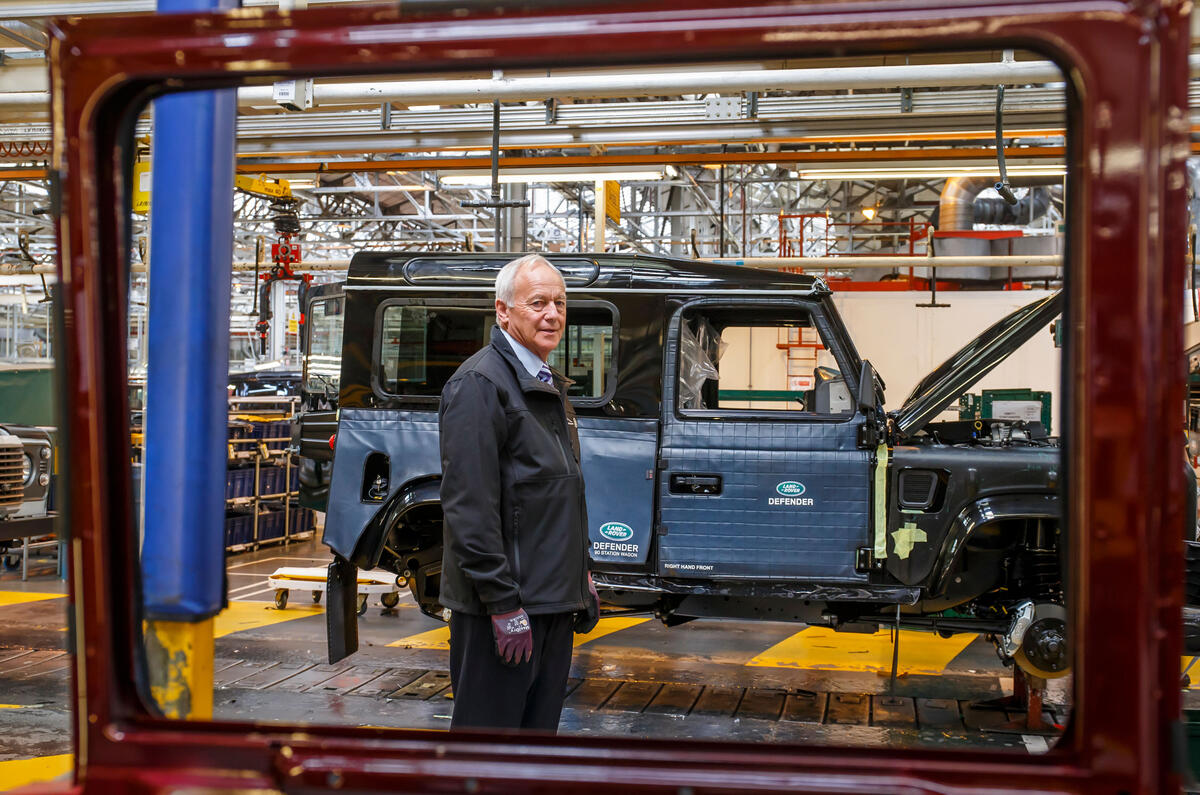
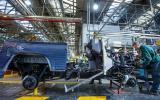
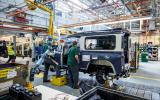
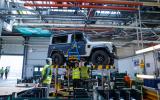
After that, we’d unite the finished assembly with its correct Defender body, which just happened to be crawling past on a moving base called a skid.
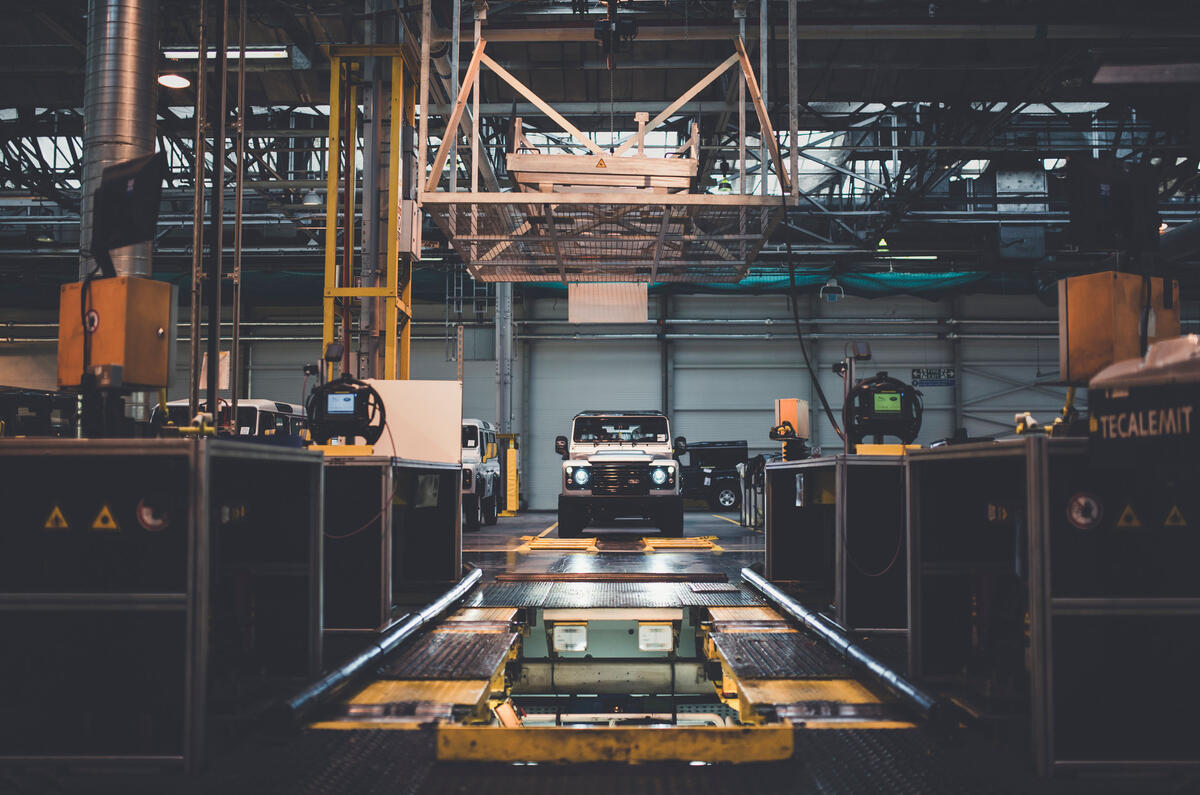
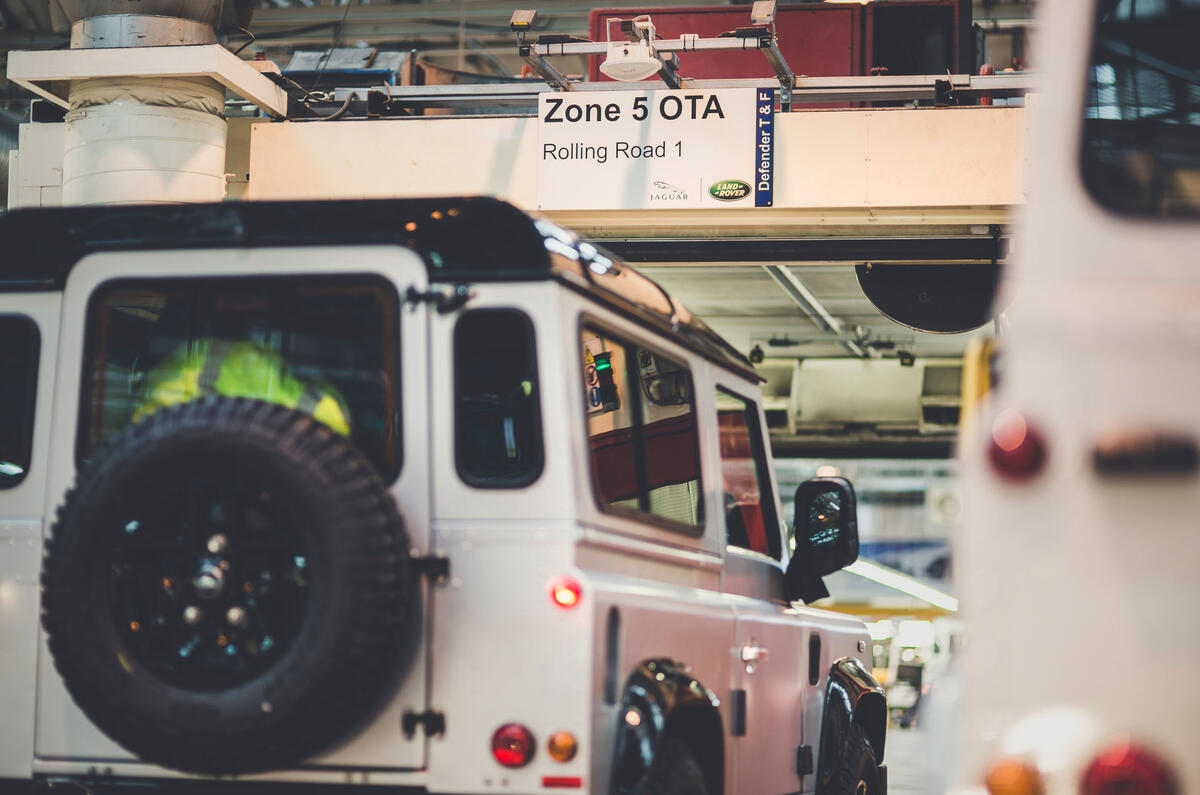
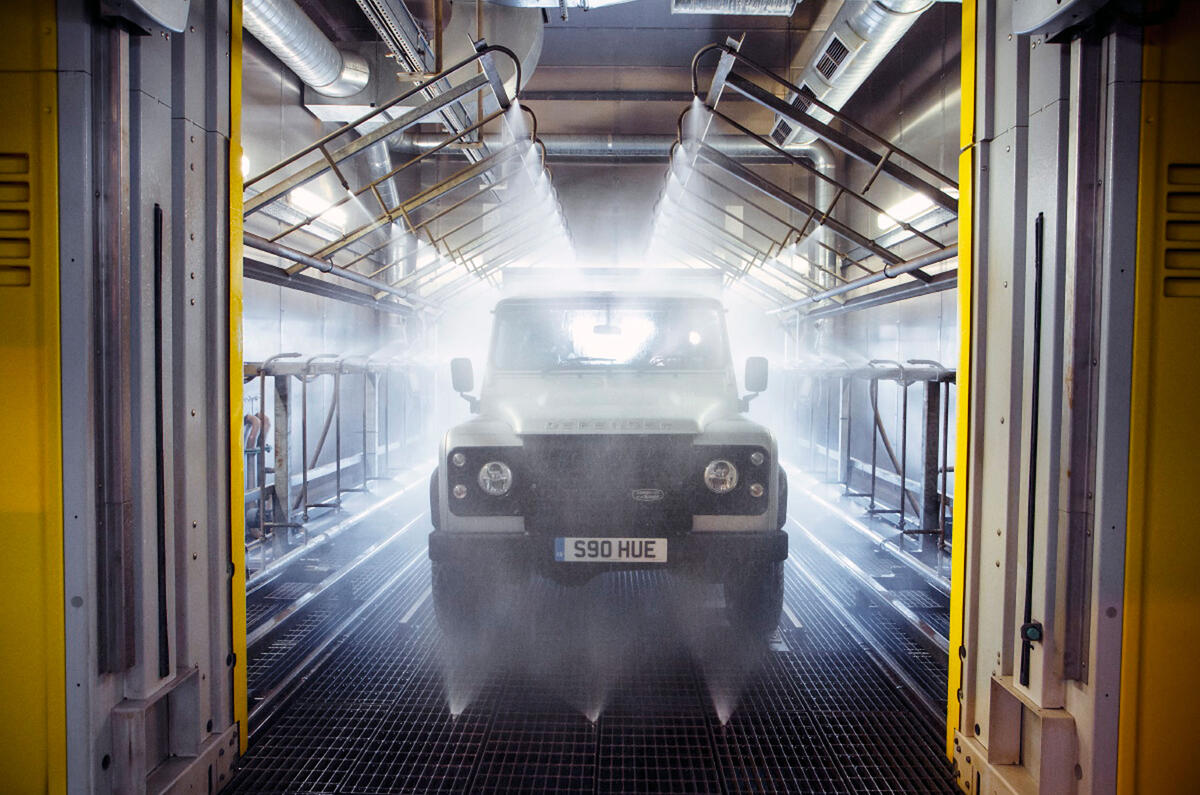
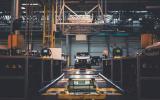
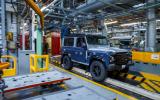
The Defender production line isn’t Jaguar Land Rover’s most modern – in fact, the whole place is earmarked for modernisation after December – but it’s still an impressive process. No dirt floor here.
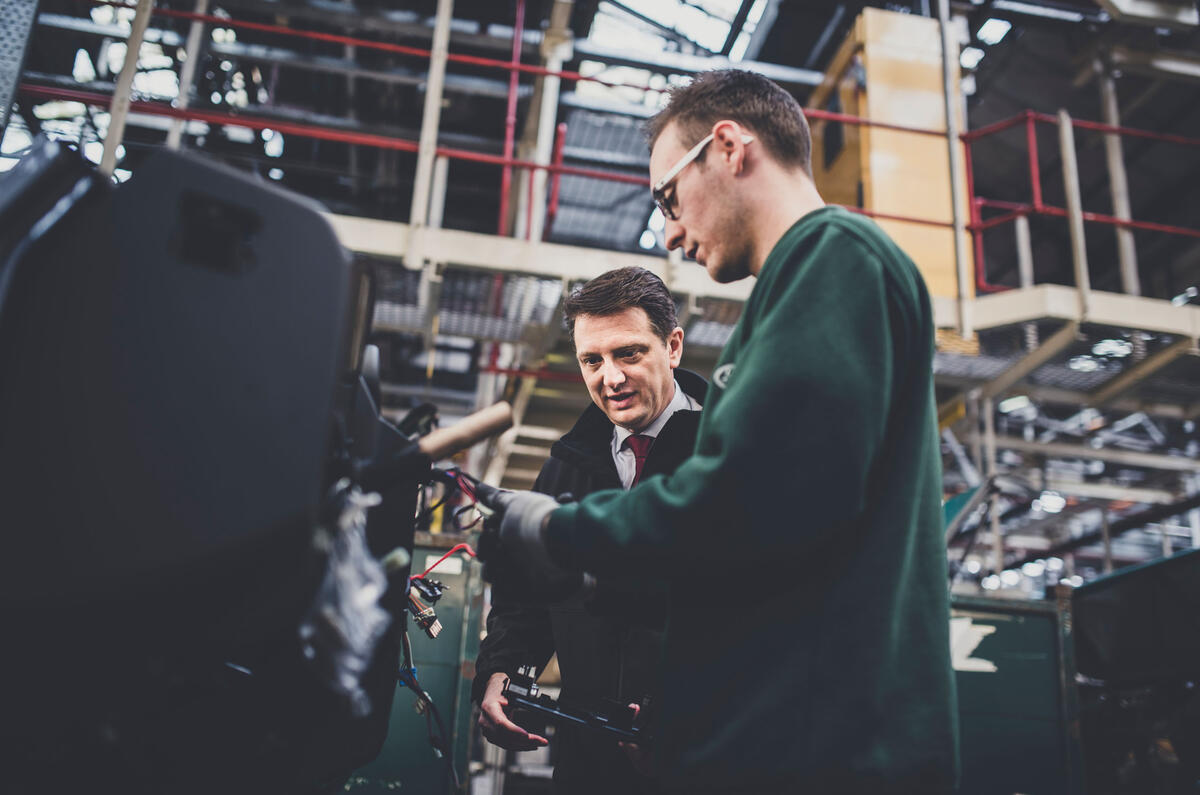
There are several robotised operations (constructing the complex scuttle panel is one), and everyone who lays hands on a customer car gets thoroughly assessed for aptitude and dexterity before being accepted for training. Every assembly operation is laid out in detail. There are even diagrams, a bit like dancing instructions, that show exactly where and when you move.
Because I was to be protected by the experience of Jake and Adrian, I was able to circumvent all that, but there was no avoiding the wearing of steel-capped boots and a high-vis vest. My heart was beating hard when the time came to lift a bonnet inner from a rack of pressings and place it in the welding jig.
There’s a knack to picking up big pieces of steel (you need thick gloves to prevent cuts, but they dull your touch), and I didn’t have it. It was also instructive to see the speed at which you have to work and how little time you get to settle the parts into place and start the welding process.
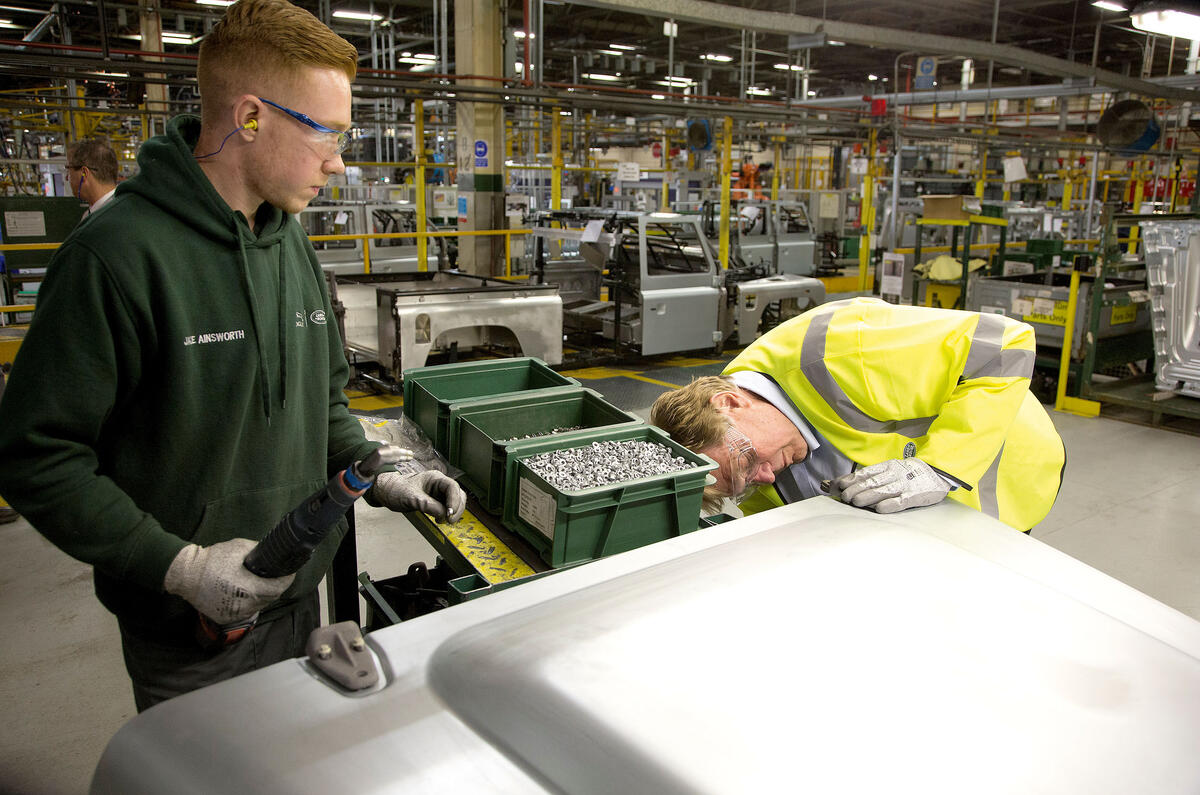
Still, with coaching, not least from plant boss Phil Cox, I managed to bed the parts in place, press a button to lower the spark-protective door and begin the welding process. That was quick. Within a minute, it was time to lift the new assembly onto a bench and fumble the two hinges into position (starting the threads by hand and then tightening them with a torque-limited power wrench). Then it was done. Three minutes’ hard work.