








Political tension between China and the UK has started to affect industrial investment in the UK – the Huawei 5G furore, nuclear power projects and the HS2 railway line being some of the higher-profile examples.
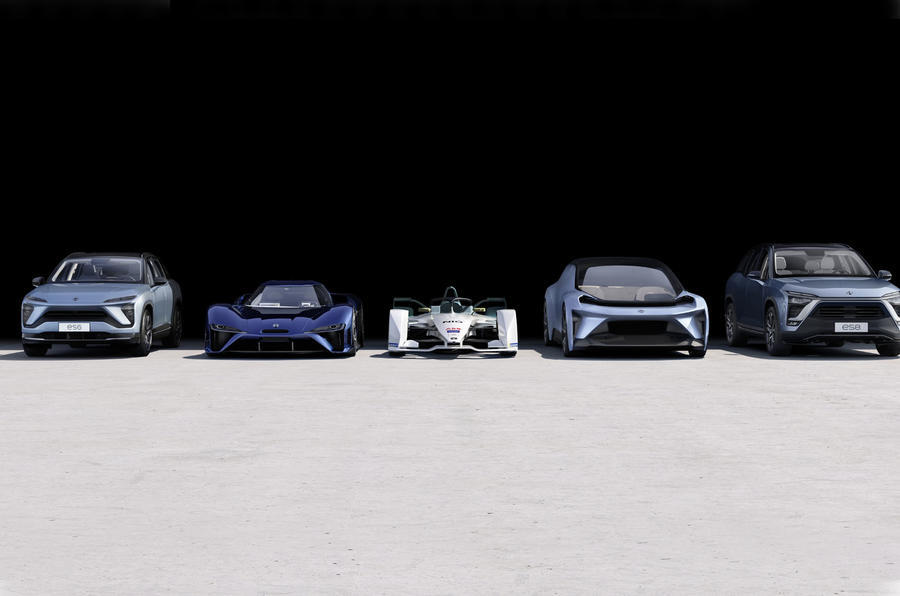
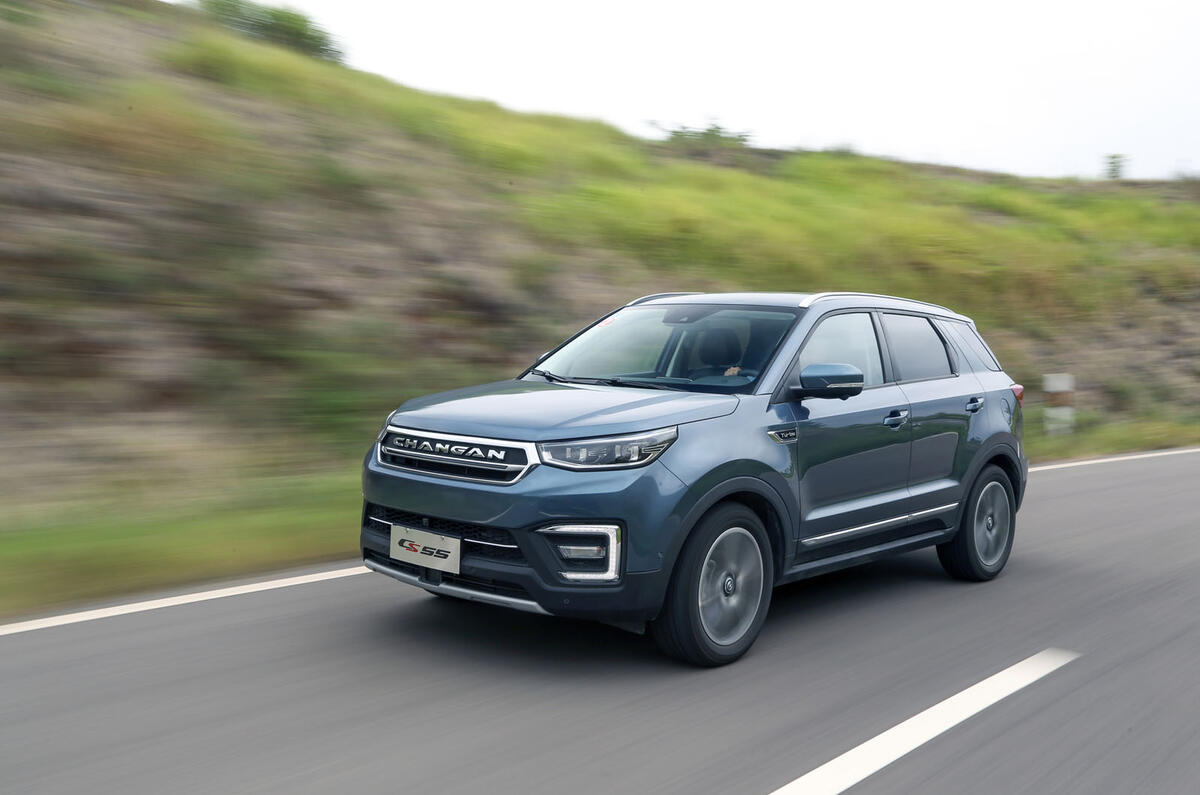
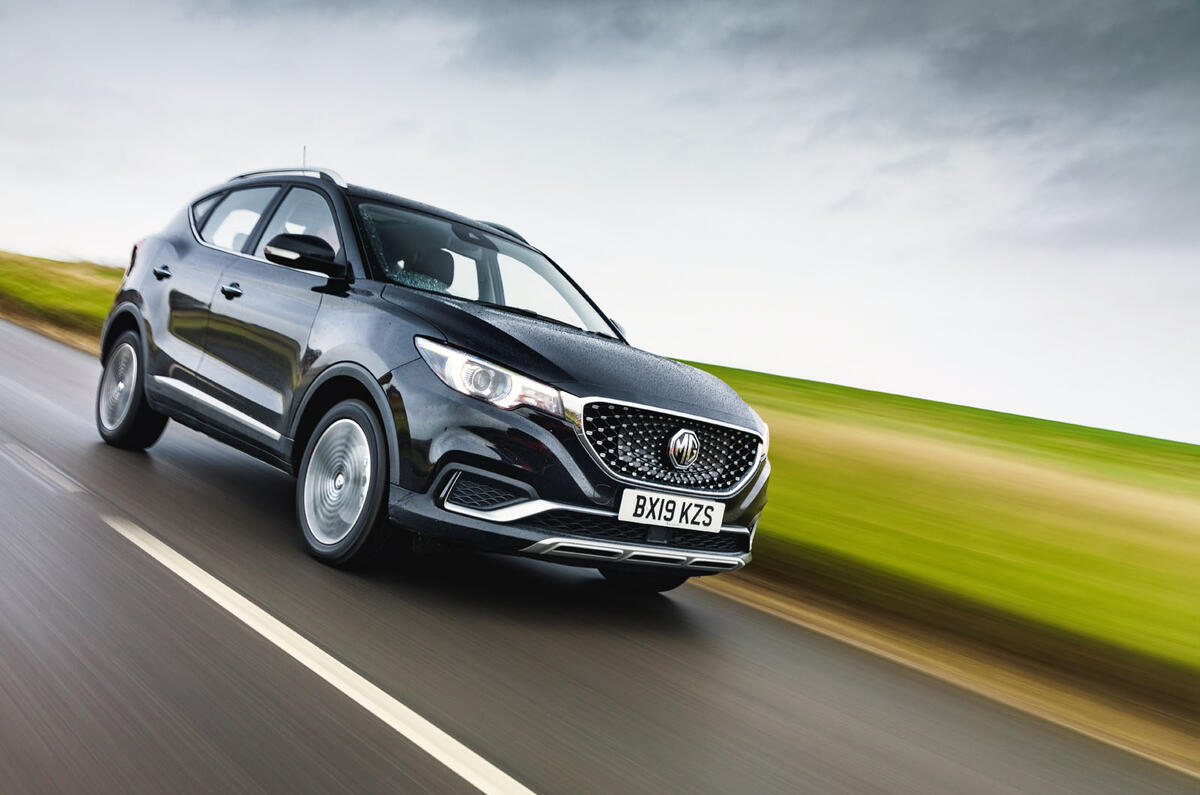
But how will this tension affect China’s car industry investments in the UK, led by Geely, SAIC and Nio? At stake are thousands of jobs and billions of pounds of investment in UK facilities.
“It’s definitely a concern,” said Professor David Bailey of Birmingham Business School. “Government has a new relationship with China and the big question mark is, even if these investments are private Chinese companies, they operate in a country where the state is much more active in day-to-day operations.”
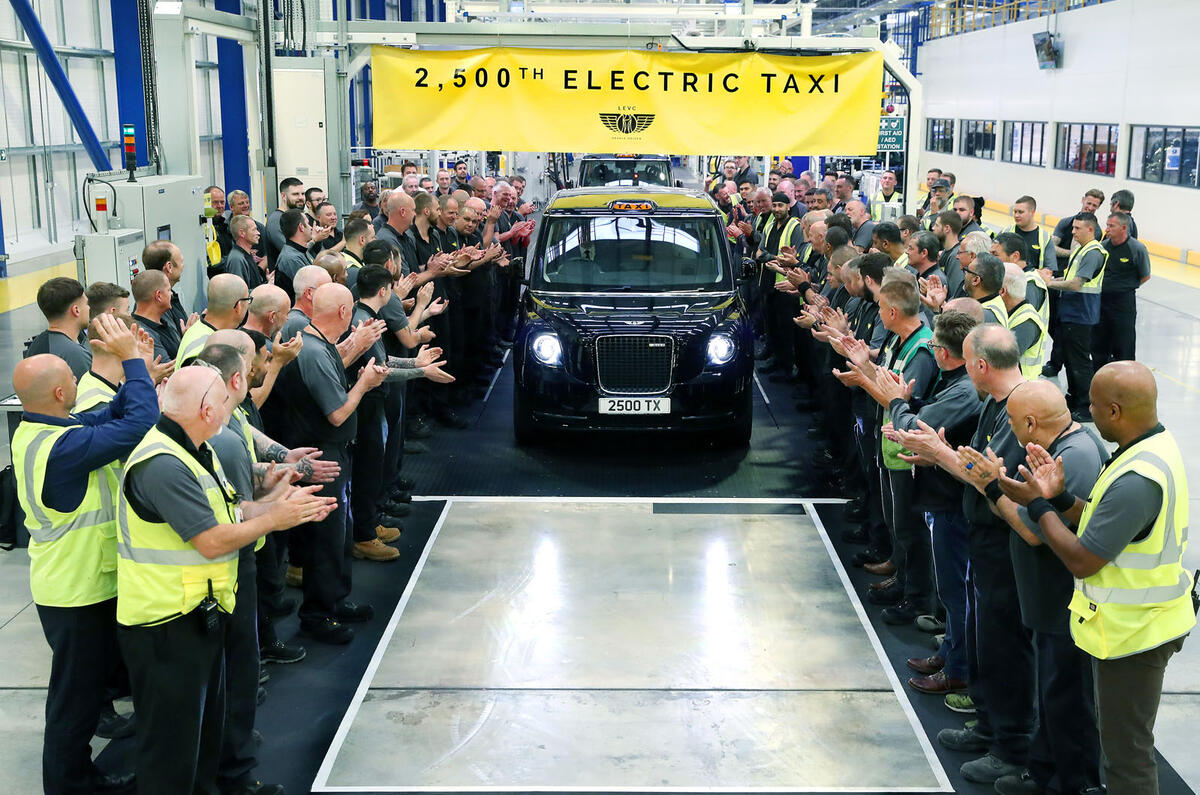
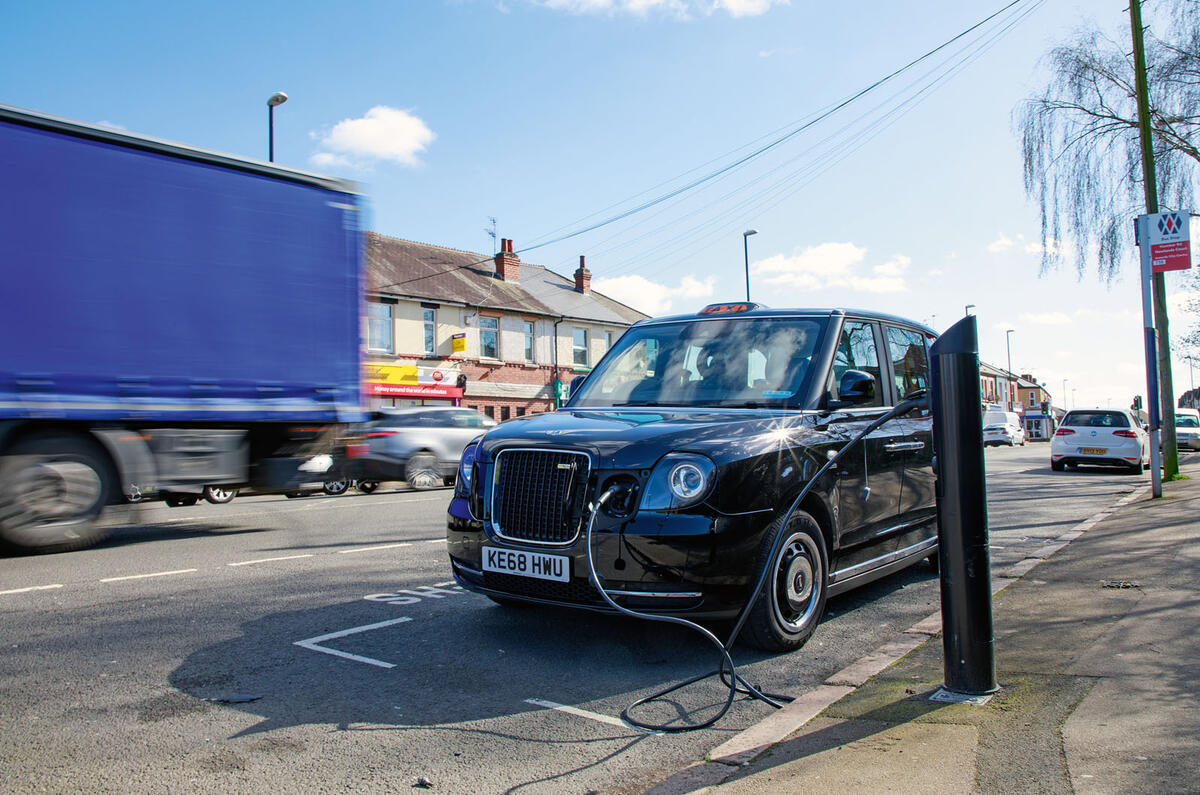
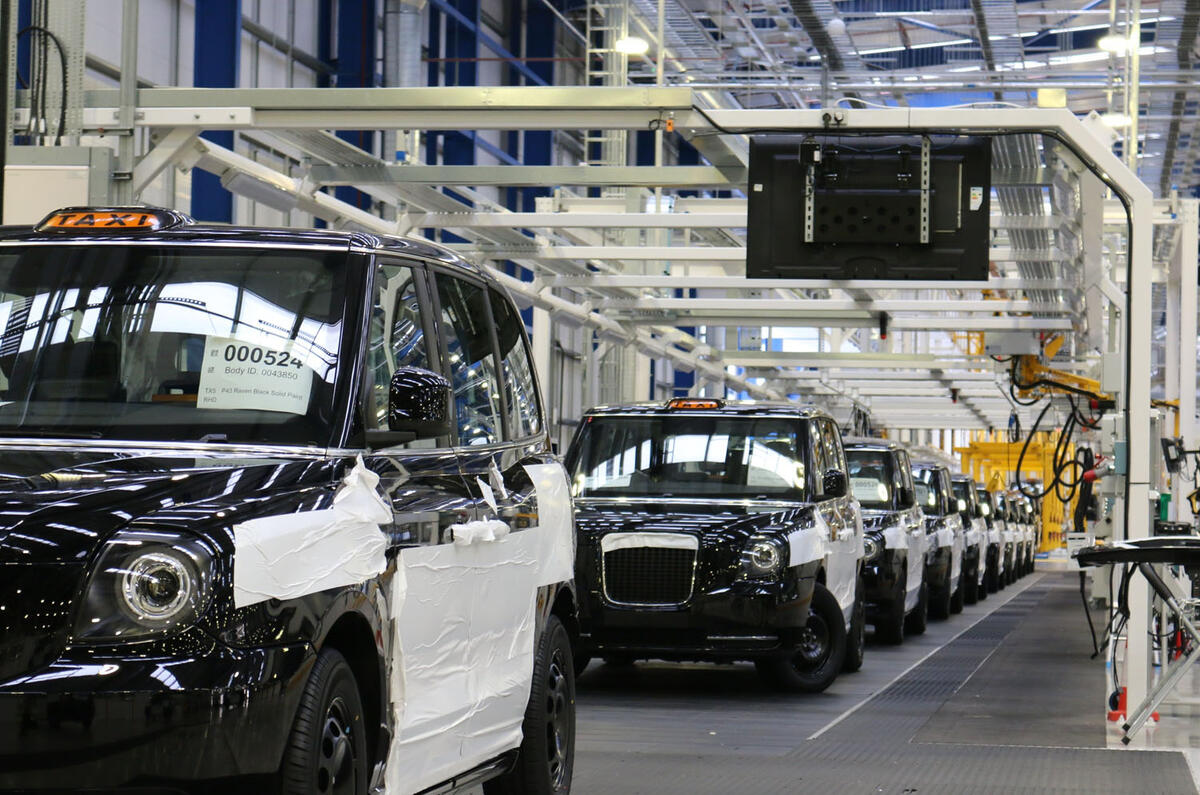
The biggest Chinese investor in the UK is Geely, an industry newcomer that started selling cars in 1997 yet expanded rapidly by buying ‘distressed’ overseas companies: Volvo in 2010 for $2 billion (£1.5bn), Manganese Bronze Holdings (the London taxi maker) in 2013 and Proton and Lotus in 2017. Geely’s decade of ownership of Volvo has been textbook, bolstered by around £8.5bn of investment and delivering a convincing impression of long-term strategy.
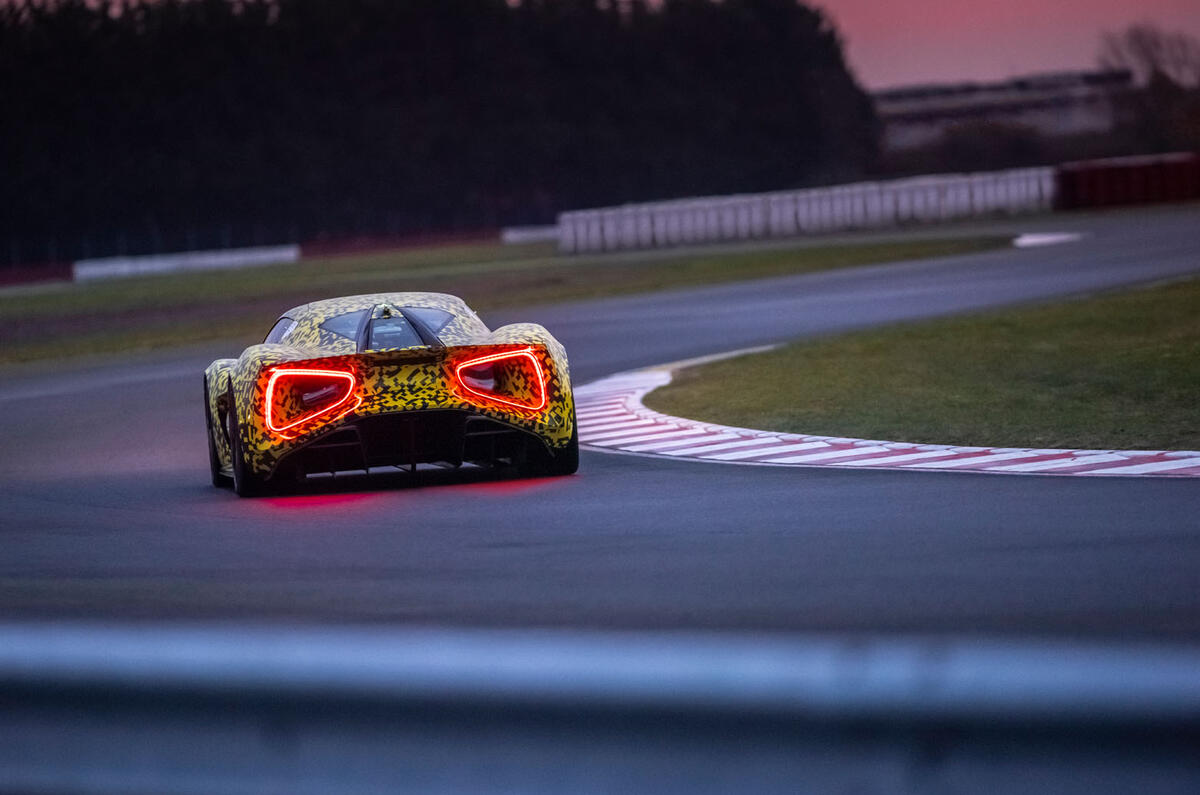
In the UK, Geely has more than 2000 employees and a financial commitment put at £1.0bn to £1.5bn, with plenty more to come, especially as Lotus accelerates into its Vision80 plan, which should lift production to more than 5000 cars per year by 2028.
A Geely spokesman said the company is firmly established in the UK and is sticking with its agreed business plans for all UK companies: “Geely Holding remains committed to its operations, ongoing business investments and market presence the UK, where its strategy is unchanged.”

Like other car firms Autocar contacted, Geely declined to discuss the geopolitical situation at government level. But Autocar understands from industry sources that there is unease at a high level that further deterioration in the relationship could spill over into the automotive sector.
Car making doesn’t have the same security implications as a China-supplied 5G network, but it’s vulnerable to trade disputes, because it’s a high-value, high-profile business. The Society of Motor Manufacturers and Traders (SMMT) recognises a “concern when there are global trade tensions” but says: “Trade and investment between both countries is helping to grow our respective economies.”
In June 2019, the SMMT signed a co-operation agreement with its Chinese counterpart, the CAAM, that could develop into a vital communication channel to dampen hawkish rhetoric. “We hope this agreement bolsters relationships, manages issues and opens up new opportunities in both markets,” said SMMT boss Mike Hawes. The SMMT initiative might go some way to levelling the Chinese dominance in some vital areas of technology, too.