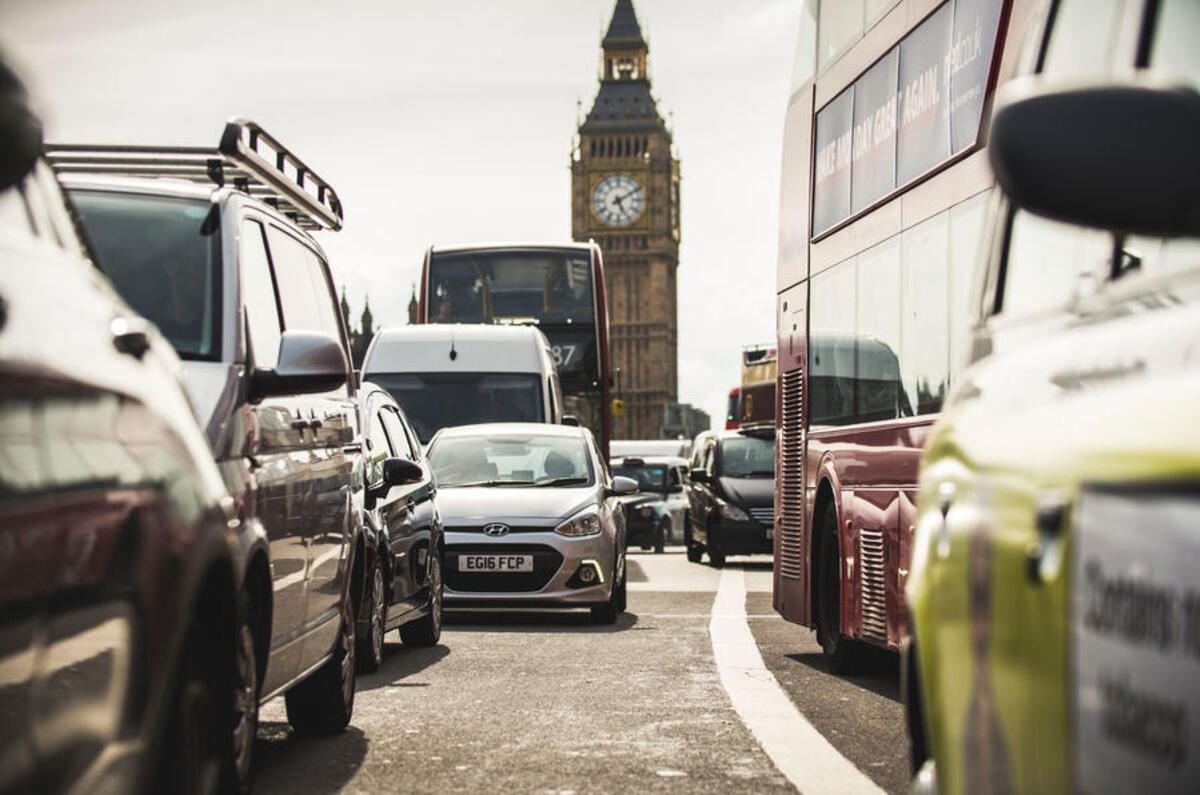

The increased London Congestion Charge daily rates and expanded operating hours that came into force in June 2020 netted Transport for London (TfL) an additional £86 million in revenue last year, Autocar can exclusively reveal.
In response to Autocar's story, TfL has issued a statement: “The Government required TfL to bring forward proposals to widen the scope and level of the Congestion Charge. These temporary changes are essential to prevent London’s recovery from the pandemic from being restricted by cars and congestion. They also support changes to London’s streets to facilitate greater numbers of people walking and cycling at a safe social distance. Analysis showed that as the Government eased restrictions last year, if people chose to drive instead of using public transport, car traffic in central London could double – damaging the economy, health and air quality.”
Daily rates were increased from £11.50 to £15 from 22 June as a “temporary measure” to help the transport organisation receive the first of two emergency funding settlements from the UK government.
At the same time, TfL applied the charge every day (as opposed to only on weekdays) and increased the operating hours from to 6pm to 10pm.
In an email seen by Autocar, Heidi Alexander, the deputy mayor for transport, said TfL is projecting that it will receive an additional £113m “as a consequence of implementing the temporary changes to the Congestion Charge, if they were to be in place for the rest of the financial year,” including the £86m that was generated between 22 June and the end of December last year.
Alexander said these figures “takes account of the cost to TfL of implementing the temporary changes as well as the reduction in traffic volumes and temporary suspension due to the pandemic,” when the charge was suspended for two months.
A date hasn't yet been given for when the temporary measures will be relaxed, although a public consultation will be needed if it's likely they will remain in place in the autumn. If they remain in place for the full year, Alexander’s email suggested TfL’s forecasts show the Congestion Charge will bring in £232m in total this financial year.
TfL’s revenue streams have collapsed in the last 10 months, due to far fewer passengers using its bus and Underground train services since the first national ‘stay at home’ message was imposed last March.
During that month, tube usage fell to a low of just 4% of an equivalent day in 2019 and fluctuated for the rest of the year, recovering to only around 40%.
Normally, around 72% of TfL’s total income would be derived from farebox revenues, and its financial situation is made worse as London is one of the only cities in the world that doesn't receive funding from the central government to support its operating costs, after a £700m-per-year grant was axed in 2015 by then-Chancellor George Osbourne and Boris Johnson, who was London mayor at the time.
Daniel Puddicombe
READ MORE
Command and control: How Transport for London is watching you