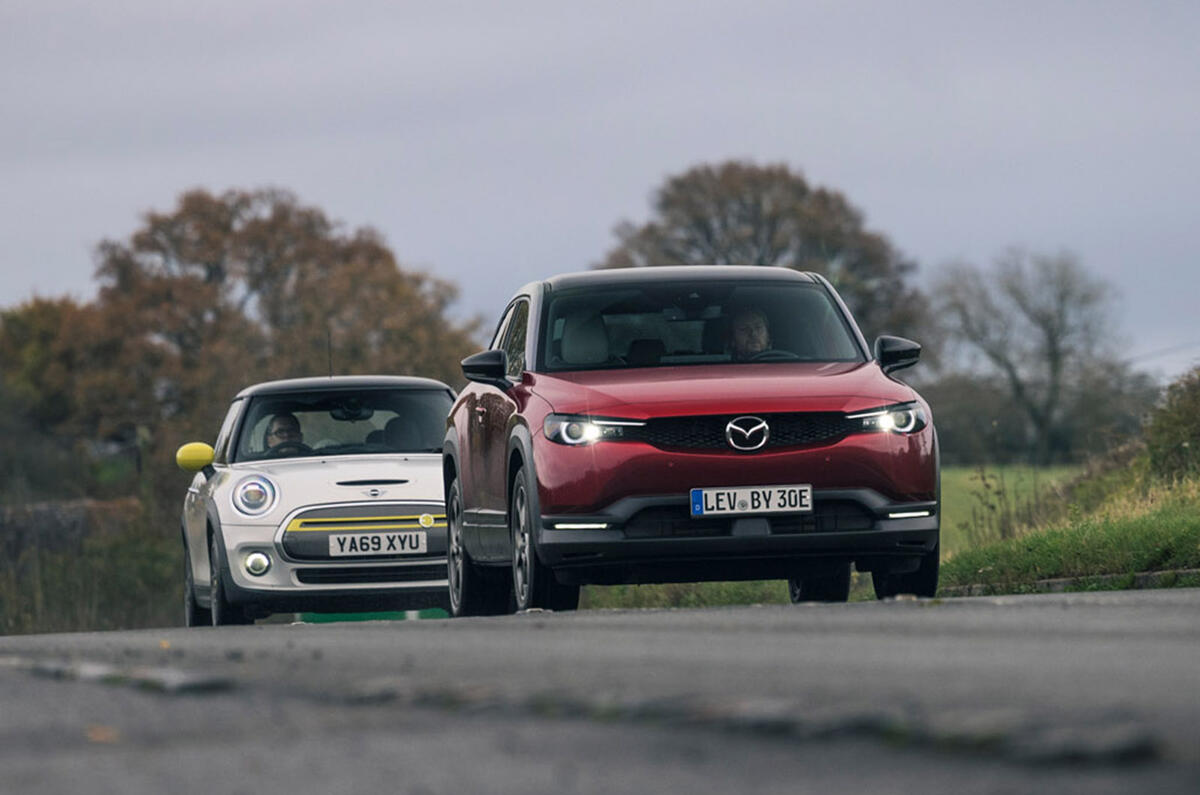



Perhaps you’ve been waiting to discover an electric car that’s genuinely good to drive but are bored rigid of reading tributes to the Porsche Taycan (£85,000), Jaguar I-Pace (£64,000) and Polestar 2 (£45,000). Excellent cars all, but crikey, they don’t half make a dent.
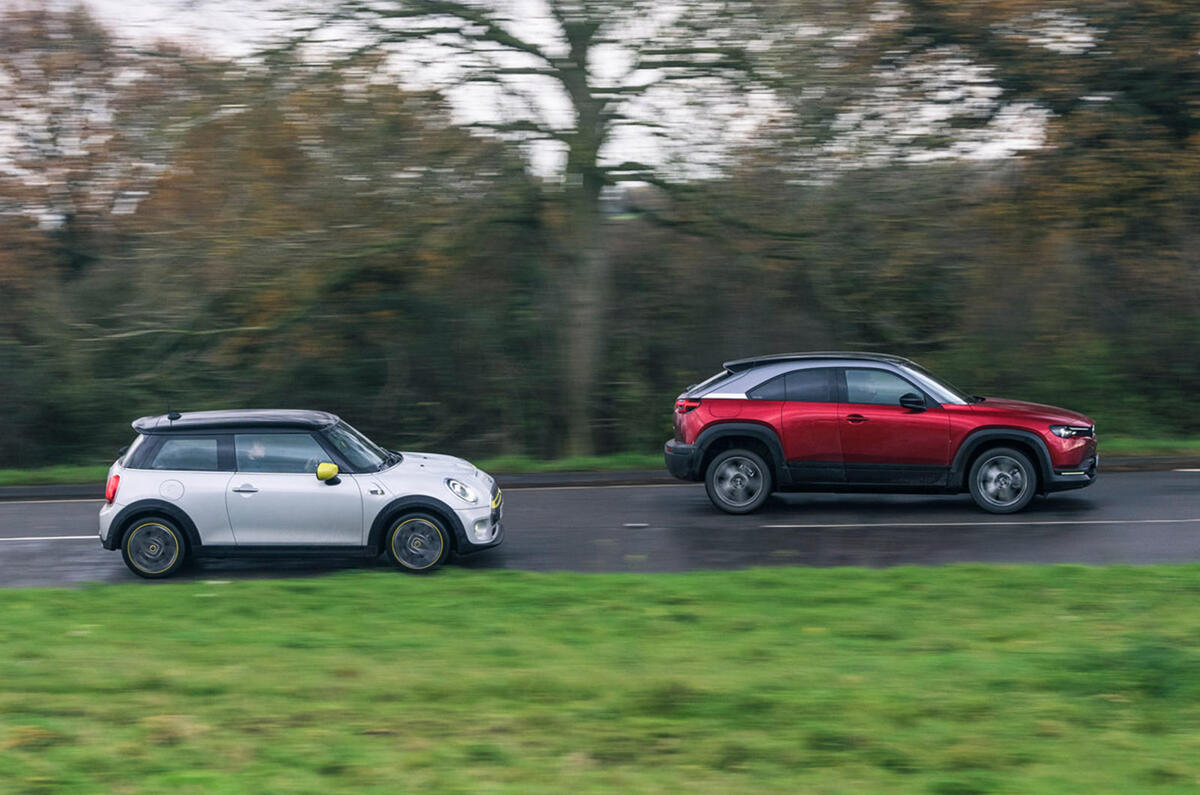
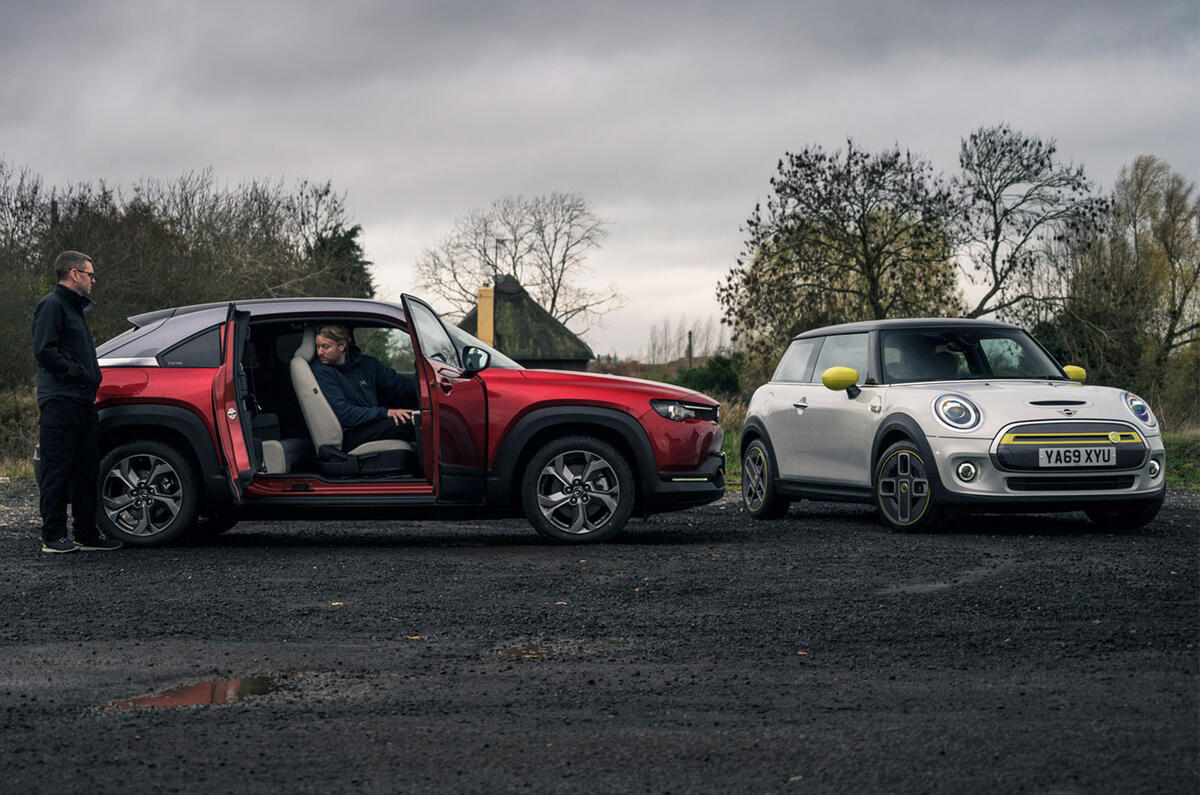
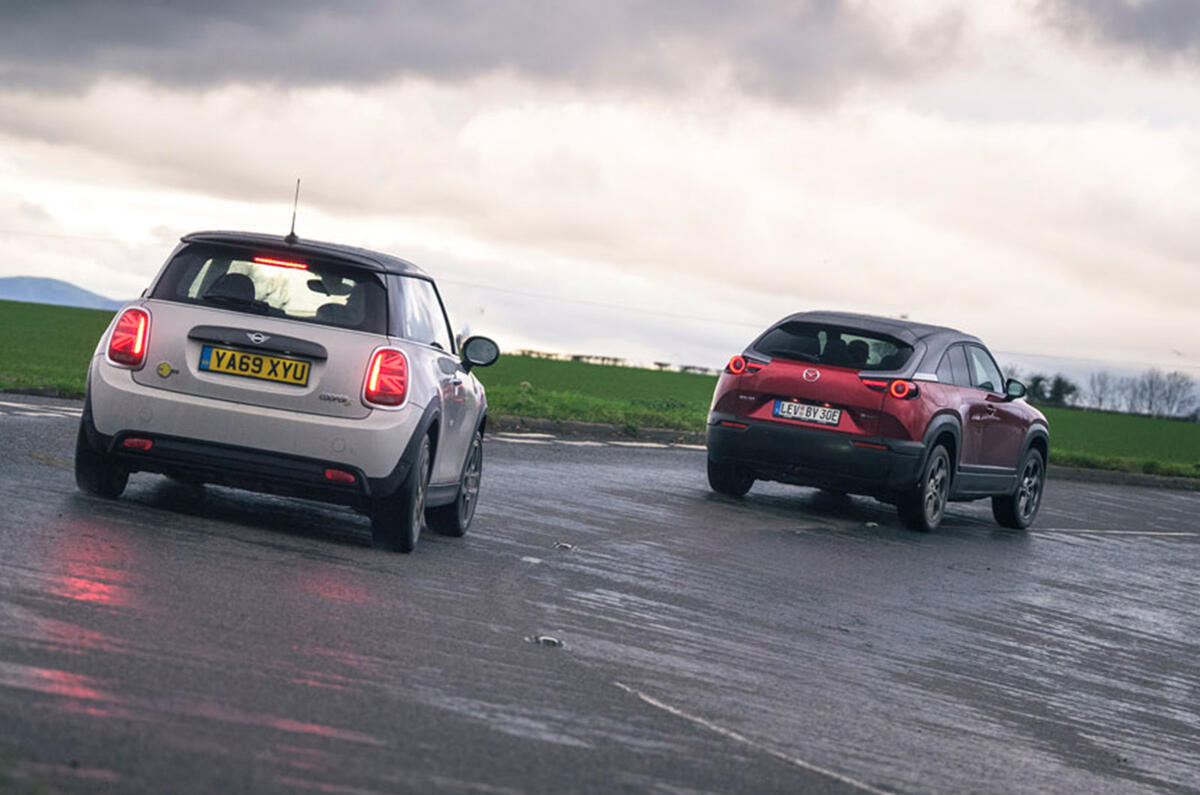
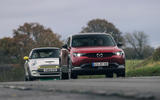
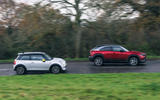
Some good news, then. Neither of the EVs in this brief twin test costs more than £28,000 after the government grant for plug-in cars, yet both come from makers who understand the importance of involving the driver. More than that, it could be argued that, at their very best, the Mini Cooper and Mazda MX-5 exemplify what we love about front- and rear-driven sports cars respectively. So even before we’ve unplugged the charging cables, there’s cause for optimism.
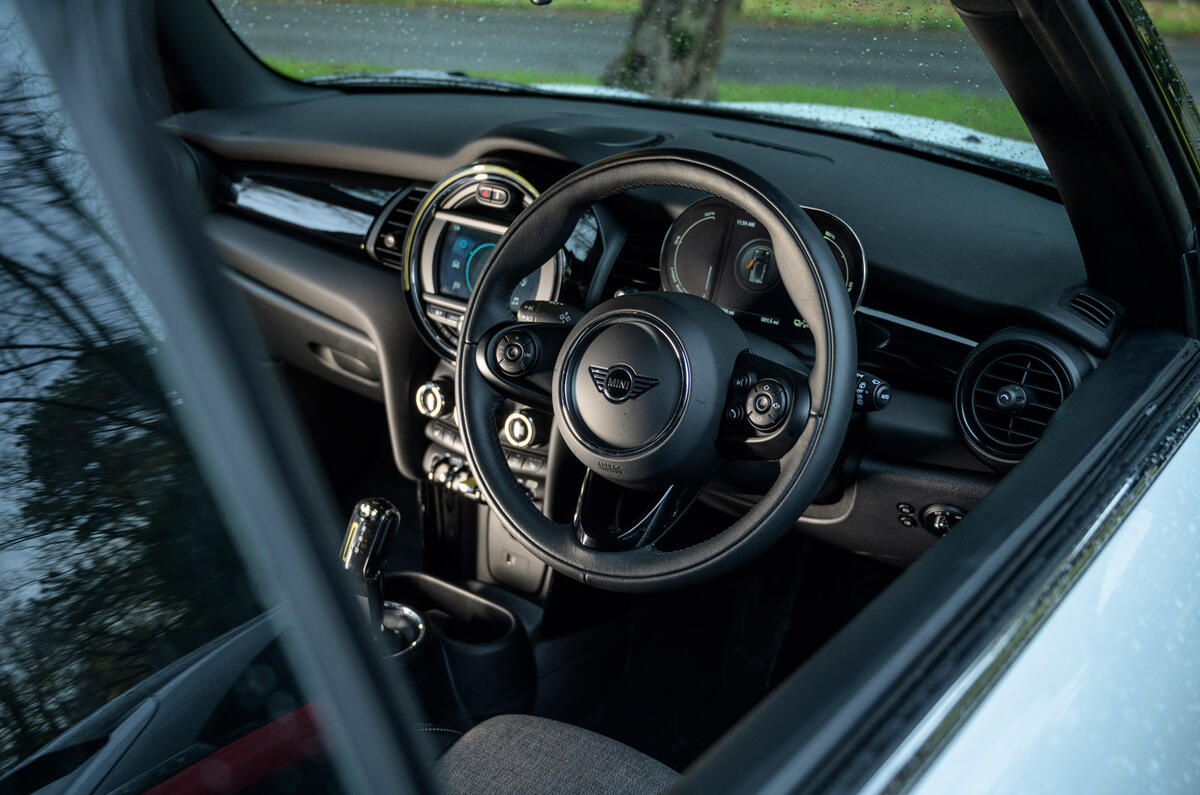
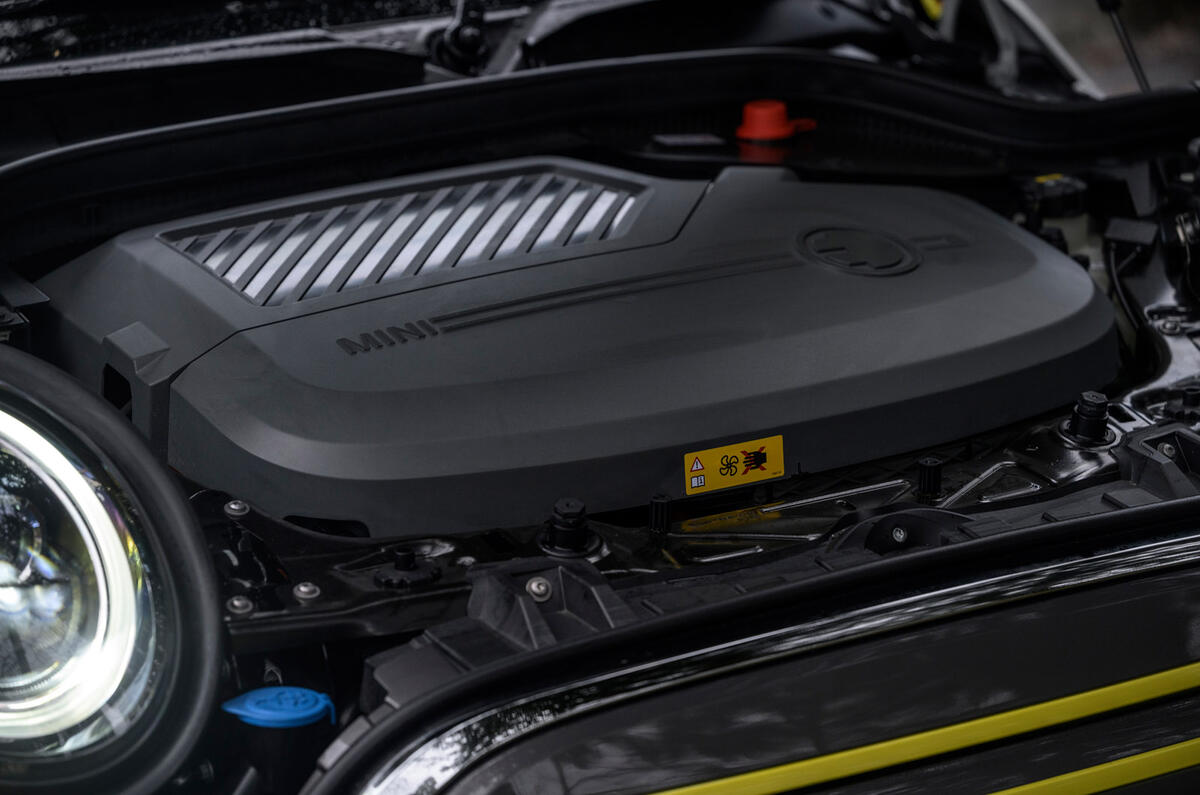
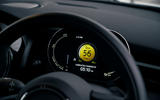
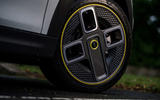
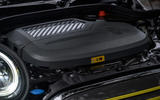
The Mini Electric has been out for some time, so it’s already a known quantity. In short, we like it. We especially like its turn of pace (thank you, 199lb ft of slap-bang torque), the trademark fish-bowl view forward, the conspicuous sense that the centre of gravity is grazing the road surface and its well-tuned steering response, which is so important in achieving the ‘go-kart’ agility that Mini frequently references. If you want to buy small and electric but still need that driving buzz, so far this is your best ‘affordable’ option (unless you can find yourself in a Renault Twizy on a wet roundabout).
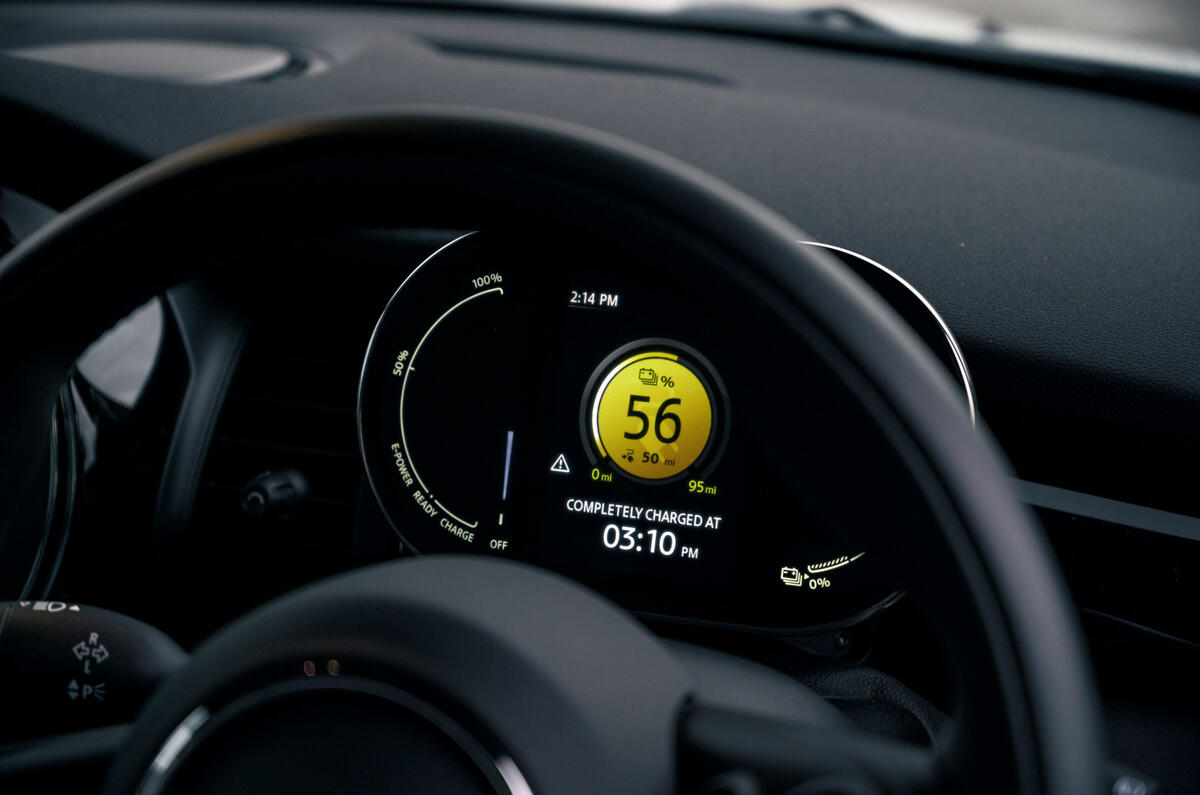
The only thing we don’t especially like about the model that already accounts for one in 10 new Minis sold is its meagre range. Fully charged, it barely gets 140 miles on the official test cycle, dropping to around 110 miles in the real world. And this isn’t simply a quirk of the supermini segment: the Peugeot e-208 is officially rated at 206 miles and even the new Fiat 500 will manage 199 miles. So while it’s unusually good to pedal about, the Mini cements its ‘second-car’ status before you even flip the bright-yellow toggle that prompts the electricals into life. Only you will know whether or not that’s a deal-breaker.

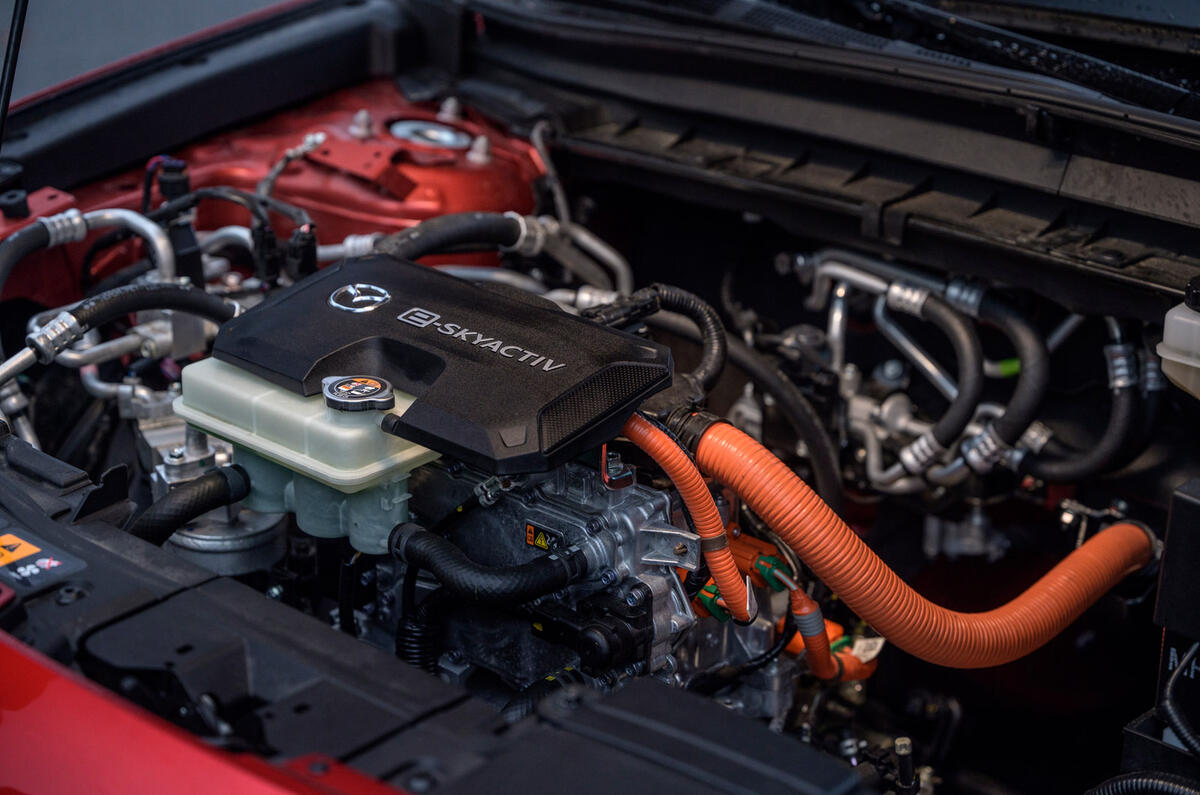
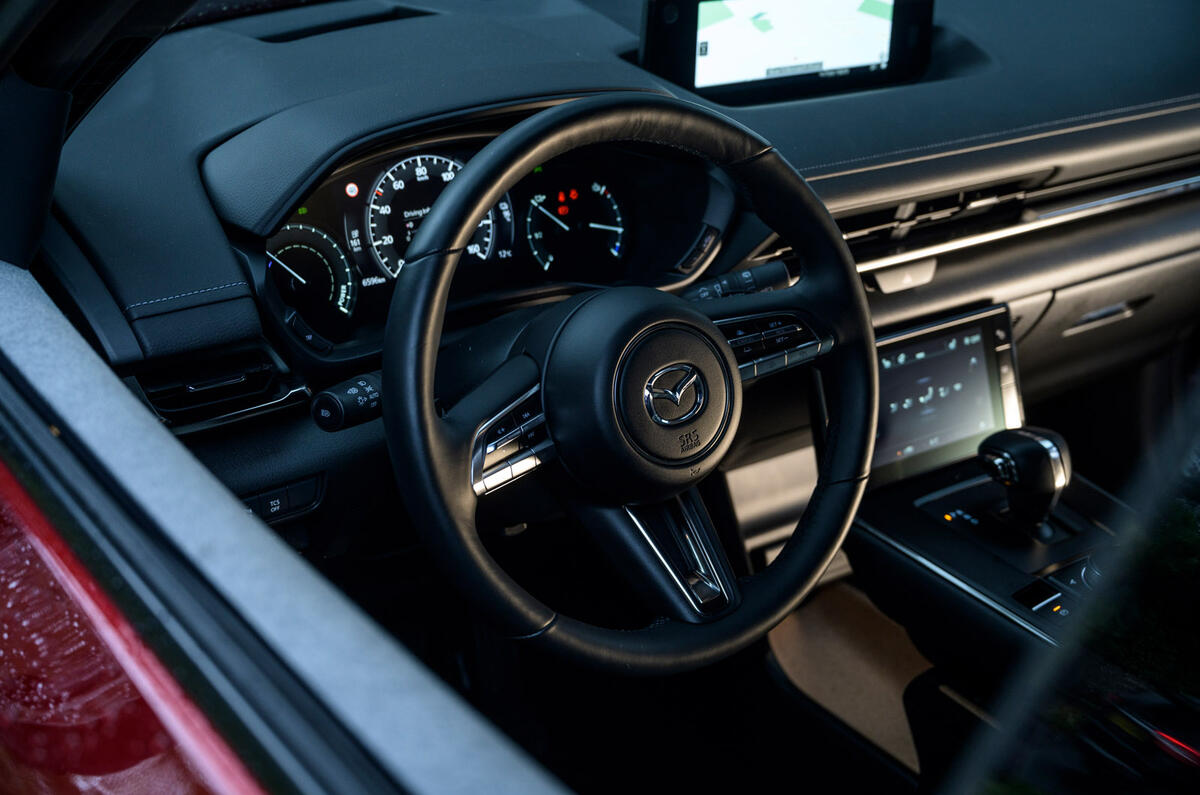
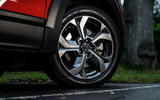
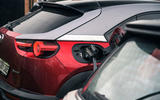
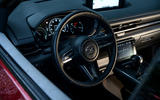
You might think the Mini’s range would be an opening for the less powerful, 235kg heavier and marginally costlier Mazda MX-30 to exploit and quickly even up the scales for overall appeal. But no. With 124 miles, the first electric Mazda somehow offers even less autonomy than the Mini.
Mazda’s defence is that it takes a ‘right-sizing’ approach, having carefully assessed the needs of would-be buyers. It says that fitting a bigger battery pack would make the MX-30 more expensive and the extra mass would blunt its handling, and all for no good reason, given that hardly anyone drives more than 50 miles daily. Hmm. Objectively that may be true, and it seems sensible enough on paper. But for a compact crossover, even one intended for suburban commuters, this is an unambiguously punchy strategy, and more so because Mazda desperately needs to sell plenty of these cars in Europe to avoid CO2-related fines.