
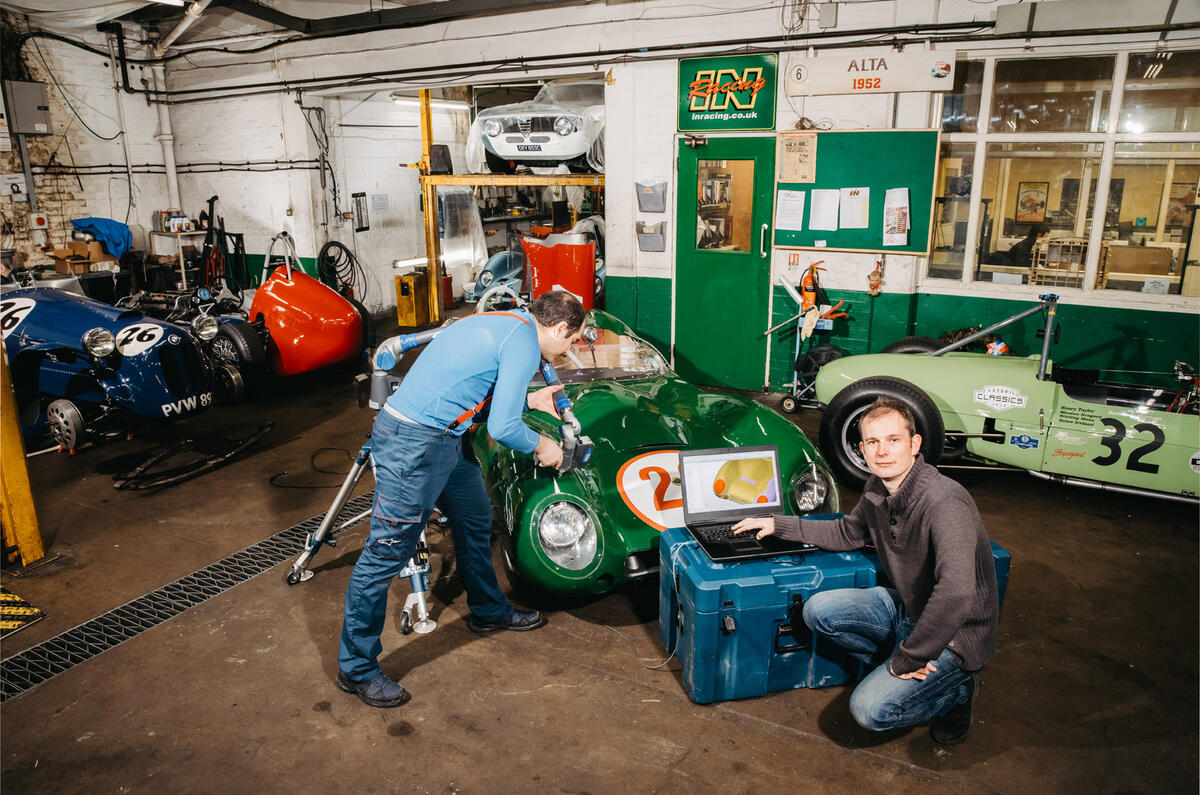
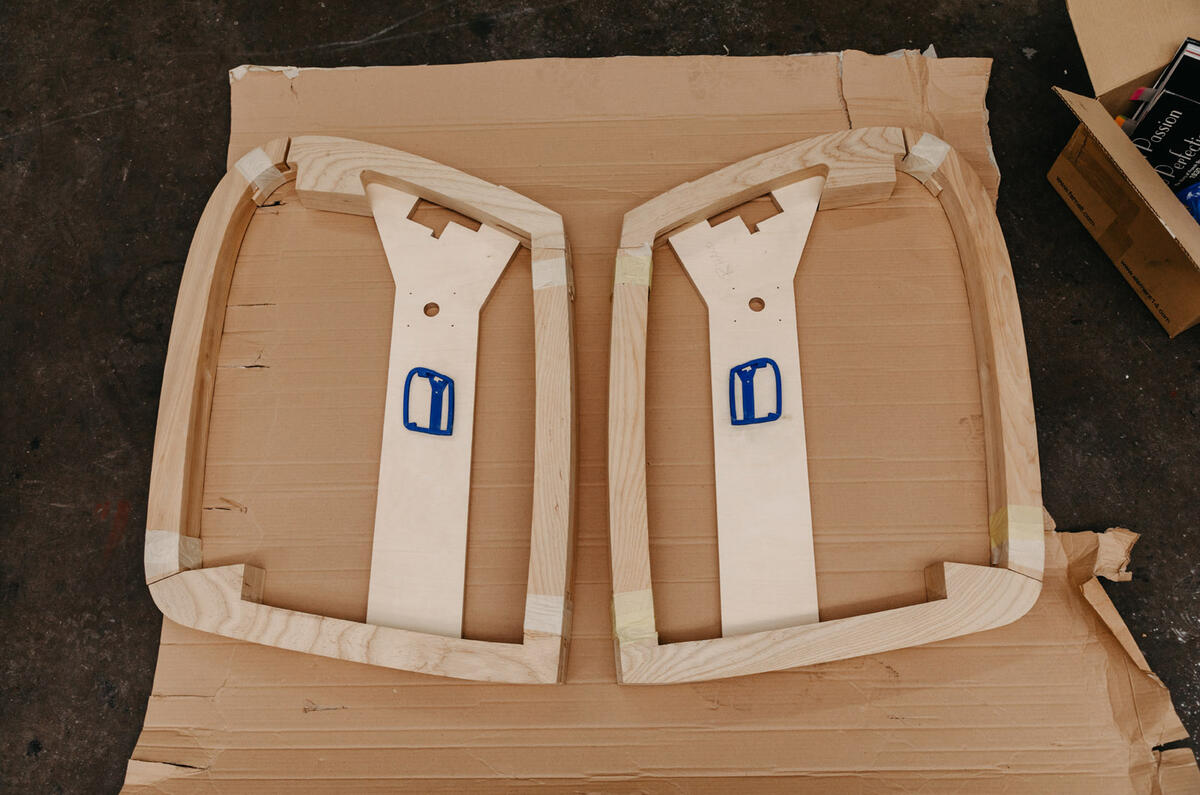
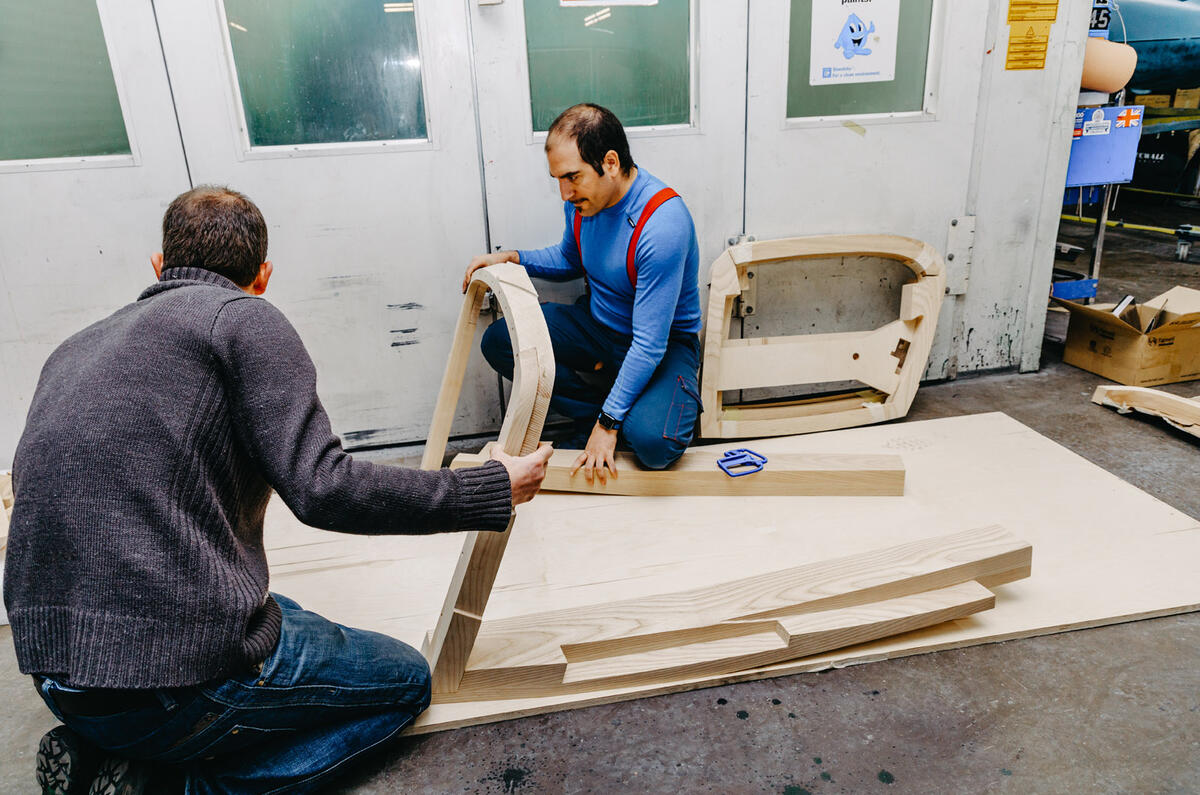




Need a clutch release lever for your Vauxhall Corsa? Not a problem. There are hundreds of suppliers ready to service your enquiry and it should be with you tomorrow. Cost: about £16.
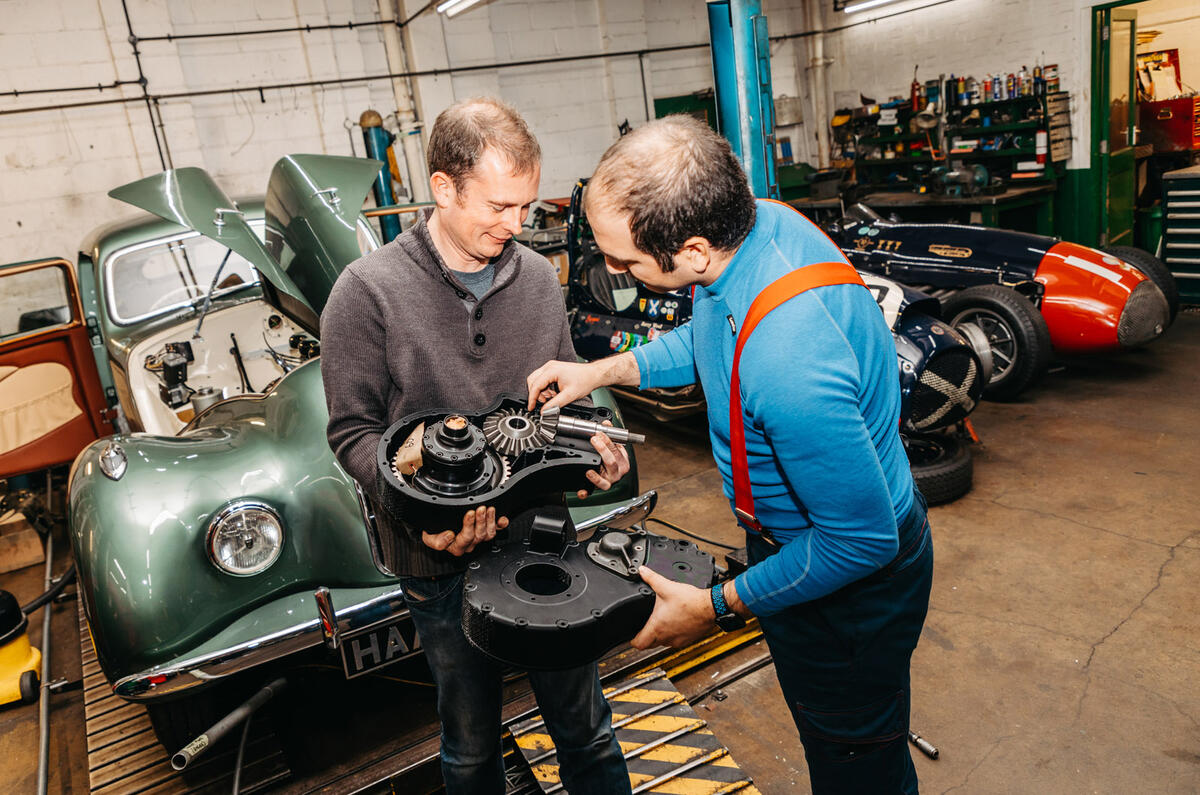
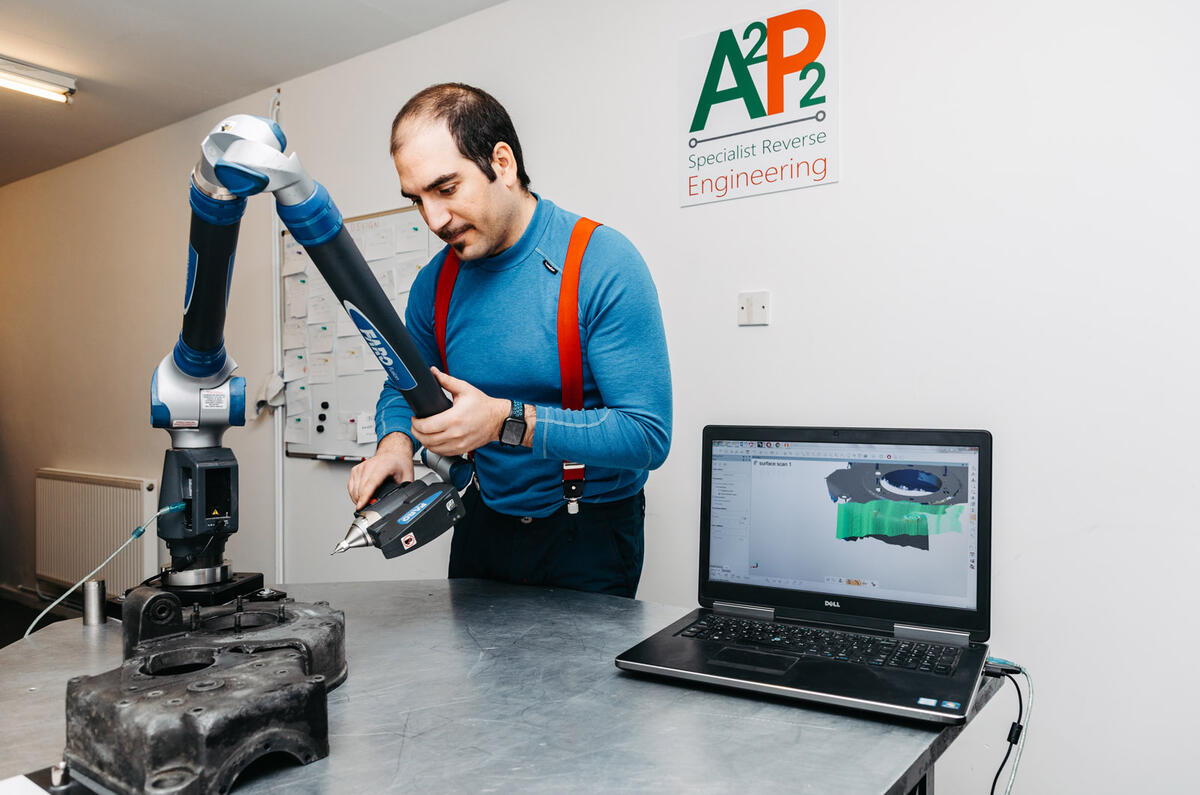
But what if you need one for your Porsche 959, an extremely rare car, parts for which you’re unlikely to get online, never mind over the counter? Until a year or so ago you would have had to get one specially made at great expense but, since 2018, Porsche has been able to produce the part on demand and at reasonable cost using 3D printing and, specifically, a process called selective laser melting.

Join the debate
Add your comment
wow
This is one of those things that hits home the moment you’ve spent six months hunting a broken window crank for a ‘72 Fiat. You start questioning your life choices. The article gets it right – for most people, 3D printing still sounds like sci-fi toys and cool things to 3D print like mini dragons or movie props. But the real magic is exactly this: bringing dead tooling back to life. I’ve held a reproduced cam cover that was scanned from a cracked original, printed in nylon, and it fit like a glove. No warehouse full of NOS parts, no retired hoarder in a shed. Just data and powder. From my own stumbling into this, the only advice I’d give is to double-check material specs before printing anything that touches heat or oil – PLA melts on a summer dashboard. Done right, this tech doesn’t just fix cars; it keeps memories on the road.
An answer!
I have been fretting about replacing components on my 959, which the writer helpfully tells us is a rare car. Now, we have an answer, 3D printing. But maybe someone can answer me three questions not considered in the article:
This is one of those things that hits home the moment you’ve spent six months hunting a broken window crank for a ‘72 Fiat. You start questioning your life choices. The article gets it right – for most people, 3D printing still sounds like sci-fi toys and cool things to 3D print like mini dragons or movie props. But the real magic is exactly this: bringing dead tooling back to life. I’ve held a reproduced cam cover that was scanned from a cracked original, printed in nylon, and it fit like a glove. No warehouse full of NOS parts, no retired hoarder in a shed. Just data and powder. From my own stumbling into this, the only advice I’d give is to double-check material specs before printing anything that touches heat or oil – PLA melts on a summer dashboard. Done right, this tech doesn’t just fix cars; it keeps memories on the road.