Currently reading: The key automotive policies new PM Andy Burnham must decide on

One of Andy Burnham's first policies affects EV drivers, but there is much more to decide

Andy Burnham has stepped into the fray as the UK's new prime minister - and one of his first moves in government will have ramifications for UK motorists.

He has ordered the removal of VAT on domestic electricity bills. This was previously charged at 5% but reducing it to zero will save the average home around £45 per year, according to the government. Although the potential savings are small, the move has been welcomed in some quarters as a signal of Burnham's commitment to reducing the cost of living - and motoring with it.

David Martell, CEO of home wallbox provider Andersen, said the saving for high-mileage EV drivers could be around £40. "That may not sound transformational on its own," said Martell, "but it's the direction of travel that matters."

Gurjeet Grewal, chief of Octopus Electric Vehicles, said the change means "the financial case for going electric has never been stronger".

Speaking on BBC Radio 4's Today programme, transport secretary Heidi Alexander said the decision to cut VAT as well as introduce a national cap on bus fares were a "signal of intent for the Burnham government".

Although the VAT change was broadly welcomed by the motor industry, some called for greater support for those unable to charge their EVs at home.

Drivers reliant on public chargers will continue to pay VAT at 20%. Specialised 'EV tariffs' for home charging were already significantly cheaper than public points, but the gap has now widened further. And, according to industry group ChargeUK, public charging prices have risen by 38% since 2020.
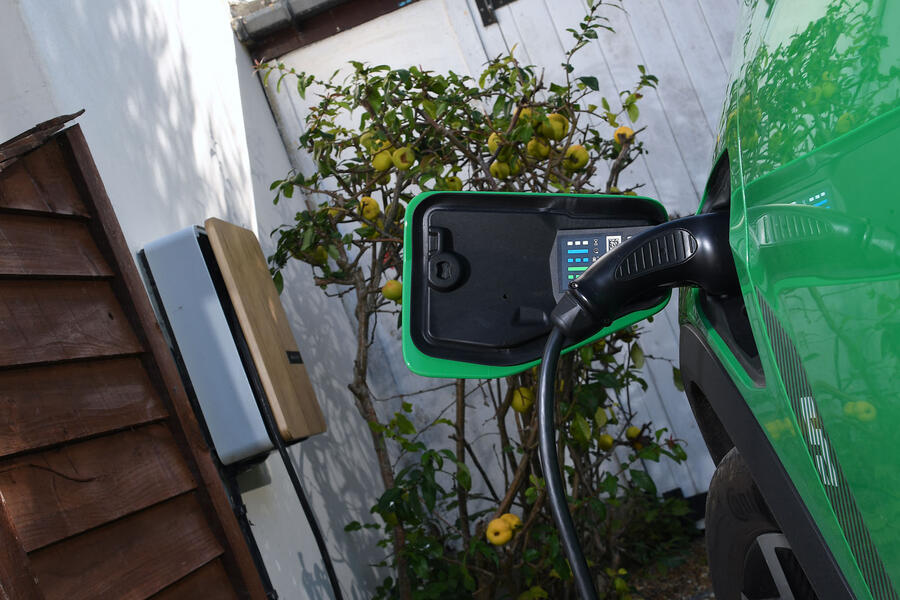
Home EV charging

Victoria Edmonds, CEO of campaign group EVA England, said the transition to EVs "cannot be fair while people pay substantially more simply because they cannot charge at home".

Edmonds highlighted "significant taxes, levies and electricity costs faced by charge point operators" as key barriers to cutting public charging costs.

Professor David Bailey of the Birmingham Business School has called VAT on public charging a "tax on circumstance". He added that it is time to "end the EV charging tax divide once and for all".

Cutting VAT on public charging has already proven contentious. In March, a tax tribunal ruled that firm Charge My Street (CMS) should have been levied at 5%, rather than 20%, as it fell under the domestic provision threshold. HMRC has appealed the decision.

The VAT issue amounts to a stick in an artillery barrage of automotive questions that the Burnham administration must answer. He has yet to directly comment on the state of motoring in the UK, but he and his ministers have hinted at continuity of Starmer-era policy while making tweaks to improve the general quality of life in the nation. Here are the key sticking points to watch for.

Back to top

Policy watch: is Burnham pro-car?

ZEV mandate

The zero-emission vehicle (ZEV) mandate remains the most pressing issue for car firms in the UK. It requires a rapid ramp-up in EV sales by manufacturers to avoid facing big fines. It was reported last month that the Sir Keir Starmer-led government was set to reduce the EV sales target for 2030 from 80% to just 50%, but it remains to be seen whether Burnham's administration will follow through on that change.

Lucy Powell, deputy leader of the Labour Party, told the BBC that Burnham would stick to the manifesto under which Starmer was elected - so changes such as the reported tweaks to the ZEV mandate are expected to remain in the offing.

Manufacturing

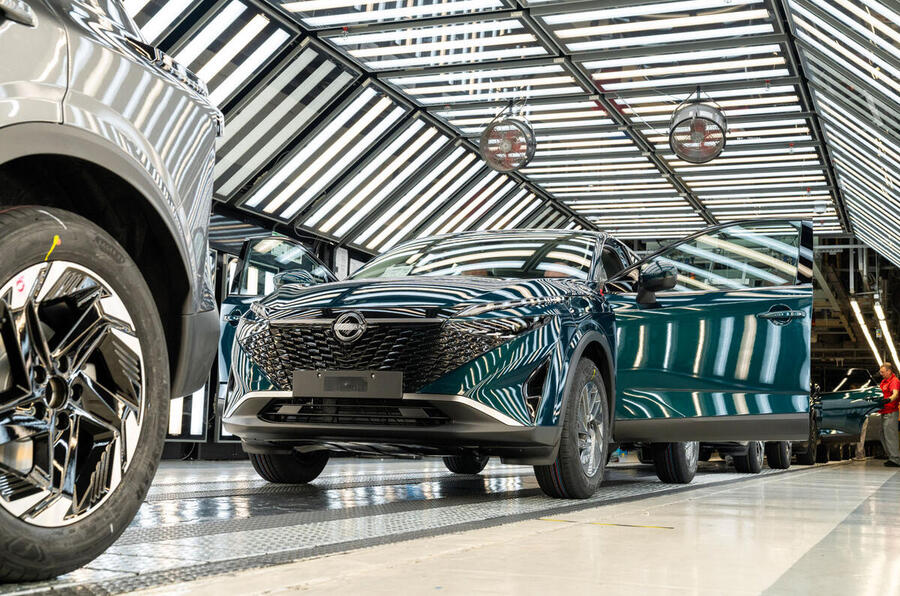
Nissan Qashqai production in Sunderland

High energy and labour costs, a downturn in the size of the domestic market and the ZEV mandate have all threatened the UK's car factories. A total of 764,715 vehicles were built in the UK last year, making it the slowest year since 1952.

The Starmer government set a goal of boosting output to 1.3 million by 2035, but this will require targeted action.

Speaking in Parliament last year, Jonathan Reynolds - who has been reappointed to his prior post of business secretary - said: "We have to be serious about making sure that the UK is the place to be a producer of vehicles."

Back to top

In his first speech as prime minister, Burnham highlighted "reindustrialising Britain" as one of his priorities.

Given cars are the UK's most valuable goods export - totalling £47.7 billion in the year ended April 2026 - this will have significant ramifications for manufacturers such as JLR, Toyota and Nissan.

EV road tax

The Treasury recently finished its consultation on the proposal of 'eVED' - a new tax on electric and plug-in-hybrid vehicles charged at 3p and 1.5p per mile driven annually, respectively. It confirmed it would go ahead with the plans as it seeks to replace lost funding from fuel duty, as a significant proportion of drivers have now made the switch to an EV.

Drivers will be allowed to estimate their own mileage within the first three years of their car's lifetime, rather than attending separate mileage checks. MOT data will be used thereafter. Extra flexibility has also been introduced for company fleets.

The Office for Budget Responsibility previously forecast that eVED would raise £1.1 billion in the 2028-29 tax year - but also said the measure may preclude 440,000 EV sales between now and March 2031.

The Society of Motor Manufacturers and Traders said the mix of eVED and the ZEV mandate is a "bitter recipe for sustaining - never mind attracting - global investment in the UK".

Safer roads

There are now more than one million potholes across the UK. The Starmer government committed £7.3 billion for roads over the next four years and pushed councils to consider longer-term preventative measures, rather than patchwork repairs. But the rot lies deeper, according to experts, and more investment is needed for a total overhaul of the road network.

Meanwhile, MPs are considering following Wales in the adoption of a default 20mph speed limit across England, highlighting the safety benefits and reduction in serious collisions.

Join our WhatsApp community and be the first to read about the latest news and reviews wowing the car world. Our community is the best, easiest and most direct place to tap into the minds of Autocar, and if you join you’ll also be treated to unique WhatsApp content. You can leave at any time after joining - check our full privacy policy here.

Charlie Martin

Charlie Martin Autocar
Title: Senior Staff Writer

Charlie plays a leading role in Autocar's coverage of new car launches and industry events. He’s also a regular contributor to its reviews and social media channels, creating content for Instagram, Tiktok, Facebook and Twitter.

Charlie joined Autocar in July 2022 after a nine-month stint as an apprentice with sister publication What Car?, during which he acquired his gold-standard NCTJ diploma with the Press Association.

He is the proud owner of a Mk4 Mazda MX-5 but still feels pangs of guilt over selling his first car, a Fiat Panda 100HP.