Currently reading: Electric Car Grant: How to save up to £3750 on these 64 new EVs

Looking to buy an EV? Here’s how you could save thousands before you even drive away

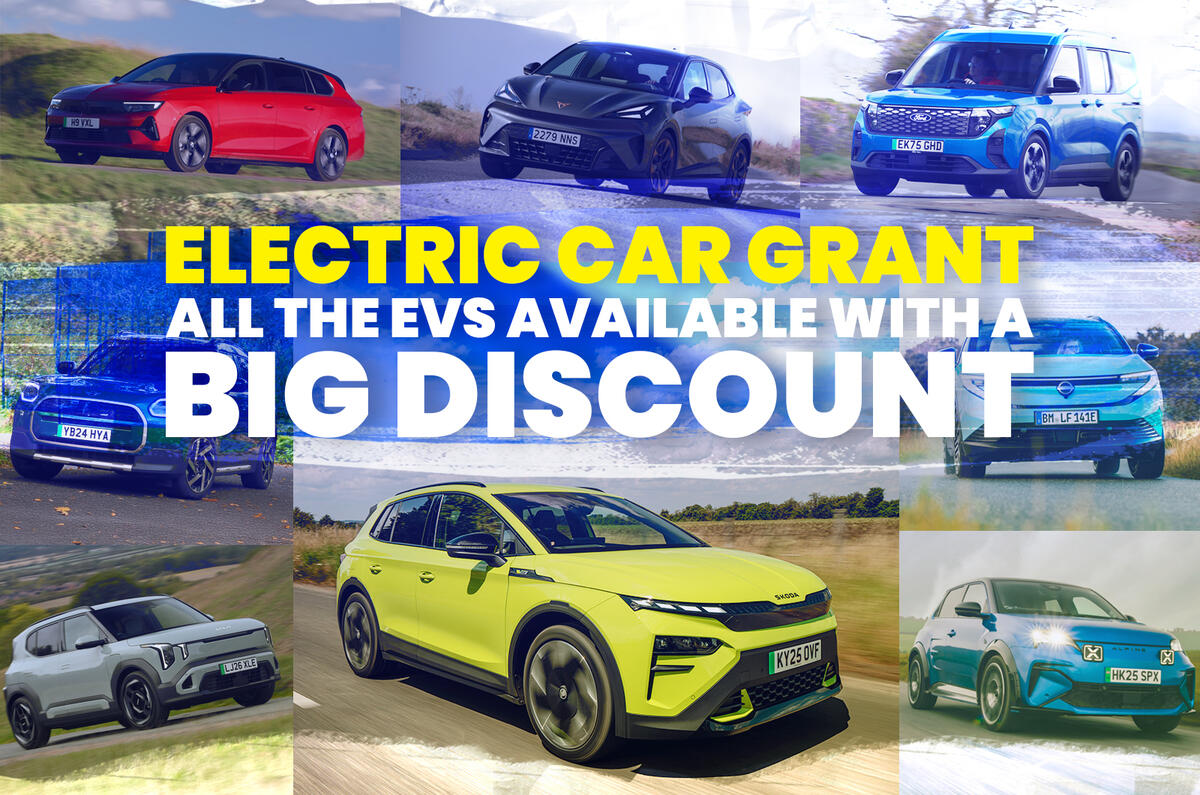
If you’re shopping for an electric car, then there’s up to £3750 of government funding to sweeten the deal – but it doesn’t apply to all models.

The UK is on course to phase out new petrol, diesel and hybrid cars by 2035, and it’s recently renewed the grant funding used to help make electric vehicles more affordable for drivers.

Financial support is nothing new. The original Plug-in Car Grant was introduced in 2011 to help bring down the cost of plug-in hybrid (PHEV), battery-electric (BEV) and hydrogen fuel cell (FCEV) cars. This had supported almost half a million purchases when it was withdrawn in June 2022.

The Electric Car Grant (ECG) picked up the baton in 2025. It’s focused on the cheaper end of the BEV spectrum and offers up to £3750 off the purchase price of selected electric cars. However, the criteria are a little more opaque than its predecessor.

Here’s what you need to know.

How do you claim the Electric Car Grant?

The scheme is operated by the Department for Transport’s Office for Zero Emission Vehicles (OZEV), and it’s designed to be as simple as possible for end-users.

If you’re buying a new EV, then the dealer (or manufacturer) applies for the grant on your behalf and deducts it from the purchase price, so there’s no additional paperwork to worry about.

Funding is also available to businesses, including leasing companies. That means fleets that lease their company cars get the funding baked into their monthly rentals. 

Those savings also benefit drivers on salary sacrifice schemes, as they’re effectively leasing a car through their employer, so they also get cheaper monthlies and potentially more cars to choose from.

However, it doesn’t affect the list price (P11D) for company car drivers, so it won’t make an impact on your benefit-in-kind (BIK) tax bills.

Given that EVs fall into the lowest BIK tax band of 4%, the grant would barely make a difference anyway.

OZEV has committed £2 billion of funding with an end date of 2028/29, but it has said that it can withdraw the scheme at any time. 
Which EVs are eligible and why?

To qualify for the grant, manufacturers are asked to submit a body of evidence to OZEV demonstrating that their cars meet specific criteria. 

Back to top

The basic requirements are:

  • Type approval as an ‘M1’ class passenger car This excludes quadricyles like the Citroën Ami and commercial vehicles such as double-cab pick-up trucks.
  • 0g/km CO2 emissions at the tailpipe This includes both BEVs and FCEVs, but no hydrogen vehicles are eligible for the ECG yet.
  • A minimum driving range of 100 miles.
  • A three-year, 60,000-mile warranty, rising to eight years or 100,000 miles on the battery (whichever is reached first in each case).
  • A recommended retail price of less than £37,000.

The big difference with the ECG is that manufacturers must also meet environmental thresholds, with the most generous funding reserved for those that are making the biggest effort to be sustainable.

OZEV demands proof that manufacturers are reducing their greenhouse gas emissions, either validated by the independent Science-Based Targets Initiative or assessed by the Transition Pathway Initiative. If the EV is built under a joint venture, then that applies to both companies involved. 

The grant also considers emissions from the production process. OZEV uses data from the International Energy Agency (IEA) to work out the greenhouse gas intensity of each country’s electrical grid, then uses this to work out the environmental impact of manufacturing the battery and assembling the EV, according to where it’s made.

Those factors are weighted unevenly; 70% from the battery and 30% from assembly, in line with the environmental impact of each part of the process. 

EVs that score well fall into Band 1 and get the full £3750 grant, while those with more carbon-heavy production process drop into Band 2 for a £1500 grant. EVs that don’t meet those requirements don’t qualify at all.

Which electric cars are eligible for the £3750 grant?

There are 17 models in Band 1, some of which are specific variants of vehicles that also appear in Band 2.

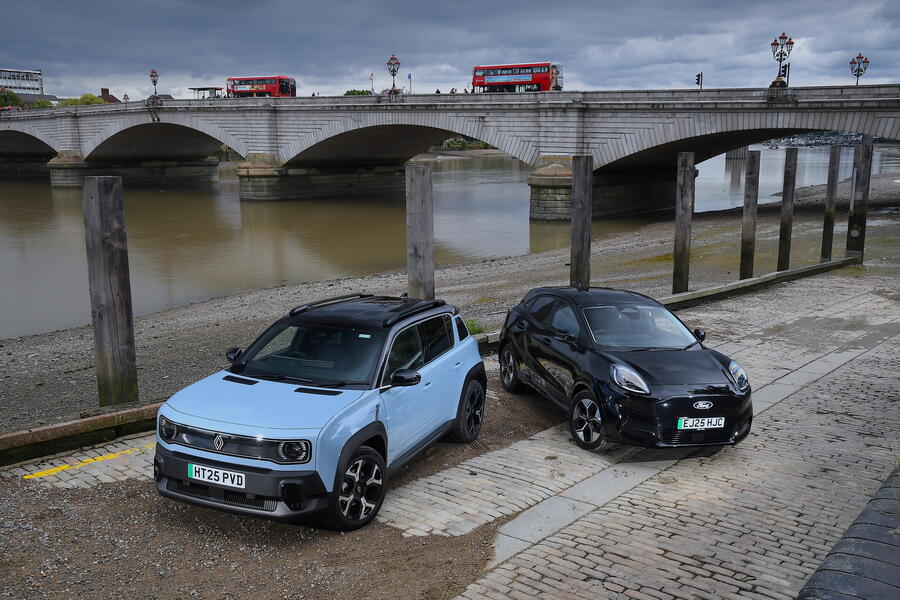
Abarth 500eAlpine A290BMW iX1BMW iX2Citroën ë-C5 Aircross Long RangeFiat 500eFord E-Tourneo CourierFord Puma Gen-EHyundai Kona ElectricKia EV2 Long RangeKia EV4Mini Countryman E/SENissan LeafNissan Micra Extended BatteryRenault 4Renault 5 Comfort RangeRenault Scenic

Back to top

Which electric cars are eligible for the £1500 grant?

Most grant-eligible vehicles fall into Band 2. There are currently 47 of them.

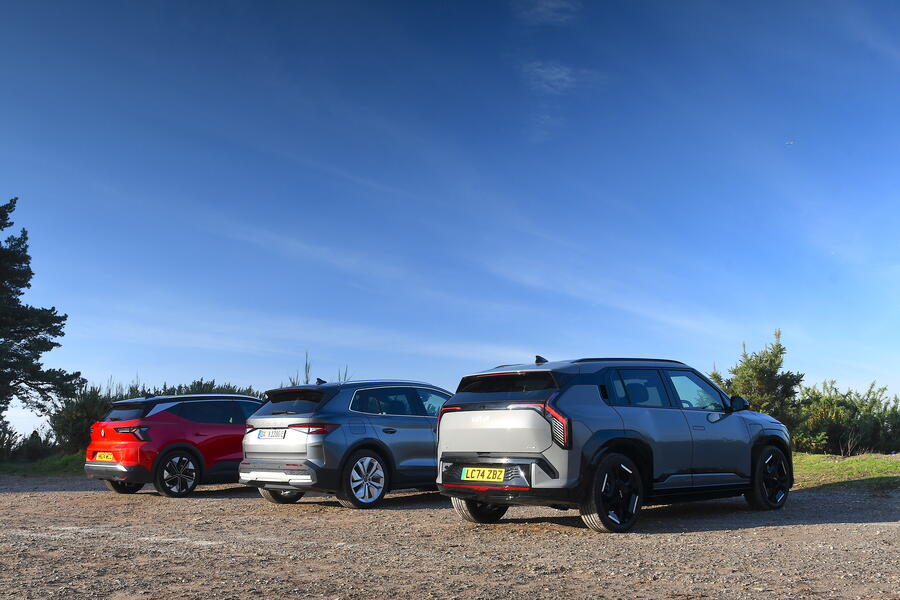
Abarth 600eAlfa Romeo Junior ElettricaCitroën ë-C3Citroën ë-C3 Aircross Citroën ë-C4Citroen ë-C4 XCitroën ë-C5 AircrossCitroën ë-BerlingoCitroën ë-SpacetourerCupra BornCupra RavalDS 3 E-TenseDS N°4Fiat 600eFord CapriFord ExplorerJeep Avenger Full ElectricJeep Compass Full ElectricKia EV2Kia EV3Kia PV5 PassengerNissan AriyaNissan Micra Standard BatteryPeugeot e-208Peugeot e-2008Peugeot e-308Peugeot e-3008Peugeot e-408Peugeot e-RifterPeugeot e-TravellerRenault 5 Urban RangeRenault Megane Skoda ElroqSkoda EnyaqSkoda EpiqToyota C-HR+Toyota Proace City VersoVauxhall Astra ElectricVauxhall Combo Life ElectricVauxhall Corsa ElectricVauxhall Frontera ElectricVauxhall Grandland ElectricVauxhall Mokka ElectricVauxhall Vivaro Life ElectricVolkswagen ID 3Volkswagen ID 4Volkswagen ID 5Volkswagen ID Polo

Back to top

How have manufacturers responded?

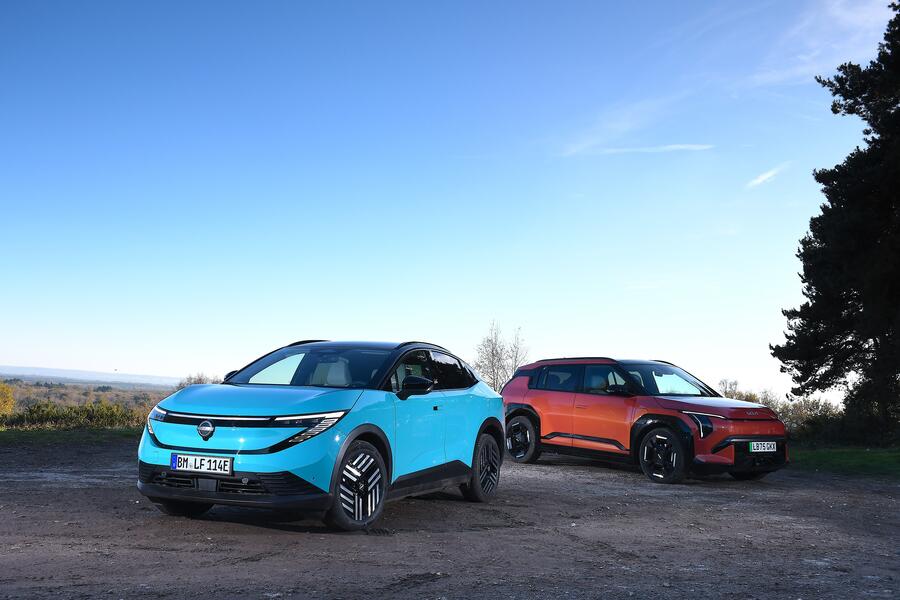
The ECG scheme has proved influential. Nissan, for example, put a European-sourced 52kWh battery into the Micra to move the longer-range version from Band 2 into Band 1.

The 40kWh version of the Micra is still in Band 2, and the less generous funding means it’s the more expensive option when compared like for like. 

Hyundai and Kia also resubmitted environmental credentials for the Kona Electric and EV4, enabling them to shift from Band 2 into Band 1. 

Several manufacturers have also price-matched the grant if their EVs aren’t eligible. Leapmotor, MG and Suzuki all offer their own ‘grants’ designed to keep them competitive with rivals. It’s a useful side effect of a scheme that’s intended to make going electric more affordable.

Join our WhatsApp community and be the first to read about the latest news and reviews wowing the car world. Our community is the best, easiest and most direct place to tap into the minds of Autocar, and if you join you’ll also be treated to unique WhatsApp content. You can leave at any time after joining - check our full privacy policy here.